27 Fairy Tales With Dark Endings Most People Never Knew
Fairy tales have always carried a certain spell — the promise that things will work out, that goodness wins, that the story ends with something warm and certain. But that version of the fairy tale is largely a modern invention, one scrubbed clean and repackaged for children’s bedrooms and animated films.
The originals were something else entirely. They were told around fires in villages where life was brutal and short, and they reflected that reality with startling honesty.
The endings people think they know — the reunions, the weddings, the happily-ever-afters — were often added later, layered over conclusions far more unsettling. What follows are 27 of those original stories, and what actually happened when the last page turned.
Cinderella

The glass slipper story ends in a wedding, sure — but in the Brothers Grimm version, the stepsisters pay a price that goes well beyond embarrassment. Birds peck out their eyes at the ceremony, leaving them blind for the rest of their lives.
The punishment isn’t incidental; it’s the whole point, a moral delivered with surgical precision.
The Little Mermaid

Hans Christian Andersen’s mermaid does not get the prince. She watches him marry another woman, turns down the option to save herself by killing him, and dissolves into sea foam at dawn.
And yet — depending on the edition — she’s offered a chance to earn a soul through three hundred years of invisible service. Not exactly the ending Disney had in mind.
Sleeping Beauty
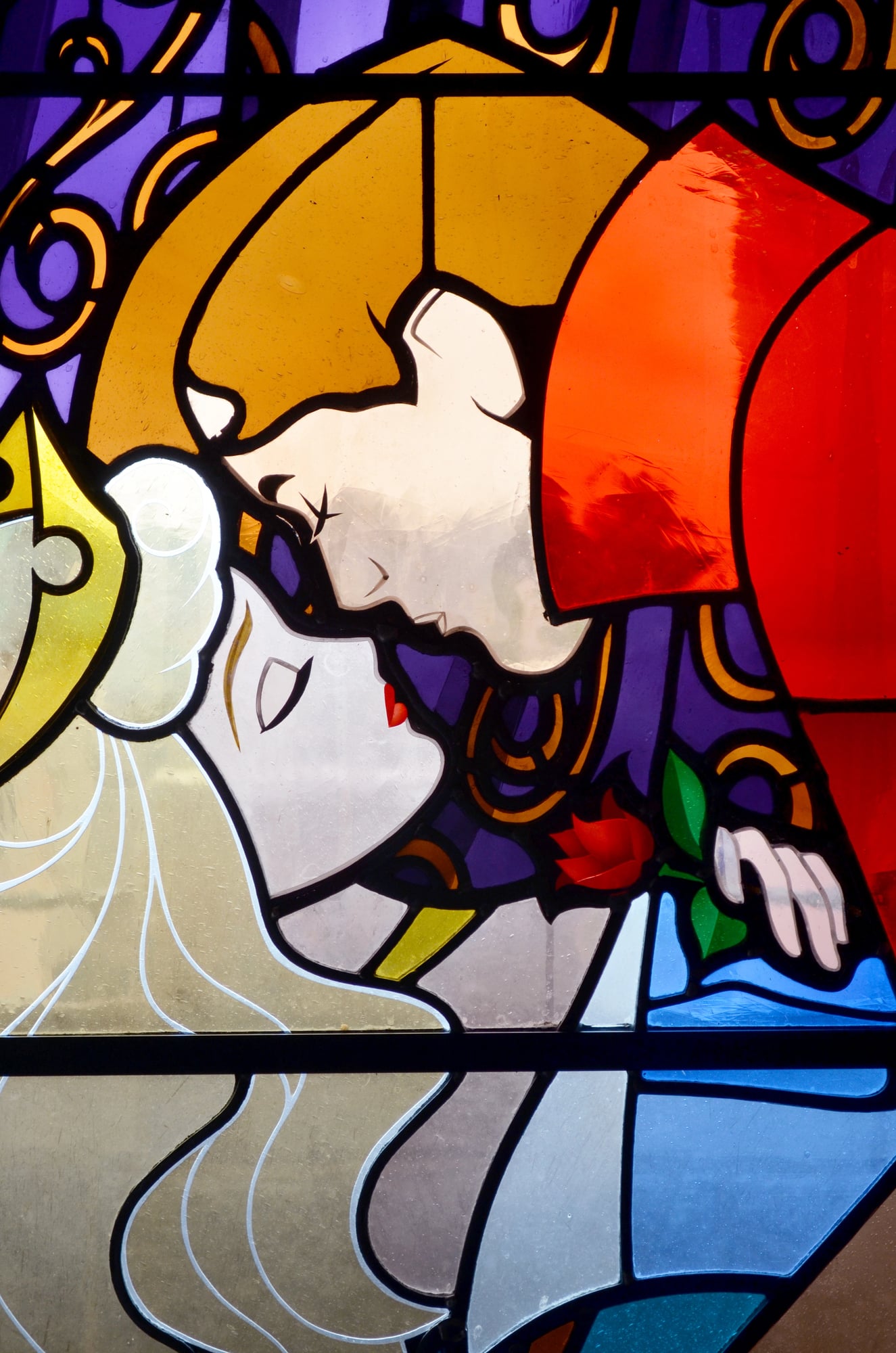
The version most people know stops at the kiss. The older Italian tale, “Sun, Moon, and Talia” by Giambattista Basile, keeps going — and keeps going into genuinely dark territory.
The prince who finds the sleeping woman doesn’t wake her with a kiss; he leaves, she bears his children while still unconscious, and the story only gets more grim from there. Charles Perrault’s later version adds a second act where the prince’s ogress mother tries to eat Sleeping Beauty and both children.
Neither version ends at the castle gates.
Rumpelstiltskin
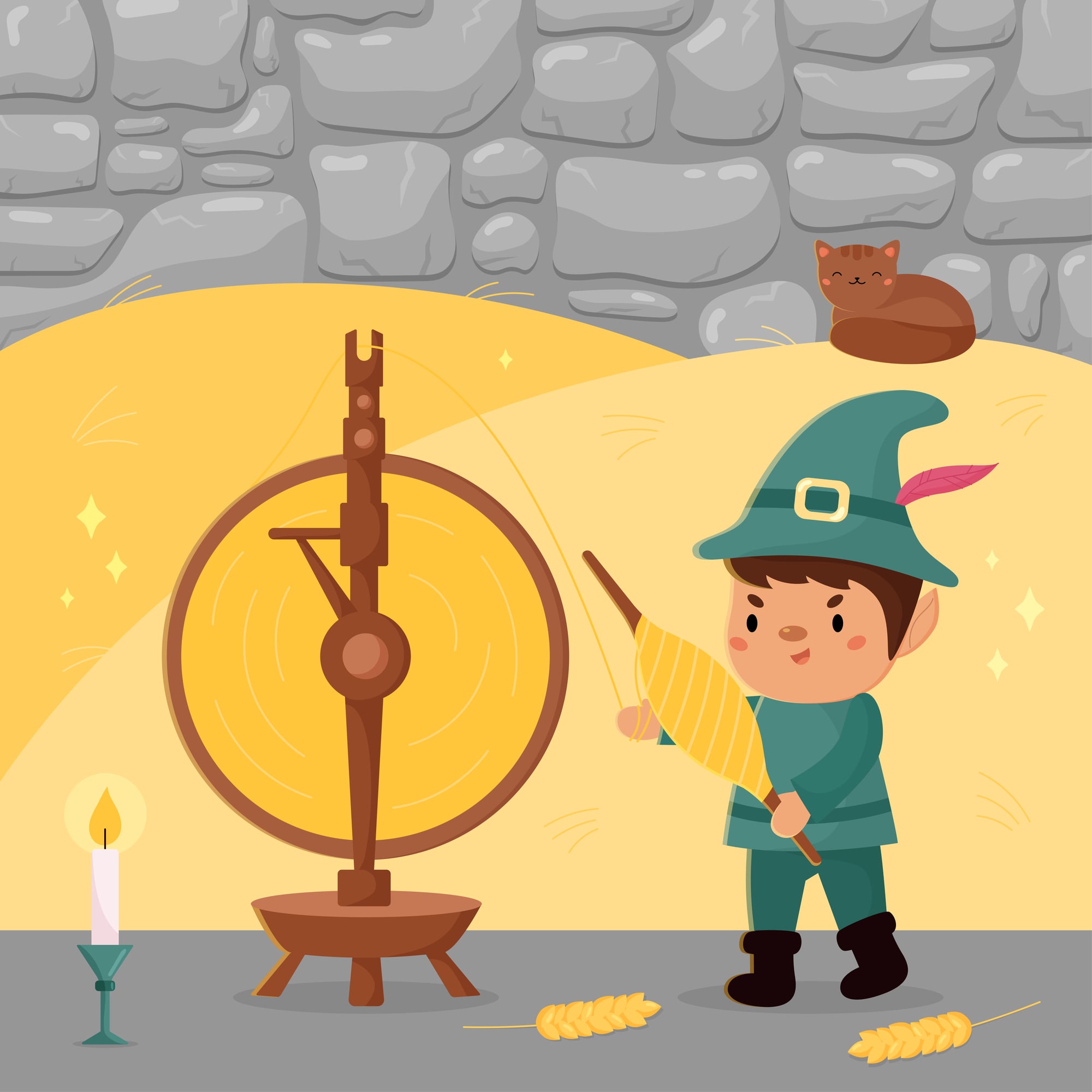
When the queen correctly guesses his name, Rumpelstiltskin doesn’t simply sulk and walk away. In the Grimm version, he tears himself in two with rage — literally rips himself apart.
Some older variants have him driving his foot so far into the ground that he can’t pull it out. Either way, it’s a violent, almost frantic ending for a character who was, after all, the only one who actually kept his promises.
The Red Shoes

This one is genuinely punishing. In Andersen’s story, a girl who wears enchanted red shoes cannot stop dancing — not at celebrations, not at funerals, not ever.
The only solution, and she requests it herself, is for an executioner to chop off her feet. The severed feet, still in the shoes, keep dancing away on their own.
She eventually reaches heaven, but the road there is spectacularly cruel.
Hansel And Gretel
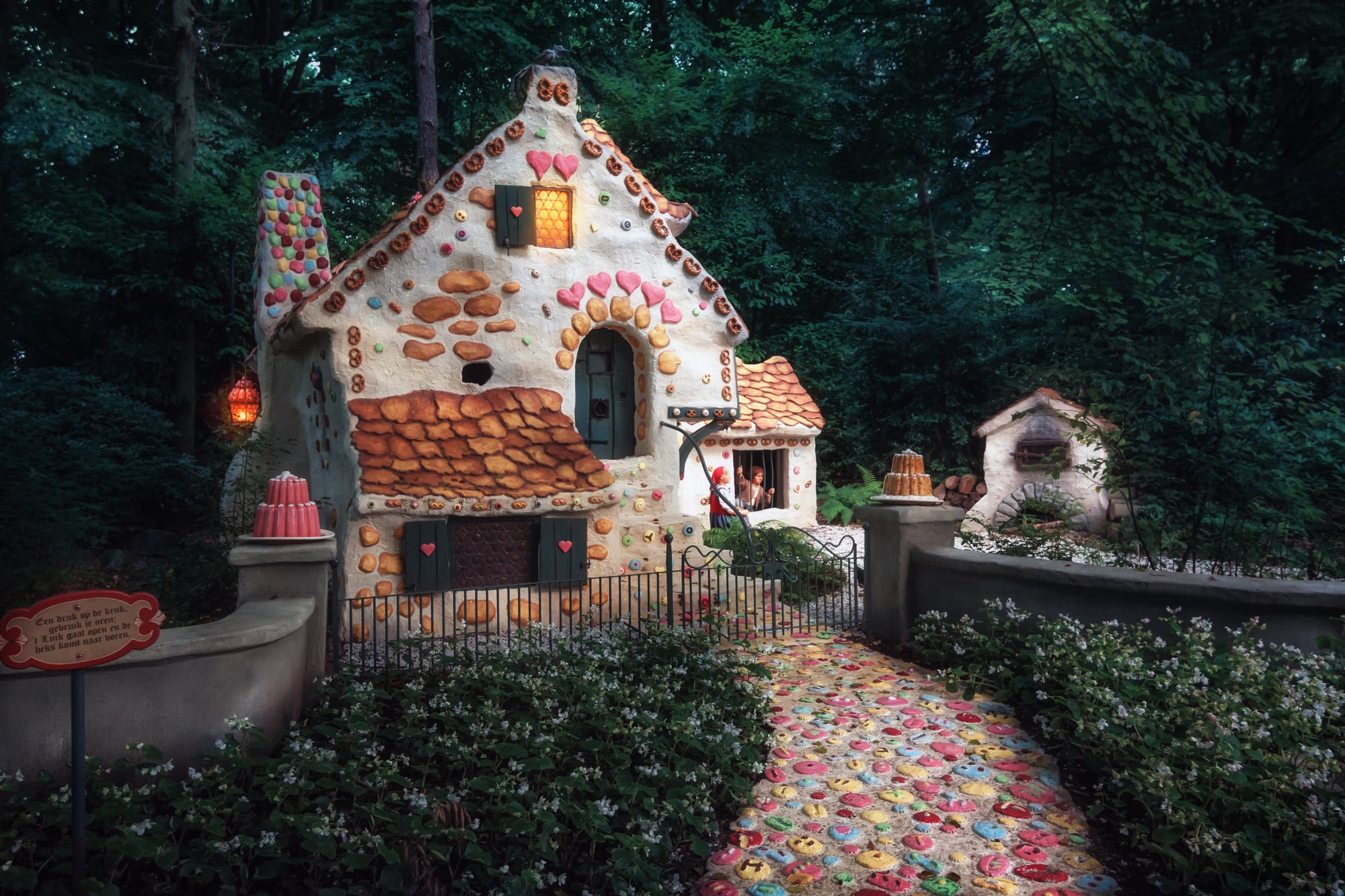
The witch gets shoved into the oven, the children escape, and the stepmother — who had abandoned them in the woods — dies at the exact moment the witch burns. That’s a neat piece of symbolic justice, but the original ending is strangely flat given what preceded it.
The father, who went along with abandoning his children twice, is welcomed back warmly. He suffers nothing.
The story just closes around him like nothing happened.
Snow White

In the Grimm version, the Evil Queen is punished at Snow White’s wedding by being forced to dance in red-hot iron shoes until she dies. Not forgiven.
Not imprisoned. Made to dance in burning metal until her body gives out.
Snow White watches. The story presents this as a satisfying conclusion, and the tone doesn’t even flinch.
Bluebeard
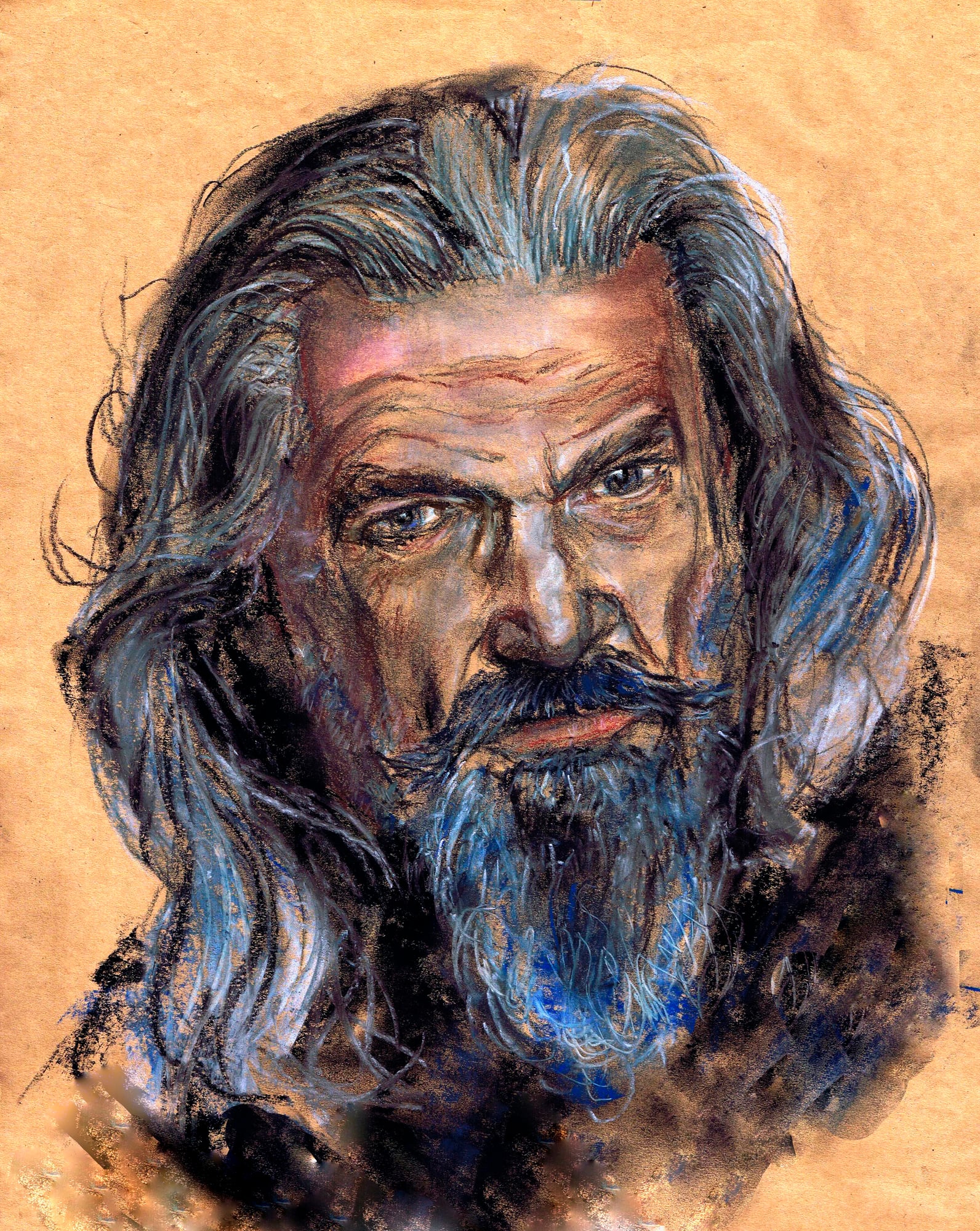
This tale — most associated with Charles Perrault — ends with the wife surviving after her brothers kill Bluebeard just in time. But survival doesn’t erase what she found in that locked room: the bodies of every previous wife.
She remarries, uses his money well, and the story calls it a happy ending. What it glosses over is the particular weight of knowing exactly what kind of man she almost didn’t escape.
The Juniper Tree

This one is a Brothers Grimm story that doesn’t get much mainstream attention, and that’s probably because it’s genuinely harrowing. A stepmother kills her stepson, cooks him into a stew, and feeds him to his father — who enjoys the meal.
The boy’s sister collects his bones, a bird emerges from them, the bird drops a millstone on the stepmother’s head, and the boy is restored. The father, again, suffers no consequences whatsoever.
Allerleirauh

Also called “All-Kinds-of-Fur,” this Grimm story begins with a king who, after his wife dies, decides to marry his own daughter because she’s the only person beautiful enough to meet the standard his late wife set. The daughter escapes by demanding three impossible dresses and a cloak made of every kind of fur, stalling until she can flee.
The story ends happily for her — she marries a different king — but it starts in a place most retellings quietly skip.
The Girl Without Hands

A father, tricked by the devil, accidentally promises his daughter away. When the devil arrives to collect her, her purity foils him — so the devil demands her hands be cut off instead, and the father complies.
She survives, grows silver hands through faith, and eventually finds peace. But the image of a father amputating his daughter’s hands because a deal went wrong is not one the sanitized fairy tale tradition tends to preserve.
The Little Match Girl

Andersen again, and this one doesn’t hide anything. A barefoot girl on New Year’s Eve lights her matches one by one in the cold, seeing visions of warmth, food, and her dead grandmother in each flame.
She dies in the street overnight, frozen, and the story describes her death as a kind of mercy — she’s with her grandmother now, in a better place. The people who find her body in the morning have no idea what she saw.
That gap between what she experienced and what they’ll ever know is where the real sadness lives.
Fitcher’s Bird

A variation on the Bluebeard theme from the Grimm collection, this one ends with the murderous sorcerer burned alive inside his own house along with all his wedding guests. The heroine orchestrates it.
The tone is almost triumphant — but the death count at the end of the “happy” version is considerable, and nobody in the story seems particularly troubled by that.
The Robber Bridegroom
A girl discovers her fiancé is a cannibal who murders and eats young women in a house deep in the forest. She hides behind a barrel and watches it happen.
At the wedding, she tells the story as if it were a dream — then produces the murdered girl’s finger as proof. The bridegroom and his gang are executed.
It ends with justice, technically, but it’s the kind of justice that requires you to sit very still behind a barrel and watch something you can never forget.
Godfather Death

A poor man makes Death the godfather of his thirteenth child, and Death rewards the boy with the ability to see who will live and who will die. The boy becomes a famous doctor, cheats Death twice for love, and Death — entirely without drama — takes him underground and snuffs out his candle.
The king’s daughter he saved, the fortune he earned, the life he built: none of it matters in the end. Death keeps its word with indifferent precision.
The Pied Piper Of Hamelin

The town of Hamelin refuses to pay the Piper after he clears their rat infestation. So he plays a different tune, and 130 children follow him into a mountain that closes behind them.
They’re never seen again. The one child left behind was lame and couldn’t keep up — depending on the version, another was deaf and another was blind.
The town erected a stone to commemorate the loss. The mayor apparently never paid the bill.
The Boy Who Left Home To Find Out About The Shivers

This one is odd rather than tragic — a boy who cannot feel fear wanders through genuinely horrifying encounters (corpses, demons, haunted castles) completely unmoved, because something in him just doesn’t register dread. He marries a princess, accumulates wealth, and still doesn’t know what “the creeps” feel like.
His wife eventually solves it by dumping a bucket of cold water and minnows on him while he sleeps. That’s what finally does it.
The horror was never the point — the punchline was.
The Worn-Out Dancing Shoes
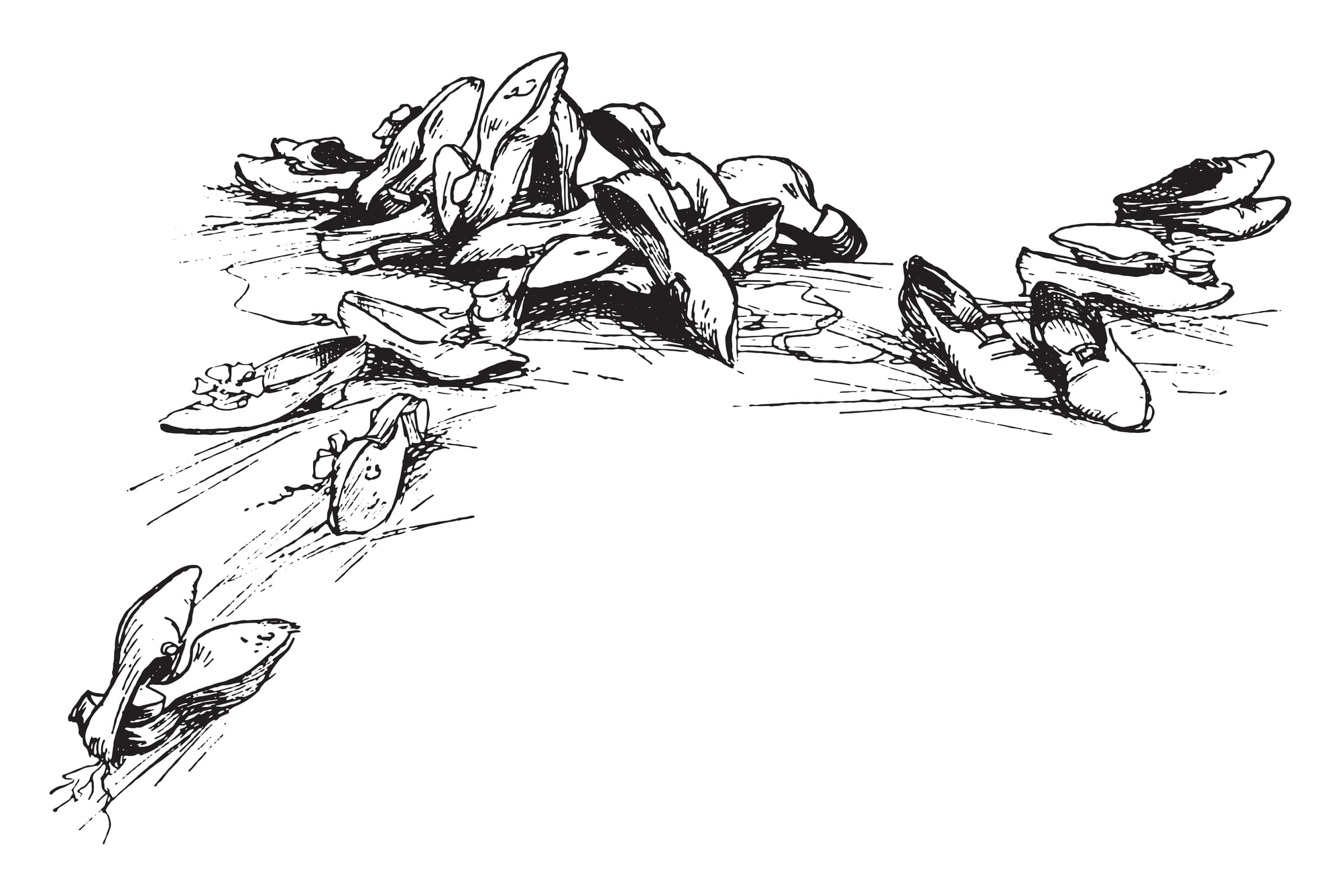
Also called “The Twelve Dancing Princesses,” this one ends with the oldest princess given to the soldier who solved the mystery — because he’s of suitable age, and that’s how marriages worked in the story’s logic. The underground prince who loved her and danced with her every night is cursed to lose one night of his life for each night they danced.
He doesn’t get a say. The princesses are punished by losing the one thing they treasured, and nobody asks why they were sneaking out in the first place.
East Of The Sun And West Of The Moon

This Norwegian tale ends happily, but the path there is extraordinary — a girl travels to the ends of the earth, completes three impossible tasks, and rescues her bear-prince from a troll castle. What doesn’t get mentioned often is the bear: he was cursed to spend his nights as a human, and she destroyed his chance at breaking the spell by looking at him with a candle while he slept.
The whole ordeal that follows is, technically, her fault. The story forgives her, but it doesn’t forget to mention it.
Brother And Sister

In this Grimm tale, a brother is transformed into a deer after drinking from a cursed stream, and his sister carries him through forests and poverty until she eventually marries a king. A wicked witch kills the queen and replaces her with her own daughter.
The queen’s ghost returns nightly to nurse her baby. When the king finally catches her ghost-form and holds on, she returns to life, the witch is burned, and the brother regains his human shape.
It ends well — but only after the heroine spends a significant portion of the story dead.
Donkeyskin

Another Perrault tale that begins with a king who wants to marry his daughter. She flees disguised in a donkey’s skin, finds a new kingdom, and eventually marries a prince.
The original ending — depending on the version — has her father arrive at the wedding and approve the match, which means she has to sit across a table from him at her own wedding dinner. The story calls this reconciliation.
It’s a complicated word for what’s being described.
The Singing Bone

Two brothers go to hunt a boar terrorizing the kingdom; the younger one kills it but is murdered by the older brother, who takes the credit and wins the princess. Years later, a shepherd finds a bone near the river and carves it into a flute — and the flute sings the truth of the murder.
The older brother is drowned in a sack. The princess, it should be noted, never actually gets to know which man she was married to all along.
The Salad

A Grimm story in which a huntsman gets his hands on a magic hat that can transform people, and uses it to humiliate a countess and her maidservant after they trick him. He forces the maidservant to work as a scullery maid, turns the countess into a donkey, and the story ends with him deciding — after sufficient humiliation — to forgive her and marry her.
The ending is presented as generous. It isn’t entirely clear the countess would agree.
The Three Snake Leaves

A man earns the ability to resurrect the dead after burying three magical snake leaves on a corpse. He uses this power to resurrect his wife after she dies.
She then falls in love with a ship’s captain, poisons her husband, and has him thrown overboard. His servant resurrects him using the same leaves.
The king — her father — has both the wife and the captain drowned in a ship with openings bored through the hull. She is executed by her own father for what she did to the man who once brought her back from death.
The Death Of Koschei The Deathless

In Slavic tradition, Koschei the Deathless cannot be killed by ordinary means because his soul is hidden inside a needle, inside an egg, inside a duck, inside a hare, inside a chest, buried under an oak tree on an island. The hero finds the needle anyway and breaks it, and Koschei dies.
The princess is freed. But Koschei’s whole existence — an immortal creature who went to extraordinary lengths just to survive — ends with someone snapping a needle.
There’s something quietly terrible about that, even if he was the villain.
Kate Crackernuts

This Scottish tale is one of the few in which the heroine acts entirely on her own initiative and faces no punishment for her cleverness. She breaks a curse on a prince, and her stepsister — who had her own head replaced with that of a sheep by a fairy queen — has the curse lifted.
Both sisters marry princes. It ends well.
But the image of a girl wandering through the first half of the story with a sheep’s head on her shoulders, treated matter-of-factly by everyone around her, is one of the stranger things folk tradition produced.
Allerleirauh (The Robber Maiden’s Version)

In some regional Scandinavian variants, the girl who escapes her father’s intentions finds herself in the woods, is taken in by robbers, and survives through a combination of wit and self-reliance — only to discover, at the story’s end, that the prince who recognizes her had been searching not out of love, but because she stole a valuable ring from the palace kitchen when she fled. The marriage still happens.
The story just doesn’t pretend the motivation was entirely romantic.
When The Story Remembers What We Forgot

There’s a reason the sanitized versions stuck. They’re easier to hand to a child, easier to end on a note that feels like resolution.
But something gets lost when the darkness is trimmed away — not because darkness is valuable for its own sake, but because these original stories were doing something real. They were maps for navigating a world where fathers made terrible choices, where love didn’t always save anyone, where even justice arrived wearing a brutal face.
The versions you grew up with gave you the destination. The originals gave you the terrain.
Both matter — but only one of them was honest about how hard the road actually was.
More from Go2Tutors!

- The Romanov Crown Jewels and Their Tragic Fate
- 13 Historical Mysteries That Science Still Can’t Solve
- Famous Hoaxes That Fooled the World for Years
- 15 Child Stars with Tragic Adult Lives
- 16 Famous Jewelry Pieces in History
Like Go2Tutors’s content? Follow us on MSN.