25 Monuments That Were Torn Down and the Controversial Reasons Behind Their Removal
Monuments are political objects. That’s not an accusation — it’s a description of what they’re for.
A statue in a public square isn’t a neutral historical record. It’s a community’s statement about who deserves to be remembered, held up, and emulated.
When the community’s understanding of that question changes — when the values it thought it shared turn out to be more contested than the original commission acknowledged — the monument becomes a problem. Some of those problems get solved quietly, through official committees and city council votes.
Others get solved in the street, with ropes and crowds and the particular kind of collective anger that doesn’t wait for a committee. Here are 25 monuments that came down, and the arguments — still unresolved in many cases — about whether they should have.
The Statue of Saddam Hussein, Baghdad (2003)
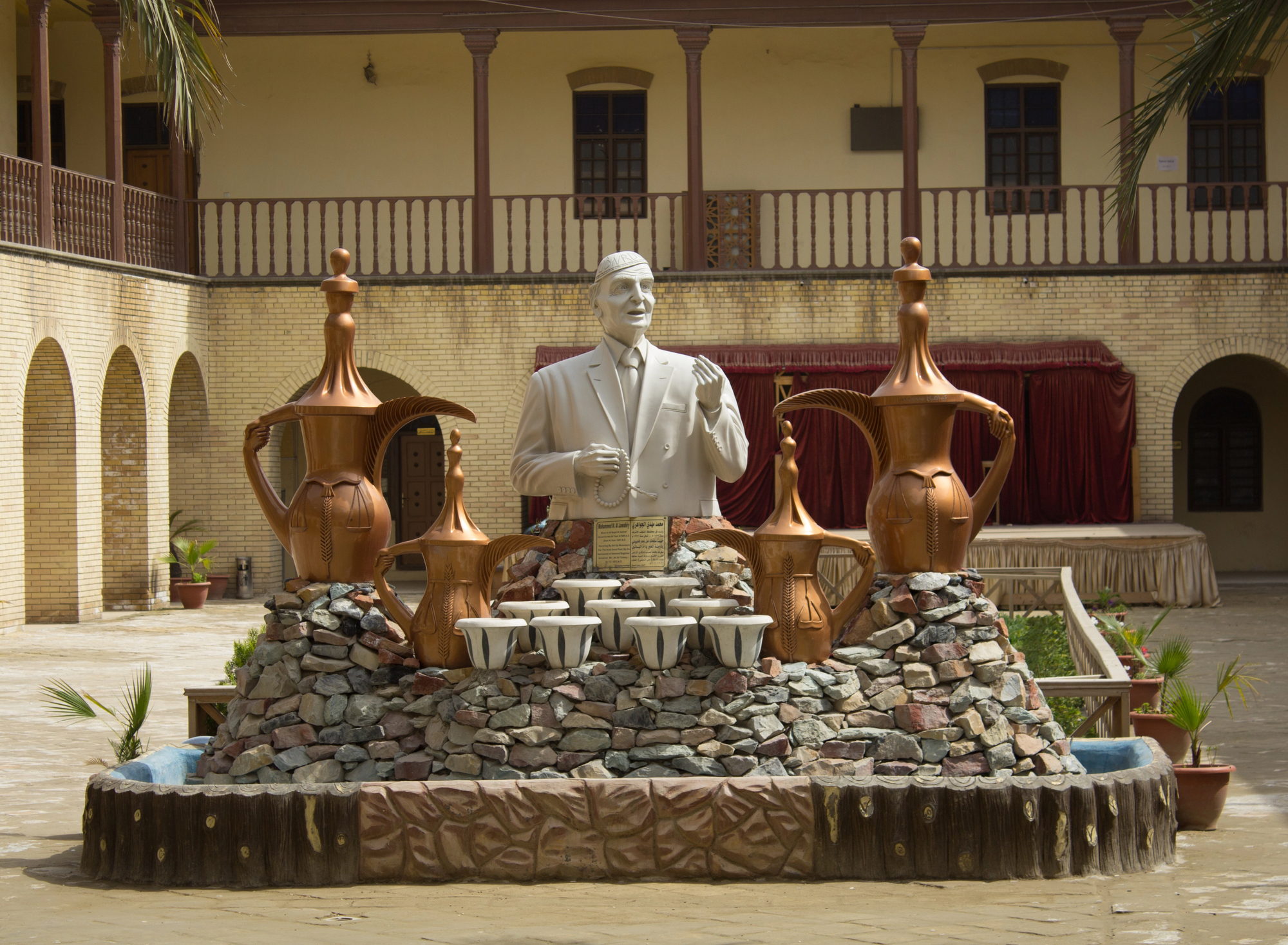
The footage of U.S. Marines and Iraqi civilians pulling down Saddam Hussein’s statue in Firdos Square on April 9, 2003 was broadcast globally and became the defining image of the invasion’s first phase. Later reporting complicated the picture: the crowd was smaller than the tight camera angles suggested, and some of the participants had been brought to the square in organized fashion.
But the symbolic act — a dictator’s image dragged to the ground — was real, and the debate about whether it represented genuine popular liberation or a staged media moment has never been fully settled.
Confederate Monuments Across the American South (Various Dates)
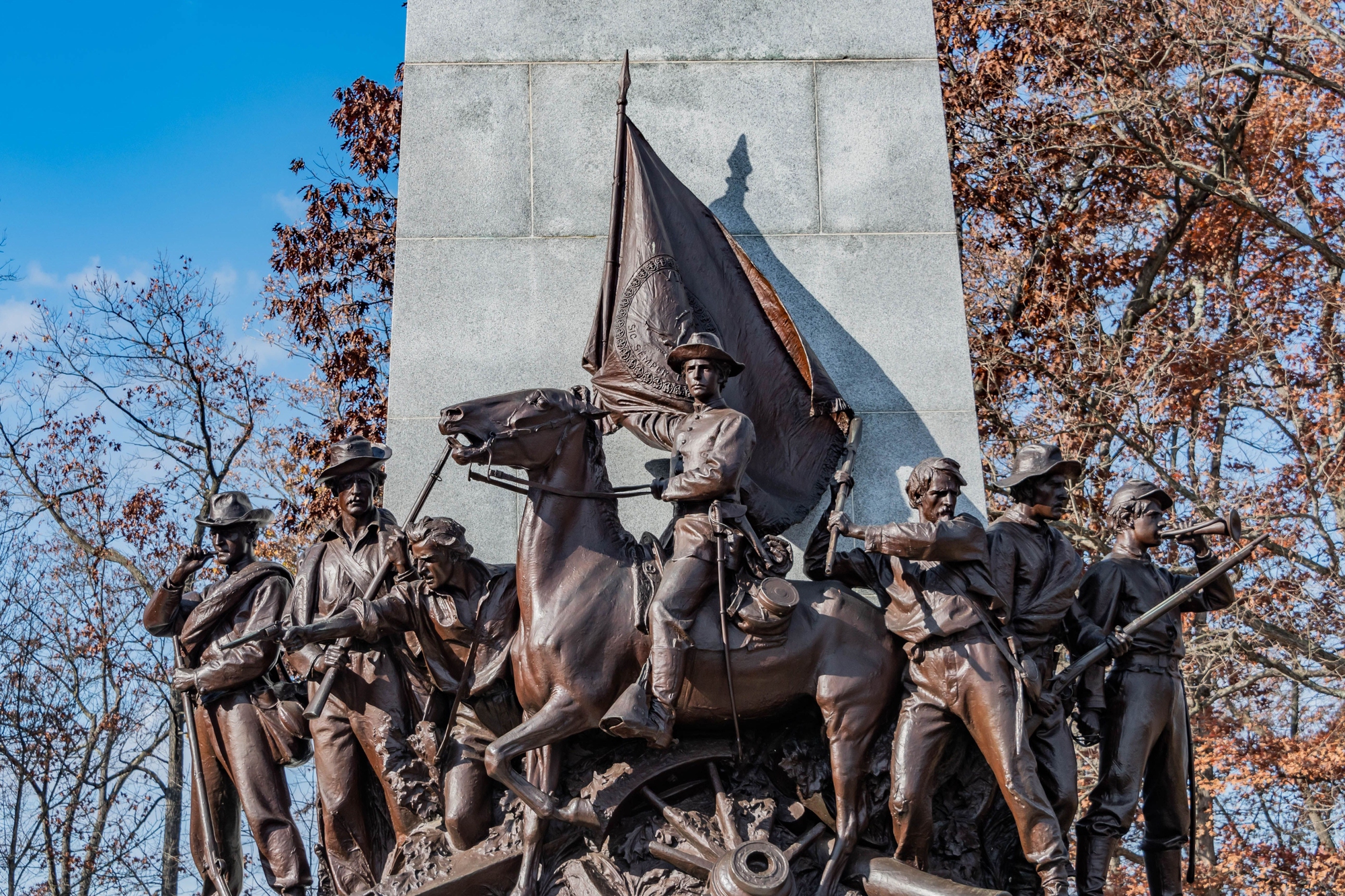
More than 160 Confederate monuments were removed from public spaces in the United States between 2015 and 2022, accelerating dramatically after the killing of George Floyd in 2020. The historical argument for their removal rests on documented evidence: most Confederate monuments weren’t built immediately after the Civil War as memorials to the dead, but during two later periods — the Jim Crow era of the late 19th and early 20th centuries, and the Civil Rights era of the 1950s and 60s — when their explicit purpose was the intimidation of Black Americans and the assertion of white political dominance.
The argument against their removal rests on concerns about historical erasure and the precedent of crowd-driven iconoclasm. Both arguments are real. The monuments’ original purposes, however, are documented, not speculated.
Edward Colston, Bristol, UK (2020)
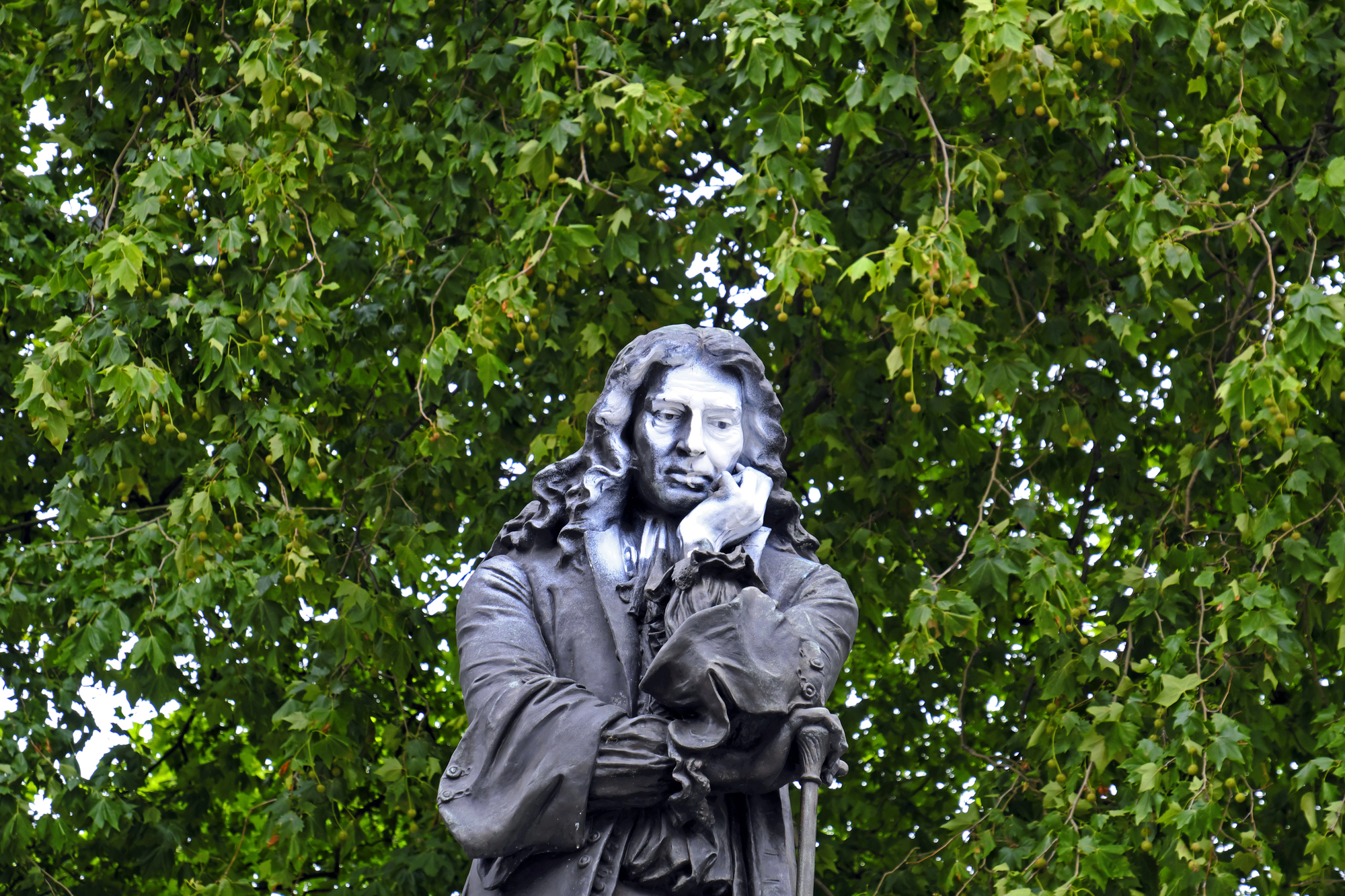
On June 7, 2020, protesters in Bristol pulled down the statue of Edward Colston — a 17th-century merchant and slave trader responsible for the transportation of approximately 84,000 enslaved Africans, of whom around 19,000 died during the crossing — and threw it into the Bristol Harbour. Colston had been honored in Bristol for his philanthropic donations to the city, and campaigns to add an explanatory plaque to the statue had been ongoing for years without resolution.
Four people were charged with criminal damage and acquitted by a jury in 2022. Bristol City Council later announced plans for a new public art commission in the same location.
Robert E. Lee, Richmond, Virginia (2021)
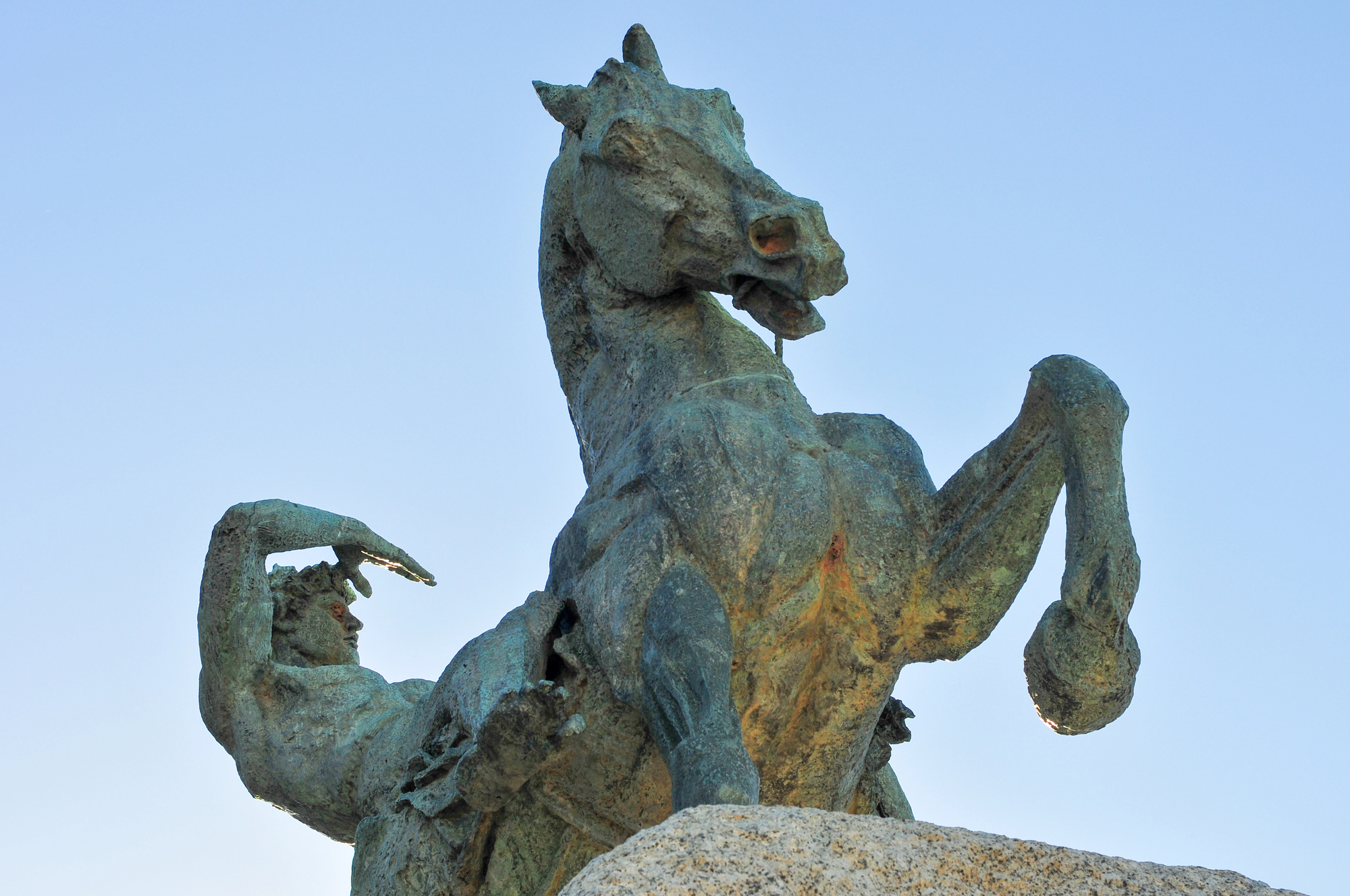
The equestrian statue of Confederate General Robert E. Lee on Monument Avenue in Richmond, Virginia — the former capital of the Confederacy — was removed on September 8, 2021, following a Virginia Supreme Court ruling that affirmed the governor’s authority to remove it. The statue had stood since 1890 and was the largest of five Confederate monuments on the avenue.
The copper time capsule found inside the pedestal contained Confederate-era artifacts. A new time capsule installed in its place contained items including a copy of a Pulitzer Prize-winning poetry collection by a Native American poet — a deliberate comment on what the space was now meant to represent.
Cecil Rhodes, Cape Town, South Africa (2015)
The statue of Cecil Rhodes on the grounds of the University of Cape Town was removed in April 2015 following weeks of student protests under the banner #RhodesMustFall. Rhodes was a 19th-century British imperialist who colonized vast areas of southern Africa, founded the De Beers diamond company, and held explicitly white supremacist views about the inferiority of African peoples.
The UCT removal sparked similar campaigns at Oxford’s Oriel College, where Rhodes attended university and where his statue remains as of 2026, the subject of ongoing dispute between the college, its donors, and student campaigners.
Statues of Lenin Across Eastern Europe (1989–1991)
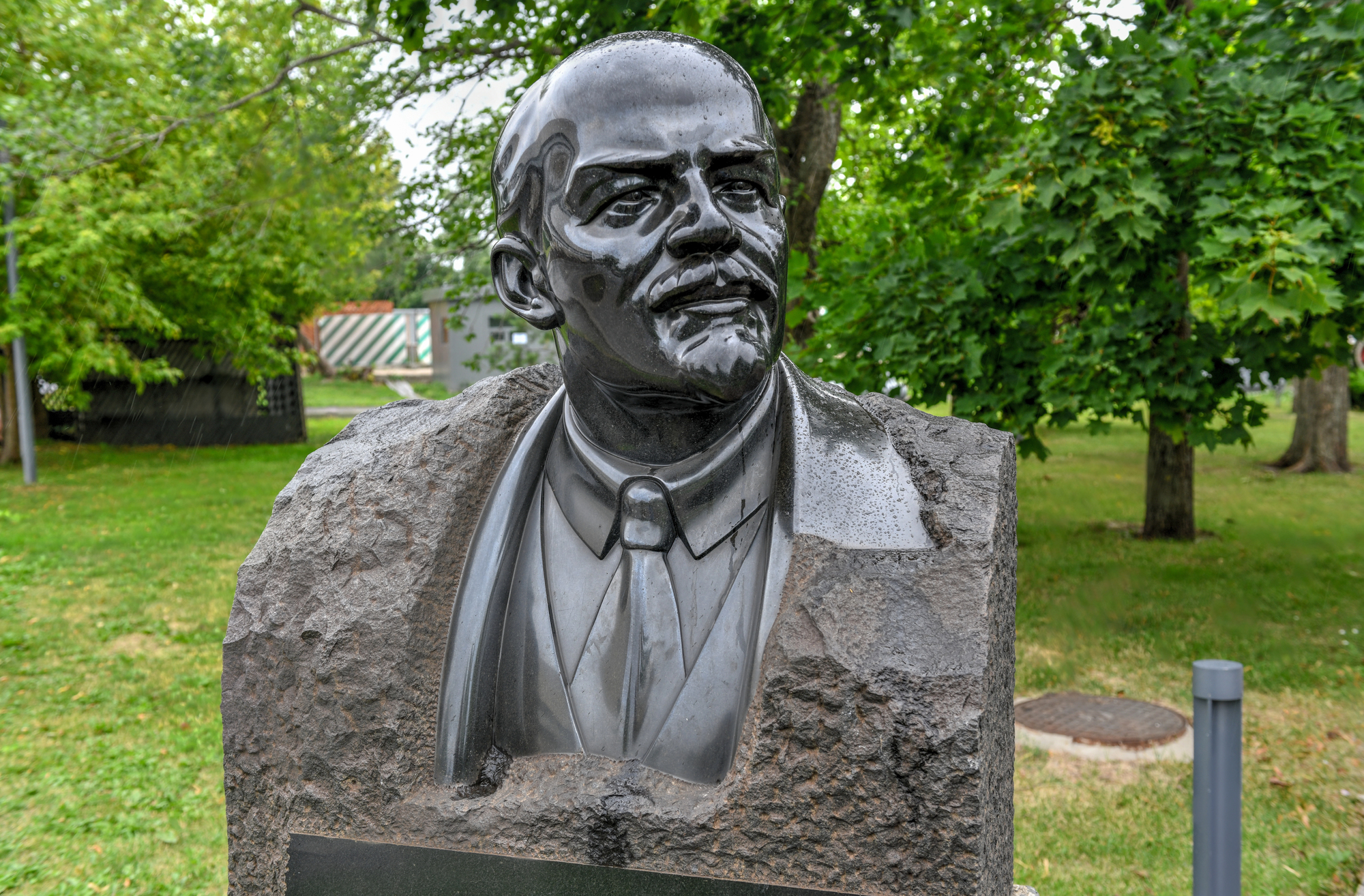
As communist governments fell across Eastern Europe between 1989 and 1991, statues of Lenin were pulled down in their hundreds — in Hungary, Romania, Poland, the Baltic states, and eventually across the former Soviet republics. In most cases the removal was celebrated; in some countries there was resistance from those who felt the changes were moving too fast.
A notable later controversy arose in Ukraine, where the campaign of “Leninfall” from 2013 onward toppled hundreds of remaining Lenin statues following the Euromaidan revolution — a process that was legislatively mandated by a 2015 decommunization law. Russia cited the removal of Soviet monuments as evidence of Ukrainian nationalism; Ukraine cited their presence as evidence of continued Soviet influence.
The Vendôme Column, Paris (1871)
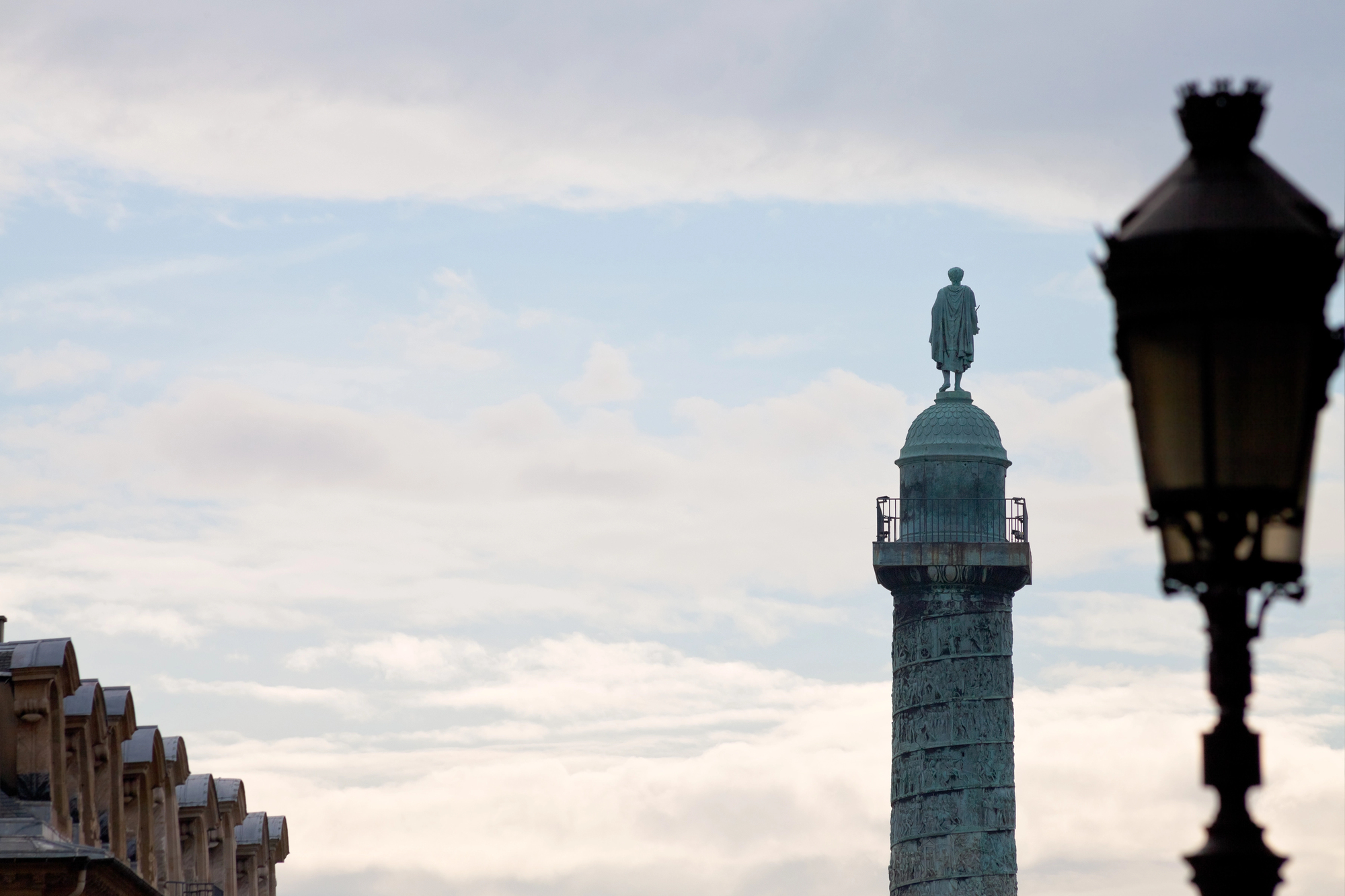
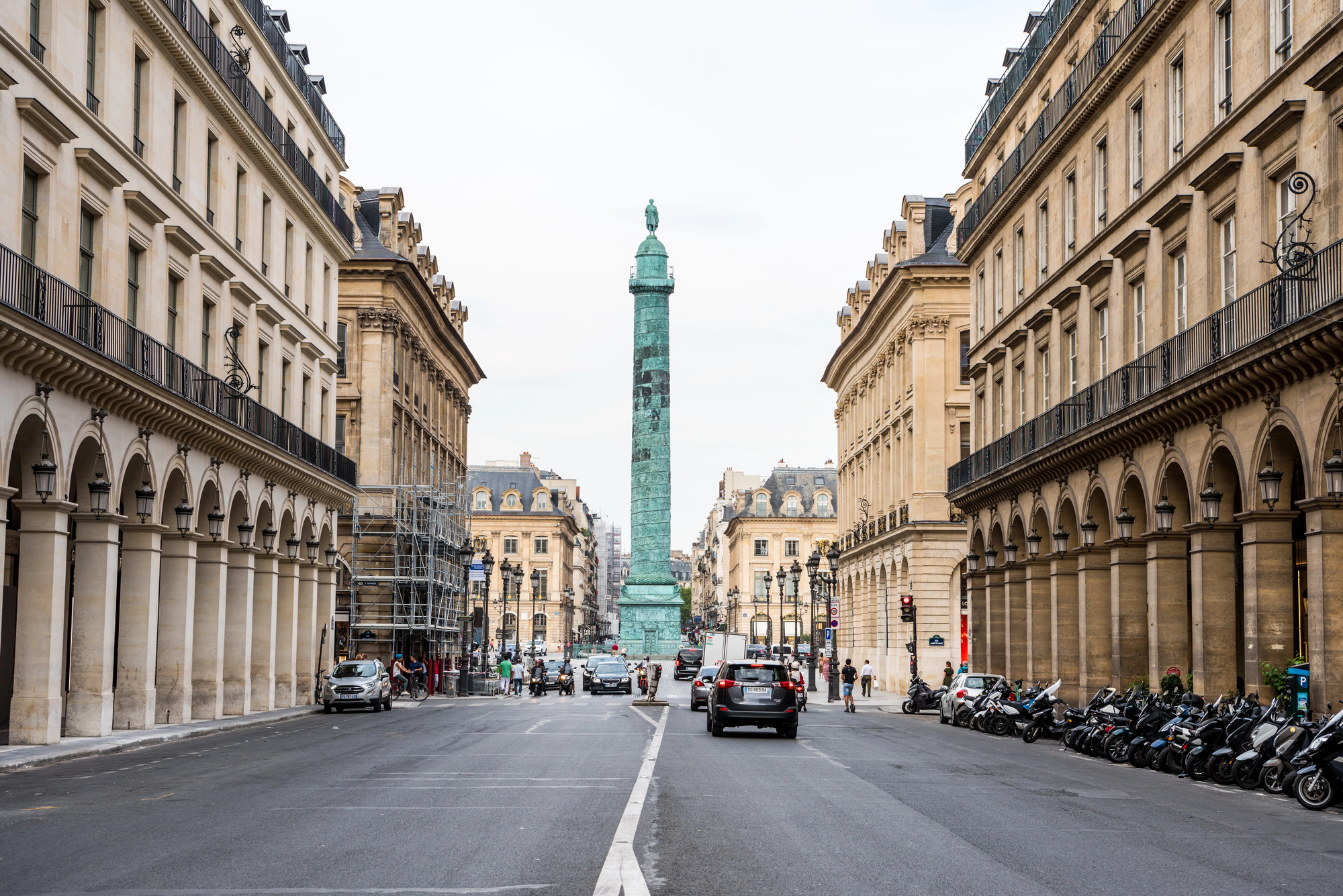
During the Paris Commune of 1871, the Vendôme Column — a monument to Napoleon I topped with a statue of the emperor — was pulled down at the direction of the painter Gustave Courbet, who believed it represented militarism and was an insult to the French people. When the Commune was suppressed by government forces, Courbet was held responsible for the column’s destruction and ordered to pay for its reconstruction — a bill estimated at 323,000 francs, which would have bankrupted him.
He fled to Switzerland and died in 1877 before the payments began. The column was rebuilt. The argument about what it represents hasn’t stopped.
Christopher Columbus Statues Across the Americas (2020)
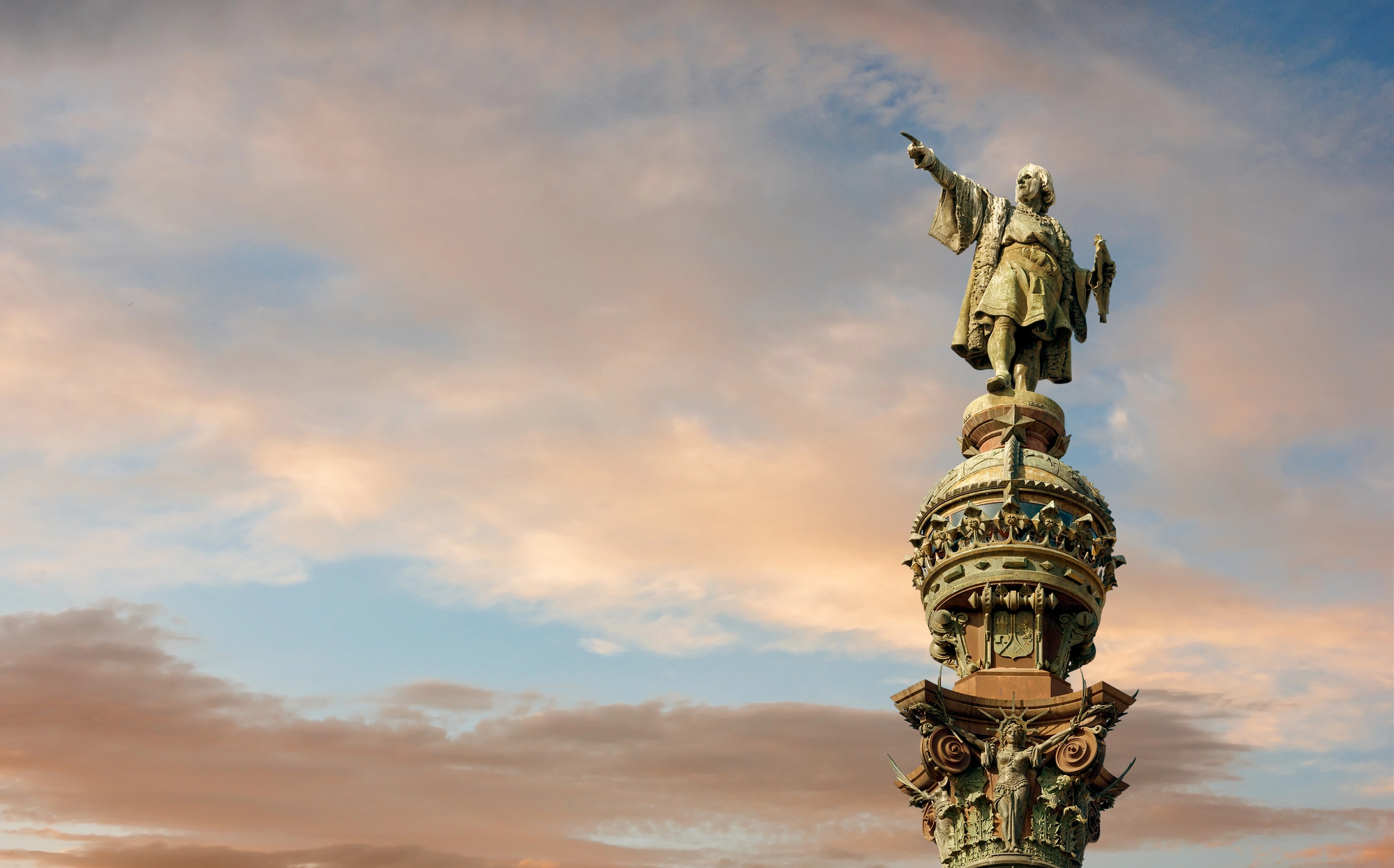
Hundreds of Christopher Columbus statues were targeted, removed, or defaced during the 2020 protests across North and South America. The arguments are layered: Columbus’s voyages began a process of colonization and enslavement that devastated Indigenous populations across the Americas; his personal participation in atrocities against the Taíno people of the Caribbean is documented.
Counter-arguments from Italian-American communities in particular held that the statues represented their own community’s history of inclusion and recognition in American civic life — a history that didn’t begin with Columbus’s actions but that attached itself to his symbolic presence. Both histories are real. They simply don’t agree on what the statue was for.
King George III Statue, New York City (1776)
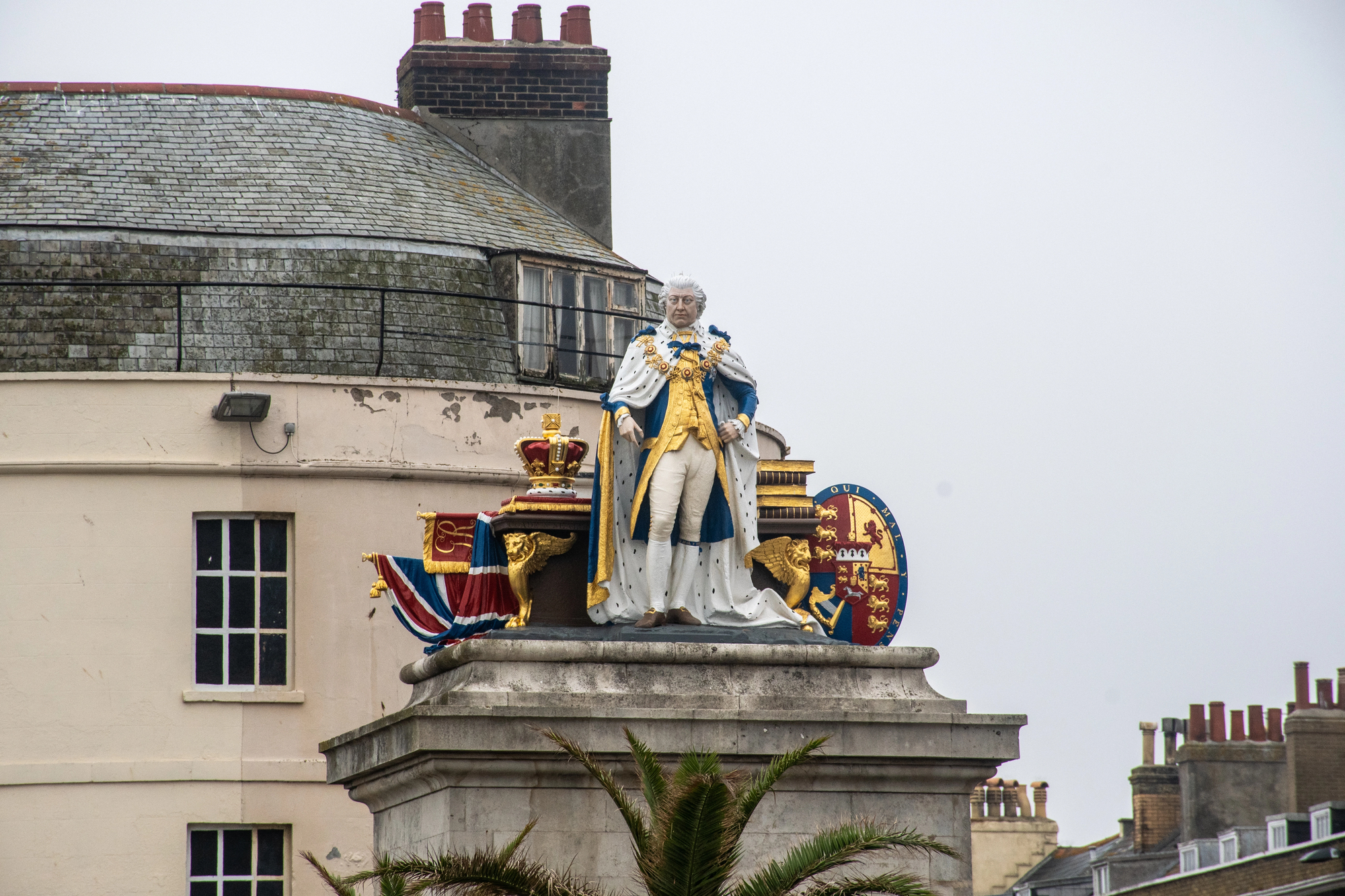
Revolutionary crowds in New York pulled down a gilded lead equestrian statue of King George III on July 9, 1776, days after the Declaration of Independence was read aloud. The lead from the statue was reportedly melted down into bullets — an early and literal example of a monument being repurposed for the conflict it was no longer welcome to oversee.
The argument for removal was straightforward: the statue honored a sovereign whose authority the colonists had just formally rejected. There wasn’t much controversy about it at the time. In retrospect, it established a template that has been applied, with considerably more debate, in every subsequent era.
Saddam Hussein Murals and Monuments, Iraq (2003–Ongoing)
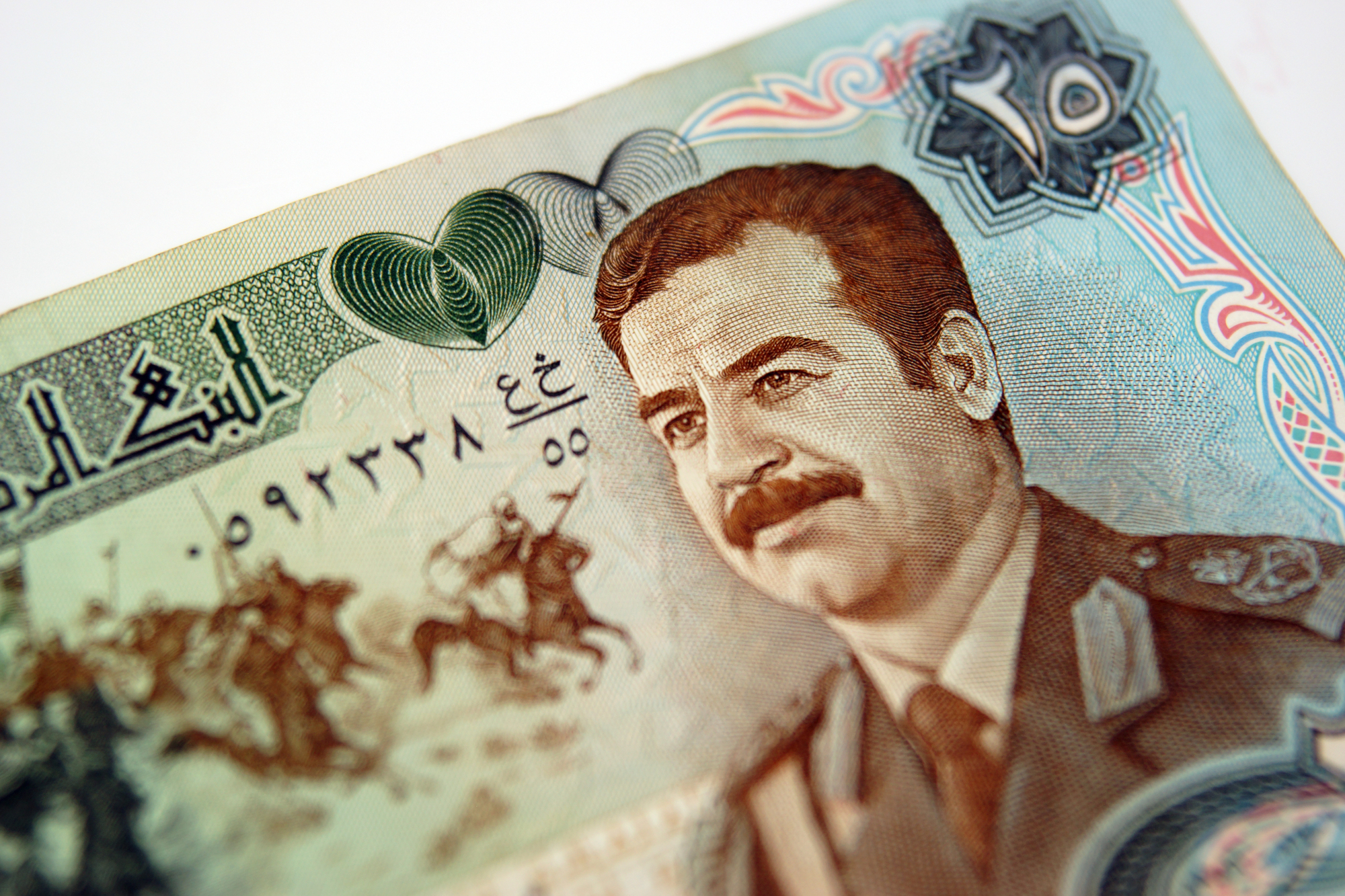
Beyond the Firdos Square statue, the removal of Saddam Hussein’s image from public spaces across Iraq — murals, portraits, statues in every city — was one of the most comprehensive acts of image destruction in modern history. Some was done by Iraqi citizens immediately after the invasion; some was done by coalition forces; some sites were destroyed in the subsequent civil conflict.
The controversy was less about whether Saddam’s image should be preserved and more about what would replace it, and who would decide. That question has not been settled.
The Colossus of Nero, Rome (1st Century CE)
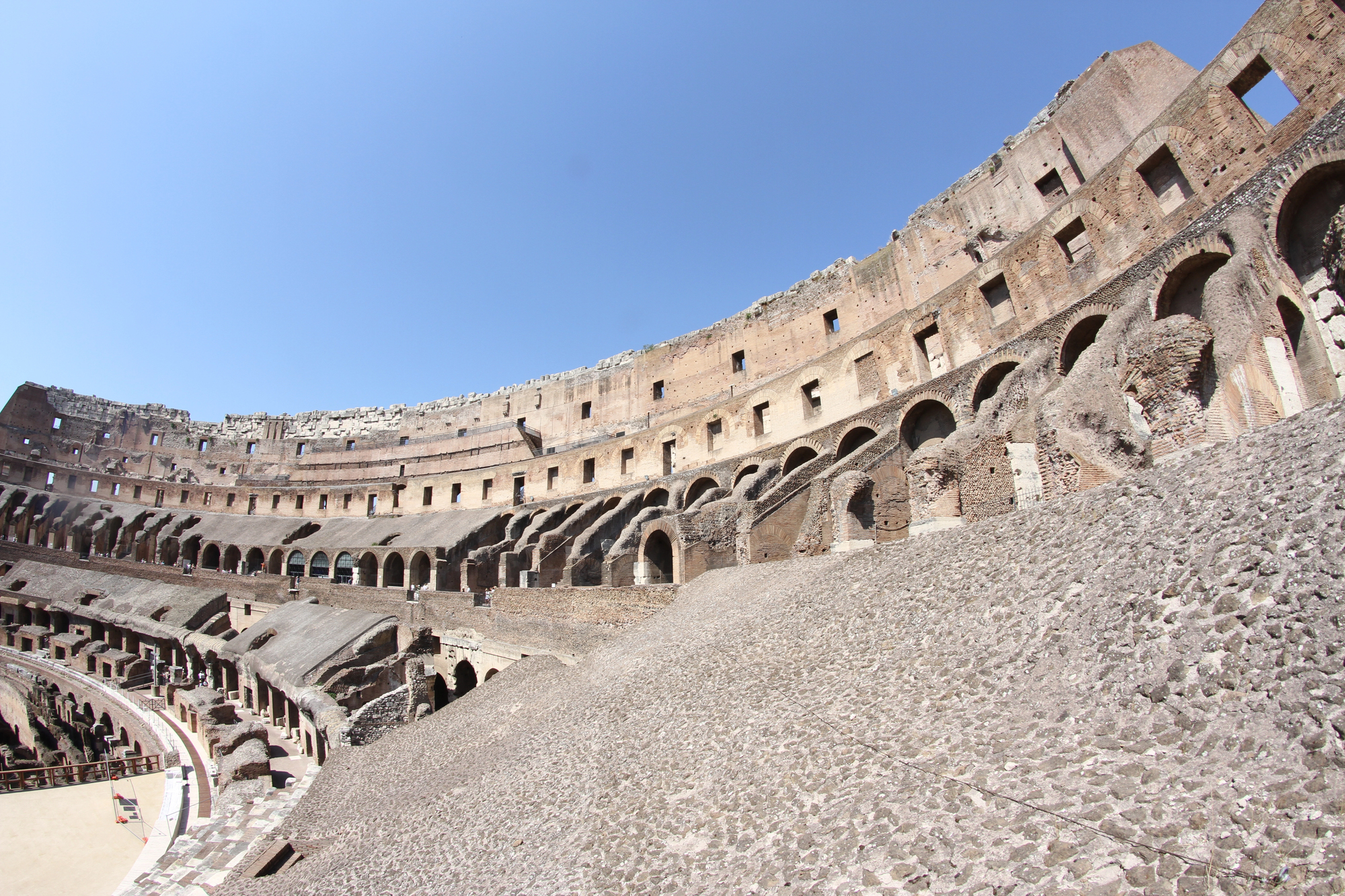
The enormous bronze statue of Nero — reportedly around 30 meters tall — was altered repeatedly by successive emperors who found it politically useful but personally inconvenient. Vespasian changed the face to represent the sun god Sol after Nero’s death, removing the emperor’s features while keeping the enormous structure.
Commodus later changed it again to represent himself as Hercules. Hadrian moved it to make room for the Colosseum, which acquired its name from the statue’s proximity rather than its size. The Colossus was gradually dismantled over the following centuries. The history of this monument is the history of Roman emperors using existing monuments for their own political purposes while retroactively delegitimizing their predecessors — a pattern that recurs through every subsequent century.
Juan De Oñate, New Mexico (2020)
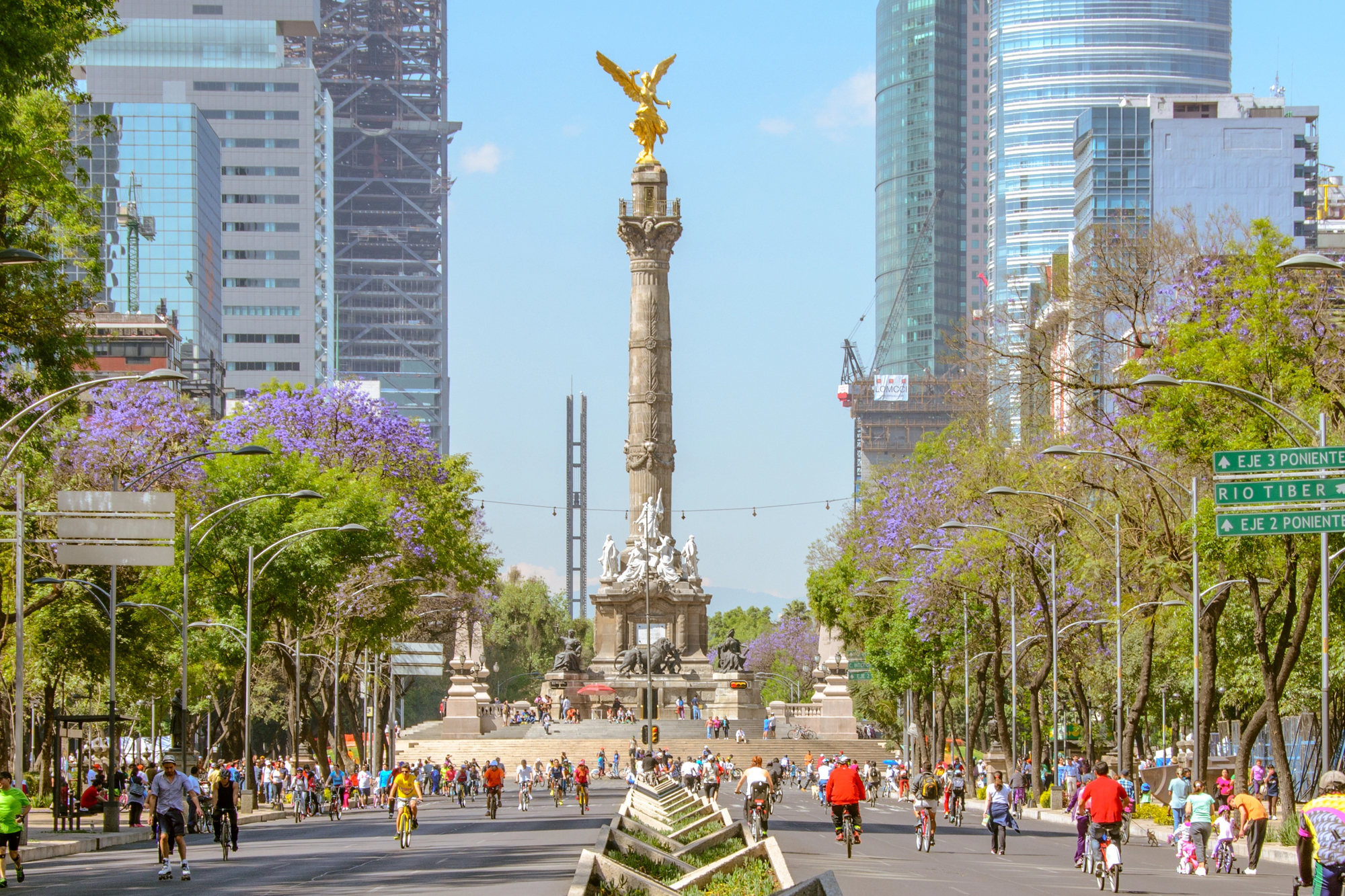
The equestrian statue of Juan de Oñate — the 16th-century Spanish colonial governor who ordered the massacre and mutilation of the Acoma Pueblo people in 1599 — had been controversial in New Mexico long before 2020. In 1998, someone cut off the right foot of an Oñate statue in Alcalde, a reference to the punishment he ordered for Acoma warriors.
The 2020 protests led to the removal of a second Oñate statue in Albuquerque by the city’s mayor, followed shortly by the Alcalde statue also being taken into protective custody. The controversy in New Mexico is particularly sharp because the same historical figure is claimed as an ancestor by some Hispanic New Mexican communities and as a perpetrator of atrocities by Pueblo communities — the disagreement is between communities who have both been here for centuries.
Winston Churchill, London (2020)
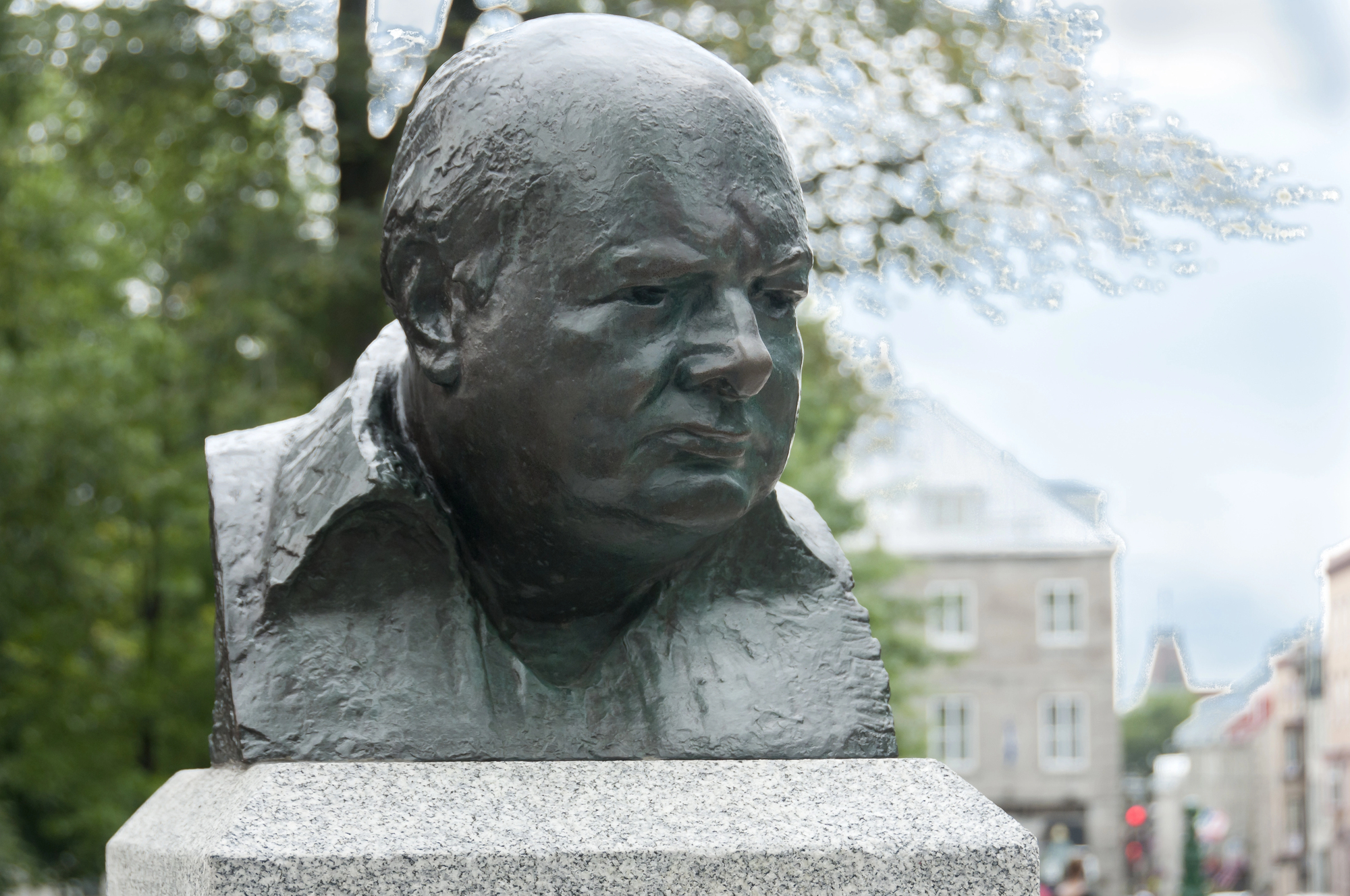
The Churchill statue in Parliament Square was temporarily boarded up during the 2020 protests after it was defaced with the words “was a racist.” The debates that followed were among the most heated in Britain that year — Churchill’s central role in organizing British resistance to Nazi Germany is documented and widely acknowledged; so are his support for the Bengal famine of 1943, his statements about the racial inferiority of various peoples, and his role in suppressing colonial independence movements.
The question of whether a monument can hold both of these things simultaneously, or whether one overrides the other, is not a question that has a clean answer. The statue remains.
Theodore Roosevelt, American Museum of Natural History, New York (2022)
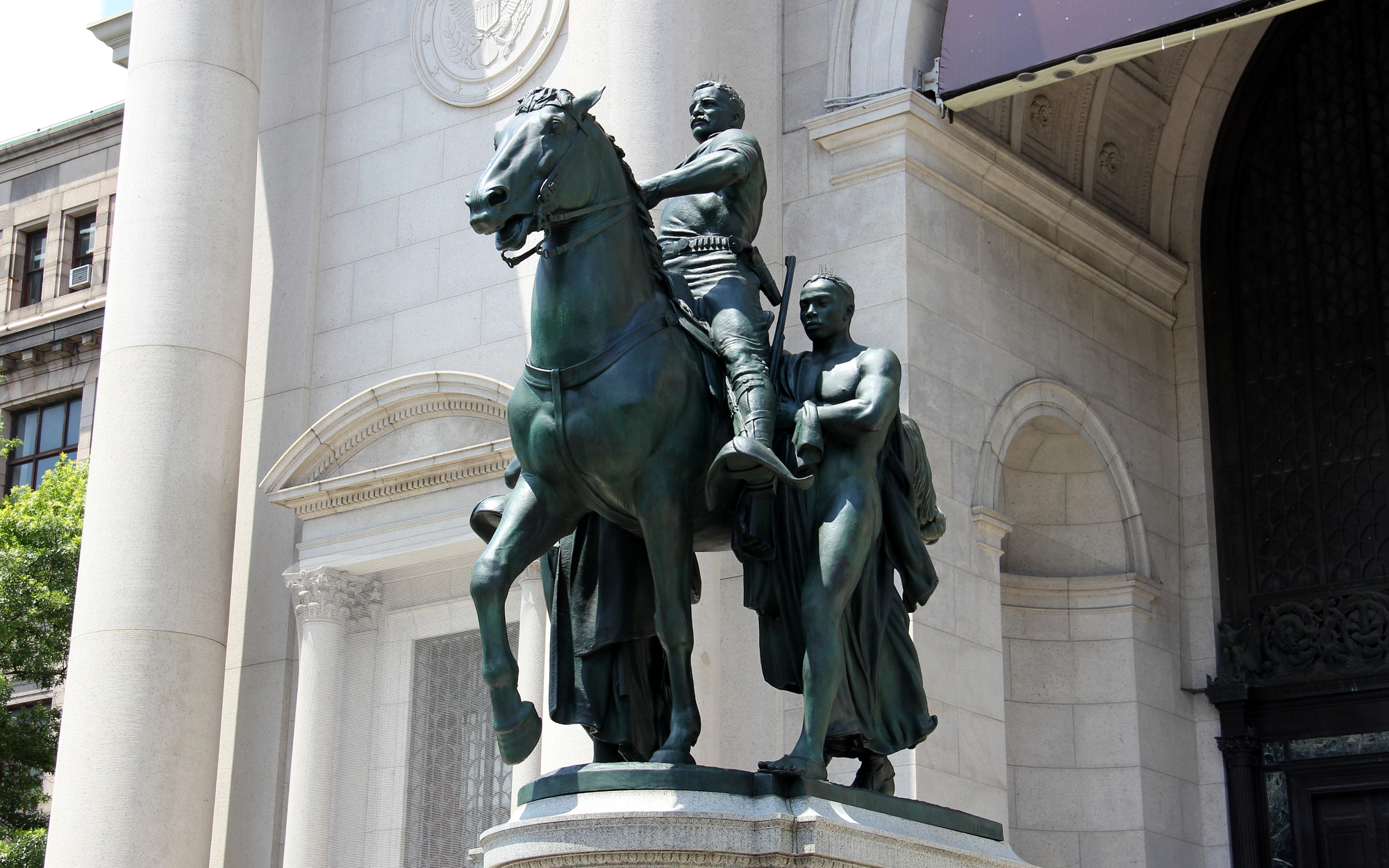
The equestrian statue of Theodore Roosevelt outside the American Museum of Natural History in New York was removed in January 2022 at the museum’s request, with the city’s agreement. The statue depicted Roosevelt on horseback with an Indigenous American man and an African man walking beside him — the visual composition placing Roosevelt in a position of literal elevation over men of color in a way that scholars argued reflected the racial hierarchy the statue was designed to convey.
The removal was opposed by some who argued Roosevelt’s environmental conservation legacy and his role in establishing national parks constituted a different and worthy reason to remember him in that location. The museum’s rationale focused specifically on the statue’s visual language of racial hierarchy rather than Roosevelt’s legacy as a whole.
Saddam Hussein in Tikrit (Multiple Times)
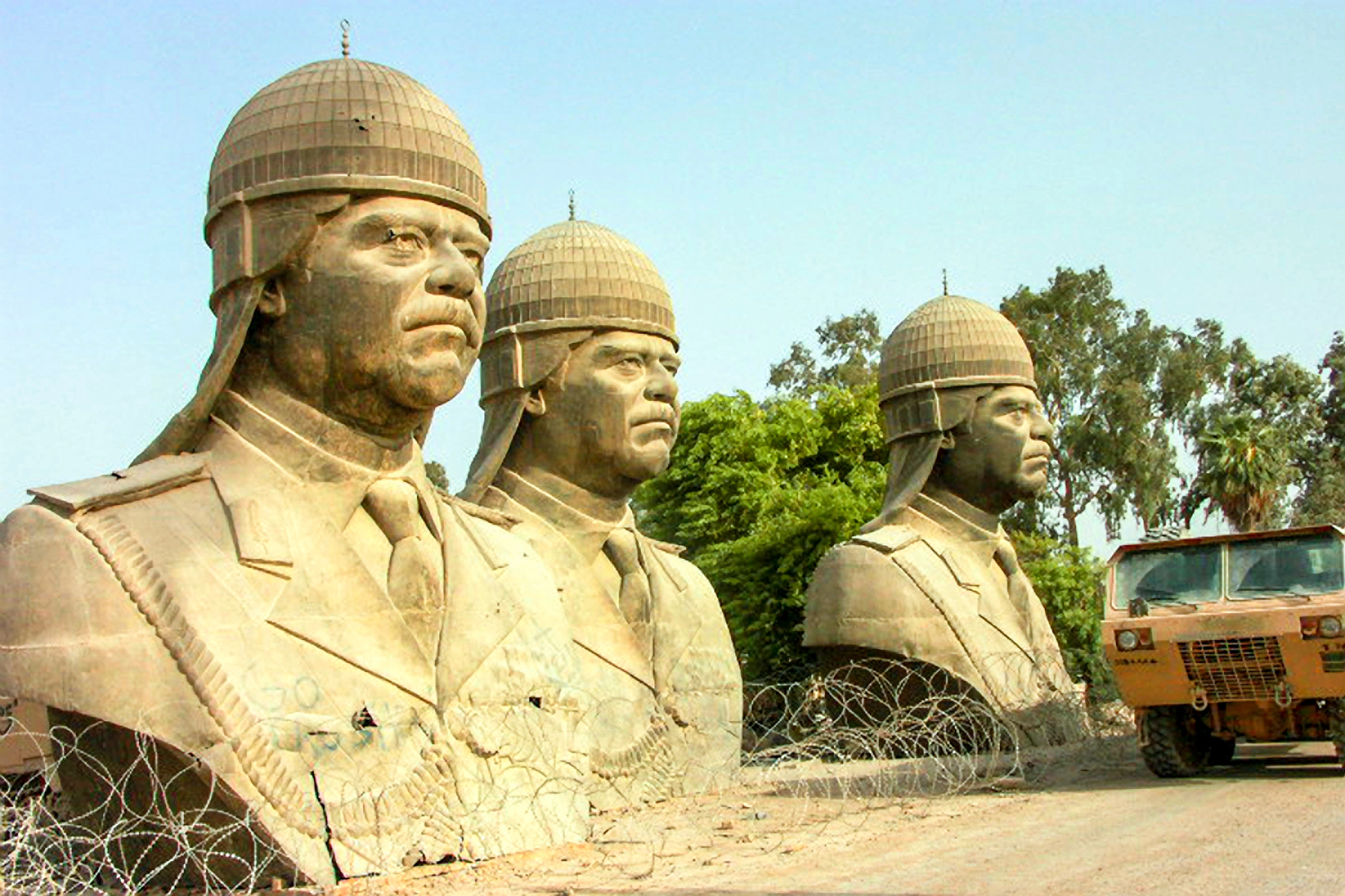
Saddam Hussein’s home city of Tikrit saw his monument pulled down during the 2003 invasion and then saw commemorative monuments to him re-erected by ISIS when they briefly controlled the city in 2014, followed by the destruction of those monuments when Iraqi forces retook the city in 2015. Three cycles of monument construction and destruction in twelve years, the same physical space, different authorities each time.
What Tikrit’s public square represents has been decided and re-decided by force rather than consensus.
J. Marion Sims, New York City (2018)
The statue of J. Marion Sims — a 19th-century surgeon often called the “father of modern gynecology” — was removed from Central Park in April 2018 after a campaign that highlighted the fact that Sims had developed his surgical techniques through experiments conducted on enslaved Black women without anesthesia. The medical profession had honored Sims for decades without prominent public acknowledgment of this history.
The New York City Public Design Commission voted unanimously to remove the statue. A second Sims statue in Montgomery, Alabama, where his experiments were conducted, remained in place as of 2026 — the subject of ongoing local dispute.
Monuments to King Leopold II, Belgium (2020)
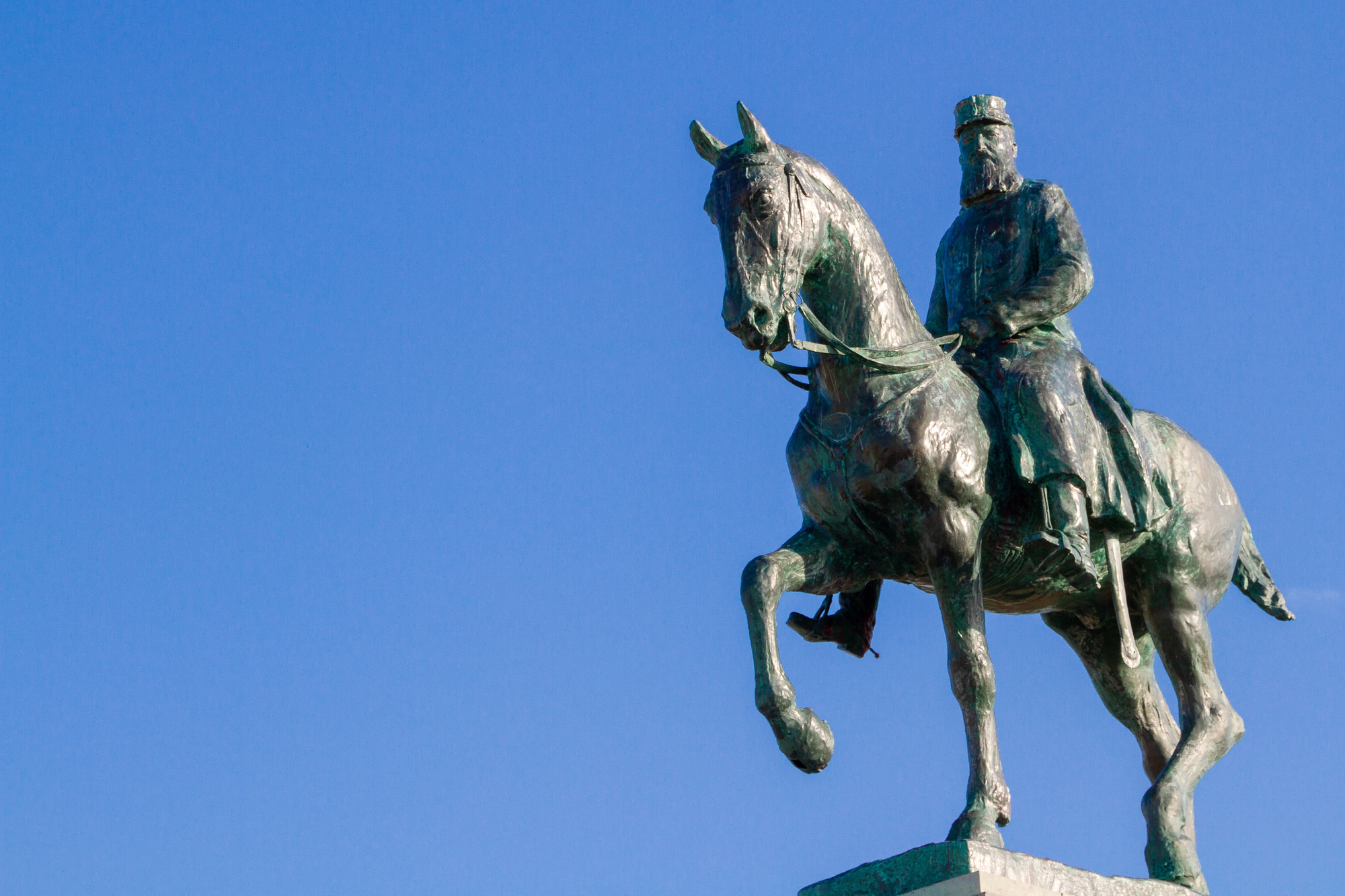
The statues of King Leopold II — the Belgian king who ran the Congo Free State as his personal property from 1885 to 1908, during which period somewhere between 1 and 10 million Congolese people died through forced labor, mutilation, and state violence — were defaced and removed across Belgium in 2020. Belgium’s official reckoning with its Congolese history has been slower and more contested than the statue removals: a formal apology from the Belgian king was expressed in 2020, but the country’s relationship with its colonial legacy remains an active political debate.
The Royal Museum for Central Africa in Tervuren, which houses one of the largest collections of Congolese artifacts in the world, has been working to reframe its collections while the question of their repatriation remains unresolved.
The Toppling of Stalin’s Statues, Hungary (1956)
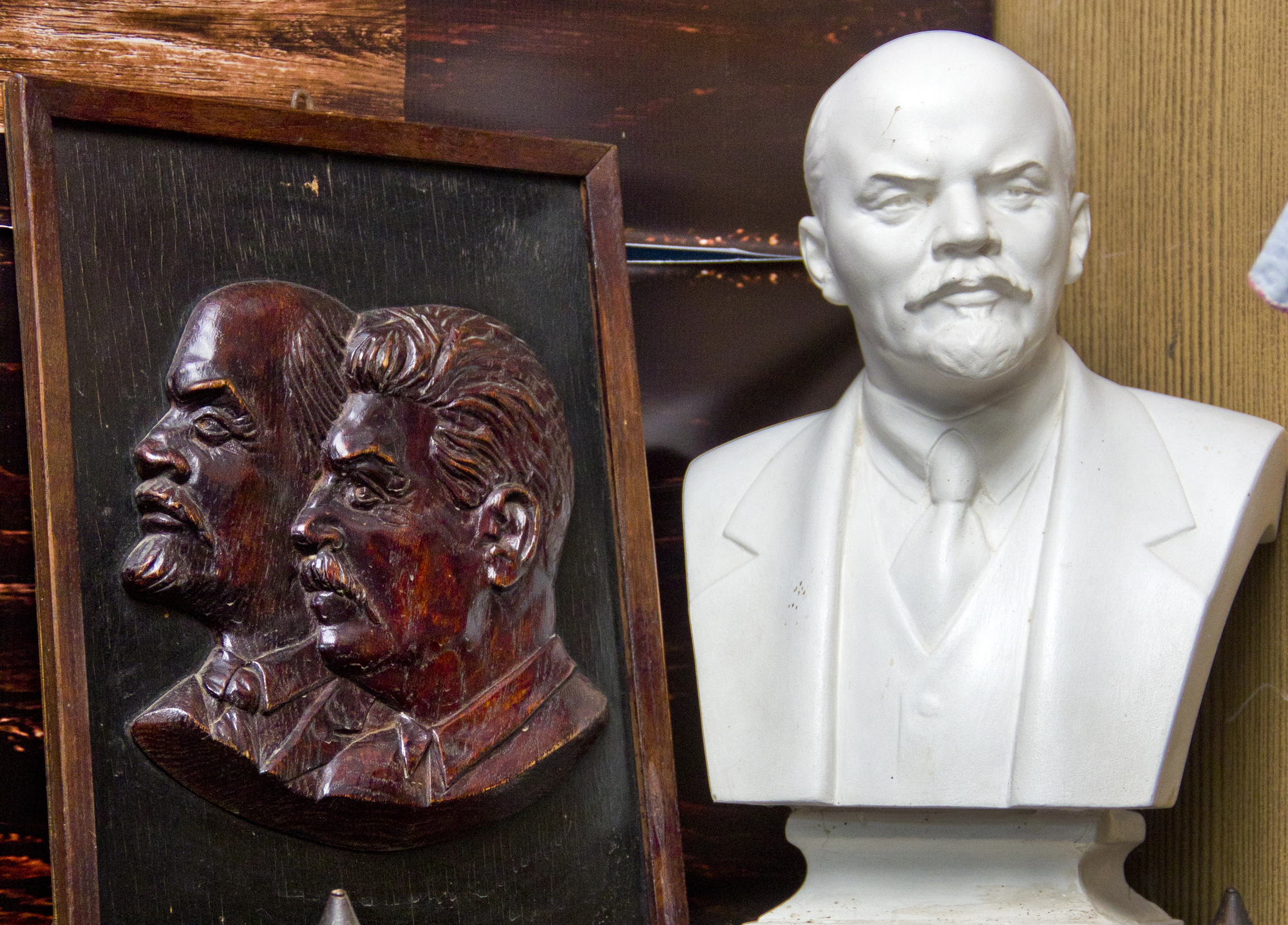
When the Hungarian Revolution began in October 1956, one of the first acts of the uprising was the toppling of the enormous Stalin statue in Budapest’s City Park. Crowds cut the statue off at its boots — the boots remained on the pedestal — and dragged the head through the streets.
Soviet tanks suppressed the revolution within weeks, but the image of Stalin’s statue being pulled down had already circulated internationally and become one of the defining photographs of Cold War resistance. The boots-on-the-pedestal image became a symbol specifically because it captured not just the removal but the incompleteness of it.
Junípero Serra, California (2020)
Statues of Junípero Serra — the 18th-century Franciscan friar who founded the California mission system — were removed at multiple California locations in 2020. Serra was canonized by the Catholic Church in 2015, a decision that was itself controversial: the mission system he built operated through the forced labor of Indigenous Californian peoples, and the destruction of Indigenous culture and population during the mission period is documented by historians.
The Catholic Church and some California Hispanic communities defended the canonization and the statues; Indigenous Californian communities argued forcefully that Serra represented the destruction of their ancestors’ way of life. The Vatican’s position and the Indigenous communities’ position do not agree, and neither is going away.
Saddam Hussein, Basra (2003)
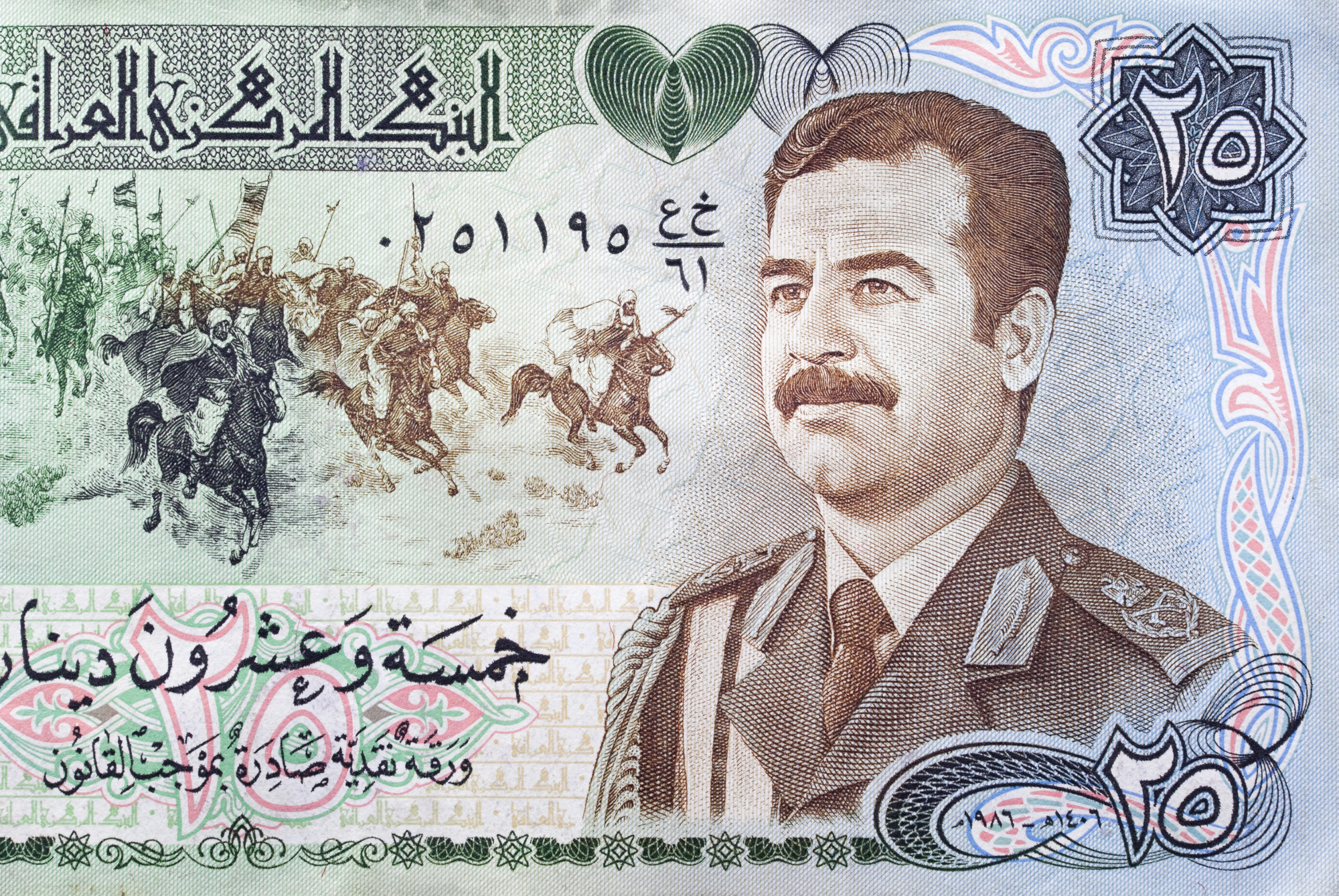
In Basra, the removal of Saddam’s statues in 2003 was accompanied by the immediate appearance of new religious imagery on formerly secular public buildings — posters of Shia religious leaders replacing the removed portraits and monuments almost before the dust had settled. The replacement of one authoritarian visual language with another, in real time, was noted by observers as evidence that the question of what public space is for had not been resolved by the invasion — it had simply been reopened.
Silent Sam, University of North Carolina (2018)
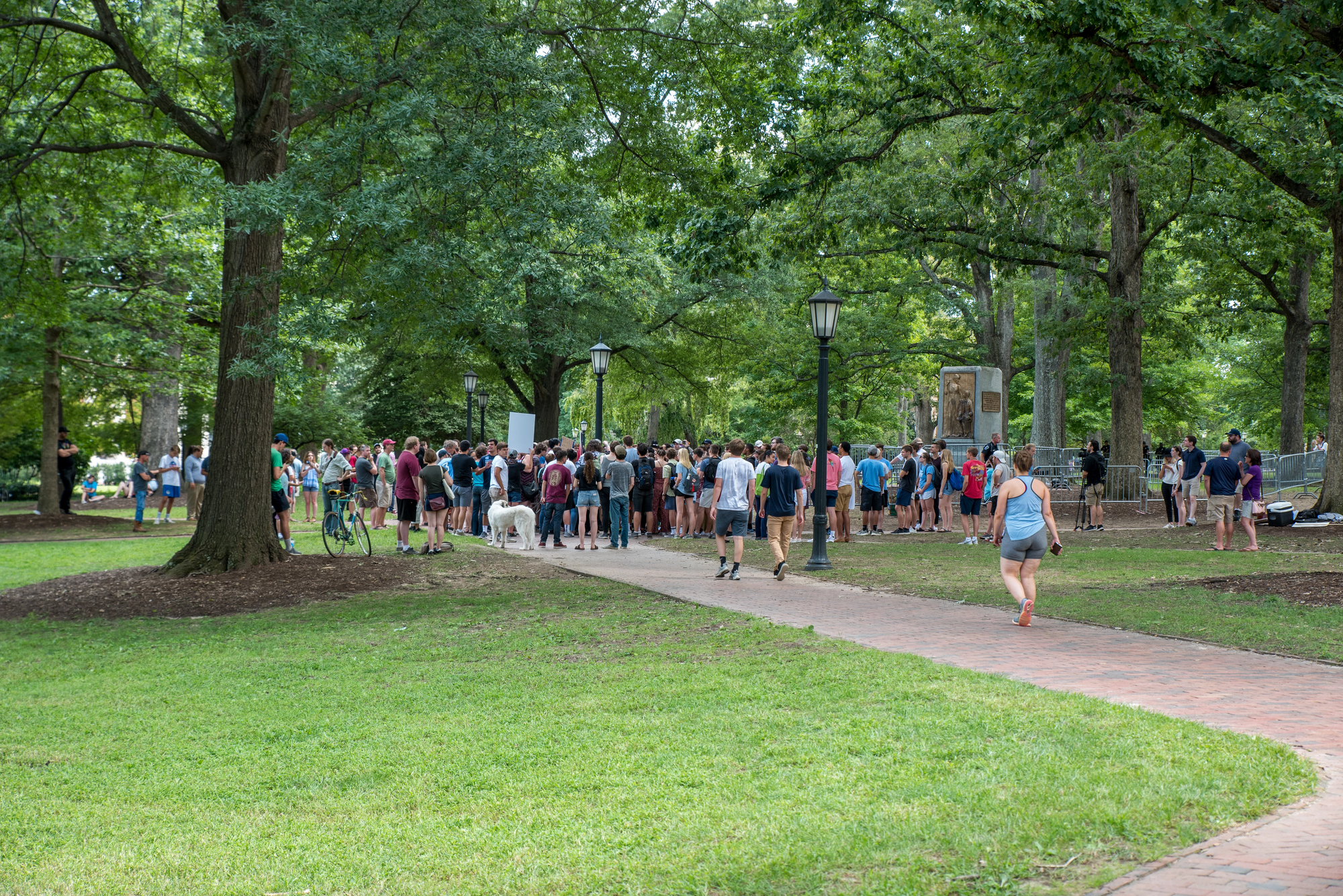
“Silent Sam” — a Confederate soldier statue on the University of North Carolina campus erected in 1913 — was torn down by protesters on August 20, 2018. The statue had been the subject of decades of controversy, but what galvanized the final removal was the surfacing of a 1913 dedication speech by Julian Carr, who explicitly stated the statue honored Confederate soldiers for having “saved the white womanhood of the South” and who described personally whipping a Black woman in the street near the campus after the Civil War.
The speech made explicit what historians had argued about the statue’s purpose. The university subsequently developed and then abandoned multiple plans for the statue’s future. As of 2026, it remains in storage.
Enoch Powell Murals, UK (2021)
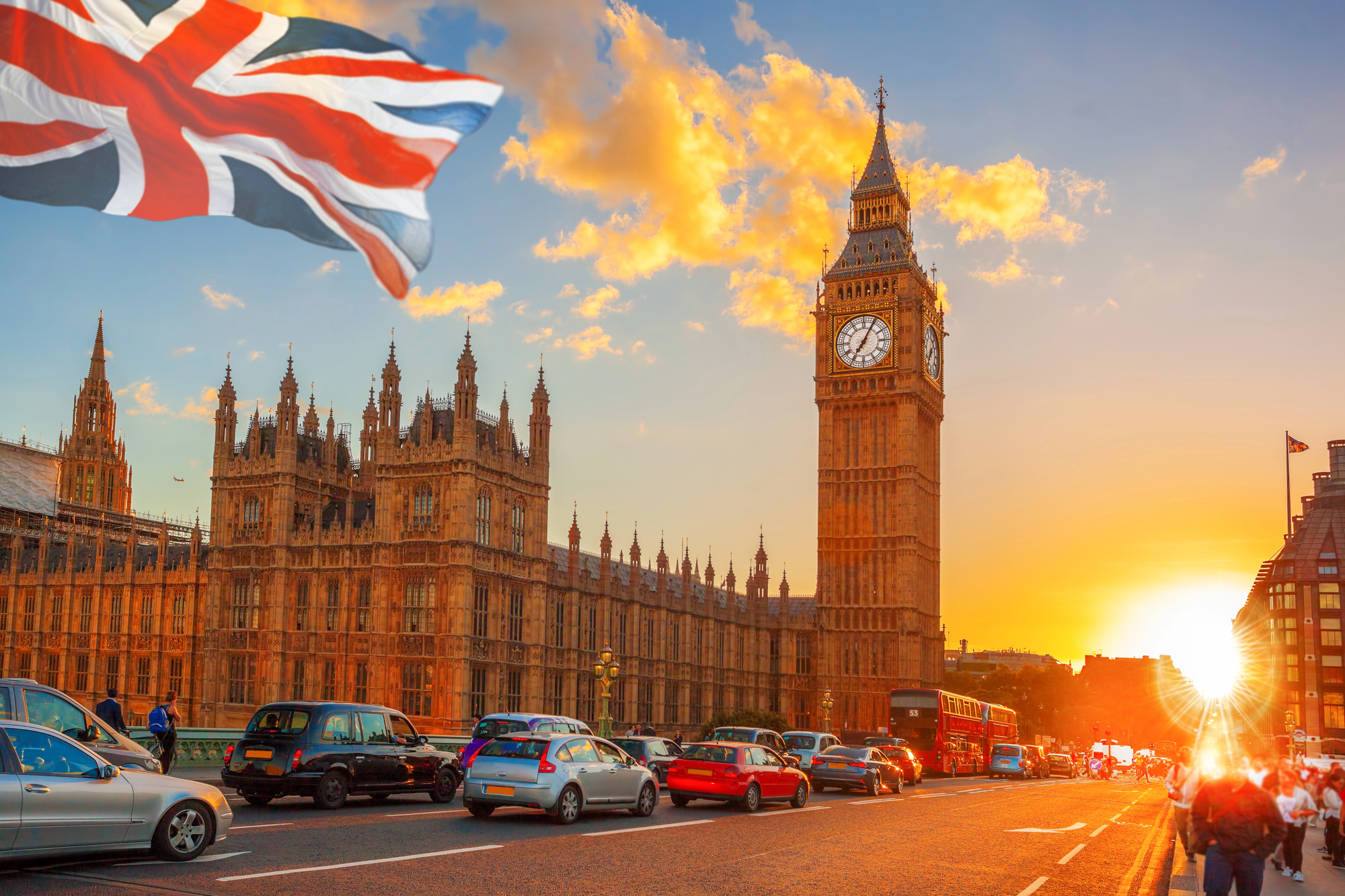
A mural of Enoch Powell — the British politician whose 1968 “Rivers of Blood” speech warned of social catastrophe from immigration — appeared on a building in Wolverhampton in 2021 and was removed by the local council within days following protests. Powell had represented Wolverhampton as an MP.
The mural was painted by a local artist as what he described as a provocation to historical debate rather than an endorsement. The council’s decision to remove it was criticized by some as suppression of political art and defended by others as a reasonable response to a image that the local community — which is significantly more diverse than it was in Powell’s day — found genuinely threatening.
Stonewall Jackson and Robert E. Lee, Charlottesville (2021)
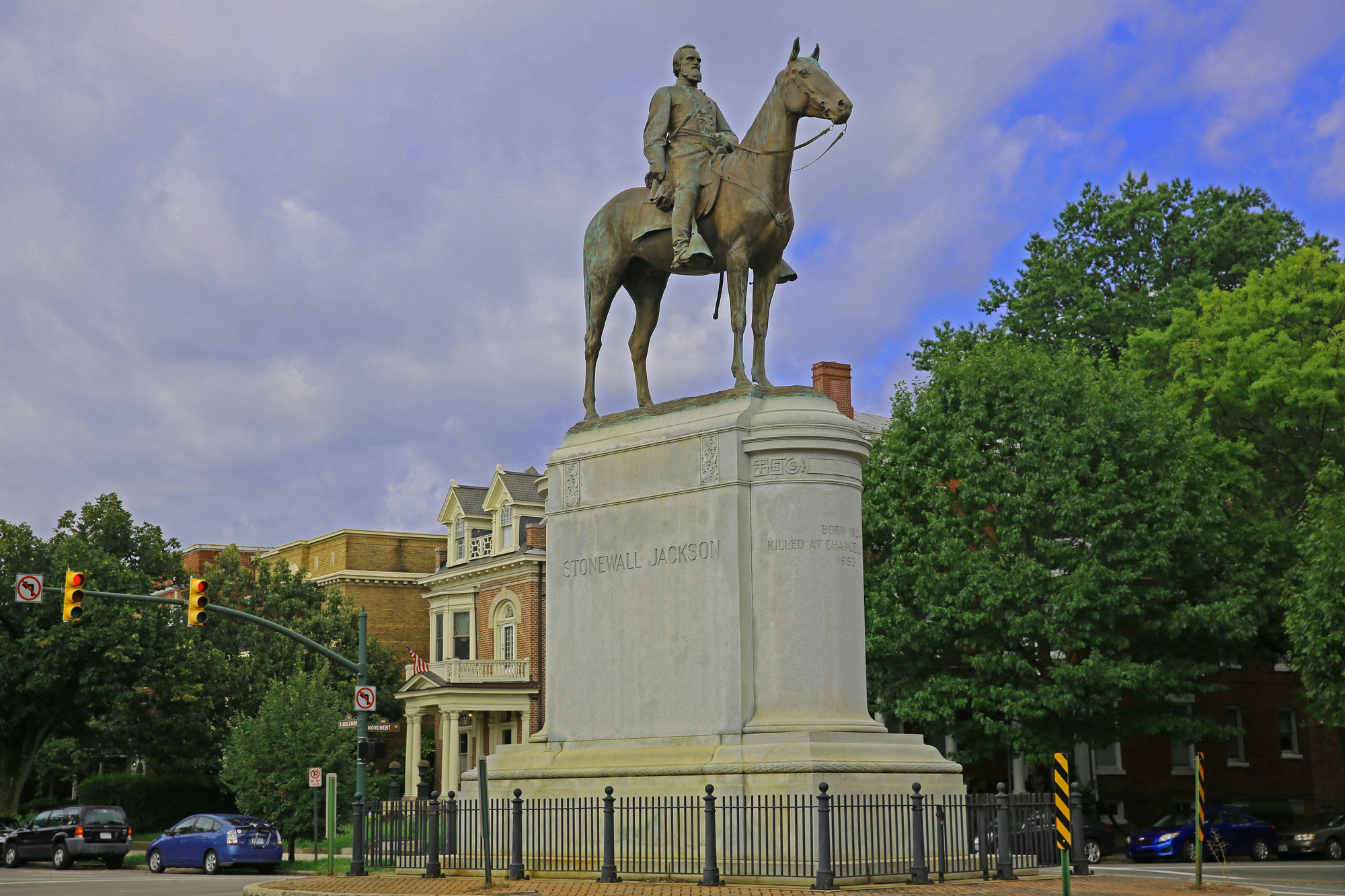
The statues of Stonewall Jackson and Robert E. Lee in Charlottesville, Virginia, became national symbols of the monument debate after the August 2017 Unite the Right rally — organized explicitly in opposition to a planned removal of the Lee statue — turned violent, resulting in the death of a counter-protester. The legal challenges to their removal lasted four years.
Both statues were finally removed on July 10, 2021. Their bronze was subsequently melted down and the material repurposed for new public art, a decision that produced its own controversy about whether physical destruction was an appropriate response to objects whose meaning was contested.
King Faisal I Statue, Baghdad (1958)
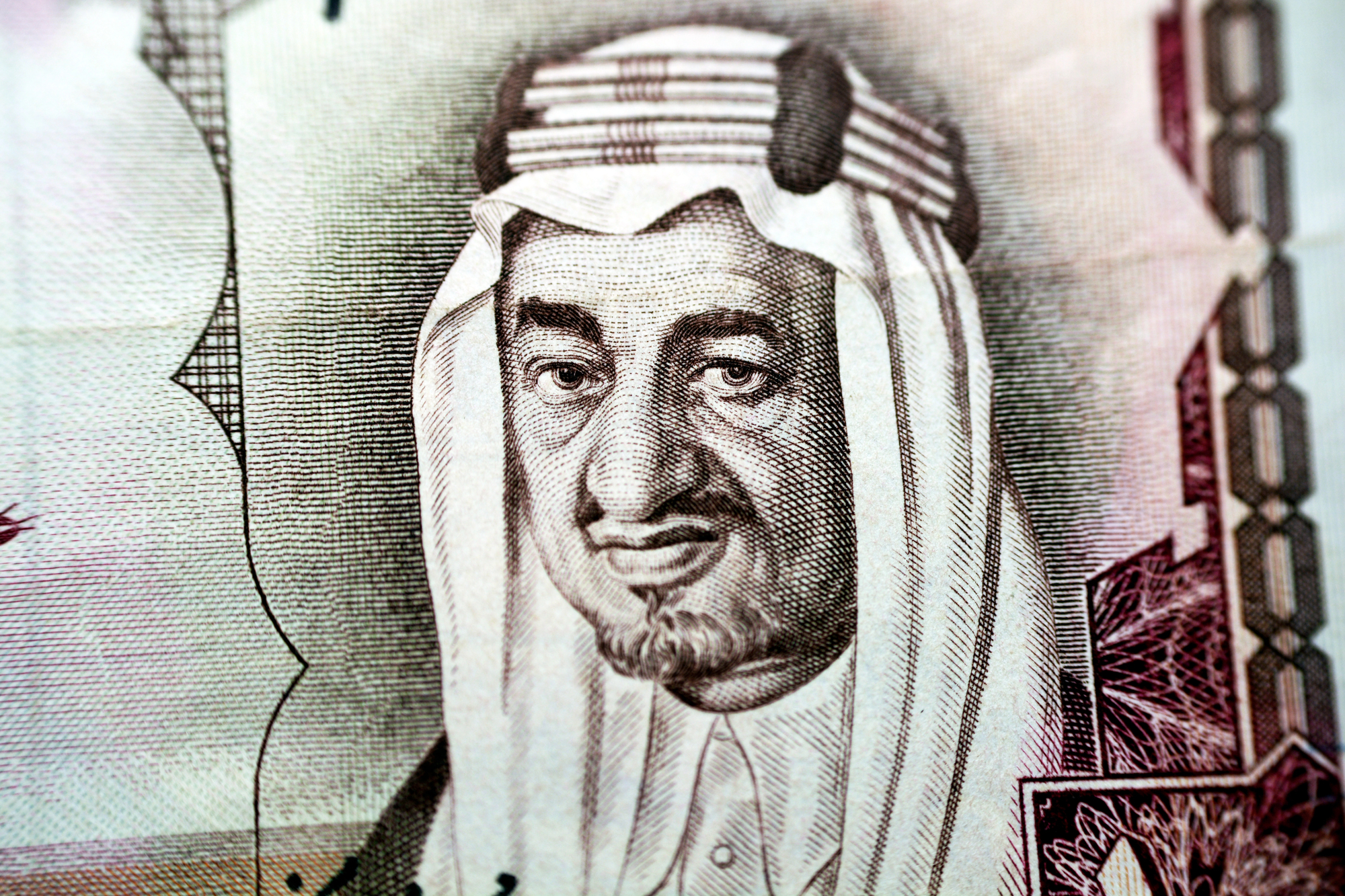
When the Iraqi monarchy was overthrown in the 1958 revolution that established the Iraqi Republic, the equestrian statue of King Faisal I — the British-installed monarch who had ruled Iraq since its creation from former Ottoman territories — was among the first things removed. The revolution replaced a monarchical system backed by British interests with a nationalist military government, and the removal of the king’s image was a straightforward statement of that transfer of power.
The irony is that King Faisal I is now widely regarded by some Iraqi historians as one of the more capable leaders the country had in the 20th century — a man whose cautious approach to Iraqi nationalism was replaced by far more violent political movements in the decades that followed.
The Removal of Mussolini’s Images, Italy (1943–45)
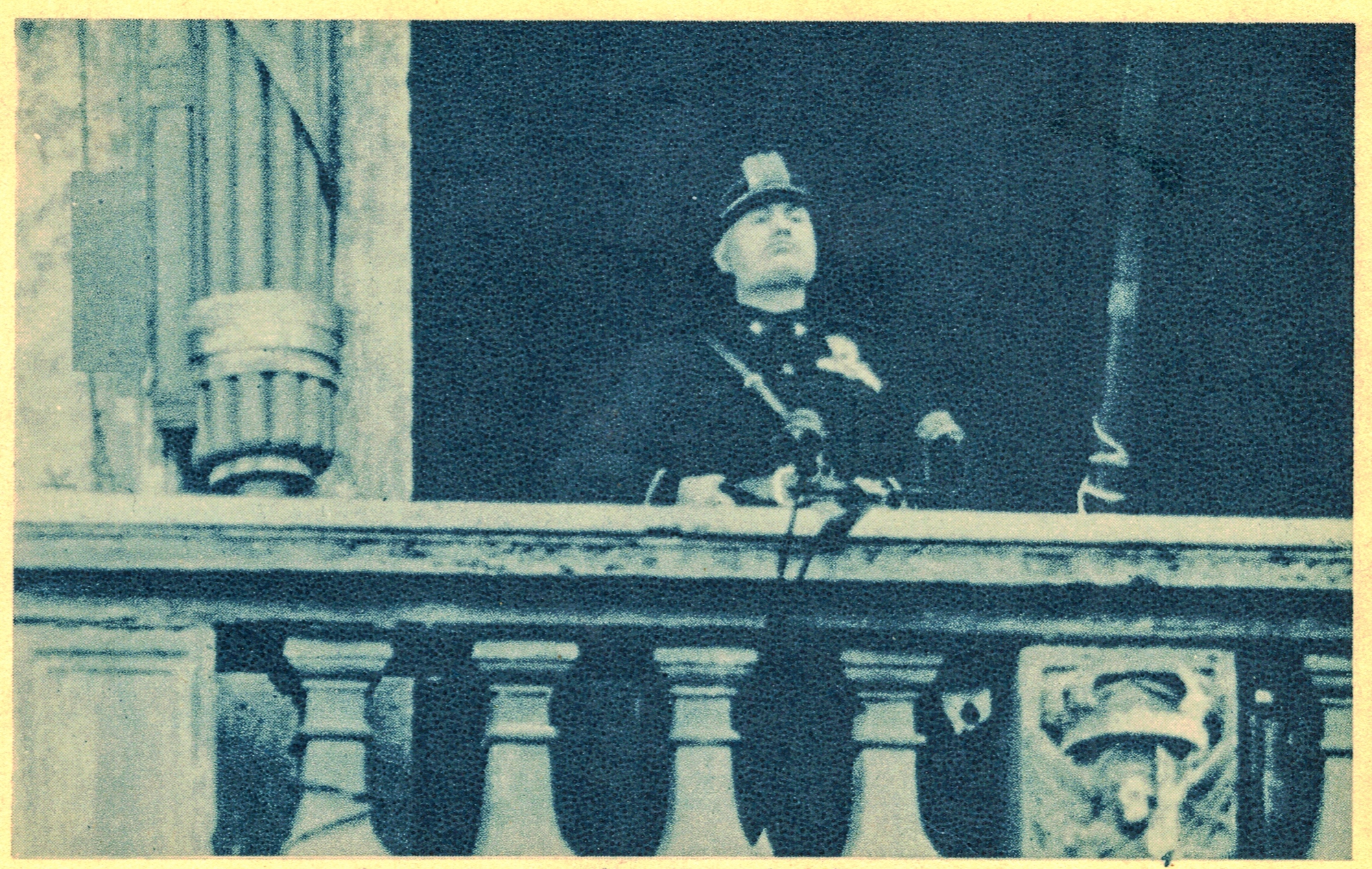
As Italy signed an armistice with the Allies in 1943 and Mussolini’s government collapsed, the systematic removal of his portrait, statues, and the fasces symbol from public buildings began. The process was uneven — some images were removed by popular action, others by authorities trying to demonstrate their changed allegiance.
Many were simply painted over, leaving them visible under thin layers of whitewash that have continued to surface as the paint deteriorates. The completeness of the removal was always partial, and the ongoing reappearance of the images has been treated alternately as a conservation issue and as a political one.
What the Empty Plinth Means
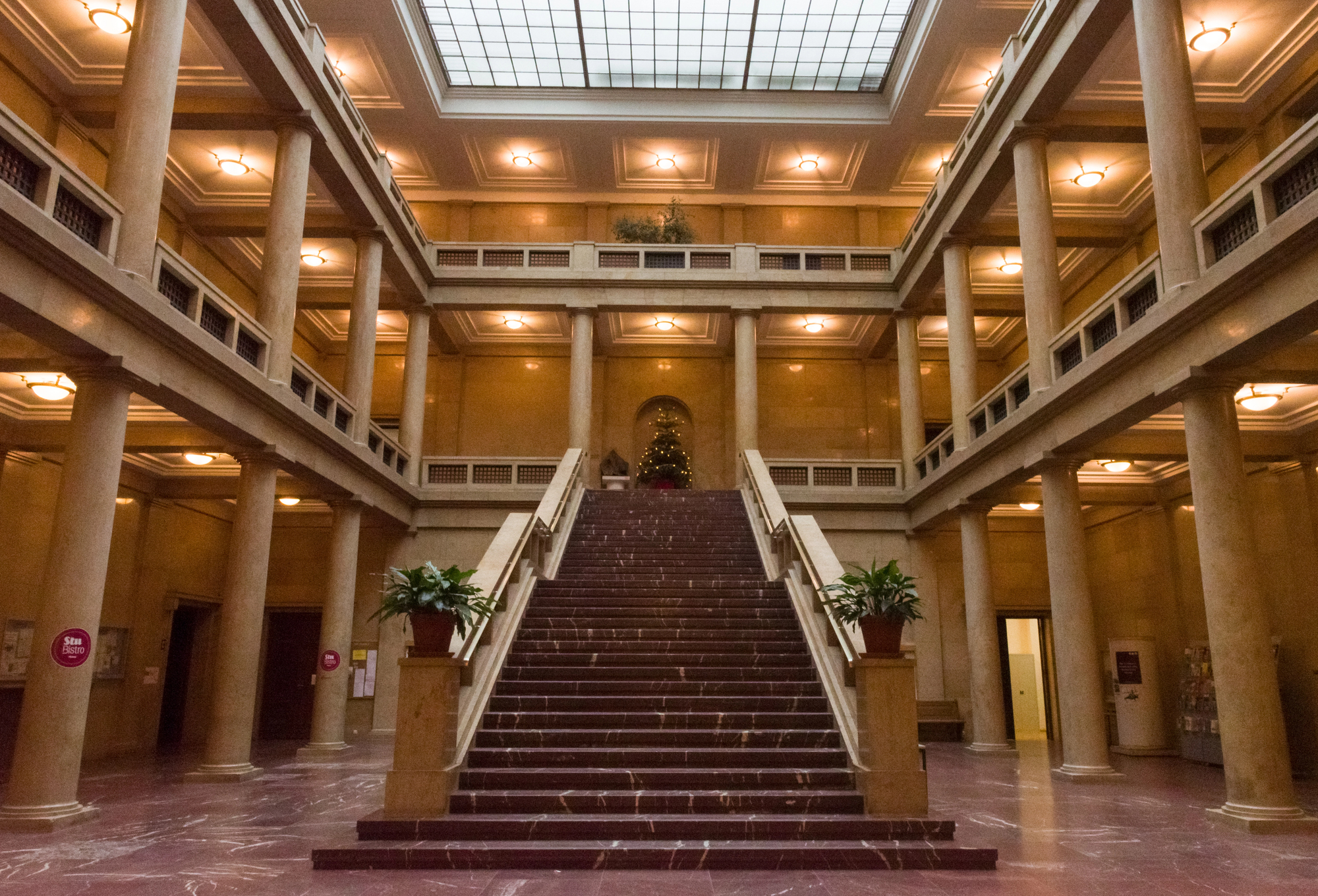
Every removed monument leaves a space behind, and that space is its own argument. It says: this is what we thought we valued, and then we changed our minds, or the people who put it here changed, or what we knew about the person changed.
The empty plinth is honest in a way the statue wasn’t always. The debates about monument removal rarely resolve cleanly, because the underlying disagreements aren’t about specific statues — they’re about whose history counts as history, who gets to be commemorated in shared public space, and what it means to honor someone whose actions were both consequential and harmful.
Those questions don’t have permanent answers. They get renegotiated in every generation, sometimes with legislation, sometimes with committees, and sometimes with a rope and a crowd on a June afternoon.
More from Go2Tutors!

- The Romanov Crown Jewels and Their Tragic Fate
- 13 Historical Mysteries That Science Still Can’t Solve
- Famous Hoaxes That Fooled the World for Years
- 15 Child Stars with Tragic Adult Lives
- 16 Famous Jewelry Pieces in History
Like Go2Tutors’s content? Follow us on MSN.