14 Movie Sets That Were Left Behind and Became Ghost Towns
Hollywood magic transforms ordinary locations into extraordinary worlds, but when filming wraps, these magical places don’t always disappear. Sometimes, these elaborate movie sets remain behind, forgotten by the studios that built them, slowly transforming into modern-day ghost towns.
These abandoned film locations offer fascinating glimpses into cinematic history while creating surreal landscapes where fiction and reality blur. Here is a list of 14 movie sets that were abandoned after filming and have since become eerie ghost towns that visitors can explore today.
Star Wars’ Tatooine

The iconic desert planet from the original Star Wars trilogy wasn’t created with special effects—it was filmed in southern Tunisia. George Lucas built an entire Tatooine settlement near the town of Tataouine, including Luke Skywalker’s home and parts of Mos Eisley. After filming wrapped in the late 1970s, the sets were simply abandoned in the desert. Locals have maintained some structures as tourist attractions, while sand dunes have slowly reclaimed others over the decades.
Hobbiton from Lord of the Rings

Unlike most abandoned movie sets, Hobbiton in Matamata, New Zealand found new life after almost becoming a ghost town. When Peter Jackson initially filmed The Lord of the Rings trilogy, the Hobbit homes were made of temporary materials that began deteriorating after production. Recognizing the tourism potential, the set was rebuilt with permanent materials for The Hobbit films and is now a thriving attraction rather than an abandoned ghost town.
Like Go2Tutors’s content? Follow us on MSN.
Popeye Village in Malta
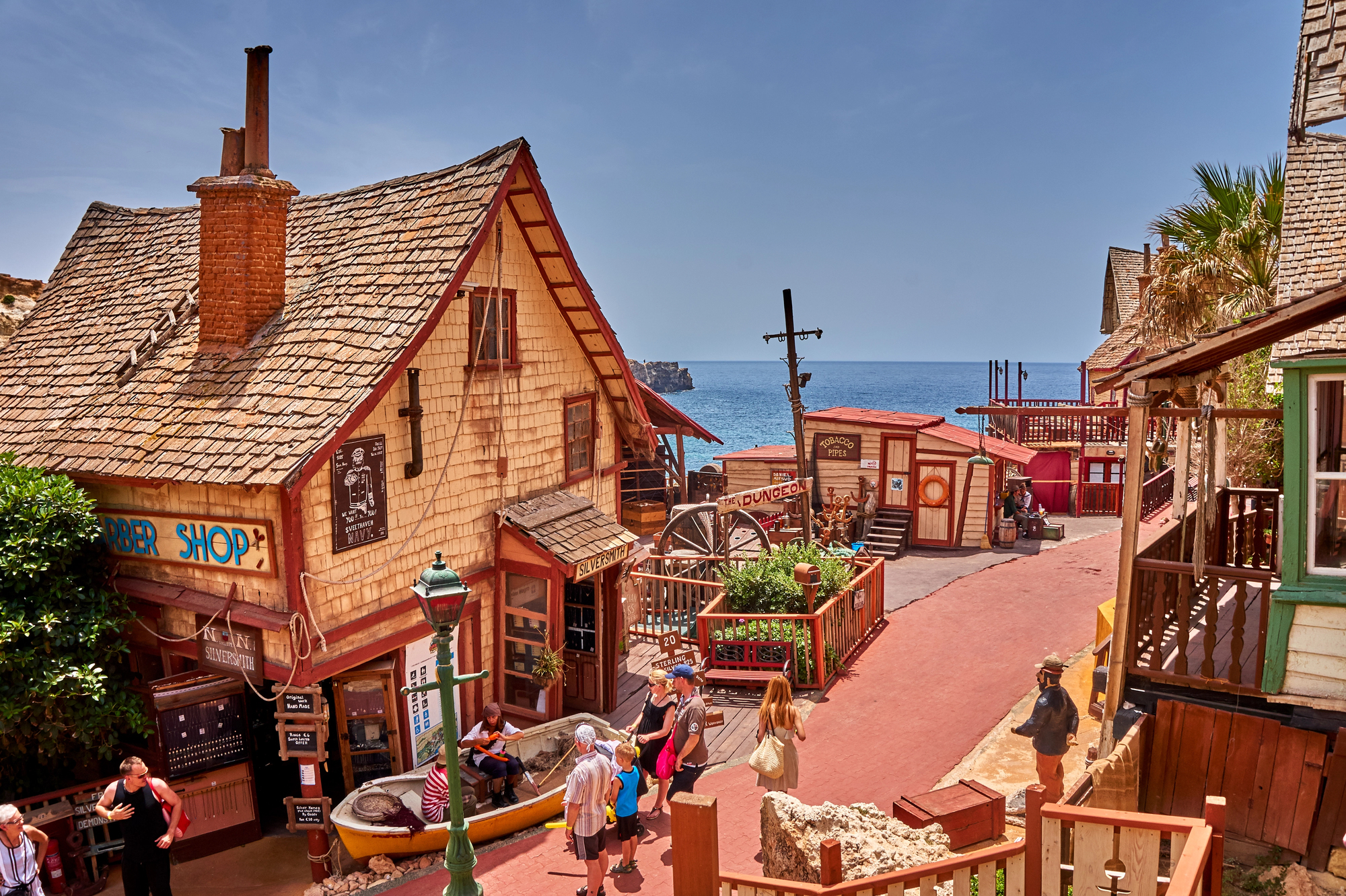
In 1980, director Robert Altman built an entire wooden village on Malta’s coast for the musical film ‘Popeye’ starring Robin Williams. After filming concluded, the 20-structure set was left intact and eventually developed into a small theme park. Though officially a tourist attraction, during off-seasons and quieter months, the colorful wooden buildings stand eerily empty against the Mediterranean backdrop, giving visitors the distinct feeling of wandering through a cartoon-inspired ghost town.
The Hills Have Eyes Set

The 2006 remake of Wes Craven’s horror film required the construction of an entire mining town in Morocco. The elaborate set included run-down buildings, gas stations, and eerie props designed to create the perfect horror atmosphere. After filming wrapped, the remote location made dismantling impractical, so the entire town was abandoned. Today, desert travelers occasionally stumble upon this creepy ghost town, not realizing they’re walking through a horror movie setting.
Old Tucson Studios
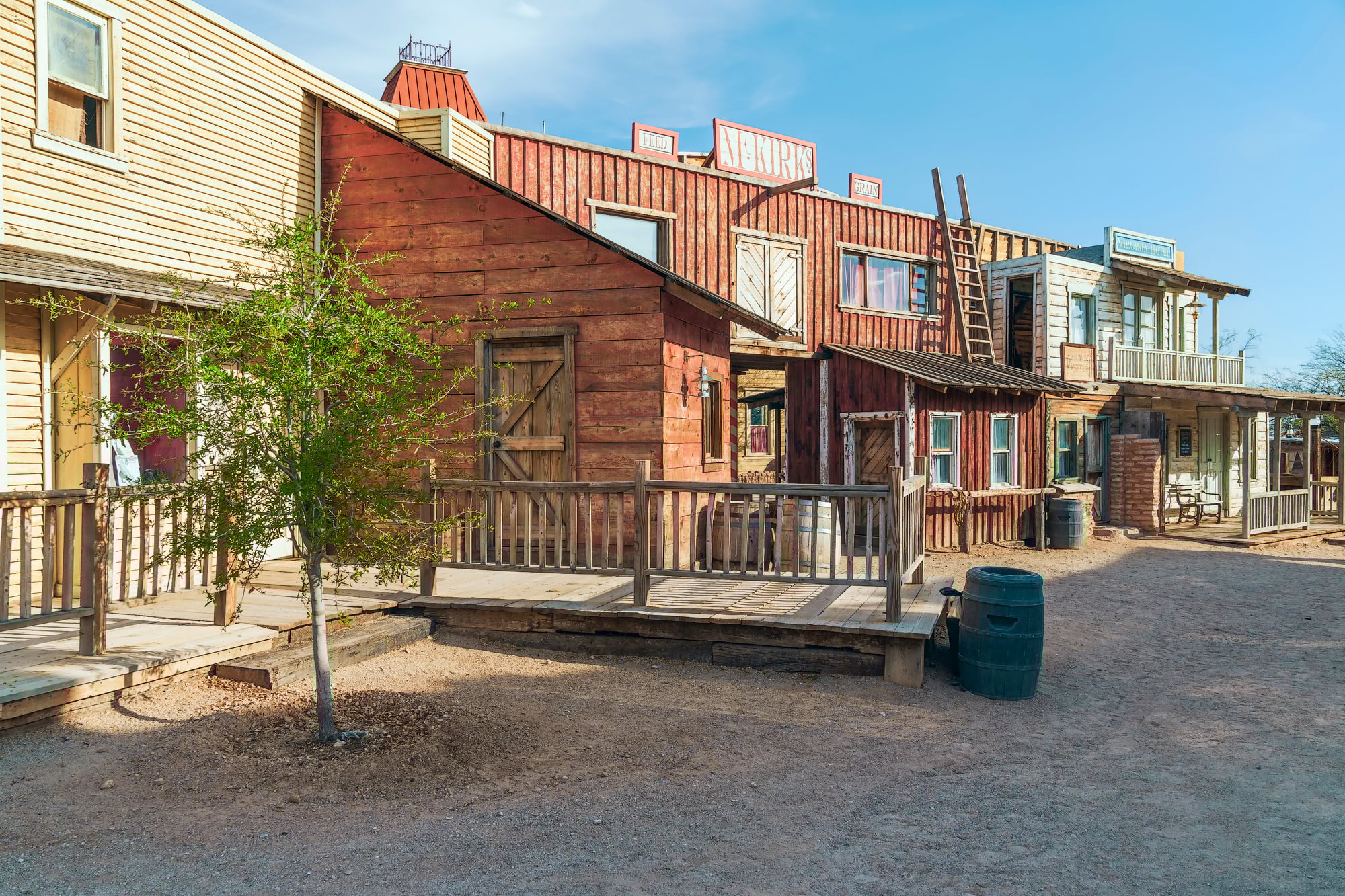
This isn’t just one movie set but an entire collection of Western film settings that operated as a filming location since 1939. Hundreds of Westerns were shot here, including ‘Tombstone’ and ‘The Three Amigos.’ While it operated as a theme park for many years, financial struggles and a major fire in 1995 led to its decline. Many original set pieces remain abandoned on the property, creating a genuine Western ghost town atmosphere.
Like Go2Tutors’s content? Follow us on MSN.
Field of Dreams

The baseball diamond carved into an Iowa cornfield for the 1989 film remained long after filming concluded. For years, the famous field sat relatively unattended except for occasional visitors wanting to have a catch where the movie was filmed. The iconic white farmhouse and baseball diamond became a quiet, sometimes eerily empty monument to the film until recent development as a major tourist destination began in 2019.
Spectre from Big Fish

For Tim Burton’s ‘Big Fish,’ an entire fictional Alabama town named Spectre was built on a private island near Montgomery. The whimsical set included a main street, church, and houses with deliberately crooked designs to achieve Burton’s fantasy aesthetic. When filming was completed, the property owner allowed the sets to remain but didn’t maintain them. Today, weathered building facades and decaying structures create a hauntingly beautiful ghost town that perfectly matches the film’s dreamlike quality.
Pirates of the Caribbean Ship Village

For the ‘Pirates of the Caribbean’ franchise, Disney constructed an elaborate coastal village and dock area in Wallilabou Bay, St. Vincent. After filming wrapped on the first movie, much of the set was left in place. Though locals repurposed some buildings, many structures were left to decay in the tropical climate. Parts of the set remain visible today, creating an authentic-looking pirate ghost town slowly being reclaimed by nature.
Like Go2Tutors’s content? Follow us on MSN.
The Patriot Colony

For Mel Gibson’s Revolutionary War epic, filmmakers built an entire 18th-century colonial village in South Carolina. The detailed historical set included period-accurate buildings, a church, and village green. After production ended, the remote location remained largely untouched, with buildings slowly deteriorating over time. Portions of the weathered structures still stand today, creating a genuinely haunting colonial ghost town hidden in the Carolina countryside.
The Abyss Underwater Set

James Cameron’s underwater thriller required something unprecedented—a massive water tank containing submerged sets built inside an abandoned nuclear power plant cooling tower in South Carolina. After filming concluded in 1989, the massive underwater structures and tank were simply abandoned. The facility remained filled with water for years before finally being drained, leaving behind corroded set pieces and an apocalyptic-looking facility that urban explorers occasionally documented before the site was eventually demolished.
Gunsmoke’s Dodge City

The longest-running TV Western required a permanent set representing the frontier town of Dodge City. Built at Johnson Canyon near Kanab, Utah, the elaborate Western town stood for decades as an occasional tourist attraction. After the show ended in 1975, the set was abandoned and left to decay. Today, only weathered foundations and a few structural elements remain, creating a genuine Western ghost town experience for hikers who discover it.
Like Go2Tutors’s content? Follow us on MSN.
The Good, the Bad and the Ugly Town

Sergio Leone’s spaghetti Western classic required authentic-looking frontier towns. Rather than filming in America, Leone built elaborate Western town sets in the Spanish desert region of Andalusia. After completing his famed Dollars Trilogy, several of these sets were abandoned in the desert. Some structures still stand today, creating surreal Western ghost towns in the Spanish countryside that attract film enthusiasts and photographers.
Star Trek Settlement
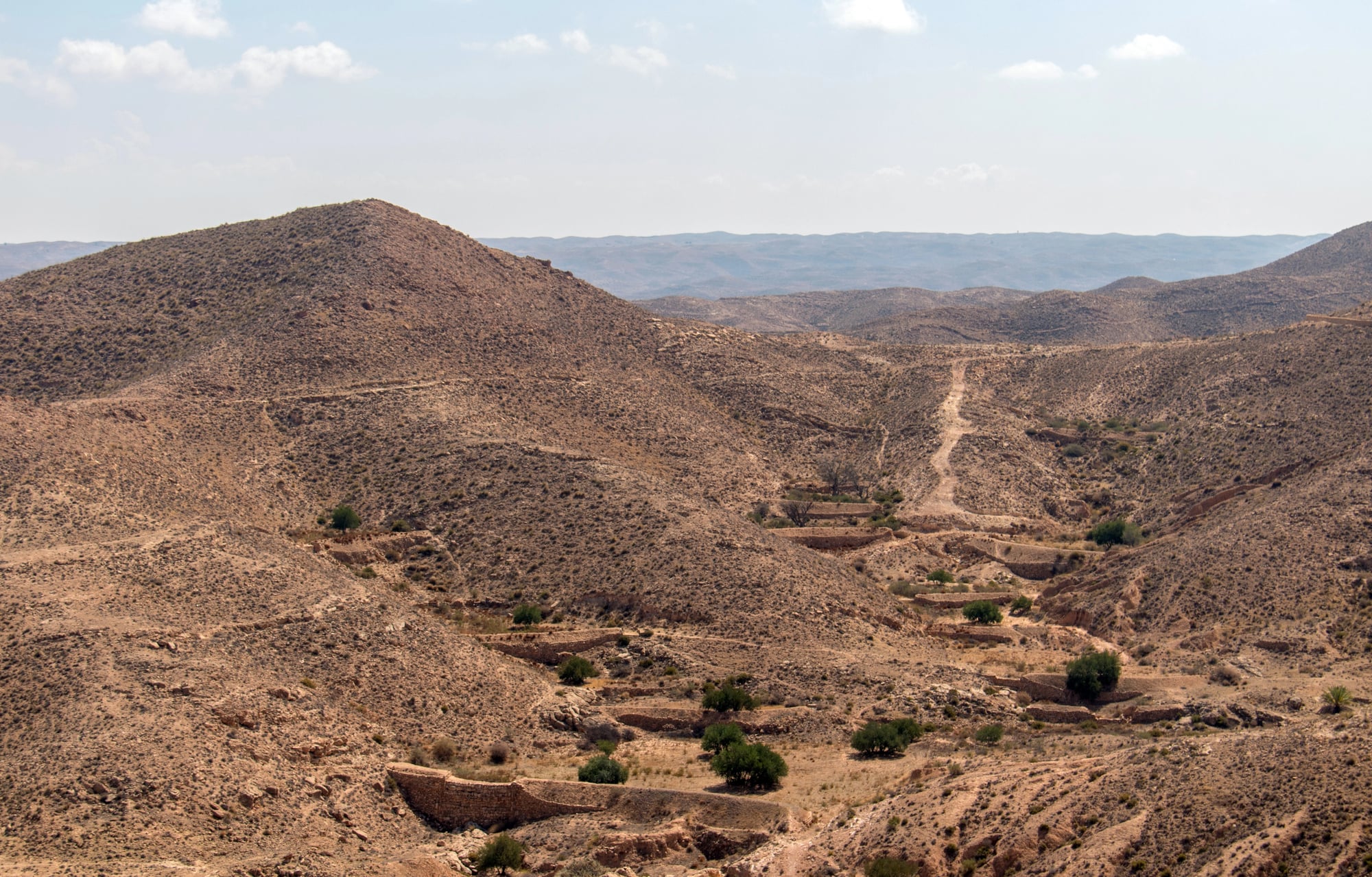
For ‘Star Trek V: The Final Frontier,’ a desert alien settlement was constructed in Nevada’s Valley of Fire State Park. The elaborate structures were designed to look like ancient alien ruins for scenes involving the character Sybok. After filming wrapped, much of the set was abandoned due to the remote location. Weather-beaten remains of these structures create an otherworldly ghost town appearance that hikers occasionally discover, often not realizing they’re walking through Star Trek history.
MAS*H 4077th Camp
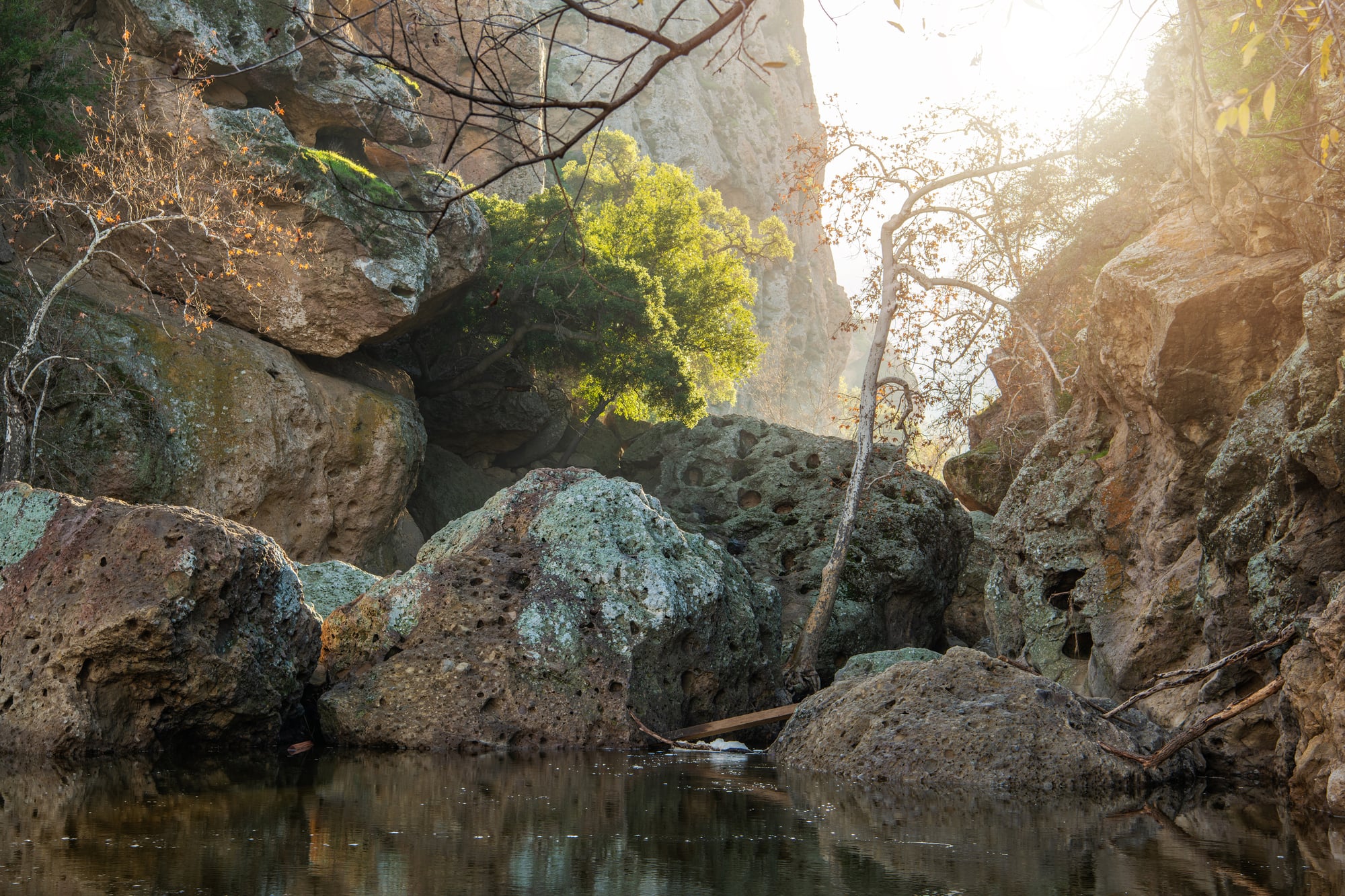
The hit TV show was filmed for 11 years at an outdoor set in California’s Malibu Creek State Park. The location represented a military hospital camp during the Korean War, complete with tents, structures, and military vehicles. When the series concluded in 1983, much of the set was removed, but some elements were purposely left behind. Today, hikers can explore the foundations and remaining structures of the famous fictional military camp, creating a unique ghost town-like experience.
Like Go2Tutors’s content? Follow us on MSN.
Hollywood’s Forgotten Legacy

These abandoned movie sets stand as peculiar monuments to filmmaking history, blending fantasy and reality in their slowly decaying structures. Unlike traditional ghost towns that formed around economic booms and busts, these cinematic ghost towns were built specifically to create illusions before being discarded when their stories concluded. They offer visitors unique opportunities to physically step into fictional worlds, even as time continues to transform these once-bustling film locations into genuine ruins with stories of their own.
More from Go2Tutors!

- 18 Unexpectedly Valuable Collectibles You Might Have Lying Around
- 20 Little-Known Historical Battles That Had Huge Consequences
- 20 Historical Artifacts That Scientists Can’t Explain
- 15 Inventions That Were Immediately Banned After Being Created
- 20 Actors Who Were Almost Cast in Iconic Roles
Like Go2Tutors’s content? Follow us on MSN.