18 Currencies Around the World and What They Represent
A nation’s tale often hides where few think to look – inside its wallets. Notes and coins speak without words, shaped by moments long past.
Each design holds meaning, stitched into images and numbers across metal and paper. What appears in small change might whisper resistance, echo tradition, or honor forgotten faces.
Money moves through hands daily, yet carries weight far beyond price. Some symbols shout. Others wait patiently to be noticed.
Around the globe, cash tucked into wallets tells quiet stories. What appears on bills might reveal more than expected.
Pockets carry symbols shaped by history, culture, power. Each note whispers something different depending on where you stand.
Look closely – faces, colors, words – are never just decoration.
U.S. Dollar

Money from the United States moves more than any other cash across the globe, holding its place without hesitation. Portraits stamped on the bills? Men who built the nation when it first stood.
That phrase “In God We Trust”? Slipped onto notes in 1956, while tensions rose with communist neighbors. Not just paper used to buy things.
A message carved into daily life.
Euro

One currency stands out because it ties together many nations – the euro. Introduced in 1999, it took over from older national monies such as the German mark and French franc during daily transactions.
Instead of famous landmarks, its banknotes show imaginary bridges and arches, hinting at links among Europeans. This form of cash rests on a belief: working together matters more than trying to beat each other.
British Pound

Older than most nations’ cash, the British pound stretches back more than twelve centuries. Surviving upheavals across continents, it stood firm through conflicts plus regime changes alike.
Every banknote and piece of metal carries the face of whoever wears the crown right now – so each change tells a story. With King Charles appearing in place of his mother during 2023, something subtle yet deep shifted beneath daily life.
Time moves quietly, visible only in details like these.
Japanese Yen

Back in 1871, Japan rolled out the yen while reshaping its economy to stand alongside Western nations. Though it sounds simple, ‘yen’ translates to ‘round object,’ a nod to coin shapes borrowed from old Chinese money styles.
Today’s banknotes? They show thinkers, authors, and icons – military faces are nowhere to be seen. Peace shaped this choice; wisdom took center stage instead of power.
Swiss Franc
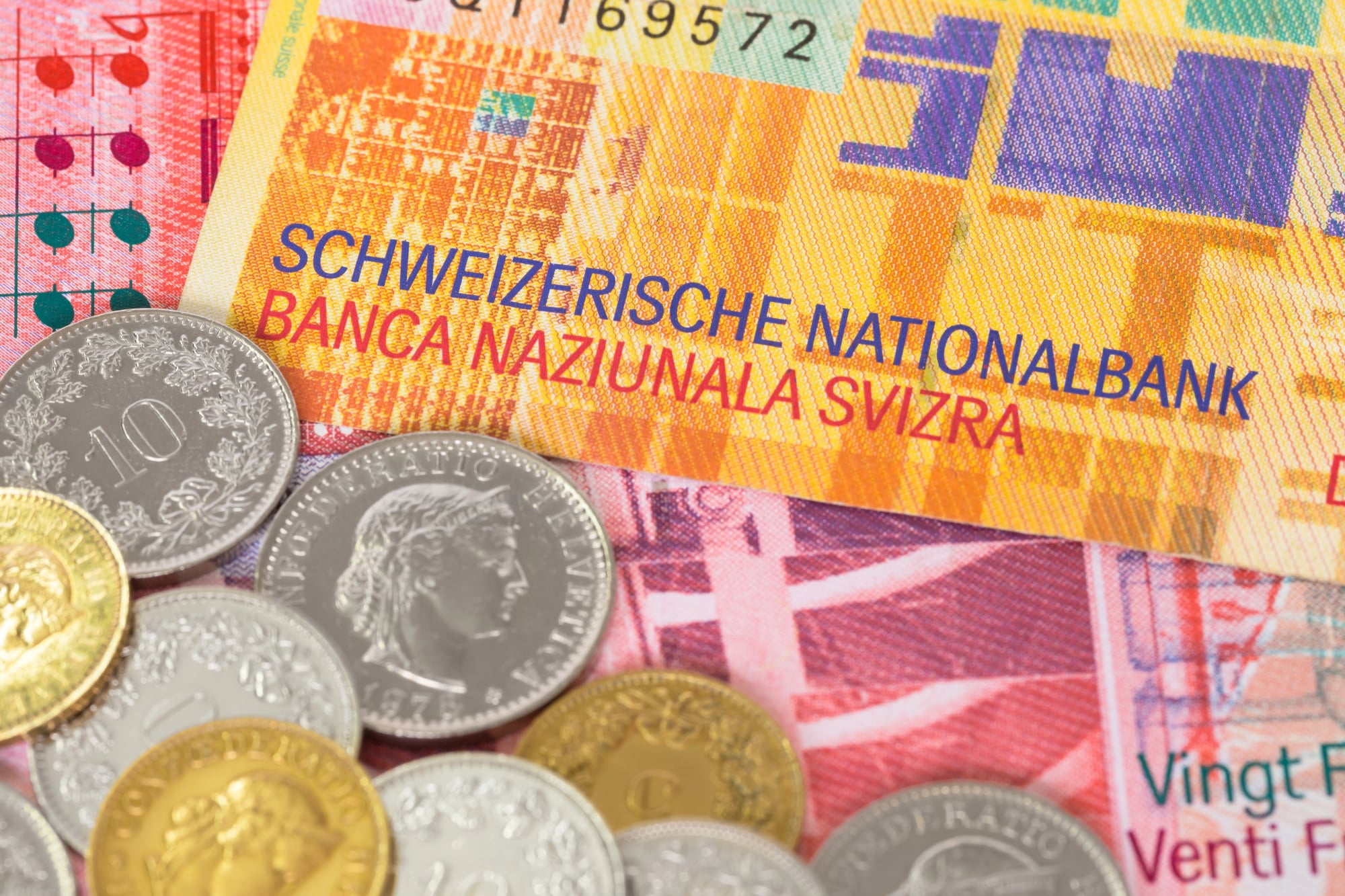
Among nations, few place a designer on paper money. Wars pass by without pulling Switzerland into sides, so does its economy stay steady through storms elsewhere.
When stock swings rattle traders, they turn to the franc like shelter from rain. Artists shape the look of Swiss banknotes, not generals or politicians.
Stability shows up not just in vaults but in portraits printed with purpose.
Indian Rupee
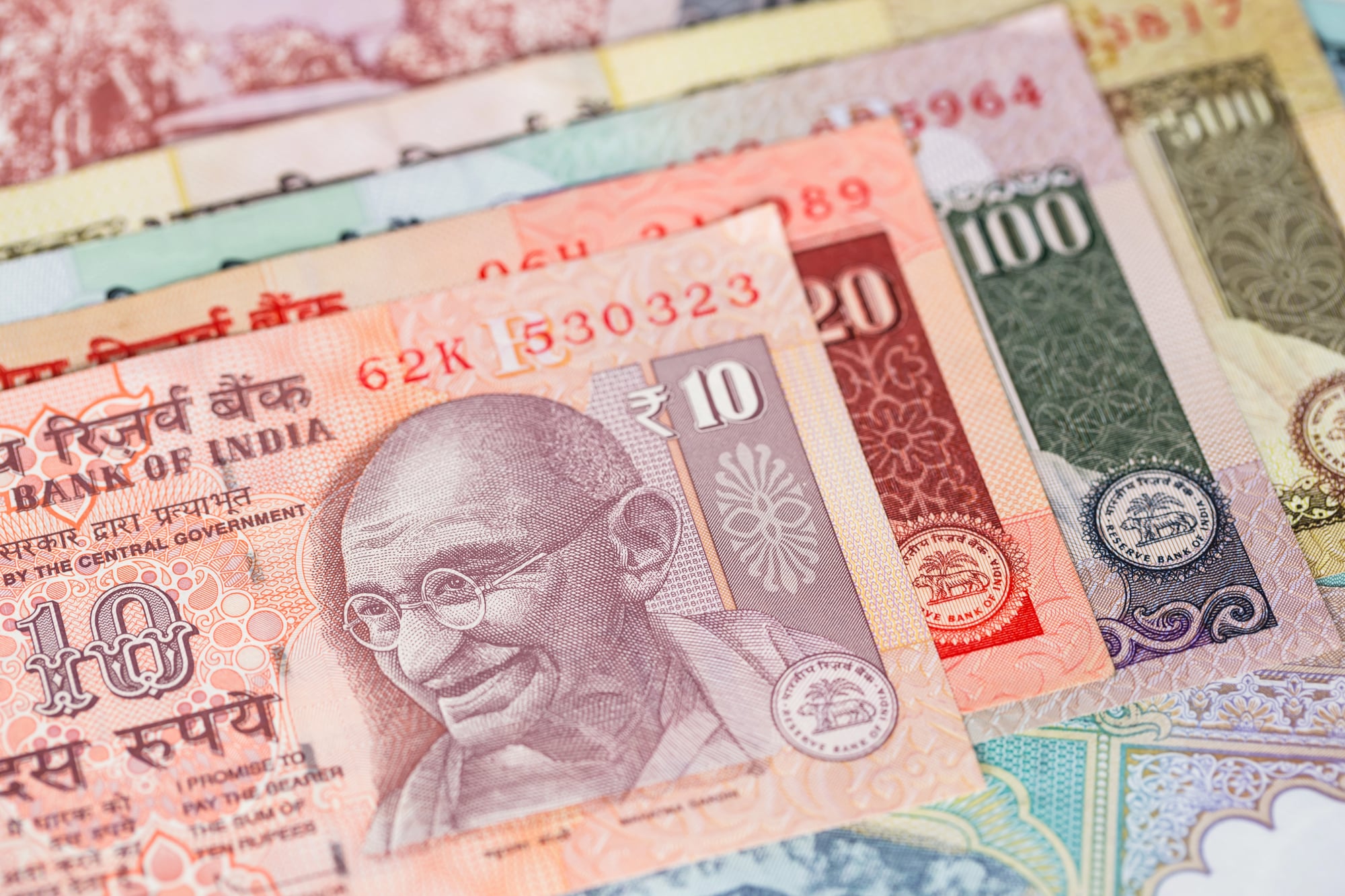
Centuries of trade ride behind every Indian rupee. From the Sanskrit term ‘rupya,’ translating to ‘shaped silver,’ its name roots deep into the 1500s.
Now, paper money shows Mahatma Gandhi facing off against the official mark of the Reserve Bank of India – history meeting control. That symbol stamped on prices since 2010?
It fuses the Devanagari ‘Ra’ with a Roman ‘R,’ old whispers speaking through new forms.
Chinese Yuan
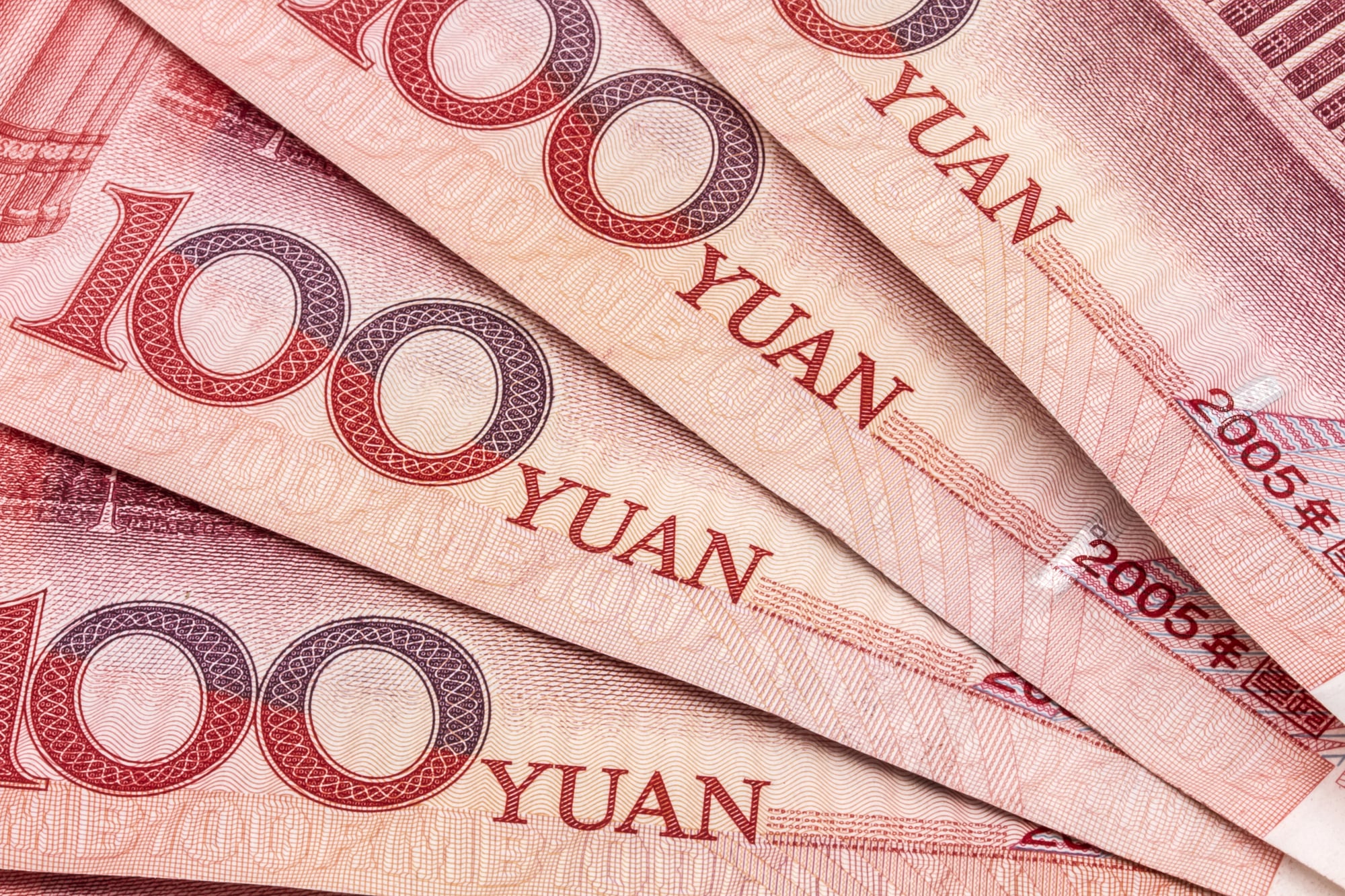
Back in 1949, right after the People’s Republic of China took shape, they rolled out a new money – the yuan. Locals often call it renminbi, meaning “currency of the people,” which already hints at its intended message.
Though said differently, both names point to one idea – economic strength belonging to everyday citizens, supposedly. Every paper note shows Mao Zedong staring forward; his face never steps aside, even across different values.
Few national monies feature just one figure like that, over and over again. Because of this constant presence, the cash does more than buy things – it speaks.
South African Rand

The rand was introduced in 1961 when South Africa became a republic, replacing the pound. The name comes from ‘Witwatersrand,’ the Afrikaans name for the ridge where Johannesburg sits and where massive gold deposits were found in the 1880s.
Modern rand notes feature the ‘Big Five’ animals (lion, elephant, rhino, buffalo, and leopard), celebrating the country’s wildlife rather than its political figures. That is a refreshing and confident choice for any nation.
Nigerian Naira
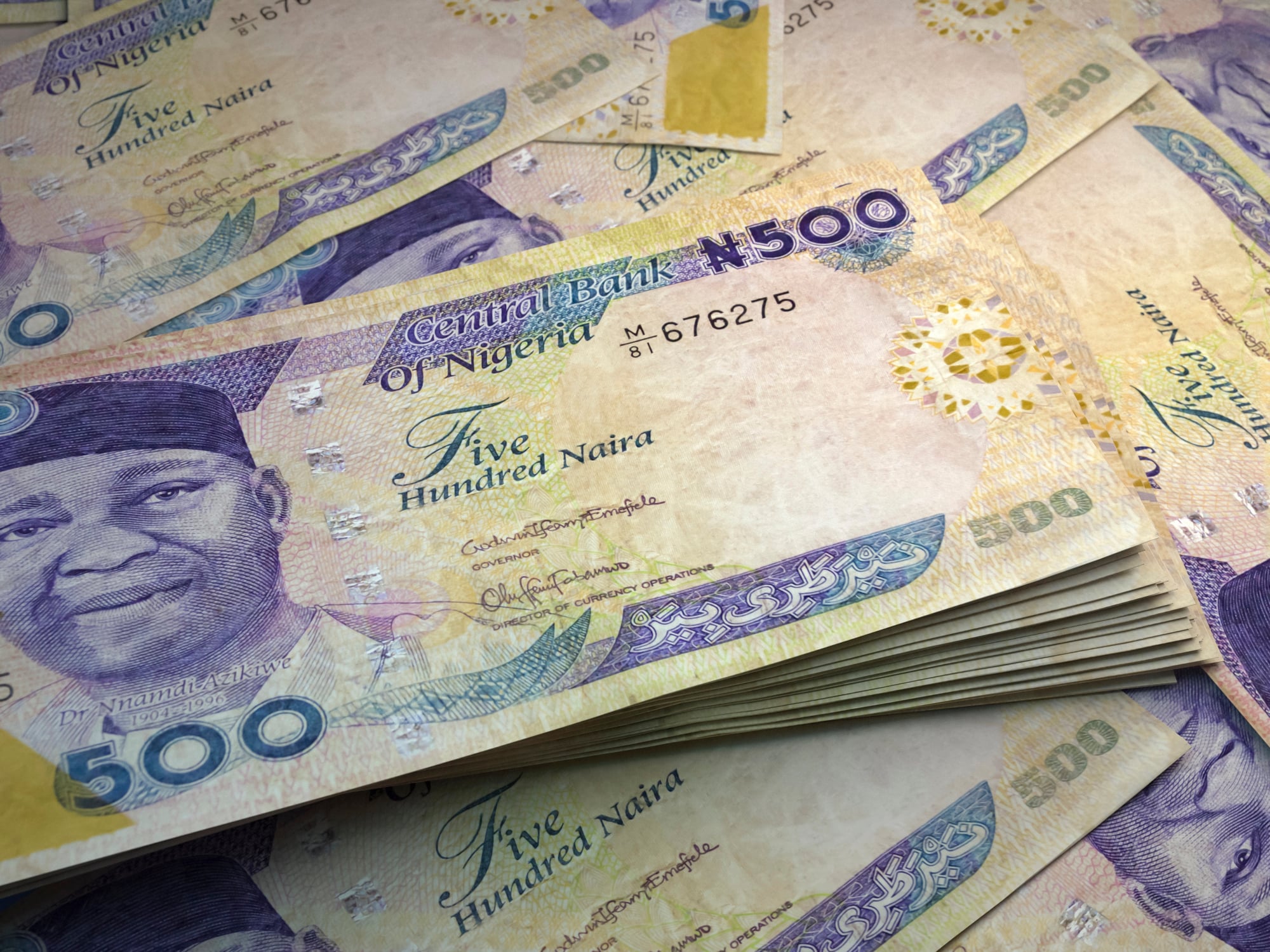
The naira was introduced in 1973, replacing the pound, as Nigeria worked to build a post-colonial identity. The name ‘naira’ was shortened from ‘Nigeria,’ making the currency a direct reference to national pride.
Notes feature key figures in Nigerian history, like Nnamdi Azikiwe, the country’s first president, and the Olu of Warri. It is a currency that tries to hold together a large and diverse country under one shared identity.
Brazilian Real

Brazil relaunched its currency as the ‘real’ in 1994 as part of a bold economic plan called the Plano Real, designed to stop runaway inflation that was making prices change almost daily. The word ‘real’ means both ‘royal’ in Portuguese and ‘real’ as in genuine, which was a deliberate choice to restore public trust in the country’s money.
Wildlife and nature dominate the imagery on Brazilian notes, from hummingbirds to sea turtles. For a country with the Amazon rainforest in its backyard, that makes perfect sense.
Mexican Peso

The peso has one of the longest histories in the Americas, with roots going back to the Spanish colonial era in the 16th century. It was actually one of the first currencies to be widely used across continents, traded from Asia to Europe through Spanish trade routes.
Today’s notes feature Mexican cultural heroes like Frida Kahlo and historical landmarks like ancient Aztec temples. The peso wears its history proudly, right down to the fine details on each note.
Canadian Dollar

Canadians call their dollar coin the ‘loonie’ because it features a common loon, a bird found across the country’s many lakes. That says a lot about Canadian culture.
Rather than putting presidents or kings on their everyday coins, they chose a bird. The Canadian dollar notes feature Queen Elizabeth II (and now King Charles III) alongside Canadian landscapes and achievements, balancing ties to the British Commonwealth with a strong national identity.
Australian Dollar

Australia became the first country in the world to produce a complete series of polymer (plastic) banknotes in 1988, making their money harder to counterfeit and longer lasting. The notes celebrate Australians who made a difference, from poets to scientists to activists.
Edith Cowan, the first woman elected to an Australian parliament, appears on the $50 note. For a country that often leans into its laid-back reputation, its currency quietly does serious work.
UAE Dirham
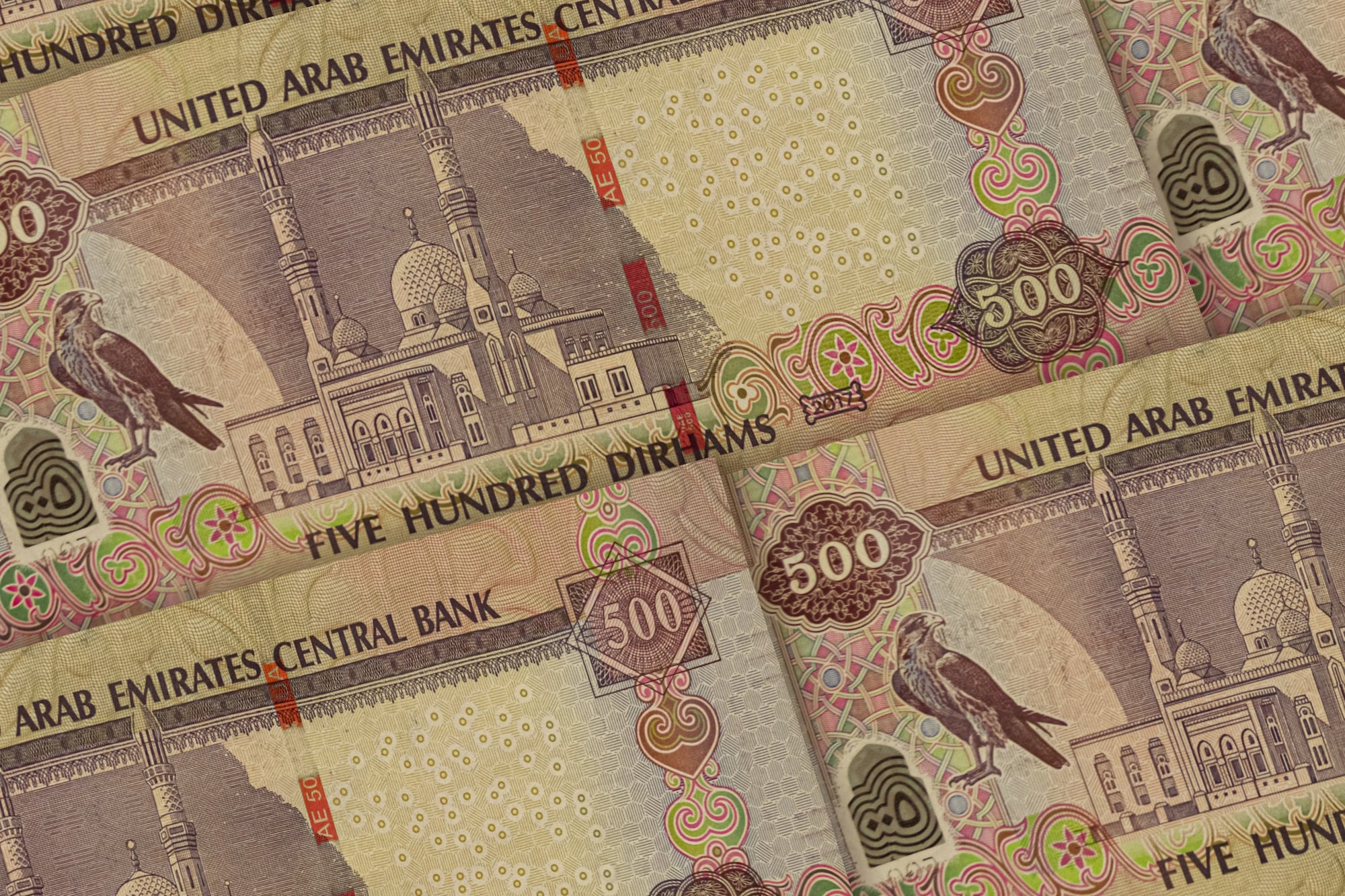
The UAE dirham was introduced in 1973, shortly after the United Arab Emirates was formed as a federation in 1971. The notes and coins feature landmarks like the Burj Khalifa and the Sheikh Zayed Grand Mosque, telling the story of a country that went from desert villages to global cities within a single generation.
Falcons, a symbol of strength and tradition in Emirati culture, also appear regularly on the currency. Few countries can show that kind of transformation through their money.
Kenyan Shilling

Kenya introduced its shilling in 1966, three years after independence from British colonial rule. The currency features Jomo Kenyatta, Kenya’s first president, on coins, and more recent notes highlight key national landmarks like Mount Kenya and the Parliament buildings.
The imagery is designed to promote national unity across Kenya’s many ethnic communities. Money, in this case, is doing quiet but important social work.
Saudi Riyal

The Saudi riyal is deeply connected to the country’s identity as both a modern economy and an Islamic nation. Notes feature images of the Masjid al-Haram in Mecca, one of the holiest sites in Islam, alongside oil refineries and government buildings.
That combination tells the whole story of Saudi Arabia: ancient faith meeting modern oil wealth. The riyal is essentially a portrait of the country’s two most powerful forces in your wallet.
Russian Ruble
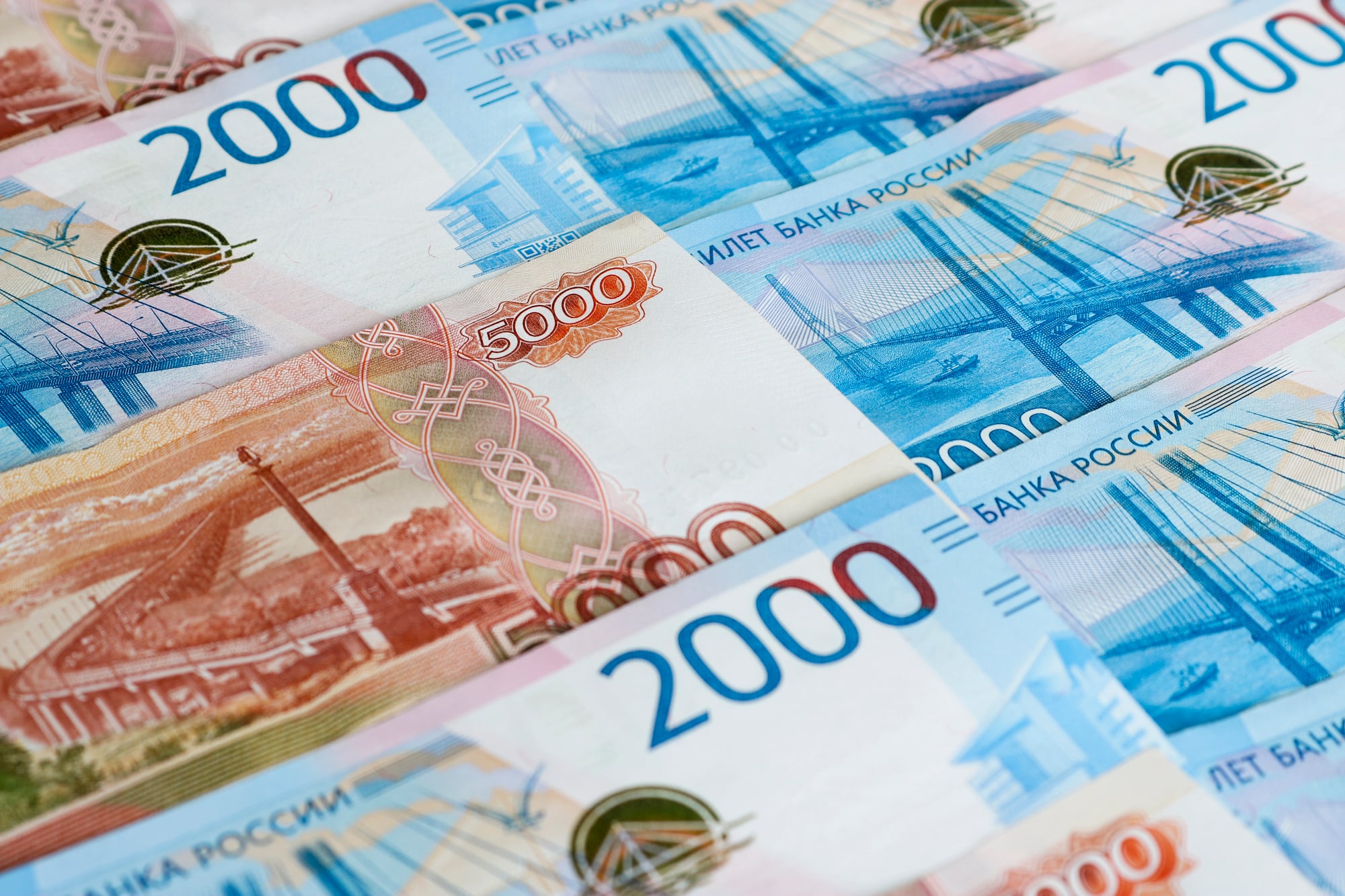
The ruble is one of the oldest currencies in Europe, with records of its use going back to the 13th century. Historically, it was a unit of silver, and its name comes from the Russian word ‘rubit,’ meaning ‘to chop,’ because silver rods were literally chopped to measure value.
Today, ruble notes feature Russian cities and historical landmarks, from the Kremlin to the Khabarovsk bridge. It is a currency with a long memory and a complicated present.
South Korean Won
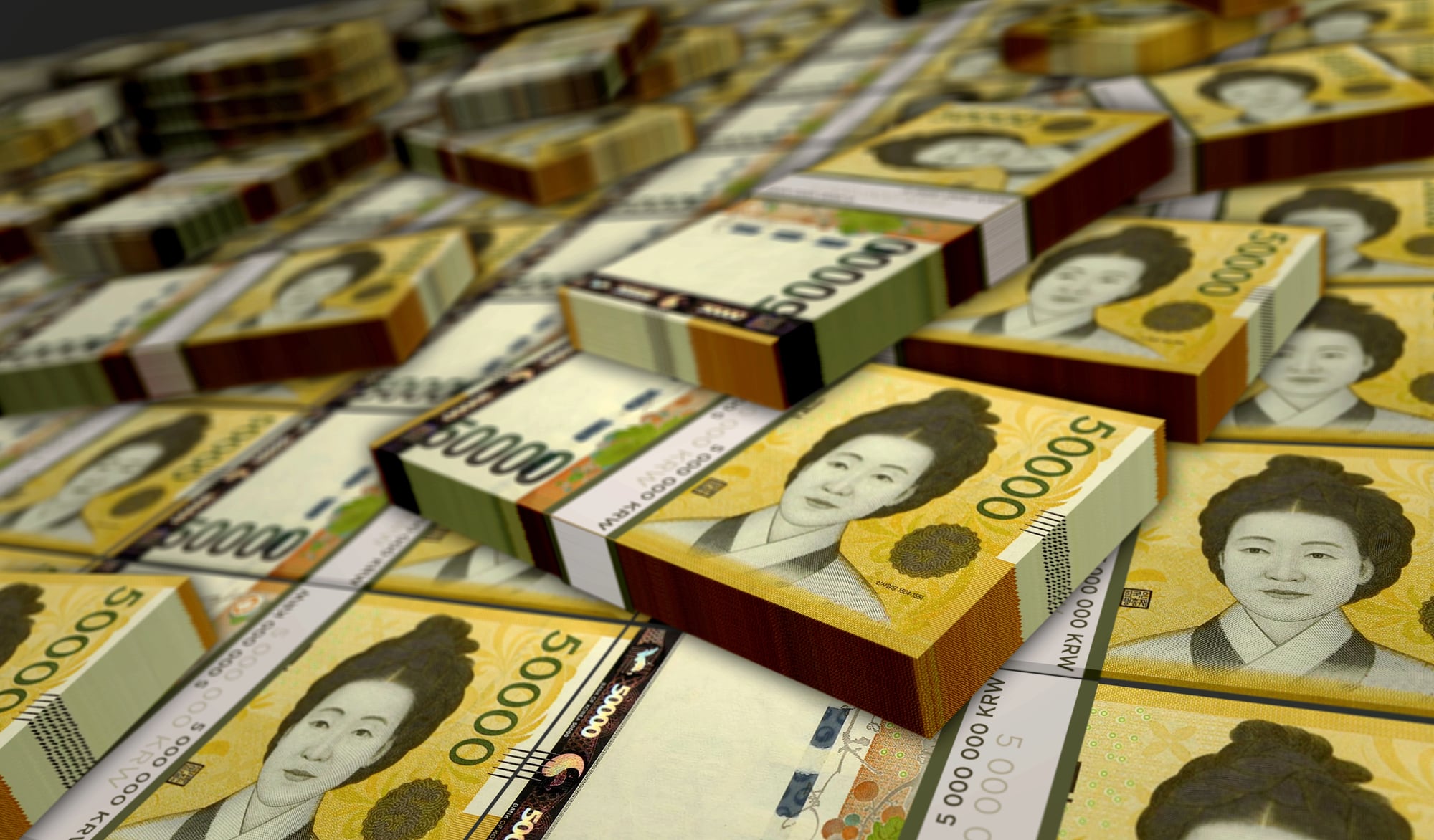
South Korea’s won was reintroduced in 1962 as the country worked to rebuild after the Korean War. The notes feature some of Korea’s most respected scholars and cultural icons, like Sejong the Great, the king who created the Korean alphabet.
South Korea’s economic rise from one of the world’s poorest countries to a global technology leader is baked into the story of the won. Holding a won note is holding a piece of one of history’s fastest economic comebacks.
The Story Money Tells
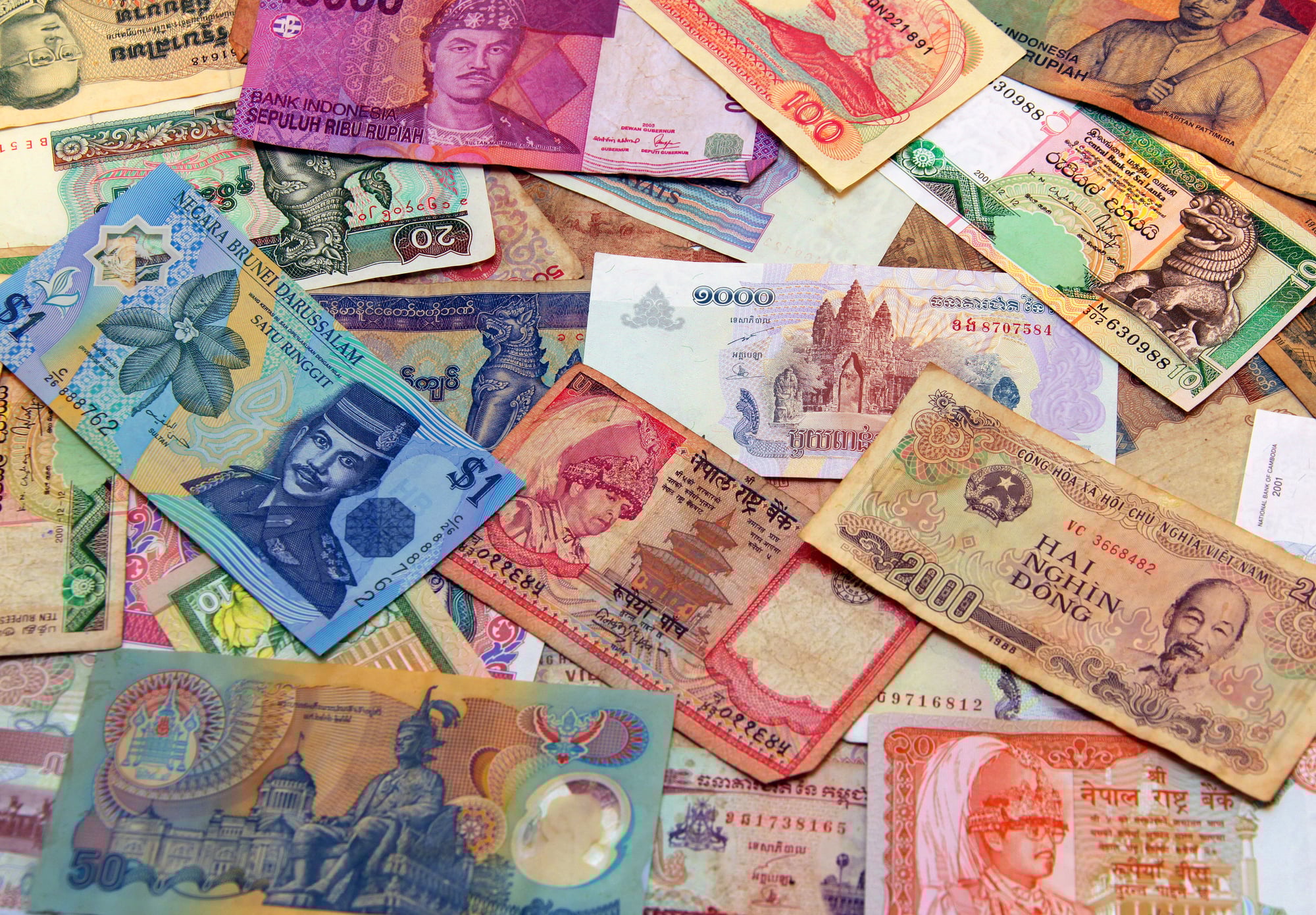
Currencies are quiet archives. They hold the values, the victories, and sometimes the wounds of a nation in a form that passes through millions of hands every day.
From the Swiss franc’s nod to artists to the Nigerian naira’s push for post-colonial identity, each currency is a window into what a country chooses to remember and celebrate. The next time money changes hands, it is worth pausing to notice whose face is on it and why.
More from Go2Tutors!

- The Romanov Crown Jewels and Their Tragic Fate
- 13 Historical Mysteries That Science Still Can’t Solve
- Famous Hoaxes That Fooled the World for Years
- 15 Child Stars with Tragic Adult Lives
- 16 Famous Jewelry Pieces in History
Like Go2Tutors’s content? Follow us on MSN.



