19 Common Household Items With Histories Far Stranger Than Most People Realize
Take a look around your kitchen or bathroom right now and you’ll find a dozen objects so ordinary you’ve stopped seeing them entirely. The toothbrush by the sink, the fork in the drawer, the rubber band holding together a stack of mail.
None of it seems worth a second glance. And yet almost everything within arm’s reach has a backstory involving war, accident, obsession, or someone’s spectacular failure to invent something else entirely.
Some of these items were designed for purposes so far removed from their current use that the original intention feels like a joke. Others exist only because a scientist made a mistake and refused to throw the results away.
What follows is a walk through some of the most familiar objects in American homes, and the surprisingly tangled roads that got them onto your counters and shelves.
Bubble Wrap
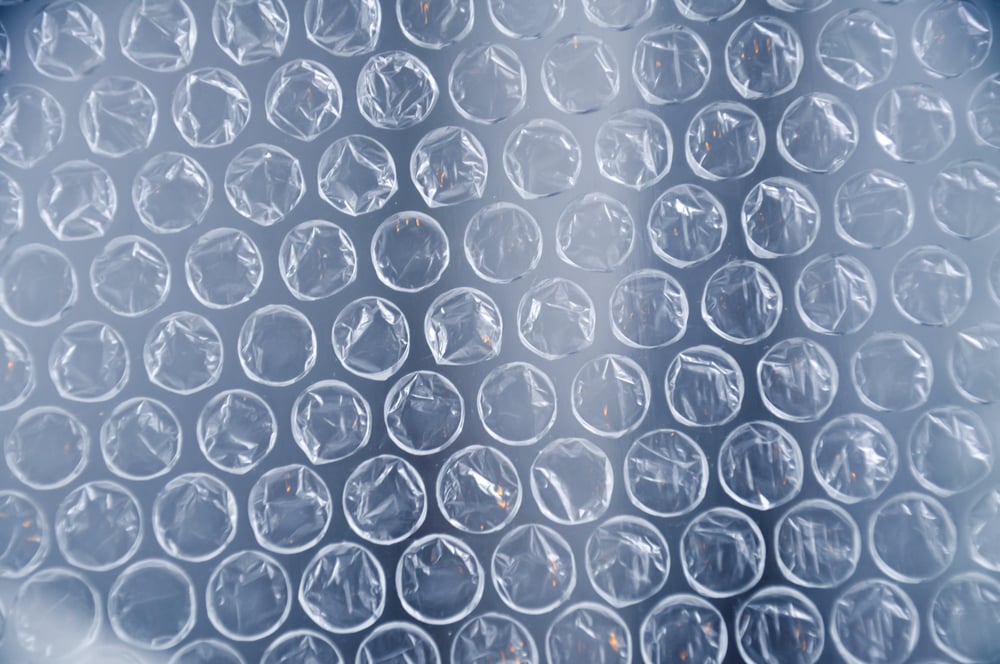
Bubble wrap was never supposed to protect anything. Two engineers in New Jersey were trying to invent a textured wallpaper in 1957, sealing two shower curtains together to trap air bubbles between them.
It flopped as wallpaper, flopped again as greenhouse insulation, and only found its purpose when IBM needed a way to ship a new computer without damage. Now it’s the sound of stress relief in offices everywhere, which is a strange legacy for a product that started out as home décor.
WD-40
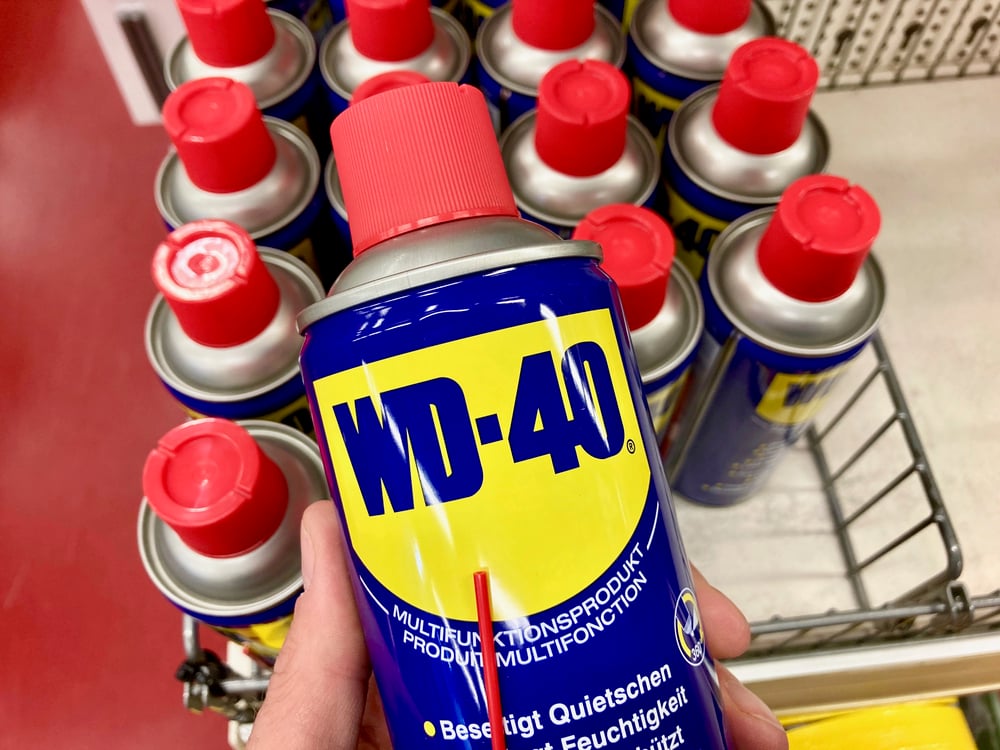
WD-40 stands for Water Displacement, 40th attempt. The first thirty-nine formulas failed outright.
Engineers in San Diego were trying to stop corrosion on Atlas missile parts in 1953, and the fortieth try finally worked well enough to trust with rockets. Decades later it’s mostly known for silencing squeaky doors, which is a modest job for something once trusted with national defense.
Play-Doh
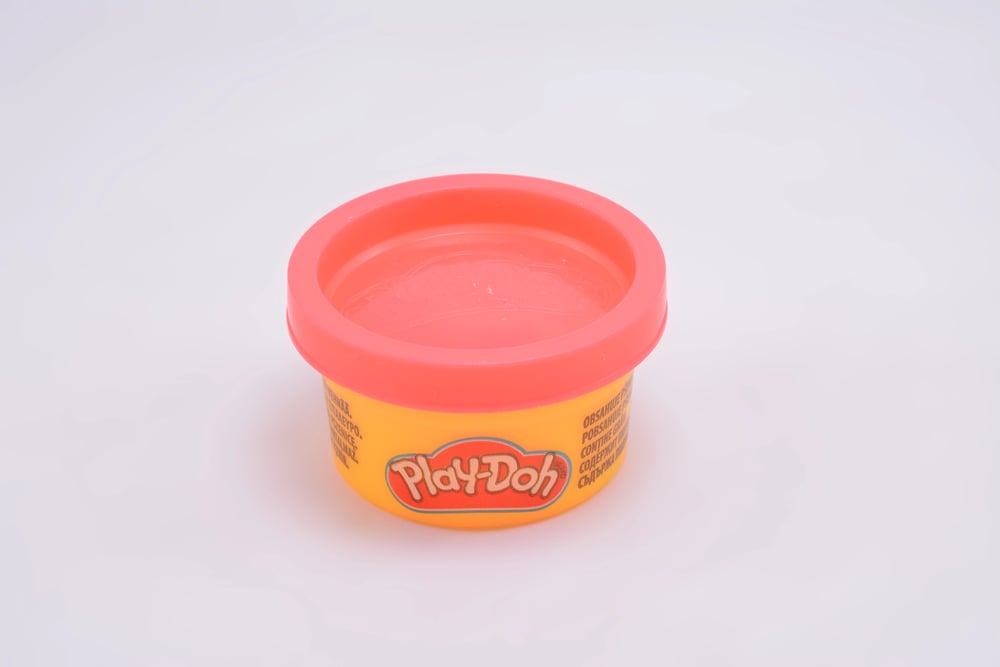
Play-Doh started out as wallpaper cleaner, of all things, sold to families trying to scrub coal soot off their walls back when furnaces left every surface in the house grimy by winter. A soap company in Cincinnati manufactured it for that exact purpose for years, and it worked fine until natural gas heating started replacing coal and the soot (along with the entire market) disappeared almost overnight.
A teacher happened to mention that her students loved molding the stuff during art class, which is the kind of offhand comment that somehow rewrites a company’s future, and the cleaner was quietly rebranded as a children’s toy in 1956. It’s sold in the billions of cans since then, colored and scented, with the coal-soot backstory buried under decades of pastel packaging.
Slinky
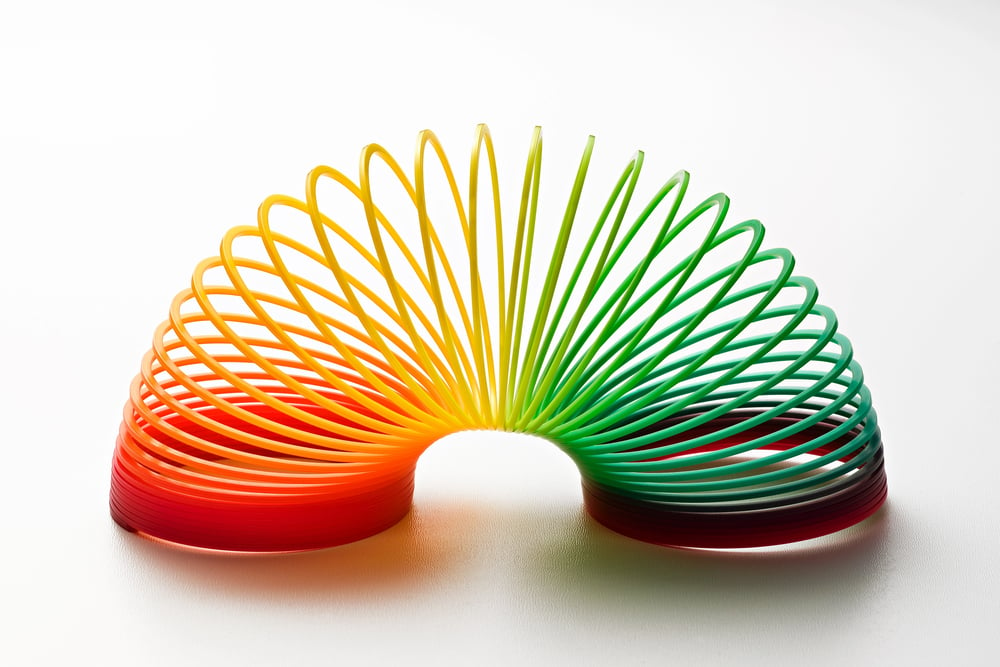
A tightly wound spring doesn’t look like a toy, it looks like something that belongs inside a submarine, which is exactly where it was headed until gravity intervened. Richard James was engineering tension springs to keep sensitive ship instruments steady during World War II, and one of his prototypes slipped off a shelf and walked itself, coil over coil, down onto a stack of books, then a table, then the floor.
There’s something almost comic about an object built to hold things perfectly still becoming famous for never sitting still at all. Millions of units later, it remains the rare toy that does only one thing, and somehow that’s the entire appeal.
Post-it Notes

The Post-it Note exists because a chemist at 3M failed to invent a strong adhesive and had the sense not to admit defeat. Spencer Silver landed on a glue in 1968 that stuck just enough to hold paper in place and just little enough to peel off clean, a quality that seemed useless until a colleague started using scraps of it to mark pages in his hymn book without leaving residue.
Nobody in the building thought a weak glue was worth celebrating at the time, which, to be fair, is a reasonable first reaction. It took the better part of a decade to turn that shrug into a product, and now offices go through them by the truckload.
Kitty Litter
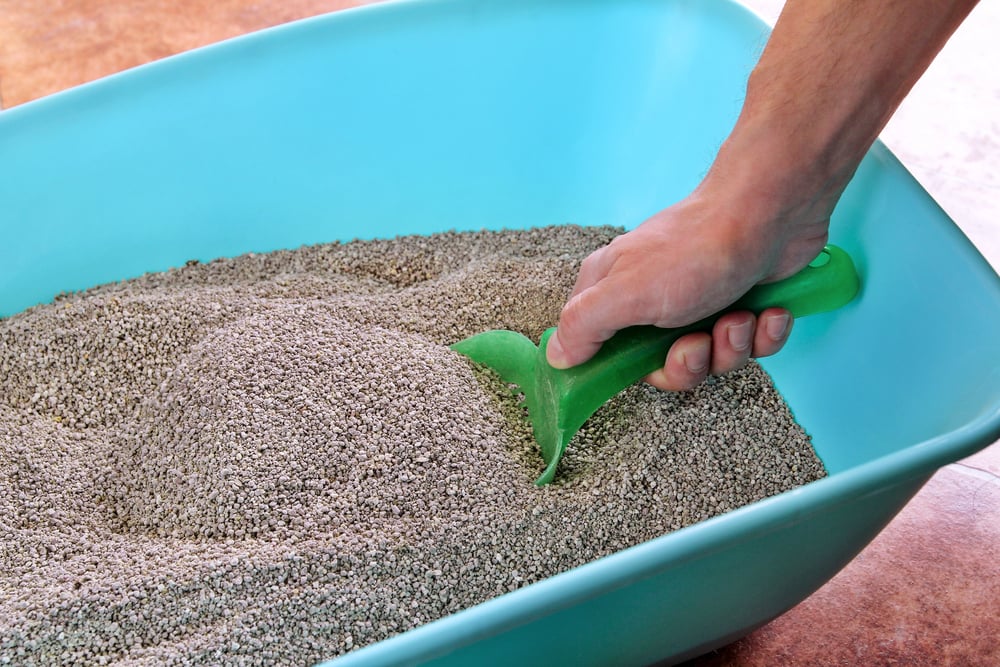
Cats used to do their business in sand, ashes, or dirt hauled in from outside, and none of it was pleasant. Ed Lowe changed that in 1947 almost by accident, handing a neighbor a bag of dried clay called Fuller’s Earth when she complained her sand kept freezing.
It worked better than anything she’d tried, so Lowe started selling bags of it out of his car, calling it Kitty Litter. That one favor turned into a company, and clay litter is still the standard sitting in laundry rooms across the country.
Velcro
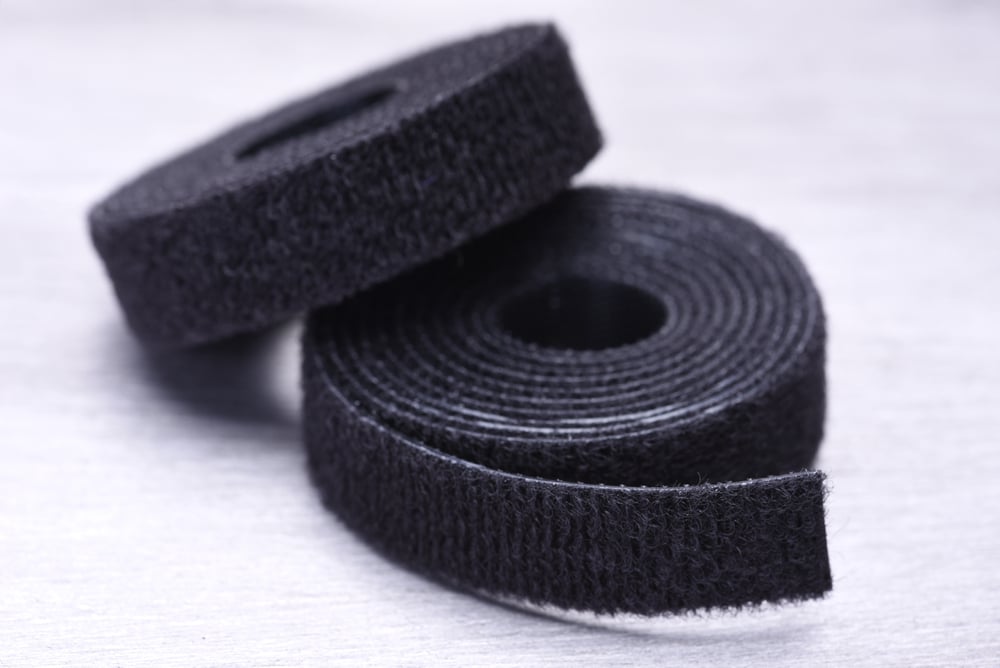
George de Mestral wasn’t hunting for an invention in 1941, he was just annoyed, picking burrs off his dog and his own pants after a walk through the Swiss countryside and wondering why the things clung so stubbornly. So he put one under a microscope instead of throwing it away, and found hundreds of tiny hooks that had snagged onto the fabric’s loops like a lock finding its key. It took years of failed thread experiments (nylon, stitched under infrared light, of a very specific stiffness) before he could reproduce that hook-and-loop grip on purpose.
The name he landed on borrowed from French: velvet and crochet mashed together, which is a far more elegant origin story than “burrs stuck to a dog.”
Super Glue
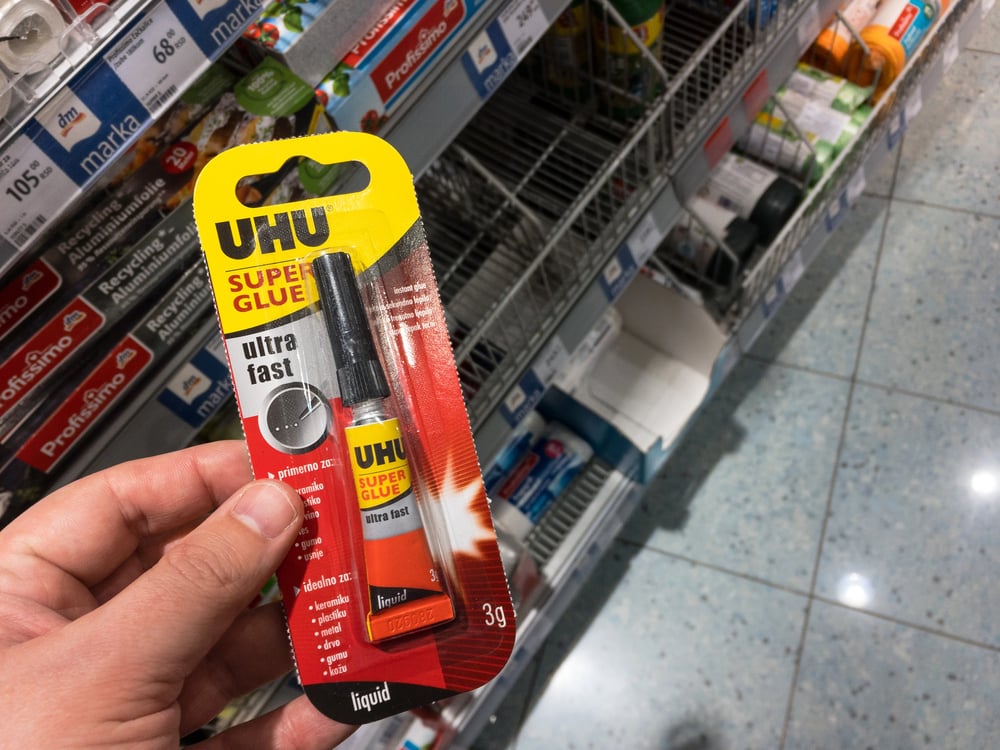
Harry Coover was hunting for clear plastic to build precision gun sights during World War II, and what he found instead was a substance so eager to bond that it ruined every piece of lab equipment it touched, sticking to itself like a secret nobody asked it to keep. He dismissed the compound as a failure, a chemical too stubborn to behave, and it took almost a decade before Eastman Kodak revisited it in 1951 and realized the flaw was the entire point.
It went on to serve battlefield medics in Vietnam, closing injuries fast enough to buy soldiers time before real treatment could take over, which is a strange promotion for something once thrown out as useless. The quiet joke sitting inside every tube: the stuff only became famous because it refused to do what it was told.
Listerine
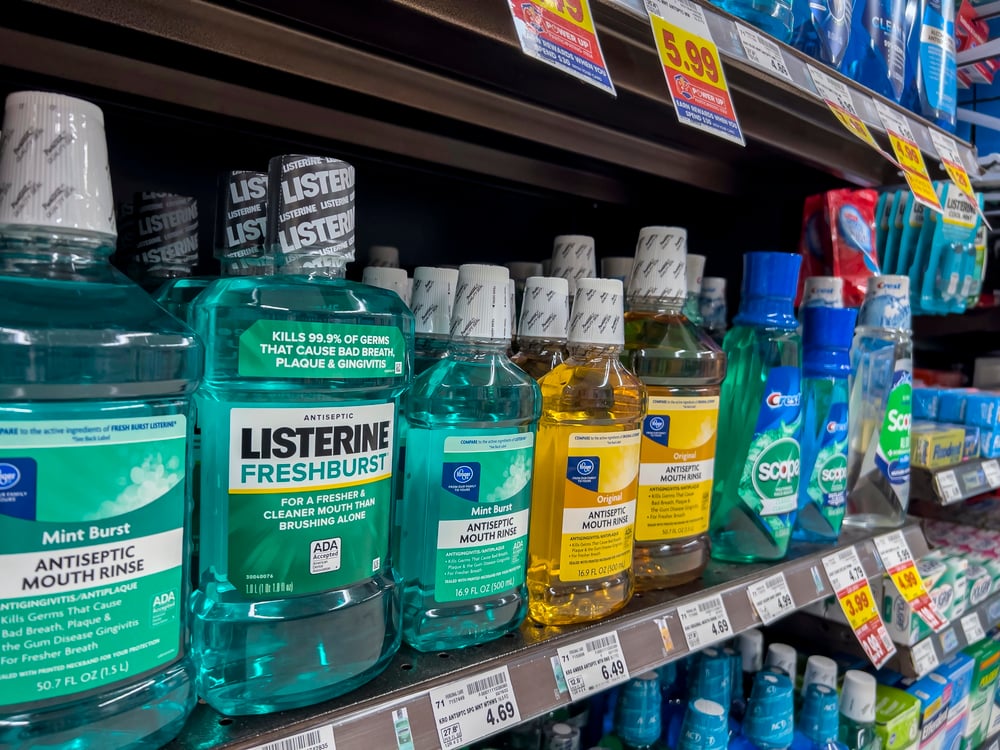
Listerine’s rise from surgical disinfectant to bathroom staple owes almost nothing to dental health and everything to a marketing campaign that invented a disease. Formulated in 1879 to sterilize surgical tools, it spent decades marketed as a treatment for everything from dandruff to floor grime, which is a strange resume for a bottle now sitting next to your toothpaste.
In the 1920s the company resurrected an obscure medical term, halitosis, and turned ordinary bad breath into a social catastrophe worth advertising against, a tactic so effective it built an entire market out of nothing. Turns out fear sells better than facts ever did, and Listerine has been proving that point for roughly a century now.
Jell-O
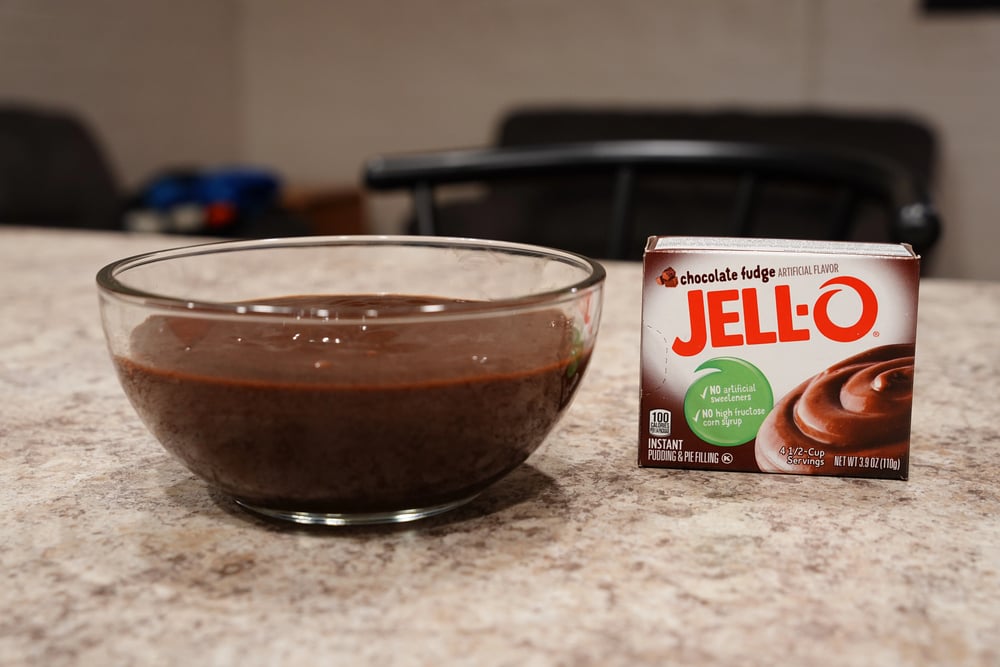
Jell-O began life not as dessert but as a patent medicine sold to treat digestive complaints, marketed by a carpenter named Pearle Wait in 1897 who had no real background in food science (he was, by trade, better suited to building things than selling them) and it failed spectacularly enough that he sold the rights for $450 just two years later. And that sale, which felt like a loss at the time, ended up handing the recipe to a company that figured out what nobody else had: people didn’t want medicine, they wanted a treat that wobbled.
By the 1930s it was standard in nearly every American kitchen, pushed along by door-to-door salesmen handing out recipe booklets like gospel — a strange fate for a product that started out promising to fix your stomach.
Q-tips
There’s something quietly domestic about the Q-tip, the kind of object that lives in a drawer without ever demanding attention, and its origin is just as unassuming. Leo Gerstenzang got the idea in 1923 watching his wife wind wisps of cotton around a toothpick to clean their baby’s ears, a small fix for a small problem that somehow scaled into a global habit.
He called the result Baby Gays before renaming it Q-tips, the Q standing for quality, which feels almost quaint next to the branding language companies reach for today. A cotton swab doesn’t ask for credit, it just shows up in the cabinet, does its narrow job, and disappears back into the clutter until it’s needed again.
Vaseline
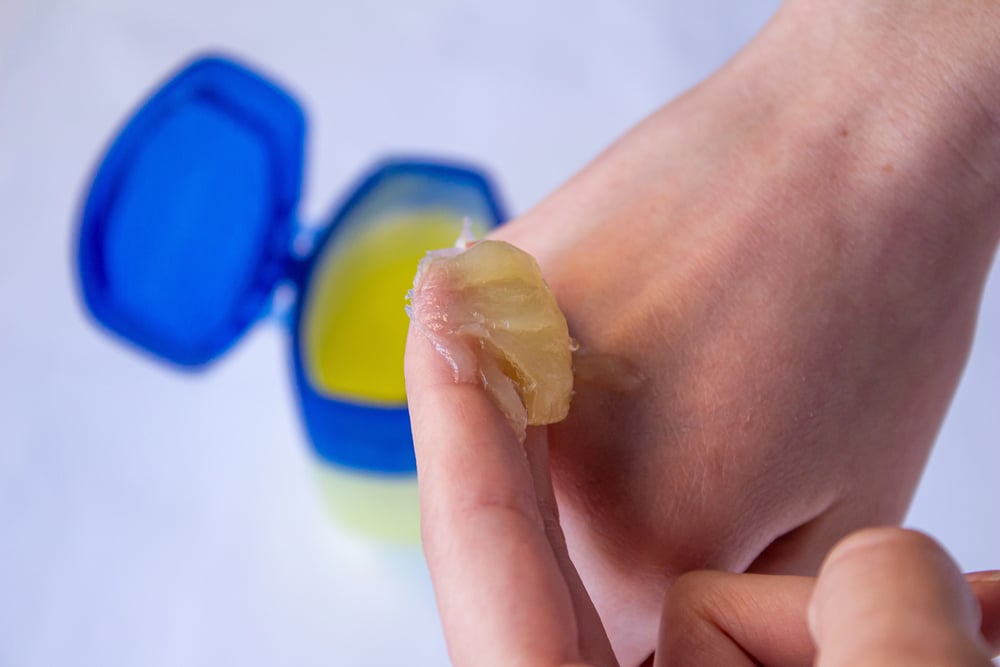
Robert Chesebrough didn’t discover Vaseline so much as steal it from oil rig workers, who kept complaining about a waxy residue called rod wax that gummed up their drilling equipment but somehow healed their scrapes and burns faster than anything else around. He spent years refining that sludge into a stable jelly, and then, in a move that would never survive a modern safety board, spent months eating spoonfuls of it and smearing it on self-inflicted cuts and burns just to prove it wouldn’t kill anyone.
That kind of confidence built an empire: by the early 1900s it sat in medicine cabinets across the country, marketed as a cure for nearly everything short of a broken leg. Nobody markets petroleum byproducts as miracle cures anymore, which is probably for the best, but it’s hard to argue with a product still selling well over a century later.
Frisbee
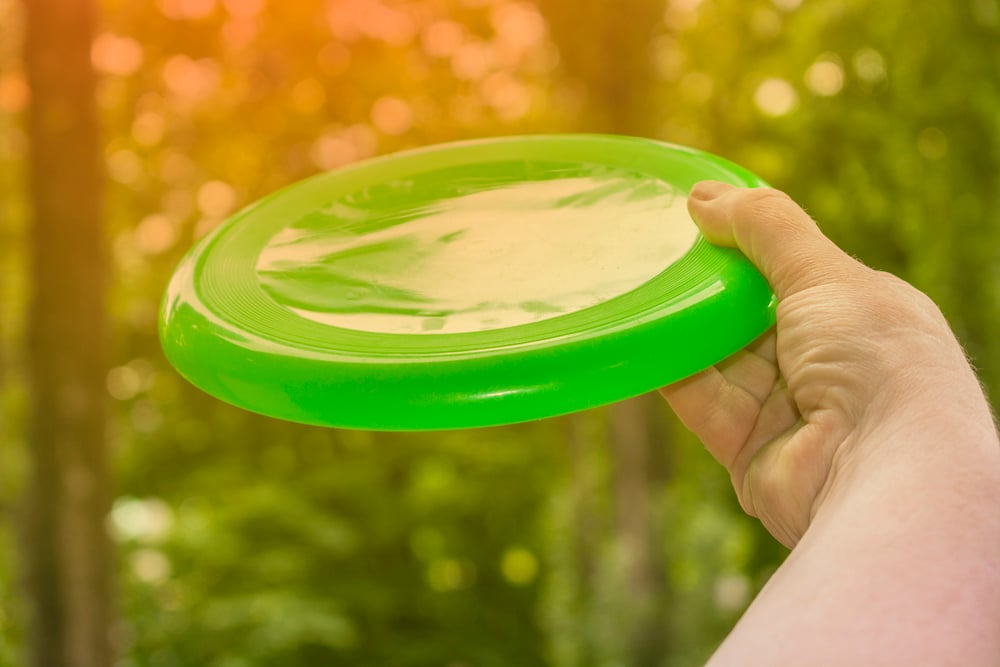
The Frisbie Pie Company never intended to invent a sport. College students in Connecticut just liked flinging the empty tins across campus, yelling “Frisbie!” as a warning before the metal caught someone in the head.
Wham-O saw the potential in the 1950s, reshaped the design, and renamed it Frisbee. A pie tin became a national pastime, and nobody at that bakery ever saw it coming.
The Zipper
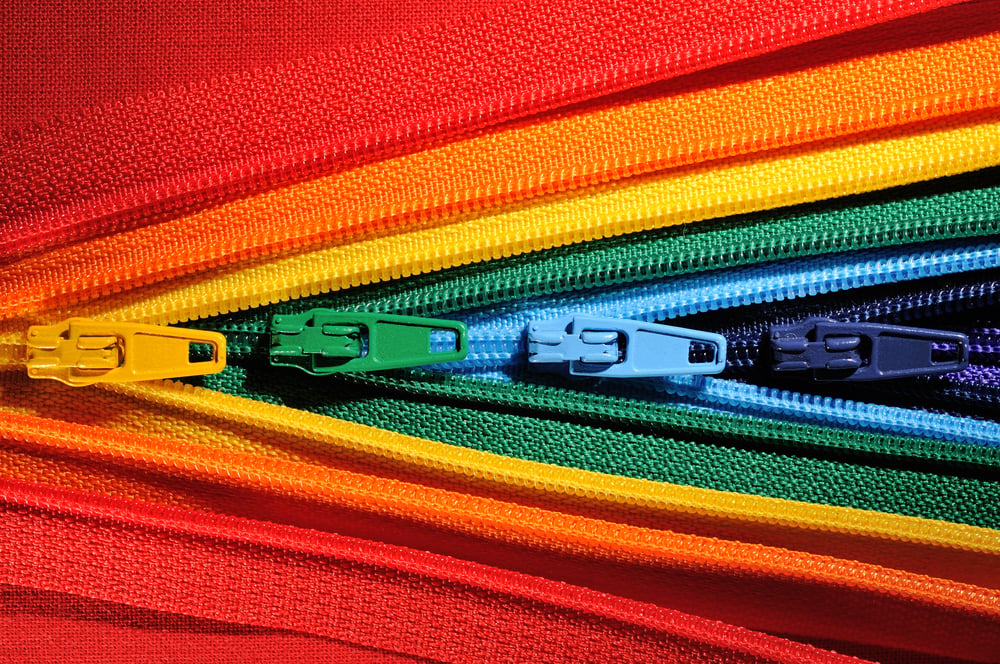
Whitcomb Judson patented what he called a “clasp locker” in 1893, meant for boots, and it barely worked — hooks popped loose at the worst moments, catching on trousers and skirts alike, so nobody trusted it near anything finer than a work boot. Gideon Sundback spent the next two decades fixing it quietly (widening the teeth, interlocking them so they actually held), and even then it sat around for years without a real name or a real market.
It failed, essentially, for a generation. And then B.F. Goodrich fastened it to a rubber boot in 1923, listened to the sound it made sliding shut, and called it a zipper: a name that outlived the boots by roughly a century, long before fashion ever caught up to it.
Teflon
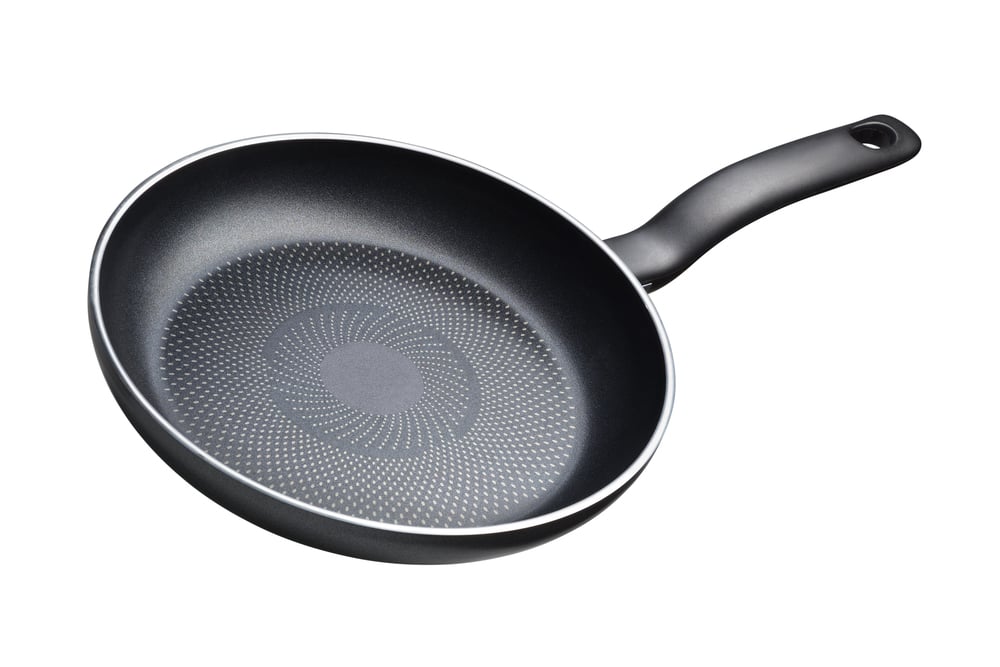
Roy Plunkett wasn’t looking for a nonstick surface in 1938, he was hunting for a new refrigerant, and what he found instead was a canister of gas that had quietly turned itself into a waxy white solid overnight — stubborn, slick, indifferent to nearly everything chemists threw at it. It sat in laboratories for years afterward, a compound too strange to sell and too useful to ignore, doing government work on the Manhattan Project, where it lined pipes and valves that needed to resist corrosive uranium gas without complaint.
The real transformation came over a decade later, when a French engineer’s wife suggested he try coating her frying pan with the stuff he kept bringing home from his fishing tackle, and the material that once babysat nuclear machinery found itself scrambling eggs instead. There’s a quiet comedy in that fall from classified laboratories to a supermarket skillet, and Teflon never seems to mind the demotion.
Duct Tape
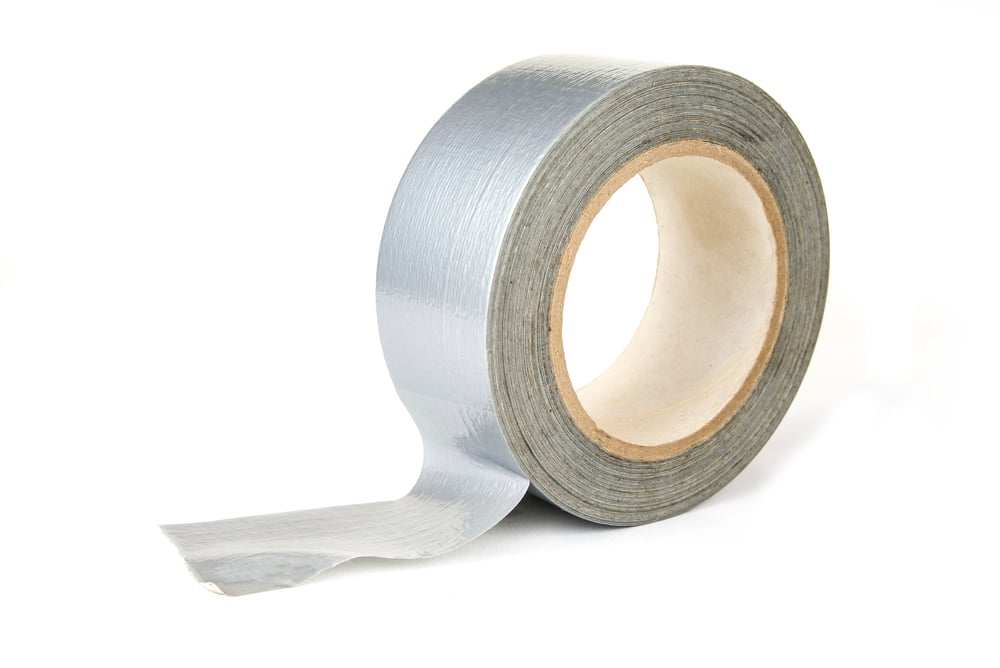
Duct tape is terrible at its supposed job, and that’s not an opinion, it’s a documented fact HVAC professionals have been repeating for decades. The stuff was developed during World War II as a waterproof cloth tape for sealing ammunition cases, nicknamed “duck tape” for its cotton duck fabric backing that shrugged off water like feathers on an actual duck.
Someone later decided the silver version looked right on heating ducts and the name drifted along with it, despite the adhesive breaking down under heat far faster than anything meant for ductwork should. It’s sold in hardware stores under a name describing the one household task it’s genuinely bad at, which is either a marketing failure or the most honest branding in America.
The Safety Pin
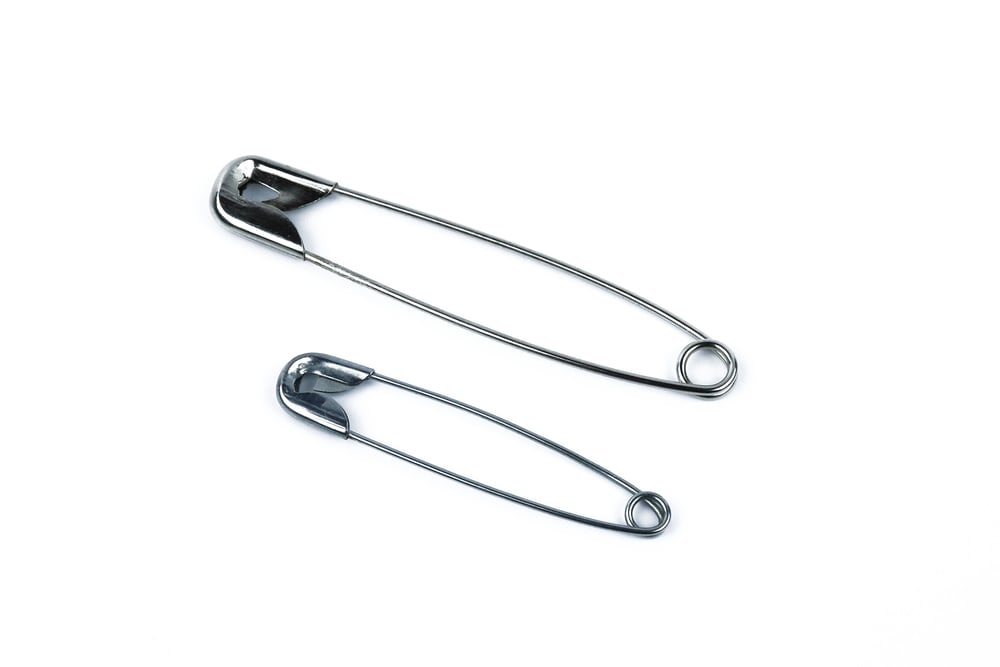
Walter Hunt invented the safety pin in 1849 over about three hours. He owed a friend fifteen dollars. He twisted a single piece of wire into a coil and a clasp, patented it, then sold the rights outright for four hundred dollars just to clear the debt.
Every royalty check that pin ever earned went to someone else entirely.
Silly Putty
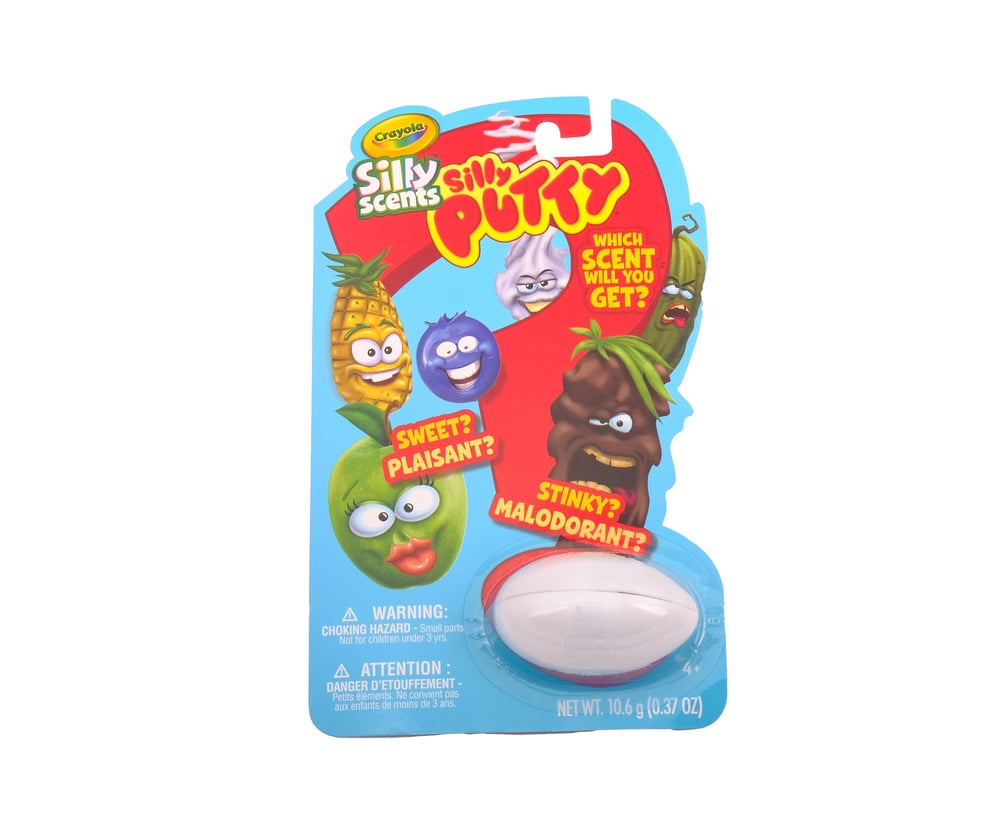
James Wright was trying to invent a synthetic rubber substitute in 1943, back when Japan’s occupation of rubber-producing regions in Southeast Asia had the United States scrambling for alternatives, and what he got instead was a gooey compound that bounced, stretched, and picked up newsprint like a sponge — completely useless for tires, completely fascinating for everything else. Nobody at General Electric could figure out what to do with a substance that stubbornly refused to be rubber, so it sat around as a novelty passed between engineers for years: a solution with no problem attached to it.
And then a toy store owner named Peter Hodgson noticed people enjoyed playing with it more than buying anything else in his shop, so he borrowed $147 to package it inside plastic eggs in 1950, which is not exactly the packaging you’d expect for a wartime research byproduct. It sold in the millions within a year, and Wright’s failed rubber substitute ended up outlasting most of the rubber it was supposed to replace.
Tupperware
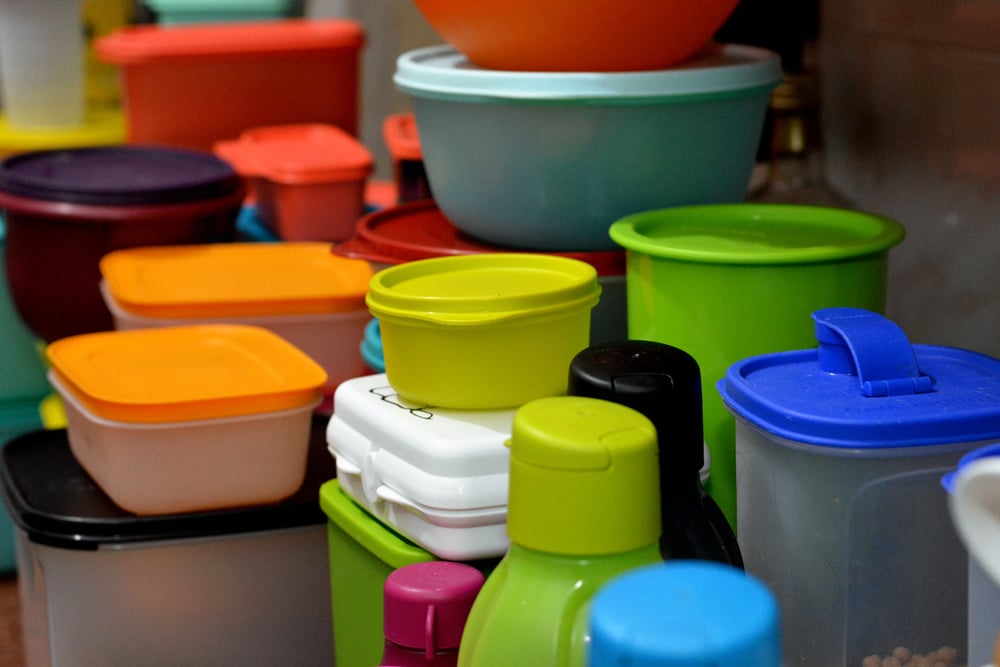
There’s a particular kind of stubbornness in plastic that refuses to be interesting on its own, and that’s exactly the problem Earl Tupper ran into after molding his airtight containers out of polyethylene slag in the 1940s. The material was solid, the seal worked exactly as promised, and still the stuff sat on store shelves gathering dust, because nobody standing under fluorescent lighting could figure out how to snap the lid on without a demonstration.
It took a saleswoman named Brownie Wise, who understood that people trust a product more when a neighbor is the one showing it off in her living room, to build the home party model that finally taught America how to burp a piece of plastic. What started as an unsellable container ended up teaching an entire country a word for sealing leftovers, which is a strange kind of immortality for something that began as scrap.
What the Junk Drawer Knows

Look through a kitchen drawer or a medicine cabinet and there’s history sitting in there, unbothered, waiting to be picked up and used for something it was never meant to do. None of these things arrived the way they’re remembered: the glue that wouldn’t glue, the cleaner that stopped cleaning, the missile coating that ended up in a toolbox.
Somewhere between the failure and the fix, someone paid attention long enough to notice what the thing actually wanted to be. That’s the part worth keeping in mind next time something ordinary sits on the counter looking like it never had another life at all.
More from Go2Tutors!

- The Romanov Crown Jewels and Their Tragic Fate
- 13 Historical Mysteries That Science Still Can’t Solve
- Famous Hoaxes That Fooled the World for Years
- 15 Child Stars with Tragic Adult Lives
- 16 Famous Jewelry Pieces in History
Like Go2Tutors’s content? Follow us on MSN.