24 Languages on the Verge of Disappearing That Fewer Than a Hundred People Still Speak
Somewhere right now, an elderly speaker is searching for the right word in a language nobody under sixty understands anymore. It happens quietly, without headlines, in villages and reservations and remote valleys most people will never visit.
Linguists have a grim shorthand for it: language death, the slow going-out of an entire way of understanding the world. What follows is a look at 24 languages clinging to existence with fewer than a hundred speakers left, some with only one or two, and what that kind of loss actually costs.
Ainu

Ainu belongs to the indigenous people of northern Japan, mainly Hokkaido, and it carries no proven relation to Japanese or any other living language. Fewer than ten fluent speakers remain, most of them elderly, and decades of forced assimilation policies did the damage long before anyone started keeping careful count.
Efforts to revive it exist now, classes and radio programs among them, but reviving a language after the generation that dreamed in it has mostly passed is a steep climb. What’s left is closer to resuscitation than preservation.
Ongota
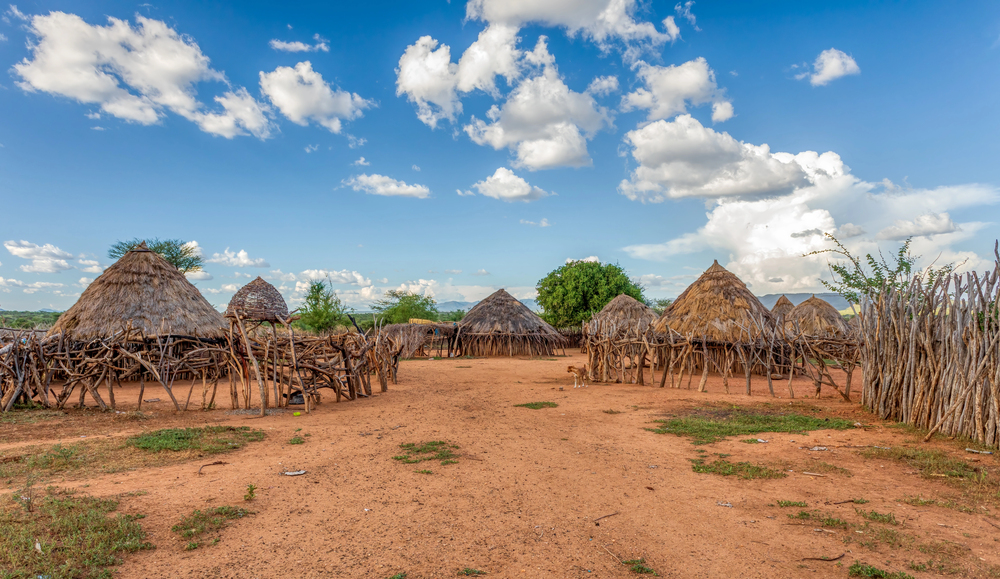
Ongota survives in a single village along Ethiopia’s Weito River, and barely. Fewer than a dozen people still speak it, and most of them are past sixty.
Linguists argue about where it even fits on the language tree — some say Cushitic, some say something older and stranger — and that argument might outlive the language itself. Nobody in the village under thirty speaks it fluently anymore.
Taushiro
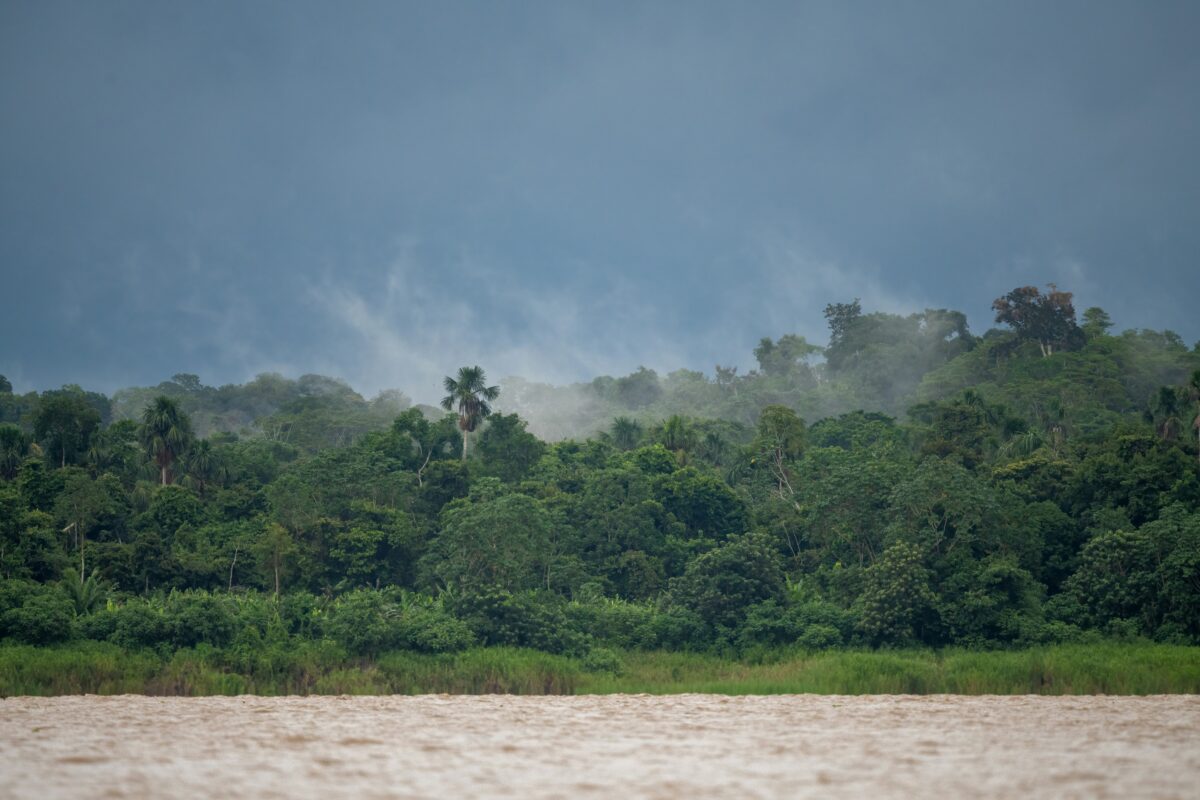
What happened to Taushiro is the kind of thing that sounds like a folktale until you check the sources and realize it’s just sad and true: the language now lives inside one man, Amadeo García García, deep in the Peruvian Amazon, and when he’s gone — which linguists who’ve studied him don’t expect to be far off — there’s no one left to correct the pronunciation, no one left to argue over a word choice, no one left, period. He wasn’t even raised speaking it fluently at first; he learned much of it later in life from his father, piecing together a language that had already lost most of its native ground.
Researchers have recorded him for hours, cataloging vocabulary and grammar the way you’d photograph a house before it’s demolished. So the language will technically survive on hard drives and academic papers, but that’s not the same as survival — a recording doesn’t argue back, doesn’t make a joke, doesn’t get tired mid-sentence and switch to Spanish out of habit.
Njerep
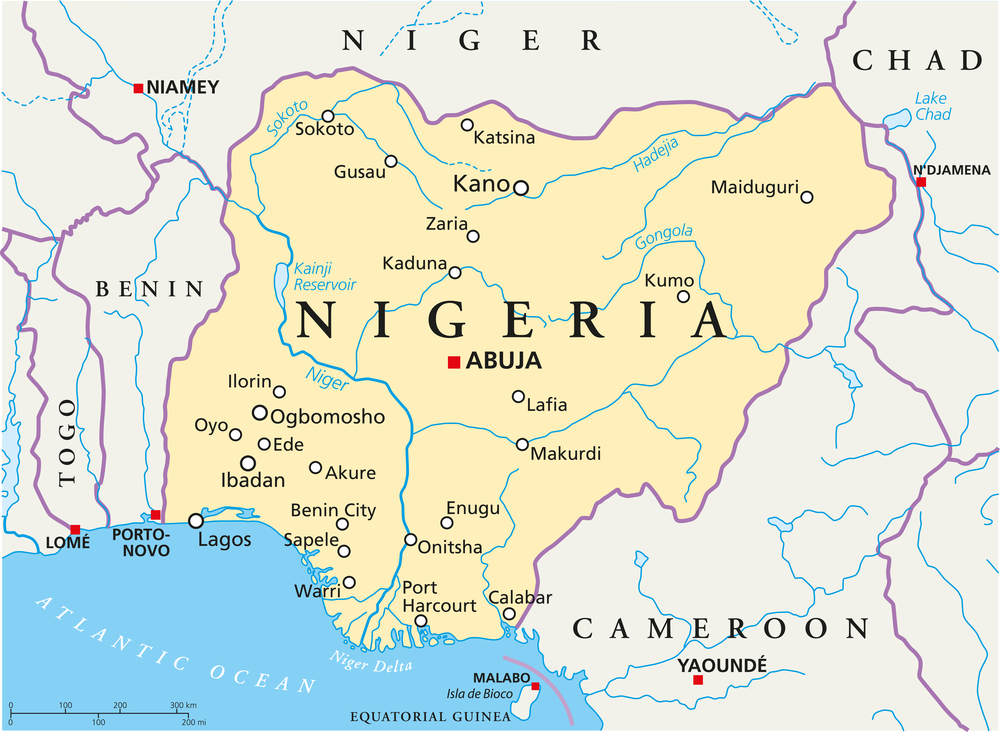
Njerep survives in a scattering of villages along the Nigeria-Cameroon border, tucked among the Mambila highlands where a dozen small languages have always crowded close together like plants competing for the same patch of light. Fewer than ten people speak it now, and most conversations these days lean on Mambila, the regional language that’s slowly swallowing its smaller neighbors whole.
There’s a kind of quiet erosion happening here, less like a landslide and more like a shoreline giving up an inch of sand every year until one day the map just needs redrawing. Nobody in the area under sixty grew up speaking it as a first language, and that gap doesn’t close — it just widens.
Livonian
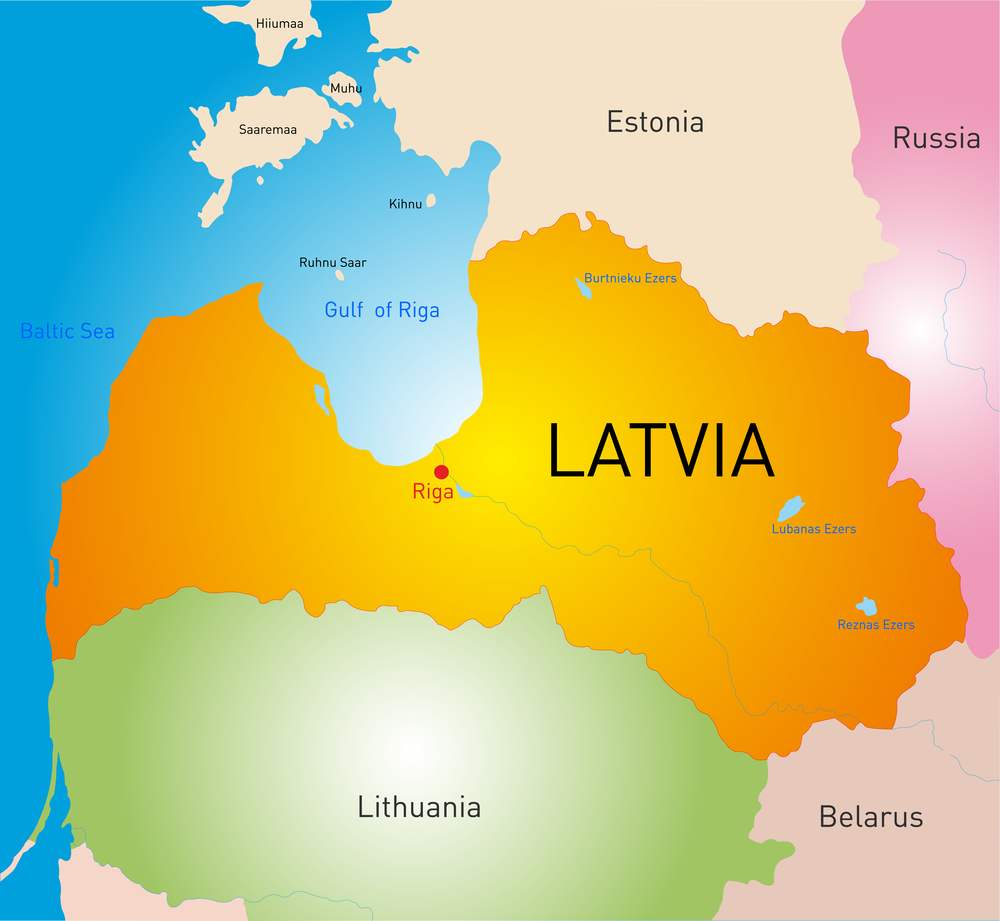
Livonian technically has no native speakers left, which sounds like a contradiction until you realize a language can exist in this strange in-between state — dead in the traditional sense, but kept upright by maybe forty people in Latvia and Estonia who learned it as a second language out of stubbornness and family pride. To be fair, that’s more than most vanishing languages get: a university program, a handful of summer camps, grandparents’ recordings that get passed around like heirlooms.
It won’t ever be anyone’s first language again, and pretending otherwise helps no one. What Livonian has now isn’t survival in the old sense — it’s something closer to a museum piece that occasionally gets taken out and used, which, honestly, beats sitting in a drawer.
Kaixana
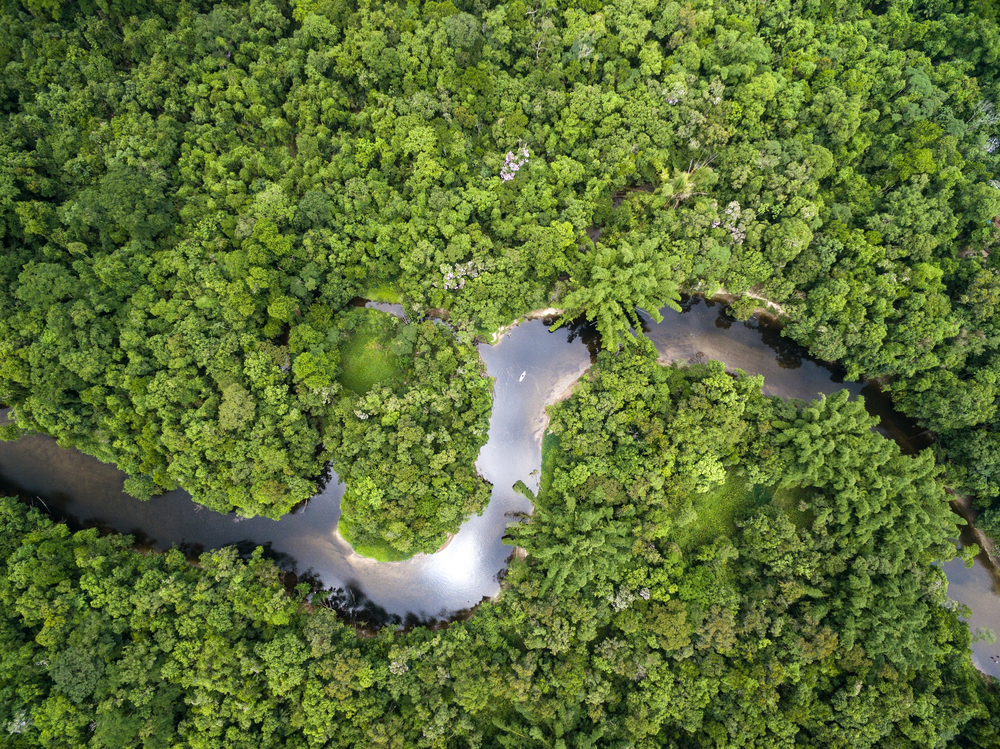
Kaixana comes from the Brazilian Amazon, and it’s down to one known speaker: Raimunda Avelino Kaixana. No village argues in it anymore.
No child learns it at a parent’s knee. When she stops speaking it, that’s the end, full stop.
Tanema
— Photo by olli0815
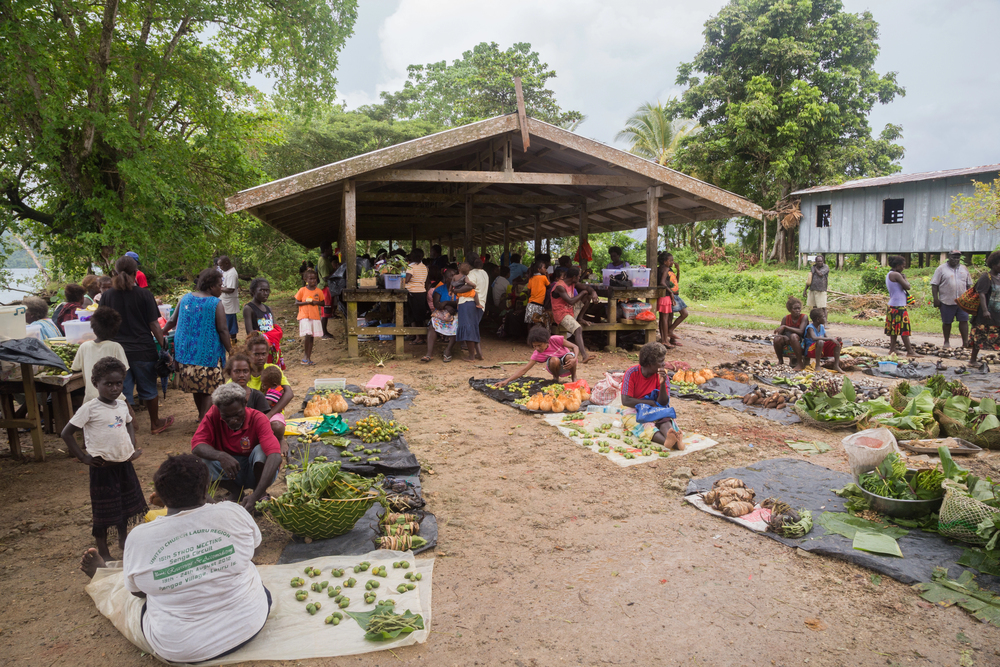
Tanema belongs to the Solomon Islands, specifically a stretch of Vanikoro where a handful of related languages have always jostled for space on one small patch of coastline — and Tanema, as it happens, drew the shortest straw, down to a single fluent speaker named Lainol Nalo. Linguists who tracked him down found a man who could still recite words for fish traps and canoe parts that don’t exist in Solomon Islands Pijin, the language steadily replacing everything around it: not because Pijin is richer, just because it’s useful across islands and Tanema never had to be.
So the recordings get made, the wordlists get built, and somewhere in that process the language becomes something you study instead of something you live in. There’s a difference, and everyone involved in the recording knows it, even if the paperwork calls it preservation.
Yagan

Yagan comes from the southern tip of South America, spoken by the Yaghan people near Cape Horn, in a place so far south it feels like the map simply ran out of room. Cristina Calderón, the last known fully fluent native speaker, died in 2022, and with her went the sound of a language that had described that coastline — its currents, its canoes, its cold — longer than anyone can trace.
What’s left now are a handful of semi-speakers, people who remember pieces the way you remember a song from childhood without ever learning all the verses. A dictionary exists, painstakingly assembled, but a dictionary is a photograph of a river, not the river itself.
Chamicuro
— Photo by Leckerstudio
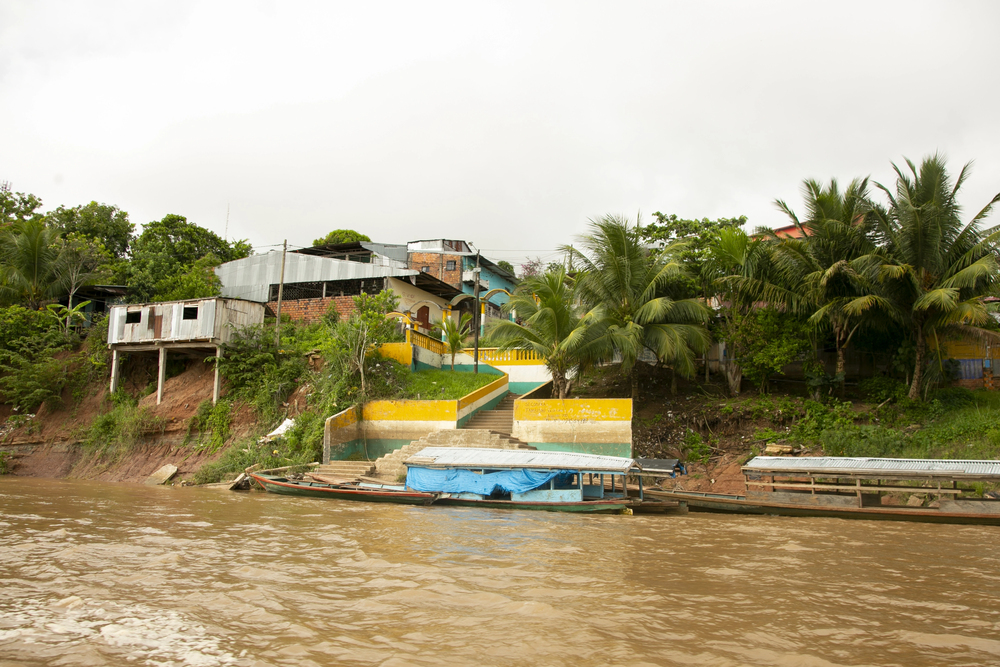
Chamicuro is down to two known speakers, both elderly women living along the Huallaga River in Peru, and that’s not a rounding error — that’s the actual, documented number linguists work with. Everyone else in the community speaks Spanish now, which, to be fair, makes sense given decades of schooling policy that treated Chamicuro as something to grow out of rather than something worth keeping.
Nobody recorded enough of it early enough, so what survives is thinner than it should be: some vocabulary, some grammar notes, no real body of stories passed down whole. Losing a language to indifference is somehow worse than losing it to disaster, and Chamicuro is a textbook case of exactly that.
Wukchumni
Wukchumni belongs to the Yokuts people of California’s San Joaquin Valley, and it very nearly vanished without a trace. Marie Wilcox, the last fully fluent speaker, spent years building a dictionary from scratch before she died in 2021, teaching her daughter enough to keep a thread of it alive.
That thread is thin. Nobody would call it thriving, but it’s not gone, either — not yet.
Resigaro
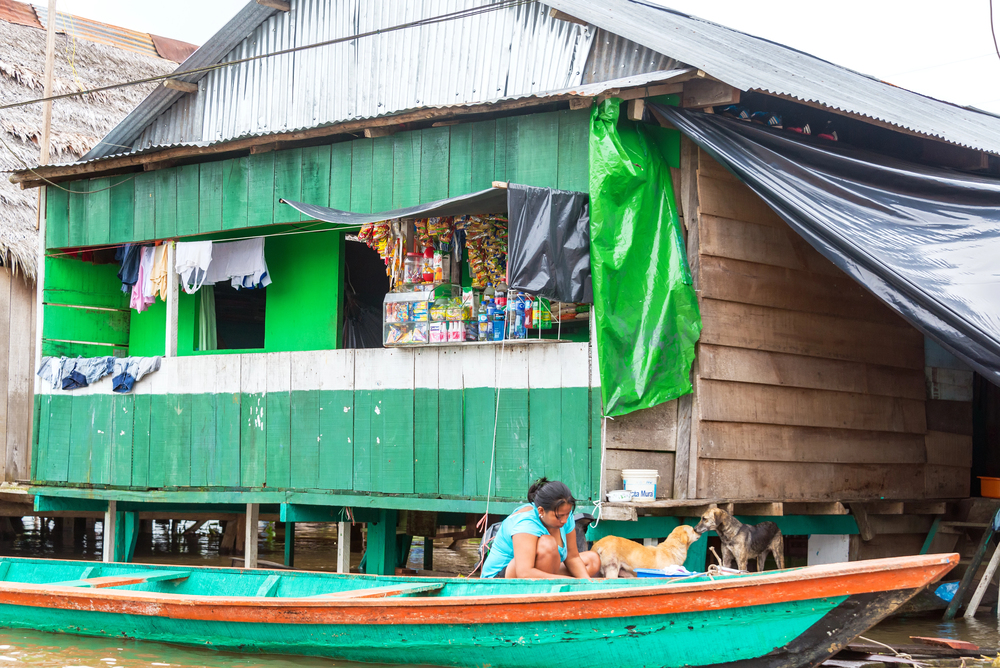
Resigaro comes out of the Peruvian Amazon, an Arawakan language that once belonged to a village along the Ampiyacu River before disease and displacement scattered its people across a handful of scattered households — and what’s strange about Resigaro isn’t just how few speakers remain, it’s how the language survived at all, tucked inside a community that mostly shifted to Bora and Spanish generations ago. Linguists who tracked down the last fluent voices found something closer to a memory than a living tongue: words for river creatures and kinship terms that hadn’t been used in ordinary conversation for decades, dragged back out for the sake of a recording.
So the wordlists exist now, filed away in academic archives, but the day-to-day version of Resigaro — the joking, the arguing, the small talk — that disappeared long before anyone thought to write it down. There’s a particular kind of loss in that: not a death so much as a slow fade nobody was watching closely enough to stop.
Kusunda
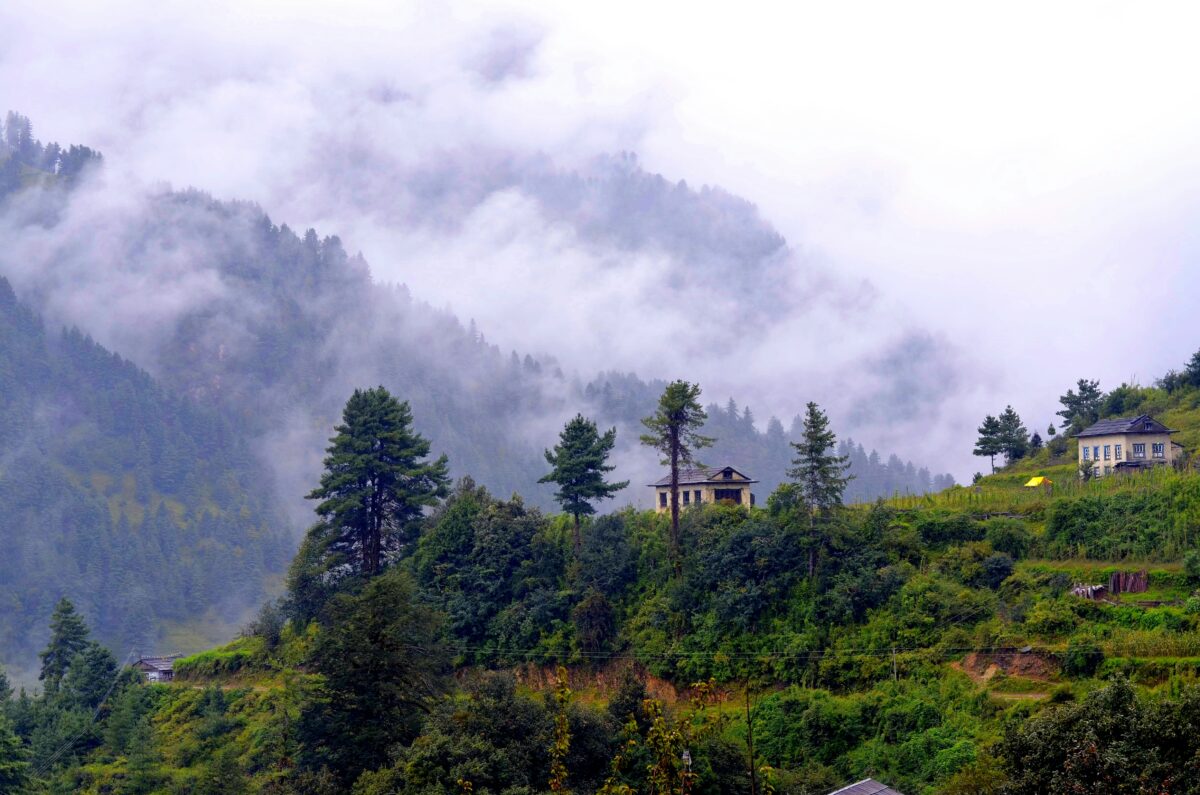
Kusunda belongs to a small group of former hunter-gatherers in the hill forests of Nepal, and for a long stretch of the twentieth century, linguists assumed it had already slipped away entirely, filed quietly under extinction. Then researchers found speakers again in the 1970s, and later, once more in the 2000s, like finding a light still on in a house everyone had assumed was empty.
Fewer than a handful of fluent speakers remain today, and the language stands apart from every other tongue in the region, an isolate with no proven relatives, a single tree growing where a forest used to be. What survives now survives almost entirely because a few people refused to let a government census decide the matter for them.
Siletz Dee-ni

Siletz Dee-ni belongs to the confederated tribes of Siletz in Oregon, and for years it hung on through one person more than anyone else: Alfred “Bud” Lane, a fluent speaker who took it upon himself to build a talking dictionary rather than wait around for a university to get to it. That’s the kind of stubbornness this language needed, honestly, because the alternative was letting it die quietly while nobody outside the reservation noticed or cared.
Classes exist now, along with recordings and a small but determined push to raise new speakers from scratch, which is a harder trick than it sounds since fluency built in a classroom never quite mirrors fluency built at a kitchen table. Fewer than a dozen people can hold a real conversation in it today, and that number isn’t growing fast, but it isn’t zero, which by the standards of this list counts as a genuine win.
Tofa
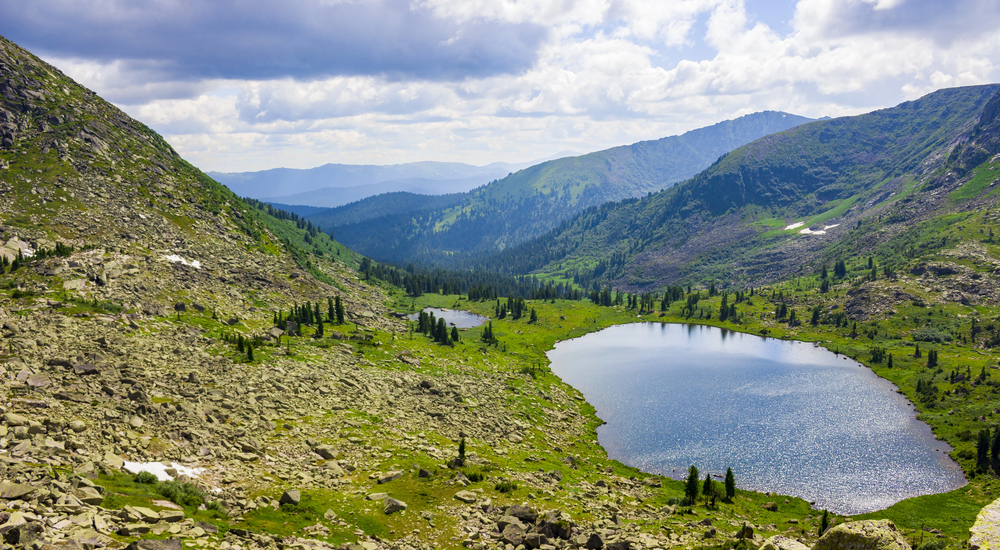
Tofa survives among reindeer herders in the Sayan Mountains of Siberia. Fewer than 30 people still speak it, most of them well past middle age.
Russian dominates everywhere else, in schools, in shops, in the daily grind. The herding life that shaped the language is disappearing right alongside it.
Volow

Volow belongs to a single village on Vanuatu’s Motalava Island, and it survived right up until 2008, when its last known fluent speaker died and took the sound of the place with him. What’s left now are fragments — scattered words remembered by neighbors who grew up hearing it in the background without ever fully absorbing it themselves, the way you might recall a grandmother’s humming without knowing the tune it belonged to.
Vanuatu holds more languages packed into a small stretch of ocean than almost anywhere else on earth, dozens of them squeezed onto islands you could walk across in an afternoon, and Volow was simply one of the smaller lights in that crowded sky. It didn’t go out with any ceremony.
It just stopped, the way a conversation stops when there’s no one left in the room to answer.
Eyak
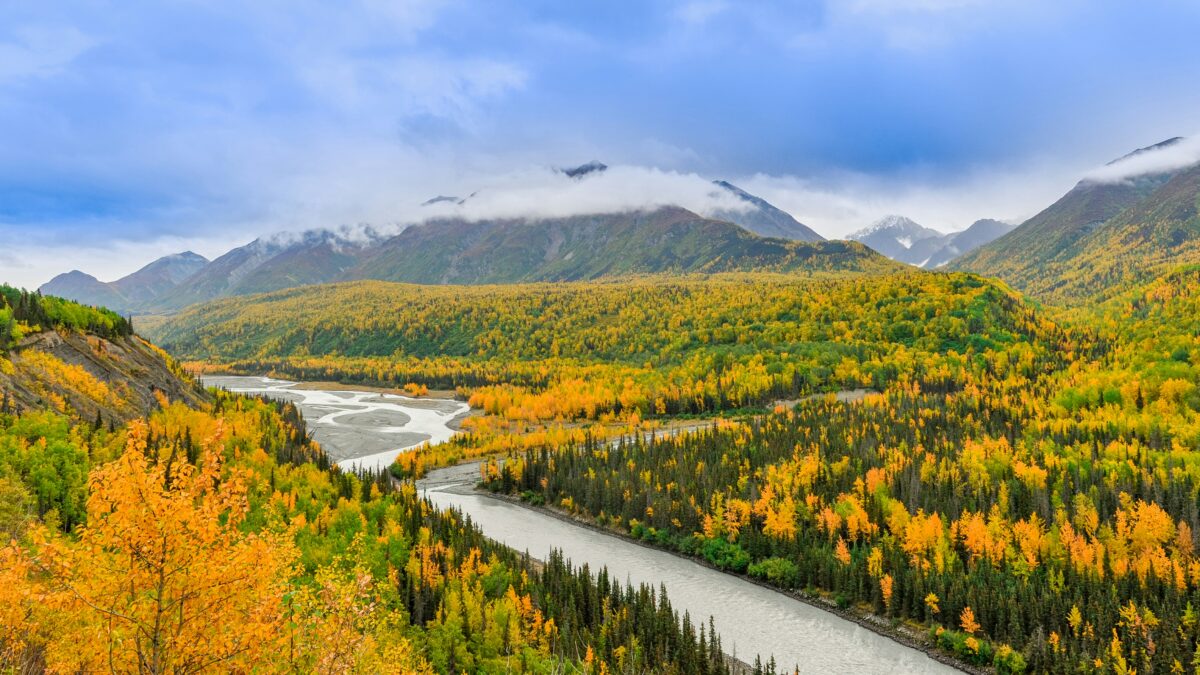
Eyak is technically extinct, and pretending otherwise would be dishonest. Marie Smith Jones, the last fluent native speaker, died in 2008 in Alaska, and with her went the only mouth that ever spoke it as a first language.
What keeps it from being a closed case is oddly specific: a French teenager named Guillaume Leduey taught himself Eyak from old recordings and grammar notes, without ever setting foot in Alaska, which is either the most heartening story on this list or the strangest one, depending on your mood. Either way, a language belonging to nobody by birth is now spoken, however carefully, by someone who chose it.
Lemerig
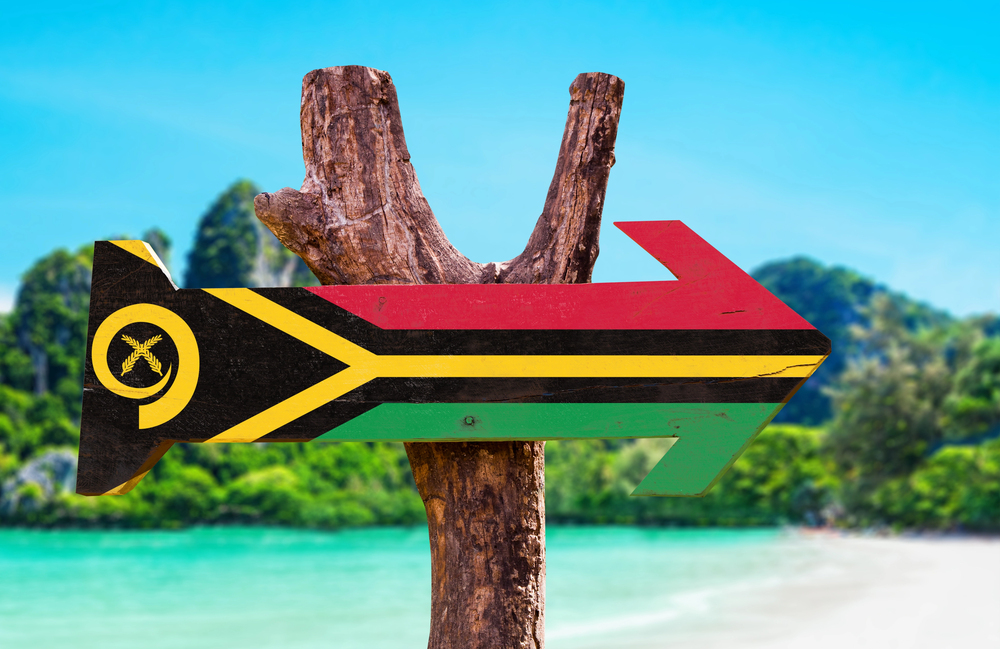
Lemerig comes from two villages on Vanua Lava, an island in Vanuatu’s Banks group. Two elderly men are the only fluent speakers left, and they don’t even live near each other anymore.
Everyone younger switched to Mwotlap or Bislama generations back. There’s no dictionary, no real archive, nothing waiting in reserve once those two voices stop.
Wichita

Wichita belongs to the Caddoan family, once spoken widely across what’s now Oklahoma, and its last fully fluent native speaker — Doris Lamar McLemore, who spent decades helping linguist David Rood document the grammar before time ran out — died in 2016. That closed the one direct line back.
What she left behind was substantial: hours of tape, detailed grammar notes, stories recorded with the patience of someone who already suspected how the story would end — and that archive is the only reason anyone can study the language with any real precision today. So a handful of tribal members now work from those recordings, piecing pronunciation together from tape instead of a grandmother’s voice across a kitchen table, which works, technically, but asks the ear to do a job it was never quite built for.
Chulym
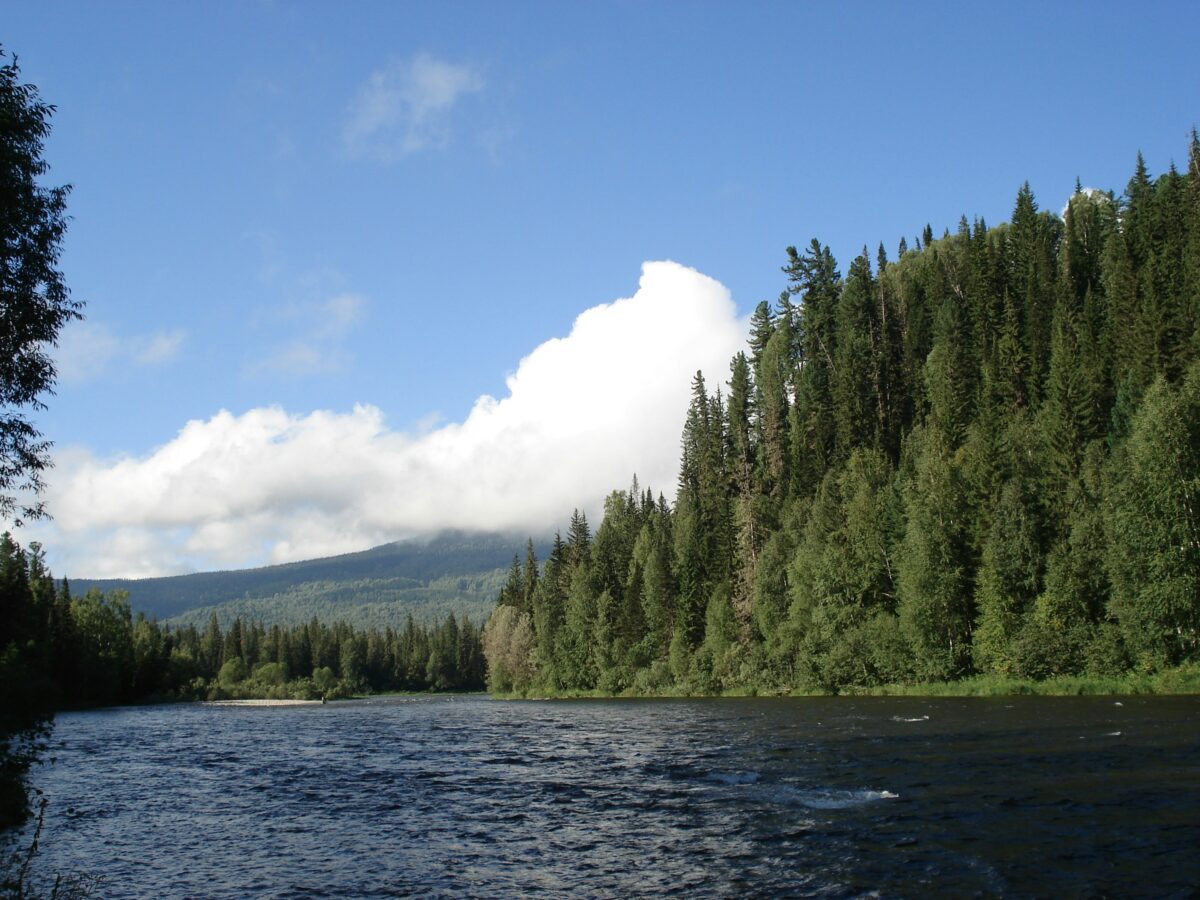
Chulym survives along a river of the same name in Siberia, spoken by a scattering of people in villages so remote that the language has always lived at the edge of hearing, like a radio station losing signal the farther you drive. Fewer than forty speakers remain, most of them elderly, and Russian long ago became the language of school, of paperwork, of anything that mattered beyond the riverbank.
What’s left carries the particular hush of something spoken mostly to oneself now: words for ice conditions and fish runs that outlived the daily need for them, kept less out of use than out of habit, the way you might keep a coat that no longer fits. Nobody drew up a plan to let Chulym fade — nobody usually does — it simply got quieter, year after year, until quiet became the only volume it had.
Kallawaya
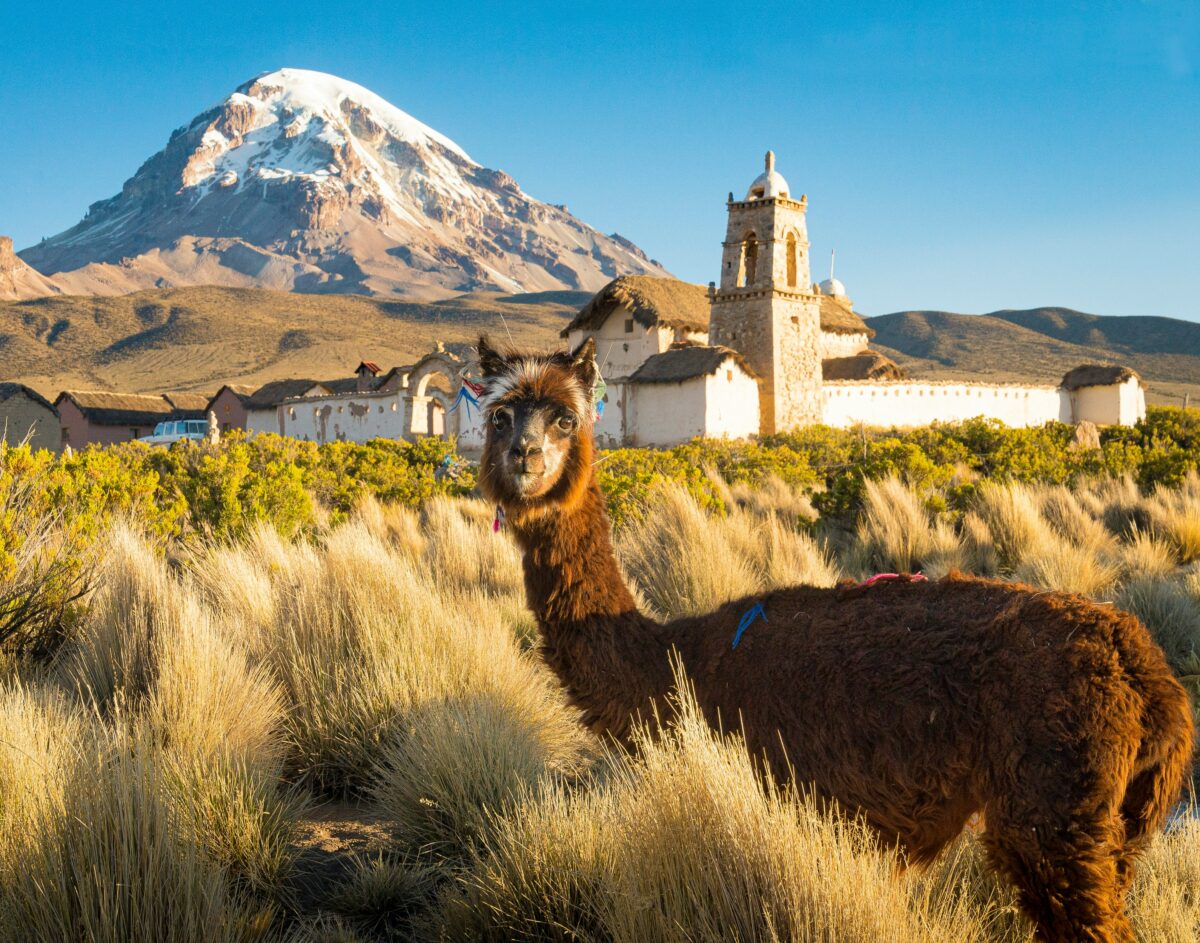
Kallawaya isn’t just endangered, it’s deliberately exclusive, which makes it a strange entry on any list about disappearance — this is a secret medicinal language passed from father to son among traveling healers in the Bolivian Andes, and outsiders were never meant to learn it in the first place. Fewer than a hundred men know it fluently today, and that number was never meant to be large even in its healthiest years, which makes “endangered” a slightly odd label for something built on scarcity by design.
Spanish and Quechua handle daily life now; Kallawaya gets pulled out for ritual, for diagnosis, for the specific vocabulary of roots and remedies that doesn’t translate cleanly into anything else. Losing it wouldn’t just erase words — it would erase a professional inheritance that took generations to assemble and about twenty minutes of neglect to unravel.
Pite Sami
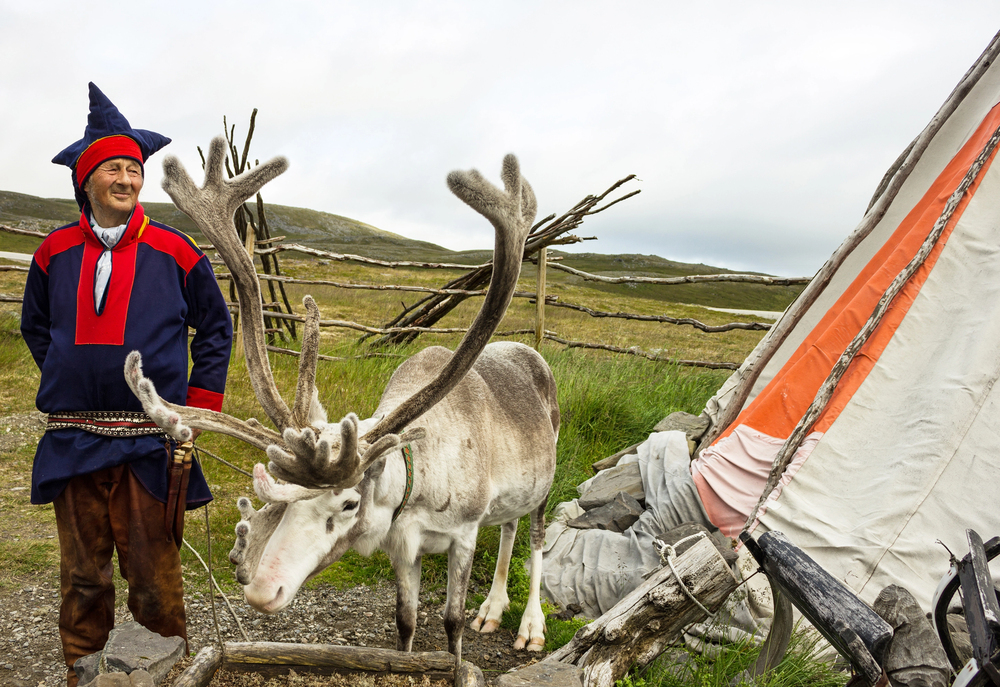
Pite Sami survives in a strip of Sweden and Norway, shared by fewer than thirty fluent speakers. Northern Sami, the bigger cousin, dominates everything nearby.
Schools don’t teach it. Radio doesn’t carry it.
What’s left runs almost entirely on a handful of families who refuse to let it go quiet at the dinner table.
Ter Sami
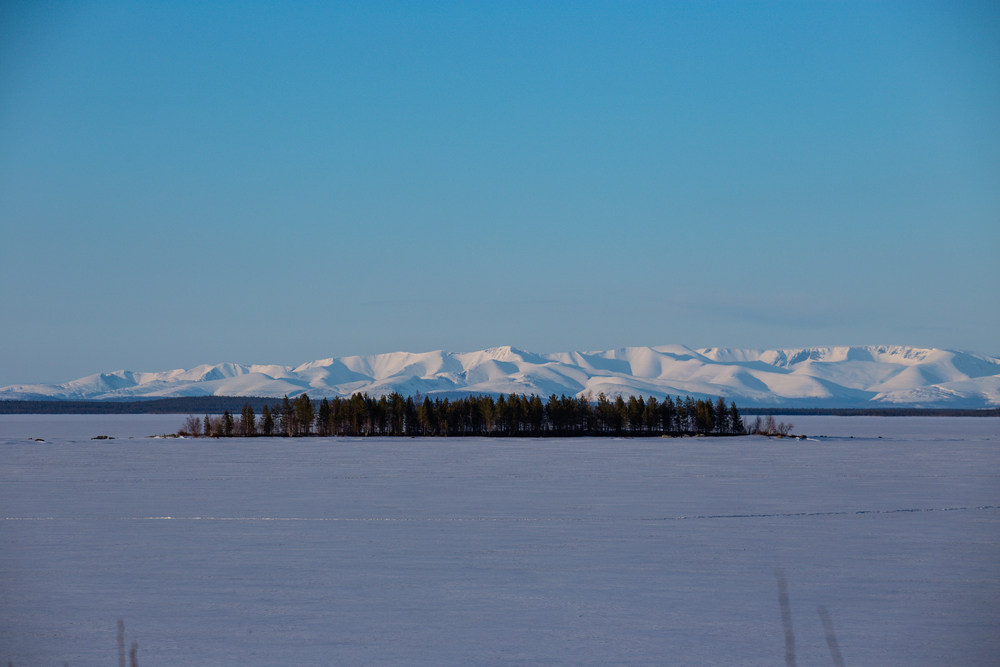
Ter Sami is basically down to rounding-error status: two speakers, maybe three depending on who’s counting and how generous they’re feeling that day. It survives on the Kola Peninsula in Russia, in a landscape so isolated that losing a language there barely registers outside the small circle of linguists who track these things for a living.
Russian swallowed the rest of daily life decades ago, and no amount of academic hand-wringing has produced a single new fluent speaker since. Call it endangered if that makes the paperwork feel better, but to two speakers, the more honest word is already true in every sense except the technical one.
Yaghan
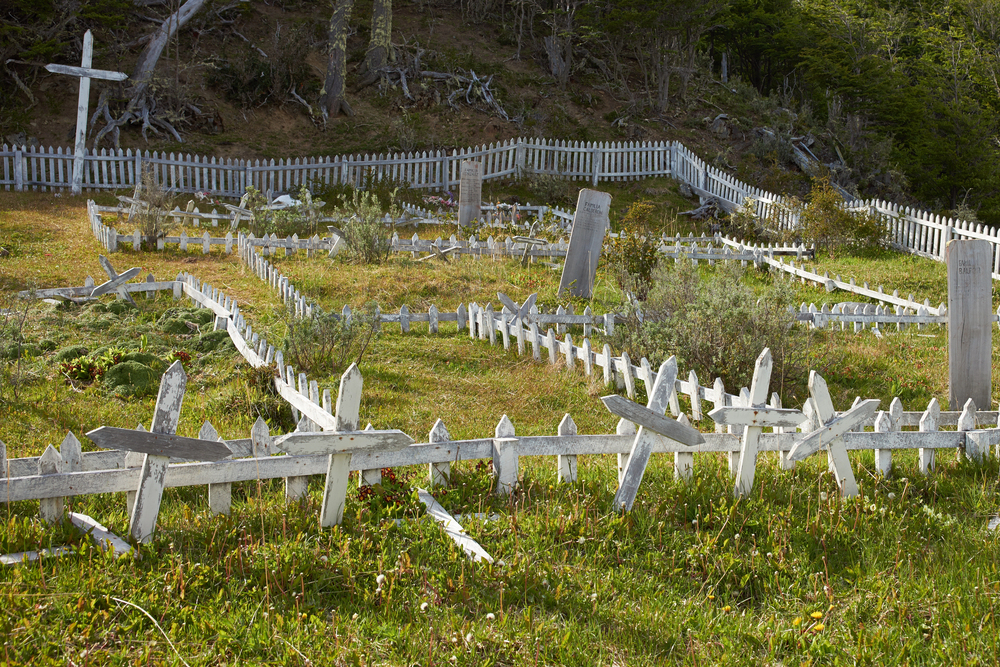
Yaghan survived, right up until 2022, inside exactly one woman: Cristina Calderón, who lived in a small town at the southern tip of Chile called Puerto Williams, closer to Antarctica than to any city most people could name. She was famous for it.
That fame followed her everywhere — into interviews, into documentaries, into a spotlight she seemed faintly baffled by, given that she was simply speaking the only language she’d ever really thought in. So her granddaughter picked up enough to keep a version alive (not fluency exactly, more a careful reconstruction built from years of listening), and the language once spoken by canoe-faring people who paddled the channels near Cape Horn now survives mostly on tape, in a museum Cristina helped build before she ran out of time to build much else.
Tehuelche
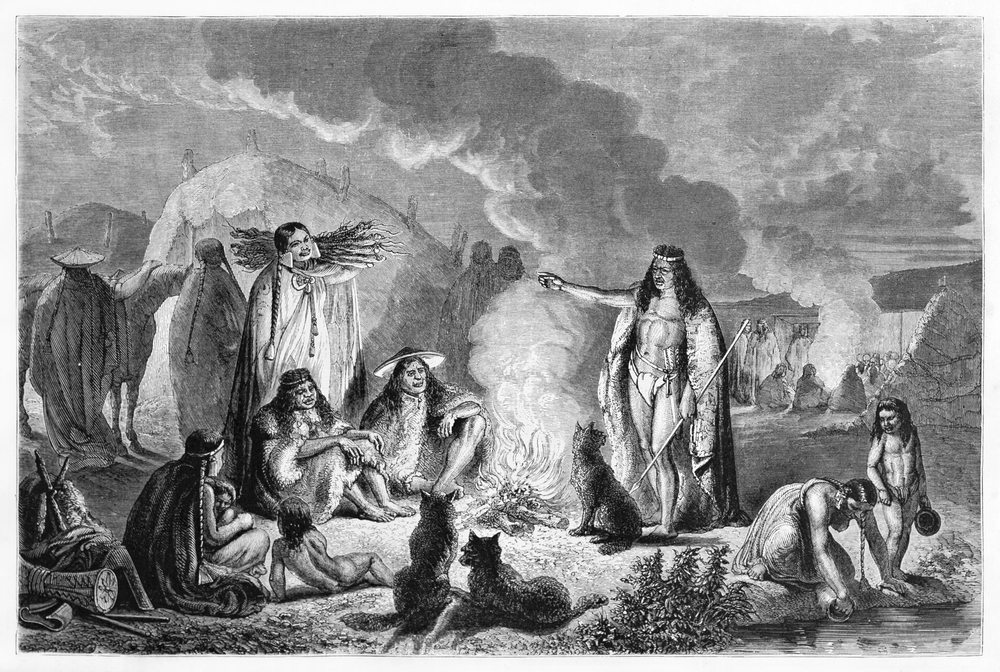
Tehuelche once carried across the wind-scoured plains of Patagonia, spoken by the tall horseback hunters that early European travelers wrote home about with a mix of awe and exaggeration. Fewer than a handful of elderly speakers remain in Argentina today, scattered across a region so vast and thinly populated that finding them at all took linguists years of careful legwork — and even then, fluency varied wildly from one speaker to the next, some remembering full sentences, others only fragments of songs and place names.
Spanish absorbed everything else generations ago: the markets, the schools, the courts, the daily grumbling that keeps a language limber. So what’s left sits mostly in archives now, a grammar reconstructed from a handful of patient interviews, standing in for a language that used to stretch across a landscape almost too big to imagine walking.
What These Voices Leave Behind

None of these languages disappeared because the people speaking them stopped caring. They disappeared because history has a way of rewarding the biggest room in the house and starving out everything else, until one day the smaller rooms go quiet and nobody quite remembers when the talking stopped.
What’s left behind isn’t nothing, though — it’s tape recordings, talking dictionaries, granddaughters piecing together grammar from memory, a French teenager teaching himself a language that belongs to no one by birth anymore. Somewhere in all of that stubbornness is the actual point: a language only fully dies when the last person willing to fight for it gives up, and as this list makes clear, that number of holdouts is smaller than most people realize, but it has never once been zero.
More from Go2Tutors!

- The Romanov Crown Jewels and Their Tragic Fate
- 13 Historical Mysteries That Science Still Can’t Solve
- Famous Hoaxes That Fooled the World for Years
- 15 Child Stars with Tragic Adult Lives
- 16 Famous Jewelry Pieces in History
Like Go2Tutors’s content? Follow us on MSN.