Images of 15 Most Colorful Flower Fields That Bloom Every Spring
Spring arrives differently around the world, but certain places announce its presence with such breathtaking displays of color that they feel almost fictional. These aren’t your neighborhood flower beds or carefully manicured gardens — these are vast fields where nature decides to show off on a grand scale, painting landscapes in colors so saturated they look like someone spilled paint across the earth.
The timing is everything with these fields. Miss the narrow window when conditions align perfectly, and you’ll find empty meadows or withered stems.
But catch them at their peak, and you’ll understand why people plan entire trips around these fleeting moments of natural theater.
Keukenhof Gardens, Netherlands

Tulips don’t mess around. Seven million bulbs planted across 79 acres, blooming for exactly eight weeks before disappearing until next year.
The Dutch have turned flower cultivation into an exact science. Rows of tulips stretch toward the horizon in blocks of pure color — deep purple next to brilliant yellow next to stark white.
No gradual blending or subtle transitions. Each variety gets its own space to dominate completely.
Hitachi Seaside Park, Japan

Spring means nemophila here — four and a half million baby blue flowers covering Miharashi Hill. But what makes this place strange (in the best way) is how the entire landscape shifts personality with the seasons, transforming from blue carpet to red kochia bushes to golden daffodils as the year progresses.
The blue phase lasts roughly three weeks in late April and early May. During peak bloom, the flowers are so densely packed that the hill appears to have been dipped in sky-colored paint, creating an optical illusion where earth and atmosphere seem to merge at the horizon.
Provence Lavender Fields, France
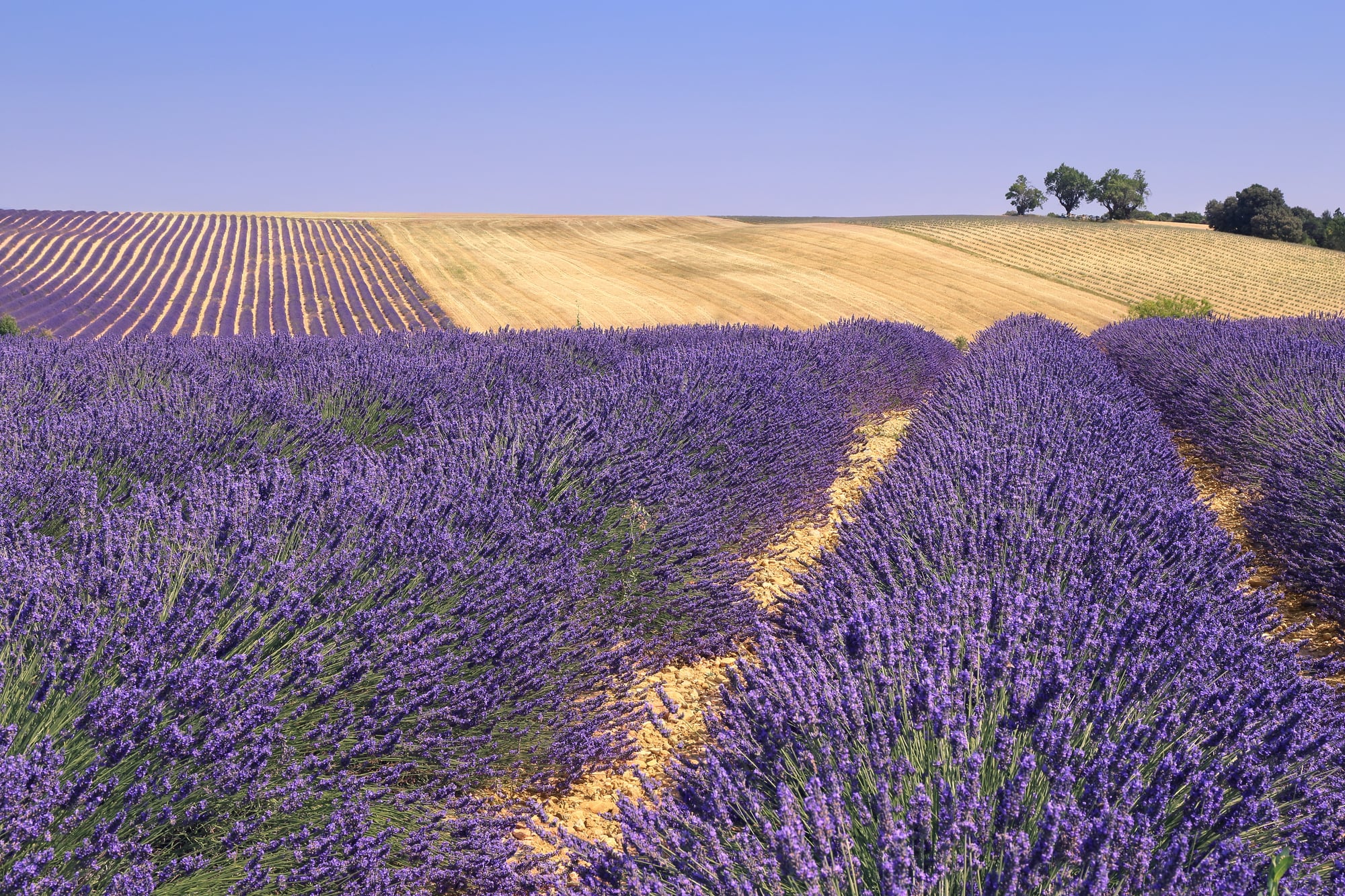
Lavender fields are the earth’s way of proving that fragrance has texture. These aren’t just flowers — they’re purple rivers flowing between limestone hills, each row perfectly parallel, the entire landscape humming with the sound of ten thousand bees drunk on nectar.
The Valensole Plateau holds the best displays, though getting there during peak bloom (mid-June through July) means sharing narrow country roads with tour buses and wedding photographers. The fields extend in every direction, broken only by the occasional stone farmhouse or lone oak tree that seems placed there by someone with an eye for composition.
And yet the lavender doesn’t care about the crowds — it blooms with the same intensity whether one person or one thousand people are watching, filling the air with that distinctive scent that clings to your clothes long after leaving.
California Super Bloom
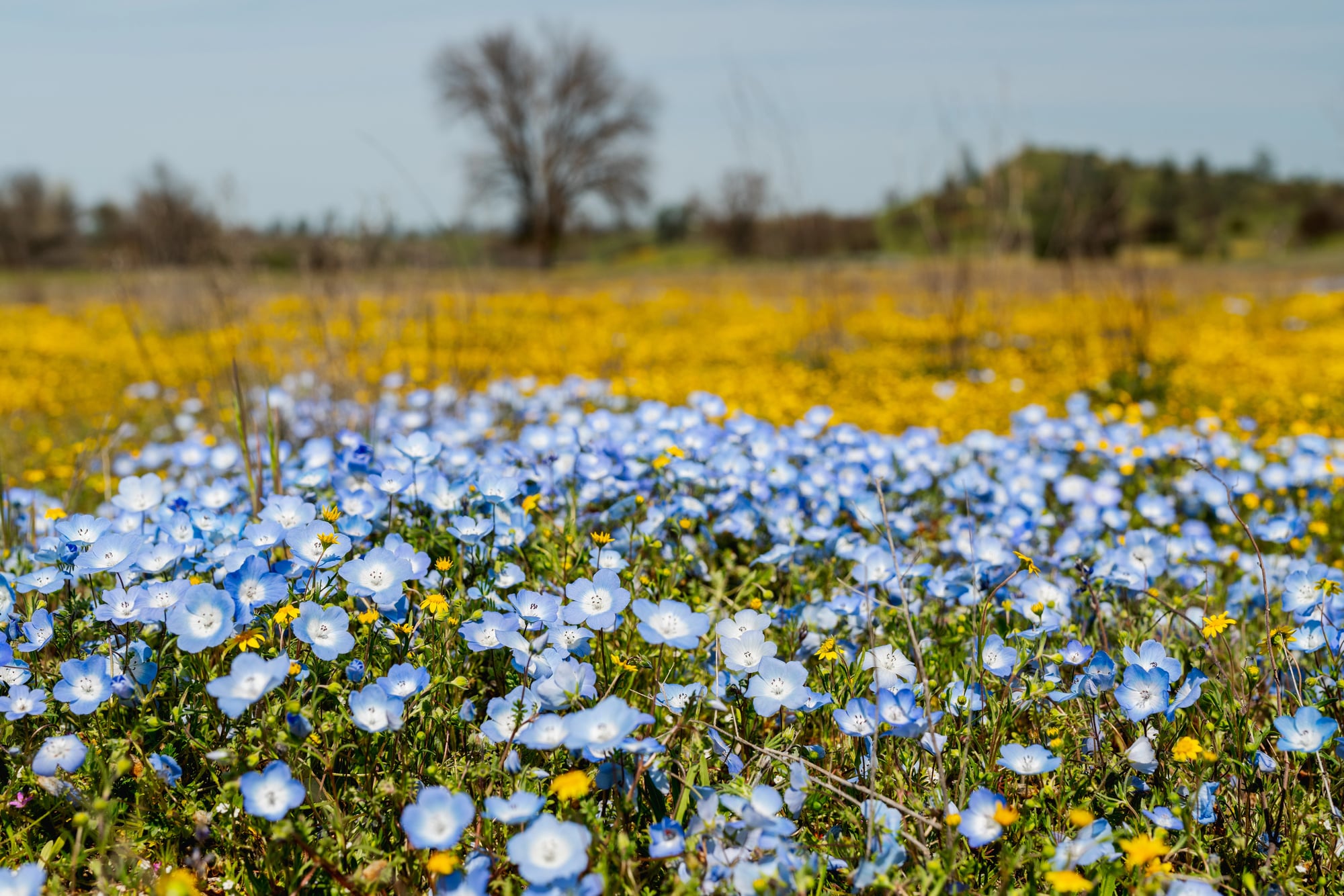
Desert wildflowers are stubborn creatures. They wait underground for years, sometimes decades, until the perfect combination of winter rain and spring warmth convinces them it’s time to emerge.
When conditions align, the Mojave Desert and surrounding areas erupt in what locals call a “super bloom.” Orange poppies, purple lupine, yellow coreopsis, and pink primrose carpet valley floors that spend most years looking like barren moonscapes.
The display typically lasts six to eight weeks, though the timing shifts year to year depending on rainfall patterns.
Castelluccio Plains, Italy
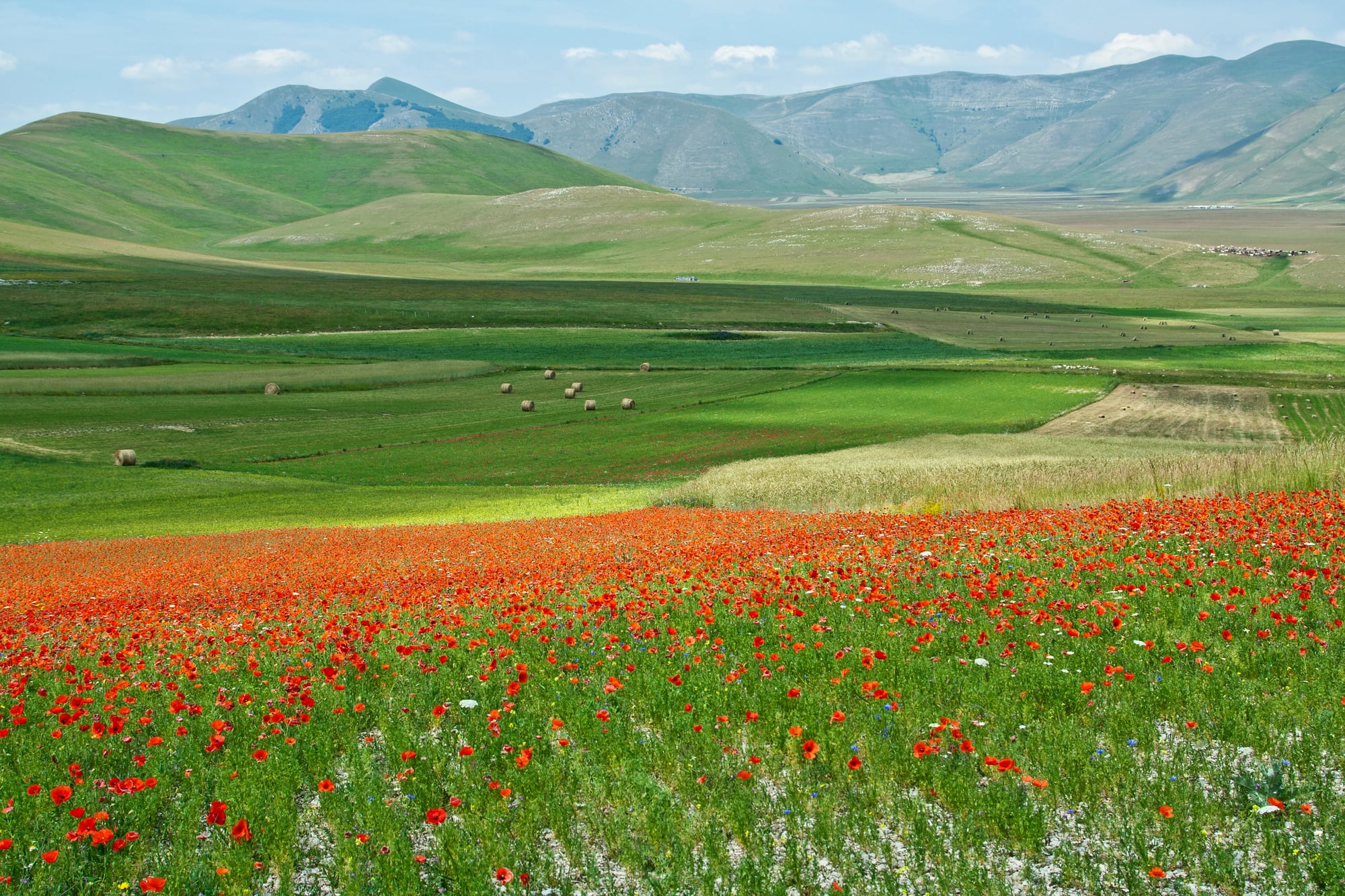
Lentil farming creates accidental art. The plains around Castelluccio di Norcia are primarily agricultural, planted with crops that happen to bloom in spectacular fashion each June and July.
Red poppies, blue cornflowers, yellow rapeseed, and white narcissus grow wild between the cultivated lentil fields, creating a patchwork of color across the valley floor. The Sibillini Mountains provide the backdrop — snow-capped peaks rising behind fields that look like someone scattered confetti across green velvet.
Namaqualand, South Africa
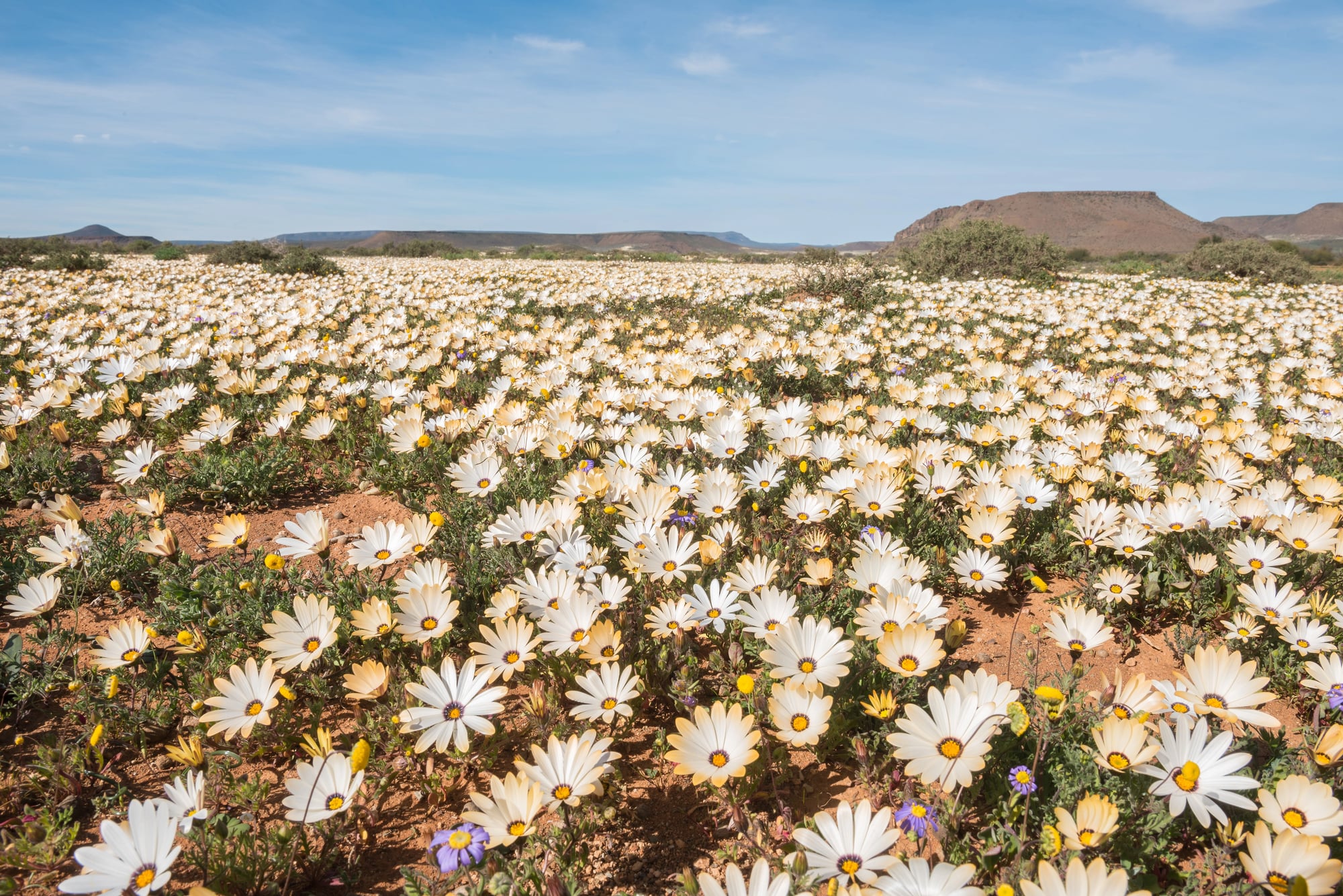
Think of Namaqualand as nature’s most elaborate practical joke: a semi-desert region that looks lifeless eleven months of the year, then transforms into one of the planet’s most spectacular wildflower displays each August and September. The timing depends entirely on winter rainfall (which happens about every third year), so the flowers operate on their own mysterious schedule that meteorologists still can’t predict with complete accuracy.
When the blooms do arrive, orange daisies dominate — millions of Namaqualand daisies covering hillsides and valleys in solid sheets of color that are visible from space. But look closer and you’ll find purple vygie, yellow gazania, and white rain lilies mixed throughout, creating a tapestry so dense that the underlying desert disappears completely.
The flowers open with the sun each morning and close at dusk, which means the landscape literally changes personality throughout the day.
Skagit Valley, Washington

Tulip farming is serious business here. Rows of flowers stretch across the valley floor in perfectly straight lines, each color block so uniform it looks machine-generated.
The commercial aspect doesn’t diminish the visual impact — if anything, it amplifies it. Red tulips occupy one field, yellow the next, pink the one after that.
No mixing, no casual arrangements. The Cascade Mountains provide the backdrop, snow-covered peaks rising behind farmland that looks like it was designed by someone with a strong opinion about color theory.
Antelope Valley, California
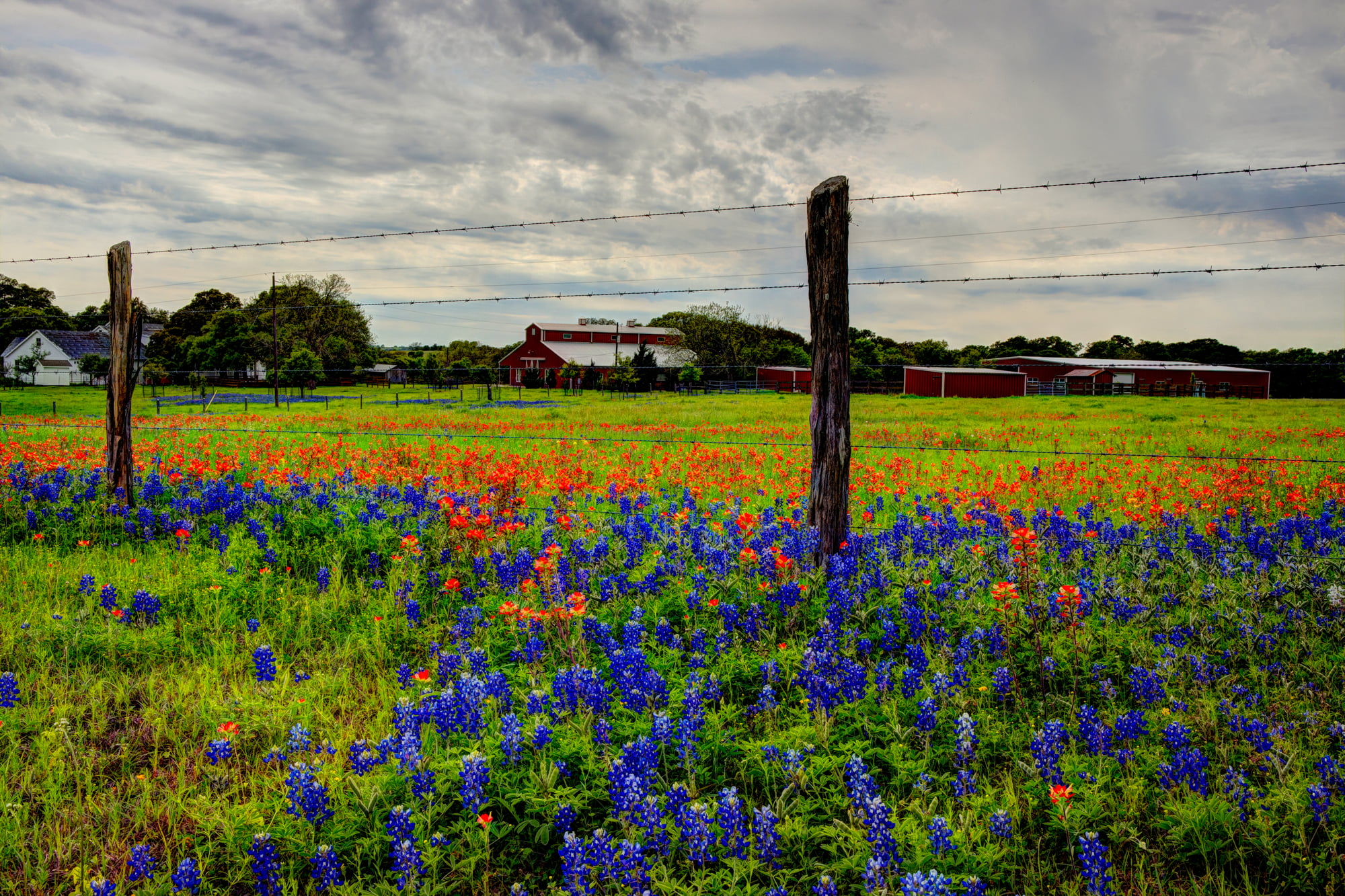
California poppies have earned their status as the state flower through sheer persistence. They bloom reliably each spring across the Antelope Valley, turning rolling hills into sheets of orange that photographers spend all year waiting to capture.
The best displays happen at the Antelope Valley California Poppy Reserve, where wildflower viewing has been elevated to an art form. Trails wind through the hills, allowing visitors to walk among flowers that grow so densely they create the illusion of solid color from a distance.
Up close, individual poppies reveal their papery petals and bright orange centers, but step back and they merge into something that looks more like paint than plant matter.
Texas Bluebonnet Fields
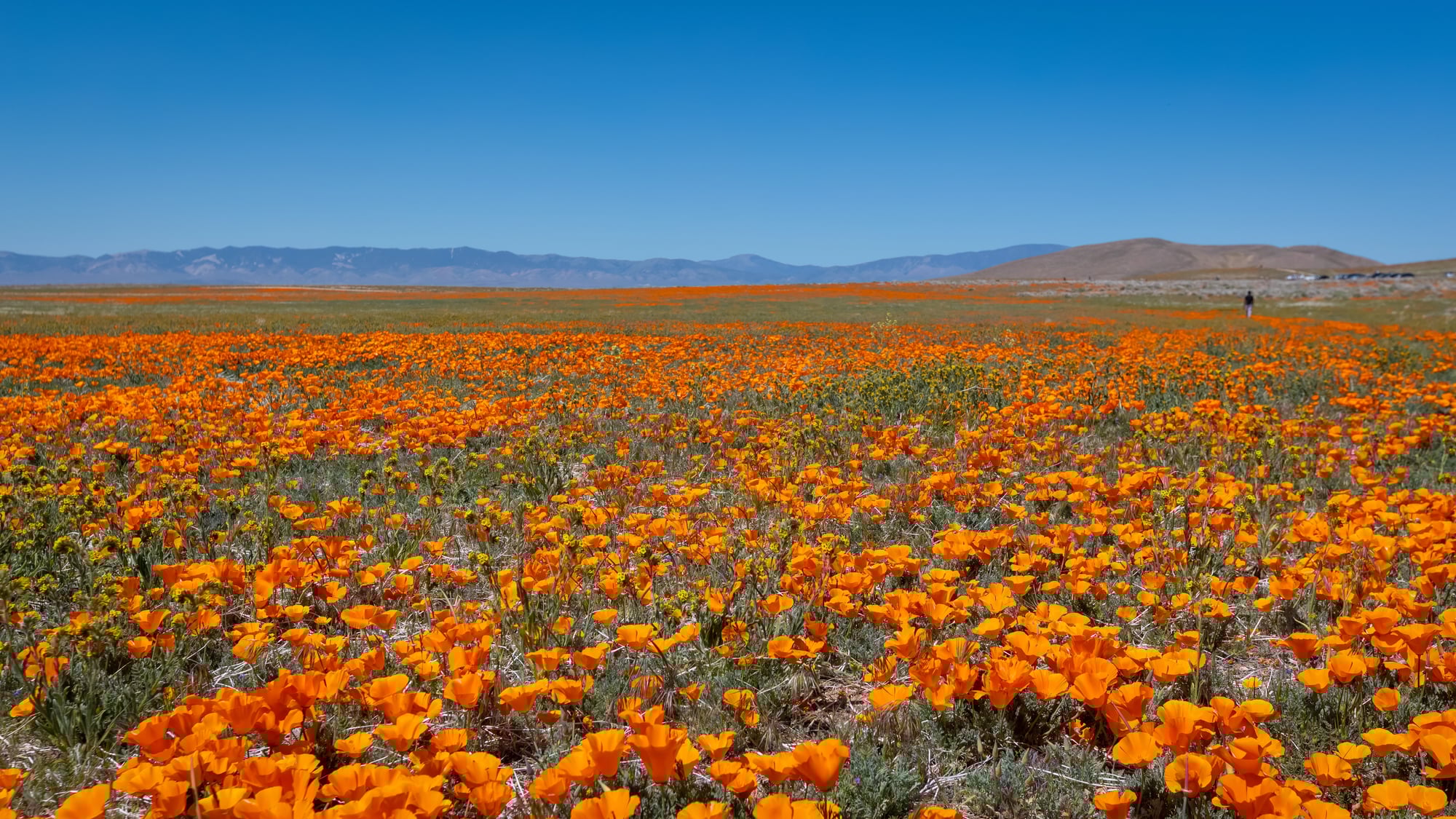
Bluebonnets are Texas wildflowers with an attitude — they grow where they want, when they want, and no amount of human planning can guarantee their appearance in any specific location. This unpredictability has turned bluebonnet hunting into a statewide obsession each March and April, with entire families driving back roads in search of the perfect field.
The flowers prefer disturbed soil, which explains why they often appear along highways and in pastures that have been grazed or burned. Lupinus texensis creates dense colonies that can cover hundreds of acres, their blue spikes rising above silver-green foliage.
But they’re rarely alone — Indian paintbrush, pink evening primrose, and yellow coreopsis typically join the display, creating the red, white, and blue combination that Texans consider their natural birthright.
So the search continues each spring, with no guarantees except that somewhere in the state, bluebonnets are blooming in quantities that will make the drive worthwhile.
Carlsbad Flower Fields, California

Fifty acres of ranunculus flowers, planted and harvested as a commercial crop that happens to create one of California’s most reliable spring displays. These aren’t wild flowers — they’re carefully cultivated rows of giant buttercup-family flowers that bloom in every color except blue.
The fields operate as both working farm and tourist destination from March through May. Rows of flowers stretch uphill from the Pacific Coast Highway, creating rainbow stripes across sloping terrain.
Each plant produces multiple blooms, and the flowers are harvested regularly for the cut-flower market, which keeps new buds forming throughout the season.
Gunnison National Forest, Colorado
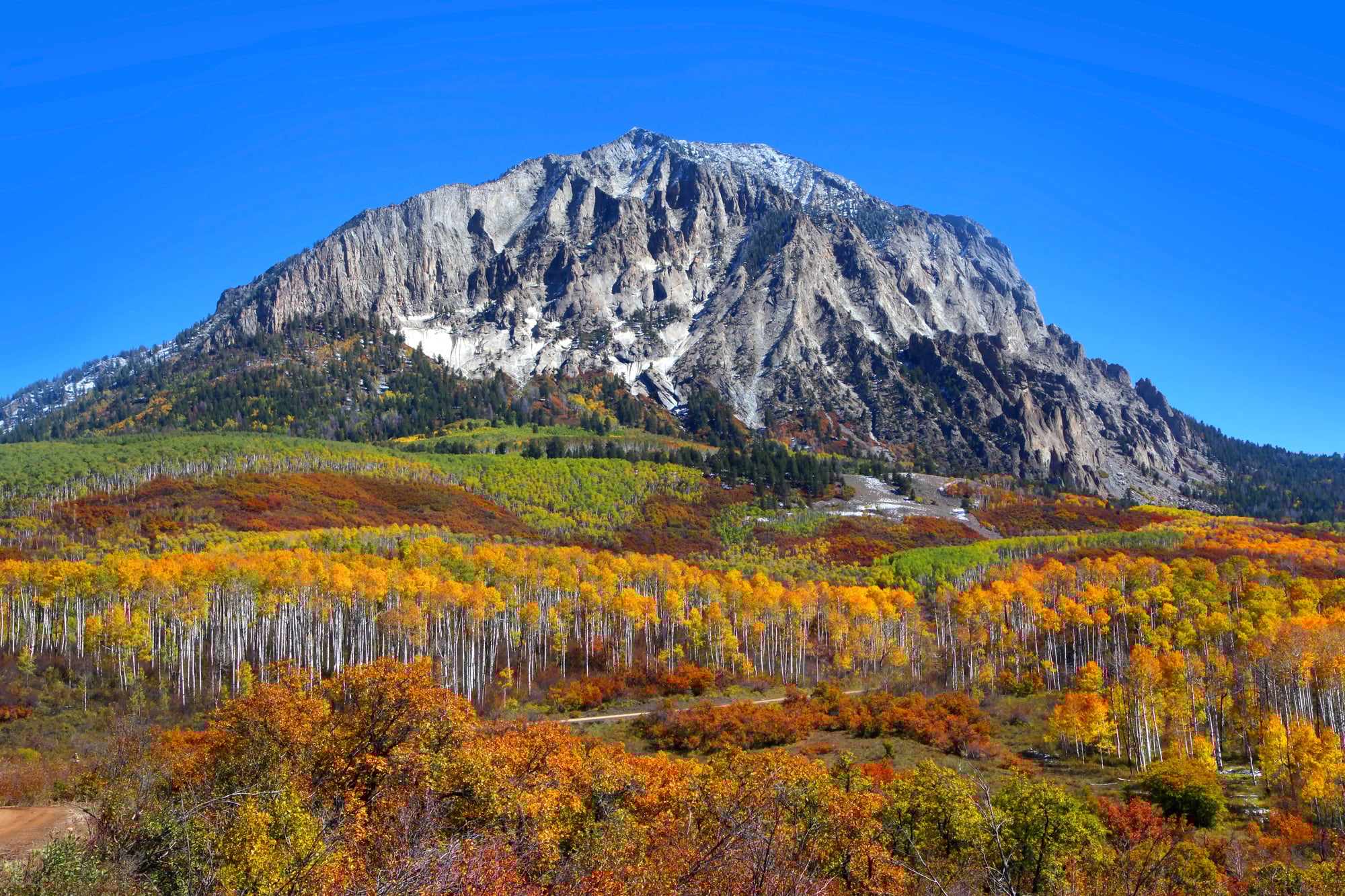
High-altitude wildflower meadows operate on their own timeline. Snow melts late in the Colorado Rockies, compressing the entire growing season into a few intense months when everything blooms at once.
July and August bring lupine, Indian paintbrush, columbine, and dozens of other alpine species into bloom simultaneously. The displays shift elevation as the season progresses — flowers blooming first in lower meadows, then moving uphill as snow recedes.
Peak wildflower season at 10,000 feet happens roughly six weeks after it ends at 8,000 feet, creating a moving wall of color that climbs the mountains as summer progresses.
Canterbury Plains, New Zealand
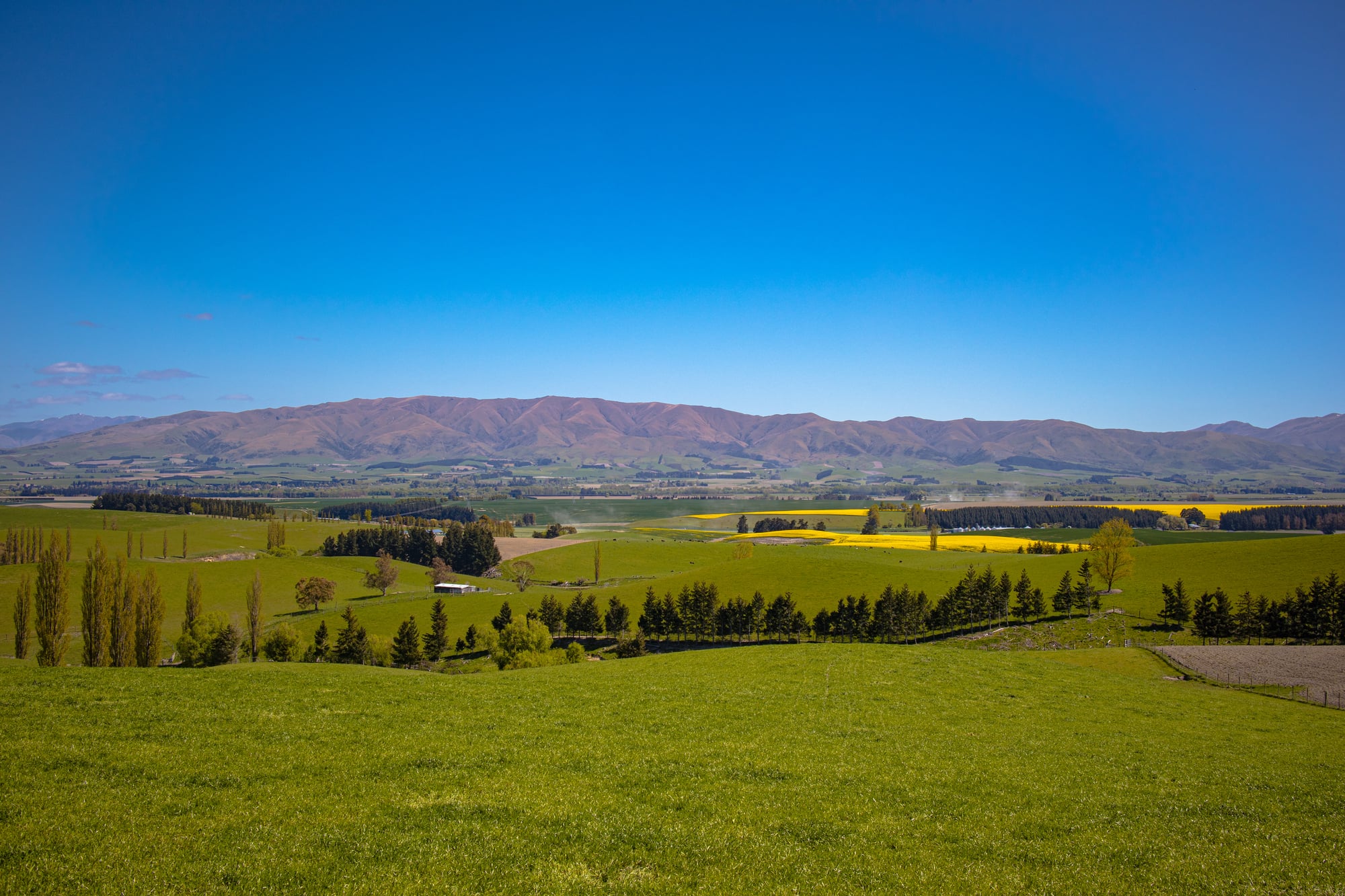
Lupine grows like a weed here — which is exactly what it is (and the problem is that it’s too beautiful to hate). These purple spires were introduced from North America and have colonized vast areas of the South Island, creating displays so spectacular that even conservationists have mixed feelings about removing them.
The flowers bloom from November through February (New Zealand’s summer), turning entire hillsides purple. Lake Tekapo provides the most famous backdrop, but lupine appears throughout the Canterbury region wherever conditions suit its aggressive growing habits.
Each plant produces multiple flower spikes, and colonies spread both by seed and underground runners, which explains their success at dominating the landscape.
Iceland Lupine Fields
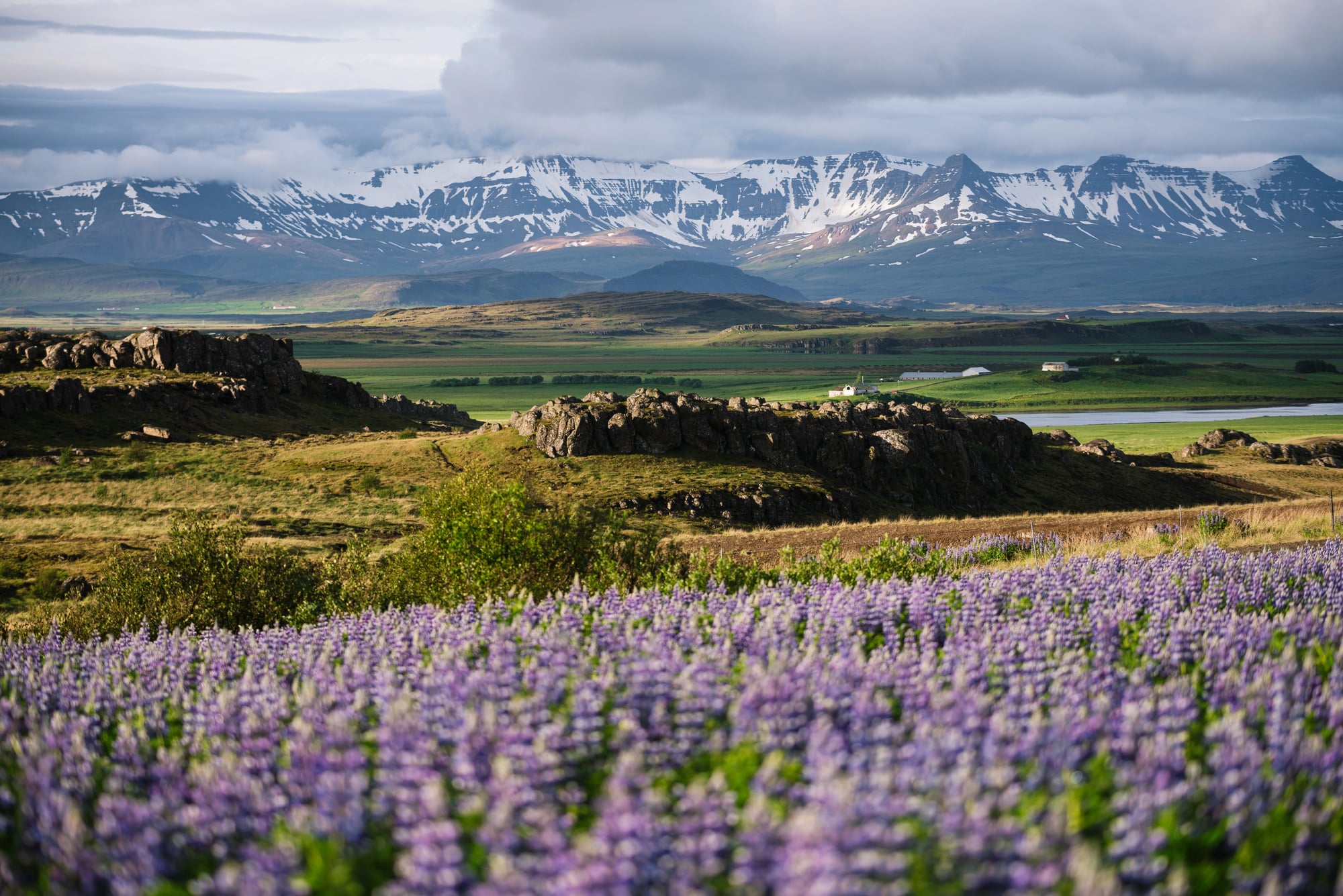
Lupine here serves dual purposes: preventing soil erosion and accidentally creating some of Europe’s most striking wildflower displays. The purple flowers were introduced in the 1940s to stabilize volcanic soil, and they’ve succeeded beyond anyone’s expectations.
July brings peak bloom across southern Iceland, with lupine fields stretching toward glaciers and volcanic peaks. The contrast between purple flowers and black volcanic sand creates compositions that photographers spend careers trying to capture perfectly.
The flowers grow densely enough to carpet entire valleys, interrupted only by streams and lava rock formations.
Great Smoky Mountains, Tennessee/North Carolina
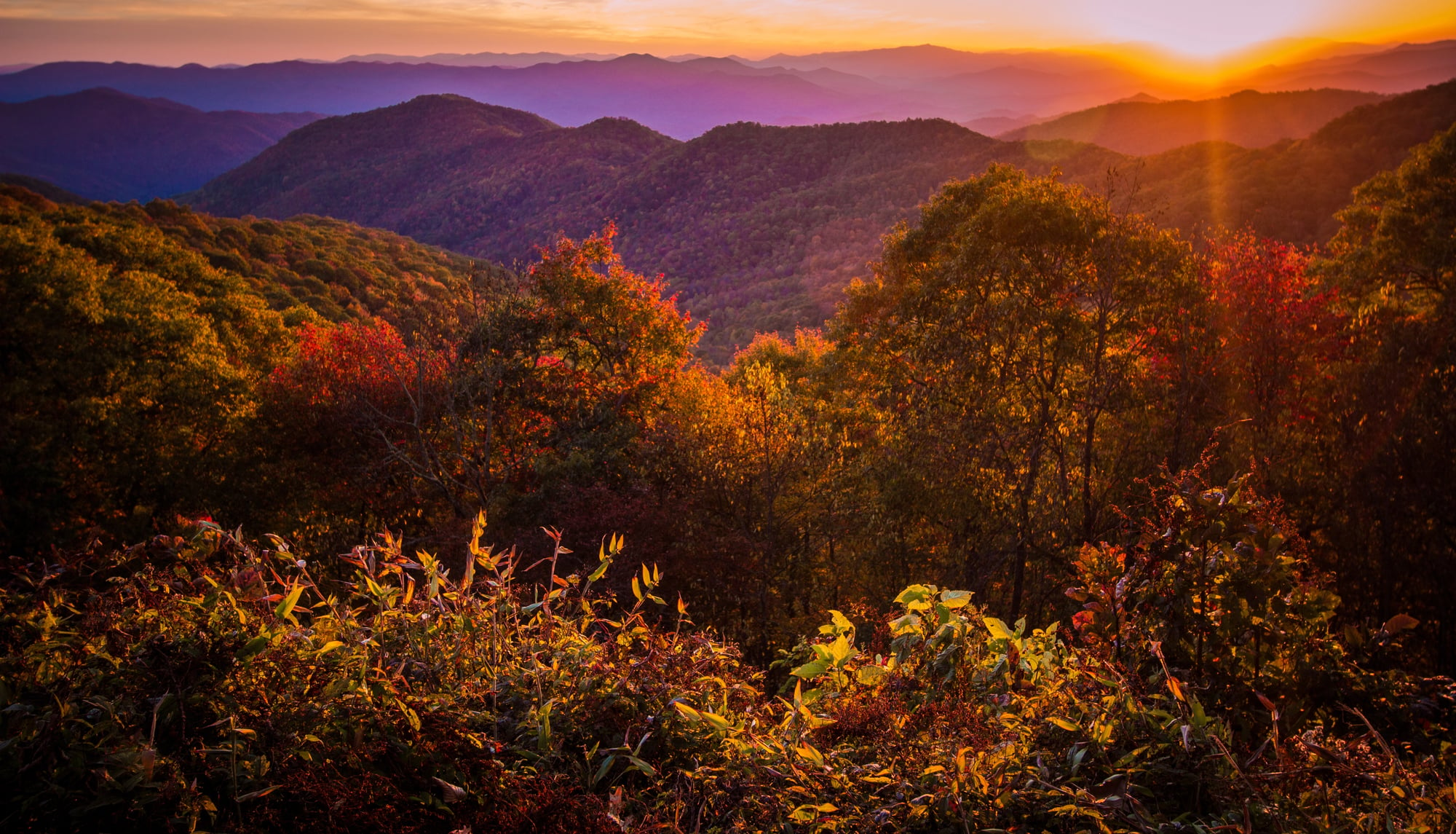
Mountain laurel doesn’t bloom annually in massive displays — it follows its own irregular schedule that keeps botanical enthusiasts guessing. But when conditions align (usually late May or early June), the understory of these ancient mountains transforms into tunnels of pink and white flowers.
The blooms create natural archways along hiking trails, with individual shrubs growing into thickets so dense they form flower-covered caves. Rhododendrons often bloom simultaneously, adding larger pink and white clusters to the display.
The timing varies with elevation and aspect, so peak bloom might happen three weeks apart on north-facing versus south-facing slopes.
Danish Beech Forests

Bluebells in beech forests represent spring’s most understated masterpiece — no bright colors or dramatic contrasts, just millions of tiny blue flowers creating a hazy carpet beneath trees that haven’t fully leafed out yet. The timing window is impossibly narrow: too early and the flowers haven’t opened, too late and the tree canopy blocks the light they need.
Late April through early May brings peak bloom to forests across Denmark, with Dyrehaven and Rold Skov offering the most reliable displays. The flowers grow so densely that walking through them releases clouds of pollen and that distinctive hyacinth-family fragrance that somehow smells exactly like spring should smell.
But the magic happens in the interplay between flowers and filtered sunlight — beech trees create just enough canopy to soften the light without blocking it completely, turning the forest floor into something that feels more like walking through blue-tinted water than solid ground.
Finding Beauty In Fleeting Moments
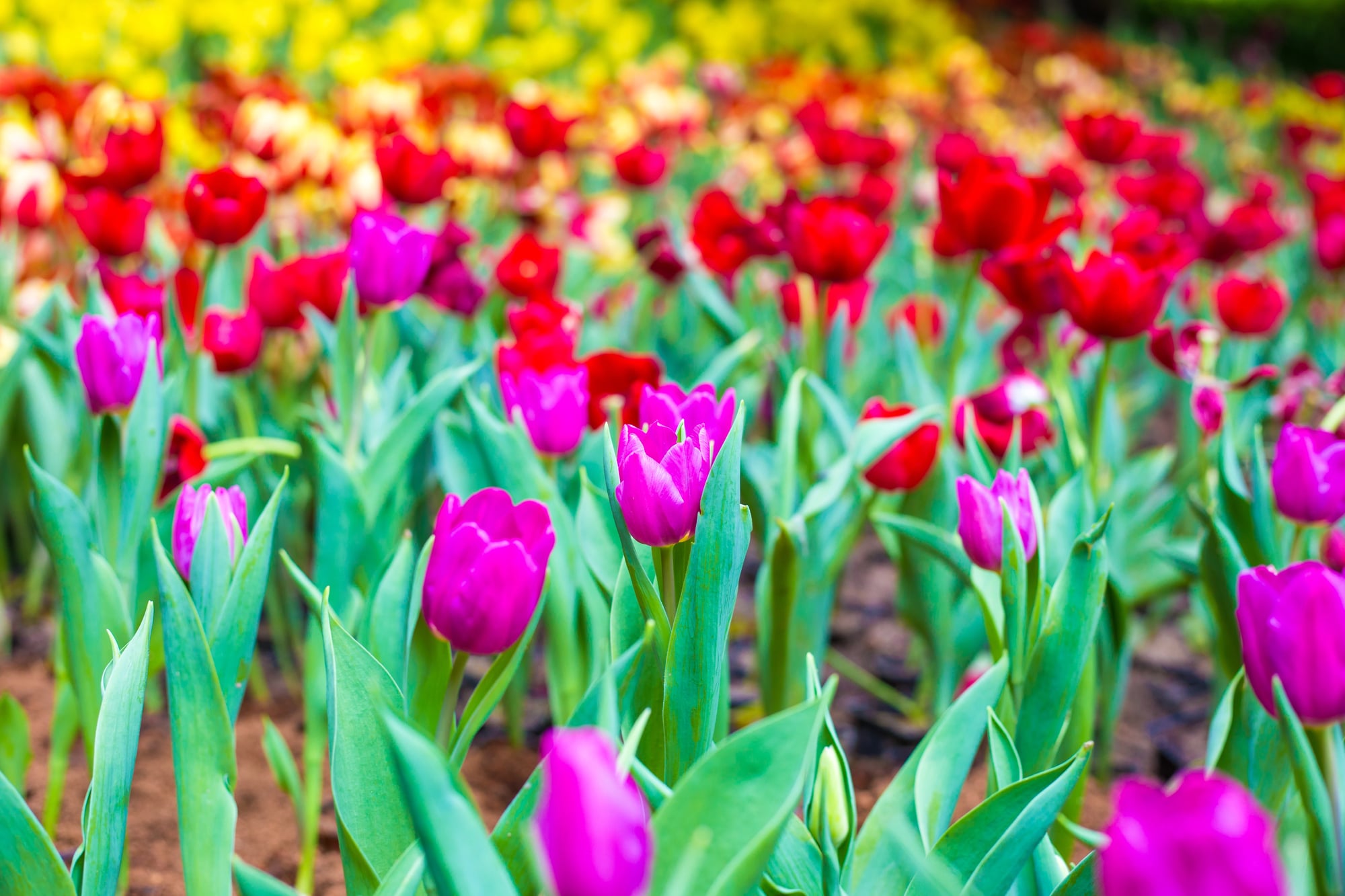
These flower fields remind us that nature’s most spectacular displays are also its most temporary. Perhaps that’s what makes them so compelling — the knowledge that this exact combination of color, light, and season will never repeat itself precisely the same way again.
Each spring brings new variables: more rain, less sun, earlier warmth, later snow. The flowers adapt, but the show changes slightly each year, ensuring that even return visitors never see exactly the same spectacle twice.
More from Go2Tutors!

- The Romanov Crown Jewels and Their Tragic Fate
- 13 Historical Mysteries That Science Still Can’t Solve
- Famous Hoaxes That Fooled the World for Years
- 15 Child Stars with Tragic Adult Lives
- 16 Famous Jewelry Pieces in History
Like Go2Tutors’s content? Follow us on MSN.