29 Rulers Who Were Overthrown by the People They Trusted Most
Power is a problem of proximity. To rule, a leader must trust someone: a general, a bodyguard, a minister, a family member. Those trusted people are given access, information, and authority.
And access is what every coup, assassination, and palace revolt depends on. The most dangerous person in any ruler’s world is not the declared enemy at the gate but the loyal ally who has just decided to stop being loyal.
History is full of this story, told again and again in different languages and centuries, with the same basic architecture every time.
Julius Caesar, 44 BCE

Caesar’s assassins included some of his closest political allies. Marcus Junius Brutus had fought against Caesar in the civil war and been pardoned — Caesar reportedly said he trusted Brutus’s honour above all others.
On the Ides of March, Brutus and around sixty senators stabbed Caesar twenty-three times on the floor of the Theatre of Pompey. The assassination was carried out precisely because these men had access that declared enemies did not have.
It ended the Roman Republic and triggered the civil wars that produced the Empire.
Caligula, 41 CE
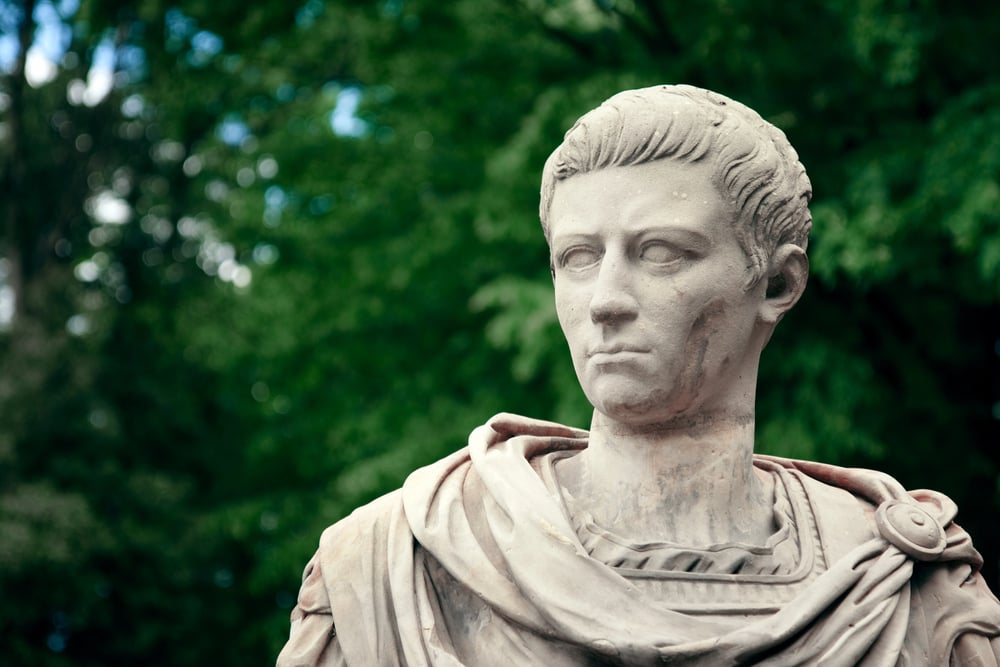
The Roman Emperor Caligula was killed by members of his own Praetorian Guard — the elite force whose entire purpose was to protect him. He had a habit of insulting and humiliating his guards with degrading passwords and contemptuous nicknames.
A group of Praetorian officers, led by Cassius Chaerea, cornered him in a palace corridor during the Palatine Games and stabbed him multiple times. The guards who found his wife and daughter killed them too.
Claudius, Caligula’s uncle, was found hiding behind a palace curtain and acclaimed emperor by the same guard.
Commodus, 192 CE
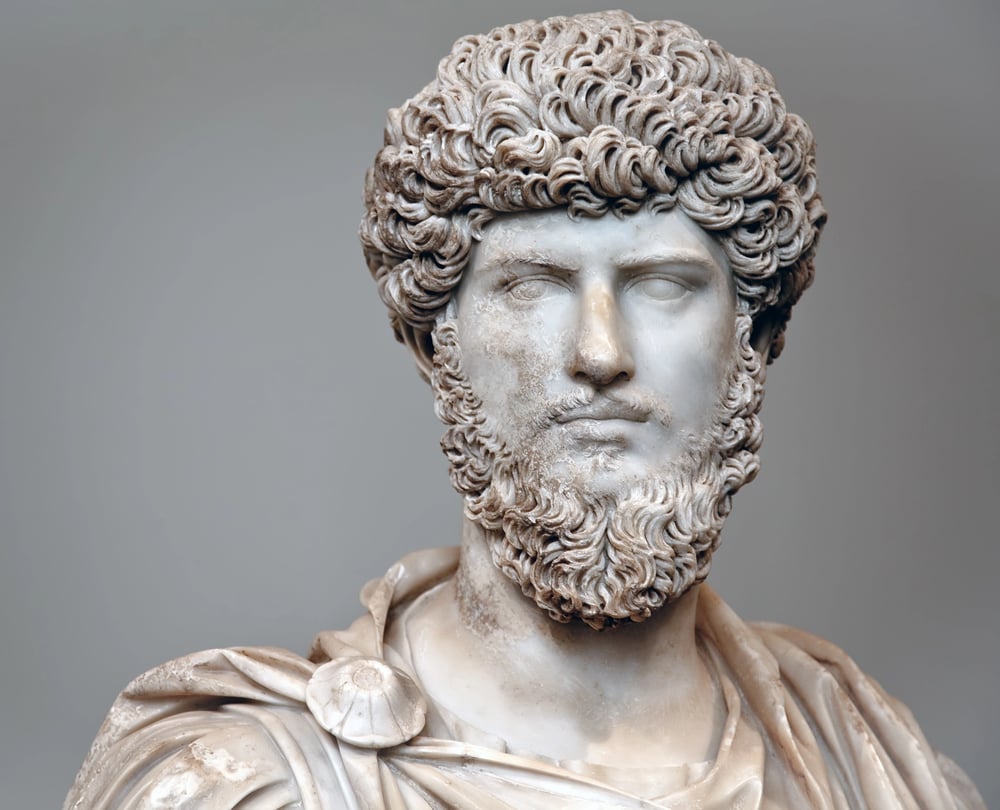
The Emperor Commodus had become increasingly erratic and paranoid by the end of his reign, renaming Rome after himself and declaring himself the reincarnation of Hercules. He compiled a list of people he planned to execute.
His own household — his personal trainer, his wrestling partner, his chamberlain, and his mistress Marcia — decided not to wait. Marcia poisoned his food; when that was insufficient, the wrestling partner Narcissus strangled him in his bath. The conspiracy against Commodus was coordinated by the people who ate at his table and slept under his roof.
Pertinax, 193 CE

Pertinax became Merida, Spain – December 20th, 2017: Domitian Roman emperor gold coin. National Museum of Roman Art in Merida, Spain
— Photo by WHPicsafter the Commodus and attempted to reform the Praetorian Guard, imposing discipline on a force accustomed to impunity. The guard had expected payment in exchange for accepting him as emperor; Pertinax offered them only half what they had demanded.
Three hundred Praetorians marched to the palace and killed him. His reign had lasted eighty-six days. The guard then auctioned the imperial throne to the highest bidder — a senator named Didius Julianus, who they killed a few months later when the payment was deemed insufficient.
Severus Alexander, 235 CE
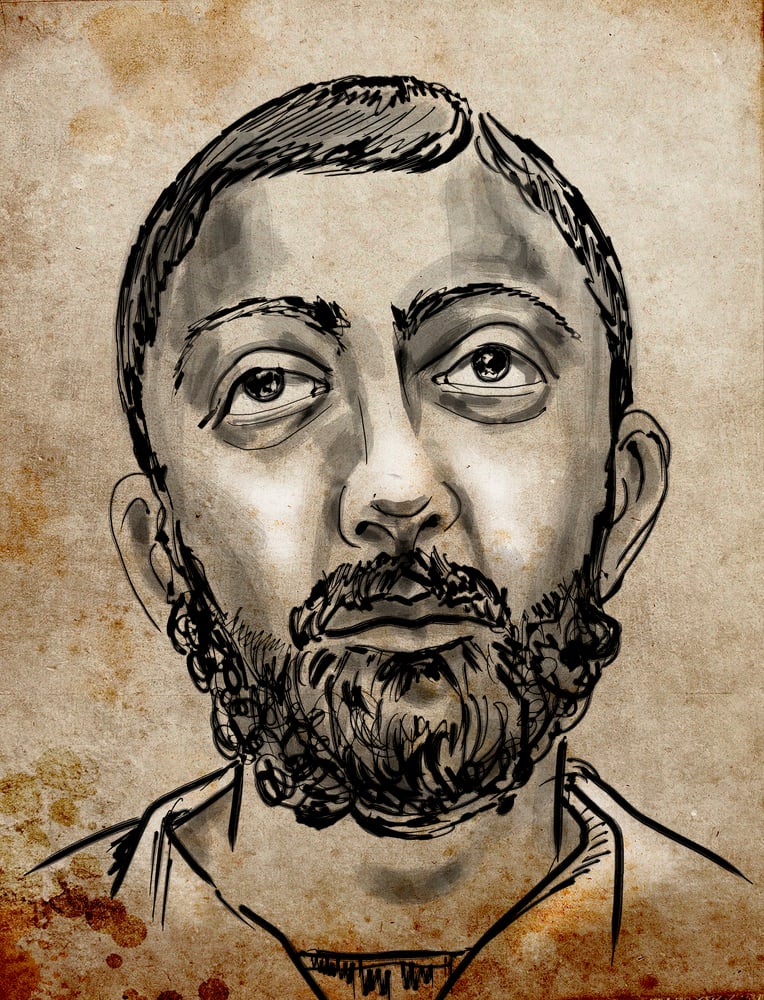
Emperor Severus Alexander tried to negotiate rather than fight a Germanic confederation threatening the Rhine frontier, and offered them payment to cease raiding. His own troops, who considered this a humiliation, mutinied and killed him along with his mother.
The man they proclaimed emperor in his place was Maximinus Thrax, a giant Thracian soldier who had risen through the ranks. Maximinus was himself murdered by his own soldiers three years later. The period that followed is known as the Crisis of the Third Century, and it unfolded almost entirely through the mechanism of troops killing the generals they had just elevated.
Philip II of Macedon, 336 BCE

Philip II of Macedon, the father of Alexander the Great, was assassinated by one of his own bodyguards — Pausanias of Orestis — during the wedding celebration of his daughter. The motive appears to have been personal grievance: Pausanias alleged that Philip had ignored or enabled a violent act against him by one of Philip’s generals.
Whatever the precise cause, the killing was only possible because a bodyguard had direct access to the king at a public ceremony. Alexander used the assassination to consolidate his own power rapidly and launched the campaigns that would reshape the ancient world.
Roger Mortimer and Queen Isabella vs. Edward II, 1327
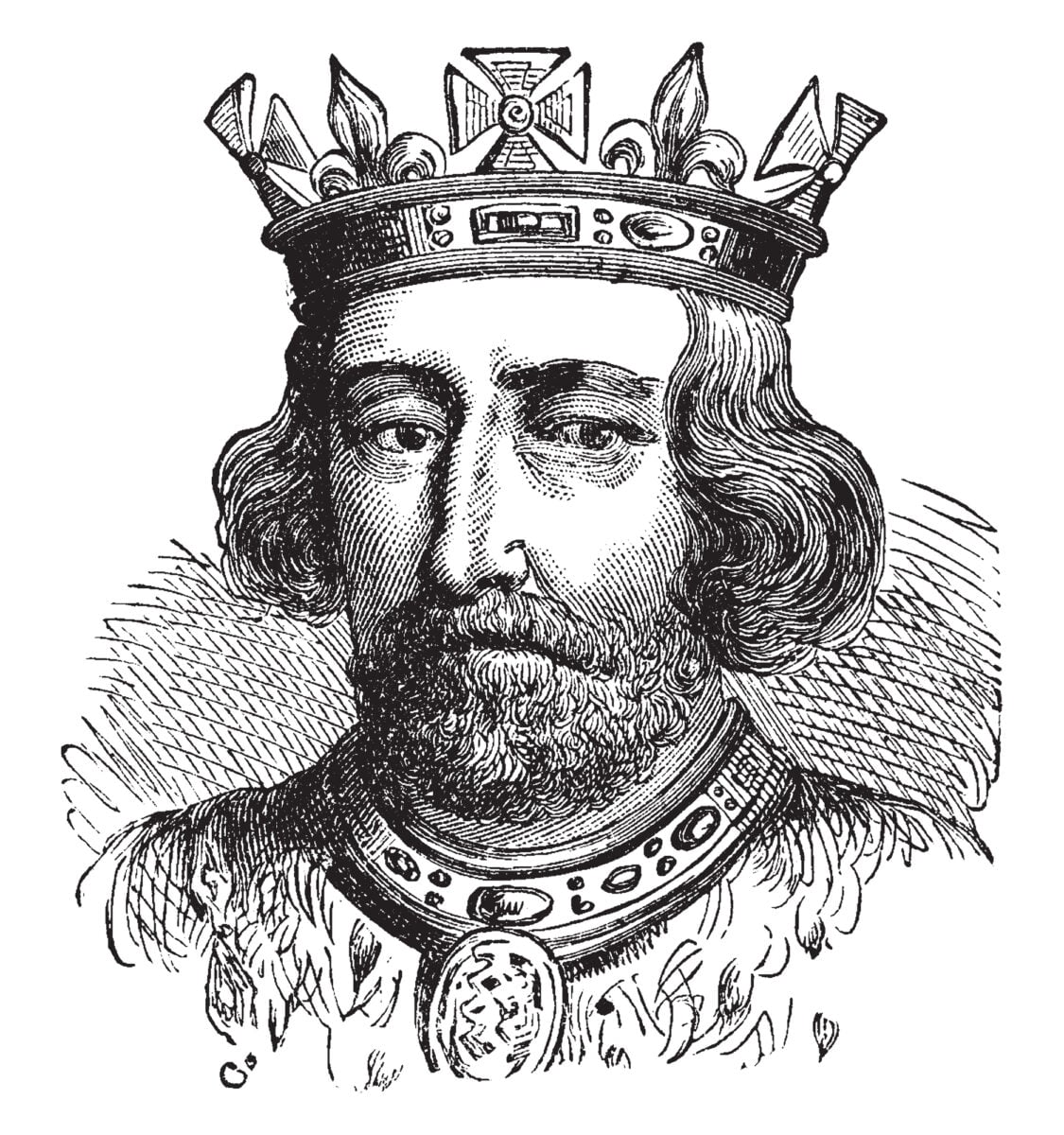
Edward II of England was deposed by his own wife, Isabella of France, and her lover Roger Mortimer, who led an invasion force. Edward had trusted Isabella enough to send her to France on a diplomatic mission; she instead allied with his enemies and returned at the head of an army.
The king’s own nobles deserted him en masse. He was captured, forced to abdicate in favour of his son, and died in Berkeley Castle shortly afterward under disputed circumstances — possibly murdered.
The coup was organised by the two people he had most reason to believe were on his side.
Richard II of England, 1399
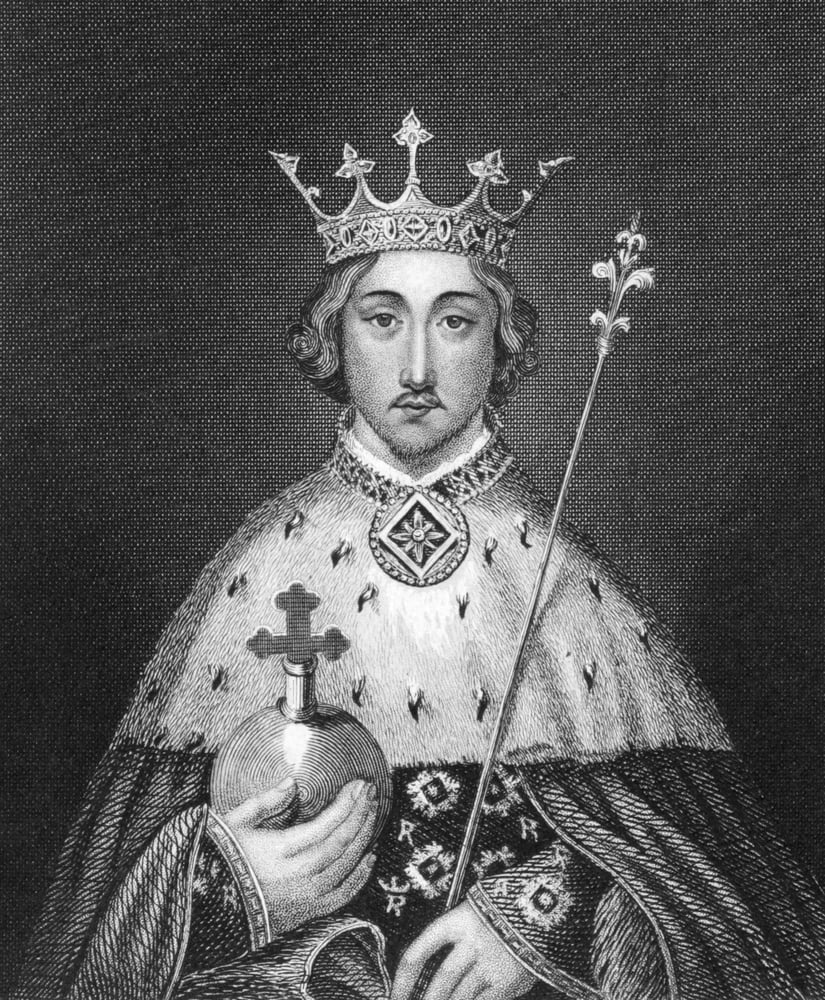
Richard II was overthrown by his cousin Henry Bolingbroke, whom he had exiled and whose estates he had seized. When Richard left England on a military campaign in Ireland, Bolingbroke landed with a small force that grew rapidly as Richard’s supporters abandoned the king.
Richard returned to find himself without allies. He surrendered, abdicated, and died in captivity at Pontefract Castle shortly afterward, probably of starvation.
The throne passed to the Lancastrian line, beginning a dynastic struggle that would eventually produce the Wars of the Roses.
Henry VI of England, deposed twice
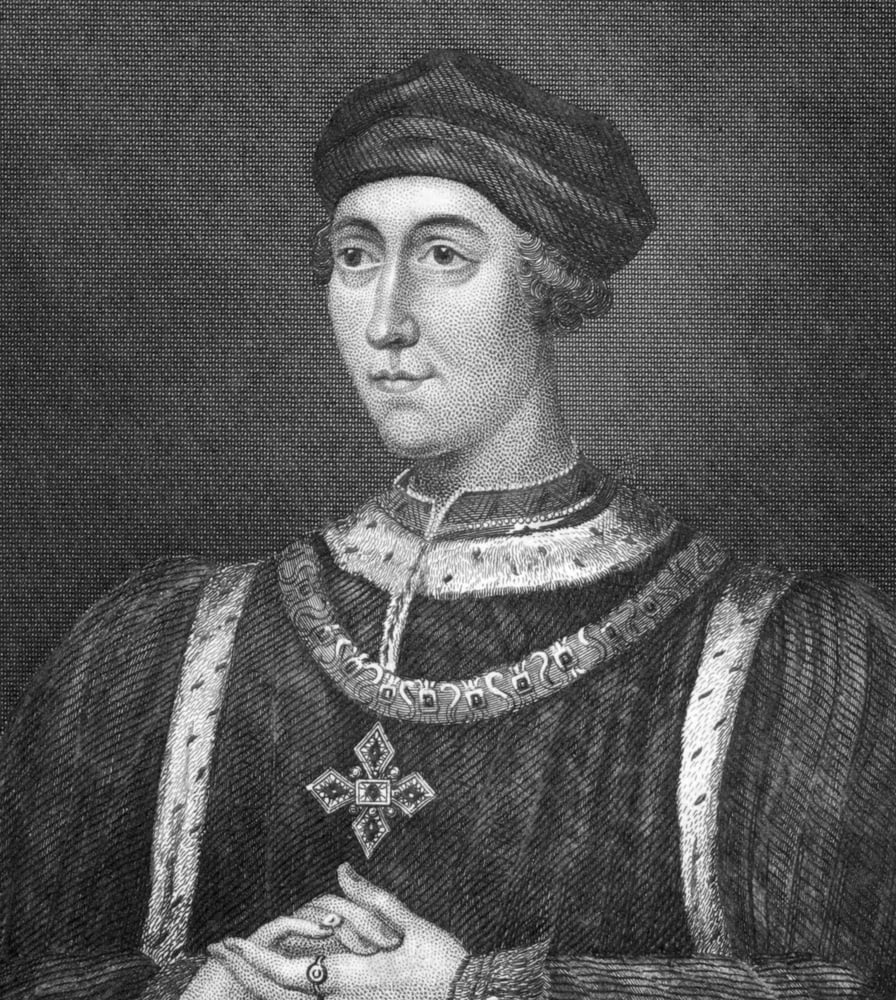
Henry VI was deposed, restored, and deposed again — twice by men from his own noble circle who had previously served him. Edward IV, who overthrew him the first time in 1461, was himself the son of a man who had been one of Henry’s leading subjects. The machinery of both coups involved nobles switching allegiances, commanders withdrawing support, and the fundamental collapse of the personal loyalty networks that held medieval English kingship together.
Henry was murdered in the Tower of London in 1471.
Charles I of England, 1649
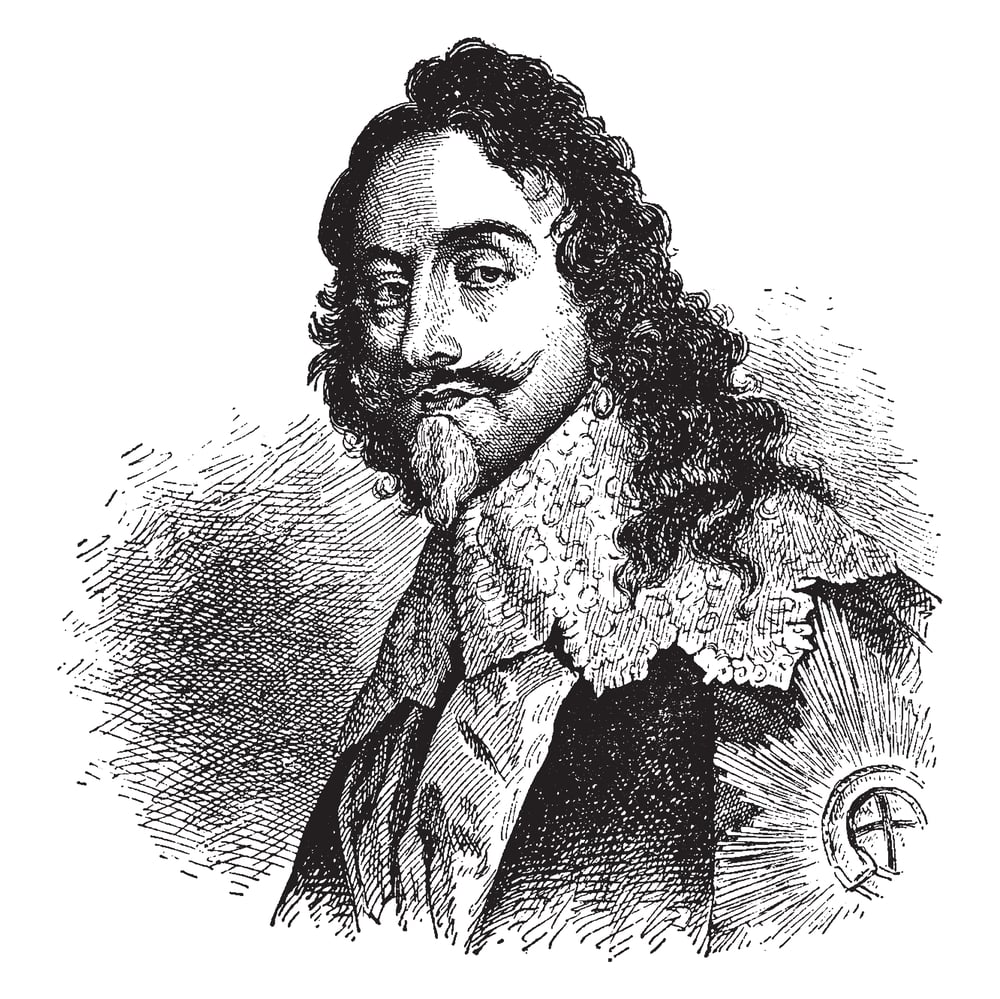
Charles I’s final undoing came when his Scottish Presbyterian allies — whose military support had been crucial in previous stages of the civil war — sold him to the English Parliament in exchange for payment of their army’s arrears. The Scots had sheltered the king after his military defeat, allowing him to negotiate from a position of relative safety.
They then handed him over when it became financially advantageous. He was subsequently tried and executed, the first English monarch to be formally tried and killed by his own government.
Sultan Murad IV’s successors and the Janissaries
— Photo by mhtpozcann.gmail.com
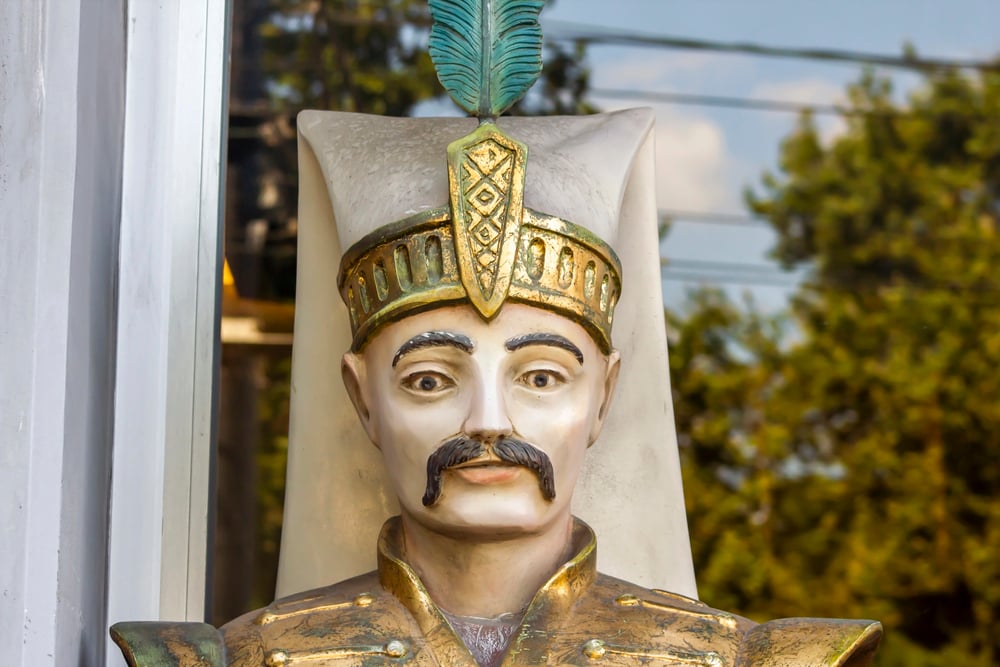
The Ottoman Janissary corps — the sultan’s elite standing army and household troops — became infamous across several centuries for deposing the sultans they were supposed to protect. Sultans who attempted to reform the Janissaries or reduce their pay could expect a response. Ibrahim I was deposed and strangled in 1648.
Selim III was deposed in 1807 and strangled in 1808 when Janissaries stormed the palace as he was about to be restored. Mahmud II finally abolished the corps in 1826 — known in Ottoman history as the Auspicious Incident — after watching it destroy ruler after ruler for generations.
Napoleon Bonaparte, 1814
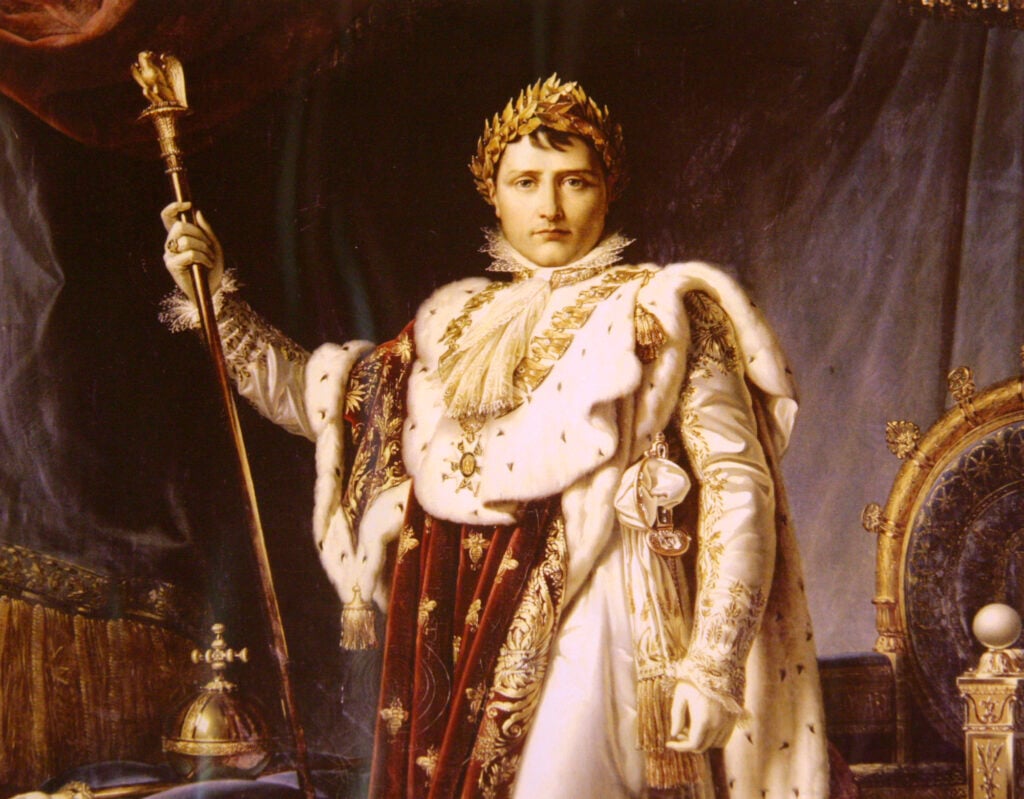
Napoleon was deposed not by military defeat alone but by the desertion of his own marshals and political allies at the moment of maximum military pressure. Marshal Marmont, one of Napoleon’s oldest comrades, defected with his entire corps during the final campaign for Paris in 1814 — a betrayal so significant that his name became a French term for treachery.
Napoleon abdicated and was exiled to Elba. The Hundred Days that followed ended at Waterloo, and Napoleon’s second abdication was engineered by his own Council of Ministers, who simply refused to continue.
Tsar Nicholas II, 1917
— Photo by MaykovNikita
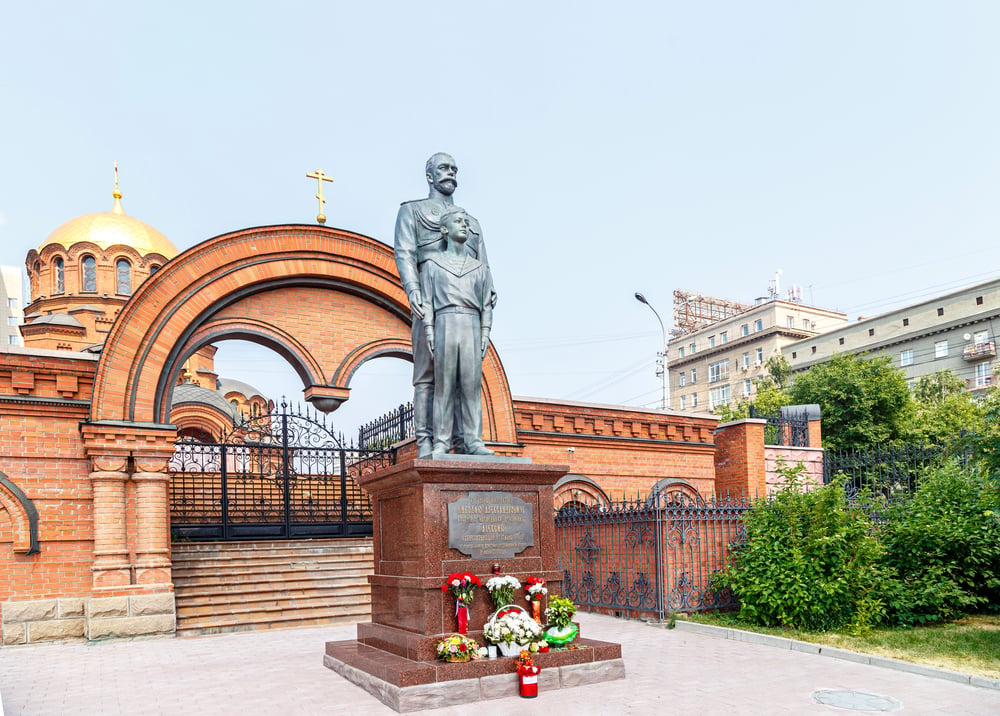
Nicholas II was not overthrown by revolutionary crowds but by the collapse of support among his own government and military command. When mutinies spread through the capital in February 1917, his generals told him that military force could not be relied upon to suppress them, and his own ministers advised abdication.
The Tsar’s abdication document, signed at a railway siding at Pskov, was the end result of his entire support structure withdrawing simultaneously. The generals he had commanded, the ministers he had appointed, and the dynasty’s traditional supporters all calculated that Nicholas had become a liability they could not afford.
Kaiser Wilhelm II, 1918
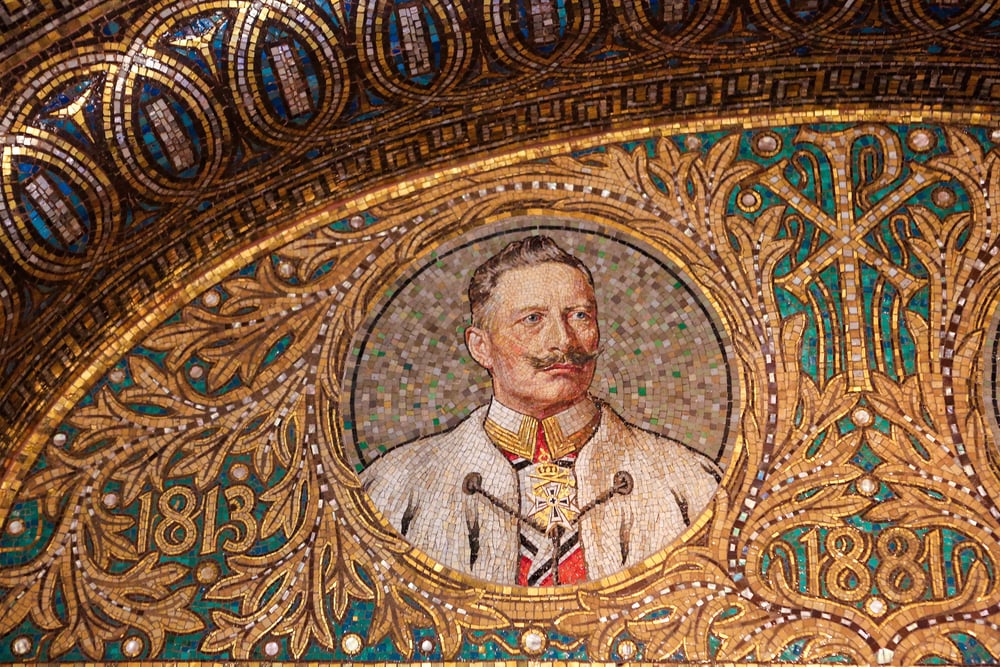
Kaiser Wilhelm II’s abdication was announced by his own Chancellor, Prince Max of Baden, without the Kaiser’s consent — a measure that Max took because he believed the armistice could not be concluded while the Kaiser remained on the throne. By the time Wilhelm actually accepted the situation, the decision had already been made for him by the government he nominally controlled.
He fled to the Netherlands, where he lived until 1941. The announcement of his abdication came from the same governmental apparatus that had operated under his authority for thirty years.
Tsar Ferdinand of Bulgaria, 1918
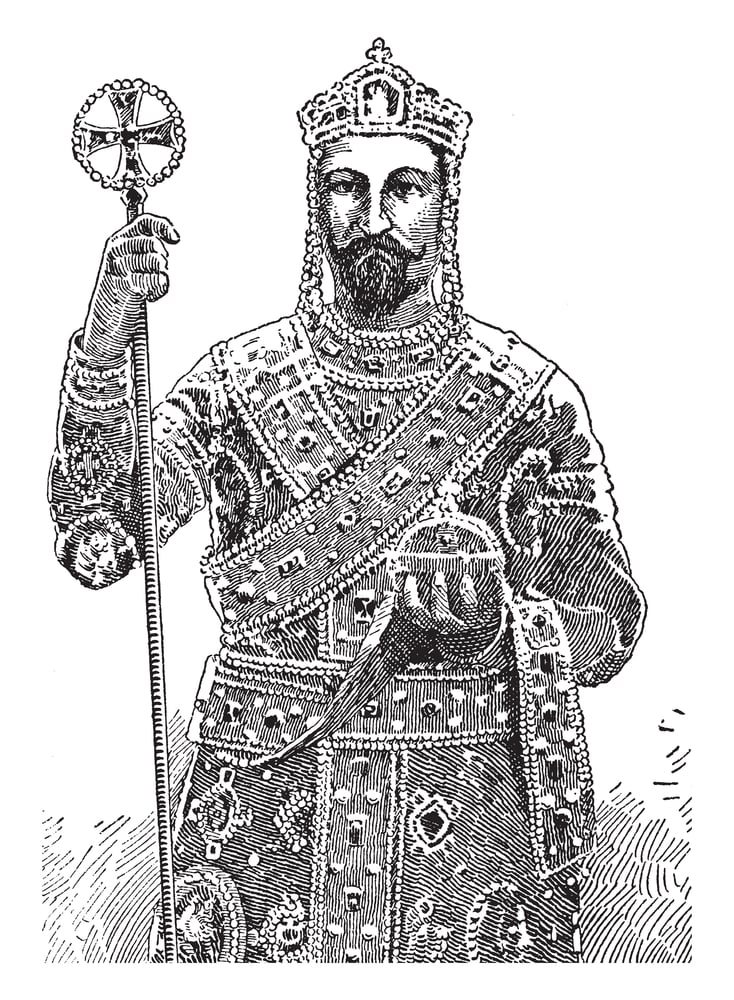
Ferdinand of Bulgaria abdicated in October 1918 as his country’s military collapsed following the Armistice of Salonica. His own prime minister and military commanders informed him that the situation was irretrievable and that he must abdicate in favour of his son to have any chance of preserving the dynasty.
The political and military establishment that had served him simply withdrew their support, leaving him with nothing to rule over. He was sixty-three when he abdicated and lived another thirty-five years in exile.
Haile Selassie, 1974
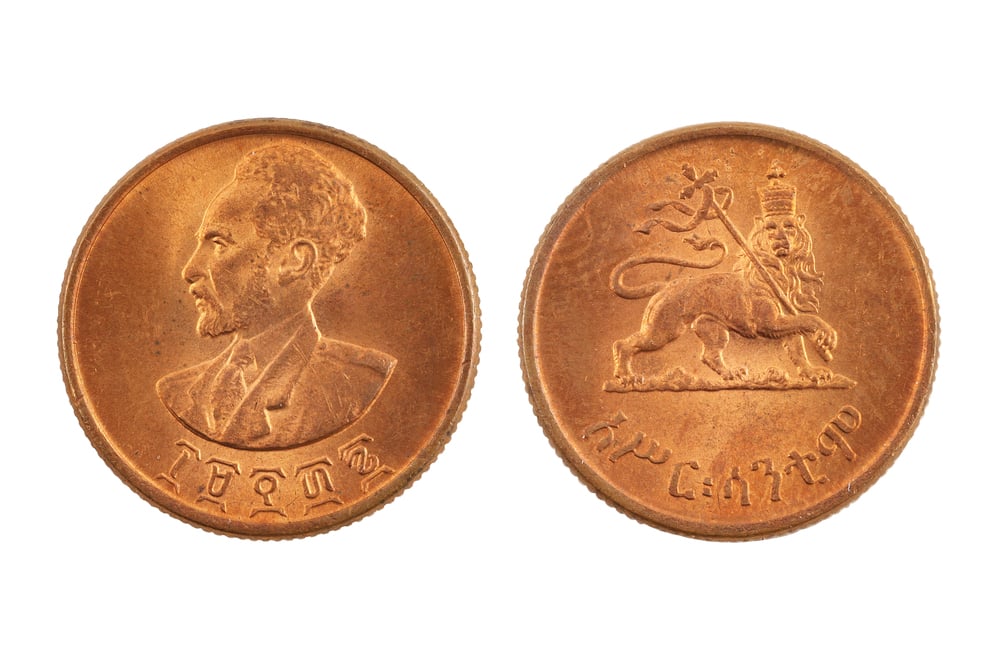
Haile Selassie, Emperor of Ethiopia, was deposed by the Derg — a coordinating committee of military officers from the Ethiopian armed forces. Many of these officers had served the emperor loyally through decades of his reign; the Derg emerged from within the military itself rather than from any external opposition force.
Selassie was arrested by soldiers who came to the palace in military vehicles and told him he was being taken to a simpler residence. He was eighty-two years old. He died in custody less than a year later under circumstances that have never been fully established.
Jean-Bédel Bokassa, Central African Empire, 1979
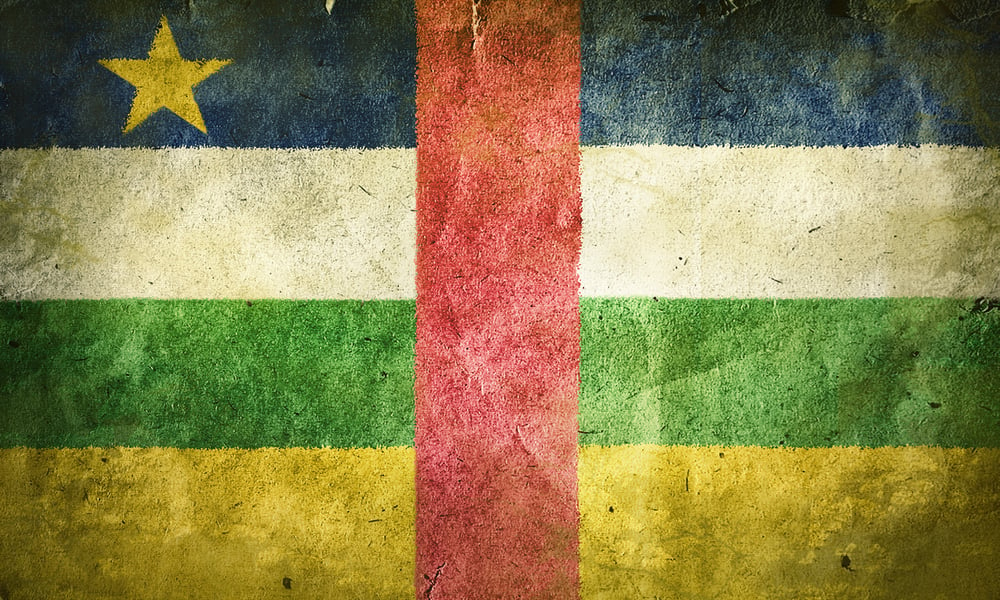
Bokassa had been supported by France throughout his reign and had depended on French military and financial backing to maintain the Central African Empire. In 1979, following the massacre of schoolchildren who had protested against wearing expensive uniforms, France withdrew its support and launched Operation Barracuda — a direct military intervention that removed Bokassa while he was abroad.
A man who had ruled in part because France protected him was overthrown because France decided to stop.
Anwar Sadat, Egypt, 1981
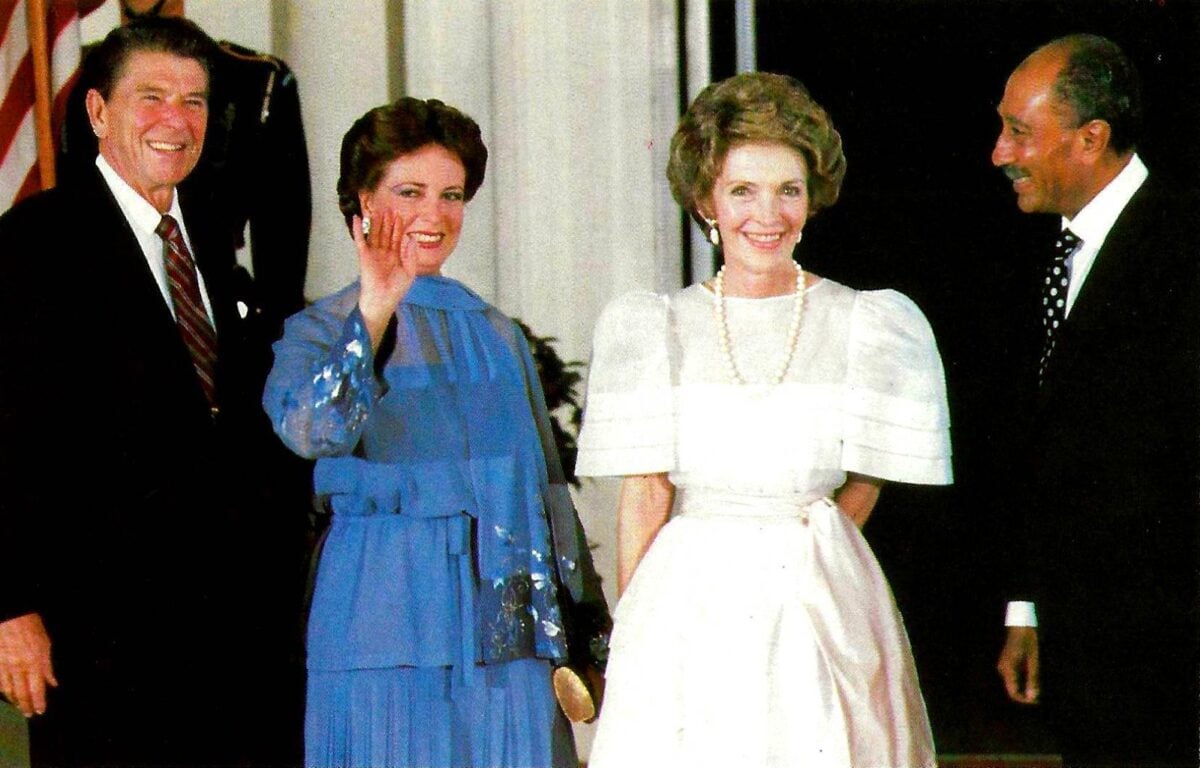
Anwar Sadat was assassinated during a military parade in Cairo on 6 October 1981 by Lieutenant Khalid Islambouli, an Egyptian army officer who was part of the security apparatus surrounding the event. Islambouli and his co-conspirators had used their positions inside the military to gain proximity to the president.
They jumped from a military truck that had stopped before the reviewing stand, threw grenades, and opened fire. Sadat died from his wounds. His killers were members of the military that served him, not an external threat that had fought its way in.
Ferdinand Marcos, Philippines, 1986

Ferdinand Marcos’s downfall began when his own defence minister and armed forces chief of staff — both men he had appointed and relied upon — announced they were withdrawing their support during the snap election crisis of 1986. Defence Minister Juan Ponce Enrile and General Fidel Ramos declared themselves in revolt, and the People Power Revolution that followed depended in part on their defection.
Marcos’s ability to use military force against the uprising collapsed because the military itself had split. He flew into exile in Hawaii, where he died three years later.
Jean-Claude Duvalier, Haiti, 1986
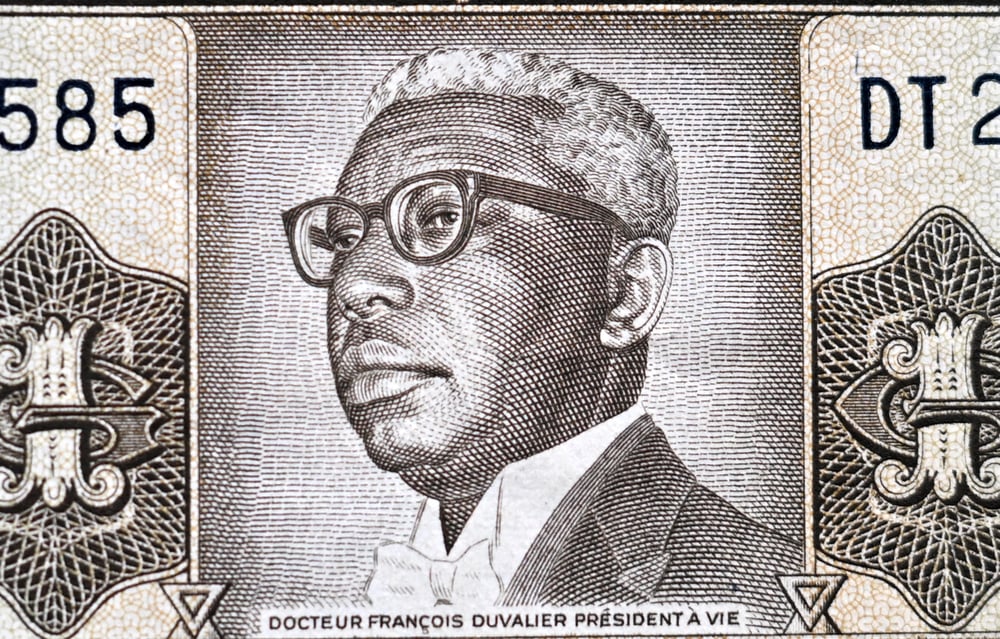
Jean-Claude Duvalier inherited the Haitian presidency from his father François and ruled with the support of the Tonton Macoutes — a paramilitary force his father had created as a personal instrument of terror. By 1986, sections of the army that had previously remained loyal to the family began to withdraw their support, calculating that Duvalier had become more of a liability than an asset.
The United States also withdrew backing. Duvalier fled to France in February 1986 on an American aircraft. He had relied on institutional loyalty that evaporated precisely when he needed it.
Idi Amin of Uganda, 1979
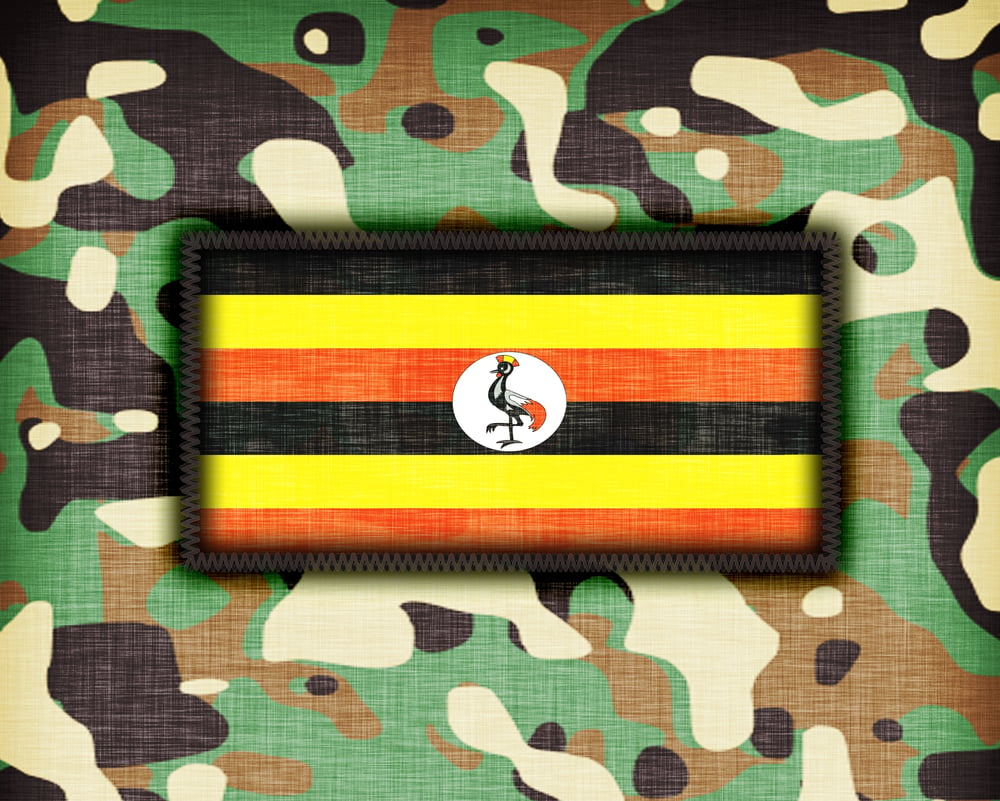
Idi Amin had come to power in a military coup in 1971, deposing Milton Obote with the support of Uganda’s army. He was removed in 1979 by a combination of Tanzanian forces and Ugandan exiles, but the intervention was possible partly because his own military had fractured — officers who had once been his allies had fled, defected, or been purged.
The Ugandan forces that might have defended him either deserted or surrendered. He fled to Libya and later to Saudi Arabia, where he lived until his death in 2003.
Robert Mugabe, Zimbabwe, 2017
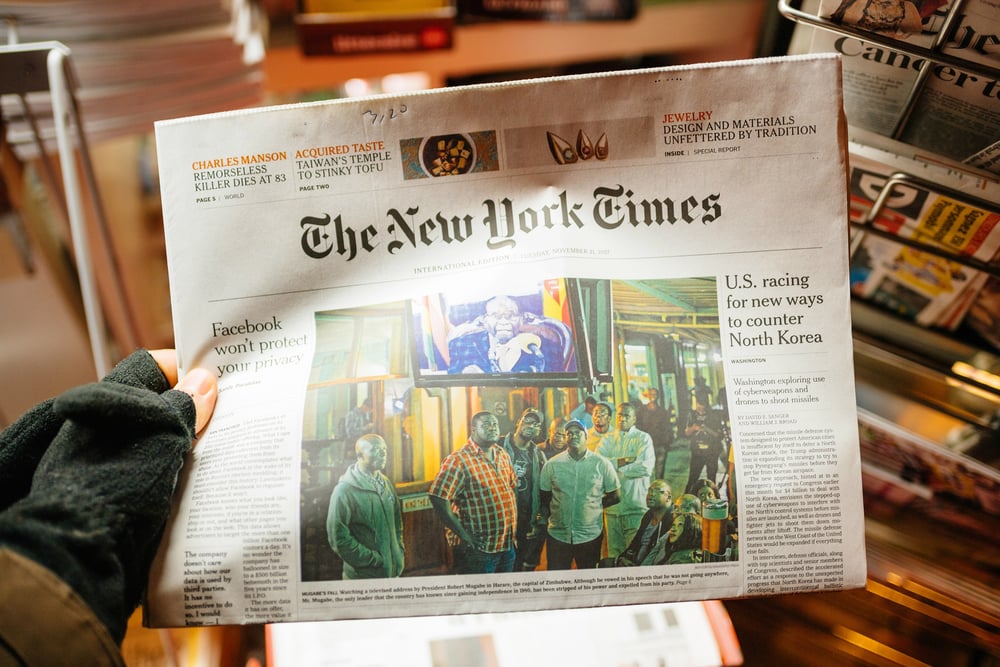
Robert Mugabe had governed Zimbabwe since independence in 1980, supported by an army whose senior officers were veterans of the liberation struggle that had made the country. In November 2017, after Mugabe’s wife Grace maneuvered to position herself as successor in a way that threatened the generals’ own positions, Zimbabwe’s military surrounded the capital, occupied the state broadcaster, and placed Mugabe under house arrest.
His former vice-president and long-time ally Emmerson Mnangagwa — whom Mugabe had just fired — returned from exile to assume the presidency. The generals described it as a “correction,” not a coup. Mugabe, ninety-three years old, resigned while an impeachment session was still in progress.
Hosni Mubarak, Egypt, 2011
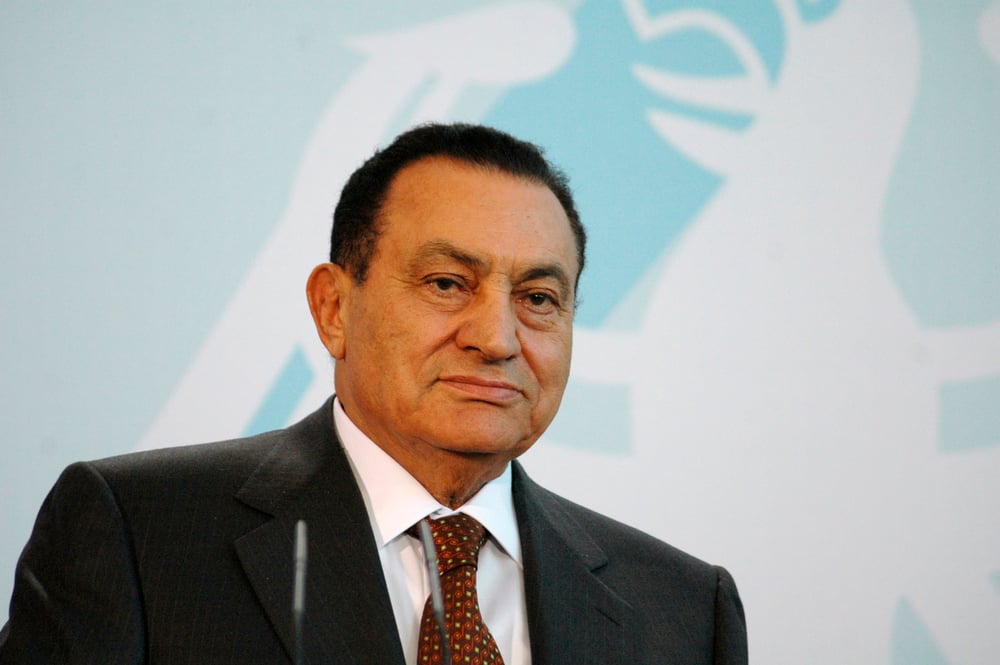
Mubarak had governed Egypt for thirty years with the military’s support. When the 2011 Arab Spring protests reached Egypt and the streets of Cairo filled with demonstrators, the military’s Supreme Council declined to order a crackdown.
The generals calculated that protecting Mubarak was no longer in their institutional interest. Without the military’s willingness to suppress the uprising, Mubarak had no mechanism to stay in power.
He resigned on February 11, 2011 and handed power to the Supreme Council of the Armed Forces — the body that had decided his time was up.
Mohamed Morsi, Egypt, 2013
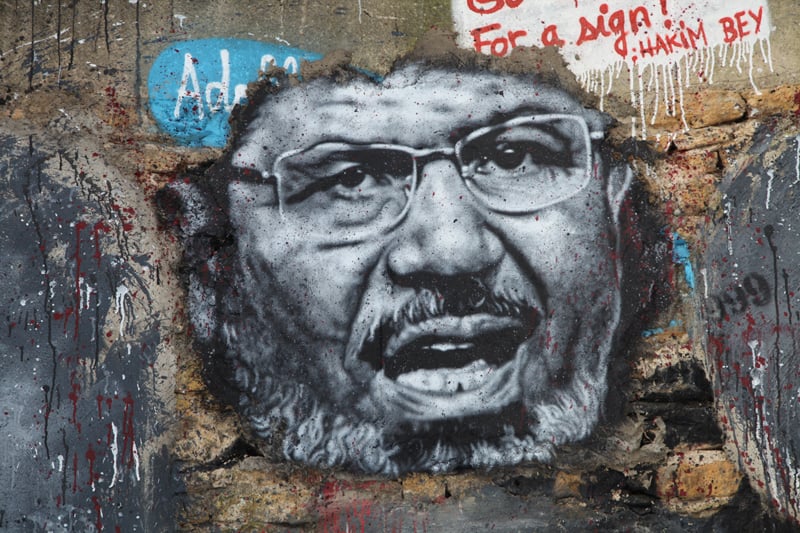
Morsi had been elected as Egypt’s first democratically chosen president in 2012 and served with the formal support of the military. When mass protests against his government reached critical scale in 2013, General Abdel Fattah el-Sisi — the defence minister Morsi himself had appointed — announced that the military was removing the president. Morsi was arrested and detained.
The government he had formed was dissolved. Morsi’s fatal miscalculation was in believing that the military would remain subordinate to a civilian president whose popular support was declining.
Muammar Gaddafi, Libya, 2011
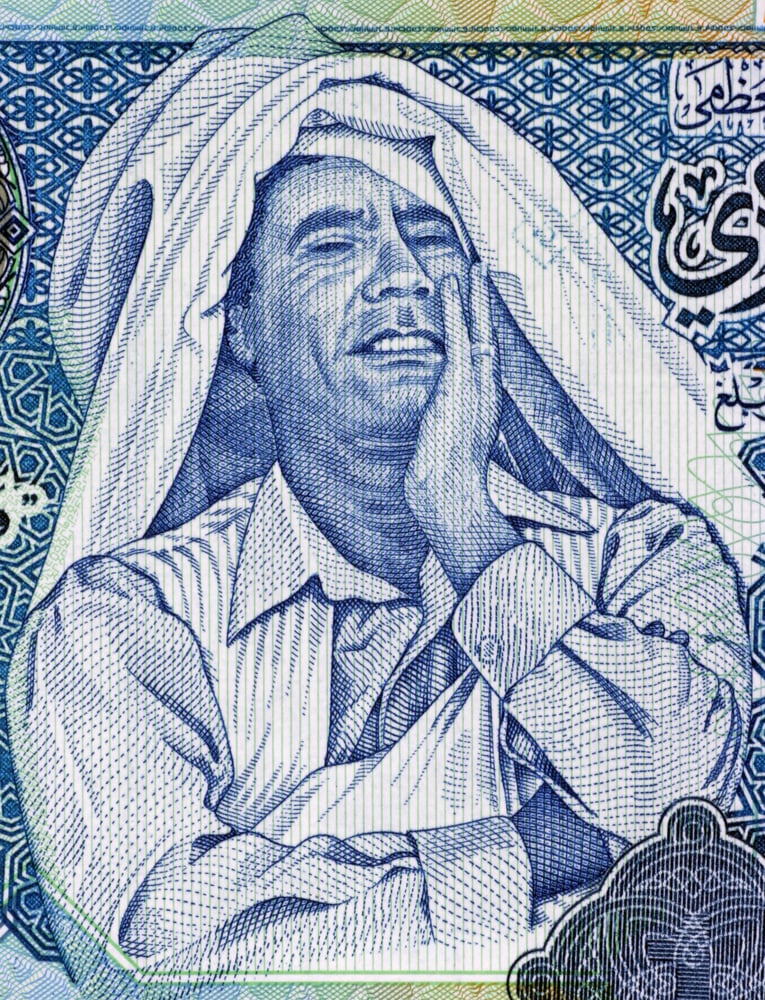
Gaddafi’s regime depended on a network of loyalties built over four decades — tribal alliances, military units staffed by trusted clans, and security services that rewarded obedience with privilege. When the 2011 Libyan civil war began, large sections of this network defected: military commanders, government ministers, and tribal leaders who had been central to the system announced they were switching sides.
Gaddafi was eventually captured and killed by rebel fighters in October 2011 in his hometown of Sirte. The men who had built the system he depended on decided to dismantle it.
Blaise Compaoré, Burkina Faso, 2014
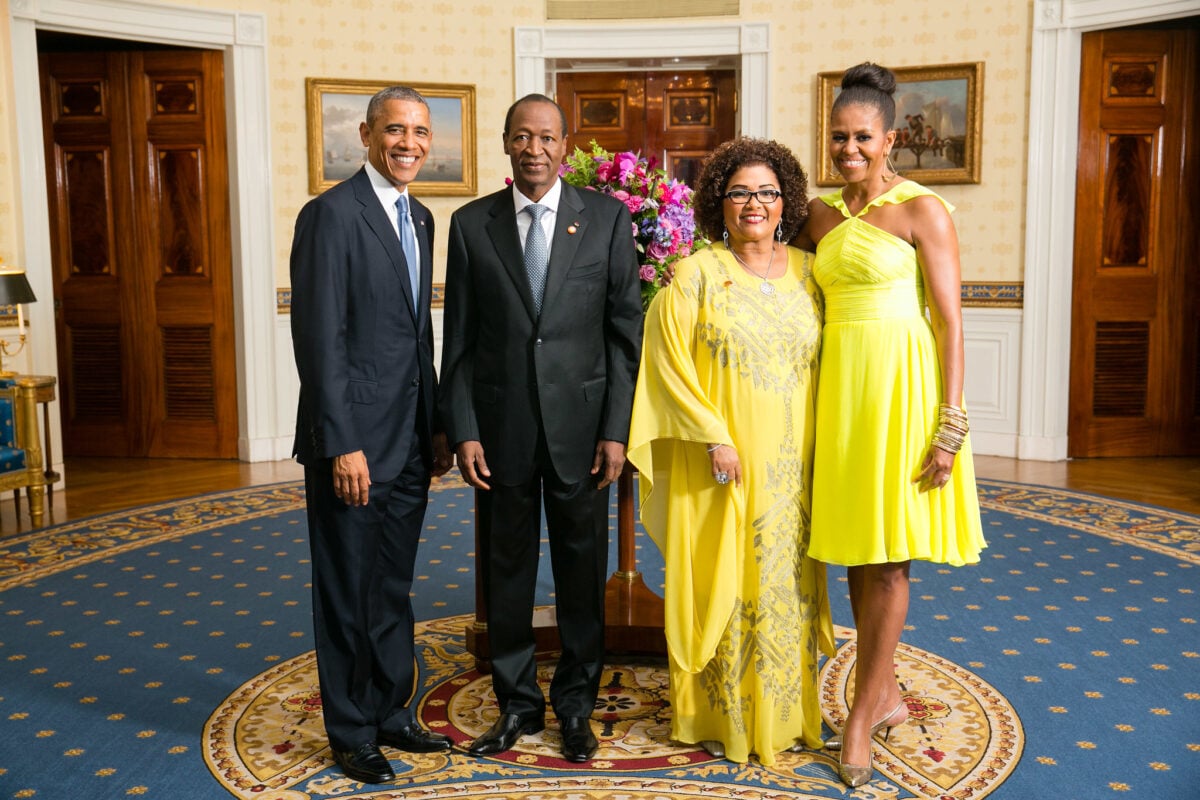
Compaoré had himself come to power through a coup that killed his former friend and revolutionary partner Thomas Sankara in 1987. In 2014, facing mass protests against a constitutional amendment that would have extended his rule, his presidential guard dispersed and the army declined to protect him.
The man who had built his career on military loyalty found that loyalty had a price he was no longer able to pay. He fled to Côte d’Ivoire in a vehicle without an escort. He was later convicted in absentia for Sankara’s murder.
Bashar al-Assad, Syria, 2024
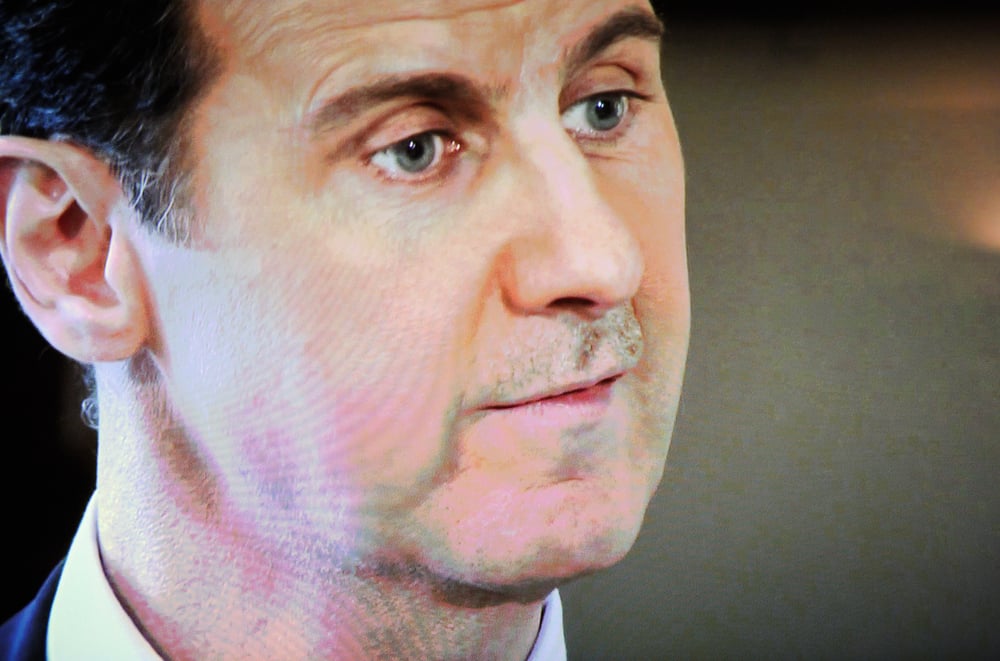
Assad’s family had controlled Syria since his father Hafez seized power in 1970. The regime survived a decade of civil war with Russian and Iranian support — but in late 2024, as that support diminished and rebel forces moved rapidly on Damascus, the internal architecture of the regime’s loyalty collapsed faster than the military situation alone would suggest.
Security commanders who had served the family for decades made their own calculations. Assad departed Syria in December 2024, ending fifty years of family rule.
The speed of the collapse reflected how much of the regime’s apparent strength had depended on loyalty networks rather than genuine institutional depth.
Sultan Ibrahim I, 1648
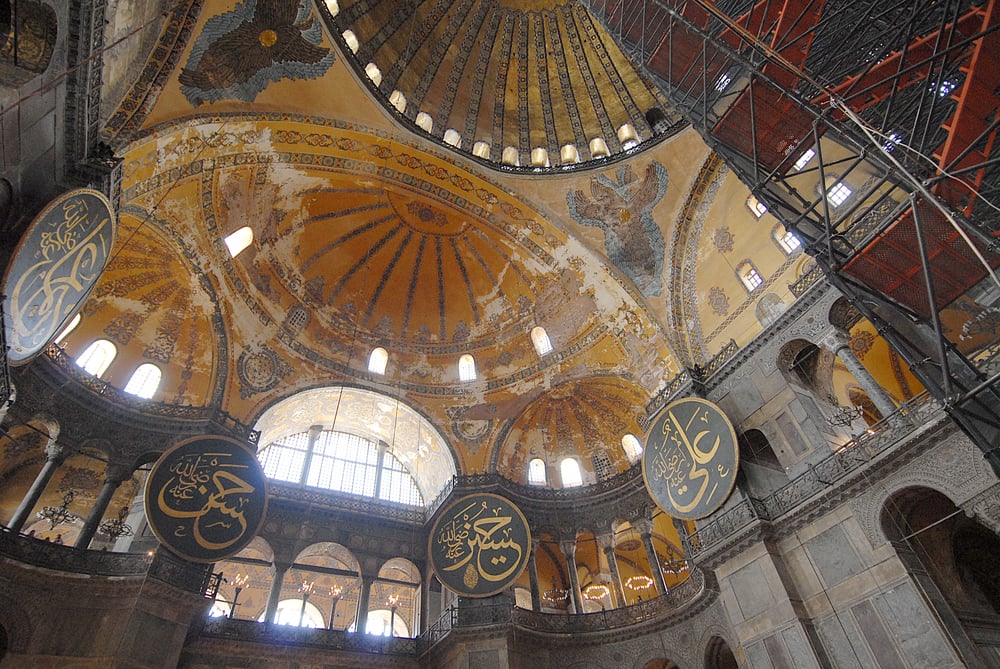
Ibrahim I of the Ottoman Empire had grown deeply suspicious of those around him — burning through advisors and executing people on impulse. In 1648, the imperial council, the chief mufti, and the Janissary officers who had tolerated his behaviour decided they had had enough.
They issued a legal ruling declaring him unfit to rule, imprisoned him, and elevated his six-year-old son Mehmed IV to the throne. Ibrahim was strangled in his cell seventeen days later. The people who killed him were the same men who had administered the empire under his nominal authority.
The Structural Problem
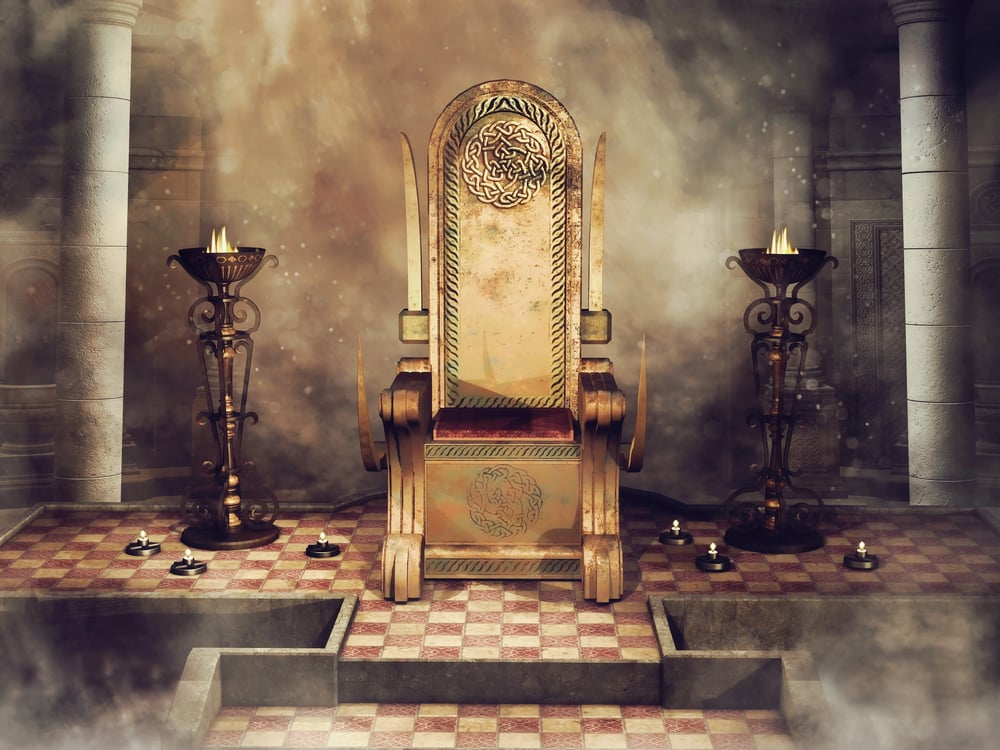
There is a sentence attributed to the Roman poet Juvenal that reads: who watches the watchmen? It was never just a philosophical question. It was a description of the central vulnerability of every system of power in human history. To rule is to need protection; to be protected is to create proximity; proximity is the condition of betrayal.
Every ruler who appears in this list understood the danger intellectually. Some of them took extraordinary precautions — multiple overlapping security forces, family members in key positions, rotating personnel, elaborate loyalty tests.
None of it was sufficient, in the end, because the problem was not a problem of security. It was a problem of politics.
The moment the people around a ruler calculated that protecting him was more dangerous than removing him, the game was already over. The coup was merely the moment when that calculation became visible.
Everything before it was just the accumulation of the conditions that made it inevitable.
More from Go2Tutors!

- The Romanov Crown Jewels and Their Tragic Fate
- 13 Historical Mysteries That Science Still Can’t Solve
- Famous Hoaxes That Fooled the World for Years
- 15 Child Stars with Tragic Adult Lives
- 16 Famous Jewelry Pieces in History
Like Go2Tutors’s content? Follow us on MSN.