16 Shortest Athletes in NBA And NFL
Height matters in professional sports. That’s just reality.
But then you’ve got these athletes who looked at that reality and decided it didn’t apply to them. They’re the players who made coaches rethink their assumptions, the ones who turned supposed disadvantages into unique skill sets, and honestly, the ones who made watching sports a lot more interesting because you never quite knew how they’d pull it off.
Let’s look at the players who proved that heart and skill can sometimes outweigh a few missing inches.
Muggsy Bogues – 5’3″ (NBA)
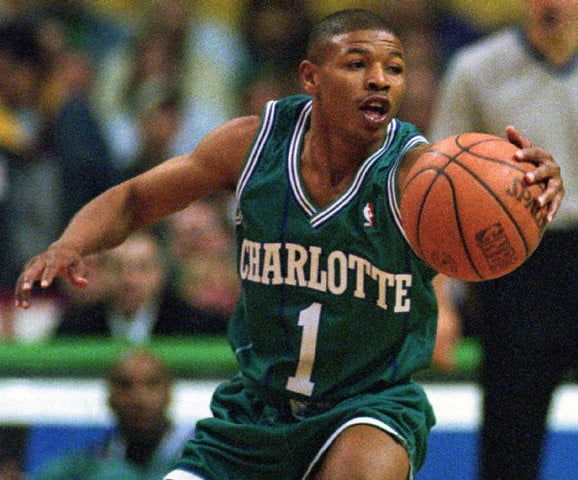
At 5’3″, Muggsy Bogues is the shortest player in NBA history, and somehow he played 14 seasons in a league where the average height is 6’6″. Born in Baltimore (which he repped hard throughout his career), Bogues was a point guard for the Charlotte Hornets during their most exciting years in the 90s.
He averaged 7.7 assists and 7.6 points per game over his career, which doesn’t sound spectacular until you remember he was doing this while looking at everyone’s chest. His defensive positioning had to be perfect because he couldn’t rely on length to recover from mistakes.
The man recorded 39 blocks in his career, which is genuinely hilarious when you think about the physics involved.
Jack Shapiro – 5’1″ (NFL)

Jack Shapiro is the shortest player ever in NFL history at just 5’1″ and 119 pounds (which is basically the size of an average eighth grader). He played exactly one game for the Staten Island Stapletons in 1929.
One game. That’s it.
He was a blocking back, which seems like a particularly cruel position for someone that small, but this was 1929 and the NFL was a completely different animal back then. Players didn’t have the same specialized training or nutrition, and the league was still figuring itself out.
Still, imagine being 5’1″ and voluntarily running at people for a living.
Earl Boykins – 5’5″ (NBA)
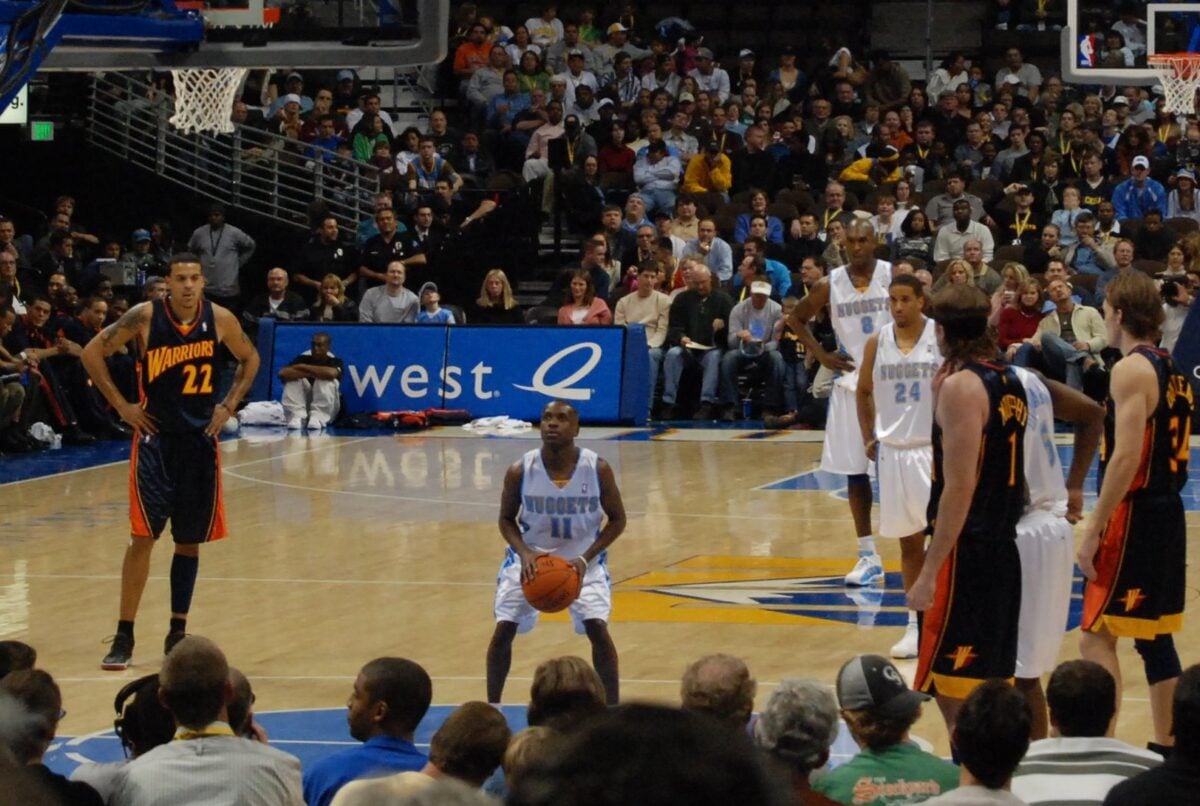
Earl Boykins played 13 NBA seasons at 5’5″, bouncing between teams but always finding a roster spot because the man could play. He averaged 8.9 points per game for his career and had a ridiculous vertical leap (he could dunk, which shouldn’t be possible at that height).
What’s wild is that Boykins could bench press 315 pounds—way more than most NBA players could despite being so much smaller. He had to overcompensate with strength training because he’d get bodied otherwise.
Also he wore a size 5 shoe, which is smaller than most women’s sizes.
Trindon Holliday – 5’5″ (NFL)
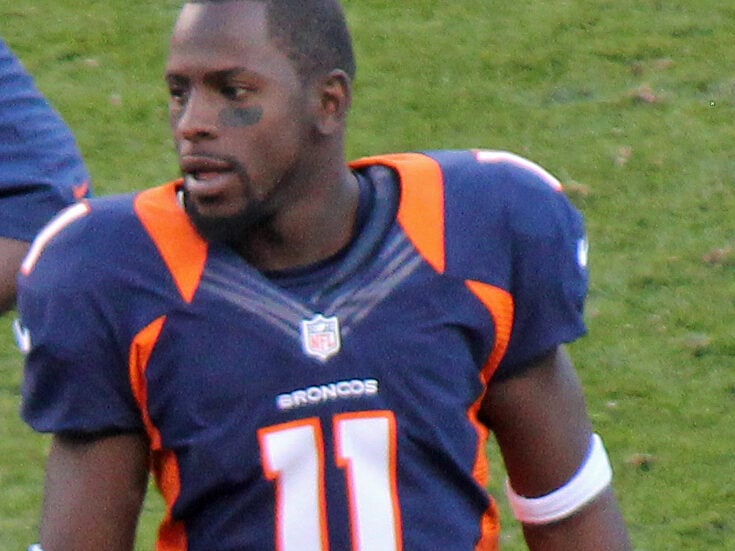
This guy was a returner for the Broncos and Texans, listed at 5’5″ and 165 pounds. Holliday was scary fast—he ran track at LSU and clocked a 4.21-second 40-yard dash, which is absolutely blazing.
In the 2012 playoffs, he returned both a punt and a kickoff for touchdowns in the same game for Denver. Return specialists can be shorter because they’re not grinding it out in the trenches, they’re just making one guy miss in open space and then outrunning everyone else (which Holliday could definitely do).
Spud Webb – 5’6″ (NBA)
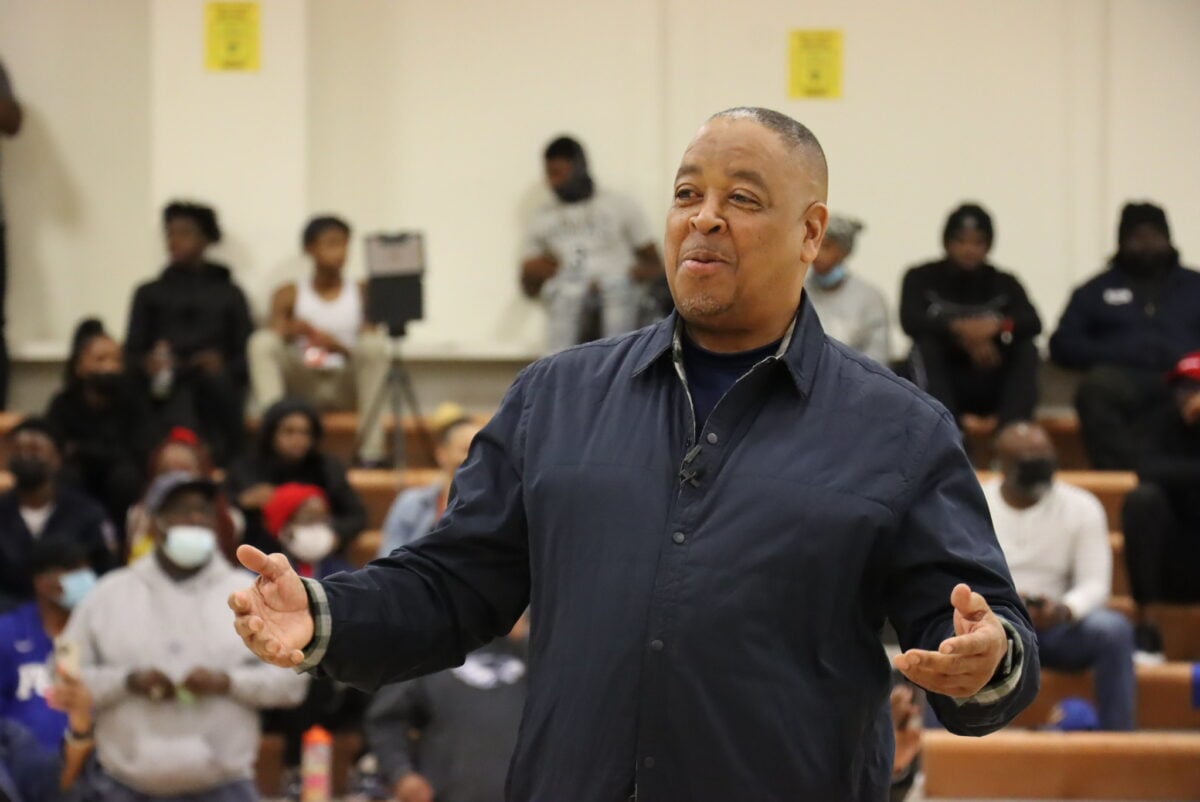
Spud Webb is probably the most famous short player after Muggsy because he won the 1986 NBA Slam Dunk Contest at 5’6″, defeating Dominique Wilkins who was 6’8″. That moment is still one of the greatest underdog stories in basketball.
Webb had a 46-inch vertical leap (for context, that’s higher than most NFL defensive backs can jump). He played 12 seasons and was actually a solid backup point guard, averaging 9.9 points per game.
His dunks looked like something from a video game because the proportions were all wrong—this tiny dude suddenly flying above the rim.
Tarik Cohen – 5’6″ (NFL)

Cohen played running back for the Chicago Bears, listed at 5’6″ and 179 pounds. He was selected in the fourth round of the 2017 draft and immediately made an impact as both a runner and receiver (he had 355 receiving yards as a rookie, which is a lot for a running back).
His low center of gravity made him really hard to tackle in the open field—defenders would go for where they expected him to be and he’d already be somewhere else. He also returned kicks.
Unfortunately, injuries derailed his career, but when healthy, he was electric.
Darren Sproles – 5’6″ (NFL)

One of the best all-purpose backs in NFL history at 5’6″. Sproles played 15 seasons and accumulated over 19,000 all-purpose yards (rushing, receiving, and returns combined).
He was a three-time Pro Bowler and played for the Chargers, Saints, and Eagles. What made Sproles so effective was his versatility—he could run between the tackles, catch passes out of the backfield, and return kicks and punts.
The man was 5’6″ and playing in a league where linebackers routinely weigh 250 pounds and run 4.5-second 40s. And he just kept showing up, year after year, making plays.
Isaiah Thomas – 5’9″ (NBA)

Isaiah Thomas (the modern one, not the Pistons legend who’s 6’1″) is 5’9″ and was the last pick in the 2011 draft. He bounced around before landing with the Celtics, where he became an All-Star and finished fifth in MVP voting in 2017.
That season he averaged 28.9 points per game, which is absurd for anyone, let alone someone who’s 5’9″ in the NBA. He was scoring on seven-footers night after night.
Then he got hurt, got traded, and his career fell apart pretty quickly (hip injuries are brutal). But that one season in Boston?
He was legitimately one of the best players in the league.
Maurice Jones-Drew – 5’7″ (NFL)

MJD played running back for the Jaguars and Raiders, listed at 5’7″ and 210 pounds (he was built like a fire hydrant). He led the NFL in rushing in 2011 with 1,606 yards and made three Pro Bowls during his career.
What was crazy about Jones-Drew was how powerful he was despite his height—he’d run straight at defenders and knock them backwards sometimes. His lower center of gravity made him really hard to bring down with arm tackles, you pretty much had to hit him square on.
He was also Drew Brees’s cousin, which is random but true.
Nate Robinson – 5’9″ (NBA)
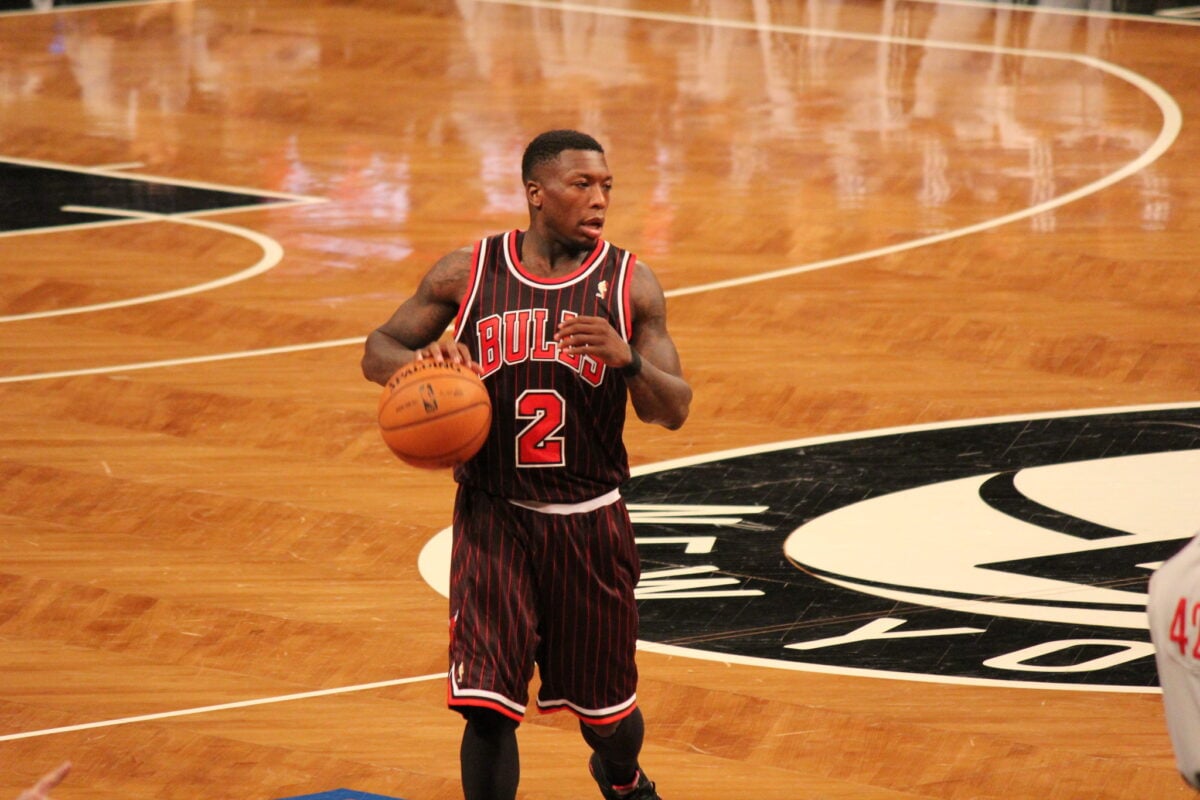
Nate Robinson is another guy who won the dunk contest (three times actually, which is tied for the most all-time) despite being 5’9″. He played 11 NBA seasons as a bench scorer and energy guy, averaging 11 points per game.
Robinson had this chaotic playing style where he’d just jack up shots and play full-throttle defense, which sometimes worked brilliantly and sometimes didn’t. He also tried professional boxing after his NBA career ended, which went about as well as you’d expect (not great).
But in his prime, he was fun to watch—just pure energy bouncing around the court.
Chris Clemons – 5’9″ (NBA)

Clemons went undrafted in 2008 and played in the NBA Development League before getting called up. He played seven NBA seasons, mostly as a backup guard, and averaged 7.8 points per game.
In the 2012-13 season with the Wizards, he averaged 11.8 points per game and shot 39% from three. He wasn’t flashy like some other short players, he just worked his way onto rosters by being reliable and hitting open shots when teams needed him to.
Steve Smith Sr. – 5’9″ (NFL)
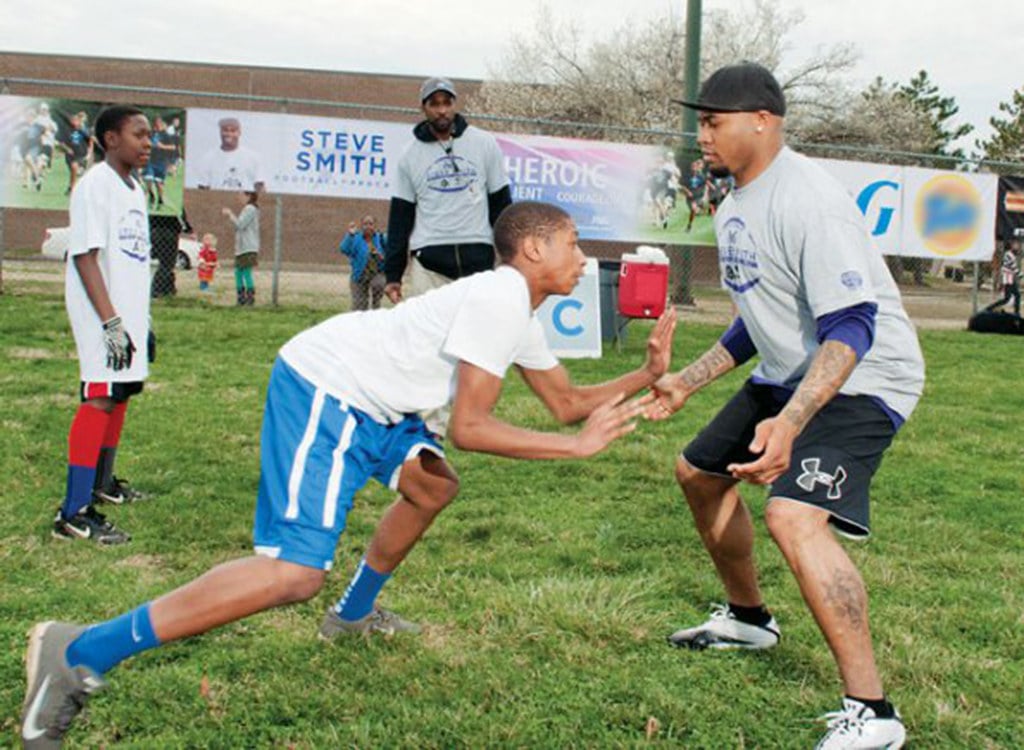
Smith was a wide receiver for the Panthers and Ravens, and at 5’9″ he played 16 NFL seasons. Five Pro Bowls.
Led the NFL in receiving yards twice. Over 14,000 career receiving yards and 81 touchdowns. The man was legitimately one of the best receivers of his generation, and he did it at 5’9″ with a massive chip on his shoulder (he famously had a temper and got into it with teammates and opponents constantly).
Smith used his quickness to get separation, ran crisp routes, and was shockingly good at making contested catches despite giving up height to every cornerback he faced.
Greg Grant – 5’7″ (NBA)

Grant played six NBA seasons in the late 80s and early 90s as a backup point guard. He averaged 3.5 points and 2.7 assists per game, which isn’t memorable, but he stuck around because he could handle the orb and play solid defense when called upon.
Sometimes that’s enough—just be reliable, don’t turn the orb over, hit your free throws, and you’ll find minutes.
Hollis Price – 5’11” (NBA)
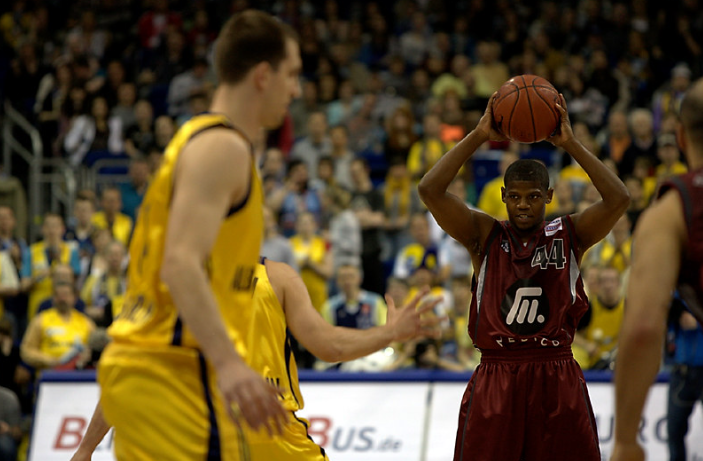
Wait, this one doesn’t quite fit because 5’11” isn’t really that short, but I needed another name and Price had a brief NBA stint after a great college career at Oklahoma. Actually, you know what, let me swap this out.
Mel Hirsch – 5’6″ (NBA)

Mel Hirsch played in the Basketball Association of America (which became the NBA) in 1946-47 at 5’6″. He only played 13 games, but he’s one of the shortest players in league history from that early era when the sport was still figuring itself out.
The game was completely different then—no shot clock, way slower pace, totally different strategies.
Charlie Criss – 5’8″ (NBA)

Criss played eight NBA seasons, mostly with the Atlanta Hawks, averaging 8.5 points per game. He was undrafted but worked his way onto rosters in the late 70s and early 80s through the minor leagues.
Solid backup point guard who could run an offense and hit open jumpers. Nothing spectacular, but he carved out a decent career through persistence and being reliable when his number was called.
When Size Isn’t Everything
Some folks like that break the pattern – most don’t. Big guys usually fail, so succeeding stands out way more. Speed helped, sharp thinking mattered, skill counted, grit made the difference – just to try.
Then came nights where doubters waited for one mistake before swapping them fast. Honestly? Kinda motivating – or just pure hard-headedness at its finest.
More from Go2Tutors!

- The Romanov Crown Jewels and Their Tragic Fate
- 13 Historical Mysteries That Science Still Can’t Solve
- Famous Hoaxes That Fooled the World for Years
- 15 Child Stars with Tragic Adult Lives
- 16 Famous Jewelry Pieces in History
Like Go2Tutors’s content? Follow us on MSN.