27 Saturday Morning Rituals That Made the Weekend Feel Like It Would Last Forever
There was a specific weight to waking up on a Saturday morning as a kid — a sense that the whole day was enormous and entirely yours. No alarm, no urgency, just the recognition that you had an entire stretch of time ahead that didn’t belong to school or homework or anything an adult had scheduled for you.
The feeling doesn’t fully translate to adult life, not because weekends disappear but because time itself changes shape. As a child, Saturday felt infinite. These are the things that made it feel that way.
Creeping Downstairs Before Anyone Else Woke Up

There was something ceremonial about being the first one up. The house felt different at six in the morning — quieter than usual, slightly yours in a way it wasn’t when everyone was moving through it.
You moved carefully, the way you’d been conditioned to move around sleeping adults, and settled in front of the television with the volume turned low enough to avoid being sent back to bed.
The TV Schedule Starting with Something Terrible

The first hour of Saturday morning cartoons was reliably the worst. Shows featuring either educational content about sharing feelings or live-action segments hosted by adults trying to seem fun.
You watched them anyway because changing the channel might mean missing the transition to something better, and you weren’t confident about what was on the other channels.
Cereal You Were Not Allowed on School Mornings

Sugar cereals occupied a specific dietary category in most households: acceptable on Saturday, not on weekdays. The box itself was part of the experience — the back covered in games, mazes, and collectible trivia that you read while eating.
Then read again when the bowl was empty, then read a third time because you had nowhere to be.
Eating in Front of the TV
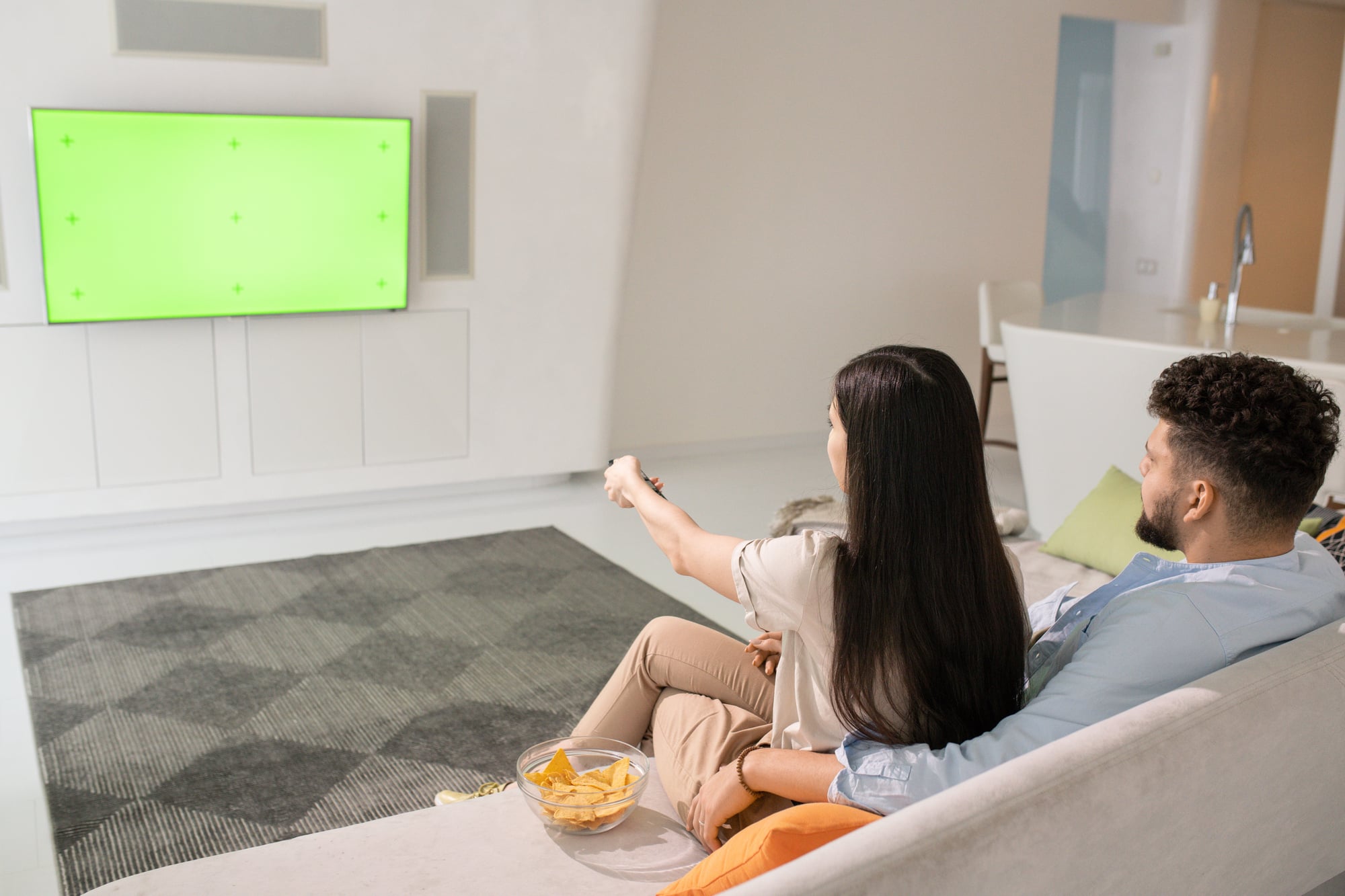
The intersection of food and cartoons was among the greater small pleasures of childhood. On school mornings you ate at the table.
On Saturdays you ate wherever you landed, often on the floor with your back against the couch, the bowl balanced on your knees.
The Volume Creeping Up as the Morning Got Better

By eight or nine in the morning, the programming improved and the risk of waking someone up mattered less. The volume went up a notch.
You settled deeper into the cushions. The day had officially started in the right direction.
The Moment the Good Cartoons Began

Every kid had a personal hierarchy, but the arrival of the shows you actually wanted to watch produced something close to relief. You had survived the warm-up programming.
Now the real Saturday could begin.
Arguing About What to Watch

If a sibling or friend was involved, the remote control became the subject of negotiation, manipulation, or outright combat. The child who had been awake longest argued for sovereignty by virtue of arrival time.
The one who got there second argued that nothing good was on anyway. Someone eventually cried or agreed to take turns.
The Saturday Morning Cartoon Block Lineup
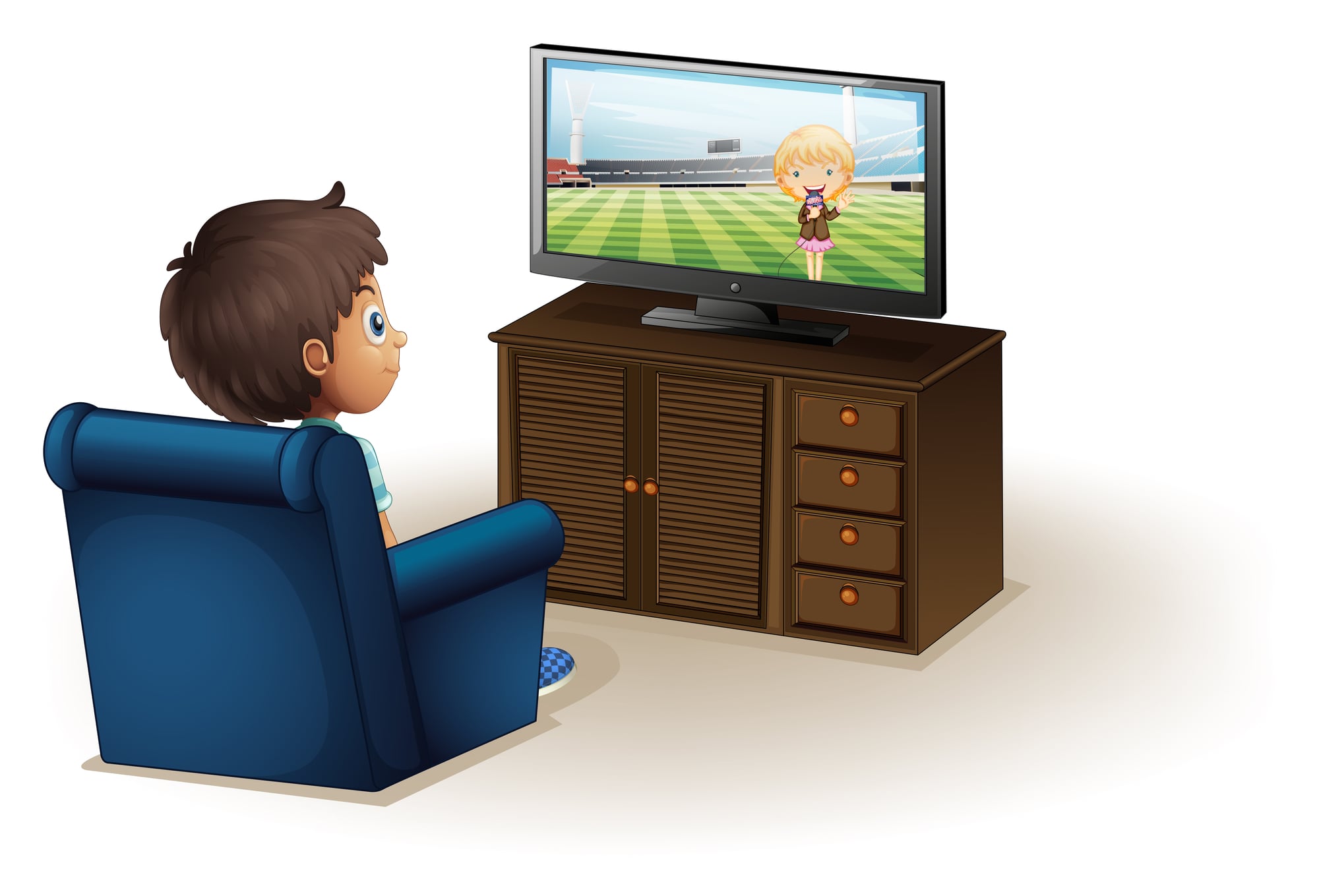
Networks programmed Saturday mornings as a single event — a lineup that ran from six or seven in the morning through noon, each show transitioning to the next. You knew the schedule and could organize your morning around it the way an adult organizes a workday.
The structure gave the morning shape even when nothing else did.
Toy Commercials That Looked Better Than the Actual Toy

The advertising breaks were almost as engaging as the programming. Toy commercials in particular were edited to look like documentary footage of the world’s most exciting product.
You wrote things down on a mental wish list, or an actual wish list on a piece of paper, knowing that Christmas and birthdays were the only two real windows of opportunity.
The Blanket Fort That Lasted All Morning
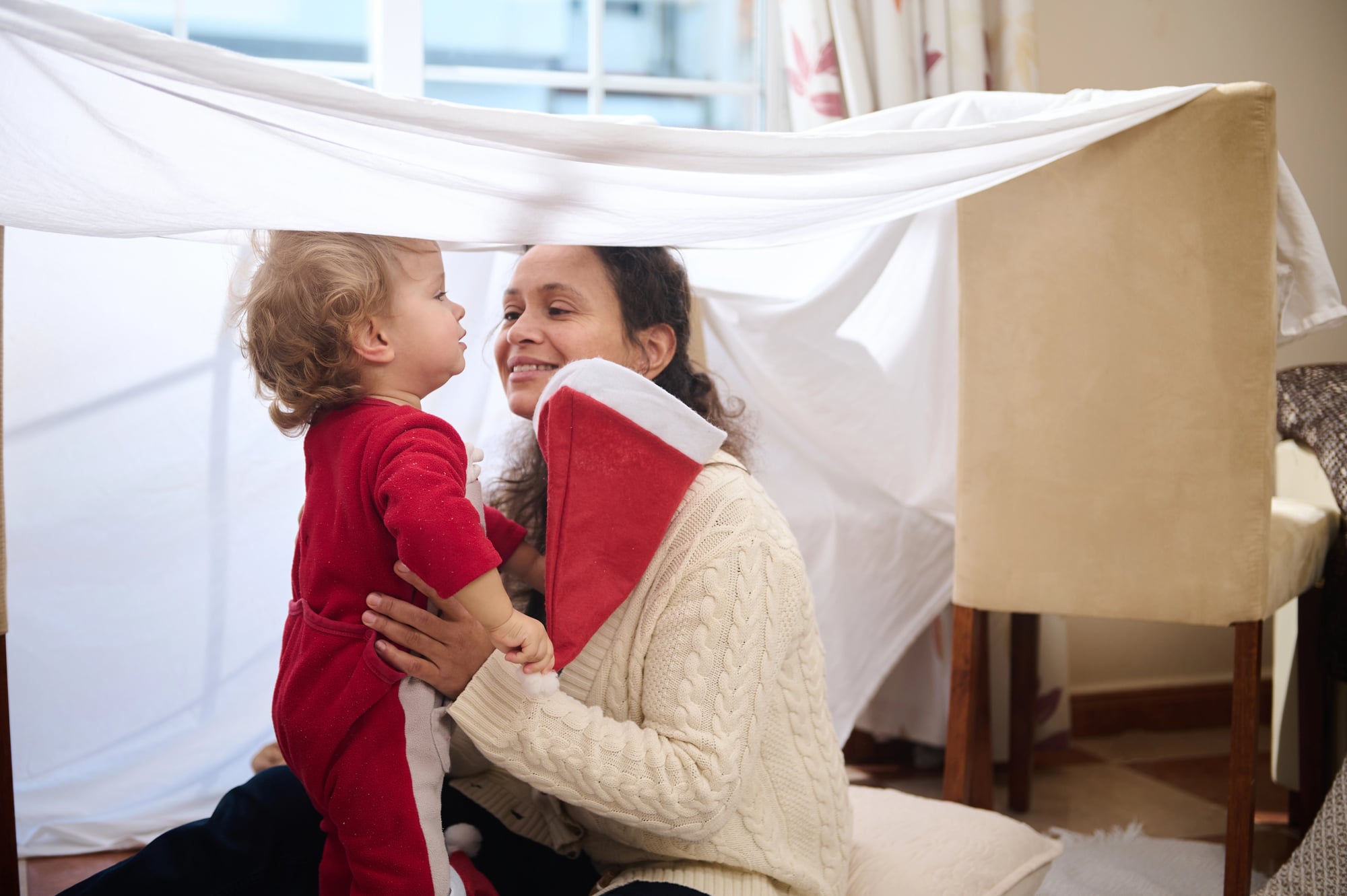
Couch cushions pulled to the floor, a sheet draped over the back of the sofa, maybe a flashlight for atmosphere. The construction phase was often more engaging than whatever happened inside it, but the structure was the point: a defined space that belonged entirely to you, even if it took up most of the living room.
Pancakes Appearing Without Being Requested

In households where a parent cooked on weekend mornings, there was a specific moment when the smell of pancakes or eggs arrived and everything suddenly had a different quality. You didn’t ask for them.
Someone made them anyway. It was one of the early signs that a home had a kind of rhythm to it that operated independently of anyone announcing intentions.
Cartoons That Made No Sense but Felt Completely Logical

The internal logic of Saturday morning animation was its own genre. Characters defied physics, enemies were defeated and returned, no one ever suffered permanent consequences, and narrative resolution arrived in exactly twenty-two minutes.
Children accepted these conventions the way they accepted other unexplained features of the world, which is to say without question.
Going Outside the Moment It Was Warm Enough

At some point mid-morning, the pull of the outdoors became stronger than the pull of the television, and you went outside — often without anyone telling you to. The neighborhood was already assembling.
Someone was on a bicycle. Someone else was calling from down the street. The transition from indoors to outdoors happened without ceremony, and the morning changed shape again.
The Specific Sound of Lawn Mowers Starting

Somewhere in the neighborhood, a lawn mower would start up, and then another, and then another, until the air had the particular Saturday sound of engine noise and grass clippings. It was the audio equivalent of a note left on the refrigerator: the adults were doing adult things, which meant you were free.
Riding Bikes with No Particular Destination

The route didn’t matter and was often the same one you’d ridden before. The point was movement — the feeling that you were going somewhere even when nowhere specific was the plan.
You rode until you were hungry or until someone suggested something different, which was usually another bike ride to a slightly different location.
Checking on the Construction Site or Empty Lot

Every neighborhood had a place that adults were indifferent to and children treated as a resource. A lot under construction, an overgrown vacant block, a creek behind someone’s backyard.
Saturday morning was when you inventoried it — checked what had changed since last week, assessed what materials might be useful for something, and generally treated it with the seriousness of an exploration team.
The Elaborate Game That Required Explaining to a New Person

By late morning, whatever game the neighborhood had invented needed to be explained to whoever had just appeared. The rules were long, occasionally contradictory, and enforced unevenly.
New arrivals either learned quickly or made the mistake of challenging a rule, which required a ten-minute negotiation that nobody won clearly.
Someone’s Mom Calling Them In for Lunch

The first call-back of the morning — one kid summoned indoors by a parent — always caused a minor collapse in whatever was happening. The group adjusted, redistributed, and continued.
You noted which house it was. You knew yours would come eventually.
Lunch That Required No Particular Occasion

A sandwich, something from the fridge, crackers and whatever accompanied crackers. Lunch on Saturday had a different character than lunch on a school day — it arrived when you were hungry rather than when the bell rang.
You ate it fast because there was somewhere else to be.
The Afternoon Feeling

By two or three in the afternoon, the day had a specific quality — neither morning nor evening, still long ahead of you but no longer infinite in the way it was at seven. You were aware, dimly, that the day was passing, and the awareness made each remaining hour slightly more vivid than the ones before it.
Projects That Were Abandoned and Then Remembered
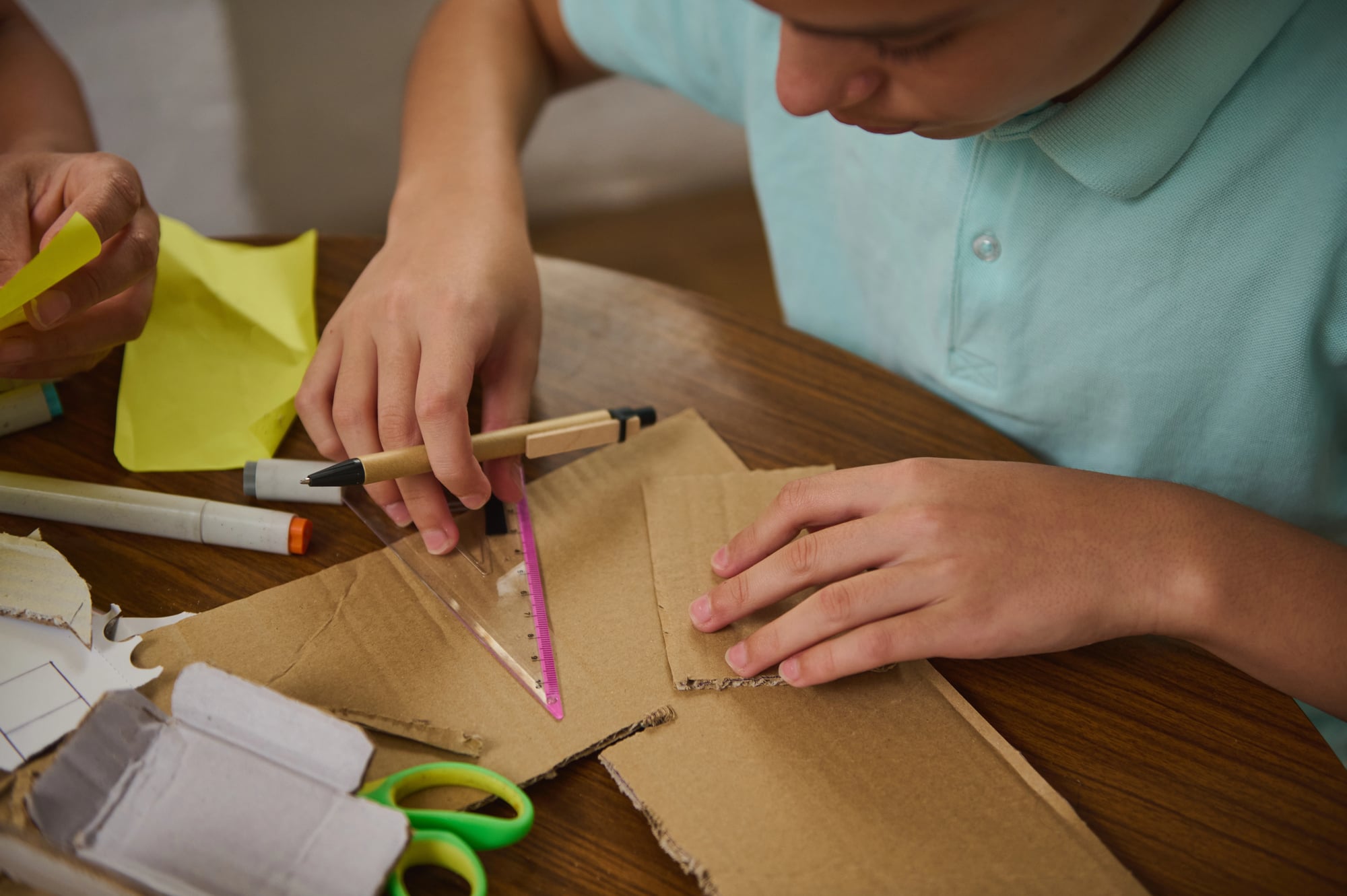
Saturday morning was the traditional launch date for projects that would either be completed by noon or left unfinished until the following Saturday, when they would either be resumed or forgotten entirely. A drawing, a model, something constructed from supplies in the garage.
The ambition always exceeded the available attention span, which is as it should be.
The Older Kid Who Knew Things
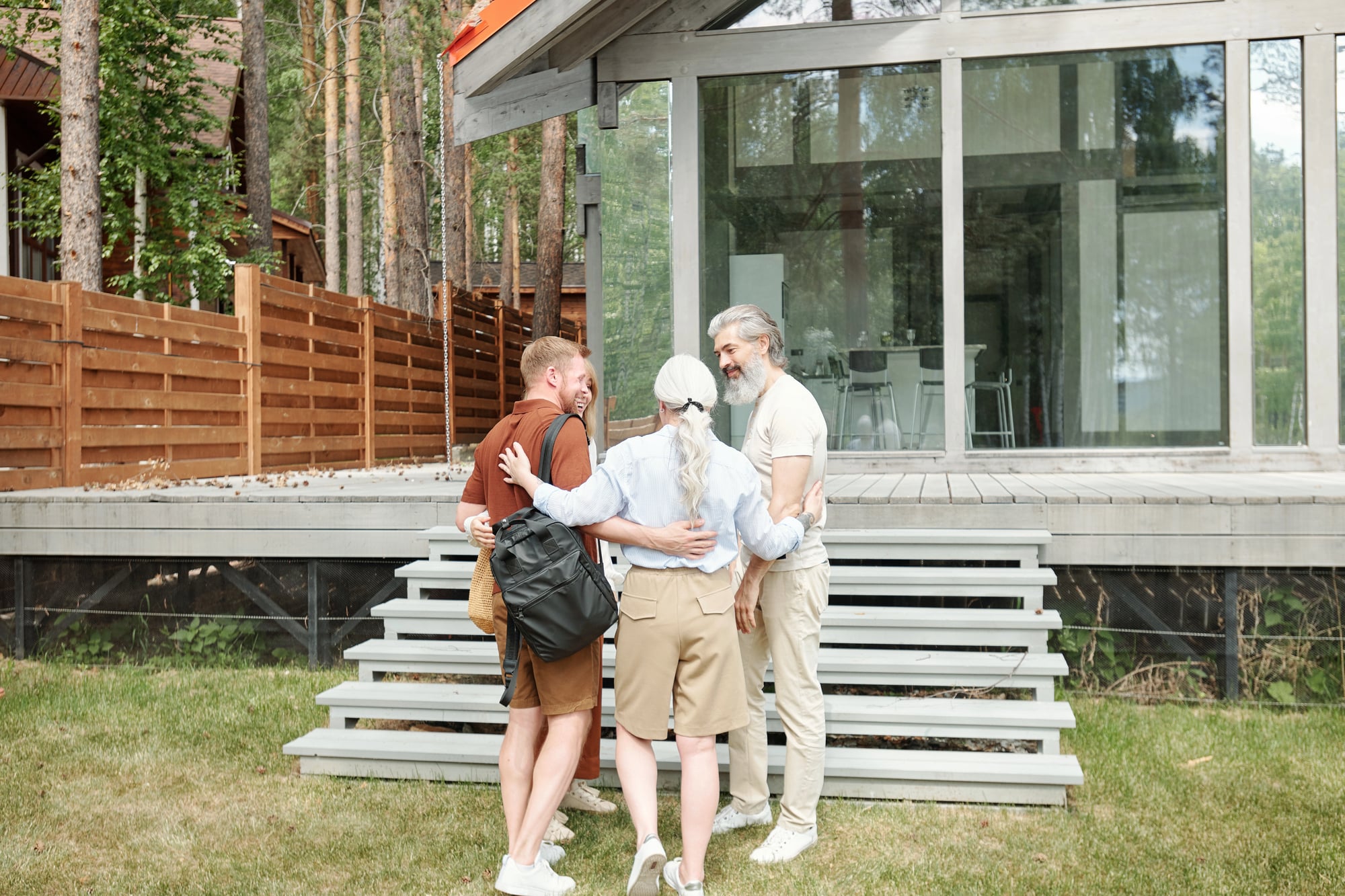
Every neighborhood had one — slightly older, with information about the world that younger kids hadn’t accessed yet. Saturday morning was when this kid appeared with news: a movie everyone needed to see, a better route to somewhere, a way to do something you’d been doing wrong.
The information was not always accurate, but it was always delivered with authority.
Getting Dirty in a Way That Didn’t Matter Until Later

Grass stains, mud on shoes, whatever came from spending three hours in conditions that weren’t designed for staying clean. The damage was invisible to you until you got home, at which point its significance became apparent from the expression of a parent who had been hoping for better.
The Neighborhood Kid Who Always Showed Up at Mealtime
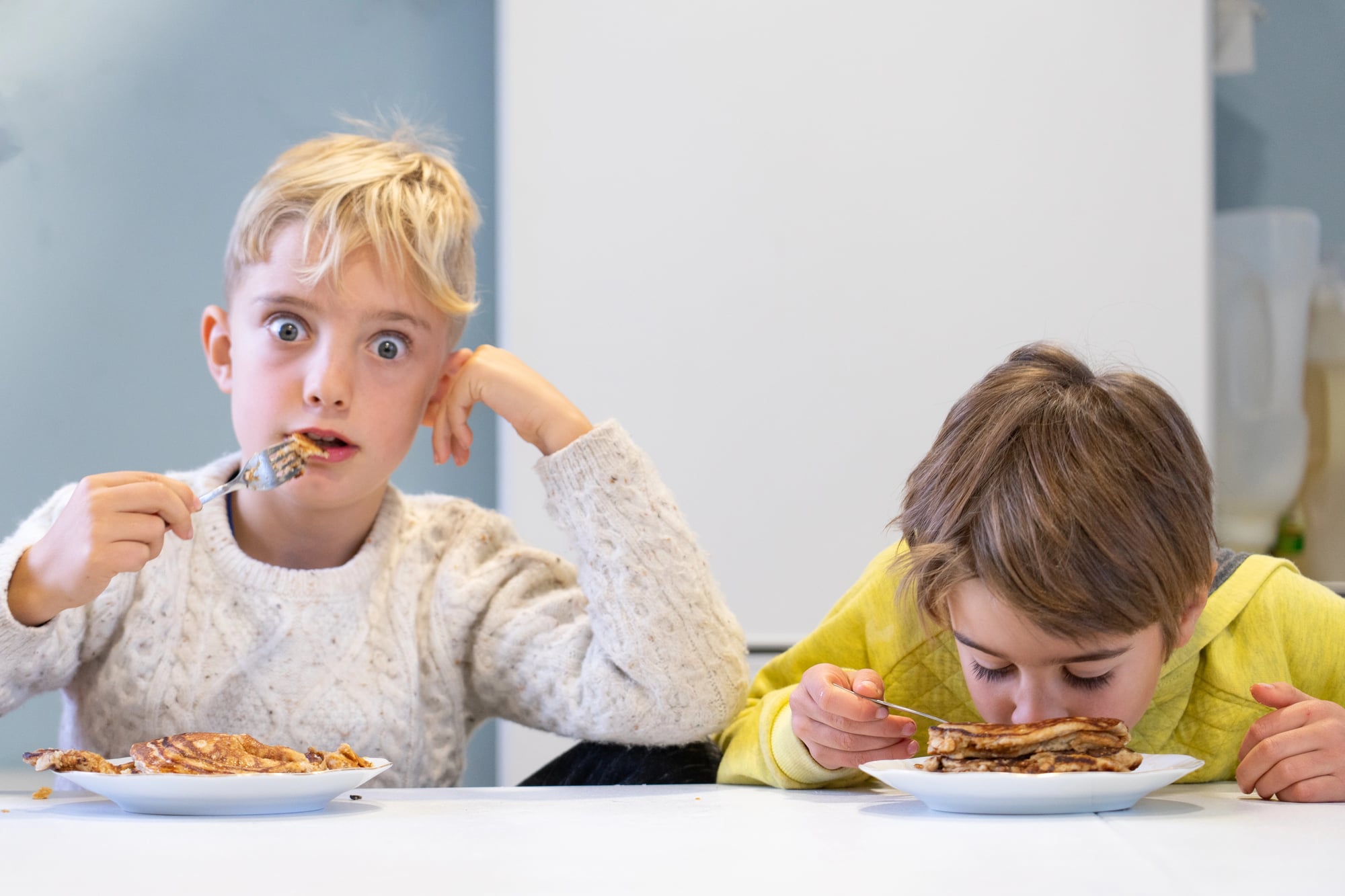
There was always one. They appeared, as if by antenna, at the moment someone else’s lunch or dinner was being prepared.
They were never turned away. This was one of the unspoken neighborhood agreements: you fed the kid who showed up at your door at mealtimes, because someone else was probably feeding yours.
The Saturday Evening TV Lineup as the Reward for the Day

By evening, the shape of the day had completed itself. Whatever had happened outside or in the afternoon was behind you, and the television had shifted to its weekend evening programming — different in character from Saturday morning, slower, more for adults, but with certain shows that belonged to everyone.
You watched until someone said it was time for bed, and you felt the weekend was not actually over yet, because tomorrow was still Sunday.
The Negotiation Over Bedtime

On a Saturday night, the argument about when to go to bed had a particularly hopeful quality. You didn’t have school tomorrow.
The logic of the case seemed airtight. Adults did not tend to find it as compelling as you did, but the negotiation itself was part of the ritual — you tried, you probably got thirty extra minutes, and you spent those thirty minutes acutely aware that they were extra and therefore more valuable than regular ones.
Sunday Morning Arriving as a Different Thing Entirely

Sunday had its own qualities, but they were different. The particular expansiveness of Saturday morning — that sense that the weekend was entirely ahead of you — existed only on Saturdays, and only before the day started emptying itself out.
By Sunday afternoon the weekend was already over in some meaningful way, even if the clock still said otherwise. Saturday morning was the whole thing. Everything else was aftermath.
More from Go2Tutors!

- The Romanov Crown Jewels and Their Tragic Fate
- 13 Historical Mysteries That Science Still Can’t Solve
- Famous Hoaxes That Fooled the World for Years
- 15 Child Stars with Tragic Adult Lives
- 16 Famous Jewelry Pieces in History
Like Go2Tutors’s content? Follow us on MSN.