Forgotten Theme Park Rides from Your Childhood
Theme parks are based on the idea of change. New rides are always being added, and they are accompanied by bigger budgets and more technology than the older rides they replace, which often slip away quietly and often without much fanfare.
For some people, these are the rides that stick in their minds the most, as they are often associated with certain memories and a certain time of their lives that is no longer the case. That being said, these are not rides that have been removed because they are unpopular.
They have often been removed due to a change in tastes, the cost of maintaining the rides, and the need to bring in new intellectual properties. While the new rides may be more technologically advanced, they may not be as emotionally significant.
While there is a big difference between being impressed and being moved, this is where the idea of nostalgia is likely to shine through. Here is a closer look at some of the theme park rides that were once considered unforgettable but are now relegated to the idea of nostalgia.
ExtraTERRORestrial Alien Encounter
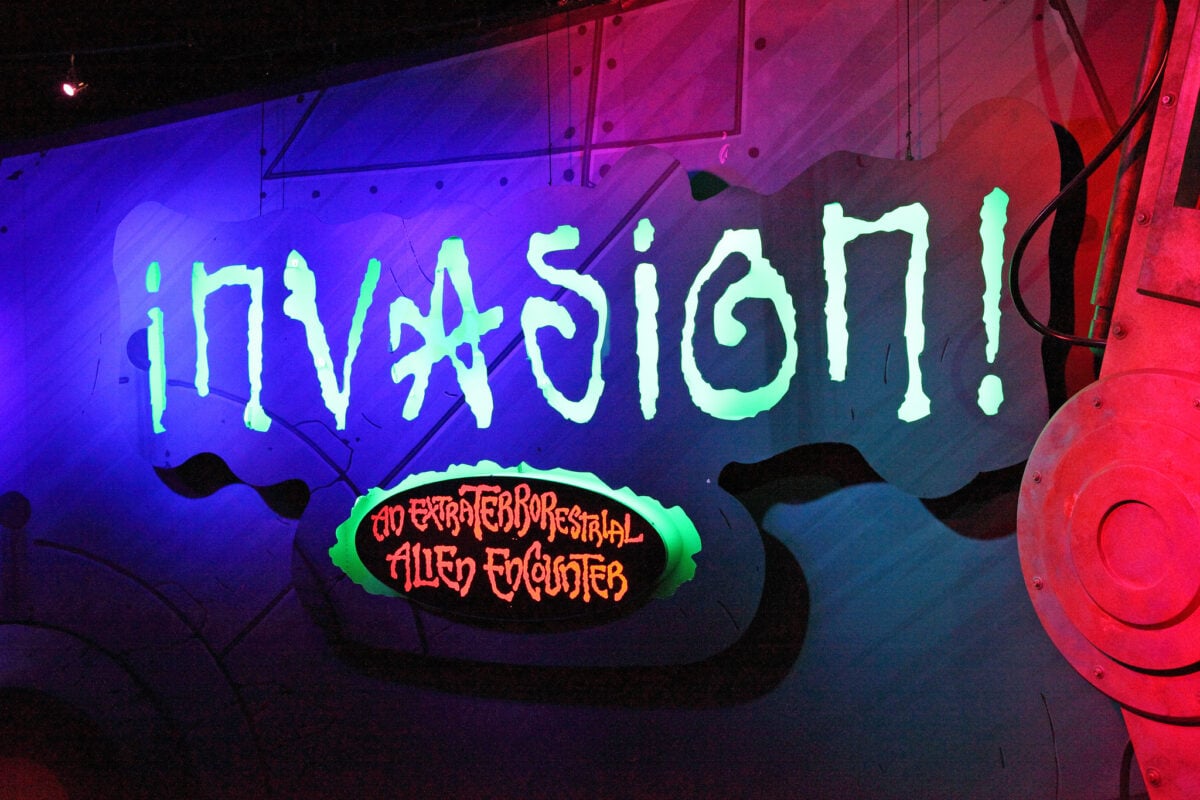
At Walt Disney World, ExtraTERRORestrial Alien Encounter stood out for being far more intense than most Disney attractions. It placed guests in a dark theater where a creature appeared to escape containment, using sound and physical effects to create the illusion that it was moving through the room.
What made it especially memorable was how immersive it felt without relying on large-scale visuals. The experience leaned heavily on sound design and physical sensations, which made it feel personal and immediate.
Even so, its tone made it an unusual fit for the park, particularly for younger audiences. It was eventually replaced, but those who experienced it often remember it as one of the most daring things Disney attempted.
20,000 Leagues Under The Sea: Submarine Voyage

Inspired by classic storytelling, the submarine ride at Magic Kingdom allowed guests to descend beneath the water’s surface and explore an underwater world filled with sea creatures and detailed scenery.
The ride’s scale was part of its appeal, but also its challenge. Maintaining the submarines and underwater sets required significant effort, which contributed to its closure.
Still, the sense of quiet exploration it offered is hard to replicate. It wasn’t about speed or excitement, but about immersion — the feeling of being transported somewhere completely different.
For many, it captured a slower, more deliberate style of attraction design.
Horizons

At EPCOT, Horizons offered a vision of the future that felt both imaginative and grounded. Guests traveled through scenes depicting life in different environments, from underwater habitats to space colonies.
What made it memorable was its optimism. It presented the future as something exciting and full of possibility, rather than distant or uncertain.
The ride also allowed guests to choose their own ending, which added a layer of interaction that felt ahead of its time. Even now, it’s often remembered as one of the most ambitious concept-driven attractions Disney ever created, especially for how it balanced education with entertainment.
The Great Movie Ride

Located at Disney’s Hollywood Studios, The Great Movie Ride took guests through iconic scenes from film history. Using a combination of sets, animatronics, and live narration, it recreated moments from classic movies in a way that felt immersive.
What set it apart was its pacing. It gave guests time to take in each scene, rather than rushing from one moment to the next.
That slower rhythm made it feel more like a guided experience than a traditional ride. As the park shifted toward more franchise-driven attractions, this kind of broad, cinema-focused concept became harder to maintain, leading to its eventual closure.
Jaws Ride
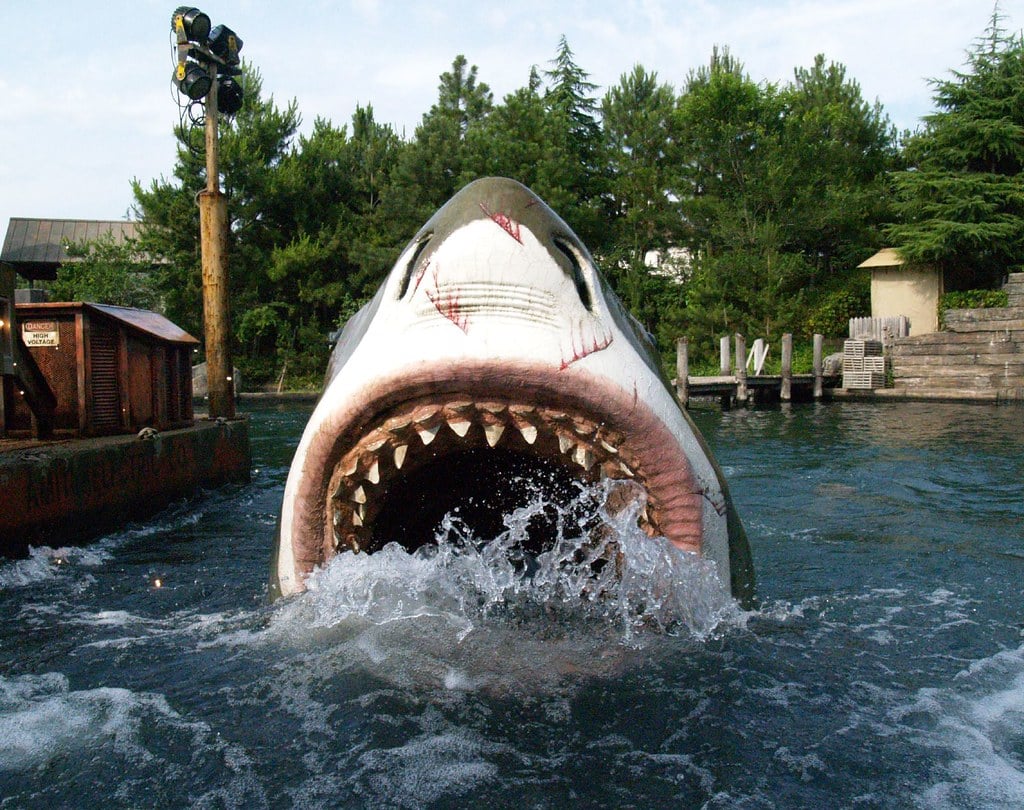
At Universal Studios Florida, the Jaws ride brought the tension of the film into a live experience. Guests boarded a boat that appeared to be attacked by a massive shark, with practical effects creating moments of surprise and suspense.
The unpredictability of the ride was part of what made it so effective. Small variations in timing or performance meant that each experience felt slightly different.
Even so, maintaining those effects was costly, and the attraction was eventually replaced. For many, it represents a time when physical effects were at the center of theme park storytelling rather than digital screens.
Back To The Future: The Ride
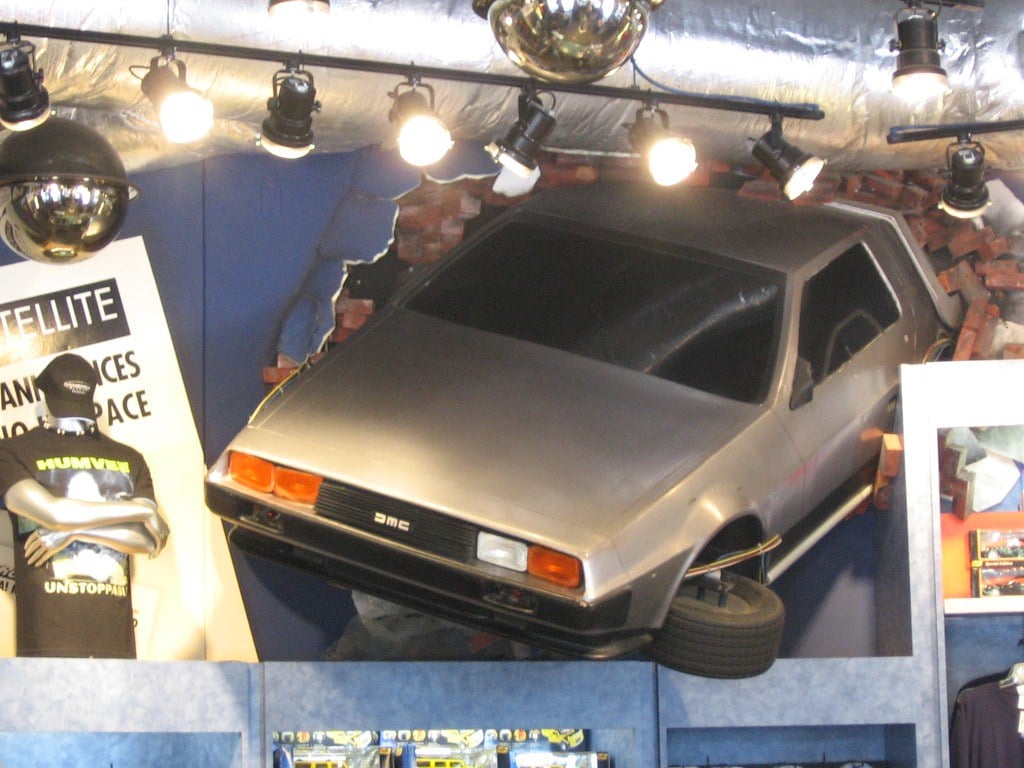
Also at Universal Studios Florida, Back to the Future: The Ride combined motion simulation with a familiar story. Guests joined a chaotic chase through time, guided by characters from the film.
At the time, it felt cutting-edge. The ride created the illusion of movement through synchronized visuals and motion platforms, something that was still relatively new.
While newer attractions have refined this concept, the original remains memorable for how it pushed boundaries and brought cinematic storytelling into a physical space.
Maelstrom

At EPCOT, Maelstrom offered a journey through Norwegian folklore, blending cultural storytelling with unexpected moments. The ride included both calm scenes and sudden changes in direction, which added to its unpredictability.
What made it unique was its tone. It didn’t rely on well-known characters, instead focusing on atmosphere and storytelling rooted in a specific culture.
That approach gave it a distinct identity, even if it didn’t always align with broader audience expectations. Its replacement reflects a wider shift toward more recognizable narratives and globally familiar franchises.
King Kong Encounter

At Universal Studios Hollywood, King Kong Encounter placed guests in the middle of a chaotic city scene, with a massive animatronic figure towering over them. The scale alone made it unforgettable.
It wasn’t just the size, but the physical presence that made the experience stand out. The environment felt tangible, with sets and effects working together to create a sense of realism.
Even so, the attraction relied heavily on systems that were difficult to maintain, which contributed to its eventual removal. It remains a reminder of how ambitious practical effects once were.
Skyway Gondolas

The Skyway gondolas at both Disneyland Park and Magic Kingdom offered a slower, more scenic way to experience the park. Suspended above the ground, they provided a unique perspective that most rides didn’t.
They weren’t about thrills, but about atmosphere. The quiet movement and elevated view created a sense of calm that contrasted with the energy of the park below.
That slower pace is part of what made them memorable — and part of why they eventually disappeared as parks shifted toward more high-intensity experiences.
Why These Rides Still Matter

What makes these rides memorable isn’t just what they were, but how they made people feel. They are a reminder of a time when theme parks pushed different boundaries in terms of storytelling, technology, and physical design.
Modern rides may be more sophisticated, but these older rides have a certain charm to them. They are a reminder that sometimes, in terms of what we experience, we don’t need more or better to be memorable.
It is sometimes what we forget that we remember.
More from Go2Tutors!

- The Romanov Crown Jewels and Their Tragic Fate
- 13 Historical Mysteries That Science Still Can’t Solve
- Famous Hoaxes That Fooled the World for Years
- 15 Child Stars with Tragic Adult Lives
- 16 Famous Jewelry Pieces in History
Like Go2Tutors’s content? Follow us on MSN.