26 After-School Activities That Defined the Social Hierarchy in Ways Adults Never Noticed
Adults understood the after-school activity as an investment in the child — a skill developed, a team joined, a resume item that would eventually matter. What they almost universally missed was what these activities actually were: sorting mechanisms.
The activity you joined, and how you were positioned within it, communicated something to everyone at school that no teacher announced and no parent understood. Kids understood it immediately and completely.
Here is what those activities were actually doing.
Sports Team Starter vs. Benchwarmer

Being on the team counted for something. Being a starter was a different social reality.
The same uniform did not produce the same standing, and the hierarchy within the team — who started, who came off the bench, who sat in the cold and watched — was understood by everyone in the school whether or not they attended games. How you responded to that position was watched, too.
Student Council

Student council gave a specific type of student — articulate, organized, with enough peer support to win an election — a visible official role in school governance. The actual power was minimal.
The social function was not. Being on student council identified you as someone who understood how institutional structures worked and was willing to participate in them, which was either admirable or suspicious depending on who was making the judgment.
Drama Club
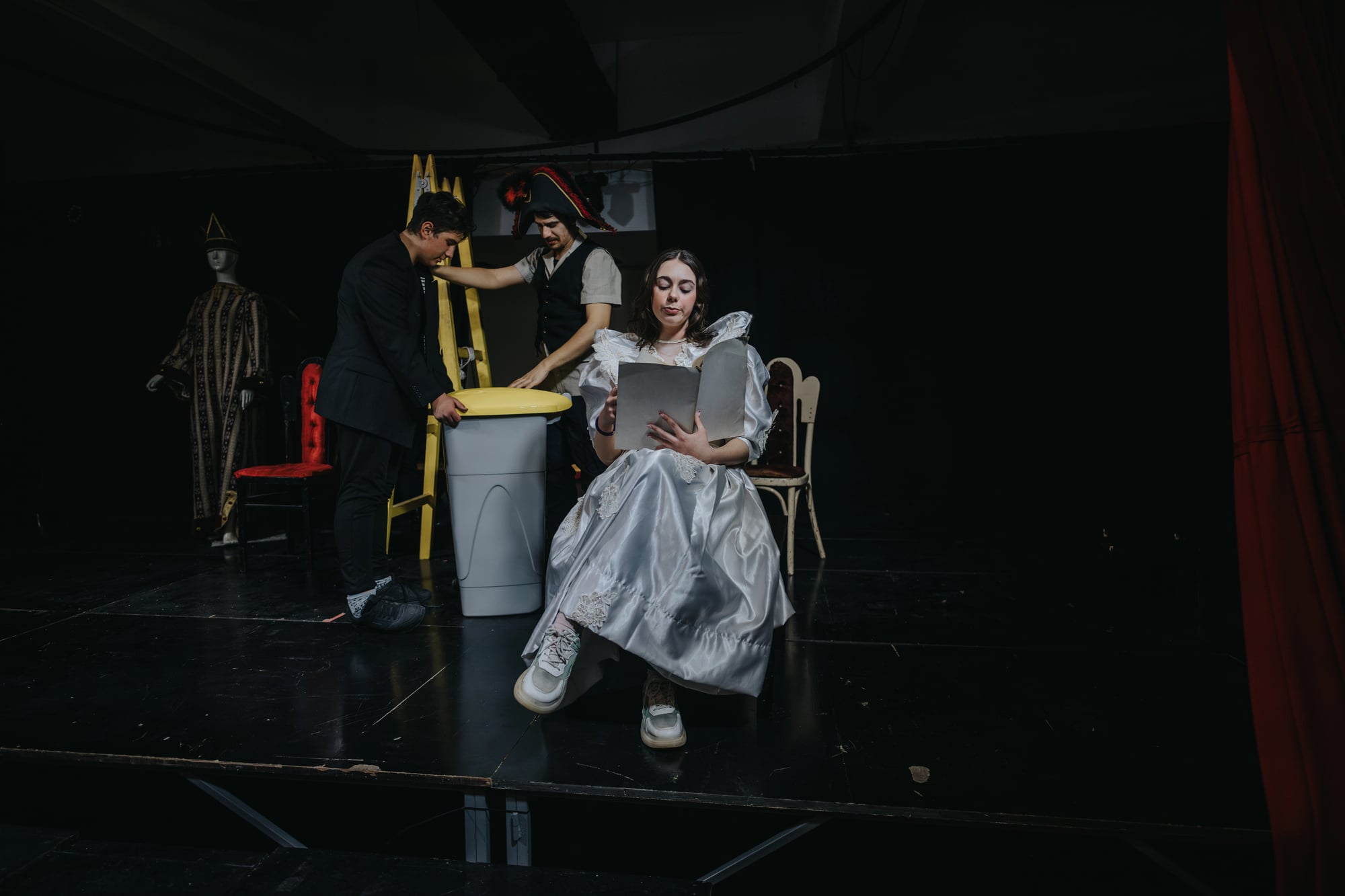
Drama had its own ecosystem — intense, hierarchical by role rather than by election, and consuming enough of its members’ time that it created a distinct social group within the school. The hierarchy was clear: who got leads, who got supporting roles, who worked in the wings on technical crew.
The technical crew had its own standing, which was not the same as the cast’s standing, and everyone in both groups knew exactly where each person fell.
Band and Orchestra
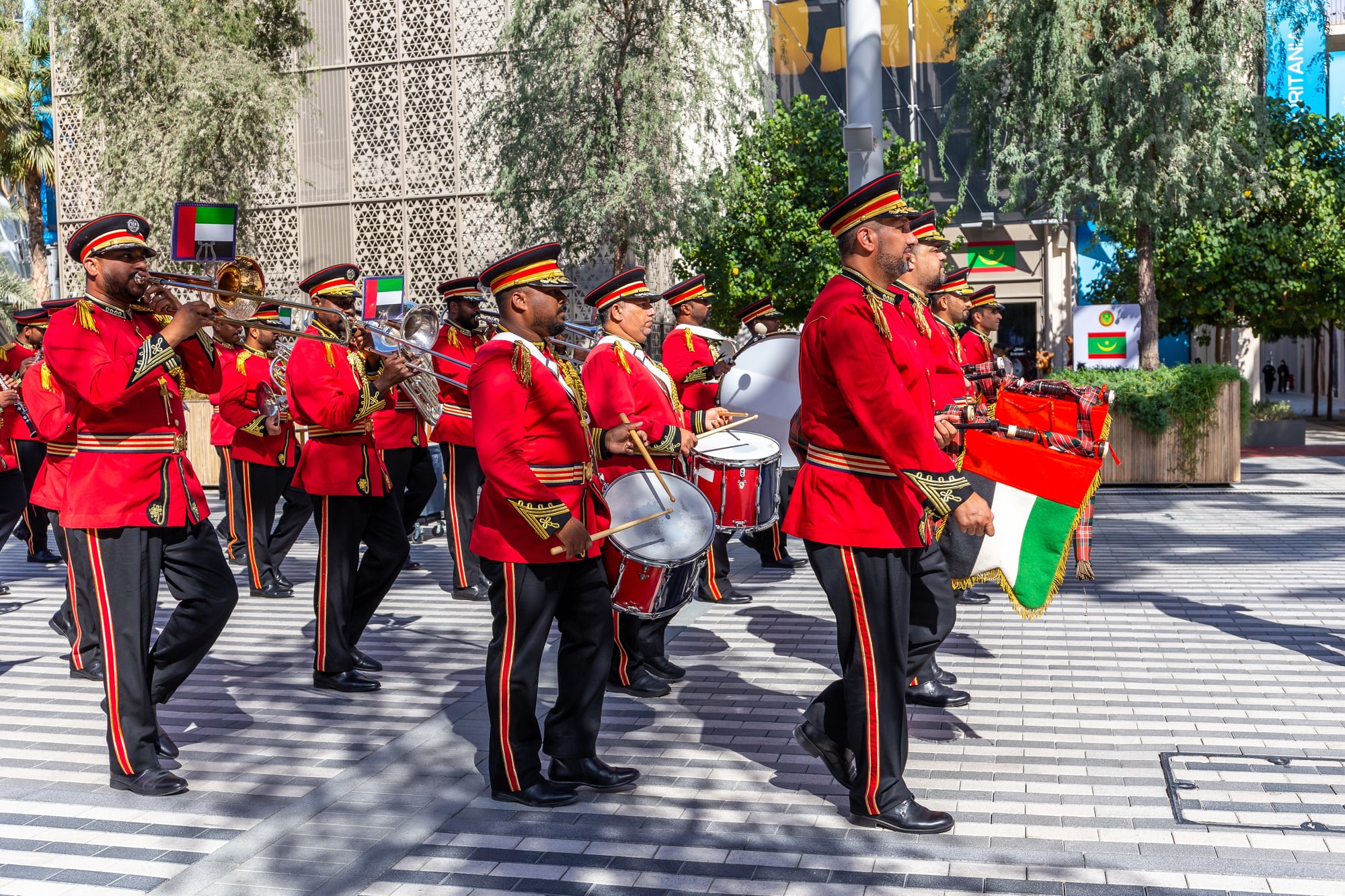
Marching band and concert orchestra sorted participants by instrument, by chair placement within sections, and by whether they were first or second chair. A first-chair trumpet player had a different standing than a third-chair clarinet player, and the audition process that determined chair placement was a visible performance of competence that everyone witnessed.
Carrying an instrument case through the school hallways identified you to everyone who passed.
Cheerleading

The relationship between cheerleading and social standing varied enormously by school and era, but at its peak the squad represented a compressed and visibly competitive hierarchy. Tryouts were public, selections were announced, and the resulting roster communicated something that everyone interpreted through whatever lens they carried into the cafeteria.
The girls who made the squad and the girls who tried and didn’t occupied different social positions, and both knew it.
The School Newspaper

Being on the newspaper was legible as “serious student” without necessarily being legible as the same category as student council. Newspaper writers observed and reported; they had access to information about things happening in school before other students did, which was a kind of currency.
The editor-in-chief had specific standing. Staff reporters had different standing.
The photographer had different standing again.
Academic Decathlon or Quiz Bowl

Competing for the school in knowledge-based competitions placed a student visibly at the intersection of high academic performance and something that resembled a sport, with team structure, competition, and wins that could be announced at assemblies. In environments where academic achievement was celebrated this was a recognized position.
In environments where it wasn’t, it was a different kind of social identifier — equally visible, differently valued.
Art Club

Art club occupied a specific social niche that was neither the mainstream team-sports world nor the academic-achievement world. Its members were identified by a particular combination of creativity and difference that the school recognized without fully knowing what to do with.
Within the art room, there was a hierarchy of who was genuinely talented and who showed up because they liked the atmosphere, and this was known to the other members immediately.
Yearbook Committee

Yearbook had a quality that other activities didn’t: its members literally shaped how the year would be remembered, which caption appeared next to which photograph, and who got the most space. The social power of this was rarely acknowledged directly but was understood.
Getting a favorable layout in the yearbook wasn’t random, and the people who controlled the layout knew it.
Junior ROTC
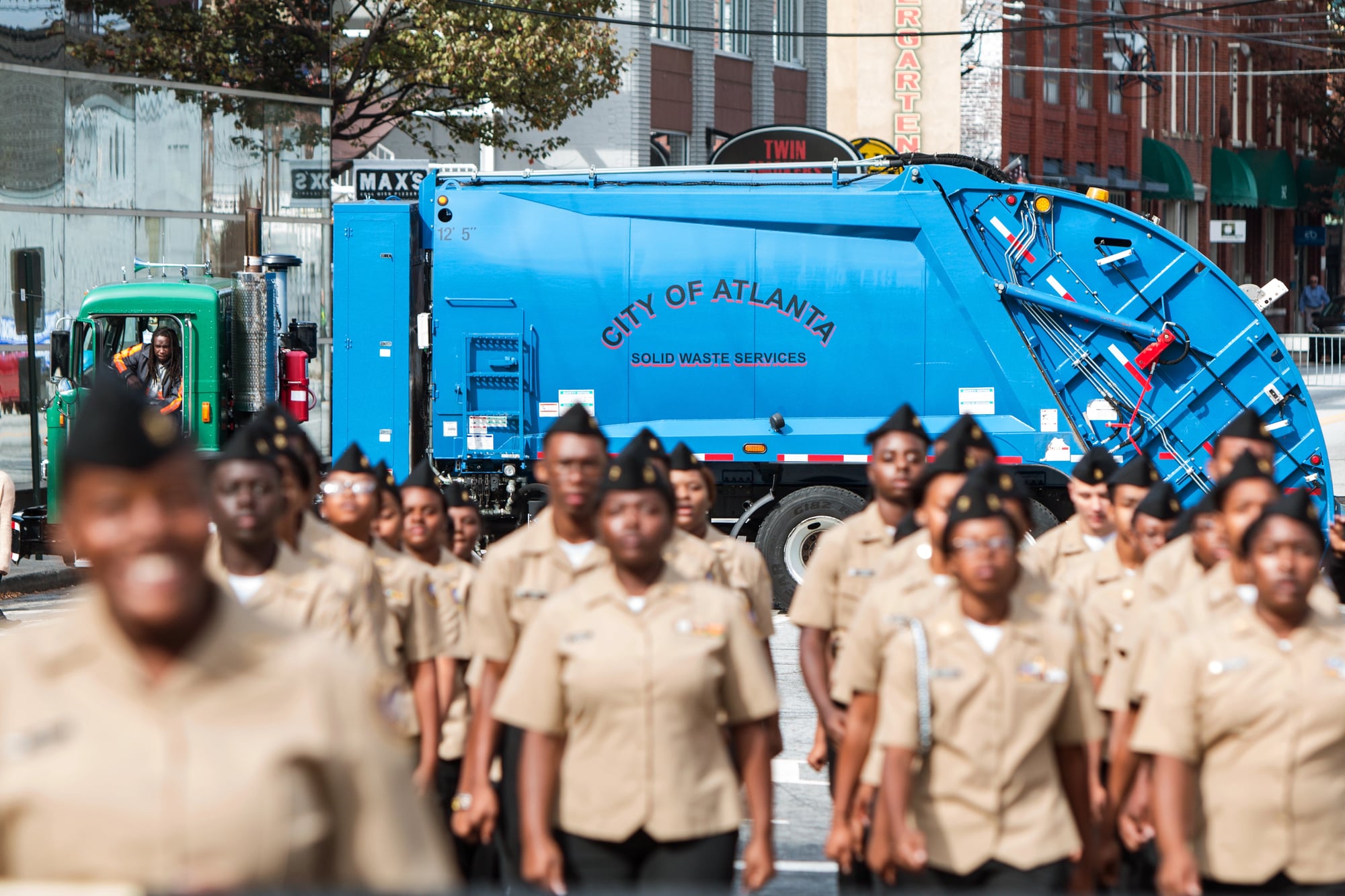
In schools with JROTC programs, the military structure provided its own hierarchy — ranks, insignia, drill competitions, and a chain of command that operated in parallel with the school’s other social structures. Students who rose quickly through JROTC ranks held a standing within that community that was significant regardless of where they sat in any other hierarchy.
The uniform made rank visible in a way no other activity managed.
Mock Trial or Debate Team

Debate and mock trial attracted students who were argumentative in the most useful sense — who could construct cases, withstand cross-examination, and think quickly in front of an audience. The competitive standing within debate was legible to other students as a form of intellectual dominance.
Winning a debate tournament was a recognized achievement that the school announced even when most students had no idea what the competition involved.
Math Olympiad or Science Olympiad
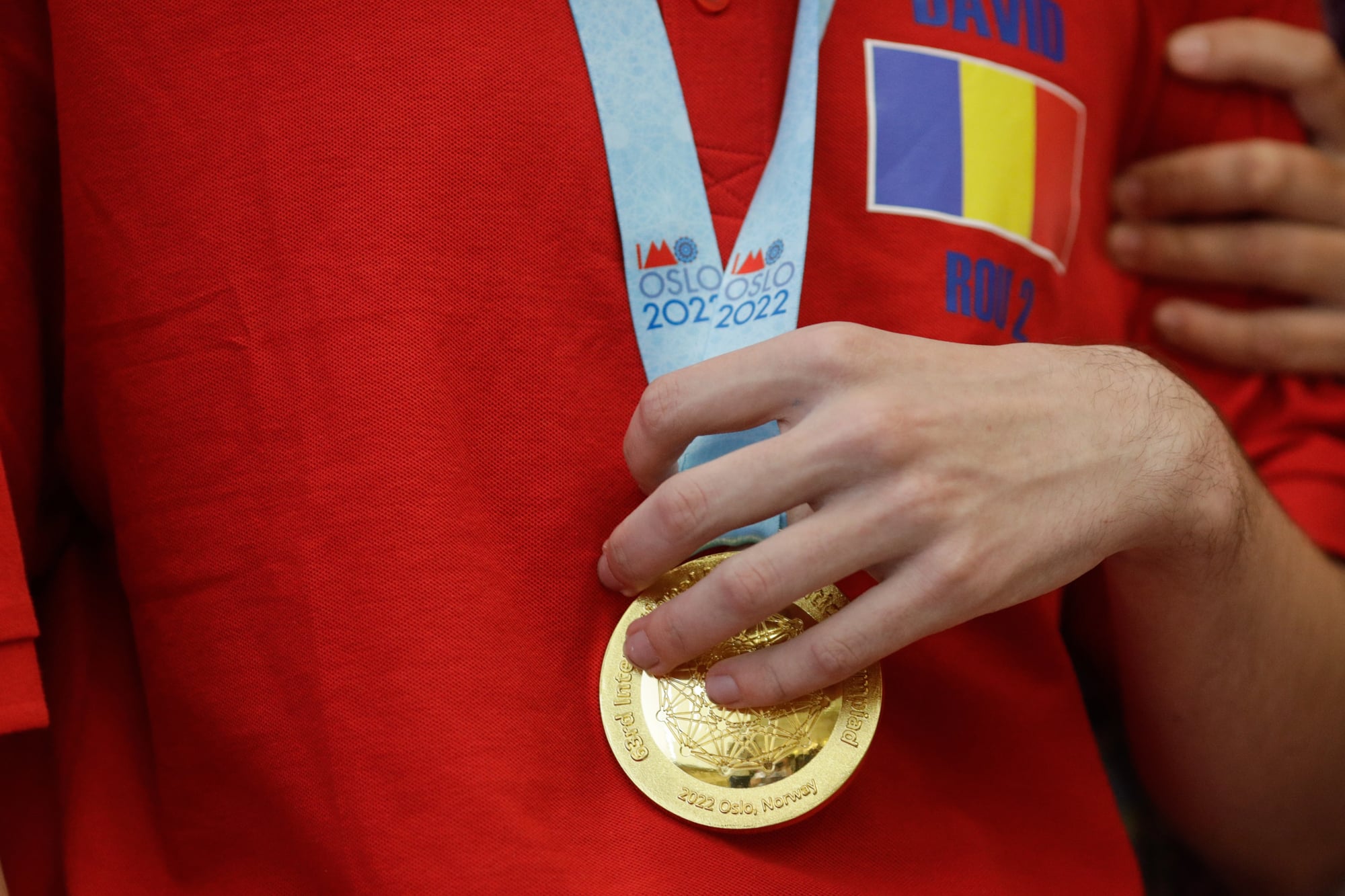
Academic competition teams at the regional and state level conferred a specific kind of standing that was different from general good grades. Being selected for a competition team meant someone had assessed your abilities and decided they were above the general level — a judgment that peers absorbed even when they couldn’t articulate it.
The trophy in the display case had a team photograph next to it, and the people in that photograph were identified.
Cross-Country Running

Cross-country was the sport that existed at the furthest edge of mainstream attention — no spectators, no crowds, just people running long distances through outdoor terrain. Its members tended to be distinctly self-directed, and the standing it conferred was less about visibility than about the particular character it identified.
Students who ran cross-country were known to each other across year groups in a way that was different from how football players knew each other.
Foreign Language Club

The French Club, Spanish Club, or German Club announced a student’s academic interest and often aligned with whether they were enrolled in the honors or advanced track in that language. Clubs attached to language courses functioned as social extensions of an already-sorted academic group.
Attending the club was a signal of engagement that the teacher noticed and that other students in the class read as information about where you stood.
Drama Tech Crew

Technical crew — lights, sound, rigging, set construction — was the backstage layer of the drama ecosystem. Its members knew the show as thoroughly as the cast, often worked longer hours, and operated with a technical expertise that the cast didn’t have.
The social standing of crew was distinct from that of performers and was understood differently by different audiences. Within the theater program it was respected.
Outside it, the distinction required explanation that most crew members declined to offer.
National Honor Society
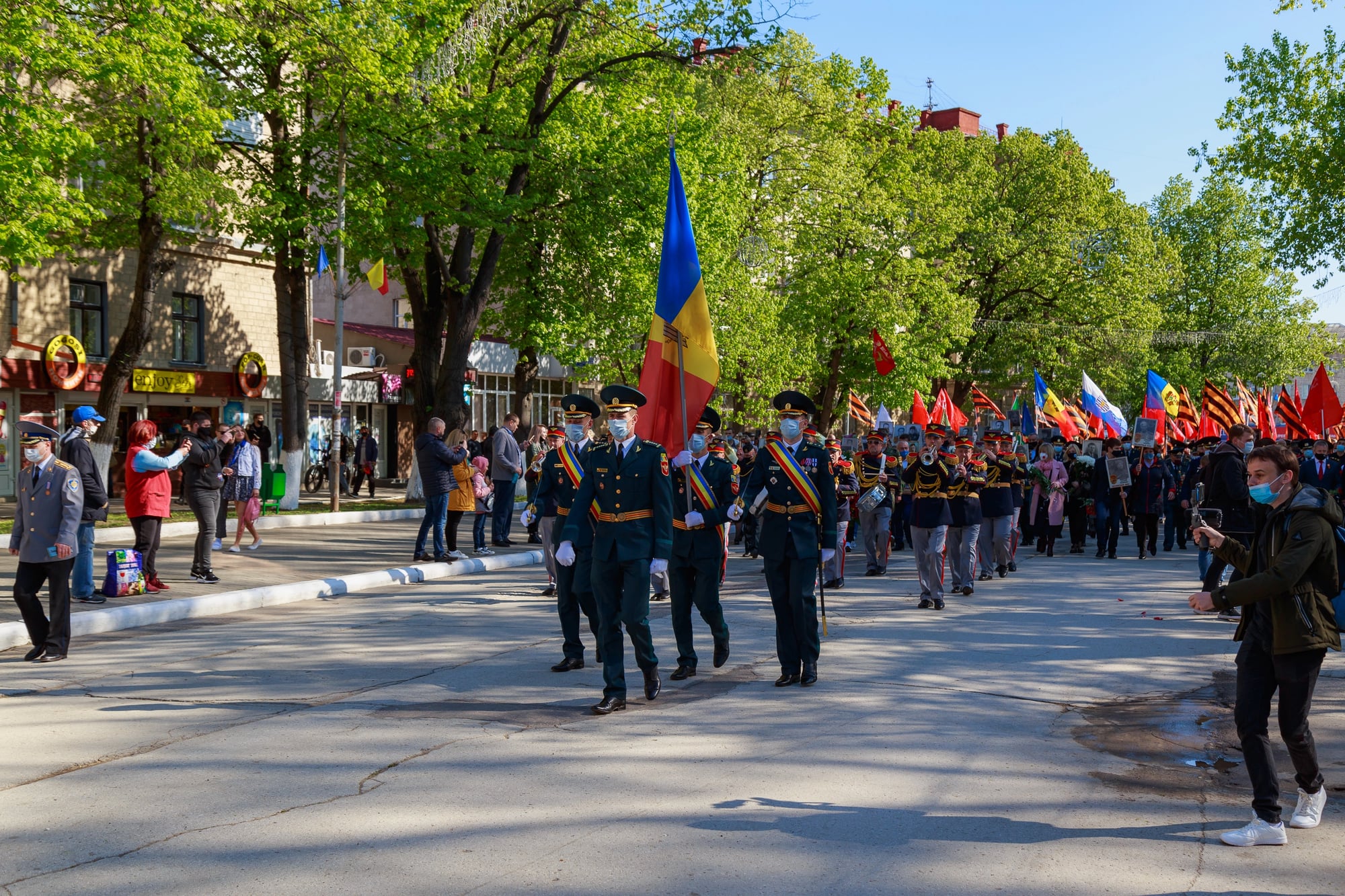
NHS membership was a formal recognition of academic performance, and the ceremony of induction — candles, speeches, the public acknowledgment of who made it — was a visible sorting event. Being inducted meant you had met a threshold that the school officially acknowledged.
Not being inducted, if you’d expected to be, was a quiet disappointment that nobody mentioned. The NHS pin was small and worn on clothing where it could be seen.
Swimming Team
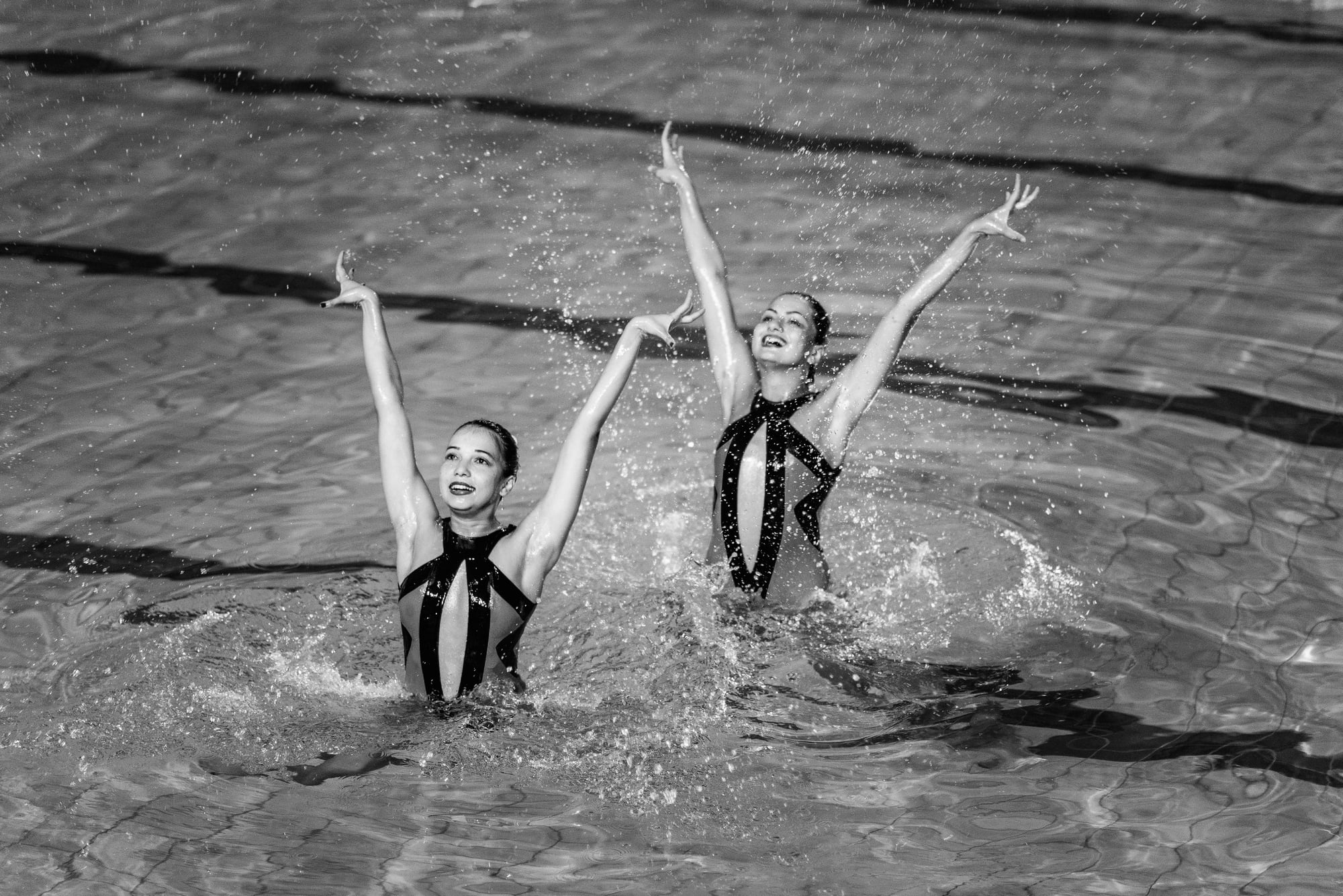
School swim teams practiced before school in the early morning or in off-peak pool windows, which meant being a swimmer required a specific kind of scheduling discipline that was invisible to most students. The sport itself was conducted in an environment — a pool, with lanes, with times measured to the hundredth of a second — that made performance entirely transparent.
Swim team members developed a particular self-assurance about objective measurement that other sports, with more interpretive elements, didn’t produce in quite the same way.
Video or Film Club

In the era before every phone contained a camera, a school film or video club gave its members access to equipment and a platform that other students didn’t have. Students who shot and edited short films for the school television channel or for film festivals had something identifiable in the school ecosystem: they had made something visible, permanent, and publicly screened.
That was a position with its own weight.
Chess Club

Chess was the activity that carried the clearest single social signal: you were either the kind of person who played chess after school or you weren’t, and everyone understood which kind of person each of those was. Within chess club the hierarchy was entirely merit-based — your rating told the story without anyone needing to interpret it.
Whether the external school hierarchy valued that standing was a separate question.
Track and Field

Track offered something unusual: a direct comparison. Your time in the 400 meters was your time.
No coach’s judgment, no selection by vote, no interpretation. Students who competed in individual track events had their performance expressed in numbers that could be compared to anyone’s in the district, the state, or the country.
Within the team, those numbers were known, and the hierarchy they produced was unusually precise.
Environmental or Ecology Club

The ecology club, in most schools, occupied a low-visibility but internally coherent social position. Its members cared about something the mainstream didn’t prioritize, which identified them as a type even if the specific activity was unfamiliar to outsiders.
The club tended to attract students who were resistant to the idea of hierarchy while simultaneously participating in one — which was a specific kind of earnestness that other students recognized as a category.
Photography Club

Darkroom access and photography equipment gave members something tangible: skills, tools, and the ability to produce images that could be displayed or published. In schools with active photography programs, photos in the hallway were attributed, which made photographers identifiable in a way that other artists weren’t.
The student whose photographs ran in the school paper had a profile.
Cooking or Home Economics Club

Food-based clubs existed at the intersection of practical skill and domestic association, which meant the social standing varied significantly based on the school’s culture and the decade in question. Students who were genuinely talented in a cooking context had an ability that was legible to everyone and admired in ways that didn’t require translation into letter grades.
Improv or Comedy Troupe

Where schools had improv teams or comedy troupes, the members occupied a particular social position: they were publicly funny on purpose, in a structured format, which was different from being casually funny in the hallway. The ability to make people laugh intentionally, on stage, in front of the school, was a social tool of unusual leverage.
Being in the improv troupe meant you had been identified as possessing it.
Color Guard
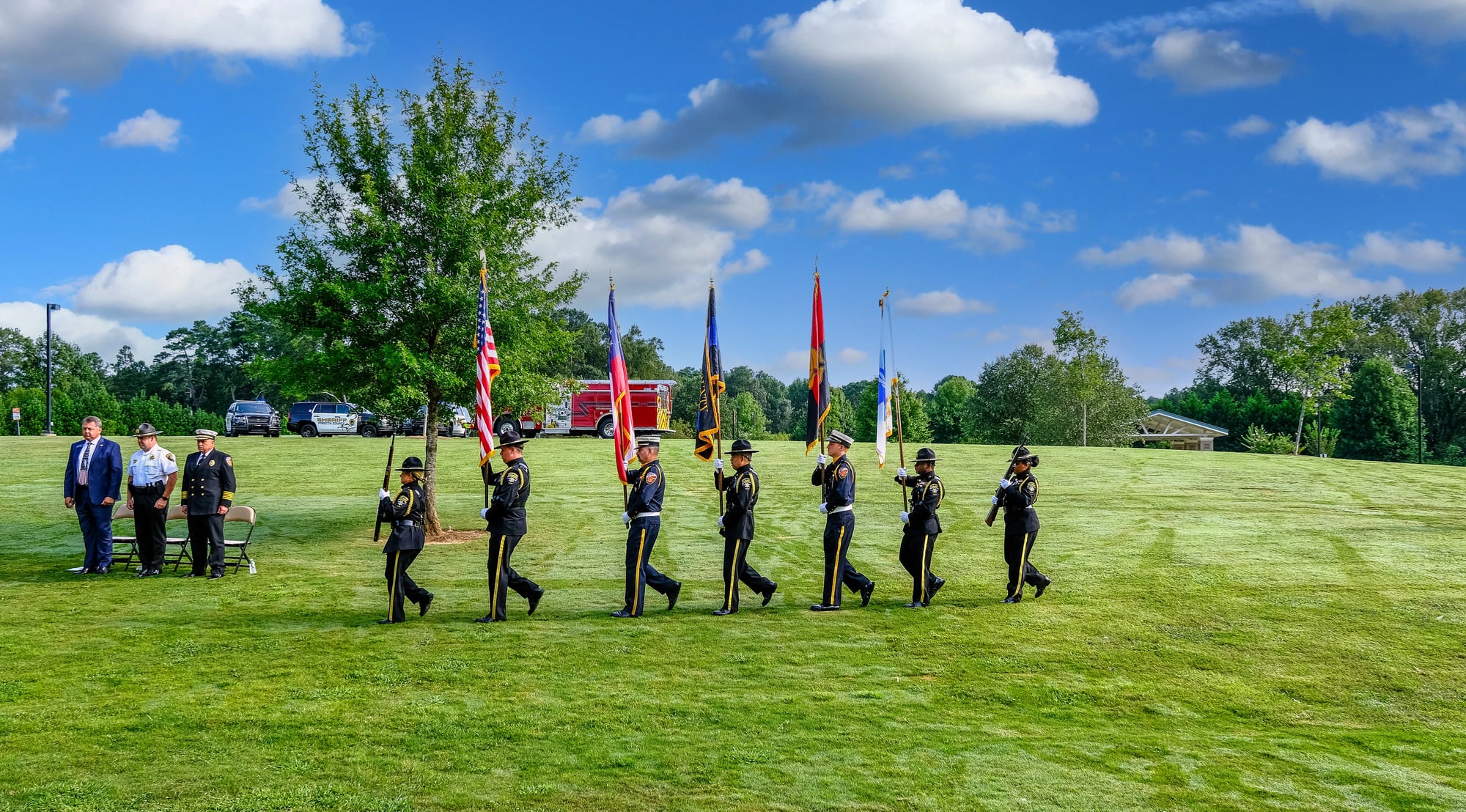
Color guard — the flag and equipment spinning that accompanies a marching band — was a physically demanding, technically complex activity that was frequently and inaccurately understood as simple by people who had never tried it. Within the school’s music and performance ecosystem, color guard members developed a precise internal hierarchy based on synchronization, skill, and auditioned placements.
Outside that ecosystem, the misperception was a constant and mild frustration.
What Adults Thought They Were Signing You Up For

The after-school activity was framed by adults as enrichment, skill-building, or college preparation, and it was all of those things. What the adult framing missed was the extent to which every activity was also a social territory with rules, rankings, and identities attached to participation.
The hierarchy was not accidental. Students built it deliberately, navigated it carefully, and remembered it long after the specific content of the activity had faded.
The lesson wasn’t in the subject. It was in the room.
More from Go2Tutors!

- The Romanov Crown Jewels and Their Tragic Fate
- 13 Historical Mysteries That Science Still Can’t Solve
- Famous Hoaxes That Fooled the World for Years
- 15 Child Stars with Tragic Adult Lives
- 16 Famous Jewelry Pieces in History
Like Go2Tutors’s content? Follow us on MSN.