31 TV Shows That Families Actually Sat Down and Watched Together in the Same Room
Before anyone had a screen in their pocket, television was a shared location. There was one set, one schedule, and whoever was home on Tuesday at eight o’clock watched the same thing.
The arguments about what to watch were real, the negotiations were occasionally tense, and the result was that families ended up watching far more together than anyone had consciously planned. These are the shows that made that happen — the ones that worked for a ten-year-old, a tired parent, a bored teenager, and a grandparent who’d heard the theme song so many times they could hum it in their sleep.
The Waltons

The Waltons ran on CBS from 1972 to 1981, following a Depression-era family in the Blue Ridge Mountains of Virginia. The narration by John-Boy gave each episode the quality of a memory being recalled rather than a drama being performed.
It was never flashy, never frantic, and somehow that was exactly what made it work across three generations in one living room.
Little House on the Prairie

Based on Laura Ingalls Wilder’s novels, Little House on the Prairie gave Michael Landon a second defining role after Bonanza and ran for nine seasons from 1974 to 1983. The formula of frontier hardship and family resilience was reliable enough to survive cast changes, children aging out of their roles, and storylines that occasionally veered into genuine darkness for a family drama.
All in the Family

Norman Lear’s landmark sitcom launched in 1971 and regularly pulled audiences of forty million viewers at its peak — numbers that are difficult to comprehend in a fragmented media environment. Archie Bunker was deliberately provocative, which meant families watched it and argued about it, which meant they kept watching it.
MASH

MASH ran for eleven years — nearly four times as long as the Korean War it depicted — and its 1983 finale drew 106 million viewers, a record that held for nearly three decades. It had enough comedy for casual viewers and enough moral weight for adults who wanted television to take something seriously.
Happy Days

Launched in 1974 and running until 1984, Happy Days was built on nostalgia for the 1950s and delivered it in a format mild enough for any age group. The Fonz became one of television’s most unlikely cultural icons — a leather-jacketed mechanic who was somehow approved viewing for primary school children and their parents equally.
The Cosby Show

From 1984 to 1992, The Cosby Show restored the family sitcom to primetime dominance at a moment when the genre was considered commercially tired. The Huxtables were affluent, warm, and funny, and the show consistently topped Nielsen ratings for five consecutive seasons.
Its later cultural reconsideration has not erased the fact of what it meant to family viewing at the time.
Family Ties

Family Ties ran from 1982 to 1989 and turned the generational divide between liberal parents and their conservative son Alex Keaton (Michael J. Fox) into a weekly comedy. It worked because both sides had a point, which is a structural kindness that most political content doesn’t offer.
Full House

ABC’s TGIF programming block in the late 1980s and 1990s turned Friday night into a family viewing institution. Full House, which ran from 1987 to 1995, was its anchor — a show so relentlessly wholesome that it was occasionally mocked for it, and so consistently watched that it didn’t matter.
Roseanne

Roseanne, which premiered in 1988, was consistently one of the top-rated shows of its era, pulling 39.3 million viewers for some episodes in 1990. Its portrait of a working-class family in Illinois was notably less idealised than most family sitcoms, which made it feel more honest and, paradoxically, more broadly watched.
The Wonder Years

The Wonder Years ran from 1988 to 1993 and told the story of Kevin Arnold’s adolescence in the late 1960s through narration by his adult self. It captured the specific texture of being twelve years old with a precision that made it work for kids experiencing it and adults who recognised it from thirty years earlier.
Cheers

Cheers aired from 1982 to 1993 and attracted 45.9 million viewers for a single November 1990 episode. It was technically a bar-set sitcom, but its character dynamics were domestic enough to cross over — the bickering, the loyalty, the weekly gathering of the same people in the same place.
Seinfeld
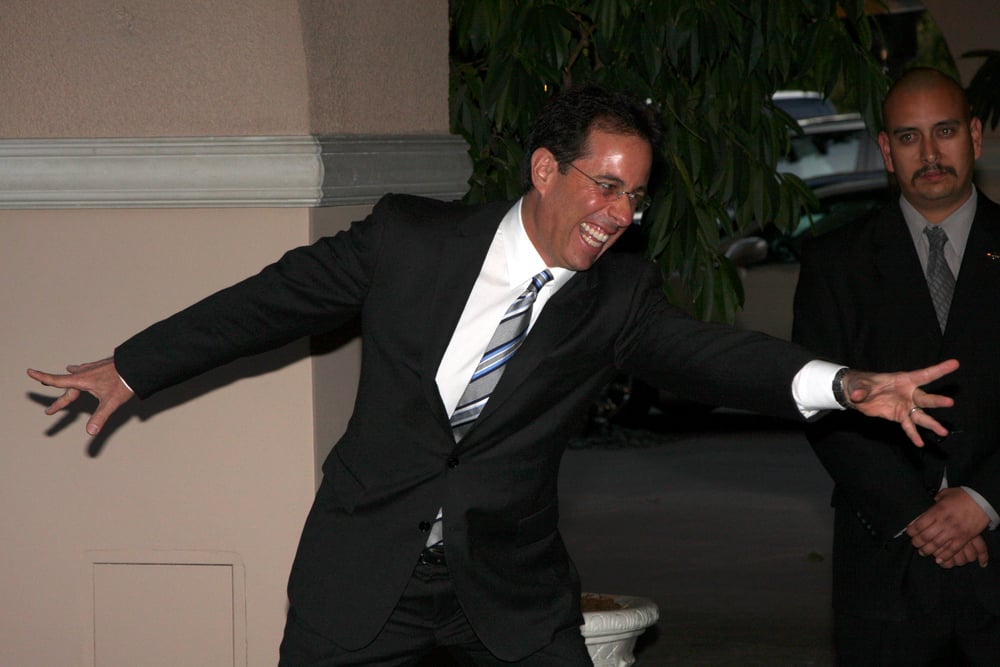
Seinfeld ran from 1989 to 1998 and became the defining comedy of a generation. Its “show about nothing” premise masked extraordinarily tight plotting and a cast that worked with the precision of a clock.
Families watched it together primarily because it was the only show that kept everyone in the room.
The Simpsons
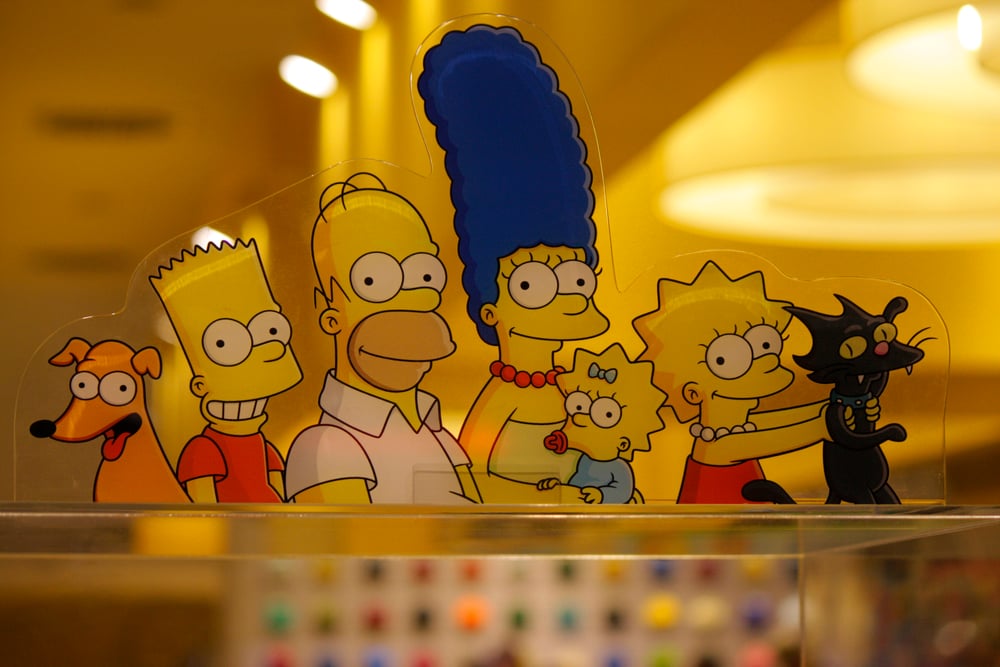
The Simpsons debuted on Fox in 1989 and promptly changed what animated television could do and who it was for. Parents watched it for the satire.
Children watched it because Bart was funny and slightly transgressive. Both groups were right, and the show has run continuously ever since.
America’s Funniest Home Videos

America’s Funniest Home Videos, which premiered in 1989, was built on the most democratised premise in television history: ordinary families filming ordinary accidents and sending in the tape. In 1990 it regularly attracted over thirty million viewers.
It required no prior knowledge of anything to enjoy, which made it genuinely universal.
Home Improvement

Home Improvement ran from 1991 to 1999 and turned Tim Allen’s standup persona into a television franchise built around mild home-renovation disasters and a neighbour who dispensed wisdom over a garden fence. It was exactly as comfortable as it sounds, and its audience of approximately seventeen million viewers a week was exactly that large.
Everybody Loves Raymond

Everybody Loves Raymond aired from 1996 to 2005 and turned the specific dynamics of an Italian-American family in Long Island — the overbearing mother, the passive father, the long-suffering wife — into a sitcom that felt instantly recognisable to viewers of almost any background.
Touched by an Angel

Touched by an Angel ran from 1994 to 2003 on CBS and regularly ranked among the top twenty shows of its era without ever generating much critical conversation. It worked on sincerity alone, which is harder than it sounds, and its target audience — older viewers and families with religious inclinations — was loyal enough to sustain nine seasons.
Quantum Leap
Quantum Leap ran from 1989 to 1993 and followed Dr. Sam Beckett leaping through time into the bodies of different people to correct historical wrongs. The premise gave it near-infinite variety; the emotional undertow of a man trying to get home gave it something to hold onto.
It was smart enough to interest adults and serialised enough to hook children.
MacGyver

MacGyver aired from 1985 to 1992 and became shorthand for a specific kind of ingenuity — using a paperclip and a stick of chewing gum to defuse a situation that would have defeated anyone else. Children watched it to see what he’d build next.
Parents watched it because he never used a gun, which was a deliberate choice the show’s creators maintained through its entire run.
The A-Team

The A-Team ran from 1983 to 1987 and delivered elaborate action sequences in which machinery exploded and vehicles tumbled and nobody was seriously hurt, week after week, with the reliable consistency of a circus act. It was essentially a live-action cartoon, which meant parents could watch it with primary school children without anyone leaving the room distressed.
Knight Rider

Knight Rider, which ran from 1982 to 1986, starred David Hasselhoff and a talking car with an artificial intelligence personality. The premise was sufficiently absurd that no age group had to take it entirely seriously, which freed everyone to enjoy it without commitment.
Diff’rent Strokes

Diff’rent Strokes ran from 1978 to 1986 and used the premise of a wealthy white Manhattan businessman adopting two Black children from Harlem to explore race, class, and family in ways that primetime television generally avoided. Gary Coleman’s Arnold was the breakout character, but the show’s willingness to tackle its premise directly gave it staying power beyond the catchphrase.
Growing Pains

Growing Pains aired from 1985 to 1992 and was essentially a vehicle for the inverse of Family Ties — a psychiatrist father working from home while his wife returned to her career, raising three children including a young Leonardo DiCaprio in his final seasons. It was warm, functional, and exactly the right temperature for shared family viewing.
Boy Meets World

Boy Meets World ran from 1993 to 2000 on ABC and grew alongside its audience in a way that few sitcoms managed — the characters aged in real time, and the show’s themes deepened accordingly. Younger siblings watched Cory Matthews navigate middle school.
Older siblings watched him navigate college. Parents watched because Feeny kept showing up.
Step by Step

Also an ABC TGIF staple, Step by Step ran from 1991 to 1998 and featured a blended family in Wisconsin with enough characters that any viewer could find someone to identify with. It was never the most sophisticated sitcom on television, and its audience of twelve million weekly viewers suggests this was not a requirement.
Dr. Quinn, Medicine Woman

Dr. Quinn ran from 1993 to 1998 on CBS and was built around a female physician practising in post-Civil War Colorado — a combination of frontier adventure and progressive politics that generated both devoted viewership and occasional controversy. Jane Seymour’s lead performance was the stabilising force across six seasons.
Lassie

Lassie ran in various forms from 1954 to 1973 and established a basic formula — a child in danger, a dog who understands what adults don’t, a resolution — that proved so durable it survived multiple cast changes, ownership changes, and format adjustments across two decades.
The Incredible Hulk

The Incredible Hulk ran from 1977 to 1982 and turned the Marvel character into a weekly drama about a scientist on the run, transforming into a green-painted Lou Ferrigno whenever stress exceeded a certain threshold. The creature reveal was the weekly event.
Everything else was surprisingly emotional.
Star Trek: The Next Generation

Star Trek: The Next Generation ran from 1987 to 1994 and managed to attract multi-generational audiences in a way the original series, which aired in syndication, had primed viewers for. Parents who had watched Kirk and Spock introduced children to Picard and Data, and both generations found something to engage with.
Murder, She Wrote

Murder, She Wrote ran from 1984 to 1996 and starred Angela Lansbury as mystery writer Jessica Fletcher, who solved murders in a small Maine town with a frequency that statistically should have made Cabot Cove the most dangerous place in America. It averaged around twenty million viewers a week, primarily because the format was comfortable enough to watch with anyone.
Highway to Heaven

Highway to Heaven aired from 1984 to 1989 and starred Michael Landon — already a family television institution from both Bonanza and Little House — as a probationary angel assigned to help people on Earth. It was unambiguously sentimental and drew consistent audiences who wanted television to say something without making them think too hard about it.
The One Television in the House

There’s something worth acknowledging about what shared viewing actually required: agreement. Someone picked up the TV Guide, someone made the call, and everyone else either joined or left the room.
Compromise was built into the structure of evening television in a way that personal screens have made structurally impossible. Those shared viewing hours produced a body of cultural reference that families still draw on decades later — the characters and storylines and theme songs that surface at family dinners and still generate recognition across thirty years of distance.
Nobody planned it that way. It was just what happened when there was one television and nowhere else to be.
More from Go2Tutors!

- The Romanov Crown Jewels and Their Tragic Fate
- 13 Historical Mysteries That Science Still Can’t Solve
- Famous Hoaxes That Fooled the World for Years
- 15 Child Stars with Tragic Adult Lives
- 16 Famous Jewelry Pieces in History
Like Go2Tutors’s content? Follow us on MSN.