Biggest Theme Park Expansions of the 90s
The 1990s changed everything for theme parks. Families saved up money and planned vacations around these massive entertainment destinations that seemed to grow bigger every year.
Park owners spent millions building new attractions that would make visitors forget about staying home for the summer. So what made these parks go crazy with construction? Let’s dig into the expansions that defined a generation.
Universal Studios Florida opens Islands of Adventure

Universal took a huge risk when they decided to build a second gate right next to their existing Florida park. Islands of Adventure opened in 1999 with a completely different approach than anything seen before.
Each themed area felt like stepping into another world, from the comic book streets of Marvel Super Hero Island to the prehistoric dangers of Jurassic Park. The rides pushed technology further than most people thought possible, especially the Incredible Hulk coaster that launched riders from zero to forty miles per hour in two seconds.
Kids begged their parents to go back the next day.
Disney-MGM Studios adds Sunset Boulevard

Disney wanted guests to spend more time at their smallest Florida park, so they built an entire new section in 1994. Sunset Boulevard brought two major attractions that changed the park completely.
The Tower of Terror became an instant classic with its story about a haunted hotel and a terrifying drop sequence that made grown adults scream. Rock ‘n’ Roller Coaster followed later in the decade, giving Disney fans their first real thrill ride with loops and launches set to Aerosmith music.
Like Go2Tutors’s content? Follow us on MSN.
Busch Gardens Tampa builds Montu

Egyptian themes took over a huge section of Busch Gardens in 1996 when Montu opened to the public. This inverted coaster let riders dangle below the track while hitting speeds over sixty miles per hour through sand-colored tunnels and trenches.
The ride included seven inversions and underground sections that made it feel even faster than it actually was. Busch Gardens proved they could compete with any park in Florida for thrill seekers who wanted more than just a log flume.
SeaWorld Orlando creates Key West at SeaWorld

The dolphin stadium needed company, so SeaWorld built an entire Caribbean village in 1996 that felt like a beach vacation. Key West at SeaWorld added stingray pools where guests could actually touch these gentle creatures swimming in shallow water.
The area included tropical birds, sea turtles, and interactive experiences that taught visitors about ocean life without making it feel like school. Parents appreciated having something to do besides watching shows all day.
Disneyland expands Tomorrowland

California’s original Disney park looked outdated by the early 1990s, especially the future-themed section that still showed what people in the 1960s thought tomorrow would look like. The company closed Tomorrowland and rebuilt almost everything between 1995 and 1998.
New attractions included Rocket Rods, Astro Orbiter, and a complete redesign that used gold and bronze colors instead of white and blue. Some fans missed the old version, but the changes brought crowds back to an area that had felt tired for years.
Like Go2Tutors’s content? Follow us on MSN.
Six Flags Magic Mountain goes vertical with rides

Southern California’s biggest thrill park decided to become the coaster capital of the world during the 1990s. They added Viper in 1990, followed by Riddler’s Revenge in 1998, which stood as the tallest and fastest stand-up coaster ever built.
Batman The Ride arrived in 1994 as the first inverted coaster on the West Coast. Magic Mountain wanted every visitor to leave with weak knees and big smiles, and they pretty much succeeded.
Disney’s Animal Kingdom opens in Florida
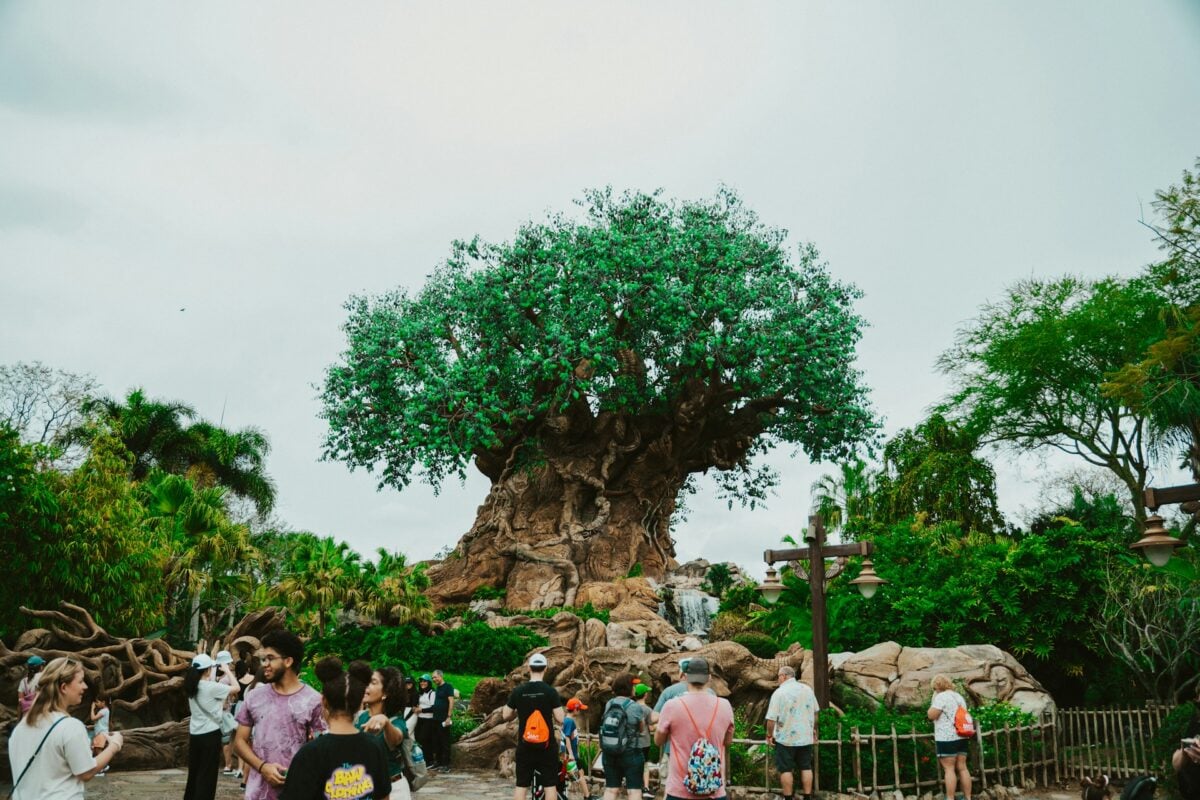
Walt Disney World grew by an entire park when Animal Kingdom opened its gates in 1998. This wasn’t just another theme park with cartoon characters and spinning rides that made little kids throw up their lunch.
Real animals from Africa and Asia lived in carefully designed habitats that guests could view from safari vehicles that bounced over dirt roads. The Tree of Life became the park’s centerpiece with over three hundred animal carvings in its trunk and branches.
Disney proved they could create something educational that still felt like pure entertainment instead of a zoo visit.
Universal Studios Hollywood builds Jurassic Park
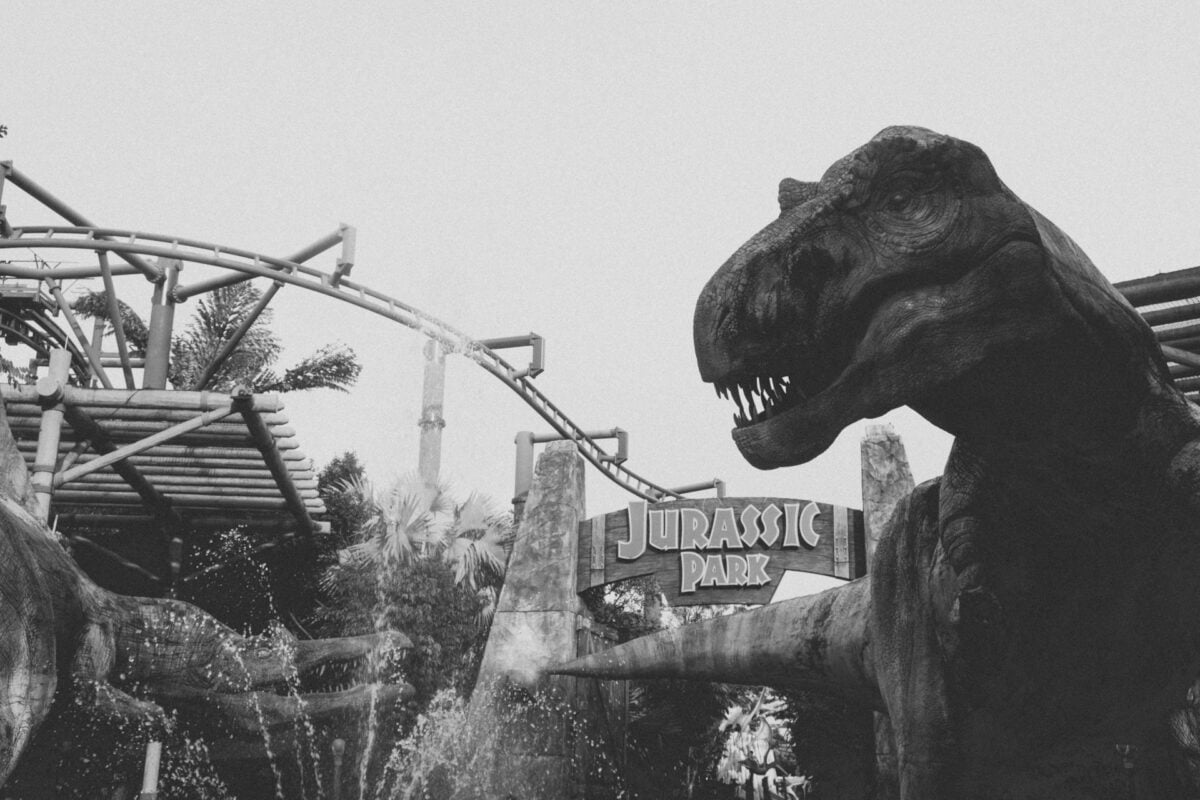
The West Coast Universal park needed something big after the movie became a massive hit in 1993. Jurassic Park: The Ride opened in 1996 and became the most expensive theme park attraction ever built at that time, which says a lot considering how much money parks spent back then.
Boats floated past life-sized dinosaurs before plunging down an eighty-four-foot drop to escape a T-Rex that looked ready to eat everyone. The ride used so much water that park engineers had to design special systems to handle millions of gallons every day.
Like Go2Tutors’s content? Follow us on MSN.
Knott’s Berry Farm adds Perilous Plunge
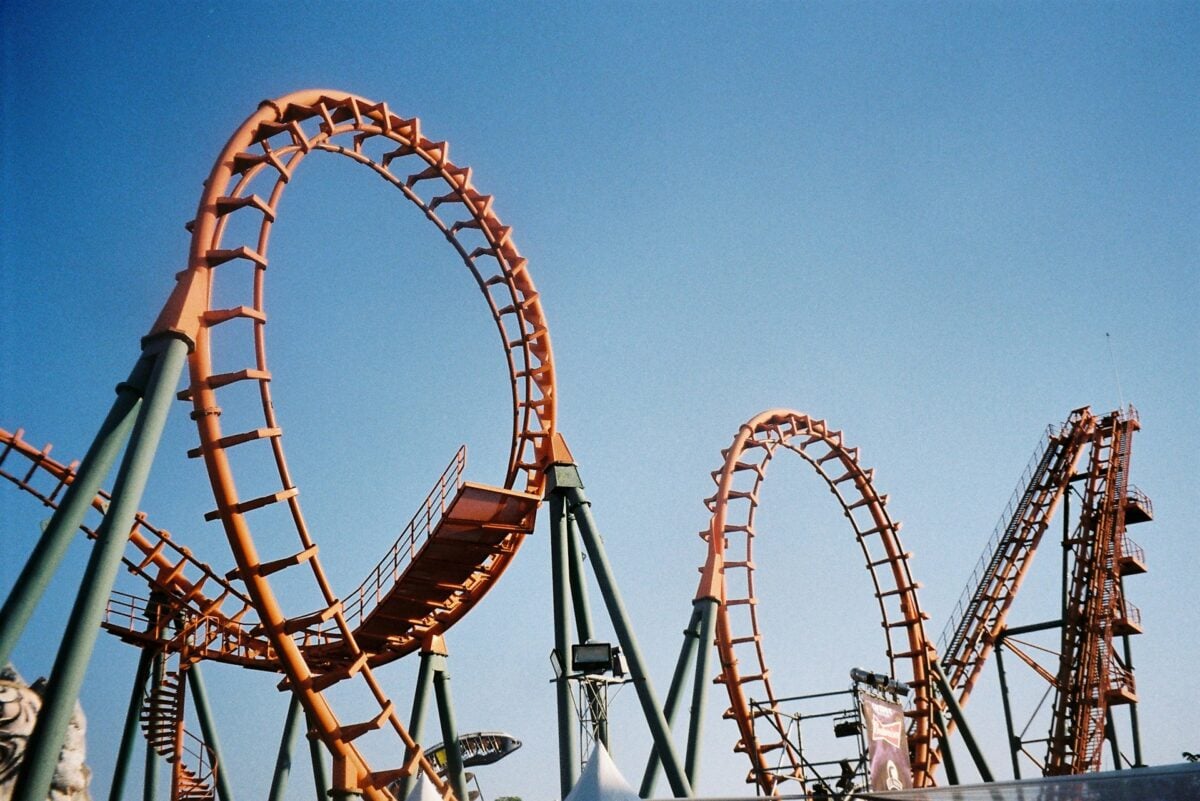
California’s oldest theme park took a bold step in 2000, though the planning started years earlier in the late 1990s when water rides were getting more intense. Perilous Plunge featured the steepest and tallest water ride drop in the world at the time.
Riders climbed a twelve-story hill before dropping at a seventy-five-degree angle that felt almost vertical and made stomachs flip. Everyone got completely soaked, but nobody seemed to mind on hot summer days when the California sun was beating down.
Cedar Point breaks records with coasters
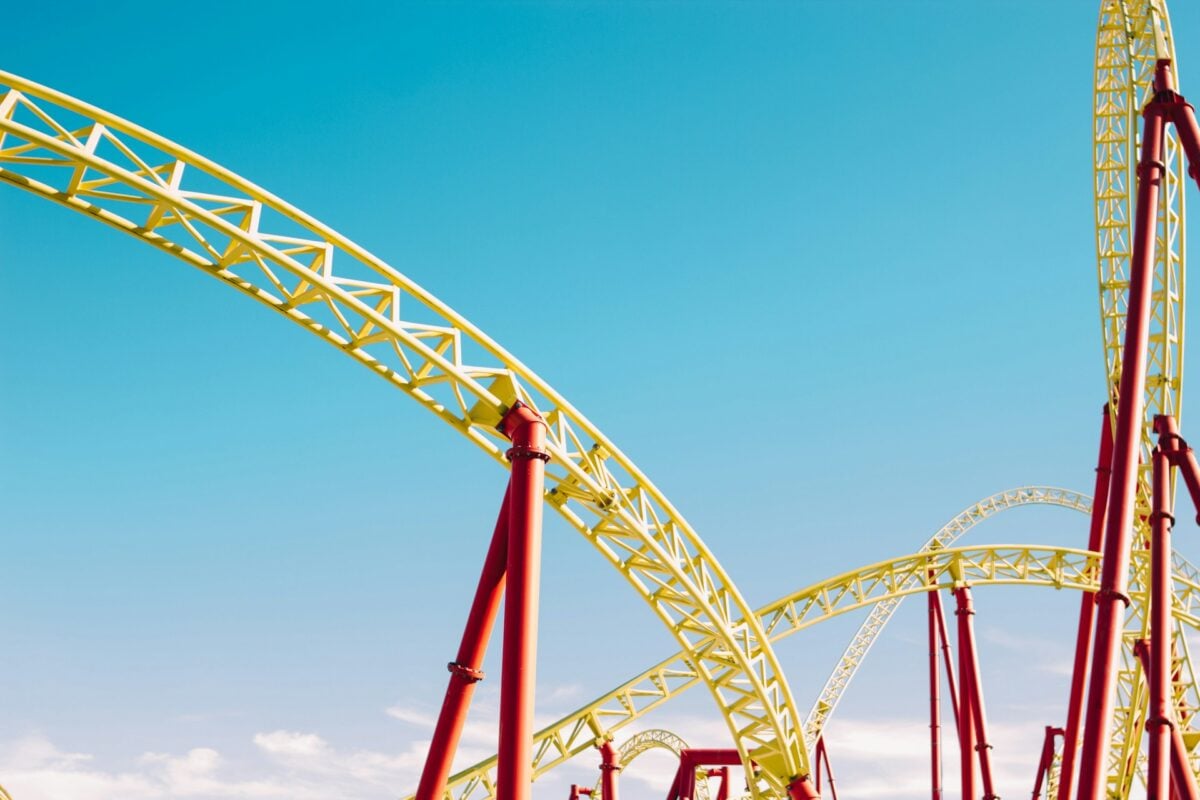
Ohio’s lakeside park earned its reputation as America’s roller coast during the 1990s by going absolutely wild with new rides. Raptor arrived in 1994 as a massive inverted coaster with six inversions that left riders dizzy.
Mantis followed in 1996 as the tallest stand-up coaster in the world at that time, which meant sore legs for anyone who rode it multiple times. The park kept adding new rides while maintaining their classic attractions, giving families reasons to visit year after year instead of trying somewhere else.
Paramount Kings Island introduces Top Gun

Movie studio Paramount bought several parks and started adding film-themed attractions throughout the 1990s that connected to their biggest movies. Top Gun opened at Kings Island in 1993 as a suspended coaster that swung riders through near-miss elements with trees and buildings.
The ride included a fighter jet theme with sound effects and military-style queue areas that made waiting in line less boring. Other Paramount parks received similar attractions, creating a network of connected experiences that made visiting multiple locations more appealing.
Like Go2Tutors’s content? Follow us on MSN.
How those years still shape our park visits today

Those 1990s expansions shaped how theme parks operate today in ways most visitors don’t even think about. Parks learned that guests wanted complete experiences instead of just a few good rides surrounded by empty walkways and boring gift shops.
The competition forced every park to improve or risk losing visitors to destinations willing to spend big money on new attractions that would get people talking. Anyone who visits a theme park now is experiencing ideas that started during those crazy years when it seemed like every park was trying to outdo each other.
More from Go2Tutors!

- 16 Historical Figures Who Were Nothing Like You Think
- 12 Things Sold in the 80s That Are Now Illegal
- 15 VHS Tapes That Could Be Worth Thousands
- 17 Historical “What Ifs” That Would Have Changed Everything
- 18 TV Shows That Vanished Without a Finale
Like Go2Tutors’s content? Follow us on MSN.