25 Old-School Birthday Party Traditions That Were Cheap, Simple, and Way More Fun
Children’s birthday parties in the 1980s and 1990s operated on a different budget from today’s events. There was no themed venue, no professional entertainer on retainer, no laser-printed invitations, no bespoke candy table.
There was a house, some balloons, a supermarket cake, and a group of children left largely to their own devices for two hours. It was, by most accounts, excellent.
The gap between what those parties cost and how much fun they generated is the most convincing argument available against the current industrial approach to childhood celebration.
Pin the Tail on the Donkey
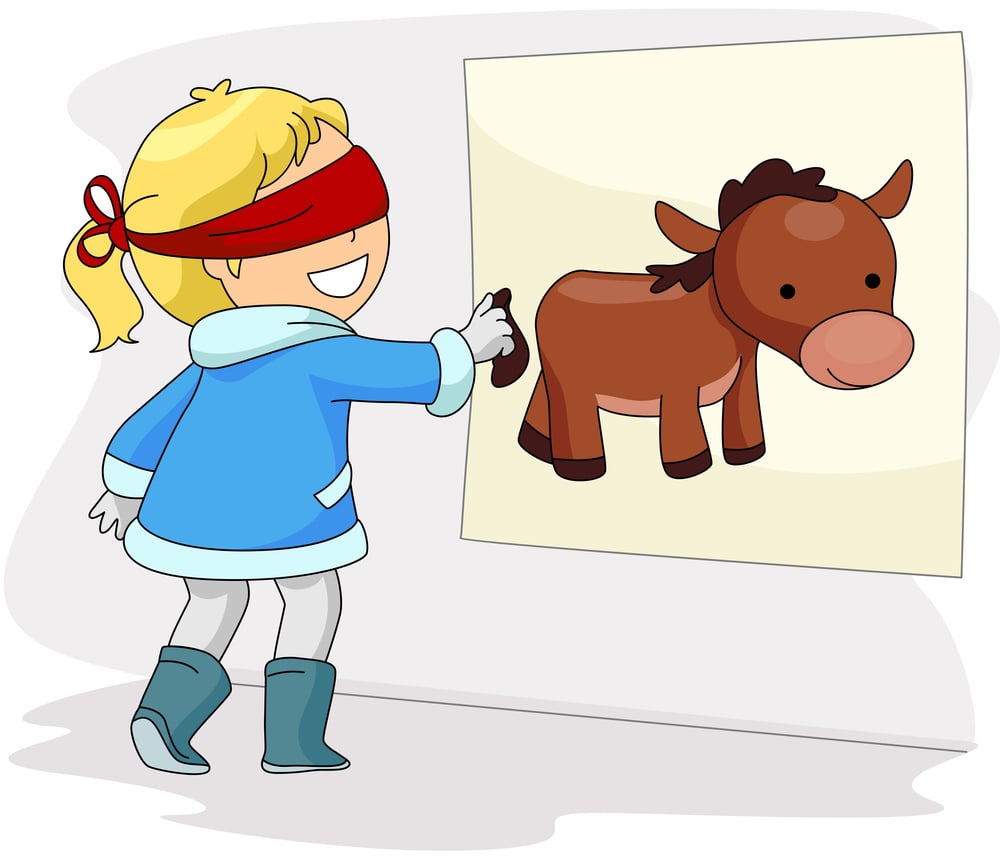
The donkey was a paper poster on a wall. The tail was a piece of paper with tape or a drawing pin.
You were blindfolded and spun until you lost your sense of direction, then pointed toward the wall and told to go. Everyone else was allowed to shout misleading directions.
The tails ended up on the ceiling, on the window, on a sibling. Nobody cared that they hadn’t won.
The spinning was the point.
The Homemade Birthday Cake
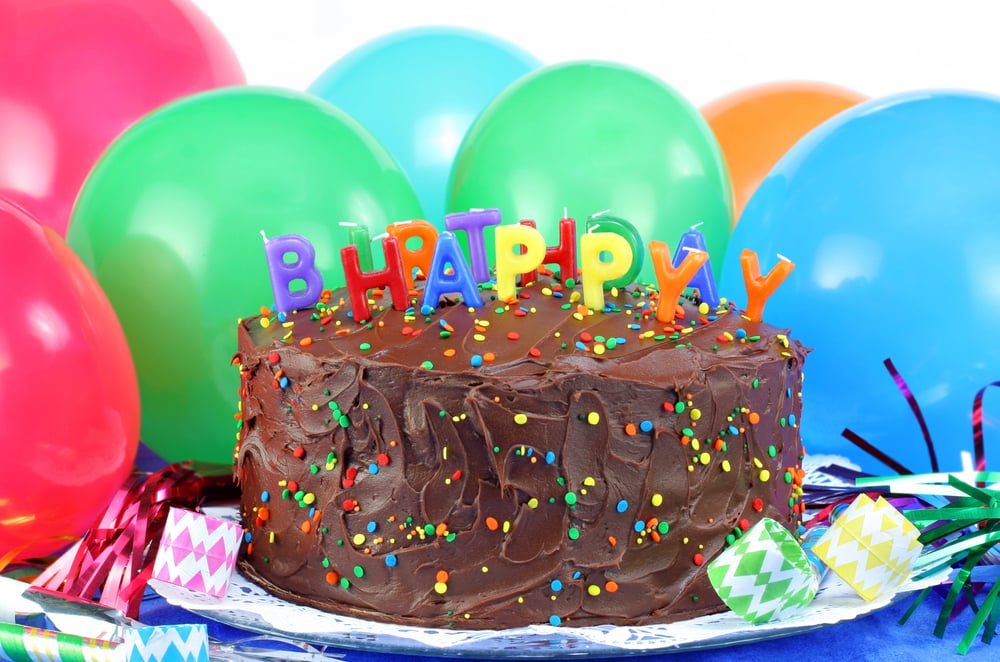
Tiers were not a requirement. Fondant was not involved.
What was involved was a packet of Betty Crocker or a family recipe, a set of mismatched cake tins, and whoever’s parent had the most confidence in the kitchen. The icing was applied with a butter knife and the writing was done in a different coloured icing from a tube.
It leaned. It was perfect.
Musical Chairs
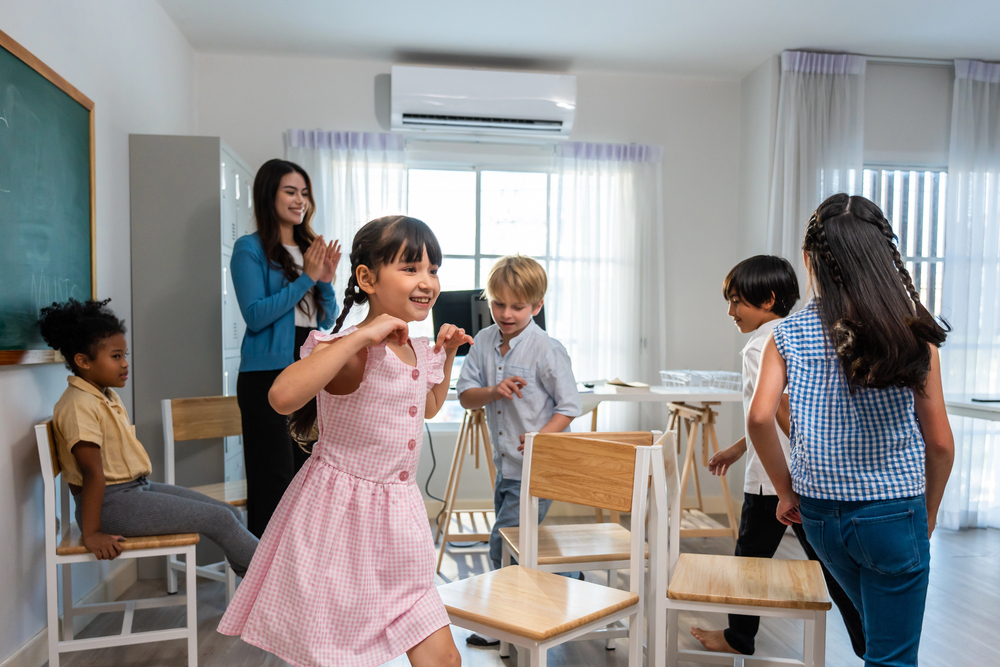
The number of chairs was always slightly wrong — there was never quite the right ratio of children to seats — which meant the game moved faster than it should have. The music came from a cassette player that someone’s parent operated with authoritative unpredictability.
The eliminations were unjust, the arguments were brief, and the eventual winner was always slightly unexpected.
Pass the Parcel
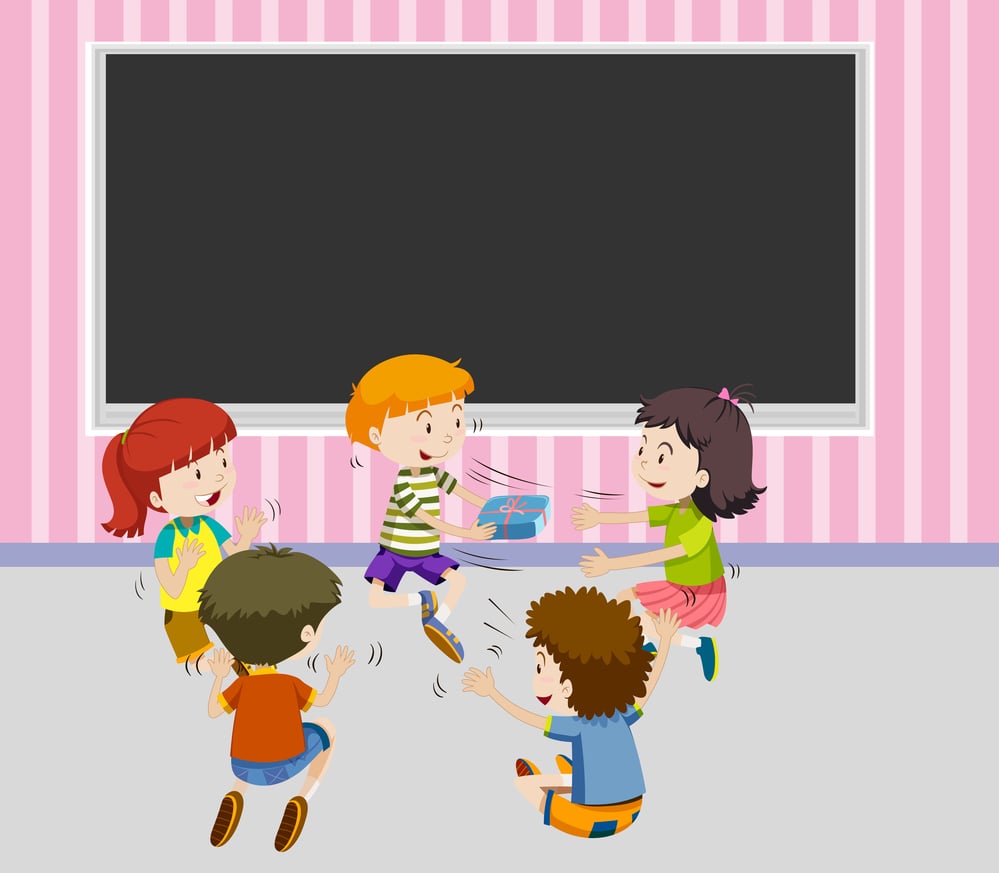
The parcel was wrapped in multiple layers of newspaper. There may or may not have been small items between layers — that depended on how much effort the parents had put in.
The music stopped with the same arbitrary unpredictability as musical chairs. The child who unwrapped the final layer got the present, which was almost always reasonable given what everyone else had received.
Musical Statues

Musical Statues required you to freeze the instant the music stopped, which sounds simple and is actually quite hard when you’re seven and in the middle of a particularly enthusiastic move. The out-of-bounds calls were made by a parent who may or may not have been paying full attention, which created a useful system of arbitrary appeals.
Sleeping Lions
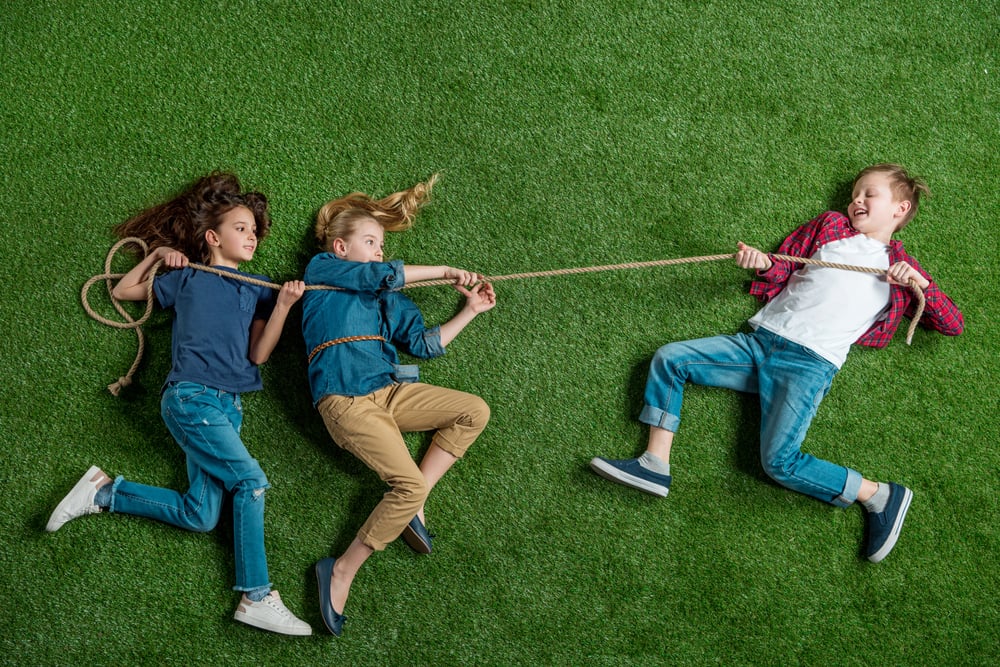
Sleeping Lions was the game played when the party had reached a point of maximum chaos and someone needed it to stop. Children lay completely still on the floor and anyone who moved was out.
A parent walked among them looking for the twitch of an eye, the compression of a lip trying not to smile. It was a competition structured entirely around self-control, which children found extraordinarily difficult and therefore deeply compelling.
Jelly and Ice Cream

This was not a complicated dessert. It was jelly, set overnight in a bowl, and ice cream, scooped from a tub.
The two were served together in a small bowl. Children ate it with more speed than was probably sensible.
It required no presentation and no temperature management. It was just good.
The Party Bag at the End
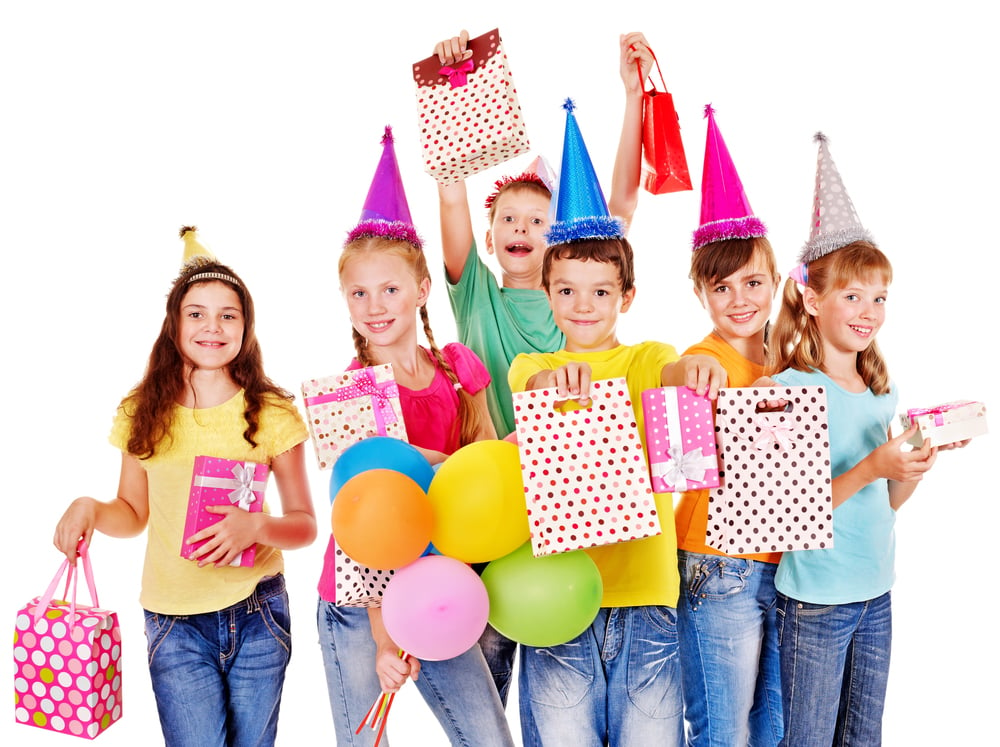
The party bag was a small paper or plastic bag containing: a piece of cake in a serviette, a balloon, a pencil, a small toy of marginal quality, and perhaps some sweets. The total value was approximately nothing.
Children took it home and examined its contents with the seriousness of customs inspectors. The pencil was always the first thing discarded.
Sack Races
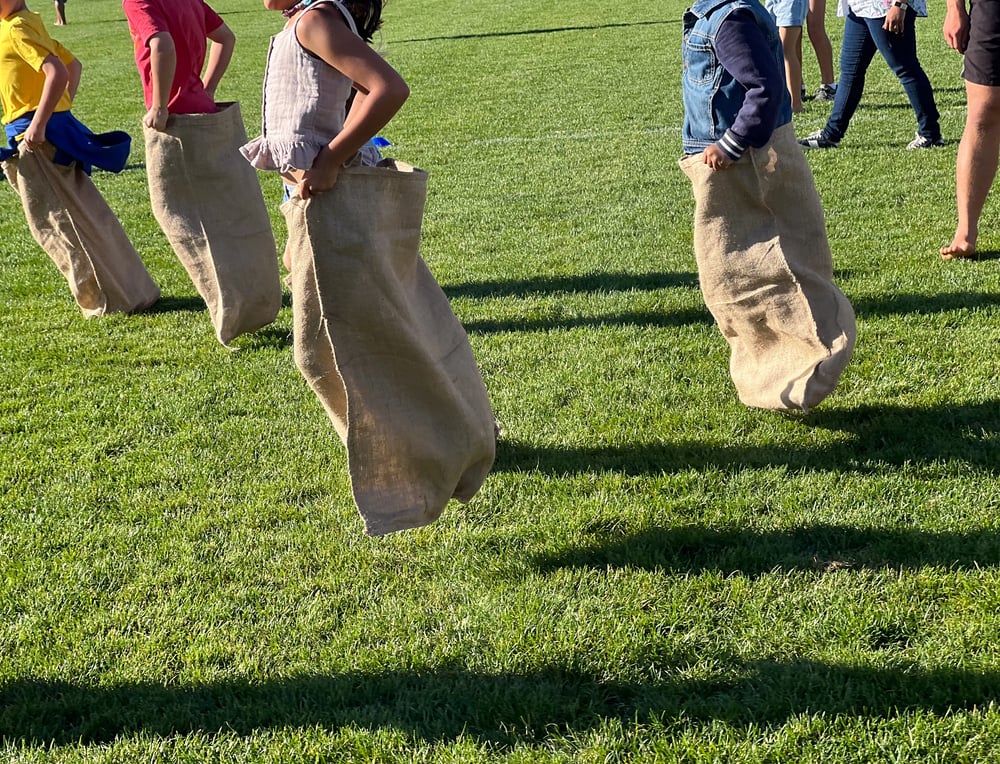
The sack was a pillowcase, usually. You got in it, held it at hip height, and jumped as fast as you could across the garden to a line.
Falling over was considered funny rather than a failure. Someone always won by a significant margin without explaining how.
The whole race lasted forty-five seconds and could occupy a garden for fifteen minutes once the argument about who got which sack was factored in.
Egg and Spoon Race
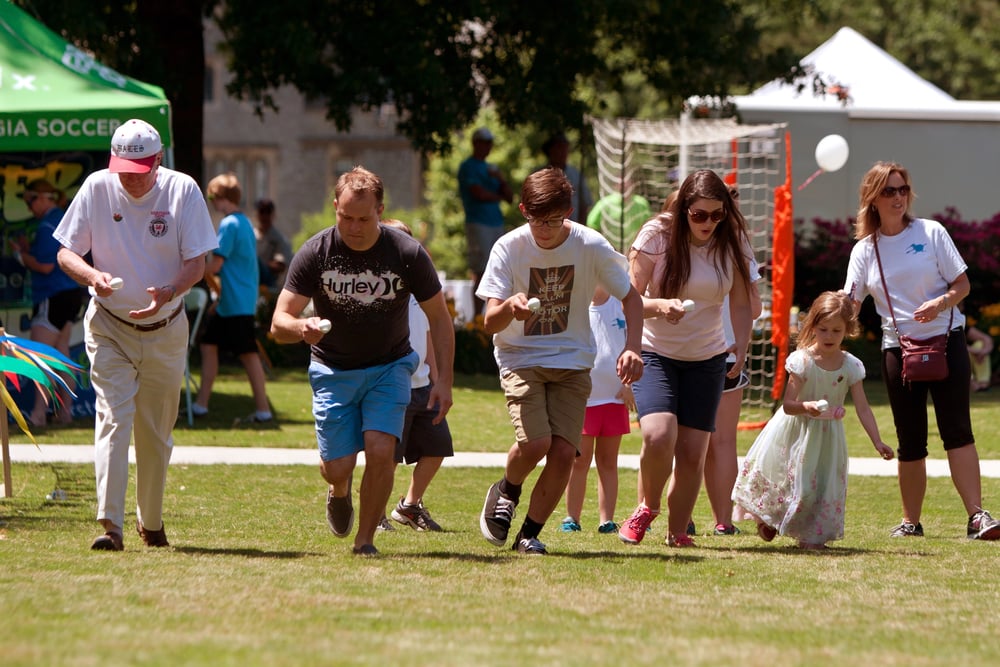
The egg was usually hard-boiled, because the alternative was unacceptable to the parent supervising. You held a spoon at shoulder height and walked as quickly as you could without the egg falling off.
The correct technique was almost immediately obvious. Almost no child employed it.
Three-Legged Race
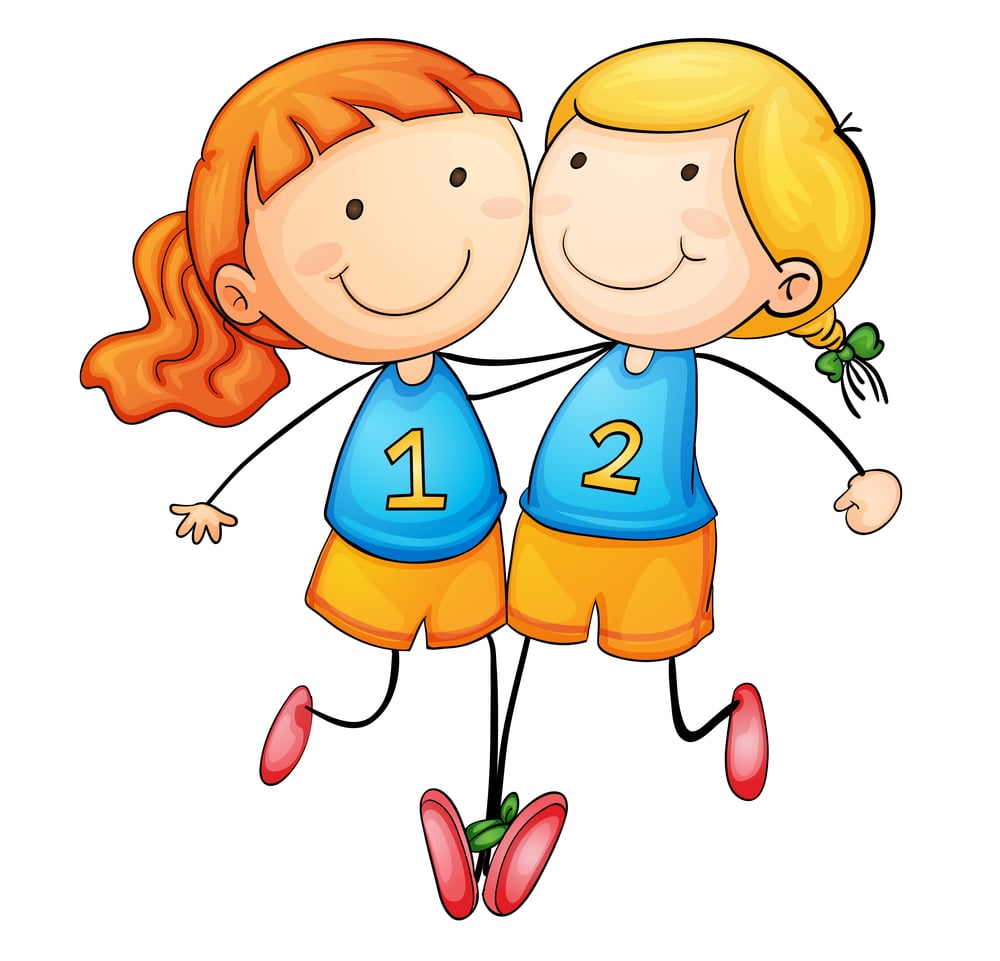
Two children. One leg tied together.
The instruction: run. What actually happened: a brief negotiation about who was taller, a sequence of attempts to synchronise that never quite resolved, a fall, a restart, an eventual victory by whoever had managed to convince their partner to let them lead.
It was chaos with a ribbon at the finish line.
Bobbing for Apples

A bucket of water and a collection of apples. You put your face in the water and tried to get an apple out with only your teeth.
The water was cold, the apples were slippery, and the technique required a specific commitment to submerging your face that most children found took several attempts to summon. The winner got an apple.
Nobody questioned whether the apple was the appropriate prize.
Balloon Stomping

Each child had a balloon tied to one ankle. The goal was to stomp on other children’s balloons while protecting your own.
The game lasted approximately ninety seconds before the garden was covered in rubber scraps and someone was crying, which was considered an acceptable outcome.
Treasure Hunts Around the House

A parent spent the previous night writing clues on pieces of paper, each leading to the next location. The first clue was read aloud at the start.
Children moved through the house in a group — nobody let anyone else find a clue alone — until the final clue led to a wrapped prize in the garden shed or under the kitchen table. The treasure was usually sweets.
The Limbo

Someone held a broom handle. Guests approached one at a time, leaned backward, and tried to pass beneath without touching the stick or falling over.
The stick descended in increments. At a certain height, the game became genuinely difficult, and the moment a six-year-old successfully passed under a stick two feet off the ground was treated as a significant athletic achievement.
Dead Ants

Someone yelled “dead ants,” and every child immediately had to fall to the floor on their back with their arms and legs in the air. The last person down was out.
The game could be called at any moment — in the middle of a meal, during another game, immediately after telling everyone to get up. It required instant response time and a certain absence of self-consciousness about suddenly being on the floor.
Hot Potato
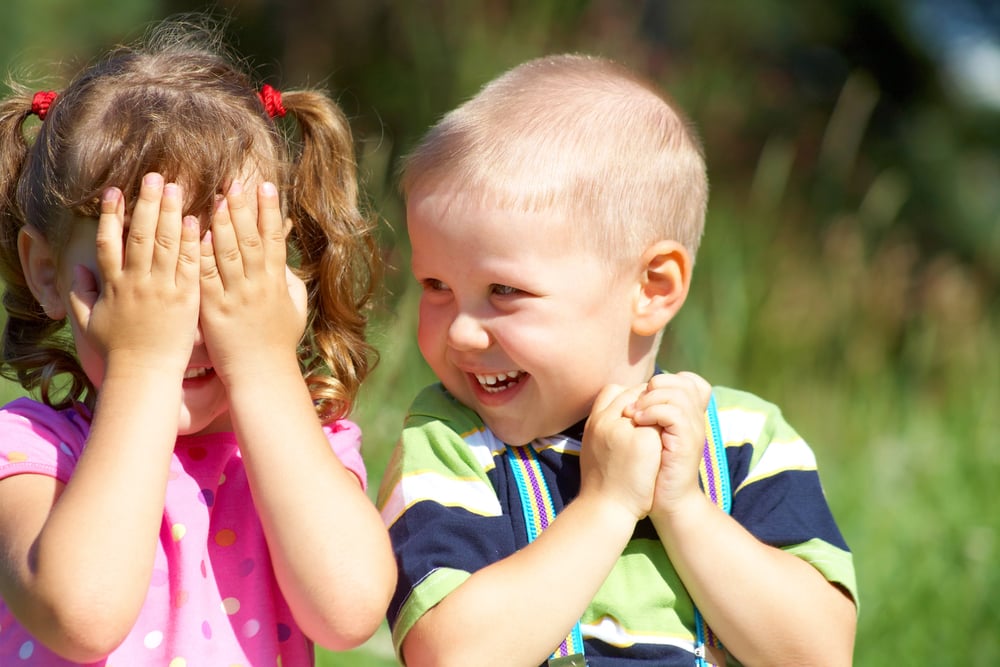
An object — a cushion, a small soft toy, whatever was at hand — was passed around a circle as quickly as possible while music played. Whoever held it when the music stopped was out.
The music was operated by the same parent who ran pass the parcel, and their timing was equally unpredictable. You learned very quickly not to hold onto the potato longer than necessary.
Freeze Dance
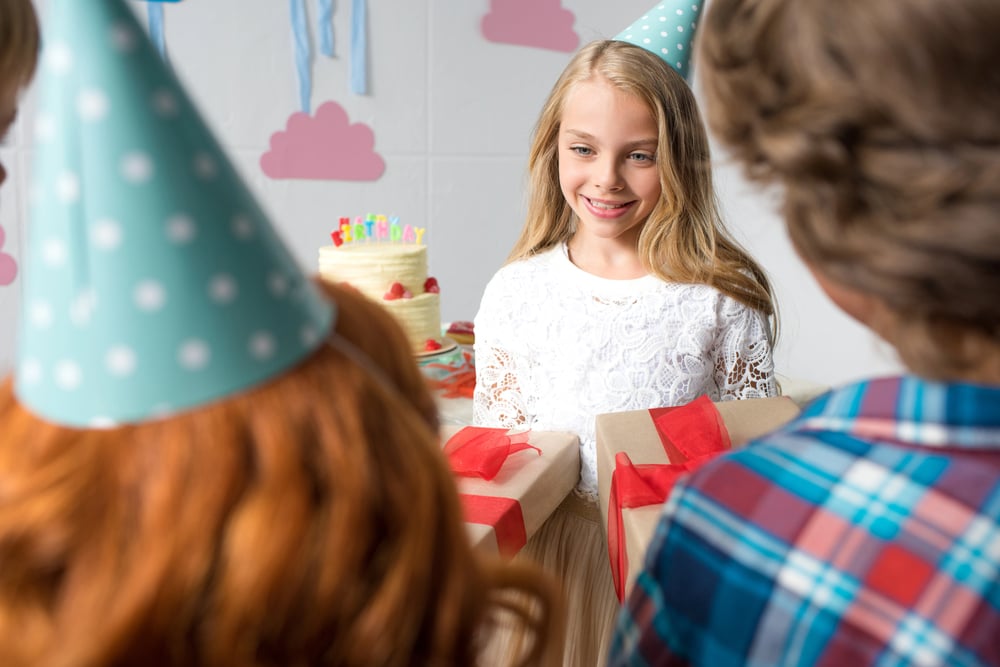
You danced for as long as the music played, with genuine effort, and froze the instant it stopped. The freeze was judged by a parent looking for motion.
The dancing was enthusiastic and bore no relation to any recognised style. This was not considered relevant.
Pinata
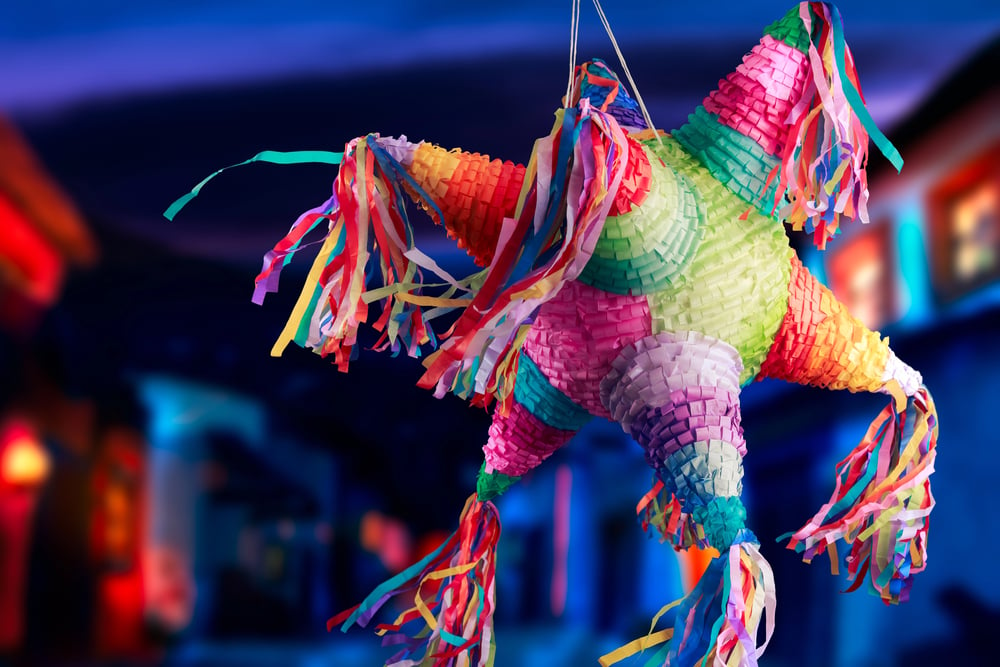
The piñata was paper mache or a shop-bought cardboard version, filled with sweets and small toys. You were blindfolded, given a stick, and pointed toward it.
Most hits missed. Occasionally someone connected and the piñata gave slightly without breaking, which was somehow funnier than a clean hit.
When it finally split, the subsequent scramble on the floor was brief and undignified and completely equal in a way that prize distribution rarely is.
Making Your Own Pizza or Sandwich
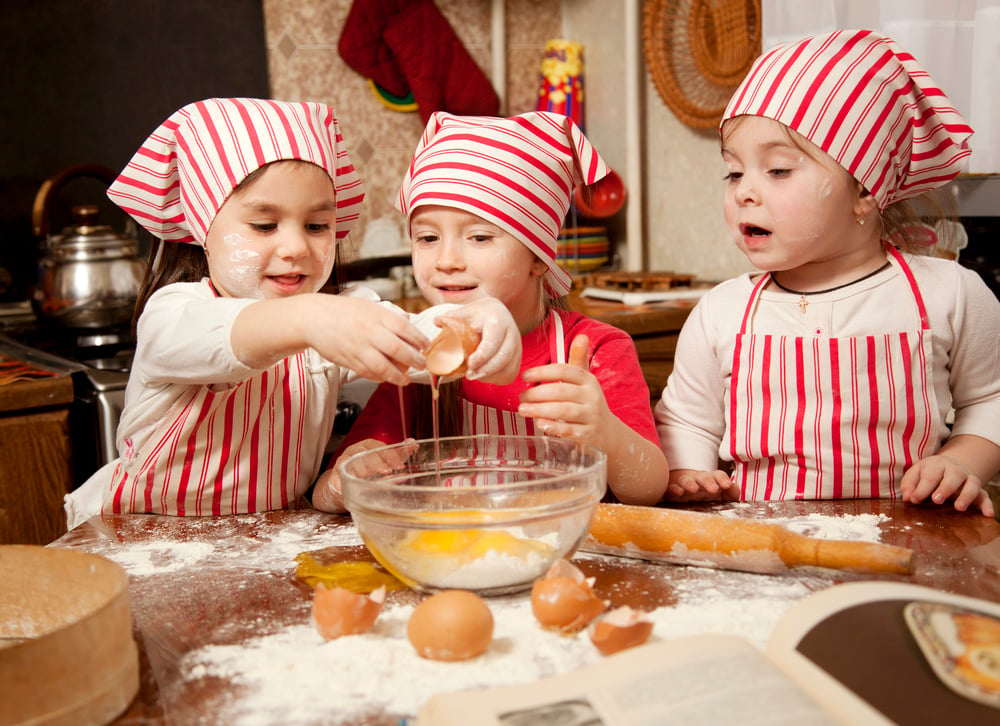
Some parties dispensed with catering entirely by giving each child their own small pizza base or sandwich ingredients and letting them assemble their own. The results ranged from carefully considered to reckless.
The child who put an improbable amount of cheese on their pizza always attracted more admiration than criticism.
Hula Hoop Contest
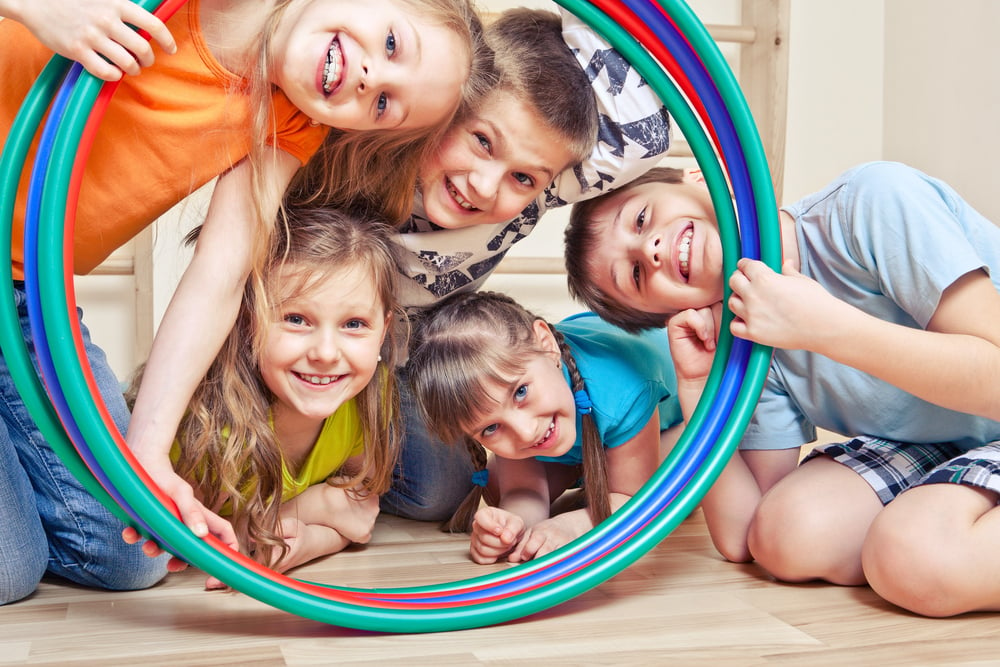
Who could keep it going longest. That was the entire competition.
Children who were naturally good at it were disproportionately smug about a skill that required approximately forty-five minutes to develop. Everyone else lasted about eight seconds per attempt.
Watching a Movie Together at the End
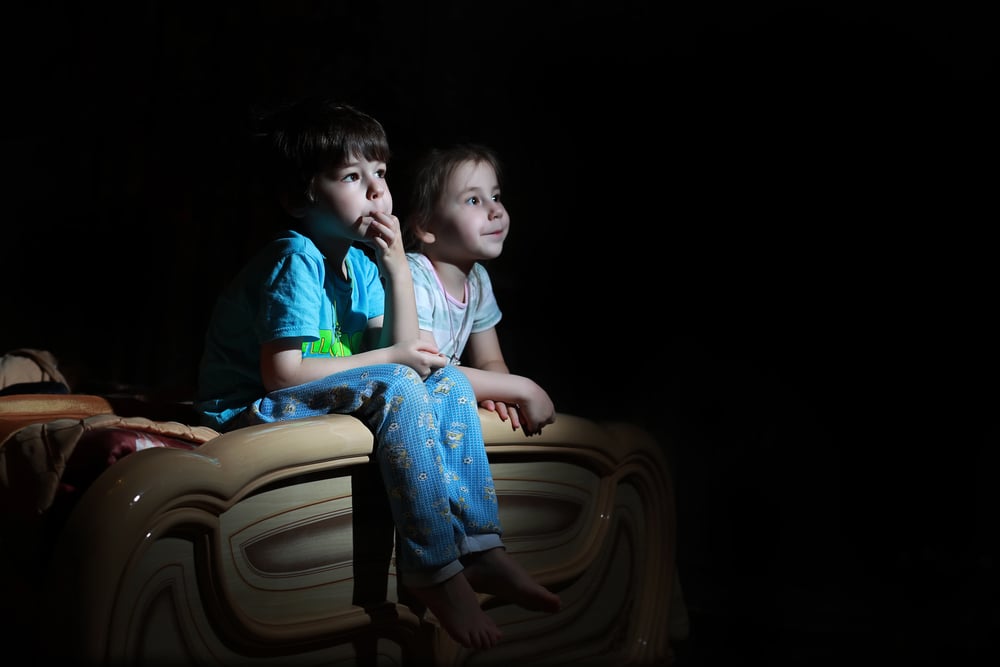
When the games were done and the cake had been eaten, the guests were arranged on the floor with the remaining balloons and the party bag and a bowl of popcorn, and a video was put on. Nobody chose it carefully.
It was whatever was on the shelf. Everyone was tired and content and largely stopped talking within the first ten minutes.
Signing the Birthday Card as a Group

The card arrived at the end of the party, just before departure. You signed your name.
Possibly you drew a small picture next to it. The instruction was to write something nice.
Children wrote “Happy Birthday” and their name, which was honest if not particularly creative, and the recipient treated every single one with the same appreciation.
The One Balloon That Survived

Every party generated a cluster of balloons and, through attrition — stomping, ceiling corners, gradual deflation — most of them didn’t make it to the following morning. But there was always one that survived.
It drifted quietly around the house for three or four days, slowly losing altitude, before coming to rest on the living room floor — a late and solitary remnant of a party that everyone had already stopped thinking about.
When Parents Left the Room

The moment the last parent withdrew to the kitchen for tea with the host parent was the moment the party became fully itself. Adult observation did something to a group of children that its removal undid.
Nobody had planned anything different. Nothing changed except the sense of being watched, and then that sense was gone, and the afternoon opened up.
What Made It Work

The parties described here were not successful because of what they had. They were successful because of what they didn’t have — professional oversight, curated experiences, structured content, parent-managed transitions between activities.
The mess was real, the games were unrefined, the cake didn’t look like the picture. Children at those parties were allowed to be slightly chaotic in a safe, bounded space for two hours, and that is exactly what they needed.
No budget in the world has improved on it.
More from Go2Tutors!

- The Romanov Crown Jewels and Their Tragic Fate
- 13 Historical Mysteries That Science Still Can’t Solve
- Famous Hoaxes That Fooled the World for Years
- 15 Child Stars with Tragic Adult Lives
- 16 Famous Jewelry Pieces in History
Like Go2Tutors’s content? Follow us on MSN.