27 Saturday Chores That Somehow Became the Strongest Memories People Carry Today
Saturday morning had a specific rhythm that most adults can reconstruct without much effort — the sound of the vacuum starting somewhere else in the house, the smell of cleaning products cutting through whatever the house normally smelled like, a parent’s radio playing something in the kitchen while the work was done. It was not a morning of leisure. It was the morning when the house got put back in order, and if you lived in it, you participated.
Children did not typically volunteer for Saturday chores. The chores were assigned, negotiated, argued about, and eventually done — usually not quite to standard, which prompted a second instruction, and eventually a result that was accepted if not celebrated. Decades later, the chores are among the most specific memories people carry from childhood. The pleasure was not in the doing. The meaning arrived later.
Vacuuming in Straight Lines
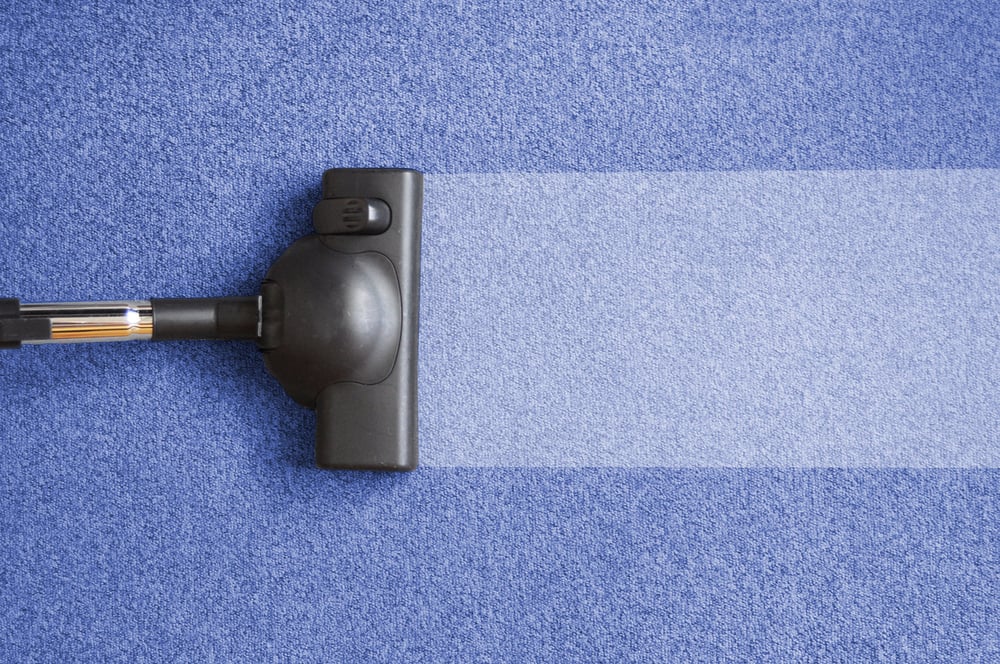
The instruction was always to do it in straight lines. The reason for the lines was never clearly explained — it was just understood that diagonal vacuuming was wrong, and that the carpet should show parallel tracks when you were done. Getting the lines straight required a kind of concentration that was unexpectedly absorbing. The finished carpet, viewed from the doorway, had the satisfaction of a pattern correctly completed.
Cleaning the Windows with Newspaper
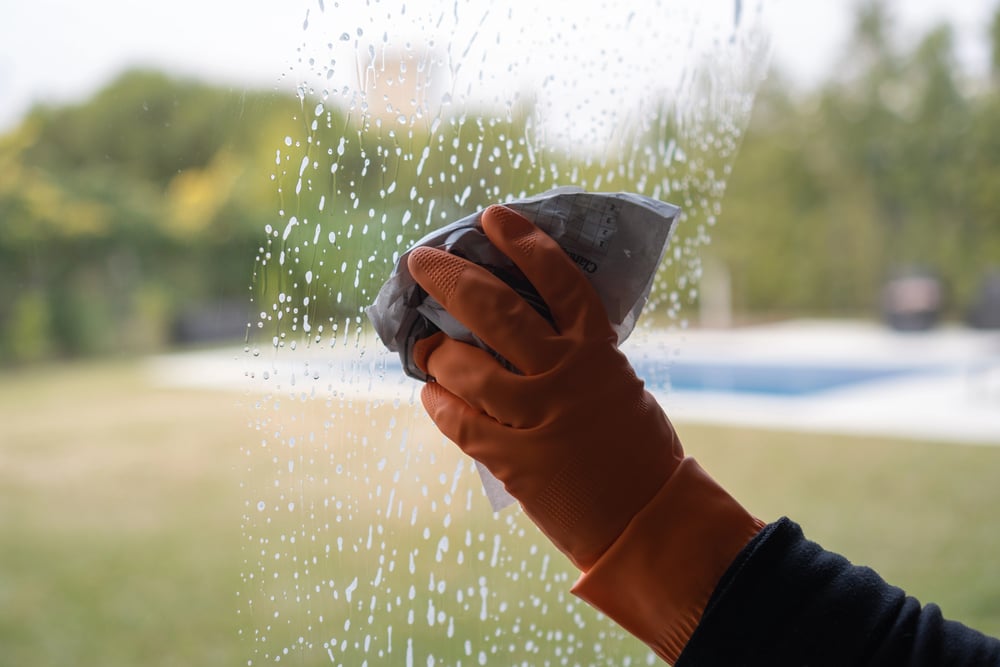
This was your grandparent’s method, handed down before specialist sprays had fully taken over. You sprayed the glass, wiped it with crumpled newspaper, and buffed it until there were no streaks. The newspaper left ink on your hands. The windows did come out streak-free, which was the kind of outcome that made the incongruity of the method feel justified.
Pulling Weeds in the Garden
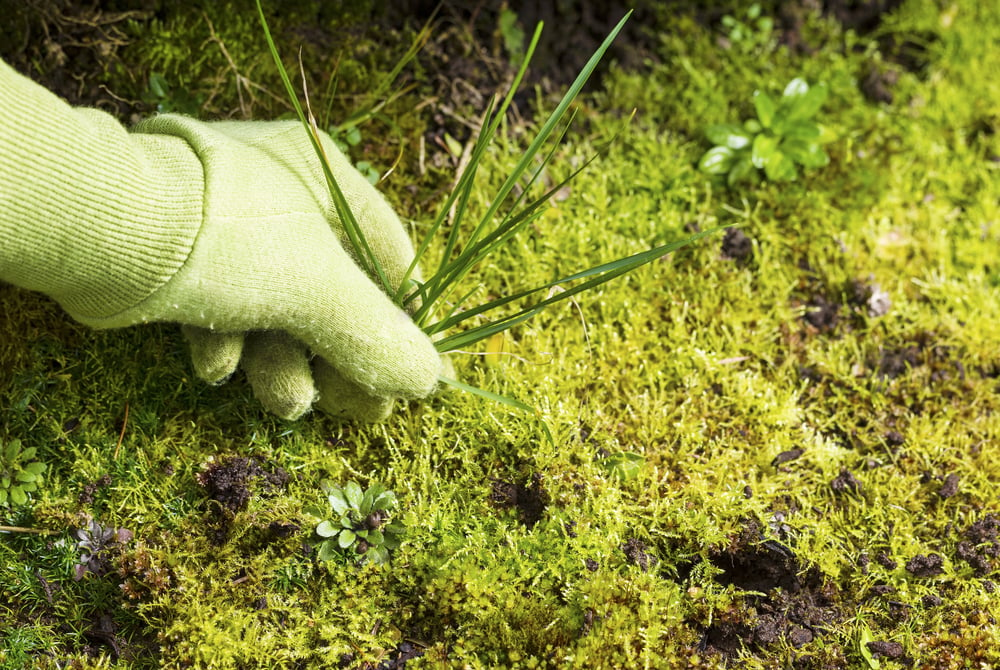
You were given a specific section of the garden. The weeds were to be pulled up by the root — not broken off at the stem, by the root — and placed in the wheelbarrow. The first few pulls had a satisfying completeness to them. By the fortieth, the distinction between root and stem felt considerably less important. You developed your own system for deciding which was which, and it was not your parent’s system.
Polishing the Silver
The silver polishing cloth was brownish-black from previous use. You applied the paste, worked it into the curves and engravings, watched the tarnish come off onto the cloth, then buffed until the surface returned to its proper shine. The smell of silver polish is one of the more distinctive chemical odours in the memory of anyone who grew up in a household that owned silver and used it.
Taking the Bins Out
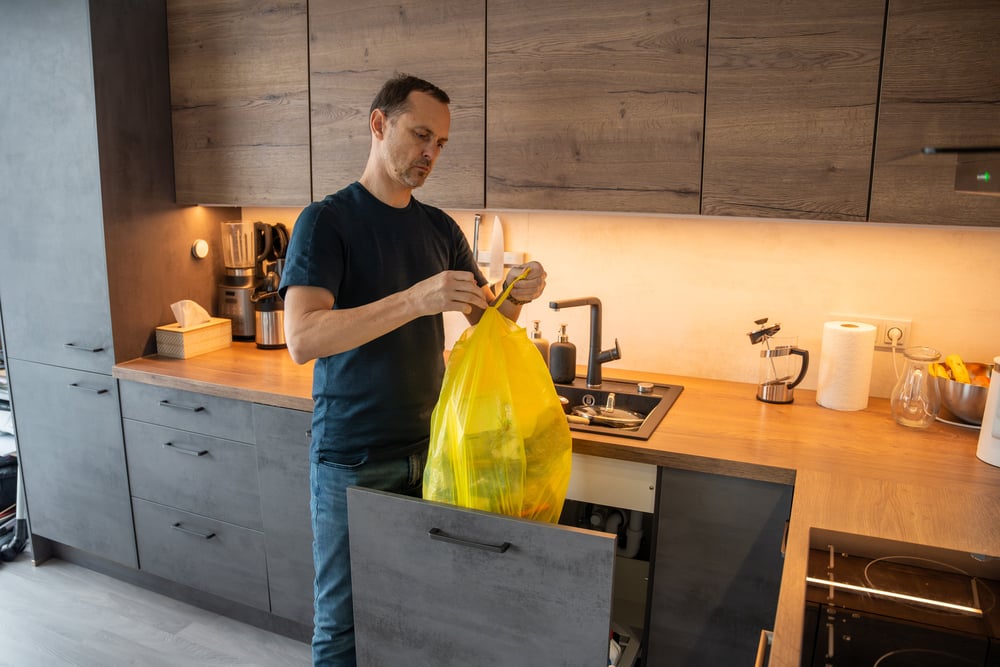
The bin day was a fixed responsibility. The bin was heavy when full and the lid didn’t always fit right and the wheels caught on the paved step at the bottom of the garden. You developed a specific approach to the step. The return journey — wheeling the empty bin back up the driveway after collection — had none of the urgency of the outward trip and was usually completed at a pace that suggested the task was technically finished.
Mowing the Lawn
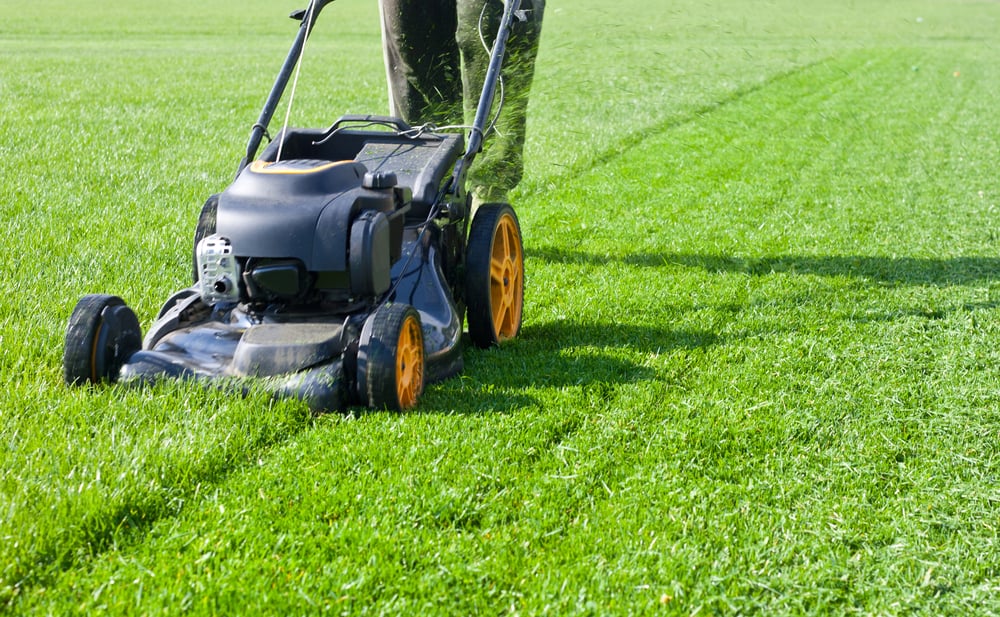
The lawnmower had a pull-start that required a technique. Too slow and it didn’t catch. Too fast and it caught too hard and your arm knew about it. Once it was running, the mowing itself had a rhythm — the turn at the end of each stripe, the calculation of overlap needed to avoid leaving a thin unmowed strip, the satisfaction of watching the grass come down to a uniform height. Few chores had a result as immediately visible as a mowed lawn.
Washing the Car

The bucket, the sponge, the specific yellow chamois for drying. The car was washed in a sequence that was explained once and then corrected every subsequent time. You missed the door sills. You didn’t rinse the soap properly from the roof. The chamois left streaks if you used it wrong. And yet the finished car, clean and slightly gleaming in the Saturday light, had the quality of something completed properly.
Dusting the Shelves and Ornaments

Every shelf had objects on it that needed to be lifted, dusted under, and replaced exactly as they had been. Some of the objects were fragile enough that they required two hands and concentration. You developed a ranking of which ornaments were most likely to survive a drop and moved those first. The ones that couldn’t survive a drop required a particular kind of attention that bordered on genuine respect for something you otherwise had no opinion about.
Mopping the Kitchen Floor
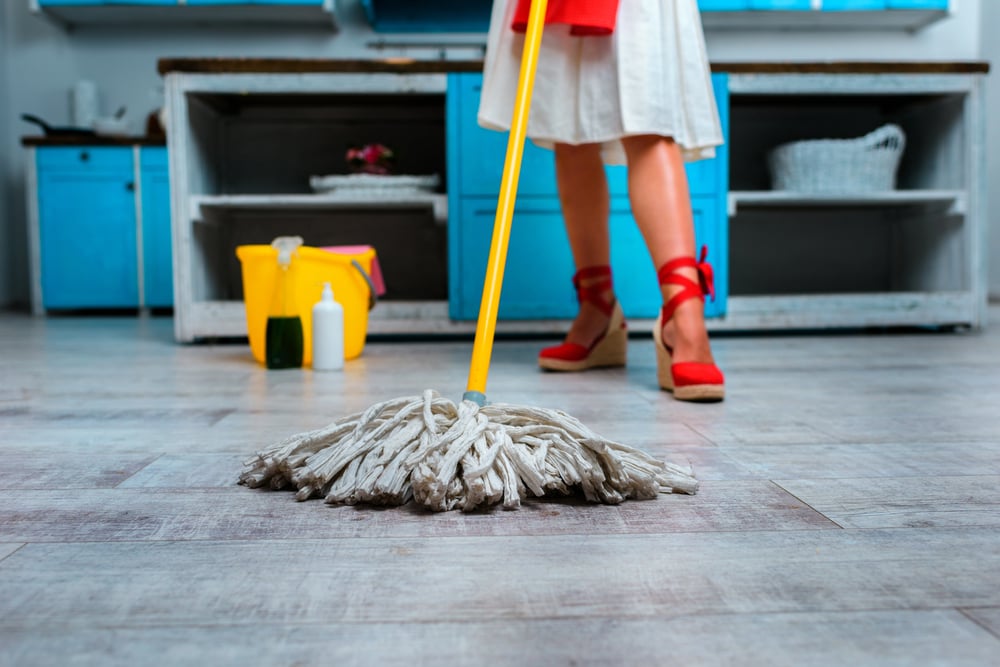
The mop was too big. It had been bought for an adult’s height and didn’t scale down for a child effectively, which meant the technique involved more pushing and less controlled wiping than the task theoretically required. The floor had to dry before anyone walked on it. The window in time between mop-down and someone crossing the clean floor was always shorter than it should have been, which required someone to stand guard at the kitchen door and tell the rest of the household to wait.
Raking Leaves
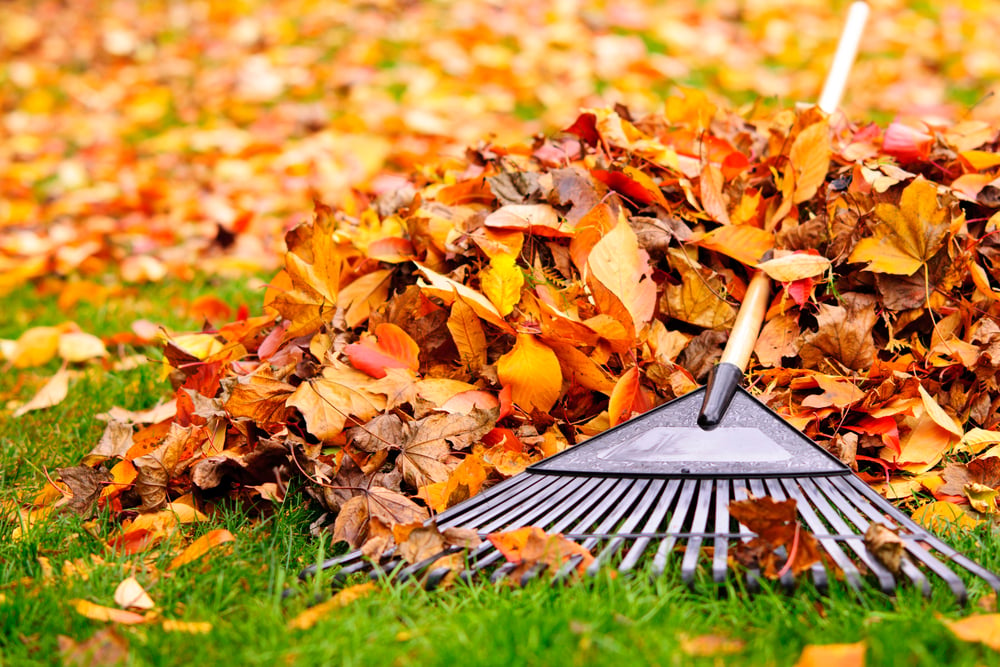
Autumn Saturday mornings produced a specific task: the gathering of leaves from a lawn that had, since last week’s raking, generated what felt like an identical covering. The leaves went into bags. The rake had tines that missed the small ones in the corners of the lawn no matter what angle you approached from. The bags were heavy when full. The satisfaction of a clear lawn lasted until the following weekend.
Cleaning the Bathroom
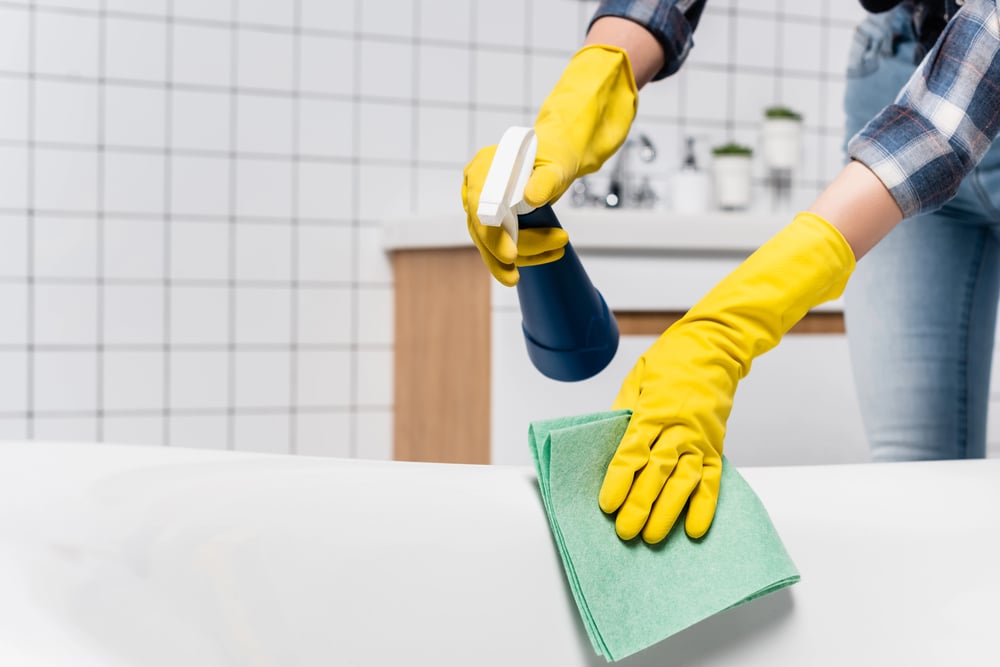
The sequence mattered: sink first, then the bath, then the toilet, then the floor. The order prevented you from putting your freshly cleaned hands in something you didn’t want. The grout between the tiles was always a problem that the available tools couldn’t entirely solve, which you noted and then decided was not your responsibility. The mirror needed to be done separately with a different cloth.
Hanging the Washing Out

The pegs were in a bag that hung from the line. You pulled the first item from the basket and worked out how to hang it so it would dry — what got two pegs, what got one, how to handle sheets without letting them drag on the ground, how to space things so everything had air. There was more decision-making in this task than it appeared from the outside.
Bringing the Washing In
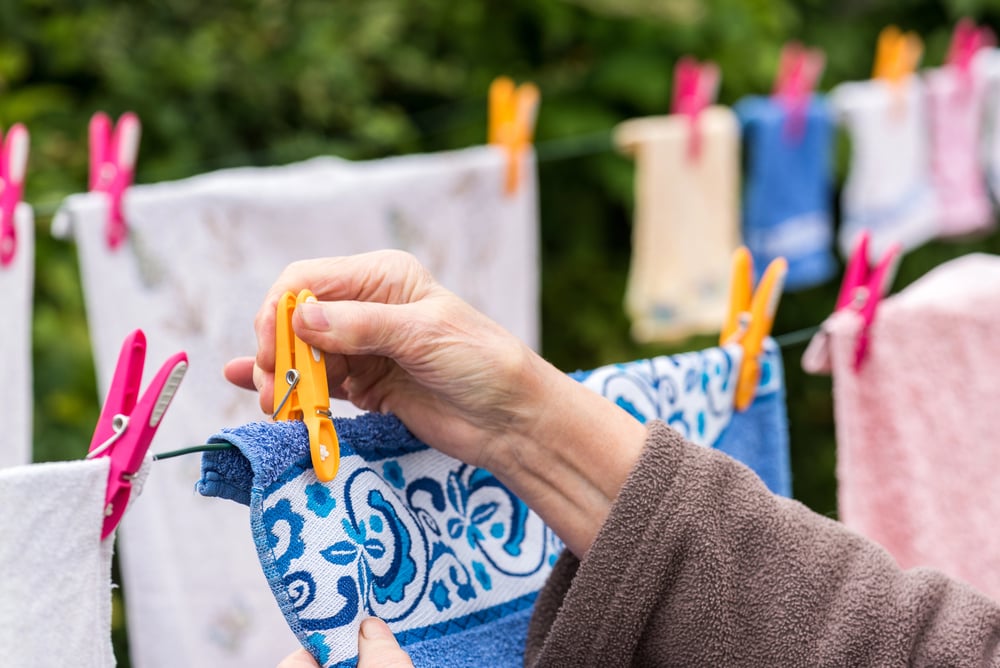
This was the reverse operation, but it had the added complication of checking whether things were actually dry or merely no longer wet. A shirt slightly damp in the collar was technically not done. You developed your own test — a quick squeeze at the thickest part — that your parent considered insufficiently thorough and that you considered more than adequate.
Ironing the Pillowcases
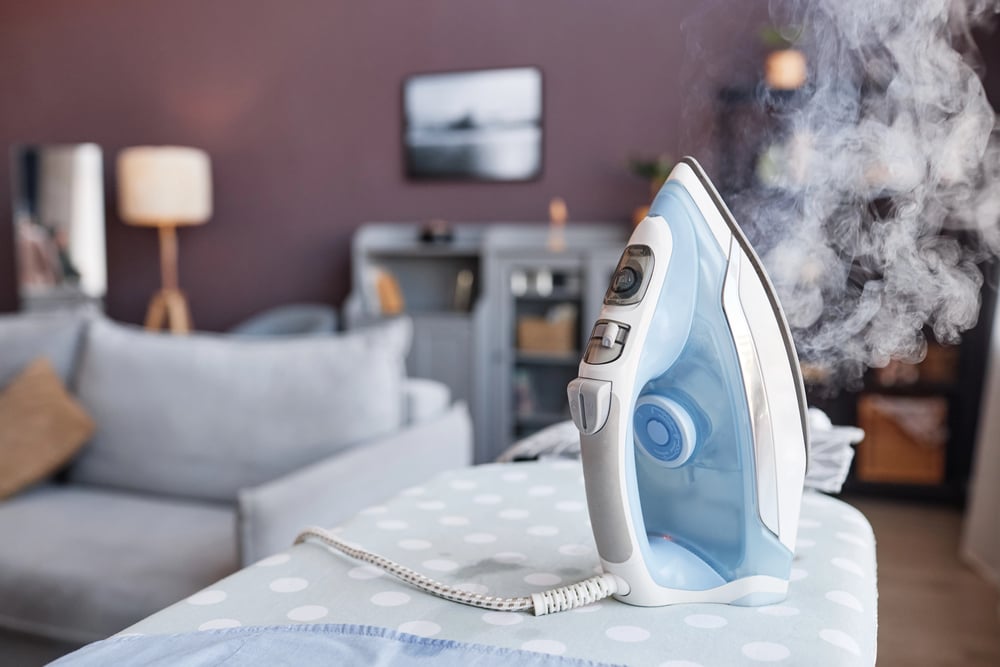
The grown-up ironing was not your job. The pillowcases were considered a manageable entry-level ironing task. You set the iron to the temperature on the label and moved it across the fabric in overlapping strokes, turning the pillowcase and doing the other side. The iron was heavy and it hissed when you pressed the steam button, which you pressed more than necessary because it was satisfying.
Emptying and Reloading the Dishwasher
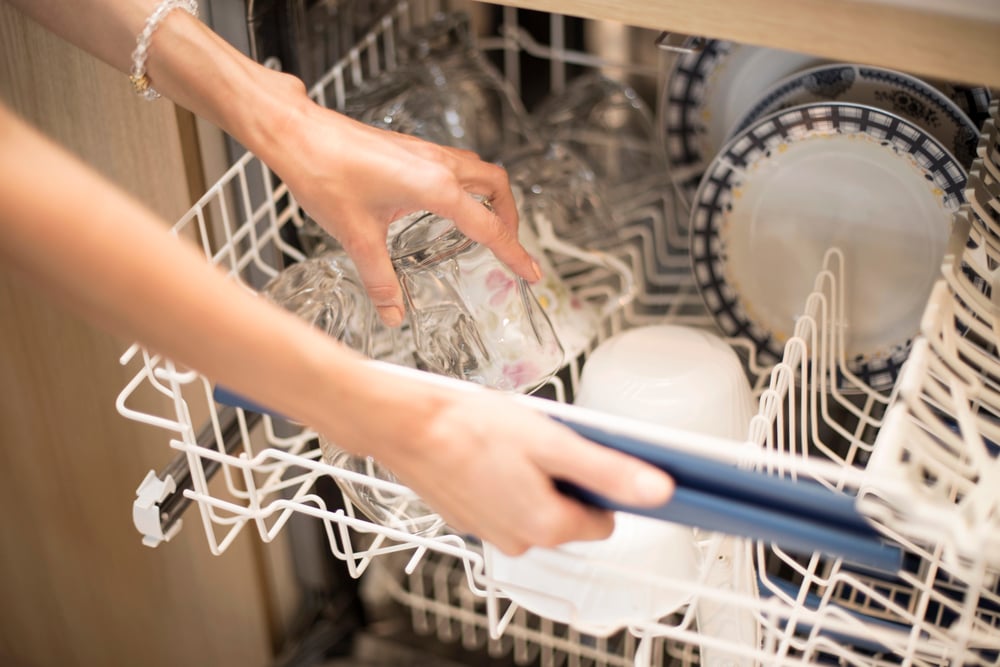
The emptying was easier than the loading because you could just put things away and the logic was simple. The loading required decisions about where plates went — top or bottom rack, angle of bowls, which things were dishwasher-safe and which weren’t. You learned by being corrected. The eventual muscle memory of loading a dishwasher correctly is one of the more transferable skills from this era.
Cleaning Under the Couch
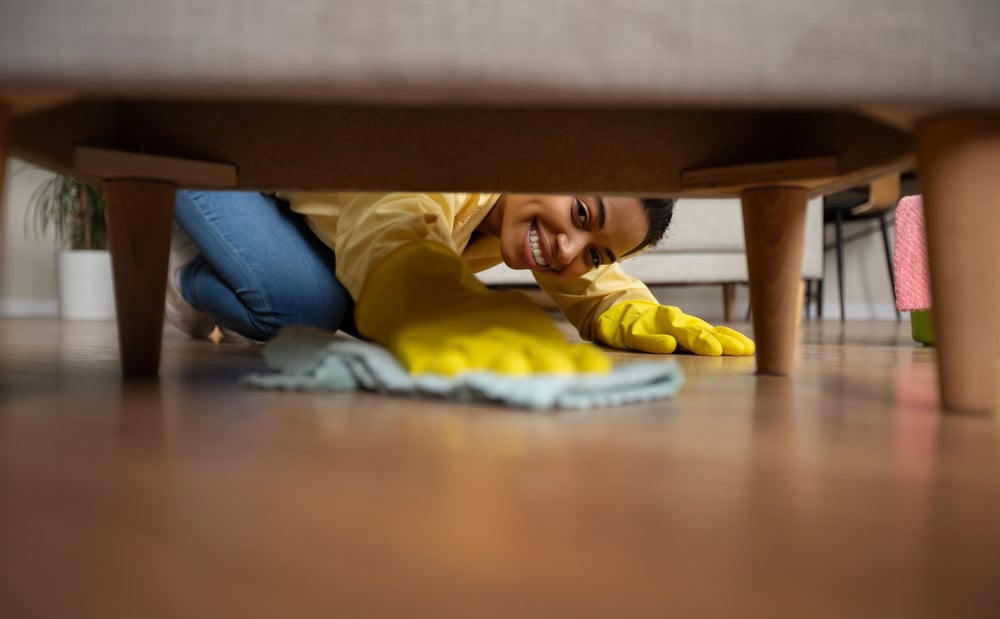
The vacuum cleaner had an attachment. You removed the couch cushions and found, underneath, an archaeological layer: coins, remote controls, toys, food items of uncertain age. The standard instruction was to vacuum under the couch and replace the cushions neatly. The archaeological element was not part of the official task description but was consistently the most interesting part.
Wiping Down the Kitchen Benches
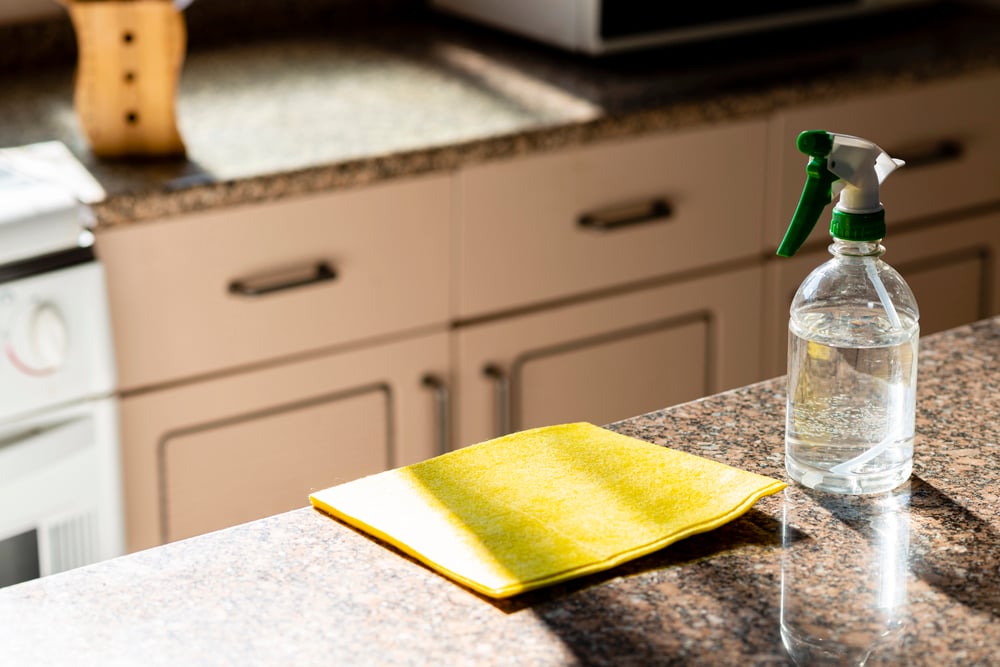
The cloth was different from the one used for other surfaces. The technique was a circular motion, starting from the back of the bench and working toward the front, pushing crumbs toward you rather than scattering them. The area behind the toaster was technically part of the bench but was acknowledged by all parties to be aspirational in terms of access.
Sweeping the Front Path

The front path accumulated leaves, grit, and whatever the wind brought in from the street. You swept from the top of the path toward the pavement, creating a small pile at the bottom that then needed to be collected and disposed of. Sweeping grit into the grass was not considered an appropriate solution. You found the pan eventually.
Cleaning Your Own Room
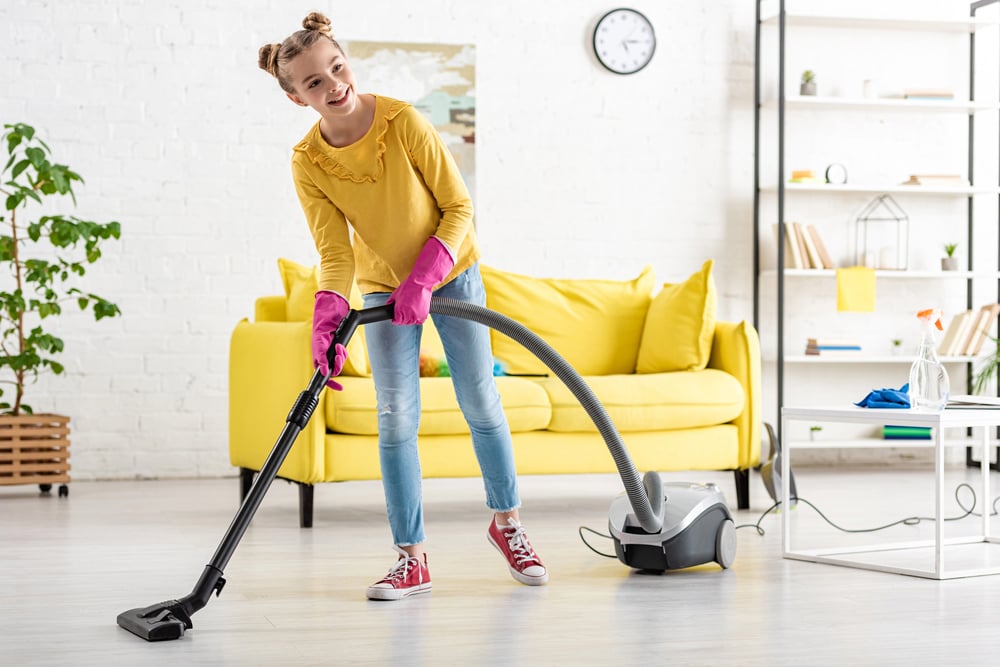
The baseline requirement was: floor clear, clothes away, bed made. Beyond that, your room was your project. The gap between the baseline requirement and your natural tendency was the subject of recurring negotiation. A room that met the minimum standard looked, from the doorway, satisfactory. What was under the bed was not part of the formal inspection.
Making the Beds
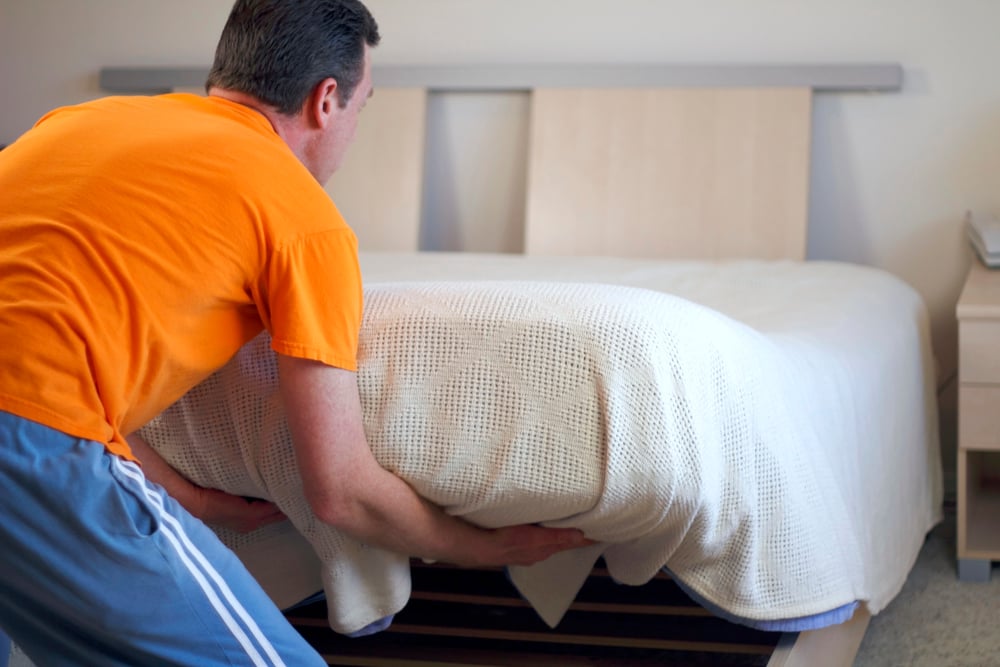
Fitted sheets had a correct orientation and two incorrect ones, and the incorrect ones only revealed themselves after you’d pulled the sheet across the entire mattress. You learned the orientation from repeated experience. Hospital corners on the top sheet were shown to you once, explained twice, and eventually done adequately after a period of practice that lasted about a year.
Stacking the Firewood

The wood came off the delivery truck in a pile in the driveway. It went into the woodpile beside the house in a stack that was stable enough to last until the next delivery. The stacking was a problem with a physical logic to it — the right combination of sizes, the correct alternation of direction at the ends to keep the stack from toppling. There was a moment when a new section of the stack locked into place and became solid, and that moment was specific and good.
Washing Up by Hand
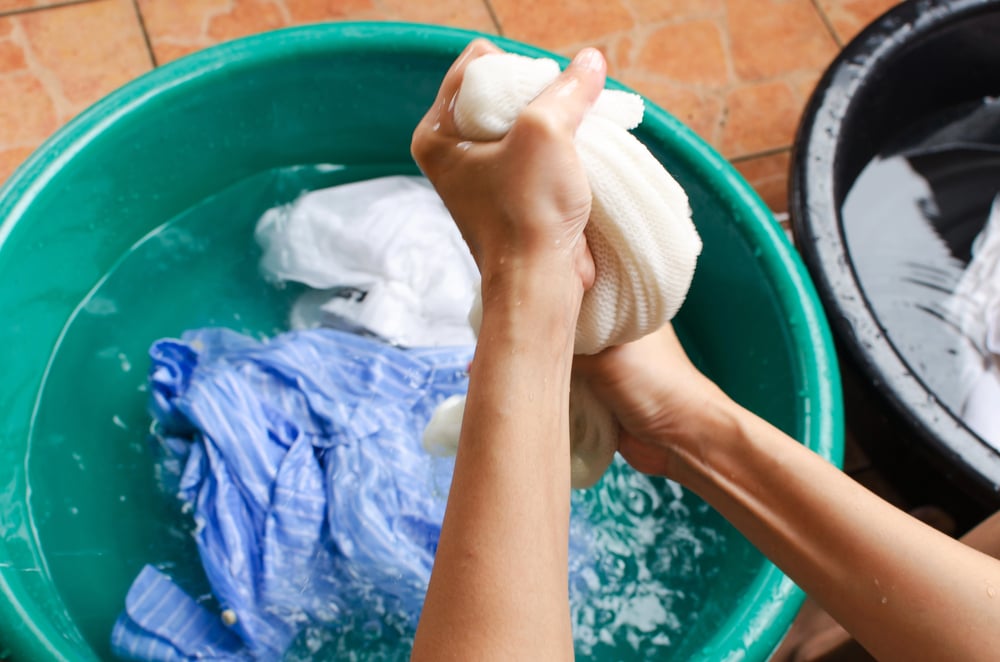
Before or after the dishwasher era, depending on the household, there was the sink. The order was fixed: glasses first, then plates, then pots. The water was too hot at the start and too cold and greasy by the end. Drying was usually done by a second person, which made it a two-child operation with its own division of labour and its own associated disagreements.
Cleaning Out the Fridge
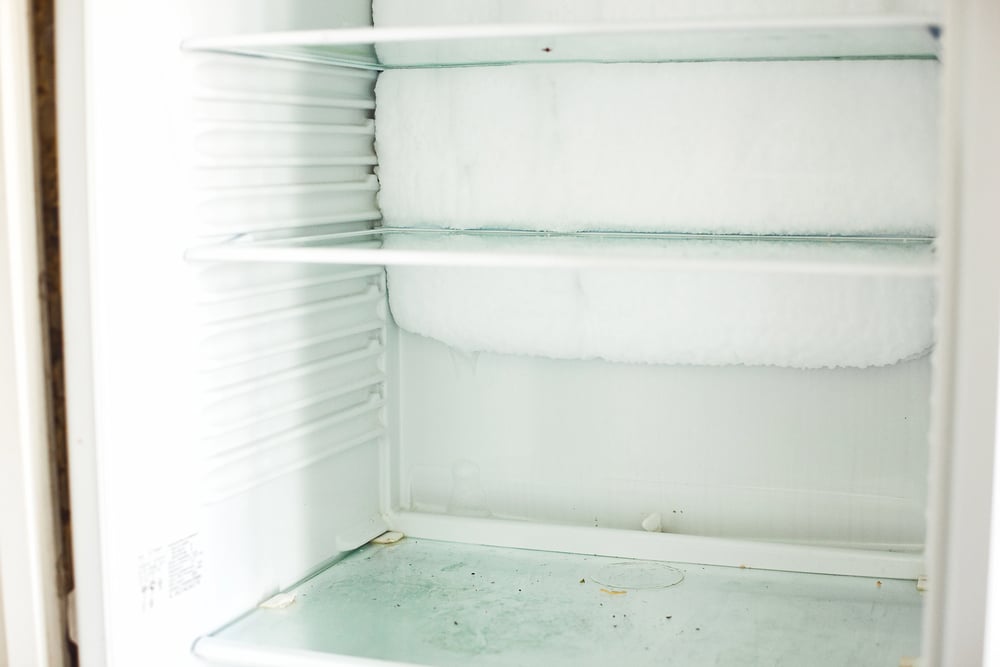
The fridge cleanout happened less regularly than the other chores and more dramatically when it did happen. Everything came out onto the counter. Shelves were removed and washed. Items of uncertain expiry were assessed, debated, and disposed of or returned according to a set of standards that children considered more lenient than parents did. The empty fridge, before anything went back in, had a brief pristine quality that lasted approximately four minutes.
Setting the Table Before Every Meal

This was not a Saturday-only chore, but it was Saturday’s version that stands out because it was the meal with the most expected formality. Fork on the left, knife on the right, spoon above the plate. The glasses required checking for spots. The placement of condiments was a matter of family convention. You did it with the automatic ease of a task so repeated it had become physical memory.
Sorting the Recycling
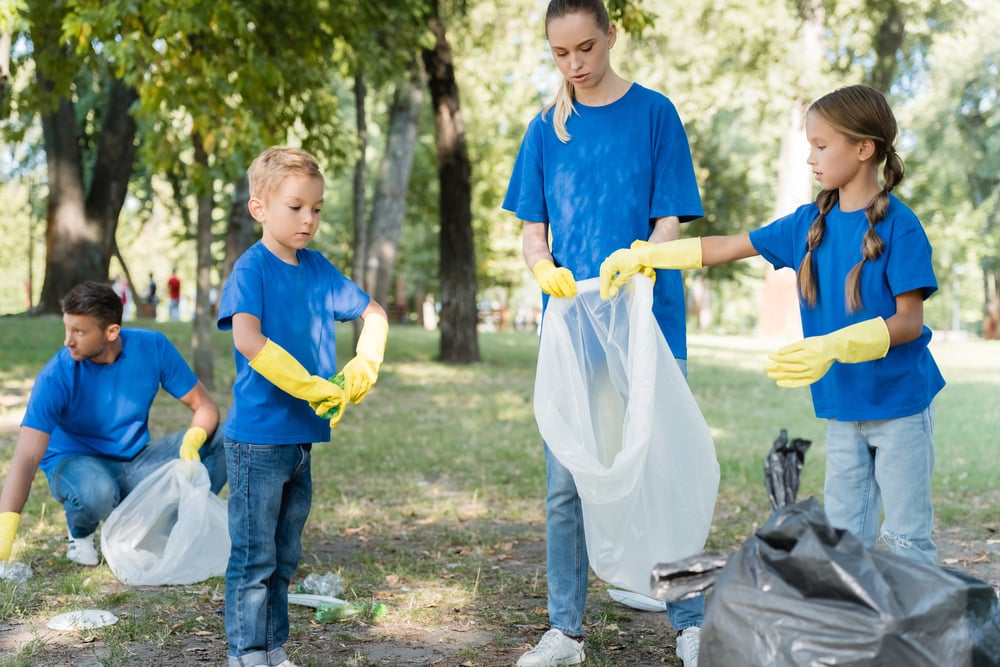
The recycling required decisions — glass here, paper there, cardboard flattened before it went in. There were items whose categorisation was not obvious and which required a parent consultation that never produced a satisfying answer. You developed your own system and applied it consistently, which is more than many adults have done with the recycling since.
Polishing Shoes
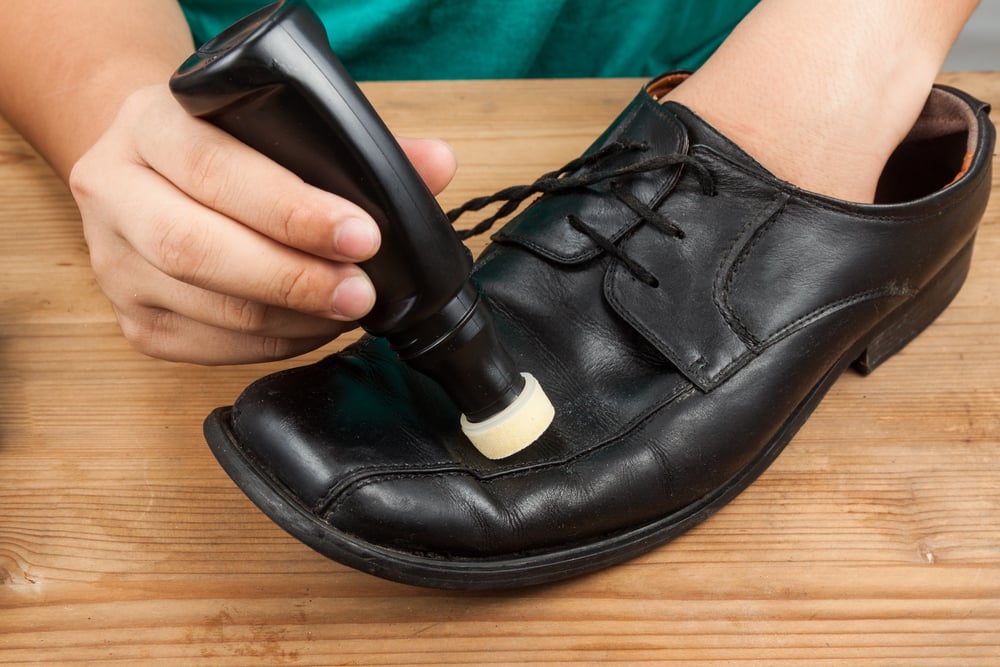
The shoe polishing kit lived in a specific cupboard. The brushes were divided by purpose — one to apply, one to buff. The colour of the polish had to match the shoe or approximate it acceptably. You applied the polish, worked it into the leather, then buffed with the second brush until the surface had a shine. Shoes came out of this process looking notably better than they went in. That specific cause-and-effect ratio was satisfying in a way that most chores couldn’t match.
Cleaning the Oven
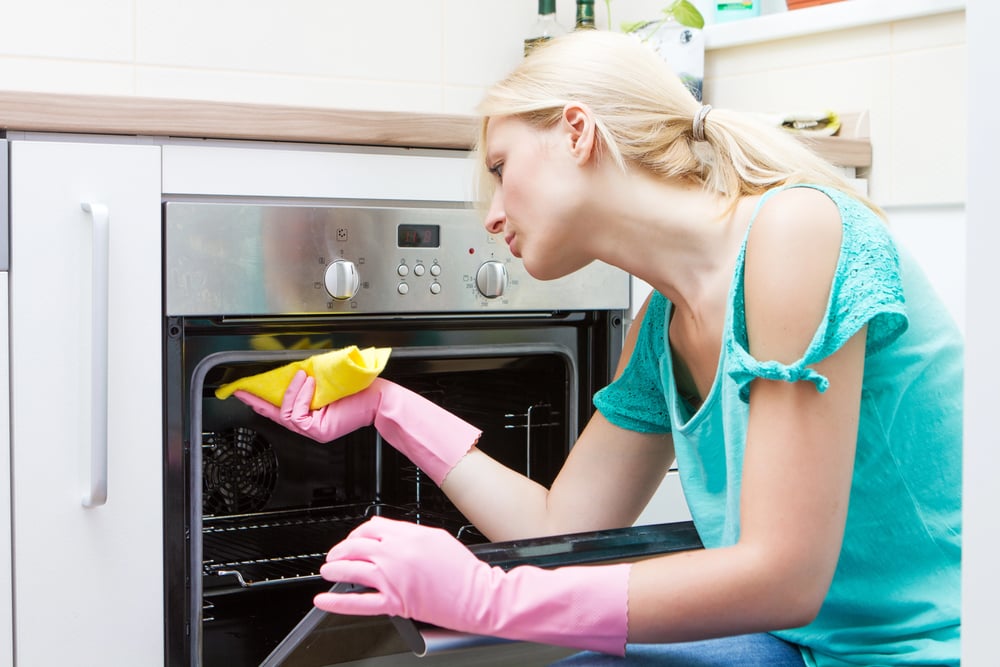
The oven was not a child’s Saturday chore. But you were sometimes present when it was being done — the smell of the cleaning product, the yellowish-orange grease coming off the oven walls onto the cloth, your parent kneeling on the kitchen floor reaching into the back corners. The smell is distinctive enough that encountering it in adult life can place you directly back in a Saturday morning kitchen, thirty years ago, watching someone else work.
When the Chores Were Done
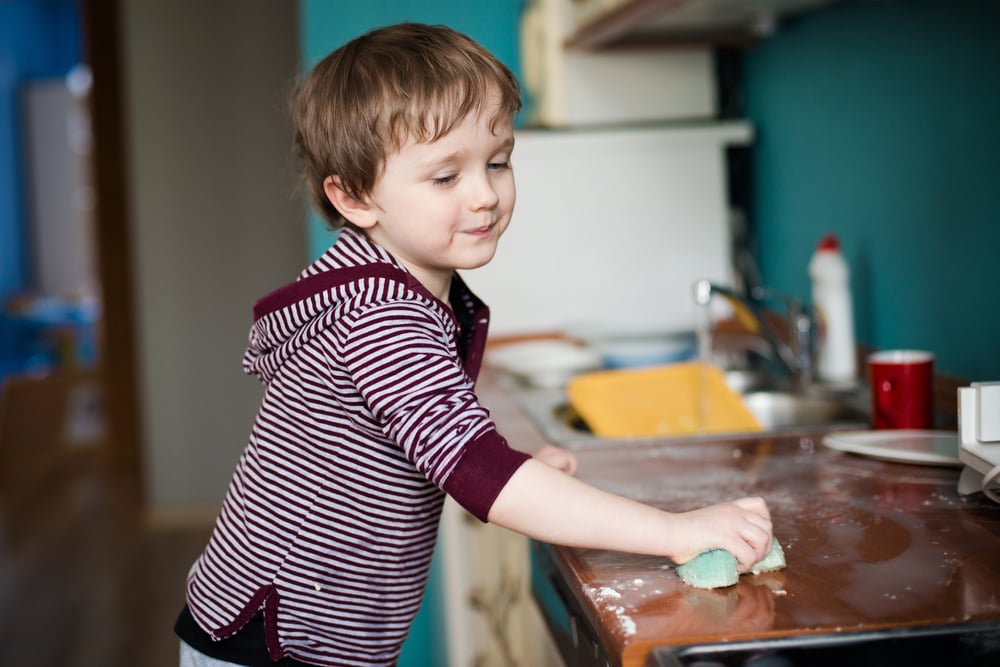
There was an end time. When the list was finished, the morning was yours. The transition from working to free was cleaner in childhood than it ever is in adult life, where weekends are porous and responsibilities don’t observe the boundary between task and rest. A Saturday that required two hours of chores before it opened into freedom was a Saturday with a genuine shape. The freedom felt earned.
That’s the detail that most people miss about Saturday chores in retrospect. The work wasn’t the point. The thing it led to was the point — the household smelling slightly different, the lawn cut, the shoes done, the afternoon beginning properly on the other side of something you’d finished. The chores were the cost of admission. The Saturday afternoon was what you’d paid for.
More from Go2Tutors!

- The Romanov Crown Jewels and Their Tragic Fate
- 13 Historical Mysteries That Science Still Can’t Solve
- Famous Hoaxes That Fooled the World for Years
- 15 Child Stars with Tragic Adult Lives
- 16 Famous Jewelry Pieces in History
Like Go2Tutors’s content? Follow us on MSN.