29 Myths About Space That Most People Still Believe Despite Being Disproved Years Ago
Space is one of those subjects where the gap between popular understanding and scientific reality is genuinely vast. Movies, textbooks, and decades of casual conversation have built up a version of the universe that is dramatic, tidy, and largely wrong.
The corrections, when you encounter them, are rarely less interesting than the myths they replace — often they’re stranger. What follows is not a list of obscure technicalities.
These are ideas that most educated people believe with confidence, and that astronomers, physicists, and astronauts have been gently correcting for years without much apparent effect.
Space Is Completely Silent
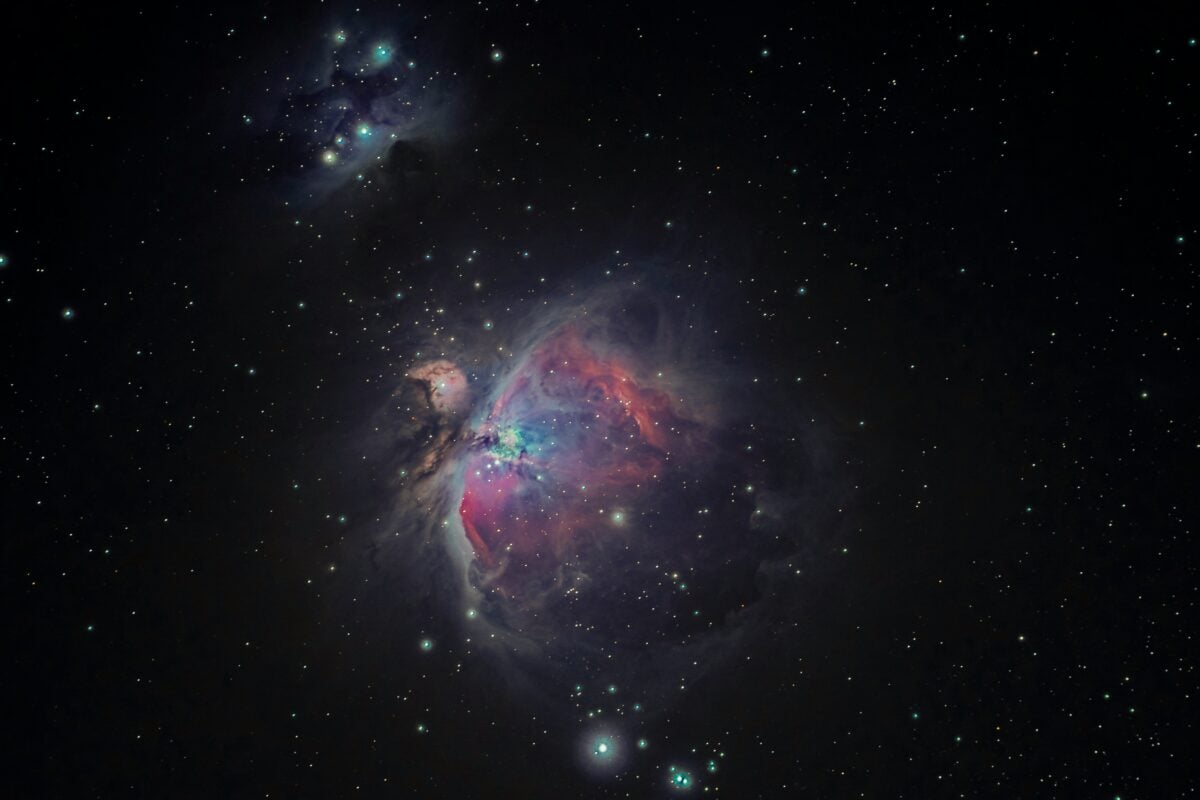
The idea that space is a perfect silence — pure, eerie, complete — is a poetic one, and it’s partly true. Sound as we experience it requires molecules to travel through, and the vacuum of space provides very few.
But in regions filled with gas and plasma, such as nebulae or near the great abyss, pressure waves do propagate. NASA has recorded these vibrations by translating electromagnetic waves into audio, and the results are unsettling — deep, groaning pulses that bear no resemblance to the clean, dramatic silence of science fiction.
The Sun Is Yellow
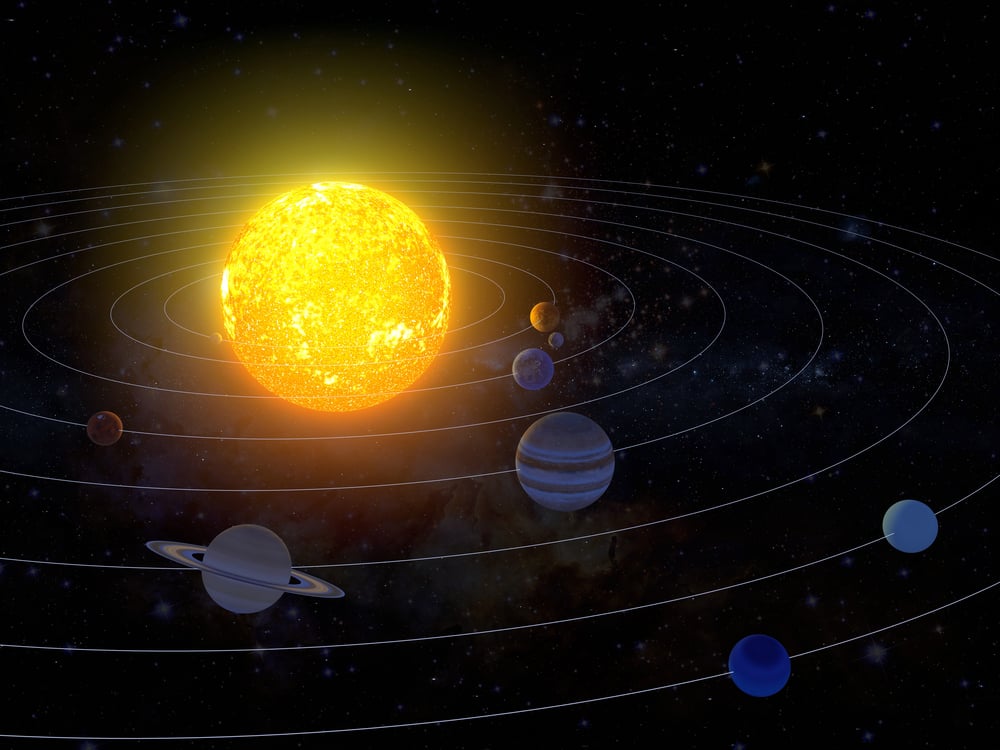
Every child draws the sun in yellow crayon, and every child is, strictly speaking, drawing it wrong. The Sun is white.
It appears yellow, orange, or red because its light passes through Earth’s atmosphere, which scatters shorter wavelengths and shifts the apparent colour. Photographs taken from orbit or from space missions show a white star.
The classification of the Sun as a “yellow dwarf” refers to its spectral type as observed from Earth, not its actual colour.
There Is No Gravity in Space

Astronauts float not because there is no gravity in space, but because they are in a continuous state of freefall around Earth. Gravity extends infinitely — it weakens with distance, but it never disappears.
The International Space Station is well within Earth’s gravitational field. The floating is the result of both the station and everything in it falling toward Earth at exactly the same rate, creating the sensation of weightlessness without any actual absence of gravity.
The Great Wall of China Is Visible From Space

This one has appeared in school textbooks in multiple countries and has been repeated so often it has the texture of established fact. It is not true. The Great Wall is extremely long, but it is rarely more than nine metres wide — far too narrow to distinguish from low Earth orbit without optical aids.
Multiple astronauts, including Chinese astronaut Yang Liwei after China’s first crewed spaceflight in 2003, have confirmed they could not see it. Brightly lit cities at night are far more visible than any terrestrial wall.
The Great Abyss Is a Cosmic Vacuum Cleaner
Popular imagery depicts the great abyss as voracious, sucking everything nearby into oblivion. They don’t work that way. The great abyss exerts gravitational pull like any other object of the same mass — it’s just that the mass is compressed into an extraordinarily small volume.
If the Sun were somehow replaced by the great abyss of equal mass, Earth’s orbit would remain exactly as it is. You have to cross the event horizon for the great abyss’ gravity to become inescapable, and from a distance, they’re simply massive objects.
Planets Orbit in Perfect Circles
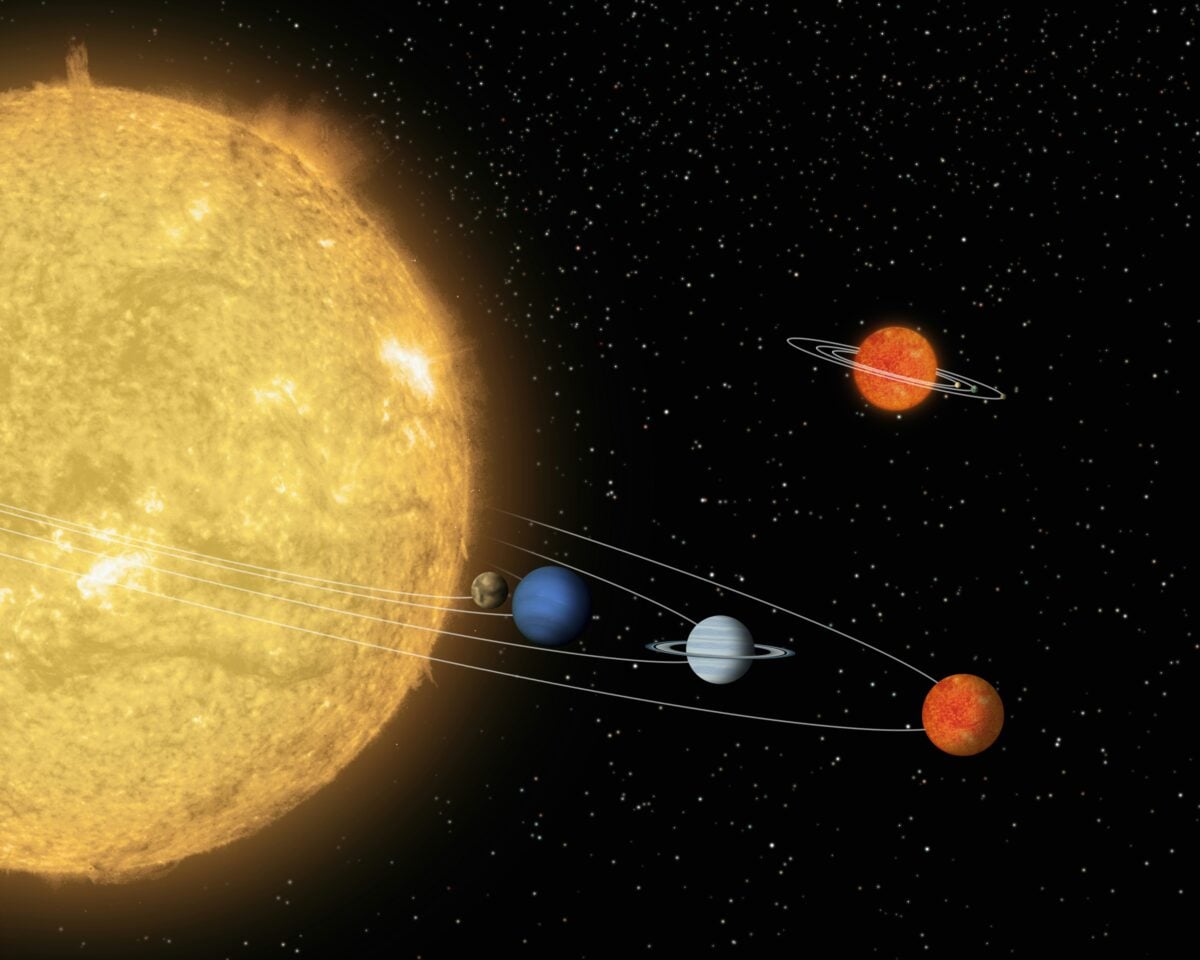
This was the model that dominated astronomy for centuries, and it is wrong. Planetary orbits are elliptical — elongated ovals — as Johannes Kepler demonstrated in the early 1600s and as every subsequent observation has confirmed.
Earth’s orbit, for example, brings it about 5 million kilometres closer to the Sun in January than in July. The near-circularity of some orbits is a coincidence of physics, not a rule.
The Dark Side of the Moon Is Permanently Dark
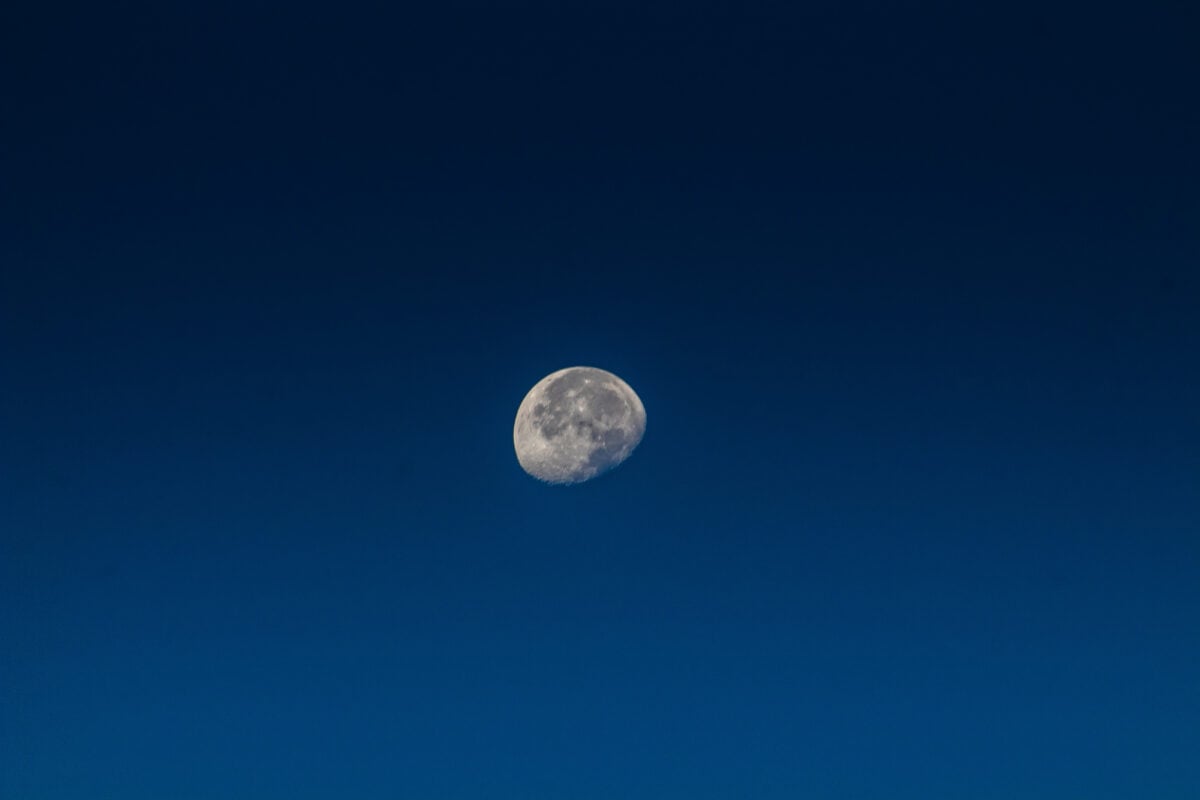
The far side of the Moon — the hemisphere that never faces Earth — experiences a day-night cycle of approximately 29.5 Earth days, identical to the side we see. It receives as much sunlight as the near side over the course of a month. “Dark” in this context refers to hidden or unknown, not unlit.
China’s Chang’e 4 mission, which landed on the far side in January 2019, operated in daylight during its surface activities.
Asteroids in the Asteroid Belt Are Closely Packed
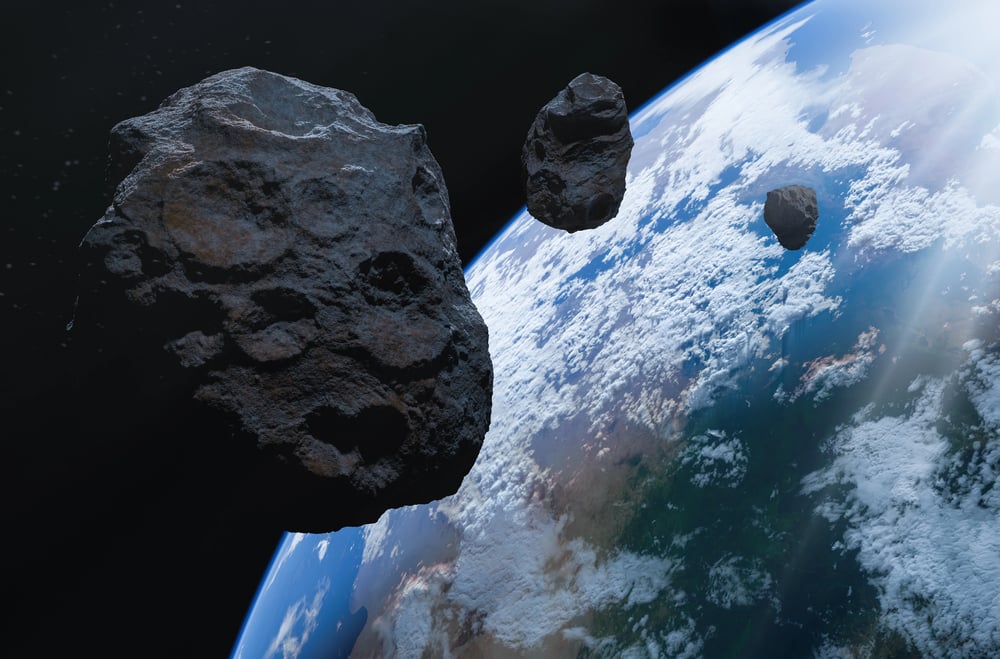
Science fiction films have made the asteroid belt look like a dense obstacle course. The reality is that the average distance between asteroids in the belt is close to one million kilometres — greater than the distance from Earth to the Moon.
Spacecraft sent to the outer solar system routinely pass through the belt without incident and without taking evasive action. The risk of collision is, by any practical measure, negligible.
You Would Instantly Freeze in Space
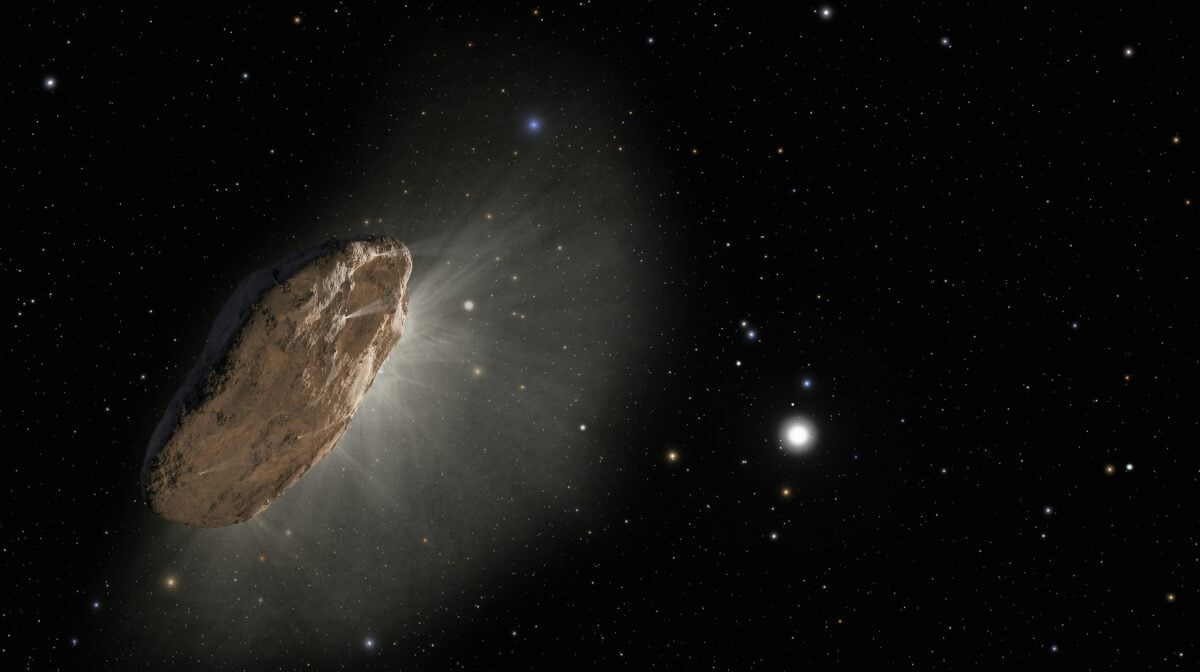
Exposed to deep space, a human being would not immediately freeze. Heat leaves the body in three ways: conduction (through contact with other matter), convection (through fluid movement), and radiation.
Space is a near-perfect vacuum, which eliminates the first two. Radiation is comparatively slow. You would actually retain body heat for a surprisingly long period before the cold became a primary concern.
The more immediate threats are lack of oxygen and decompression, which would kill you in minutes.
There Is No Water in Space
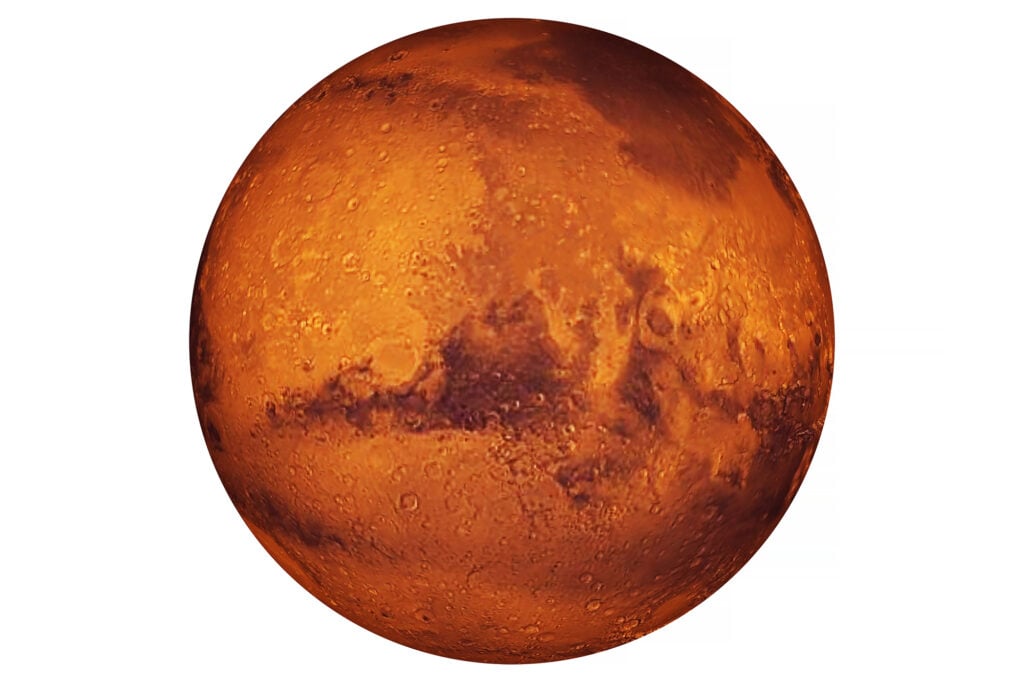
Water is surprisingly abundant in the universe. It has been detected in the form of ice on the Moon, on Mars, in the rings of Saturn, on comets, and in enormous molecular clouds drifting through the galaxy.
One such cloud — a vapour cloud associated with a quasar about 12 billion light-years from Earth — contains approximately 140 trillion times the water in Earth’s oceans. The challenge is not finding water in space.
It is finding liquid water, which requires very specific pressure and temperature conditions.
The Moon Has No Gravity
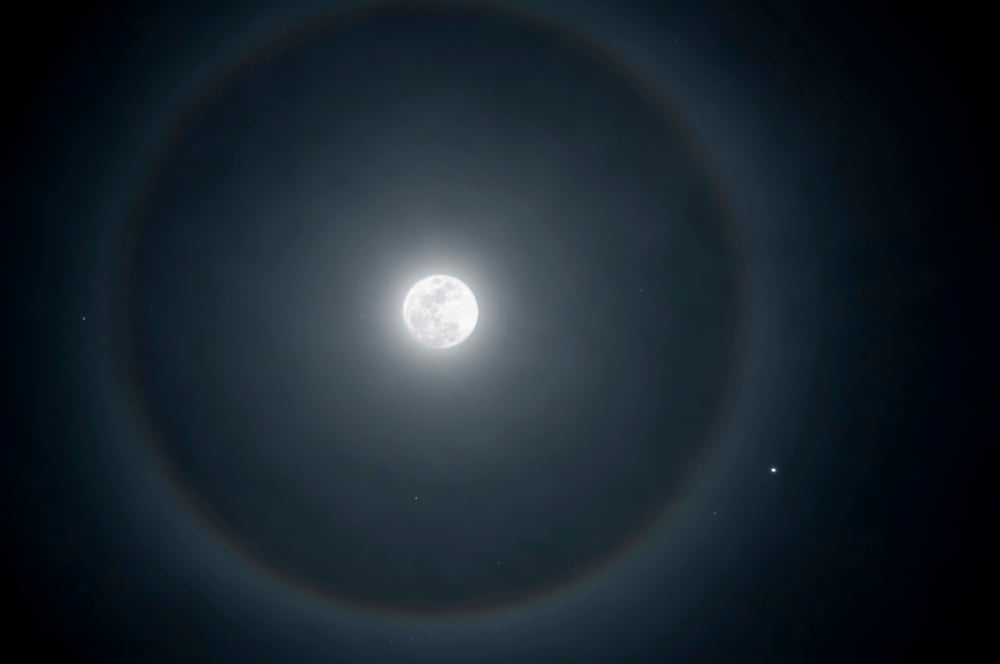
The Moon has approximately one-sixth of Earth’s gravitational pull at its surface. This is strong enough to walk on — albeit with longer strides and higher arcs — and strong enough to drive the tides on Earth.
The footage from Apollo missions, showing astronauts bounding across the surface in slow, high arcs, shows gravity in action. Weaker gravity, not absent gravity.
Shooting Stars Are Stars
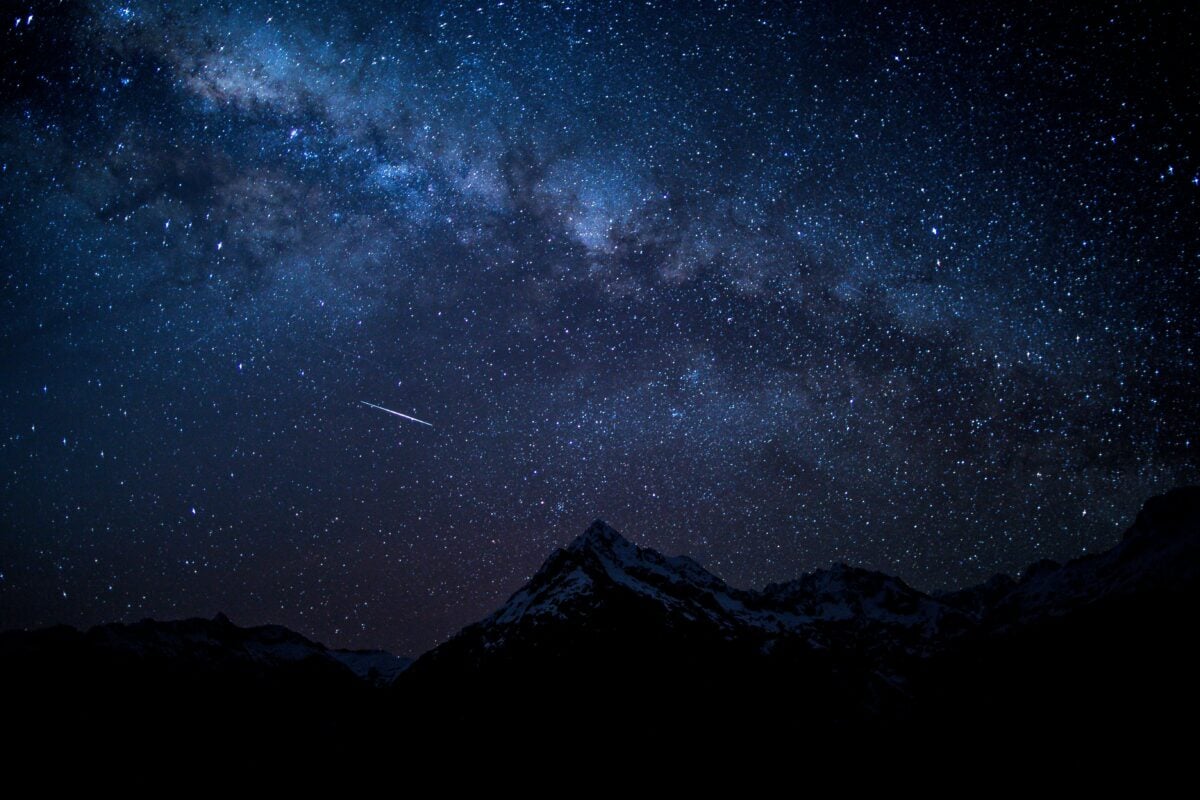
Shooting stars are not stars. They are meteors — fragments of rock, ice, or dust, usually shed by comets or asteroids, that enter Earth’s atmosphere and burn up from the heat of air resistance. Most are tiny, barely larger than a grain of sand.
The streak of light is the result of the debris heating and ionising the air around it, not the object itself burning. When a piece survives the journey and lands on the surface, it becomes a meteorite.
Comets Always Have Tails
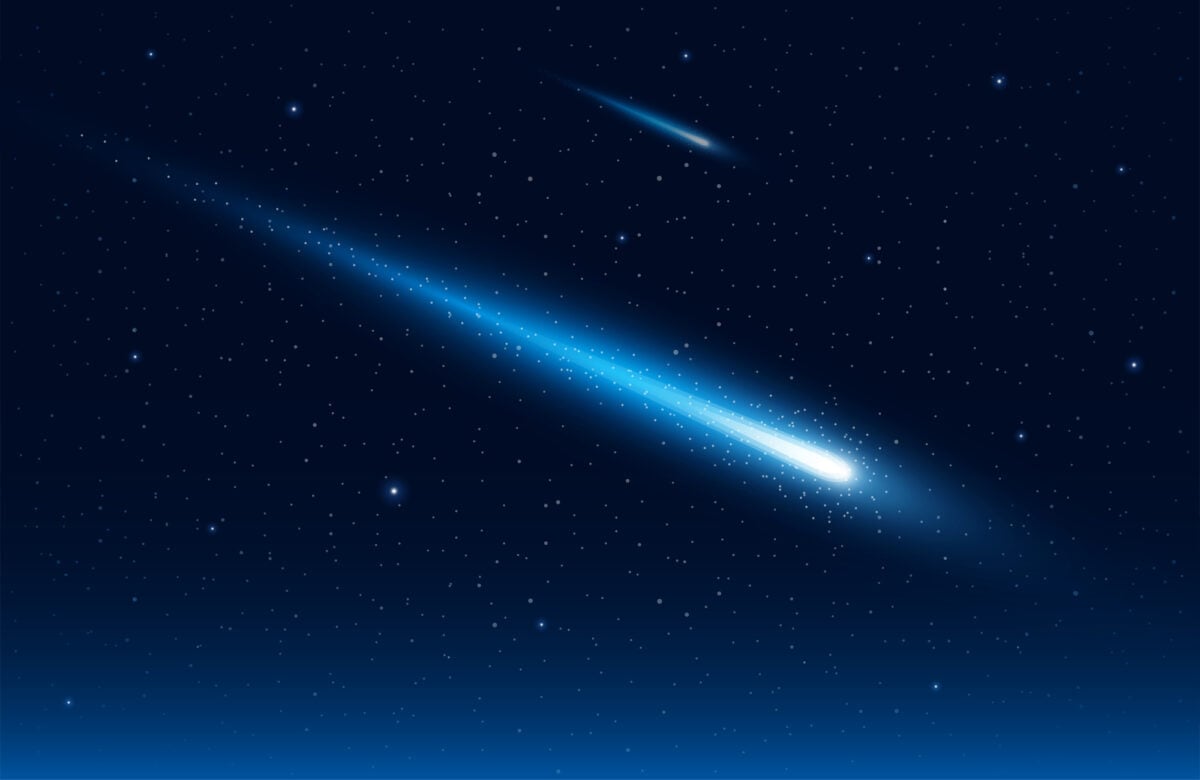
Comets only develop their iconic tails when they approach a star. In the outer regions of the solar system — where they spend the vast majority of their existence — they are frozen, dark, and essentially invisible.
As a comet approaches the Sun, the ice begins to vaporise and form a cloud called a coma. The solar wind then pushes this material outward into a tail, which always points away from the Sun regardless of the direction of the comet’s travel.
Far from the Sun, there is no tail.
The Moon Causes Tides Alone
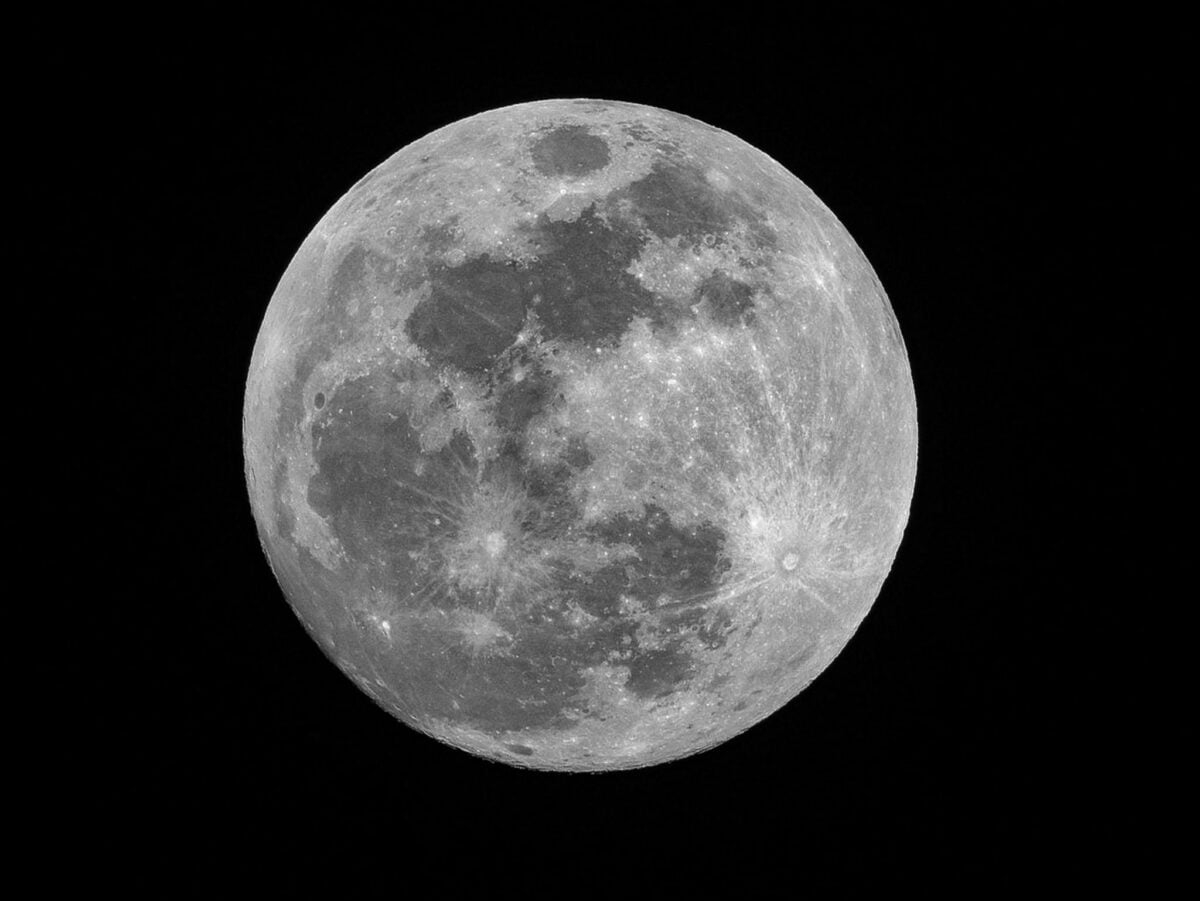
The Moon is the dominant driver of Earth’s tides, but the Sun also plays a significant role. When the Sun, Earth, and Moon align — during new and full moons — their gravitational forces combine to produce the highest tidal ranges, known as spring tides.
When the Sun and Moon are at right angles to each other, their effects partially cancel, producing the more moderate neap tides. Any tidal model that excludes the Sun is an incomplete one.
Mercury Has the Highest Temperature Because It’s Closest to the Sun
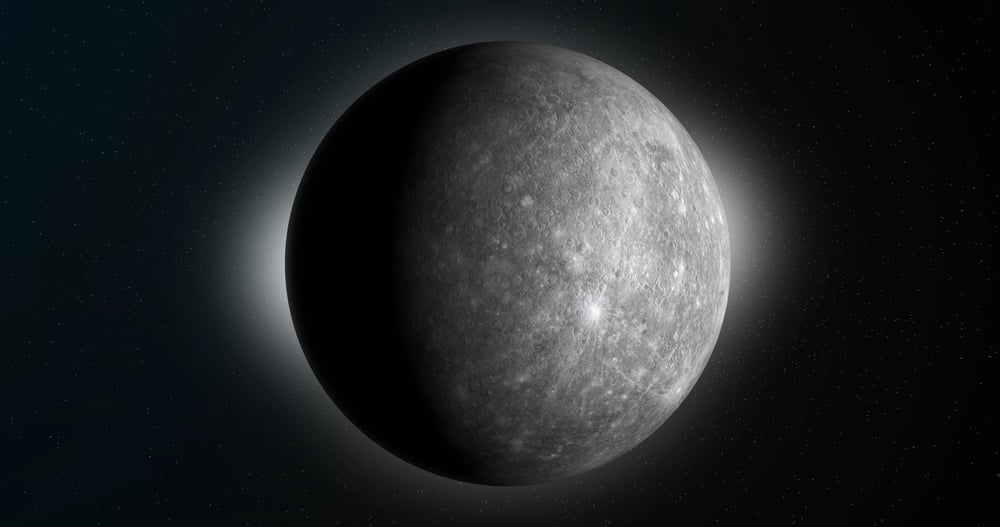
Venus is hotter than Mercury, despite being about twice as far from the Sun. The reason is Venus’s atmosphere — a thick, dense blanket of carbon dioxide with surface pressure ninety times that of Earth, which traps solar heat so effectively that surface temperatures reach around 465 degrees Celsius.
Mercury, lacking any substantial atmosphere, releases most of the heat it absorbs. Its temperatures swing wildly between about 430 degrees in sunlight and negative 180 in darkness.
Stars Twinkle
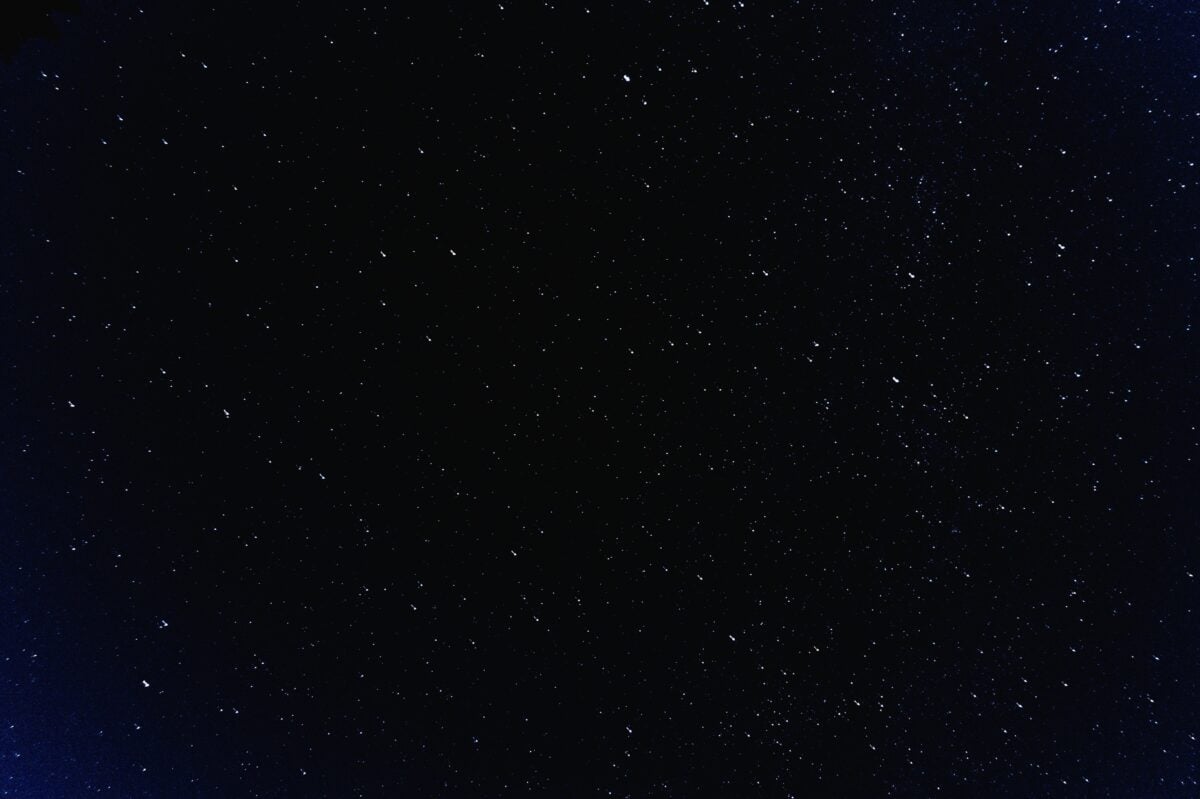
Stars don’t twinkle. The twinkling — formally called stellar scintillation — is a property of Earth’s atmosphere, not of the stars themselves. The atmosphere refracts the incoming light at different angles as air layers of varying density move, causing the apparent position and brightness of the star to fluctuate rapidly.
From space, stars shine with a steady, constant light. Planets, which appear as tiny discs rather than point sources even in modest telescopes, twinkle far less noticeably.
The North Star Is the Brightest in the Sky
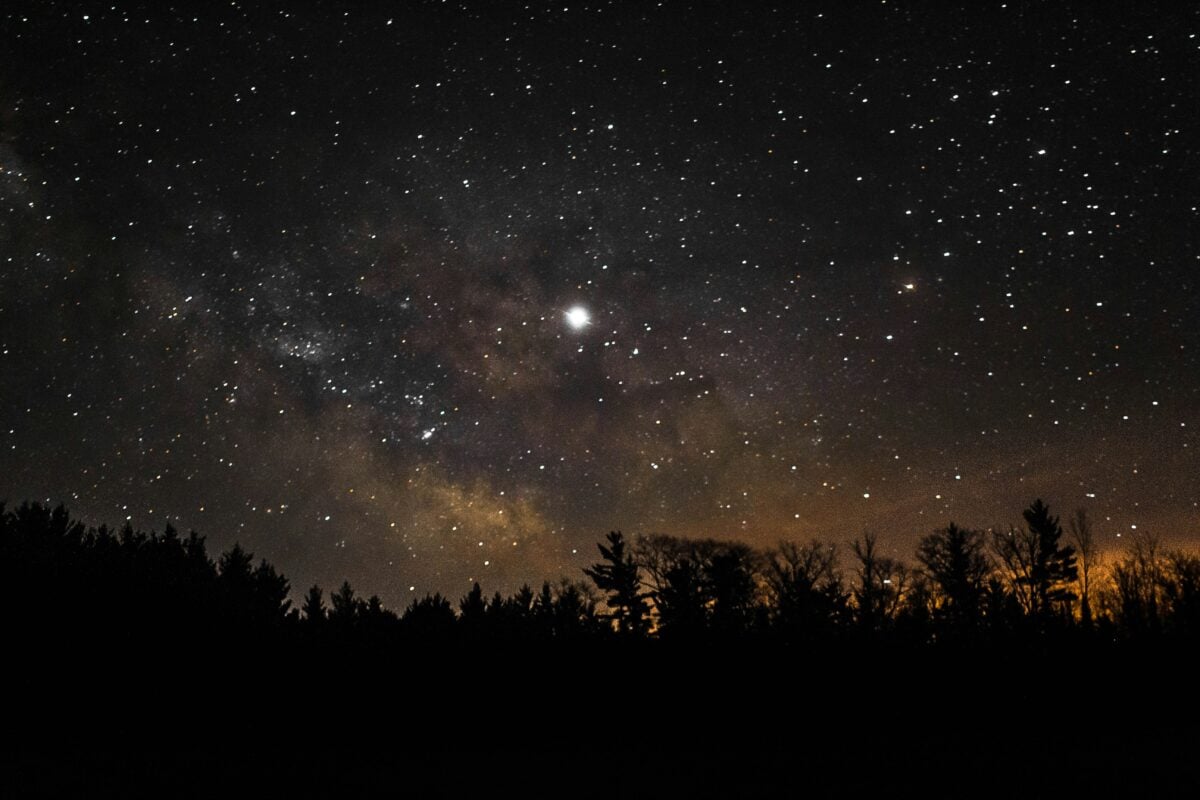
Polaris — the North Star — is useful for navigation because it sits almost directly above Earth’s north pole, making it appear stationary while other stars appear to rotate around it. But it is not particularly bright.
It ranks around 48th in apparent brightness among stars visible to the unaided eye. Sirius is the brightest star in the night sky, followed by Canopus and Arcturus. The North Star’s fame has more to do with direction than luminosity.
Space Is Pitch Black
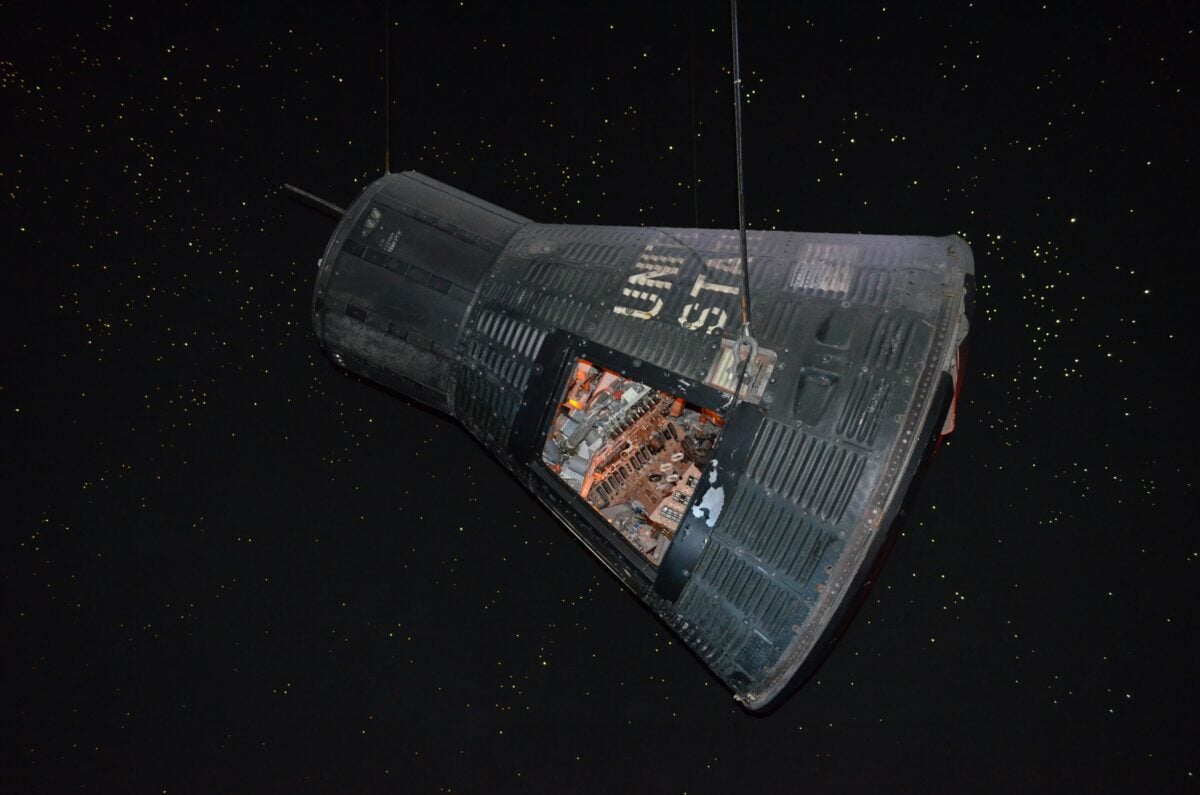
Beyond the visible darkness of empty sky, the universe is pervaded by the cosmic microwave background radiation — the leftover heat from the Big Bang, now cooled to a temperature of about 2.7 Kelvin. There is also light from stars, galaxies, and glowing nebulae in every direction.
The darkness of space as seen with the unaided eye is partly a limitation of human vision, not a complete description of what is there. Sensitive instruments reveal a cosmos that is considerably more luminous than it appears.
Astronauts in Space Don’t Need to Exercise
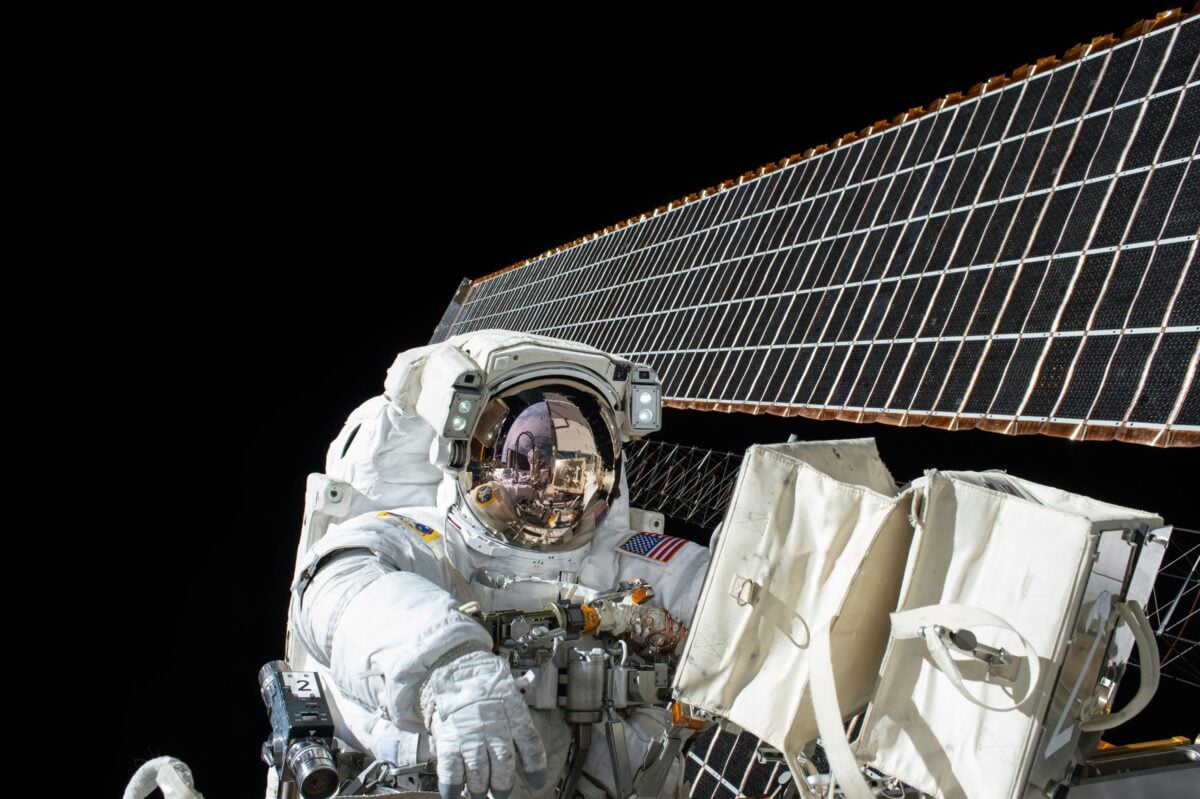
Without gravity pulling on the body, muscles and bones deteriorate rapidly. Astronauts on the International Space Station exercise for approximately two hours every day specifically to slow this process.
The heart becomes smaller and weaker — it no longer has to pump blood against gravity. Bone density decreases, sometimes at a rate comparable to early osteoporosis. The human body is calibrated for Earth’s conditions, and it begins to decalibrate almost immediately upon leaving them.
Jupiter Is Almost a Star
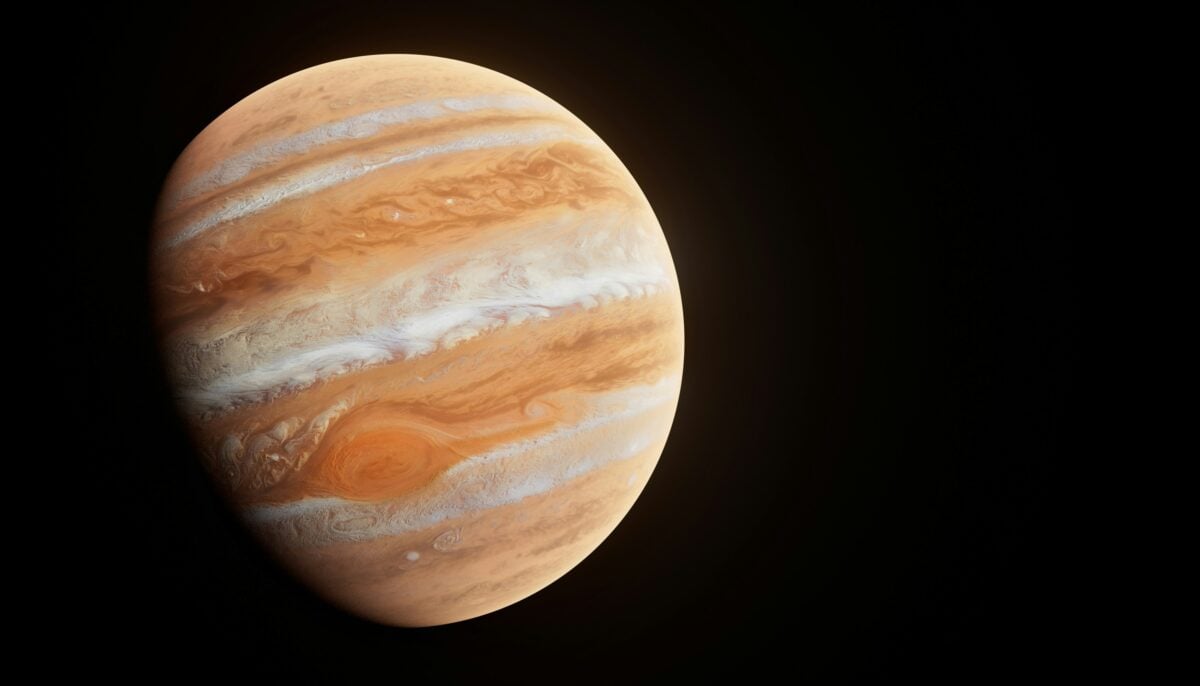
Jupiter is often described as a “failed star” because it is largely composed of hydrogen and helium. It isn’t a failed star. To trigger hydrogen fusion — what makes a star a star — an object needs at least about 80 times the mass of Jupiter.
Jupiter would need to be roughly 80 times heavier than it is to qualify as even the smallest class of star. It is an enormous planet by planetary standards, and an insignificant object by stellar ones.
Space Is Completely Empty
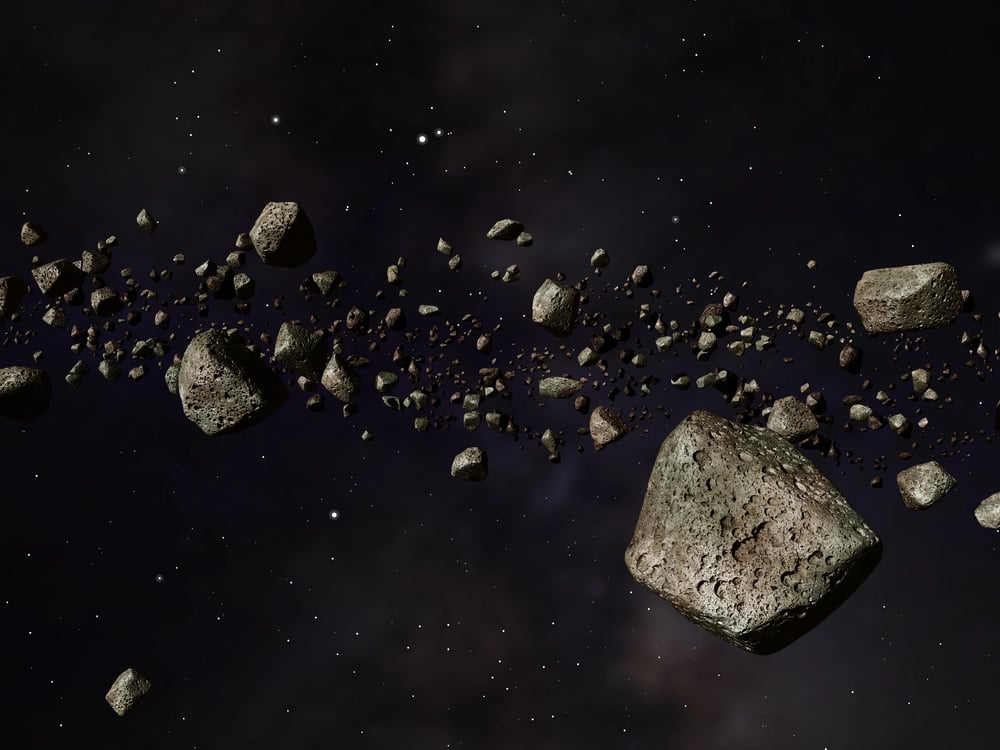
The vacuum of space is the closest thing to emptiness that exists anywhere, but it is not empty. It contains radiation, magnetic fields, cosmic rays, neutrinos, and scattered subatomic particles — typically about one atom per cubic centimetre in interstellar space.
There is also dark matter, which doesn’t interact with light but appears to constitute about 27 percent of the universe’s total mass-energy. “Empty” space is threaded through with forces, particles, and structures that are simply very thinly distributed.
Pluto Was Always Considered a Full Planet
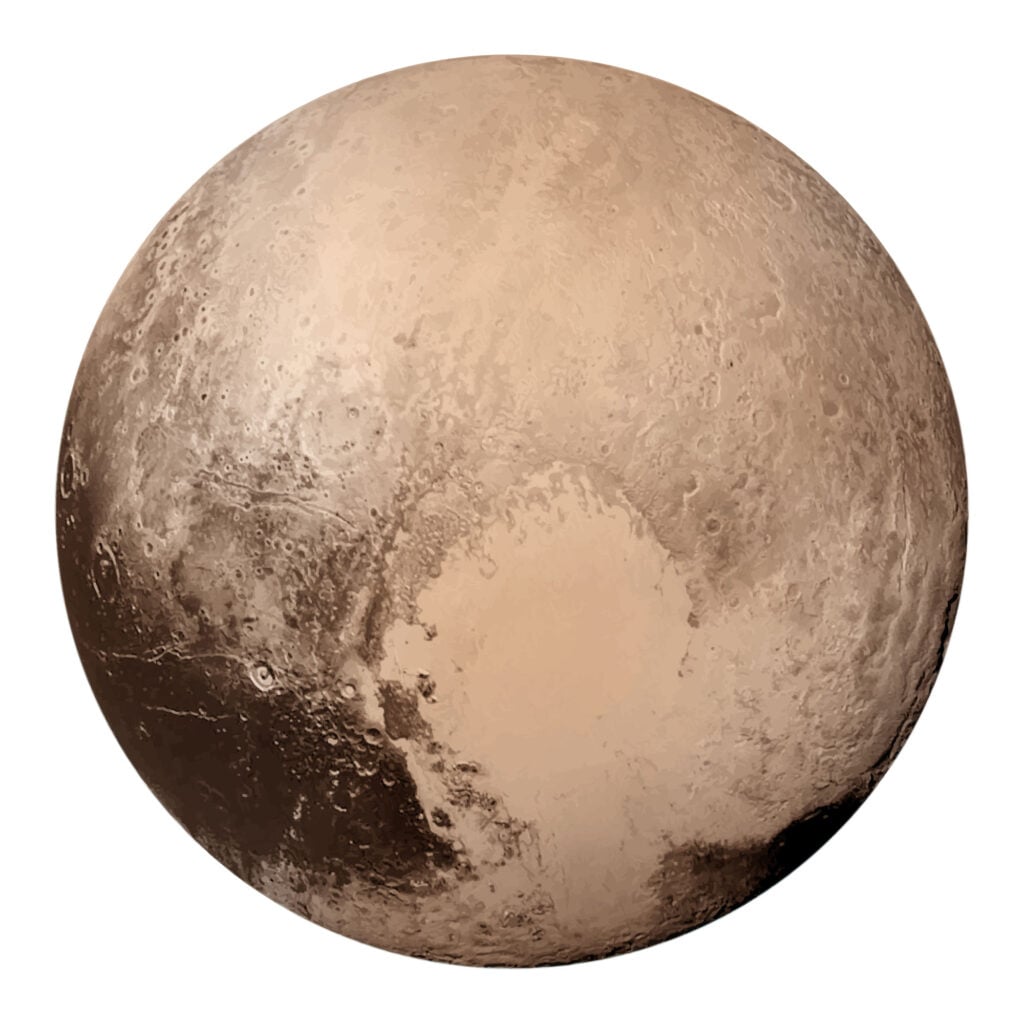
Pluto was classified as a planet from its discovery in 1930 until 2006, but even before its reclassification, astronomers had been questioning its status for decades. By the time the International Astronomical Union formalised the definition of a planet in 2006 — requiring that an object clear its orbital neighbourhood — it had become clear that Pluto shares its orbital region with hundreds of similar Kuiper Belt objects.
Its reclassification as a dwarf planet was not a demotion so much as the formal acknowledgment of something that had been apparent for years.
Saturn Is the Only Planet With Rings
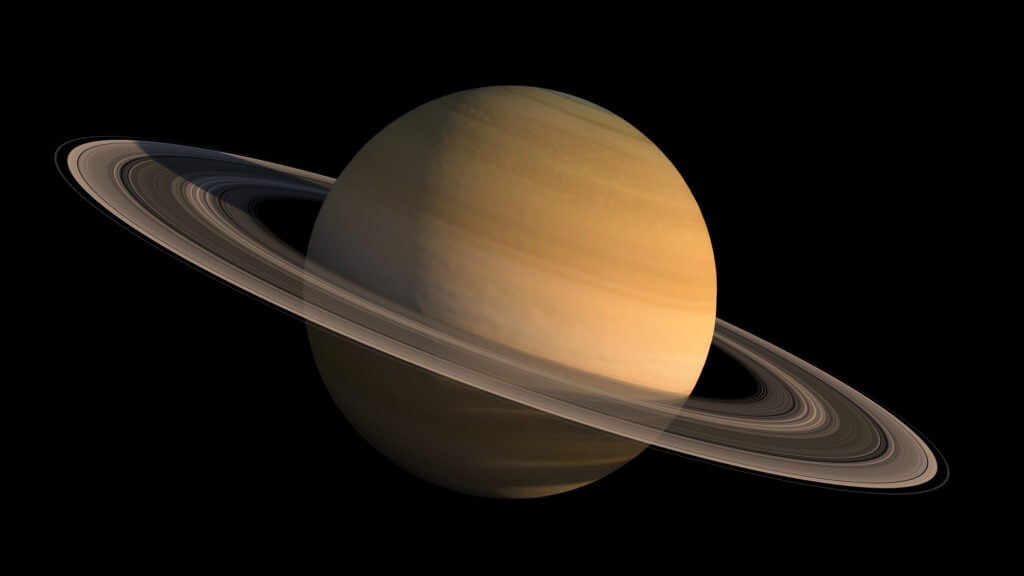
Saturn’s rings are the most spectacular in the solar system, but all four of the outer gas giants have ring systems. Jupiter’s rings were discovered by the Voyager 1 spacecraft in 1979. Uranus has narrow, dark rings first spotted in 1977 during a stellar occultation.
Neptune’s rings were confirmed by Voyager 2 in 1989. Saturn’s rings dominate the popular imagination simply because they are the most visible and dramatic, not because they are unique.
We Have Only Five Senses, So Humans Can’t Perceive Space
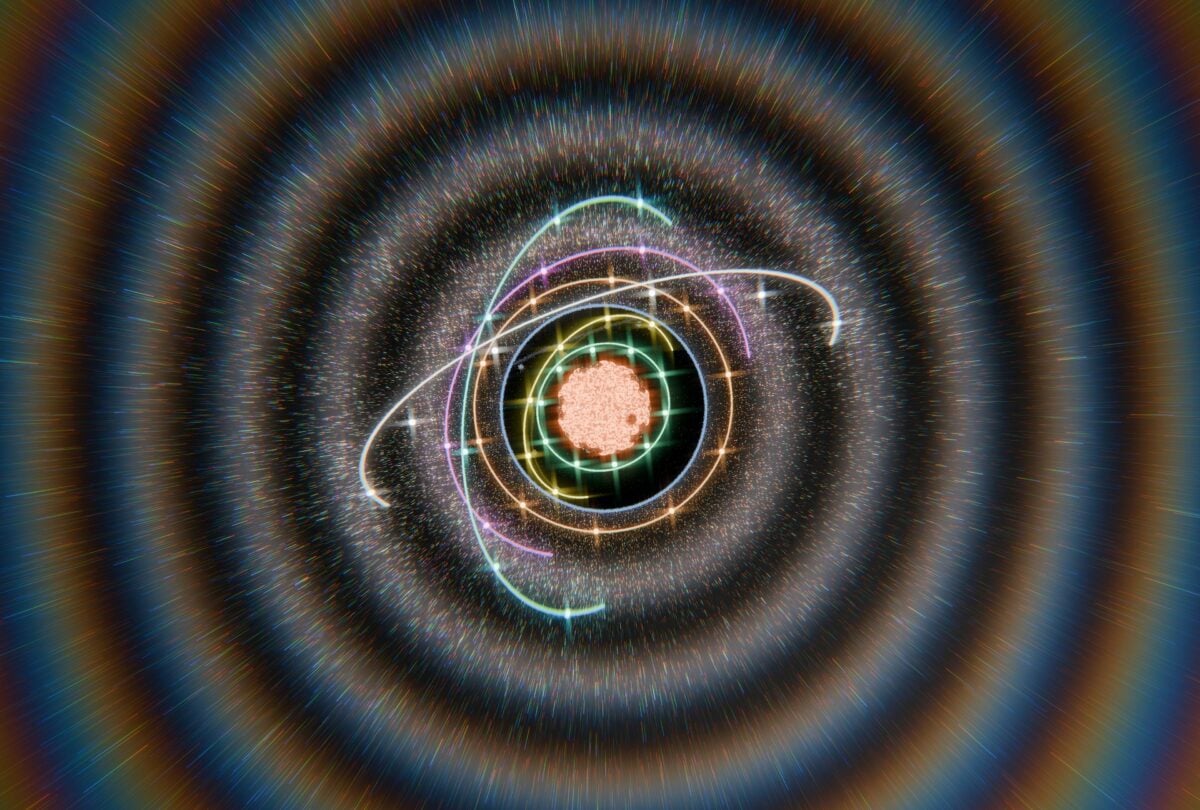
This one edges into philosophy, but it belongs here. Humans cannot perceive most of what space contains directly — radio waves, X-rays, gravitational waves, magnetic fields. But we build instruments that can, and those instruments have fundamentally changed our understanding of the universe in the last century.
The discovery of gravitational waves in 2015 by the LIGO observatory added an entirely new way of “hearing” the universe — not through sound, but through ripples in spacetime that our instruments detected and translated into data.
The Universe Expands Into Something
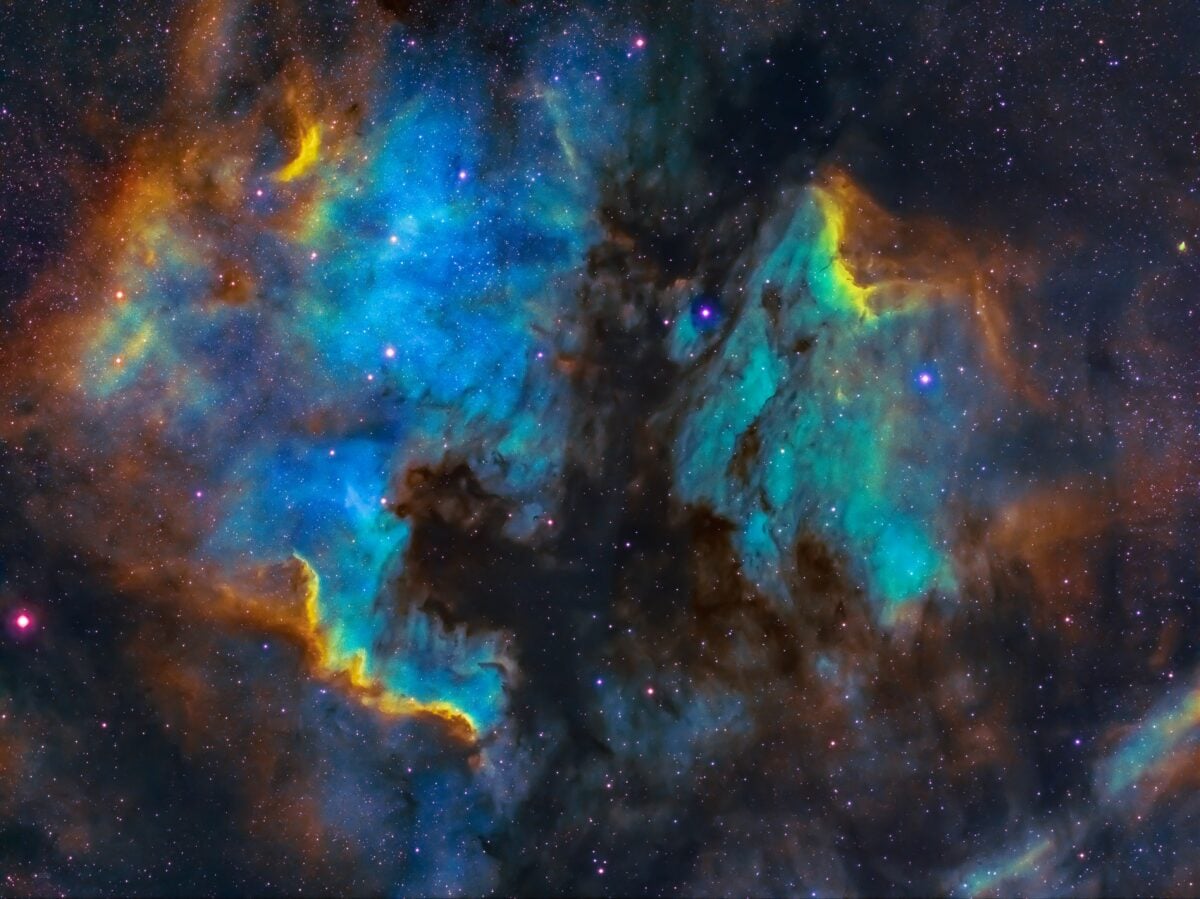
When scientists say the universe is expanding, the natural mental image is of a balloon inflating inside a larger space. But there is no “outside” the universe into which it expands.
The expansion is of spacetime itself — the fabric of the universe is stretching, increasing the distance between galaxies. There is no edge the universe is moving toward.
The question of what the universe is expanding “into” has no answer, not because we don’t know, but because the question doesn’t have the shape it appears to.
All Stars Look the Same
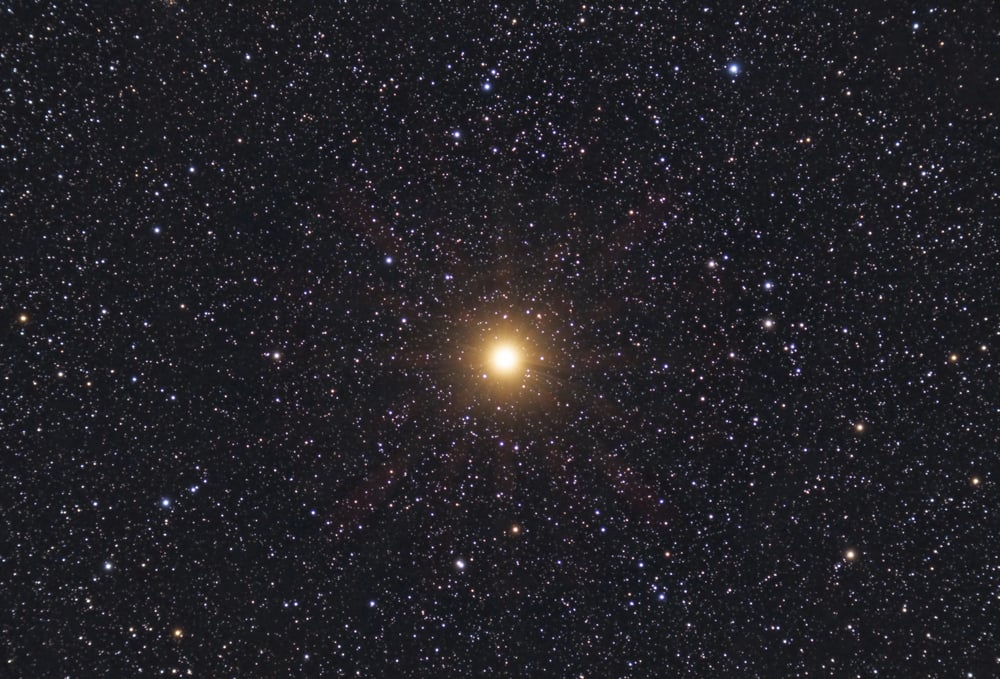
Stars vary enormously in size, temperature, brightness, colour, and age. The Sun is a relatively modest yellow dwarf.
Betelgeuse, the reddish star visible in the shoulder of Orion, is a red supergiant so large that if placed at the centre of our solar system it would extend beyond the orbit of Mars. Neutron stars, the collapsed remnants of supernova explosions, cram roughly the mass of the Sun into a sphere the size of a city.
The night sky, presented as a flat uniform scatter of light, actually contains objects of wildly different physical realities.
The Apollo Moon Landings Were the Last Time Humans Visited the Moon
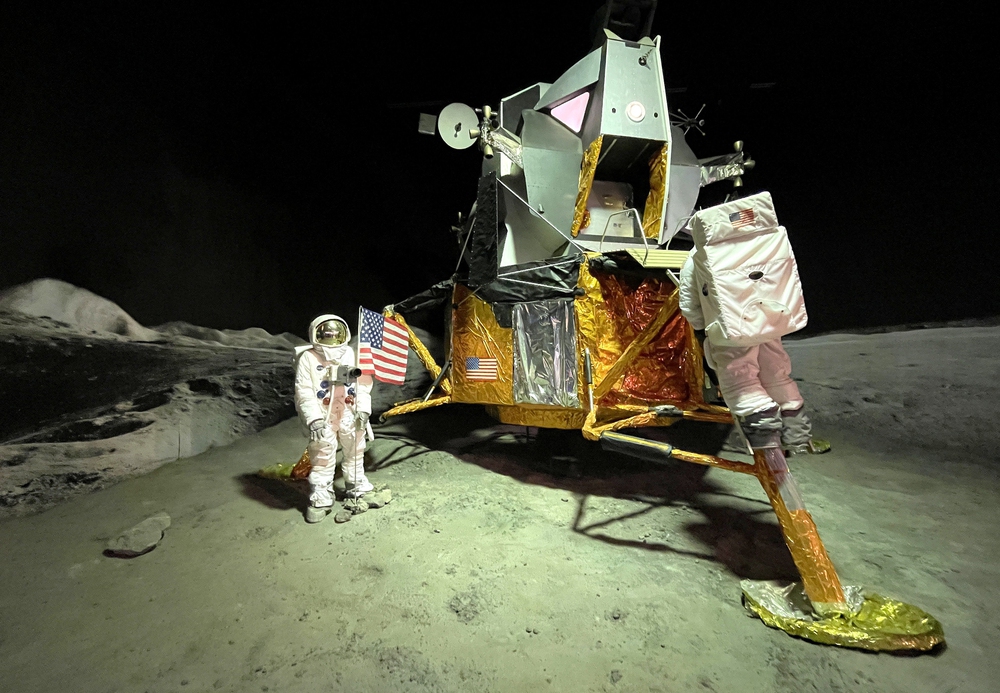
Between 1969 and 1972, twelve astronauts walked on the Moon across six Apollo missions. No human has returned since Apollo 17 in December 1972.
NASA’s Artemis programme has been working toward a return, with Artemis 3 targeting the first crewed lunar landing since Apollo. The Moon landings were not the last chapter — they were, unexpectedly, a pause that lasted longer than anyone anticipated.
The Milky Way Is the Universe

This confusion was understandable before the 1920s, when astronomers were genuinely uncertain whether the spiral nebulae visible through telescopes were inside or outside our own galaxy. Edwin Hubble settled the question in 1924 by calculating the distance to the Andromeda Nebula and establishing that it was far beyond the boundaries of the Milky Way — a galaxy in its own right.
The observable universe now contains an estimated two trillion galaxies, each a vast system of stars. The Milky Way is one.
Space Travel Has No Effect on Human Psychology
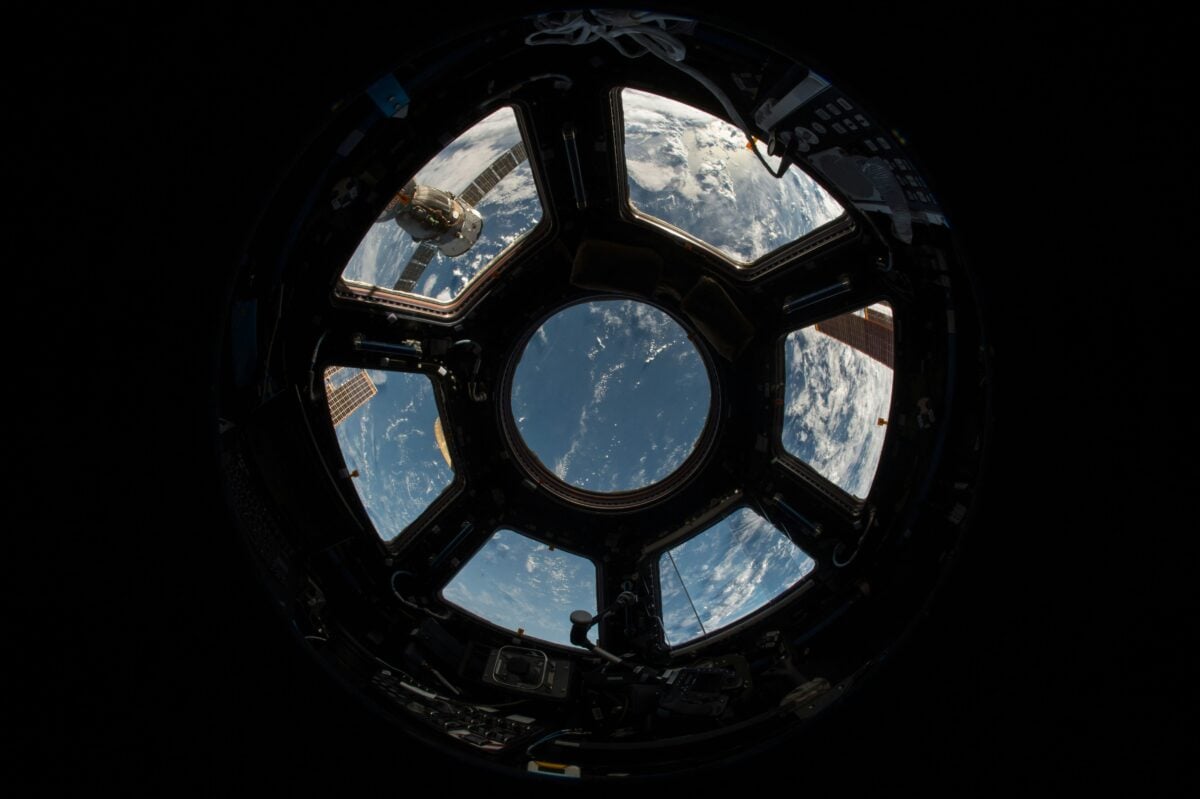
The physical effects of spaceflight have been extensively studied. The psychological effects received less attention until relatively recently, when longer-duration missions made them harder to ignore.
Astronauts on extended missions report experiences of cognitive slowing, emotional shifts, increased social friction in confined environments, and — in some cases — a profound shift in perspective on Earth and humanity sometimes called the Overview Effect. The psychological architecture of space is a research frontier that is just beginning to be taken seriously.
The Universe We Observe Is All There Is to Know
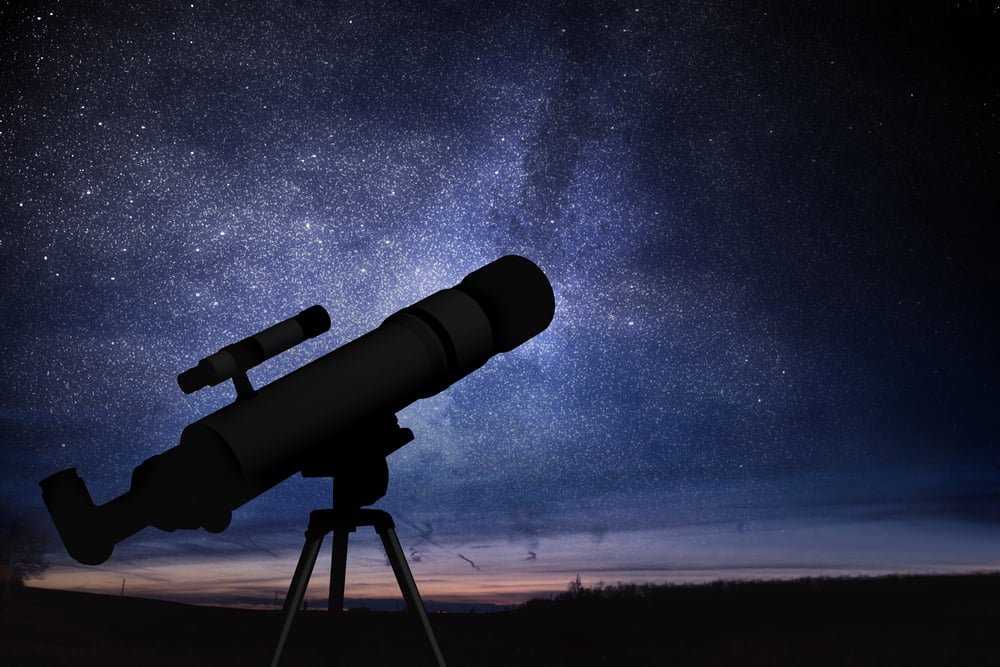
The edge of the observable universe — about 46 billion light-years in any direction — is not the edge of the universe itself. It is simply the limit beyond which light has not had enough time to reach us since the Big Bang.
The universe beyond that boundary almost certainly continues, and many cosmological models suggest it extends far beyond what we can ever observe, possibly infinitely. The myths persist in part because the truth keeps outrunning the imagination.
More from Go2Tutors!

- The Romanov Crown Jewels and Their Tragic Fate
- 13 Historical Mysteries That Science Still Can’t Solve
- Famous Hoaxes That Fooled the World for Years
- 15 Child Stars with Tragic Adult Lives
- 16 Famous Jewelry Pieces in History
Like Go2Tutors’s content? Follow us on MSN.