25 Times Female Pilots Smashed Barriers Before Most Women Could Vote
When the Wright brothers made their first powered flight in 1903, women in the United States could not vote in federal elections. Neither could women in the United Kingdom, France, Germany, Canada, or most of the world.
The idea that a woman would operate a machine capable of killing her, at a time when her legal rights were somewhere between tenuous and non-existent, was considered by most observers to be either scandalous or absurd. A significant number of women went ahead and did it anyway.
What follows are twenty-five specific moments when female pilots dismantled assumptions about what women could do — most of them achieved before 1921, before American women had cast their first federal ballot, and nearly all of them accomplished against the active resistance of institutions built to keep women out of the cockpit.
Therese Peltier Became the First Woman to Fly an Aeroplane (1908)
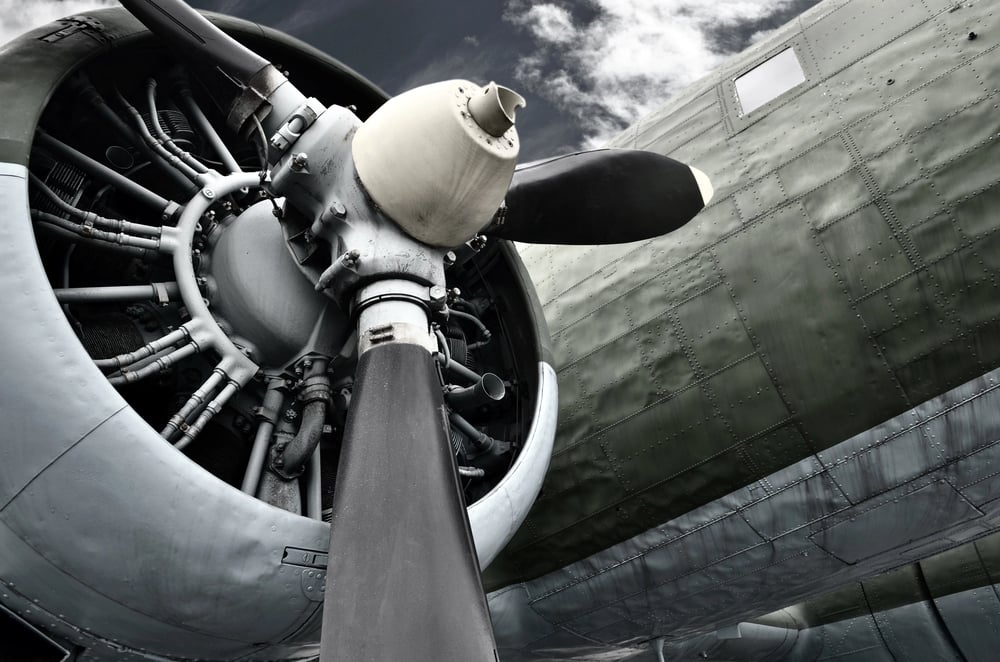
The French sculptor Therese Peltier is the earliest documented woman to have piloted a powered aircraft. In July 1908, her friend Leon Delagrange let her take the controls of his biplane in Turin, Italy, and she flew a distance of approximately 200 metres.
She was not yet licensed — pilot licensing did not exist — but the flight was witnessed and recorded. Most early aviation histories buried her at the bottom of footnotes, if they mentioned her at all.
The reason was simple: she was not the story anyone expected.
Raymonde de Laroche Became the World’s First Licensed Female Pilot (1910)
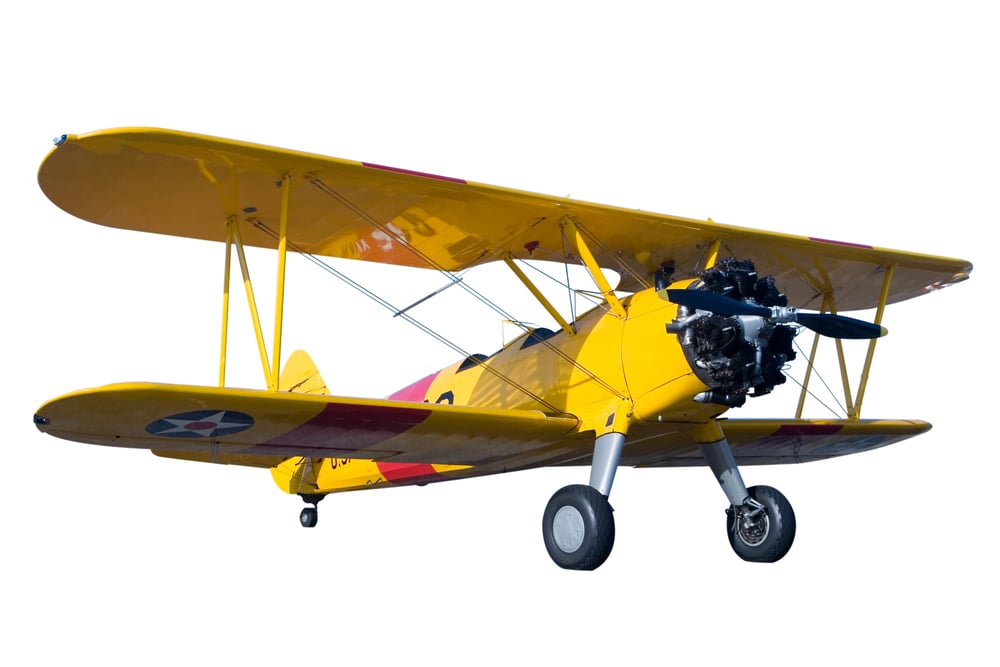
In October 1909, Charles Voisin made the spontaneous decision to let his acquaintance Elise Raymonde Deroche take the controls of his aircraft at a French airfield. She taxied, then lifted off and flew 300 metres.
She immediately began training in earnest, and on 8 March 1910 the Aero-Club de France issued her pilot’s licence — number 36 — making her the first woman in history to hold an officially recognised pilot’s certificate. The month and day of that certification later became International Women’s Day.
De Laroche went on to compete in air races and was seriously injured in two crashes before being killed testing a new aircraft in 1919.
Helene Dutrieu Flew Non-Stop from Ostend to Bruges (1910)
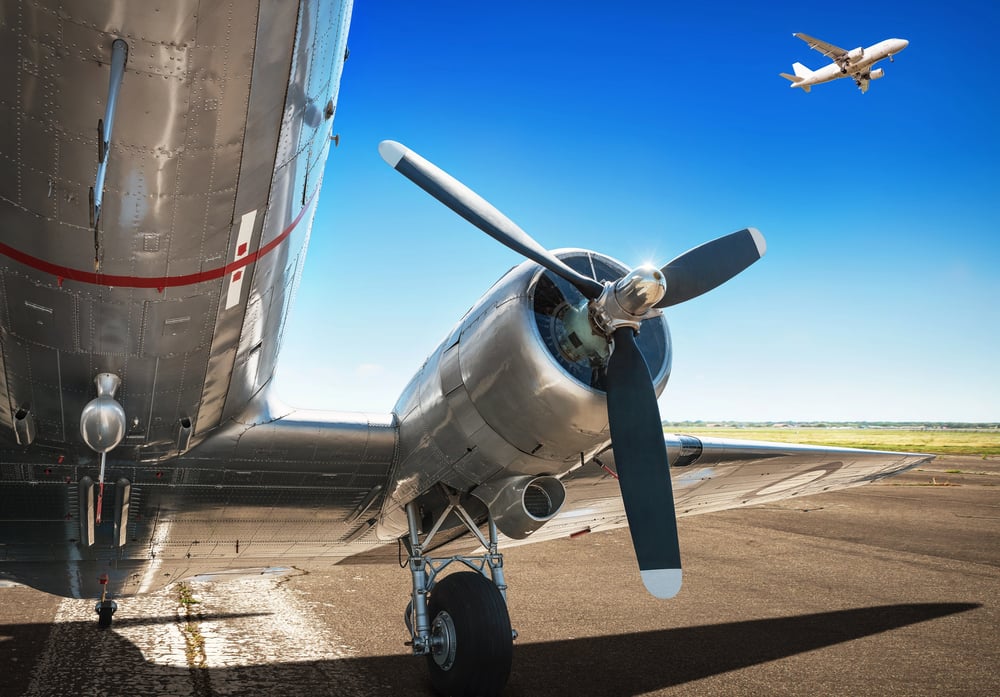
The Belgian athlete who had already won the women’s Tour de France on a bicycle became the “girl hawk” of early aviation — a nickname she earned by becoming one of the most daring pilots in Europe. In September 1910 she flew non-stop from Ostend to Bruges, thrilling crowds and setting a new benchmark for female endurance in the air.
She became the first Belgian woman to receive a pilot’s licence in November 1910, and the following year won the Femina Cup for a non-stop flight of four hours. She narrowly escaped death twice during her second year as a pilot and simply kept flying.
Harriet Quimby Became the First American Woman Licensed to Fly (1911)
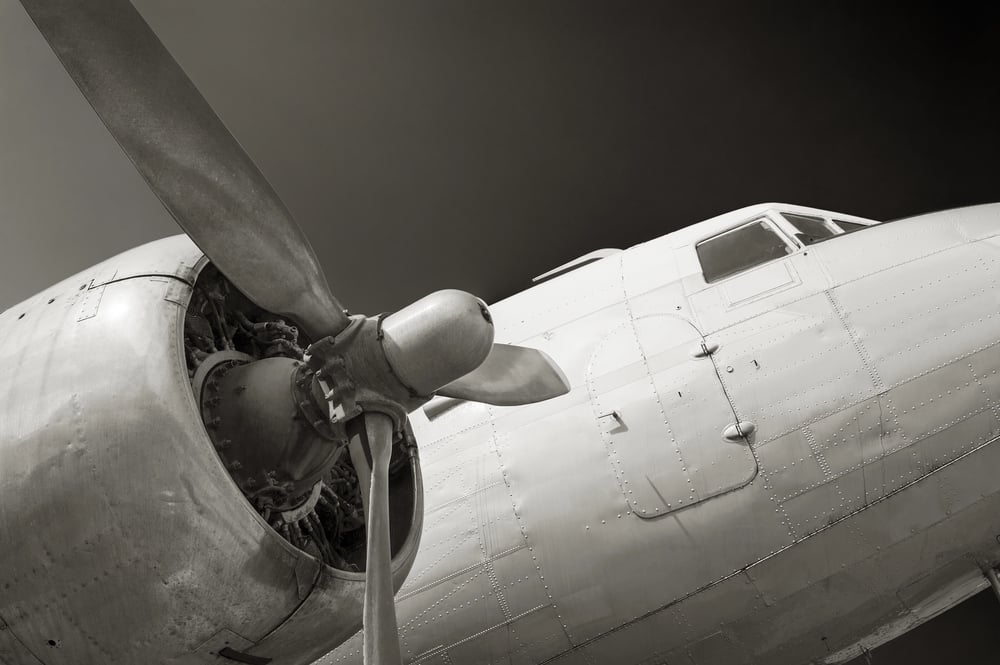
Quimby — journalist, screenwriter, and one of the most recognisable women in American public life — earned her Aero Club of America licence on August 1, 1911, becoming the first American woman to hold a pilot’s certificate. She had taken flying lessons in secret to avoid generating press attention that might have complicated her training.
The lesson she had drawn from watching male pilots was that public scrutiny came before public acceptance, and she wanted to be competent before she was visible.
Harriet Quimby Crossed the English Channel Solo (1912)
Less than a year after getting her licence, Quimby became the first woman to fly solo across the English Channel on April 16, 1912, making the crossing from Dover to Calais in a Bleriot XI monoplane wearing a purple satin flying suit. The achievement was so significant that it would ordinarily have dominated the front pages of every newspaper in the English-speaking world.
It did not, because the RMS Titanic had sunk the night before. Quimby’s Channel crossing was buried beneath coverage of the disaster.
She died in a flying accident in Boston three months later.
Katherine Stinson Earned Her Licence at Twenty-One (1912)
Katherine Stinson was twenty-one years old when she received her Aero Club of America licence on July 24, 1912, making her the fourth woman in the United States to be licensed. She had taken up flying to earn money for music school.
She became instead one of the most celebrated exhibition pilots in America — known as the “Flying Schoolgirl” — and in 1915, at the age of 24, became the first woman to perform a loop-the-loop. She later became the first woman to fly an airmail route, covering the Chicago to Springfield route in 1918.
Katherine Stinson Flew Aerobatics in Japan (1917)
When Stinson toured Japan in 1917, she became the first woman to fly there. The Japanese crowds who turned out to see her numbered in the hundreds of thousands.
She performed loops and night flying demonstrations that left audiences astonished. She was at the time representing not only female aviation but American aviation to an international public that had rarely if ever seen either.
She later applied to fly combat missions in World War I and was refused by the U.S. military solely because she was a woman.
Marjorie Stinson Ran One of America’s First Aero Schools (1915)
Katherine’s younger sister Marjorie became a licensed pilot at eighteen and went on to open the Stinson School of Flying in San Antonio, Texas, in 1915, training pilots for the U.S. military when the armed services were unwilling to officially acknowledge that the instructor was a teenage girl. She personally trained at least 85 Canadian and American military pilots during World War I.
The nickname given to her students — “The Texas Escadrille” — reflected her genuine influence over the men who went to fight in Europe.
Bessie Coleman Refused to Perform Where Black Audiences Were Segregated (1922)
Coleman returned to America after earning her international licence in France in 1921 as the first African American woman to hold a pilot’s certificate. She chose her battles deliberately.
When invited to perform at an air show in her hometown of Waxahachie, Texas, in 1922, she refused to appear until the promoters agreed to open a single gate for all attendees, regardless of race, and to allow Black spectators full access to the grounds. They agreed.
She performed. In refusing, she used her leverage at a moment when she had real leverage, and she used it precisely.
Ruth Elder Nearly Crossed the Atlantic in a Single-Engine Plane (1927)
Ruth Elder attempted a solo transatlantic crossing in a single-engine plane in October 1927, just months after Lindbergh’s famous flight. She and co-pilot George Haldeman made it roughly 2,500 miles before their engine began leaking oil.
They ditched near a Dutch tanker in the Atlantic and were rescued. The press covered her crash as a triumph anyway, turning her into a celebrity.
She was twenty-three. The public found it far easier to celebrate her survival than to reckon with what she had actually attempted, which was a crossing that had killed experienced male pilots who tried it before her.
Amelia Earhart Became the First Woman to Cross the Atlantic by Air (1928)
Earhart’s first transatlantic crossing in 1928 was made as a passenger — a distinction she was the first to acknowledge, noting that she contributed little more than a log book and the courage not to visibly panic. She was nonetheless the first woman to cross the Atlantic by air and used the resulting fame with unusual directness, channelling it into the record-setting solo career that followed.
Four years later she did it alone.
Amelia Earhart Crossed the Atlantic Solo (1932)
On May 20, 1932, Earhart departed Harbour Grace, Newfoundland, and landed in a farmer’s field in Northern Ireland approximately 14 hours and 56 minutes later — becoming the first woman, and only the second person after Lindbergh, to fly the North Atlantic solo. She also broke the record for the fastest transatlantic crossing at the time.
The flight was made in conditions that would have persuaded many pilots to turn back: ice on the wings, a failing altimeter, and a fuel leak. She landed in Ireland because she no longer had enough fuel to reach her intended destination of Paris.
Jacqueline Cochran Flew a Military Bomber to England (1941)
Cochran’s argument that women could fly military aircraft was a political one as much as a practical one, and she staged it with precision. In June 1941, she became the first woman to fly a military bomber across the Atlantic, piloting a Lockheed Hudson V from Montreal to Prestwick, Scotland.
The point was not just to complete the flight but to make an undeniable demonstration in front of military and political observers on both sides who could not then claim the thing had never been done. Cochran then organised a group of American women pilots to fly with the British Air Transport Auxiliary, establishing the precedent she would later use to argue for a similar programme in the United States.
The First Ninety-Nine Women Pilots Organised Together (1929)
On November 2, 1929, ninety-nine of the 117 licensed female pilots in the United States gathered at Curtiss Field in Valley Stream, New York, to form an organisation for mutual support and advocacy. They called themselves the Ninety-Nines, after the number who signed the original letter of intent.
Amelia Earhart was their first president. The meeting was both practical and symbolic — practical because female pilots in that era faced significant professional isolation, and symbolic because the act of counting themselves was itself a form of visibility.
The Ninety-Nines still exist.
Nancy Harkness Love Created the First Women’s Military Ferrying Unit (1942)
In September 1942, Nancy Harkness Love recruited 28 experienced female civilian pilots and organised them as the Women’s Auxiliary Ferrying Squadron, the first official programme to employ women as military ferry pilots in the United States. Love’s argument had been simple and hard to refute: there were experienced women pilots available, there was a shortage of qualified ferry pilots, and the women could do the job.
The military’s reluctance lasted until the practical pressure of wartime outweighed the ideological resistance.
Jacqueline Cochran Founded the WASP Program (1943)
In August 1943, the two women’s military flying programmes were merged into the Women Airforce Service Pilots under Cochran’s directorship. Over the following 16 months, 1,102 WASP flew more than 60 million miles ferrying 12,650 aircraft of every type in the Army Air Corps arsenal — including the B-17 Flying Fortress, B-29 Superfortress, and the P-51 Mustang.
Thirty-eight were killed in service. When the programme was disbanded in December 1944, the women were denied military status and benefits.
They were not officially recognised as veterans until 1977.
WASP Pilots Flew Aircraft to Demonstrate They Were Safe (1944)
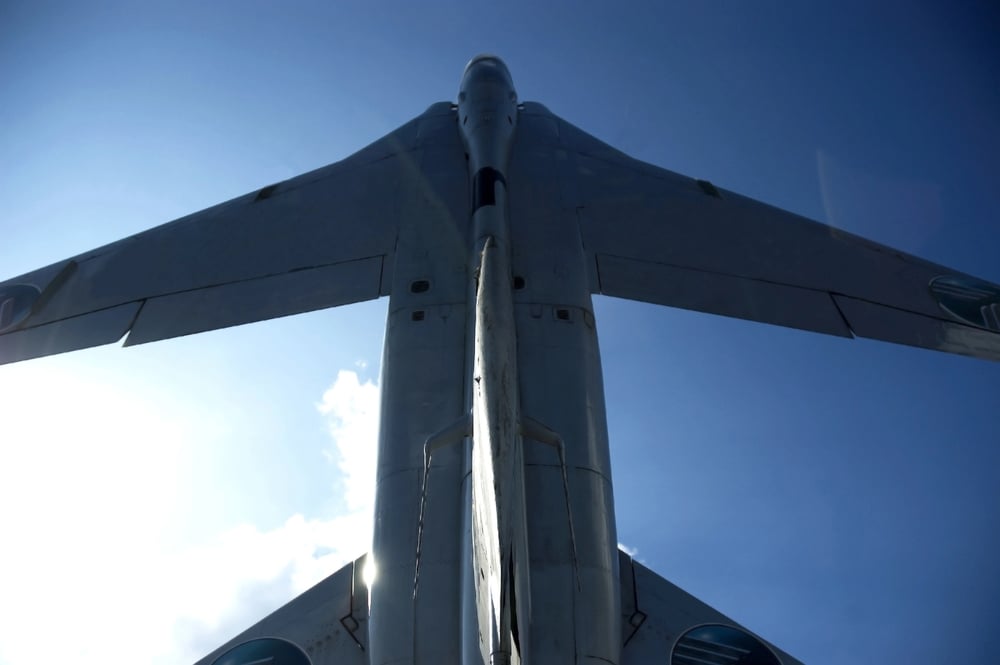
One of the most striking individual acts within the WASP programme involved B-29 Superfortress bombers. Male crews had been reluctant to fly the aircraft, which had a reputation for engine fires.
When male pilots at one base began refusing missions on the B-29, a WASP pilot named Dora Dougherty Strother and her co-pilot were ordered to fly the aircraft extensively in full view of the reluctant crews. The display worked.
The male pilots went back to flying the B-29s. The WASP were never officially credited with this particular contribution.
Hazel Ah Ying Lee Flew Combat Aircraft as One of the First Chinese American WASP (1943)
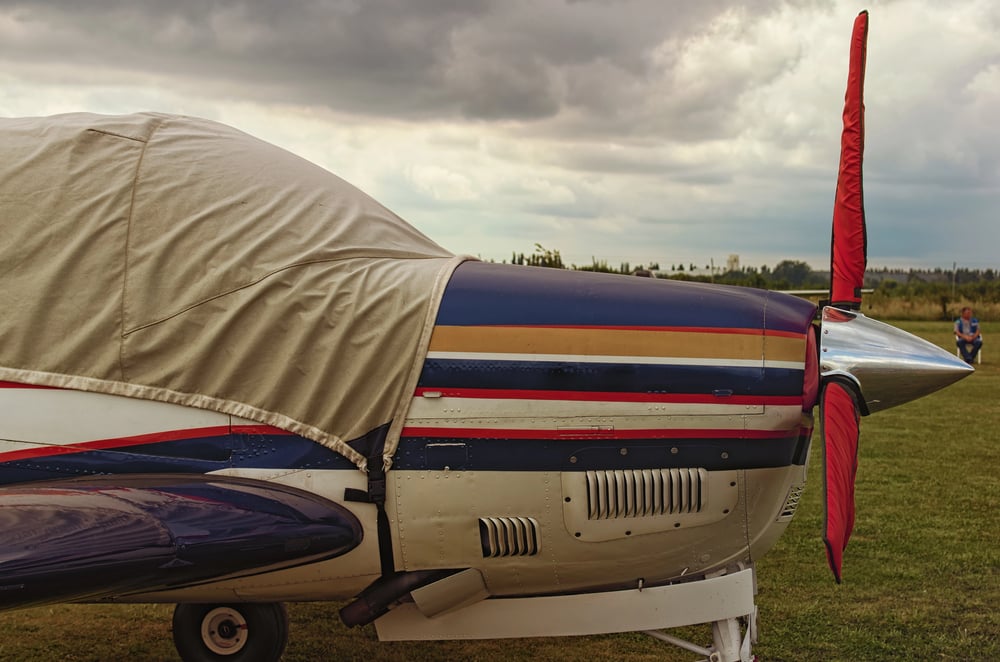
Hazel Lee had tried to join the Chinese Air Force before Pearl Harbor and was refused. She had tried to join the American air service and been refused.
She became one of the first Chinese American women to join the WASP when the programme opened, flying pursuit aircraft — the fast, single-engine fighters that required the most demanding physical handling of any aircraft in the fleet. She was killed in a runway accident in November 1944, one month before the WASP programme was disbanded.
Her death was not reported in most American newspapers.
Beryl Markham Became Africa’s First Female Commercial Pilot (1936)
Growing up in colonial Kenya, Markham became not just a licensed pilot but a commercial one — carrying passengers, mail, and supplies to remote locations across East Africa where the aircraft was often the only viable transport. She became the first woman in Africa to hold a commercial pilot’s licence, operating in conditions of minimal infrastructure, unpredictable weather, and no instrument landing systems.
That same year she flew solo across the Atlantic from east to west — the more difficult direction, against prevailing winds — becoming the first person to fly non-stop from England to North America.
Hanna Reitsch Flew the First Helicopter Indoors (1938)
The German glider champion and test pilot flew the Focke-Achgelis Fa 61 helicopter inside the Deutschland-Halle stadium in Berlin during a ten-day demonstration in February 1938, navigating a machine that had never been flown in an enclosed space in front of audiences of thousands. The helicopter had been dismissed by military observers as an impractical novelty.
Reitsch’s public demonstrations inside a building were designed to prove the aircraft’s controllability, and they succeeded. She went on to test more than 40 different aircraft types during the war, including the first rocket-powered fighters.
Mildred Hemmons Carter Was Barred from the WASP Because She Was Black (1942)
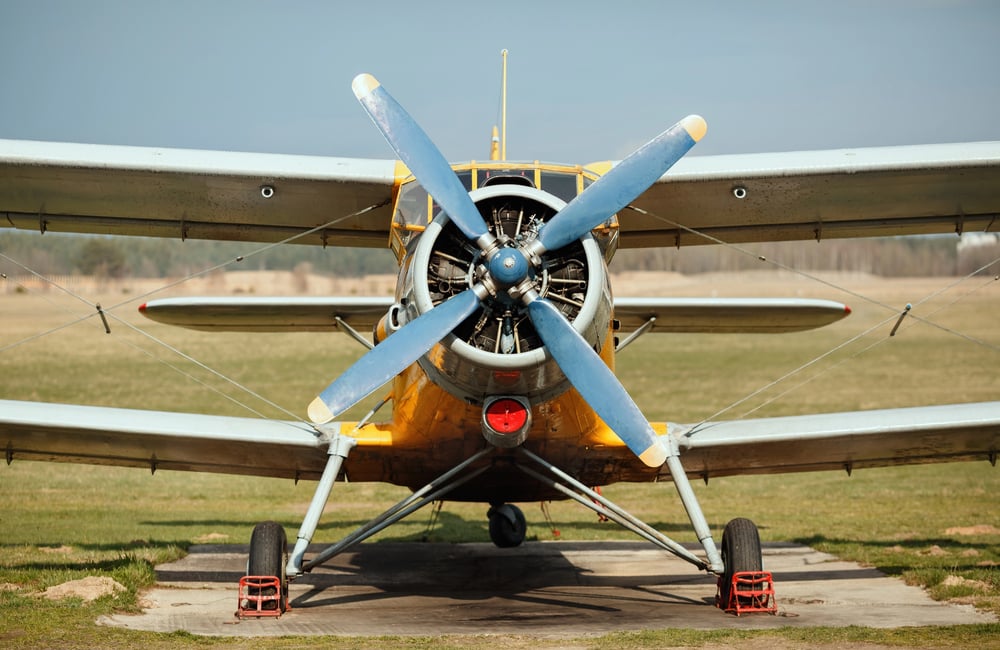
Mildred Hemmons Carter was a qualified pilot who applied to the WASP programme and was turned away because of her race. The WASP — itself a programme created in the face of gender discrimination — excluded Black women from membership.
Carter continued flying anyway, through private aviation clubs and the limited opportunities available to Black aviators outside the official military structure. Her exclusion, and the exclusion of women like her, represents one of the sharpest contradictions in American aviation history: a barrier-breaking programme that drew its own lines.
Jacqueline Cochran Broke the Sound Barrier (1953)
In May 1953, Cochran flew a Canadian-built F-86 Sabre to become the first woman to exceed the speed of sound. Chuck Yeager flew alongside her as safety pilot, partly at her request and partly at the request of aviation authorities who doubted the stunt would succeed without supervision.
It succeeded. Cochran went on to hold more altitude, speed, and distance records than any pilot of her era, male or female — a fact that was routinely buried in coverage that described her primarily as a businesswoman who happened to fly.
Jerrie Mock Became the First Woman to Fly Solo Around the World (1964)
Mock — a 38-year-old Ohio mother who learned to fly in her spare time — completed a solo circumnavigation of the globe in her Cessna 180, covering 23,103 miles across 21 stops in 29 days in the spring of 1964. Amelia Earhart had attempted the same route 27 years earlier.
Mock finished it and returned to Columbus, where she was met with a modest civic reception. She received a Federal Aviation Administration trophy from President Johnson and almost no lasting press coverage.
The lack of attention was partly because she was a housewife rather than a celebrity, and partly because the cultural machinery for making heroines out of women who did record-breaking things was not, in 1964, particularly well-developed.
Valentina Tereshkova Flew Alone in Space (1963)
Tereshkova’s inclusion in this list is deliberate, because the arc from Raymonde de Laroche’s 300-metre flight in 1909 to Tereshkova’s 48-orbit solo mission in Vostok 6 in 1963 covers 54 years and represents a straight line. The Soviet pilot completed her mission alone in a capsule with no abort capability and no co-pilot.
She became the only woman to have completed a solo spaceflight. The next woman to fly in space would not do so until 1982.
Tereshkova became a member of the Soviet legislature and is, as of 2026, still alive.
Emily Howell Warner Opened the Commercial Cockpit (1973)
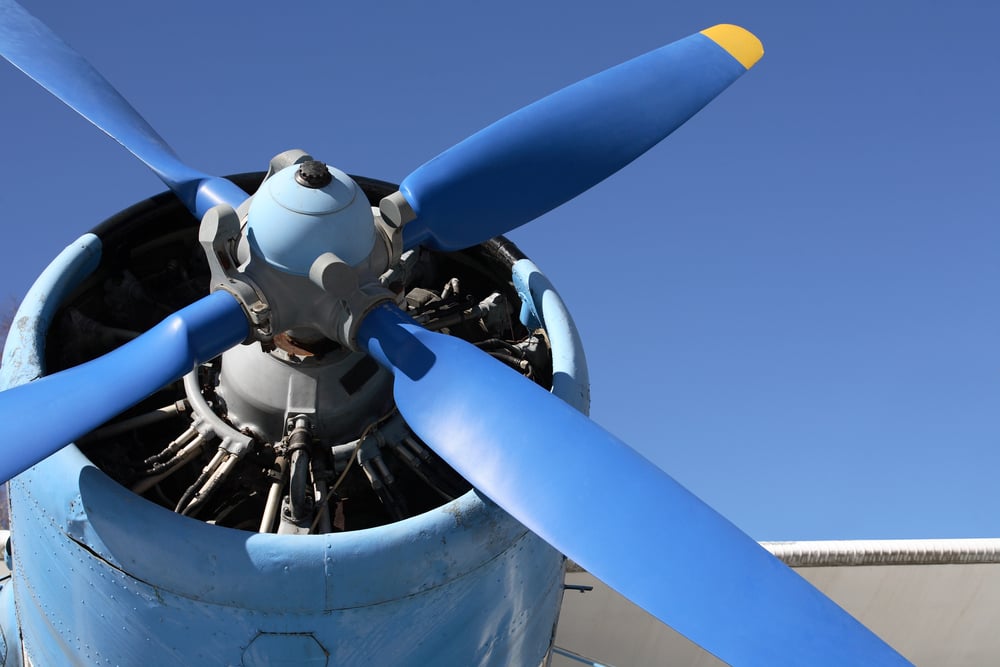
When Frontier Airlines hired Emily Howell Warner in January 1973, she became the first woman to serve as a pilot for a U.S. scheduled commercial airline. She became a captain in 1976.
The barrier she crossed was not aeronautical — plenty of women had been flying aircraft of equivalent or greater complexity for decades. It was institutional: the commercial airlines had simply decided not to hire women, and that decision held until Howell Warner and Frontier made a different one.
She was 33 years old, and she had been trying to get hired by an airline since 1968.
The Record That Keeps Being Broken
When Raymonde de Laroche first lifted off an aircraft in 1909, she was demonstrating something that had nothing to do with gender and everything to do with physics: if the aircraft can support the weight, it does not matter who is in the seat. That obvious point took the better part of a century to fully penetrate the institutions that controlled access to cockpits, military commissions, and commercial flight decks.
The women on this list did not succeed because barriers politely retreated. They succeeded because they flew anyway — through technical disqualifications, refused applications, lack of official recognition, and in some cases deliberate erasure from the historical record.
They flew anyway, and then the record became hard to ignore.
More from Go2Tutors!

- The Romanov Crown Jewels and Their Tragic Fate
- 13 Historical Mysteries That Science Still Can’t Solve
- Famous Hoaxes That Fooled the World for Years
- 15 Child Stars with Tragic Adult Lives
- 16 Famous Jewelry Pieces in History
Like Go2Tutors’s content? Follow us on MSN.