31 Things About Visiting Grandparents in the Summer That Kids Never Forgot
There was a particular kind of time that existed only at grandparents’ houses in summer — slower than regular time, ruled by different laws, governed by a completely different set of expectations. Nobody cared what hour it was.
Meals appeared on tables without anyone seeming to plan them. The whole world shrank to the size of a backyard or a porch or a lane you could walk barefoot without getting hurt.
These are the things that stuck. Not the big trips or the birthday presents, but the textures and smells and rituals that only existed in that one place, with those particular people, during those particular weeks of the year.
Decades later, the memory of a specific drawer or a specific smell can stop a grown adult completely in their tracks.
The Smell of the House the Moment You Walked In

Every grandparent’s house had its own scent — talcum powder, mothballs, old wood, dried flowers, something baking, something that had been stored in a cedar chest for thirty years. Kids never knew what it was exactly, but they knew it the instant they crossed the threshold.
That smell was the first signal that normal life had been suspended.
Getting to Stay Up Later Than You Were Allowed at Home
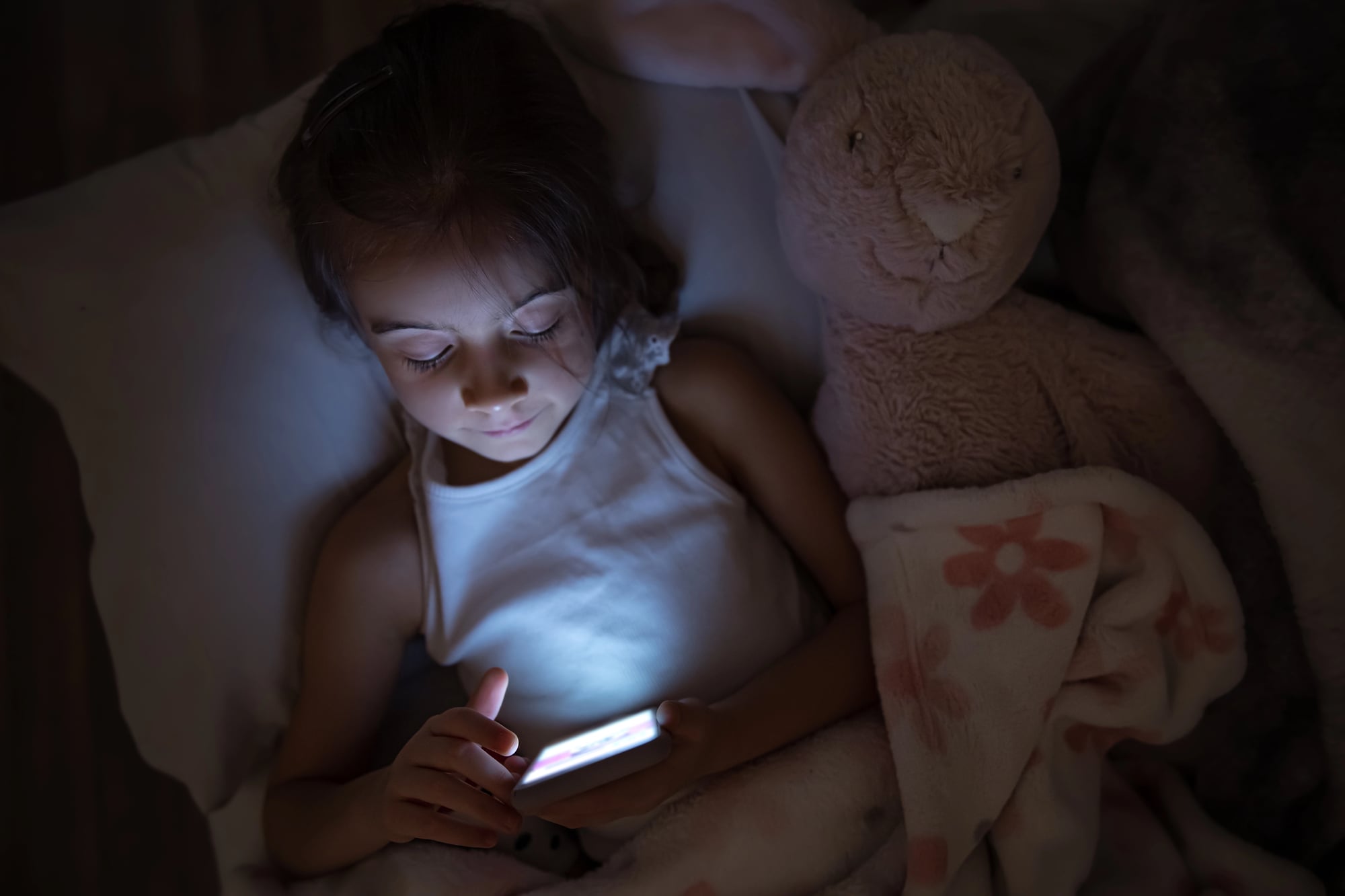
Grandparents operated on a different disciplinary calendar. Bedtime either became negotiable or disappeared entirely, replaced by falling asleep on the couch during whatever they were watching and being carried to bed without waking up.
The absence of the usual rules felt like a gift that was never explicitly given.
The Specific Food That Only Existed There

Every grandparent had a signature. A particular biscuit recipe.
A way of making eggs. A cake that appeared for no reason on a Tuesday.
Kids absorbed these meals as if they were eating something sacred, and many would spend years of adulthood trying — and failing — to recreate whatever it was exactly.
Boredom That Eventually Became Something
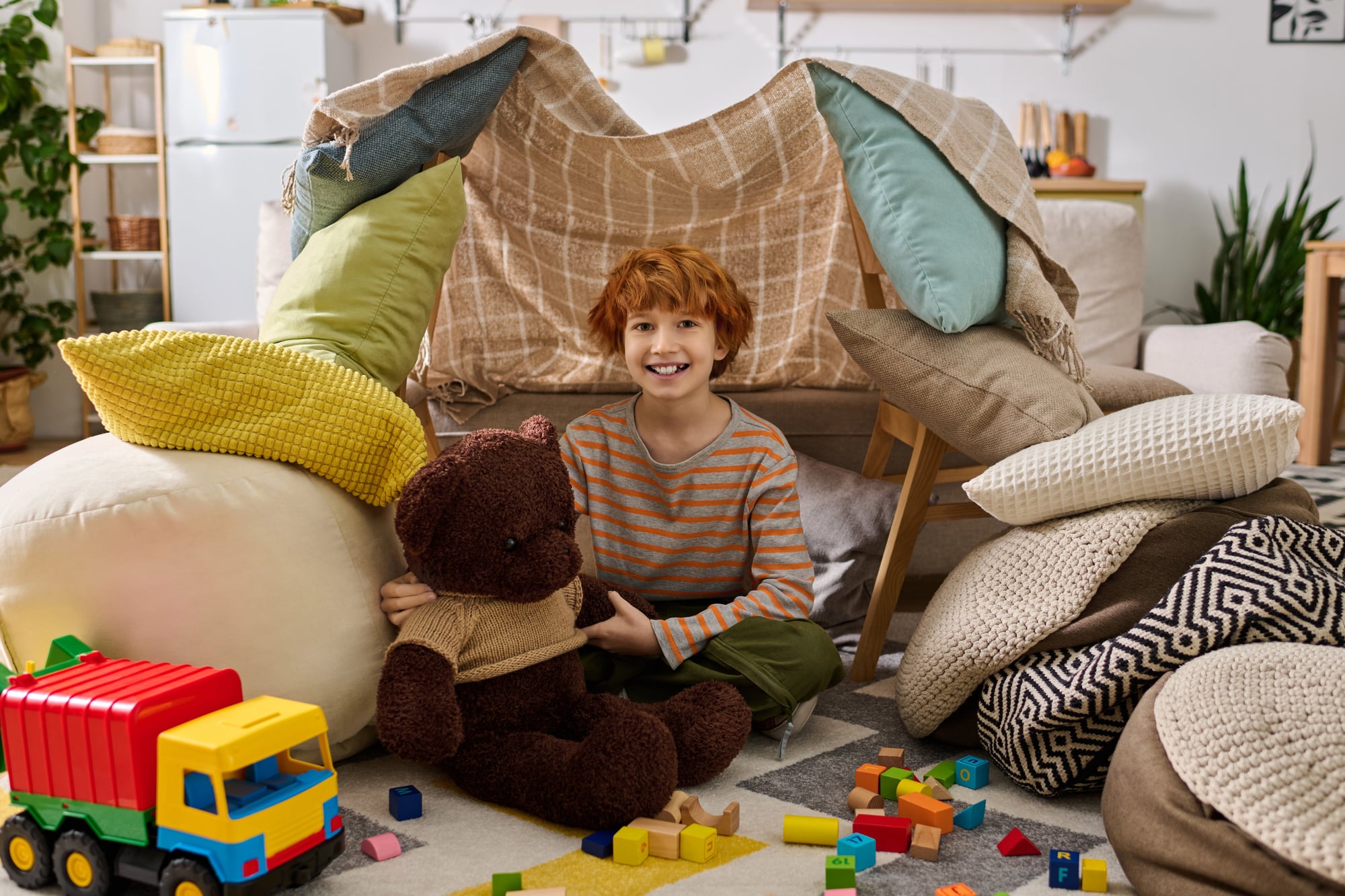
The first day or two often involved nothing to do. No devices, no planned activities, no scheduled entertainment.
Then something shifted. A cardboard box became a fort.
A jar became a container for something collected from the garden. Boredom, left long enough without interference, turned into imagination.
Being Handed Money for No Apparent Reason

Grandparents pressed coins or folded notes into small palms with a conspiratorial air, as if they were passing along classified information. The amount was never the point.
The gesture — that private transfer of something just for you — was what kids remembered forty years later.
The Drawer Full of Things That Had No Explanation

Every grandparent kept a drawer, or a cupboard, or a box in the spare room that contained objects with no clear purpose. Old batteries.
String. A foreign coin.
A pen that didn’t work. Rubber bands fused into a single lump.
Children spent entire afternoons investigating these collections with the seriousness of archaeologists.
Following Them Around While They Did Ordinary Things
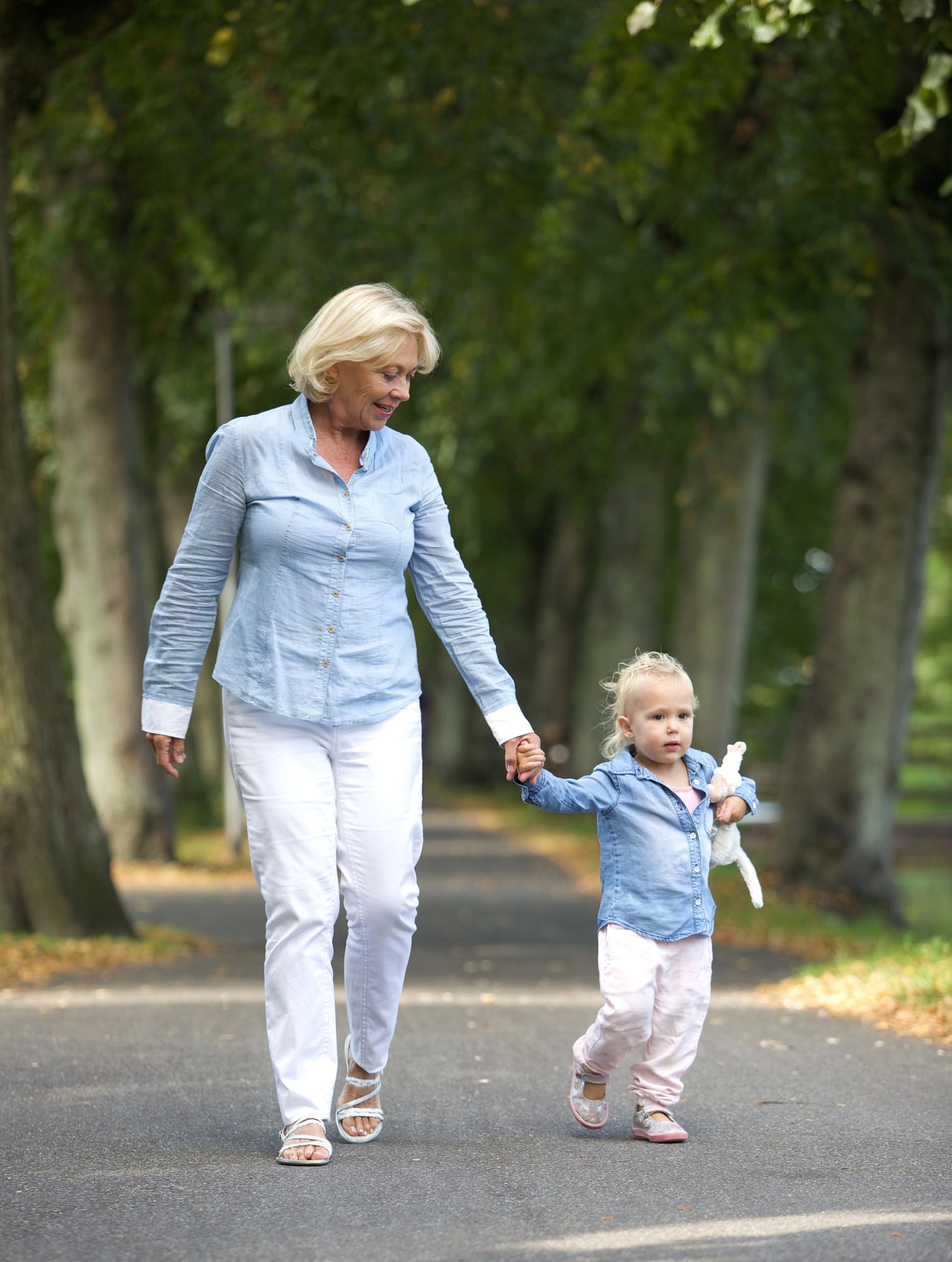
Gardening, fixing something in the shed, hanging out the washing, watering plants — children trailed grandparents through their daily routines like small shadows, watching. Not helping, exactly.
Just watching. And the grandparent, for their part, narrated what they were doing as if this were the most natural thing in the world.
The Particular Freedom of Their Garden
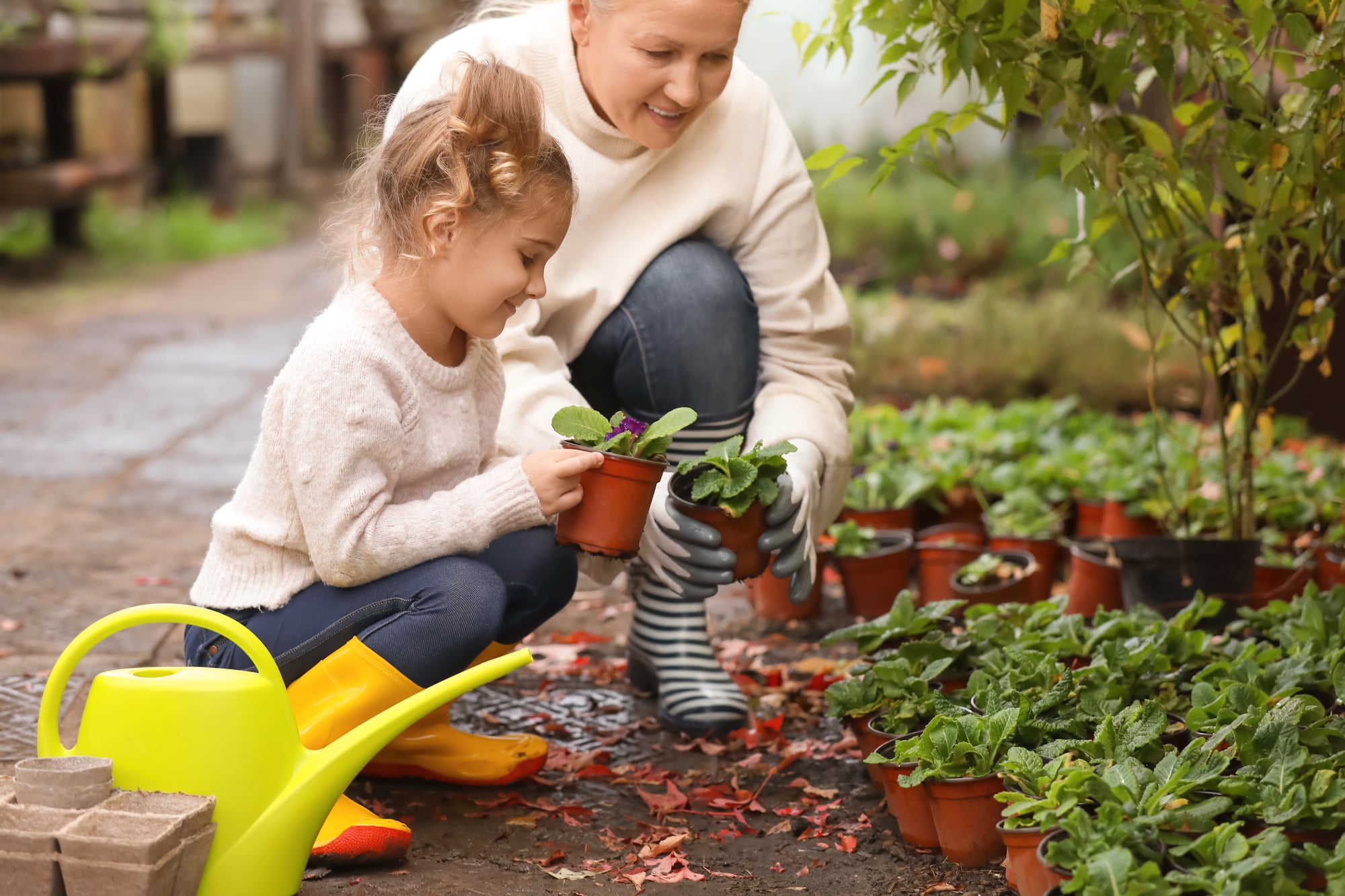
Whether it was a vegetable patch, a lawn full of fruit trees, or a strip of wild growth behind a fence, the garden was always fair game. Nobody told you to be careful about the flowers.
You were handed a hose. You were shown how to pick something.
The garden existed for use, and children understood this immediately.
Sitting With Them in Silence Without It Being Awkward

Adults who struggle to sit quietly with other adults for more than a few minutes often remember doing it easily as children with grandparents. Sitting on a porch while someone shelled peas, or watching afternoon television without talking, or being present in a room while a grandparent read the newspaper — that comfort with shared silence was its own education.
The Weight of a Quilt That Had Been in the Family for Decades

Spare beds at grandparents’ houses came with bedding that had a history. Heavy quilts that smelled of cedar.
Pillowcases that had been washed hundreds of times until they were impossibly soft. Children slept under these things and felt, without being able to articulate it, that something old was keeping them warm.
Being Told Stories That Started With “When I Was Your Age”

The stories weren’t always dramatic. A walk to school.
A summer job. A particular teacher.
A neighbor who did something memorable in 1953. But children listened to these accounts with a concentration they rarely applied to anything else, because they were being handed a version of a world that no longer existed.
The Noise the House Made at Night
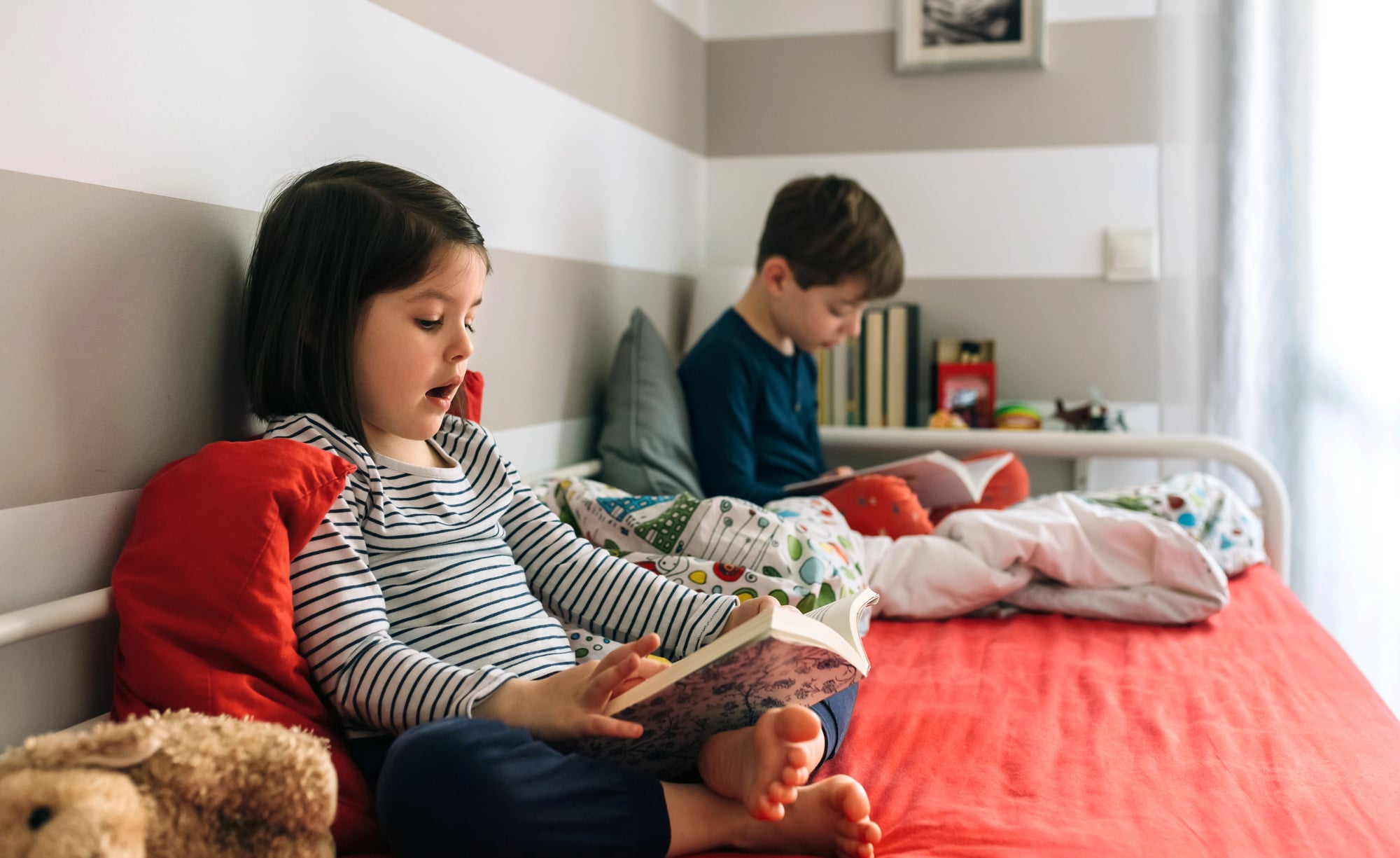
Old houses speak. They settle and creak in the dark in ways that are specific to that building and no other.
Children lying awake in an unfamiliar room learned the particular vocabulary of that house — which floorboard, which pipe, which window frame. By the end of the visit, those sounds were comforting.
Being Taken Somewhere They Considered a Treat

The destination itself didn’t need to be significant. A hardware store.
A church. A market where a grandparent bought the same things every week from the same stall.
Children registered the destination as special simply because the grandparent treated it that way, or because they were being included in something adult and routine.
The Photo Albums Left Out for Anyone to Look Through

Stiff-paged albums with photographs stuck behind acetate sheets. Sepia images of people nobody could name with certainty.
Wedding photographs where the grandparent was younger than the child’s parent was now. These albums got browsed repeatedly, and the questions they prompted produced answers that became family history.
Learning to Do Something Practical
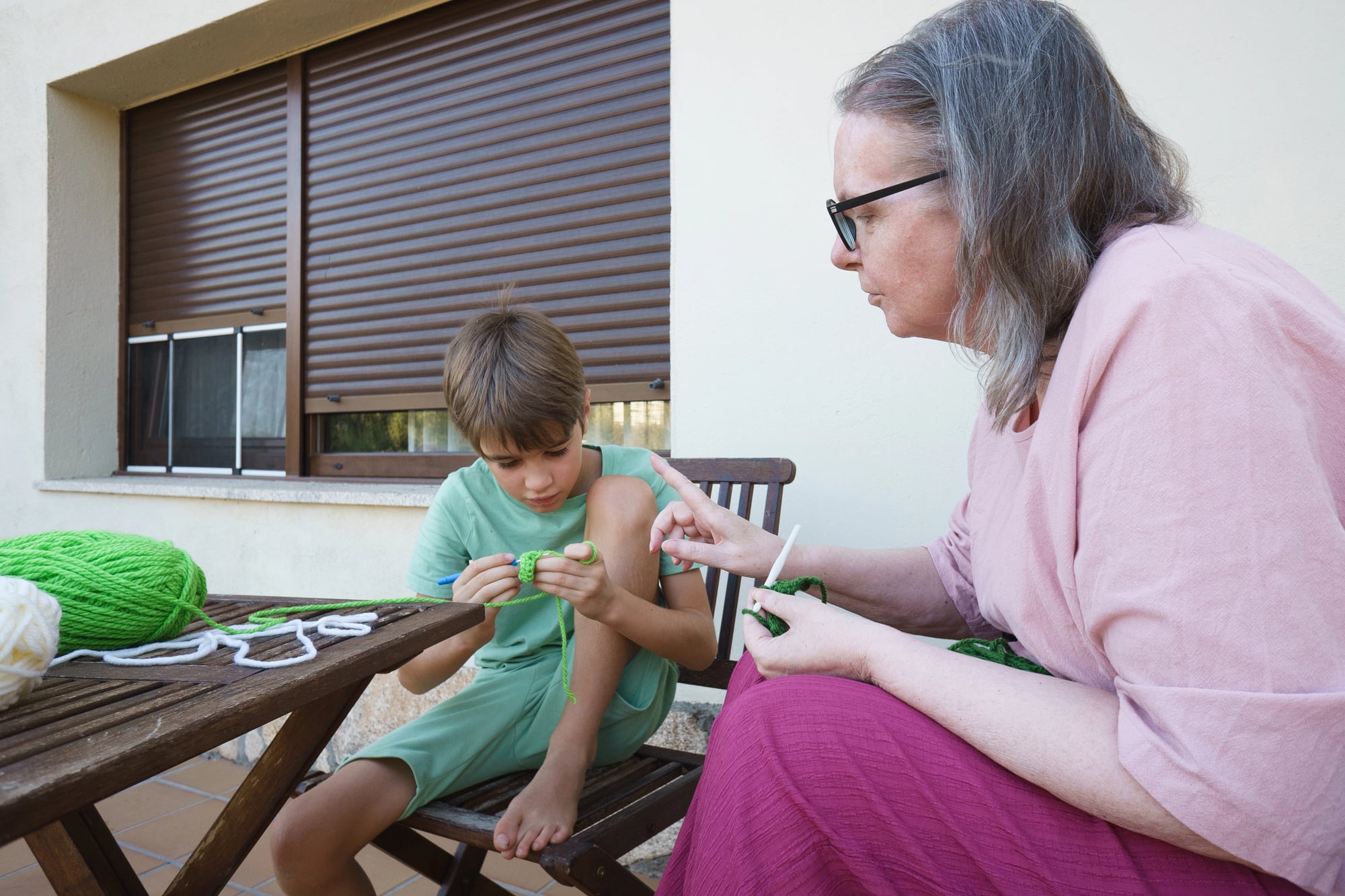
Crochet. Card games with proper rules.
How to use a particular tool. How to fold something the right way.
How to read the weather by looking at the sky. These skills transferred from one set of hands to another in the slow time of summer visits, and many of them stuck for life.
The Particular Television They Watched
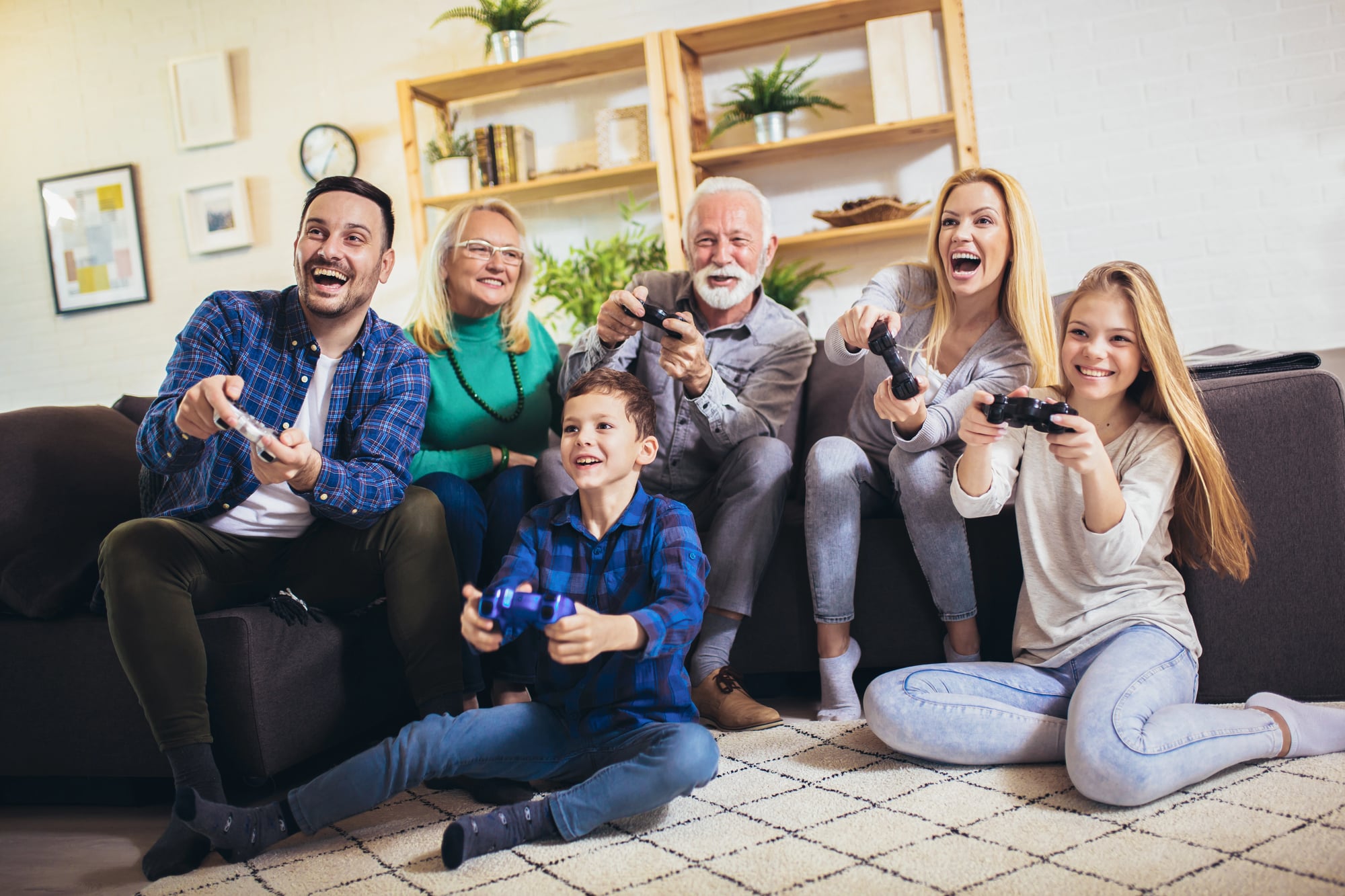
Grandparents watched different programs. News at a specific hour.
Old films. Game shows that seemed to follow rules the child didn’t fully understand.
The television itself was often in a different position than at home, or a different size, or louder. Watching it felt like watching TV from another era, which is often exactly what it was.
Being Given Something Old That Belonged to Someone Else First

A pen. A watch.
A brooch. A small figurine from the mantelpiece.
Some grandparents gave these things with elaborate explanations of their provenance, and some handed them over without a word. Either way, the object became immediately significant in a way that brand-new things rarely achieved.
The Ritual of Meals at Specific Times
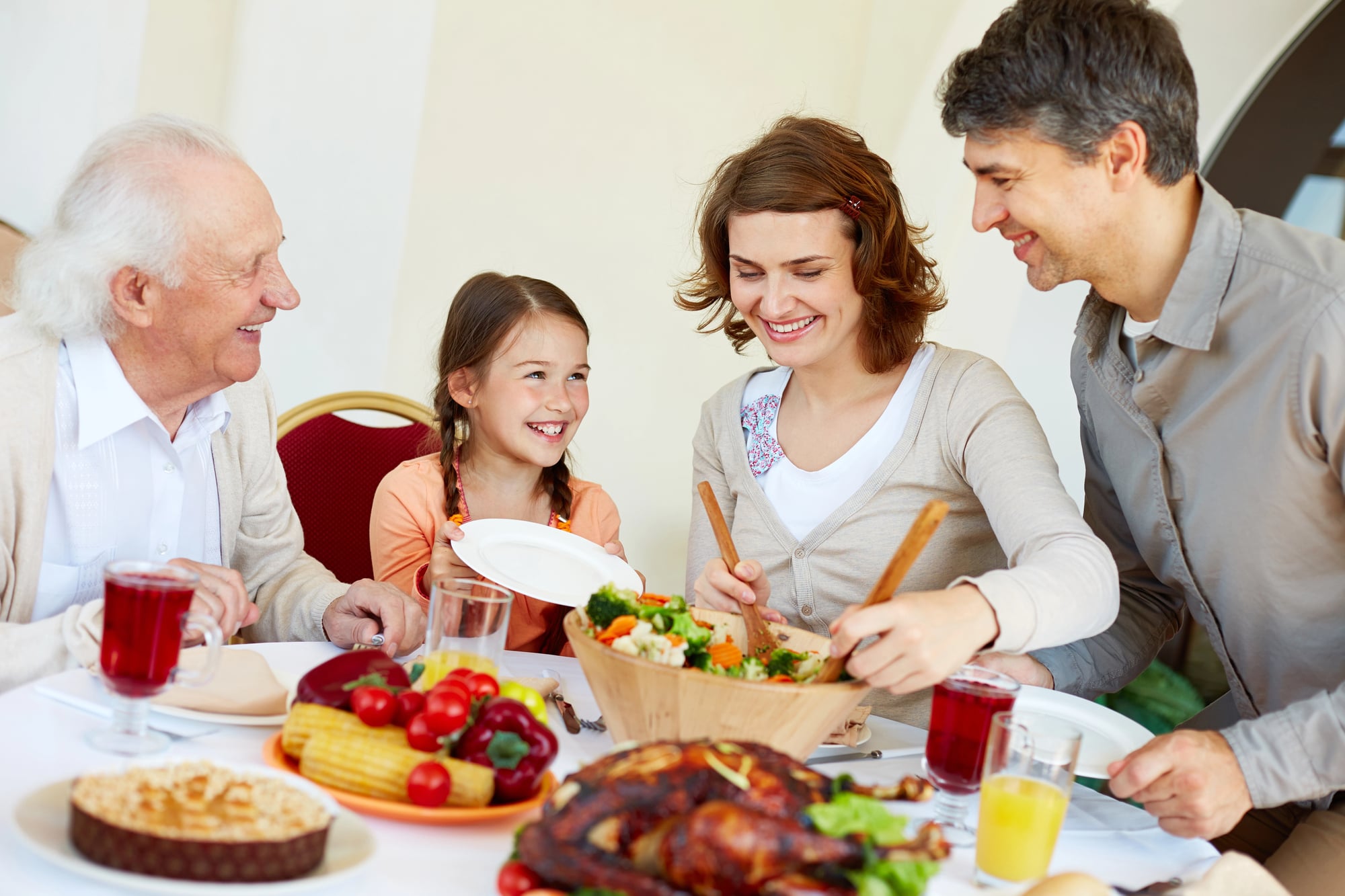
Breakfast at a fixed hour. Lunch was not skipped.
Dinner was called something different, or served at a time that felt early or late by home standards. The schedule of eating organized the whole day, and within a few days, children had synchronized to it completely and would feel hungry at exactly the right moments.
Cards or Board Games That Required Actual Concentration
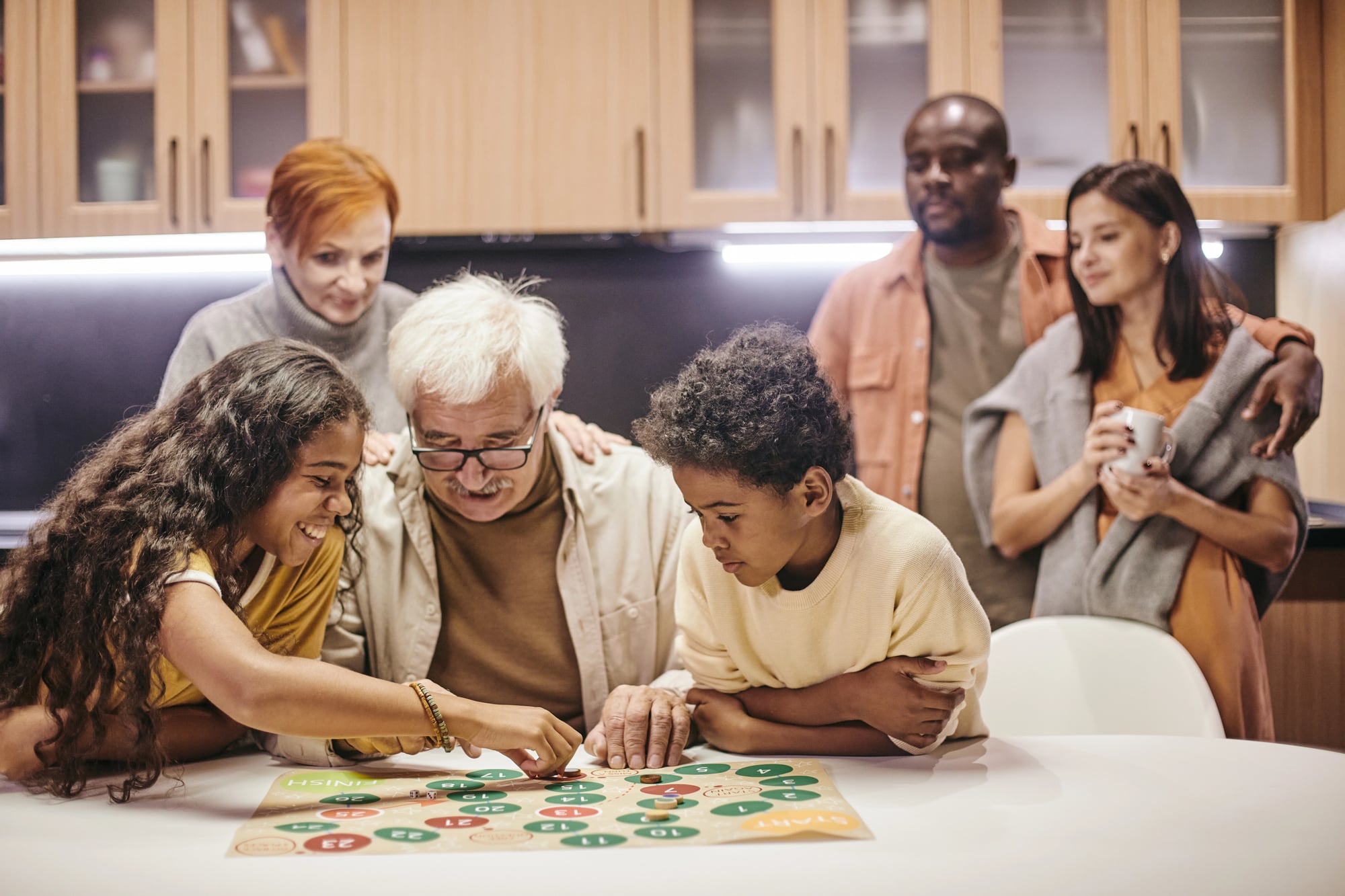
Not the quick-result games designed for short attention spans, but games with rules that took a full round to understand and strategy that took longer to develop. Grandparents played these games with complete seriousness.
Being beaten by one’s grandmother at cards was a formative experience for a significant portion of the population.
The Feeling of Not Being Rushed

Summer at a grandparent’s house moved at a pace that didn’t exist anywhere else in life. Nothing had to happen by a particular time.
If someone wanted to sit and watch the garden for an hour, that was a viable activity. Children absorbed this pace and sometimes spent the rest of their lives trying to find it again.
Meeting Neighbors Who Seemed to Have Known the Family Forever
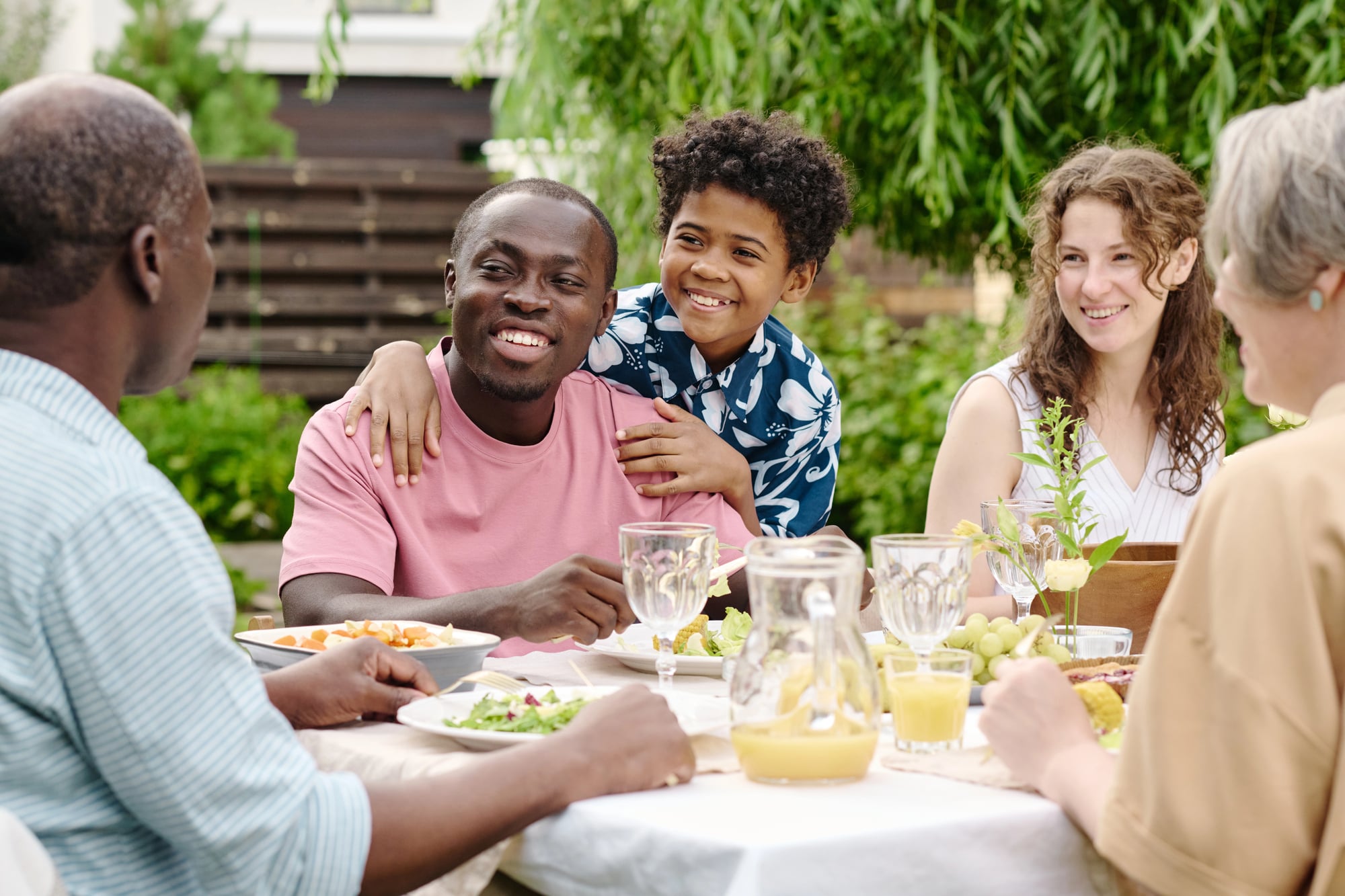
Neighbours would appear at the fence or the gate, or stop while walking past, and begin conversations that referenced events from decades before the child was born. These people looked at the child as if recognizing something.
Being regarded as part of a long chain of people was disorienting and quietly moving.
The Particular Soap in the Bathroom

This is specific in a way that seems trivial and turns out not to be. Grandparents used soap — a particular brand, a particular scent — that didn’t appear at home.
Washing your hands at their house put something in your sensory memory so durable that the smell of that soap, encountered at random forty years later, can make your chest tighten.
Helping With Something That Actually Mattered
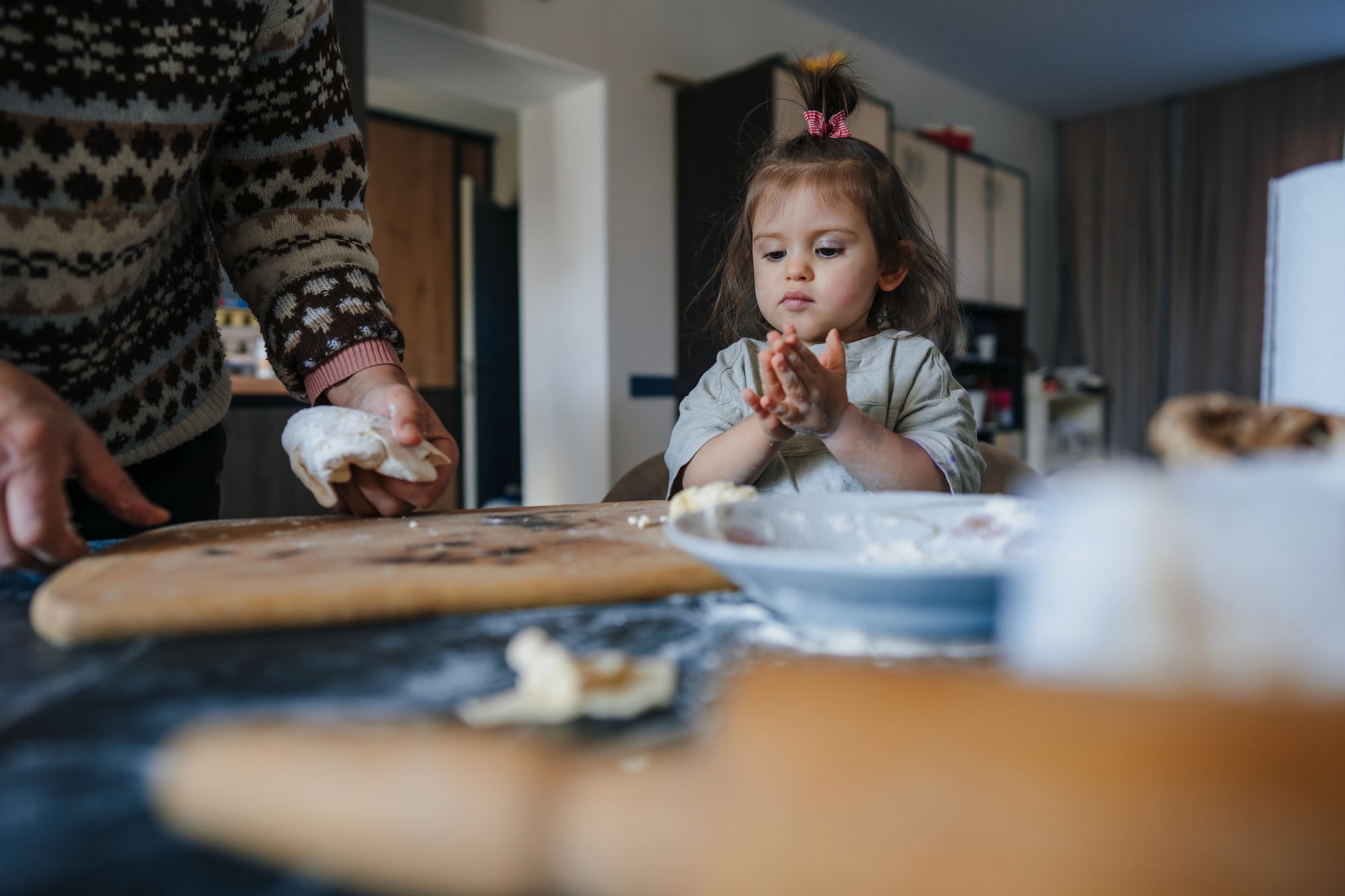
Not manufactured tasks designed to make a child feel useful, but real jobs that needed doing. Feeding animals.
Carrying shopping. Peeling vegetables for the actual meal everyone was going to eat.
Being trusted with something real communicated a form of respect that children felt even when they couldn’t name it.
The Way They Said Goodbye

The goodbye at the end of a summer visit had a specific quality. The grandparent standing at the door or the gate, watching until the car was out of sight.
The particular wave. The knowledge, understood at some level even then, that the number of these visits was finite.
Children carried that goodbye with them for the whole drive home.
Overhearing Adult Conversations Not Meant for Them

Houses where multiple generations gathered were houses where things were sometimes said in front of children on the assumption that children weren’t really listening. Children were always listening.
They absorbed fragments about money, health, history, people in the family who were not there — and filed them away to make sense of later.
The Pets That Were Old and Calm

Old dogs that lay in patches of sun and didn’t ask to play. Cats that had been doing the same route around the same house for fifteen years.
These animals had a composure that matched the pace of the house itself. They tolerated being sat with.
Being near something that old and that calm had an effect that’s hard to quantify but easy to remember.
Finding Out Something Surprising About Them

At some point during every summer visit, children discovered something about the grandparent they hadn’t known. A skill.
A hobby. A photograph of them young.
A story about a war or a move or a decision that changed everything. The realisation that grandparents had entire lives before becoming grandparents arrived differently for every child, but it always arrived.
The Drive Home

Children fell asleep in cars on the way home from grandparents’ houses in a way they didn’t fall asleep anywhere else. Spent and soft and full of food.
The week or two that had just happened settled over them like the quilt. Whatever they’d been given — the time, the quiet, the attention, the stories — they carried it home without knowing what to do with it yet.
The Way Time Compressed Into a Single, Amber-Coloured Memory

Ask most adults to describe a summer at their grandparents’ house and they’ll give you impressions, not a timeline. The detail of a particular morning.
The sound of a particular thing. A feeling, not a sequence.
Memory works like that with very good experiences — it doesn’t preserve everything in order, it preserves everything that mattered in one luminous, untidy block.
The Knowledge That It Would Happen Again
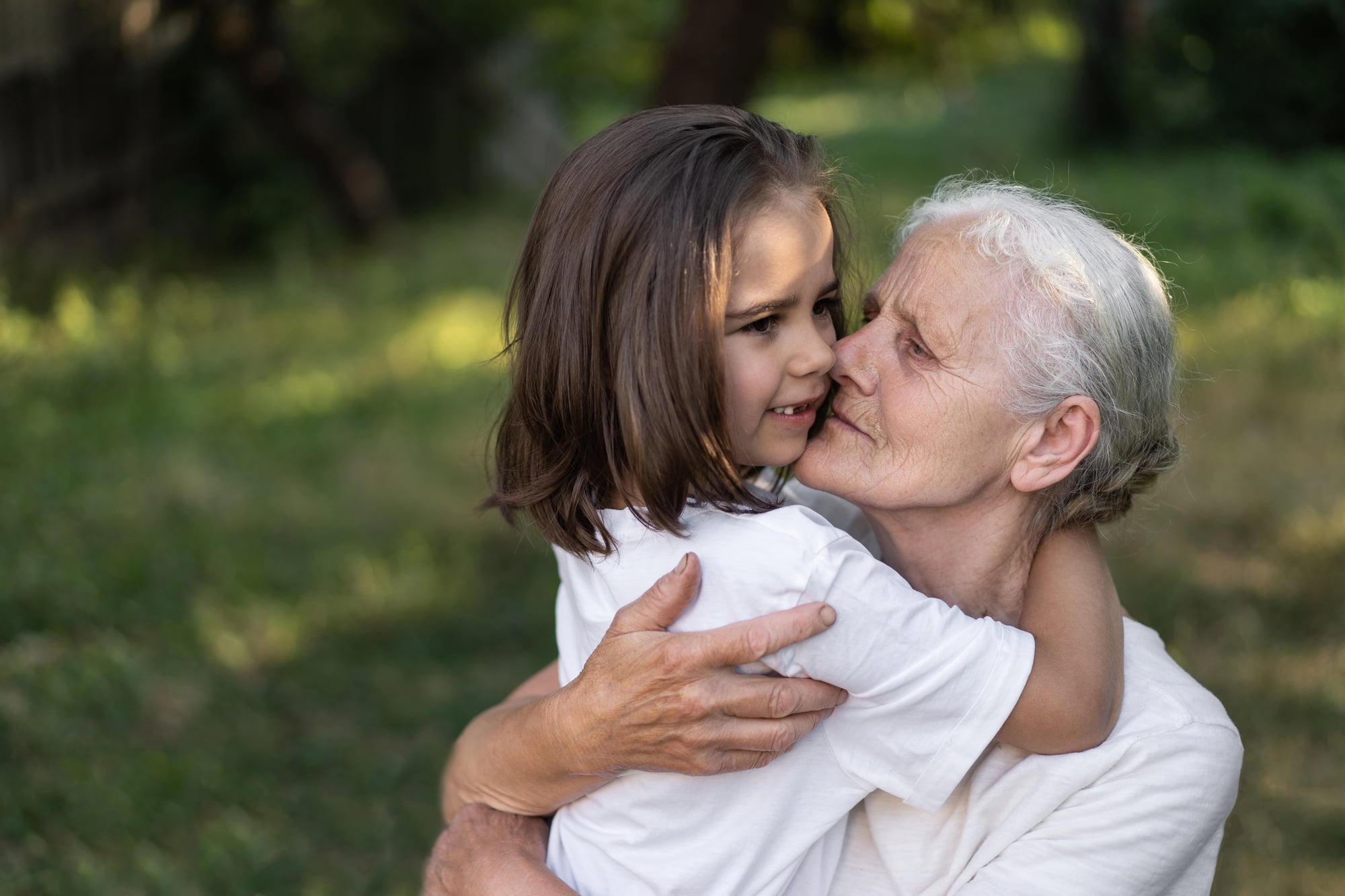
For children who had the luck to visit regularly, one of the things that shaped the visit itself was knowing there would be another one. Next year.
Same house. Same drawer full of things without purpose.
Same smell at the door. That continuity was itself a form of security that children felt in their bodies without articulating it as such.
The Long Pause Before You Got Used to Home Again

Coming back from a summer visit took a few days of adjustment. The pace at home felt accelerated.
The food was different. The silence — if there was any — was a different kind of silence.
Children who had been away for weeks came back slightly older, in ways that had nothing to do with the calendar.
What Those Summers Actually Were

The older you get, the more clearly those summers resolve into what they actually were: an education in how to be with people, how to slow down, how to be interested in things that happened before you existed. Grandparents didn’t plan this.
They just lived their lives and let children come along for a few weeks.
What kids carried home wasn’t always something they could name. It was a posture toward time, a feeling about the value of ordinary things, a lesson in patience that no classroom could have delivered in the same way.
The house is often gone now, and the people in it. But the summer stays.
More from Go2Tutors!

- The Romanov Crown Jewels and Their Tragic Fate
- 13 Historical Mysteries That Science Still Can’t Solve
- Famous Hoaxes That Fooled the World for Years
- 15 Child Stars with Tragic Adult Lives
- 16 Famous Jewelry Pieces in History
Like Go2Tutors’s content? Follow us on MSN.