29 Summer Activities That Cost Nothing But Kept Kids Occupied From Morning Until Dark
Nobody planned it. That was the point.
You woke up on a summer morning, ate cereal standing at the counter, and walked out the door without a schedule or a destination.
Somewhere between the front step and lunch you found six other kids, made up three games, got into an argument about the rules of one of them, and forgot about the argument entirely by the time the streetlights came on.
The activities below didn’t need a parent to organize them, a credit card to fund them, or a screen to explain them.
They just needed a long day and kids with nowhere they had to be.
Building A Fort

A fort could be made of anything — blanket over two chairs, crates behind the garage, plywood balanced against a fence, branches wedged between trees.
The construction was the activity, not the fort itself, which was usually abandoned by the following weekend in favor of a slightly better one somewhere else.
The unspoken rule was that the fort had rules: who could come in, what you could bring, and which neighboring kids were temporarily the enemy.
Catching Fireflies At Dusk
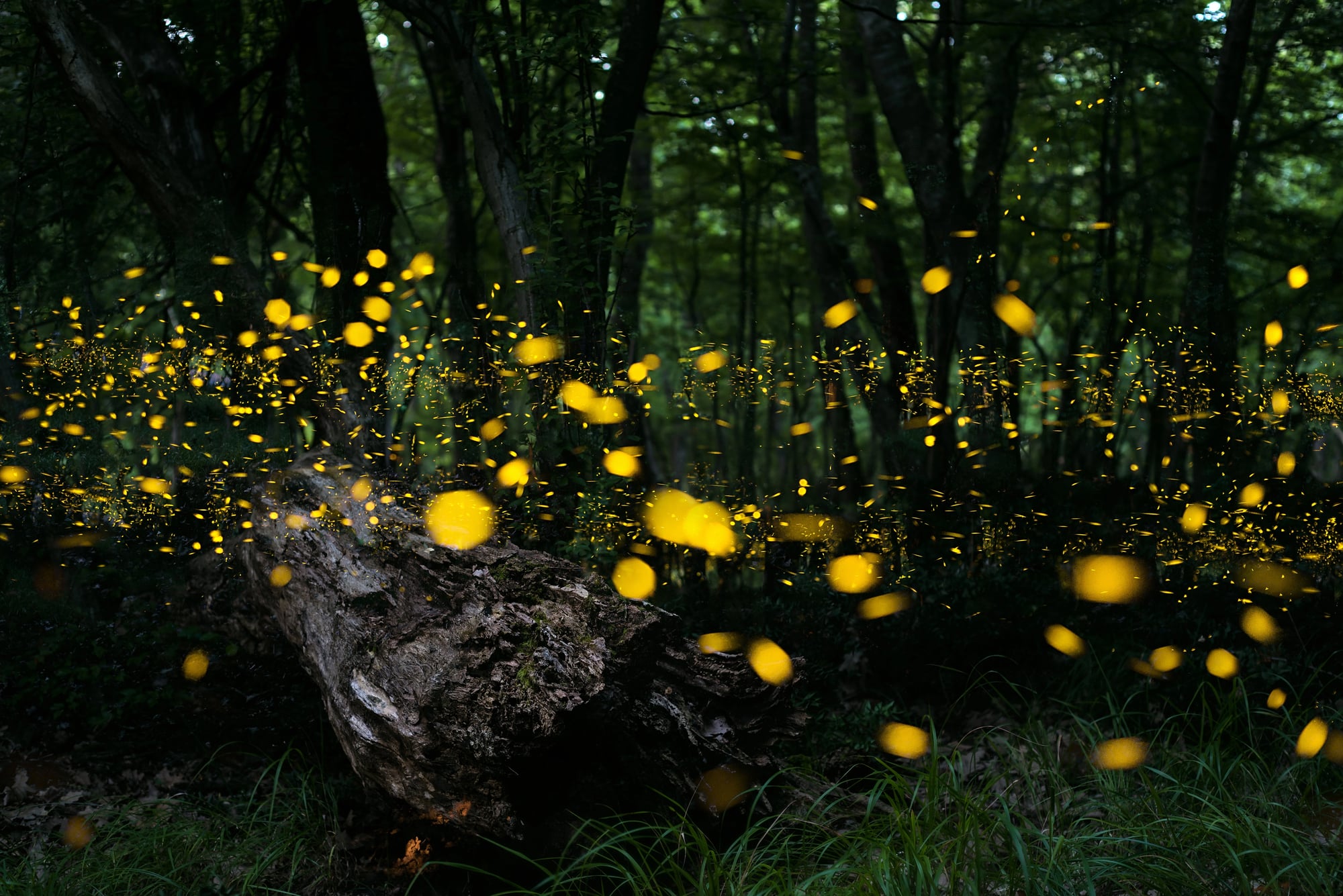
The hour before dark when fireflies started appearing was the one time of day in summer that didn’t require anyone to invent something to do.
You needed only a jar with openings punched in the lid.
Catching them required patience and a specific technique — waiting for the flash, watching where it drifted, then cupping both hands over the spot on the grass.
Most kids released them before bed.
Some didn’t, and learned the next morning why a jar of fireflies that didn’t make it through the night was a different thing entirely.
Running Through The Sprinkler
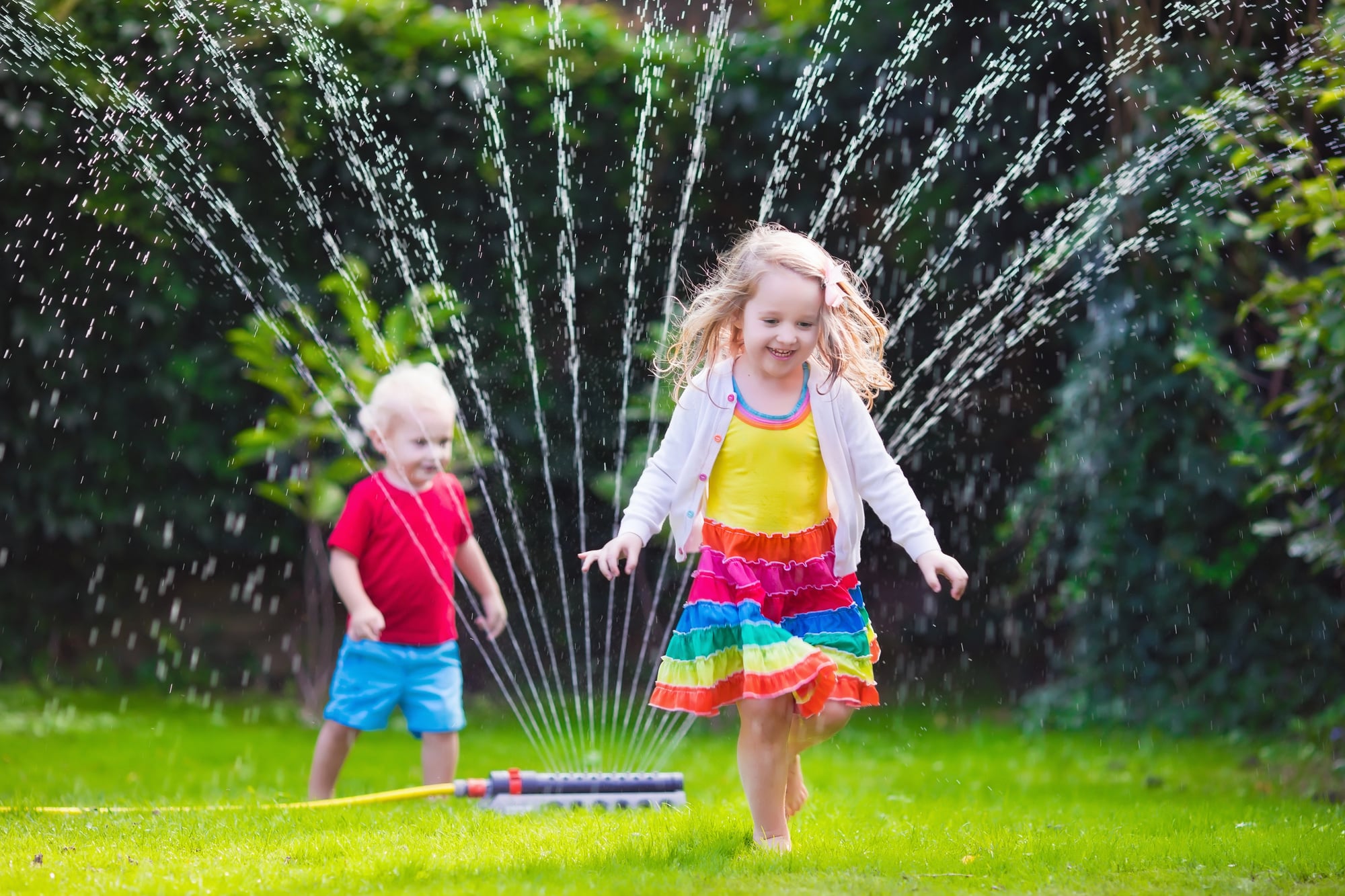
Not a pool, not a water park — just the rotating garden sprinkler running in the backyard on a July afternoon while someone’s parents were trying to water the lawn.
The game was to run through the arc of water at exactly the right moment, which took genuine timing and produced genuine screaming.
The competition was loosely about who could run through the most times, though the real prize was simply staying wet long enough to justify avoiding going inside.
Playing Kick The Can
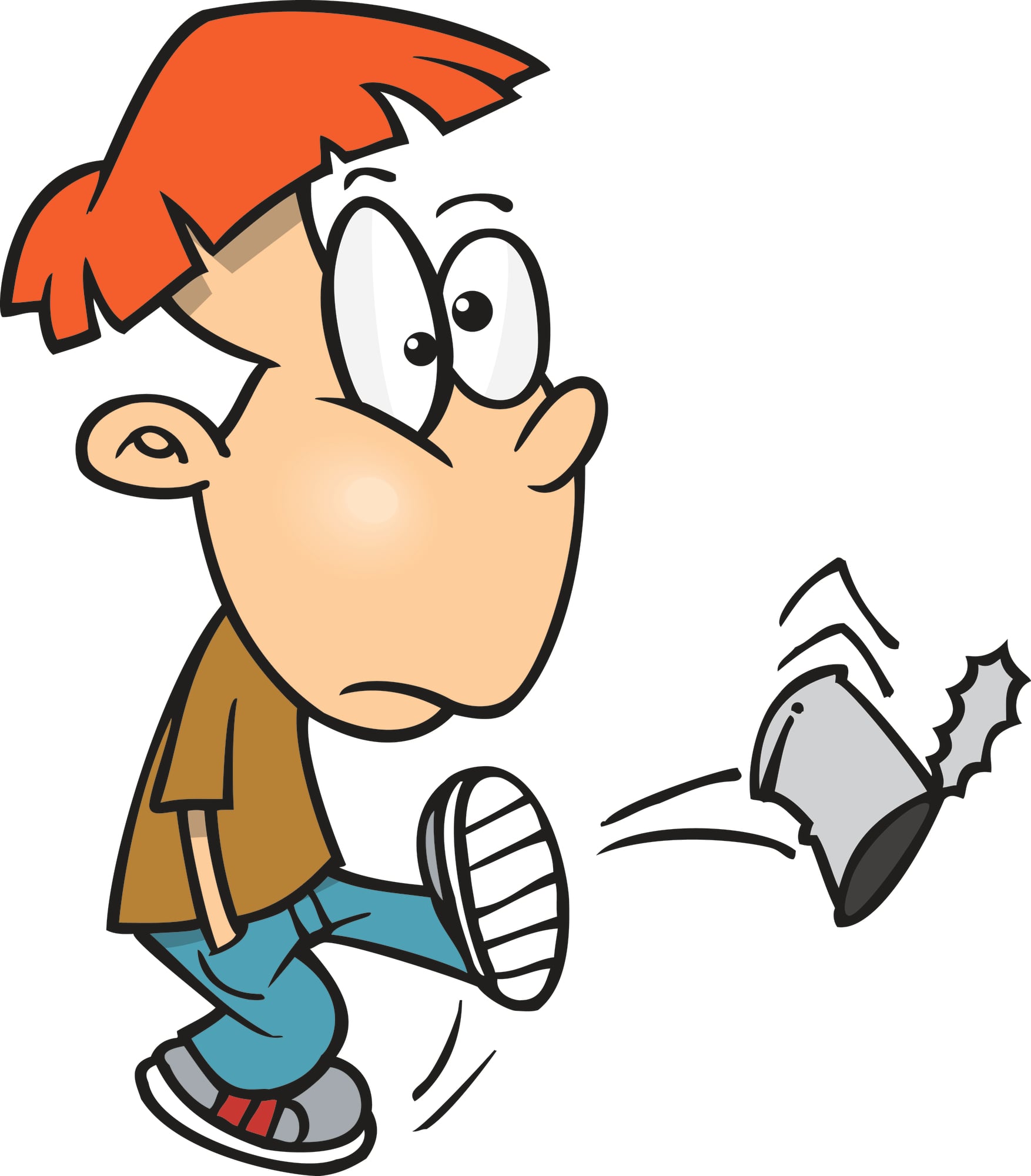
Kick The Can required a can, a street or yard with places to hide, and a minimum of five kids.
The one who was “it” guarded the can; everyone else hid.
If you were found, you went to a holding area; if another player managed to kick the can before being tagged, everyone in the holding area went free.
The strategic depth of this game was astonishing for something played by eight-year-olds — the decision of when to make a run for the can, factoring in the positions of other hiders and the “it” player’s likely return path, required genuine spatial reasoning.
Riding Bikes To Nowhere In Particular
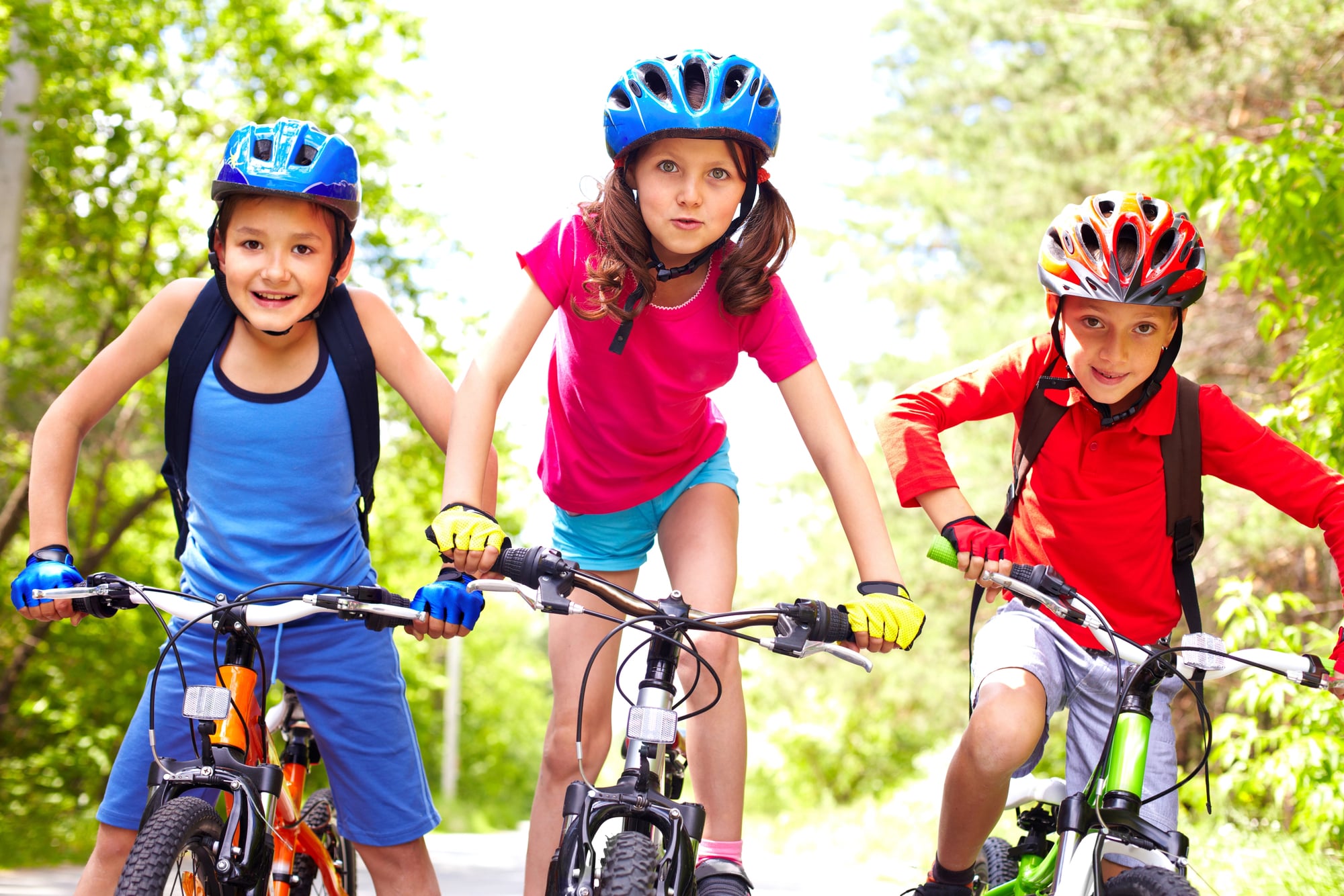
The destination was irrelevant.
What mattered was that you were on your bike, with other kids on their bikes, and you could go anywhere in the neighborhood and several blocks beyond without telling anyone exactly where you were going.
The ride usually ended when someone got thirsty, or when you found something interesting — a construction site, a creek, someone else’s neighborhood where the trees were different — and the bikes got abandoned while you investigated on foot.
Playing Cards On The Porch

A deck of cards kept three to eight kids occupied for an entire afternoon.
Go Fish gave way to Crazy Eights, which gave way to Rummy, which gave way to whatever someone’s older sibling had taught them that the others didn’t know the rules of yet.
The porch was the natural venue — shaded, within calling distance of someone’s kitchen, and permissive enough that nobody had to clean it up after.
The same deck got used all summer, increasingly soft and slightly warped at the edges from the humidity.
Digging A Pit
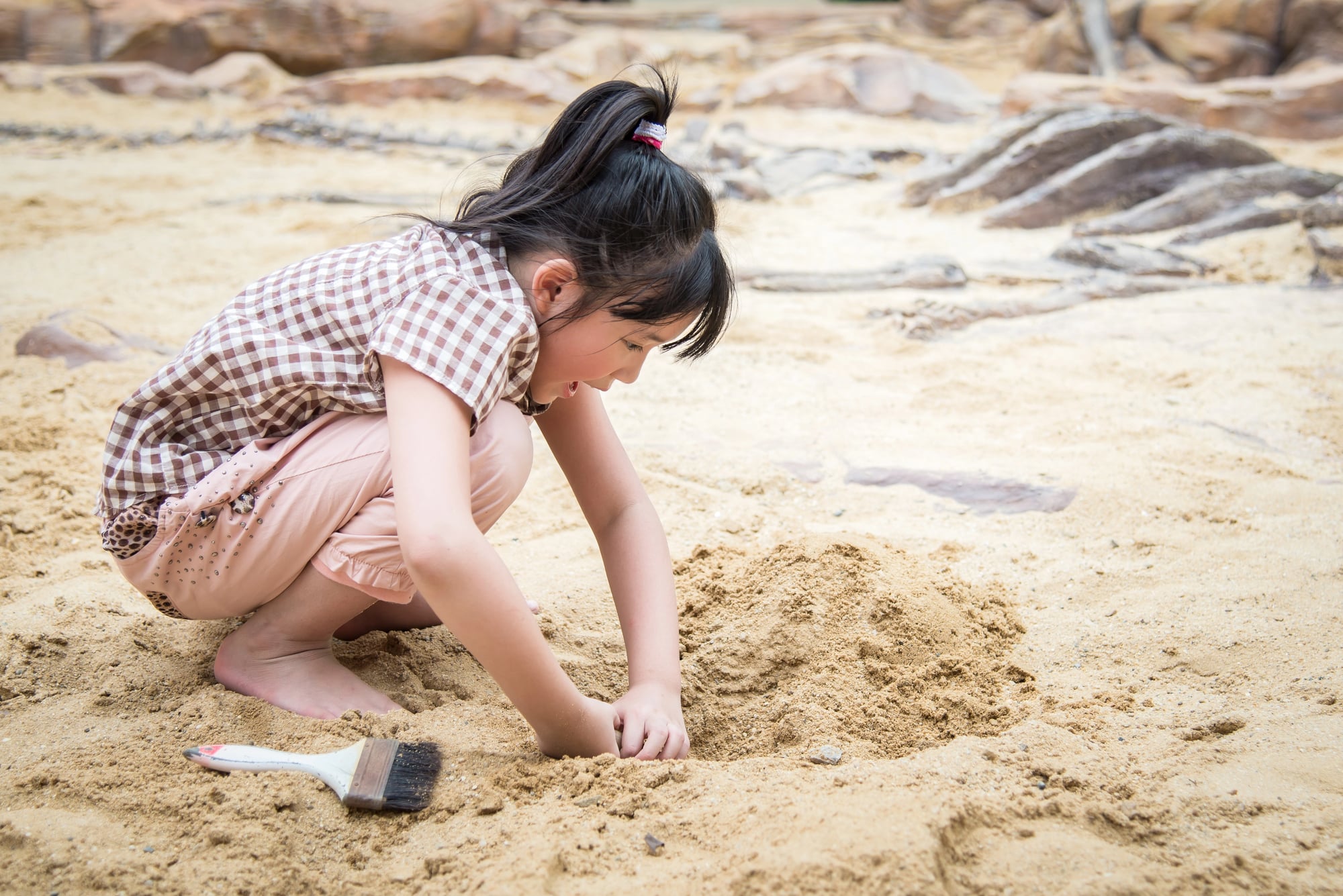
Some pits had a stated purpose — to China, to bury treasure, to make a pond for frogs.
Most didn’t.
You just dug, using whatever tools were available, and the pit got bigger through the contributions of multiple kids who wandered over, grabbed a shovel or a stick, and added to it without being asked.
An impressive pit could take a full day and generate considerable neighborhood interest.
Its purpose became clear at the end: the pit itself was what you were after.
Playing Simon Says
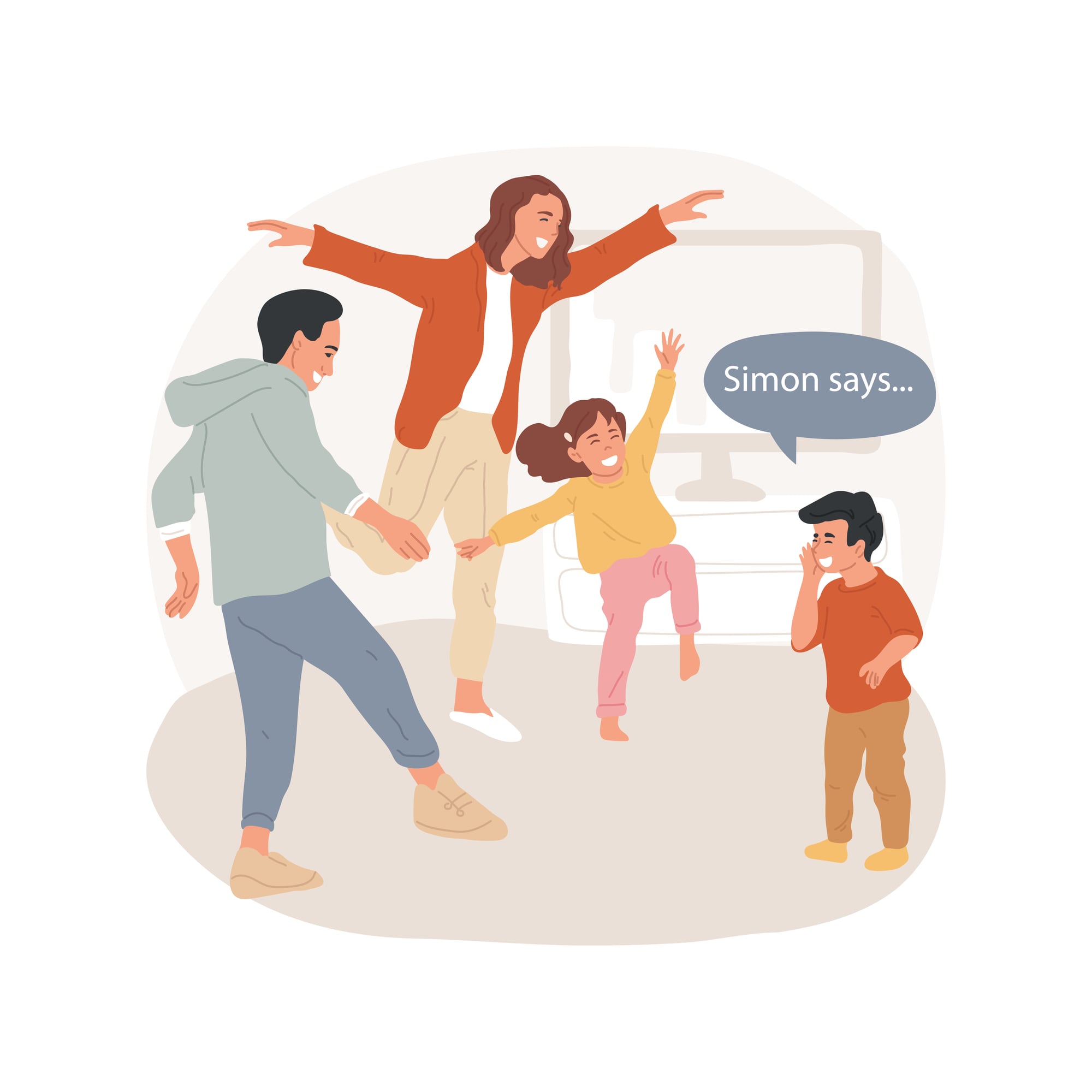
Simon Says was the game you played when you had a mixed group of ages and needed rules that didn’t require equipment, fitness, or prior knowledge.
The catch — obeying only commands preceded by “Simon says” — sounds simple and defeated nearly every kid under seven in the first round.
The pleasure wasn’t really in winning.
It was in the shared jolt of having moved when you weren’t supposed to, and the brief satisfaction of being the one who caught everyone else.
Making Mud
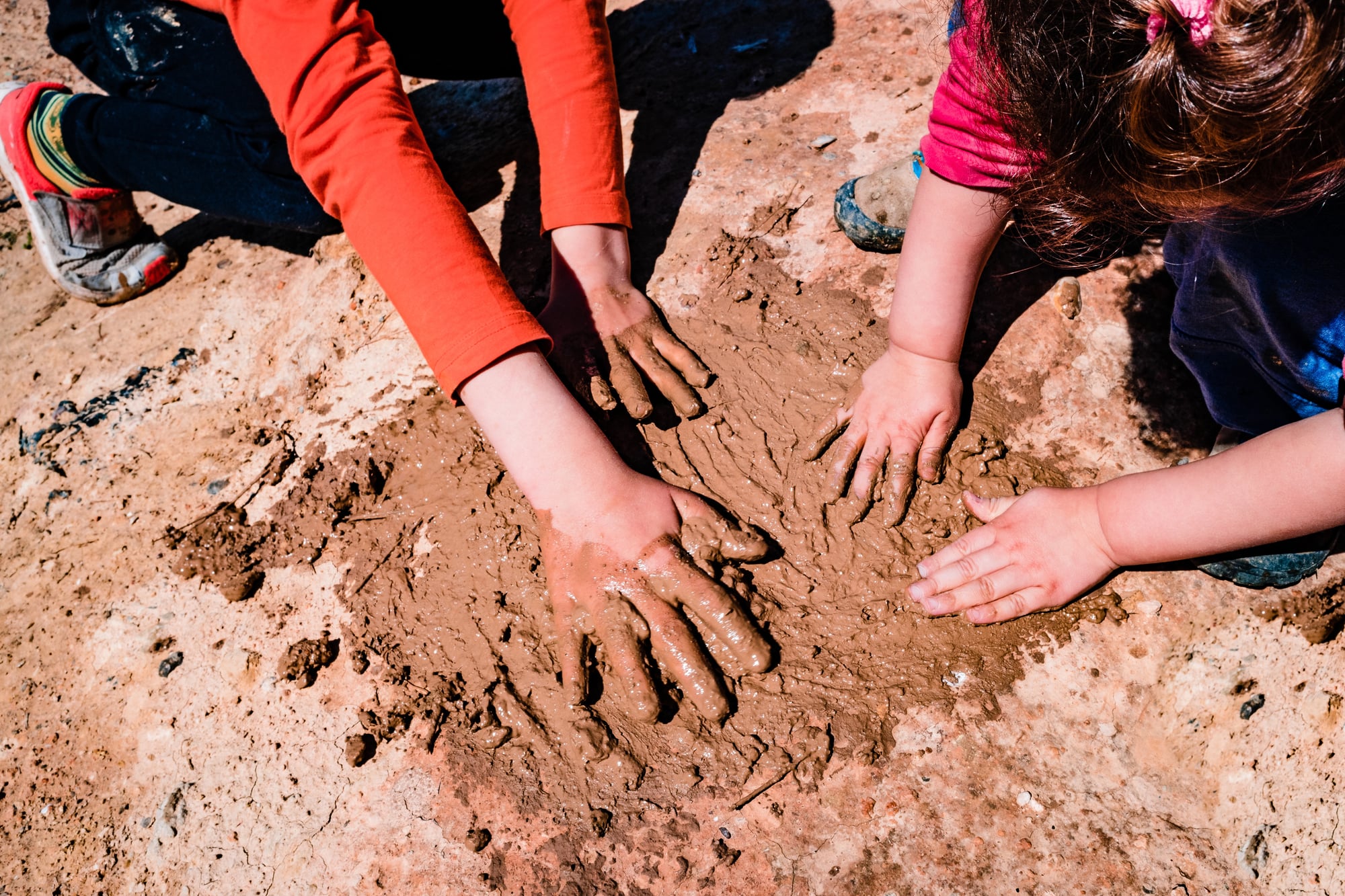
Mud required a garden hose, a patch of dirt, and the decision that getting dirty was worth the inevitable conversation at the back door.
Once you started, the mud became more interesting the more time you spent with it — you could build dams, make bricks, construct roads for smaller objects to move through, or simply press your hands into it and leave impressions.
The hose had to be turned on surreptitiously, which was part of the appeal.
Staging A Lemonade Stand
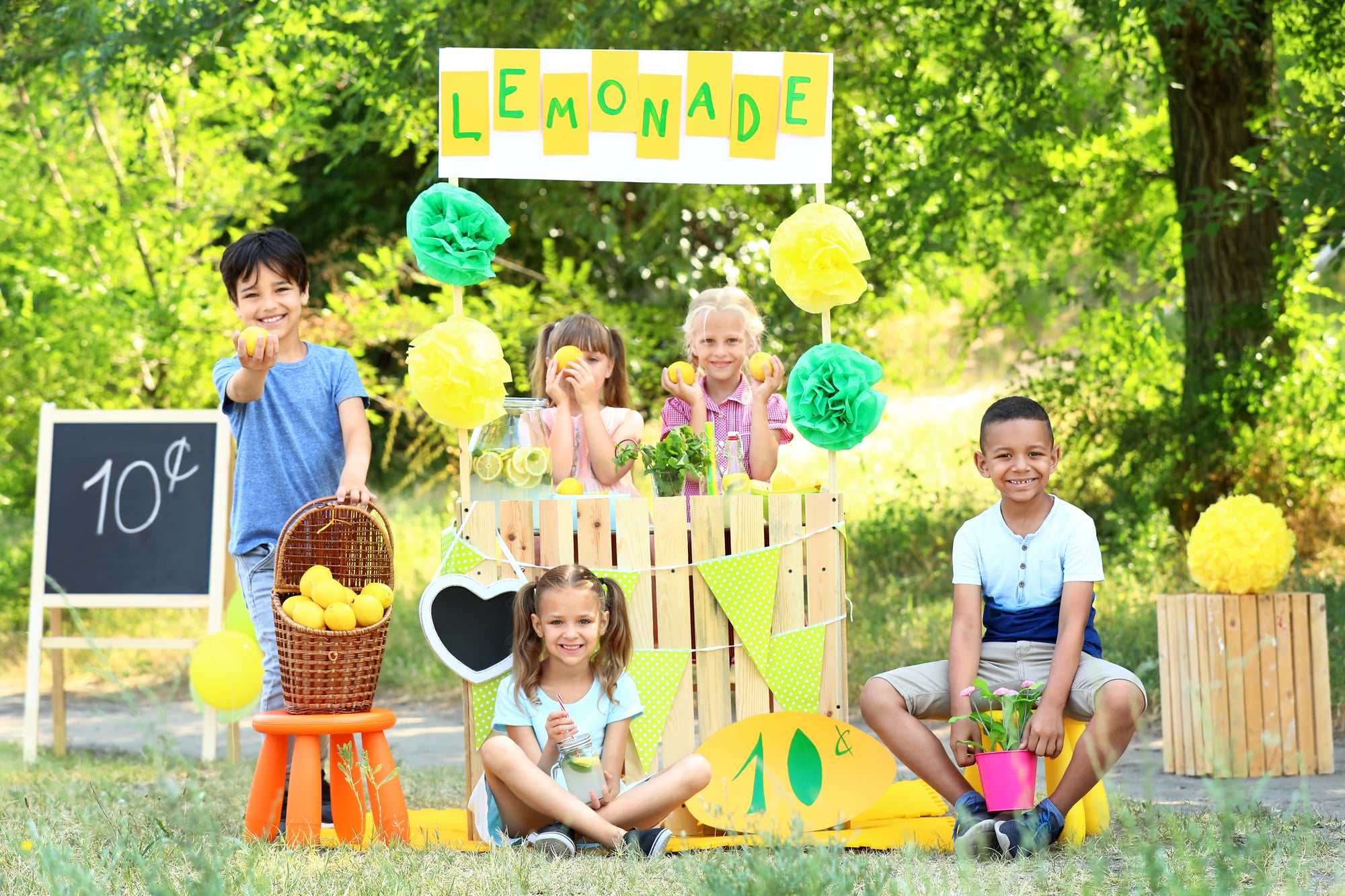
The lemonade stand was one of the rare childhood activities that blended the feeling of enterprise with the reality of extremely limited returns.
You made lemonade from powder or from actual lemons if someone’s parent was cooperative, found a cardboard sign, stationed yourself at the end of the driveway, and waited.
The waiting was long.
Sales were usually confined to sympathetic neighbors who happened to be walking past.
The profit, when calculated honestly, rarely exceeded a dollar.
This did not prevent the enterprise from being repeated the following week.
Making Up A Play And Performing It
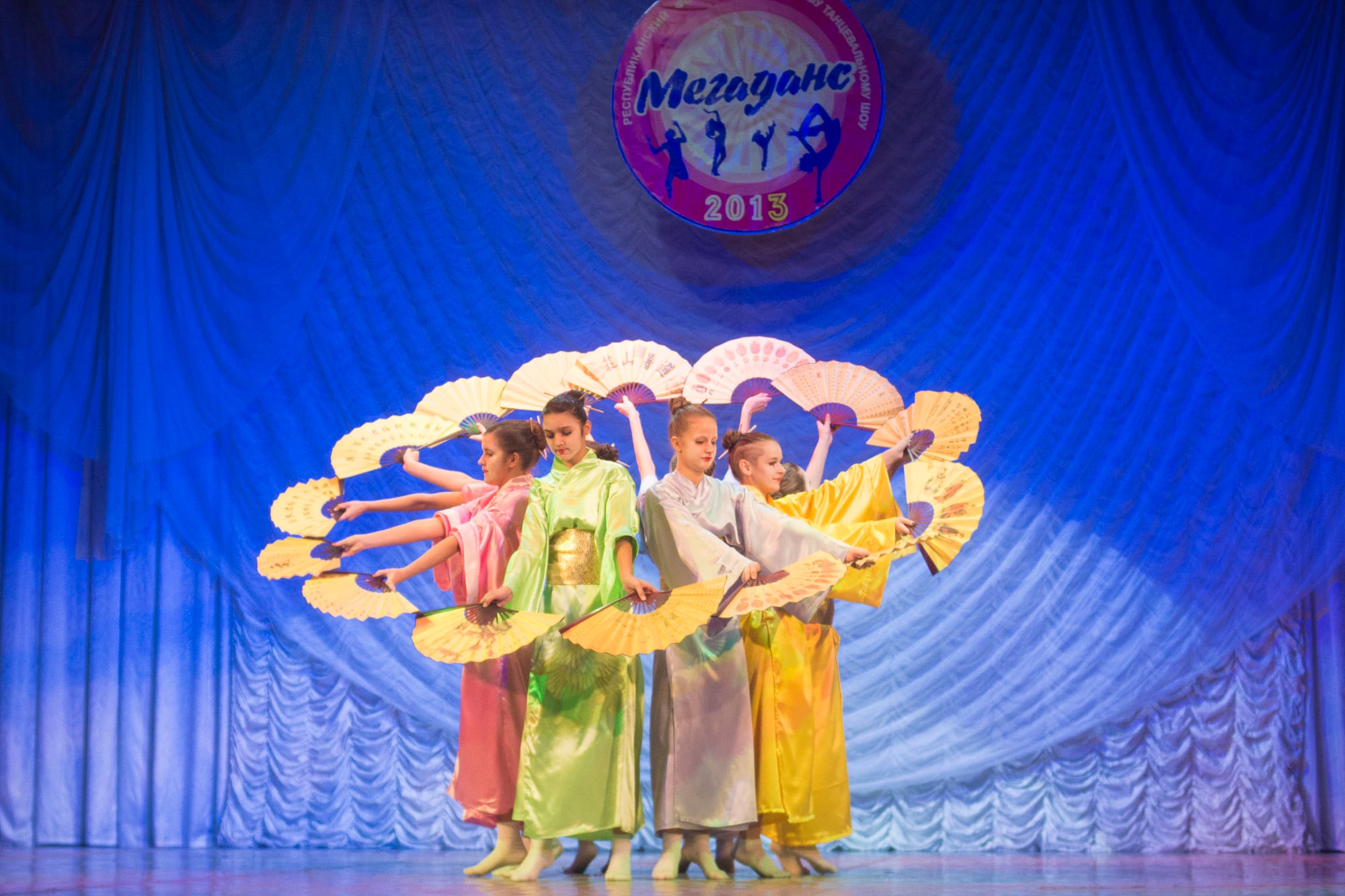
At some point in most summers, a group of kids decided to write a play and perform it for the neighborhood.
The script was usually negotiated by committee, with every participant assigned a role that suited their self-image rather than the play’s requirements.
Rehearsals lasted one afternoon. The performance happened either way.
The audience — parents, younger siblings, anyone who could be conscripted — was uniformly supportive regardless of the quality of the material, which was part of what made it work.
Skipping Stones
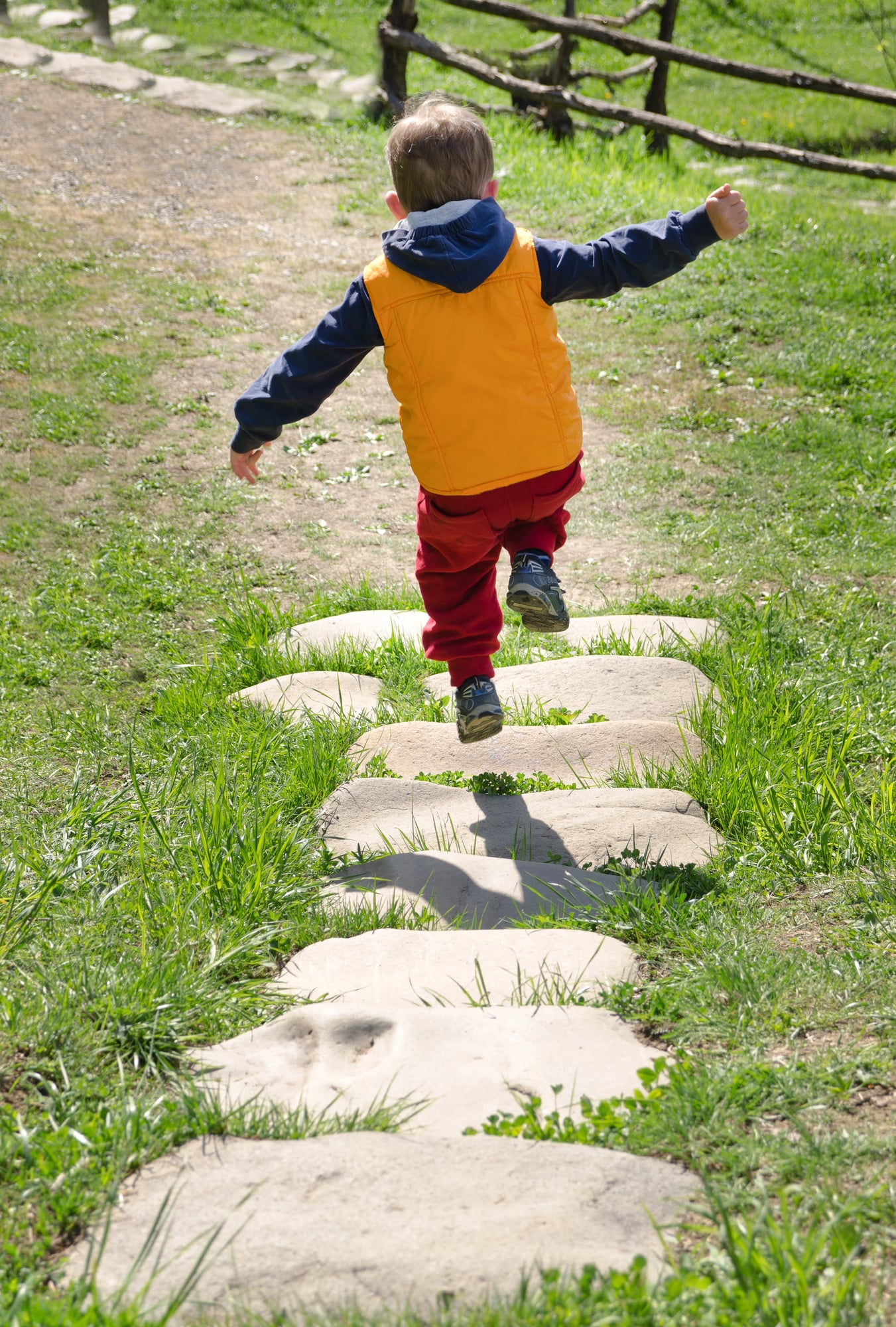
Finding a skipping stone was the first and most important skill — flat, smooth, about the size of a palm, light enough to throw with a sidearm flick.
A stone that skipped four times was good. Six was excellent.
Eight was the kind of achievement that got discussed for the rest of the afternoon and questionably recalled for years afterward.
The best spots required a short walk to a lake, pond, or river, which added a journey to the activity and guaranteed that whatever you came back with — stones, mud on your shoes, an improved technique — you’d earned it.
Playing Freeze Tag
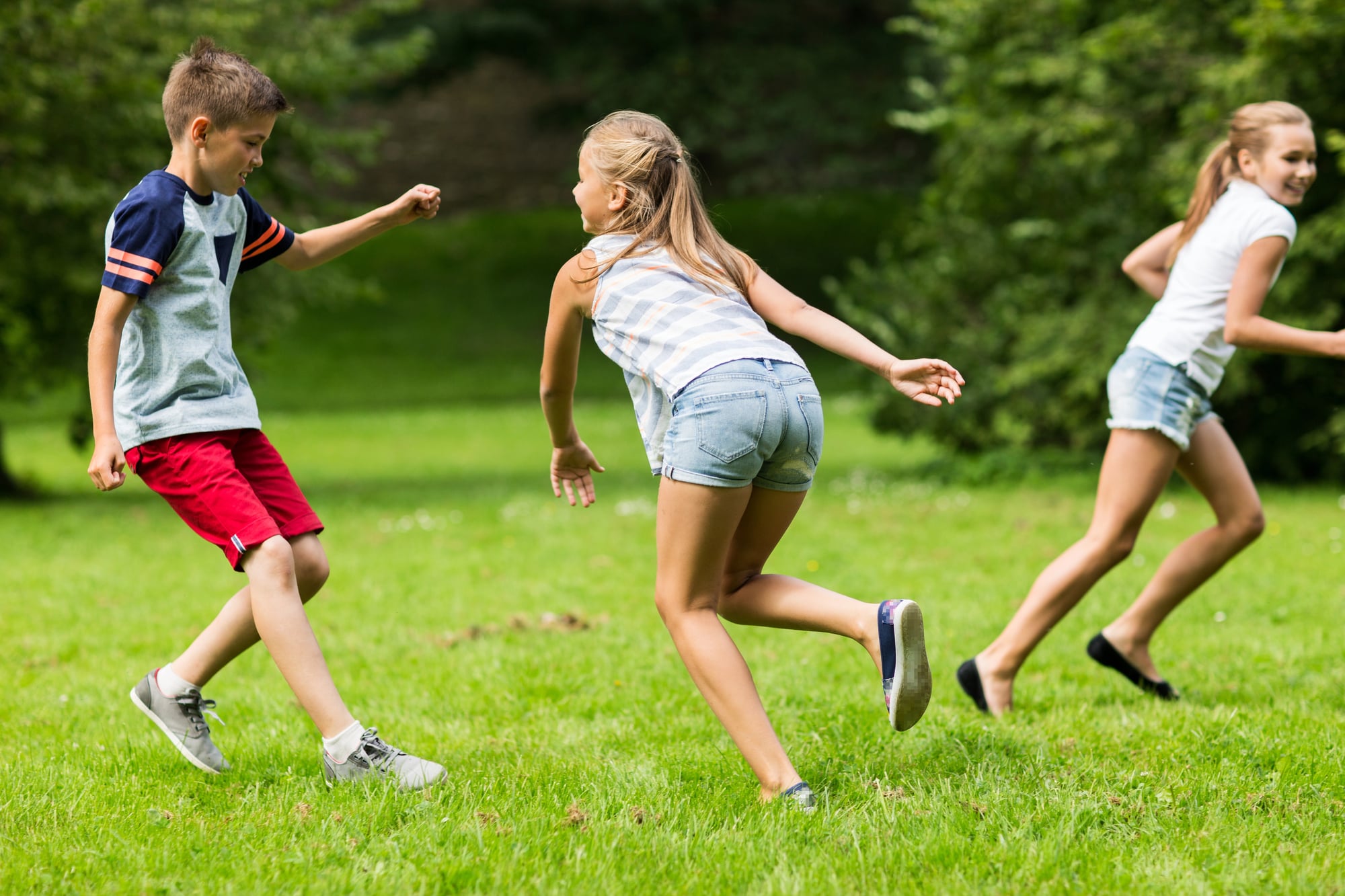
Freeze Tag required open space, a willingness to run, and at least one player who was “it.”
If you were tagged, you froze in place until another free player touched you to release you.
The game was endless in practice because freeing a frozen player was always more heroic than simply avoiding being tagged, which meant the game rarely reached a natural conclusion and instead dissolved when enough people got tired.
That was fine. The dissolution was part of the format.
Drawing Chalk Roads On The Driveway
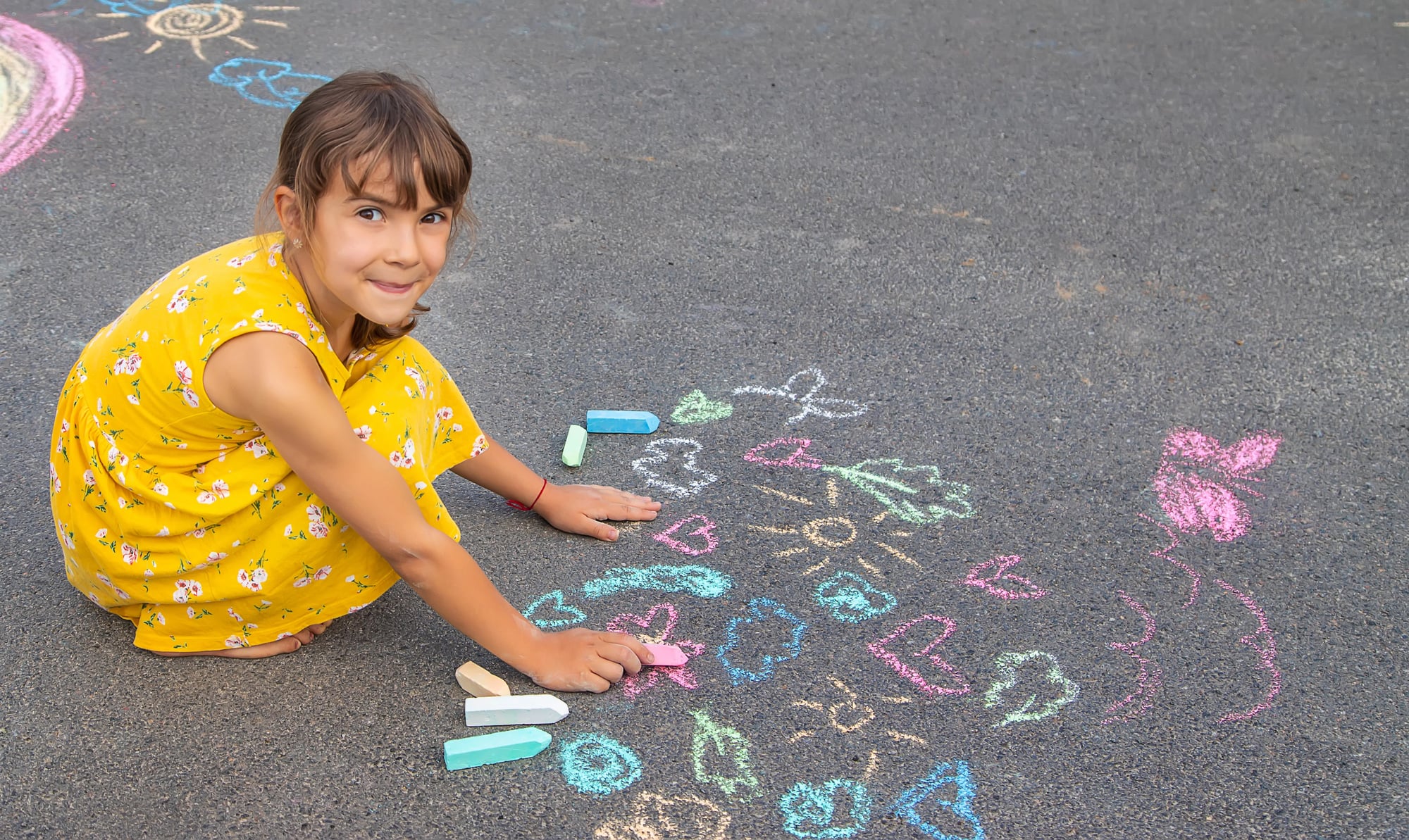
A box of sidewalk chalk and a concrete driveway was sufficient infrastructure for an afternoon of city planning.
The roads connected imaginary shops, houses, and parks.
Cars were shoes or bicycle wheels or whatever small toys were available.
The city expanded as more kids joined and added their own neighborhoods.
Rain erased everything, which was useful — it meant the city could be redesigned the following day without the weight of any previous decisions.
Catching Tadpoles
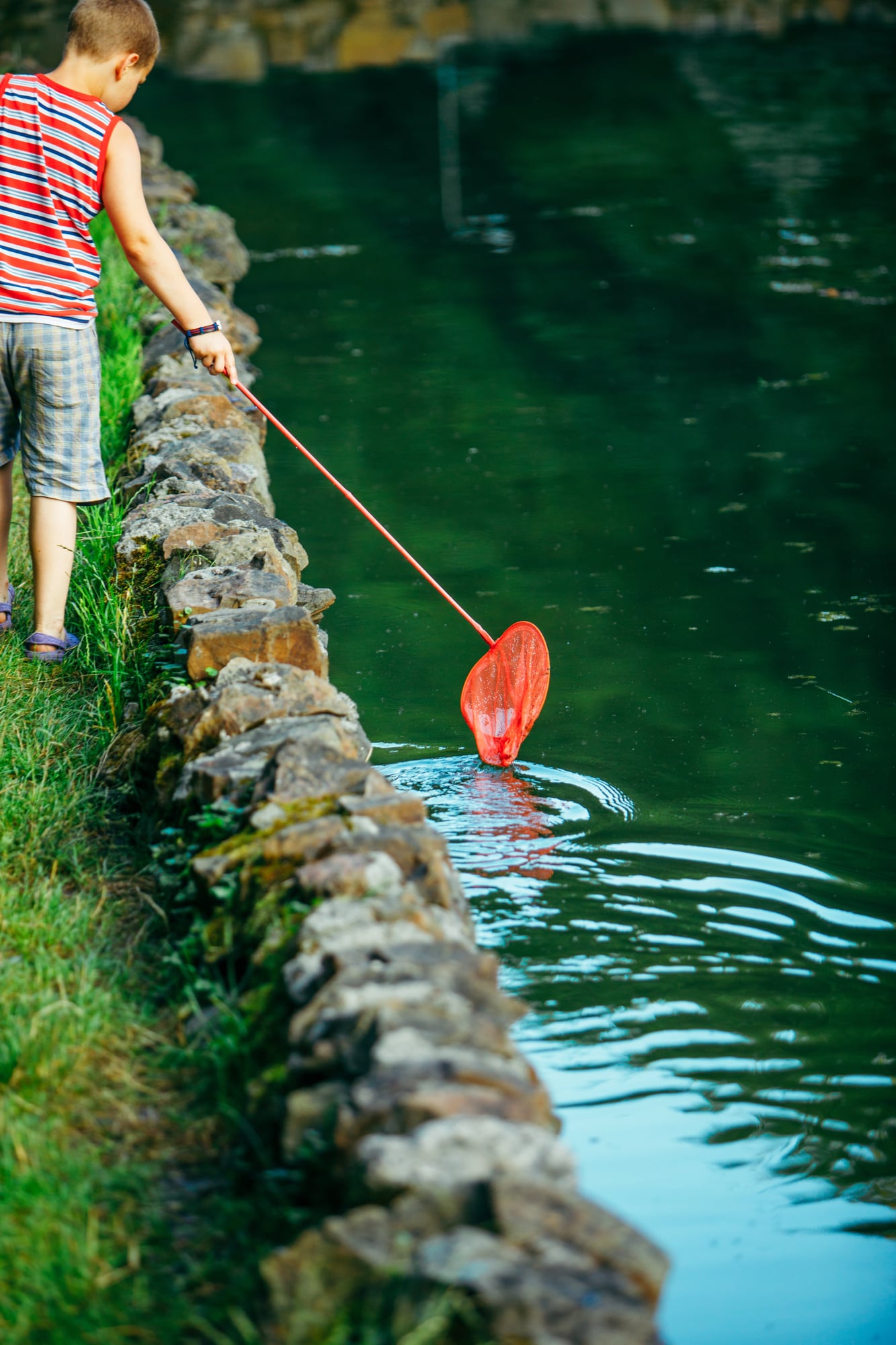
Tadpoles required a specific habitat — a still, shallow part of a creek, pond, or drainage ditch — and a container of some kind.
The catching itself was difficult because tadpoles moved in unexpected directions and could only be scooped, not grabbed.
A successful catch meant you had something in a jar that was visibly alive and slightly mysterious.
If you kept them long enough, some grew legs.
Most didn’t survive the jar, which was also educational, though not in the way anyone planned.
Playing Red Light Green Light
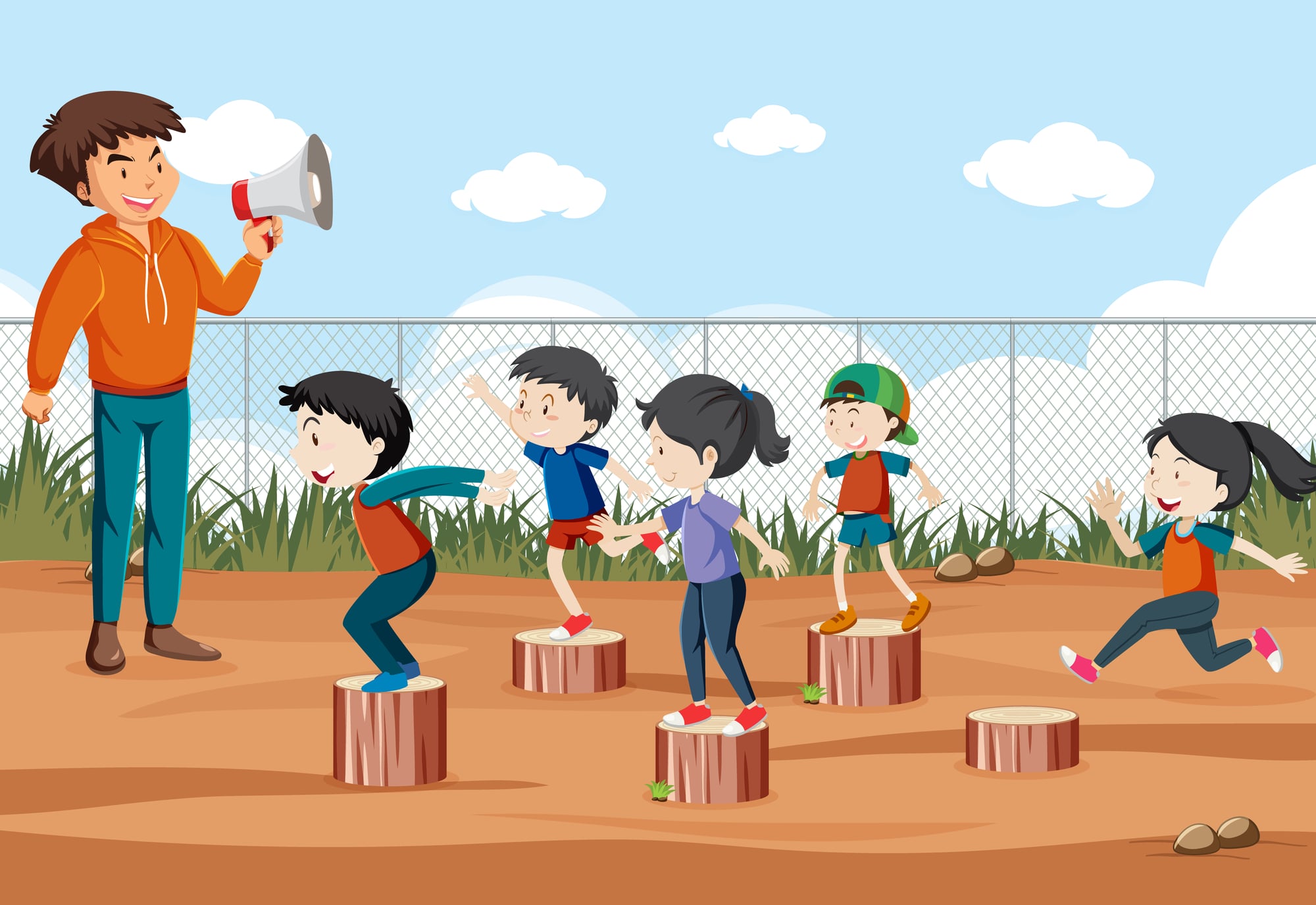
Red Light Green Light required no equipment, no setup, and worked for groups from three to thirty.
One player called “green light” and turned away; everyone else ran toward them.
“Red light” meant they turned back and anyone still moving was out.
The game’s tension was in the moment of turning — when you were running and suddenly had to stop perfectly still before the caller could catch your motion.
Being caught mid-run was unmistakable, and no amount of argument could change it.
Reading Under A Tree

Not everything was organized. Some summer days, the most appealing option was finding a tree with shade and a suitable reading position — propped against the trunk, lying in the roots, up a branch if the tree allowed — and reading for as long as the afternoon lasted.
A good book extended the day without requiring any other preparation.
The combination of summer heat, shade, grass, and a story was one of the more reliable systems for making time disappear.
Eating Watermelon Outside
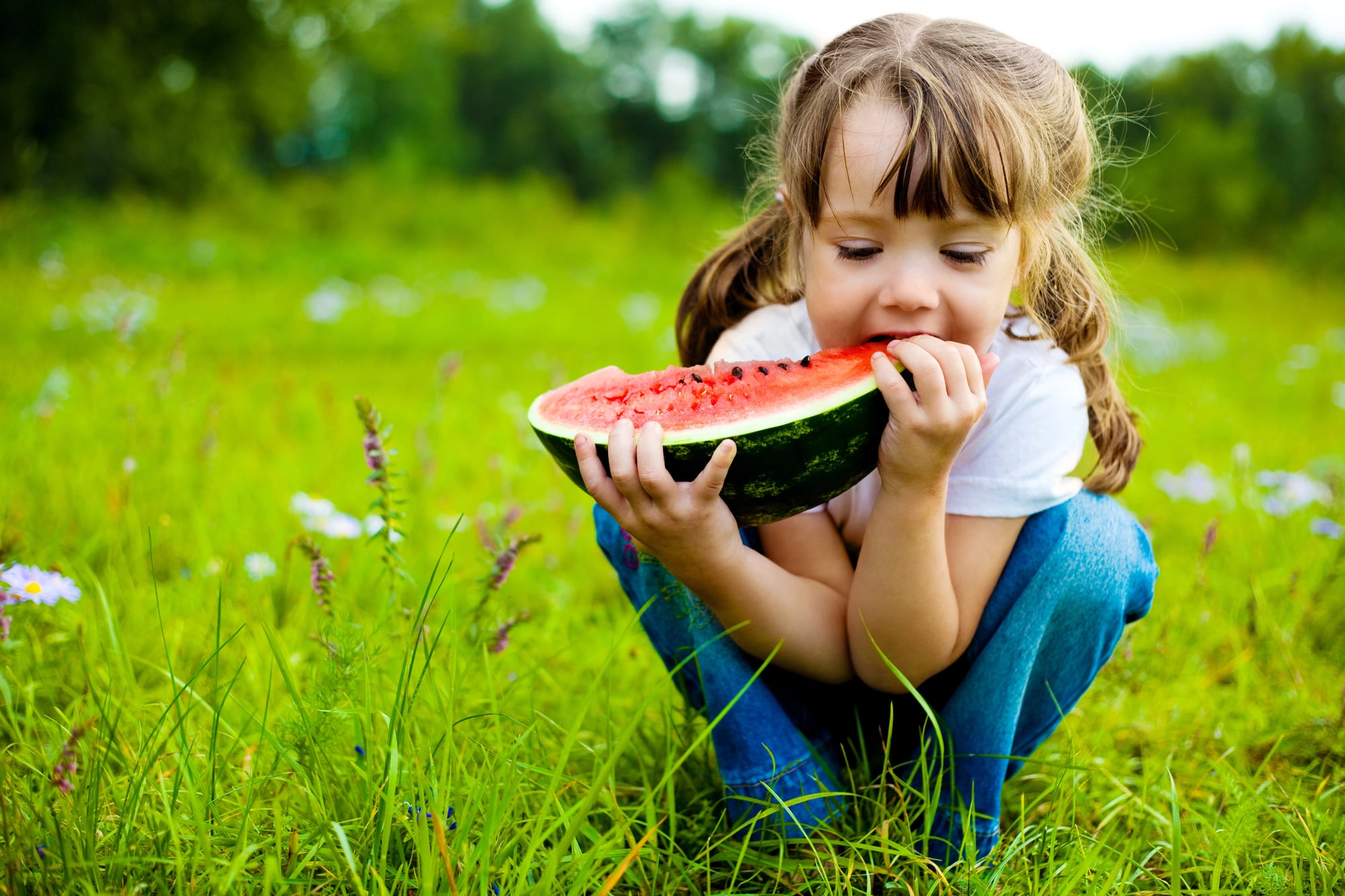
Watermelon was the summer food that required outdoors entirely — the messiness was part of the point.
Eating it outside meant you could spit seeds, which was either a game or a competition depending on who you were with.
A chilled watermelon on a concrete step on a hot August afternoon is a specific sensory memory that most adults carry intact decades later: the smell of the rind, the temperature of the flesh against your teeth, the slightly sticky aftermath that sun-dried before you went back inside.
Playing Marbles

Marbles required a shallow circle drawn in dirt, a set of marbles, and familiarity with a game whose rules varied slightly by neighborhood.
The object was to knock other players’ marbles out of the ring using your shooter.
Winning meant keeping what you knocked out.
Losing meant surrendering marbles you’d been accumulating.
The combination of skill, luck, and genuine property stakes made marbles unusually intense for a game played by children kneeling in the dirt.
Making A Slip-and-Slide From A Tarp
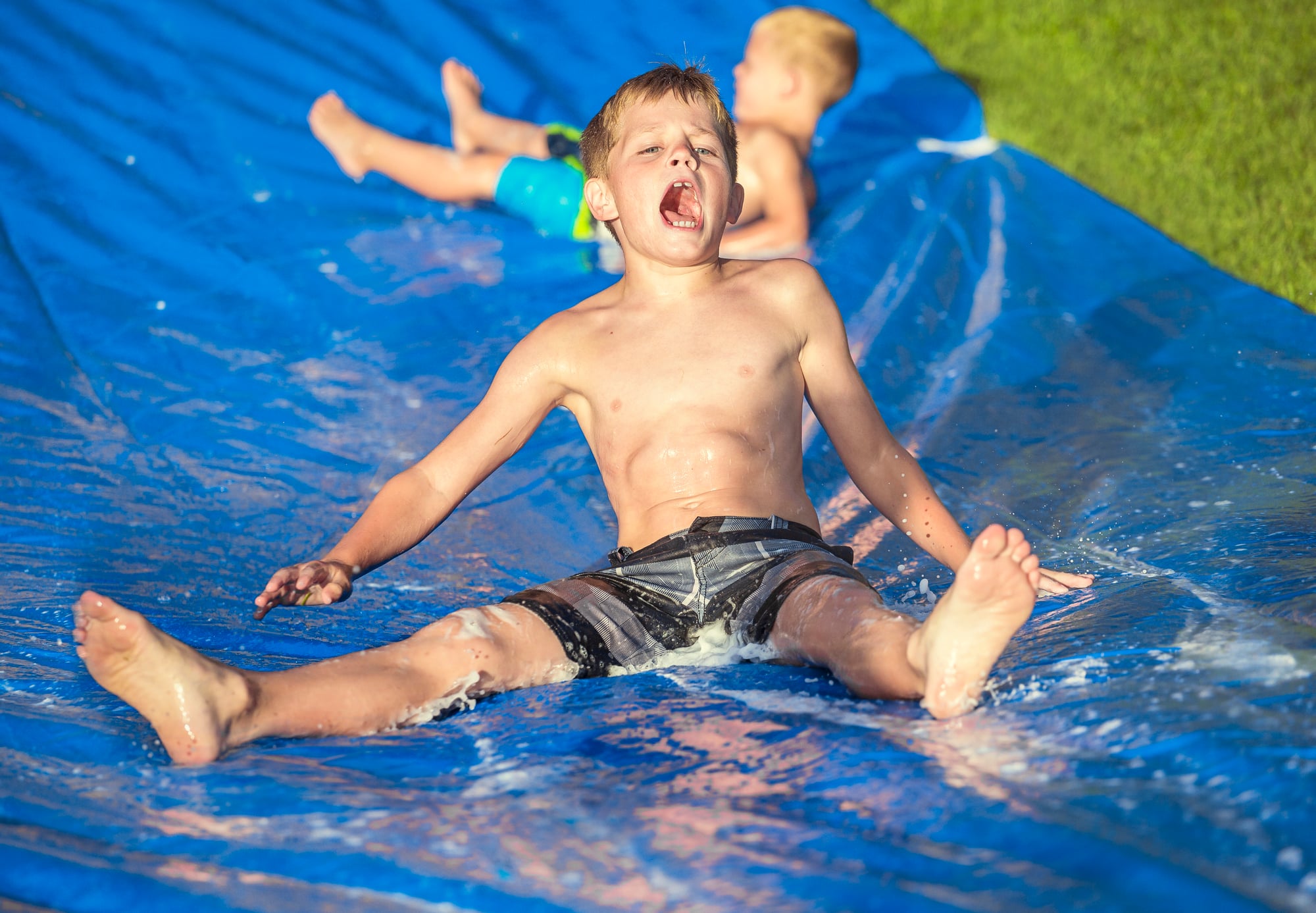
If there was a tarp and a garden hose, someone eventually had the idea.
The slope didn’t need to be steep — a slight grade was enough to generate motion.
The approach run mattered more than anything else.
A long approach meant more speed; more speed meant a longer slide; a longer slide meant the definitive victory in whatever informal competition the afternoon had become.
The tarp usually got ruined, but the ruining happened slowly enough that it lasted the whole summer.
Exploring A Creek
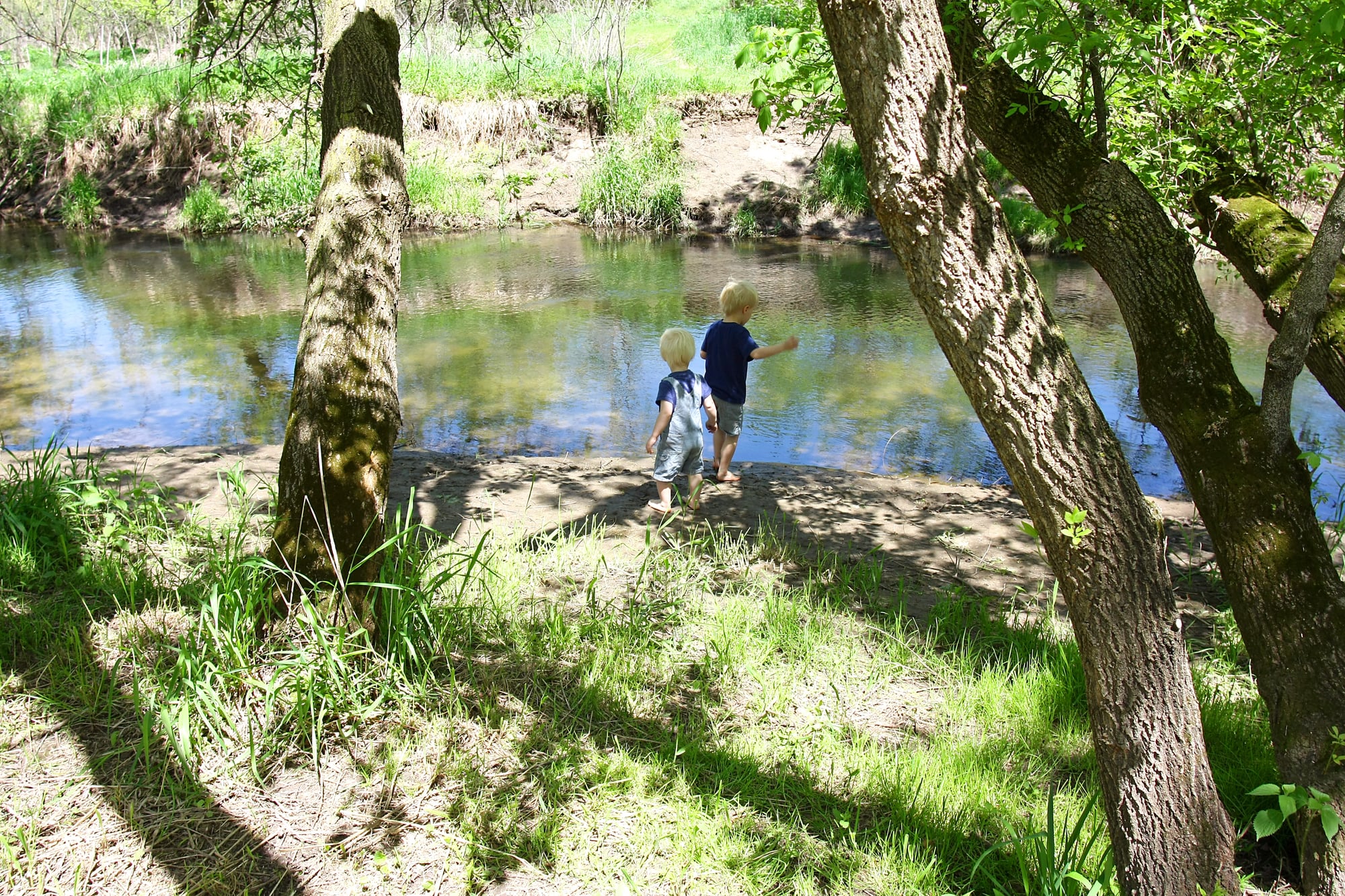
A creek provided an afternoon’s worth of activity without requiring any prior plan.
You could follow it to see where it went, turn over rocks to find crayfish, test the depth with sticks, make dams from mud and rocks, or simply sit on a bank and watch the water.
Creek shoes were an informal category — the oldest pair you owned, worn specifically for occasions where getting them wet was inevitable and nobody was going to be upset about it.
Playing Capture The Flag

Capture the Flag required more players than most games — ideally six to twelve — divided into two teams with territories.
Each team hid a flag in their territory; the object was to cross into enemy territory, find the flag, and return without being tagged.
Players who were tagged went to “jail” in enemy territory and could be freed by a teammate who reached them.
The game rewarded planning, stealth, speed, and team coordination in proportions that made it engaging for a wider age range than most informal games.
Whittling Or Carving Sticks
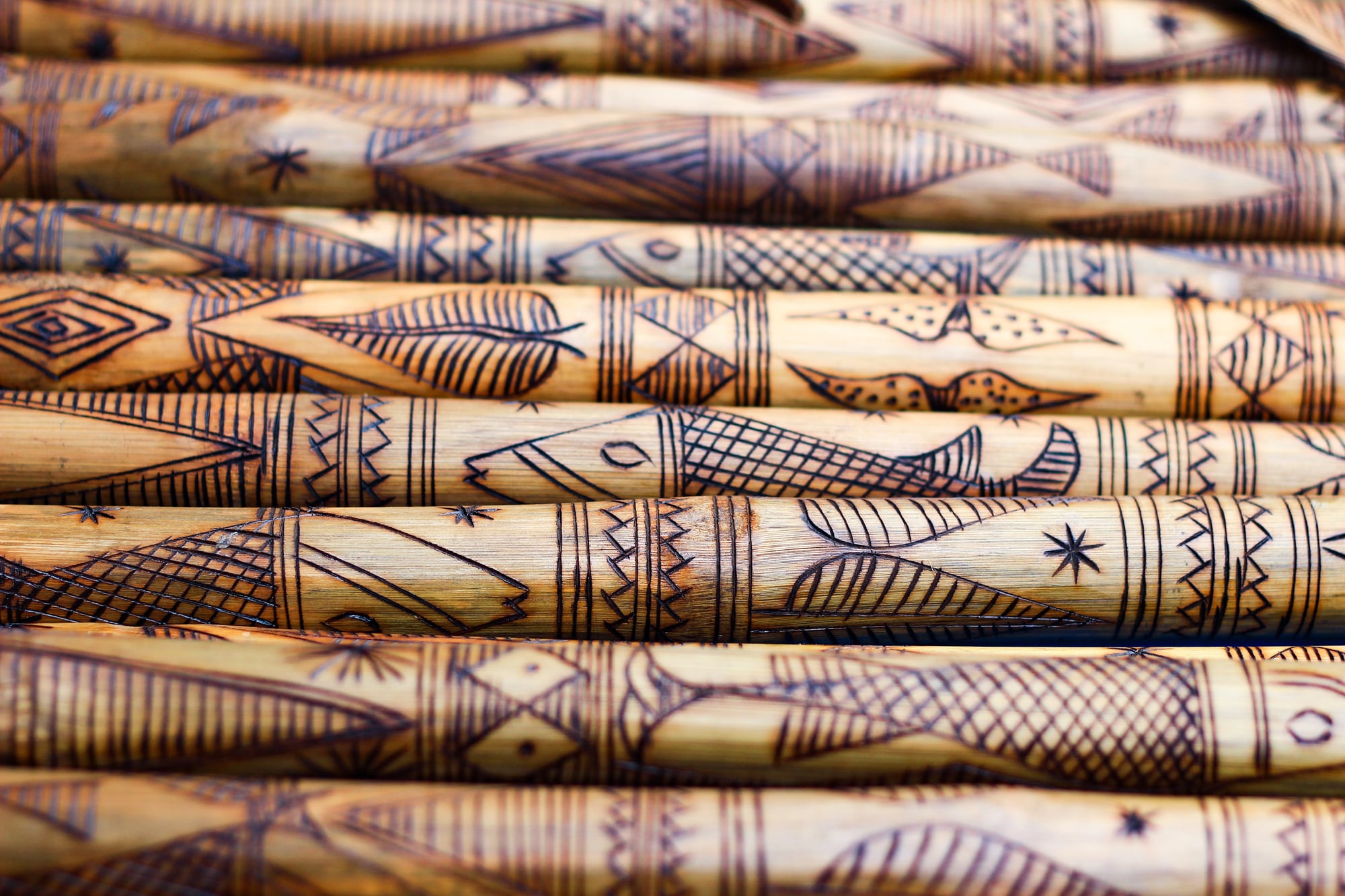
Given a jackknife or a pocketknife and a green stick, an afternoon could disappear into the process of reducing it to a point, then sharpening the point, then deciding the point needed to be differently shaped.
The knife was usually a point of parental negotiation — some kids had them freely, others had to ask, a few were never permitted them, which made the activity more appealing.
What you ended up with was usually a stick with a whittled end.
That was enough.
Having A Water Fight
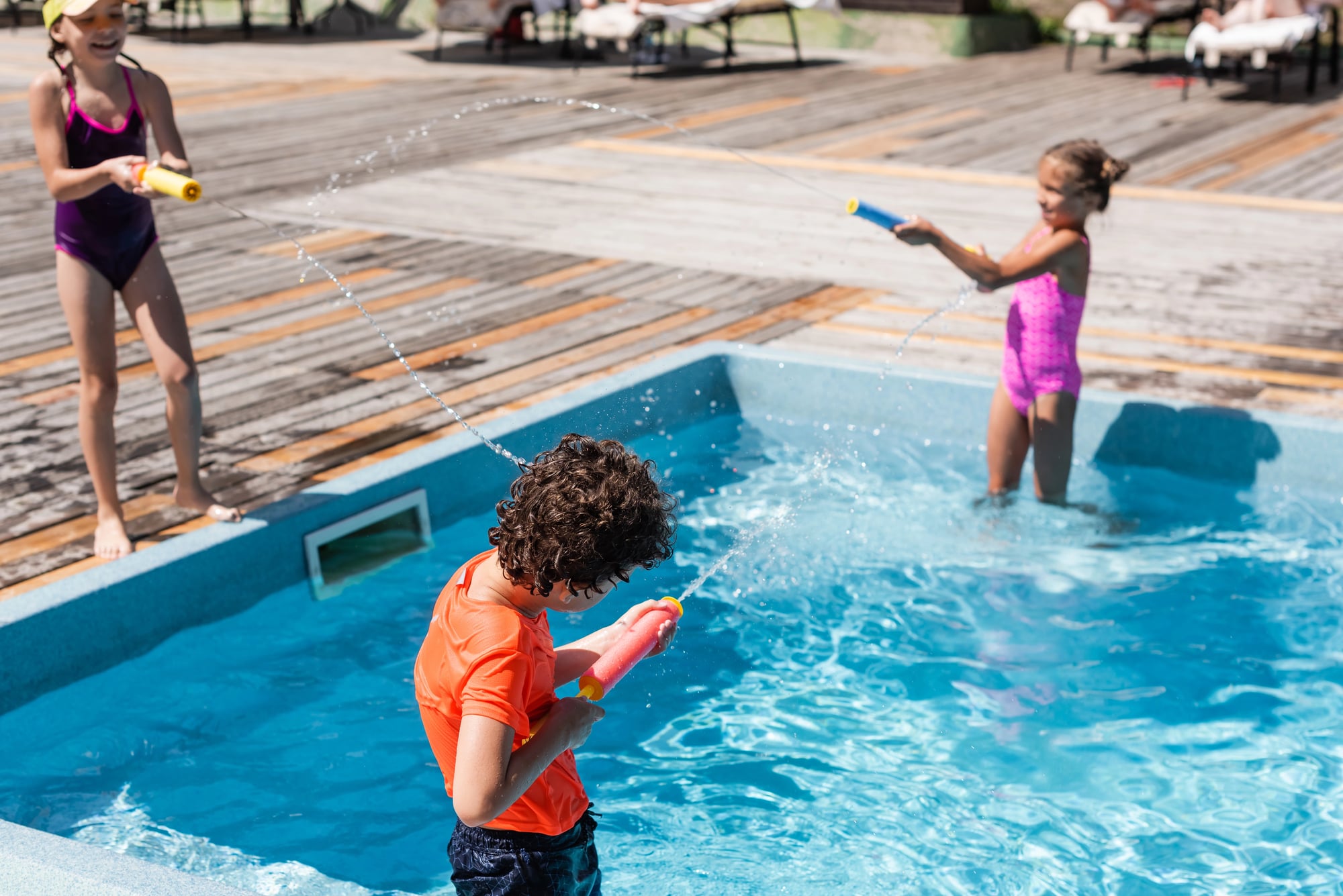
A water fight began with one person getting wet unexpectedly and escalated from there.
The equipment was whatever was available — cups, buckets, the garden hose, water balloons if someone had thought to prepare them.
The rules were improvised and disputed in real time.
It ended when someone either ran out of water, started crying, or reached an agreement that they were done without quite saying so.
You could tell you were done because everyone was standing around dripping and the energy had changed.
Making Stilts From Coffee Cans
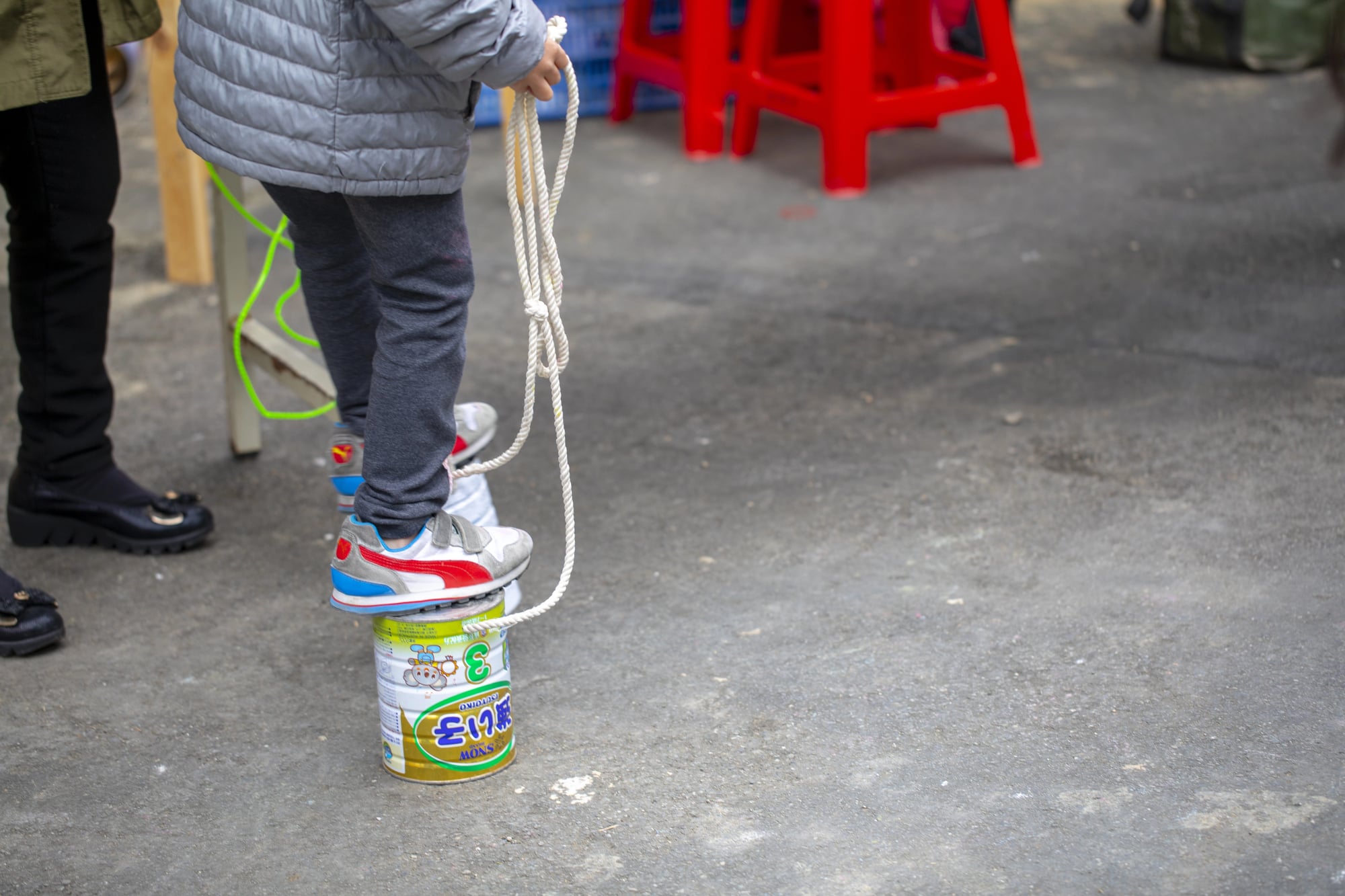
Two large coffee cans, two lengths of rope, and a few minutes with a hammer and nail to punch a pit through each side of the can were enough to build rudimentary stilts.
You stood on the upturned cans, held the ropes that threaded through the pits, and walked.
Coordination came with practice.
The sound on a concrete driveway — a tinny, rhythmic clang — was immediately satisfying and attracted other kids.
Advanced users attempted stairs.
Playing Mother May I

Mother May I is a game built around protocol and negotiation.
The child playing the mother stood at one end of the yard; everyone else stood at the other.
Each player asked “Mother, may I take [number] [type of steps]?”
The mother could grant or modify the request.
Steps ranged from giant leaps to baby steps to scissor jumps.
The game’s charm was the arbitrariness of the mother’s decisions — there was no logic to who got the giant steps — which made it feel more like dealing with actual adults than most games did.
Star-Gazing After Dark

Summer was the right season for stars — late enough for dark to arrive at a reasonable hour, warm enough to lie on the grass without getting cold.
Someone always knew the names of a few constellations and the rest were invented on the spot.
The Big Dipper, Orion, and whatever else could be traced in the patterns overhead.
An evening outside after dark, when the rules about curfew had quietly relaxed, felt like access to something that didn’t belong to parents or teachers — a whole portion of the world that was just yours.
Organizing A Neighborhood Olympics
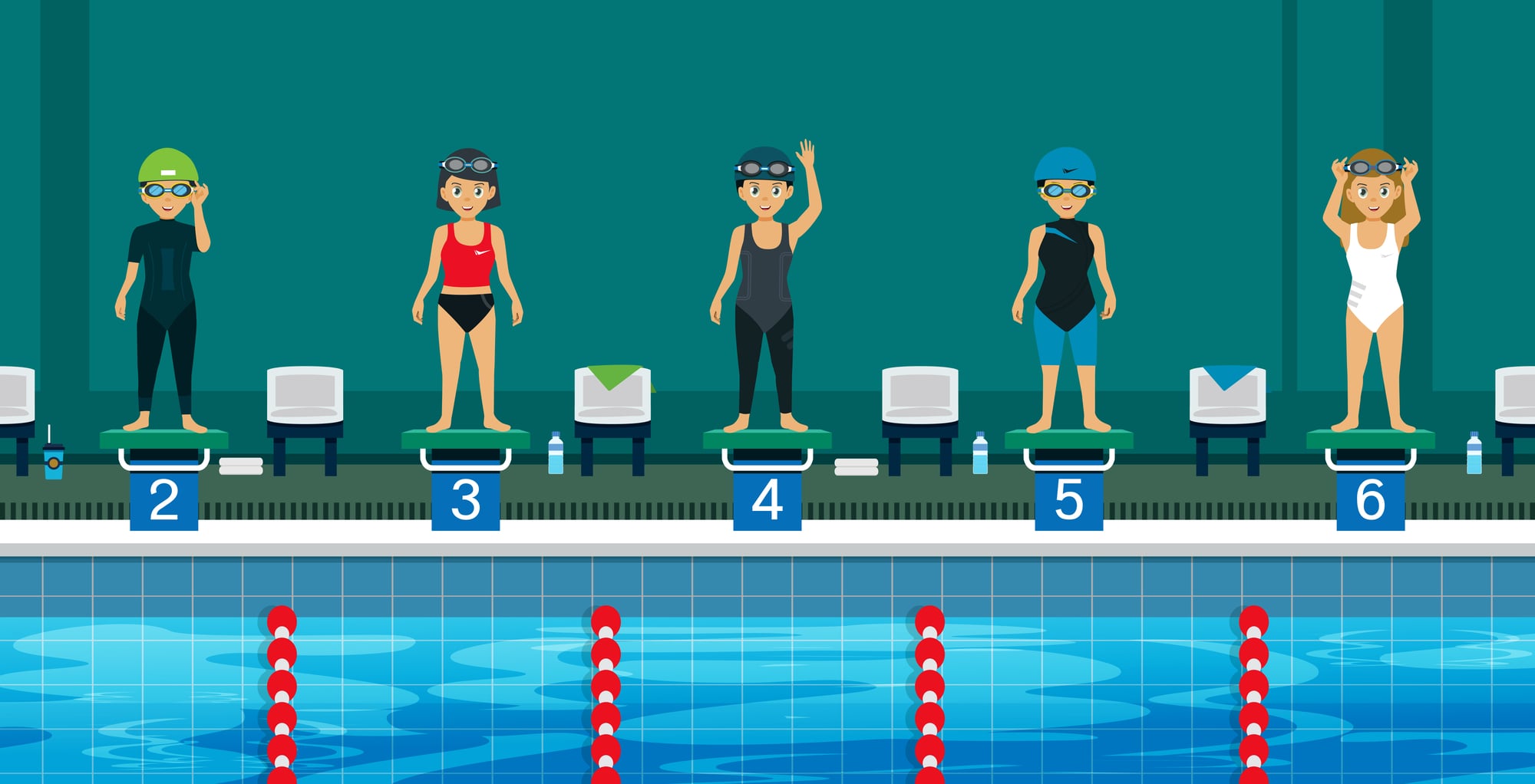
At some point in some summers, the right combination of kids and idle time produced a neighborhood Olympics.
Events were negotiated on the day — longest jump off a step, fastest trip around the block on a bike, best dive roll into a pile of grass, most hula hoop rotations.
Medals were ribbons or pieces of foil.
Rankings were disputed within minutes of being awarded.
The ceremony at the end was the best part, conducted with a seriousness that nobody could quite maintain without laughing.
Staying Outside Until Someone Called You In

This was the actual activity, if you named it honestly.
The default state of a summer day was being outside, and it continued until someone’s parent appeared at a door or window and called a name.
When that happened, the day ended — not because anything was finished, but because the signal had been given and everyone knew what it meant.
There was no lobbying for more time, no extension requests, no gradual winding down.
You went in, the group dispersed, and whatever was unresolved got picked up the next morning.
The Arithmetic Of A Long Day
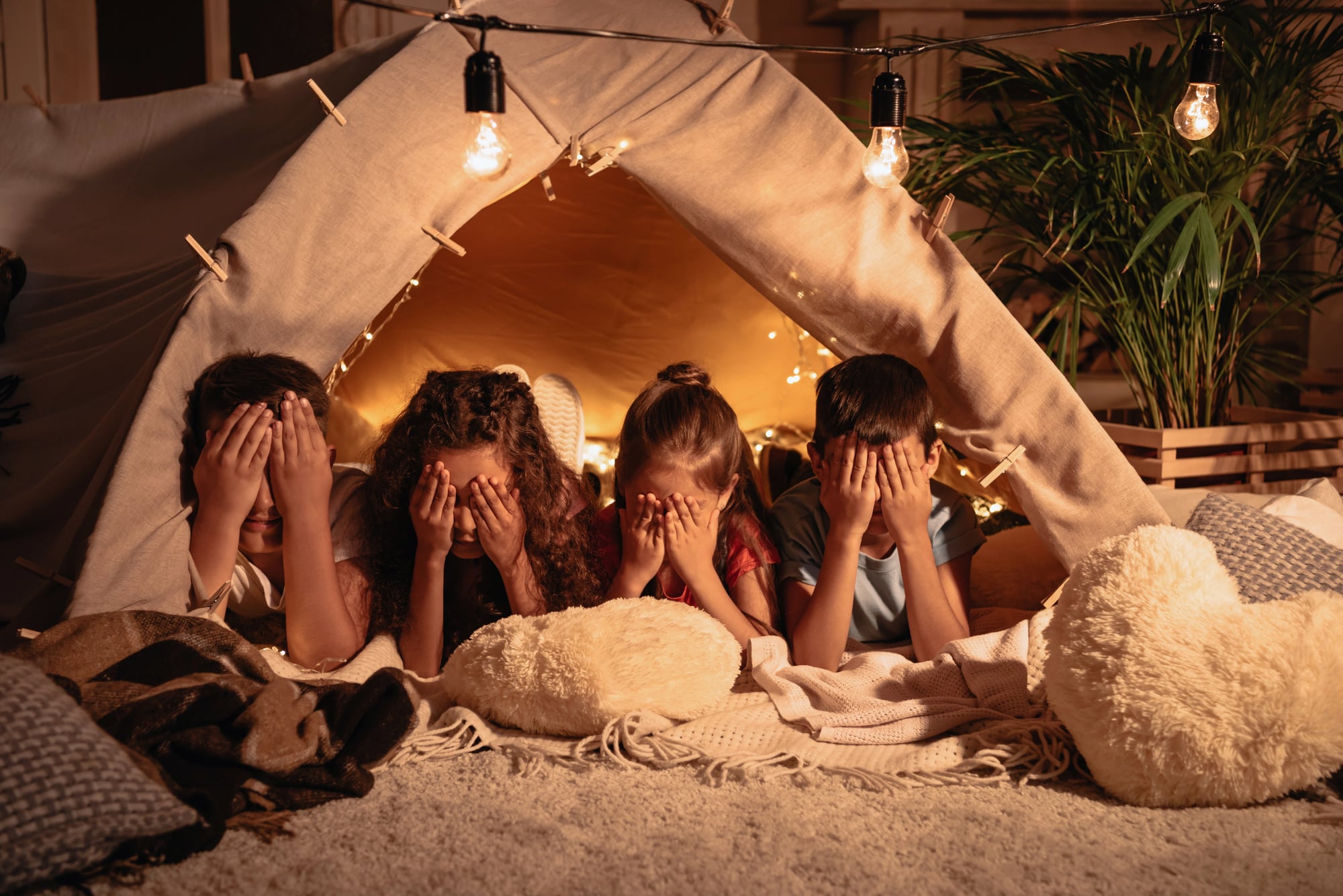
The reason these activities worked is that they had no fixed endpoint and no external validation built into them.
You didn’t complete them; you did them until something else started or the day ended.
That structure — open, expandable, responsive to whoever showed up — is almost impossible to replicate with a programmed activity or a scheduled playdate.
A summer day that began with no plan and ended with mud on your knees and a story worth telling was not accidental.
It was the natural result of unstructured time and a group of kids who had to figure out what to do with it.
More from Go2Tutors!

- The Romanov Crown Jewels and Their Tragic Fate
- 13 Historical Mysteries That Science Still Can’t Solve
- Famous Hoaxes That Fooled the World for Years
- 15 Child Stars with Tragic Adult Lives
- 16 Famous Jewelry Pieces in History
Like Go2Tutors’s content? Follow us on MSN.