26 Handwritten Letters and Documents Found in Used Books Worth More Than the Books Themselves
Used bookshops and estate sale boxes turn up surprises with enough regularity that experienced dealers have a habit of shaking every book before pricing it. What falls out — or what’s been pressed flat between the pages for decades — is sometimes worth more than the volume it was stored in.
A first edition might be worth $50. The letter tucked inside it, signed by the person who received it, might be worth considerably more.
The category of items that gets tucked inside books covers a wider range than most people imagine. Collectors who specialise in paper ephemera — the minor transient documents of everyday life, as one encyclopaedist defined the term — actively search through used book collections looking for exactly these materials.
The books are often how the good pieces survive. A piece of paper kept between covers is protected from light, moisture, and handling in ways that loose paper rarely is.
Letters Signed by US Presidents

A letter signed by George Washington realised $100,000 at auction at Sotheby’s in a documented sale. Abraham Lincoln signed documents and letters — even routine ones relating to military appointments or land grants — routinely sold for $5,000–$50,000 depending on content, length, and the significance of the matter discussed.
Finding one of these tucked inside an inherited book is not as improbable as it sounds: such letters were kept in family homes alongside the books of the generation that received them, and they traveled the same routes into estate sales.
Civil War Soldier Letters
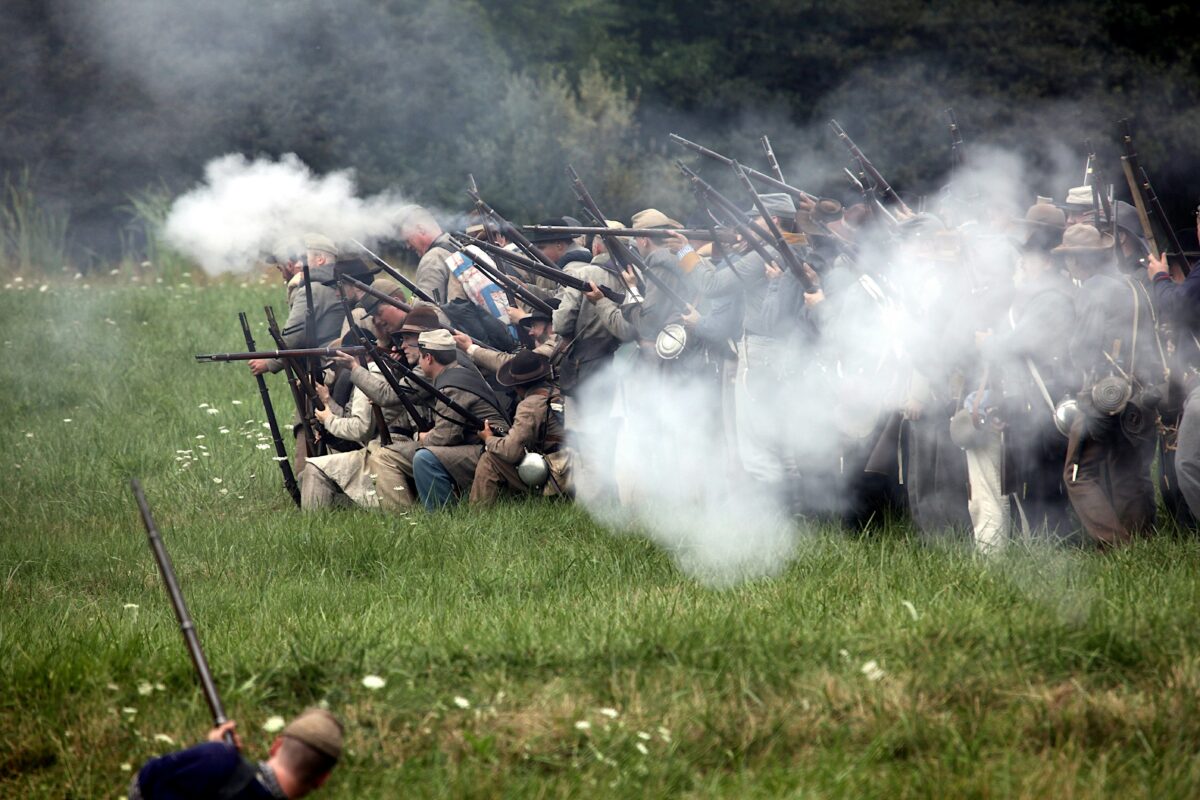
Handwritten letters sent home from Civil War soldiers describing specific battlefield events, encampments, or the conditions of the war have a consistent market among collectors and institutions. The content is the primary value driver: a letter that describes a named engagement in detail is worth considerably more than one that mentions the weather.
Dealers who specialise in Civil War documents say that handwritten soldier letters describing specific events can be surprisingly valuable to historians and collectors alike. Letters with envelopes bearing original stamps and postmarks add both value and completeness.
Handwritten Recipes on Loose Paper
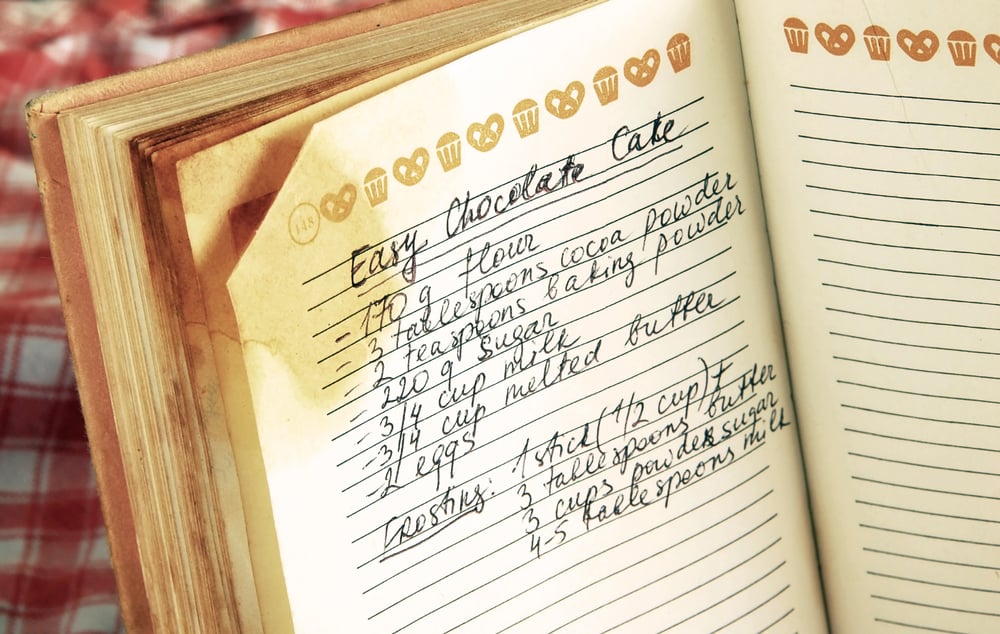
A handwritten recipe found in a cookbook — particularly one dated to the late 19th or early 20th century, in clear hand, with notes and amendments in the margin — appeals to food historians, culinary collectors, and the general ephemera market. The most valuable examples are those where the author is identified or where the recipe describes a regional dish using specific period ingredients and measurements.
Collections of ten or more handwritten recipes from a single identified family can attract institutional attention from food history archives.
Pressed Four-Leaf Clovers, Flowers, and Plant Specimens

Perfect four-leaf clovers pressed between book pages — fully intact, clearly defined, with minimal browning or cracking — sell for hundreds of dollars to collectors who seek them for both their rarity and their folkloric appeal. Victorian-era pressed flower collections mounted onto paper with handwritten identification labels represent a more formal botanical interest and sell for $50–$300 depending on completeness and the quality of the handwriting and labels.
These survive in books because the very thing that preserves them — the closed cover — is the same thing that keeps them hidden.
Author Inscriptions to Named Recipients
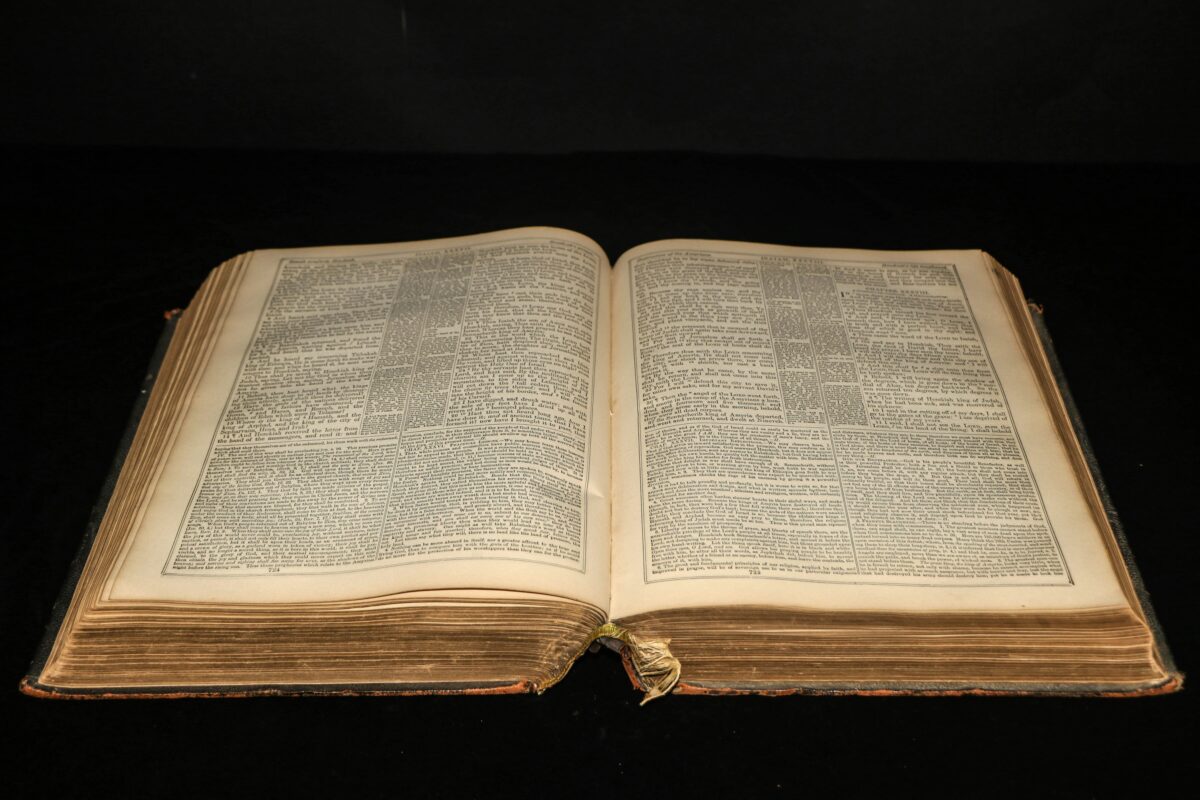
An author’s inscription to a named recipient in a book’s front pages transforms the copy from a first edition into a piece of correspondence. A standard first edition of an important 20th-century novel might sell for $500.
The same edition inscribed to a named figure — particularly a well-known literary or cultural figure — can sell for five to ten times that amount. The inscription is itself a document: handwriting, phrasing, and date all matter, and the relationship between the author and recipient is what collectors and researchers are buying.
Wartime Letters From Both World Wars
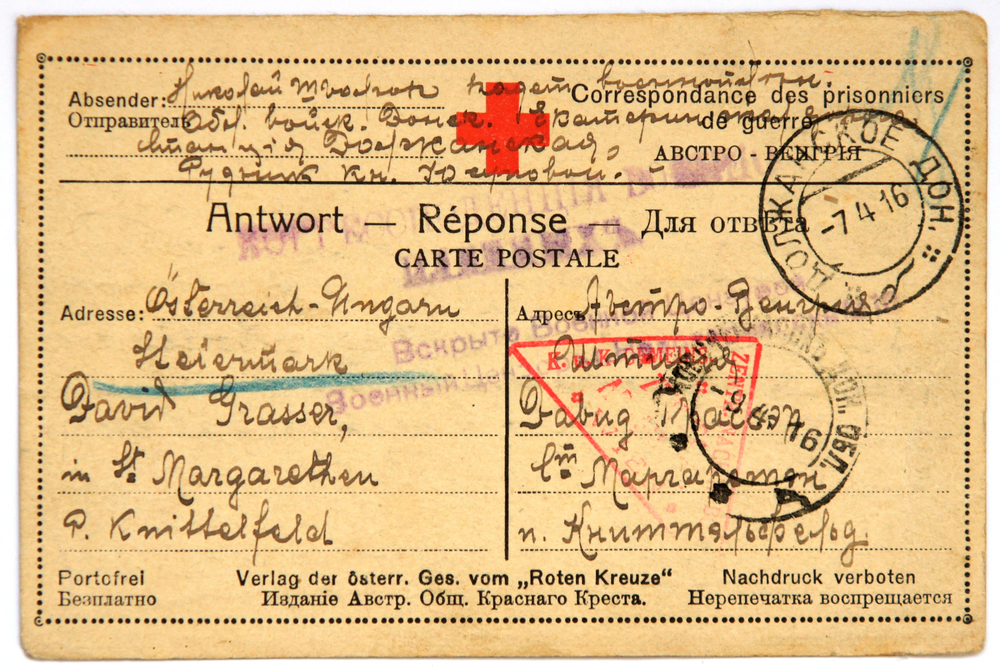
Letters sent home during World War I and World War II are collected both by private collectors and by institutions building documentary archives. Letters describing conditions in the trenches of the Western Front, or written from Pacific Theatre postings in WWII, with named locations and specific units identified, are the most historically valuable.
The emotional content matters to institutions less than the specific historical detail, but the market for affecting personal letters is strong among private collectors who respond to the human dimension.
Victorian-Era Love Letters

A collection of Victorian love letters — particularly those exchanged over a long courtship, written in the elaborate formal style of the period, with specific personal detail — is a category that appeals to collectors of social history as much as to specialists in written documents.
A full sequence of dated letters, clearly connected to each other, in good legible hand, sells for $200–$800 as a group. Individual letters without context are worth considerably less, which is why finding a sequence in the same book matters.
Property Deeds and Land Documents, Pre-1800

An original property deed from before 1800 — a legal document transferring land from one party to another, hand-inscribed on vellum or heavy rag paper, with original wax seals and signatures — is a document that historians, genealogists, and collectors all pursue. Deeds signed by notable historical figures, or documents relating to significant historical events or locations, can reach significant values at specialist auctions.
The Raab Collection — one of the leading dealers in American historical documents — maintains waiting lists for high-quality early American land documents.
Bookshop Receipts and Bills of Sale, 18th and 19th Century
A receipt from a named bookshop or publisher, dated and itemised, is more than proof of purchase. It establishes provenance for the volume it was found in, confirms a transaction date, and in some cases documents the movement of specific works through specific hands.
A receipt for a book purchase from an identifiable early bookseller — particularly if the buyer or seller is known to history — can be worth more than the book it was attached to, because it adds documentation that makes an already valuable book definitively traceable.
Diary Pages and Journal Fragments
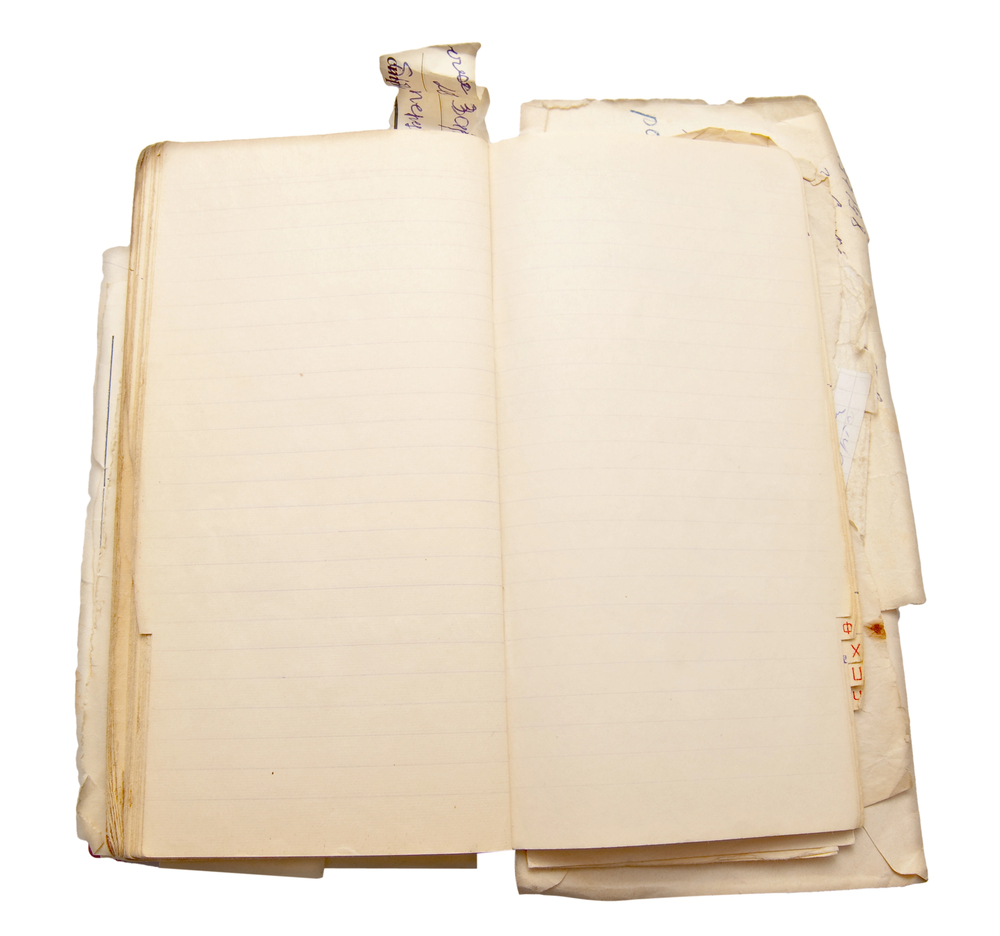
Pages torn from personal diaries end up as bookmarks with surprising frequency, according to people who have sorted through large used book collections. A complete page from a dated personal diary, in clear hand, describing a specific historical event witnessed by the writer — a coronation, an election, a disaster, a war — is a primary source document.
Researchers and institutions who build documentary archives around specific historical events actively seek this material. The challenge is identification: the value of a diary page depends entirely on being able to establish who wrote it.
Currency Exchange Receipts From Cold War-Era Travel
Currency exchange receipts from the 1950s–1970s found in travel guides and language books represent a specific collector category that surprises most people. Exchange receipts from divided Berlin, currency controls in Warsaw Pact countries, and early European Common Market transactions carry value to economic historians studying post-war monetary policy.
A set of exchange receipts from 1960s Prague, found in a Czech phrasebook, reportedly sold for $600 to a researcher studying Eastern European monetary history. The specificity of the documentation — date, exchange rate, location, amount — is exactly what makes them useful.
Concert and Theatre Tickets, Pre-1930
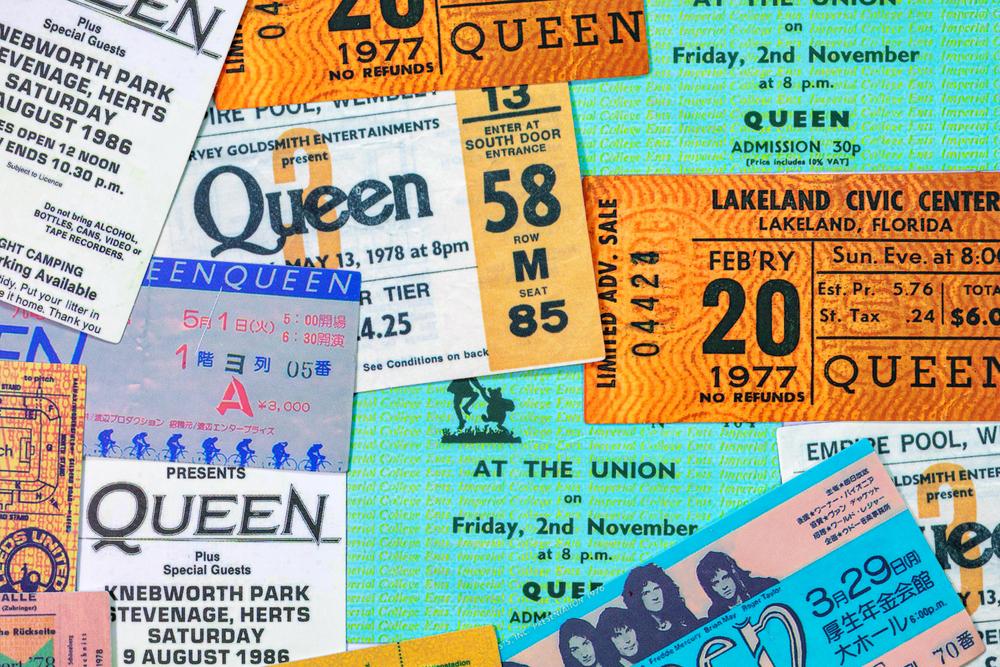
Tickets and ticket stubs are among the most widely collected categories of paper ephemera, and pre-1930 examples from significant cultural events are the most sought-after. A ticket to a premiere performance by a named artist — a concert by a historically significant musician, an opening night at an important theatre — in good condition with legible printing sells for $50–$500 depending on the event.
The combination of a ticket and a matching programme from the same event is worth more than either piece alone.
Handwritten Letters From Literary Figures
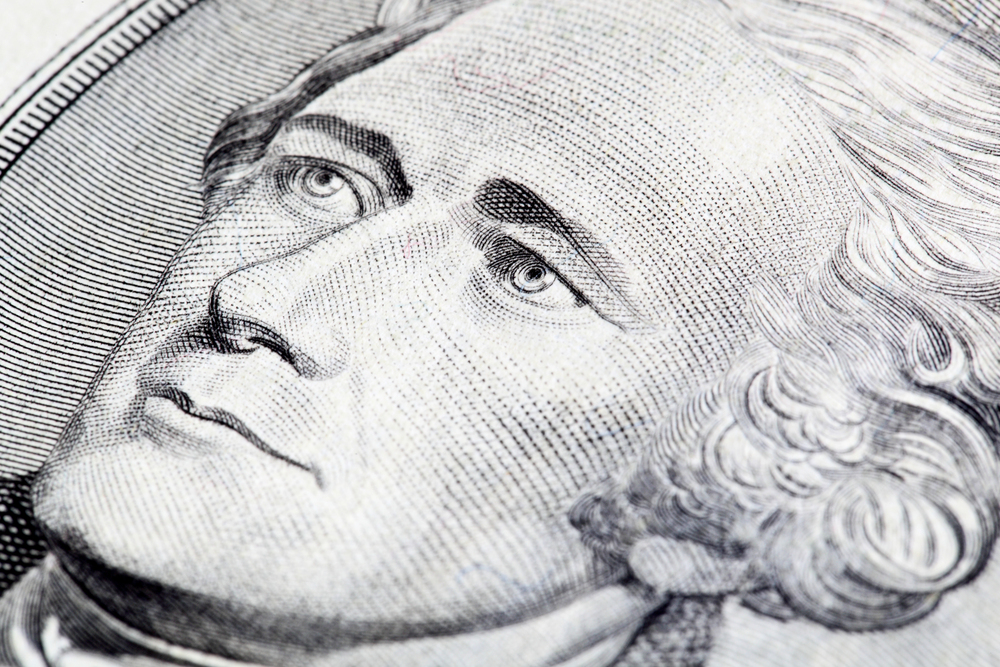
An Alexander Hamilton archive of 75 letters and manuscripts sold at Sotheby’s in 2017 for an impressive total. More modest literary letters — a handwritten note from a mid-tier Victorian novelist, a letter from a 20th-century poet commenting on a friend’s work — are more accessible but still worth assessing. Letters that discuss the writer’s own work, or that comment substantively on the work of contemporaries, are worth more than polite social correspondence.
The content drives the value for literary material more than it does for presidential signatures.
Bookplates of Distinguished Owners
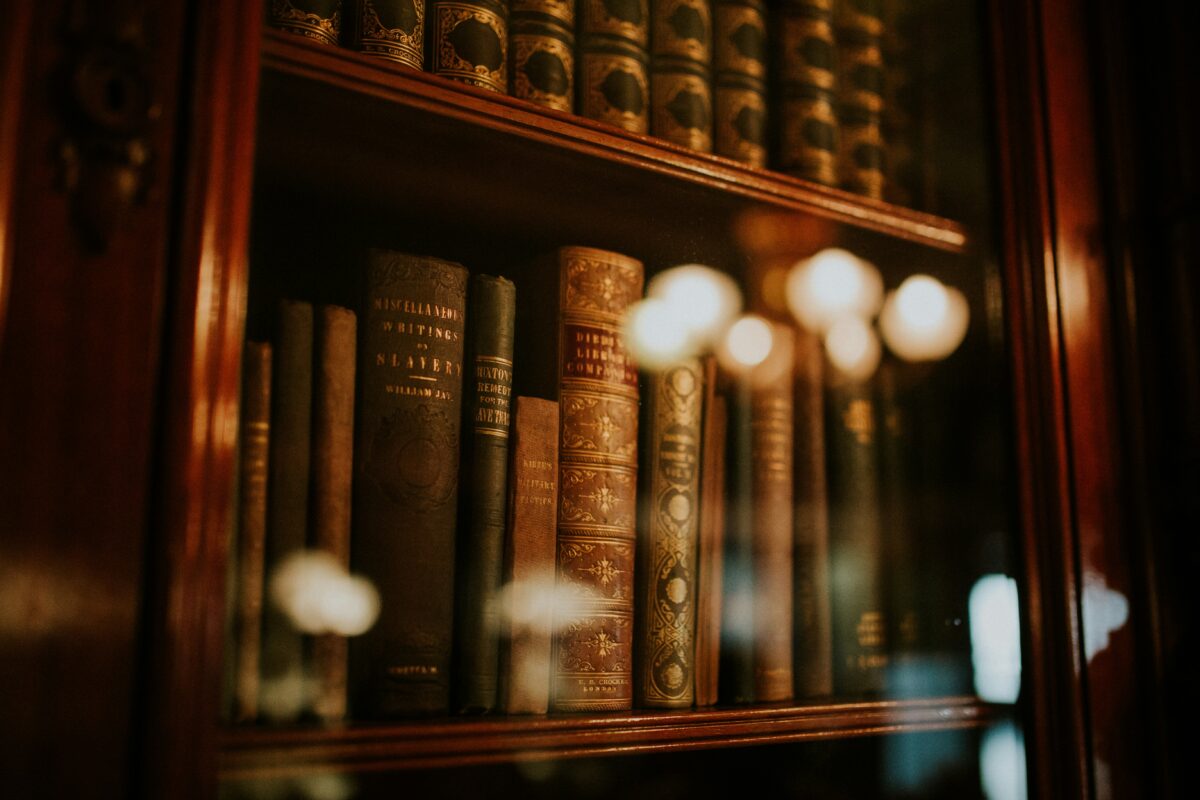
An ex libris bookplate pasted into the front board of a book, identifying a distinguished previous owner — a peer, a literary figure, a politician, a scientist — turns a standard edition into a provenance document. The bookplate itself is a piece of engraved or printed ephemera, collected independently, and the book it appears in becomes more valuable.
A copy of any book previously owned by a famous person, with a clear bookplate or signature confirming ownership, commands a significant premium over an identical copy without provenance.
Royal or Aristocratic Correspondence
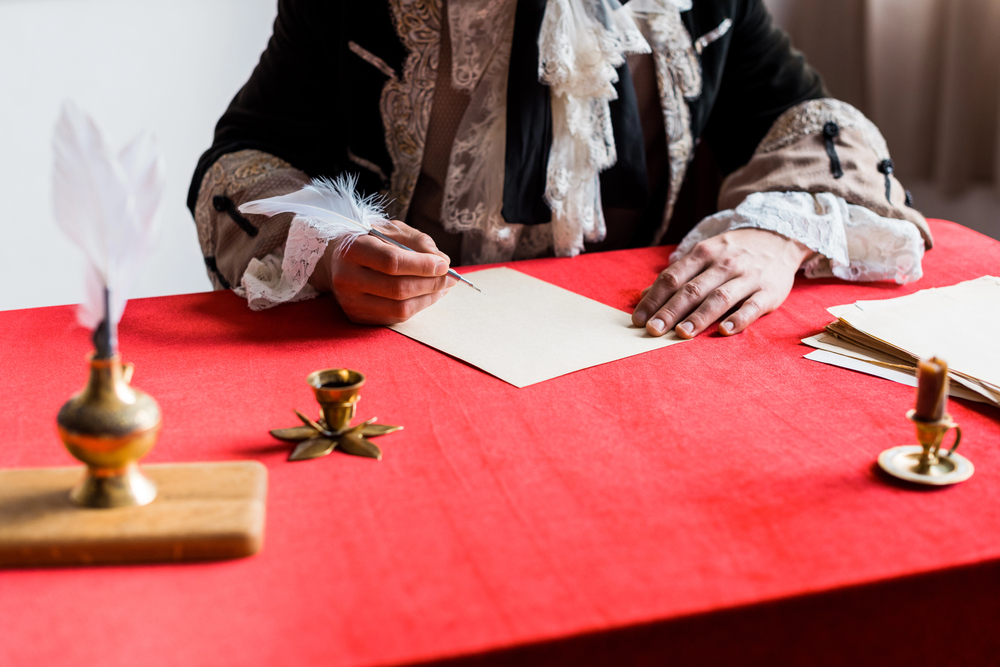
A letter bearing a royal or aristocratic crest, written in the hand of or signed by a member of a ruling family or titled household, carries value that depends almost entirely on the identity of the writer and the content of the letter. Letters from minor members of royal households discussing routine domestic matters sell for $100–$500.
Letters from significant figures discussing matters of historical importance sell for multiples of that. The Raab Collection has noted that families connected to historical figures turn to document specialists specifically when correspondence surfaces in estate clearances.
19th-Century Medical Prescriptions
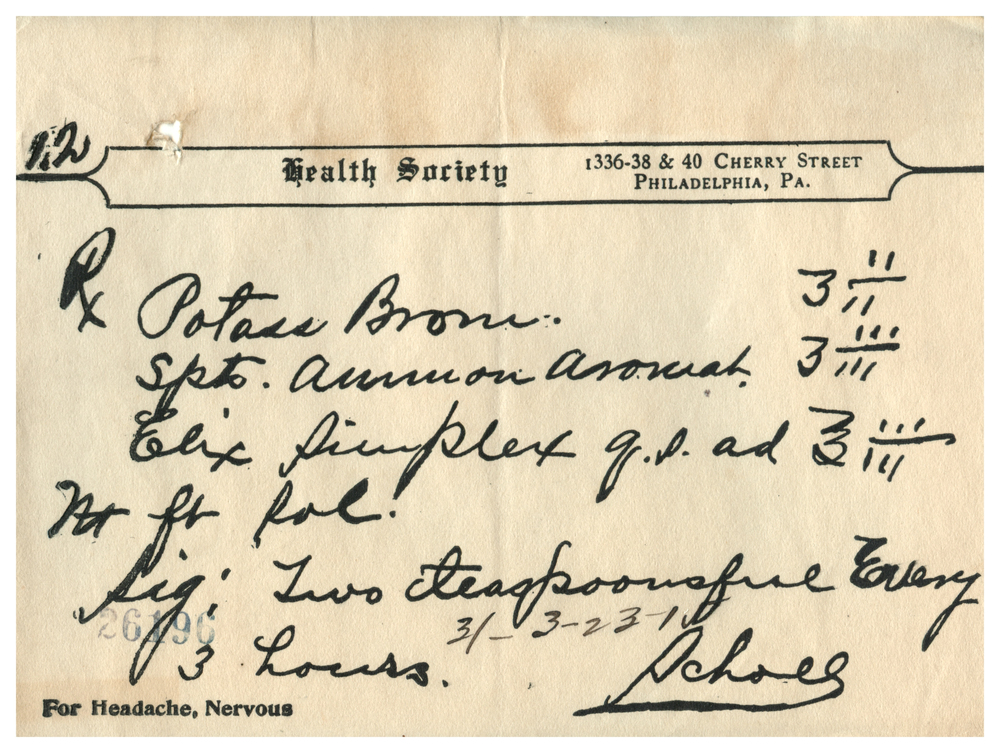
Handwritten prescriptions from 19th-century physicians — written in Latin pharmaceutical abbreviations on pre-printed or blank stock, signed by the prescribing doctor — are collected by medical historians and pharmaceutical ephemera collectors. They document the specific remedies used in specific periods, the names of prescribing physicians, and sometimes the names of patients.
A complete prescription pad from a named physician in a specific year, found inside a medical text, can sell for $200–$600 as a group. Individual prescriptions from known physicians sell for $30–$100.
Newspaper Clippings Used as Bookmarks

A newspaper clipping used as a bookmark is worth almost nothing in isolation. A newspaper clipping from a specific historically significant date — a major assassination, the outbreak of a war, a significant election — in good readable condition, is a piece of primary material that historians and collectors treat as a document.
The value increases with the significance of the event and the legibility and completeness of the clipping. A clipping from the day following a major 20th-century event in excellent condition has sold at ephemera auctions for $100–$400 depending on the publication and the event.
Mourning Cards and Funeral Cards
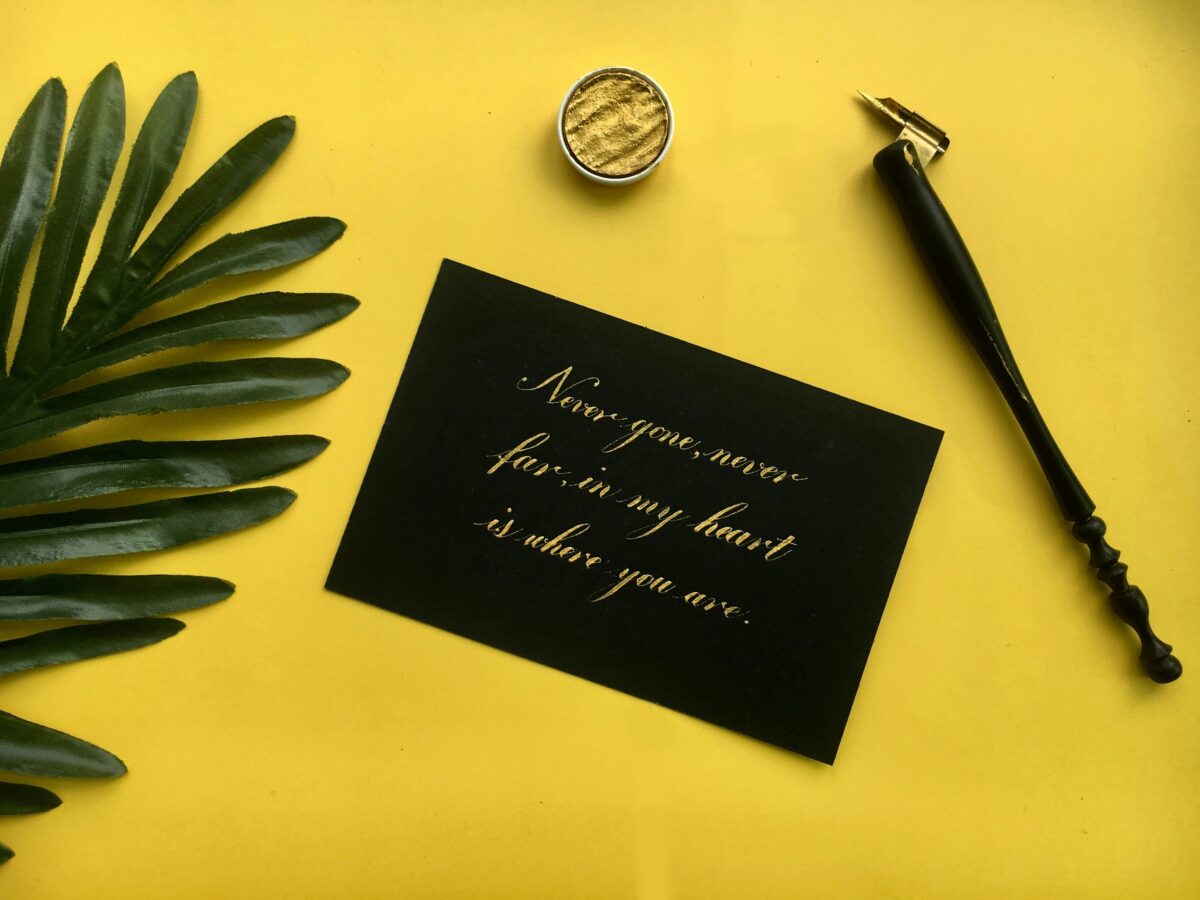
Mourning cards — small black-edged cards distributed at Victorian funerals identifying the deceased, the date of death, and often including a religious verse — are a category collected for their connection to social history and typographic design. Named individuals of any historical significance raise values considerably.
Cards identifying prominent Victorian figures in good condition with original envelopes sell for $80–$300. Complete mourning stationery sets — card, envelope, and sealed letter — are the most complete and valued form.
Trade Cards and Advertising Ephemera Found Inside Books
Victorian trade cards — the forerunners of modern business cards, often illustrated with chromolithographed images advertising a trade or product — were widely used as bookmarks and often survived in the books they were stored in. Cards with strong graphic content, unusual categories of trade, or cards documenting businesses in historically significant locations sell for $20–$150 individually.
A collection of fifty diverse Victorian trade cards found in the same book or box can be worth $500–$2,000 assembled. The billheads — invoices and sales receipts with decorated letterheads — from the same period are collected on similar terms.
Signed Photographs Found as Frontispieces

A signed portrait photograph of a public figure, pasted or loosely inserted as a frontispiece in a book by or about that person, is a photograph and a document simultaneously. A signed photograph of an early 20th-century politician pasted into a copy of their published speeches is worth significantly more than an unsigned photograph.
The signature confirms not just the identity but the connection to the specific volume, and that connection is precisely what makes it valuable to collectors who want documented provenance rather than isolated items.
Maps Used as Endpapers or Inserts
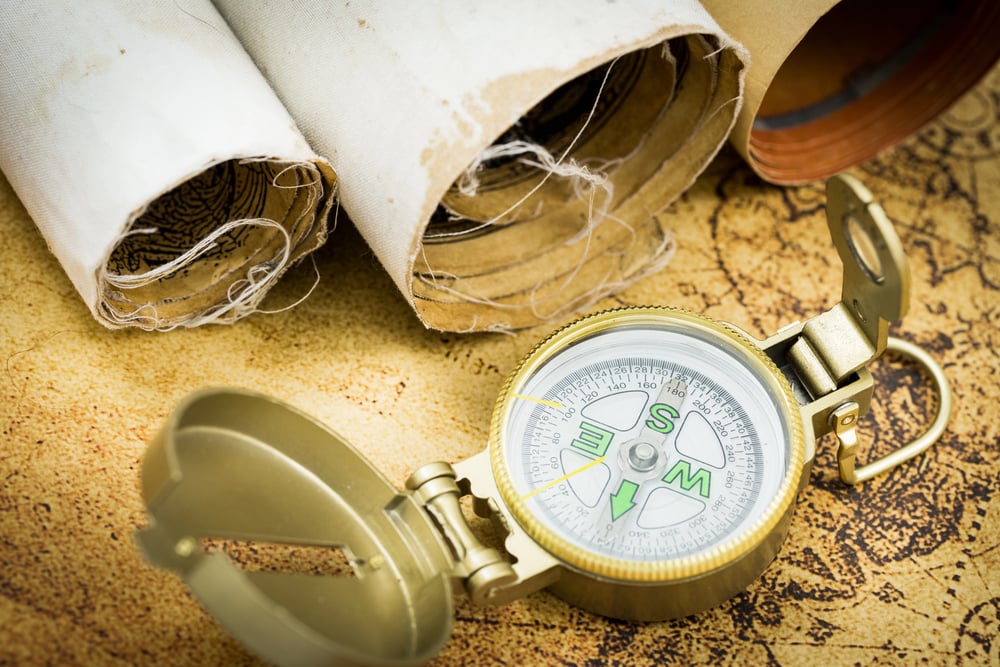
Old maps folded and tucked into books — particularly road maps, estate maps, or local town plans from before 1900 — are documents in their own right, and the fact that they survived inside a book often means they are in better condition than equivalent loose examples. A hand-coloured map of a specific county or region from before 1850 found inside a related history or travel guide can sell for $500–$3,000 depending on the cartographer and the region.
The book provides context and the map often provides a significant portion of the value of the combined object.
Letters of Introduction and Recommendation, Pre-1900
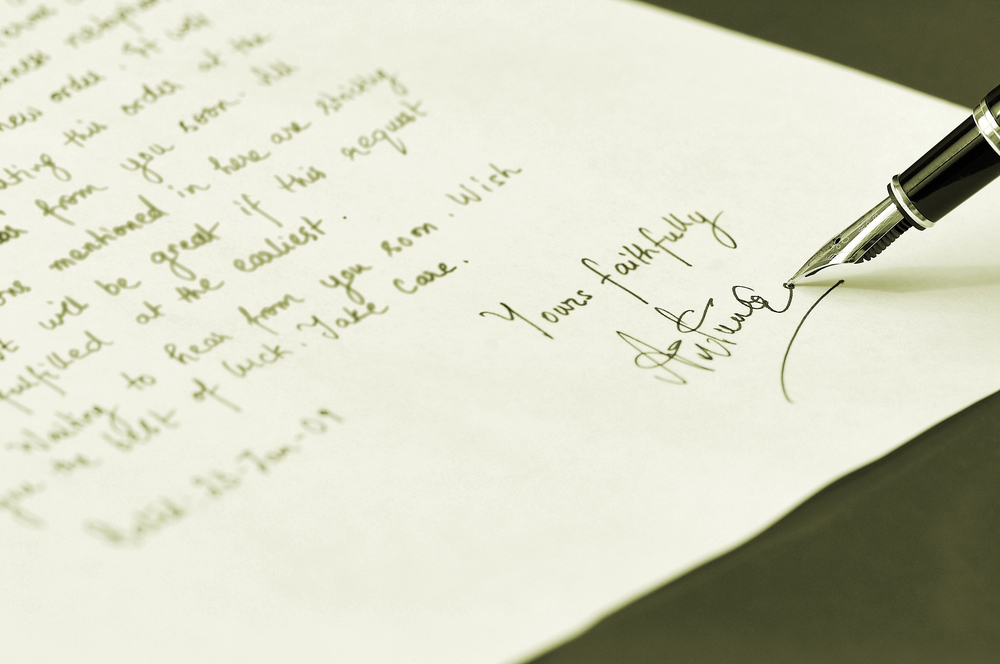
A formal letter of introduction — written on quality paper, introducing one named person to another, and signed by a social or political figure — documents the networks of influence and patronage that shaped 19th-century professional life. Letters of introduction signed by identifiable historical figures are sought by social historians and by collectors building archives around specific periods or communities.
A letter signed by a known figure introducing a third party to a well-known institution can tell researchers things that official records do not.
Wartime Rationing Documents and Ration Books
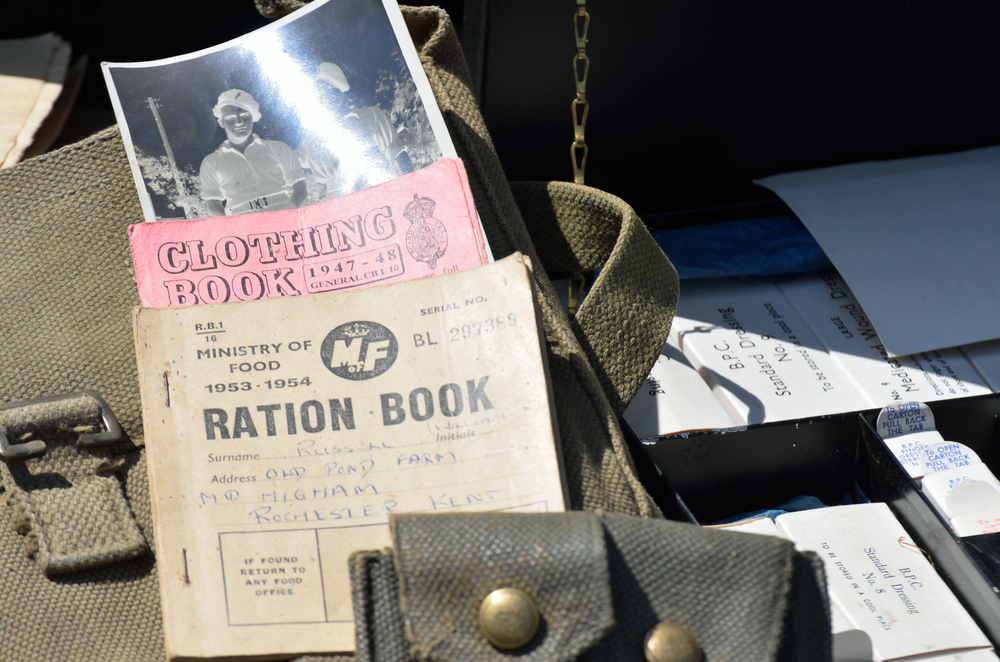
A complete World War II ration book — cardboard-covered, with the individual coupons partially or entirely intact and the owner’s name and address filled in — is a piece of social history that collectors and museum acquisition departments both pursue. A complete British ration book from 1942–1945 with the original stamps and owner details in clean condition sells for $80–$200.
American ration books for specific commodities — meat, petrol, sugar — in similar condition are in the same range. The completeness of the coupon sheets matters significantly.
Handwritten Music Manuscripts
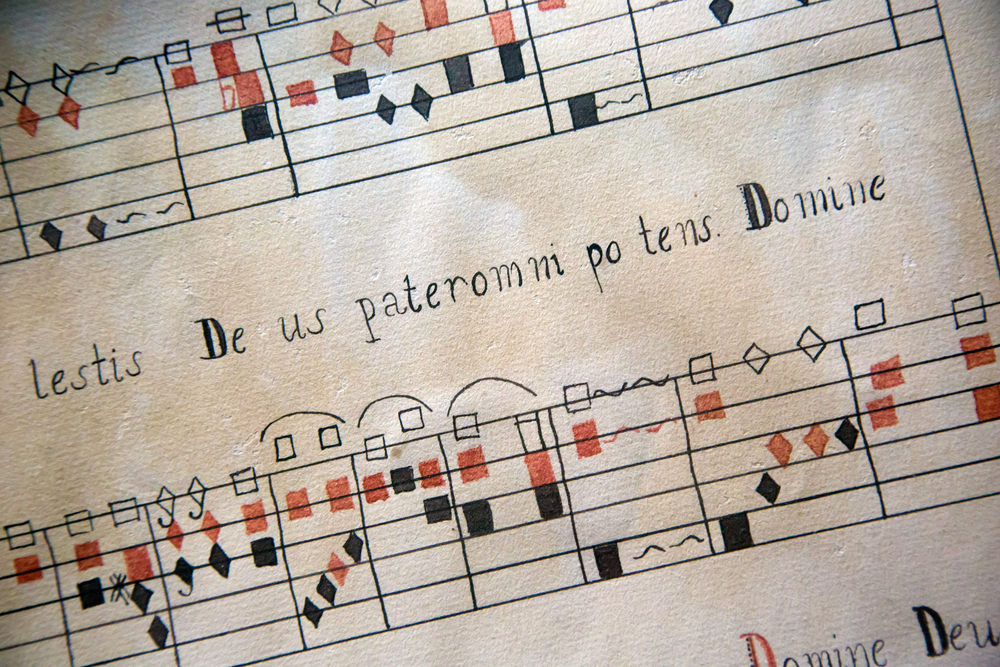
A page of handwritten music — not a published score but actual manuscript notation in a composer’s or arranger’s hand — is a specialised document that appeals primarily to music historians and institutional archives. The identity of the writer and the attribution of the work are everything: an unsigned music manuscript is worth relatively little, while a documented fragment from a known composer’s working process can be significant.
Music manuscripts sometimes end up as bookmarks in books about music, which is where researchers who search used book collections learn to look.
Calling Cards and Visiting Cards With Handwritten Notes

A Victorian calling card with a handwritten note in the margin — the standard social practice of adding a personal message to a formal visiting card — is a more personal document than a formal letter. Cards from public figures with substantive handwritten additions sell for $50–$300.
Cards from authors, politicians, scientists, or artists are the most collectible, and a card that can be contextualised within a known social relationship is worth more than an isolated example.
Children’s Drawings and School Papers

Drawings and school papers tucked into children’s books are almost always worth nothing monetarily — unless they can be attributed to a named person of subsequent significance, which occasionally happens in the archive of a prominent family. More commonly they are documents of social history rather than individual value.
The exception is drawings attributed to individuals who later became significant artists, where even juvenile work can carry the documentation that establishes artistic development. These are rare enough that most such papers found in used books have no special value, but the ones that do are completely invisible until identified.
The Paper That Outlives Everything Else
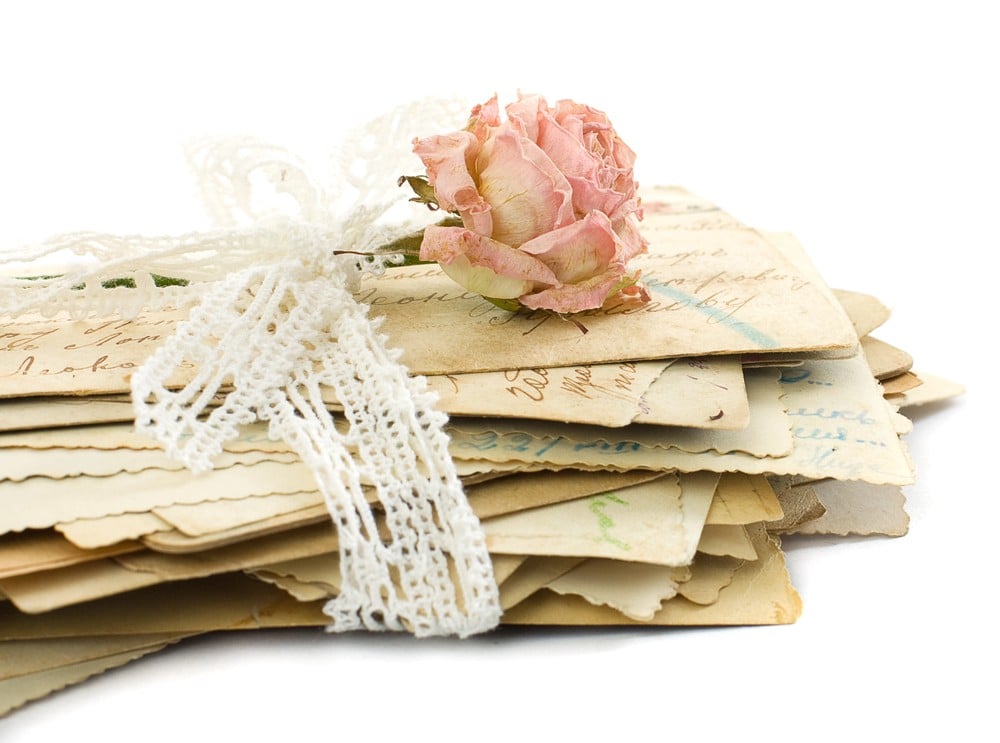
The physical survival rate of handwritten documents stored inside books is among the highest of any category of paper material. A letter folded inside a book is protected from handling, light, atmospheric moisture, and the general attrition that destroys loose papers over generations.
The book is an accidental archive — a container that nobody chose deliberately for preservation purposes but that functioned as one anyway. This is why the most valuable pieces sometimes surface in the cheapest volumes.
Nobody was protecting the paper — they were using the book, and the paper came along for the ride. The gap between what used books sell for and what they sometimes contain is the practical reason every used bookseller worth their experience shakes the books before pricing them.
The spine of a novel that costs $3 might hold a letter that costs $3,000. Most of what falls out is receipts and grocery lists and newspaper clippings worth nothing. But enough of it isn’t that the habit became universal among people who work with old books professionally, and that habit tells you everything you need to know about where the value in this category actually hides.
More from Go2Tutors!

- The Romanov Crown Jewels and Their Tragic Fate
- 13 Historical Mysteries That Science Still Can’t Solve
- Famous Hoaxes That Fooled the World for Years
- 15 Child Stars with Tragic Adult Lives
- 16 Famous Jewelry Pieces in History
Like Go2Tutors’s content? Follow us on MSN.