Animals That Are Surprisingly Stronger Than Humans
Humans like to think of themselves as at the top of the food chain. And while that’s true in a lot of ways, raw physical strength isn’t one of them.
The animal kingdom is full of creatures that would leave even the strongest people on Earth looking ordinary. Some of them are huge, which makes sense. But others are tiny — and that’s where things get genuinely interesting.
Leafcutter Ants Can Carry 50 Times Their Own Weight
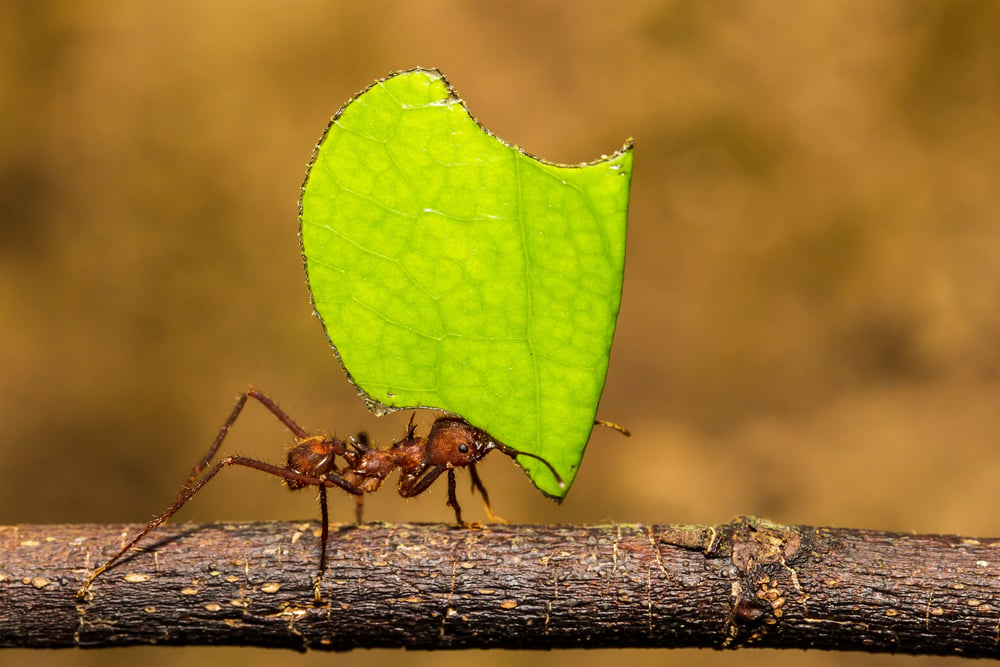
An ant carrying a leaf bigger than its own body is a common enough sight that most people barely notice it. But what’s actually happening is extraordinary.
Leafcutter ants can carry loads up to 50 times their own body weight, and they do it over long distances, across rough terrain, often uphill. To put that in human terms: a 180-pound person carrying 50 times their body weight would be hauling 9,000 pounds.
Dung Beetles Hold the Record for Relative Strength
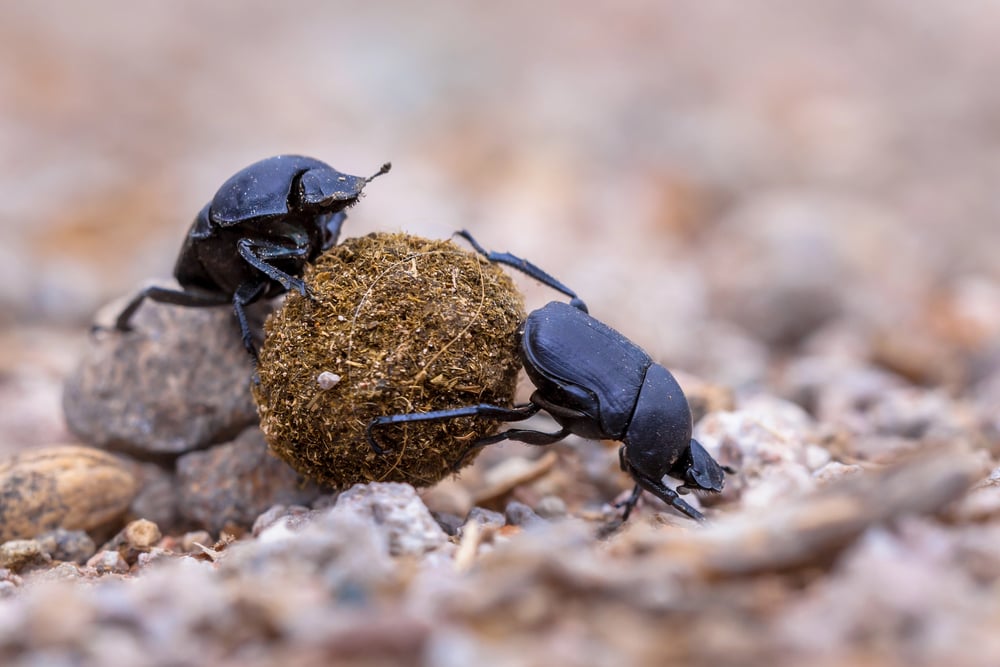
Right now, no creature beats it pound for pound. Pulling more than a thousand times its weight comes naturally to dung beetles.
Scientists clocked one type, Onthophagus taurus, dragging 1,141 times its mass – like a human hauling six loaded double-deckers. Maybe something stronger exists. Unlikely though.
Working through piles of waste, they shift and hide droppings to eat and raise young. Not exactly a showy job – yet the power needed never fails to surprise.
Gorillas Are Much Stronger Than Humans
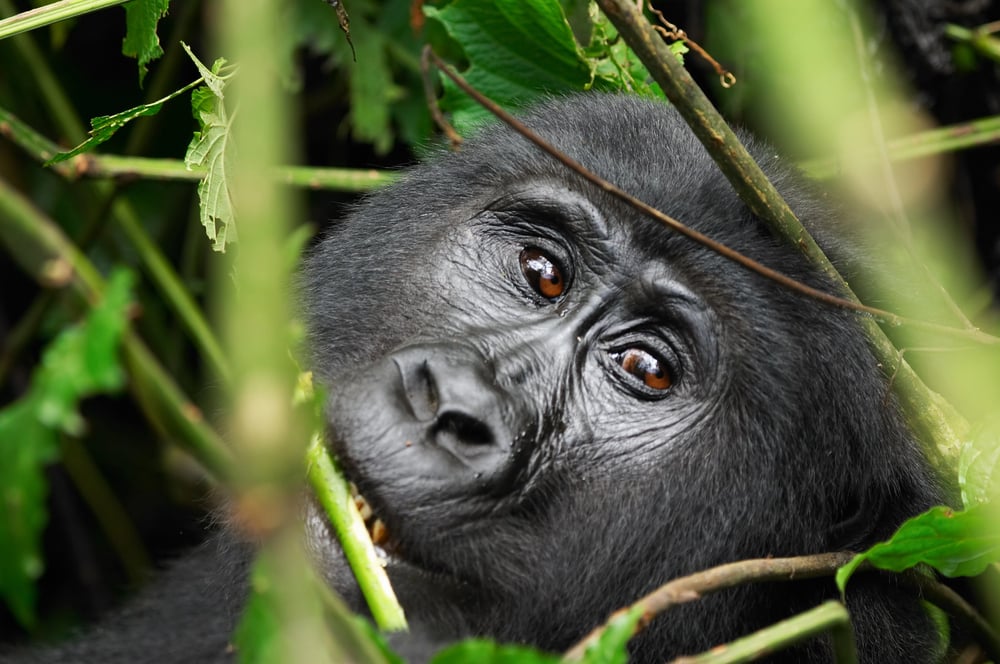
One adult silverback can tip the scales at 300 to 400 pounds. Still, mass isn’t what sets their power apart.
When matched by body weight, these animals may outmuscle a typical person by nearly sixfold – some guesses suggest even more. Though big, it’s how they’re built that counts.
Iron bars don’t stand a chance when gorillas get hold of them. Moving through thick jungle is effortless, done simply by tearing aside plants using only strength in their hands.
Over eighteen hundred pounds can be hoisted without much effort at all. Most days unfold slowly, filled with searching for food plus moments spent close to others in their group. Full power stays hidden, hardly ever shown because there’s just no need.
Eagles Have Strong Grips
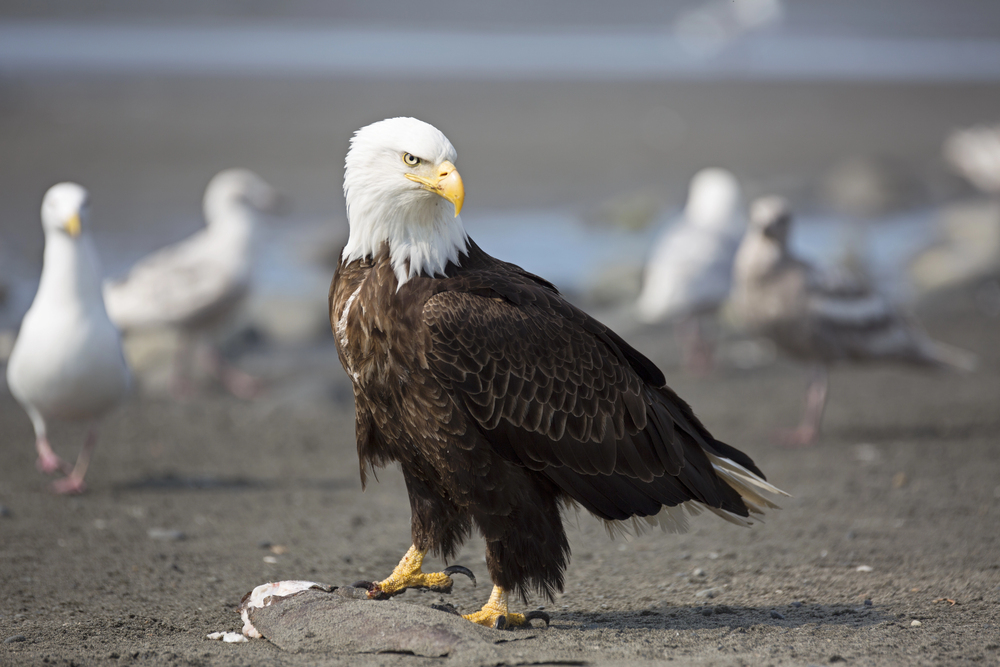
Who would picture a bird as strong? Yet eagles are something else entirely.
When a bald eagle clenches its claws, the force hits roughly 400 pounds per square inch. That kind of squeeze is nearly tenfold what an average person’s hand can manage.
What makes it possible? The way they grab holds tight enough to pluck fish mid-splash. Carrying meals heavier than their own bodies happens without letting go.
Even when dinner fights back, the grasp stays locked. Power comes mostly from the legs, where each foot works like a sprung trap – rigid, unyielding.
Bones and tendons team up to resist escape.
Chimpanzees Are Stronger Than They Look
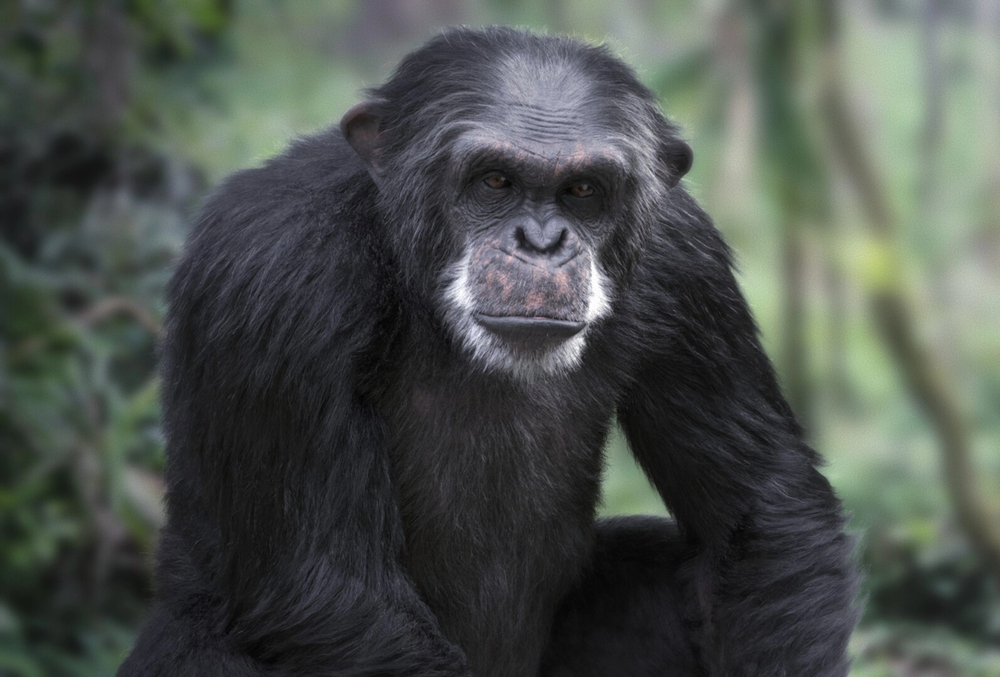
Surprisingly close in genes, chimps match human DNA by nearly 98 percent – yet bodies differ more than that number implies. Strength stands out when you look closer.
Pulling motions, leaps – these actions reveal a chimp often twice or thrice as powerful as an adult person, even though size-wise they tend to be smaller. That gap shows up clearly where muscle matters most.
Some of it ties back to how muscles are built. Fast-twitch fibers pack chimp arms, made for sudden force.
Our bodies went another way – favoring stamina, precise movement instead. That shift helped us handle tools, cover miles. Great for crafting, less so for bending elbows against a chimp.
Anacondas Can Exert Hundreds of Pounds of Pressure
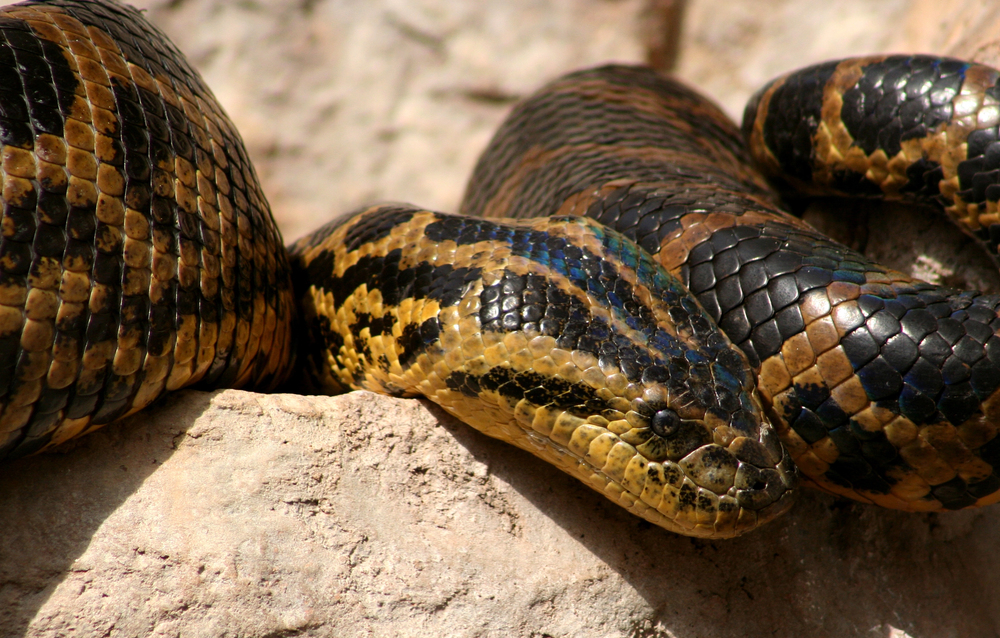
Green anacondas are the heaviest snakes in the world, and they kill by constriction. When an anaconda coils around prey, it tightens its grip every time the animal exhales.
The pressure builds until the heart stops. Researchers estimate that large constrictors can exert somewhere between 90 and 100 pounds per square inch of pressure, applied over a large surface area and sustained for minutes.
No human could resist that. Very few animals can.
Grizzly Bears Can Flip 700-Pound Boulders
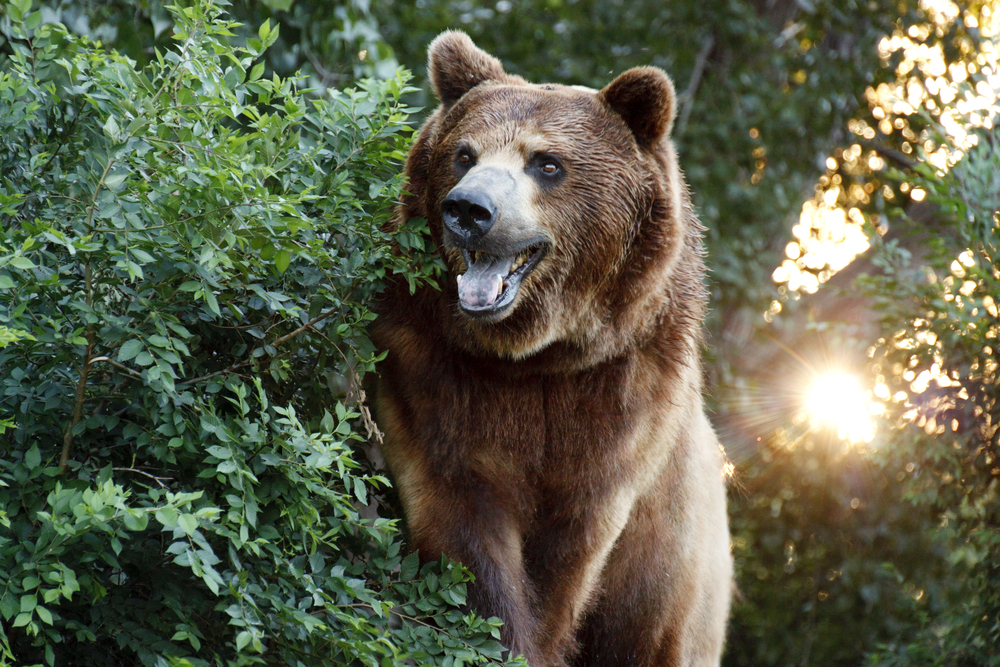
Grizzly bears look powerful in the obvious way — they’re huge, they’re muscular, they have claws. But their actual feats of strength still manage to surprise.
Grizzlies routinely flip boulders weighing several hundred pounds while foraging for insects and roots underneath. Some of those boulders weigh more than 700 pounds.
A grizzly can also run at speeds up to 35 miles per hour. So it’s not just raw strength — its raw strength combined with speed and size.
The combination makes them one of the most physically formidable animals in North America.
Saltwater Crocodiles Have the Most Powerful Bite Ever Measured
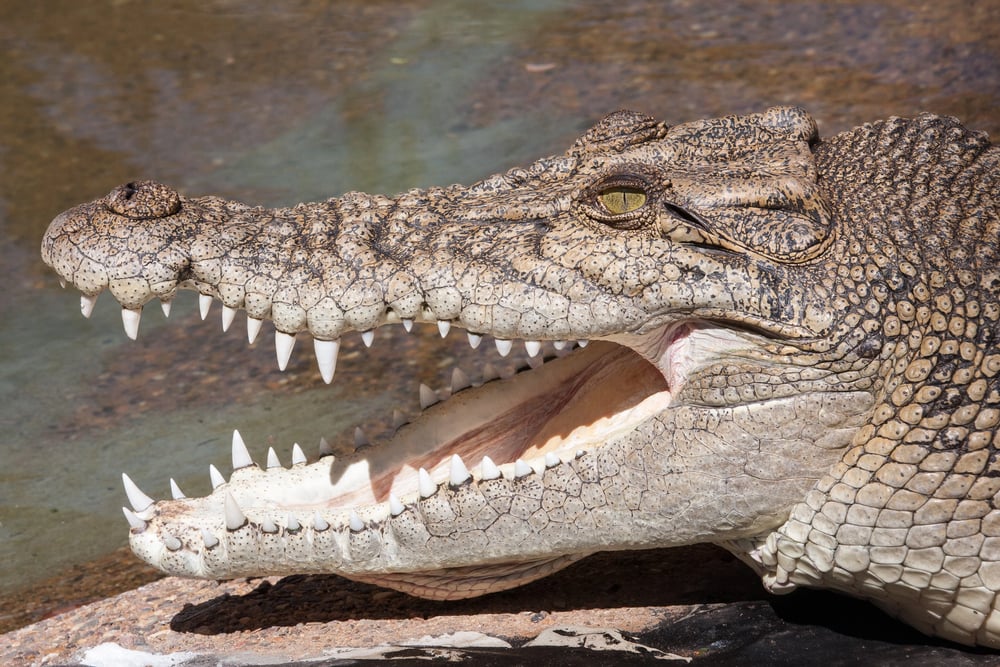
The saltwater crocodile’s bite has been measured at over 3,700 pounds per square inch — the highest bite force ever recorded for any living animal. Humans, by comparison, bite at around 160 to 170 pounds per square inch.
What makes this more impressive is the structure behind it. Crocodile jaw muscles are almost entirely optimized for closing force.
The muscles that open the jaw are comparatively weak, which is why a person can hold a croc’s jaws shut with their hands. But once those jaws close on something, nothing is coming out.
Rhinoceros Beetles Lift 850 Times Their Body Weight
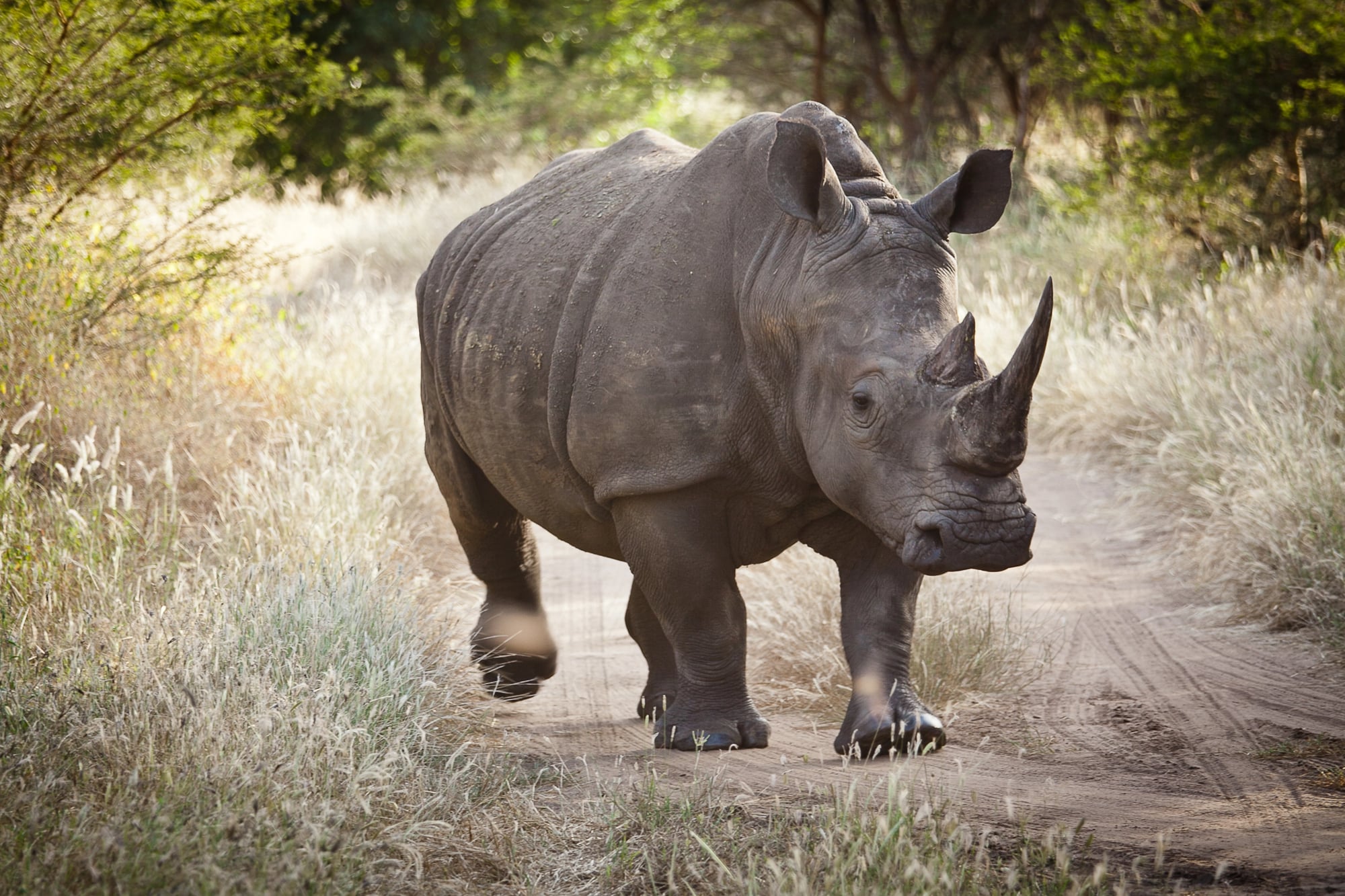
The rhinoceros beetle is the strongest animal on Earth relative to its size, depending on the study. Some have been recorded lifting 850 times their own body weight.
They use this strength mainly during male-on-male combat over mating rights, locking horns and trying to throw rivals off branches. For an insect that weighs less than an ounce, the forces involved are extraordinary.
Their exoskeletons are built to handle the load — an engineering feat that researchers have studied for ideas in materials science.
Tigers Are Stronger Than Lions (and Both Are Far Beyond Human)
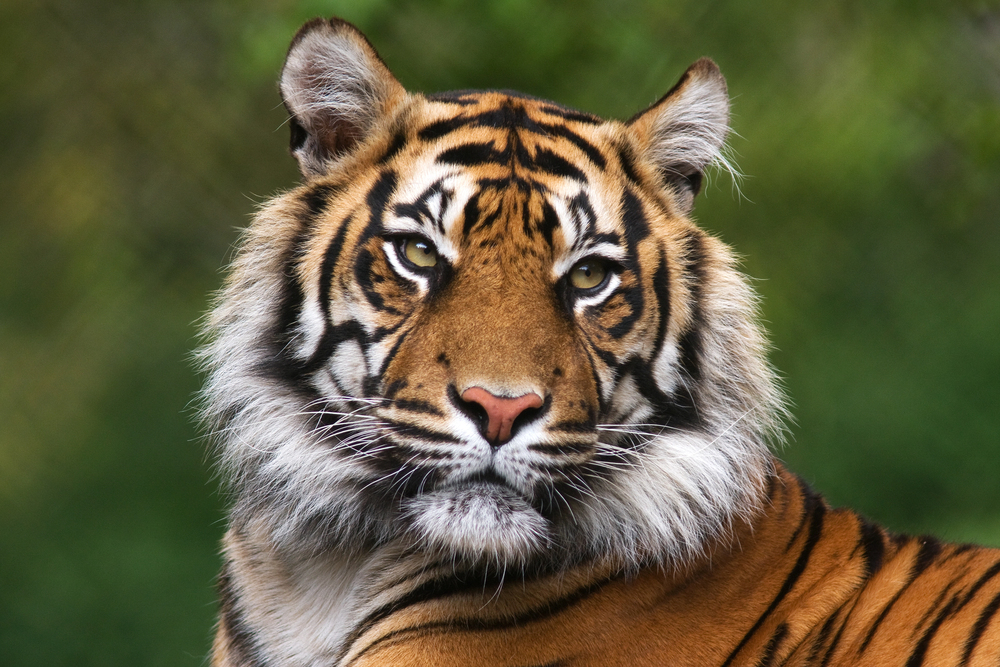
People tend to debate lions versus tigers when it comes to big cats. Tigers generally come out ahead on strength.
A Bengal or Siberian tiger can drag prey twice its own body weight over significant distances, and their forelimb strength allows them to deliver strikes capable of knocking out large animals with a single blow.
Their neck and shoulder muscles are built for taking down prey much larger than themselves. A tiger can kill a full-grown gaur, which can weigh over a ton.
That kind of hunting requires a level of strength and technique that’s simply outside the human range.
Horses Can Pull Twice Their Own Body Weight
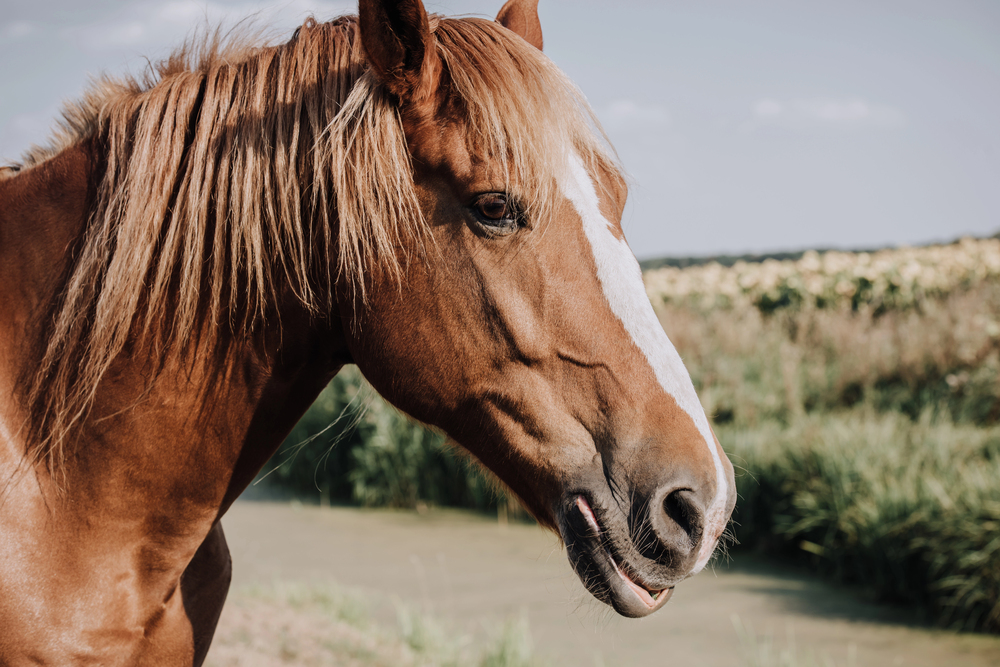
Horse power isn’t just a made-up term. Thousands of years ago people started using horses because they could haul heavy things.
Strong breeds such as Percherons or Clydesdales move over 8,000 pounds when needed. Their muscle makes the difference.
Horses in pulling contests often haul more than 13,000 pounds when paired together. While many creatures tire fast, these animals keep going across stretches that last hours.
Their power isn’t just raw; it lasts, serving real tasks day after day. Because of that endurance, their role in building societies stretched across centuries.
Mantis Shrimp Moves Faster Than a Bullet
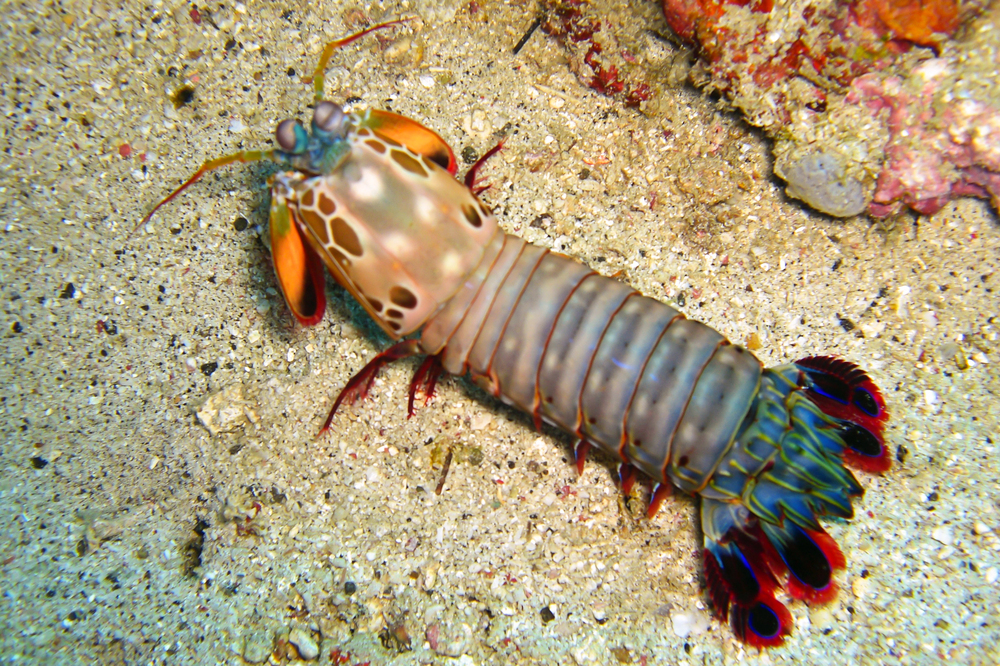
A tiny creature, often just 4 to 6 inches, the mantis shrimp thrives in warm ocean zones. Yet despite its size, it delivers one of nature’s fiercest punches.
Fueled by spring-loaded limbs, that blow rockets forward like gunfire. Water tries to slow it – no luck – hitting more than 50 mph through thick resistance.
A punch like that pushes past 1,500 newtons, strong enough to blow through fish tank walls while crushing crab armor and clam housings in one go. Behind the first wave, tiny voids form – when they snap shut, heat and shock surge out.
All this comes from a creature small enough to rest between your hands.
Elephants Lift 600 Times Their Weight Using Just Their Trunk
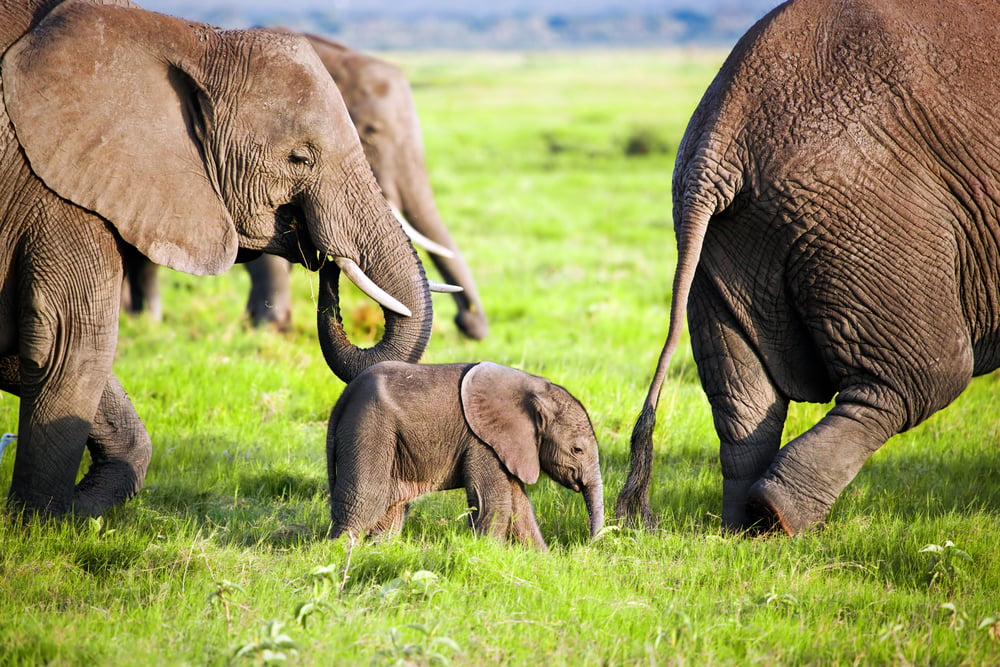
Biggest strength among creatures walking the earth? That belongs to elephants. One African elephant might hold twenty thousand pounds across its back, while shifting even bulkier weight using forehead and tusks.
Inside just the trunk – about forty thousand muscles work together, able to grab heavy things without dropping them. Weight that counts in the hundreds gets moved like it’s nothing.
Elephants surprise people not just because they are strong. Moving tree trunks comes naturally, yet so does scraping soil to find hidden water sources.
When one stumbles, others hold it up without hesitation. In certain regions, these creatures have helped build structures by lifting massive materials.
Such force usually means chaos, but here it bends to careful intent instead.
The Quiet Reminder in the Wild
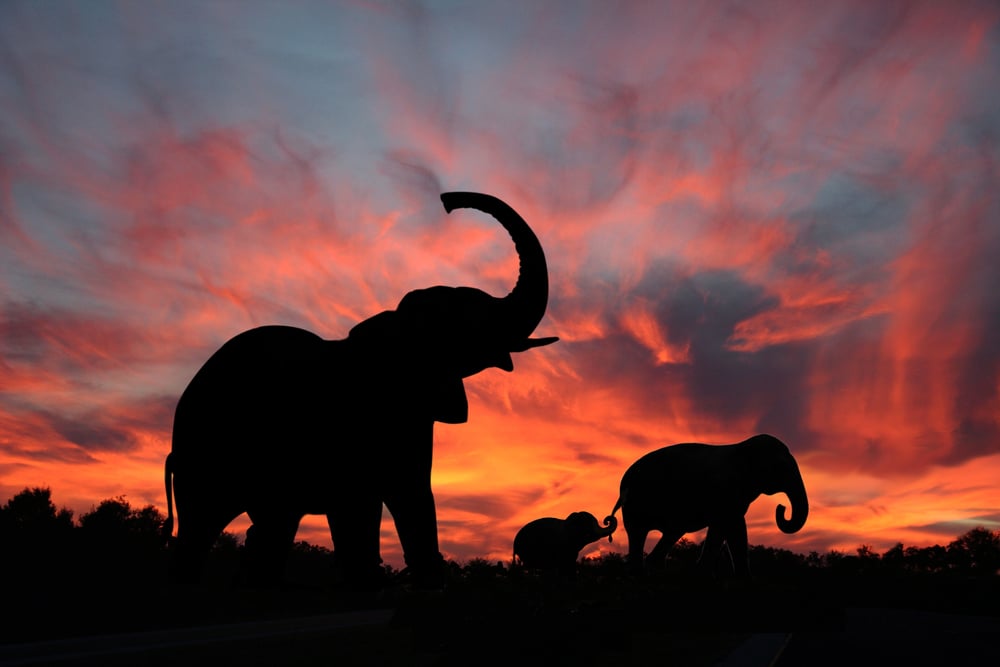
Breathe city air, surrounded by engines, machines, yet muscle used to mean life or death. Survival shaped power, not games.
These creatures? They lift not for show but because dinner, offspring, existence depend on it. A new route opened up for people.
Words, shared efforts, built objects – each helped cover the loss of raw strength. While creatures branched off into their own paths, some reaching extreme limits.
Next moment you spot an ant dragging cargo bigger than itself along pavement, pause just briefly. What moves there ranks among Earth’s most powerful beings when scaled down.
More from Go2Tutors!

- The Romanov Crown Jewels and Their Tragic Fate
- 13 Historical Mysteries That Science Still Can’t Solve
- Famous Hoaxes That Fooled the World for Years
- 15 Child Stars with Tragic Adult Lives
- 16 Famous Jewelry Pieces in History
Like Go2Tutors’s content? Follow us on MSN.