30 Languages That Have No Written form and Exist Entirely Through Speech
Writing feels so fundamental to language that it’s easy to mistake it for language itself. But writing is a technology — invented, adopted, and extended over millennia — and most of the world’s languages have never used it.
Of the roughly 7,000 languages spoken today, fewer than half have any developed writing system. The rest exist the way all human language once existed: in the mouth, the ear, and the memory. These aren’t primitive or simplified versions of written languages.
They carry complex grammar, rich vocabulary, history, law, poetry, and philosophy — all held in the minds of the people who speak them. What follows are thirty languages that are entirely or primarily oral, including some with thousands of speakers and others clinging to survival with just a handful.
Pirahã
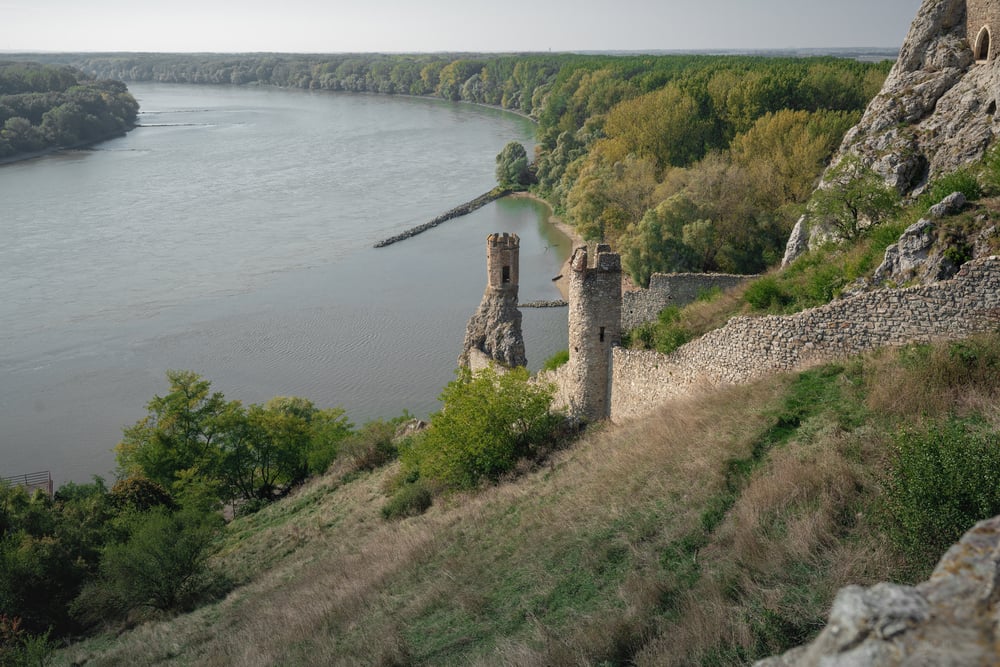
Spoken by around 250 to 380 people along the Maici River in the Brazilian Amazon, Pirahã is one of the most studied oral languages in linguistics — not because of its size but because of what it appears to lack. Linguist Daniel Everett, who lived among the Pirahã for decades, documented a language with no numbers, no colour terms, no recursion in its sentence structure, and no creation myths.
The language can be sung, hummed, or whistled as readily as spoken, and the Pirahã community remains almost entirely monolingual. Everett’s claims sparked a fierce academic debate, but the language itself is real and it remains without a standardised writing system.
Ainu

Ainu is the indigenous language of the Ainu people of northern Japan and Sakhalin, Russia. For most of its history it was entirely oral, preserved through yukar — epic poetry recited from memory, sometimes lasting hours.
By the mid-20th century, the language was critically endangered, with UNESCO listing it as such. Researchers have since created a Latin-based transcription system, but the language has no indigenous writing tradition and very few fluent speakers remain.
Preservation efforts now rely heavily on audio recordings of elderly speakers.
Ayapaneco
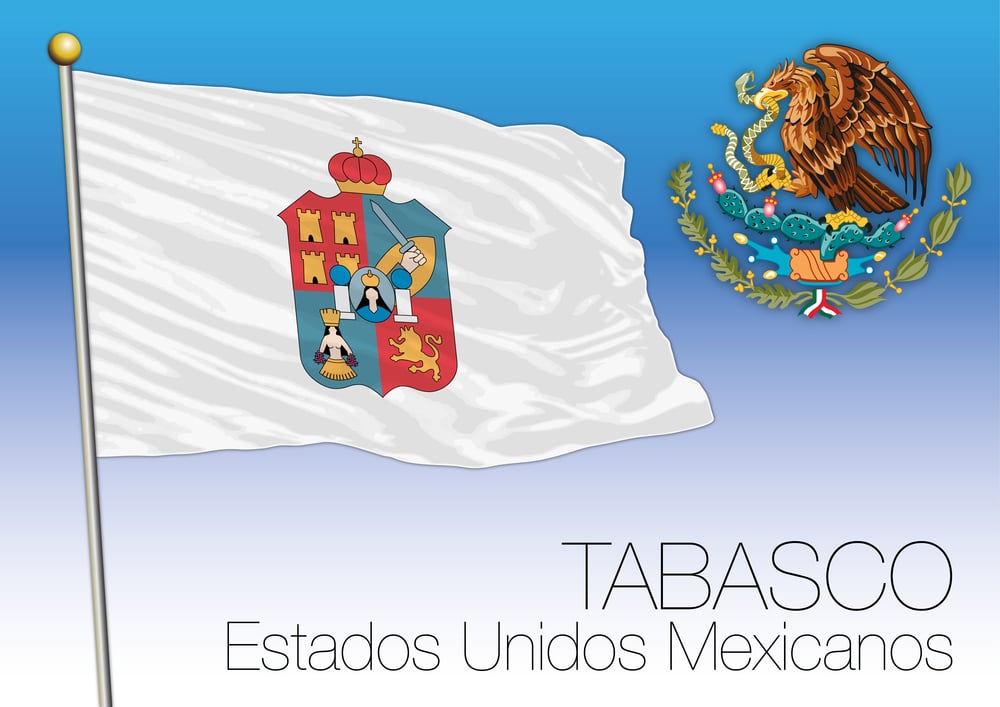
Once spoken across a wider area of Mexico’s Tabasco state, Ayapaneco (also called Zoque-Ayapaneco or Nuumte Oote) gained international attention around 2011 when it was reported to be down to just two elderly speakers who refused to speak to each other. The situation was more nuanced than that — other speakers existed — but the language had no standardised written form and its community was dangerously small. Mexico’s Instituto Nacional de Lenguas Indígenas has been working to document and revitalise it, but the language remains primarily oral.
Tuyuca

Tuyuca is spoken by perhaps 500 people in the Colombian and Brazilian Amazon. It belongs to the Eastern Tucanoan language family and is notable for being one of the most grammatically complex languages documented.
Every statement in Tuyuca requires the speaker to indicate how they know what they’re saying — whether through direct observation, inference, or hearsay. This evidential system is built into the grammar itself. Despite its structural sophistication, Tuyuca has no traditional writing system and remains transmitted entirely through speech.
Manx Gaelic (Traditional Oral Form)

Manx, the Celtic language of the Isle of Man, became extinct as a native language in 1974 when its last fluent speaker, Ned Maddrell, died. What survived were recordings — specifically, a large body of audio and video material captured by linguists in the 1940s and 1950s from elderly native speakers.
The language has since been revived as a spoken language taught in schools, but for decades it existed entirely in recordings rather than living speech. Its revival is one of the few cases of a language resurrected from audio archives rather than texts.
Damin
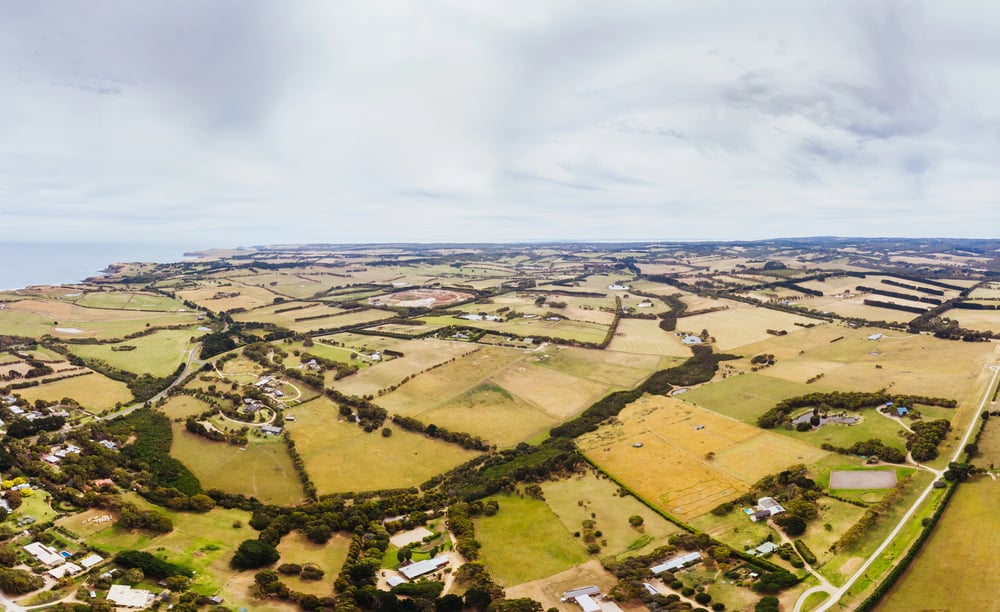
Damin was a ritual language used by initiated men of the Lardil people of Mornington Island in Australia. It was structurally extraordinary — it used sounds found in no other human language, including clicks borrowed from no existing click language tradition, apparently invented independently.
Damin was intentionally secret, passed only through initiation ceremonies, and was never written down. The last speaker with full knowledge of Damin died in the 1990s.
It is now extinct, known only through the work of linguist Ken Hale who recorded it in the 1960s.
Yuchi

Yuchi (or Euchee) is spoken by the Yuchi people of Oklahoma and has no demonstrated relationship to any other language on Earth. It is a genuine language isolate — unconnected to any known language family — with a grammar of remarkable complexity, including an elaborate system of grammatical gender that distinguishes Yuchi people from non-Yuchi people and from natural objects. As of recent counts, fewer than five elderly fluent speakers remain.
The language has no traditional writing system and has existed entirely through speech for the whole of its documented history.
Hadza
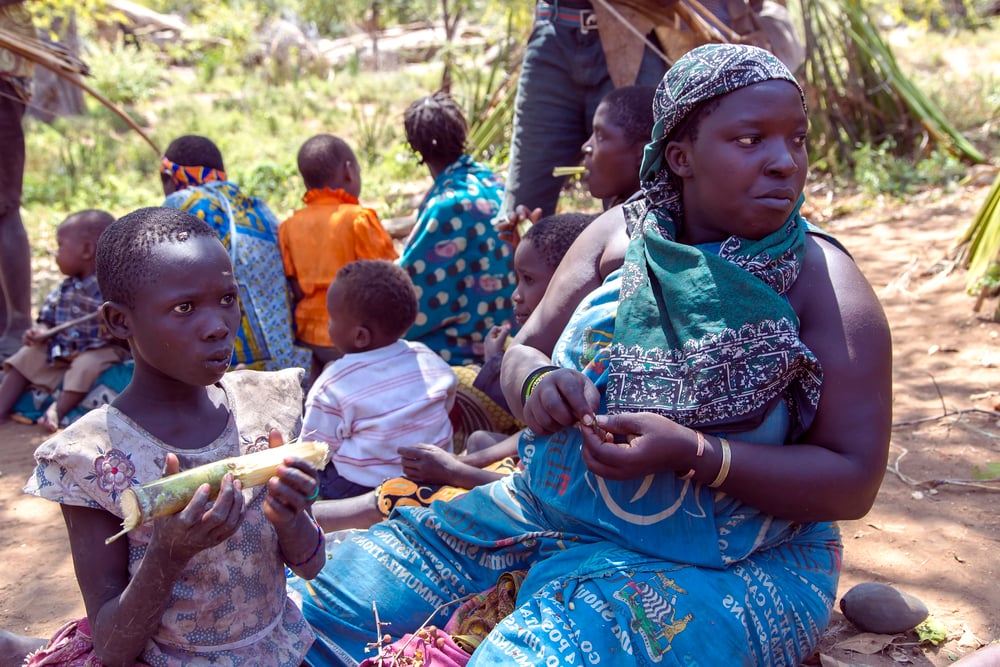
Hadza is spoken by around 1,000 people in Tanzania, the Hadza hunter-gatherer community living near Lake Eyasi. It is one of the world’s few remaining click languages outside the Khoisan family and has no proven genetic relationship to any other language. Hadza has no writing system.
Its speakers have historically had little contact with formal education systems, and the language has been transmitted entirely orally across generations. Researchers have developed transcription systems for documentation purposes, but these are academic tools rather than a living written tradition.
Sandawe
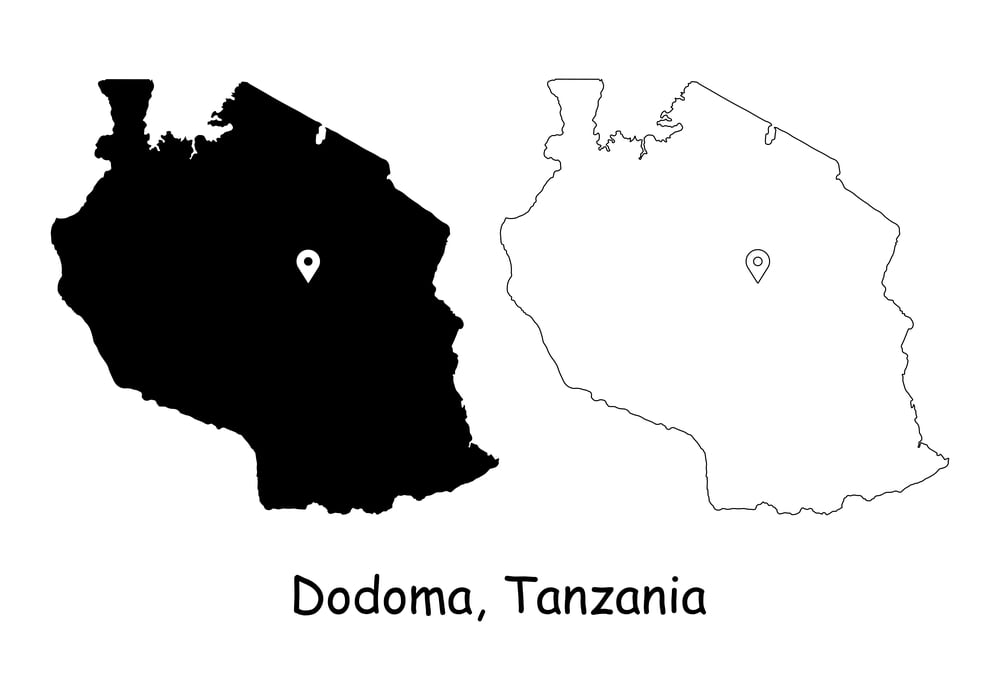
Also a click language of Tanzania, Sandawe is spoken by around 60,000 people in the Dodoma region. Like Hadza, it has no verified connection to any other language family, though some researchers have proposed distant links to the Khoisan languages of southern Africa.
Sandawe has no traditional writing system. Its speakers are surrounded by Swahili and other languages that do have writing traditions, which puts additional pressure on the language’s vitality.
Taa (ǃXóõ)
Taa, also known as ǃXóõ, is spoken by around 2,500 people across Botswana and Namibia. It is remarkable for having one of the largest inventories of sounds of any known language — over 100 consonants, including a wide range of click sounds.
Despite this phonological complexity, the language has no indigenous writing system and has been transmitted purely orally throughout its history. Linguists who study it require specialised phonetic training just to hear and reproduce its distinctions accurately.
Dahalo

Dahalo is a critically endangered language spoken by fewer than 600 people on the coast of Kenya. It is one of the few Cushitic languages that has retained click consonants — a feature thought to represent contact with now-vanished Khoisan-related populations long ago.
The language has no writing system and is being rapidly replaced by Swahili among younger speakers.
Seri
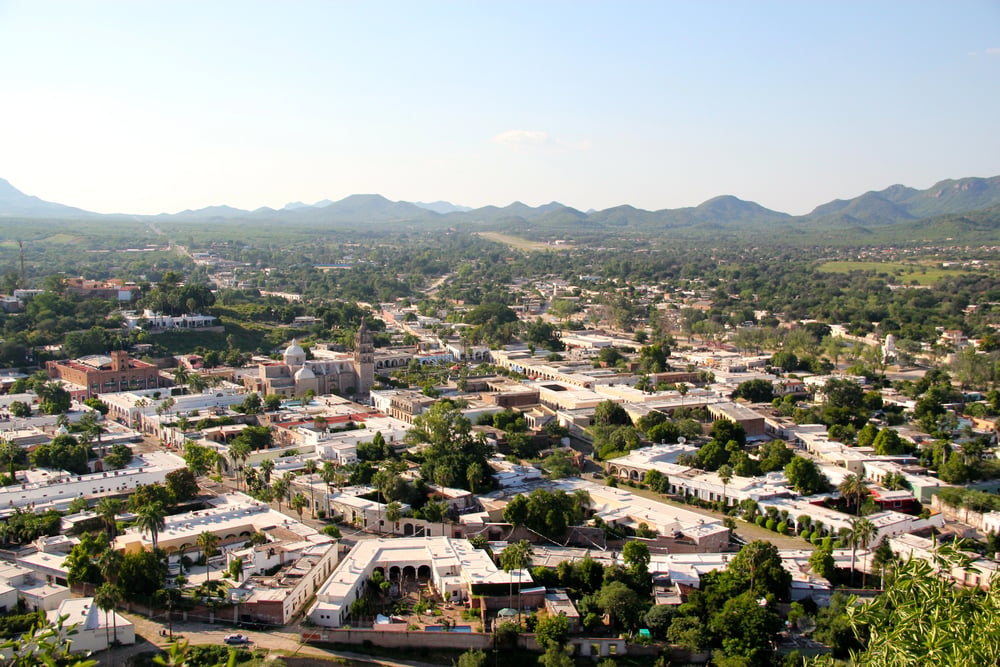
Seri is spoken by around 700 people on the coast of Sonora, Mexico, and is a language isolate with no known relatives. It is notable for having a highly complex verb system, with verbs that carry enormous amounts of information about an action’s location, direction, manner, and social context. The Seri have a rich oral tradition including navigation knowledge accumulated over generations of fishing and seafaring.
The language has no traditional writing system, though researchers have created a practical orthography for documentation.
Njerep
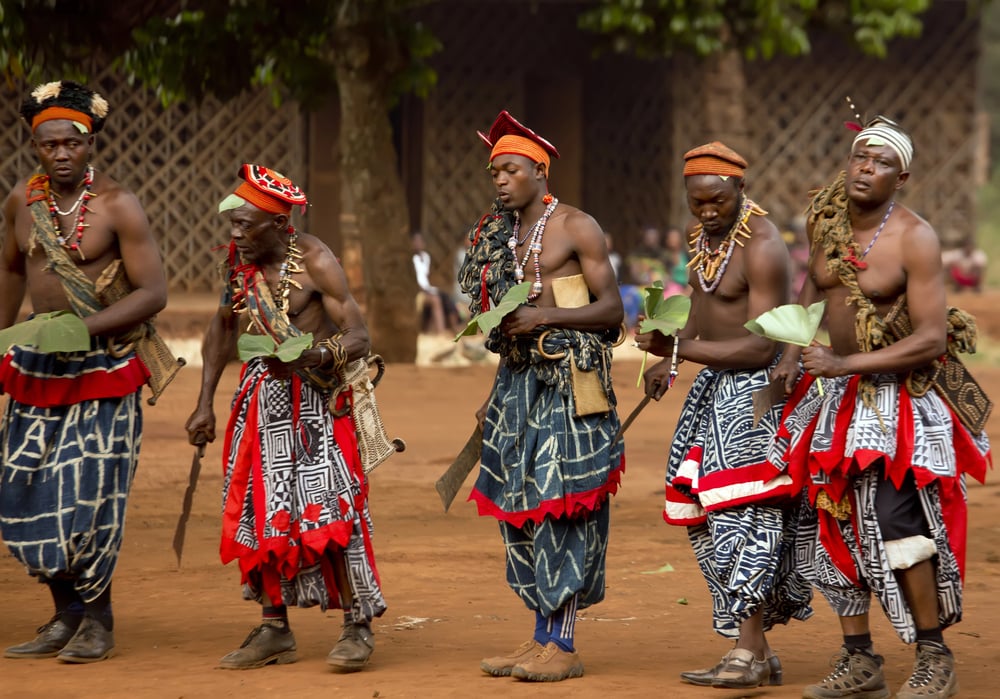
Njerep is a nearly extinct Bantoid language once spoken in Cameroon. As of the early 2000s, only four people were known to retain any knowledge of it, and none was a fully fluent speaker.
The language was never written down. Its existence is known primarily because a linguist visited the community in time to record vocabulary and fragments of grammar before that knowledge disappeared entirely.
Liki
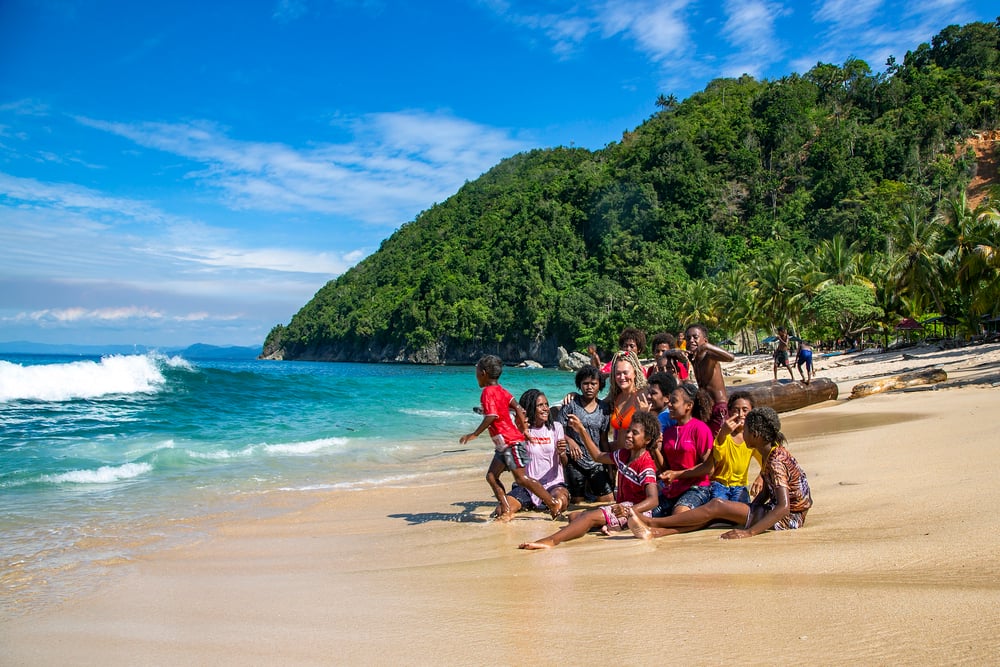
Liki is spoken by around 11 people on small islands off the coast of Papua New Guinea, making it one of the world’s least-spoken languages. It has never had a writing system. Its speakers are surrounded by Indonesian and other regional languages, and the pressure toward linguistic shift is intense.
The language exists now almost entirely in the memories of its remaining speakers, with no written record to fall back on if those speakers are lost.
Ongota
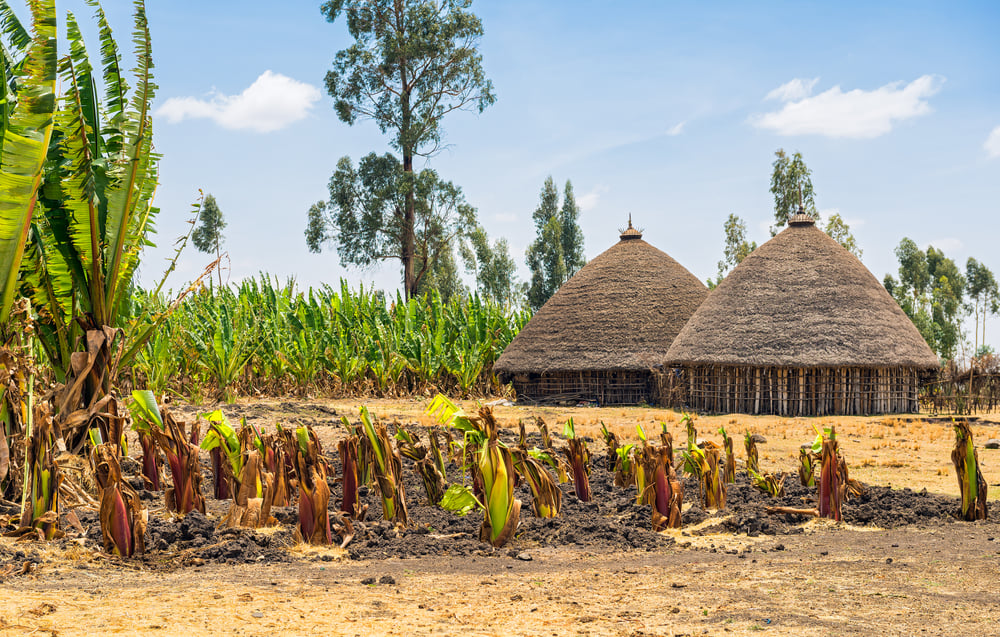
Ongota is spoken by a small community in southwestern Ethiopia — estimates suggest as few as six to eight remaining speakers, all elderly. It is a language isolate with no confirmed relatives, though some researchers have proposed links to the Afroasiatic family. It has no writing system.
Its speakers have shifted largely to Ts’amakko, a neighbouring language, over the past several generations.
Totoro
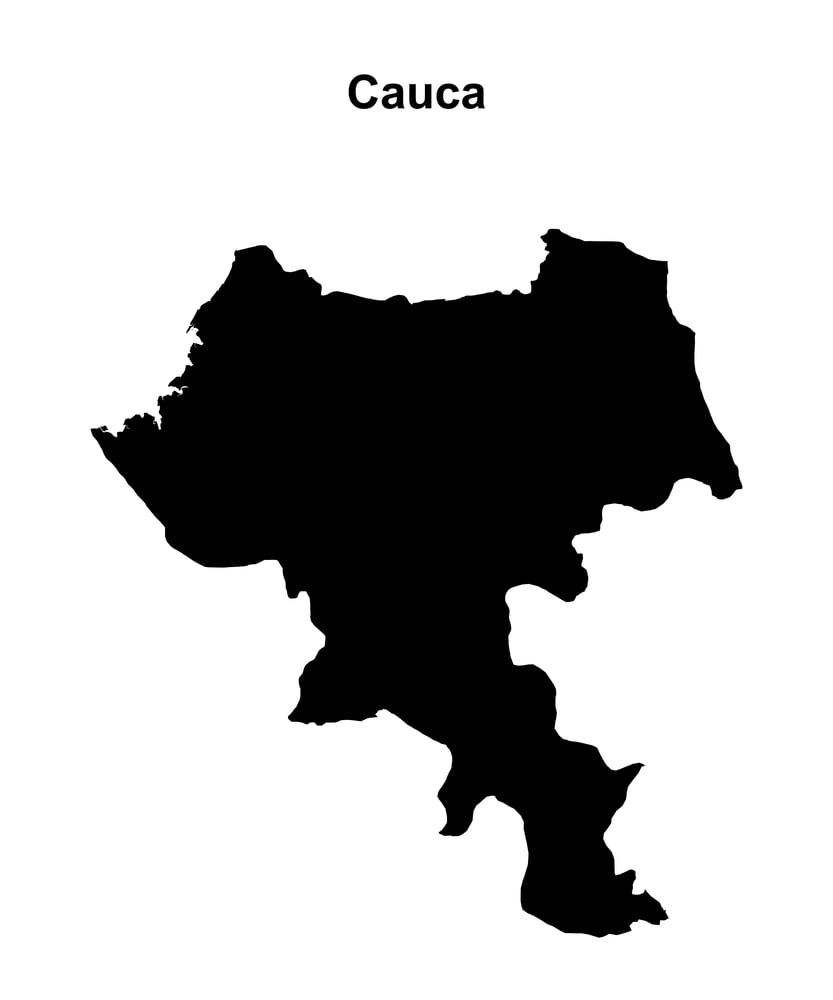
Totoro is an indigenous language of Colombia, spoken in the Cauca region. It belongs to the Barbacoan language family and has around 4,500 speakers. The community has maintained strong oral traditions, and the language has historically been transmitted through daily use and storytelling rather than any written form.
Some documentation work has produced transcriptions, but these exist as academic records rather than a community literacy tradition.
Biwat
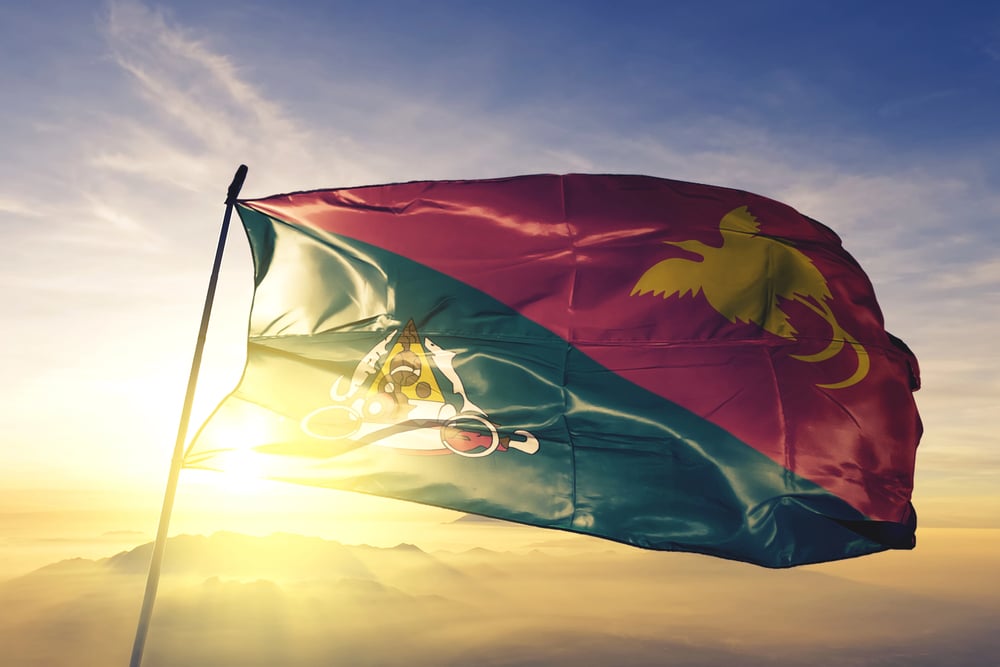
Biwat is spoken by around 1,500 people in Papua New Guinea’s East Sepik Province. It belongs to the Ramu language family, a group of languages found only in Papua New Guinea.
Like most languages in the enormous linguistic diversity of that country, Biwat has no indigenous writing system and is transmitted entirely orally.
Koro
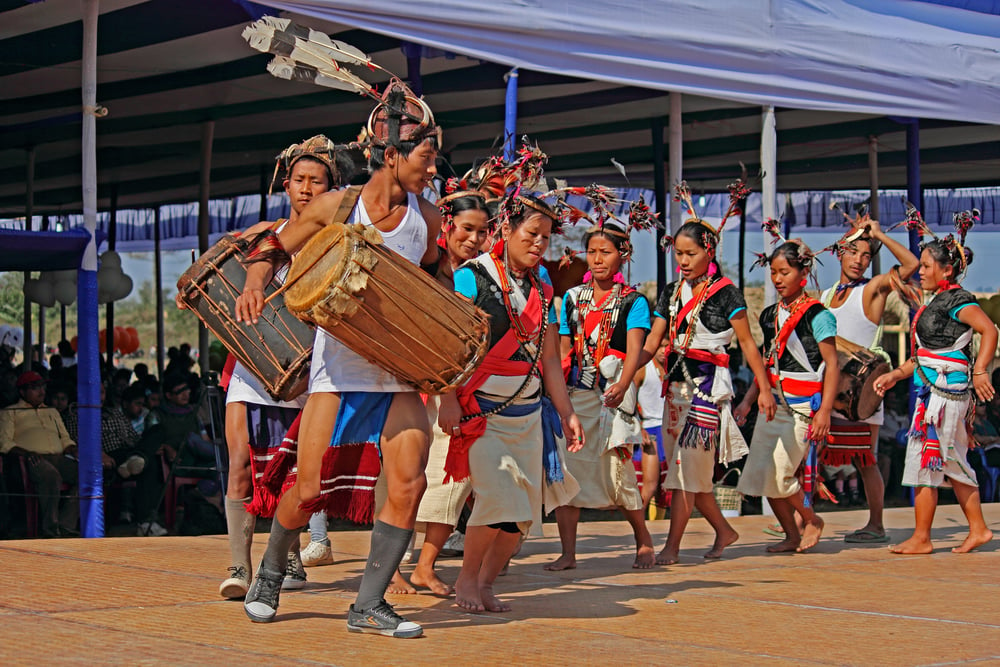
— Photo by yogesh_more
Koro is a language of Arunachal Pradesh in India, discovered by linguists in 2010 in a population that had previously been assumed to speak a known language called Aka. Koro turned out to be entirely distinct — unrelated to Aka at the level of basic vocabulary and grammar — and had apparently gone undetected by linguists until a National Geographic-funded survey team found it.
It had roughly 1,000 speakers and no writing system.
Resígaro
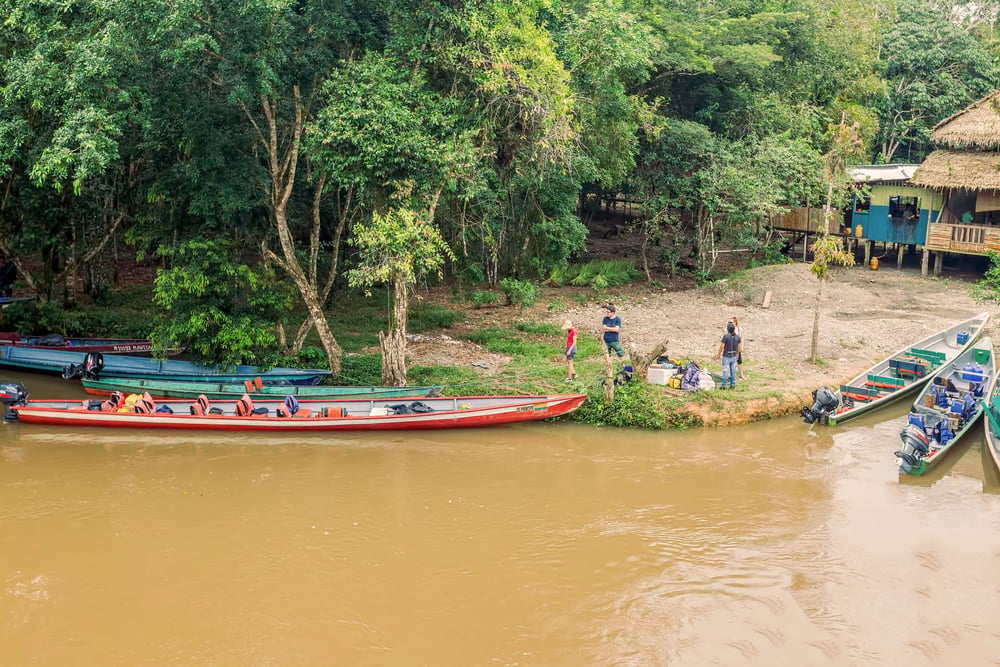
Resígaro is a language of the Peruvian Amazon, once spoken by the Resígaro people of the Putumayo River region. By the early 2010s, only two elderly siblings were known to be fluent speakers.
The language had no writing system and no significant written documentation. When one of the siblings, Rosa Andrade Nókae, was killed in 2016, her brother Pablo became the sole remaining speaker. Pablo Andrade died in 2018, making Resígaro extinct in its fully traditional form.
Kaixana
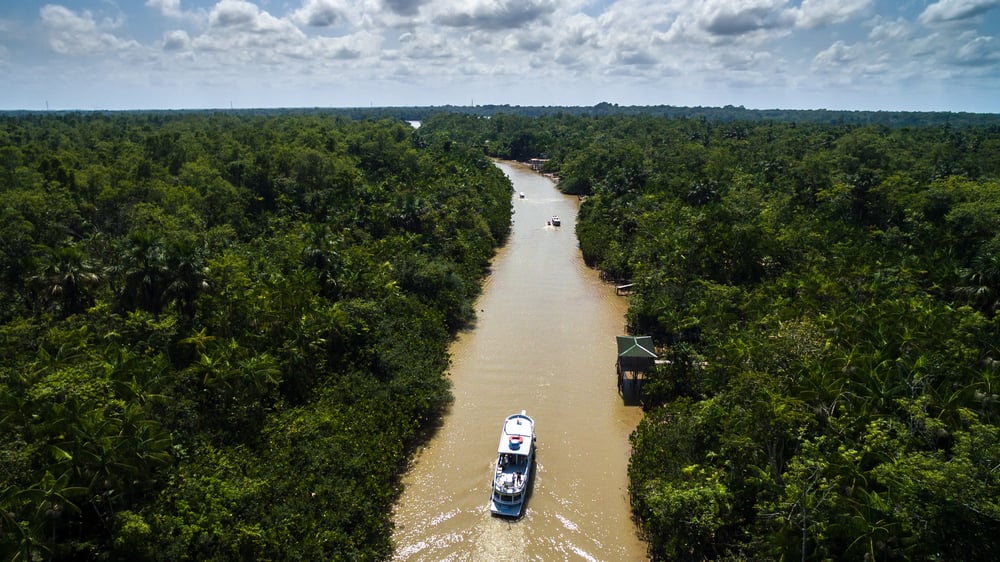
Kaixana was a language of the Brazilian Amazon, and by the mid-2000s it was reported that only one person — Raimundo Avelino — retained any fluency in it. The language had no writing system and no significant body of recorded material.
It now appears to be extinct.
Chamicuro
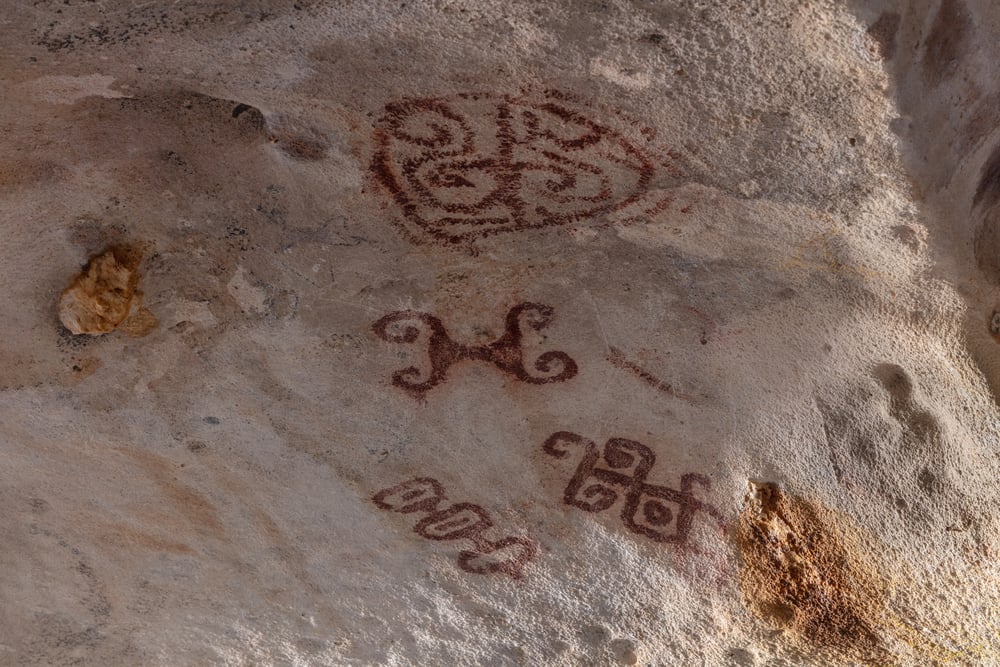
Chamicuro is an Arawakan language once spoken along the Chamicuro River in Peru. By the early 21st century, only a handful of elderly speakers remained, none of them raising children in the language. It has no writing system.
The community had shifted entirely to Spanish over several generations, with Chamicuro surviving only as a memory language among the oldest members.
Hokkien

Hokkien — spoken by tens of millions of people across Fujian province in China, Taiwan, Southeast Asia, and diaspora communities worldwide — is a striking outlier: a language with a massive speaker population and no standardised writing system. Hokkien has historically been written using borrowed Chinese characters in improvised, inconsistent ways, but no widely adopted, systematic written form has ever been established.
It remains essentially an oral language even as its speakers number in the tens of millions, primarily transmitting the language through family conversation, folk songs, and community practice.
Assyrian Neo-Aramaic

Assyrian Neo-Aramaic presents a different kind of oral dominance. Descended from ancient Aramaic — the language of significant portions of the Bible and the lingua franca of the ancient Near East — the modern spoken form diverged so substantially from the classical written language that the two are not mutually intelligible.
Many communities of Assyrian speakers maintained the language orally across generations of diaspora while using classical Syriac script for religious texts. The everyday spoken language was, for most of its speakers across most of history, an oral vernacular without a consistent written form.
Gyeli
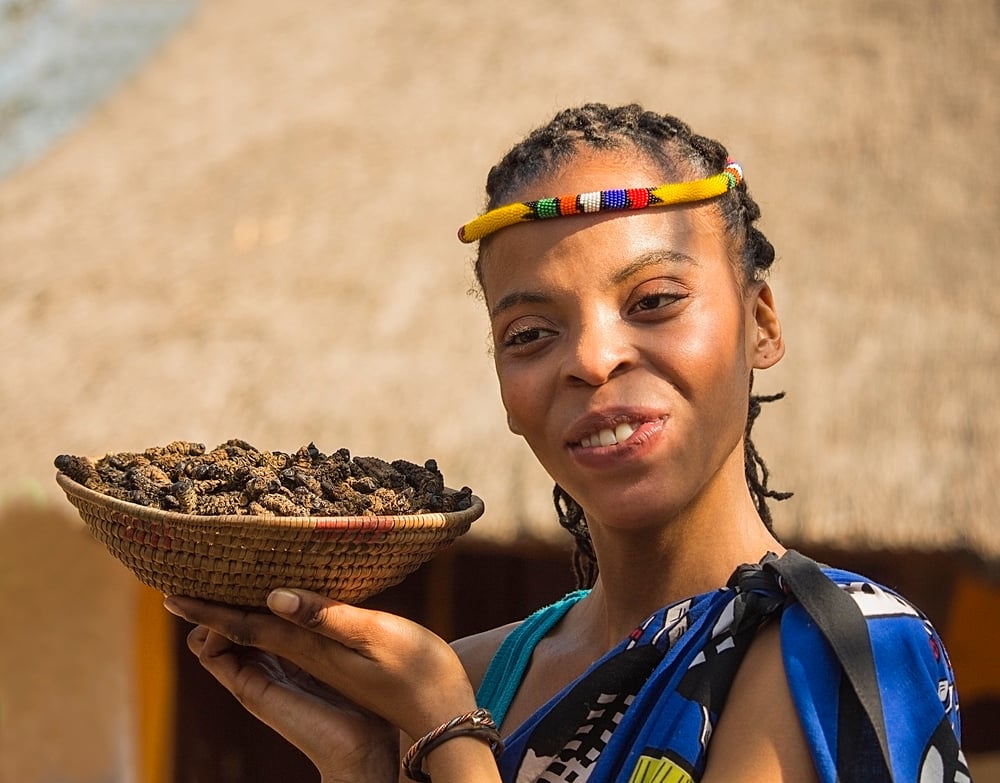
Gyeli is a Bantu language spoken by Bagyeli hunter-gatherer communities in Cameroon and Equatorial Guinea, with around 4,000 speakers. The Bagyeli have historically lived as forest hunter-gatherers in close contact with but socially distinct from farming communities.
Gyeli has no writing system and has been maintained entirely through oral transmission, often under significant social and economic pressure from surrounding populations.
Oropom
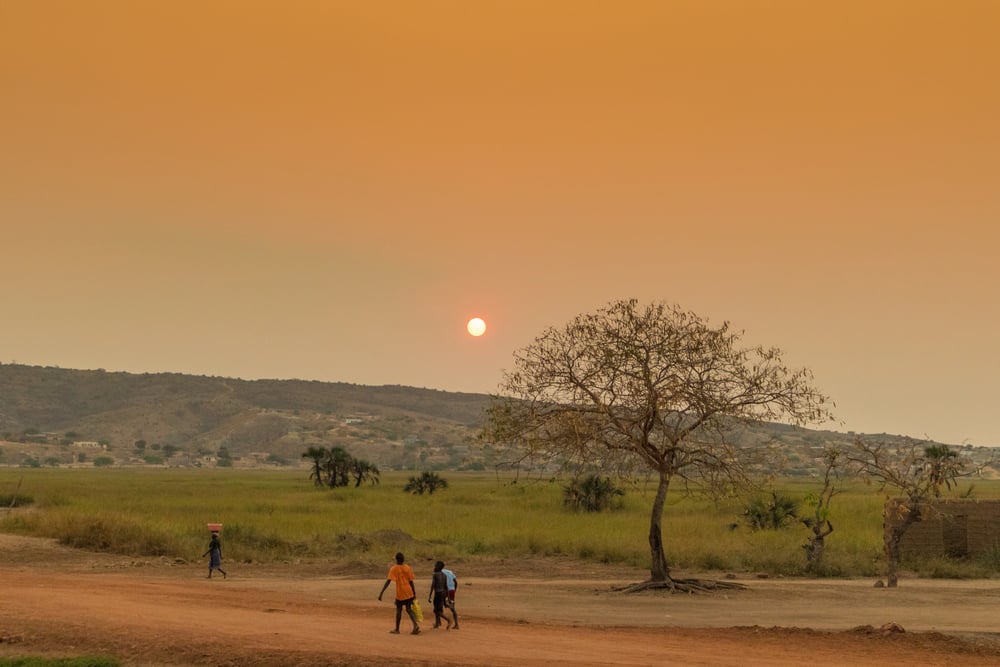
Oropom was a language once spoken in what is now Uganda, associated with the Oropom people of the Karamoja region. Its linguistic classification is unclear, and it had no writing system.
By the 20th century, the Oropom community had been largely absorbed by the Iteso and Karimojong peoples, and the language is now considered extinct without any written record.
Kusunda
Kusunda is a language isolate spoken in Nepal by a small hunter-gatherer community. It has no known relatives — not among Nepal’s many other languages and not elsewhere in the world. For much of its documented history, only one or two speakers remained, though revival efforts in recent years have found additional people with partial knowledge of the language.
It has no traditional writing system.
Mlahsô
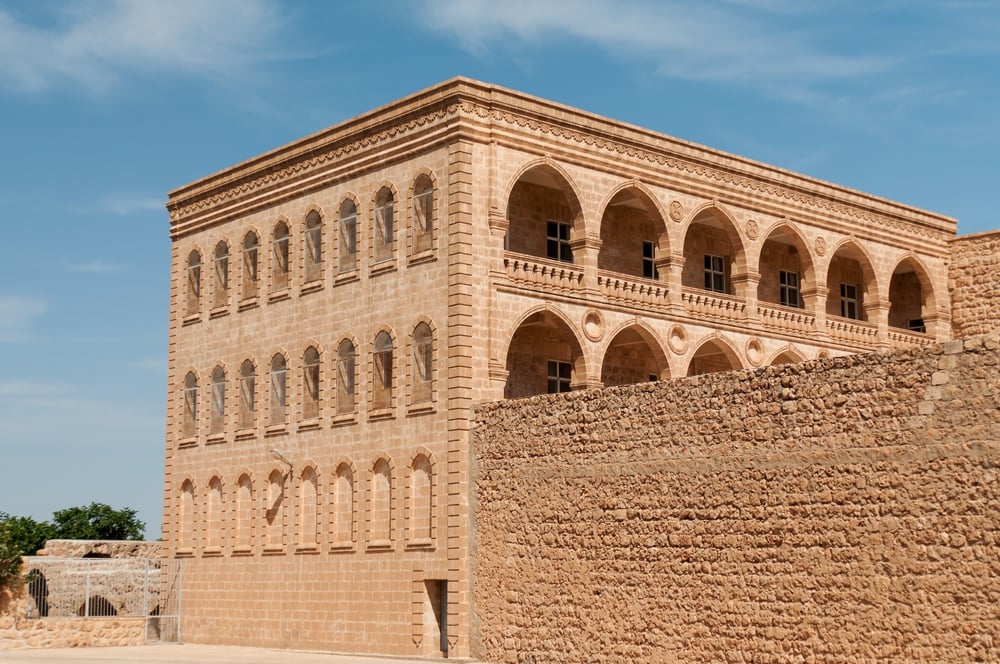
Mlahsô was an Eastern Aramaic language once spoken in a village near Diyarbakır in southeastern Turkey. It became extinct in the 1990s when its last speakers died.
The language had never been written. Its existence was documented by linguists who recorded the final speakers shortly before the language disappeared entirely.
Judeo-Berber

Judeo-Berber refers to varieties of Berber spoken by Jewish communities in Morocco and Algeria before large-scale emigration in the 20th century. These varieties were distinct from the Berber spoken by Muslim communities and were maintained entirely orally — Jewish Berber communities used Hebrew script for religious texts but had no written form for their everyday spoken language.
Most Jewish Berber speakers emigrated to Israel in the 1950s and 1960s, and the language is now maintained only by elderly speakers.
Ngbugu
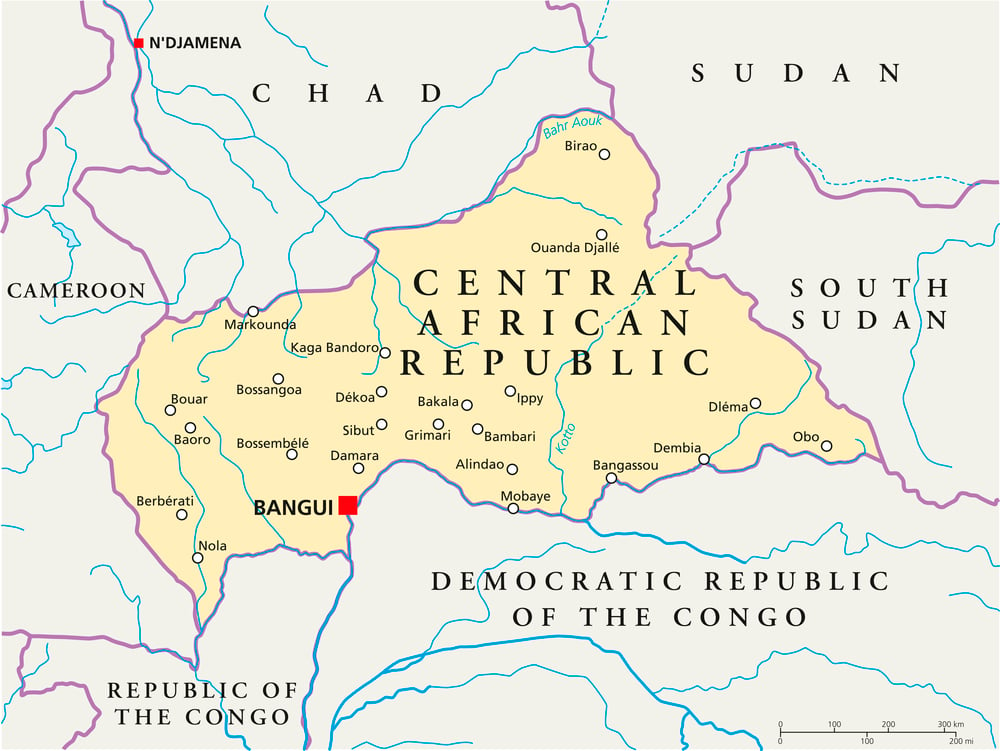
Ngbugu is a Ubangian language spoken in the Central African Republic. It has no writing system and a small speaker population under increasing pressure from French and more dominant regional languages.
Like many languages in the region, it exists entirely through oral transmission, with no body of written material to support its continuation.
Waorani
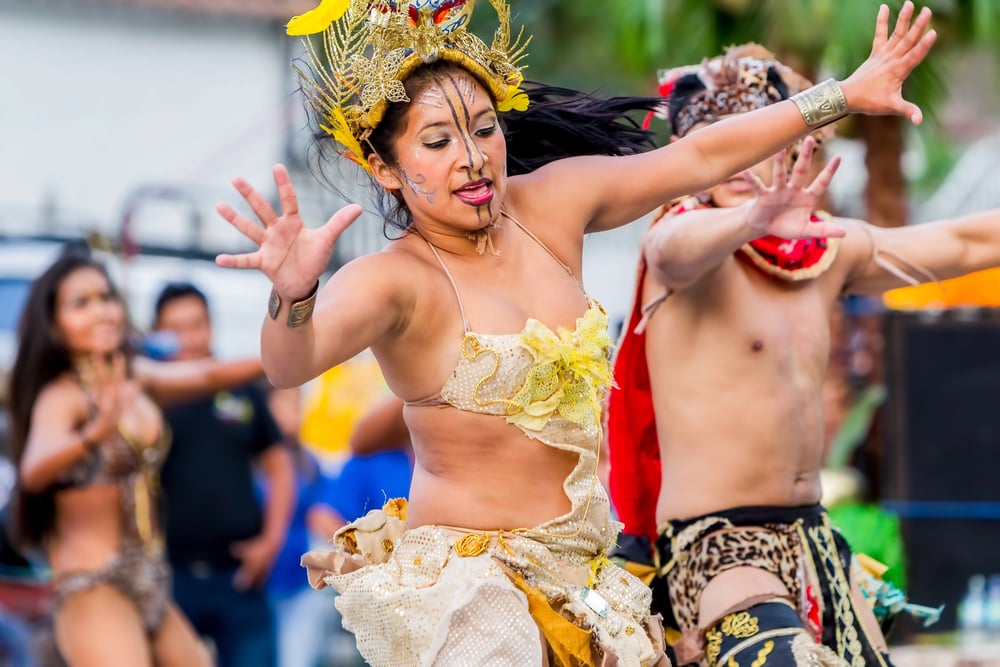
Waorani (also called Huaorani) is spoken by around 2,000 people in the Ecuadorian Amazon. It is a language isolate with no confirmed relatives and a complex phonology that resisted systematic transcription for decades.
The Waorani maintained deliberate isolation from outside contact for most of the 20th century, which preserved the language from outside influence but also meant no writing system developed. Linguists and missionaries have created transcription systems in recent decades, but the community’s language transmission remains primarily oral.
When a Language Dies, a Library Burns
There is a well-worn comparison between the loss of a language and the burning of a library — and it is apt in ways that go beyond the metaphor. An unwritten language carries knowledge that exists nowhere else: plant names tied to specific ecological knowledge, navigation techniques encoded in directional vocabulary, social structures embedded in pronoun systems, medical knowledge held in the descriptions of symptoms and treatments.
When the last speaker of Resígaro died in 2018, or when Damin was lost in the 1990s, what disappeared wasn’t just a way of saying things — it was a complete system of understanding and organising the world. The absence of writing is not what makes these languages fragile.
Languages survived for hundreds of thousands of years without writing. What makes them fragile is the same thing that has always threatened minority communities: economic pressure, forced displacement, schooling in dominant languages, and the quiet social arithmetic that leads each generation to see fluency in a smaller language as a liability rather than an inheritance. Writing sometimes helps with preservation.
But it can’t replace the parents speaking to their children in the language at the dinner table — which is where every language, written or not, has always been kept alive.
More from Go2Tutors!

- The Romanov Crown Jewels and Their Tragic Fate
- 13 Historical Mysteries That Science Still Can’t Solve
- Famous Hoaxes That Fooled the World for Years
- 15 Child Stars with Tragic Adult Lives
- 16 Famous Jewelry Pieces in History
Like Go2Tutors’s content? Follow us on MSN.