Countries That Are Seeing An Influx Of People
A surge in numbers does not just appear out of nowhere. Often, when a nation sees its inhabitants rise sharply within years, deep-rooted patterns have been pushing steadily that way.
High birth totals mix with jobs opening up, cities spreading, and peace holding firm – each feeding into the next. Where folks settle, and whether they remain, ties back to these steady currents pulling together.
Nowhere near all countries face the same path when it comes to people. A few see fewer births, older citizens, slower movement in streets.
Others watch neighborhoods fill fast, schools stretch thin, buses packed early each day. Numbers shift, yes, but behind them stand real changes – how cities rise, who works where, whether classrooms stay full.
Life bends around these patterns without announcement.
Focusing now on nations where numbers keep rising steadily, migration patterns reveal why folks move toward urban centers, smaller communities, even wide-open zones. Driven by shifts beyond borders, some places grow while others shrink – movement shaped by jobs, space, stability.
India

India is now the most populous country in the world, and its growth continues despite a gradual decline in birth rates. The country adds millions of people each year, driven by a large base population and a relatively young age structure.
Even as family sizes shrink, momentum keeps overall numbers rising.
Urbanization plays a major role. Cities such as Mumbai, Delhi, and Bengaluru continue to expand as people move in search of work, education, and upward mobility.
At the same time, rural populations remain significant, sustaining growth across both urban and regional areas.
India’s population increase is deeply tied to economic transformation. As industries diversify and technology sectors expand, the country continues to absorb and support a growing number of residents, reshaping its social and physical landscape in the process.
Nigeria

Nigeria has one of the fastest-growing populations in the world. High birth rates remain a central factor, supported by a young population where a large share of citizens are under 25.
This demographic structure ensures continued growth for decades to come.
Urban centers are absorbing much of this increase. Lagos, already one of the largest cities on Earth, continues to sprawl outward as people move in from rural areas.
Other cities are following similar patterns, creating dense urban corridors that stretch infrastructure and services.
Nigeria’s growth brings both opportunity and pressure. A rapidly expanding population can fuel economic activity and cultural energy, but it also demands careful planning to ensure housing, transportation, and education systems keep pace.
Pakistan

Pakistan continues to experience steady population growth driven by a combination of birth rates and internal migration. Large families remain common in many regions, particularly outside major cities, sustaining national growth even as urban lifestyles evolve.
Cities such as Karachi and Lahore have become magnets for people seeking employment and stability. This urban pull has reshaped Pakistan’s demographic map, concentrating growth in metropolitan areas while smaller towns expand to accommodate spillover.
Population growth in Pakistan is closely tied to economic resilience. As industries, services, and informal sectors absorb new workers, the country continues to support a rising number of residents, even amid structural challenges.
Ethiopia

Ethiopia has emerged as one of Africa’s fastest-growing countries by population. A youthful age structure and improving health outcomes have contributed to sustained growth over the past several decades.
More people are living longer, and more children are surviving early childhood.
Addis Ababa and other cities are expanding rapidly, reflecting a shift from rural livelihoods toward urban employment. Industrial parks, infrastructure projects, and regional development initiatives have accelerated this movement, drawing people into growing urban zones.
Ethiopia’s population increase reflects a broader regional trend, where development gains combine with demographic momentum. The challenge lies in converting growth into long-term stability and opportunity.
The United States

The United States continues to grow, though at a slower pace than in previous generations. Overall population increase is supported by a mix of births and sustained migration, with growth unevenly distributed across regions.
Southern and western states have seen the strongest gains, driven by job creation, housing availability, and warmer climates. Cities such as Austin, Phoenix, and Atlanta have expanded rapidly, absorbing new residents from both within and outside the country.
Population growth in the U.S. reflects adaptability. As economic centers shift and remote work reshapes settlement patterns, people continue to move toward regions offering flexibility, opportunity, and relative affordability.
The Philippines
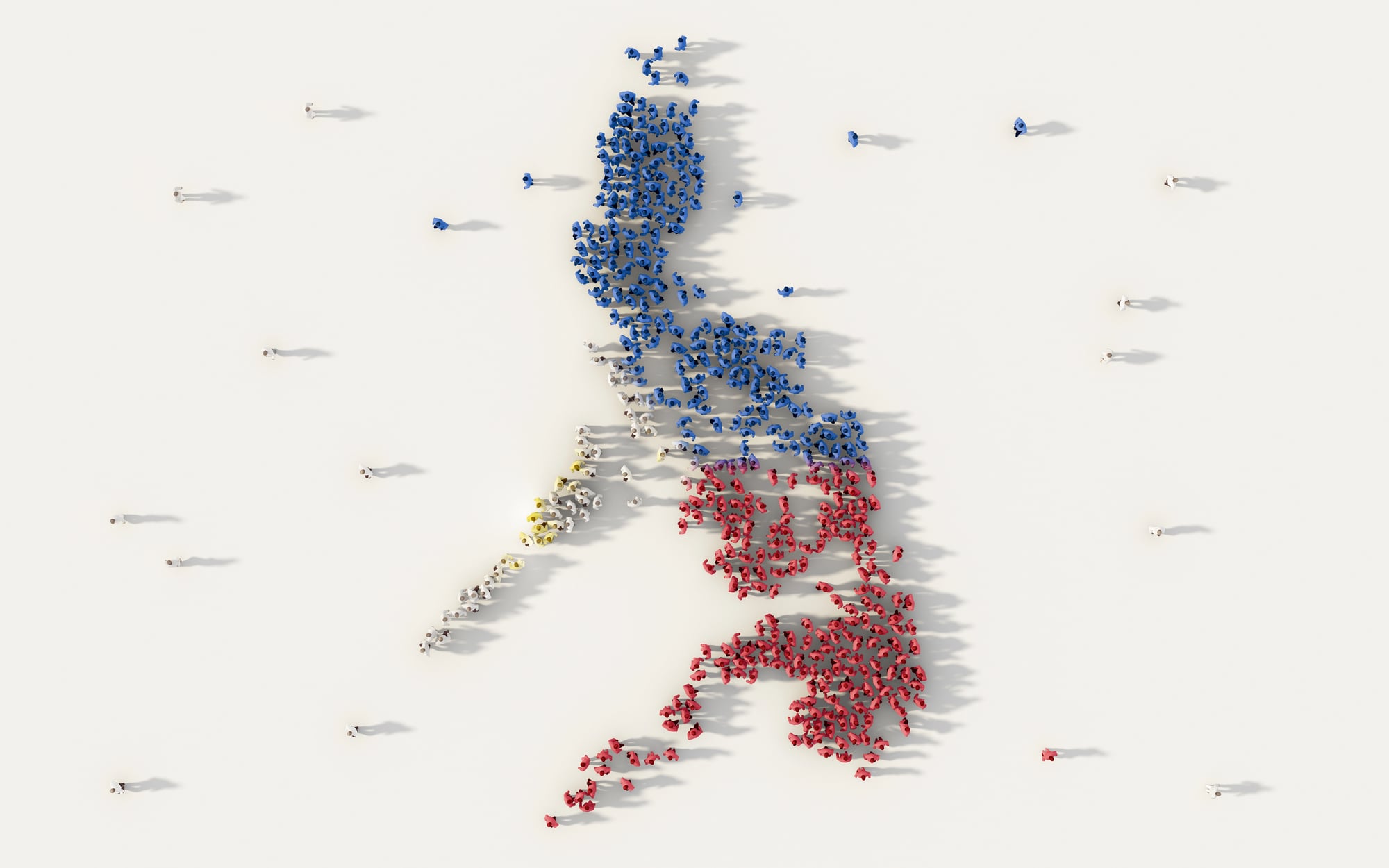
The Philippines remains one of Southeast Asia’s fastest-growing nations. High birth rates, combined with a young population, sustain steady growth year after year.
Family networks and cultural norms continue to support larger household sizes.
Urbanization is accelerating, particularly in Metro Manila and surrounding regions. As people move toward cities for work and education, peri-urban areas expand, creating new population centers almost overnight.
The Philippines’ growth is closely linked to its labor force. A large, youthful population feeds both domestic industries and overseas employment networks, reinforcing population momentum at home.
Egypt

Egypt has seen rapid population growth concentrated along the Nile River and in major urban centers. Despite limited habitable land, the country continues to add millions of residents each decade.
Cairo’s expansion illustrates this trend clearly. As housing pushes outward and new satellite cities emerge, people cluster in dense urban environments shaped by geography and history.
Growth continues even as authorities attempt to redirect development.
Egypt’s population increase highlights the tension between demographic momentum and physical constraints. Managing growth within limited space remains one of the country’s defining challenges.
Democratic Republic of the Congo
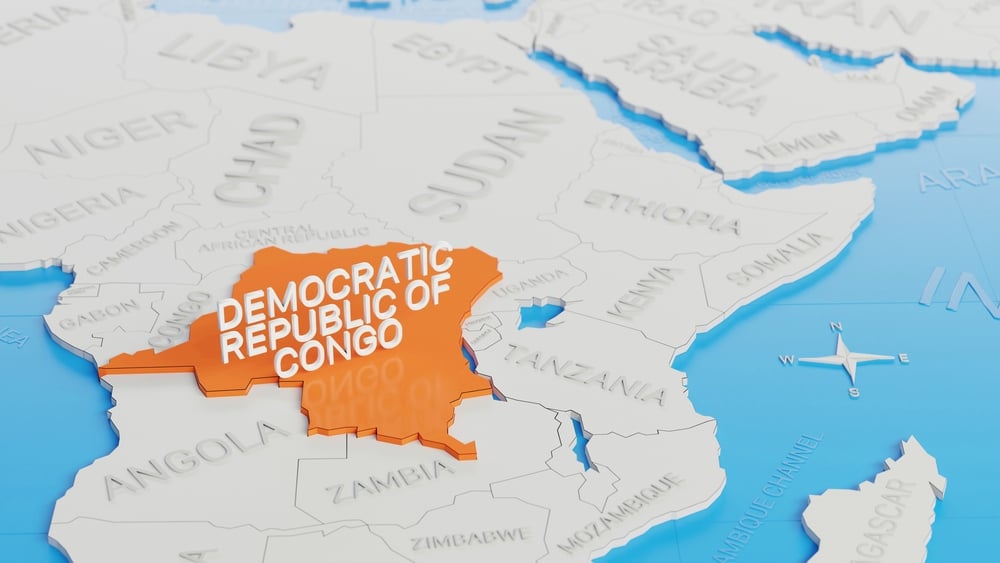
Democratic Republic of the Congo is experiencing significant population growth driven by high birth rates and improving survival outcomes. The country’s vast size allows expansion across multiple regions, though development remains uneven.
Cities such as Kinshasa are growing rapidly, fueled by internal movement and natural increase. Infrastructure struggles to keep pace, but population momentum remains strong.
The country’s growth reflects a broader pattern across central Africa, where demographic expansion continues despite economic and political uncertainty.
Why population growth is becoming more concentrated

Global population growth is no longer evenly distributed. A relatively small number of countries account for a large share of new residents each year.
This concentration is driven by age structure, fertility patterns, and differing stages of economic development.
Countries with younger populations tend to grow even as birth rates slowly decline. Those with aging populations, by contrast, often see stagnation or decline despite high standards of living.
Over time, this divergence reshapes global influence, labor markets, and consumption patterns.
These shifts are gradual but powerful, unfolding over decades rather than years.
How cities absorb the influx

Urban areas sit at the center of modern population growth. Cities offer jobs, education, healthcare, and connectivity, making them natural destinations for growing populations.
As a result, urban expansion often defines national growth trends more than rural change.
This rapid urbanization creates pressure. Housing shortages, transportation congestion, and infrastructure strain are common side effects.
Still, cities also serve as engines of innovation and productivity, turning population density into economic energy.
How well cities manage this balance will shape the lived experience of growth.
What this growth means long term

Population growth brings opportunity and responsibility in equal measure. A larger population can support economic expansion, cultural vibrancy, and global influence.
At the same time, it demands careful planning to ensure quality of life keeps pace with numbers.
Education, employment, and infrastructure become central concerns as populations expand. Countries that invest early tend to convert growth into resilience, while those that delay face mounting strain.
The outcomes are not predetermined. Policy, governance, and adaptability matter as much as demographics.
Why it still matters

Tomorrow’s world quietly takes shape where crowds arrive now. Cities swell, yet their rhythm shifts beyond size alone.
Economies hum differently when new voices join the mix. Culture bends without breaking, reshaping unseen.
Growth isn’t measured just by headcount piling up. How people adapt defines what holds together – and what drifts apart.
When certain countries grow while others dwindle, the world’s energy flow shifts slowly. Where humans cluster now – and what pulls them there – shapes how jobs, ideas, and power will move ahead.
Even once news fades, these population tides still roll on.
More from Go2Tutors!

- The Romanov Crown Jewels and Their Tragic Fate
- 13 Historical Mysteries That Science Still Can’t Solve
- Famous Hoaxes That Fooled the World for Years
- 15 Child Stars with Tragic Adult Lives
- 16 Famous Jewelry Pieces in History
Like Go2Tutors’s content? Follow us on MSN.