34 Palaces Abandoned by Royalty That Still Stand in Eerie Silence
There is something specific about the silence of an abandoned palace that a ruined church or a deserted factory cannot replicate. The scale of the rooms was designed for ceremony, for the movement of courts, for the performance of power in front of audiences.
When the audiences stop coming and the inhabitants leave, the spaces don’t simply become empty — they become wrong. Corridors built for processions now echo without footsteps.
Throne rooms sit in careful preservation, awaiting occupants who will never return. In most cases, the royalty didn’t choose to leave.
They were expelled, deposed, executed, or simply outlived by republics that found new uses for the buildings. What follows are thirty-four palaces that still stand, that tourists now walk through in regulated lines, and that carry — in the specific proportions of their rooms, the surviving frescoes, the drafts from windows designed for different centuries — the unmistakable quality of having been built for a life that no longer exists.
Palace of Versailles, France
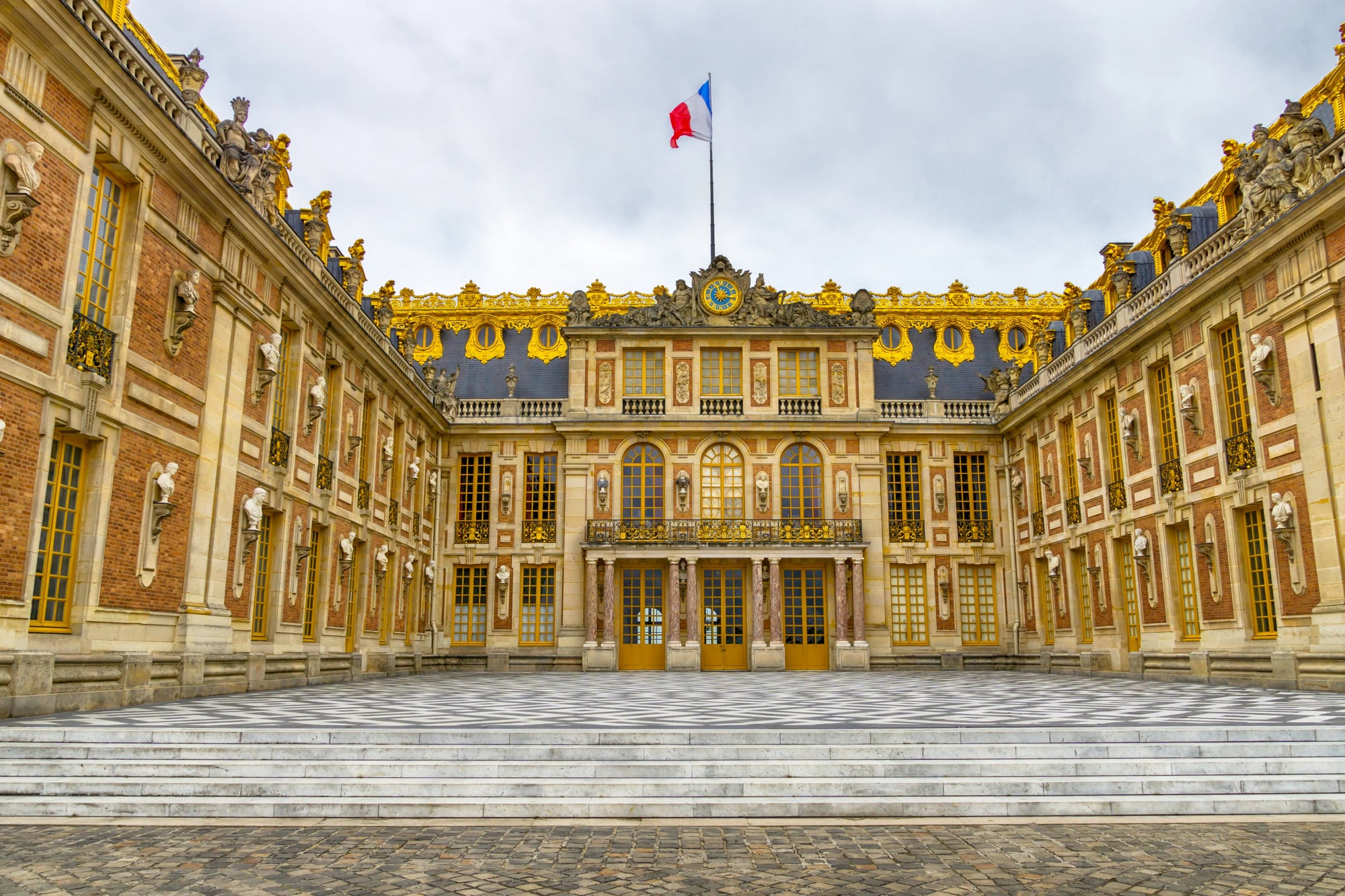
Louis XIV moved the French court to Versailles in 1682, making it the de facto capital of France for over a century. When the royal family was forced to return to Paris in 1789 during the Revolution, the palace was largely abandoned and stripped of its contents over the following years.
The Hall of Mirrors — 73 meters long, lined with 357 mirrors reflecting into 17 arched windows overlooking the formal gardens — was designed to dazzle ambassadors into submission. It still does, except the person walking through it now is holding a visitor map and looking for the café.
The Forbidden City, Beijing, China
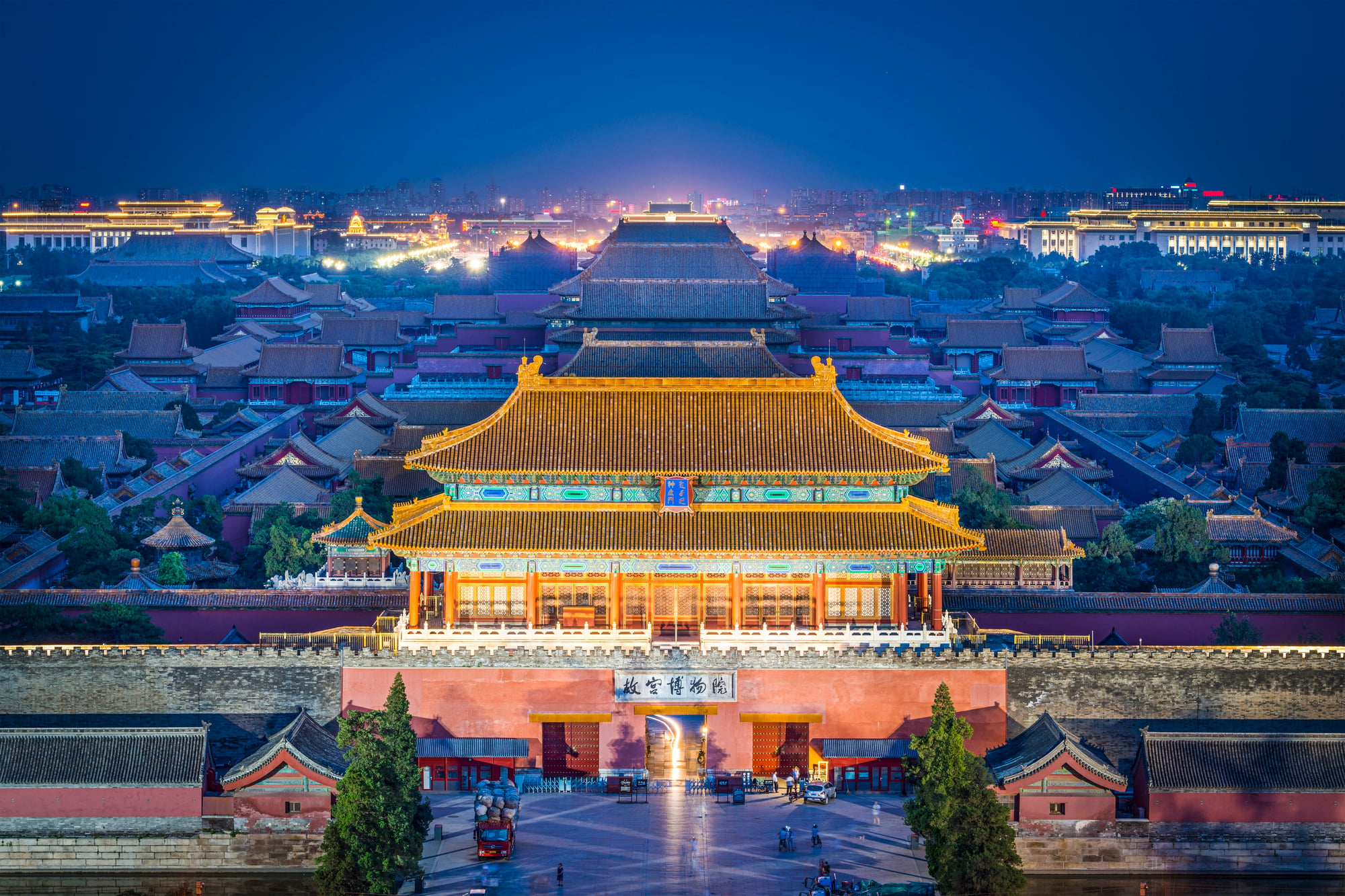
The Forbidden City was the imperial palace of the Ming and Qing dynasties for nearly five centuries, housing 24 emperors and their courts behind walls that ordinary citizens were forbidden to enter. When the last emperor, Puyi, was forced from the palace in 1924, he reportedly wept at leaving — having never been permitted to leave of his own free will.
The complex contains 8,886 rooms across 180 acres. The portions now sealed from visitors, maintained by the Palace Museum but not open to the public, still contain rooms whose contents haven’t been publicly catalogued in their entirety.
Gyeongbokgung Palace, Seoul, South Korea
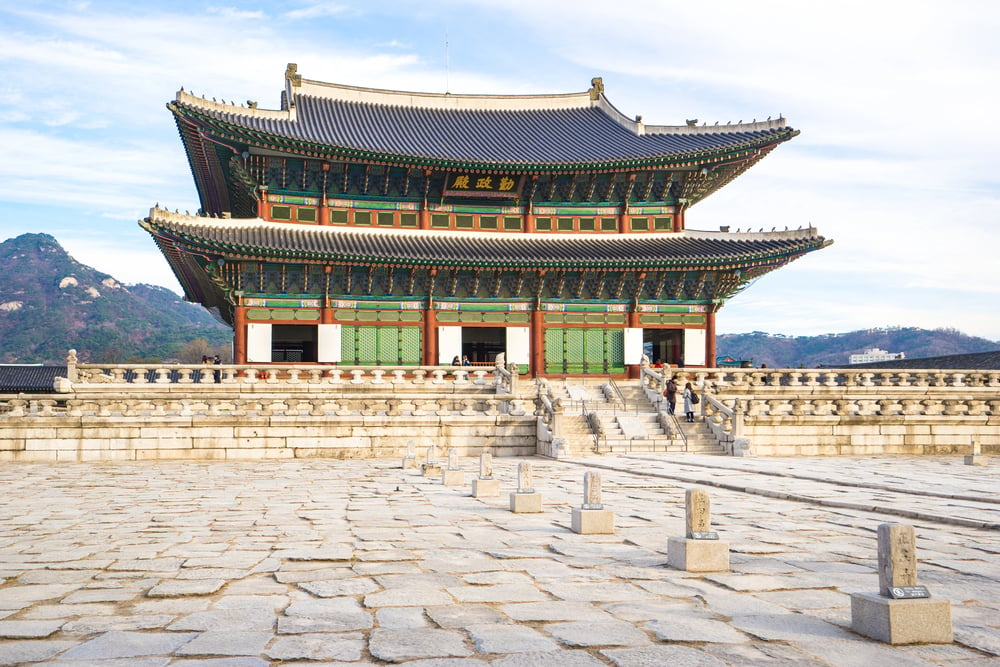
Built in 1395 as the main palace of the Joseon Dynasty, Gyeongbokgung dominated the political life of Korea for centuries. Japanese colonial authorities deliberately demolished or repurposed large sections of the complex during the occupation that began in 1910, constructing the Government-General Building directly in front of the palace’s main gate to block the view.
Restoration has been ongoing since 1990, but the palace’s royal inhabitants have been absent for more than a hundred years. The changing of the guard ceremony performed daily at the main gate is perhaps the most thorough theatrical reproduction of royal presence that still occurs on a regular schedule.
Winter Palace, St. Petersburg, Russia
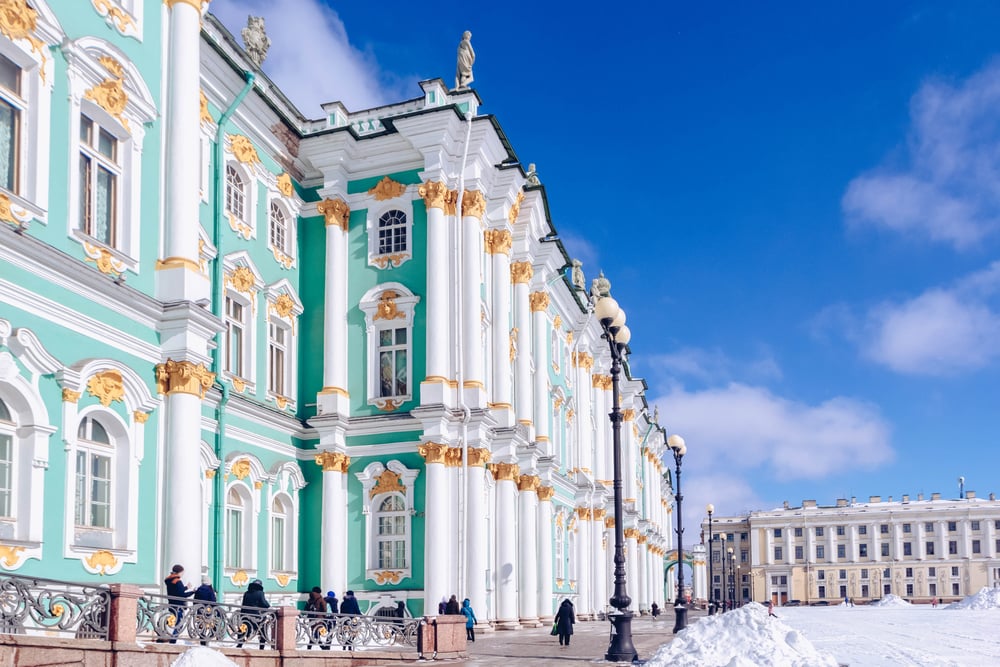
The Winter Palace was the official residence of the Russian tsars from 1762 until the February Revolution of 1917. The palace has 1,786 doors, 1,945 windows, and 1,057 rooms — a scale designed to physically manifest imperial power.
In October 1917, Bolshevik forces stormed it in a takeover that was later dramatized as more dramatic than it apparently was; the provisional government inside surrendered without the resistance the Bolshevik propaganda version suggested. Today it houses the Hermitage Museum, which contains over three million objects, the vast majority of which are never on public display simultaneously.
Schönbrunn Palace, Vienna, Austria
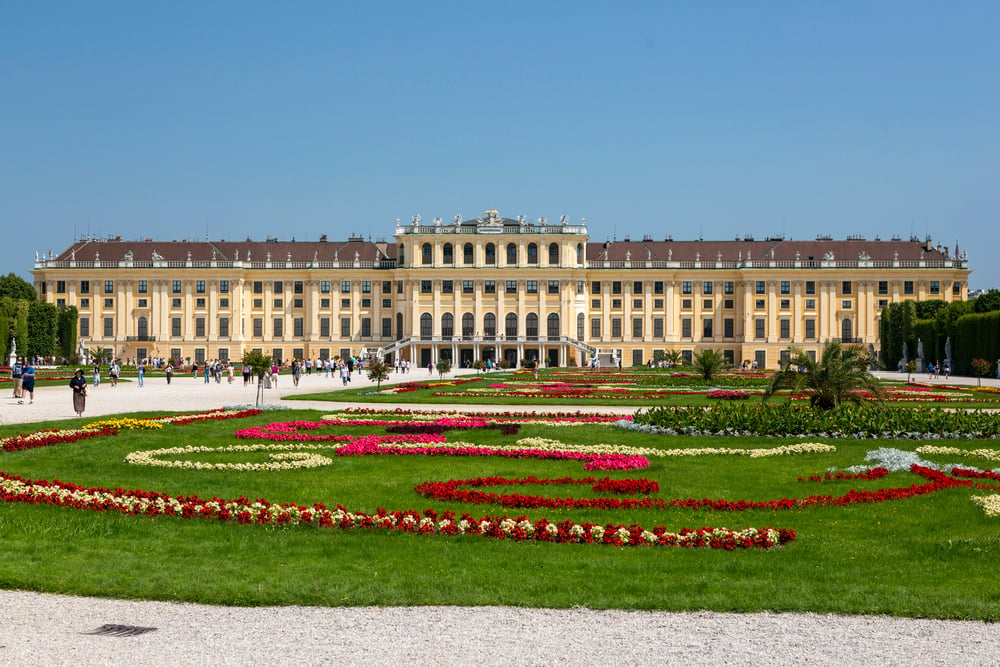
The Habsburg summer palace in Vienna became one of Europe’s most significant royal residences from the 17th century onward, used by Empress Maria Theresa, Napoleon (who briefly occupied it twice), and Emperor Franz Joseph, who died there in 1916. When the Habsburg dynasty collapsed in 1918 at the end of World War I, the palace passed to the Austrian Republic.
The imperial apartments were preserved and the palace was opened to the public in the 1960s. The 1,441 rooms in the palace’s full complex are impossible to adequately comprehend as a living space; the effect of walking through them is less awe than a kind of abstract confusion at the scale human vanity can reach.
Pena Palace, Sintra, Portugal
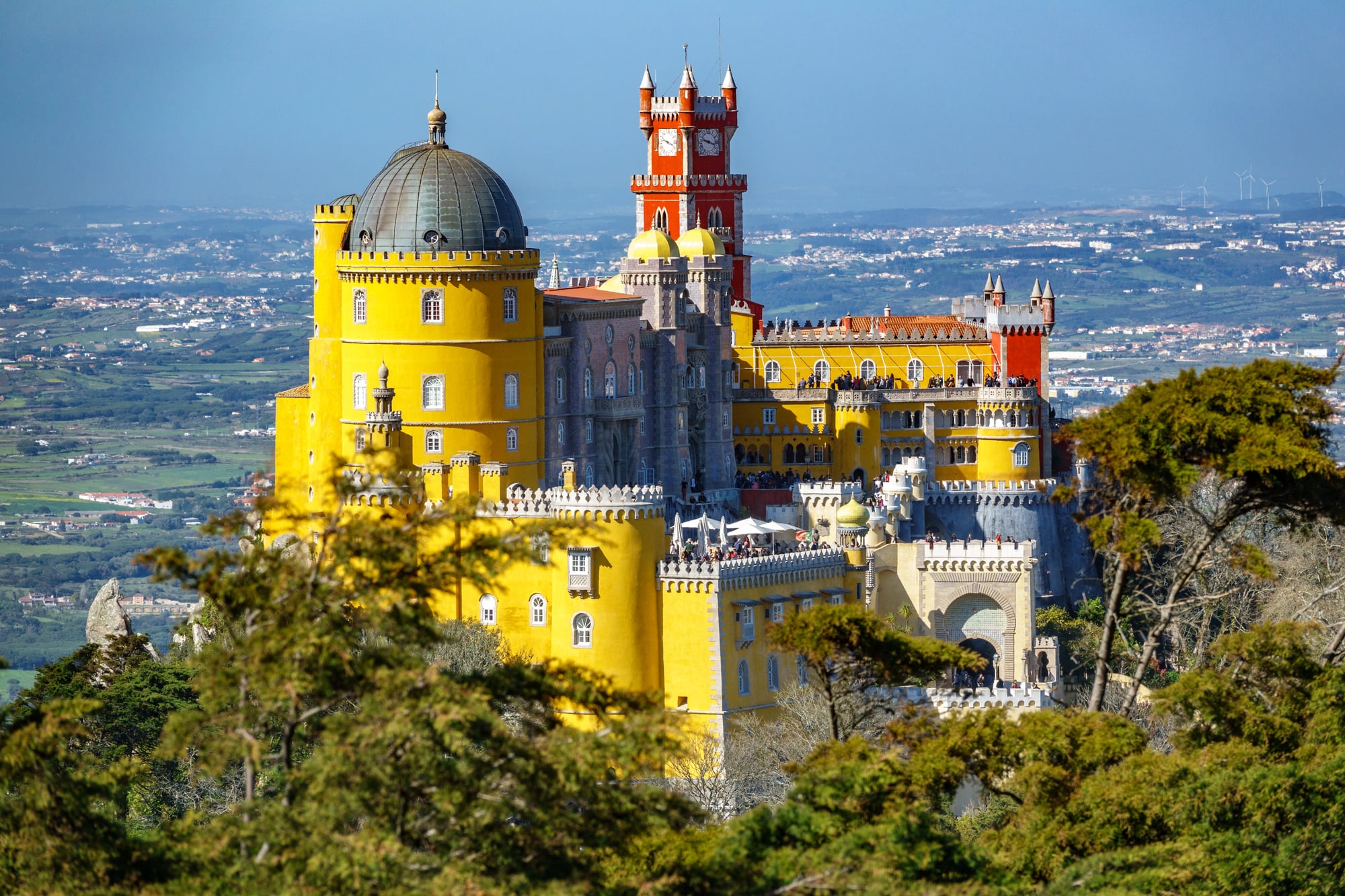
King Ferdinand II commissioned this extraordinary Romanticist palace in the 1840s, blending Neo-Gothic, Moorish, Renaissance, and Manueline architectural styles into something that should be impossible to look at without feeling that a dream got out of hand. Built atop a hill in Sintra, it served as the summer residence of the Portuguese royal family until the monarchy was abolished in 1910.
Portugal became a republic so abruptly that the last queen, Queen Amélie, left personal effects behind that are still in the palace. The vivid exterior colors — yellow, red, and grey — were restored in the 1990s based on original paint analysis.
Royal Palace of Abomey, Benin
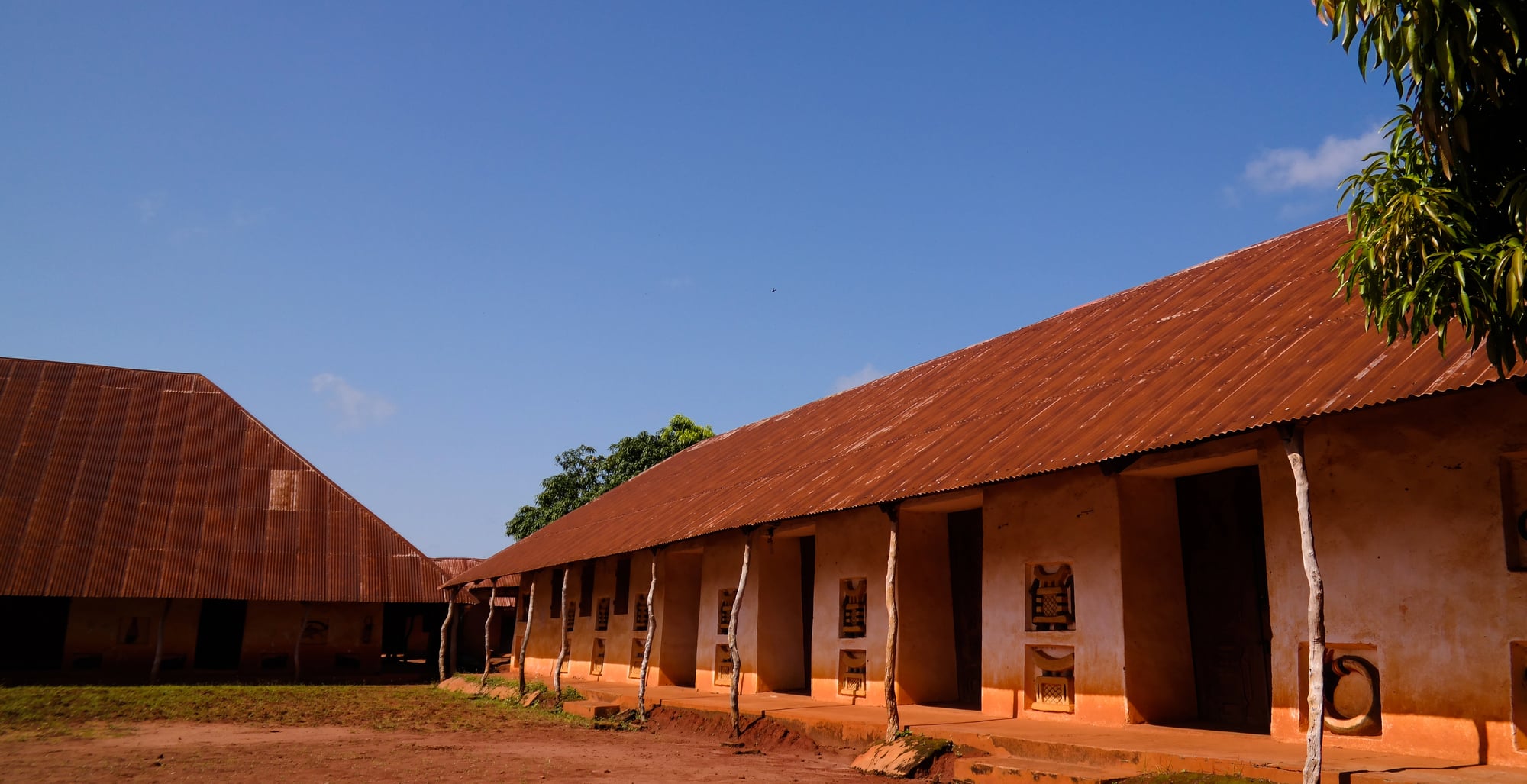
The palace complex of the Kingdom of Dahomey at Abomey — a UNESCO World Heritage Site since 1985 — comprised twelve royal palaces across a 44-hectare site, serving as the seat of power for the Fon kings from the 17th century until French colonial conquest in 1894. When the last independent king, Béhanzin, was exiled to Martinique by French colonial authorities, he reportedly ordered sections of the palace burned rather than surrendered intact.
The surviving structures contain royal thrones mounted on the skulls of conquered enemies and wall bas-reliefs depicting military campaigns in graphic detail that made the palace simultaneously a home and a history.
Iolani Palace, Honolulu, Hawaii
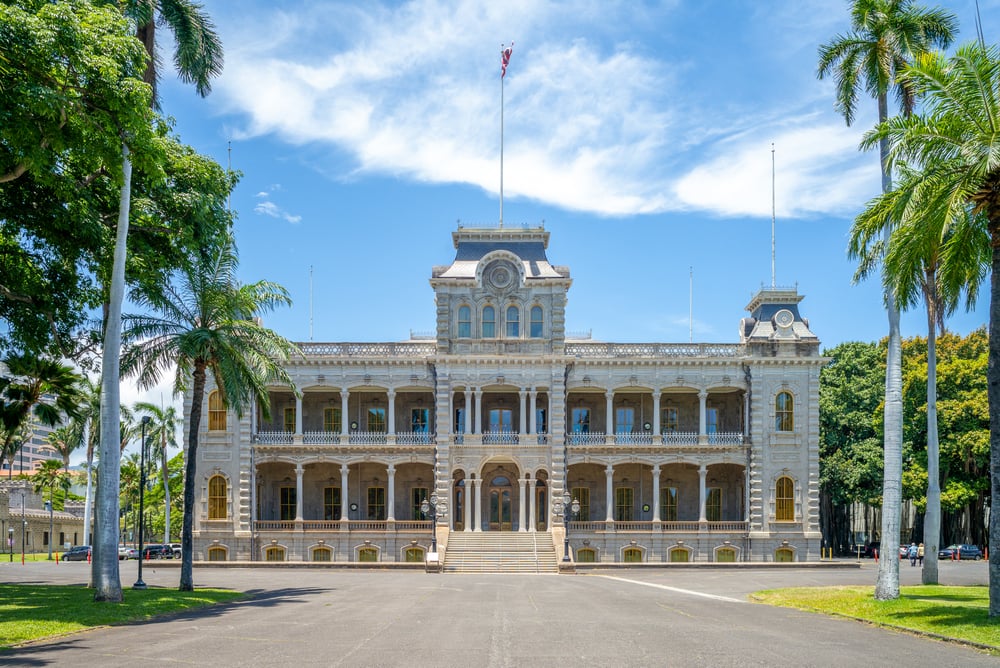
The only royal palace on American soil was built in 1882 for King Kalakaua of Hawaii and served as the official residence of the Hawaiian monarchy until the overthrow of Queen Liliuokalani in 1893, when U.S. Marines supported a group of businessmen in deposing the queen. The palace was subsequently used as the government building of the Republic of Hawaii, then the Territory, and the State of Hawaii, with the throne room serving as the legislature.
The queen was imprisoned in her own bedroom for eight months following a failed counter-revolution. The palace was restored in the 1970s and now operates as a museum, still containing the queen’s personal papers and the iron shackles that secured the palace during her imprisonment.
Golestan Palace, Tehran, Iran
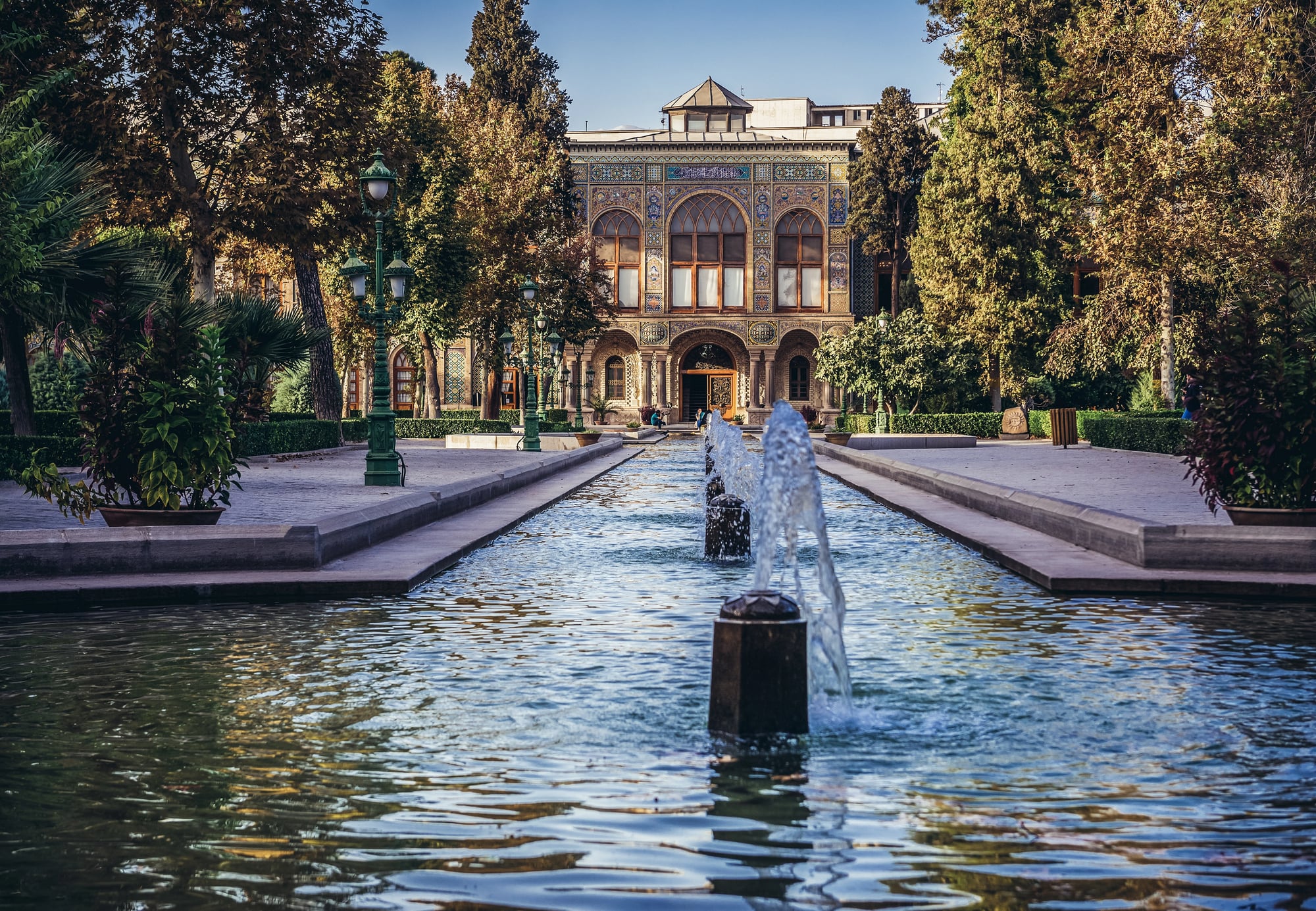
The Golestan Palace complex in Tehran served as the seat of the Qajar dynasty, which ruled Persia from the late 18th century until 1925. The complex contains multiple palaces, museums, and audience halls, with the most famous being the Mirror Hall — its walls and ceilings covered in thousands of mirror tiles that create a disorienting effect of infinite reflections.
The palace was a UNESCO World Heritage Site from 2013. The Qajar dynasty was displaced not by revolution but by a military coup: Reza Khan, who became Reza Shah Pahlavi, deposed the last Qajar ruler, Ahmad Shah, while the latter was in Europe seeking medical treatment.
Ajuda National Palace, Lisbon, Portugal
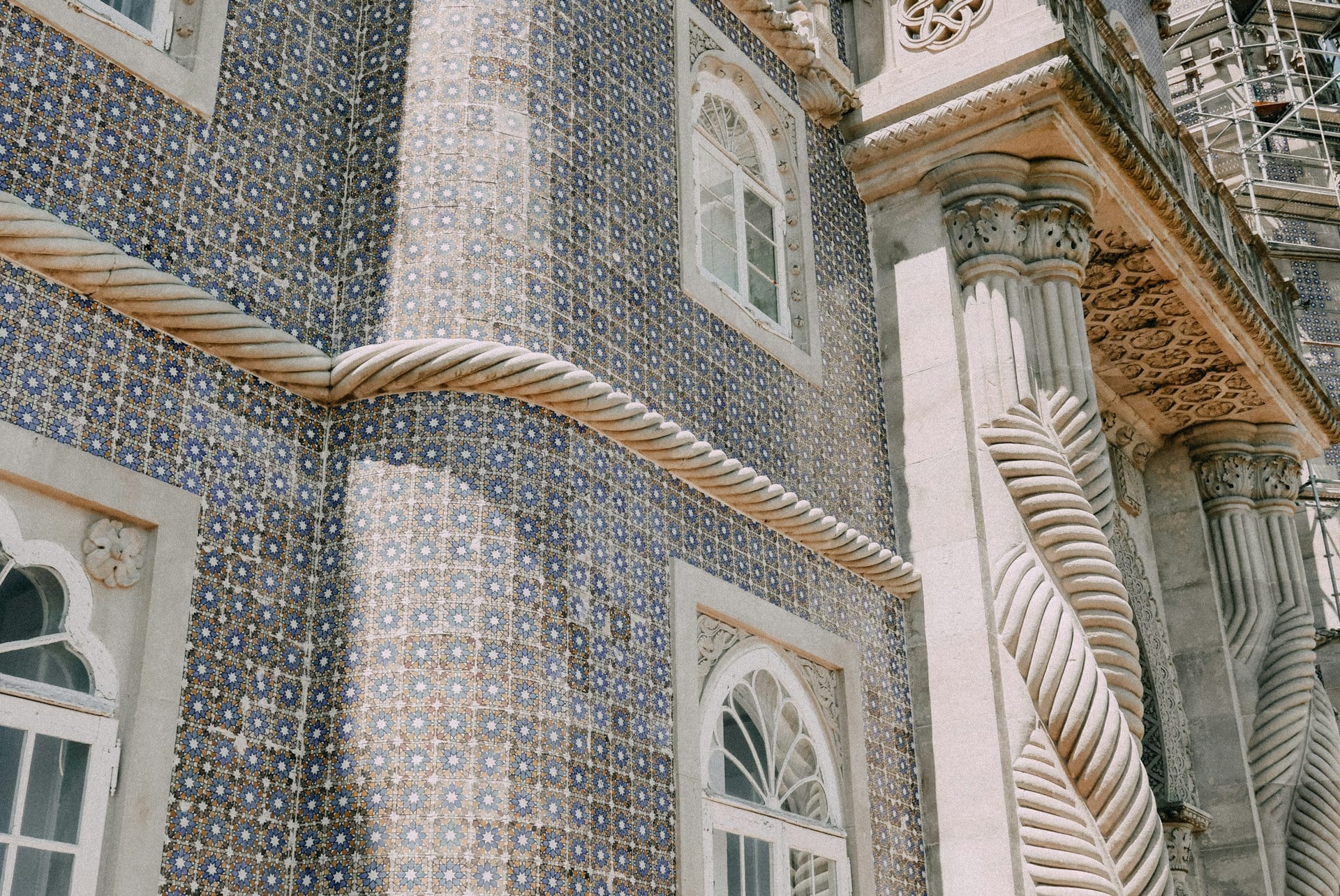
Construction of the Ajuda Palace began in 1796 as a replacement for the royal family’s earthquake-damaged residence, but the building was never completed. The Portuguese royal family fled to Brazil in 1807 ahead of Napoleon’s invasion and didn’t return until 1821.
The palace was used until 1910 but was left unfinished — the north wing was never built — and the monarchy’s end that year meant it never would be. The palace now functions as a museum with the most complete original 19th-century royal interiors remaining in Portugal, including rooms that were abandoned mid-decoration and still show the original wallpaper samples that were never applied.
Château de Pierrefonds, France
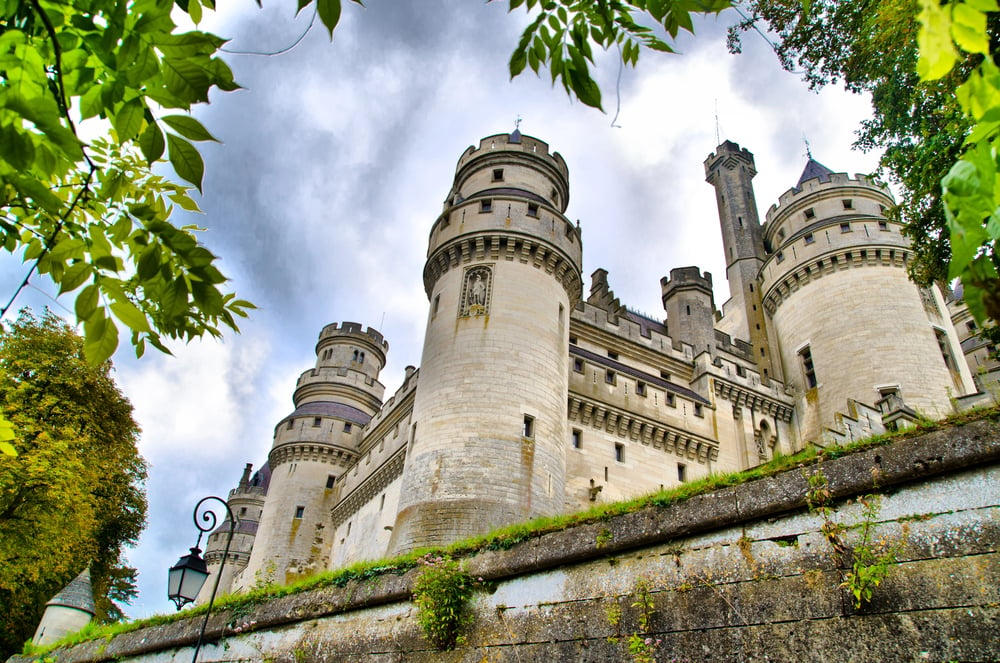
Napoleon III commissioned the reconstruction of the ruined 14th-century Château de Pierrefonds in the 1860s, with architect Eugène Viollet-le-Duc overseeing a comprehensive revival of the medieval structure. The project was never fully completed before the Franco-Prussian War and the collapse of the Second Empire in 1870.
Napoleon III went into exile in England, where he died in 1873, and the château was transferred to the French state. Viollet-le-Duc continued working on it until his death in 1879, leaving some areas in a permanent state of creative incompletion.
The result is one of the most theatrically realized medieval castle interiors in Europe — a 19th-century Romantic’s idea of a palace, frozen at the moment the empire it was built for ceased to exist.
Royal Palace of Laeken, Belgium
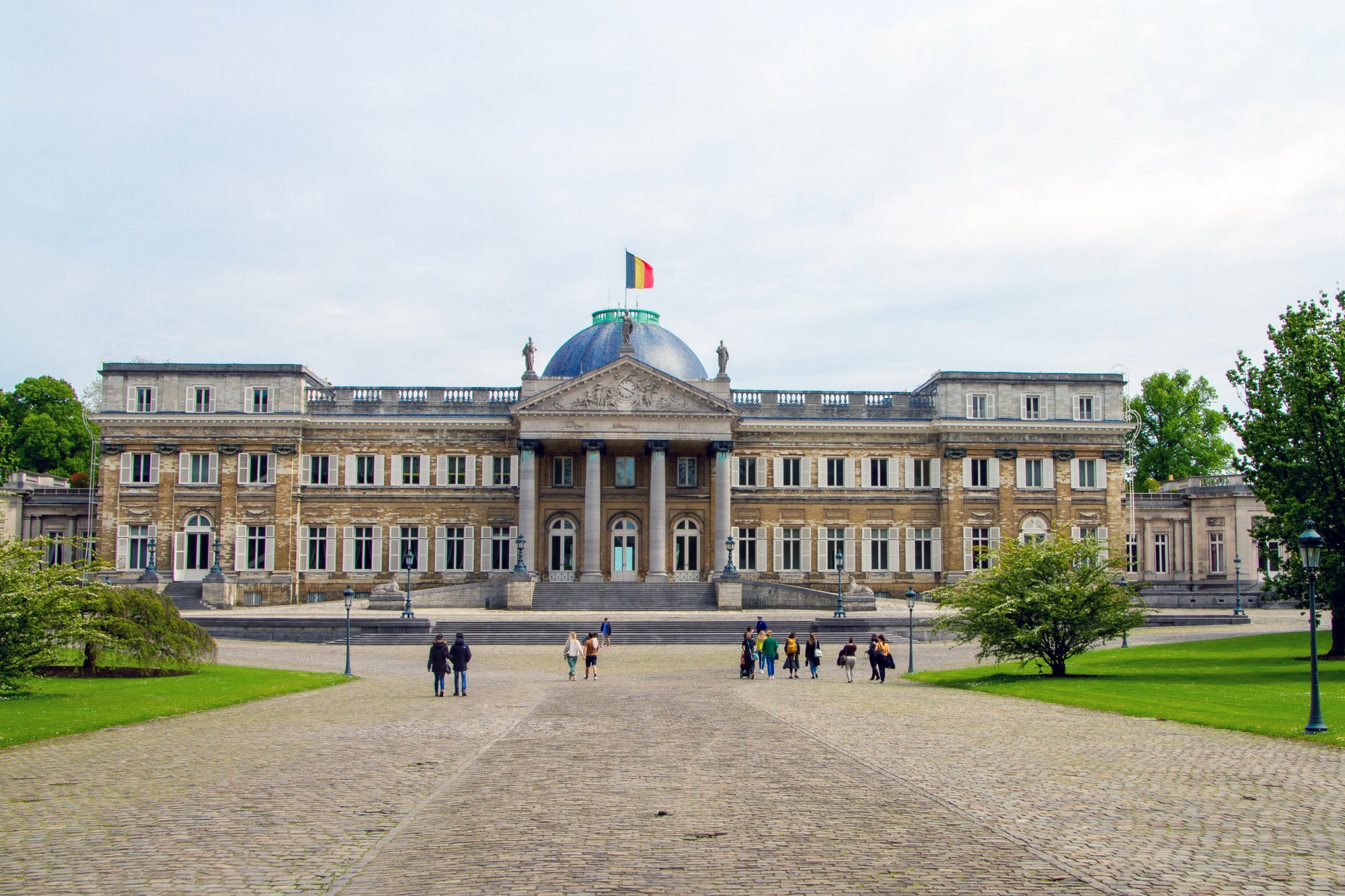
The Royal Palace of Laeken, just north of Brussels, serves as the official residence of the Belgian royal family, but the palace’s Chinese and Japanese pavilions in the surrounding park have been unoccupied and steadily deteriorating for decades. More significantly, the wider complex of 19th-century royal estate buildings — including the Château du Stuyvenberg — stands in various states of disuse.
The portions of the estate visible from the road give the impression of a royal establishment whose financial and practical management has quietly slipped behind the grandeur its predecessors assumed.
Palace of the Kings of Majorca, Perpignan, France
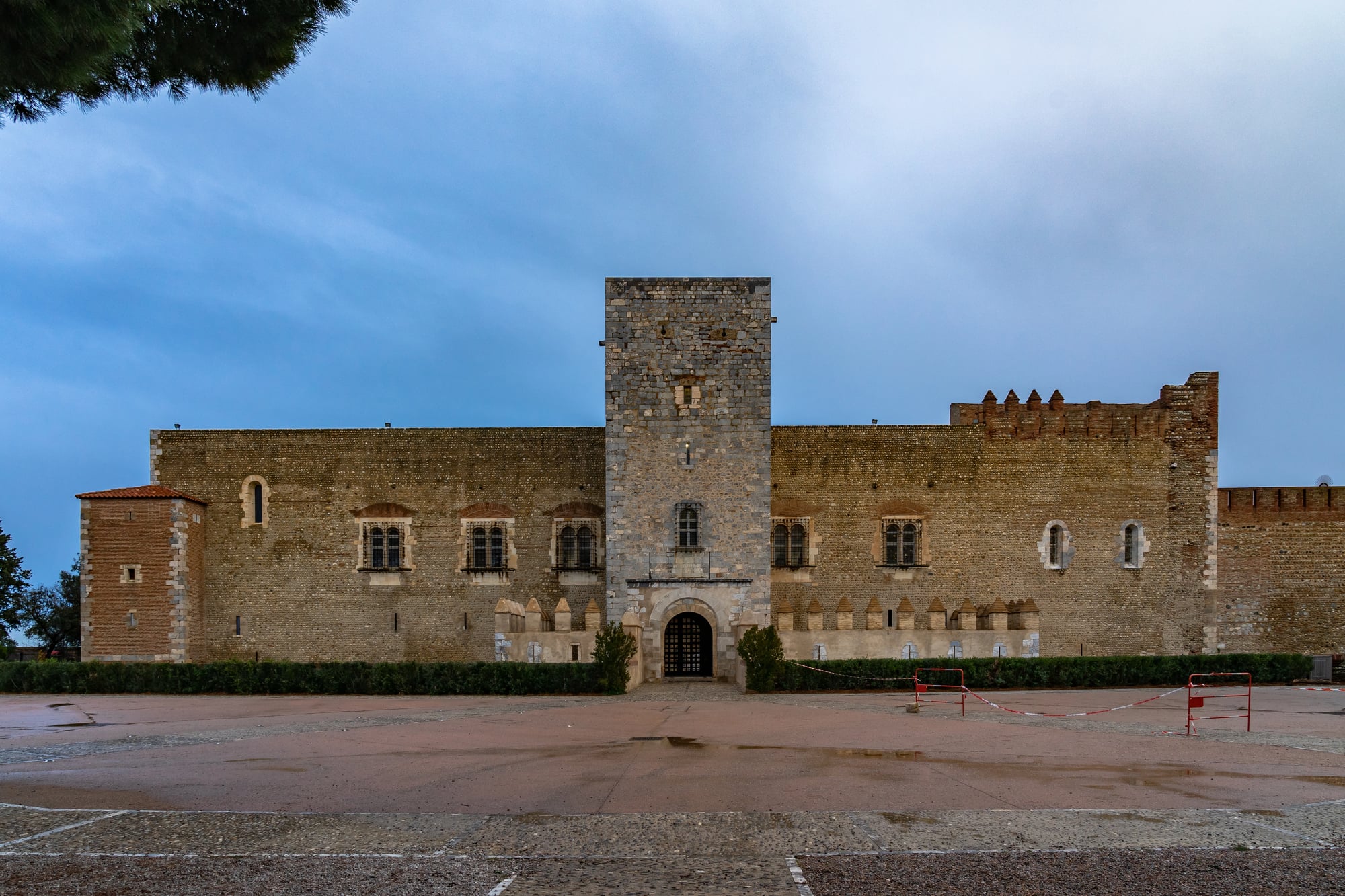
The Palace of the Kings of Majorca was built in the late 13th century as the capital of a kingdom that existed for barely a century before being absorbed into the Crown of Aragon in the 1340s. The palace has existed in its abandoned-royal state for nearly seven centuries — considerably longer than it was ever a functioning royal residence.
The pink brick towers, the Gothic chapel, and the large central courtyard are in reasonable preservation, but the absence of the royal function that produced them has been the permanent condition of the structure rather than a recent development.
Palace of the Dukes of Burgundy, Dijon, France
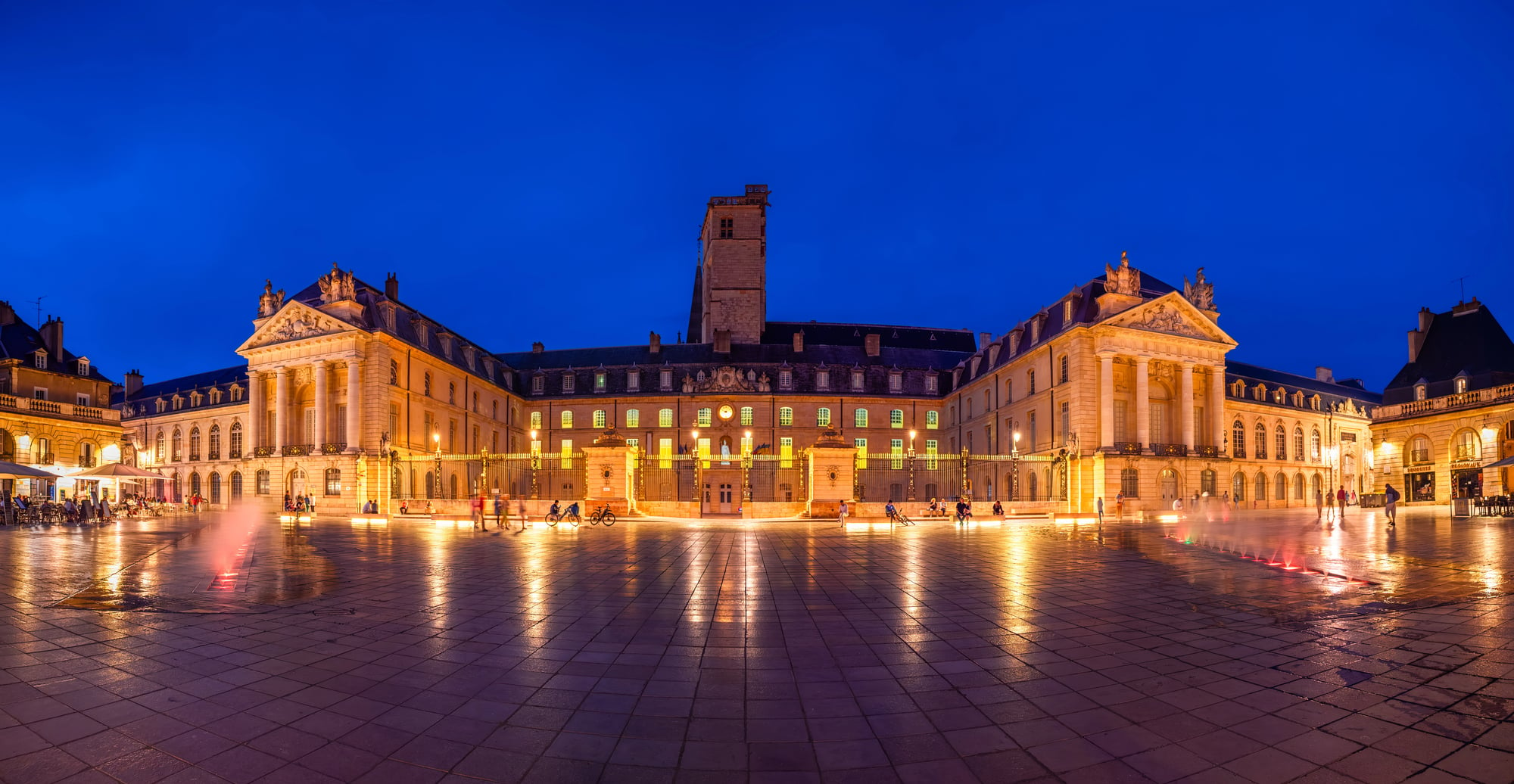
The Palais des Ducs de Bourgogne in Dijon served as the seat of the Valois Dukes of Burgundy — at one point one of the most powerful principalities in Europe — until the last duke, Charles the Bold, died in 1477 without a male heir. His daughter Mary of Burgundy married into the Habsburgs, and Burgundy was absorbed by the French crown.
The palace passed to the French royal administration and later the city of Dijon, which still uses sections of it as the town hall. The medieval towers and kitchens are preserved as museum spaces, but the particular political entity the palace was built to serve has been extinct for almost six hundred years.
Dolmabahçe Palace, Istanbul, Turkey
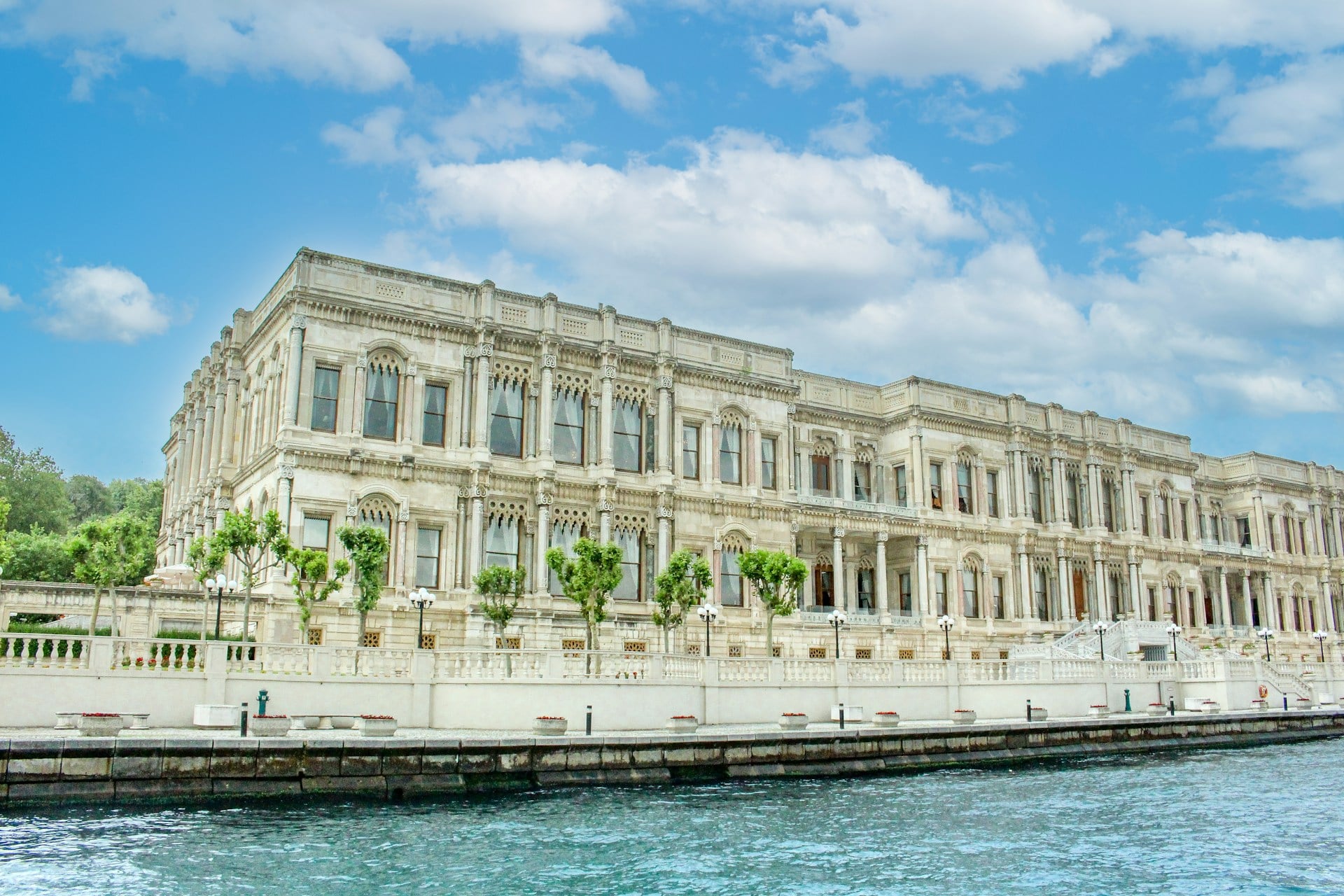
Sultan Abdülmecid I ordered the construction of Dolmabahçe Palace in the 1840s to replace the traditional wooden structures of Topkapi Palace with a European-style ceremonial palace on the Bosphorus shore. The palace contains 285 rooms, 44 halls, 68 lavatories, and a chandelier in the ceremonial hall weighing 4.5 tonnes — a gift from Queen Victoria.
Mustafa Kemal Atatürk used the palace as a residence and died there on November 10, 1938. All the clocks in the palace are stopped at 9:05 AM, the moment of his death.
The Ottoman dynasty that built it had already been exiled in 1924, and the palace had become simultaneously a trophy and a ghost within the same decade.
Amber Palace (Amer Fort), Rajasthan, India
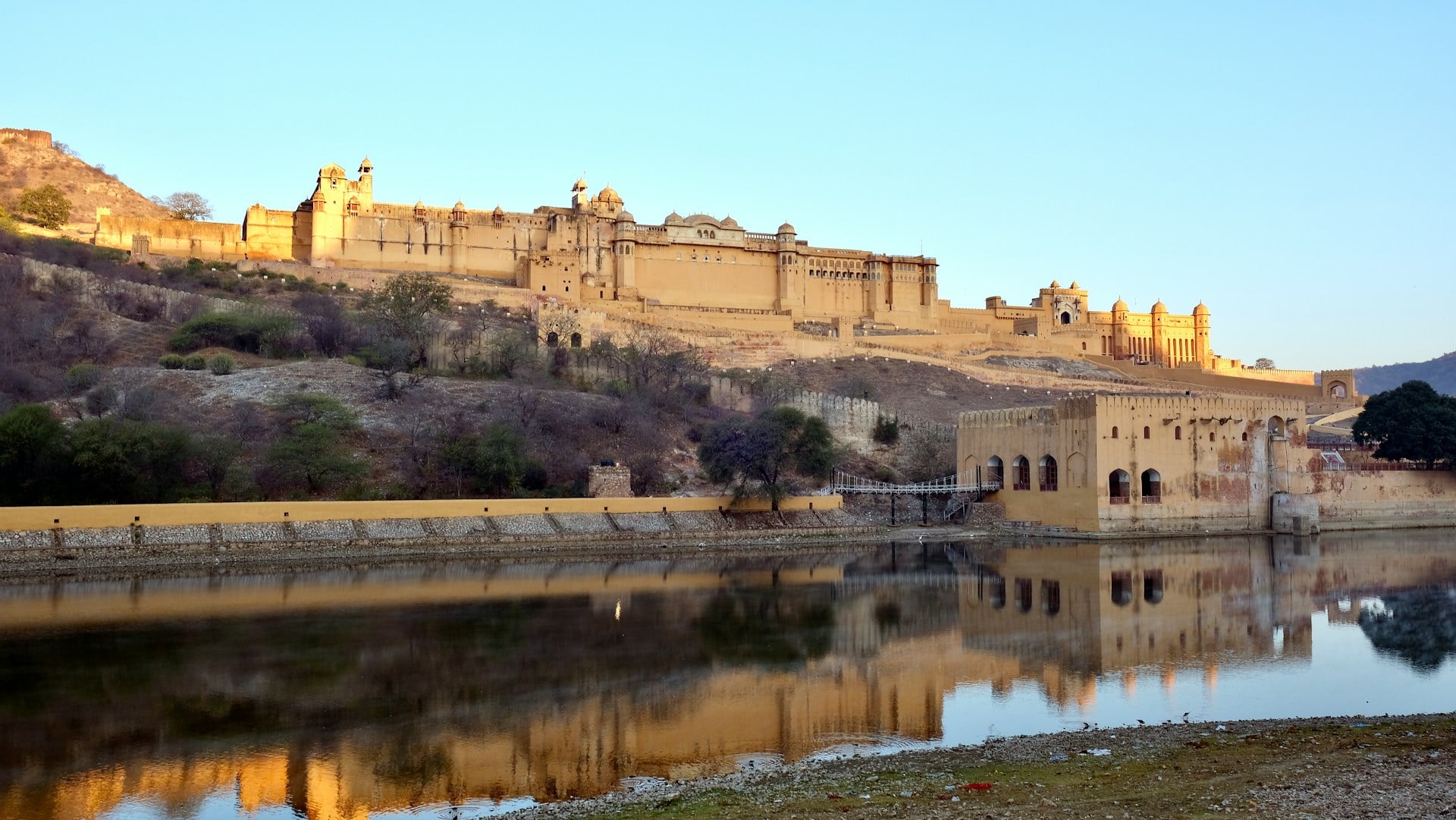
The Amber Palace was the royal residence of the Kachhwaha Rajput clan for centuries before the seat of power shifted to Jaipur in the early 18th century. The palace, built into the hillside above Maota Lake, was then gradually abandoned in favor of the new planned city below.
It wasn’t demolished, but the process of emptying — furniture removed, royal household transferred — meant that the palace became a ruin rather than a relic. Subsequent restoration has reinstated much of its visual grandeur, but the Sheesh Mahal (Hall of Mirrors), where tiny mirror inlays were designed to reflect candlelight into thousands of stars, now reflects fluorescent light and tourist flashes.
Topkapi Palace, Istanbul, Turkey
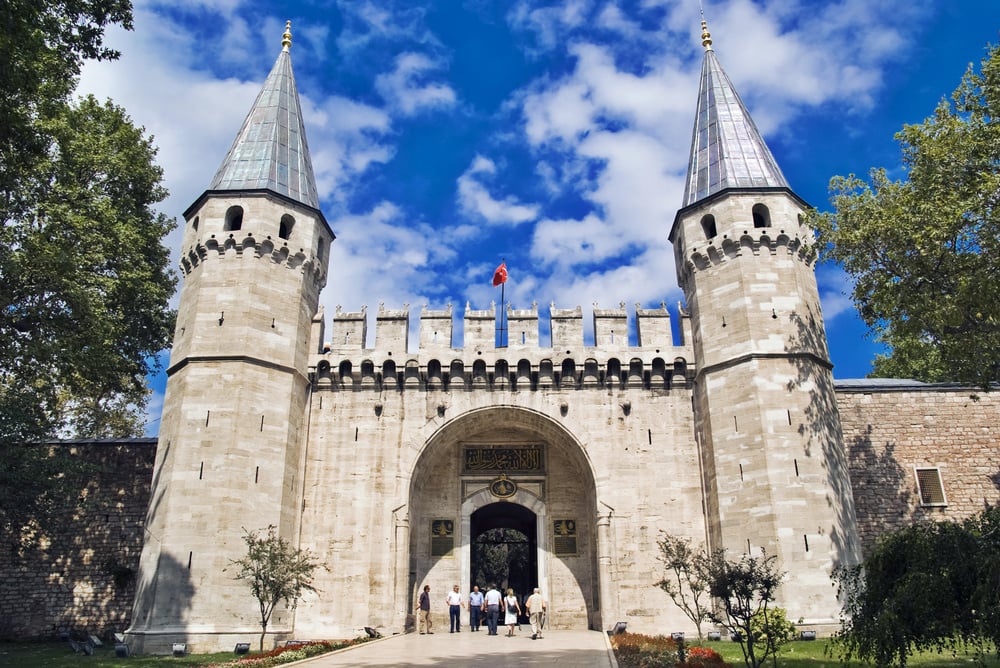
Topkapi Palace served as the administrative center and royal residence of the Ottoman Empire for nearly four centuries. The harem — a complex of some 400 rooms that housed the sultan’s family, concubines, and servants — has been partially opened to visitors, but large sections remain inaccessible and understudied.
When the Ottomans moved their official residence to Dolmabahçe in 1856, Topkapi began its long transition from active palace to monument. The imperial treasury, which still contains some of the most remarkable objects in Turkish national possession, gives a sense of the accumulated wealth of an empire now represented only by a republic that actively distanced itself from Ottoman legacy.
Palais du Roi de Rome, Rambouillet, France
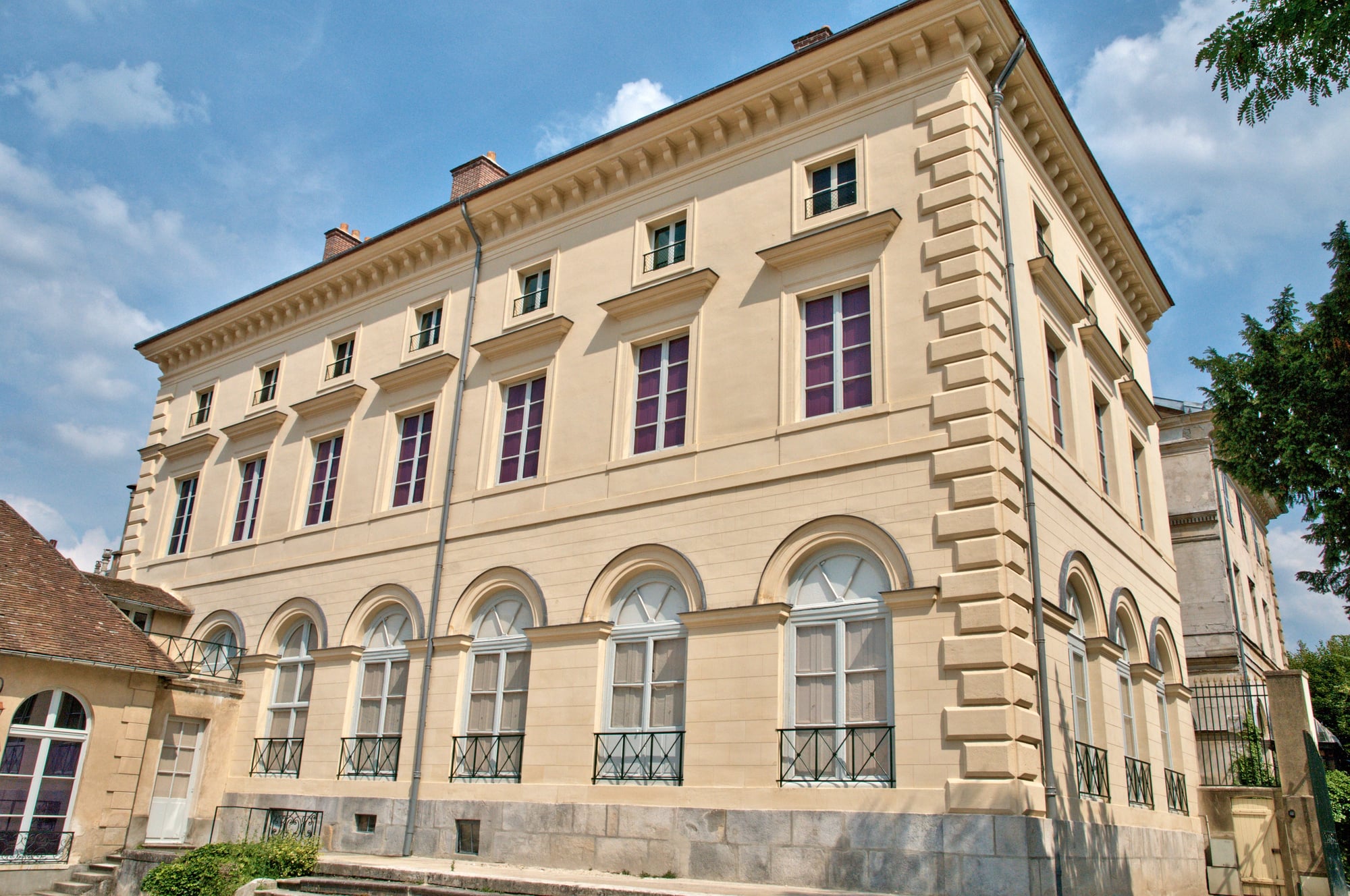
The Château de Rambouillet housed the King of Rome — Napoleon’s son — briefly and was used by subsequent French governments before becoming the official summer residence of French presidents. The trajectory is typical of palaces that survive regime change: the building persists while the political identity of its occupants is completely replaced.
The formal rooms, designed for a king who died at 21 without ever ruling, have been repurposed for state dinners attended by presidents of a republic.
Palace of Needs (Needs Palace), Lisbon, Portugal
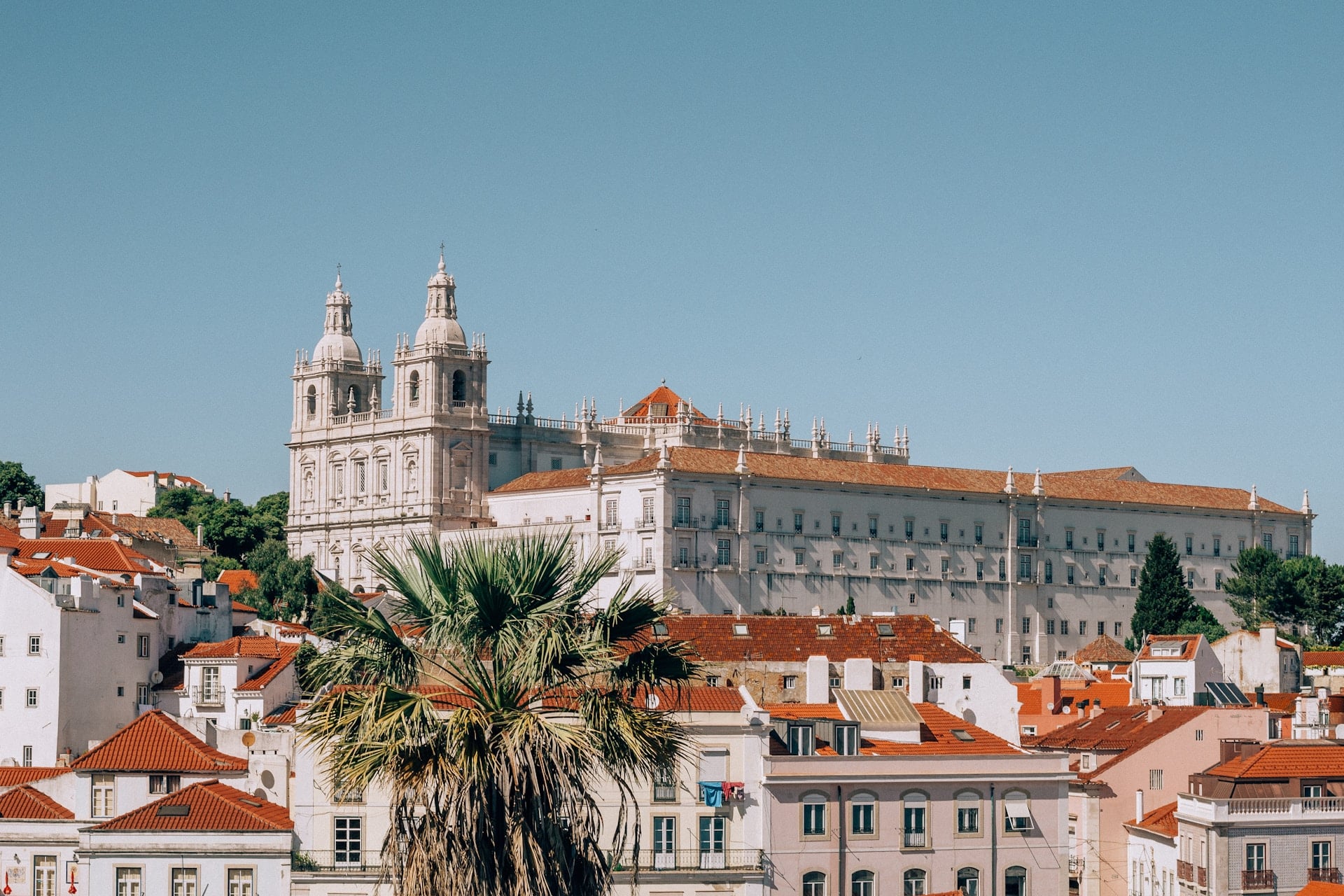
The Palace of Necessidades — built in the 18th century and serving as the official residence of the Portuguese royal family from the mid-19th century — was the last home of the Portuguese monarchy before the 1910 revolution. It now houses the Ministry of Foreign Affairs, which means the building where the last king of Portugal signed his abdication documents is still, in a sense, serving the Portuguese state — just a very different version of it.
Winter Palace of the Hermitage, Gatchina, Russia
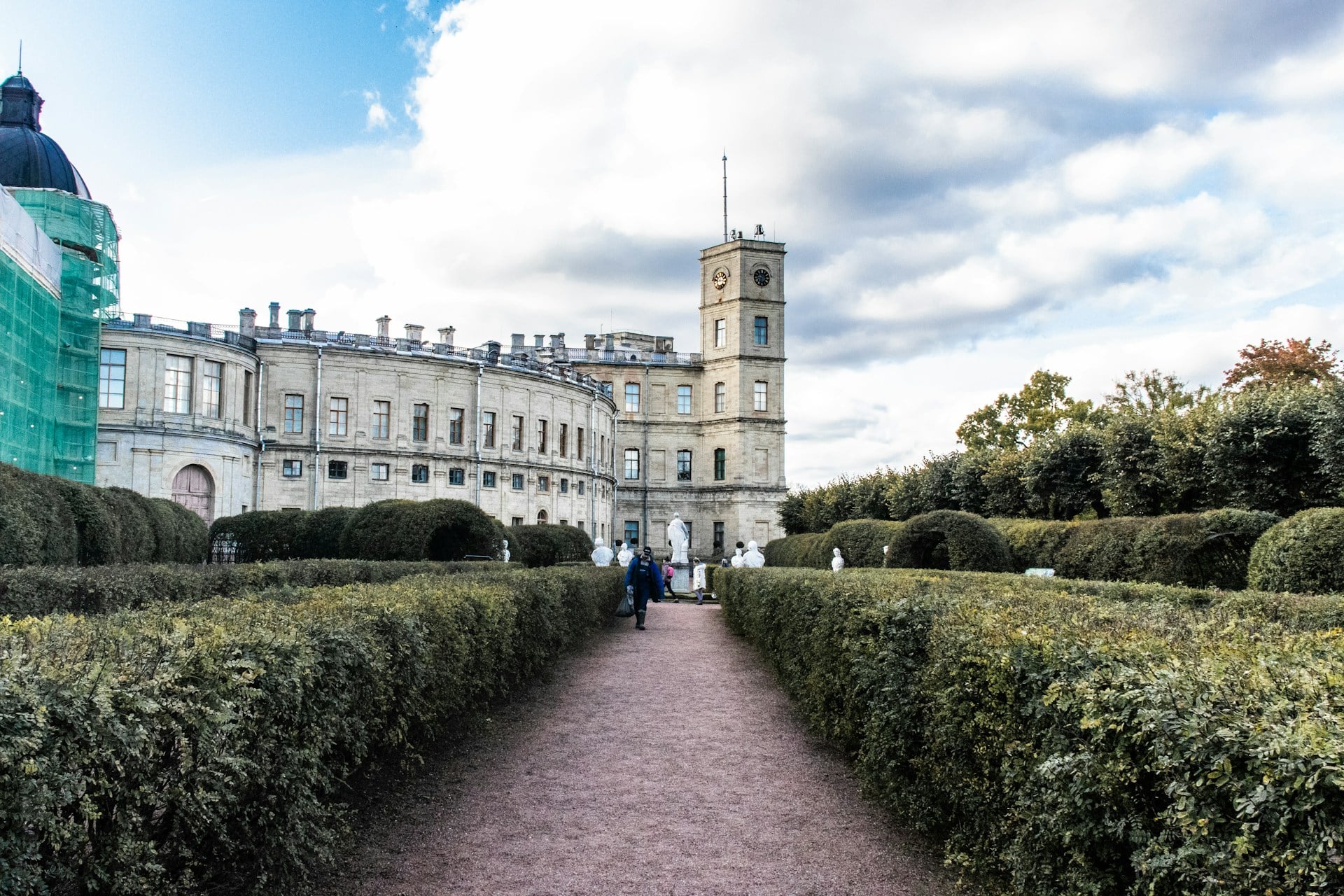
Tsar Paul I chose Gatchina as his primary residence precisely because he felt unsafe at other royal palaces. The palace is remarkable in architectural history for having a genuine underground tunnel network connecting it to the park — built, at Paul’s insistence, as escape routes.
He was assassinated there in 1801 regardless. The palace was used by subsequent tsars and was heavily damaged in World War II.
Restoration work has continued for decades. The underground tunnels, which appear on no plan Paul’s assassins are known to have possessed, survive.
Miramare Castle, Trieste, Italy
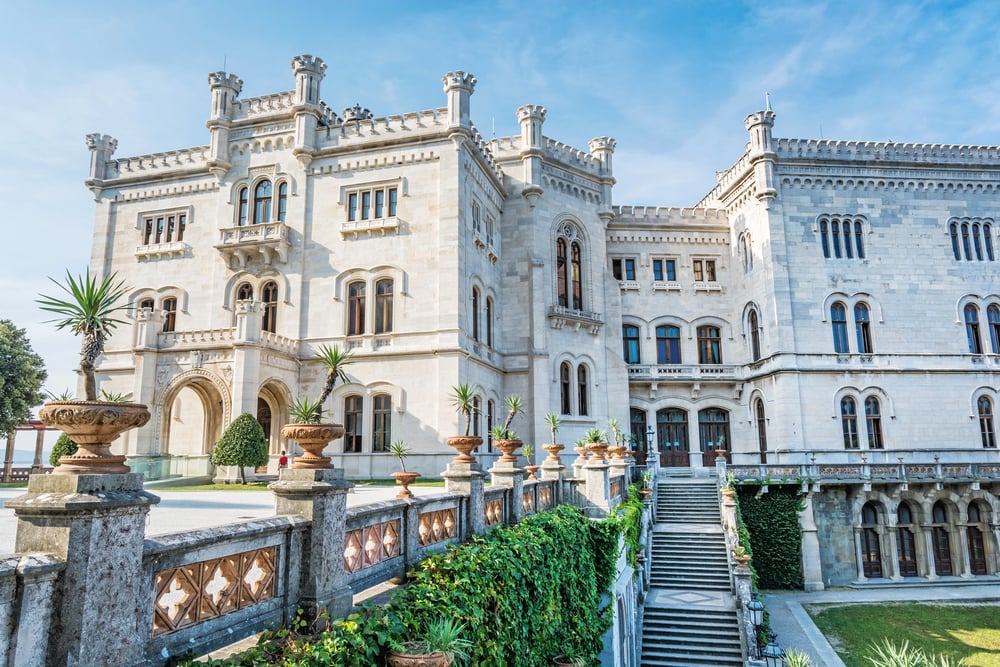
Archduke Maximilian of Austria, younger brother of Emperor Franz Joseph, commissioned this seaside castle near Trieste in the 1850s as his personal residence. In 1864, he accepted Napoleon III’s offer to become Emperor of Mexico — a disastrous decision that led to his execution by a firing squad in 1867.
His wife Charlotte, who had returned to Europe seeking military support, received word of his death and suffered a psychological collapse from which she never recovered, living in seclusion until 1927. Miramare still contains the original furnishings of both the castle and the stateroom of the frigate that carried Maximilian to Mexico, arranged as they were when he left for the last time.
Charlottenburg Palace, Berlin, Germany
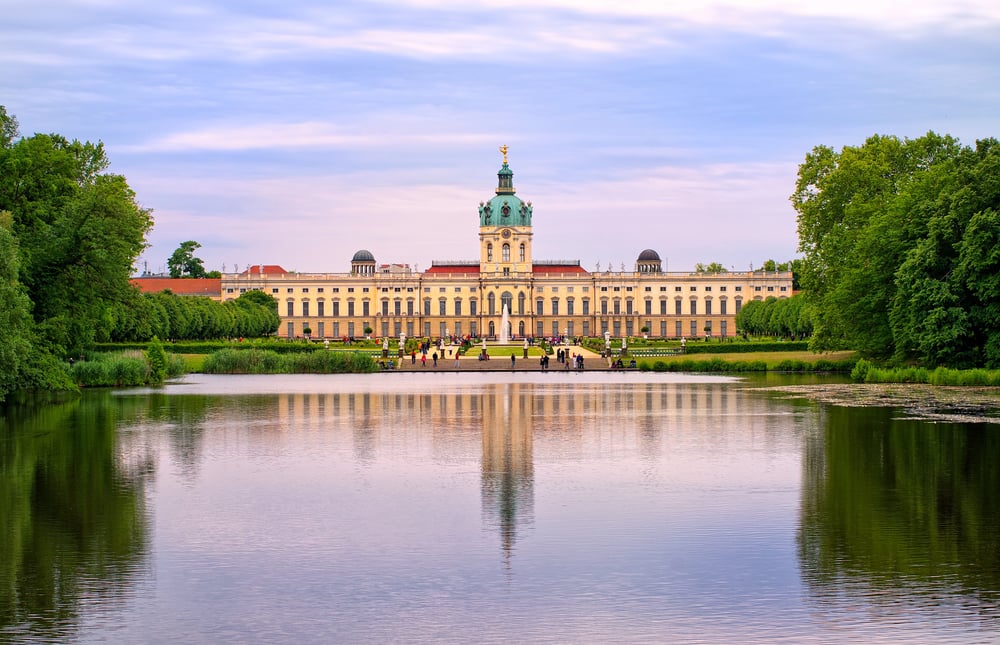
Charlottenburg was the summer residence of the Prussian royal family and later the Hohenzollern emperors of Germany. When Kaiser Wilhelm II abdicated in November 1918 and fled to exile in the Netherlands, the palace passed to the Prussian Free State and later to the city of Berlin.
Heavily damaged in World War II, the palace was comprehensively restored from the 1950s onward, with the restoration itself becoming a statement about West German cultural continuity. The reconstruction of the stucco ceilings, paintings, and furniture involved a decade-long project of tracking down what had been removed or destroyed.
Amalienborg Palace’s Unoccupied Sections, Copenhagen, Denmark
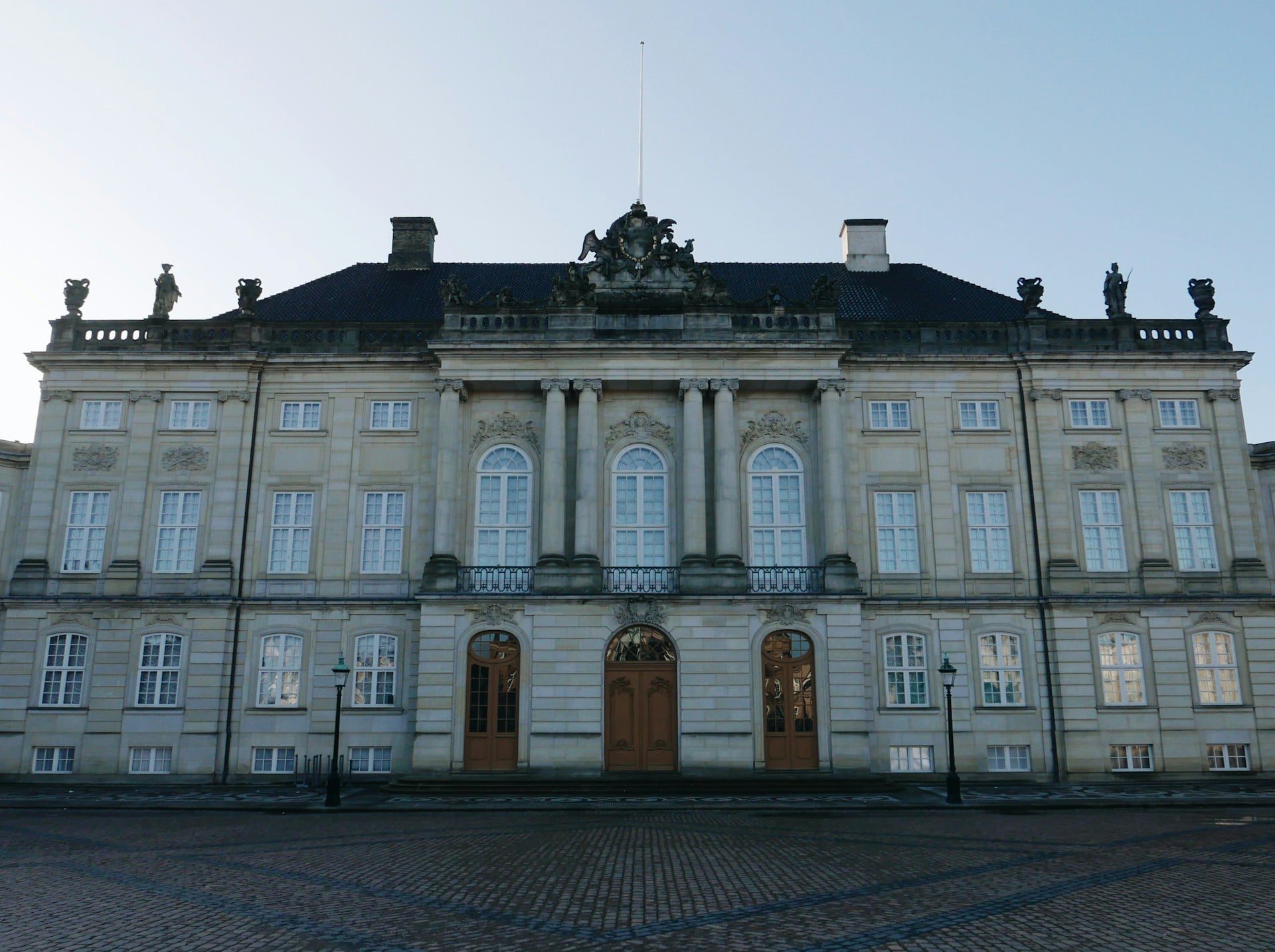
Amalienborg is still the official residence of the Danish royal family, but the palace complex — which consists of four identical mansions around an octagonal square — contains two mansions that are not currently used as royal residences and are instead partially open to the public as a museum. The furniture, personal effects, and room arrangements preserved in the museum sections are those of monarchs who have been dead for generations, maintained in the specific configuration they were in at the time of death.
It is less a palace than an accumulation of frozen domestic moments belonging to people whose political office no longer exists in the form it had when they lived here.
Monserrate Palace, Sintra, Portugal
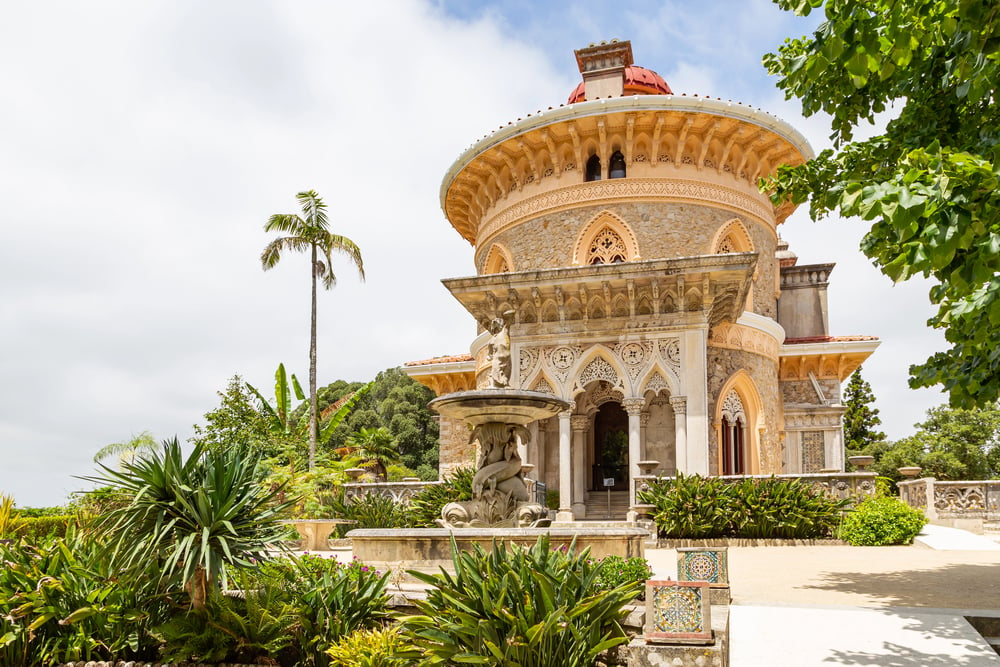
Not to be confused with Pena Palace nearby, the Monserrate Palace outside Sintra is a fanciful Victorian-Moorish structure built for the British millionaire William Beckford in the early 19th century and later expanded for Francis Cook, who was made Viscount of Monserrate by the Portuguese crown. The palace passed through various owners and fell into disrepair during the 20th century.
Restoration was completed in 2010. The palace was never technically royal — its owners were wealthy commoners — but the honorific, the scale, and the ambition of the building place it firmly in the category of structures built to perform a kind of power that no longer has the political and social structure to support it.
Palace of Knossos, Crete, Greece
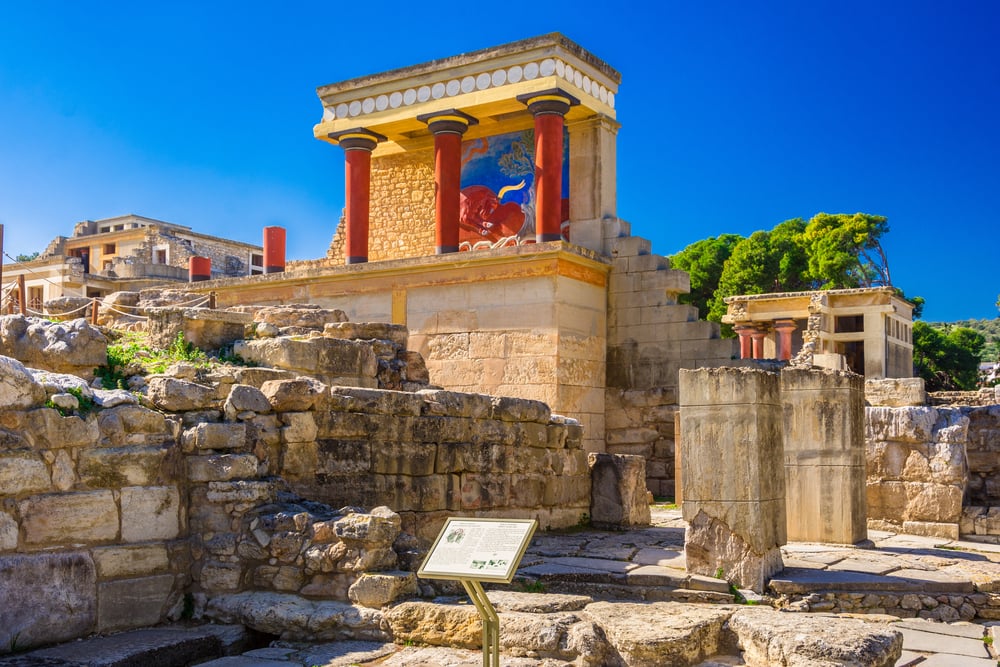
The reconstructed Palace of Knossos was the ceremonial center of the Minoan civilization, which flourished from approximately 1700 to 1450 BC. The palace’s labyrinthine layout — giving rise to the myth of the Minotaur’s labyrinth — covered around 20,000 square meters and housed administrative, storage, and ceremonial functions.
The partial reconstruction carried out by Arthur Evans in the early 20th century is controversial among archaeologists, as Evans used reinforced concrete and artistic license to suggest interiors and frescoes that he believed were implied by the surviving fragments. The palace that stands today is partly a Bronze Age ruin and partly a 20th-century Englishman’s idea of what it looked like.
Himeji Castle, Japan
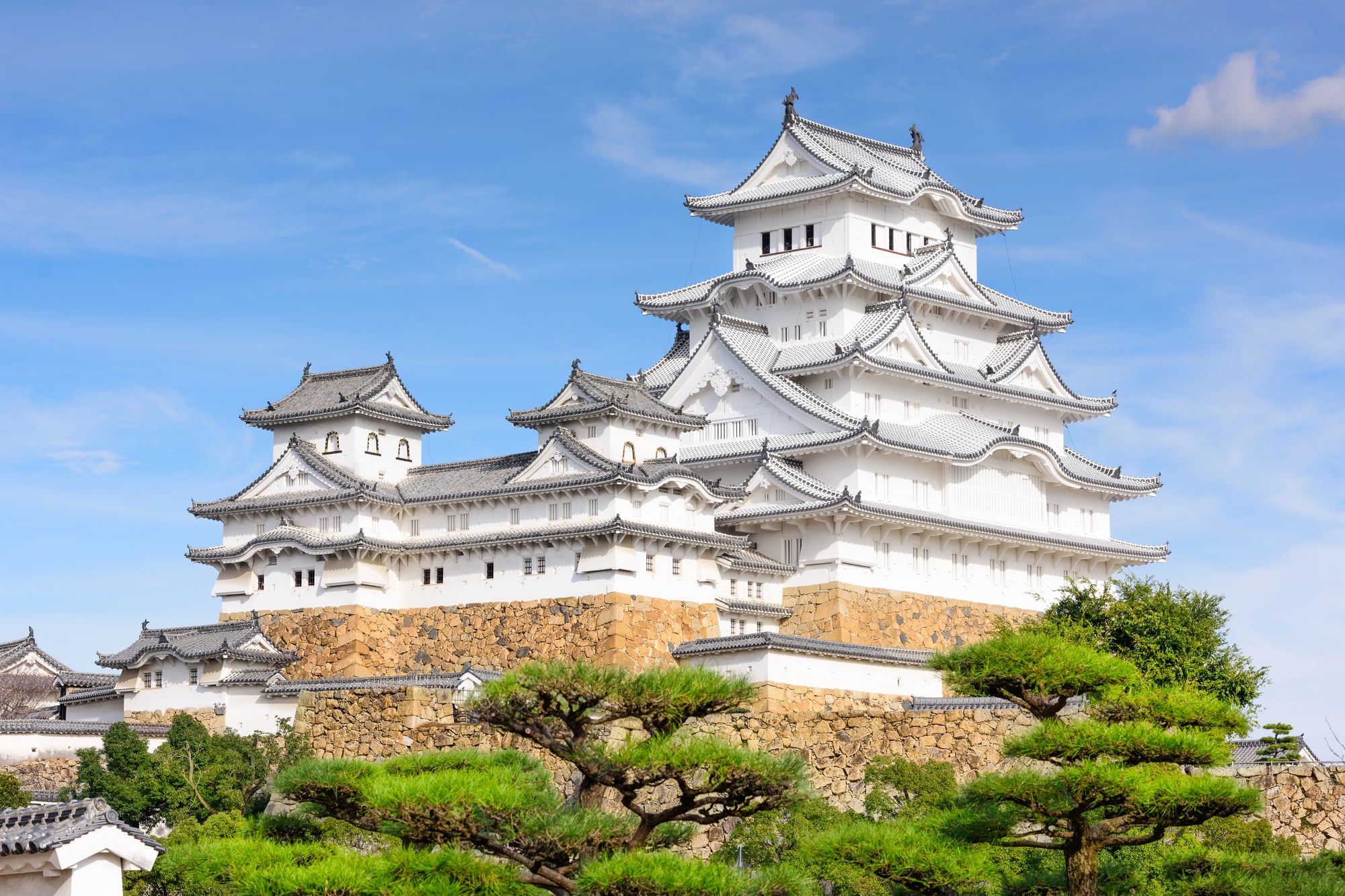
Himeji-jo, the largest and most complete example of Japanese castle architecture remaining, was the seat of successive daimyō (feudal lords) until the abolition of the feudal system in 1871. The castle was never converted to another use — it remained in the hands of local and national governments, was listed as a UNESCO World Heritage Site in 1993, and was extensively restored between 2010 and 2015.
The white-plastered walls give the castle its Japanese name, Shirasagijo — White Heron Castle. It has never been destroyed or significantly damaged, making it the rarest kind of aristocratic building: one that survives not through reconstruction but through the simple fact that no one found a better reason to knock it down.
Château de Chantilly, France
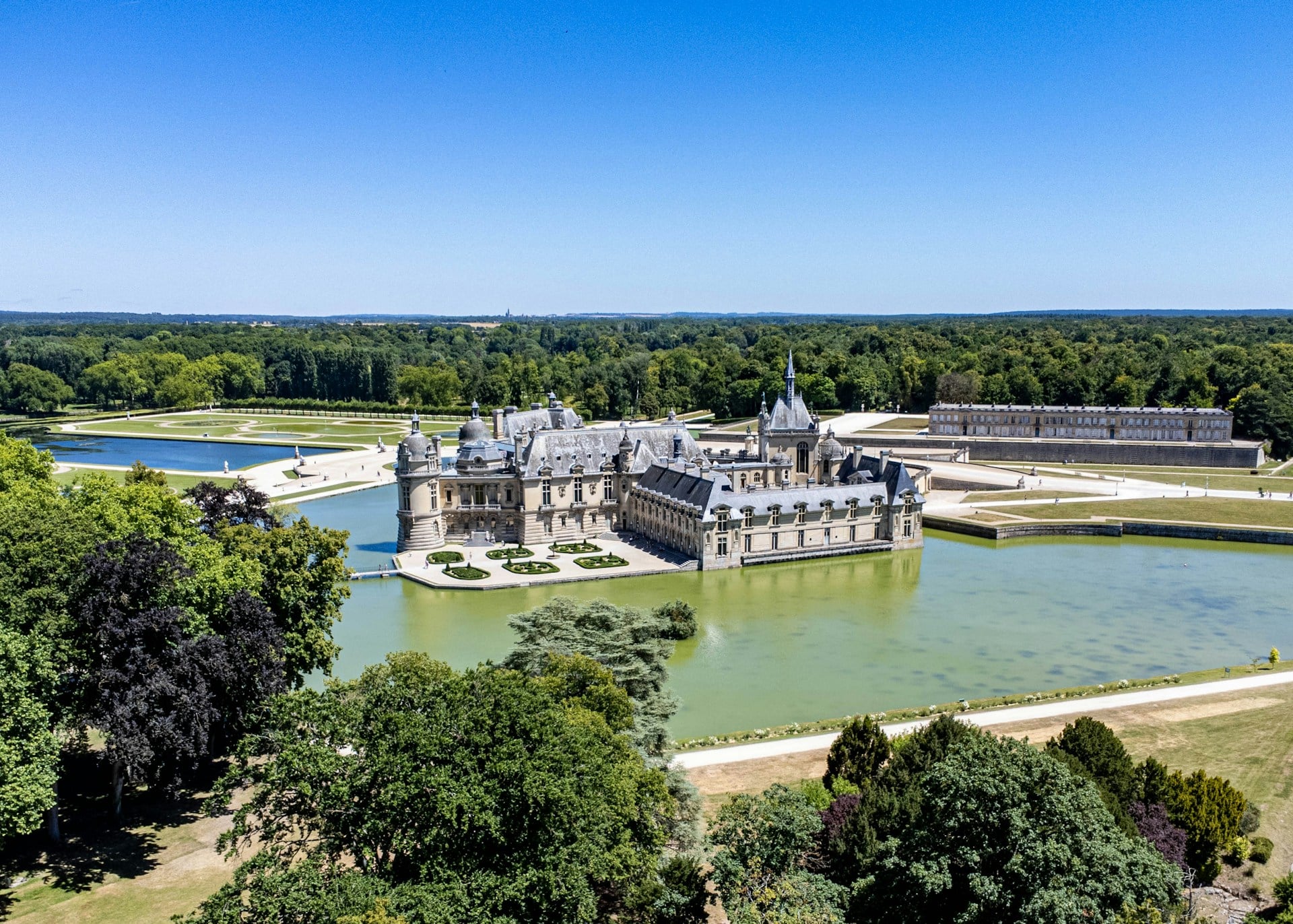
Built for the Princes of Condé, Chantilly served for centuries as one of the grandest private estates in France. When the last Duke of Aumale, son of King Louis-Philippe, died in 1897, he bequeathed the entire estate — palace, art collection, and grounds — to the Institut de France on the condition that nothing in the collection could ever be sold and the arrangements of the art could never be changed.
The art collection, which includes one of the finest collections of Old Master paintings in France, remains in the specific room arrangement the duke specified. The Condé Museum is therefore both a gallery and a form of aristocratic will enforcement outlasting the republic that has administered it for over a century.
Nymphenburg Palace, Munich, Germany
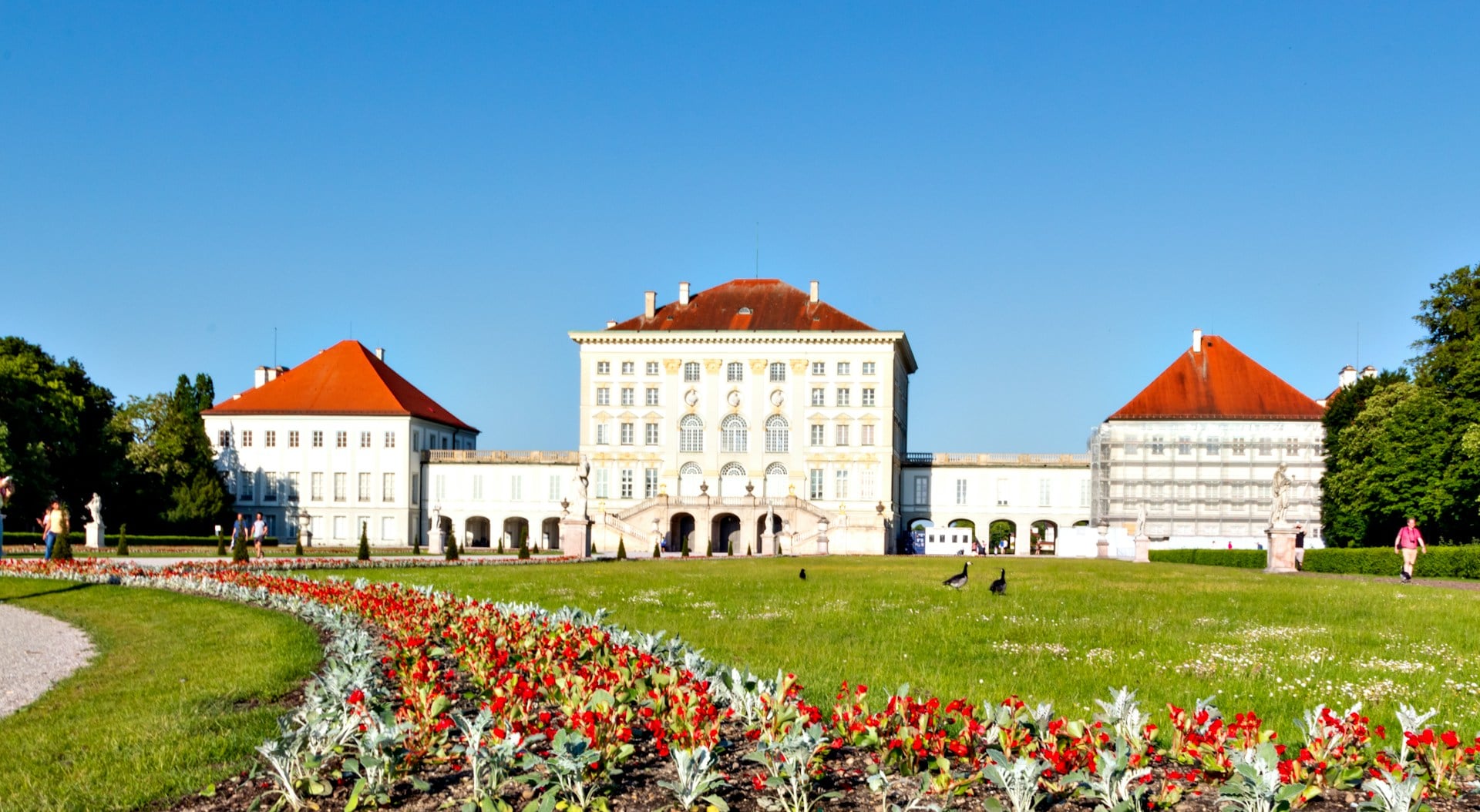
The summer residence of the Wittelsbach dynasty — the royal family of Bavaria — Nymphenburg was used from 1664 until 1918, when King Ludwig III fled the palace as the Bavarian revolution ended the monarchy. He left in such haste that some rooms were abandoned mid-use.
The palace now functions as a museum operated by the Bavarian Palace Department. The gallery of beauties commissioned by King Ludwig I — 36 portraits of beautiful women from various social backgrounds painted by Joseph Karl Stieler — hangs in the same room for which it was created, including a portrait of Lola Montez, the dancer and courtesan whose influence over Ludwig contributed to his abdication in 1848.
Stirling Castle, Scotland
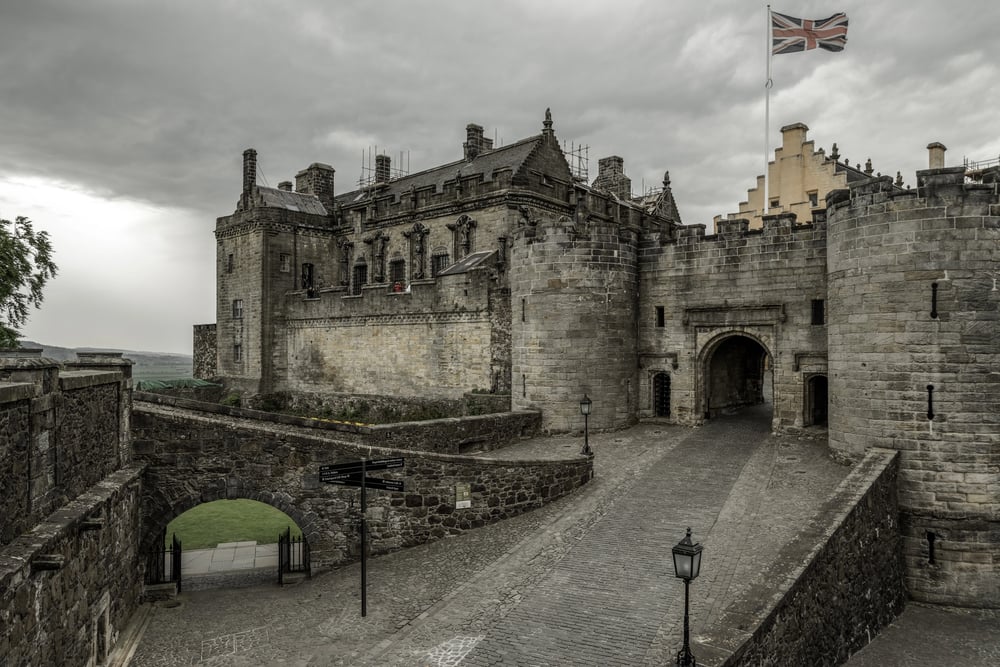
Stirling Castle was the seat of the Scottish kings for generations, with Mary Queen of Scots crowned there as an infant in 1543. After the Union of the Crowns in 1603, when James VI of Scotland became James I of England, the court moved to London and Stirling began its long decline as a royal residence.
The castle was converted to military use, serving as an army barracks until 1964. The restoration of the royal apartments — including an extraordinary recreation of the Stirling Heads, carved oak medallion portraits of the Stuart court that decorated the ceiling of the king’s presence chamber — is based partly on surviving fragments and partly on archival records.
Palace of Nestorian Kings, Hatra, Iraq
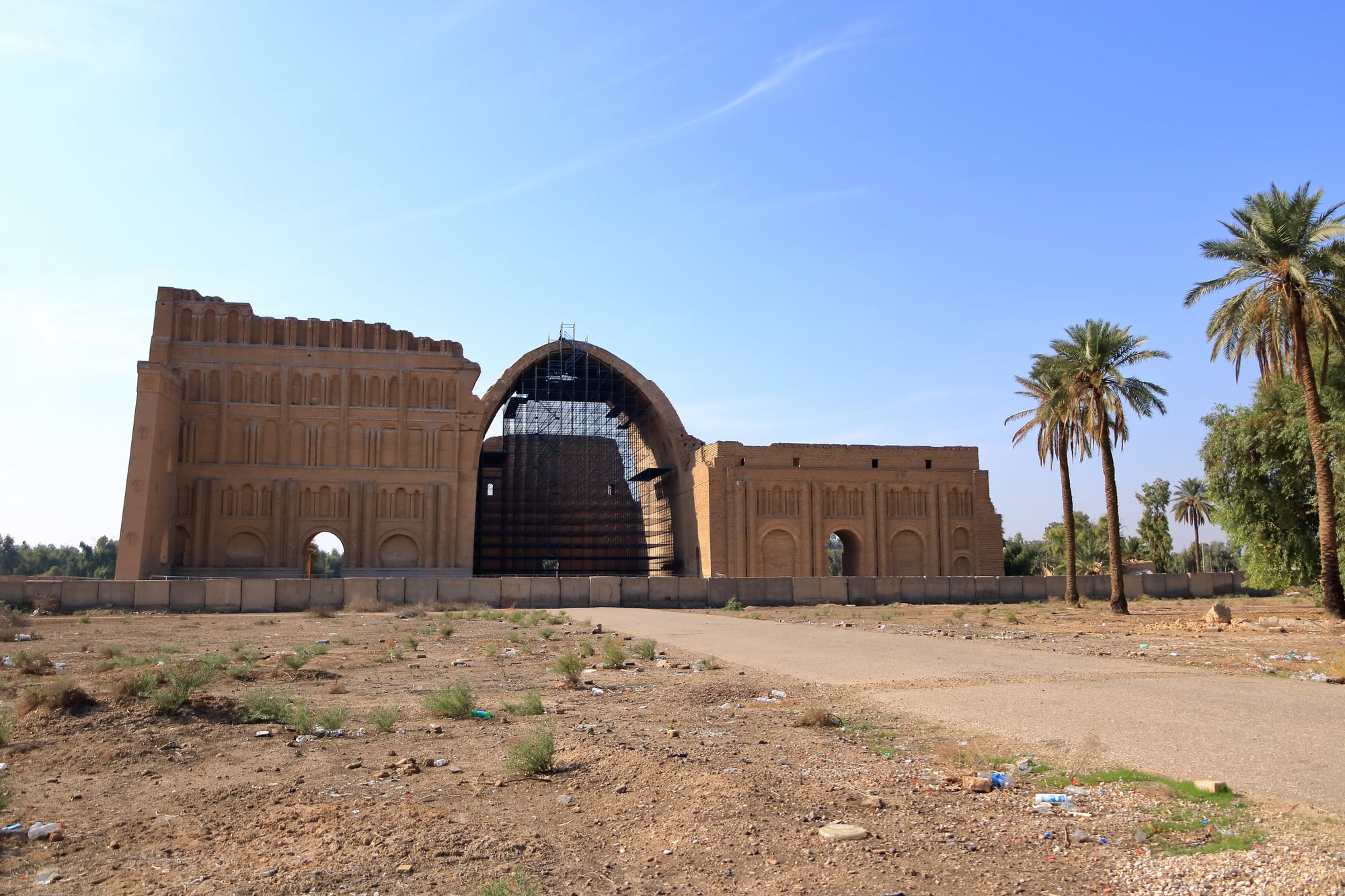
Hatra was a Parthian city that served as a regional seat of power in what is now northern Iraq, its palace complex dating from roughly the 1st and 2nd centuries AD. The site was designated a UNESCO World Heritage Site in 1985.
In 2015, fighters with the Islamic State deliberately destroyed significant portions of the site with sledgehammers and explosives, filming the destruction as propaganda. What remains is a combination of the genuinely ancient and the precisely targeted ruin — a palace whose most recent damage is not from time but from deliberate ideological erasure.
Paigah Palace, Hyderabad, India
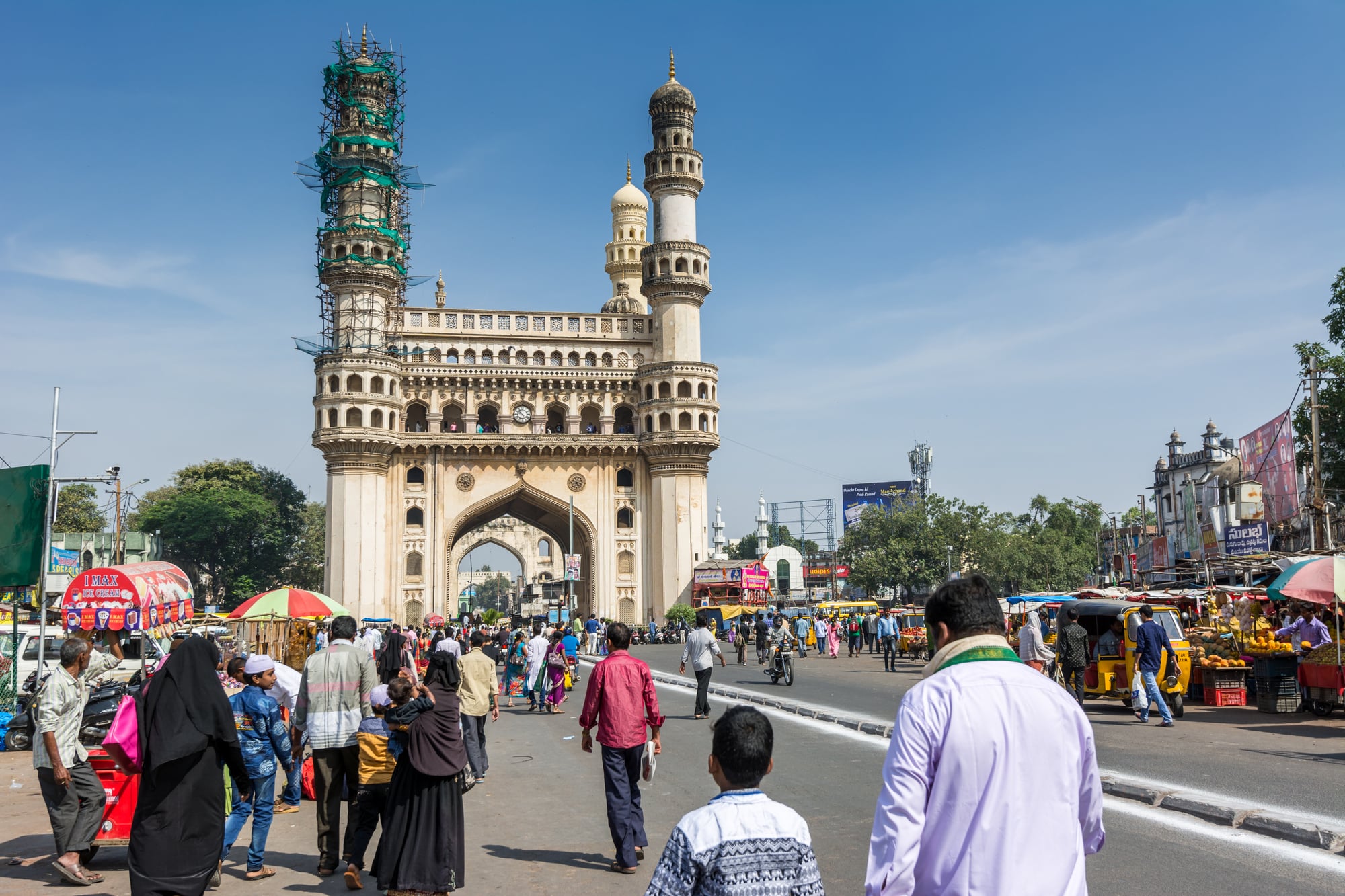
Built around 1900 by Sir Vicar-ul-Umra, the Paigah Palace in Hyderabad served as the residence of the Paigah nobles, who ranked immediately below the Nizams in Hyderabad’s social hierarchy. The Paigah family were known as the foremost palace-builders of the Hyderabad state and at their height controlled enormous estates.
The palace housed the U.S. Consulate General in Hyderabad for decades, before the consulate relocated to a new facility in 2023. It now exists in a liminal state: historically significant, structurally intact, and without an obvious new purpose.
Château de Dönhoffstädt, Drogosze, Poland
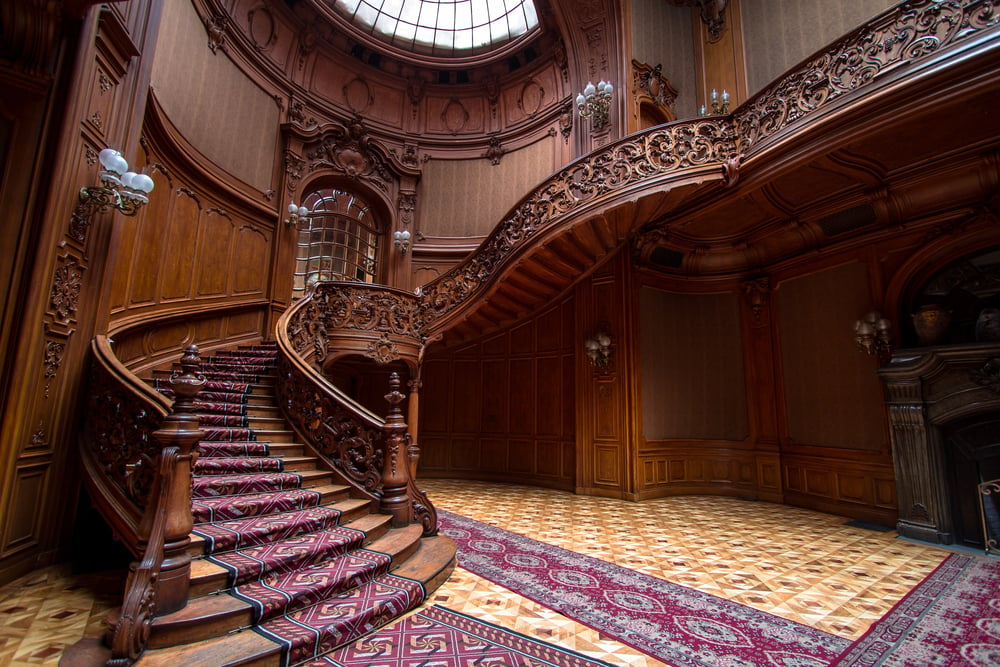
Known as the East Prussian Versailles, this early 18th-century Baroque palace in northern Poland was built by Count Bogusław Friedrich von Dönhoff with an architectural logic based on the calendar: 365 windows for the days of the year, 52 rooms for the weeks, 12 chimneys for the months, 7 balconies for the days of the week. The Dönhoff family fled in World War II, and the palace was subsequently used by the NKVD as offices before falling into disrepair.
Looters stripped much of its artwork and furnishings in the postwar period. What remains of the structure stands in the Polish countryside, its calendar-based architecture now a record of an obsessive counting system whose owners have been gone for eighty years.
Palácio Nacional de Queluz, Portugal
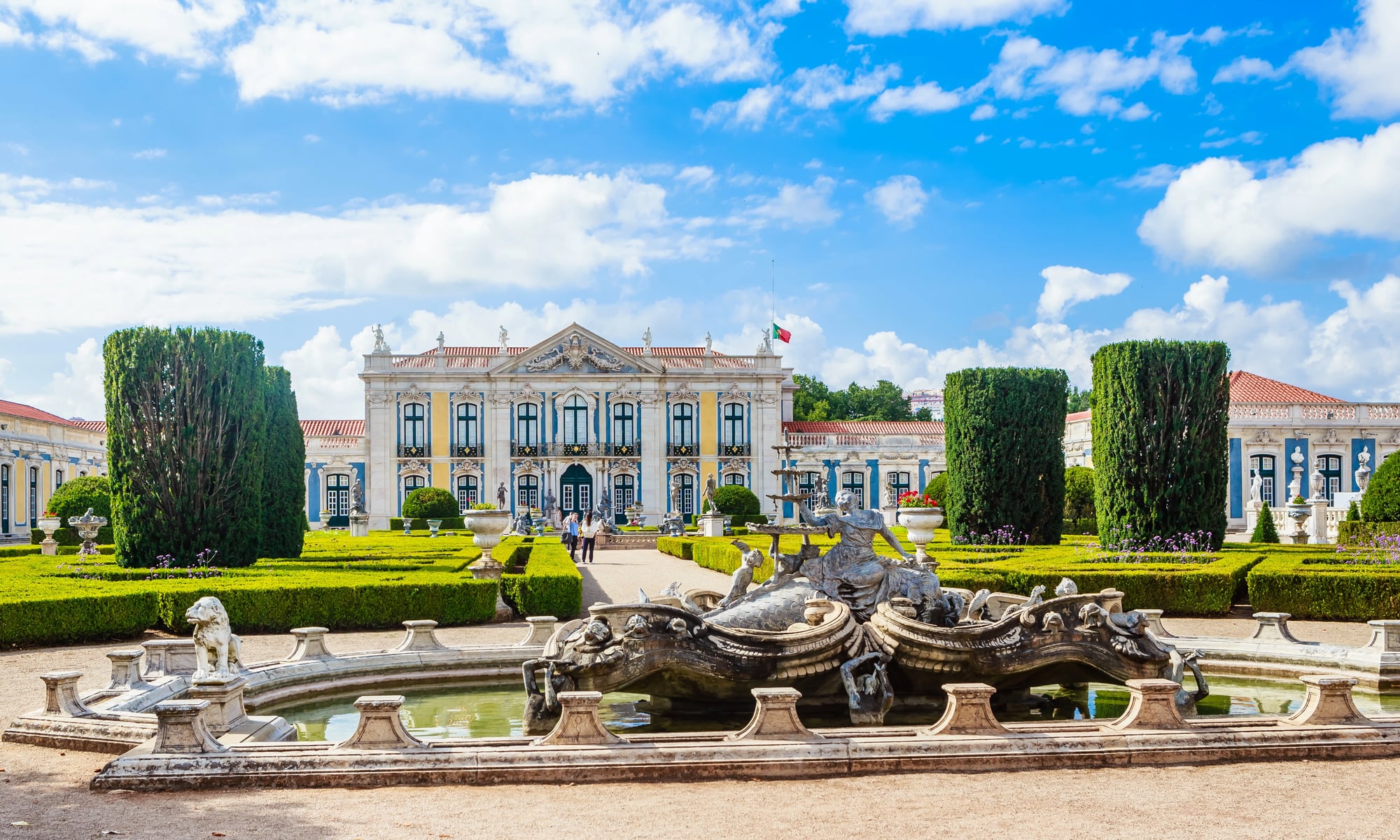
The Queluz Palace near Lisbon was modeled on Versailles and served as the summer residence and later the main residence of the Portuguese royal family. It was the birthplace and home of Queen Maria I, who suffered severe mental illness in the later years of her reign and died at Queluz.
Napoleon’s forces briefly occupied the palace in 1807 before the royal family fled to Brazil. Today the palace is a national monument, but one wing still functions as a state guest house — foreign heads of state sometimes stay in rooms where 18th-century monarchs entertained courts.
The gardens, which are among the most significant formal gardens in Portugal, were designed specifically to be viewed from the palace’s upper windows and look exactly as designed when you stand there.
Manwoldae, Kaesong, North Korea
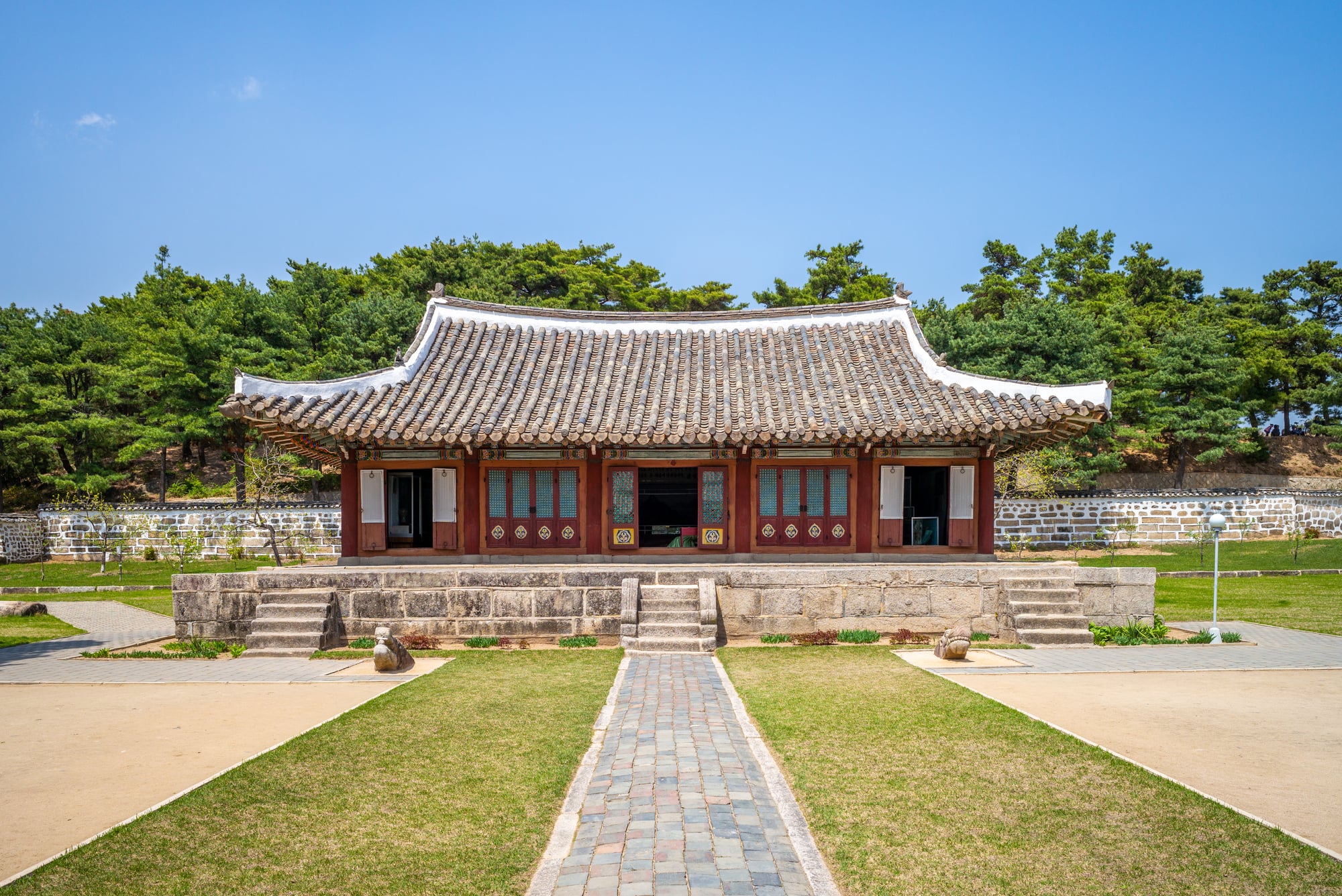
The Manwoldae palace complex in Kaesong — the former capital of the Goryeo kingdom of Korea — dates from the 10th century and was the seat of the Goryeo kings for over four hundred years before the dynasty was displaced by the Joseon in 1392. What remains are the stone foundations and scattered architectural elements of a palace complex that was never rebuilt after being burned during the Japanese invasion of 1592.
Manwoldae now sits in North Korean territory, making independent scholarly assessment impossible. The site represents one of the oldest royal palace foundations in Korean history, surviving as an outline in stone rather than as a standing structure.
What Stays Behind When Royalty Leaves
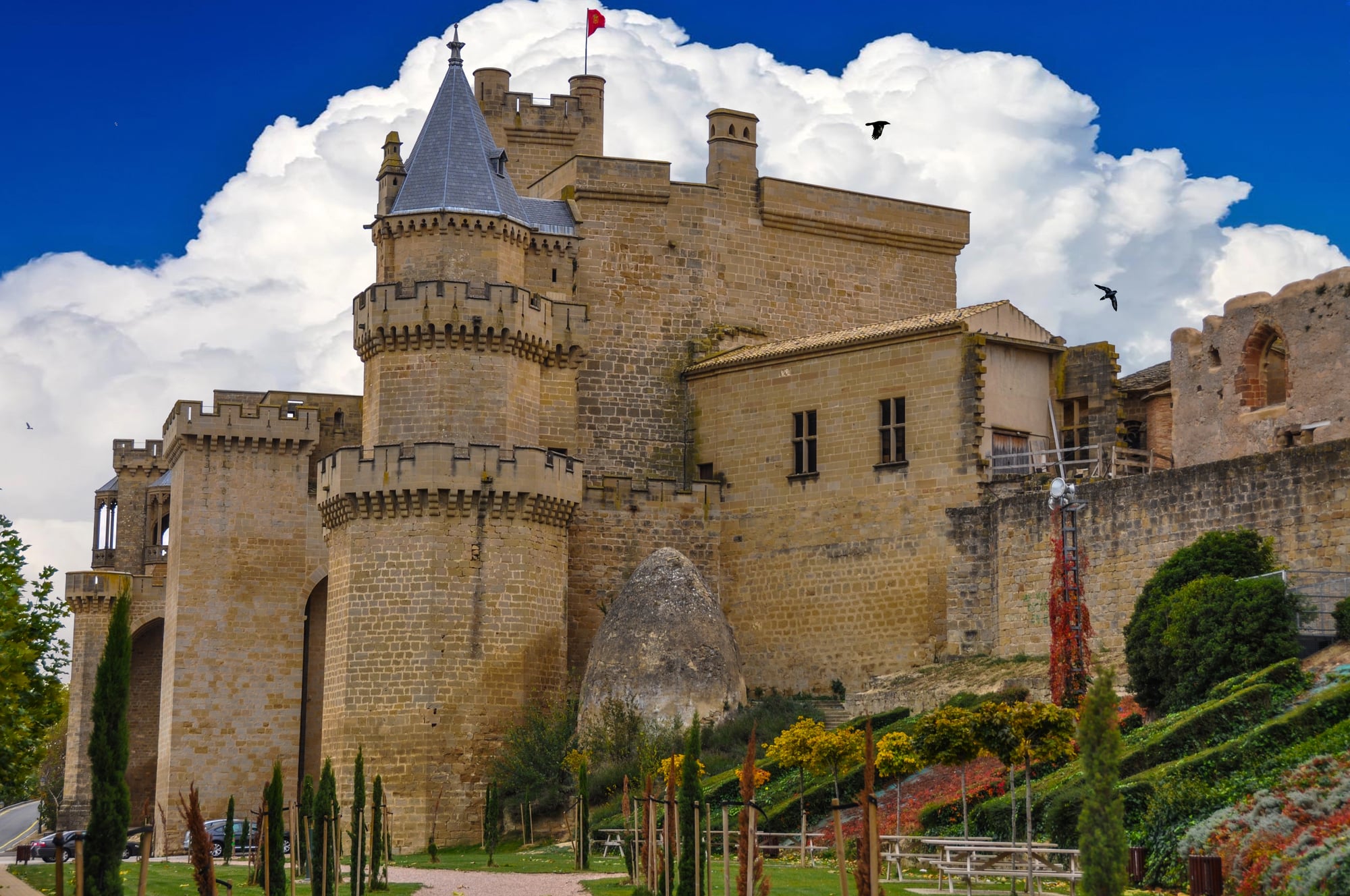
The most striking quality of abandoned royal palaces is the specificity of what they preserve. Because the rooms were designed for ceremony — for specific protocols, specific processions, specific performances of power — they encode information about political systems in their very proportions.
A throne room cannot be easily repurposed because it was built around the assumption that one person sits higher than everyone else in it. A hall of mirrors was built not for aesthetics but to show foreign ambassadors that France had mastered the most expensive decorative technology of the 17th century.
When the royalty leave, the buildings become records rather than residences — three-dimensional archives of how power performed itself when it was most confident and most visible. The silence in these spaces isn’t the silence of neglect.
It’s the silence of an audience that stopped coming, and rooms that were built for nothing else.
More from Go2Tutors!

- The Romanov Crown Jewels and Their Tragic Fate
- 13 Historical Mysteries That Science Still Can’t Solve
- Famous Hoaxes That Fooled the World for Years
- 15 Child Stars with Tragic Adult Lives
- 16 Famous Jewelry Pieces in History
Like Go2Tutors’s content? Follow us on MSN.