Why Certain Symbols Changed Meaning Completely Over the Course of a Single Century
A symbol is not a fixed object. It is a social agreement, and social agreements change.
What makes the cases below remarkable is the speed and completeness of the reversal — not a gradual drift in connotation over centuries, but a dramatic shift within a single human lifetime, sometimes within a decade. A symbol that your grandmother associated with good luck could carry, by the time of her death, a meaning so different that wearing it would require a lengthy explanation.
These transformations happen through adoption, through propaganda, through coincidence, through politics, and sometimes through internet trolls who moved faster than anyone anticipated. The symbol itself doesn’t change. The world around it does.
The Swastika
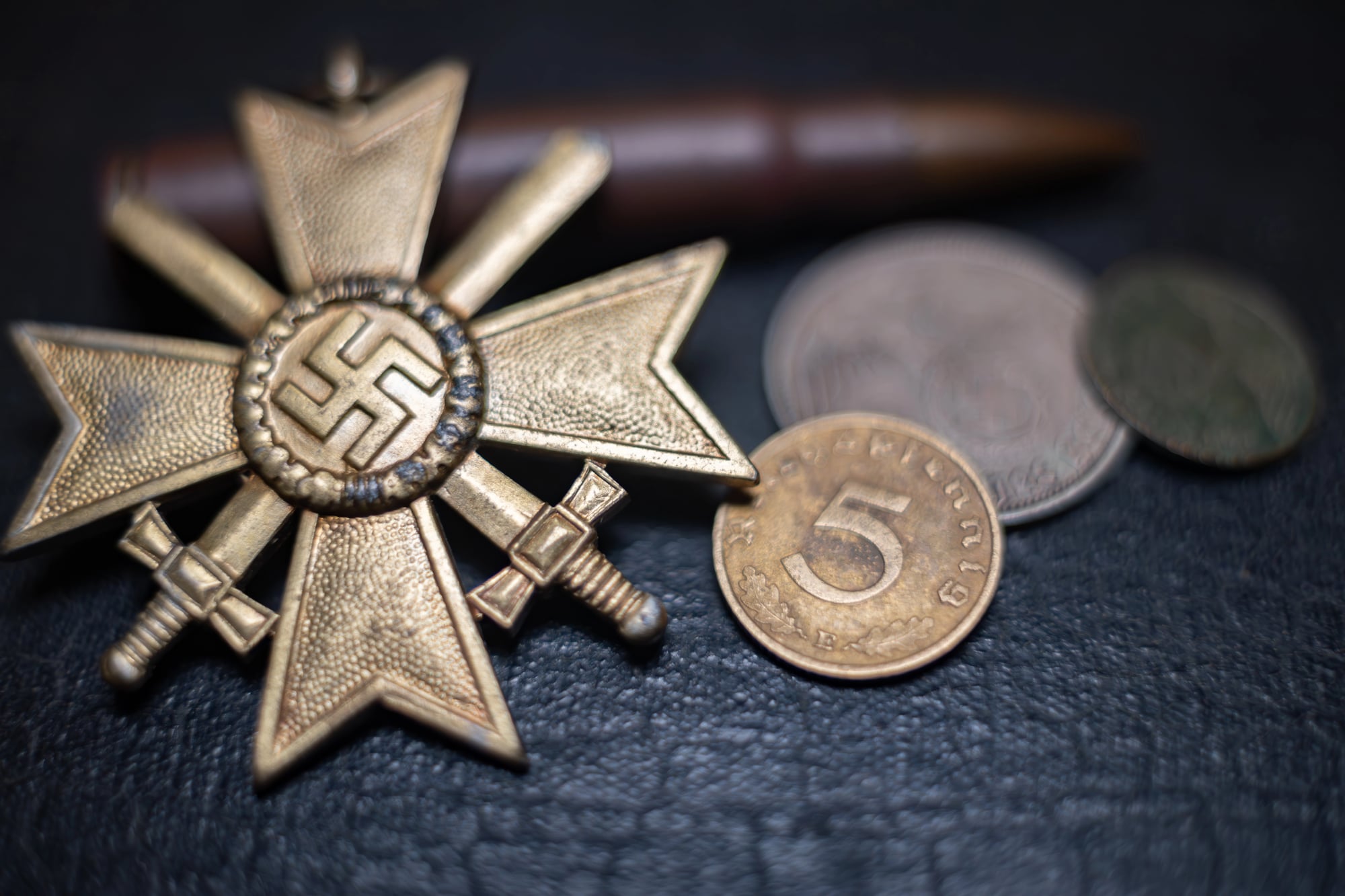
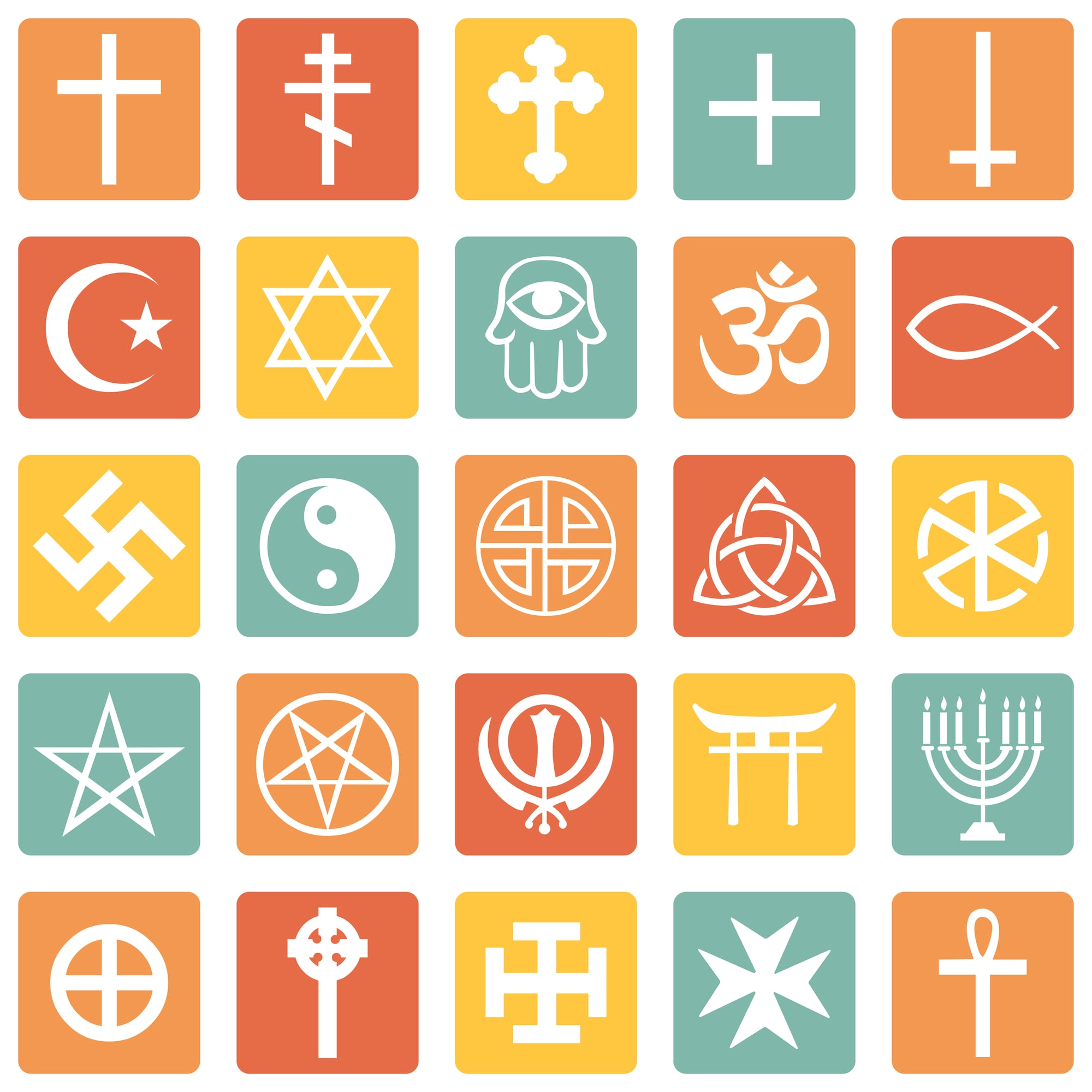
The swastika appears in the archaeological record across cultures separated by oceans and millennia — in Hindu temples, Buddhist iconography, Native American blankets, ancient Greek pottery, Roman mosaics, and Celtic stone carvings. Its Sanskrit name translates roughly to “well-being,” and for most of its seven-thousand-year history it represented exactly that: good fortune, the movement of the sun, and auspicious blessing.
Early 20th-century Westerners used it cheerfully on greeting cards, on the logo of the Carlsberg brewery, and as a good-luck charm worn by aviators. When German archaeologist Heinrich Schliemann found the symbol at the ruins of Troy in the 1870s, it triggered a European romantic association with ancient civilization.
The Nazi Party adopted it as their official emblem in 1920. By 1945, after the Holocaust, the symbol’s prior meanings had been functionally erased for most of the world’s population, while remaining sacred in Hindu and Buddhist contexts — a split that creates ongoing tension around its use.
The Peace Sign

Gerald Holtom designed the peace sign in 1958 for a specific purpose: a march from London to the Atomic Weapons Research Establishment at Aldermaston, organized by the Direct Action Committee Against Nuclear War. The symbol combines the semaphore flag positions for the letters N and D — nuclear disarmament — enclosed within a circle representing the Earth.
Holtom reportedly said he drew it from an image of a person in despair, arms downward. Within two years, an American student named Philip Altbach had persuaded the Student Peace Union to adopt it, and by the late 1960s it had detached almost entirely from its specific anti-nuclear origins and become a universal shorthand for peace, hippie culture, and opposition to the Vietnam War.
Most people who wear it today have no awareness of its original specific meaning.
The Rainbow
In Jewish and Christian scripture, the rainbow follows Noah’s flood as a divine promise never to destroy humanity by water again — a covenant between God and humanity, representing divine mercy. In ancient Greek mythology, it was the path of the goddess Iris, a bridge between heaven and earth.
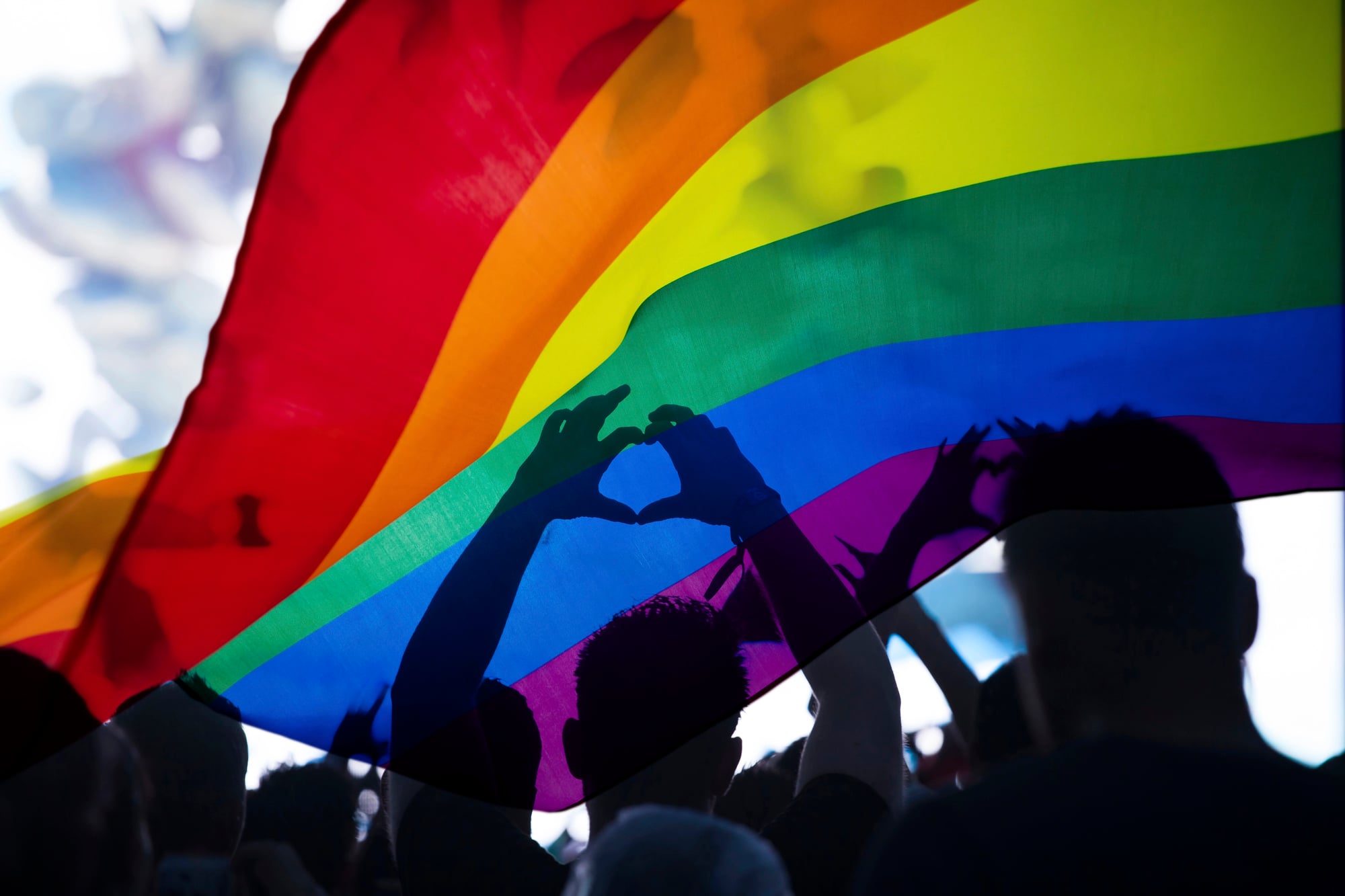
For most of Western history, the rainbow functioned as a symbol of hope and divine promise. In 1978, artist Gilbert Baker designed a rainbow flag for the San Francisco Gay Freedom Day parade, initially with eight colors that were later reduced to six.
The symbol spread with extraordinary speed through the LGBTQ+ rights movement, and by the early 21st century the rainbow had acquired a new primary meaning for most of the world’s population, its prior theological associations becoming secondary or invisible to many observers.
The Skull and Crossbones
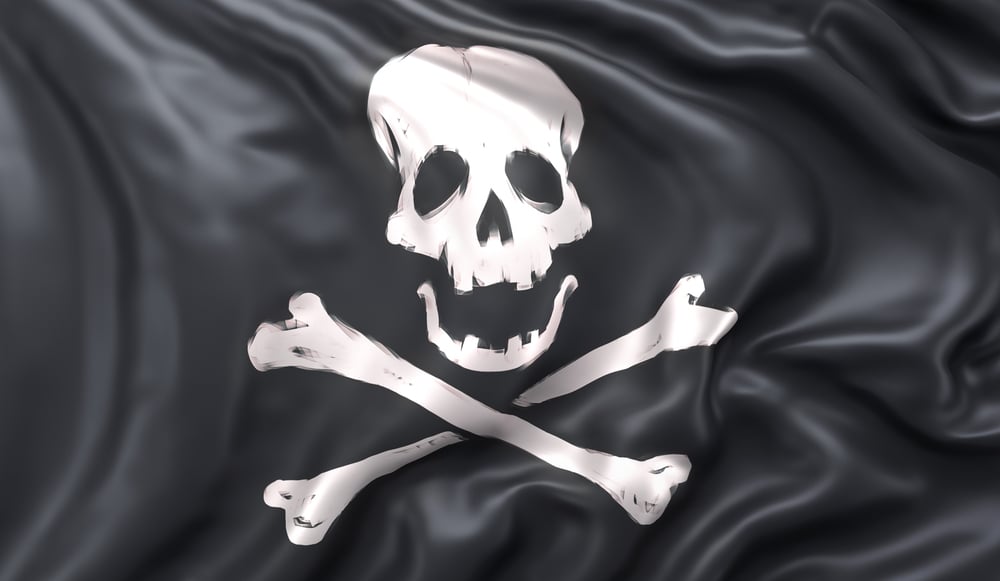
Medieval Spanish cemeteries and tombstones used the skull and crossbones to mark mortality — a memento mori, a reminder of death’s universality. European military regiments, beginning with Frederick the Great’s Hussars in 1741 (known as the Totenkopfhusaren), adopted it as a symbol of elite fearlessness and the willingness to face death.
Pirates flying the Jolly Roger used it differently, as a psychological weapon — a warning of what awaited those who resisted. By the mid-20th century, the skull and crossbones had migrated again, this time onto poison bottles and hazard labels, where it now primarily signals toxic or lethal substances.
A symbol that began as an invitation to contemplate mortality became a fashion accessory, a pirate cliché, and a safety warning across roughly three centuries of simultaneous reinvention.
The Thumbs Up

The thumbs-up gesture is widely understood today as signaling approval. Its supposed ancient Roman origin — the gesture that either spared or condemned gladiators — is largely a Hollywood invention.
Classical historians believe that a concealed thumb (sword down) more likely meant mercy, while a fully extended thumb (sword out) meant execute: the opposite of modern convention. The gesture’s current meaning appears to have been popularized in the 20th century, particularly after World War II, when returning American pilots used it to signal readiness to taxi.
It then embedded itself into popular culture and, later, digital communication. The Facebook “like” button — a thumbs-up icon — subsequently gave it a new layer of meaning as a token of social approval measured in aggregated counts.
The V Sign

Winston Churchill popularized the V-for-Victory sign during World War II, holding up two fingers with the palm facing outward to symbolize Allied victory over fascism. The gesture was widely adopted across occupied Europe as a sign of resistance.
In the 1960s, anti-Vietnam War protesters in the United States reclaimed the same gesture as a peace sign — same hand position, radically different intent. The gesture then acquired further complexity in the United Kingdom, where a V-sign with the palm facing inward carries a meaning closer to an obscene insult with roots going back at least to the Battle of Agincourt, according to popular legend.
A single gesture thus carries three distinct meanings depending on the historical moment, the country, and which way your palm faces.
The Caduceus

The caduceus — a staff with two wings and two snakes wrapped around it — is used throughout the American medical system as a symbol of medicine and healthcare. It appears on ambulances, hospital logos, and medical school emblems.
The correct symbol for medicine is the Rod of Asclepius, the Greek god of healing, which features a single snake and no wings. The caduceus belongs to Hermes, the god of commerce, communication, and thieves.
The confusion arose in 1902 when the U.S. Army Medical Corps mistakenly adopted the caduceus as its symbol, and other organizations followed without correction. The symbol of a deity associated with merchants and tricksters now adorns the majority of American medical institutions, while the actual medical symbol remains largely unused in U.S. contexts.
The Confederate Battle Flag
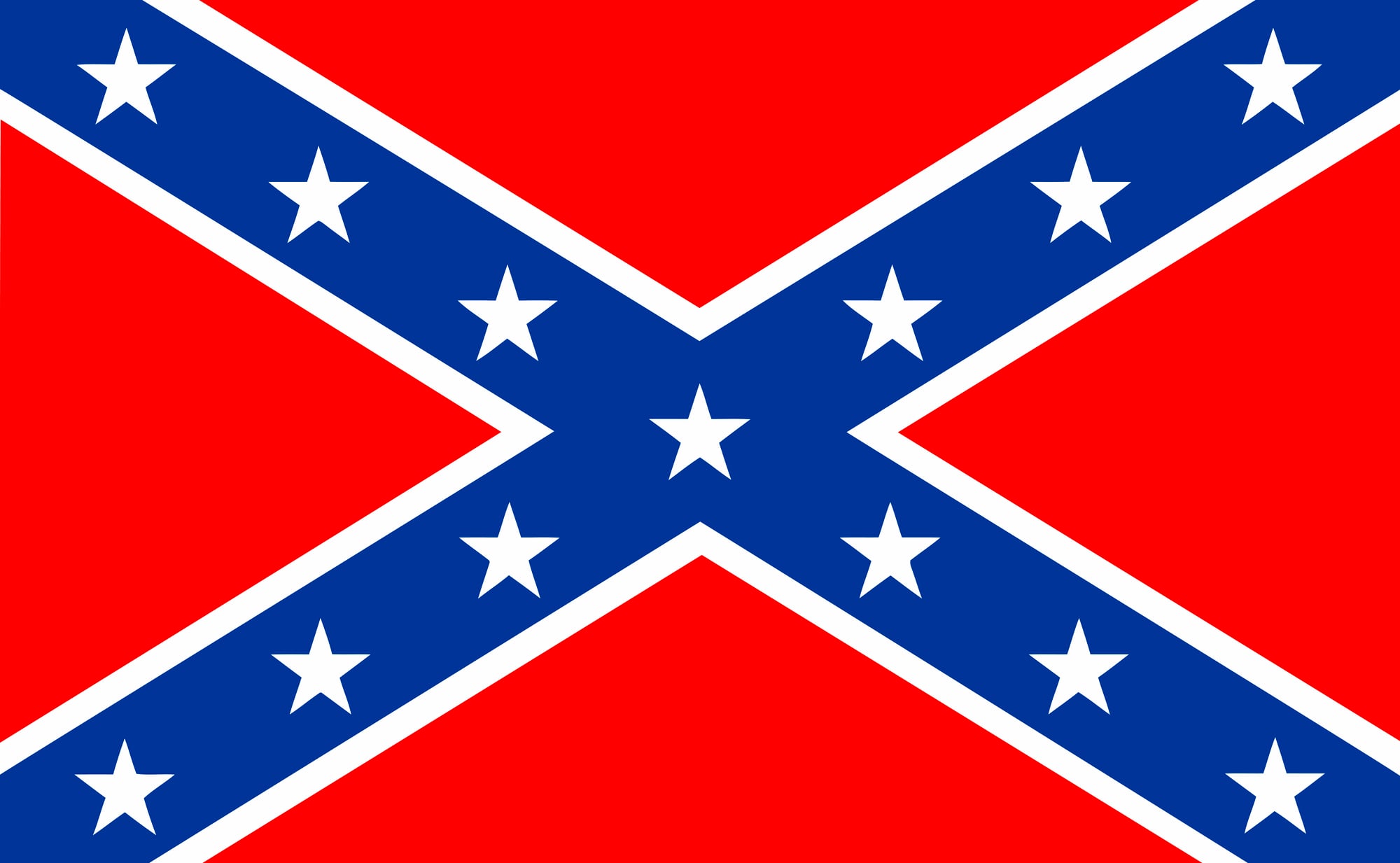
The Confederate battle flag — the red field with diagonal blue cross and white stars — was not, at the time of the Civil War, the official flag of the Confederacy. It was the battle standard of the Army of Northern Virginia, and after the war’s end it largely retreated from public life.
Its major 20th-century resurgence came during the 1948 Dixiecrat movement opposing racial integration, and it was raised over multiple Southern state capitols in the 1950s and 1960s in explicit response to the Civil Rights Movement. The flag’s defenders in later decades argued it represented heritage rather than ideology, while its critics pointed to the documented timing and context of its resurgences.
A military banner became a political statement, and the statement changed content between its 19th and 20th-century uses.
The OK Hand Sign

The OK hand gesture — thumb and index finger forming a circle, three fingers raised — was an unremarkable shorthand for approval across most of the 20th century. In 2017, users on the internet forum 4chan launched a deliberate hoax claiming the gesture represented “white power,” framing it as a way to trick media into condemning a neutral symbol.
The Anti-Defamation League initially categorized it as a symbol used sardonically, in mockery of media oversensitivity. But by 2019, actual white supremacist groups had adopted the gesture sincerely, including its display in court appearances following mass violence.
The ADL added it to its Hate Symbols Database that year. A century-old gesture of approval had been deliberately recontextualized within less than three years, through a campaign that proceeded almost exactly as its architects planned.
The Christian Cross

The cross as a Christian symbol was not the early Church’s primary emblem. In Christianity’s first three centuries, the fish (ichthys) was more common, and the cross was avoided in part because it depicted an instrument of Roman state execution — roughly analogous to wearing a noose as a pendant.
Constantine’s adoption of the chi-rho symbol in the 4th century, and the subsequent proliferation of the cross after Christianity became the Roman Empire’s official religion, transformed an emblem of criminal punishment into the central symbol of the world’s largest religion. The cross’s meaning changed not gradually but at a specific historical hinge point, imposed by political and military power.
The Color Black

In most Western medieval societies, black was not the color of mourning — white was. Black’s association with death and grief developed gradually across the late medieval and early modern periods, partly influenced by the Catholic clergy’s practice of wearing black for penitential observance and partly through aristocratic fashion, as black dye was expensive and its use conveyed status.
By the 19th century, the association of black with mourning was so thoroughly established that Queen Victoria’s 40-year period of wearing black following Prince Albert’s death in 1861 was culturally legible to everyone who saw her. Today, in much of East Asia, white remains the color of mourning — the medieval Western convention that black represents grief is itself a historical accident rather than a universal truth.
The Color Pink

Pink is now strongly coded as feminine in Western consumer culture — pink toys, pink clothing sections, pink branding for products marketed to women. This association is recent.
In the early 20th century, it was common advice in American parenting guides that pink was for boys (a “stronger, more decided color,” as a 1918 trade publication described it) and blue was for girls. The reversal appears to have occurred in the 1940s, though exactly when and why remains debated among fashion historians.
The current association of pink with femininity is so thorough that most people who encounter it assume it is ancient or natural, rather than a marketing convention that is less than a century old.
The Smiley Face

Harvey designed the yellow smiley face in 1963 as a morale-boosting icon for employees of an insurance company in Worcester, Massachusetts — a commission that took him ten minutes and paid forty-five dollars. He never trademarked it.
By the early 1970s, it had become a ubiquitous symbol of optimism and synthetic cheerfulness. In the late 1980s and 1990s, the rave and acid house subcultures in Britain reclaimed it as the symbol of a drug-fueled counterculture, transforming it into an emblem of transgression.
In the 2000s, digital communication converted it into an emoticon, then an emoji, used to signal tone in text-based exchanges. A corporate morale tool became a chemical subculture emblem became a punctuation mark, all within the span of fifty years.
The Red Cross

The red cross on a white background — the inverse of the Swiss flag, chosen deliberately to honor Henri Dunant’s Swiss nationality — was established as the symbol of medical neutrality in the 1864 Geneva Convention. It was intended to mark personnel, vehicles, and facilities that should not be targeted in warfare.
During subsequent conflicts, particularly in the Middle East, the symbol created practical problems because it carried unintended religious connotations — a cross on a white field reads differently in contexts with significant Muslim or Jewish populations. This led to the 2005 addition of the Red Crystal (a red diamond shape) as a neutral alternative, and the Red Crescent had already been recognized since 1929.
A symbol designed to be universally neutral turned out to be culturally specific.
The Anchor
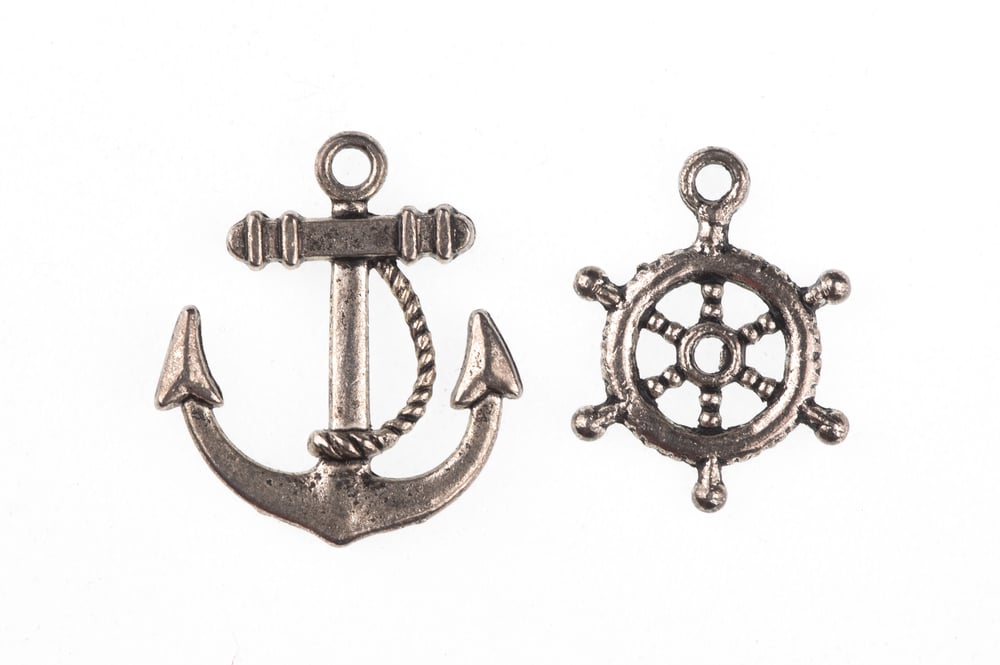
Sailors wore anchor tattoos for centuries as signs of maritime experience and service at sea. In the early-to-mid 20th century, anchor imagery retained this nautical authenticity — it was on the forearms of men who had actually spent time on ships.
By the late 20th century, the anchor had become fashionable in contexts entirely disconnected from the sea, appearing in jewelry, interior decoration, and lifestyle branding as a symbol of stability and “staying grounded.” The same image now adorns the clothing of people who have never boarded a vessel, carrying the aesthetic resonance of nautical heritage without any connection to the life that produced it.
The Hammer and Sickle
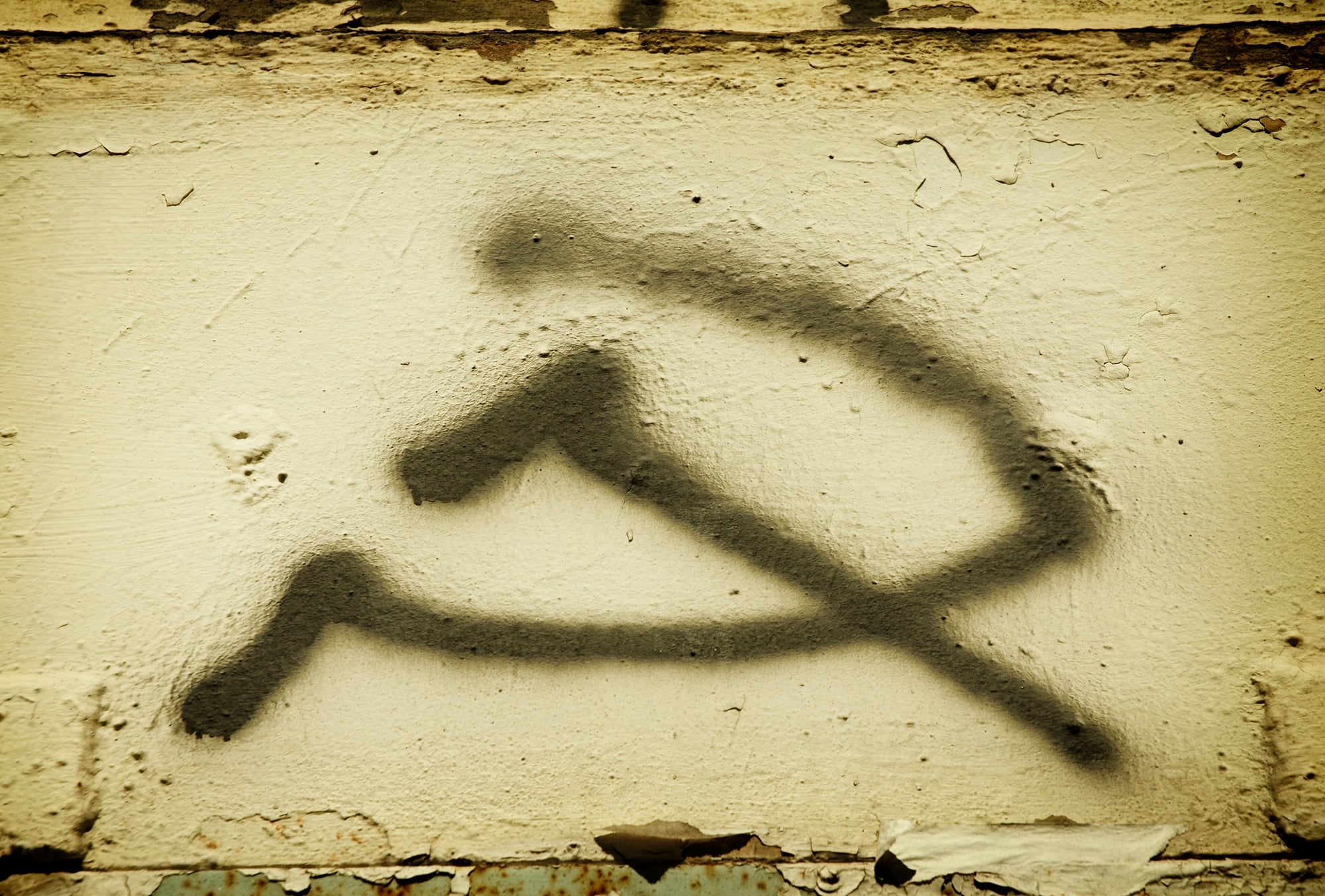
The hammer and sickle was designed in 1917 to represent the worker-peasant alliance at the foundation of the Soviet state — the hammer for industrial labor, the sickle for agricultural. It appeared on the Soviet flag and spread across the Eastern Bloc as the symbol of communist governance.
After the Soviet Union’s collapse in 1991, the symbol acquired new layers: in some post-Soviet states it became explicitly illegal to display; in Western consumer culture it appeared on clothing and merchandise with varying degrees of irony; in parts of the former Soviet bloc, older generations read nostalgia into it while younger ones read repression. A single symbol now triggers simultaneously opposed readings depending entirely on the age and national origin of the person looking at it.
The Dollar Sign

The origin of the $ symbol is genuinely disputed, but the most widely accepted scholarly explanation is that it developed from the abbreviation for the Spanish peso — written as “Ps” — with the P and s overlapping over time to produce the distinctive strikethrough. The symbol predates the United States dollar and was in use among merchants and traders in the Americas before American independence.
Once adopted for the U.S. dollar, it became through the 20th century a shorthand not just for currency but for capitalism, American economic power, and materialism itself — a meaning carried in phrases like “following the dollar” and in its use as a satirical substitute for the letter S in corporate names. The symbol of Spanish colonial trade became the emblem of American economic ambition.
When Symbols Escape Their Authors
What these cases have in common is that no one controls a symbol once it enters wider use. Gerald Holtom didn’t control what the peace sign became.
Harvey had no say in what the smiley face meant to acid house culture. The organizers of the 1978 San Francisco Gay Freedom Day parade couldn’t have predicted where the rainbow flag would be six decades later.
Symbols acquire meaning through use, repetition, and association — processes that happen collectively and outside any single person’s authority. That’s what makes the study of changing symbols genuinely informative about history rather than just interesting as trivia.
When a symbol shifts meaning, it records a social change that might otherwise leave no visible trace. The shift from blue-for-girls to pink-for-girls didn’t produce a law or a formal announcement; it produced a changed market.
The swastika’s transformation didn’t happen through any official decree; it happened through the concentrated force of the worst decade in the 20th century. Symbols change because the world does.
They just do it faster, and with less warning.
More from Go2Tutors!

- The Romanov Crown Jewels and Their Tragic Fate
- 13 Historical Mysteries That Science Still Can’t Solve
- Famous Hoaxes That Fooled the World for Years
- 15 Child Stars with Tragic Adult Lives
- 16 Famous Jewelry Pieces in History
Like Go2Tutors’s content? Follow us on MSN.