13 Ways Hand-Me-Down Clothes Told a Story That Went Beyond Just Saving Money
The jacket showed up in a black bin bag, already worn soft at the elbows, already carrying the shape of someone else’s shoulders. You put it on anyway.
It was too big, or just right, or a colour you’d never have chosen yourself — and somehow that made it better. Hand-me-down clothes arrived without ceremony and stayed for years, and the stories they carried were never really about thrift.
Here’s what they were actually about.
They Made the Person Before You Feel Present
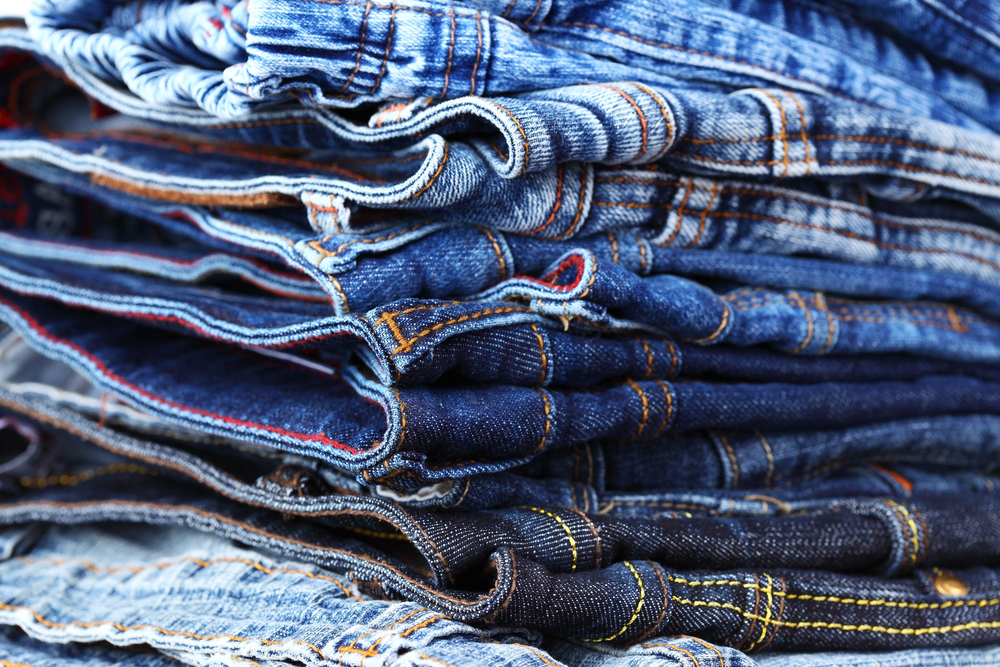
A worn-in pair of jeans, a school blazer with a name written in marker on the inside collar, a sports jersey with a number that meant something to someone — these items arrived already inhabited. Wearing them placed you in a line of people, usually people you knew, which turned an ordinary piece of clothing into something closer to an heirloom.
The previous owner had an afterlife in your wardrobe whether they knew it or not.
They Taught You That Quality Was Real
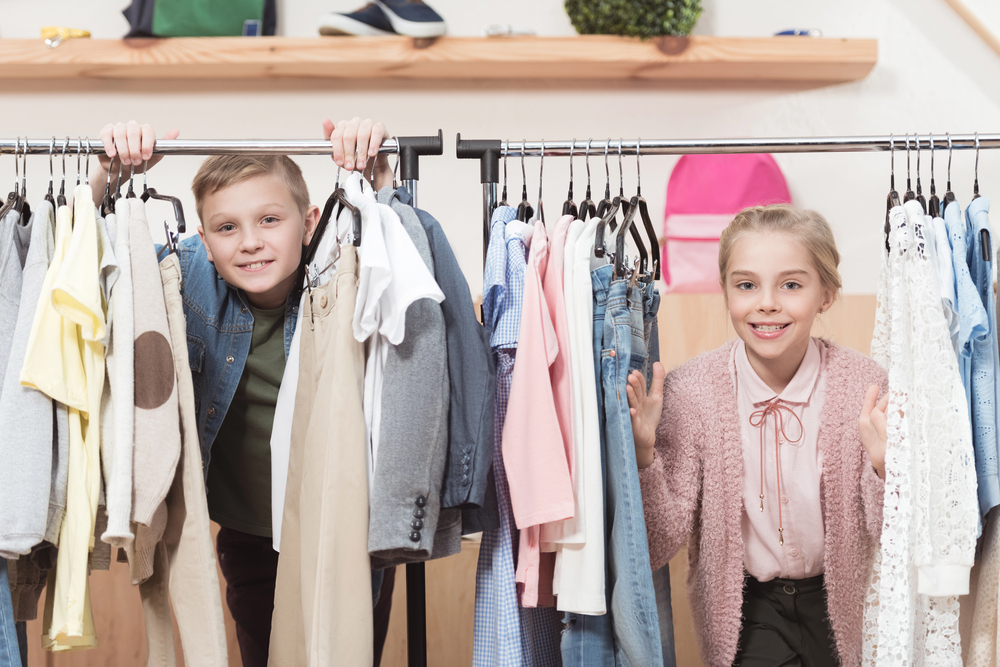
Children who grew up in hand-me-down households learned early that some clothes lasted and some didn’t. The ones that survived three siblings and still looked presentable were made differently from the ones that fell apart in one season.
This was an education in materials and construction that no consumer culture could replicate — you understood what durability meant because you were wearing the evidence of it.
They Revealed How Fast You Were Growing
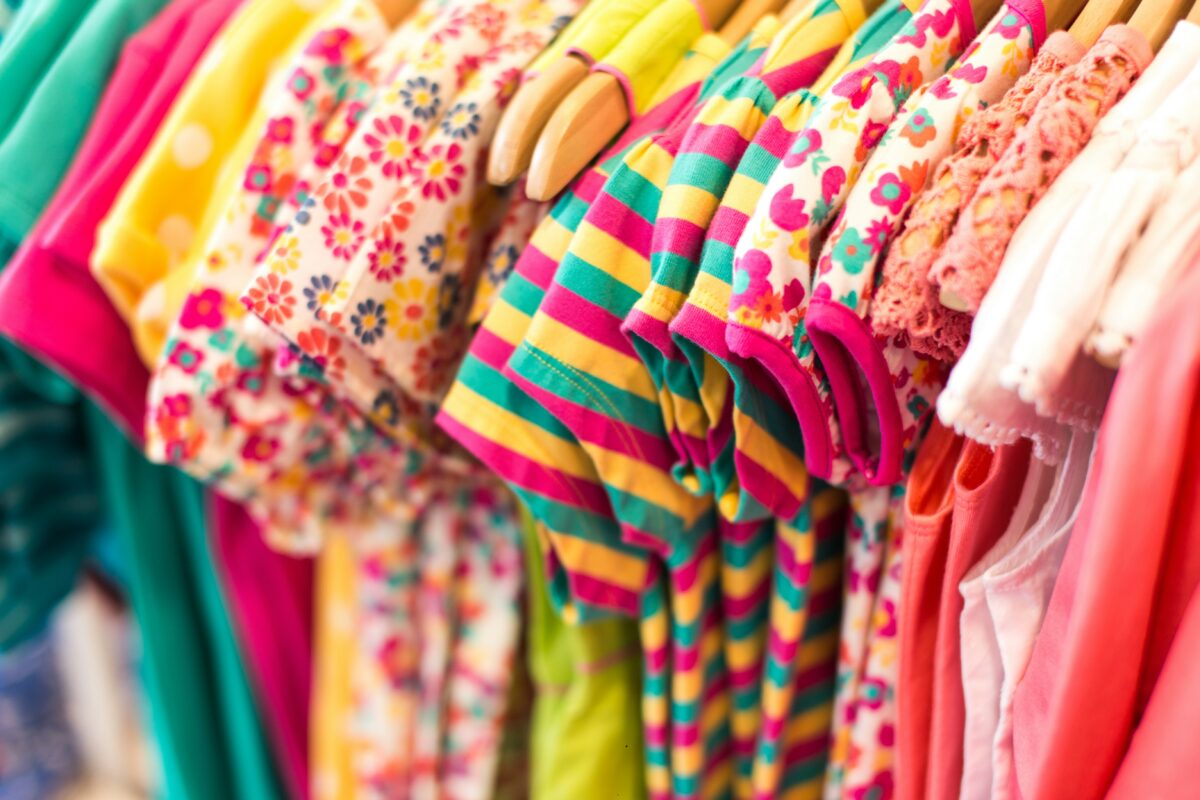
A hand-me-down that arrived too large carried its own timeline. When it finally fit, something had changed in your body that you hadn’t quite noticed.
When it became too small, another stage had passed. Children don’t typically mark their own growth with any precision — but the wardrobe did it for them, quietly and without fanfare, in a way that was more honest than birthday candles.
They Created a Running Record of Family History

Families with strong hand-me-down traditions accumulate a kind of textile archive. A dress worn at a cousin’s christening, a jacket bought for a first job interview, a coat that crossed an ocean during immigration — these things carried dates and events that photographs couldn’t fully capture.
The fabric held the occasion in a different way, one that you could actually put on.
They Occasionally Arrived With Something Left in a Pocket
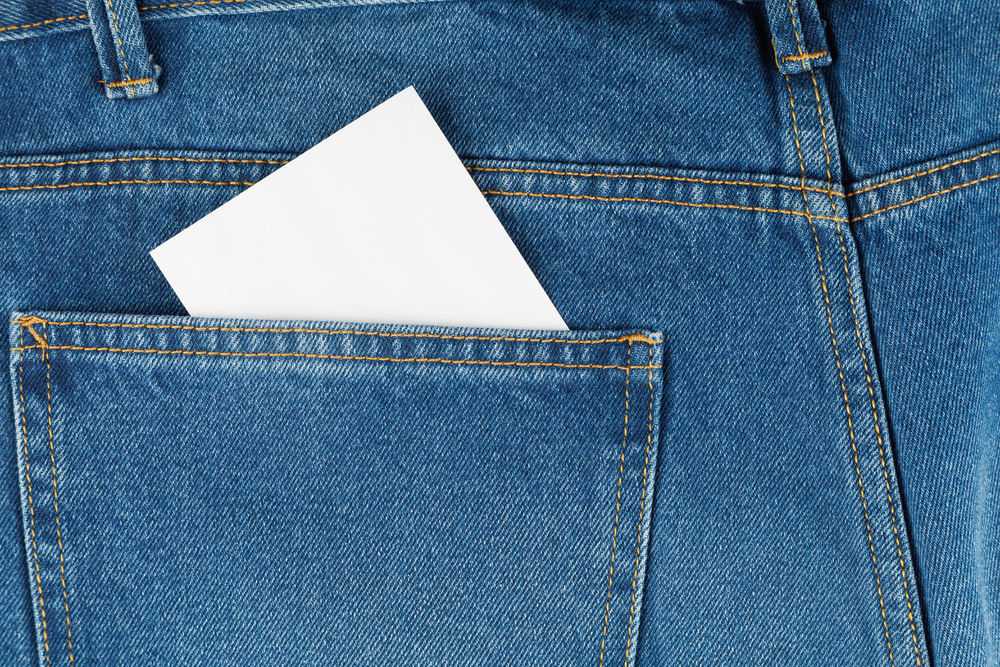
A folded note, a bus ticket, a small coin from a foreign country, a receipt from a shop that no longer existed — children who inherited clothes sometimes inherited small mysteries along with them. Finding something unexpected in a pocket was its own minor archaeology, a glimpse into the daily life of whoever had worn the thing before you, proof that the past was specific and strange and full of ordinary detail.
They Recalibrated What New Actually Meant
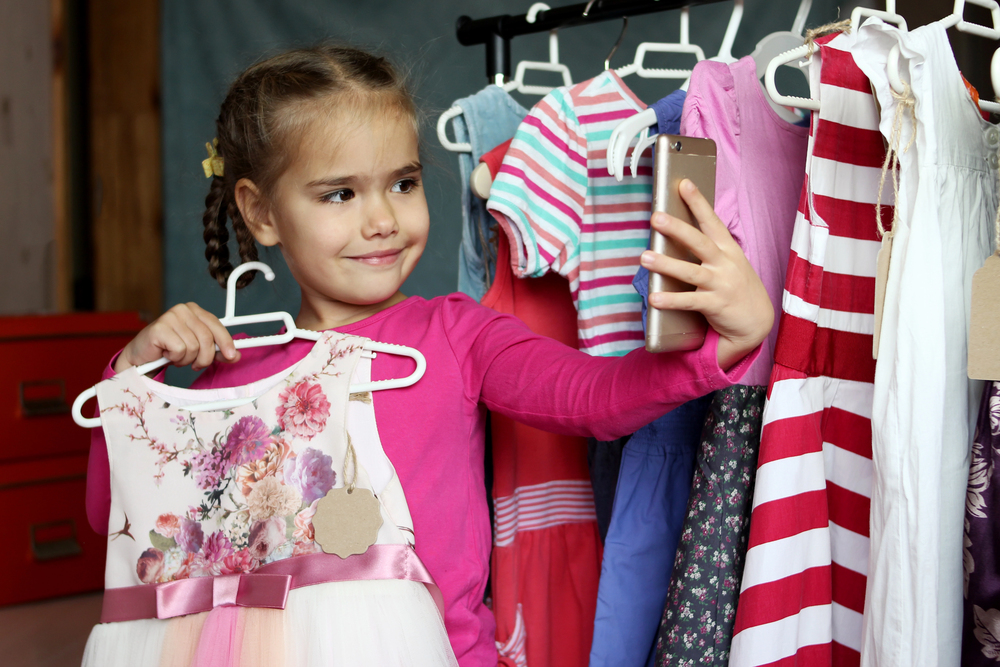
A child who wore hand-me-downs and then received something genuinely new — a school bag bought fresh, a pair of trainers still in the box — felt the contrast sharply. That contrast produced a real appreciation for newness that children given everything new rarely developed.
Wanting something and getting it carries a different weight when you’ve spent years in someone else’s castoffs. The first new thing tends to stay remembered.
They Encoded Social Information About the Family
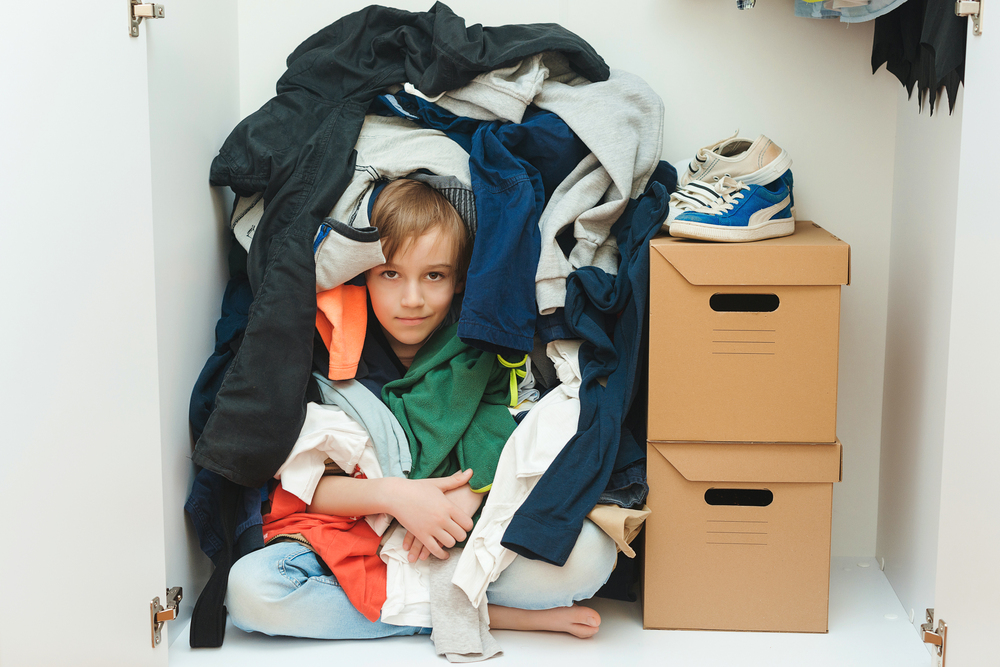
How a family handled hand-me-downs said something about its values. Some families gave them with care — washed, folded, sometimes altered to fit — and the gesture carried warmth. Others passed them on with apology or embarrassment, loading the clothes with shame they hadn’t earned.
Others still gave them matter-of-factly, as though this was simply how things worked, which was often the most honest approach and the one children found easiest to absorb.
They Crossed Between Households and Built Community

The best hand-me-down networks extended beyond the immediate family. A neighbour’s daughter, a friend’s younger brother, the child of a colleague — clothes moved through these connections and the connections were strengthened by the movement.
Handing over a bin bag of outgrown clothes was also a way of saying something without quite saying it: that you trusted this person, that you saw their need without making it awkward, that you were part of a larger system of mutual support.
They Were Sometimes the Most Distinctive Things You Owned
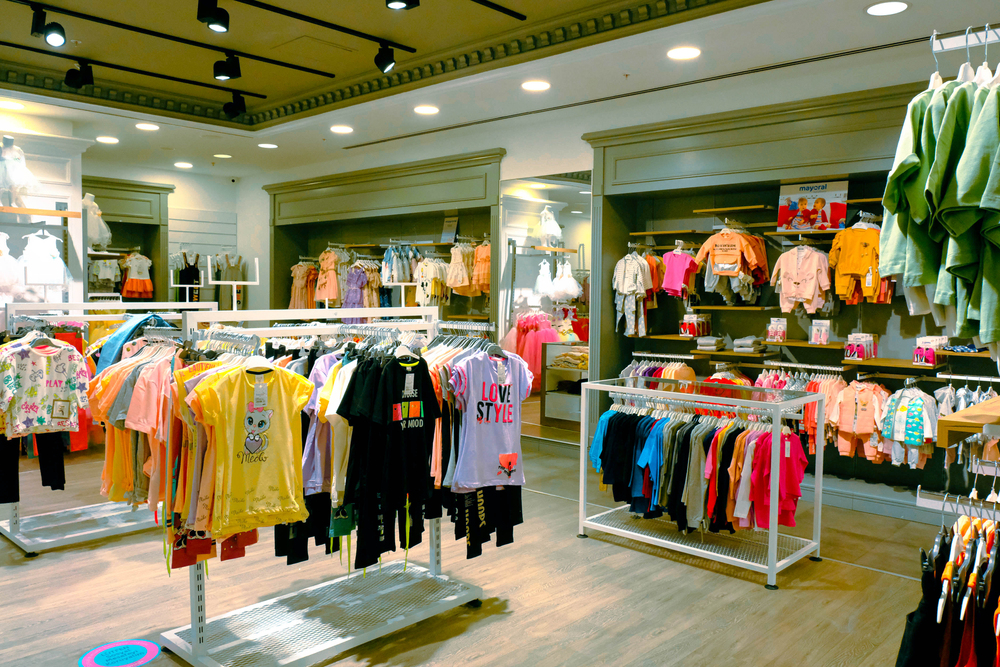
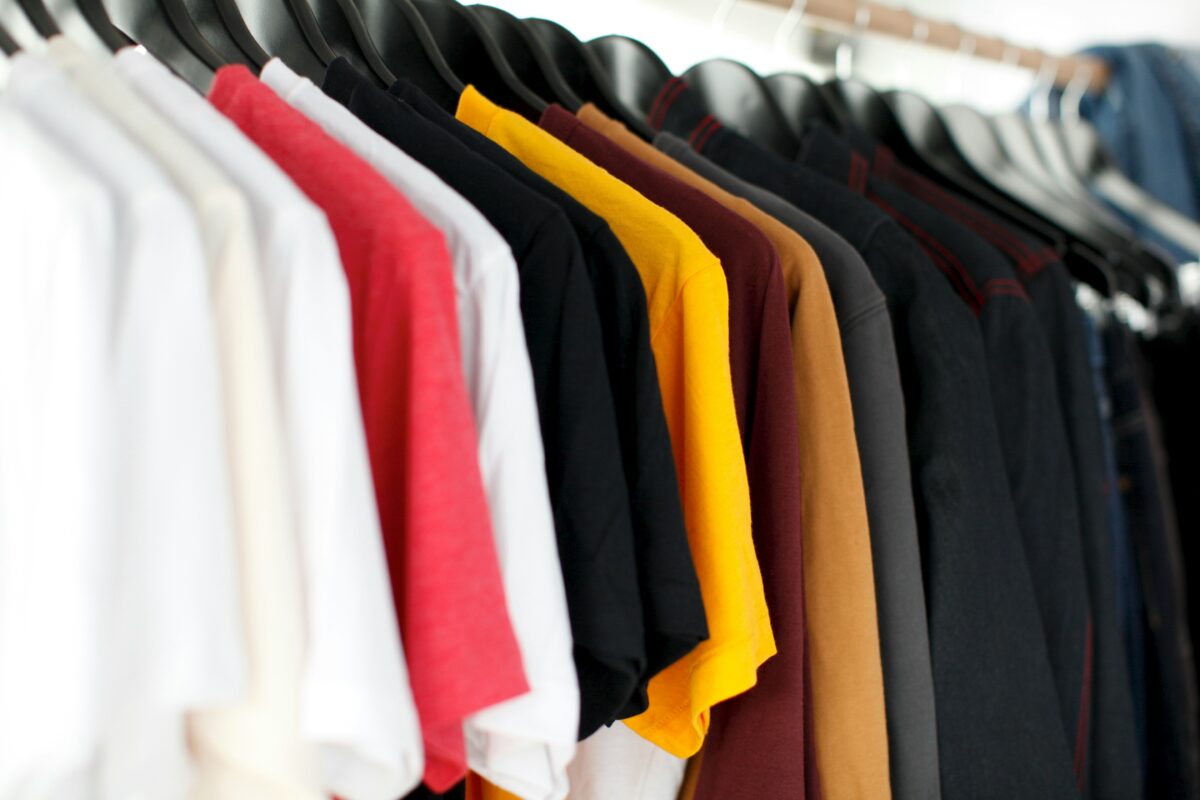
— Photo by utkudemirsoy
Mass-produced children’s clothing in any given decade tended toward sameness. Hand-me-downs arrived from different years and different tastes, which meant they were often genuinely different from what the other children were wearing.
A coat from a decade earlier, a shirt in a cut that no longer existed on the high street — these items stood out, and not always in a bad way. Occasionally a hand-me-down turned you into the most interesting-dressed person in the room entirely by accident.
They Changed Your Relationship With Clothing as an Adult

Adults who wore hand-me-downs as children often develop a different attitude toward clothes than those who didn’t. They tend to wear things longer, care more about fabric quality, and feel less compelled to buy new things simply because they’re new.
This isn’t nostalgia — it’s a practical orientation toward objects that was installed early, through experience, and never fully switched off.
They Marked Your Position in the Birth Order
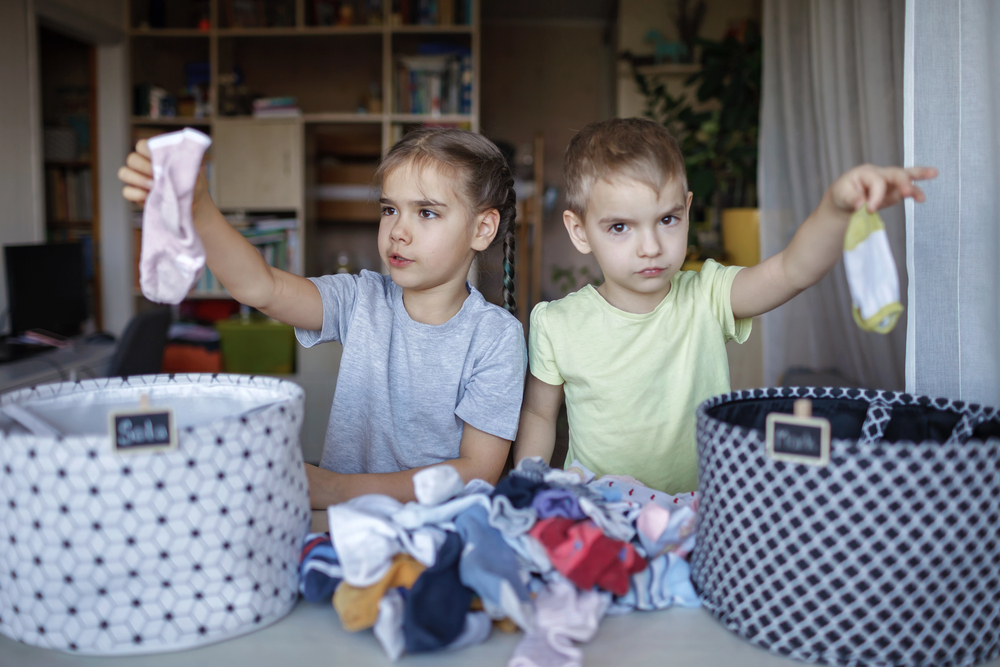
Firstborn children got new clothes. Younger children got the firstborn’s old clothes.
This was a truth understood by every family with more than one child, and it established a hierarchy that had nothing to do with love and everything to do with economics. Younger siblings absorbed this without much drama, but they also noticed it — and some of them, once they reached adulthood, developed a quiet preference for buying things new that went entirely unexplained and was entirely explicable.
They Sometimes Became More Yours Than Anyone Else’s
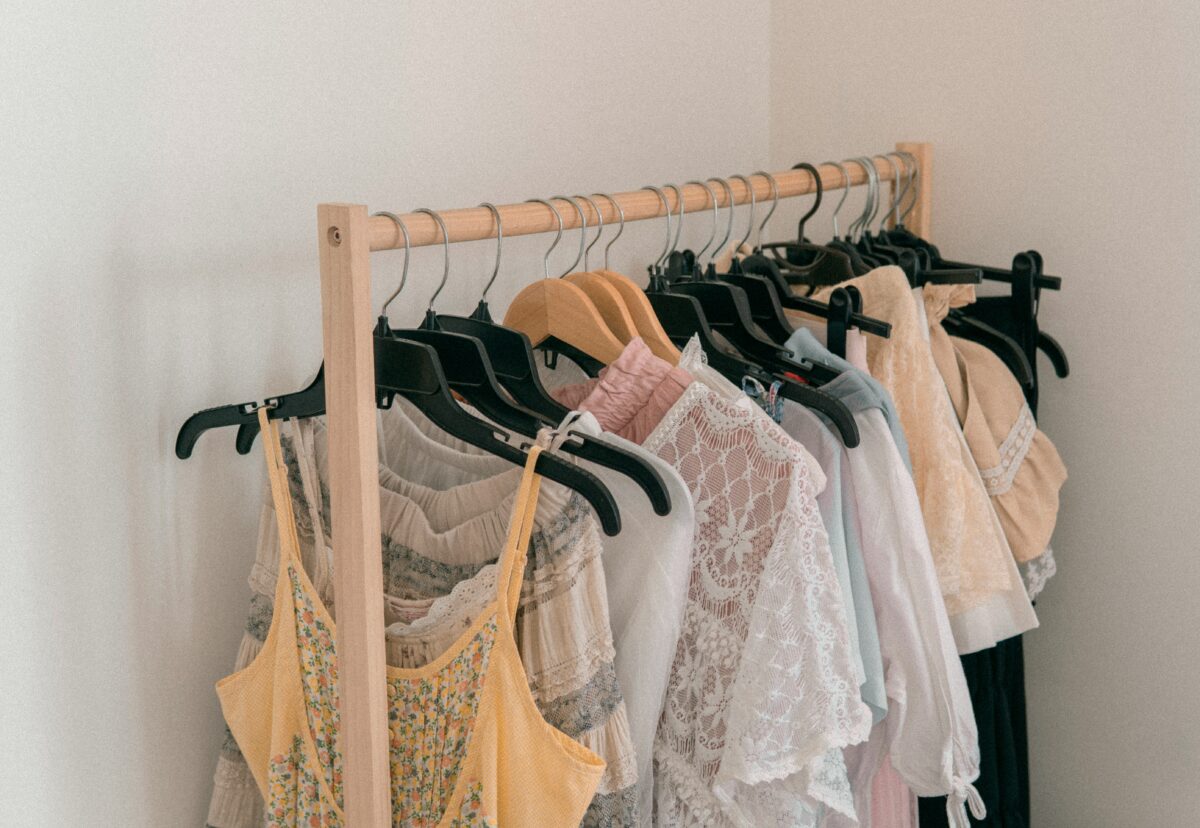
Clothes acquire identity through wear. A jacket you’ve had for five years is your jacket, regardless of where it started.
Some hand-me-downs arrived already broken in and then became so completely associated with you — your repairs, your stains, your alterations — that the person who originally owned them would barely have recognised the thing. This is how objects become truly possessed: not through purchase but through use, through the accumulation of your own particular history in the fabric.
They Were Often the Things You Missed Most
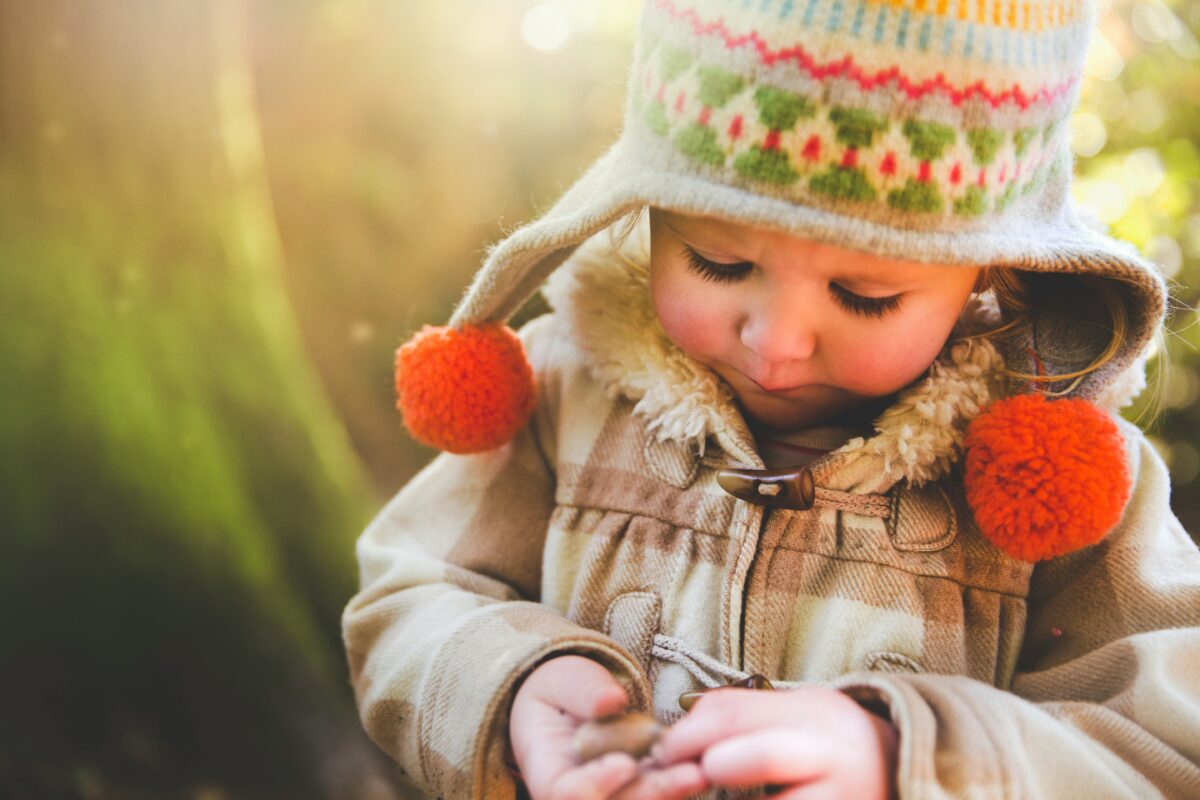
Specific hand-me-downs appear in adult memories with unusual clarity. A particular coat, a favourite sweater that had already been loved thin by someone else before it reached you, a denim jacket with a badge on the collar that you never removed.
These weren’t the most expensive things you owned or the newest or the most fashionable — they were simply the most present, the most worn, the most embedded in the daily texture of who you were. The best things usually are.
What Passed Between the Seams
Clothing is supposed to be practical, and hand-me-downs are supposed to be economical, and both of these things are true. But the more interesting truth is that the practice of passing clothes through a family or a community is also a practice of passing meaning — of saying, without ceremony or sentimentality, that the people who came before you were real, that their lives were specific, that things have histories and those histories matter.
A child who understood this, even without being able to articulate it, understood something important about continuity. About how one life makes room for another. About how the worn places in a thing are not its damage but its record.
More from Go2Tutors!

- The Romanov Crown Jewels and Their Tragic Fate
- 13 Historical Mysteries That Science Still Can’t Solve
- Famous Hoaxes That Fooled the World for Years
- 15 Child Stars with Tragic Adult Lives
- 16 Famous Jewelry Pieces in History
Like Go2Tutors’s content? Follow us on MSN.