31 Animals That Use Tools in Ways Scientists Didn’t Think Were Possible
When Jane Goodall watched a chimpanzee strip leaves from a twig to fish termites from a mound in 1960, her supervisor Louis Leakey responded with a line that has defined animal cognition research ever since: now we must redefine man, redefine tools, or accept chimpanzees as humans. Goodall’s observation cracked open a question that scientists have spent decades struggling to contain.
The list of confirmed tool users in the animal kingdom has grown steadily — and keeps producing surprises in places nobody thought to look. What counts as a tool is genuinely contested among researchers, and the debate itself is illuminating.
If the definition requires a detached physical object, fish that squirt water as a projectile fall outside it. If it includes any object manipulated to achieve a purpose, spiders and insects qualify.
The examples below span this spectrum, focusing on the ones that most visibly forced a rethink.
New Caledonian Crows
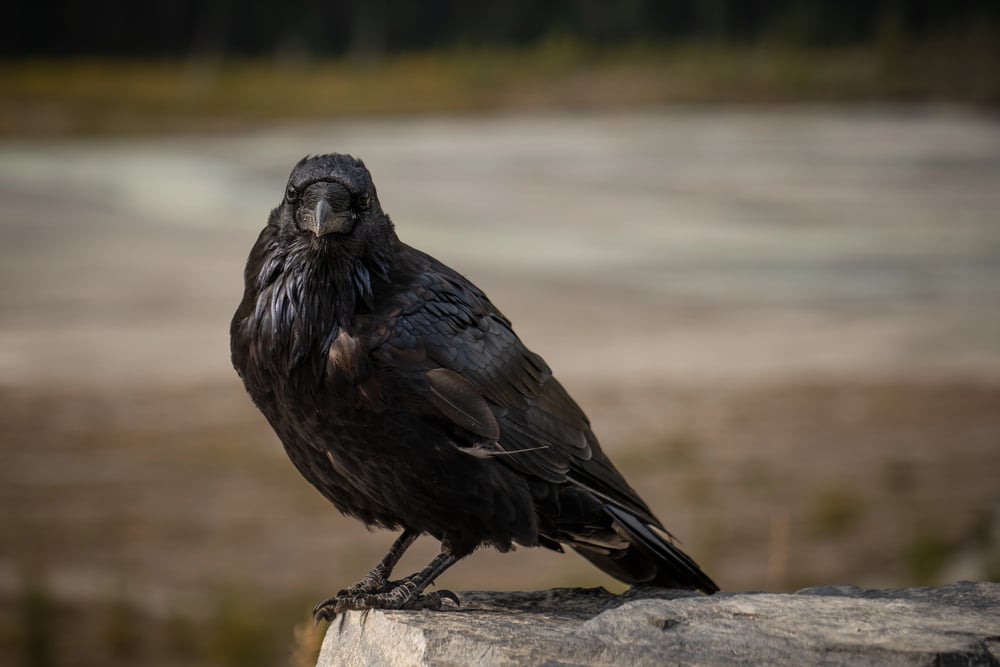
New Caledonian crows do not just use tools — they manufacture them. These South Pacific birds strip leaves from twigs, bend them into hooks, and cut serrated rakes from pandanus leaves with a precision that researchers describe as genuine craftsmanship.
When one captive crow was given only a straight piece of wire and food was placed out of reach, she bent the wire into a hook on the spot to retrieve it. Immature crows spend considerable time watching adults before attempting to use themselves, indicating cultural transmission of a technical skill.
Chimpanzees
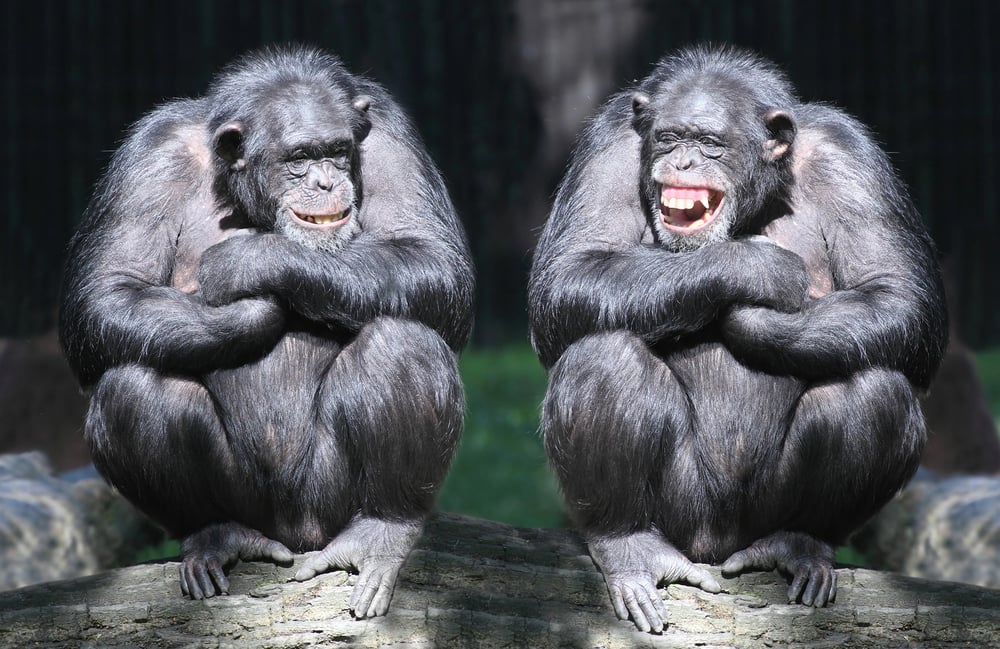
Chimpanzees use more distinct tool types than any other non-human animal, and the specific techniques vary by population in a way that strongly suggests cultural rather than instinctive learning. West African chimps crack hard nuts against stone anvils with hammer stones, a technique that requires selecting an appropriately shaped hammer and positioning the nut correctly — a skill that takes juveniles years to master.
Other populations use long probes to extract honey from beehives, and at least one community in Senegal has been documented fashioning pointed sticks to use as spears for hunting bush babies in tree cavities.
Bottlenose Dolphins in Shark Bay
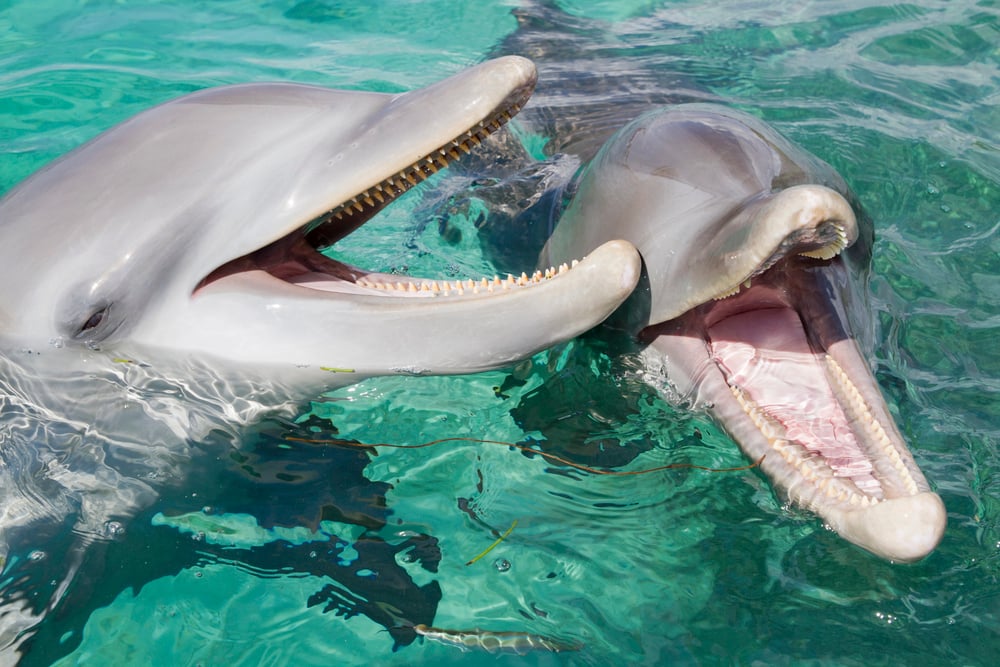
In the turquoise shallows of Shark Bay, Western Australia, a subset of bottlenose dolphins have developed the habit of tearing off cone-shaped marine basket sponges and wearing them over their snouts while foraging along the sandy seabed. The sponge protects them from the spines and stingers of the bottom-dwelling organisms they disturb while searching for fish.
The behaviour appears to be passed from mother to daughter rather than spreading through the wider population, making it one of the clearest examples of matrilineal tool culture in a non-primate species.
Veined Octopus
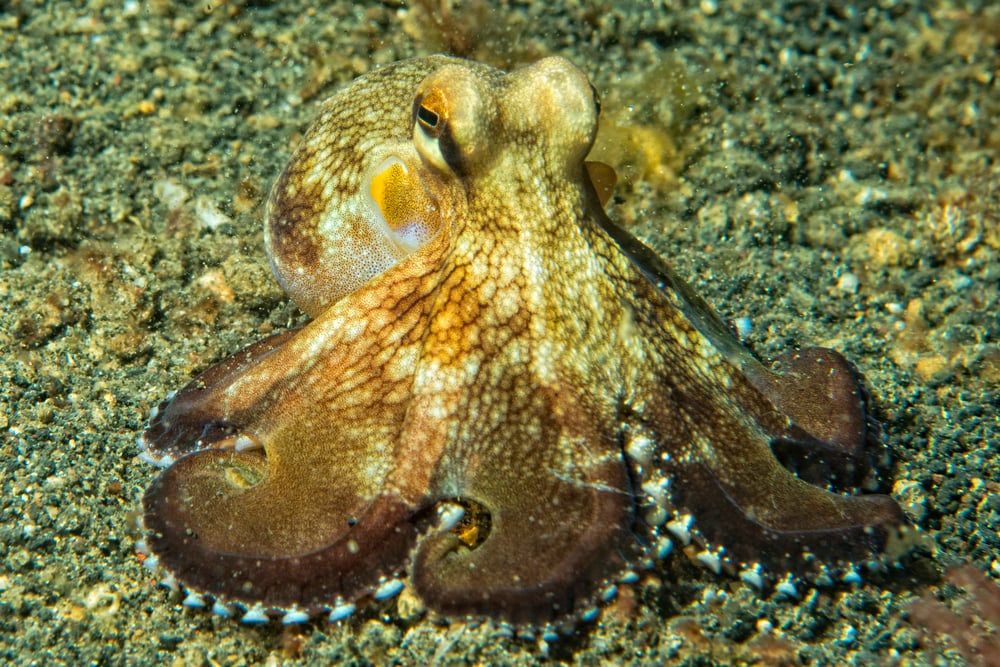
First documented in 2009 off the coast of Indonesia, the veined octopus collects discarded coconut half-shells from the ocean floor, stacks two of them together, carries them across open seafloor in an awkward stilt-walking motion, and then reassembles them into a spherical shelter when needed. The carrying behaviour is the critical detail: the octopus transports the shells specifically for future use rather than immediate shelter, which implies a form of planning ahead that researchers had assumed was limited to vertebrates.
An invertebrate carrying a tool it intends to use later was, as one researcher noted, genuinely unexpected.
Green Herons
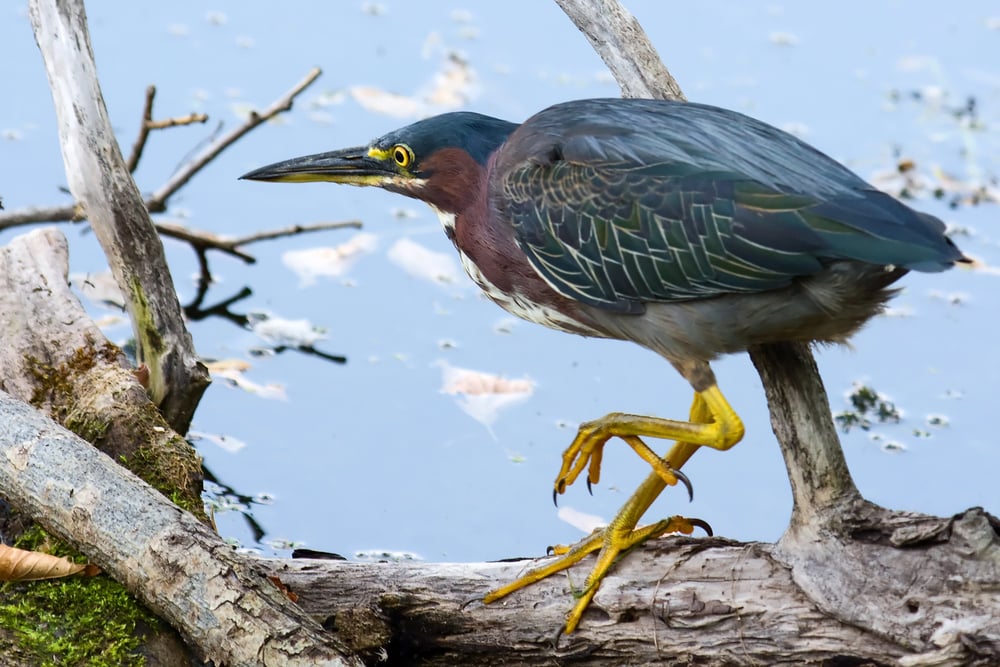
Green herons have developed bait fishing as a hunting strategy, collecting bread crusts, insects, feathers, and even small sticks to drop onto the water’s surface as lures. When a curious fish approaches the floating object, the heron strikes.
Seven heron species have now been documented using this technique, and birds have been observed trimming oversized twigs to the correct dimensions before deployment — selecting and modifying an object to serve a specific purpose. Fishing successfully without bait, they appear to use bait to improve their catch rate rather than out of necessity.
Carrion Crows in Japan
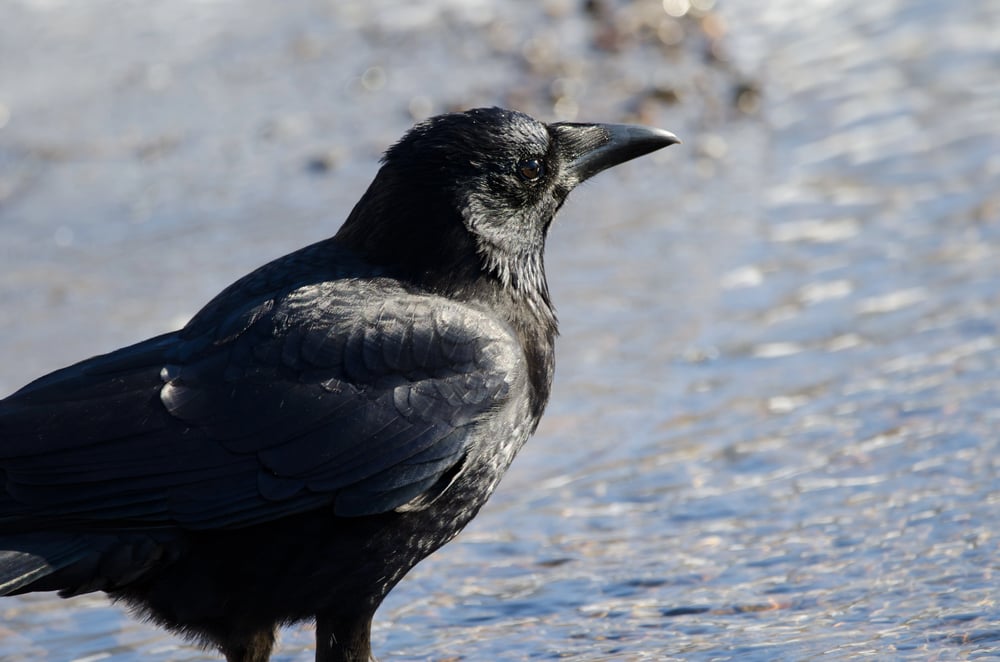
Urban carrion crows in Japan discovered that cars are more efficient nut-crackers than rocks. They collect hard walnuts, wait for traffic lights to change, place the nuts in front of car tyres, and retrieve the broken shells once the pedestrian crossing light turns green — allowing them to collect the contents safely.
The behaviour has been observed at multiple Japanese intersections and appears to have spread through urban crow populations through social learning, with younger birds adopting it by watching older ones.
Gorillas
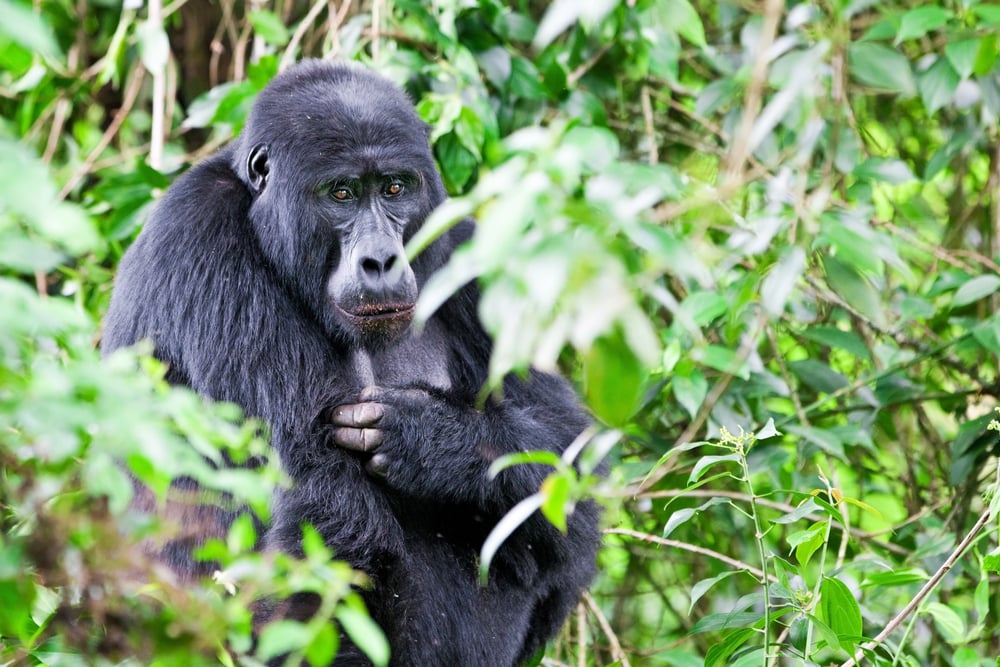
Gorillas were long assumed to lack the tool-using tendency of their chimpanzee cousins, but field observations have complicated that picture. Wild gorillas have been documented using sticks to gauge the depth of streams before wading in, and using logs as bridges to cross boggy ground.
A female named Leah was filmed in the Republic of Congo using a stick to test the depth of a pool, leaning on it for balance while crossing, and then using it again as she walked — a sequence of actions that qualifies as prolonged tool use rather than a one-off reaction.
Asian Elephants
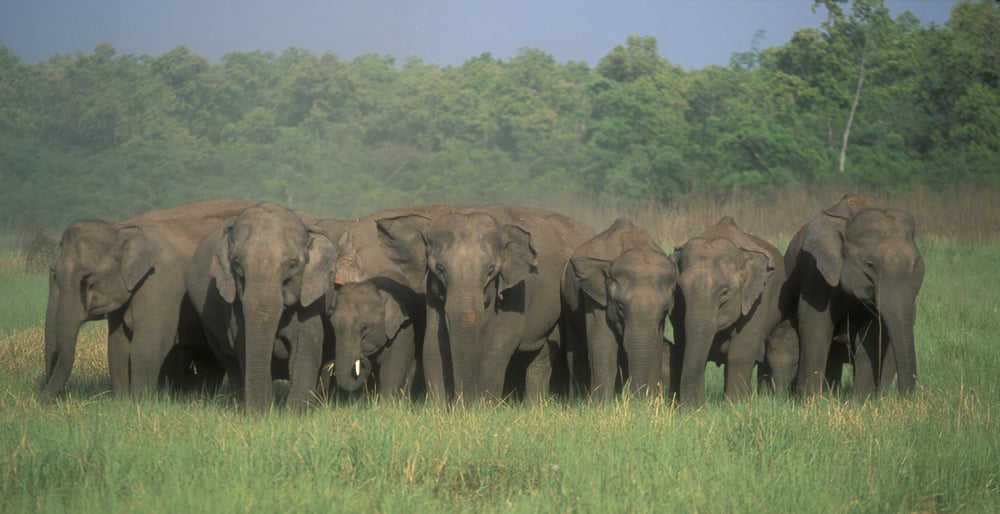
Asian elephants modify branches to use as fly-swatters, selecting a branch, trimming it to a workable length, and then standing and swatting insects away for extended periods — a task that requires sustained deliberate effort rather than an impulsive grab. In other documented cases, elephants have plugged water sources they’d dug with large rocks or bunched grass, apparently to reduce evaporation.
The forethought implied by plugging a water source — acting on a future state rather than an immediate one — sets this behaviour apart from simple object manipulation.
Sea Otters
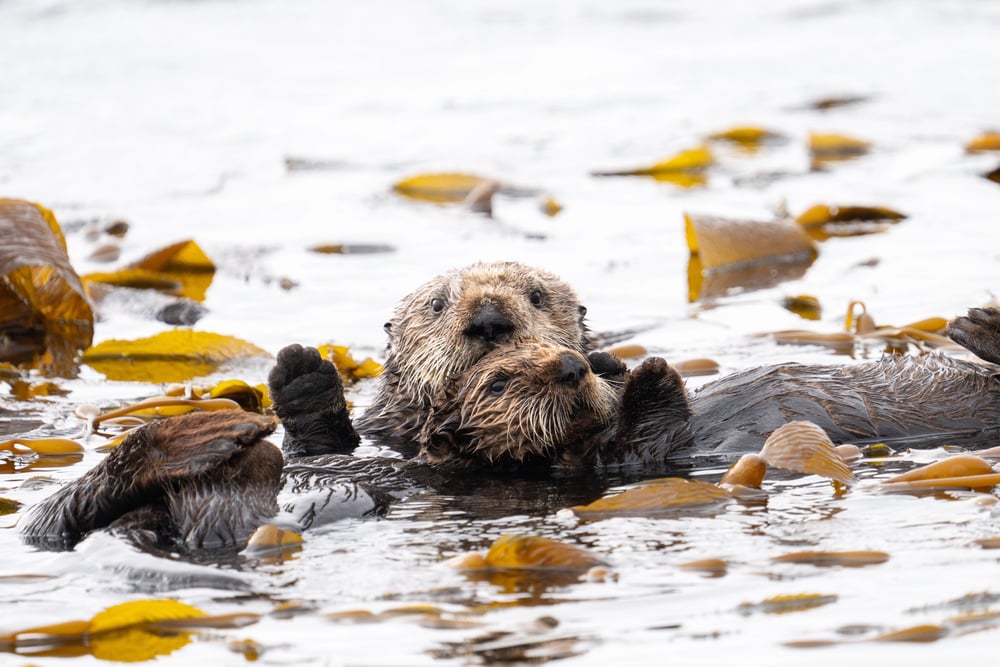
Sea otters float on their backs, balance flat rocks on their chests, and bash shellfish against them to crack the shells open. The same individual otter will keep and reuse a favourite rock over multiple dives, tucking it under a skin flap in their armpit when swimming.
The use of a personally stored, repeatedly reused tool for food extraction is behaviour that closely parallels human tool curation — the difference is that the otter’s tool cache travels with the animal rather than staying in a fixed location.
Archerfish
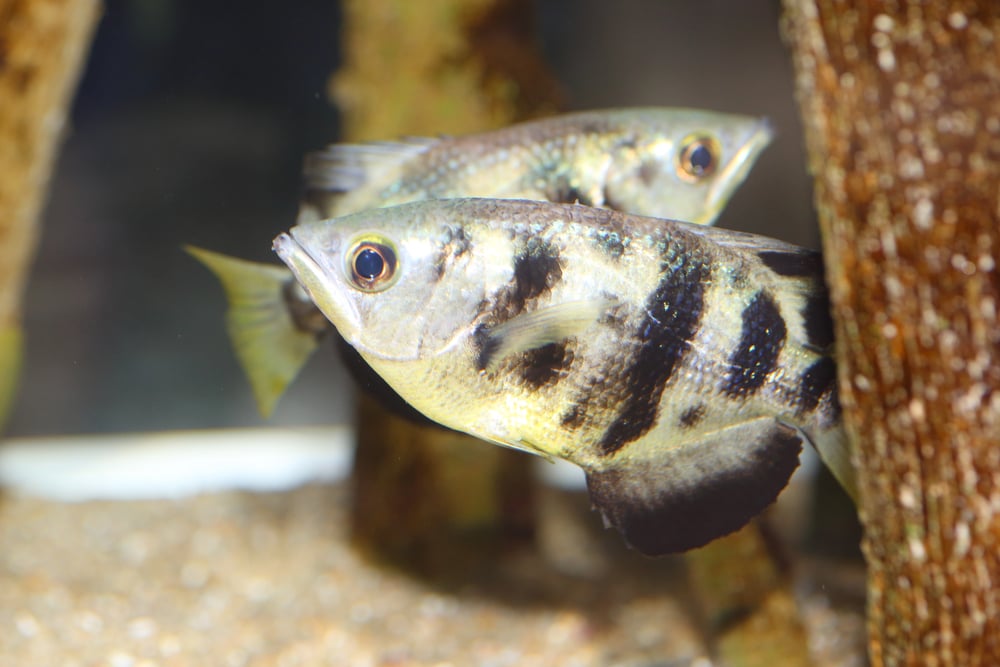
Archerfish hunt by shooting jets of water from their specially adapted mouths to knock insects and spiders from overhanging vegetation into the water below. The critical complexity is that water bends when it passes from air to the fish’s underwater perspective — archerfish compensate for this refraction automatically, adjusting aim to hit a target that isn’t where it appears to be.
Young archerfish learn accuracy by observing adults, and their precision improves over time. Whether water qualifies as a “tool” under strict definitions is debated, but the deliberate manipulation of a physical medium as a ballistic projectile satisfies most researchers.
Alligators and Mugger Crocodiles
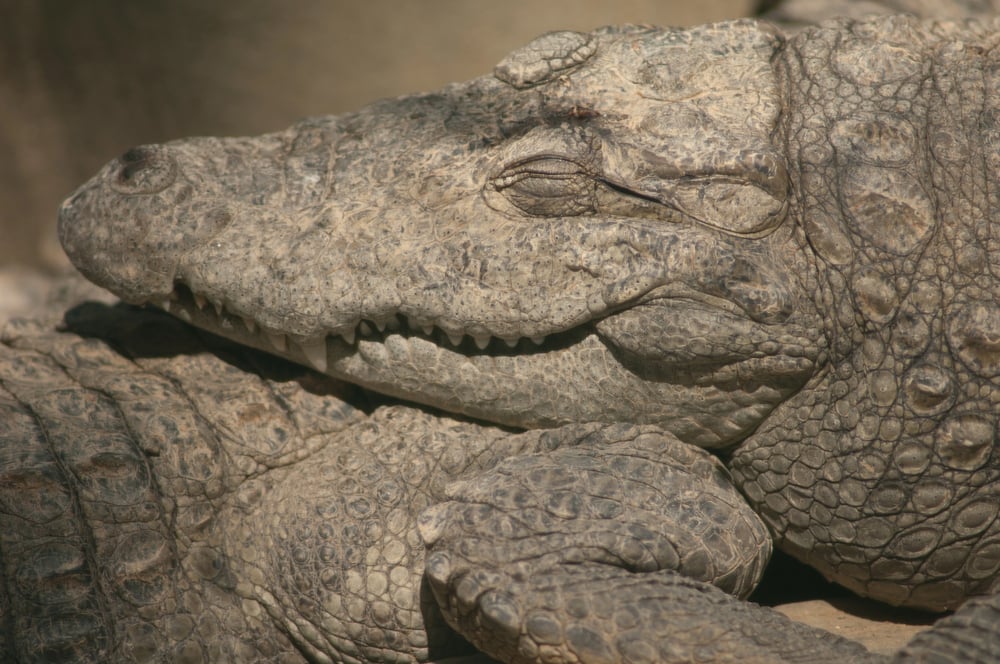
Researchers including Vladimir Dinets documented American alligators and Indian mugger crocodiles balancing small sticks on their snouts during bird nesting season and partially submerging near heron colonies. Birds collecting nesting material approach the sticks and are caught.
The behaviour appears almost exclusively during the weeks when nesting birds most actively seek sticks, suggesting the crocodiles are responding to a seasonal opportunity rather than acting by reflex — which implies a degree of contextual awareness researchers hadn’t attributed to reptiles.
Tuskfish
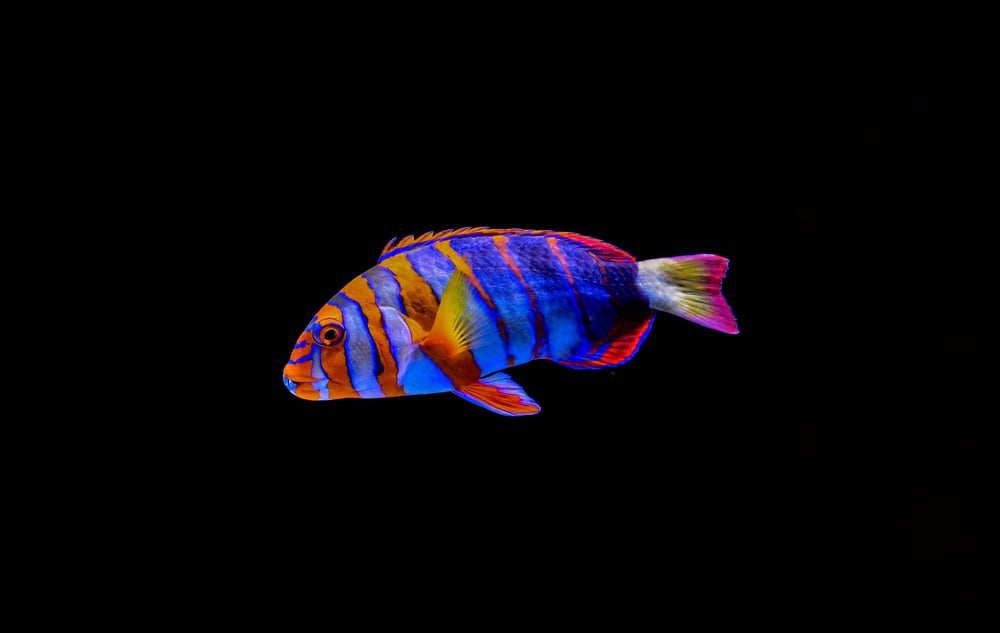
Divers in the Great Barrier Reef filmed a tuskfish — a species of wrasse — carrying a clam in its mouth across the reef, selecting a specific rock, and repeatedly striking the clam against it until it cracked open. Fish had not previously been considered tool users in any substantive sense, and the observation required multiple verified sightings before the research community accepted it.
Other wrasse species have since been recorded doing the same, suggesting the behaviour is more widespread in fish than the single observation implied.
Humpback Whales
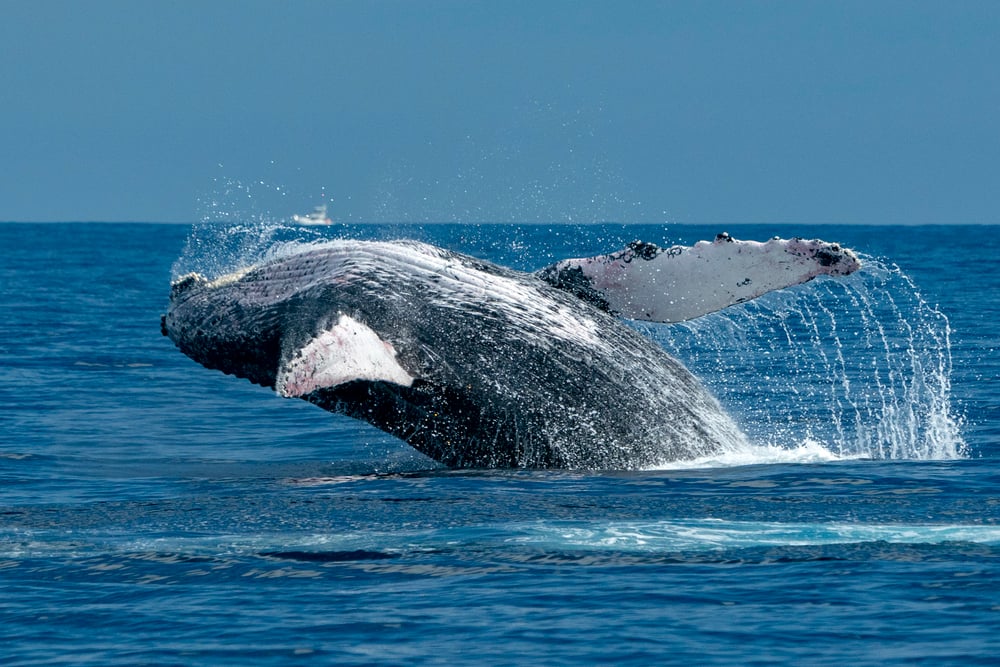
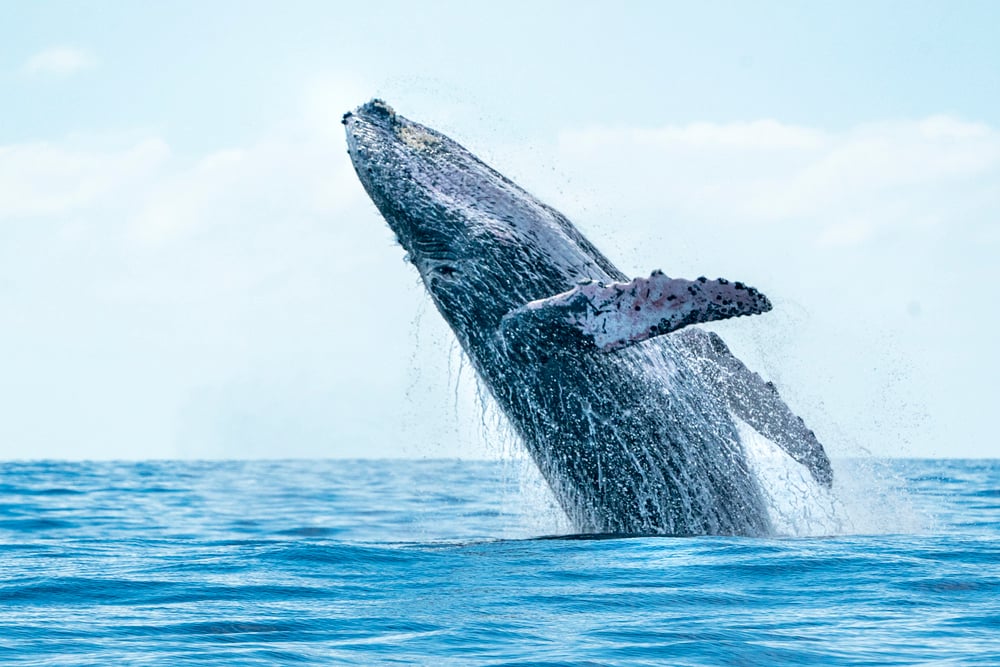
Humpback whales in southeast Alaska create “bubble nets” — columns of rising bubbles blown in precise circular patterns that corral krill and small fish into a concentrated mass before the whales lunge through it from below. The construction of a bubble net requires the whale to control the size, depth, number of rings, and spacing of bubbles as it spirals upward — a sequence of deliberate adjustments to an external medium that a 2019 study published in Royal Society Open Science described as wholly unique to humpback whales and qualifying as genuine tool manufacture.
Bola Spiders
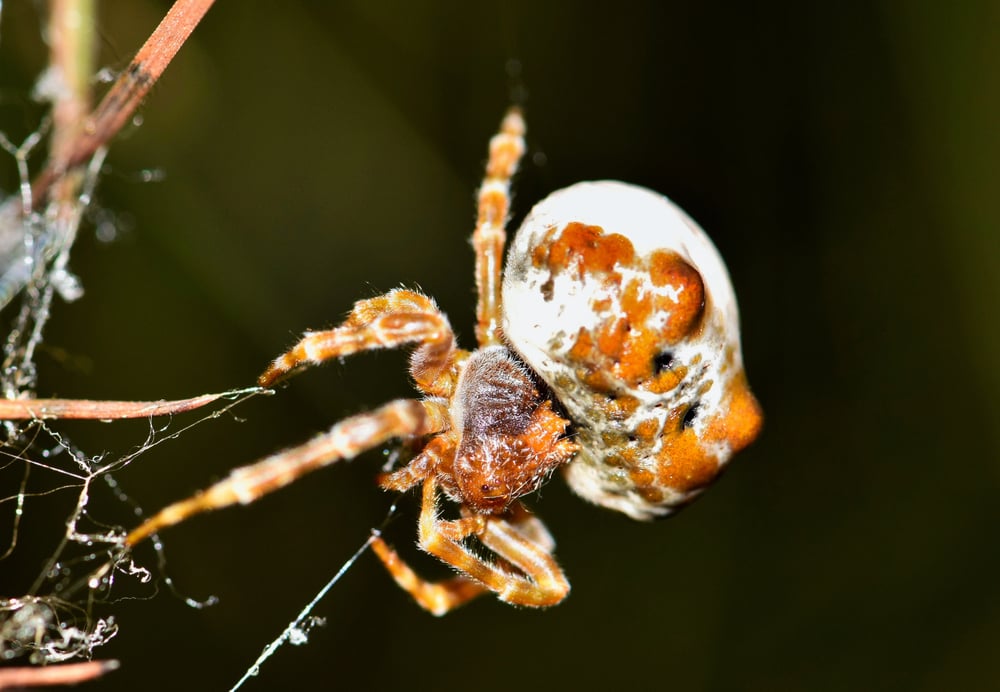
Bola spiders produce a single sticky round of silk rather than a web, which they hold at the end of a thread and swing at passing moths. The silk sphere is saturated with a chemical that mimics female moth pheromones, drawing male moths within range.
The spider then swings the bola to intercept the approaching moth. This requires manufacturing a specialised tool, loading it with a chemical attractant, and using it with the timing and accuracy of a fishing line — a complete tool-use sequence from construction through deployment.
Woodpecker Finches of the Galápagos
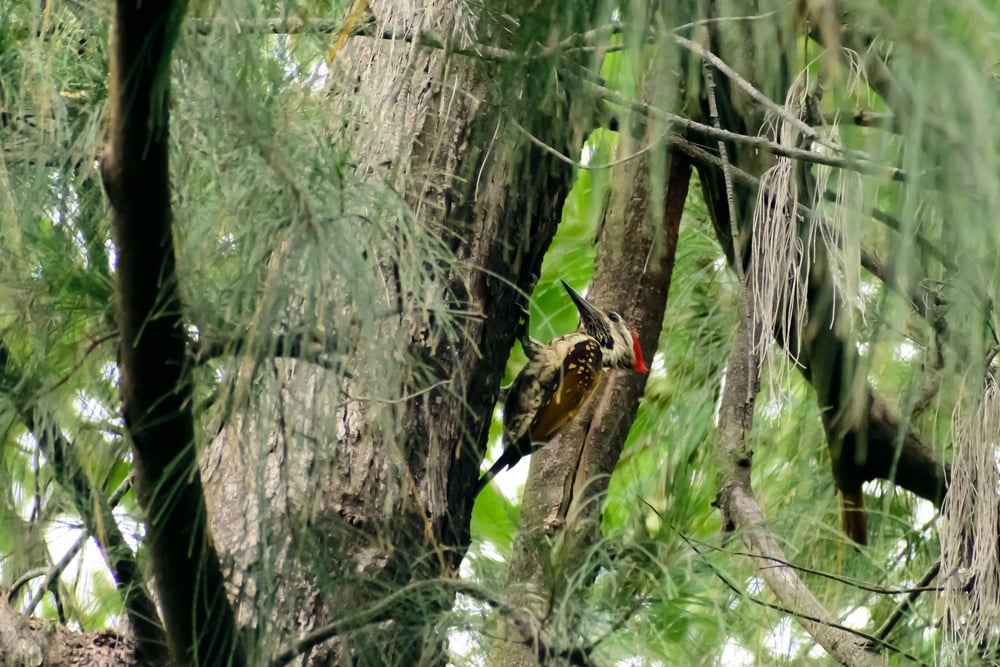
Woodpecker finches on the Galápagos Islands snap cactus spines to the correct length and use them to probe bark for hidden grubs — filling the ecological niche that woodpeckers occupy on other islands, despite lacking a woodpecker’s specialised bill. The finches select spines of appropriate length and discard ones that are too short or too fragile, demonstrating tool selectivity rather than random object grabbing.
Charles Darwin observed these birds without recognising their tool use; the behaviour wasn’t formally documented until decades after his visit.
Capuchin Monkeys
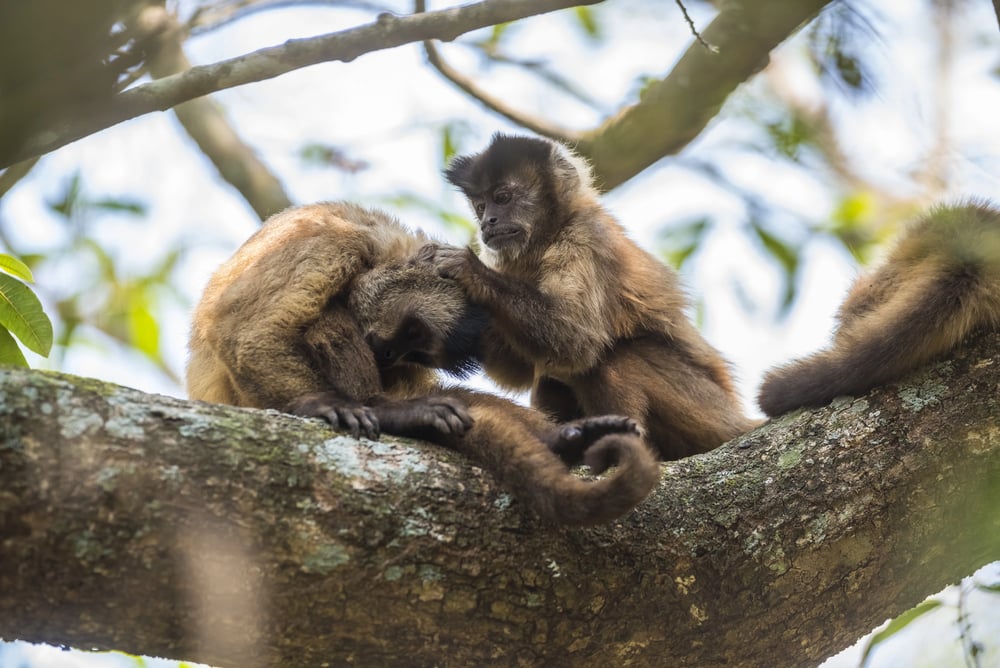
Brown capuchin monkeys in Brazil carry heavy quartz or quartzite stones to designated “anvil” rocks and use them to crack palm nuts with a hammer action that can require over 100 strikes. The stones they prefer as hammers are often larger than their own heads and require two hands to lift.
Archaeological evidence from a capuchin nut-cracking site in Piauí State, Brazil, suggests the tradition has been going on for at least 3,000 years — making it one of the oldest known non-human tool traditions identifiable from the archaeological record.
Orangutans
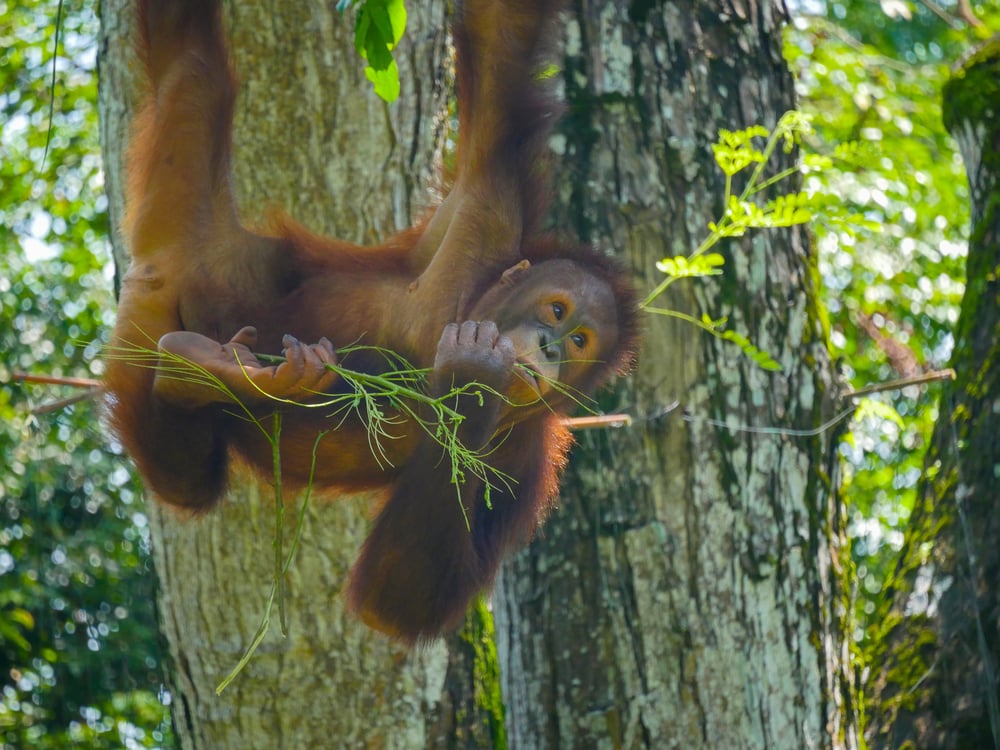
Orangutans in Borneo and Sumatra use leaves as gloves to handle thorny fruit, as cups to drink rainwater, as napkins to clean their faces, and as amplifiers — cupping leaves around their mouths to produce a deeper, more intimidating sound. Sumatran orangutans also use sticks to extract seeds from thorny Neesia fruit and to scoop honey from bee nests.
What distinguishes orangutan tool use from many other species is the variety of purposes served: the same individual might use tools for food extraction, hygiene, and social signalling within a single day.
Sunda Crows and House Crows
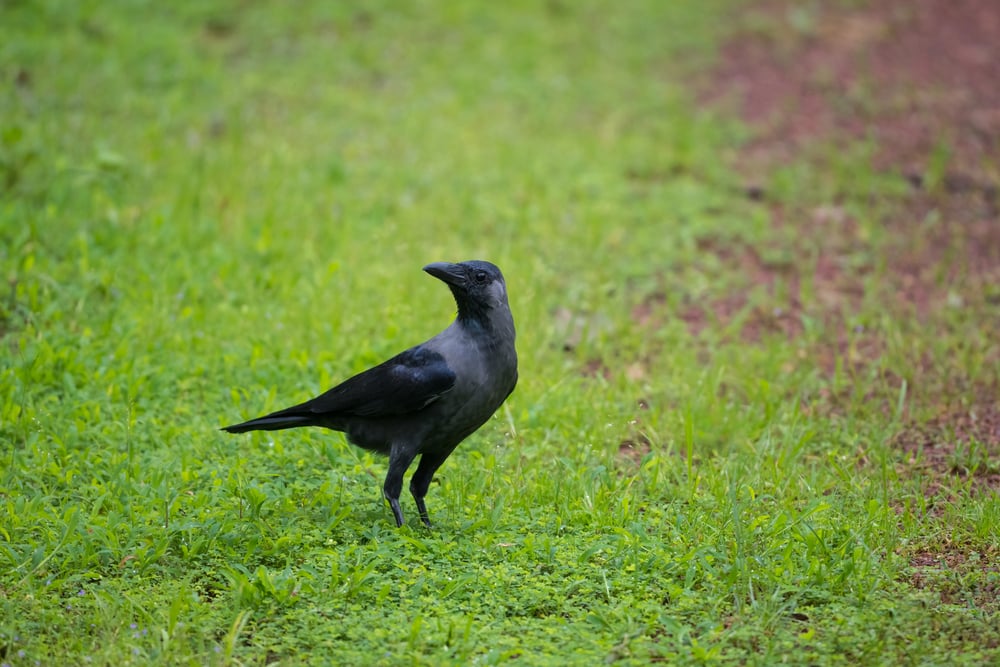
In December 2023 at Singapore Zoo, researchers observing unattended tool-use tasks returned to find both Sunda crows (Corvus enca) and house crows (Corvus splendens) spontaneously manipulating hooked sticks to extract food from enclosed containers — tasks designed for captive research subjects, not passing visitors. The Sunda crow had never previously been documented using tools.
The opportunistic adoption of an unfamiliar task by two species in a single unobserved session suggested a breadth of corvid tool-use capacity that researchers had not fully mapped.
Tailorbirds
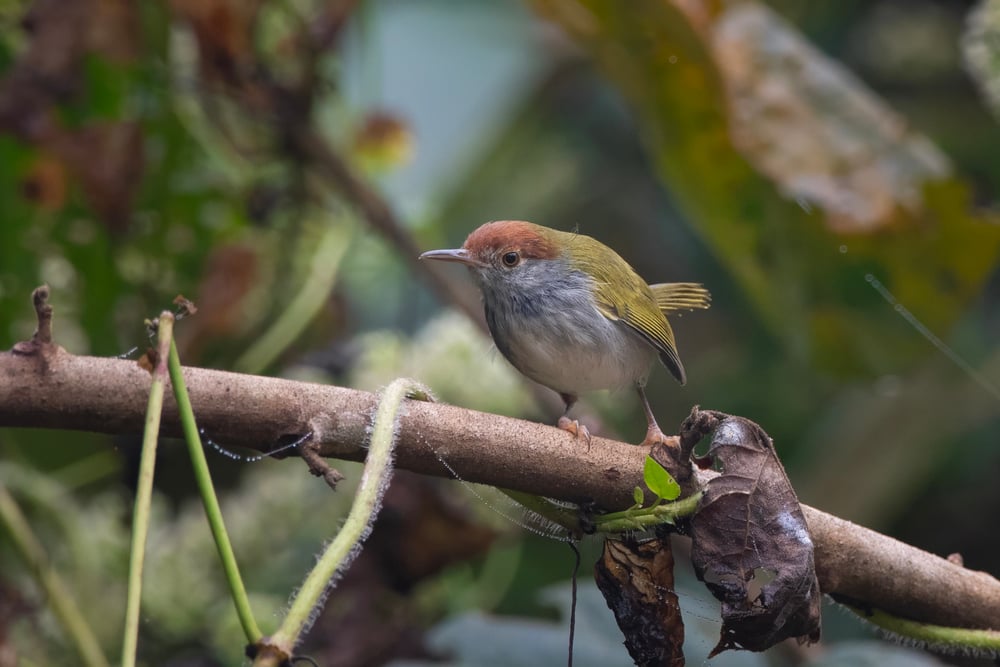
Tailorbirds stitch their nests from living leaves, using their beaks as needles to pierce openings along leaf edges and then threading plant fibres or spider silk through the openings to pull the leaves into a cone-shaped cradle. They tie knots at the ends of the thread to prevent it from pulling back through the leaf — a construction technique that is indistinguishable in principle from basic human sewing.
The nest is built around a living branch, which keeps the leaf walls green and flexible throughout the nesting season.
Goffin’s Cockatoos
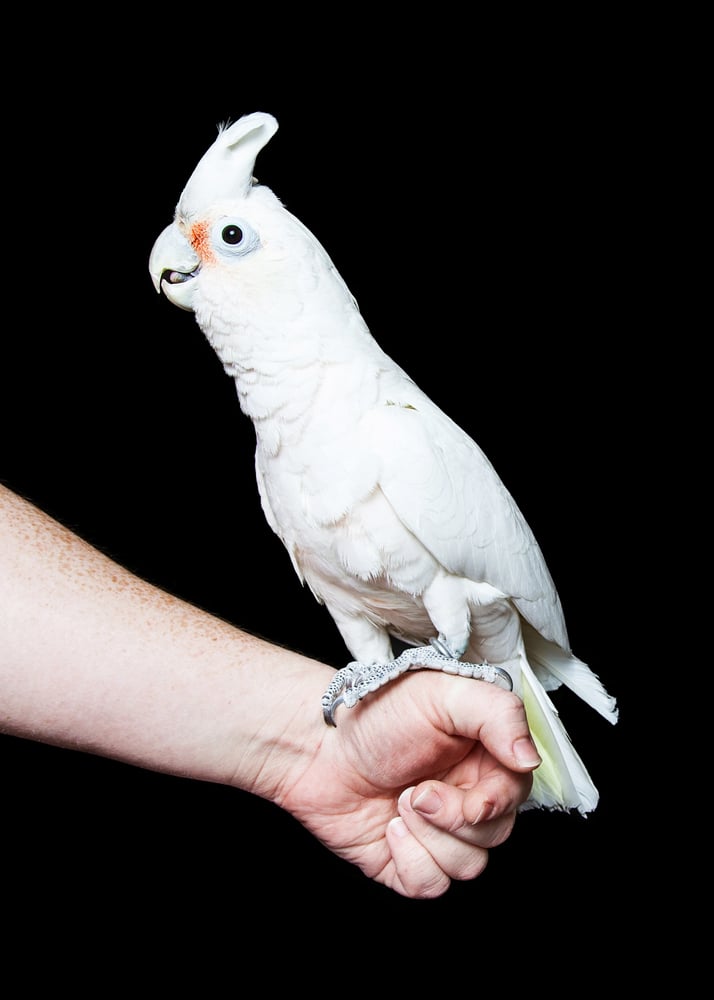
Goffin’s cockatoos from Indonesia have been observed in captivity learning to manufacture tools by watching a skilled individual, then improving their own technique through practice. In controlled experiments, naïve cockatoos that had never used tools adopted tool-use behaviour after observing a trained bird — a demonstration of social learning that researchers had not previously confirmed in parrots.
The cockatoos also modify the shape of their tools depending on the specific task, adjusting length and rigidity in ways that suggest an understanding of how the tool’s properties affect the outcome.
Egyptian Vultures
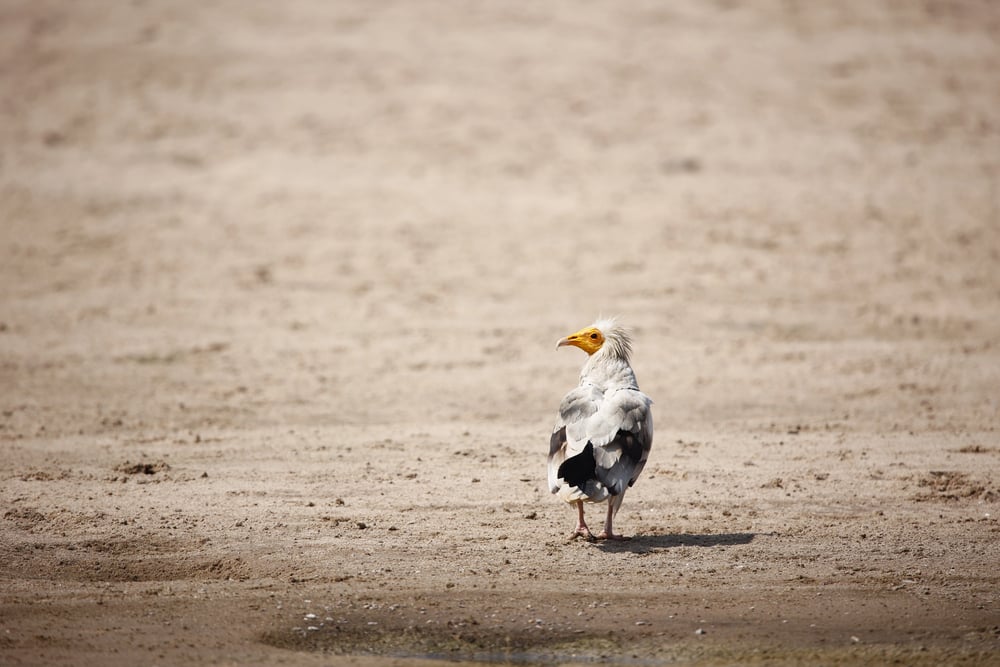
Egyptian vultures throw stones at ostrich eggs to crack them open — an egg-cracking technique that lets a relatively small bird access the largest eggs in the world. The vultures select appropriately heavy stones from the surrounding area, carry them in their beaks, and throw them overhand at the egg repeatedly until the shell breaks.
Smaller eggs they simply pick up and throw against rocks, but ostrich eggs require the stone-throwing approach. The selectivity of technique based on egg size implies a judgment about which method is appropriate for which situation.
Cows
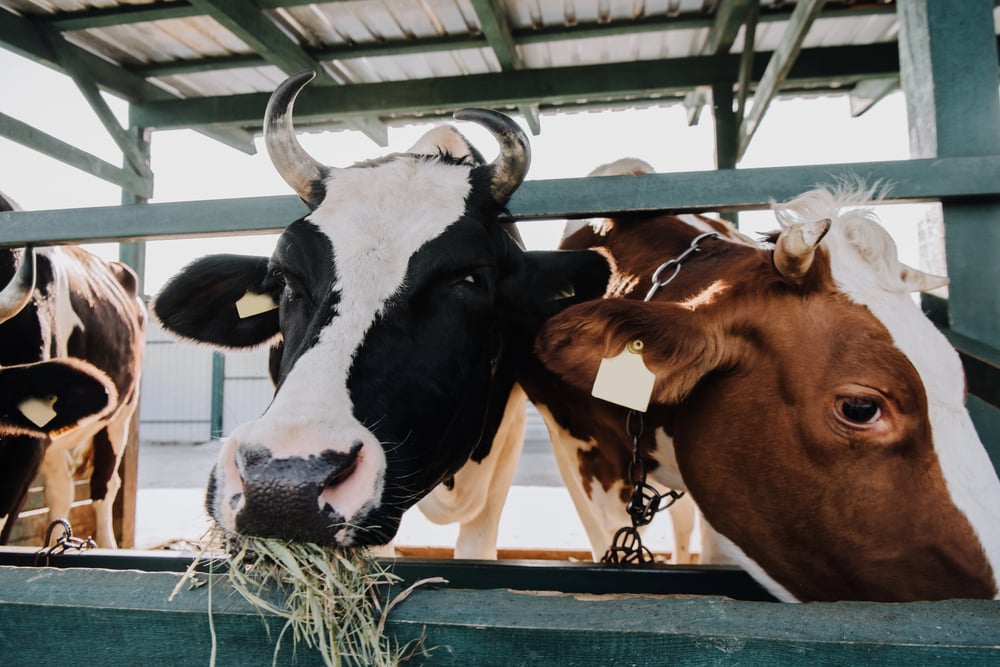
In January 2026, research published in Psychology Today described a cow named Veronika who had learned to use different ends of a grooming brush for different parts of her body, adjusting her movements and pressure depending on the area being groomed. The behaviour was described by researchers as flexible and purposeful tool use — a description previously reserved for primates and corvids.
The finding prompted a reassessment of cattle cognition, a field that had largely assumed cows were stimulus-response animals rather than active problem-solvers.
Mongooses
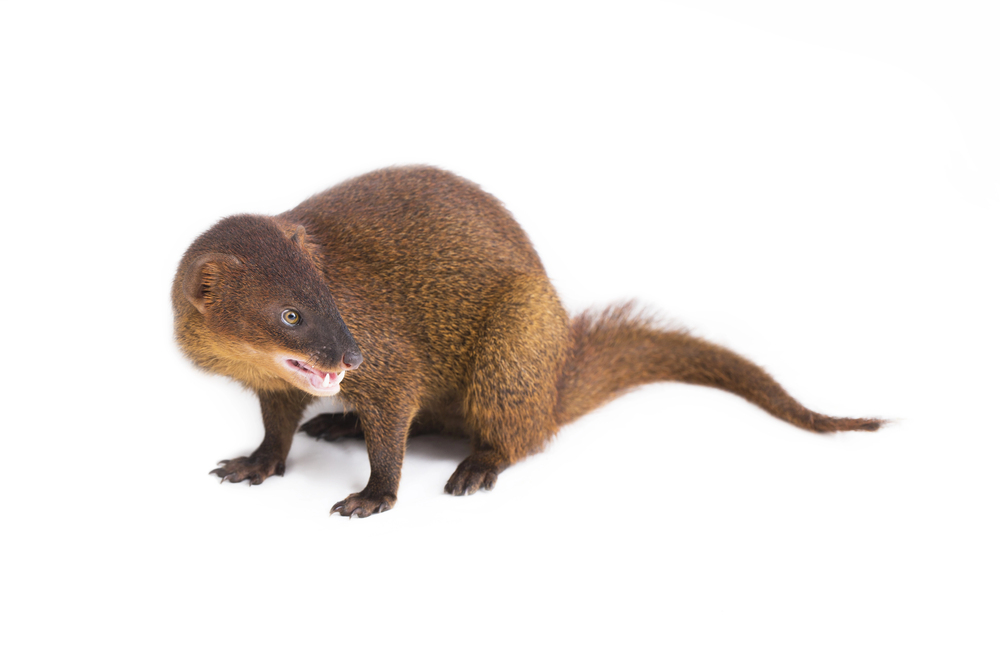
Mongooses carry hard-shelled eggs or beetles to a fixed object — a rock, a tree root, a fence post — and throw the item between their hind legs to smash it against the surface. The object used as an anvil is deliberately chosen and returned to repeatedly, constituting a fixed “tool station” in the mongoose’s territory.
Some individuals have been observed carrying food items significant distances to reach a preferred throwing surface rather than using a closer but apparently less suitable one.
Horses

Horses have been documented in multiple studies using sticks, ropes, and other available objects to scratch hard-to-reach areas of their own bodies. One study found horses distinguishing between tools of different lengths and selecting the longer one when scratching their own backs, which requires an understanding that the tool’s physical dimension affects the outcome — not just that a tool exists.
The behaviour was previously dismissed as coincidental contact with environmental objects rather than deliberate use.
Wasps
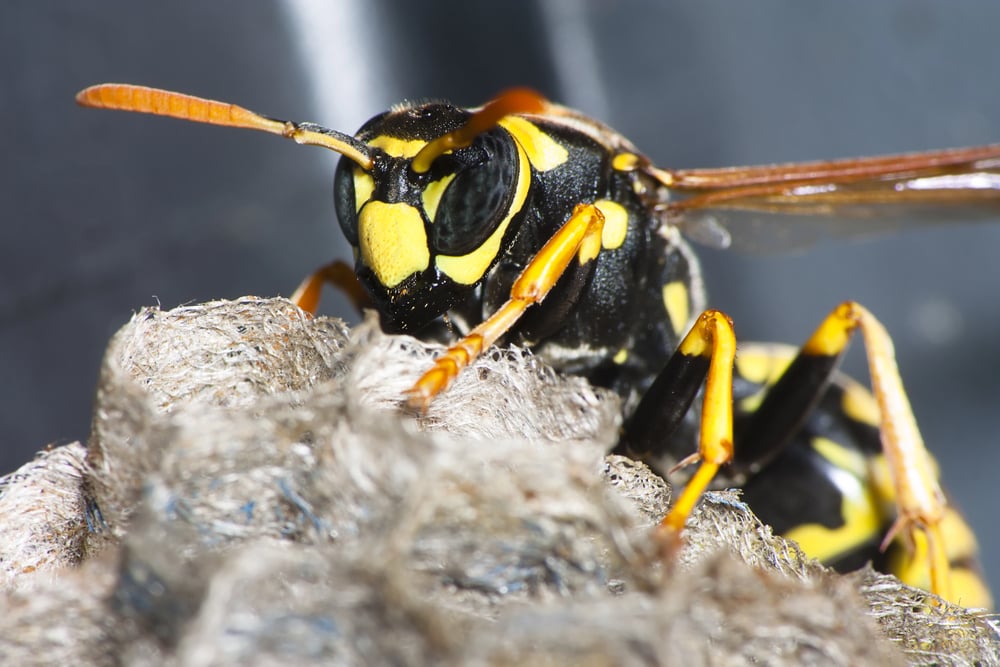
Certain species of solitary wasps use small stones or pebbles as hammers to tamp down the earth covering their underground nests, compacting the soil to deter predators and prevent collapse. The wasp selects a stone, holds it in its mandibles, and repeatedly strikes the soil with it — a tool-use sequence in an insect that rewrites assumptions about the cognitive threshold required for tool behaviour.
Earlier researchers had assumed that true tool use required a level of neural complexity that insects simply don’t possess.
Brown Bears
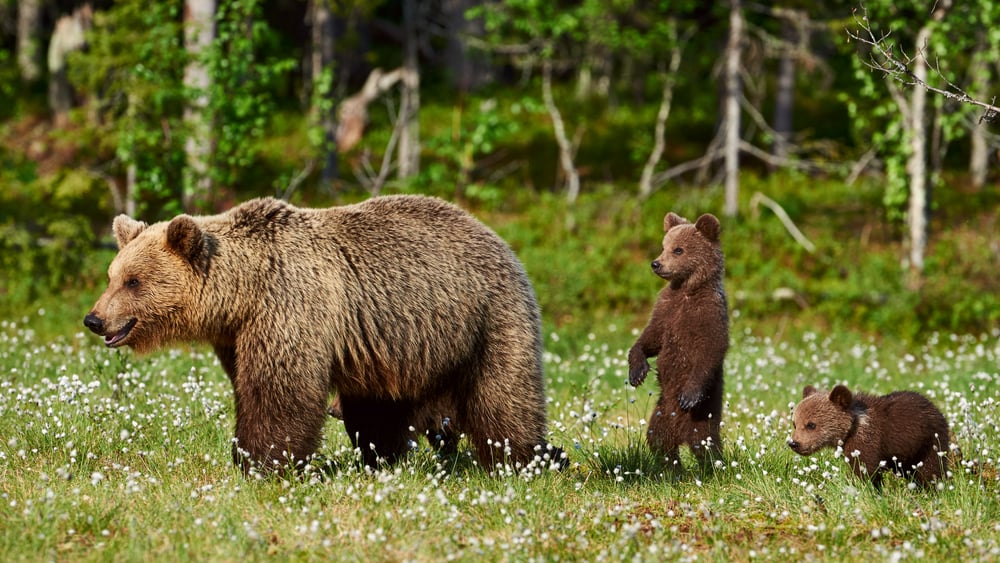
Brown bears have been filmed selecting rocks from riverbeds and using them to scratch their own faces, specifically targeting the area around their muzzles and under their chins. The bears pick up rocks, manipulate them in their paws, and press them against their faces with deliberate force — not incidental contact, but prolonged, targeted scratching with a chosen object.
Bears have also been observed collecting specific clumps of plant material and using them to apply insect repellent properties to their own fur.
Wrasses Using Anvil Rocks
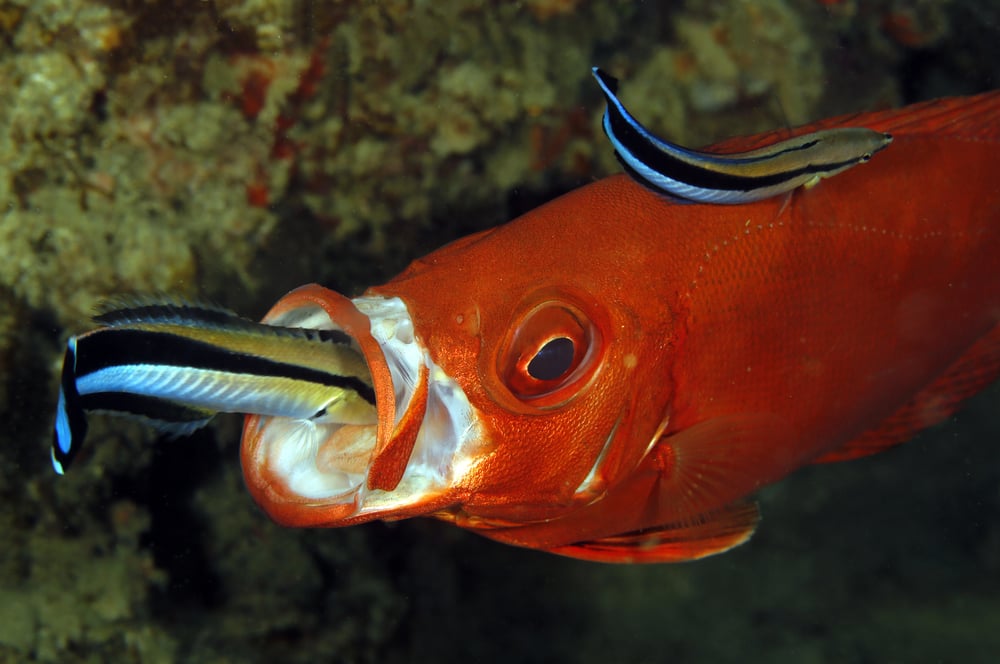
Multiple wrasse species across the Indo-Pacific have independently developed the habit of using rocks as anvils to crack open hard-shelled prey, including sea urchins and molluscs. The fish carry prey items across the reef to specific rocks they appear to have designated as tool stations, positioning the prey and striking repeatedly with precision.
The independent emergence of the same technique in taxonomically distinct fish species suggests that anvil-use for shell-cracking may be a natural solution that fish brains arrive at more readily than previously assumed.
Bonobo Nut-Cracking
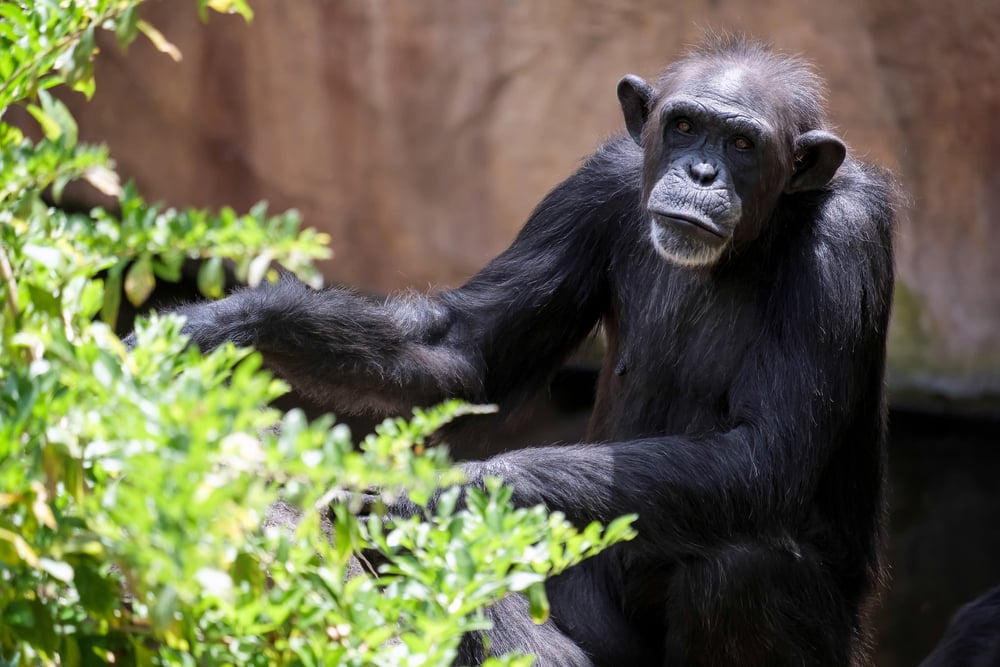
Bonobos in captivity learn nut-cracking faster than chimpanzees given the same training and materials, which surprised researchers who had assumed the more tool-oriented chimps would outperform their close relatives. In the wild, bonobos use far fewer tools than chimps, leading scientists to conclude that the capacity exists but the ecological pressure to develop it does not — a distinction between cognitive ability and learned habit that applies to tool use across many species.
Sunda and House Crow Tool Innovation
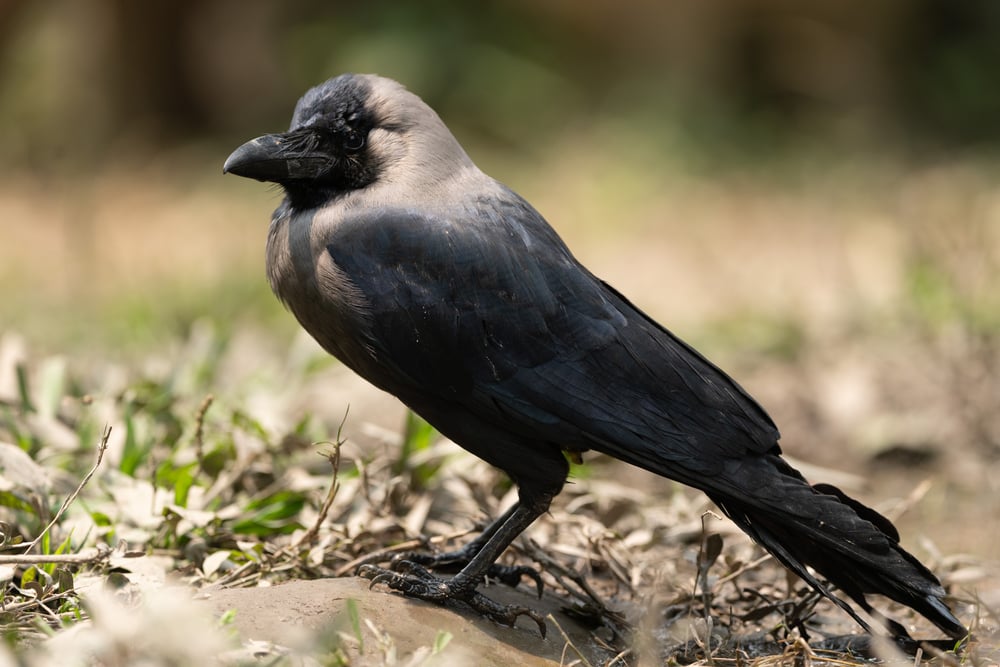
Beyond the 2023 Singapore Zoo observation, house crows across South Asia have been documented using tools in other contexts: manipulating wire, carrying objects to use as levers, and using human-made materials in ways not observed in ancestral crow populations. The species lives in close proximity to humans across urban South Asia, and its tool repertoire appears to expand in urban environments in ways that suggest direct observation of human tool use is influencing crow behaviour.
Intertidal Fish Behaviour
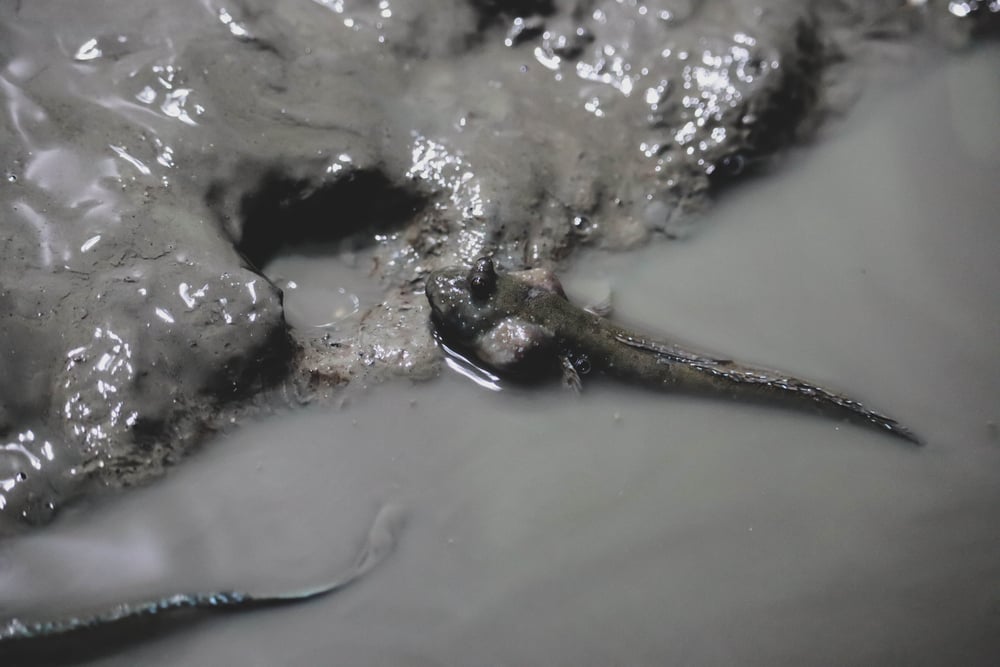
Several intertidal fish species, including mudskippers and certain gobies, have been observed using shell fragments and pebbles to modify their burrow entrances, positioning objects to regulate water flow into the burrow during tidal changes. The deliberate placement of objects to manage a future environmental condition — rather than responding to a present one — is a form of tool use that implies planning for a state that doesn’t yet exist, which is among the more demanding cognitive requirements any tool use can make.
Dolphins Using Sponges for Foraging Beyond Shark Bay
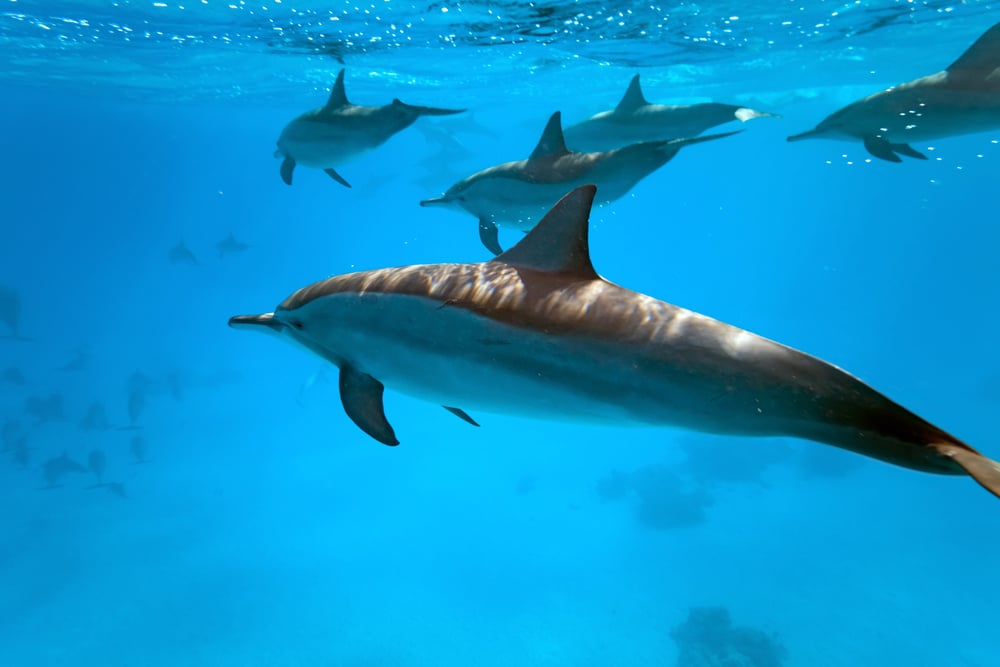
The Shark Bay sponging behaviour has now been documented in bottlenose dolphin populations beyond Western Australia, and researchers have identified a specific genetic variant common among “spongers” — suggesting that some dolphins may be predisposed to adopt tool use when the opportunity arises. The genetic dimension adds a layer that purely cultural explanations can’t account for, and raises questions about whether tool use in at least some animal populations has a partial biological basis rather than being purely a learned tradition.
What the List Keeps Revealing
The common thread running through every entry here is not intelligence in the way humans typically measure it — not problem-solving speed, memory capacity, or abstract reasoning. It is the recognition, across species as divergent as wasps, wrasses, and whales, that the world offers usable objects and that matching the right object to the right problem produces a result that the body alone cannot.
That basic insight, once assumed to be uniquely human, turns out to be one of the more reliable products of natural selection whenever the environment makes tools worth using. The question researchers keep revising isn’t which animals are smart enough to use tools.
It’s one that hasn’t been watched carefully enough yet.
More from Go2Tutors!

- The Romanov Crown Jewels and Their Tragic Fate
- 13 Historical Mysteries That Science Still Can’t Solve
- Famous Hoaxes That Fooled the World for Years
- 15 Child Stars with Tragic Adult Lives
- 16 Famous Jewelry Pieces in History
Like Go2Tutors’s content? Follow us on MSN.