Retro Photography Gear That Shaped Images
Photography has come a long way from the days when taking a single picture required careful planning, patience, and a whole lot of heavy equipment. The cameras and tools that people used decades ago look almost alien compared to the sleek digital devices we carry in our pockets today.
Yet those chunky, mechanical pieces of gear created some of the most iconic images in history, from war photographs to fashion spreads to family snapshots that still hang on living room walls. Each piece of vintage equipment had its own personality and quirks.
Learning to work with them took real skill and dedication.
Polaroid SX-70

The Polaroid SX-70 arrived in 1972 and changed everything about instant photography. This folding camera looked like a piece of modern art when unfolded, with its sleek design and leather covering that felt premium in your hands.
The real thrill came from watching a photo slide out of the front and slowly develop right before your eyes, going from milky white to a full-color image in minutes. People gathered around to watch the process like it was a magic trick.
The camera used peel-apart film that cost a fortune, but the instant gratification made it worth every penny for birthday parties, road trips, and capturing moments that couldn’t wait for a photo lab.
Kodak Brownie
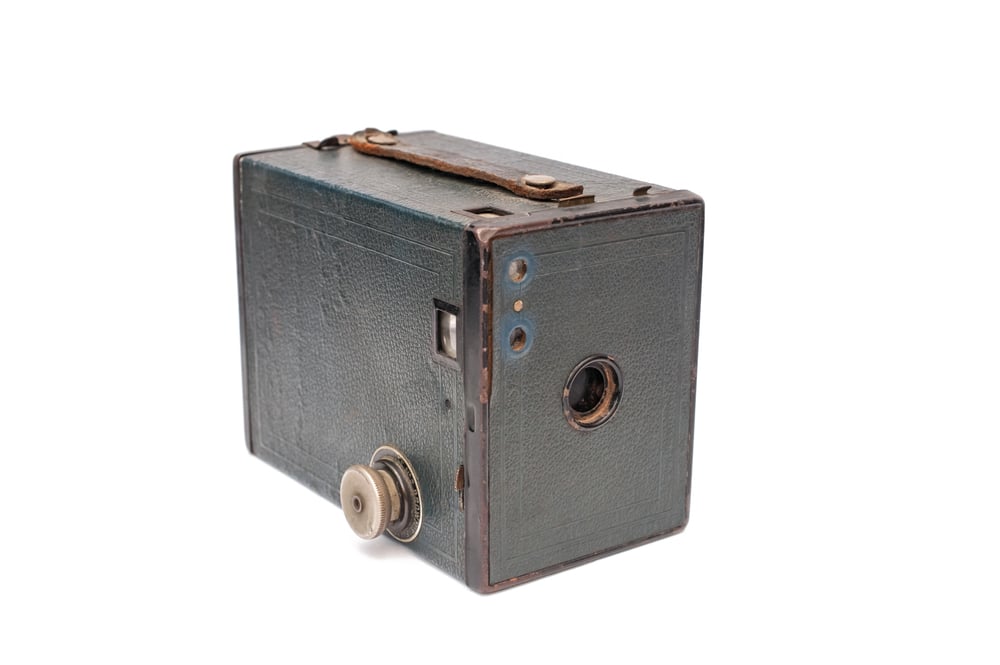
Almost everyone’s great-grandparents probably owned a Kodak Brownie at some point. Introduced in 1900, this simple box camera sold for just one dollar and put photography in the hands of regular people for the first time.
You didn’t need technical knowledge or training to use it. Just point, click, and send the whole camera back to Kodak for developing.
The Brownie stayed popular for decades, with various models produced until the 1980s, and it taught millions of people that taking photos didn’t require being a professional or owning expensive equipment.
Rolleiflex Twin-Lens Reflex

Professional photographers in the mid-1900s often carried a Rolleiflex camera, instantly recognizable by its two stacked lenses that looked like robot eyes. You held this camera at waist level and looked down into the top to compose your shot, seeing the image on a ground glass screen.
The twin-lens design meant one lens showed you what the picture would look like while the other lens actually captured the image on film. Fashion photographers loved it because they could maintain eye contact with models while shooting.
Diane Arbus and Richard Avedon both relied on Rolleiflex cameras to create their groundbreaking work, and the square format images became a signature look of that era.
Leica M3
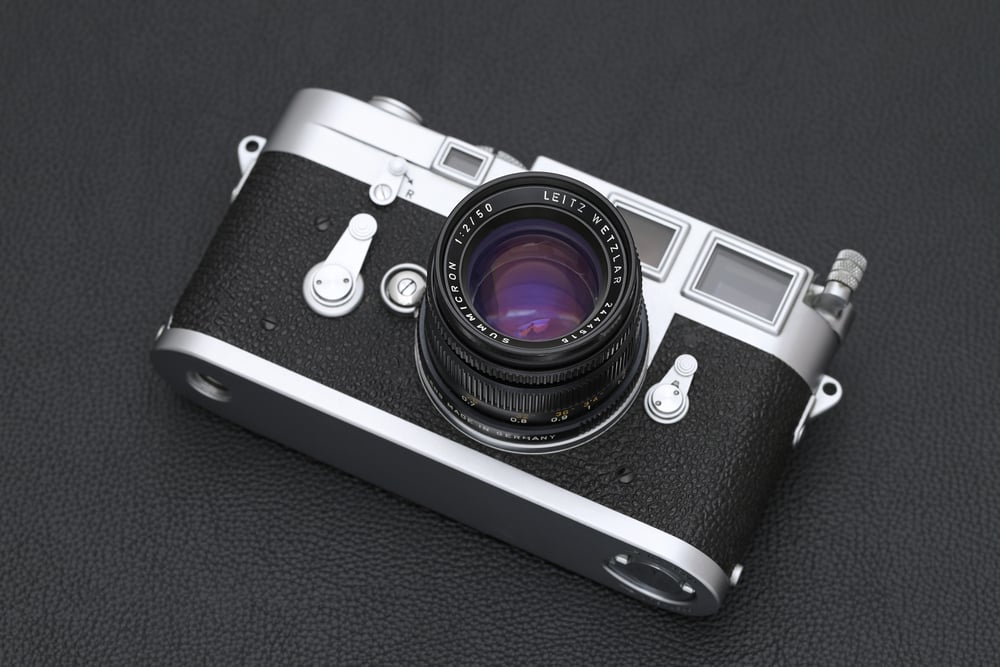
The Leica M3 hit the market in 1954 and quickly became the camera that serious photographers dreamed about owning. This German-made rangefinder camera was compact, quiet, and built with precision that made Swiss watches look sloppy.
Photojournalists loved it because they could shoot without drawing attention to themselves, perfect for capturing candid street scenes and documenting real life. Henri Cartier-Bresson used a Leica to capture his famous ‘decisive moment’ photographs.
The camera cost about as much as a used car, but photographers who owned one rarely switched to anything else. Its weight felt substantial but not heavy, and the mechanical shutter made a satisfying click that let you know you’d captured something special.
Hasselblad 500C
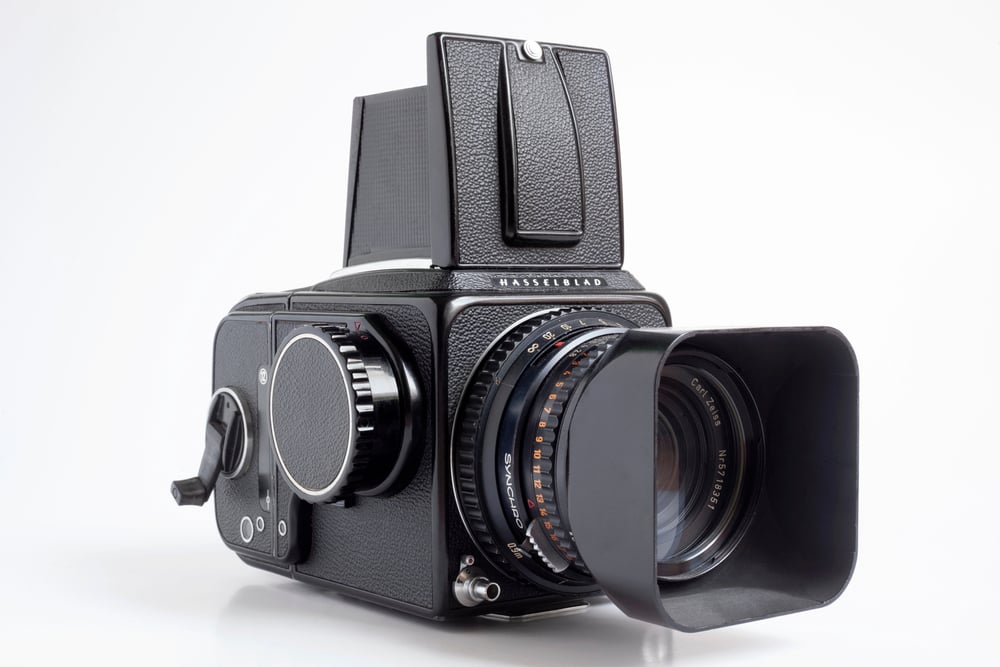
When NASA needed a camera reliable enough to go to the moon, they chose a modified Hasselblad 500C. This Swedish medium-format camera was the choice of professionals who needed the highest image quality possible.
The camera produced square photographs on 120 film, giving photographers huge negatives that could be enlarged to poster size without losing detail. Fashion photographers and commercial studios relied on Hasselblads because clients demanded crystal-clear images.
The camera was modular, meaning you could swap out lenses, film backs, and viewfinders depending on what you needed to shoot. It weighed a ton compared to 35mm cameras, but the results made lugging it around worthwhile.
View cameras

Those big wooden cameras on tripods that you see in old Western movies weren’t just props. View cameras, also called large-format cameras, used sheets of film as big as 4×5 inches or even 8×10 inches.
Photographers draped a dark cloth over their heads to see the image projected upside-down on a ground glass screen at the back of the camera. Every single shot required setting up the tripod, composing carefully, loading a film holder, removing the dark slide, and then finally pressing the shutter.
Ansel Adams used a view camera to capture his stunning landscape photographs of Yosemite and the American West. The level of detail these cameras captured remains unmatched even by modern digital cameras.
Nikon F
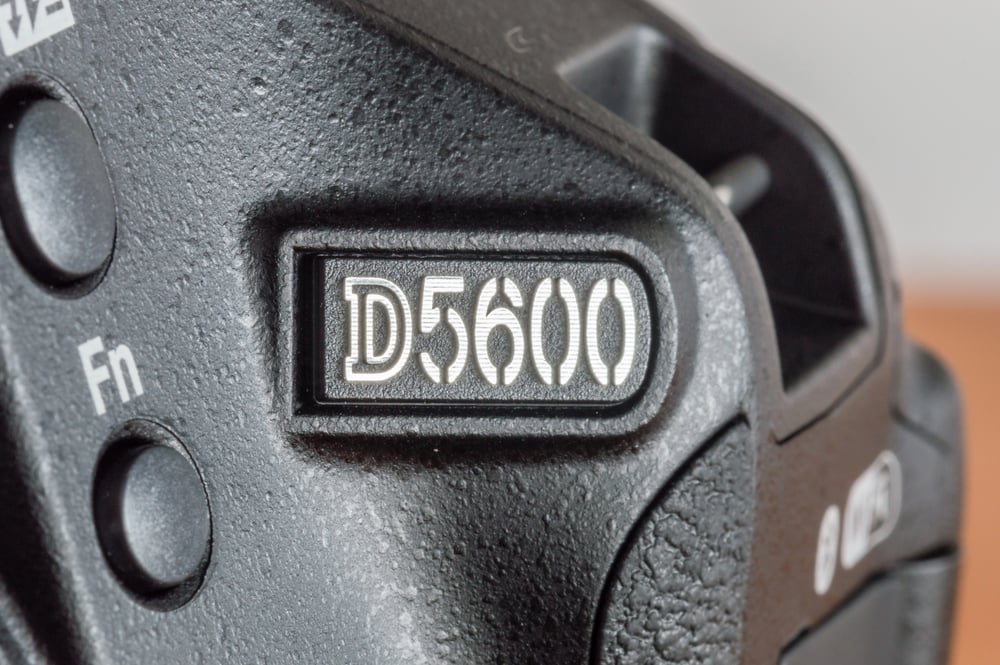
The Nikon F launched in 1959 and established Nikon as a serious competitor to German camera makers. This 35mm single-lens reflex camera was tough as nails and could handle the abuse that professional photographers dished out daily.
War photographers carried Nikon F cameras through jungles, deserts, and combat zones because they kept working when other cameras failed. The camera had interchangeable viewfinders and focusing screens, letting photographers customize it for different types of work.
Sports photographers particularly loved it because the motor drive option let them shoot multiple frames per second, perfect for catching the exact moment a basketball player dunked or a horse crossed the finish line.
Graflex Speed Graphic
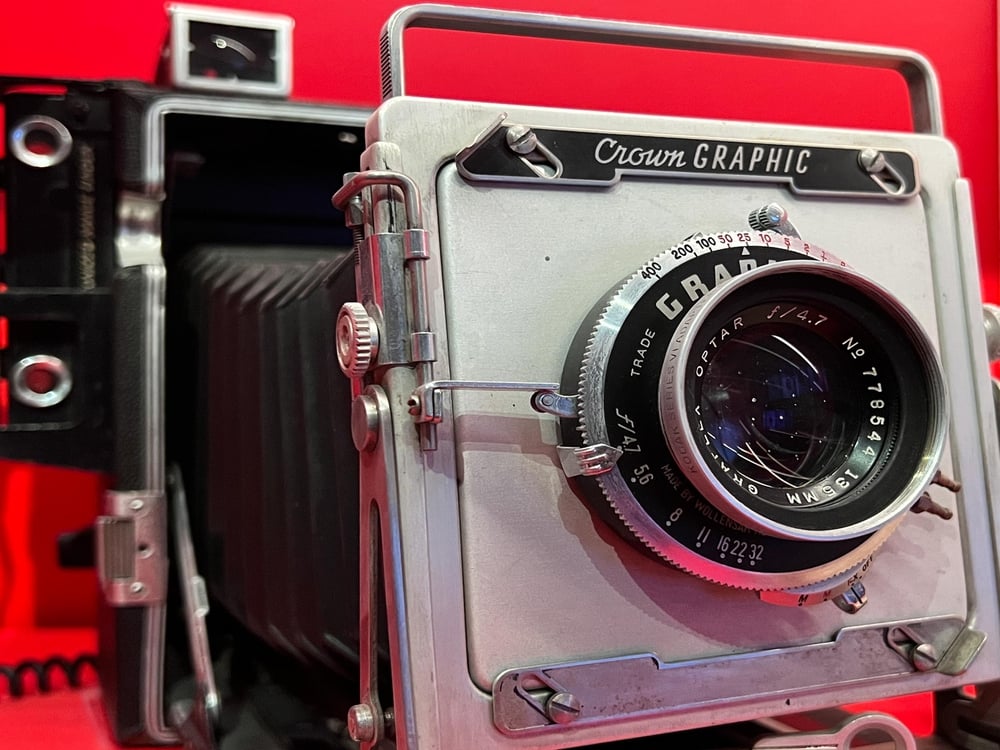
Newspaper photographers from the 1930s through the 1950s almost always carried a Speed Graphic camera. This bulky press camera used 4×5 inch sheet film and came with a flash unit that looked like something out of a science fiction movie.
The distinctive pop of the flashbulb and the photographer yelling ‘hold it!’ became iconic images of journalism. The camera had both a rangefinder and a ground glass back for focusing, giving photographers options depending on the situation.
It was heavy and awkward to use, but it produced sharp, detailed negatives that looked great printed in newspapers. Many of the most famous news photographs from World War II came from Speed Graphic cameras.
Olympus Pen

Half-frame cameras like the Olympus Pen series gave photographers twice as many exposures per roll of film. Instead of getting 36 photos from a 35mm film roll, you got 72 smaller images.
The Pen was tiny, fitting easily in a pocket or purse, making it perfect for everyday snapshots. People loved that they could shoot more photos without constantly changing film, and the smaller negative size didn’t matter much for regular prints.
The camera became hugely popular in Japan during the 1960s and helped establish Olympus as a major camera manufacturer. Its success proved that cameras didn’t need to be big and heavy to take good pictures.
Canon AE-1

The Canon AE-1 brought electronics and automation to cameras when it launched in 1976. This was one of the first cameras with a microprocessor inside, and it offered automatic exposure control that made photography easier for beginners.
You still had to focus manually, but the camera would pick the right shutter speed based on how much light it measured. Canon advertised it heavily on television, something camera companies rarely did, and sold millions of units.
Photography students in the 1980s often started with an AE-1 because it was affordable and taught good fundamentals. The black body with the red stripe became an iconic design that people still recognize decades later.
Pentax Spotmatic

The Pentax Spotmatic pioneered through-the-lens light metering when it came out in 1964. Previous cameras required photographers to use separate light meters or estimate exposure settings, but the Spotmatic measured light coming through the lens itself.
This gave much more accurate readings and made getting proper exposure much easier. The camera was well-built, reasonably priced, and came with excellent lenses that produced sharp images.
It helped Pentax compete against bigger names like Nikon and Canon. Photography enthusiasts loved the Spotmatic because it offered professional features without the professional price tag, and many photographers shot their first serious work with one.
Minox spy camera

The Minox subminiature camera looked like something James Bond would carry, and intelligence agencies actually did use them. This tiny camera was barely bigger than a cig lighter but could take surprisingly good photos on special 8mm film.
Spies concealed them easily, and the small size made them popular with people who wanted a camera they could truly take anywhere. The original Minox came from Latvia in 1936, and improved versions continued production for decades.
Regular people bought them as conversation pieces or for traveling light. The image quality couldn’t match larger cameras, but sometimes having a camera with you mattered more than having the best camera.
Argus C3

The Argus C3 earned the nickname ‘the brick’ because of its rectangular shape and solid build. This American-made 35mm camera sold from 1939 to 1966, becoming one of the most popular cameras ever made.
It wasn’t fancy or particularly easy to use, with separate rangefinder and viewfinder windows that took practice to master. But it was affordable and reliable, making 35mm photography accessible to average Americans during and after World War II.
Millions of families owned one, and it appeared in countless photos from that era. The distinct shape and art deco styling made it instantly recognizable, even though using it required more patience than modern photographers would tolerate.
Yashica Mat-124G

The Yashica Mat-124G offered folks a cheaper way to get into serious photography – no need to spend like it’s Rolleiflex season. Made in Japan, this TLR shot those classic square pics on 120 roll film, yet didn’t empty your wallet.
For hobbyists aiming at medium format shots minus the debt stress, this model became the go-to pick. It felt solid in hand, had a clear viewfinder, along with a crisp lens delivering top-notch image quality.
Street shooters favored the low-key waist-level setup, while portrait folks loved how medium format softened backgrounds smoothly. Built between 1970 and 1986, it’s still sought after today – used ones sell well thanks to solid build that photo lovers notice.
Mamiya RB67

Studio shooters wanting flexibility usually went with the Mamiya RB67. That big medium-format rig worked completely by hand – no power cells needed at all.
The “RB” meant rotating back, since you could spin the film piece to flip from landscape to portrait mode while keeping the body still. It ran on 120 or 220 rolls, giving 6×7 cm frames – about five times bigger than standard 35mm pics.
Without a lens attached, it tipped the scales past six pounds, so folks only used it on tripods indoors. Fashion shooters, wedding snappers – both adored it.
The massive negatives delivered sharp details, rich tones you could feel. Every part worked on purpose, step by step.
It made photographers pause, really consider each frame.
Kodak Instamatic
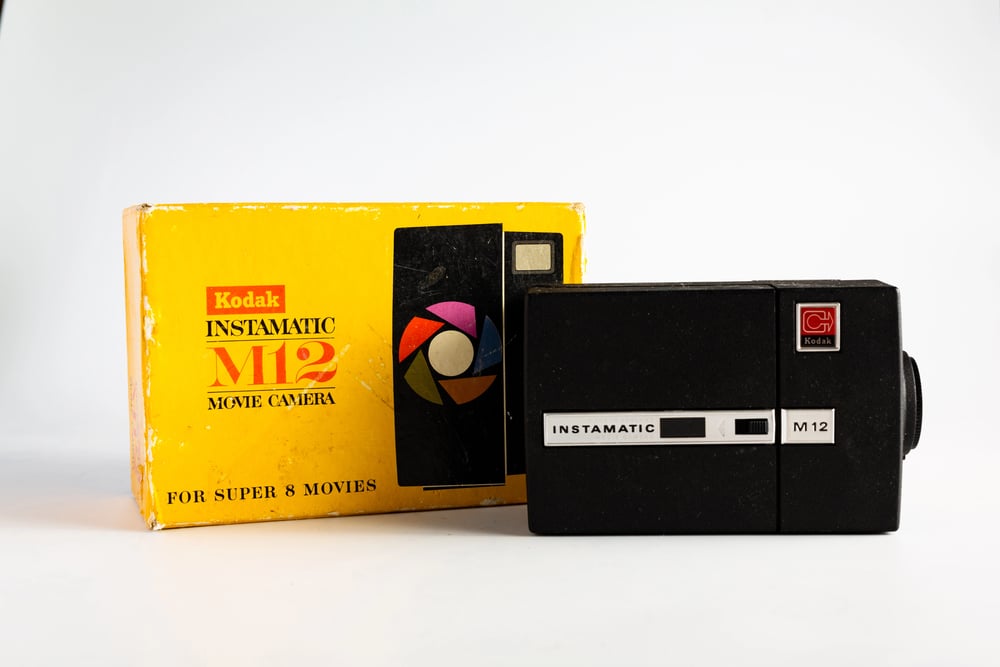
The Kodak Instamatic line hit the scene in ’63, turning photo-taking into something anyone could do. Instead of messy rolls, these basic cams ran on snap-in cartridges – no more struggling to load film the old way.
Open the back, pop one in, shut it tight, then go snapping right away. Skip the hassle of threading strips through gears or stressing over light sneaking in.
Kodak shifted more than fifty million Instamatics across different versions, so they popped up everywhere – birthdays, trips, holidays – especially in the ’60s and ’70s. Pictures didn’t look amazing; still, who cared?
Not having a photo at all hurt worse, especially if your gear was fussy or took ages to figure out.
Contax RTS

The Contax RTS brought together German lens tech and Japanese circuitry upon its 1975 debut. Built by teaming up Carl Zeiss with Yashica, this pro-grade 35mm shooter delivered top-tier glass plus solid construction.
It packed an early electronic shutter able to adjust speed smoothly instead of jumping between set points. Folks behind the lens looking for alternatives to Nikon or Canon frequently went with Contax.
The camera cost a lot, yet folks put up with its issues since the Zeiss glass delivered photos that stood out. Still, fashion shooters leaned into Contax gear due to how it shaped their shots differently.
The story lives through old reels
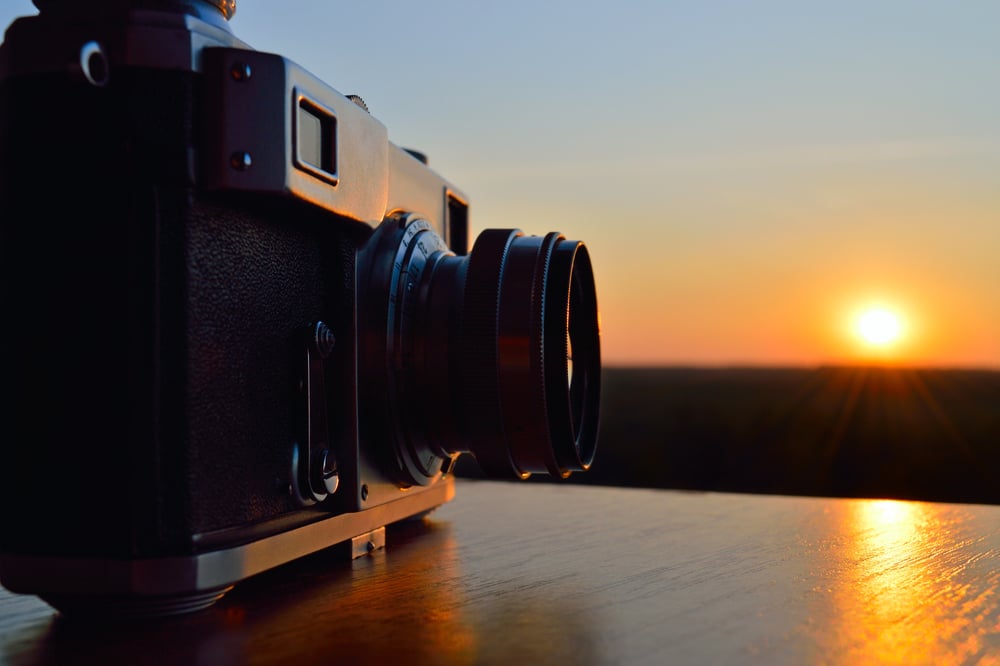
These cameras did way more than snap shots – they changed how folks viewed life, captured moments. Not every model worked perfectly; each came with limits pushing shooters to slow down, consider angles instead of blasting endless snaps.
Heavy builds, knobs needing tweaks, pricey rolls of film – stuff like that kept pics from being tossed aside lightly. Today’s gear handles tasks unimaginable back then, yet snapping feels empty sometimes, just a tap away without meaning.
Photos snapped decades ago? They still look sharp now, showing skill matters far more than fancy buttons or settings anyone can grab.
More from Go2Tutors!

- The Romanov Crown Jewels and Their Tragic Fate
- 13 Historical Mysteries That Science Still Can’t Solve
- Famous Hoaxes That Fooled the World for Years
- 15 Child Stars with Tragic Adult Lives
- 16 Famous Jewelry Pieces in History
Like Go2Tutors’s content? Follow us on MSN.