30 Sealed Time Capsules Opened Decades Later With Contents Nobody Expected
People seal time capsules with a specific kind of optimism: the belief that someone in the future will care enough to open them, and that what’s inside will say something worth saying. The results are uneven.
Some capsules contain genuine historical treasure. Some contain a whiskey bottle and an apology note.
A surprising number contain newspapers — which future finders presumably already have access to — and a few contain things that raise immediate questions about the judgment of the people who sealed them.
What follows are thirty cases where the gap between expectation and reality was wide enough to be worth documenting. Some of these were officially sealed with ceremony.
Others were accidentally preserved by architecture or circumstance. All of them tell you more about who made them than the makers could have anticipated.
The Massachusetts State House Cornerstone, 1795
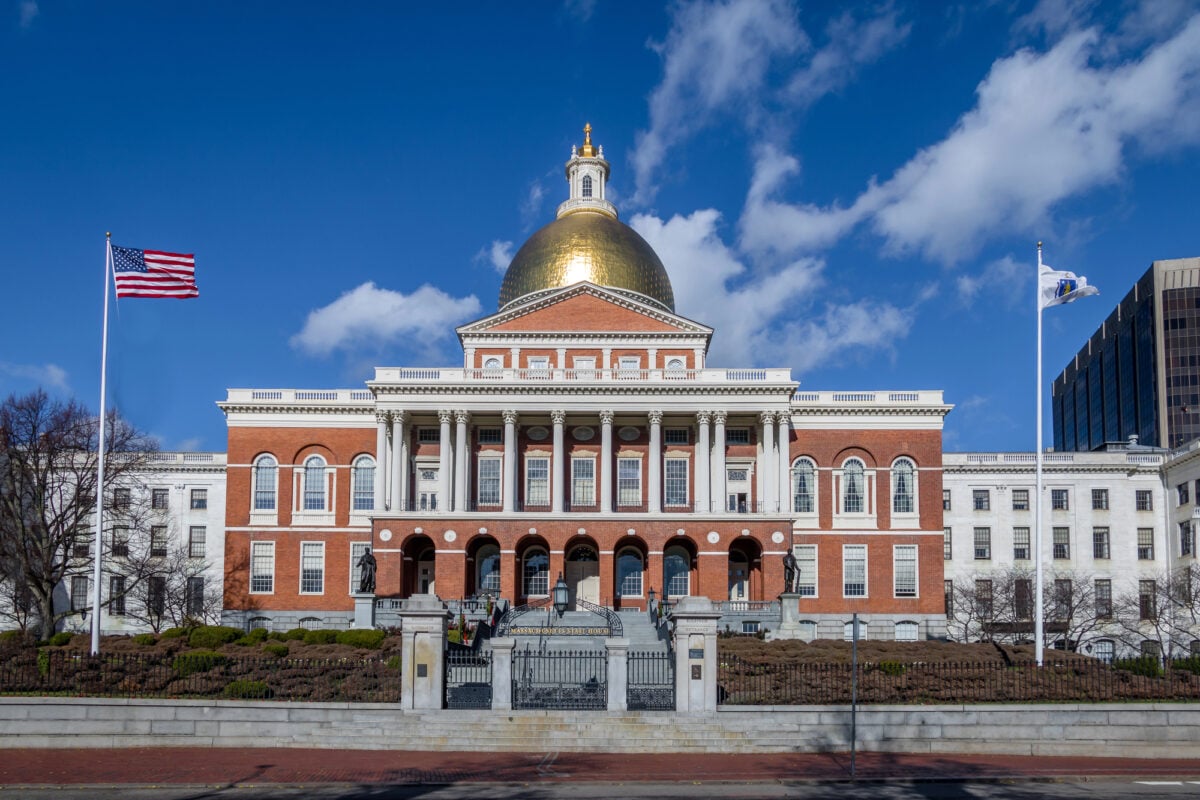
On July 4, 1795, Paul Revere and Samuel Adams — the latter then serving as governor of Massachusetts — placed a small metal box in the cornerstone of the Massachusetts State House in Boston. The box was discovered and added to in 1855 during emergency repairs, then reburied.
It was retrieved again in 2014 and its contents finally catalogued: colonial coins, newspapers, a copper medal depicting George Washington, and a silver plaque thought to have been engraved by Revere himself. The plaque’s inscription confirmed Adams’ role in the building’s construction.
The capsule had been accidentally rediscovered twice and deliberately buried twice before anyone properly inventoried it.
The Century Safe, Philadelphia, 1876
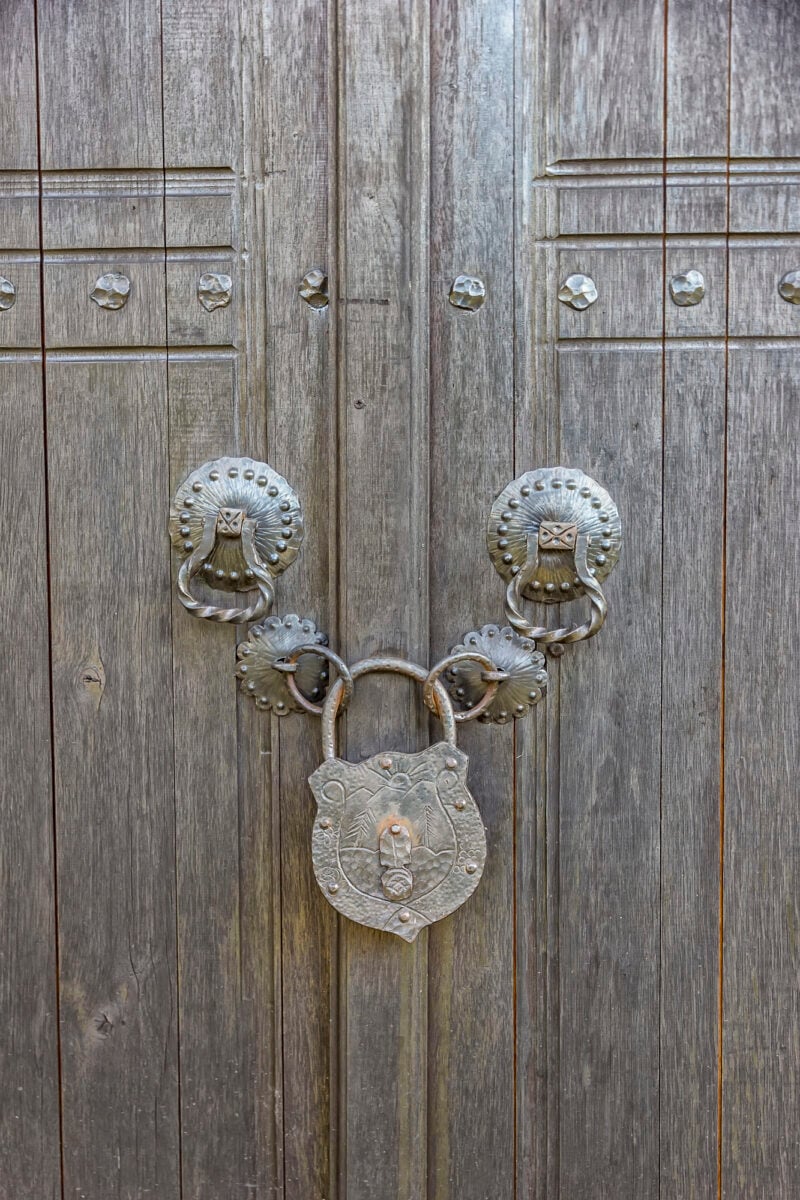
The first planned time capsule designed to be opened at a specific future date, the Century Safe was assembled by New York magazine publisher Anna Deihm for the 1876 U.S. Centennial Exposition in Philadelphia. The five-foot iron safe was packed with 19th-century relics including a gold pen and inkstand, photographs of President Ulysses S. Grant taken by Mathew Brady, a collection of American signatures, and — a persistent note — a book on temperance.
It was given to Congress to open in 1976 during the bicentennial. By the time the date arrived, no one could find the key, and a locksmith had to crack the safe open.
President Gerald Ford attended the ceremony.
The Crypt of Civilization, Oglethorpe University, Sealed 1940
Oglethorpe University president Thornwell Jacobs sealed a 2,000-cubic-foot underground chamber in 1940 with instructions that it not be opened before 8113 AD — the date determined by doubling the number of years from the presumed start of the Egyptian calendar to 1936. The chamber contains microfilmed texts totaling 640,000 pages, an early television set, a set of Lincoln Logs, a container of beer, an original script of Gone with the Wind, dental floss, and a special machine Jacobs designed to teach English to whoever opens it.
The Crypt has not been opened. It is now nearly a century into its planned 6,177-year preservation period.
The Westinghouse Time Capsule, New York World’s Fair, 1939
The container that gave the time capsule its name — the term was coined by Westinghouse PR manager George Pendray for this specific project — was a 7.5-foot torpedo-shaped cylinder of Cupaloy buried at the 1939 New York World’s Fair and intended for opening in 6939 AD. Its contents included an alarm clock, an electric razor, seeds, a sample of staple foods, a Gillette razor, microfilmed copies of millions of words, a newsreel, and a message from Albert Einstein.
A second capsule was added during the 1964 World’s Fair. Neither has been opened.
The location is marked by a monument in Flushing Meadows, Queens.
The Marcel Nadjari Scroll, Auschwitz, Found 1980
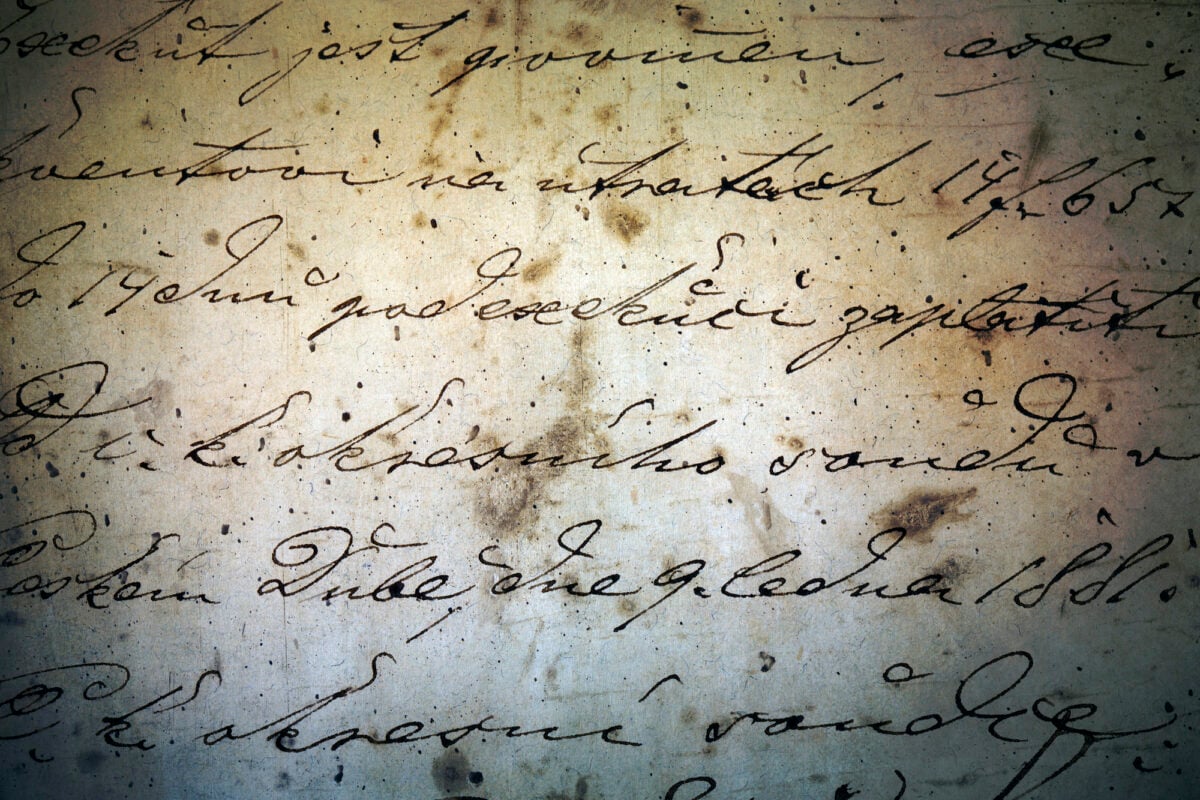
Marcel Nadjari was a Greek Jewish prisoner forced to work in the Sonderkommando at Auschwitz — the prisoners assigned to the crematoria. In October 1944, he buried a manuscript under the ground near Crematorium III.
It was recovered in 1980 by a construction worker and found to be severely damaged by moisture. Decades of conservation work restored portions of the text, with a major breakthrough in 2017 when researchers from the University of Warsaw used multispectral imaging to recover previously unreadable passages — including Nadjari’s account of arriving at Auschwitz, losing his family, and his requests that his sister and future wife be found and informed what happened.
Nadjari survived the war. He died in 1971, never knowing his manuscript had been found.
The Faneuil Hall Grasshopper Vane, Boston, 1761
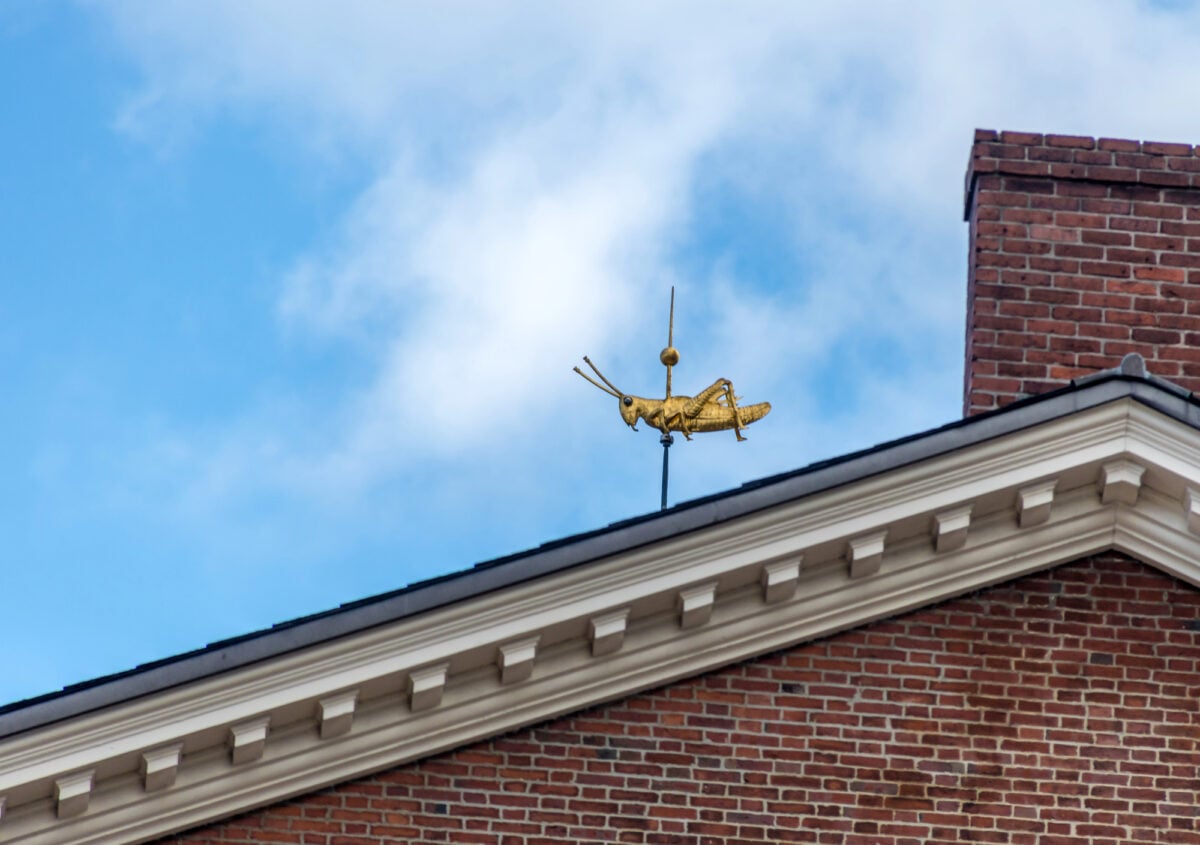
A copper box placed inside the grasshopper-shaped weather vane atop Boston’s Faneuil Hall in 1761 has been opened and updated multiple times over the centuries, including once in 1889 when workers discovered previous additions and added their own. The box contains a chronological record of who has handled it across more than 250 years, creating less a snapshot of a single era and more a relay across generations.
The grasshopper is now in the collection of the Bostonian Society when the vane is removed for maintenance.
The University of Washington Time Capsule, Sealed 1956
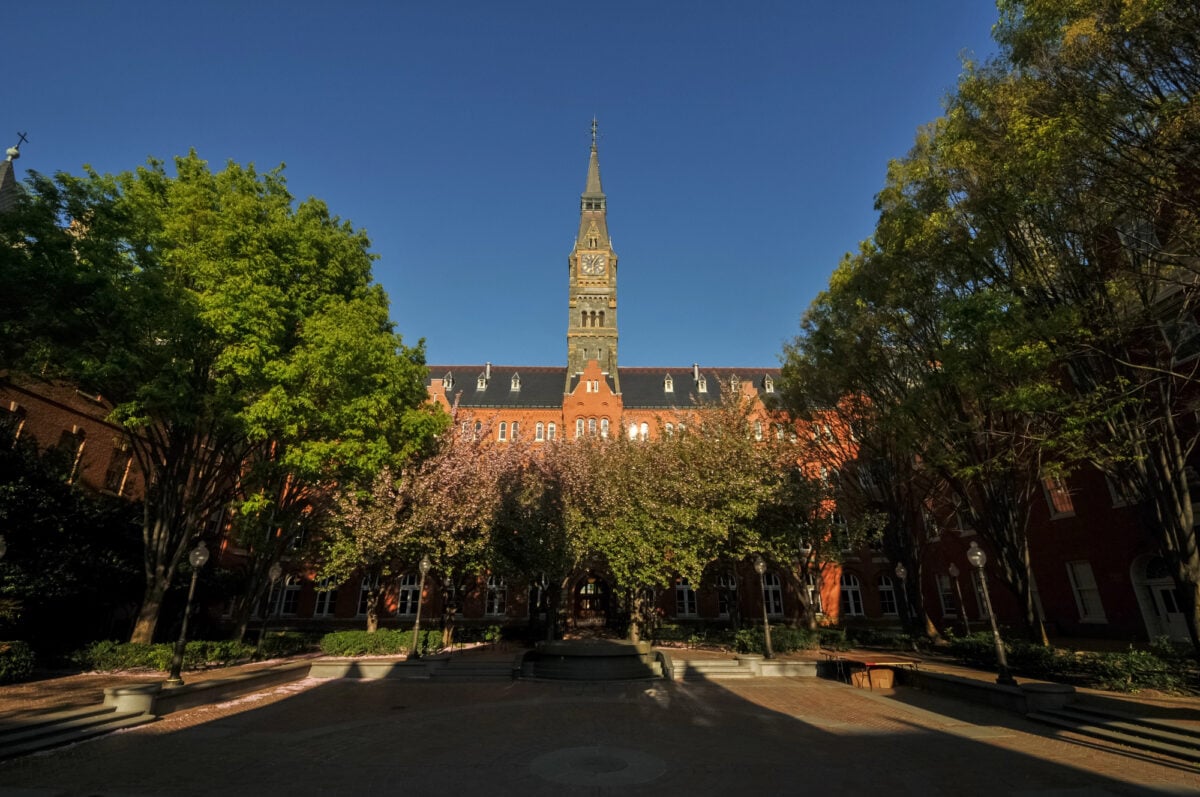
When communications professors at the University of Washington opened a 51-year-old time capsule in 2007, they found the expected 1956 contents: textbooks, newspapers, recordings, and photographs from that year. They also found items added in 1979 — apparently by students at the campus newspaper who had discovered the capsule was accessible.
These 1979 additions included copies of Playboy and Hustler, men’s underwear, a preserved Twinkie, and a condom. The 2007 opening was substantially more interesting than the professors had planned for.
The Lebanon, New Hampshire City Hall Capsule, 1944
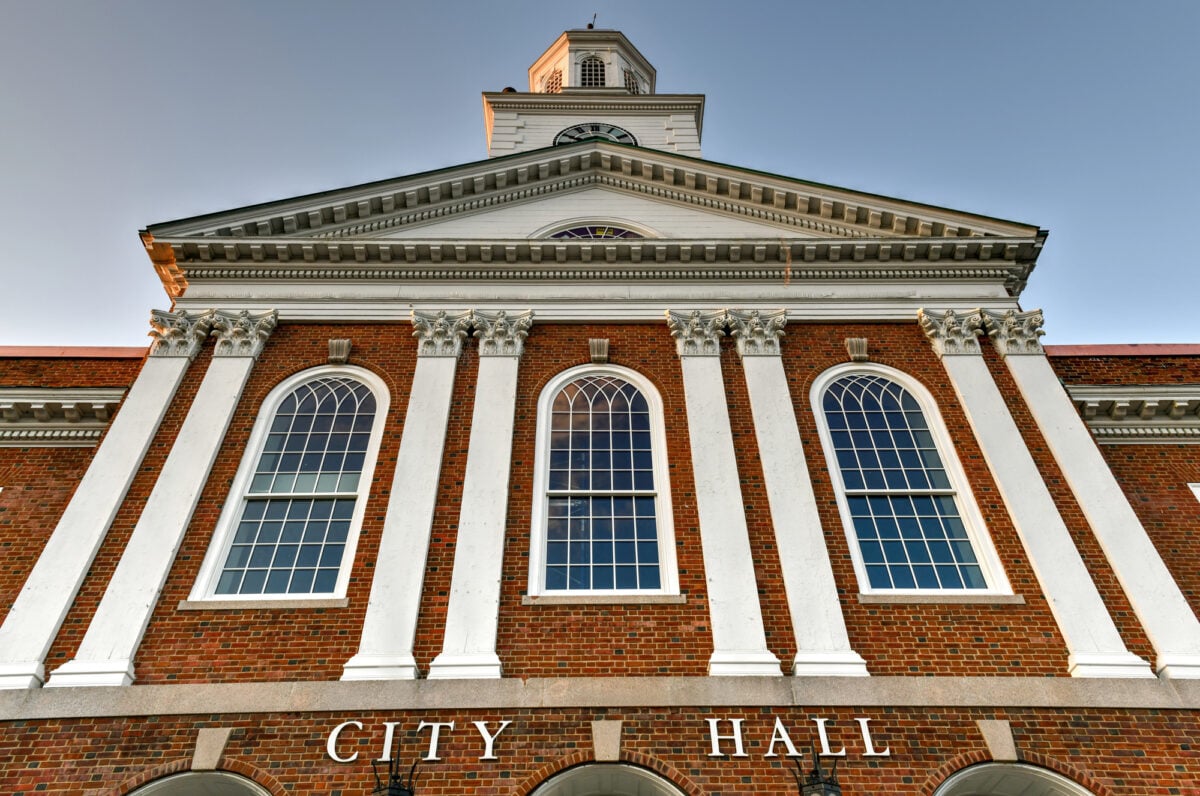
A time capsule found beneath the stairs of Lebanon, New Hampshire’s City Hall in 2015 turned out to have been sealed in 1944 and consisted primarily of a whiskey bottle. The bottle contained a note from city surveyor Samuel Stevens: “Whoever finds this bottle may keep it. Sorry there is no liquor in it, but I drank it all up.”
The capsule also contained some old newspapers and a penny. The joke had been waiting seventy-one years for an audience.
The Otta, Norway Package, Opened 2012

The residents of Otta, Norway had anticipated opening a time capsule from 1912 — given to the town’s first mayor with instructions to open it in 2012 — expecting either historical relics or a financial asset. A ceremony was arranged, speeches were made, and Princess Astrid of Norway attended.
When Kjell Voldheim of the Gudbrandsdal museum finally opened the package — which turned out to contain a second package — he reportedly said “Oye yoy yoy” as he worked through what was inside. The contents were miscellaneous papers of limited significance.
The second package had not contained anything remarkable enough to be reported specifically.
The Danceteria Time Capsule, New York, Sealed 1984
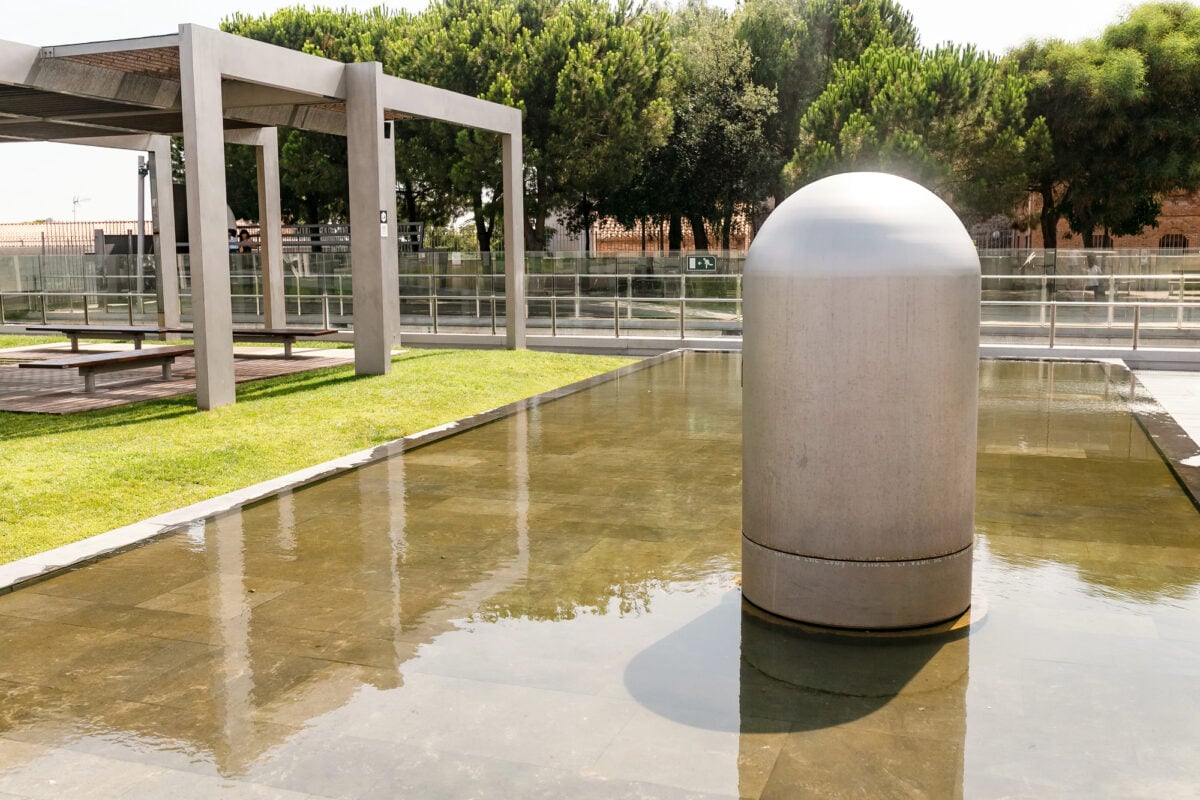
In the mid-1980s, staff at the New York nightclub Danceteria purchased a fake bomb shell casing, brought it to a party, and invited attendees to fill it with letters and objects before sealing it. The fake bomb was built into the walls of the building.
In 2017, construction workers on a different office building on the same block discovered what appeared to be an unexploded World War II bomb. Police evacuated the area.
Investigation confirmed it was not a bomb. The nightclub it came from had closed in 1986, and the people who sealed it had not been in a position to inform subsequent building owners about what was in the walls.
The Paul Revere Cornerstone From the Old State House, Boston, 2001
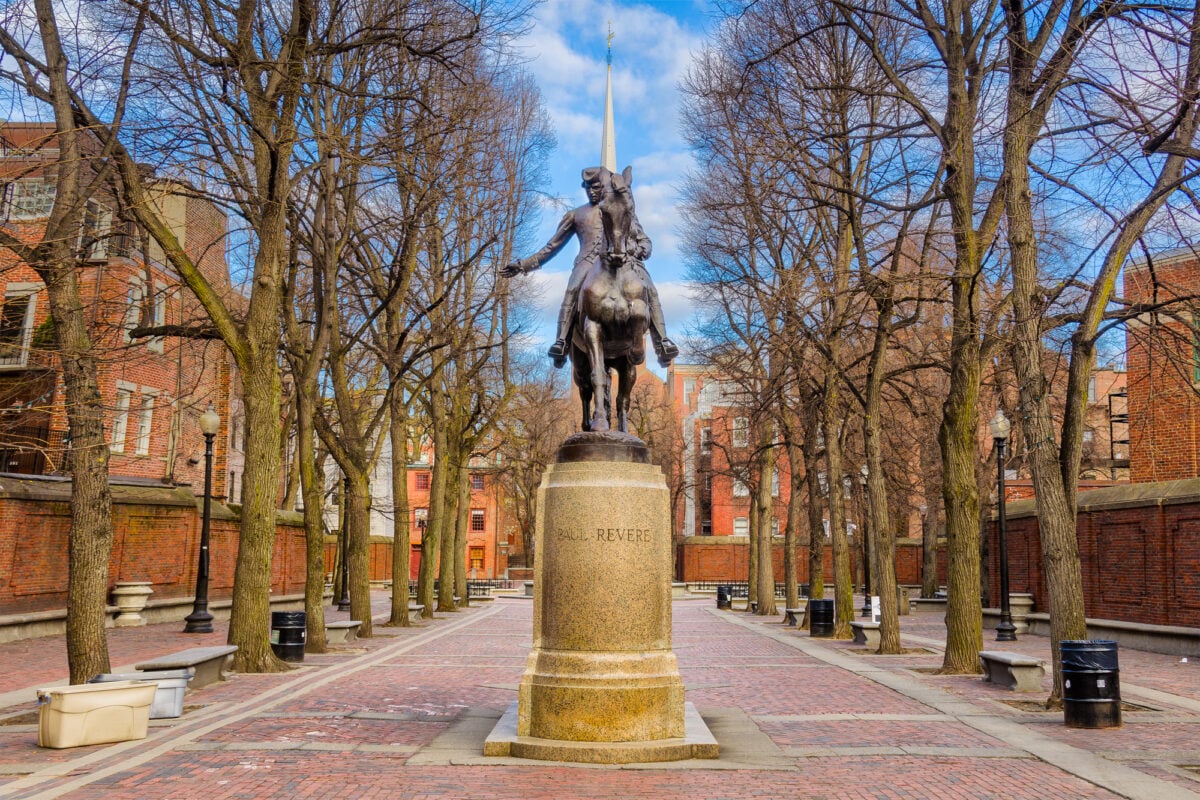
A copper time capsule from 1901 was found sealed inside the mouth of a lion statue atop Boston’s Old State House during restoration work. Historians from the Bostonian Society opened it carefully and found the expected documents and coins — plus a small hardcover book with no visible markings.
Because the items were too fragile to handle without conservation preparation, the contents of the book were not immediately examined. As of the opening announcement, the book’s text remained unknown.
The anticipation of a discovery creates its own form of drama even when the discovery itself is pending.
The Westinghouse 1964 World’s Fair Capsule

Buried alongside an earlier 1939 capsule during the 1964 New York World’s Fair, the second Westinghouse capsule contains a piece of the Telstar satellite, a plastic heart valve, an electric toothbrush, and microfilm documenting key events of the early 1960s. It’s intended to be opened alongside the 1939 capsule in 6939 AD.
Neither of the two capsules has been accidentally opened, which — given the history of time capsule security — is somewhat remarkable.
The Tucson Ring, Arizona, Opened 1986

Tucson, Arizona held a celebration in 1936 to commemorate a time capsule it planned to open in 1986. When the date arrived, three television crews, a former mayor, and an archaeologist named William Rathje were present for the opening.
Rathje later reported the contents as “a faded local newspaper (in worse condition than many I’ve witnessed being excavated from the bowels of landfills) and some business cards.” The newspaper was the dominant item in a capsule that had attracted decades of anticipation and significant civic ceremony.
The Fontana, California Wall Capsule, 1978
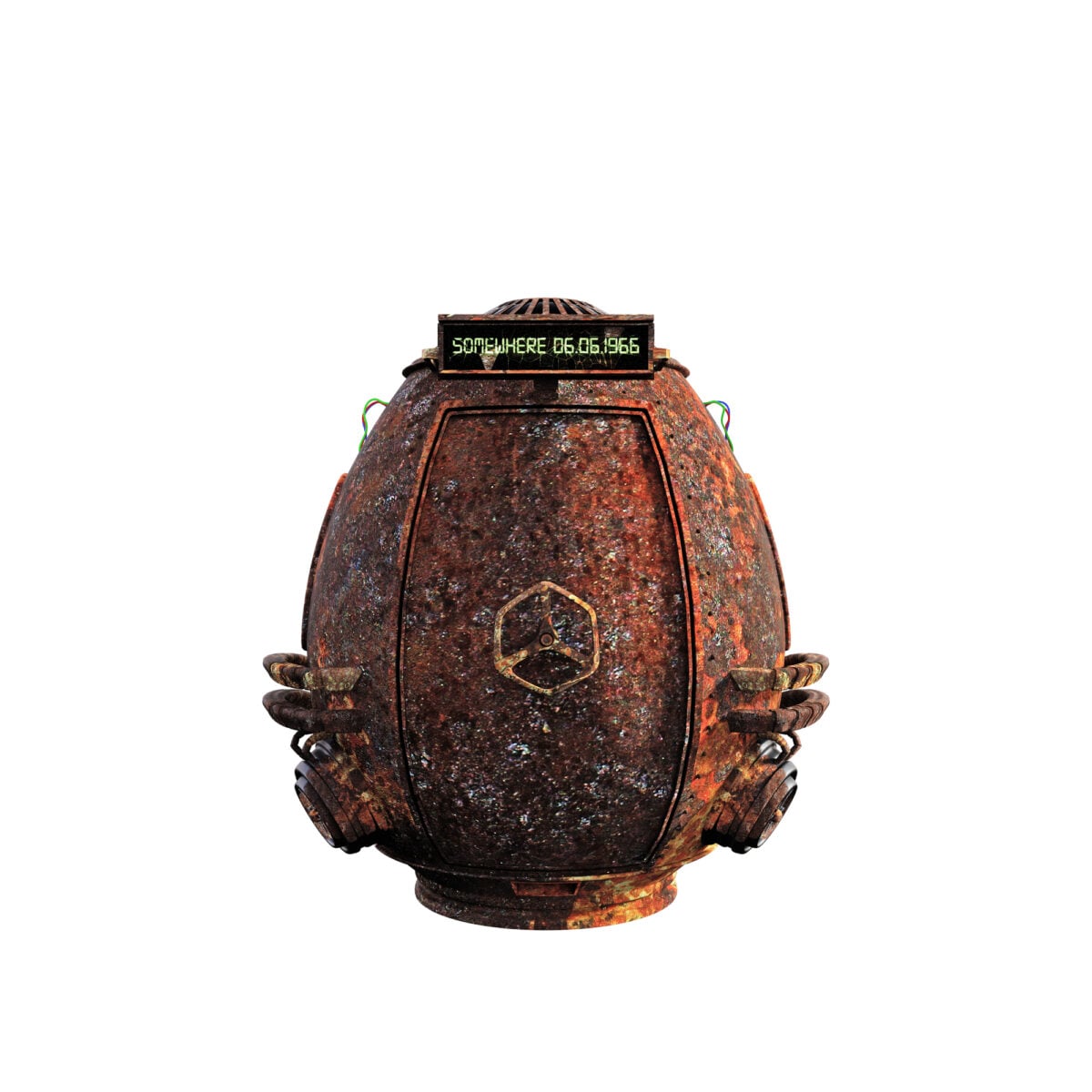
Austin resident Rob Wright sealed a time capsule in 1978 inside a wall of his family’s Fontana, California home, then moved to Texas in 1980. Thirty-six years later, the new owners discovered it during renovations.
The capsule contained coins, newspaper clippings from 1978, and a letter from Wright introducing himself. The family searched social media without success, eventually contacted a local television station, and Wright — having forgotten about the capsule entirely — saw the news story and got in touch.
His own assessment of the contents: he wished he had written something more profound.
The Church of St. Stanislaus, Wschowa, Poland, 1726
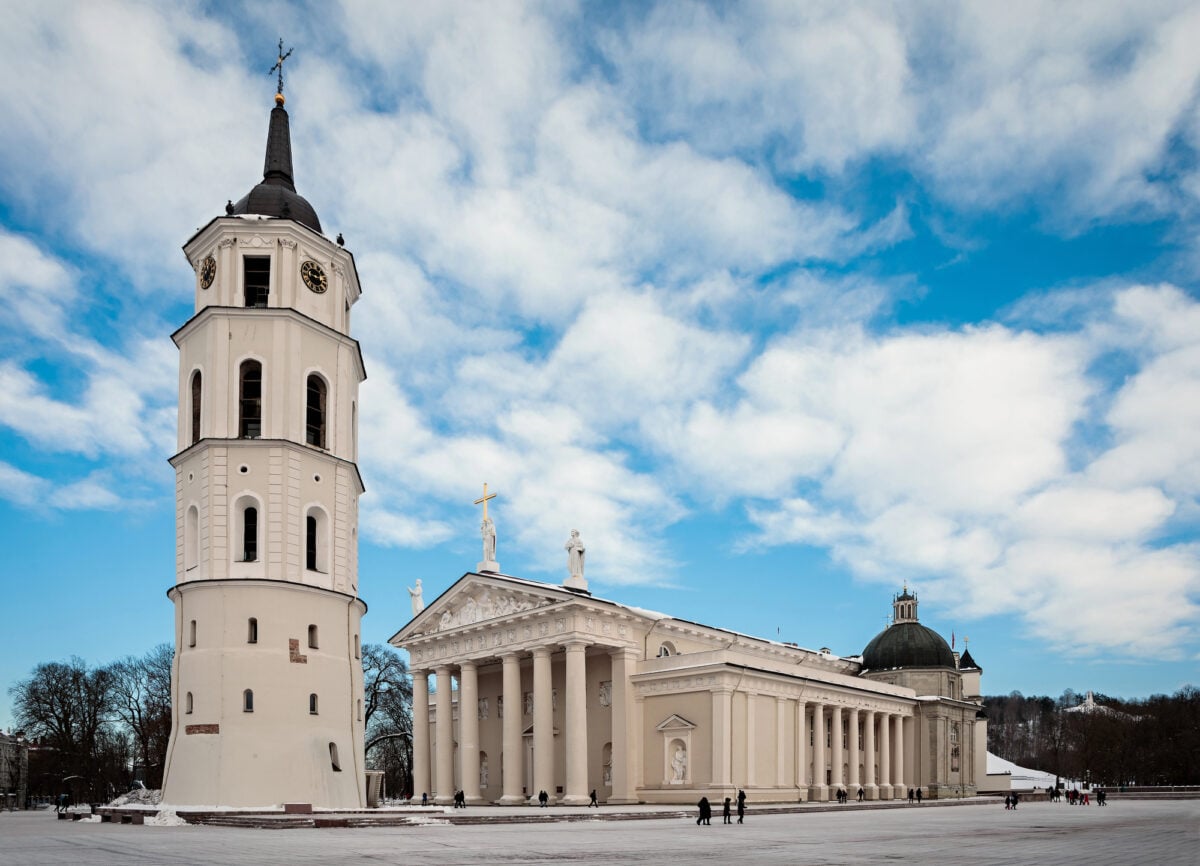
Construction workers in 2023 discovered a copper box in the spire of the Church of St. Stanislaus in Wschowa, Poland, containing documents, newspapers, coins, and medals dating as far back as 1726. The capsule had remained sealed for nearly three centuries — making it significantly older than the American capsules that most time capsule histories cite as foundational.
The documents inside included records of the church’s founding and maintenance, as well as ephemera from multiple decades in the early 18th century.
The Army of Northern Virginia Cornerstone, Richmond, Virginia, 2021
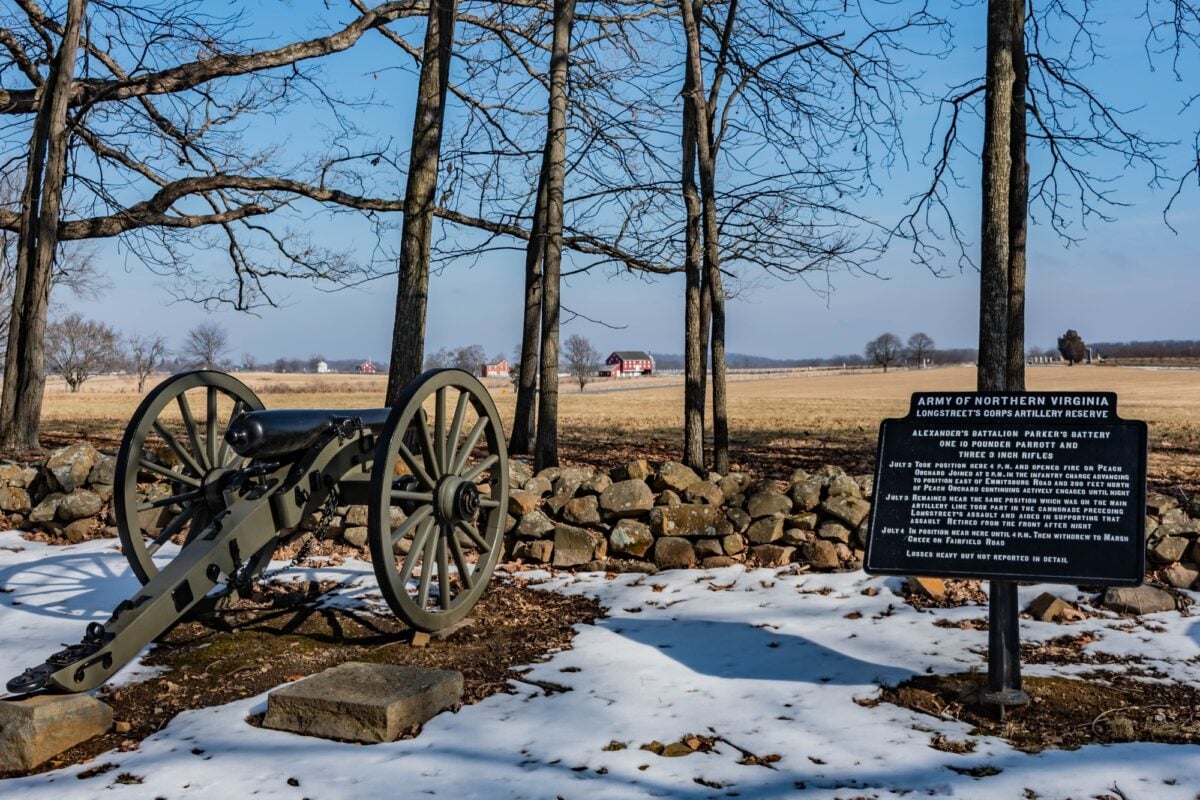
Workers removing a statue of Confederate General Robert E. Lee in Richmond, Virginia in 2021 discovered a cornerstone believed to contain a time capsule from 1887. The opening attracted significant media attention.
The capsule, when it was eventually located and opened, contained books, an envelope, coins, a photograph, and what appeared to be a decomposed box of additional items. The capsule itself was found not in the originally speculated location but nearby, after a period of searching that itself became a news story.
The Cornerstone of a Scottish Building, 2019
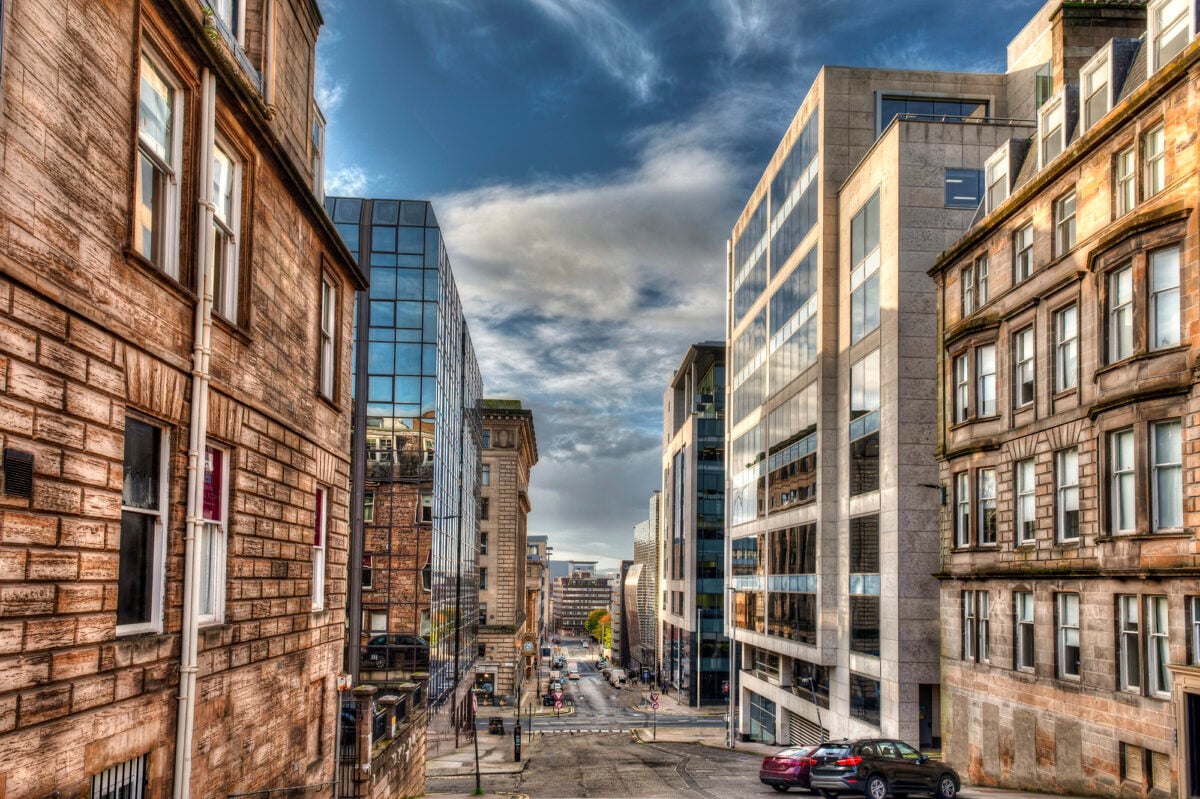
Restoration workers in Southampton, England discovered what appeared to be a time capsule in a Portland stone wall during guildhall renovation work in 2016 — a lemonade bottle containing handwritten notes about the building’s original construction. The discovery prompted a broader awareness of how many building cornerstones across Britain contain sealed materials that have never been formally logged, catalogued, or opened.
Estimates suggest hundreds of British municipal buildings contain sealed cornerstones with unknown contents.
The San Antonio Library Closet, Undated
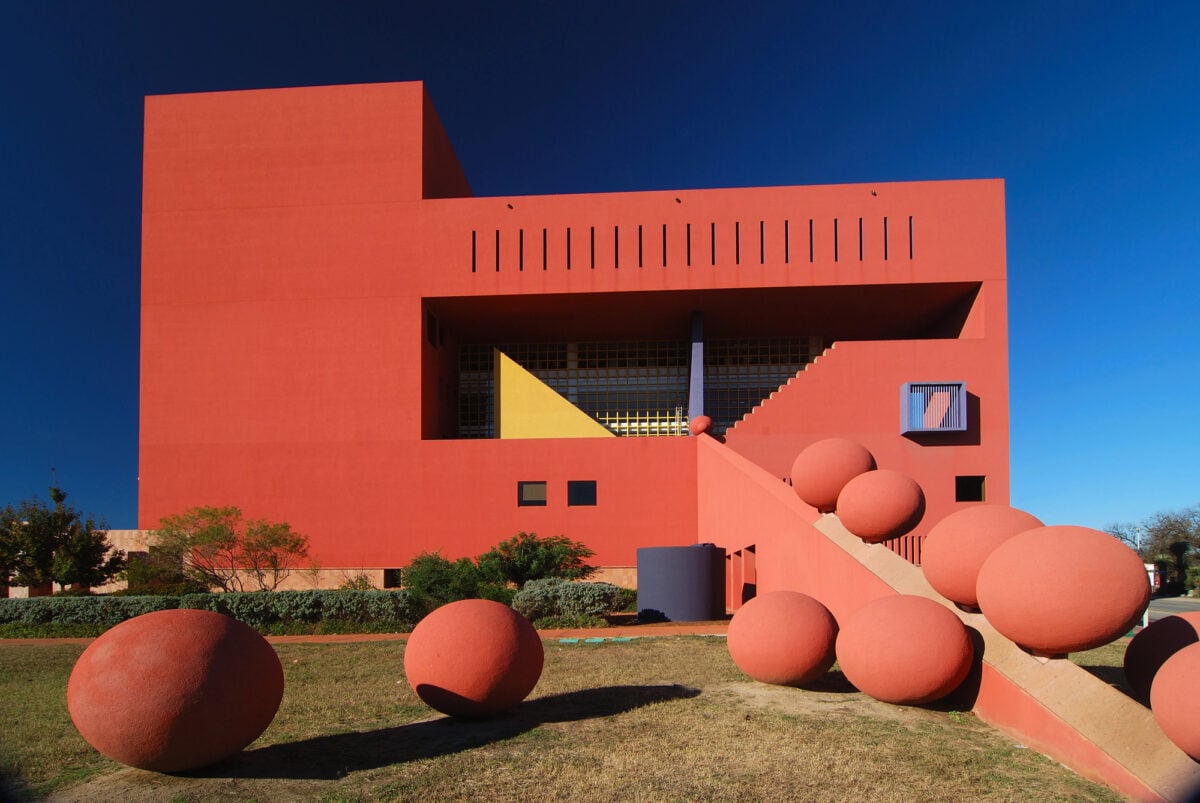
During renovation work on a former library building in San Antonio, Texas, workers discovered a locked floor closet that had been sealed for an indeterminate number of years. The contents — which included archival materials, donated items, and objects that had apparently been placed there during the building’s library era — were unexpected both in their existence and their composition.
The library’s closure and subsequent building conversion had left no documentation of what was in the closet or when it had last been opened.
The Nickel Mining Capsule, Sudbury, Canada
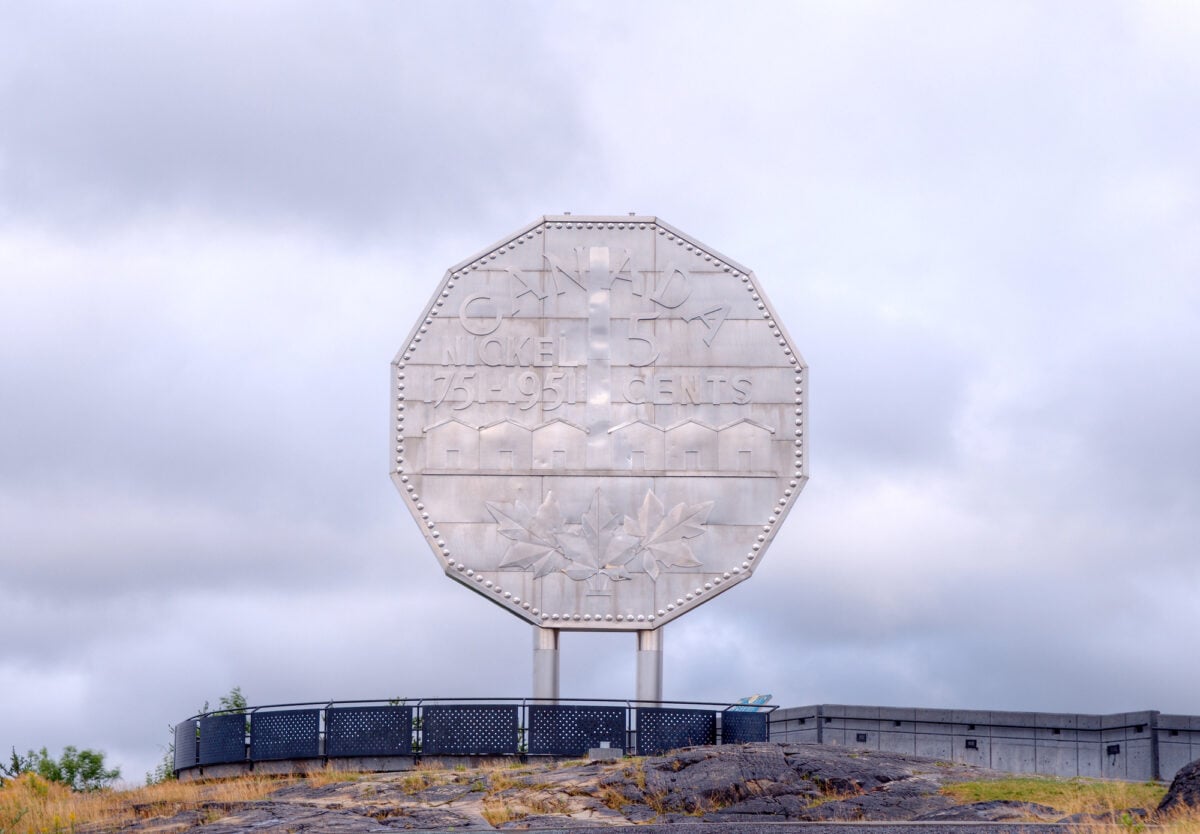
The Canadian mining company Nickel buried a time capsule in Sudbury, Ontario, filling it with coins, photographs, and messages from its employees, then opened it 25 years later. The contents were well preserved.
Among the messages left by workers were predictions about life at the turn of the millennium, including a confident forecast that humans would be living on Mars by the year 2000. The capsule’s contents were accurately preserved; the predictions less so.
The 13th Regiment National Guard Cornerstone, Scranton, Pennsylvania, 1900
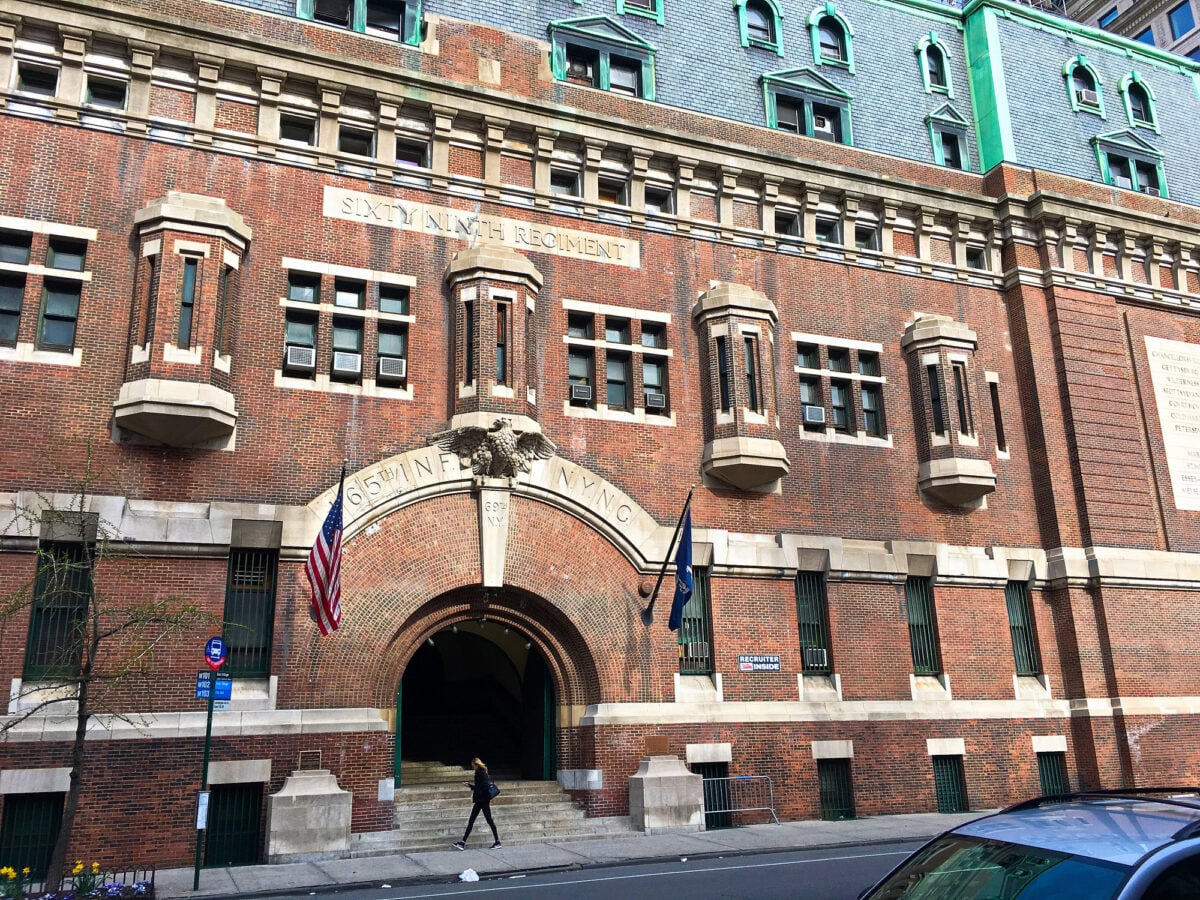
Colonel Michael Konzman, researching the history of the 13th Regiment of the National Guard — predecessor to his 55th Brigade — found a reference to a time capsule buried in a building cornerstone in 1900 in Scranton, Pennsylvania. A team of soldiers excavated the copper box.
Inside were historical documents about the regiment and, notably, a preserved original item that remained in good condition after more than a century of burial. The soldiers’ reconnection with their institutional predecessors through the physical object gave the opening a different character from the typical civic ceremony.
The Plymouth Rock Capsule Investigation
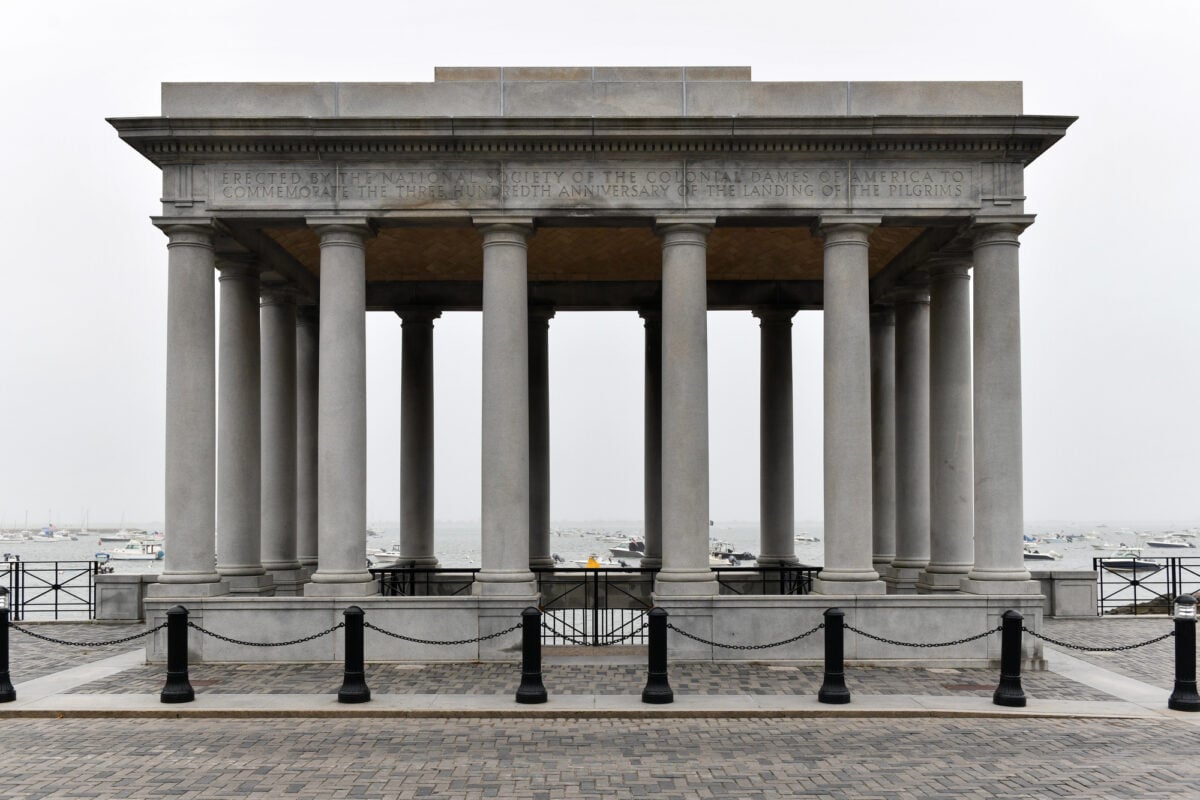
During routine maintenance work on the site surrounding Plymouth Rock in Massachusetts, workers discovered a sealed container that had been placed inside a supporting structure during an earlier restoration. The container had not been formally documented as a time capsule.
Its contents included construction materials from the restoration project, newspaper clippings from the year of the restoration, and several personal items apparently left by individual workers. The informal capsule had no instructions for opening and would have been missed if the maintenance hadn’t required access to the structure.
The World’s Fair Brussels Capsule, 1958
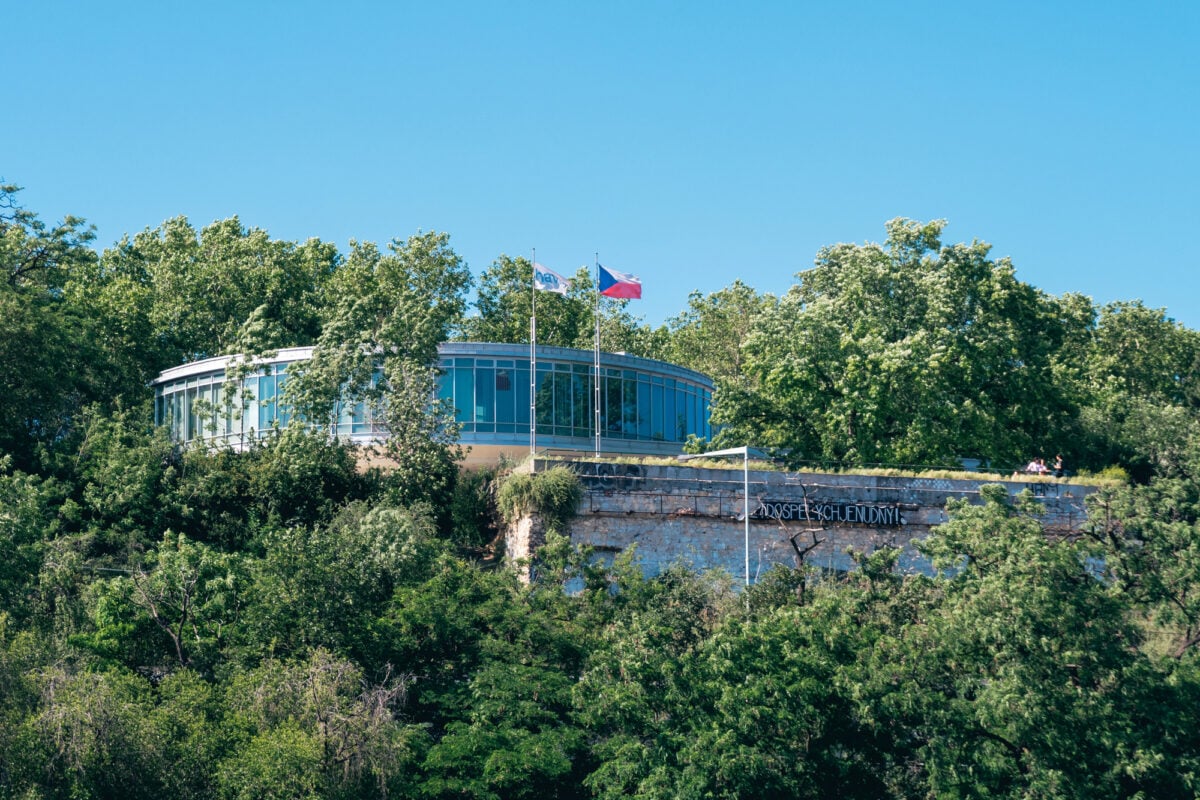
The 1958 World’s Fair in Brussels — the first major World’s Fair held after World War II — produced a time capsule containing documents and objects intended to represent European civilization in the late 1950s. The capsule included photographs of the newly completed Atomium structure, newspapers from Fair days, and documentation of the political situation in Europe in the year of Sputnik and the early Common Market.
The capsule’s planned opening date and current status have received less international attention than the American World’s Fair capsules, partly because its institutional custodian is less publicly prominent.
The Sealed Paris Apartment, 1942–2010
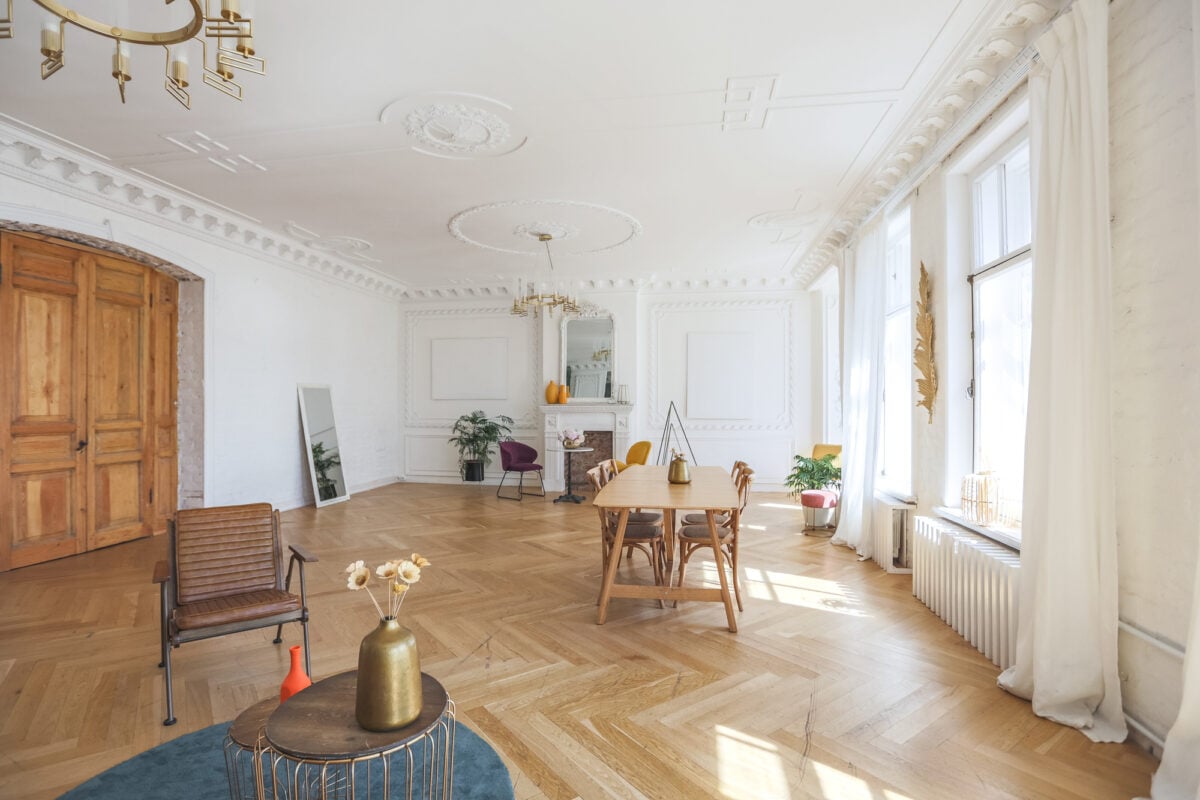
Not an intentional time capsule in any formal sense, but functionally one of the most complete: a Parisian apartment abandoned in 1942 by socialite Madame de Florian, who fled Paris during the German occupation and never returned. She continued paying rent on the apartment until her death in 2010 — sixty-eight years later.
When her heirs entered the apartment after her death, they found it entirely preserved: a 1940s domestic interior including a painting by Giovanni Boldini, personal correspondence, antique furniture, and a stuffed ostrich. The Boldini portrait of Marthe de Florian, a well-known Belle Époque entertainer and the apartment owner’s grandmother, sold at auction for 2.1 million euros.
The Dead Sea Scrolls Discovery, 1947
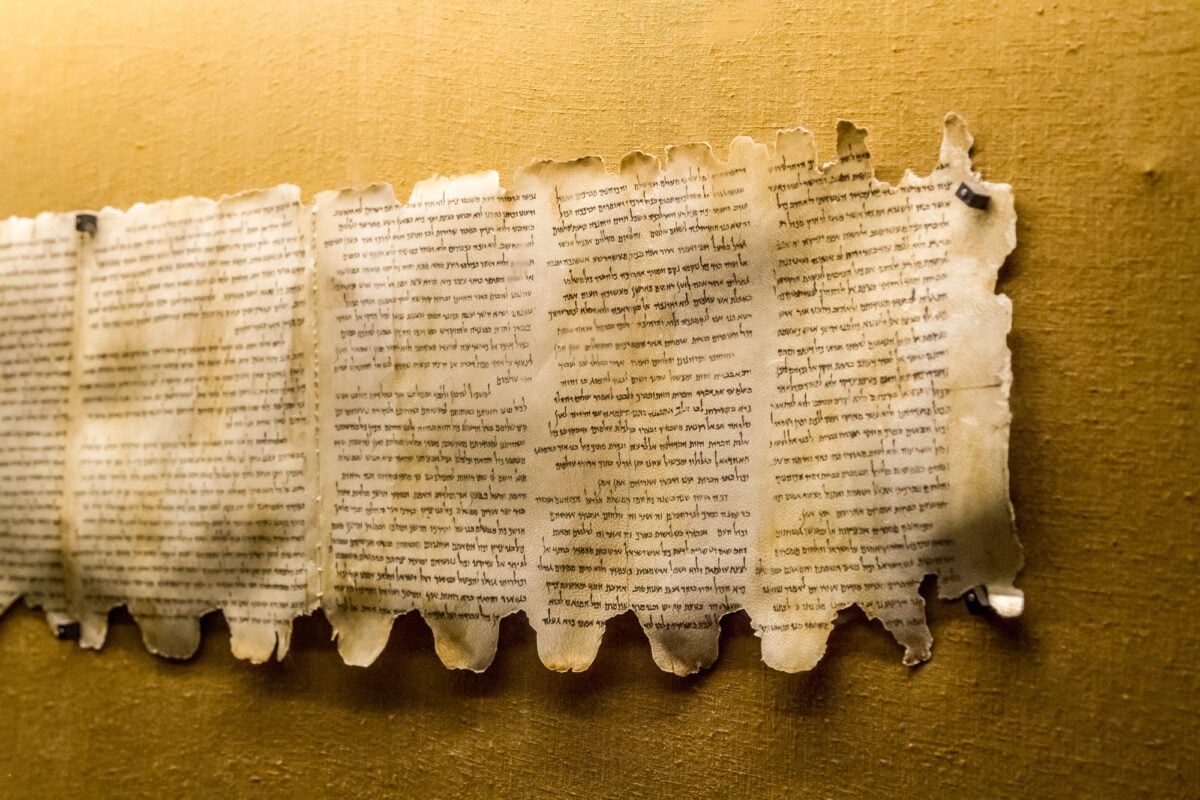
Not a sealed capsule by intent, but preserved by circumstance: the Dead Sea Scrolls were discovered in clay jars in caves near Qumran in 1947 by a Bedouin shepherd. The scrolls, sealed between approximately the 3rd century BC and 1st century AD, contained the oldest known surviving manuscripts of Hebrew Bible texts and a variety of other documents relating to the Jewish community that preserved them.
The accidental preservation in a desert cave for nearly two thousand years produced documents that have permanently altered scholarship on the Hebrew Bible, early Judaism, and the origins of Christianity.
The Eisenstein Film Found in the Canadian Ice, 1978
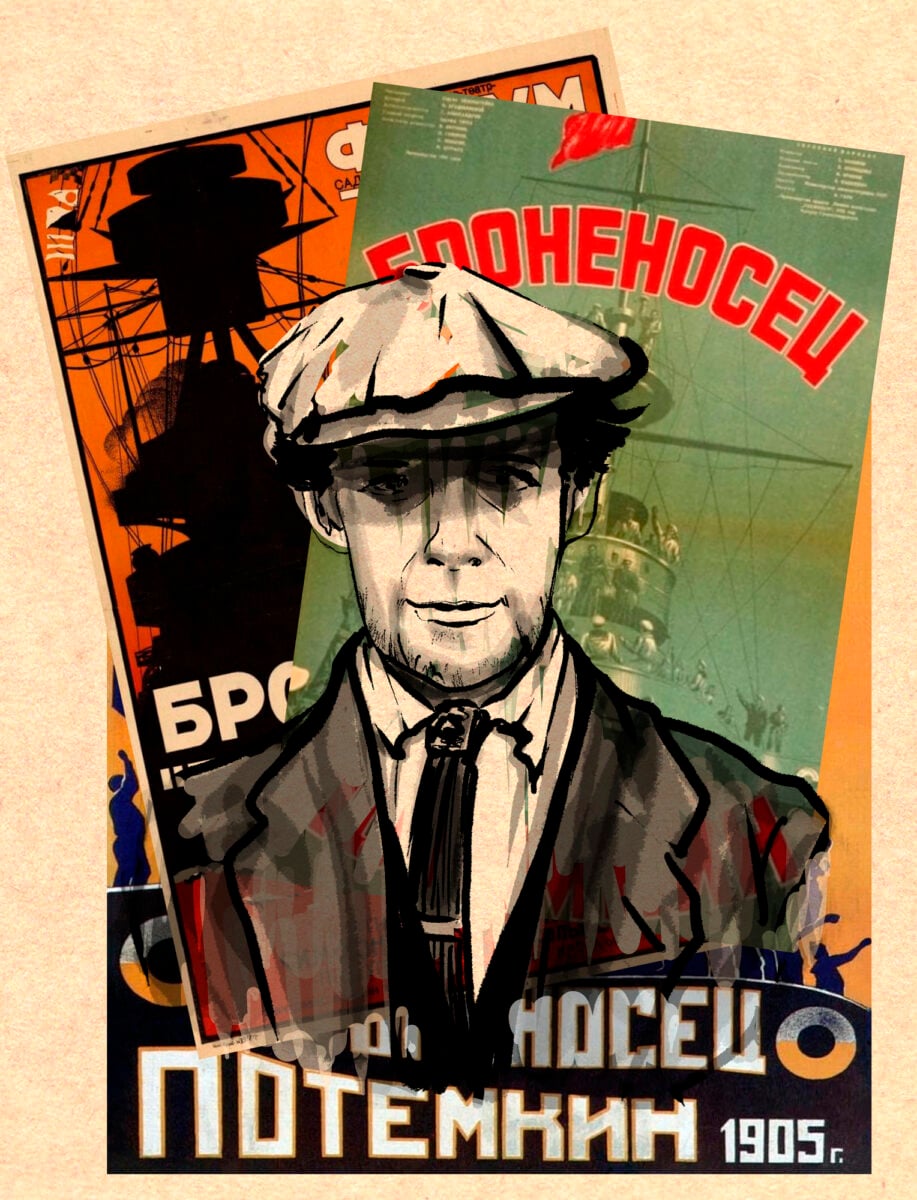
In 1978, an amateur archaeologist excavating near Dawson City, Yukon, discovered a cache of over 400 early nitrate film reels buried under a recreational center’s permafrost. The films — many of them silent-era features and newsreels from 1910 to 1921 — had been shipped to the remote community, never returned, and buried when the facility was built.
The permafrost had preserved them, including at least one film whose original print had been presumed destroyed. The discovery prompted emergency preservation work and the creation of what became the Dawson Film Find — one of the most significant archival discoveries of 20th-century cinema.
The Philadelphia Library Company Time Capsule, 1942
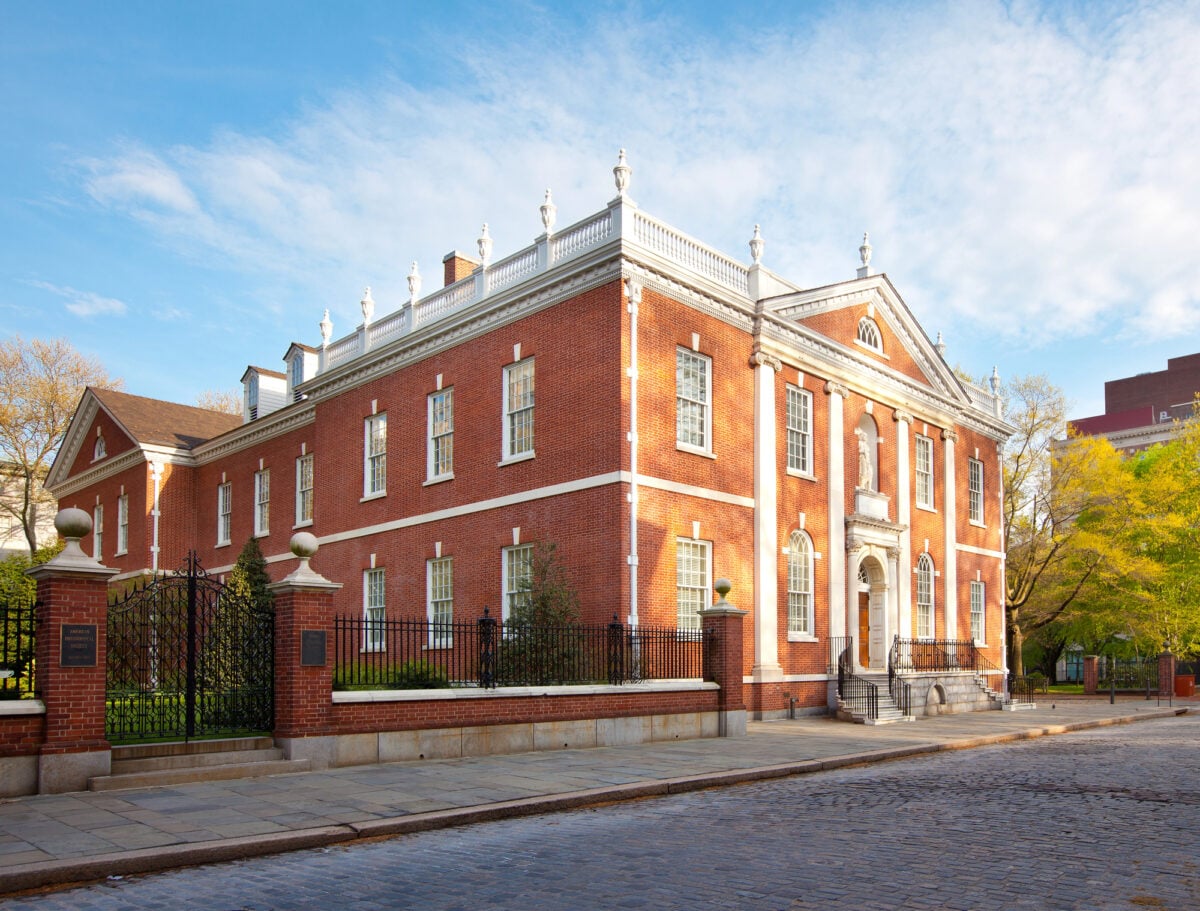
During World War II, the Library Company of Philadelphia sealed archival materials, including documents relating to Benjamin Franklin’s founding of the institution in 1731, for what was intended to be a period of temporary storage against potential bombing damage. The materials remained sealed longer than intended and were rediscovered during a cataloguing project, effectively having become an accidental time capsule.
The Franklin materials recovered from the sealed storage were used in subsequent scholarship about the founding of the institution.
The Samuel Adams Beer Yeast Capsule, 1987
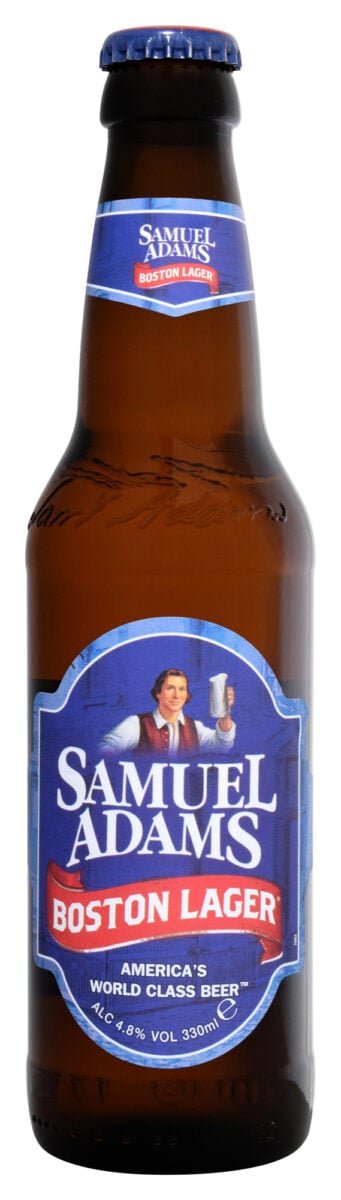
The Boston Beer Company — makers of Samuel Adams beer — collaborated with the collection of yeast strains from a historical brewing facility in 1987, sealed them, and preserved them for future use. When the sealed yeast strains were recovered and reactivated decades later as part of a historical brewing project, some strains produced functional fermentation.
The project was essentially a practical time capsule — an attempt to preserve biological material, not documentation — and its success was more scientifically interesting than most text-based capsules.
The First Schoolchildren Capsule, 1900
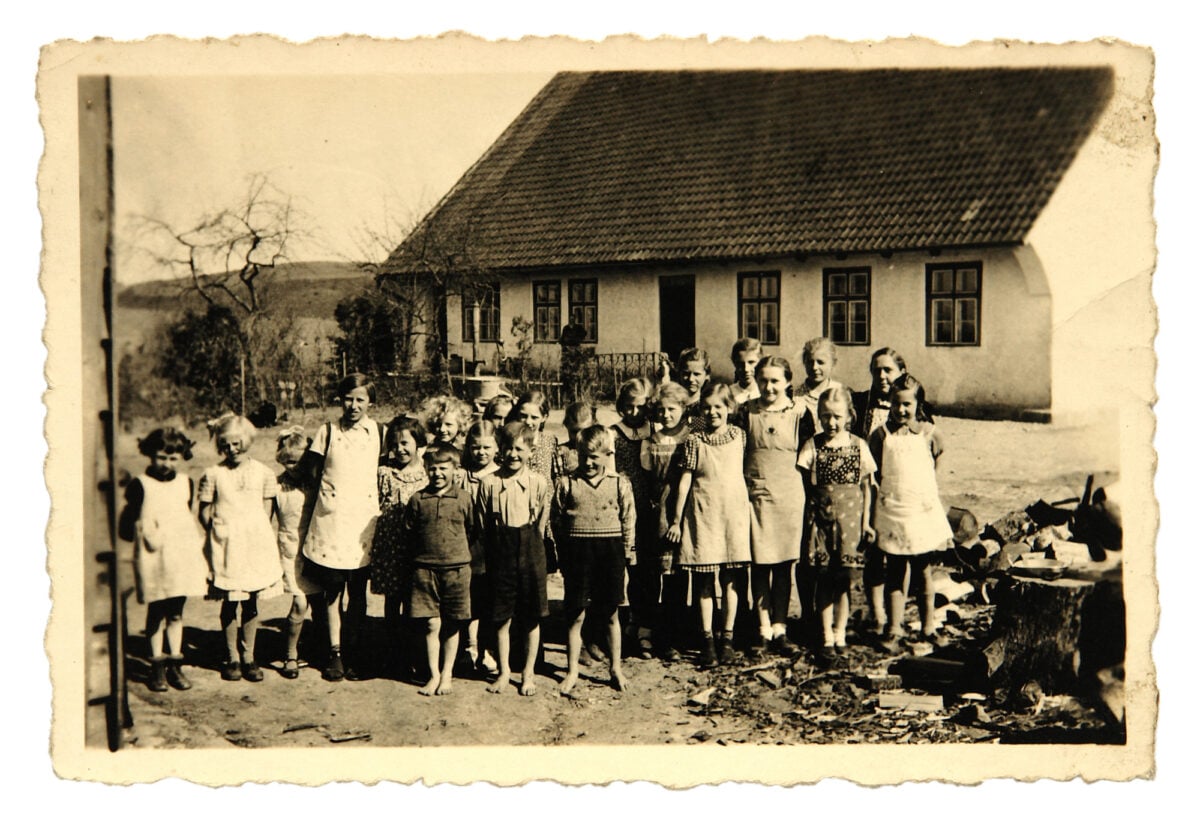
The practice of schoolchildren sealing objects for future students dates from the early 20th century, and many early examples have been opened in the past decades. A capsule sealed by a class of 1900-era American schoolchildren and opened by their school’s centennial committee typically contains handwritten letters, school photographs, pennants, personal items, and predictions about what life would look like in the future.
The predictions, made by children born before the automobile was common, tend to be consistently wrong in ways that reveal exactly how the world of 1900 was structured.
The Japanese Ibaraki Time Capsule, 1985

Buried in Japan and opened in 2010, a large institutional time capsule from 1985 contained photographs, newspapers, and children’s toys from the year of sealing. The most widely reported item was a collection of handwritten letters from elementary school students addressing their future selves or future generations, predicting what their lives and the world would be like in 2010.
The letters — the children of 1985 would have been in their thirties when the capsule was opened — were read at the ceremony by some of the original authors.
The Hidden Apollo 11 Memorabilia
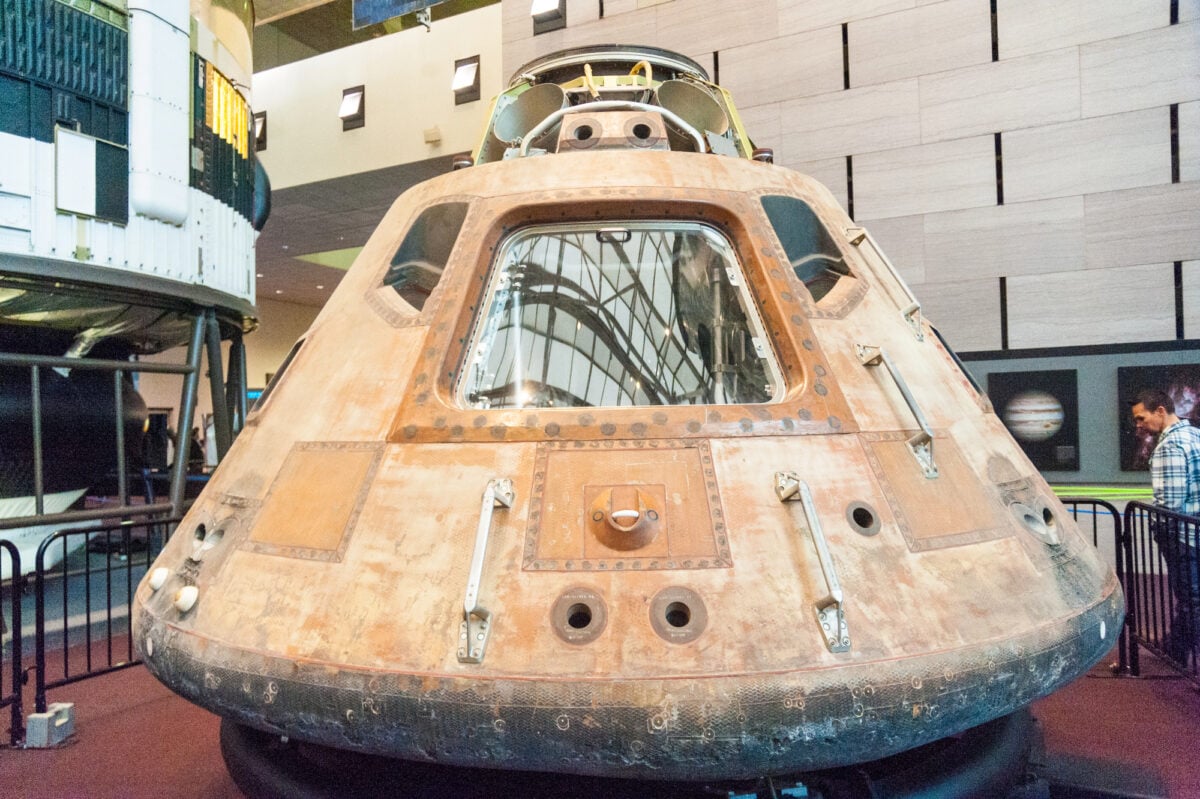
Neil Armstrong placed a package of small commemorative items on the surface of the Moon during the Apollo 11 mission in 1969, including medallions honoring Soviet cosmonauts who had died in the space program and mission patches from Apollo 1. The package was sealed in a white fabric pouch, left on the surface, and has been sitting on the Sea of Tranquility ever since.
Unlike most time capsules, there is no planned retrieval date and no one capable of opening it in the current century. It remains the most remote time capsule in existence.
What Gets Lost Between Sealing and Opening
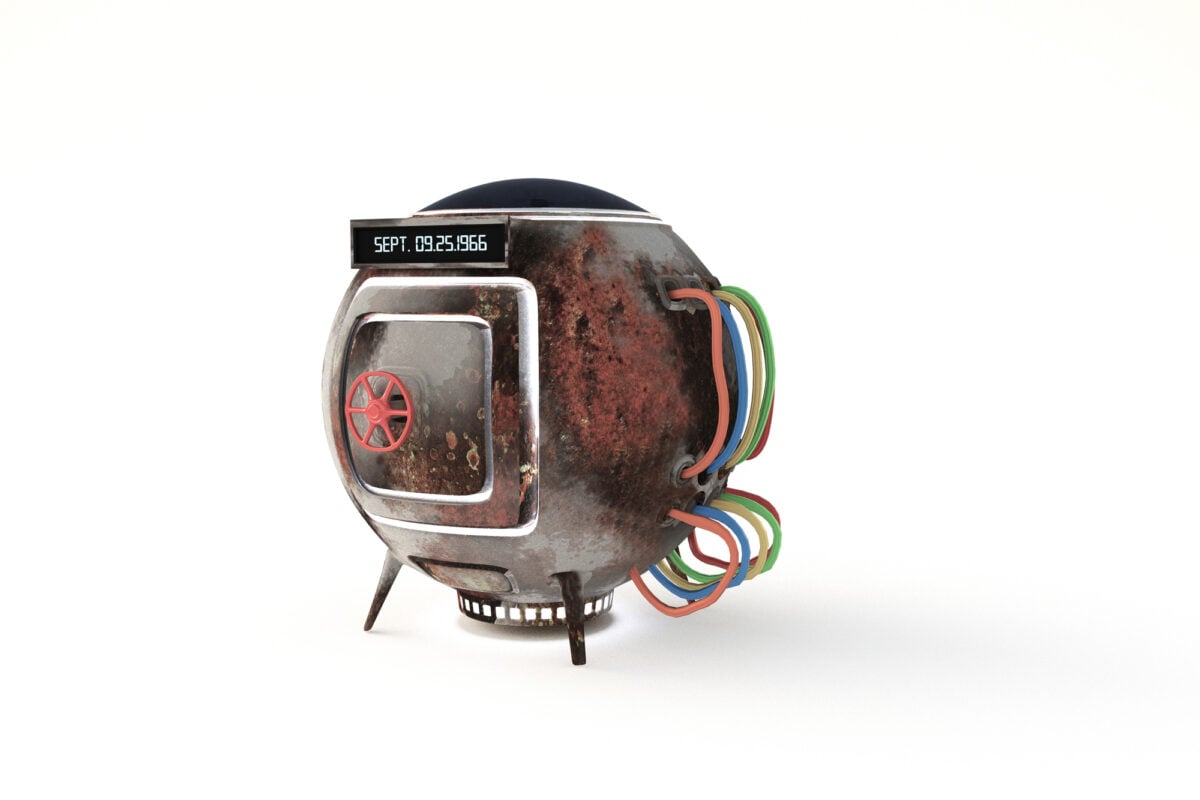
The consistent finding from three centuries of time capsule history is that the most revealing thing about a sealed container is almost never what the people who sealed it intended to preserve. The temperance pamphlet in the Century Safe, the whiskey apology note in New Hampshire, the student newspaper additions to the University of Washington capsule — these things tell you more about the people who sealed them than any of the officially designated documents did.
What most time capsule makers underestimate is the extent to which ordinary objects become extraordinary through time. The mundane survives longer than the meaningful.
A newspaper from 1876 is less useful to a 1976 historian than an unscripted letter would have been, but almost no one puts in unscripted letters. They put in what they want to be seen as — which is its own kind of documentation, and not always the most flattering one.
More from Go2Tutors!

- The Romanov Crown Jewels and Their Tragic Fate
- 13 Historical Mysteries That Science Still Can’t Solve
- Famous Hoaxes That Fooled the World for Years
- 15 Child Stars with Tragic Adult Lives
- 16 Famous Jewelry Pieces in History
Like Go2Tutors’s content? Follow us on MSN.