31 Things About Waiting for the School Bell That Hit Different in Hindsight
The school bell was the most powerful sound in childhood. Not the loudest, not the most surprising — but the most consequential.
It ended things and started things with a certainty that no adult authority could quite match: a teacher could be negotiated with, a parent could be appealed to, but the bell simply went and that was that. Whoever you were in the middle of talking to, whatever sentence you were halfway through, whatever you were waiting to find out — when the bell rang, the moment closed.
Looking back at it from inside an adult life that runs on alarms and calendar invitations and self-imposed deadlines, there is something almost enviable about the school bell’s clarity. You didn’t have to decide when things were over.
The institution decided. The bell rang. That was it.
The Two Minutes Before the Final Bell on Friday
The last two minutes of the school week had a quality that didn’t exist at any other point in the seven-day calendar. Every person in that classroom was counting.
The teacher sometimes kept talking, which was appreciated nowhere. The clock, if there was one on the wall, had probably already been watched for the previous forty minutes.
At the ninety-second mark, bags were already on shoulders. At the sixty-second mark, everyone was technically in their seat but had emotionally left the building.
The bell itself was almost a formality.
The Way the Bell Cut Off a Teacher Mid-Sentence
Some teachers honoured the bell immediately. The sentence ended, the class was dismissed, and the transition happened cleanly.
Other teachers finished the sentence, which was acceptable. A third category finished the sentence, the thought, the paragraph, and the paragraph’s implications — and was still talking when students had physically left the room.
The student who got out fastest while a teacher was still mid-explanation was doing nothing academically wrong. The bell was not a guideline.
The Silence Before the Last Lesson Bell in Summer Term
A July afternoon classroom, the week before the summer holiday, had its own atmospheric quality. The heat, the smell of hot paper and warm plastic chairs, the sound of the car park outside, the knowledge that whatever was being taught in this lesson was going to be the last of the year — it produced a specific combination of distraction and nostalgia that arrived too early, before anything was actually over.
The silence just before the bell on those afternoons was crowded with things that weren’t being said.
Packing Your Bag Slowly So You’d Leave at the Same Time as Someone Specific

The post-bell exodus from a classroom happened at slightly different speeds depending on the individual, which created a window for engineering specific coincidences of departure. A student who wanted to walk out with a particular person could pack with great deliberateness — taking time over each book, zipping the bag carefully, reconsidering the zip — until the target was also ready.
The success rate of this strategy was roughly fifty percent. The other fifty percent resulted in a quiet wait in the doorway that was either interpreted correctly or offered a natural opportunity to say something.
The Bell That Saved You From Being Called On

There exists a subset of school moments that are entirely about timing: the question is in the air, your hand is down, the teacher’s eyes have not quite landed on you, and then the bell rings and you are saved by infrastructure. The relief produced by this specific sequence of events was distinct from any other kind of school relief — it came from outside the human drama entirely, delivered without judgment by a mechanism that didn’t know or care what it had done.
The school bell as a rescue device had no moral quality. It was simply punctual.
The Lunch Bell When You Were Actually Hungry
There are very few experiences in adult life that match the specific character of the lunch bell after a morning of lessons that started at eight-thirty. Hunger in childhood had a straightforward, uncomplicated insistence — no coffee, no ambient snacking, no mid-morning smoothie — and by the time the bell rang at noon or one o’clock, it was all of twelve years old and had nothing else competing for its attention.
The walk to the dining hall had an urgency that was entirely honest. The queue at the front of the serving area represented the genuine stakes of arriving thirty seconds before everyone else.
The Bell That Ended Double Maths
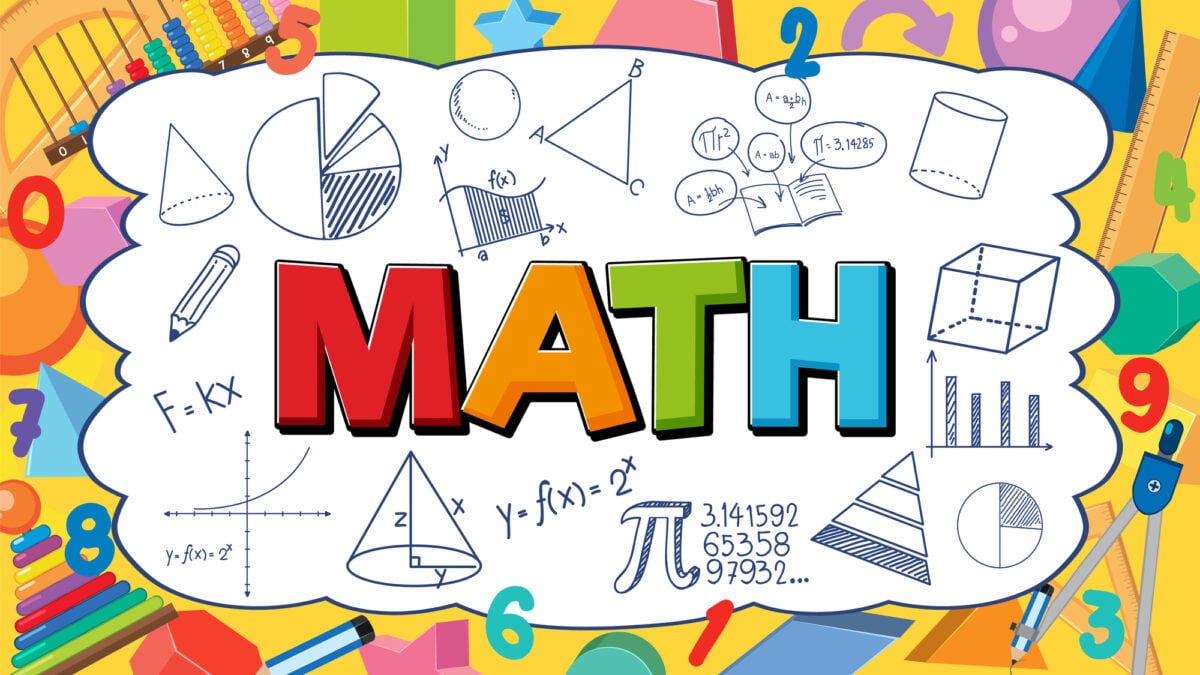
Double Maths occupied a specific category of lesson-time misery: it was long enough that normal bell-counting strategies were defeated, because one bell only moved you to the midpoint rather than the end. The second bell of a double Maths period had a different quality from a standard end-of-lesson bell — it was louder inside your head, and the walk out of the room had a loosened-muscle quality that a single forty-five minute lesson never quite produced.
If the teacher had been difficult, the second bell was even better.
Watching the Clock During a Test

A timed test produced two distinct clock-watching experiences: the initial panic when the clock was moving faster than the answers were arriving, and the later panic when the answers were done and the clock was barely moving. The bell at the end of a test had a different quality from any other bell in the school day — it was definitive in a way that nothing else was, because it ended something that couldn’t be continued after the fact.
Whatever hadn’t been written before the bell wasn’t going to be written. The bell as a closing of possibility had its sharpest expression at the end of an exam.
The Bell You Almost Missed Because You Were in a Conversation

The conversation that ran over — the one you were having with someone at your locker, or in the corridor, or at the edge of the playing field — had a moment where the bell was in the background and both of you heard it and neither of you stopped. The decision to ignore the bell and finish the conversation was a small act of commitment to whatever was being said.
The decision about what to do about the fact that you were now late came roughly thirty seconds after the bell, by which point the conversation had usually arrived at its natural conclusion anyway.
The Bell That Started PE

The bell for PE had a different quality depending entirely on who you were. For a certain category of student, it was the best bell of the week — the one that exchanged the confinement of a desk for the space of a field or hall, that replaced theory with the logic of an orb and a target.
For a different category, it announced the beginning of an hour that required physical performance in front of peers in ways that classrooms did not, and the walk to the changing rooms had a particular quality of reluctant transit. The same bell rang for both groups.
The experience it announced was completely different.
Counting the Minutes to the Bell While Sitting at the Back
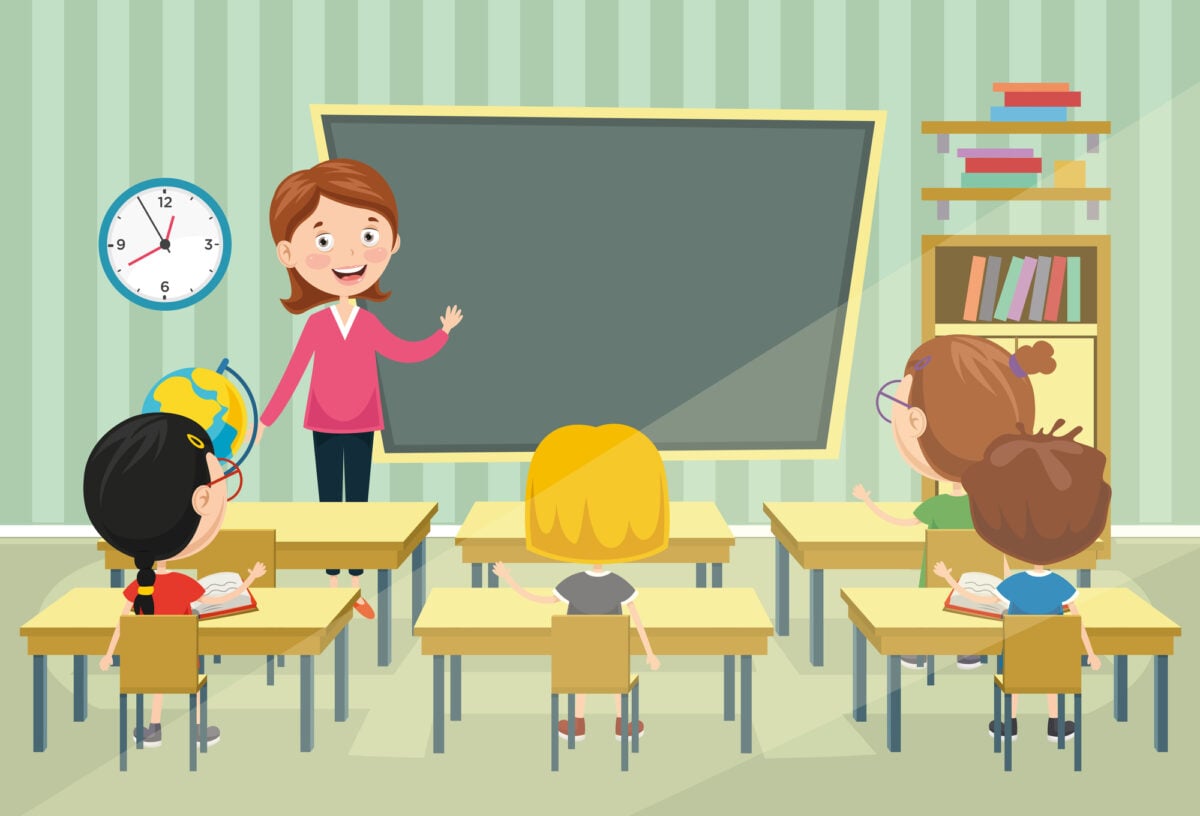
Sitting at the back of a classroom had the practical advantage of clock visibility. A student at the back could monitor the minute hand without rotating visibly in their seat, could count down from twelve minutes, could subdivide the remaining time into manageable units — six blocks of two minutes, twelve blocks of one, thirty-six blocks of twenty seconds — and could thereby maintain the illusion of progress toward the bell without engaging with the lesson in any meaningful way.
This was time management without purpose, but it worked.
The Bell at the Start of the Day

The morning bell had a different quality from all others: it didn’t end anything, it simply began. It was the signal that whatever time had existed before school was now over, and that the institution’s schedule had taken possession of the next six hours.
The morning bell on a Monday had the densest weight. The morning bell on a day when something good was going to happen — a trip, a special lesson, a PE match — was lighter.
Same bell, same frequency, same mechanism. The content of the day it was starting made it feel different every time.
The Bell That Released You Into the First Proper Day of Spring Weather

There are specific seasonal memories attached to school bells that have no adult equivalent. The first properly warm day of the year, when the spring sun had become genuine rather than theoretical, announced itself to a classroom before the bell confirmed it — through the temperature of the room, the light through the windows, the sound of something outside.
When the break-time bell went on a day like that, the exit from the building had an urgency that was different from the routine rush. The playground in actual warmth, after months of cold, was a different country.
The Bell Nobody Expected Because the Teacher Had Covered a Clock
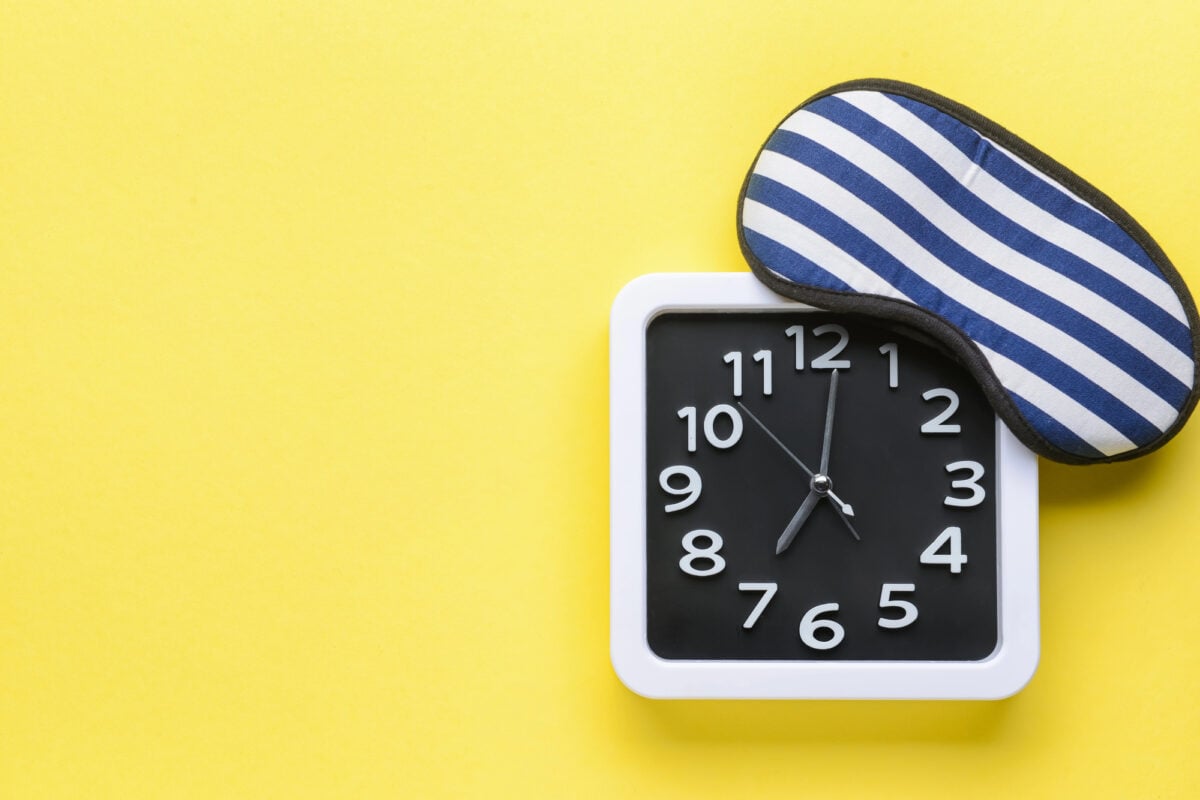
A teacher who wanted to prevent clock-watching occasionally covered or turned the clock, which produced a classroom in which nobody knew exactly how much time remained and was therefore theoretically forced to engage with the lesson rather than count down from it. The effect on engagement was mixed.
The effect on the bell — which arrived without visible countdown, at its appointed time, regardless of what anyone in the room expected — was a sudden relief that was amplified by the absence of anticipation. The unexpected bell was the best bell.
Waiting Outside After School for a Parent Who Was Always Late
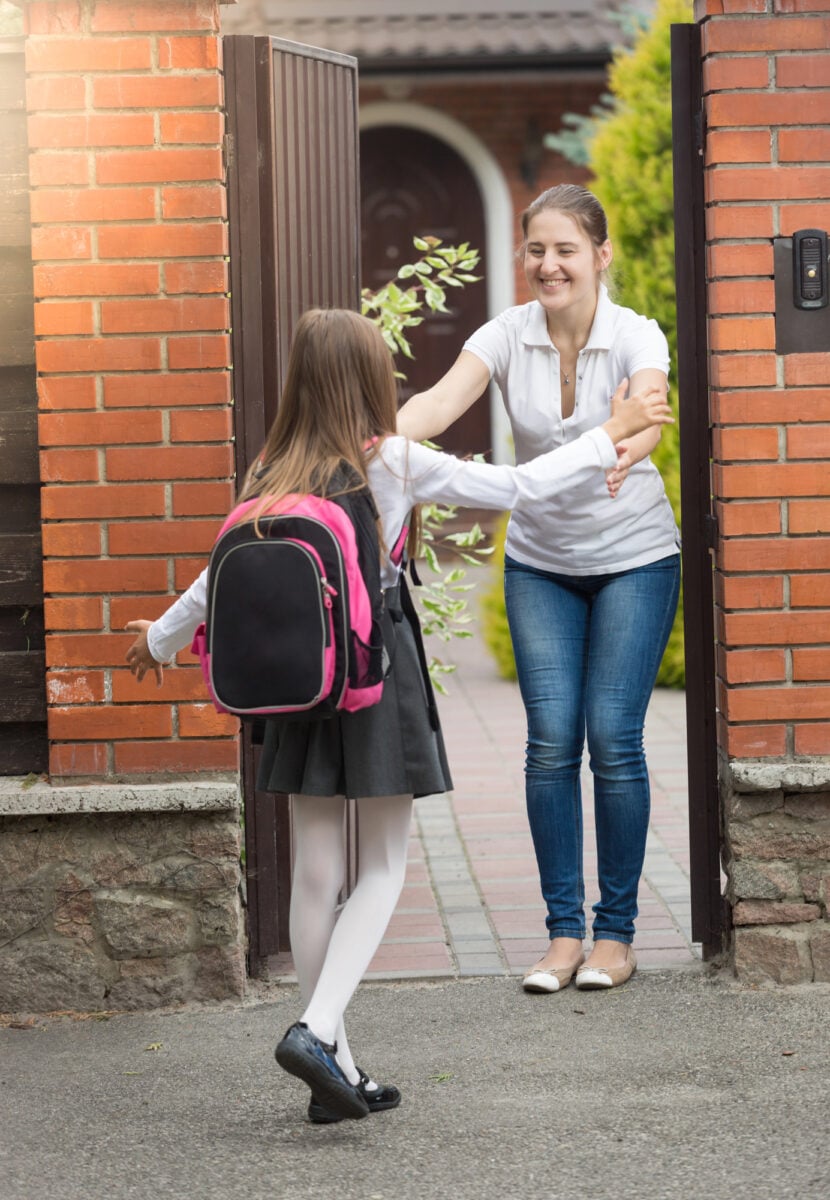
Being the last one at the school gates, with everyone else collected and the carers’ cars gone and the teachers beginning to exchange slightly concerned looks — this was an experience in concentrated waiting that had real stakes: if the parent was very late, a specific protocol would be triggered, and that protocol was embarrassing. The parent almost always arrived.
Their explanation almost always involved traffic. The combination of relief and mild resentment produced an emotional dynamic that was managed in the back seat of the car and generally not mentioned again.
The Bell That Signalled the Beginning of a School Holiday

The end-of-term bell was technically the same bell as every other bell, produced by the same mechanism, at the same volume, with the same duration. And yet it was an entirely different event.
It arrived at the end of the last lesson of the final day of a term, after an afternoon that had been composed largely of form-filling, book-collecting, and the teacher attempting to make some kind of gesture toward the importance of the summer or Christmas or Easter ahead. The bell rang and you walked out of the building and you were free, and you knew you were free, and nothing about the next several weeks required a bell.
The Bell That Went While You Were Outside and You Didn’t Hear It

Occasionally, in a corner of the playground far from the speaker, during a moment of sufficient noise and engagement — a football match, a group conversation, a drama with stakes — the bell went without being heard. You became aware of it through the movement of others: the drift away from wherever you were, the clearing of the playground, the understanding that the bell had gone without you catching it.
The three-second delay between the bell and your awareness of it was a small, specific disorientation — the world had moved on its schedule without waiting for your attention.
The Bell That Ended a Lesson You’d Liked
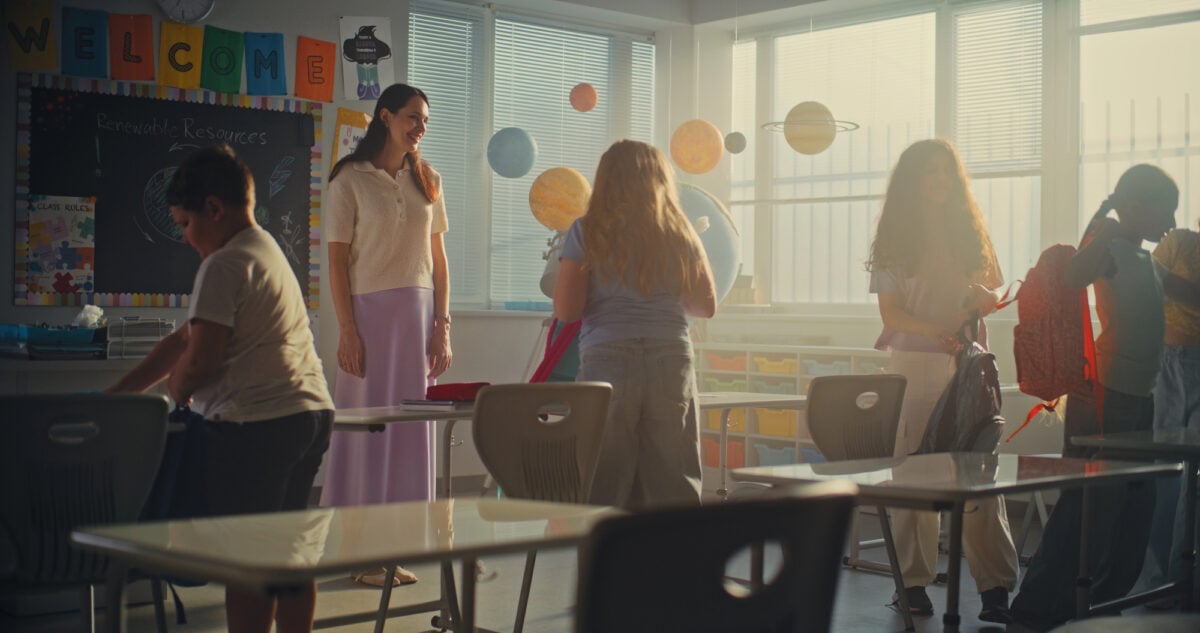
Not every bell ended something unwanted. The best lessons — the ones where time had felt short, where the discussion had gone somewhere interesting, where the class had been more than its standard configuration — ended with a bell that arrived with a slightly different quality.
Less urgency in the packing. A few extra words exchanged.
The knowledge that this had been a good one, measured in the reluctance to leave, which was as accurate a measure as any.
The Sound of the Bell From Outside the Building

Coming back onto school grounds from some errand or trip, hearing the bell from outside the building as a sound among other sounds rather than as the defining acoustic event of an enclosed room — the bell sounded different. Further away, thinner, slightly surprised to find you out here rather than in there.
You knew what it meant and where everyone was going, and you matched yourself to its rhythm from a distance before the building absorbed you again.
The Bell That Signalled You Had Survived Something Difficult

A lesson, an assessment, a presentation, a day that had required more endurance than the average — the bell at the end of it had a specific quality that was about relief rather than habit. The bell as the seal on something that was now over and couldn’t be opened again.
The walk out of that classroom had a different quality from the standard walk. The afternoon air, or the corridor, or the walk to the bus stop, had a looseness to it that was specifically earned.
Waiting With Nothing to Do in the Last Five Minutes
The lesson that ended five minutes early — by a teacher who had used up the material and chose not to begin anything new, or by some administrative development that closed the lesson before the bell — produced a specific category of unstructured time that was neither break nor lesson. Nobody was quite sure what to do with it.
Conversations started. A few people began packing despite there being nothing signalling an imminent departure.
The teacher usually talked about something unrelated to the subject, or told a story, or asked about other things. These five minutes have survived in memory with unusual vividness.
The Bell as a Rescue From Something Social

The school social environment produced, daily, situations that required exits. A conversation that had gone wrong, a group moment that had turned uncomfortable, a location that had become the wrong one — the bell was the legitimate exit from all of these, available to everyone equally, requiring no explanation.
You weren’t leaving because of the situation. The bell had gone.
The bell had gone for everyone, and you were going, and there was no further discussion required. The bell as social infrastructure — as an escape mechanism distributed without prejudice across every student equally — was one of its more under-appreciated qualities.
The Specific Sound of Your School’s Bell

Adults who grew up in the same school system can often still produce, when asked, an accurate description of the specific bell at their school — not a generic school bell, but the exact frequency and duration of the one they heard every day for seven years. Some were electronic tones, some were buzzer sounds, some were genuine bells.
Some had a slightly different quality in winter when the cold affected the speaker. These acoustic memories are stored somewhere that general fact-retrieval doesn’t easily reach, retrieved most reliably by the specific smell of a corridor floor in a building that doesn’t get enough ventilation.
The bell is still there, filed under things that mattered before you knew what mattered.
The Bell That No Longer Applies to You
The first time you hear a school bell as an adult and realise it has nothing to do with you — it’s a bell from a nearby school, going about its own timetable, structuring someone else’s day — is a mildly strange moment. The Pavlovian response is still there: something in the body expects to move.
Then the body recalibrates, because you are on a pavement, or in a car, or in a building with a different schedule, and the bell is for other people. You are free of it entirely.
And somehow this doesn’t feel entirely like freedom.
The Bell, in Retrospect
The school bell imposed its shape on six or seven or eight years of daily life with a consistency that nothing adult life has matched. Work schedules have flexibility, social events have drift, deadlines are negotiated.
The bell negotiated with no one. It rang at the same time regardless of where you were in a conversation, a calculation, a crisis, or a piece of work.
In retrospect this feels like rigidity. At the time it felt like structure, and structure is what made the moments between bells feel like they belonged to you rather than to the institution.
The freedom that made the Friday afternoon bell feel like the best sound in the world was not just about leaving school. It was about the six hours that had preceded it — the bells that had carved the day into sections, each ending with the same sound, each one incrementally closer to the one that mattered.
The bell you wanted was meaningful because of all the ones you’d sat through to get there. That, it turns out, is how most good things work.
More from Go2Tutors!

- The Romanov Crown Jewels and Their Tragic Fate
- 13 Historical Mysteries That Science Still Can’t Solve
- Famous Hoaxes That Fooled the World for Years
- 15 Child Stars with Tragic Adult Lives
- 16 Famous Jewelry Pieces in History
Like Go2Tutors’s content? Follow us on MSN.