25 Meteor Events in History That Caused Widespread Panic
There is something deeply unsettling about the sky doing something it shouldn’t. Humans have mapped the heavens, named every star, and built entire calendars around the predictability of celestial motion — which makes it all the more destabilizing when something streaks through the order at 40,000 miles per hour and refuses to explain itself.
Across every era and every continent, the arrival of something from space has had the same effect on the people below: confusion first, then noise, then fear. Some of these events were catastrophic.
Some were spectacular but harmless. A few turned out to be nothing at all — and still sent whole towns running.
What ties them together is the human response, which tends to follow the same pattern regardless of century: witnesses struggle to describe what they saw, authorities scramble to contain the narrative, and the explanations offered are almost always stranger than the event itself.
The Leonid Storm of 1833
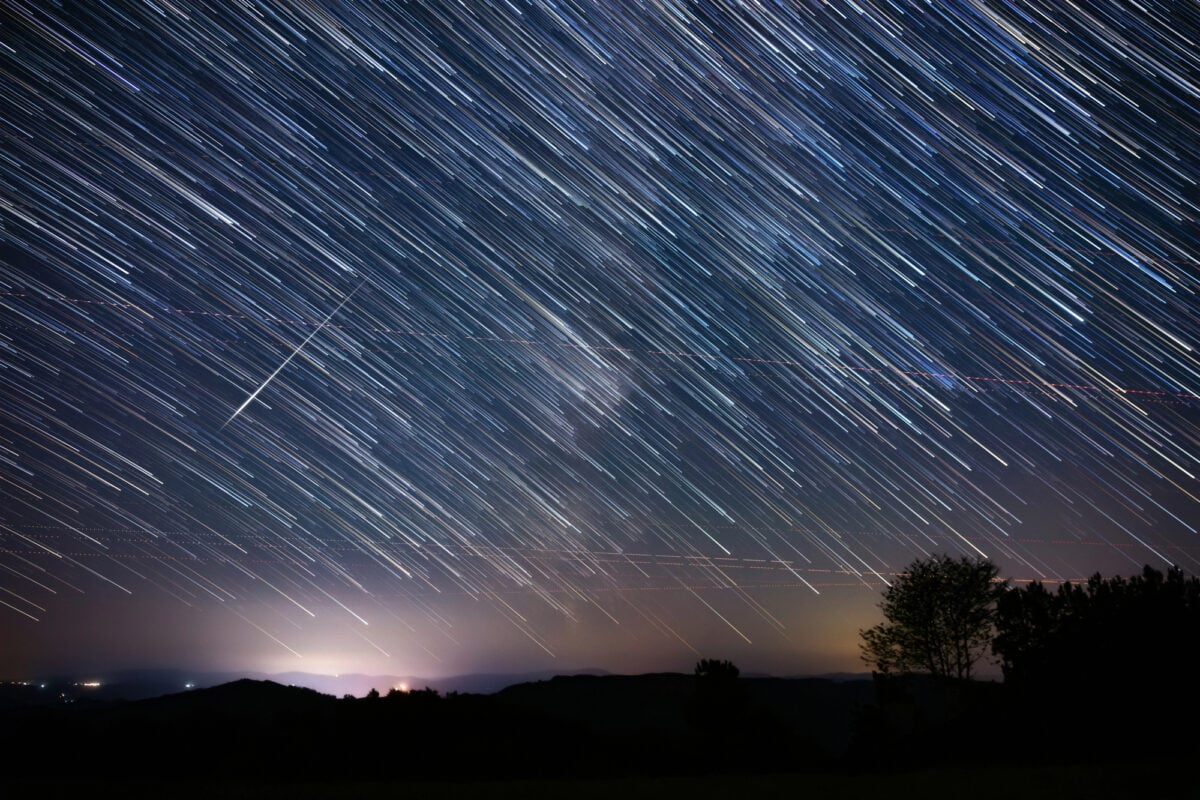
On the night of November 12–13, 1833, the sky over North America erupted in what witnesses described as stars falling by the thousands. Estimates of the peak rate reach 150,000 meteors per hour, though that figure should be understood as an approximation rather than a precise count.
Families fled their homes. Enslaved people in the American South believed Judgment Day had arrived.
Church pews filled before dawn. The event was so widespread and so terrifying that it effectively launched meteor science as a discipline — astronomers studying the radiant point of the shower realised the meteors came from a fixed direction, proving they originated in space rather than in Earth’s atmosphere.
The Ensisheim Meteorite of 1492
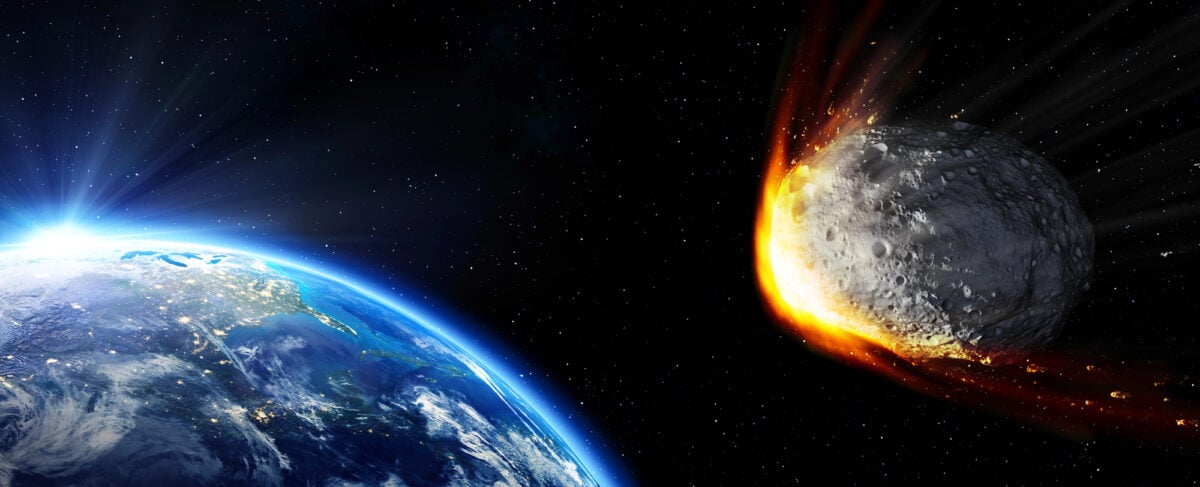
On November 7, 1492, a 330-pound stone dropped from a clear sky into a wheat field outside the small Alsatian town of Ensisheim, France, witnessed only by a young boy. The explosion that preceded it was heard for miles.
By the time townsfolk arrived, they had already begun breaking off pieces as protective talismans — a spontaneous act of both panic and reverence. King Maximilian I stopped at Ensisheim on his way to battle and declared the stone a divine gift, using it as a propaganda tool to claim God’s favour in his upcoming campaign against France.
The Ensisheim stone is the oldest recorded meteorite still preserved with a documented fall date.
The Tunguska Event of 1908
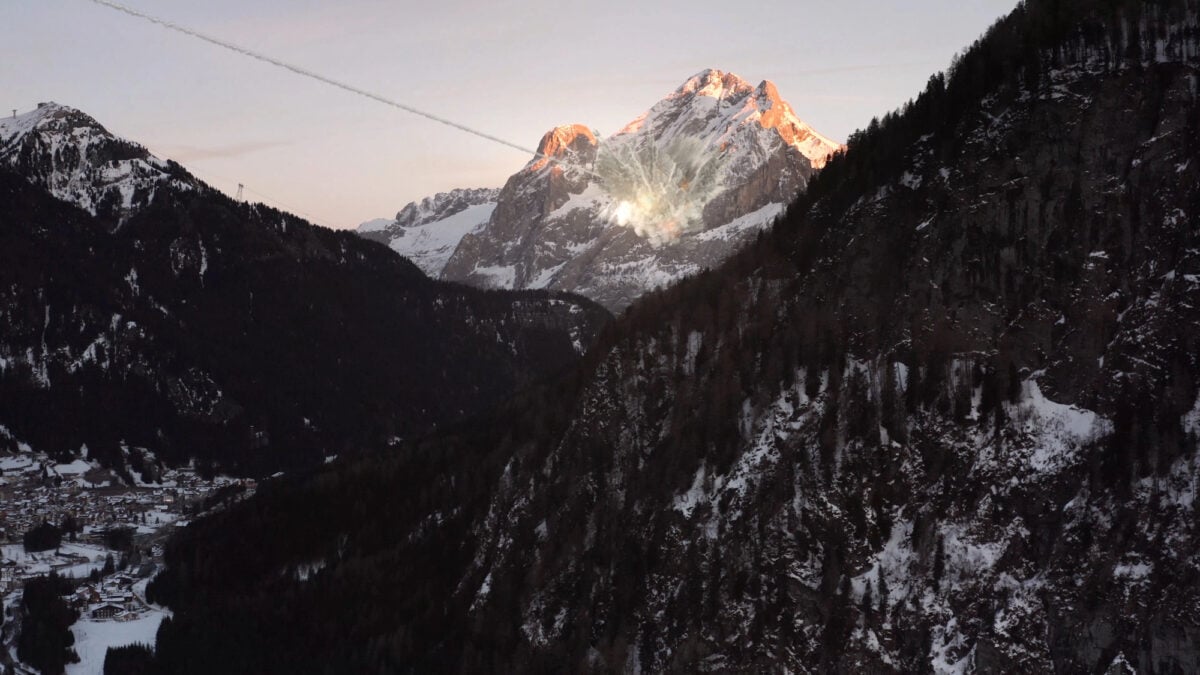
On June 30, 1908, something exploded approximately 5 to 10 kilometres above a remote stretch of Siberian taiga near the Tunguska River. The blast flattened roughly 2,000 square kilometres of forest and felled an estimated 80 million trees.
Reindeer herders camped nearby were thrown into the air by the shockwave. The indigenous Evenki people of the region interpreted the event as punishment from a deity called Ogdy.
Because it struck one of the least populated places on Earth, no fatalities were confirmed — but had the trajectory arrived a few hours later, it would have passed over St. Petersburg. Scientific expeditions didn’t reach the site until 1927, by which point speculation had already spiralled into everything from a comet strike to a rogue Tesla experiment.
The Pultusk Meteorite Rain of 1868

On January 30, 1868, a meteor exploded above the town of Pultusk near Warsaw, Poland, and shattered into more than 100,000 individual stones that fell across a wide area like cosmic hail. A mineralogist reporting at a scientific conference described the citizens of Warsaw as “petrified with fear” watching a massive fireball burst overhead with a noise and shockwave unlike anything they had experienced.
The largest recovered fragment weighed around nine kilograms. It remains one of the largest witnessed meteorite falls on record in terms of sheer number of pieces.
The Leonid Storm of 1966
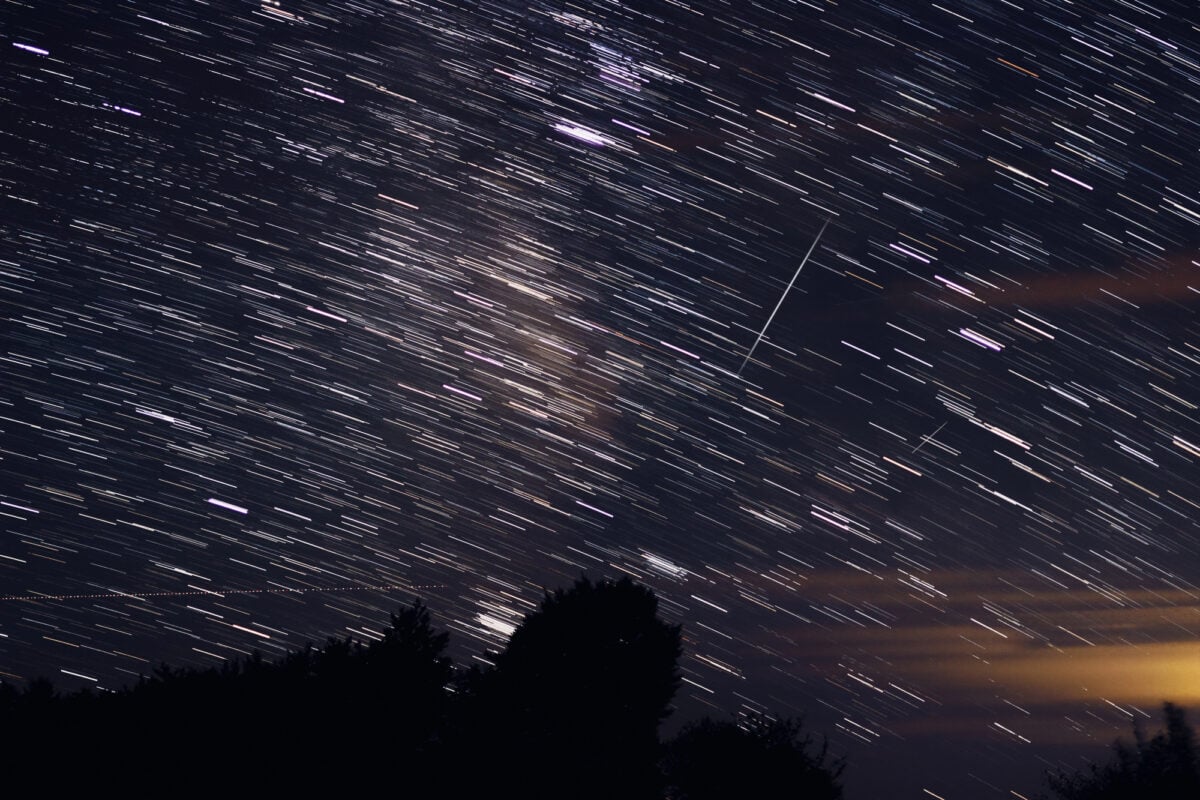
The Leonids returned for another extreme outburst on November 17, 1966, producing rates of up to 150,000 meteors per hour over parts of the United States. Observers in the American Southwest reported the sky appearing to move — the sensation of meteors radiating from a fixed point created the visual impression that the stars themselves were streaming toward the ground.
Some who witnessed it described a physical fear response that logic could not override: they knew intellectually what was happening and still couldn’t make themselves feel safe.
The Draconid Storm of 1933
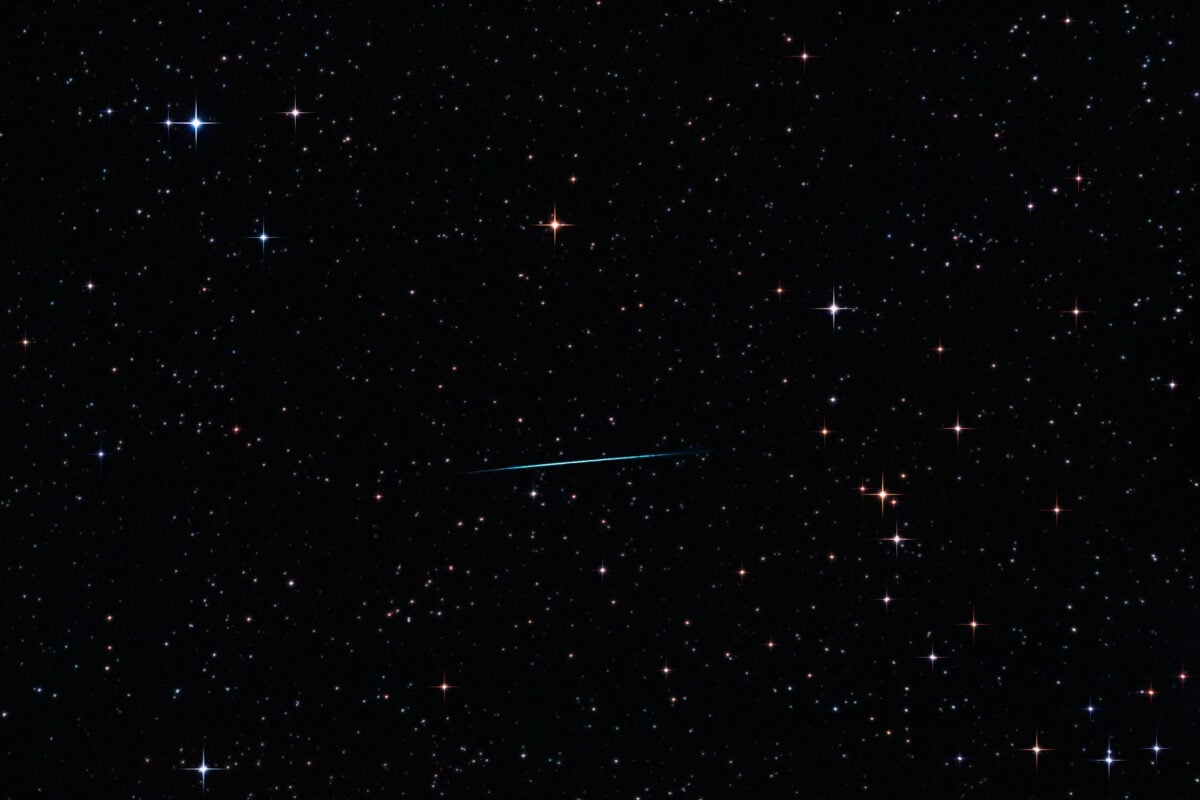
The night of October 9–10, 1933, brought a sudden and violent Draconid meteor storm over Europe, with rates of hundreds of meteors per minute observed from multiple countries. The New York Times reported that rural residents of Portugal “stricken by fear, started praying” and that “some villages terrified.”
From Ireland, observers described the meteors falling “as frequently as snowflakes.” An observer in Malta recorded a peak rate of 480 per minute.
The storm arrived without meaningful public warning, making the shock considerably worse for anyone unlucky enough to be standing outside that night.
Halley’s Comet and the Cyanogen Panic of 1910
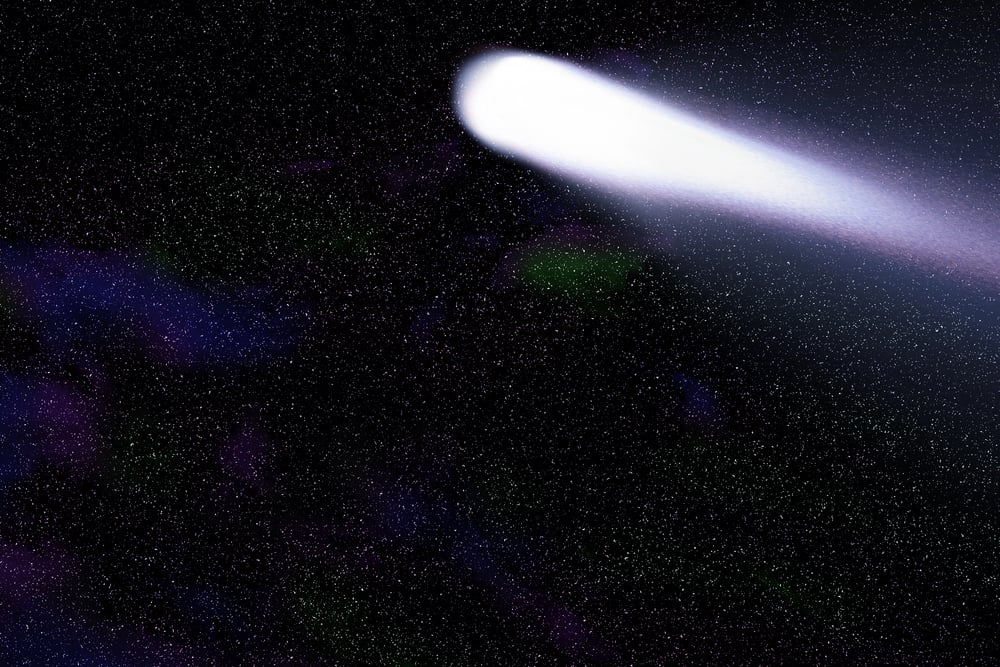
When astronomers at the Yerkes Observatory in Wisconsin announced in February 1910 that they had detected cyanogen gas in the tail of Halley’s Comet — and that Earth was about to pass directly through it — the public response was not measured. Scientists attempted to explain that the gas was too diffuse to cause harm, but a French astronomer had already publicly speculated that the tail might trigger a catastrophic flood.
Entrepreneurs began selling pills and masks to protect against “cometary poison.” People in the United States hid in cellars and sealed their windows with wet rags.
Some filled their basements with oxygen. The comet passed harmlessly.
The panic is now considered a case study in how scientific communication — and its failures — can shape public fear.
The Sikhote-Alin Impact of 1947
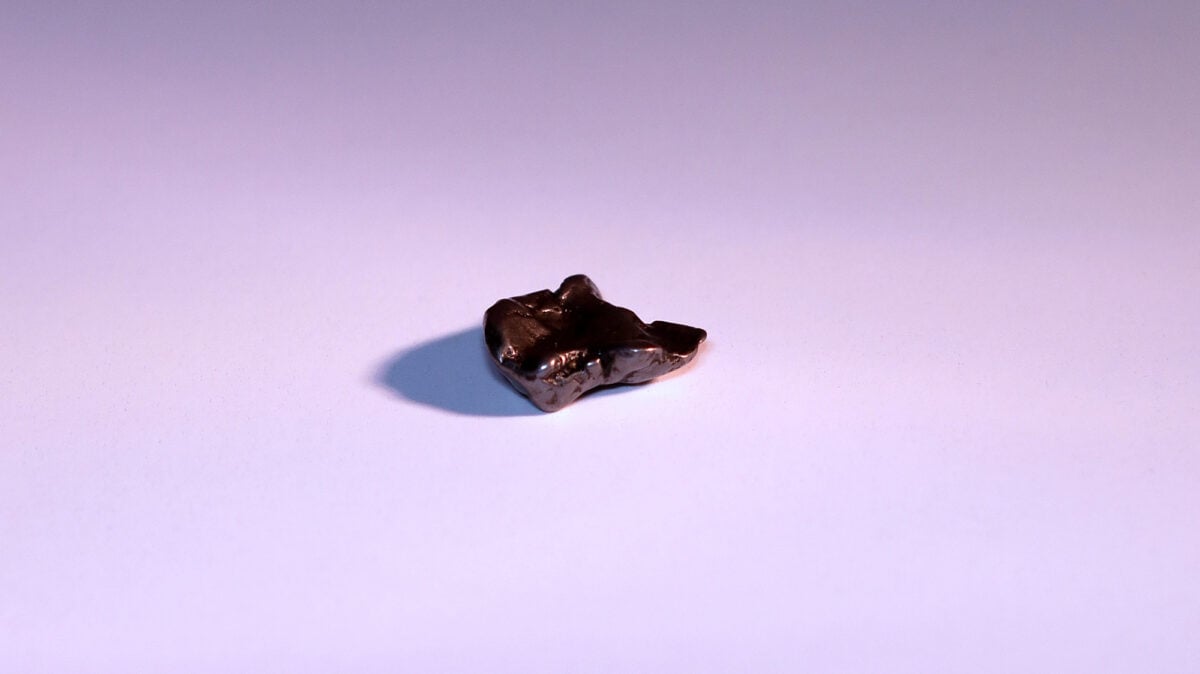
On the morning of February 12, 1947, a fireball described as brighter than the sun appeared over the Sikhote-Alin Mountains in far eastern Russia, roughly 440 kilometres northeast of Vladivostok. The explosion left a smoke trail visible for hours and was heard hundreds of kilometres away.
The impactor, a metallic asteroid with a pre-impact mass of around 23 tons, scattered iron fragments across the surrounding area in more than 100 separate craters. Eyewitnesses in nearby villages believed they were under attack — Soviet Russia in 1947 was a country where paranoia about air strikes was not unreasonable, and the sound of an explosion from above carried immediate military associations.
The Great Daylight Fireball of 1972
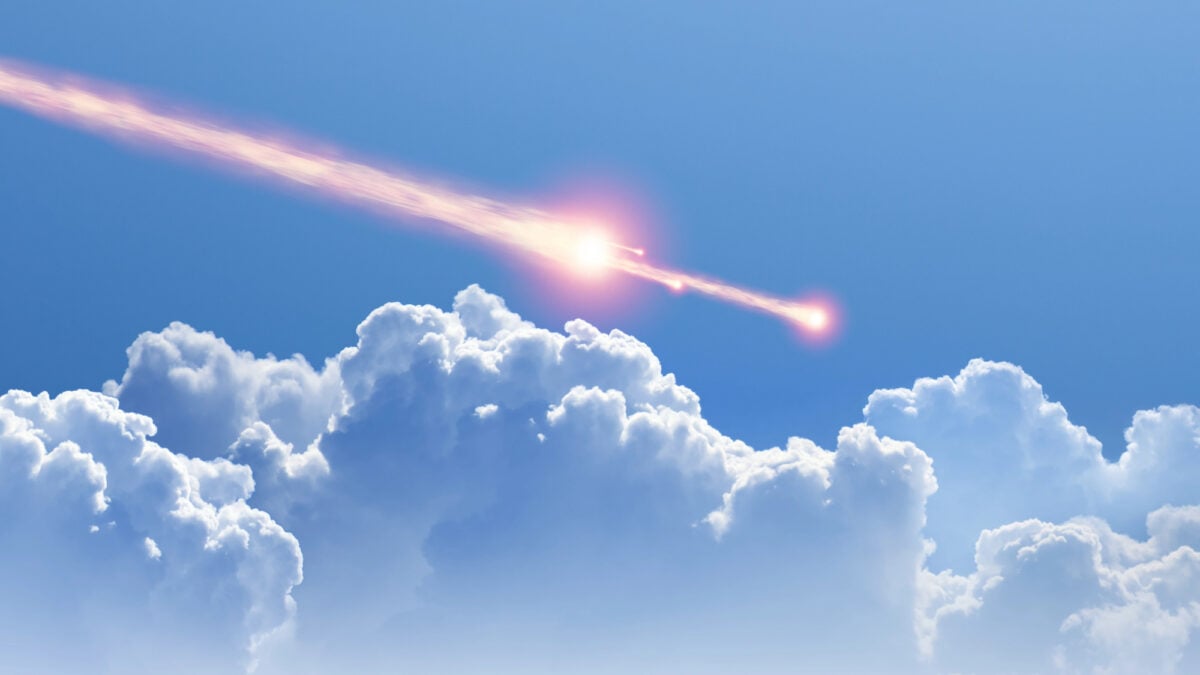
On August 10, 1972, an object the size of a small house entered the atmosphere over Utah in broad daylight and skimmed across the sky for roughly 100 seconds before bouncing back out into space like a stone skipping across water. It passed within 57 kilometres of Earth’s surface — close enough to be filmed on 8-millimeter colour film by a tourist in Grand Teton National Park.
Scientists later calculated that had its trajectory been slightly steeper, it would have detonated with the force of a nuclear weapon somewhere over Canada or the northern United States. People who saw it from the ground had no idea it would leave.
It just appeared, blazed, and vanished.
The Carancas Impact of 2007
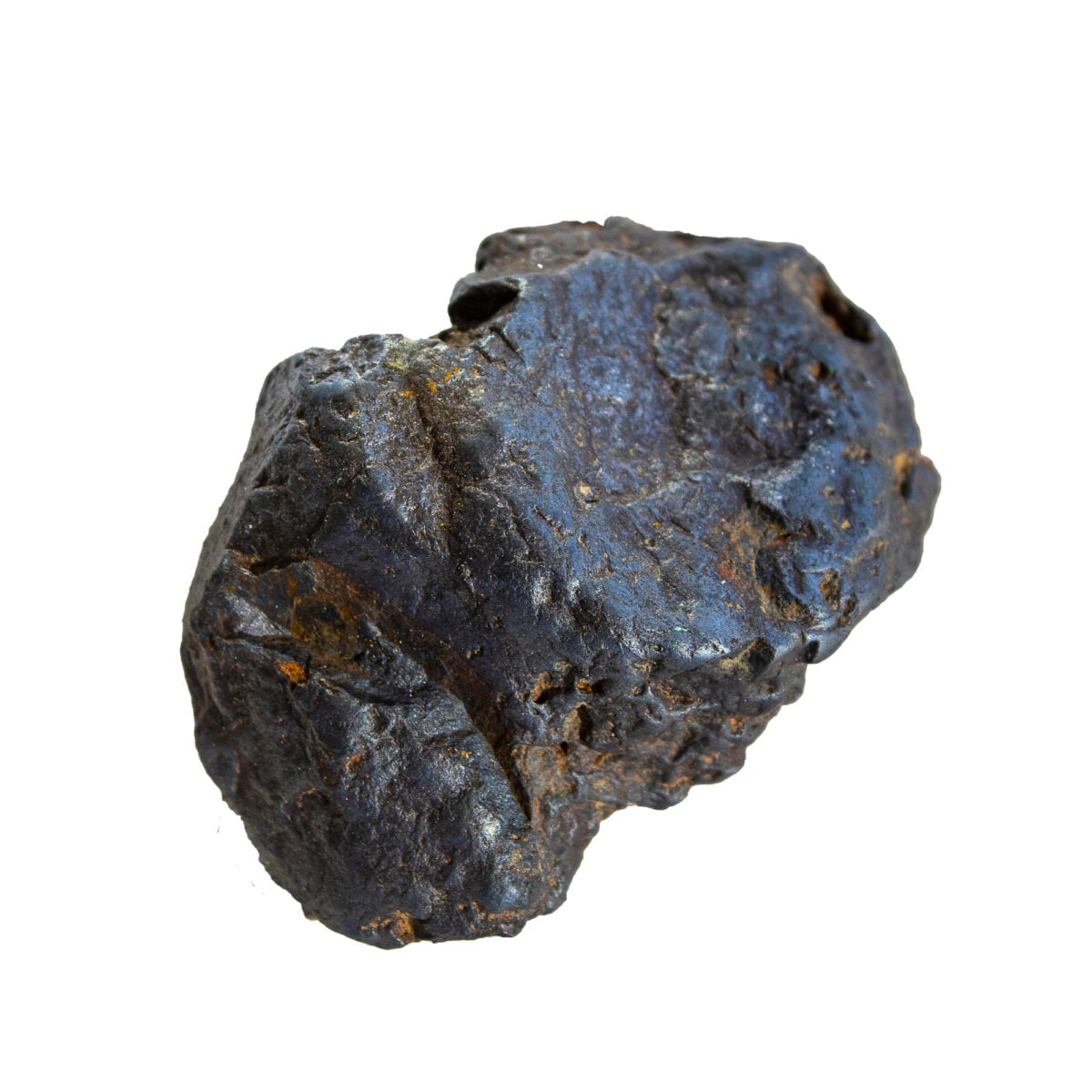
On September 15, 2007, a chondritic meteorite struck the ground near the village of Carancas in Peru, close to Lake Titicaca, and left a crater approximately 13.5 metres wide. Within hours, around 200 villagers who had approached the impact site fell ill with symptoms including headaches, nausea, and vomiting.
The story spread internationally within days, with some reports describing it as a possible alien plague. Scientists later concluded the most likely cause was mild arsenic poisoning — the meteorite’s hot surface had vaporised an underground water supply already contaminated with arsenic.
The illness was real. The cause was terrestrial.
The panic was entirely understandable.
The Peekskill Fireball of 1992

On October 9, 1992, a fireball visible across multiple eastern US states streaked northeast for about 40 seconds before fragments reached the ground in Peekskill, New York. One piece — weighing around 12 kilograms — punched through the trunk of a parked 1980 red Chevrolet Malibu belonging to Michelle Knapp, who had bought the car for $300 the week before.
The event was captured on video from at least 16 different cameras, many of which had been trained on high school football games that evening. Knapp later sold the damaged car for $25,000 and the meteorite for $50,000.
The footage became one of the most scientifically valuable records of a meteor’s atmospheric trajectory ever obtained.
The Krasnojarsk Meteorite Discovery of 1749

When the Krasnojarsk meteorite was found in Siberia in 1749, no established scientific framework existed for explaining where it had come from. The unusual mixture of stone and iron in the rock was unlike anything quarried from the earth, and the local population regarded it with a mixture of reverence and unease.
It would take the physicist Ernst Chladni another 45 years to use the stone as evidence for his theory that rocks could fall from space — a claim so bizarre at the time that the scientific establishment dismissed it as fantasy. The idea that solid matter could drop from the sky without explanation was, in itself, a source of dread.
The Chelyabinsk Meteor of 2013
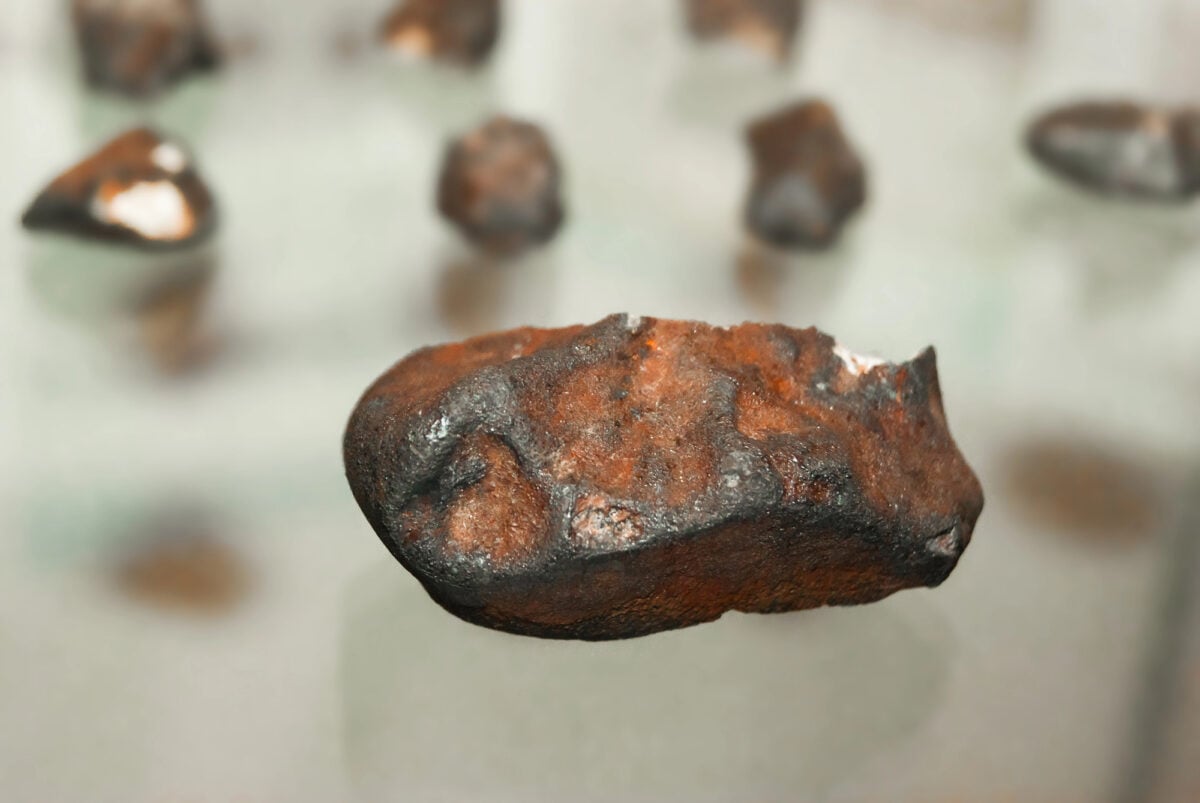
On February 15, 2013, a 20-metre asteroid entered the atmosphere at roughly 66,000 kilometres per hour above the city of Chelyabinsk in Russia’s Ural Mountains and exploded in an airburst estimated at 500 kilotons. The shockwave shattered windows across the city and collapsed a roof at a zinc factory.
More than 1,500 people were injured — most of them from flying glass, a result of looking at the flash. Critically, the event arrived on a morning when the world’s attention was focused on a different asteroid (2012 DA14) making a close pass that had been tracked for months.
Chelyabinsk came from a completely different direction, entirely undetected. The coincidence accelerated the formation of NASA’s Planetary Defense Coordination Office three years later.
The Barwell Meteorite of 1965
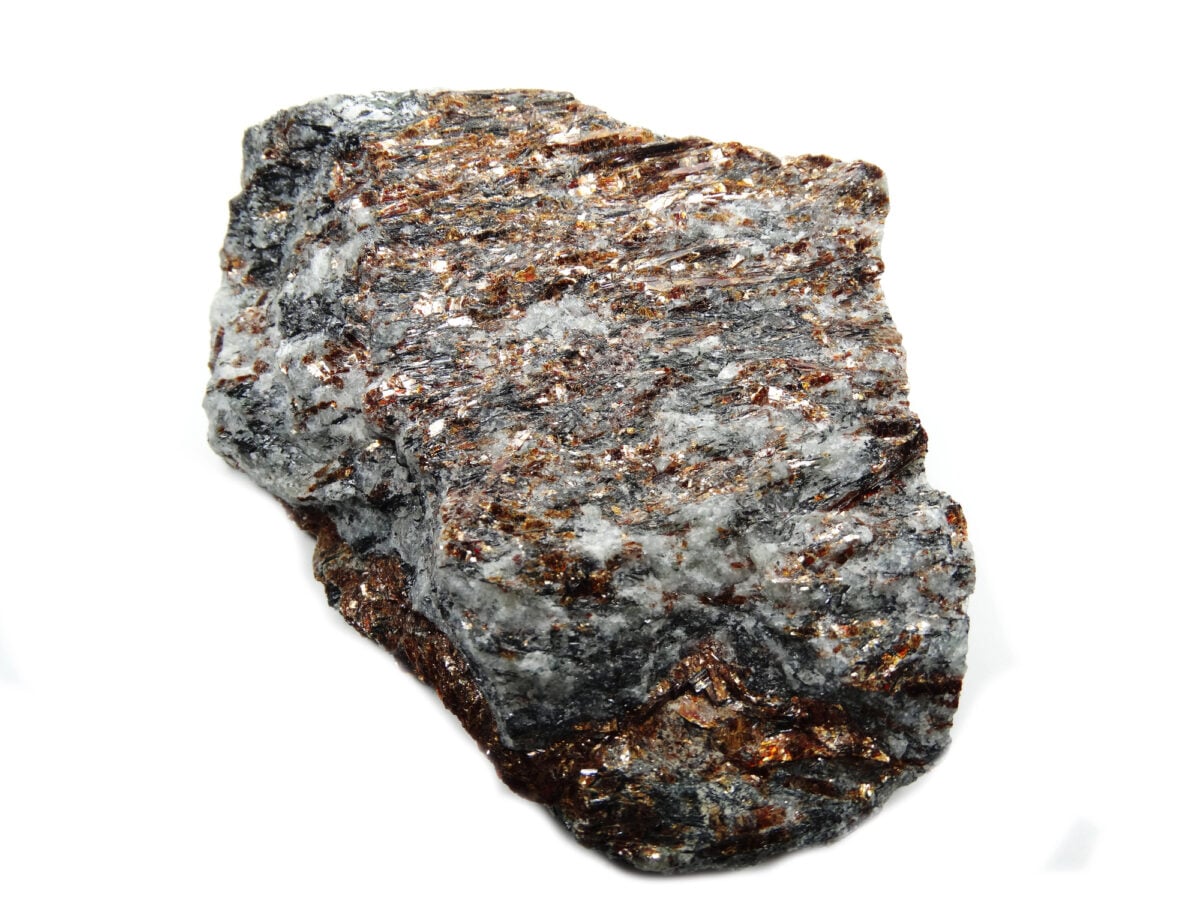
On Christmas Eve 1965, Britain’s largest recorded meteorite broke apart over Leicestershire and showered fragments across the village of Barwell. Chunks of space rock landed in gardens, crashed through greenhouses, and one piece reportedly smashed through the windscreen of a recently parked car.
The event itself caused no injuries, but the aftermath generated its own form of chaos: museums immediately began offering cash for fragments, and the quiet village was inundated with meteorite hunters for weeks. Pieces of Barwell meteorite are now distributed across collections around the world, and fragments occasionally appear for auction online.
The Wold Cottage Meteorite of 1795
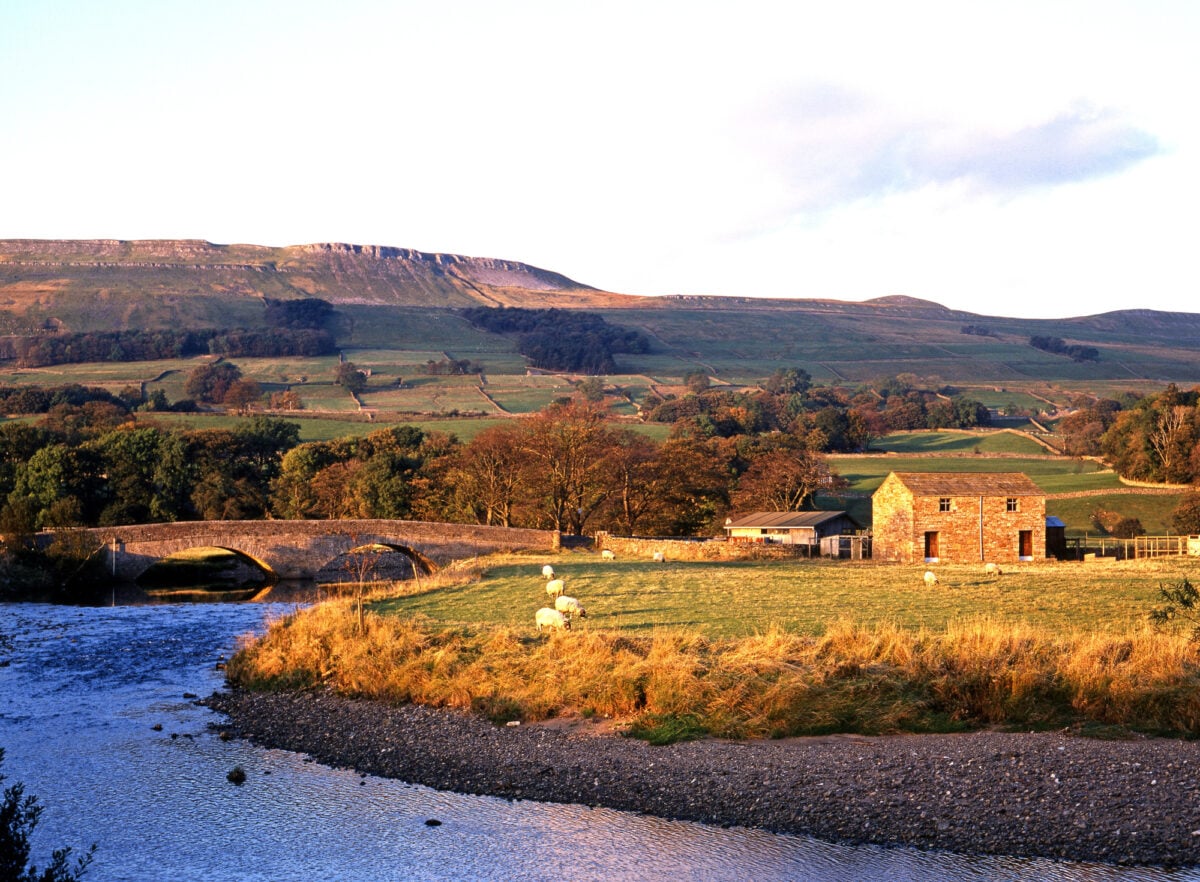
On December 13, 1795, a stone fell from a clear Yorkshire sky and hit the ground close enough to a farmhand named John Shipley that he was splattered with mud. Multiple villagers watched it fall.
When the stone was analysed at the Royal Society in London, scientists found it to be chemically unlike any known terrestrial rock. The event helped shift scientific consensus toward accepting that rocks could come from space — but among ordinary people, it reinforced an older and far simpler conclusion: the sky was not entirely predictable, and that was worth worrying about.
The L’Aigle Meteorite Shower of 1803
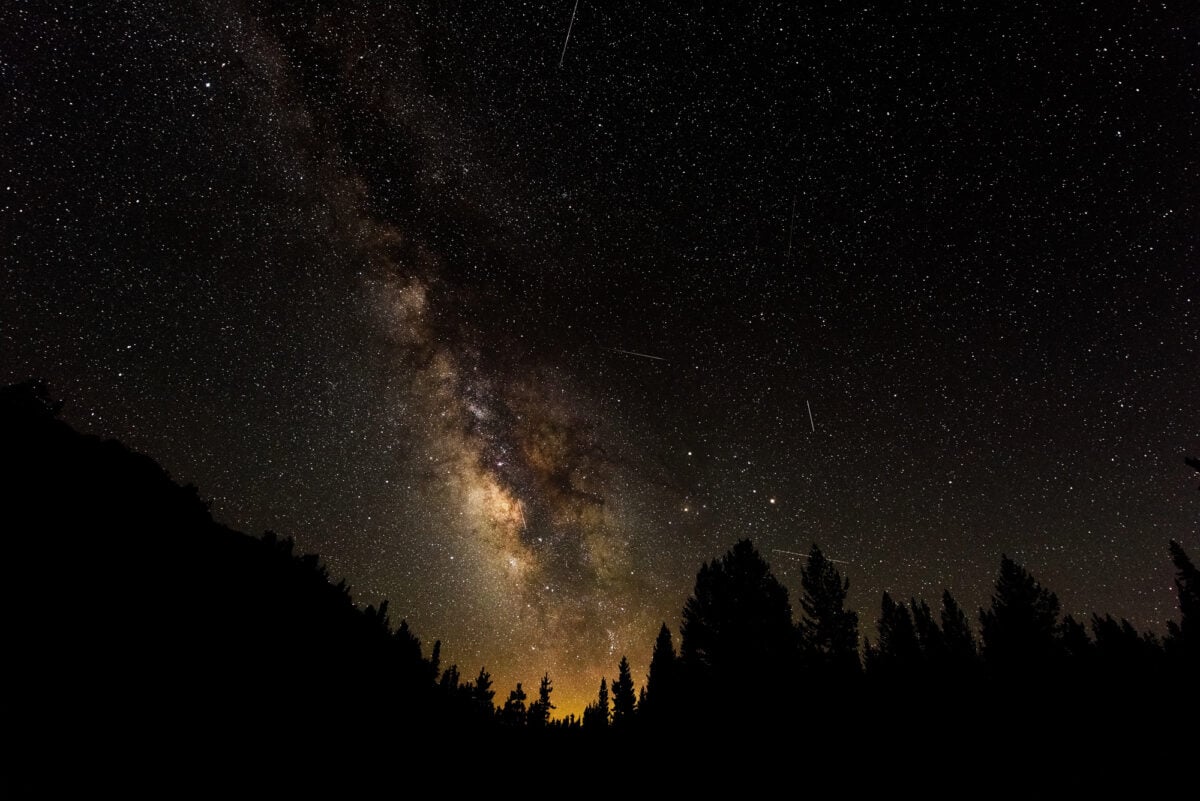
On April 26, 1803, more than 3,000 meteorite fragments rained down on the town of L’Aigle in Normandy, France, in what remains one of the most documented witnessed falls of its era. The French Academy of Sciences dispatched the young physicist Jean-Baptiste Biot to investigate.
His subsequent report — combining physical evidence with hundreds of eyewitness accounts gathered across the region — became the definitive document establishing that rocks do fall from space. Before L’Aigle, the scientific community largely dismissed meteorite reports as peasant superstition.
The town’s unfortunate position directly under a fragmenting asteroid turned out to be a scientific turning point.
The Orissa Fireball of 2003
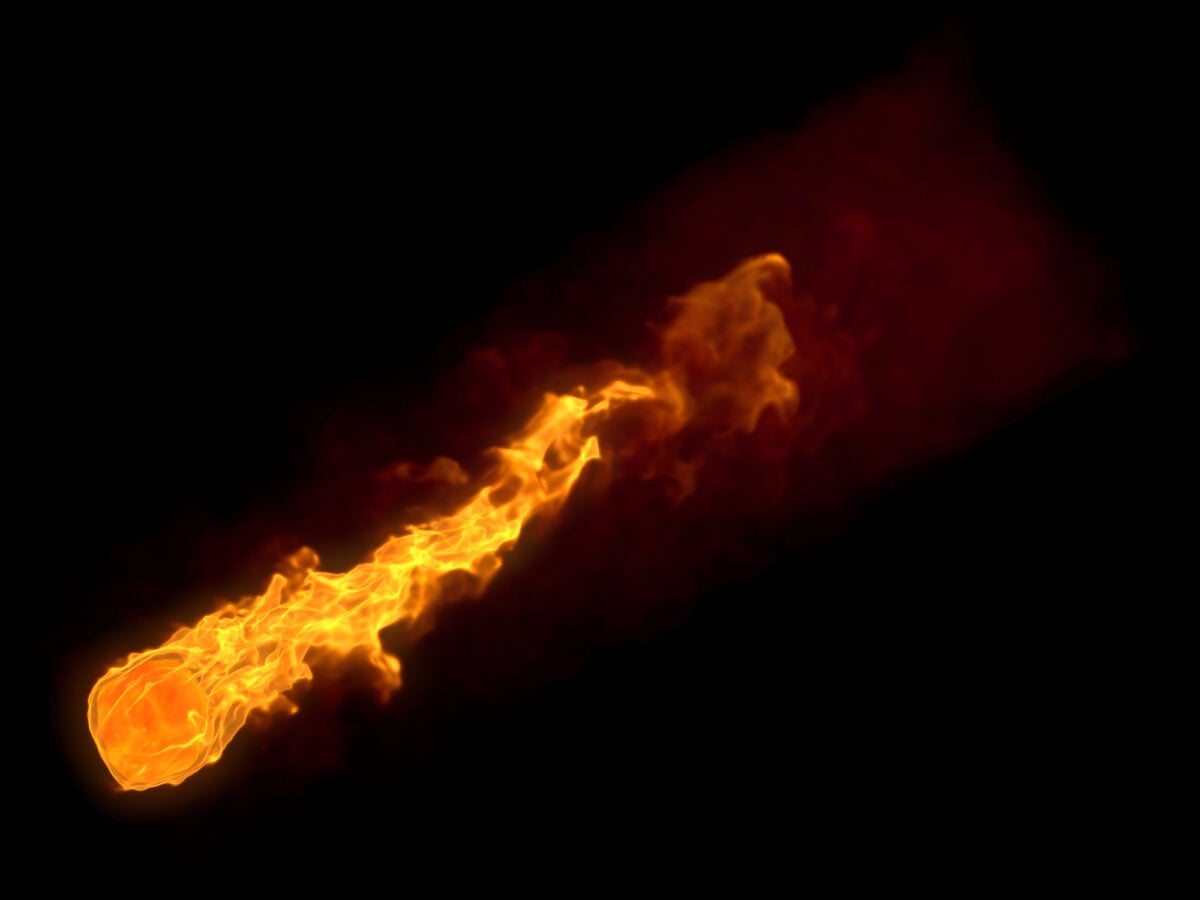
On September 27, 2003, a fireball streaked across the night sky of coastal Orissa in India, briefly turning night into day for several seconds. Panic spread through multiple districts.
Revenue officials in Mayurbhanj district reported that remnants of the fireball had landed in a village and started a fire. Collectors across affected districts were ordered to report to the state government.
The Indian press treated the event as a potential catastrophe, and even after scientists offered reassurance, local communities spent days uncertain about what had actually happened and whether it might happen again.
The Hodges Meteorite Strike of 1954
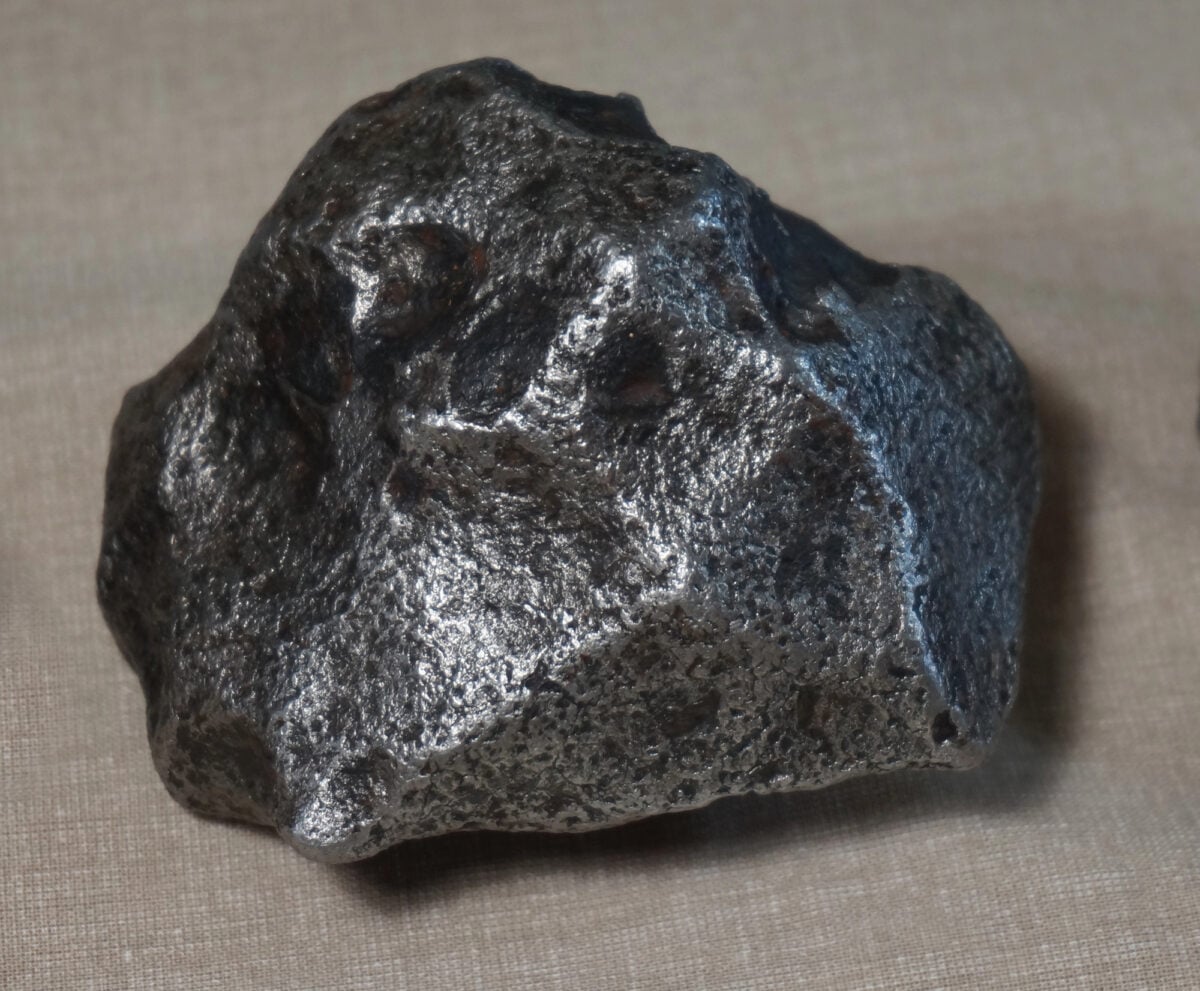
On November 30, 1954, a fireball streaked across the Alabama sky and dropped a fragment through the roof of a house in Sylacauga, bounced off a radio, and struck Ann Hodges on the hip as she lay napping on her couch. She was badly bruised but not seriously injured — making her the first human in recorded modern history with confirmed documentation of being struck by a meteorite.
The event generated enormous national press attention. More than one person who read the story reportedly checked their own roof.
The Peruvian Mass Hysteria Event of 2007

Separate from the Carancas impact, a wave of meteor-related anxiety swept through parts of Peru in 2007, with communities reporting various symptoms and strange phenomena they attributed to fallen space rocks. Social anthropologist Benny Peiser, commenting on the broader regional response, described it as “collective anxiety approaching near hysteria” — a condition where fear of an event and media coverage of that fear reinforced each other in a self-sustaining loop.
It remains one of the more documented recent cases of a meteorite event generating psychological effects far beyond its physical reach.
The 1888 Ottoman Meteorite Strike
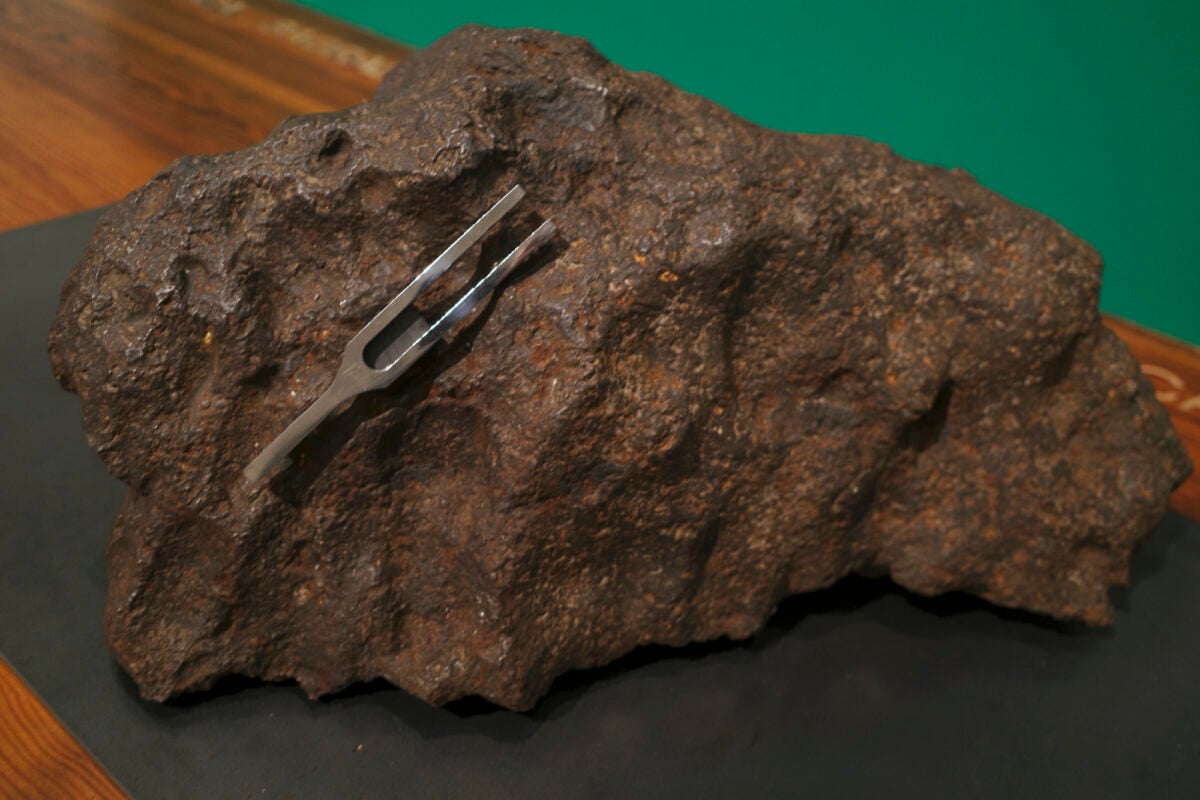
In 2020, researchers examining Ottoman archival records discovered reports of an intense meteorite shower on August 22, 1888, that struck a rural village in what is now Iraq. The records, written as an official report to Sultan Abdul Hamid II, described fireballs falling from the sky, an explosion, damage to crops and property, at least one fatality, and widespread panic among residents.
No physical fragments have been recovered, and the event remains historically contested — but if accurate, it would represent the first documented record of a confirmed meteorite-related human death.
The Sikhote-Alin Panic on the Ground
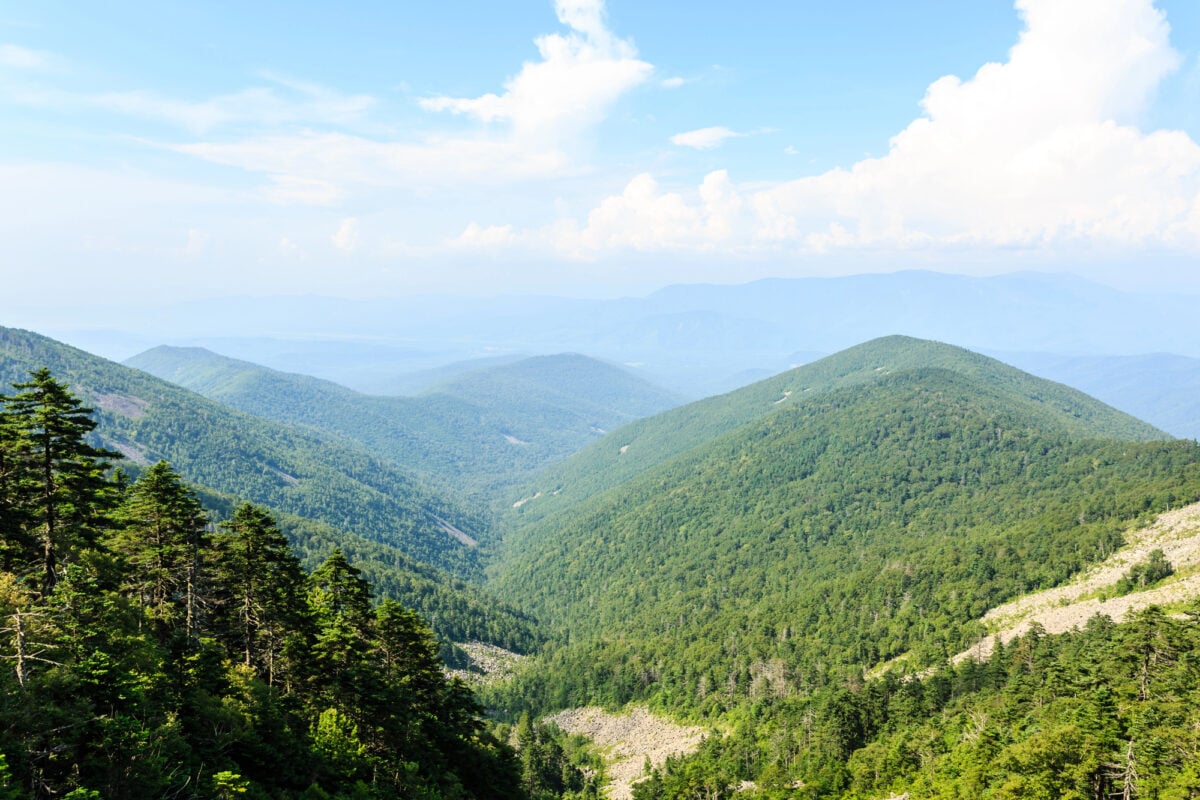
Beyond the physical impact of the 1947 Sikhote-Alin event covered earlier, the social response among civilian populations in the wider region deserves its own entry. Soviet citizens in 1947 had no public mechanism for reporting a terrifying atmospheric explosion without triggering military or security responses.
Some witnesses reported the event to party officials; others stayed silent out of fear that claiming to have seen something explode in the sky would itself be treated as suspicious. The Cold War context turned an already alarming natural event into one that people were afraid to talk about openly.
The Canterbury Moon Event of 1178
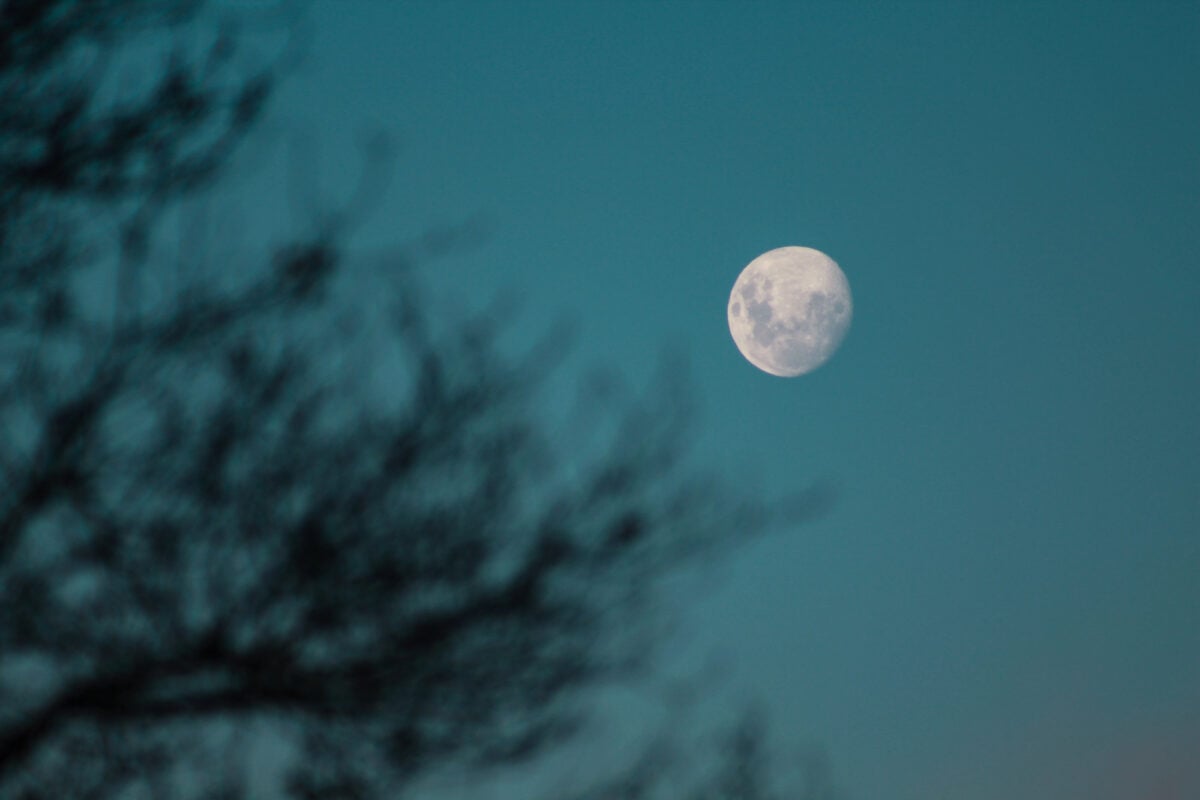
On June 18, 1178, five monks at the Abbey of Christ Church in Canterbury, England, reported watching the upper horn of the crescent moon “split in two” with a “flaming torch” spewing fire, hot coals, and sparks before the moon “throbbed like a wounded snake.” The chronicler Gervase of Canterbury recorded their account, noting that all five men were prepared to swear an oath on the accuracy of their testimony.
Whether they witnessed a meteor impact on the lunar surface or experienced a spectacular optical phenomenon remains genuinely disputed among astronomers. What is not disputed is that five educated medieval clergymen were shaken enough to report it formally — and that the account has been discussed by scientists ever since.
The 1528 Blood-Red Comet
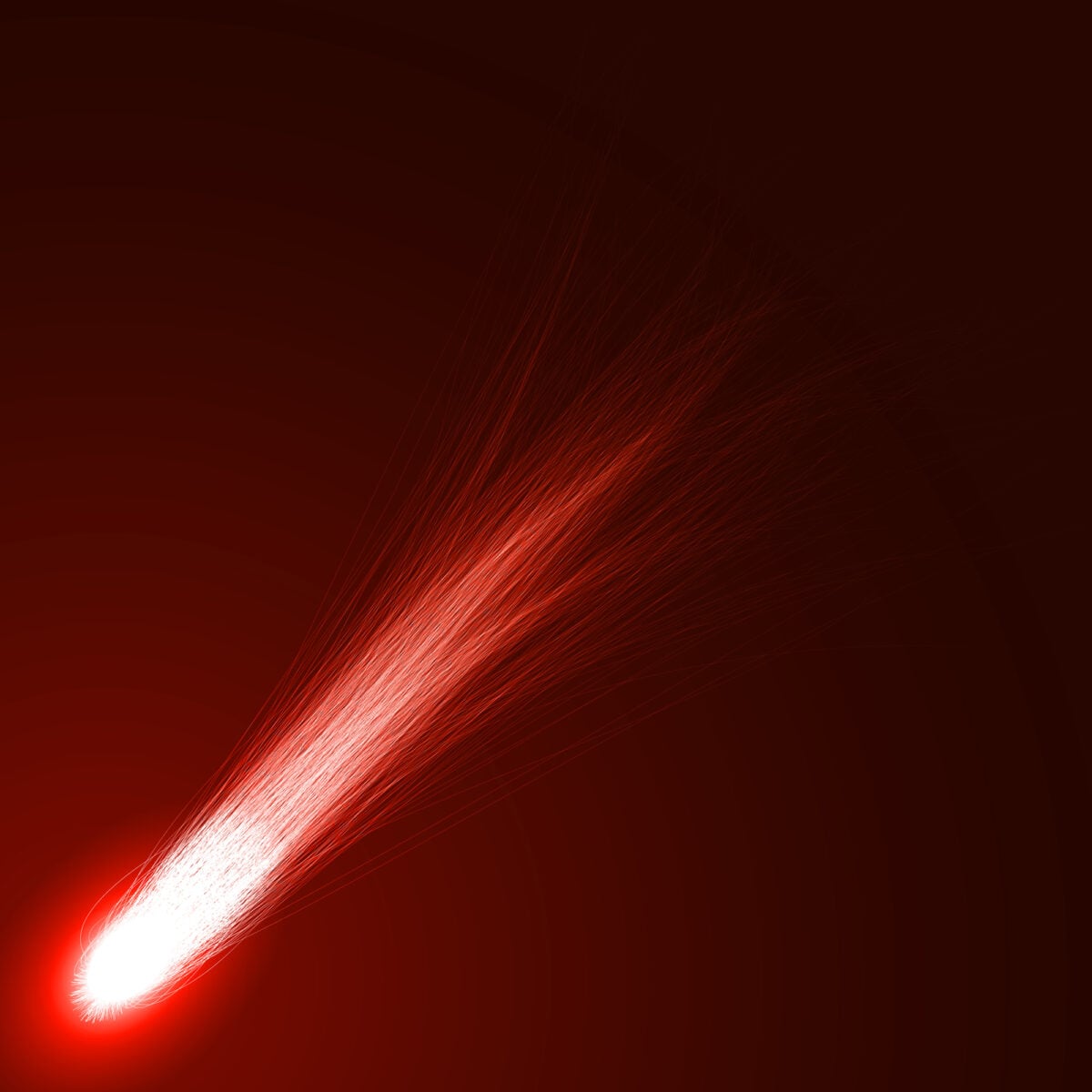
In 1528, a comet described as “the colour of blood” appeared in European skies and reportedly caused people to fall physically ill from the sight of it. Contemporary accounts describe “some people” dying of fear.
Whether the deaths were real or metaphorical is impossible to verify, but the reports capture how thoroughly celestial events could destabilise a population that had no other framework for understanding what it was seeing. The comet was interpreted as an omen of war, plague, and political catastrophe — predictions that, in 16th-century Europe, had a reasonable chance of eventually coming true regardless of what the sky was doing.
The Great Meteor of 1783
On August 18, 1783, a massive fireball crossed England and northern Europe, visible from Scotland to France. Contemporary illustrations show something resembling a series of glowing spheres strung together in a chain.
The naturalist Tiberius Cavallo observed it from the terrace of Windsor Castle and described it as “a round of fire” that produced “a prodigious light.” Multiple witnesses across different countries published accounts in scientific journals, making it one of the better-documented fireballs of the 18th century.
It passed overhead without striking the ground, which did not prevent widespread reports of fear among those who watched it cross the sky.
The Park Forest Meteorite of 2003
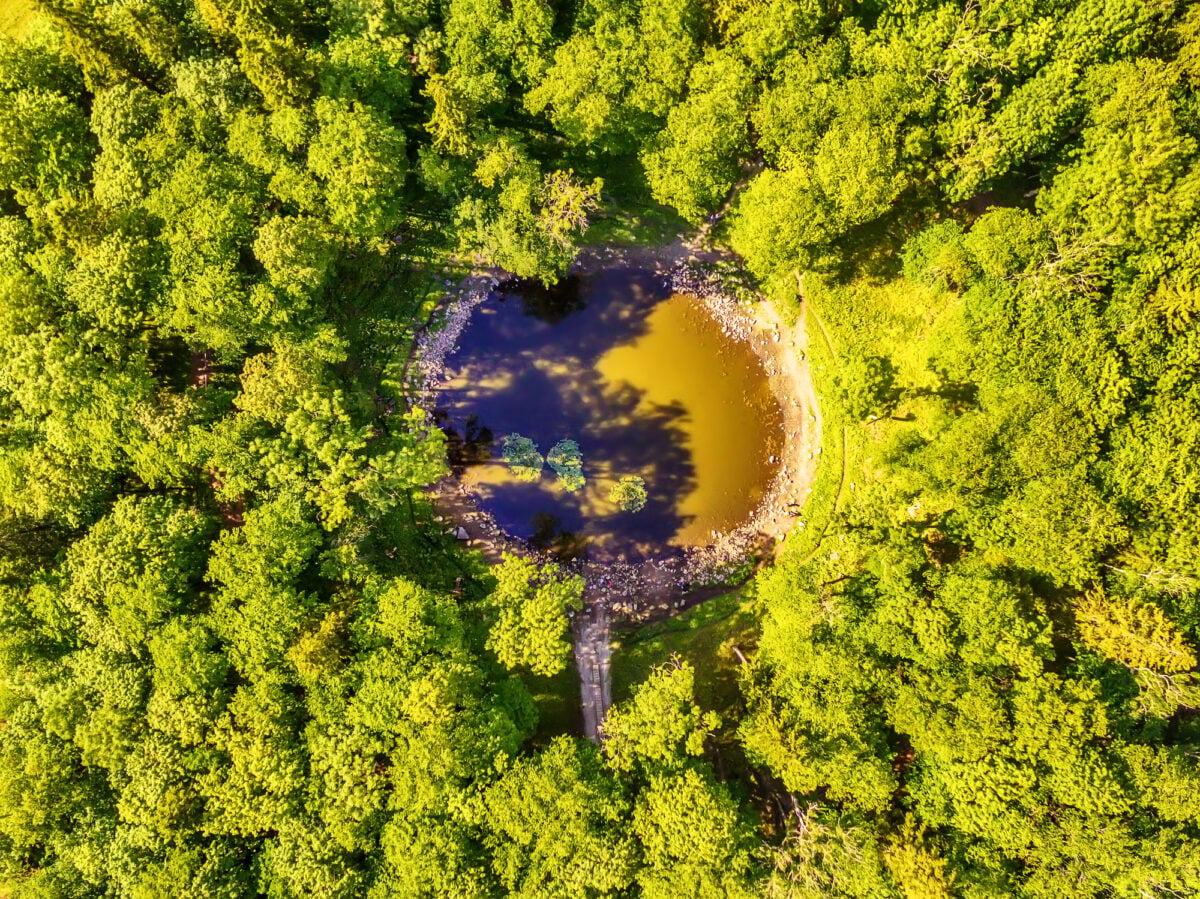
In the early morning hours of March 26, 2003, a fireball broke apart over Chicago’s southern suburbs and dropped fragments across Park Forest, Illinois, including pieces that punched through rooftops and damaged parked vehicles. Several homes required emergency repair.
One fragment came through a bedroom ceiling and landed on a bed — unoccupied, fortunately, because the family had already been woken by the sound of earlier impacts and moved to another room. The event was captured in security footage from across the area and provided one of the most detailed records of an urban meteorite fall in American history.
When Explanation Doesn’t Help
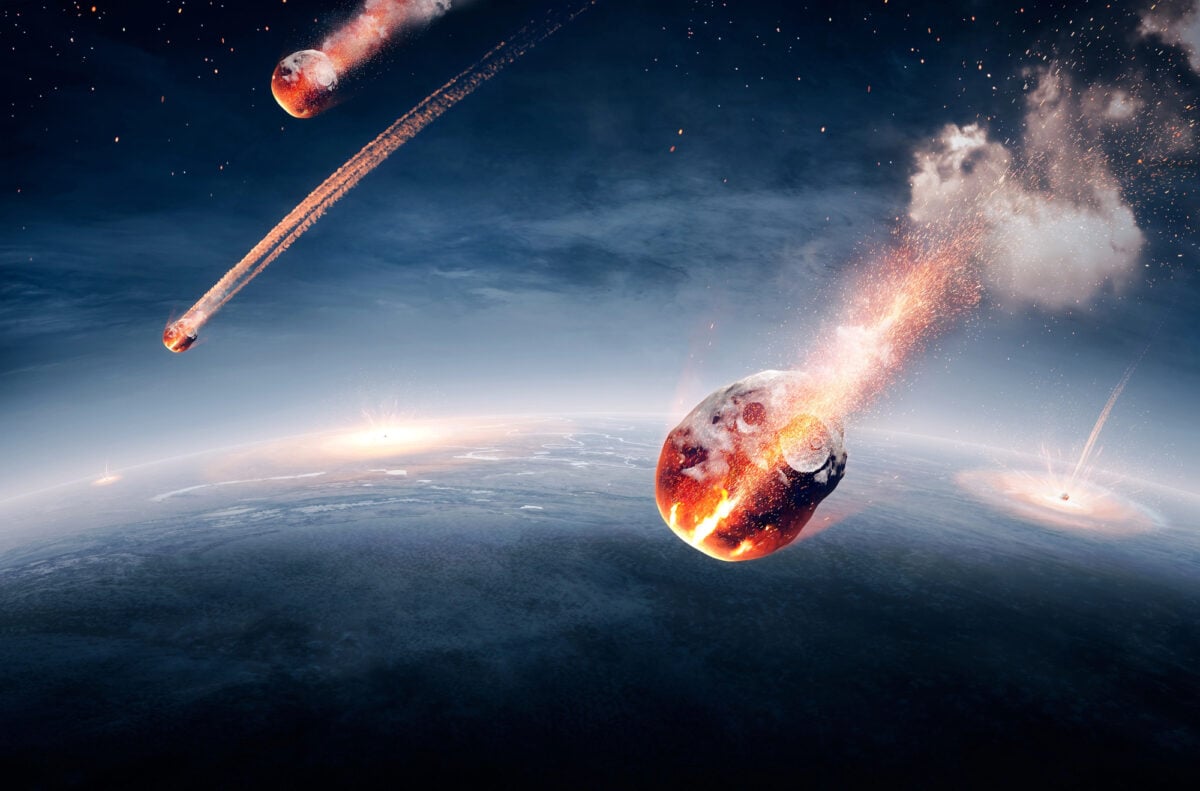
What these 25 events share is not the size of the rock or the scale of the damage — it’s the quality of the helplessness. A flood gives you time to move.
A storm gives you walls to shelter behind. A fireball at 40,000 miles per hour gives you roughly the time it takes to look up and inhale.
The fear generated by meteor events tends to outlast the events themselves, because the sky doesn’t offer reassurance afterward. It just goes back to looking like the sky.
The more interesting detail, across all these accounts from all these centuries, is how quickly people moved from terror to curiosity. The Pultusk witnesses were petrified — and then they started collecting the stones.
The Barwell villagers were frightened — and then they started selling fragments for rent money. The Chelyabinsk residents swept glass from their floors and posted videos before the smoke had fully cleared.
Human panic, it turns out, has a fairly short half-life. Fascination takes over almost immediately.
That instinct — to look directly at the thing that scared you and pick it up — may be the most distinctively human response to space rock the universe has ever produced.
More from Go2Tutors!

- The Romanov Crown Jewels and Their Tragic Fate
- 13 Historical Mysteries That Science Still Can’t Solve
- Famous Hoaxes That Fooled the World for Years
- 15 Child Stars with Tragic Adult Lives
- 16 Famous Jewelry Pieces in History
Like Go2Tutors’s content? Follow us on MSN.