15 Most Expensive Paintings Ever Sold
Art collecting has evolved from aristocratic hobby to global investment strategy, with masterpieces now trading for prices that exceed the GDP of small nations. When a single brushstroke can be worth millions and provenance determines whether a painting sells for thousands or hundreds of millions, the art market reveals humanity’s willingness to pay astronomical sums for beauty, history, and prestige.
Here’s a list of fifteen paintings that shattered auction records and redefined what people will pay for artistic excellence.
Salvator Mundi by Leonardo da Vinci
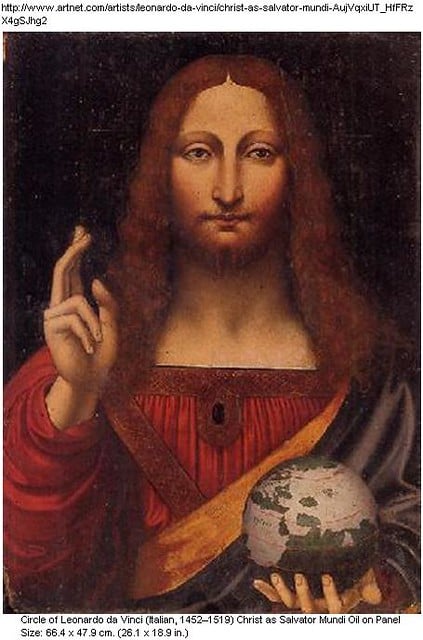
This Renaissance masterpiece sold for $450.3 million in 2017, making it the most expensive painting ever sold at auction. The work depicts Jesus Christ as savior of the world, holding a crystal orb while raising his hand in blessing.
Art experts spent years authenticating the piece before confirming it as a genuine Leonardo.The painting disappeared for centuries before resurfacing in a New Orleans estate sale.
Someone bought it for just $1,175 in 2005, not realizing they’d purchased a lost Leonardo da Vinci.
Interchange by Willem de Kooning
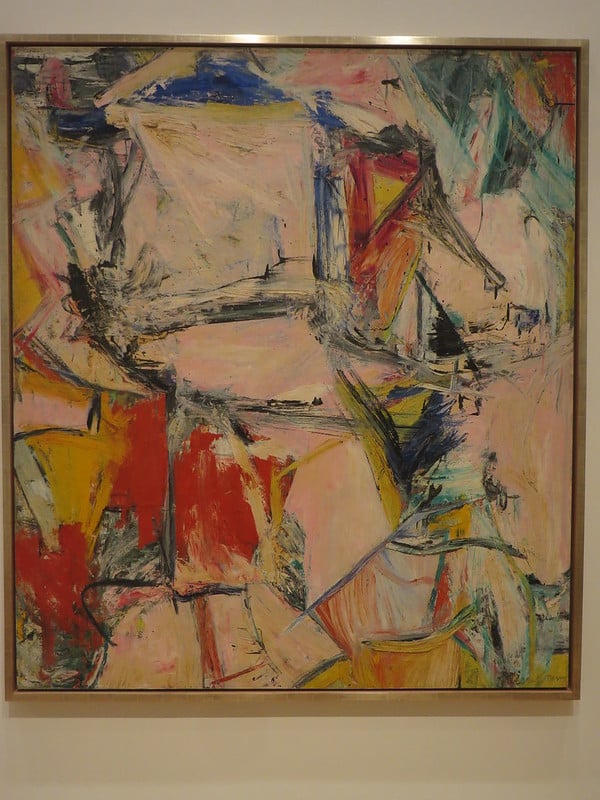
David Geffen sold this abstract expressionist work to billionaire Kenneth Griffin for approximately $300 million in a private sale. The 1955 painting features de Kooning’s signature aggressive brushstrokes and vibrant colors that defined the New York School movement.
Griffin also purchased another painting in the same transaction.And the sale never went to auction. Private sales often exceed public auction prices because they avoid the spectacle and bidding wars that can drive prices even higher.
The Card Players by Paul Cézanne

The royal family of Qatar reportedly paid between $250-300 million for this Post-Impressionist masterpiece. Cézanne painted five versions of card players, but this particular work is considered the finest of the series.
The painting shows two Provençal peasants absorbed in their card game.The sale took place entirely in private, with no public confirmation of the exact price.
Art market insiders estimate the cost based on similar works and the painting’s exceptional quality.
When Will You Marry? by Paul Gauguin

This Tahitian scene sold for around $300 million in a private transaction to museums in Qatar. Gauguin painted the work during his time in French Polynesia, capturing two local women in traditional dress.
The bright colors and exotic subject matter exemplify his Post-Impressionist style.The painting’s title translates from the Tahitian phrase “Nafea faa ipoipo.” Gauguin often incorporated local language and customs into his artistic titles and compositions.
Number 17A by Jackson Pollock

Kenneth Griffin purchased this abstract drip painting for approximately $200 million in another private sale. Pollock created the work in 1948 during his most productive period, using his revolutionary technique of dripping and splattering paint onto canvas.
The massive painting measures over 4 feet by 8 feet.But Pollock’s technique wasn’t random.
He carefully controlled the paint flow and canvas positioning to create specific visual effects and compositional balance.
Nafea Faa Ipoipo by Paul Gauguin

This second Gauguin work sold for nearly $300 million to private collectors. The painting depicts two Tahitian women sitting in a lush tropical setting, showcasing Gauguin’s bold use of color and simplified forms.
He painted it during his first trip to Tahiti in the 1890s.Gauguin fled to Tahiti to escape European civilization and find artistic inspiration.
His Pacific paintings became some of the most valuable works in art history.
Le Rêve by Pablo Picasso

Steve Wynn sold this 1932 portrait to Steven Cohen for $155 million after accidentally putting his elbow through the canvas years earlier. The painting shows Picasso’s lover Marie-Thérèse Walter in the artist’s distinctive Cubist style.
Professional restorers repaired the damage so expertly that it’s virtually invisible.The accident initially dropped the painting’s value by millions.
Wynn had been planning to sell it for $139 million when the mishap occurred during a dinner party.
Portrait of Adele Bloch-Bauer II by Gustav Klimt

This Art Nouveau masterpiece sold for $150 million in 2006, setting a new auction record at the time. Klimt painted the portrait in 1912, seven years after completing his first portrait of the same subject.
The later work shows a more mature artistic style with less gold ornamentation.The painting’s history includes Nazi seizure during World War II.
Decades of legal battles were required to return it to the Bloch-Bauer family heirs.
The Standard Bearer by Rembrandt

This 1636 painting sold for $198 million at auction in 2022, making it the most expensive Rembrandt ever sold. The work depicts a soldier holding a banner during the Dutch Golden Age.
Rijksmuseum in Amsterdam acquired the painting to keep it in the Netherlands.Rembrandt painted it during his most successful period when wealthy merchants commissioned portraits to display their prosperity.
The dramatic lighting showcases his mastery of chiaroscuro technique.
Shot Sage Blue Marilyn by Andy Warhol
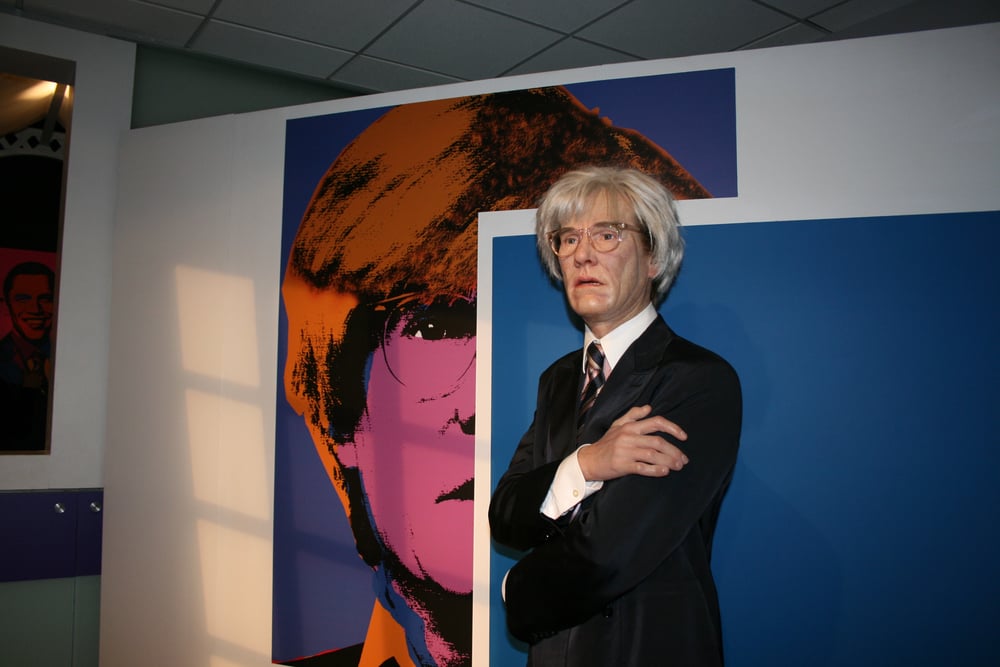
This pop art icon sold for $195 million in 2022, becoming the most expensive 20th-century artwork ever sold at auction. Warhol created the silkscreen in 1964 as part of his Marilyn series following the actress’s death.
The vibrant colors and repeated imagery epitomize the Pop Art movement.Someone actually shot the painting with a gun in 1968.
A disgruntled visitor to Warhol’s Factory fired at a stack of Marilyn paintings, adding an ironic twist to the work’s title.
Pendant Portraits of Maerten Soolmans and Oopjen Coppit by Rembrandt
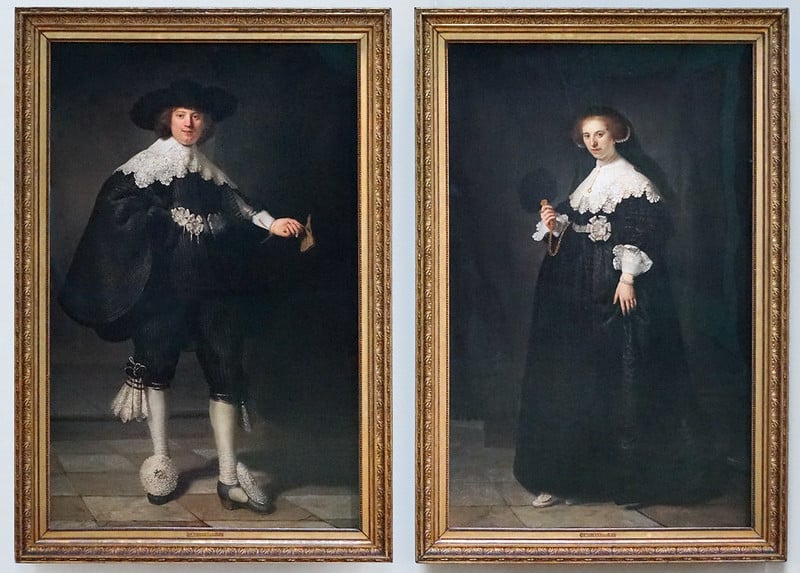
These matching portraits sold together for $180 million to the Rijksmuseum and Louvre in a joint purchase. Rembrandt painted the wealthy Amsterdam couple in 1634, capturing the height of Dutch Golden Age prosperity.
The paintings had remained together for nearly 400 years.The museums created a unique sharing arrangement, alternating display between Amsterdam and Paris.
This cooperation ensured the portraits would remain accessible to the public rather than disappearing into a private collection.
Les Femmes d’Alger (Version ‘O’) by Pablo Picasso
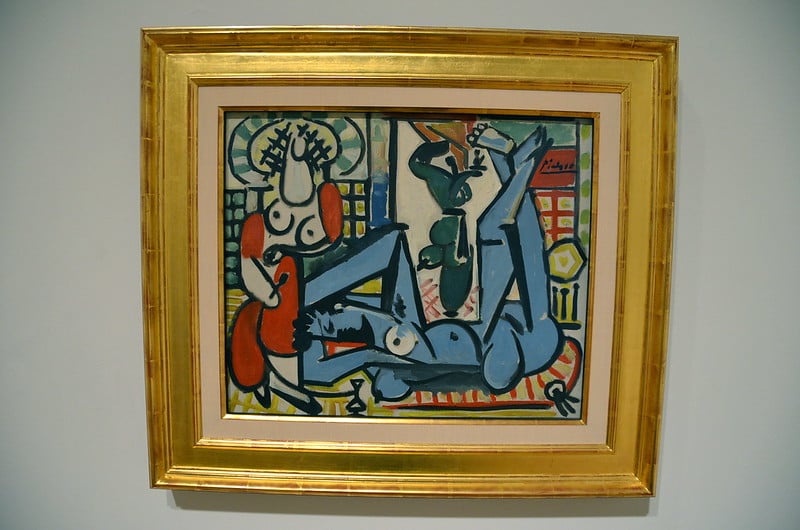
This Cubist masterpiece sold for $179.4 million at Christie’s in 2015. Picasso painted 15 versions of this subject, inspired by Delacroix’s 19th-century Orientalist painting.
The work features his ex-wife Françoise Gilot among the fragmented female figures.Picasso created the series in 1954-1955 as a tribute to Henri Matisse after his friend’s death.
The vibrant colors reflect Matisse’s influence on Picasso’s later work.
No. 6 (Violet, Green and Red) by Mark Rothko
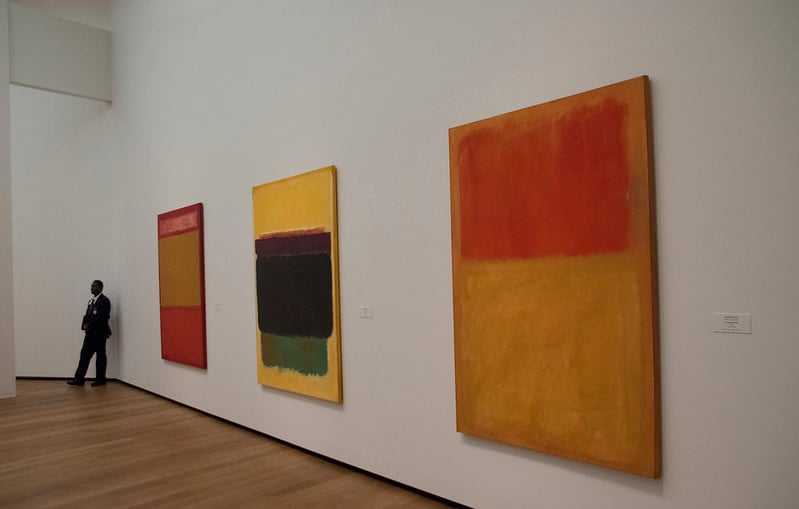
In a private sale, Russian billionaire Dmitry Rybolovlev paid $186 million for this color field painting. When Rothko created his signature style of floating rectangular forms in 1951, it was part of his classic period.
The height of the painting is almost eight feet.Rothko wanted people to have spiritual experiences when they looked at his paintings.
In order to enhance the emotional impact of his color combinations, he frequently specified optimal lighting and viewing distances.
Water Serpents II by Gustav Klimt
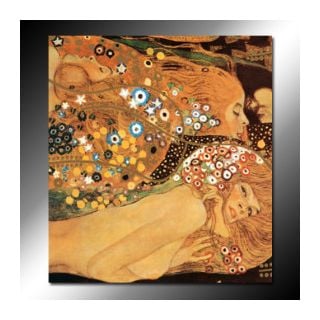
In a private transaction, this sensual Art Nouveau painting brought in about $183 million. The piece, which Klimt painted between 1904 and 1907, features entwined, naked female figures in his signature ornamental style.
His “Golden Period,” when he used gold leaf in numerous pieces, is symbolized by the painting.The original vanished during World War II and then reappeared decades later.
Its sale and authentication process was complicated by questions regarding its provenance during the war.
Wasserschlangen II by Gustav Klimt
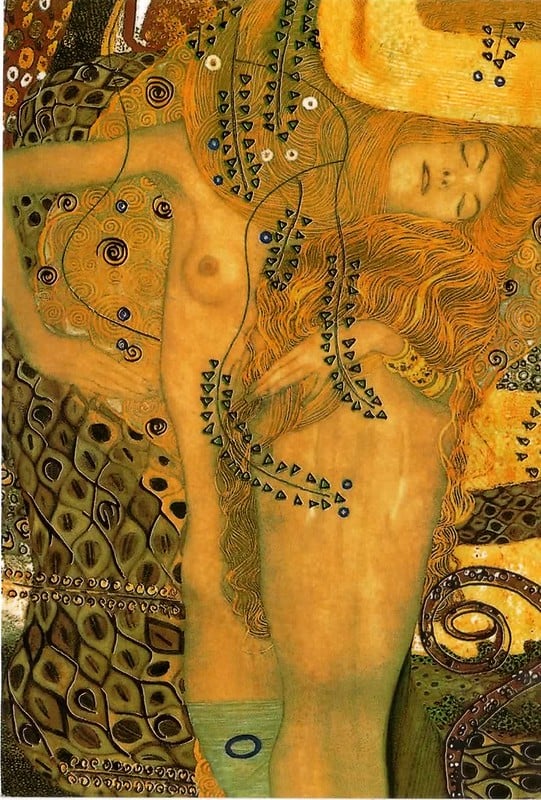
Private sales of this second edition of Water Serpents brought in comparable sums. In order to experiment with various color schemes and decorative elements, Klimt frequently produced multiple versions of his most popular compositions.
His transition from traditional portraiture to more abstract symbolism is evident in the paintings.These pieces are regarded by art historians as essential to comprehending Klimt’s creative evolution.
They connect the more abstract pieces that would inspire modern art movements with his early realistic style.
Where Money Meets Immortality

These astronomical prices prove that some people will pay anything to own pieces of human creative genius, turning masterpieces into the ultimate luxury commodities.
More from Go2Tutors!

- The Romanov Crown Jewels and Their Tragic Fate
- 13 Historical Mysteries That Science Still Can’t Solve
- Famous Hoaxes That Fooled the World for Years
- 15 Child Stars with Tragic Adult Lives
- 16 Famous Jewelry Pieces in History
Like Go2Tutors’s content? Follow us on MSN.