Restricted Places That Require Special Permission to Visit
Most travel runs on a simple bargain. Buy a ticket, show a passport, and walk in.
A surprising number of places refuse that deal, asking for lottery wins, daily fees, religious credentials, or a letter from the right office before anyone gets through the gate. Some of these rules exist to protect fragile ground, sacred sites, or small communities.
Others reflect politics, danger, or simple scarcity. Either way, getting in takes planning, patience, and sometimes a good deal of luck.
Kingdom of Bhutan and Its Daily Fee
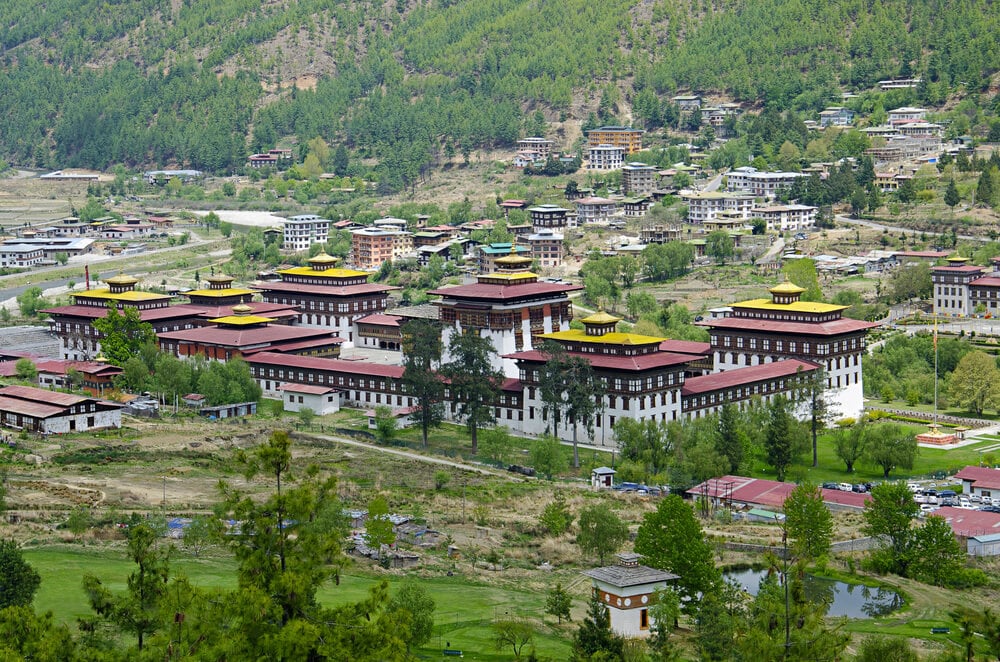
Bhutan has long treated tourism as something to manage rather than maximize. Most foreign visitors pay a Sustainable Development Fee on top of their travel costs, a charge that rose to 200 dollars per night in September 2022 before being cut to 100 dollars per night, a rate set to run through August 31, 2027.
Children between six and eleven pay half. Visitors from India, Bangladesh, and the Maldives follow separate rules.
The fee funds health care, education, and conservation, and the country markets itself as carbon negative. Few nations put a nightly price on simply being there.
Permit Season on Mount Everest
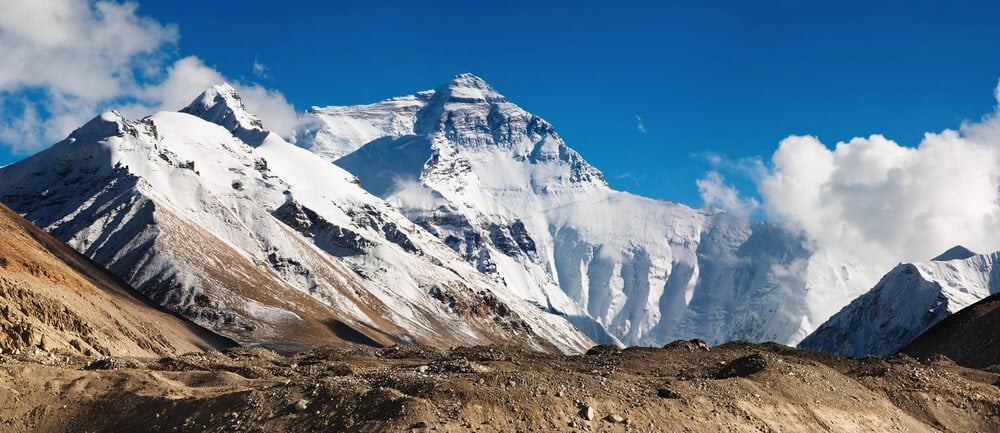
Climbing Everest from Nepal requires a government permit, and the price jumped on September 1, 2025. A spring season permit for foreign climbers now costs 15,000 dollars, up from 11,000 dollars, while autumn permits run 7,500 dollars and winter or monsoon permits 3,750 dollars.
Each permit is valid for 55 days. Nepal also requires climbers to hire guides, with at least one guide for every two climbers.
Spring remains the busiest window by far, and crowding near the summit has become one of the mountain’s best known hazards. The permit is only the first of many costs.
Monasteries of Mount Athos in Greece
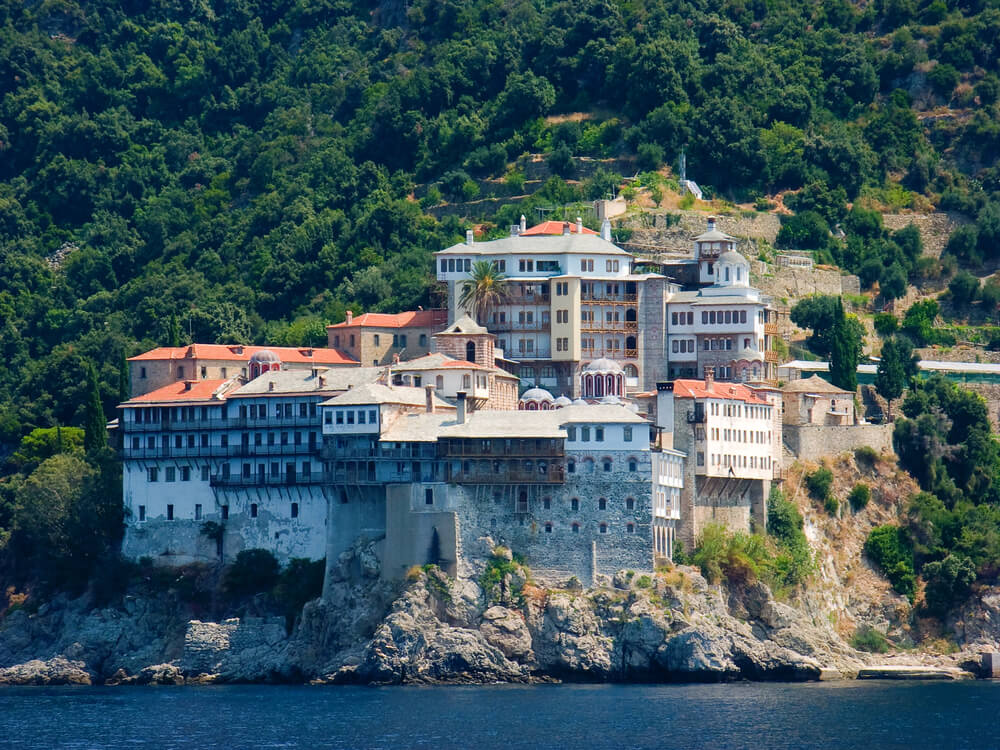
Mount Athos, a peninsula in northern Greece, is a self-governing monastic community with about twenty monasteries, some more than a thousand years old. Women have been barred for centuries, and even female domestic animals are traditionally kept away.
Men who wish to visit need a special entry permit called a diamonitirion, issued through a pilgrims office in Thessaloniki. Daily quotas limit the number of visitors, with far fewer places set aside for non-Orthodox guests than for Orthodox pilgrims.
Arrival is by boat, since no road links Athos to the rest of Greece. Visitors eat and sleep on the monks’ schedule.
Guided Tours of North Korea
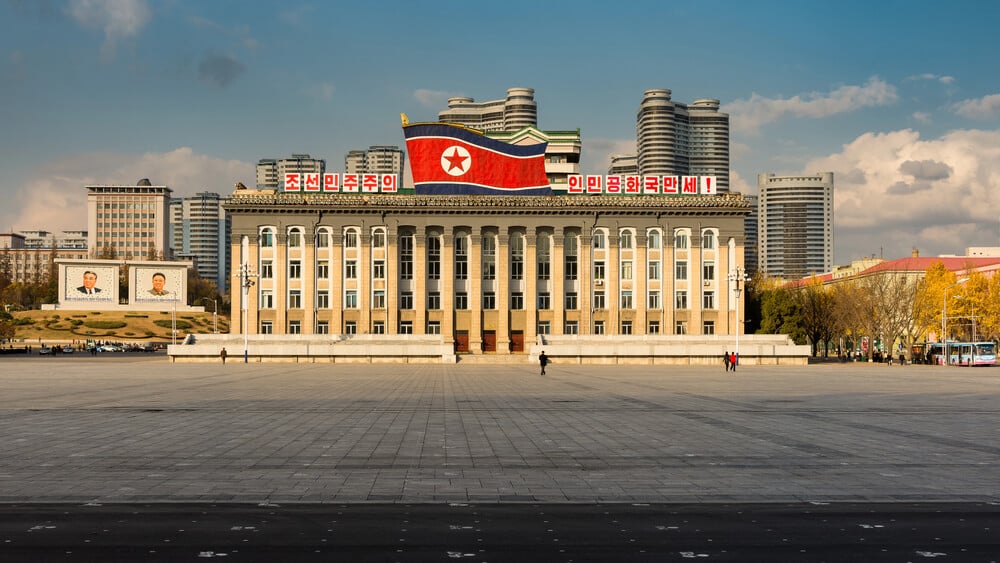
North Korea has never allowed independent tourism. Foreign visitors traditionally traveled only on approved tours, accompanied at all times by state guides who set the itinerary and limited photography.
The country closed its borders during the pandemic in 2020, and Western tourists were largely shut out for years afterward. A brief opening for tours to the Rason economic zone in early 2025 was halted within weeks.
Americans face an additional barrier, since the US State Department has restricted the use of American passports for travel there since 2017. Few destinations have a more uncertain door.
Travel Permits for Tibet
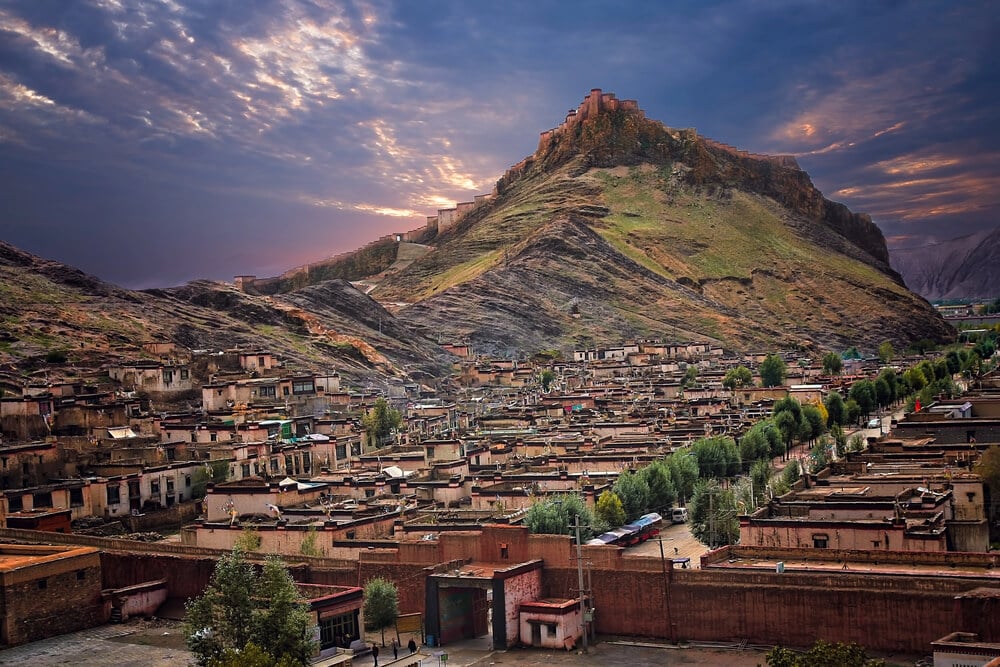
Foreign travelers heading to the Tibet Autonomous Region need more than a Chinese visa. A Tibet Travel Permit is required, and it can only be obtained through a licensed travel agency that also arranges a guide and a set itinerary.
Independent travel is not allowed for most foreigners. Areas such as Everest Base Camp on the northern side and Mount Kailash can require additional permits.
Rules change often, and the region has closed to foreign visitors entirely at sensitive times. Tourists should expect paperwork, a guide at their side, and a route fixed well in advance.
Former Kingdom of Upper Mustang in Nepal
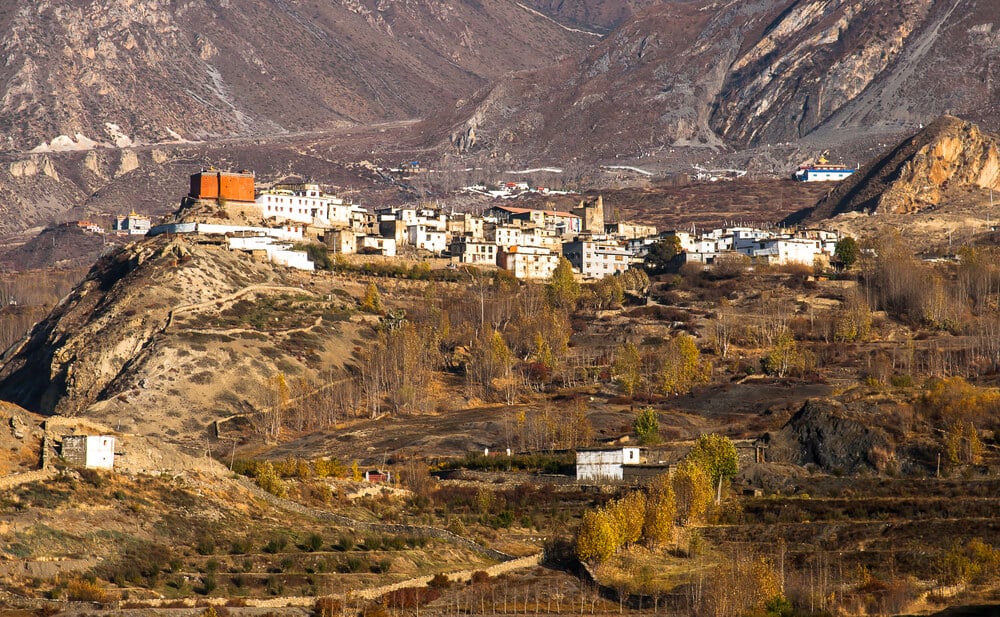
Upper Mustang, a high desert region in northern Nepal near the Tibetan border, was once a semi-independent kingdom with its own king. Foreigners were barred until 1992, and the area remains a restricted zone today.
Trekkers need a special restricted area permit, which has long cost about 500 dollars for the first ten days, and they must travel with a licensed guide in a group. The walled capital, Lo Manthang, holds centuries-old Buddhist monasteries with remarkable murals.
Cave dwellings carved into the cliffs are thought to date back thousands of years. The high fee keeps visitor numbers modest.
Protected Areas of Northern Sikkim
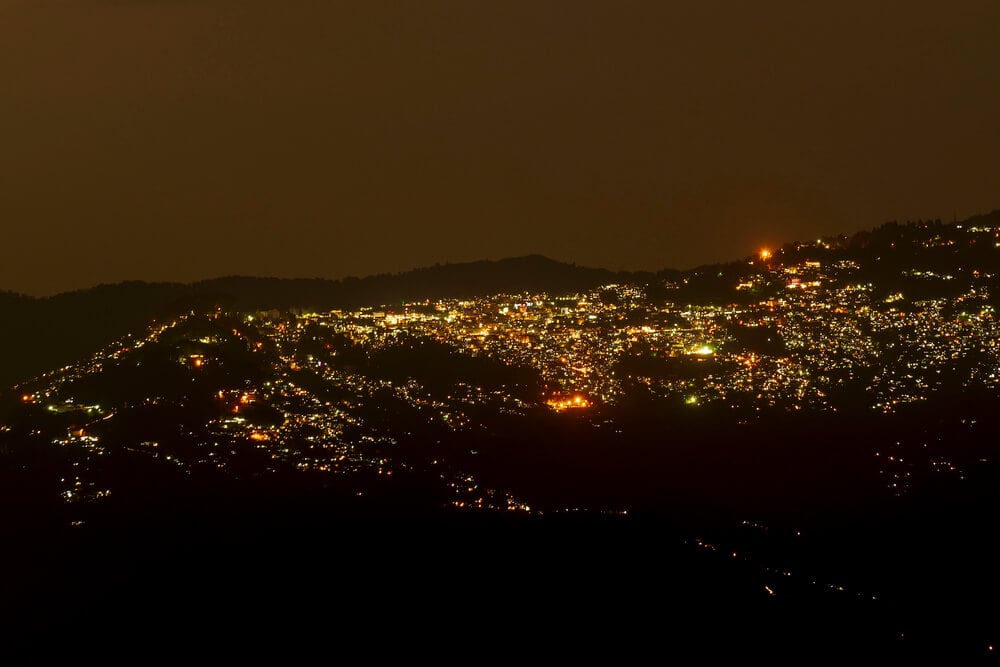
Sikkim, an Indian state in the eastern Himalaya, sits beside Nepal, Bhutan, and China, and much of it is treated as sensitive ground. All foreign visitors need a Restricted Area Permit to enter the state.
Travel to areas such as Tsomgo Lake, Yumthang Valley, and parts of North Sikkim requires an additional Protected Area Permit, typically arranged through a registered tour operator and issued for groups. Some high altitude spots near the Chinese border remain closed to foreigners altogether.
Indian citizens also need permits for certain areas. The paperwork reflects both border security and concern for fragile alpine landscapes.
Coral Islands of Lakshadweep
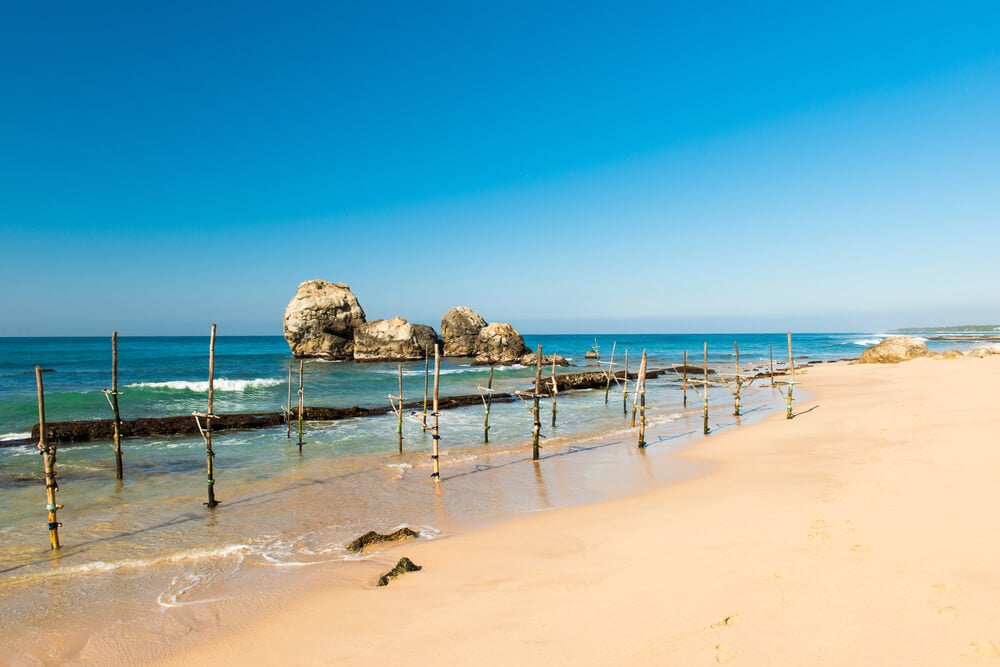
Lakshadweep, a group of coral islands off India’s southwest coast, requires an entry permit from its local administration for anyone who does not live there, including Indian citizens. Foreign tourists are limited to a small number of islands, and access to the inhabited ones is tightly controlled to protect local culture and delicate reefs.
Most visitors arrive by ship from Kochi or on flights to the airstrip on Agatti. Lagoons and coral reefs are the main draw.
Lakshadweep is India’s smallest union territory by area, and its rules keep tourism deliberately small.
The Wave at Coyote Buttes North
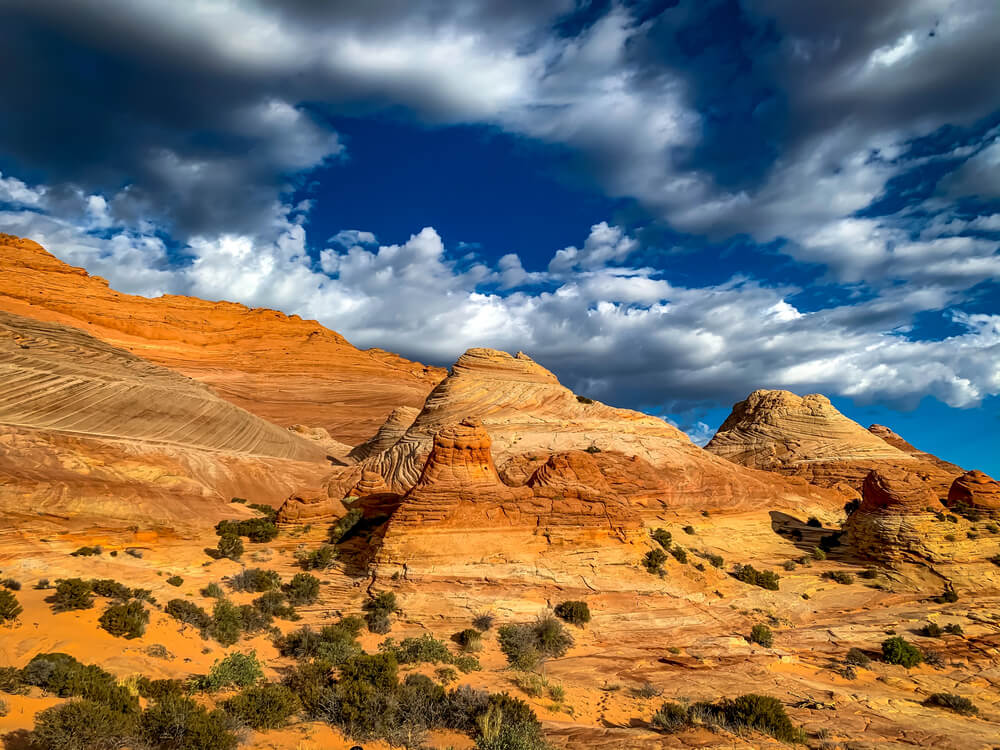
The Wave, a swirl of striped sandstone on the Arizona and Utah border, is one of the most sought after hiking permits in the United States. The Bureau of Land Management caps entry to Coyote Buttes North at 64 people per day, allocated through an advance online lottery and a daily lottery held the day before.
Odds of winning are often low, particularly in spring and fall. The area has no marked trail, and hikers must find their own way across open rock in serious heat.
Rangers check permits in the field. The rock formation itself is only a short walk across, but the approach can take hours.
Waterfalls of Havasu Canyon
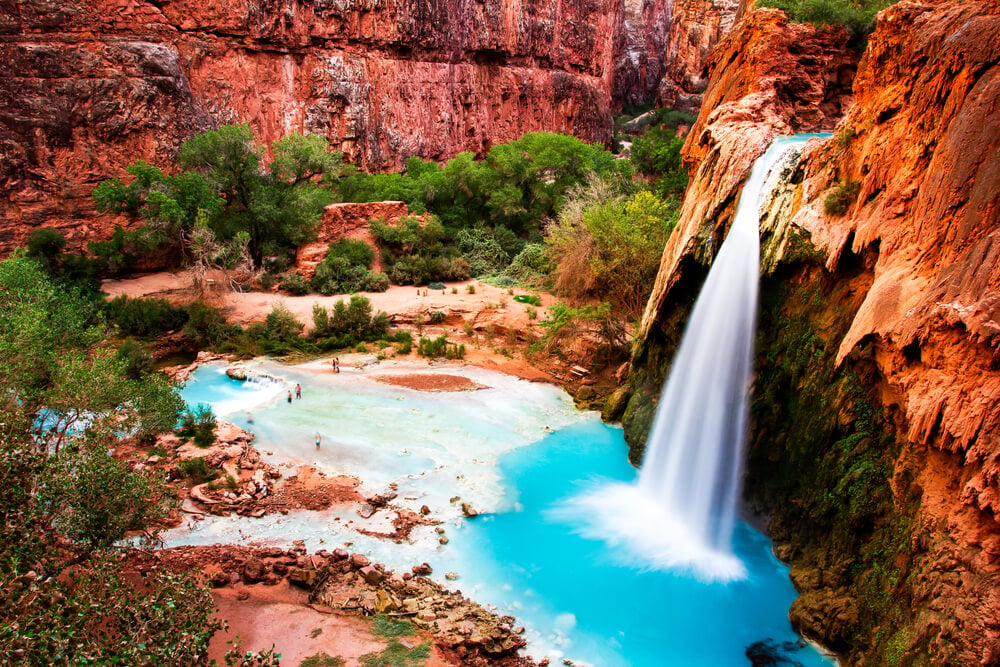
Havasu Falls lies deep in a side canyon of the Grand Canyon on land belonging to the Havasupai Tribe, not the National Park Service. Visits require a permit bundled with a three night stay at the campground or lodge, and day hiking is not allowed.
For 2026 the tribe scrapped its lottery and added a paid early access booking window, with campground stays costing 455 dollars per person. Permits usually sell out almost immediately.
Reaching the falls means a hike of roughly ten miles each way from the trailhead. Checkpoints along the route confirm reservations.
Cables Route on Half Dome
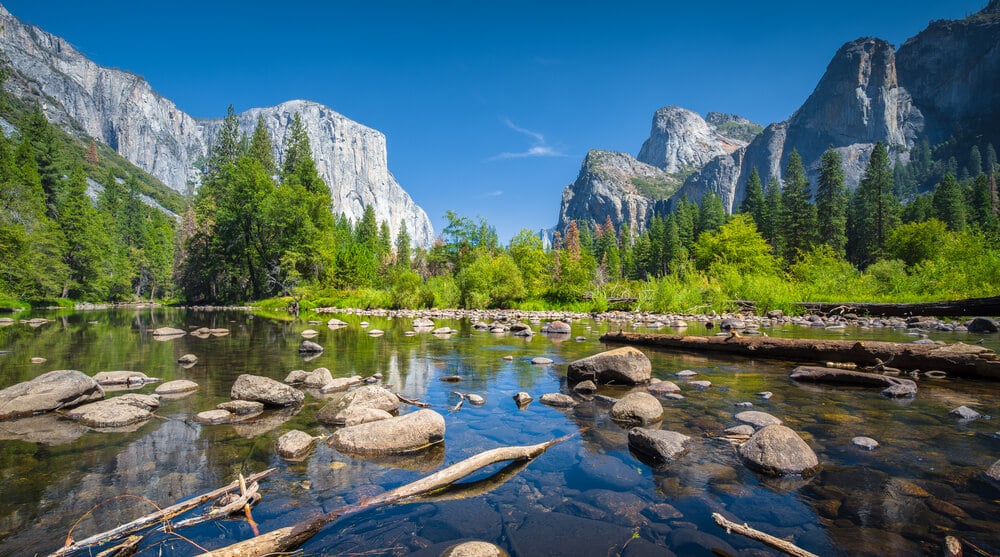
Half Dome in Yosemite National Park is famous for its final ascent, a steep granite slope climbed with the help of two steel cables. To manage crowds on that narrow route, the National Park Service requires a permit for anyone going above the base of the subdome.
About 225 day hiker permits are available each day during the cable season, most distributed through a preseason lottery in March, with more through a daily lottery two days ahead. The round trip hike covers about 14 to 16 miles.
Thunderstorms and crowding have both caused serious accidents on the cables.
Mount Whitney in California
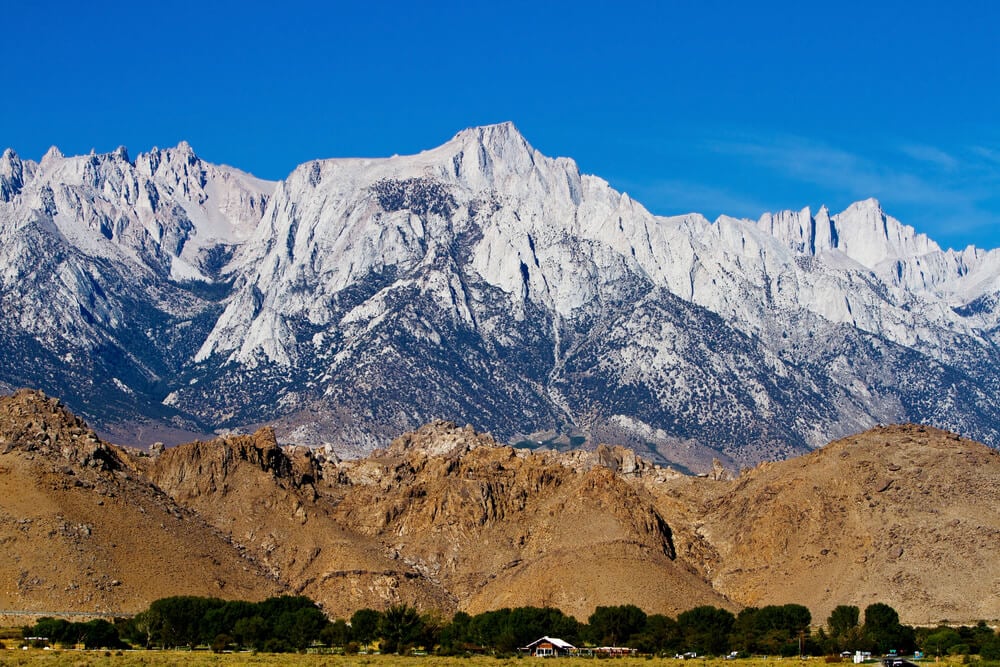
Mount Whitney, at 14,505 feet, is the tallest peak in the contiguous United States. During the peak season from May through October, hikers need a permit to go beyond Lone Pine Lake, and quotas are set for both day hikers and overnight backpackers.
Permits are awarded through an annual lottery held early in the year, and leftover or canceled spots are released later. The main trail climbs more than 6,000 feet over roughly 22 miles round trip.
Many hikers try to finish in a single long day. Rangers can issue fines for climbing without a permit.
Chains of Angels Landing in Zion
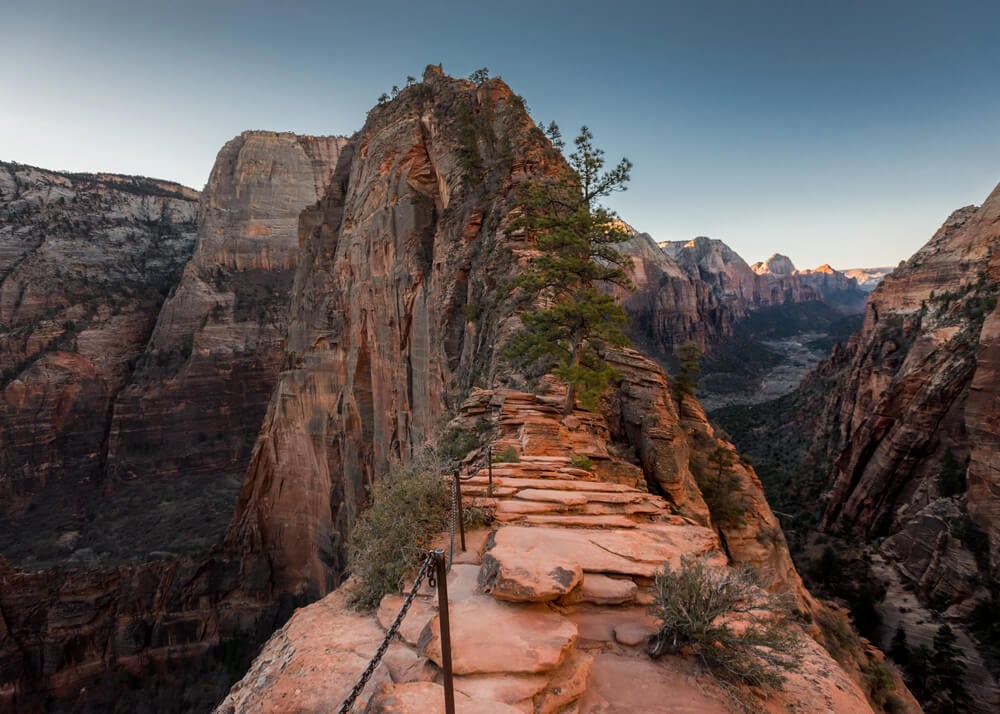
Angels Landing in Zion National Park follows a narrow sandstone fin with sheer drops on both sides and chains bolted into the rock for support. Crowding along the route led the National Park Service to introduce a permit system in 2022.
Hikers now apply through seasonal lotteries months in advance or through a day before lottery. The approach trail below Scout Lookout remains open without a permit, but the final chained section requires one.
The final stretch climbs about 500 feet along the fin. Rangers check permits at the top of the switchbacks.
Classic Inca Trail to Machu Picchu
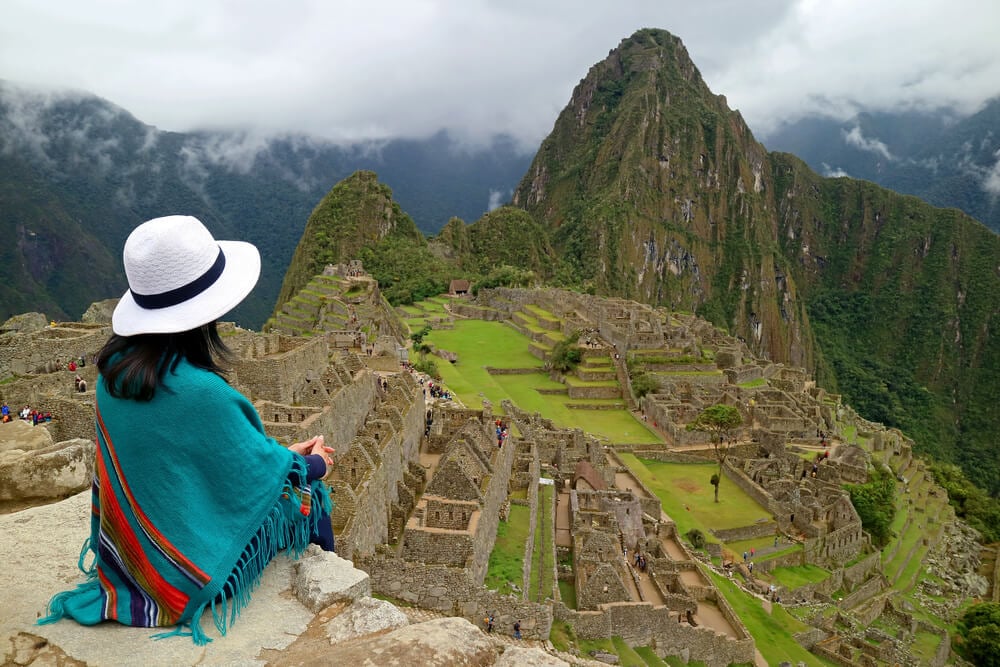
Peru limits access to the Classic Inca Trail through a daily cap of around 500 permits, a number that includes guides and porters as well as trekkers. Permits can only be purchased through licensed tour operators, and independent hiking is not allowed.
The busiest dates often sell out months ahead. The trail closes every February for maintenance and the rainy season.
Machu Picchu itself now uses timed entry tickets and fixed circuits to control crowds inside the site. The four day trek ends at the Sun Gate, where the ruins first come into view below.
Galapagos Islands in Ecuador
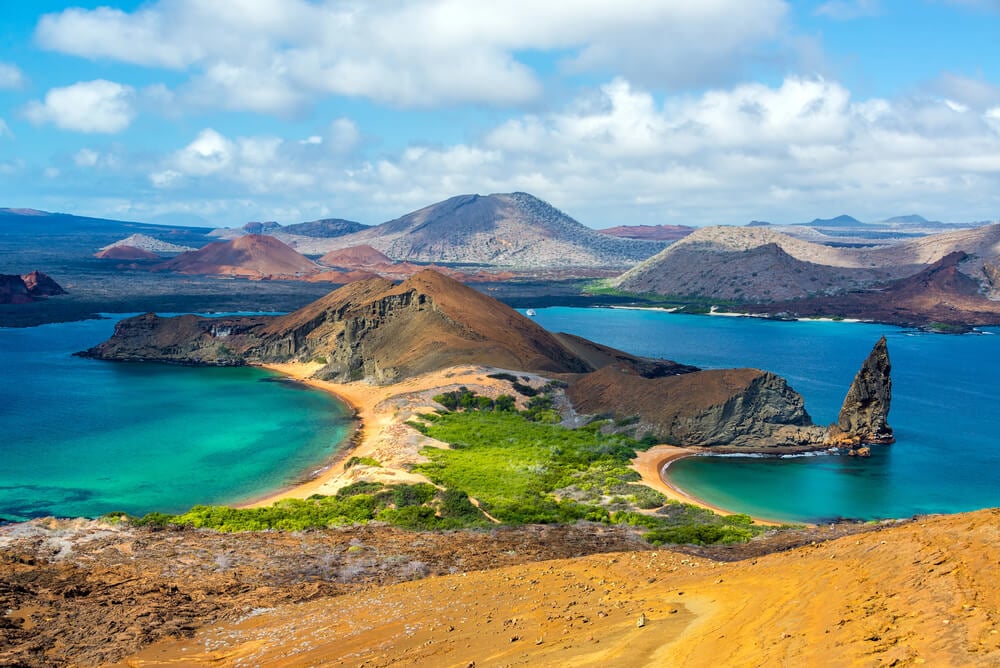
Ecuador protects the Galapagos with a layered set of rules. Foreign adult visitors pay a national park entrance fee that doubled to 200 dollars in August 2024, plus a separate transit control card.
Most visitor sites can only be entered with a certified naturalist guide, and ships follow fixed itineraries approved by park authorities. Visitors are expected to stay on marked paths and keep their distance from animals.
Around 97 percent of the land area is national park. The rules are designed to protect wildlife that famously shows little fear of people.
Landing Sites in Antarctica
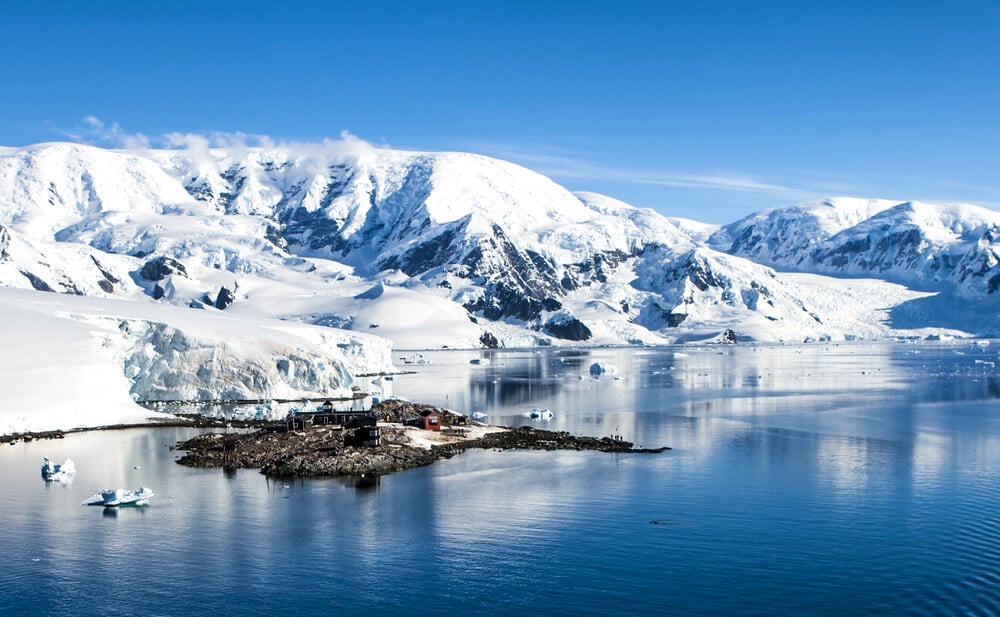
No country owns Antarctica outright, but visiting it still requires permission. Under the Antarctic Treaty’s Environmental Protocol, expeditions must be authorized or notified through a national authority in advance.
Most tourists travel with members of the International Association of Antarctica Tour Operators, which enforces strict rules. Ships carrying more than 500 passengers cannot land visitors, and only 100 people may be ashore at one site at a time.
Visitors must clean their boots and gear to avoid carrying seeds or microbes. Fewer than a few hundred thousand people visit in a typical season.
Son Doong Cave in Vietnam
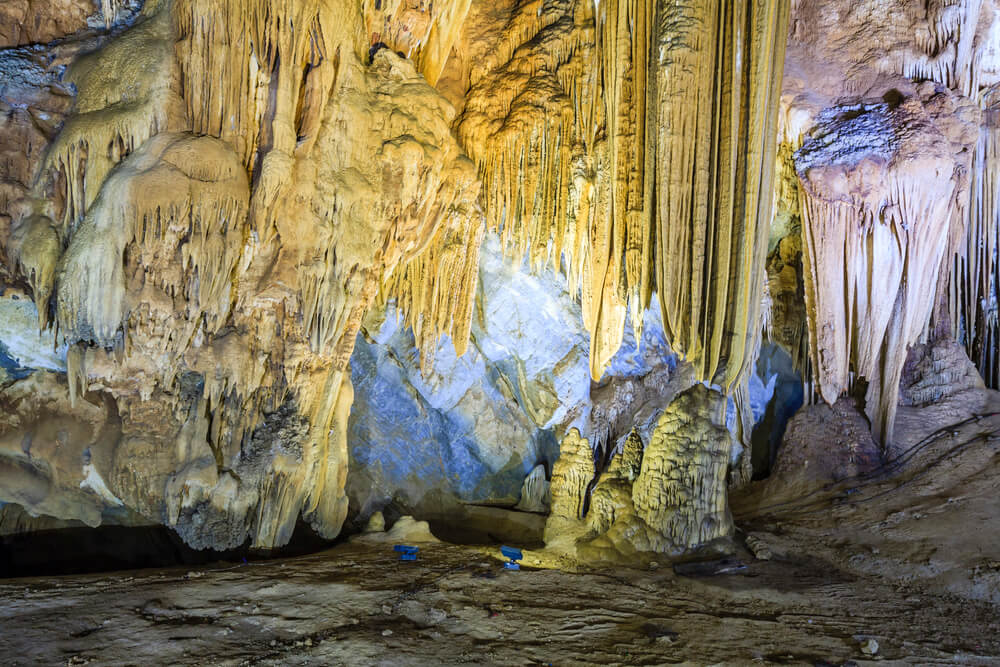
Son Doong, in Phong Nha Ke Bang National Park, is often described as the largest known cave passage in the world. Only one company, Oxalis Adventure, holds a license to lead tours, and visits are capped at around 1,000 people per year.
Each expedition costs roughly 3,000 dollars and lasts four days, with groups of up to ten supported by around 30 guides and porters. Trips for 2026 and 2027 sold out after a widely viewed television segment.
Inside, the cave holds its own jungle, clouds, and a river. Applicants must pass fitness requirements before joining.
Painted Ceiling of Altamira in Spain
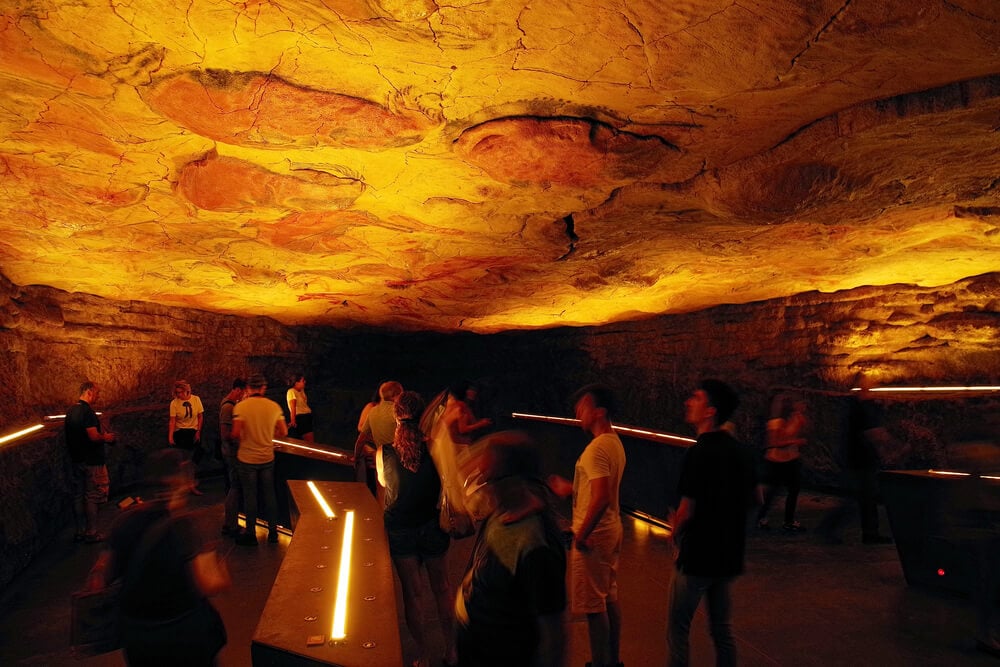
Altamira Cave in northern Spain contains some of the finest Paleolithic art in the world, including a ceiling covered in red and black bison. Visitors crowded the cave for decades until concerns about damage led to closures.
Since 2014, a tiny number of visitors have been allowed inside through a weekly random draw. Only five people are chosen at a time, and they spend a little over half an hour inside wearing protective clothing.
Everyone else visits a detailed replica at the neighboring museum. The paintings are thought to be roughly 36,000 years old in places.
Necropolis Beneath St. Peter’s Basilica
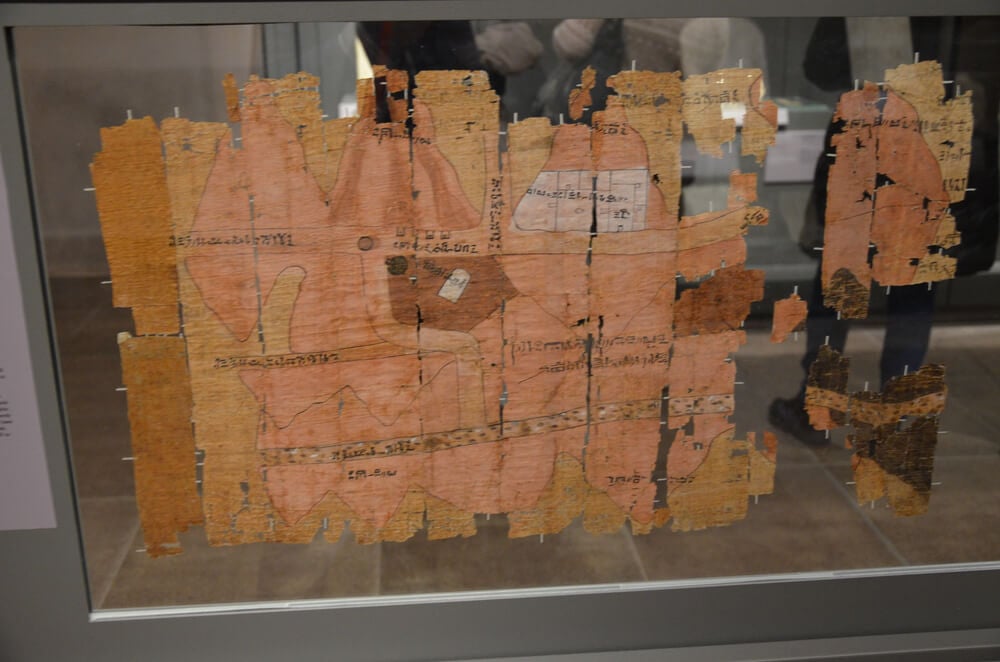
Beneath St. Peter’s Basilica in Vatican City lies an ancient Roman necropolis, excavated in the 1940s. Tours are run by the Vatican’s Excavations Office, which caps group sizes and daily numbers to protect the fragile site.
Visitors must book in advance by email, and children under 15 are not admitted. The tour ends near a site identified by the Vatican as the grave of St. Peter.
Tickets are limited and often booked months ahead. The route passes through narrow streets of tombs once open to the Roman sky.
Reading Rooms of the Vatican Apostolic Archive

The Vatican Apostolic Archive holds centuries of papal records, including letters, legal documents, and diplomatic correspondence. It was known as the Vatican Secret Archive until Pope Francis renamed it in 2019.
The collection was opened to scholars by Pope Leo XIII in 1881. Access is limited to qualified researchers, usually holding advanced degrees and presenting a letter of recommendation from an institution.
Casual visitors are not allowed in. The archive’s shelving is said to stretch for dozens of miles.
Some of its best known holdings include records related to the trial of Galileo.
Island of Niihau in Hawaii
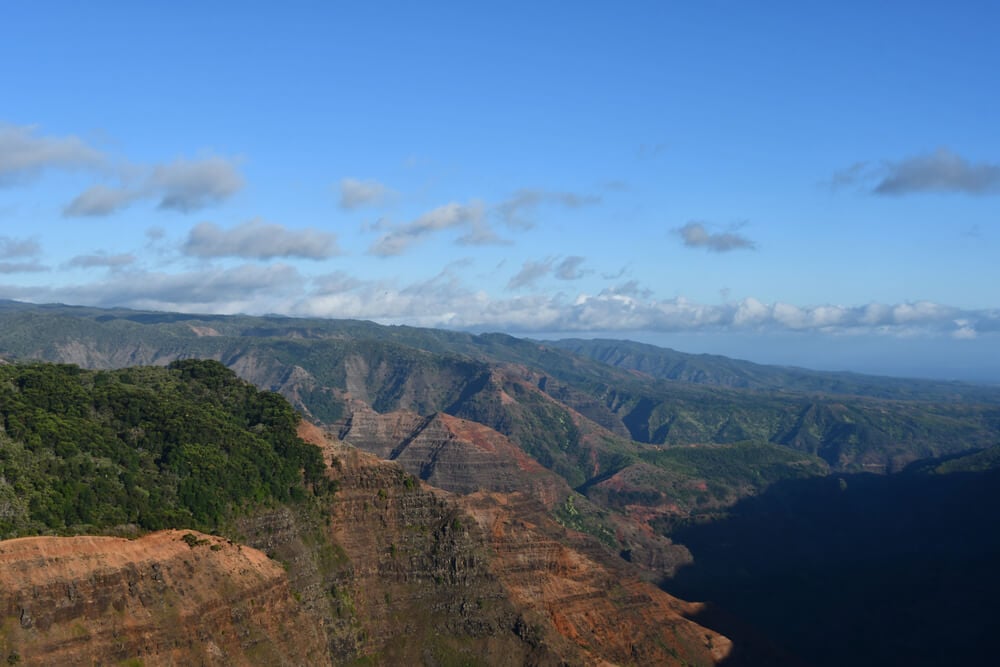
Niihau, the westernmost inhabited island in the main Hawaiian chain, has been privately owned since 1864, when Elizabeth Sinclair bought it from the Hawaiian monarchy. Her descendants, the Robinson family, still control access.
The island’s small Native Hawaiian community speaks Hawaiian as a first language, and outsiders generally need an invitation to visit. Limited helicopter tours and hunting safaris offer brief glimpses of its beaches.
Niihau is nicknamed the Forbidden Isle. Its ownership has helped preserve a way of life found almost nowhere else in Hawaii.
Palmyra Atoll in the Pacific
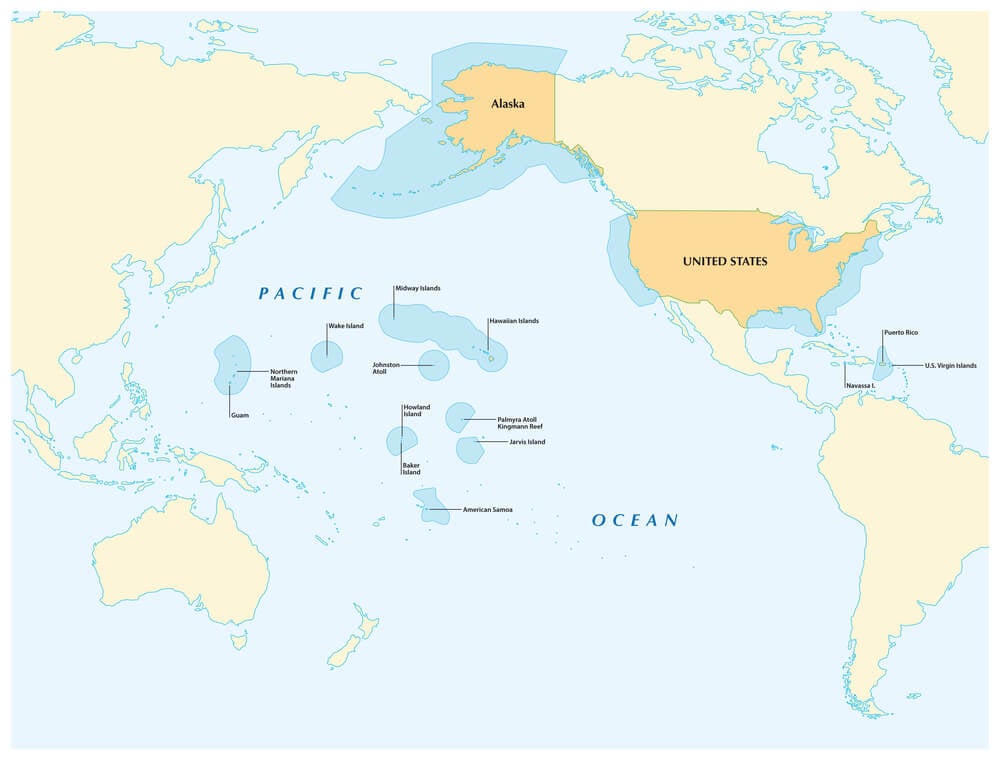
Palmyra Atoll lies about 1,000 miles south of Hawaii and is one of the most remote places under American control. The Nature Conservancy bought most of the atoll in 2000, and much of it is now a national wildlife refuge managed by the US Fish and Wildlife Service.
Visitors are generally limited to scientists and approved researchers, and even yachts need permission before arriving. A small research station supports studies of coral reefs and seabirds.
Removal of invasive rats in 2011 helped restore its ecology. Few places in the Pacific are so carefully guarded.
Ilha da Queimada Grande Off Brazil
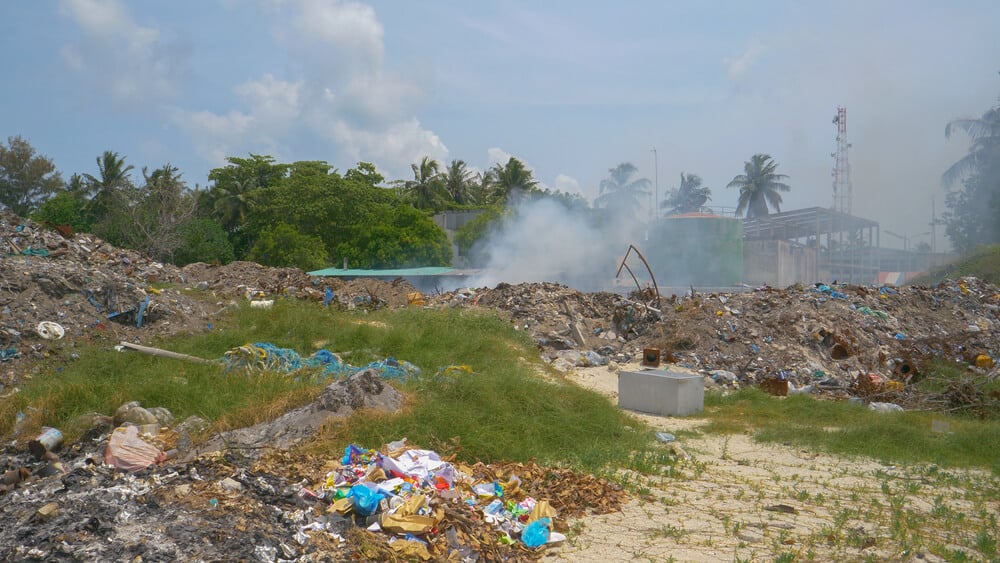
Ilha da Queimada Grande, better known as Snake Island, lies about 33 kilometers off the coast of Sao Paulo state. It is the only home of the golden lancehead, a critically endangered pit viper.
The Brazilian Navy and the country’s environmental authorities restrict visits to authorized researchers. A lighthouse on the island has been automated for decades, so no one lives there.
The snake population may number in the low thousands, according to researchers. Illegal collectors have been known to target the snakes for the wildlife trade, one reason access is so tightly controlled.
Chernobyl Exclusion Zone in Ukraine
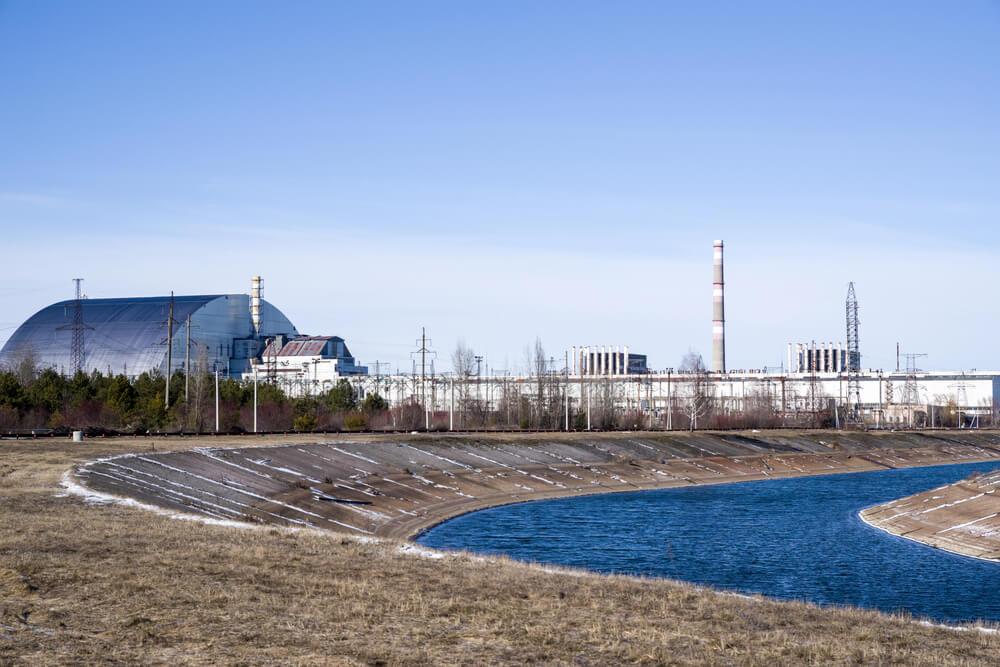
The exclusion zone around the Chernobyl nuclear plant in northern Ukraine was created after the 1986 disaster. For years it became a popular destination for guided tours, requiring advance permits and passport checks at military posts.
After Russian forces moved through the area in February 2022, the zone closed to tourists, and it remained closed as of 2026. The area includes the abandoned city of Pripyat, where apartment blocks and an amusement park stand empty.
Radiation levels vary widely across the zone. Access is currently limited to workers and authorized officials.
Midway Atoll in the Pacific
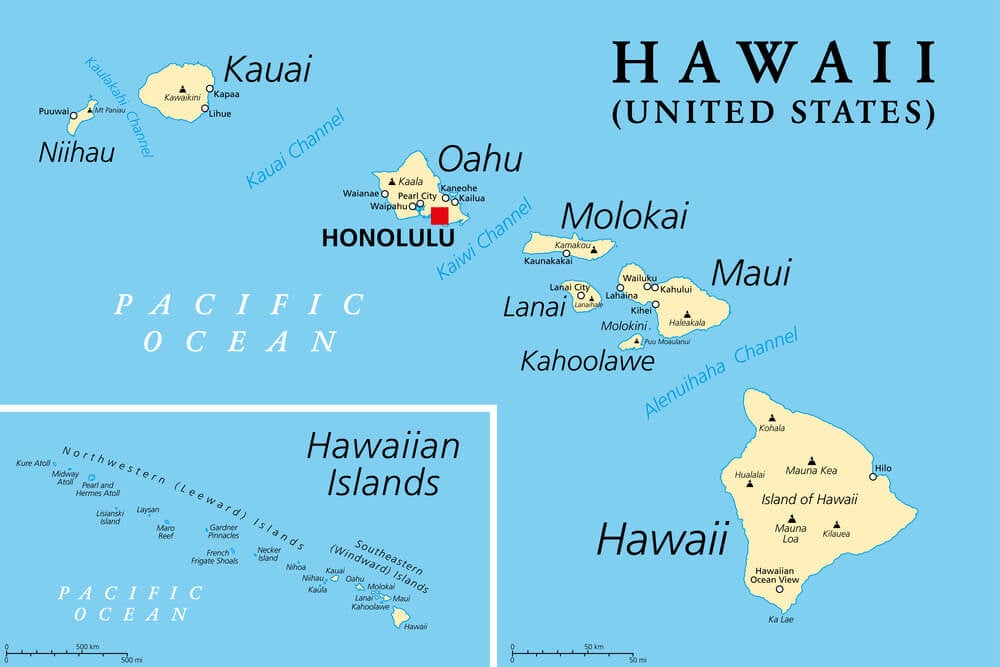
Midway Atoll, famous for the 1942 naval battle, is now part of Papahanaumokuakea Marine National Monument, one of the largest protected areas in the world. It hosts huge colonies of seabirds, including the Laysan albatross.
A small public visitor program ran until 2012, when it was suspended because of budget constraints. Since then, access has been limited largely to staff, volunteers, and researchers.
The atoll is managed by the US Fish and Wildlife Service. Wisdom, a Laysan albatross estimated to be more than 70 years old, still nests there.
Pilgrimage Permits for Mecca
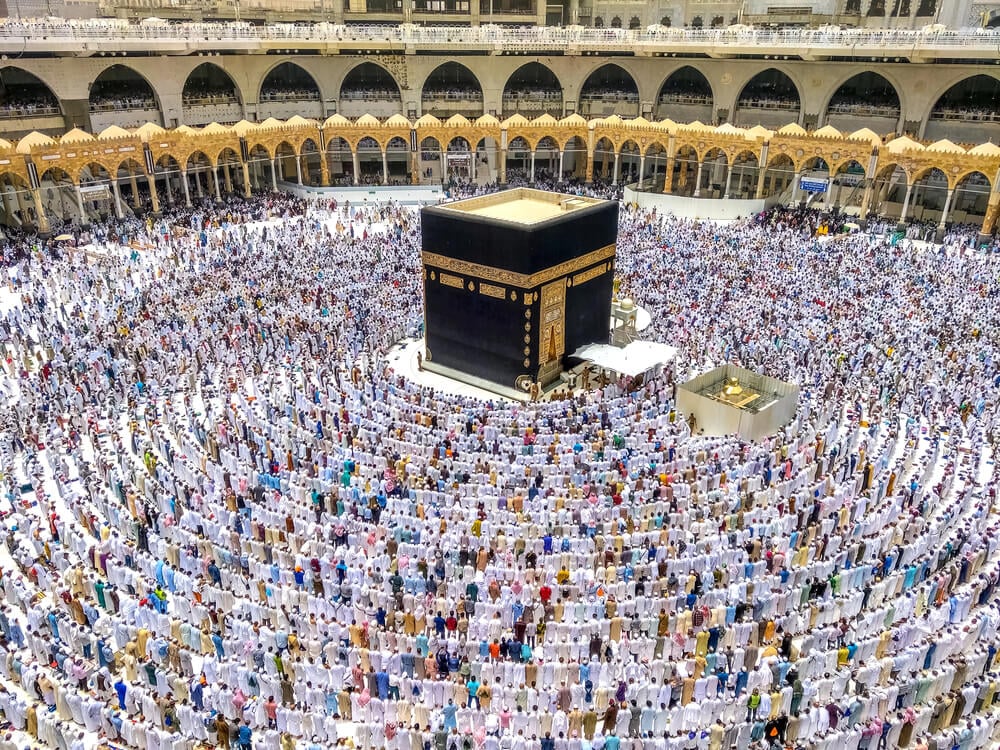
Mecca in Saudi Arabia is the holiest city in Islam, and non-Muslims are not permitted to enter. For Muslims, the annual Hajj requires an official permit, with quotas set for each country, roughly one pilgrim for every thousand Muslims in the population.
Saudi authorities have cracked down on pilgrims attempting the Hajj without permits, especially after extreme heat in 2024 contributed to more than 1,300 deaths, many among unregistered pilgrims. The Umrah pilgrimage, which can be made at other times of year, also requires authorization.
The rules reflect the scale of a gathering that can top two million people.
Permission as a Form of Care
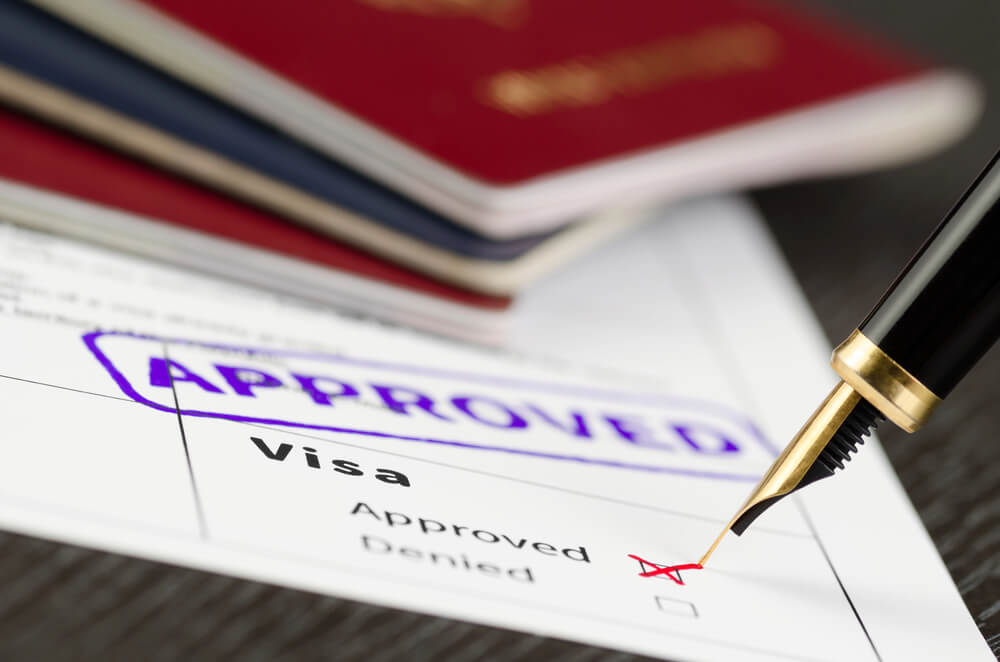
Restrictions can feel like obstacles, yet most of these rules exist because unlimited access would ruin the thing people come to see. Caves suffer from breath and body heat, reefs from boots and anchors, and small communities from crowds that treat them as scenery.
A permit is often the price of keeping a place intact. Some of the rules are political, and some may change within a few years.
Others, like those guarding caves and sacred mountains, are likely to last for generations. Anyone willing to wait, pay, or enter a lottery can still reach most of these places, and the difficulty is part of what makes the arrival memorable.
More from Go2Tutors!

- The Romanov Crown Jewels and Their Tragic Fate
- 13 Historical Mysteries That Science Still Can’t Solve
- Famous Hoaxes That Fooled the World for Years
- 15 Child Stars with Tragic Adult Lives
- 16 Famous Jewelry Pieces in History
Like Go2Tutors’s content? Follow us on MSN.



