30 Historical Speeches That Changed Public Opinion Almost Overnight
Most political arguments grind forward through legislation, journalism, and quiet persuasion over years. Occasionally, a single speech does something faster — not by winning a debate but by changing the terms of it.
The speeches below shifted what people thought, what they were willing to accept, or what they believed was possible. Some moved large publics within hours.
Others worked on a slower clock, but set a process in motion from the moment they were delivered that couldn’t be reversed. The common element is not eloquence, though many of these are eloquent.
It’s that each one said something in public that hadn’t been said quite that way before, in front of an audience that needed to hear it differently.
Abraham Lincoln’s Gettysburg Address (1863)

Lincoln spoke for two minutes at the dedication of the Gettysburg battlefield cemetery, following a two-hour oration by the event’s main speaker, Edward Everett, that was largely forgotten within days. The initial press reaction was divided along partisan lines.
But within weeks the Address had been reprinted across the country, and Lincoln had accomplished something unusual: he had taken a brutal, grinding war and given it a founding-document purpose, reframing it from a dispute about states’ rights into a test of whether self-governing democracy could survive. The speech didn’t just mark the war’s meaning — it retroactively changed what the war was about.
Winston Churchill’s “We Shall Fight on the Beaches” (1940)
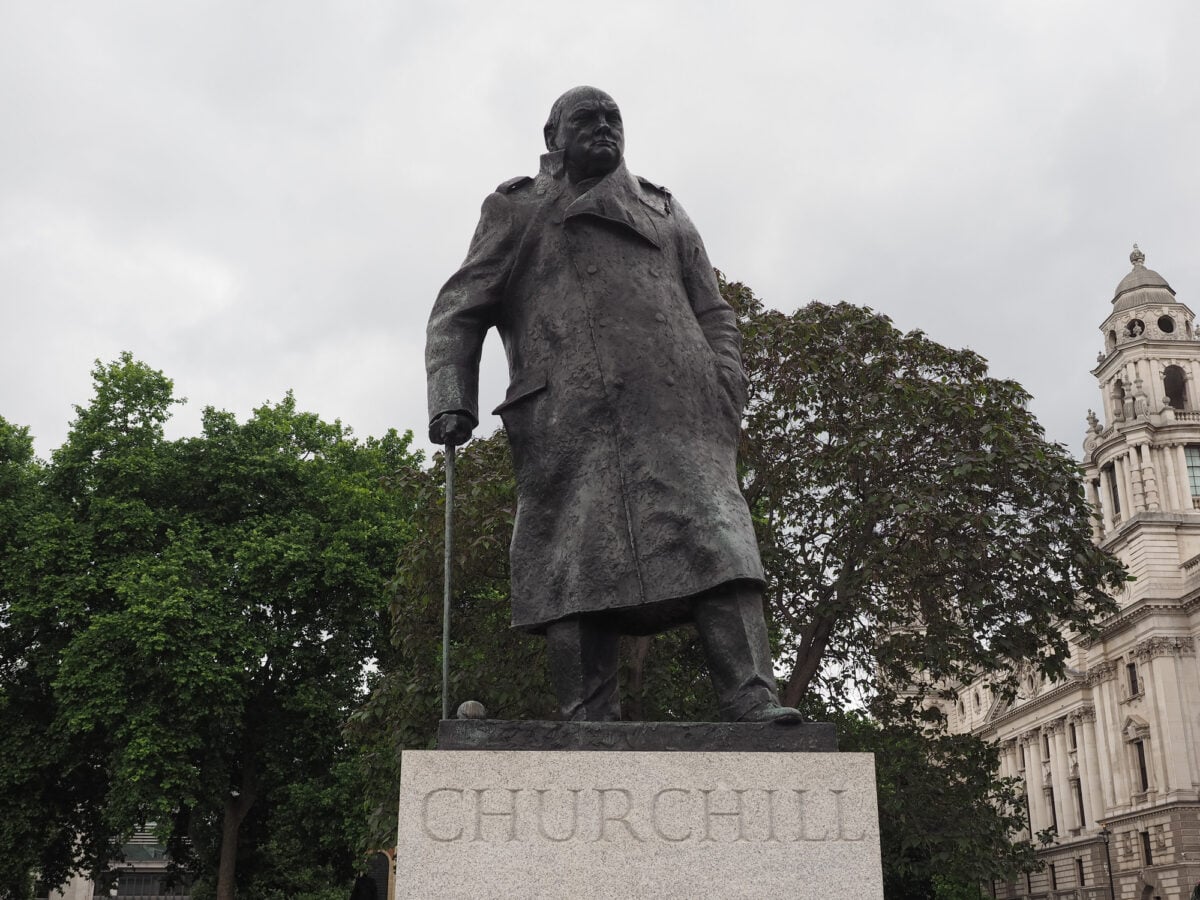
Delivered to the House of Commons on June 4, 1940, days after the Dunkirk evacuation had rescued 338,000 Allied troops from the French coast in a military retreat that was simultaneously catastrophic and miraculous, Churchill’s speech was the moment he persuaded Britain — and, through radio, the watching world — that the country would not negotiate.
The speech is often described as a rallying cry, but its more significant function was psychological: it eliminated the option of capitulation from the national conversation before that option had fully formed. Hitler’s invasion plans for Britain were developed against the assumption that British resistance would eventually be negotiated away. Churchill’s speech made clear that assumption was wrong.
Martin Luther King Jr.’s “I Have a Dream” (1963)
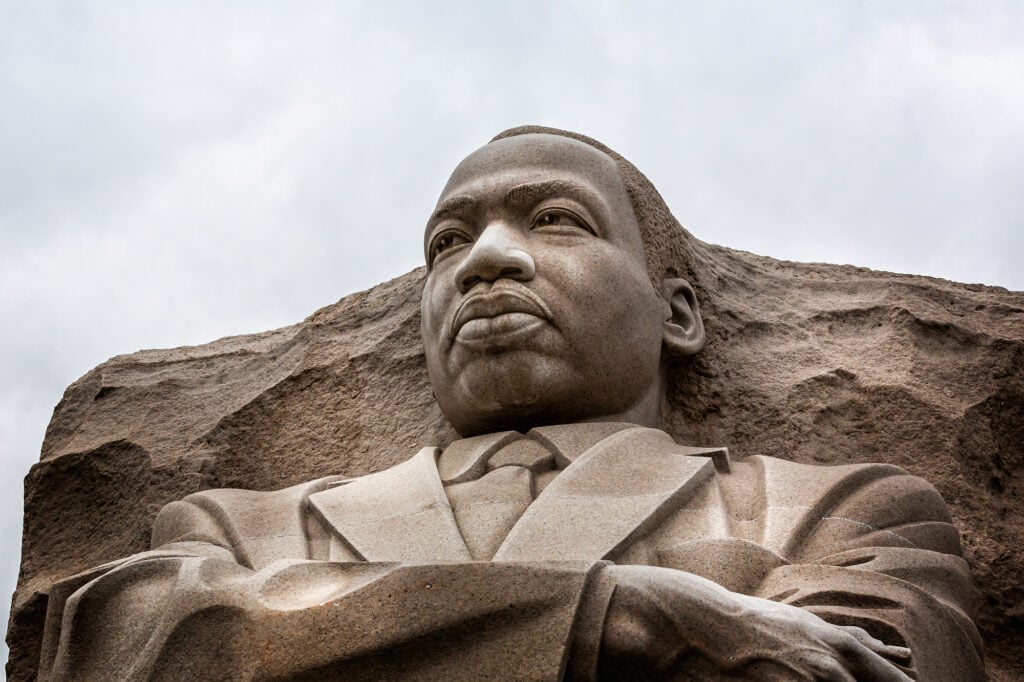
King delivered the address at the March on Washington in August 1963, in front of approximately 250,000 people gathered at the Lincoln Memorial, and it was broadcast live on national television to millions more. The civil rights movement had been building through years of sit-ins, freedom rides, and local campaigns that met daily with violence.
The speech did not cause the Civil Rights Act — that required a further year of legislative work — but it changed the emotional register of the national debate, shifting it from a regional dispute to a moral confrontation that the entire country was forced to take a position on.
Franklin D. Roosevelt’s First Inaugural Address (1933)
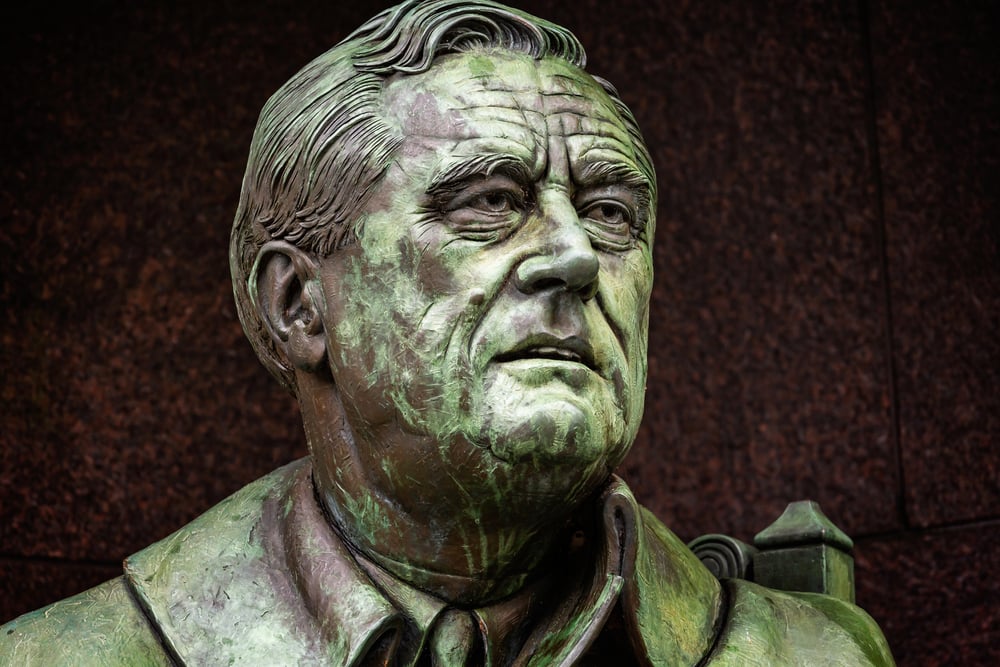
Roosevelt took office on March 4, 1933, at the depth of the Great Depression, with unemployment near 25 percent and the banking system on the verge of collapse. Tens of millions listened on the radio. Within the first minutes of the speech he delivered what would become its defining phrase: that the only thing to fear was fear itself.
The historian’s assessment — quoted at the time — was that Roosevelt shifted the national spirit from gloom to cautious optimism within the span of a single address, turning an “ambiguous figure” into a commanding leader before he had passed a single piece of legislation.
Nelson Mandela’s “I Am Prepared to Die” (1964)

Delivered from the dock at the Rivonia Trial on April 20, 1964, this three-hour statement was Mandela’s response to charges of sabotage that carried the death penalty. His lawyers urged him to omit the final lines, fearing they would provoke a death sentence. He refused, adding only “if needs be” as a qualifier.
The statement was widely reported internationally and was described by one historian as “the day Nelson Mandela became Nelson Mandela” — the moment when a regional political defendant became a global symbol of principled resistance. It was his last public statement for 27 years. The international pressure the speech helped generate played a significant role in the eventual dismantling of apartheid.
John F. Kennedy’s Inaugural Address (1961)
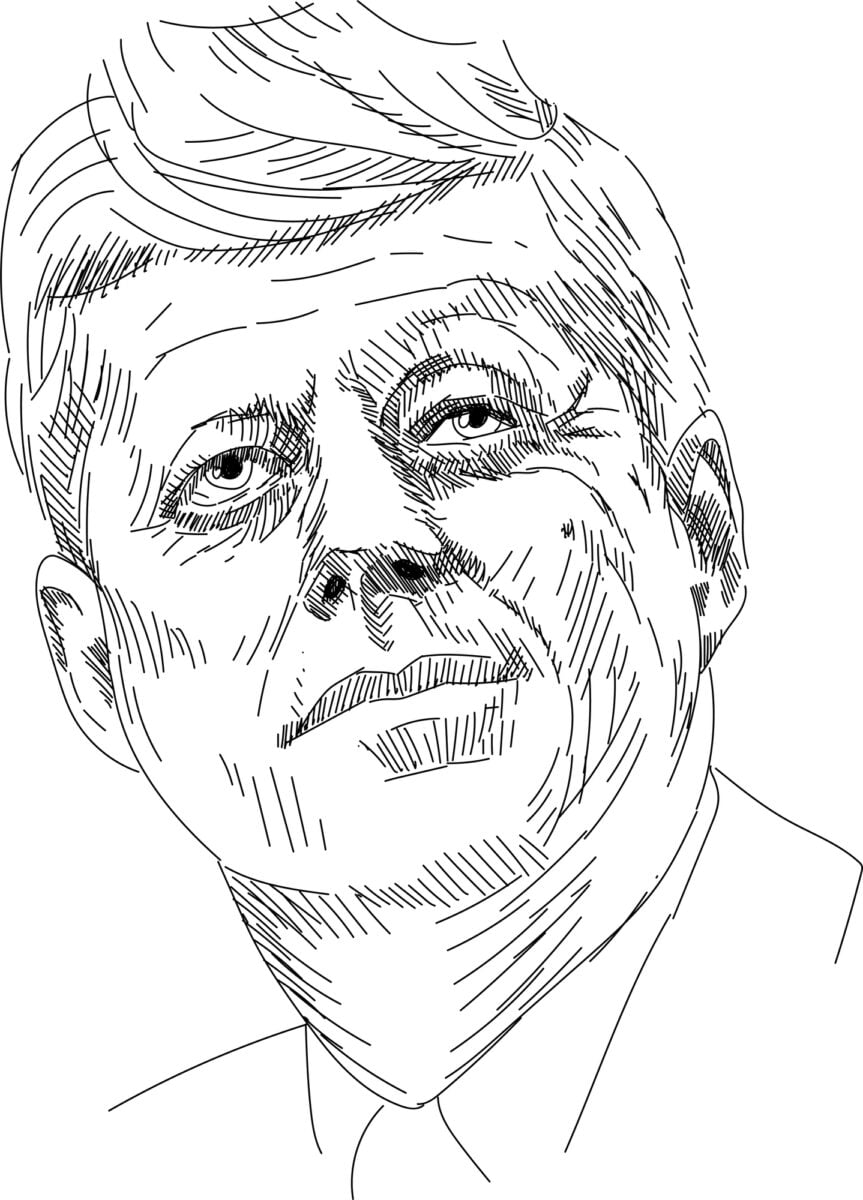
Kennedy’s January 20, 1961 address contained the challenge that defined a generation’s understanding of public service. Applications to the Peace Corps, which Kennedy formally established two months later, began arriving almost immediately.
The speech’s effect wasn’t primarily domestic political: it shifted the frame of Cold War competition from a defensive posture — protecting what we have — to an active one, and it gave young Americans a language for civic purpose that careers in government and international service had previously lacked.
Sojourner Truth’s “Ain’t I a Woman?” (1851)
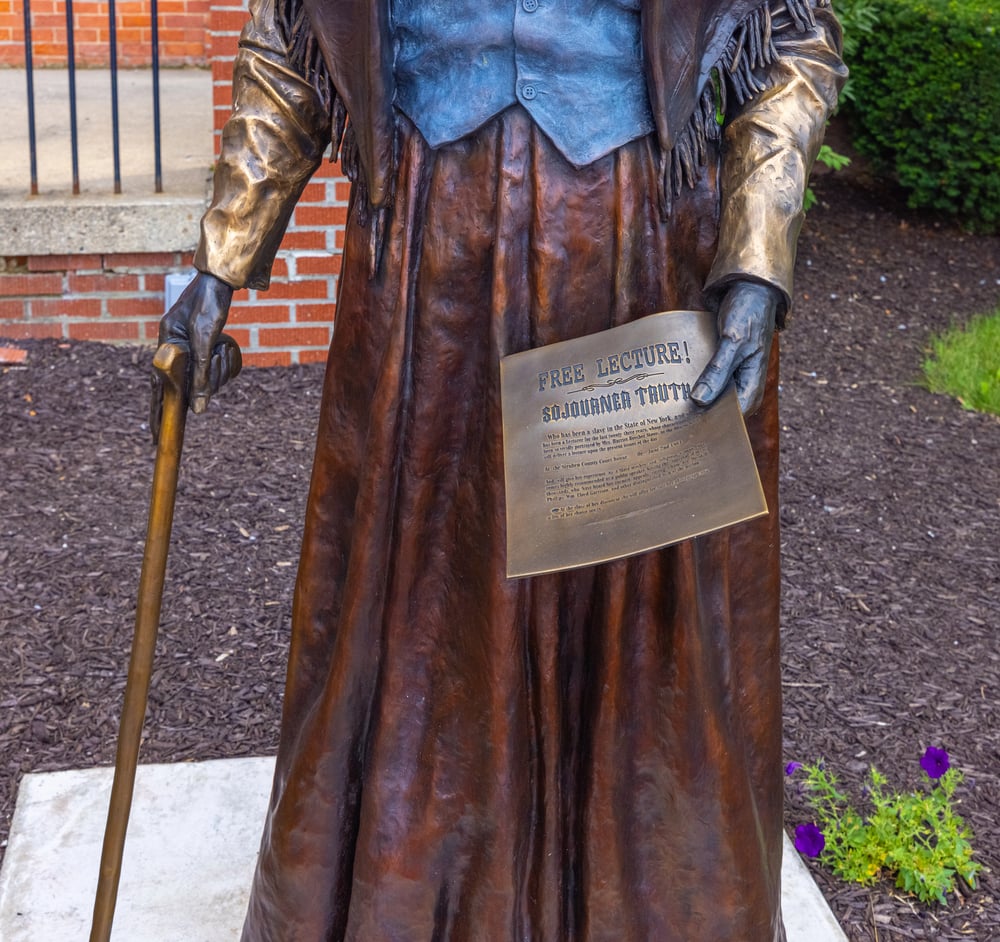
Truth was a formerly enslaved woman who, by 1851, had become a prominent speaker in abolitionist circles. At the Women’s Rights Convention in Akron, Ohio, she delivered an address that used repetition and personal testimony to confront the exclusion of Black women from the emerging suffrage movement.
The speech’s rhetorical effect was to make it impossible to argue for women’s rights while implicitly restricting the definition of “women” to white women. It didn’t settle the argument that day, but it put a charge in that argument that anti-exclusion advocates could draw on for decades.
Patrick Henry’s “Give Me Liberty or Give Me Death” (1775)
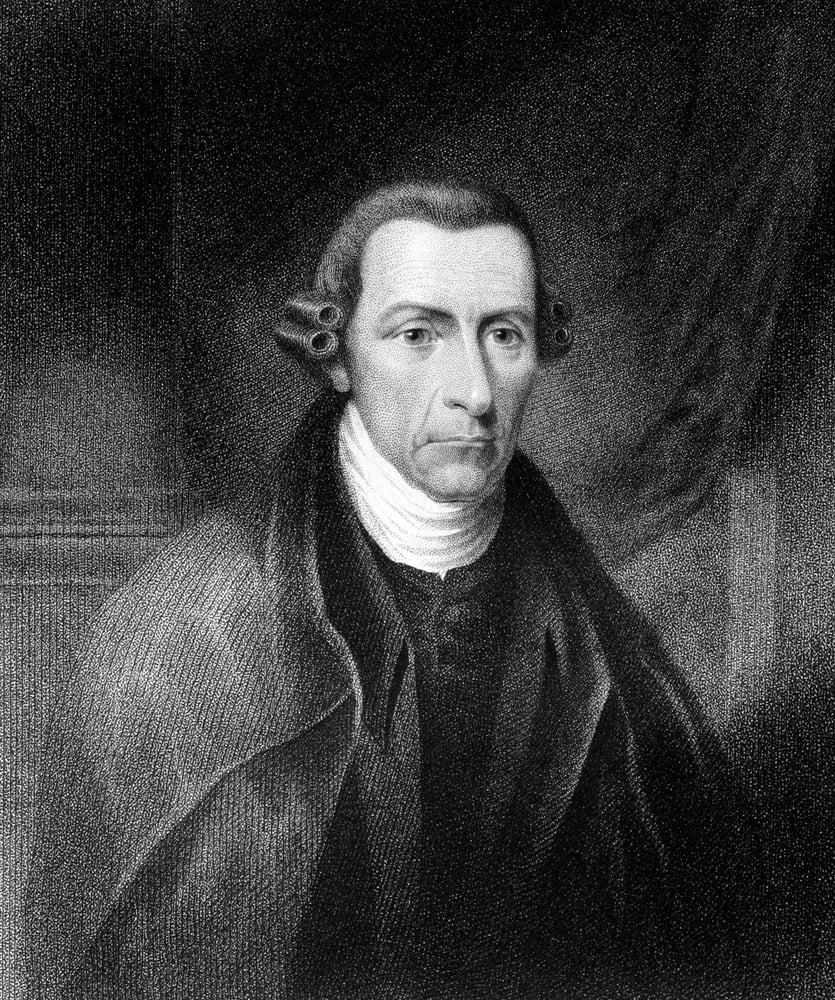
Delivered to the Second Virginia Convention in March 1775, Henry’s speech advocated for Virginia joining the armed resistance against British rule at a moment when many delegates were still hoping for a negotiated resolution.
By the time he sat down, Virginia had voted to send troops. The speech is the clearest American example of a single address changing the outcome of a vote within the room, with consequences that extended well beyond it: Virginia’s participation in the conflict made it a genuinely continental war rather than a regional uprising.
Frederick Douglass’s “What to the Slave is the Fourth of July?” (1852)
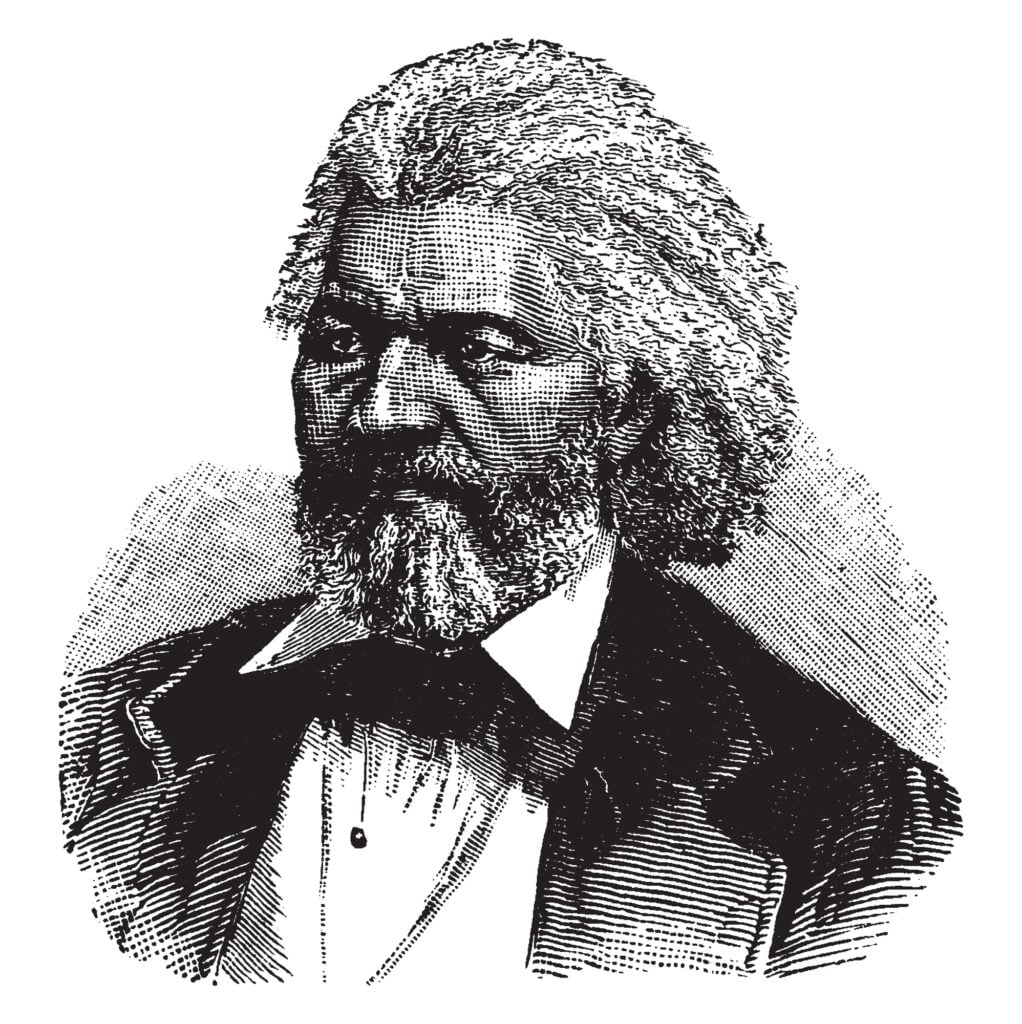
Douglass was invited to speak at an Independence Day celebration in Rochester, New York, and delivered an address that is remarkable for refusing to perform the gratitude the invitation implied. Speaking as a free man who had escaped enslavement, he made the case that the Fourth of July was an occasion of national hypocrisy — a celebration of liberty that excluded the roughly four million people held in slavery.
The speech was widely circulated by abolitionist publishers and became a touchstone of the movement’s argument that American democratic ideals were either universal or meaningless.
Churchill’s “Blood, Toil, Tears and Sweat” (1940)
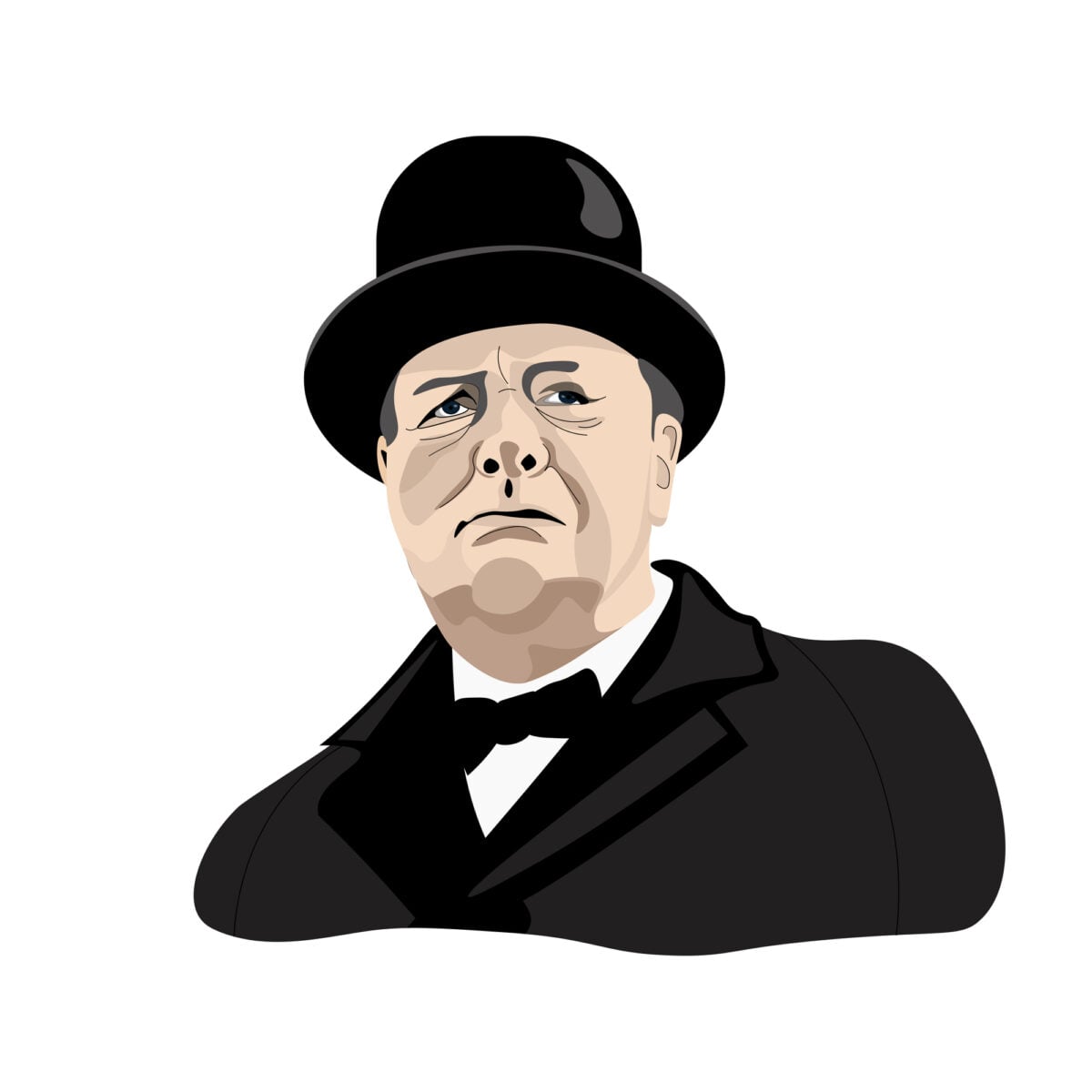
Three weeks before the Dunkirk speech, Churchill’s first address to the House of Commons as Prime Minister on May 13, 1940 set the terms for everything that followed. It offered nothing except the truth of the situation: that what lay ahead would be brutal, prolonged, and uncertain, and that the only policy was to wage war against a monstrous tyranny.
The nakedness of the speech — its refusal to offer comfort or false hope — paradoxically produced confidence, because it signalled that the country’s new leader was looking at the situation clearly.
Emmeline Pankhurst’s “Freedom or Death” (1913)
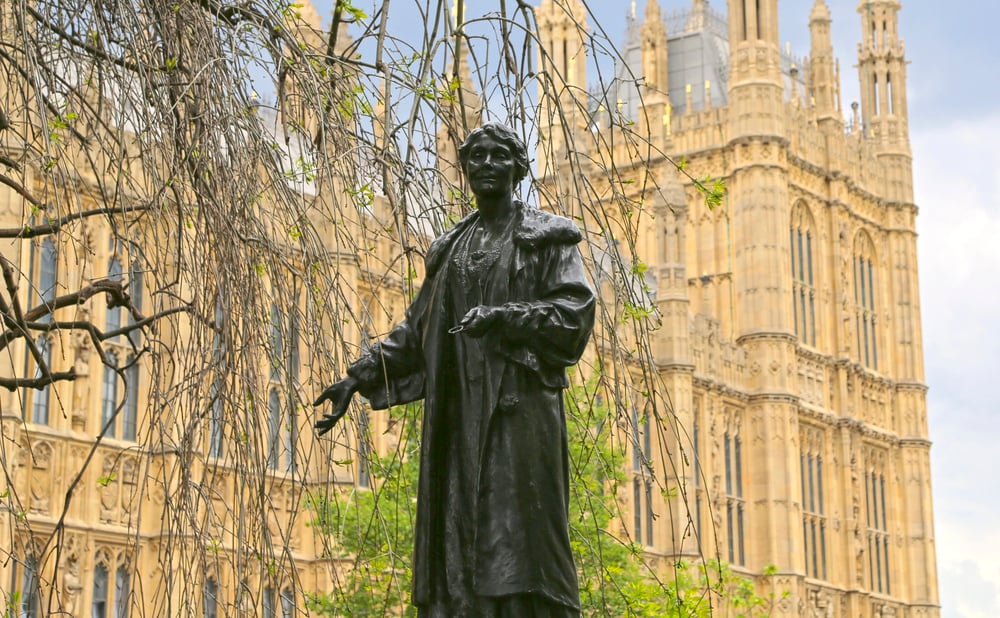
Delivered in Hartford, Connecticut, during Pankhurst’s American fundraising tour for the British suffragette movement, this speech made the case for why women had moved from peaceful petitioning to direct action and property destruction.
Pankhurst argued that the movement was at war with the government, and that the tactics of war — not the tactics of polite request — were the appropriate response to systematic disenfranchisement. The speech shifted American public sympathy toward the militant wing of the British suffragette movement, generating significant donations and broadening international pressure on the British government.
JFK’s Moon Speech at Rice University (1962)
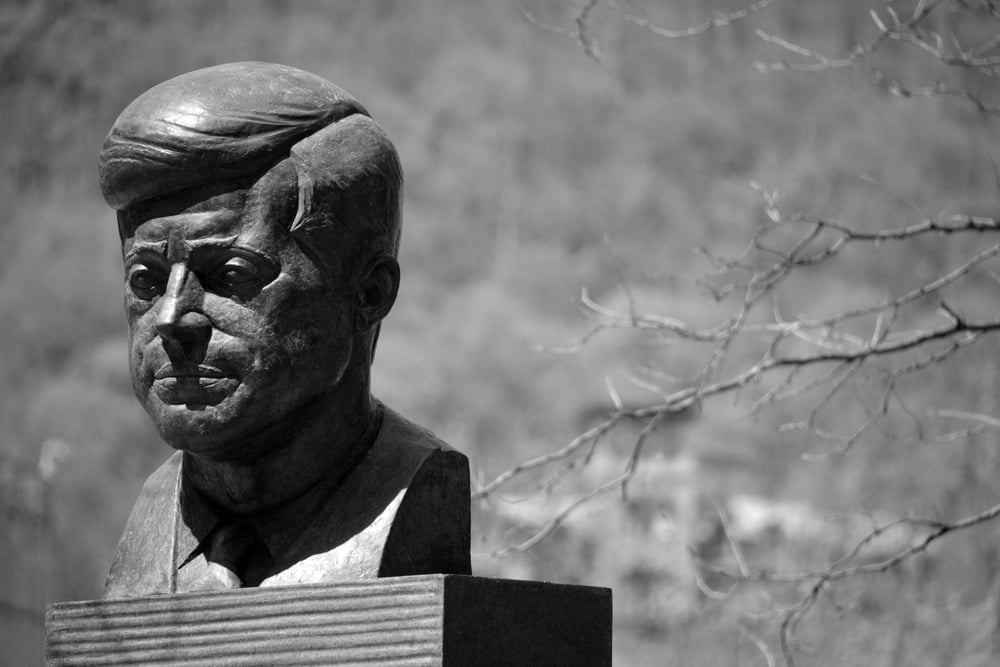
Delivered on September 12, 1962, Kennedy’s speech to Rice University made the case that the United States should commit to landing a man on the moon before the end of the decade — not because it was easy, he said, but because it was hard.
Public support for the space program at the time was not overwhelming: the cost was significant and the strategic purpose contested. The speech shifted the frame from “expensive government programme” to national aspiration, and the congressional funding that followed reflected a changed public conversation. The moon landing happened in 1969.
Roosevelt’s “Four Freedoms” State of the Union (1941)
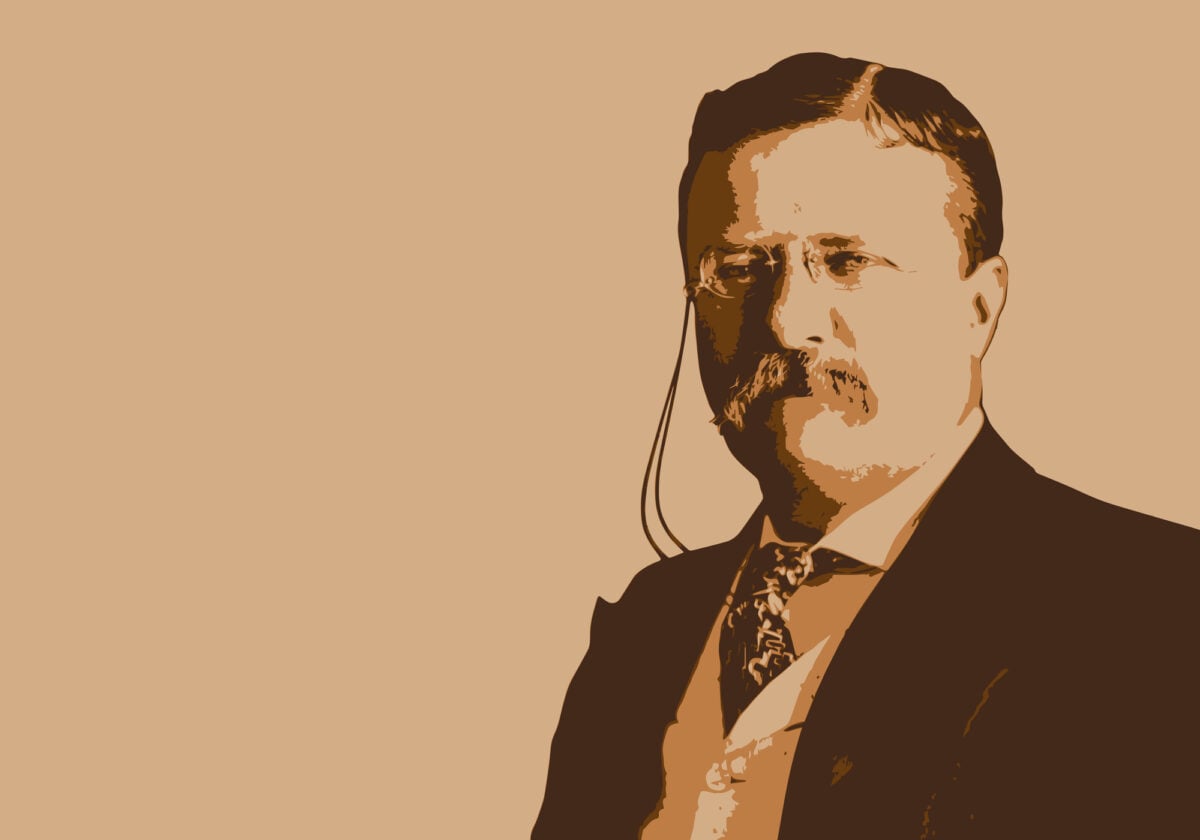
Delivered in January 1941, eleven months before the United States entered the Second World War, Roosevelt’s annual address articulated four freedoms that he argued any post-war world order should guarantee: freedom of speech and expression, freedom of worship, freedom from want, and freedom from fear.
The speech changed the terms of the isolationist debate by reframing American non-involvement not as neutrality but as a choice about which kind of world would exist after the war ended.
Harvey Milk’s “Hope Speech” (1977)
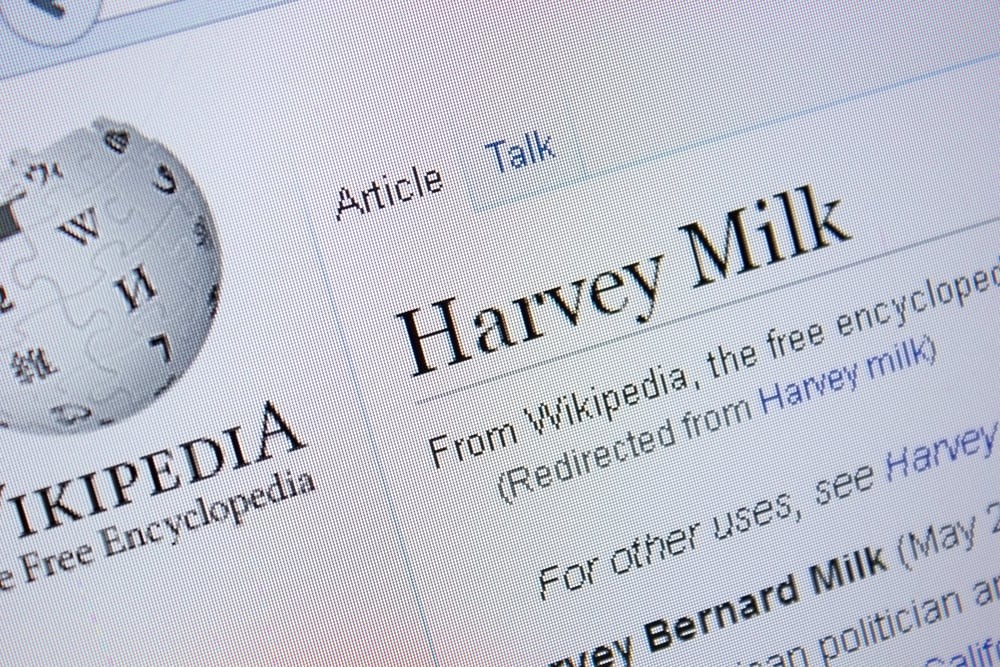
Harvey Milk delivered several versions of what became known as the Hope Speech during his 1977 campaign for the San Francisco Board of Supervisors, in which he became the first openly gay person elected to public office in California.
The speech argued, simply and directly, that LGBTQ+ people needed to be visible — to come out to their families, friends, and communities — because visibility was the condition of political representation. The speech is credited with accelerating a cultural shift in how LGBTQ+ people understood the relationship between personal disclosure and political power.
Malala Yousafzai at the United Nations (2013)
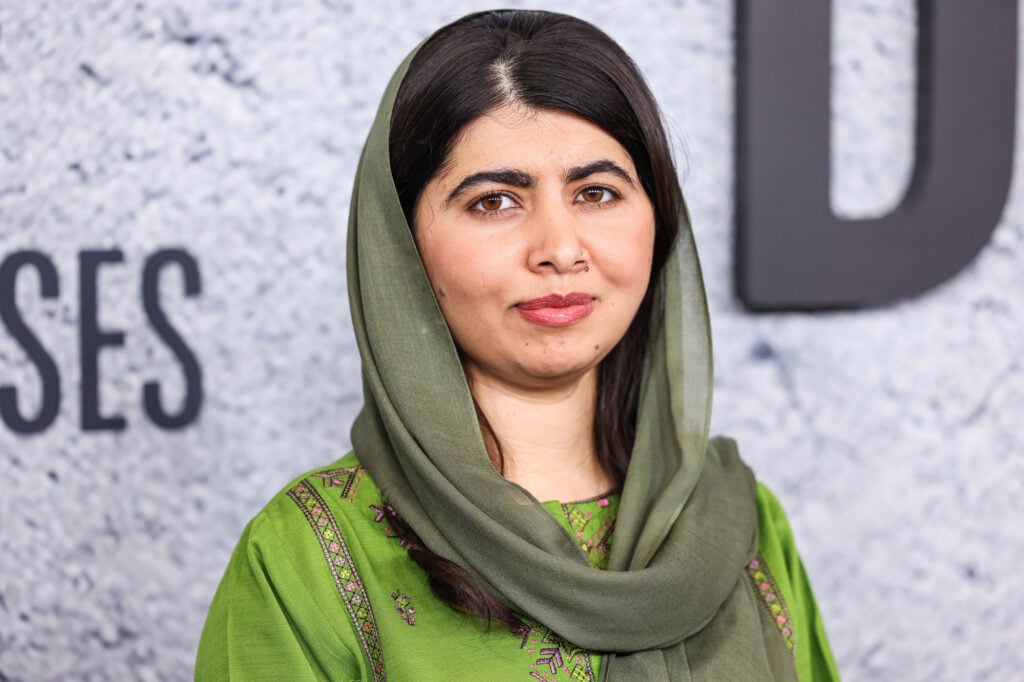
Yousafzai was 16 when she addressed the UN Youth Assembly on July 12, 2013, her 16th birthday, less than a year after she had been shot in the head by Taliban gunmen for advocating for girls’ education in Pakistan.
The speech reframed the international education debate by grounding it in a specific, documented story of what happens when girls’ education is treated as optional. International institutions, NGOs, and governments responded with significantly increased commitments to girls’ education funding in the months that followed.
Greta Thunberg at the UN Climate Summit (2019)
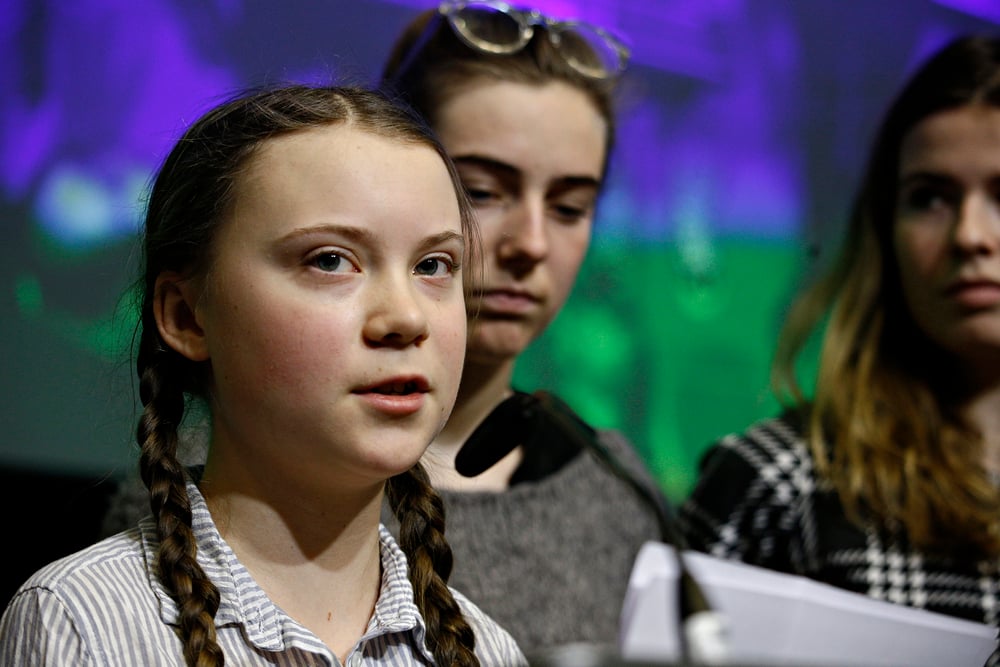
Thunberg’s September 2019 address to the UN Climate Action Summit was not a formal argument but a moral indictment, delivered with visible anger. Her phrase “How dare you” — directed at world leaders who had made climate commitments and largely failed to honour them — became immediately viral and reframed climate advocacy for a generation.
It did not produce a policy agreement, but it shifted the public conversation from whether climate action was needed to who was responsible for the failure to act.
Charles de Gaulle’s Broadcast from London (1940)
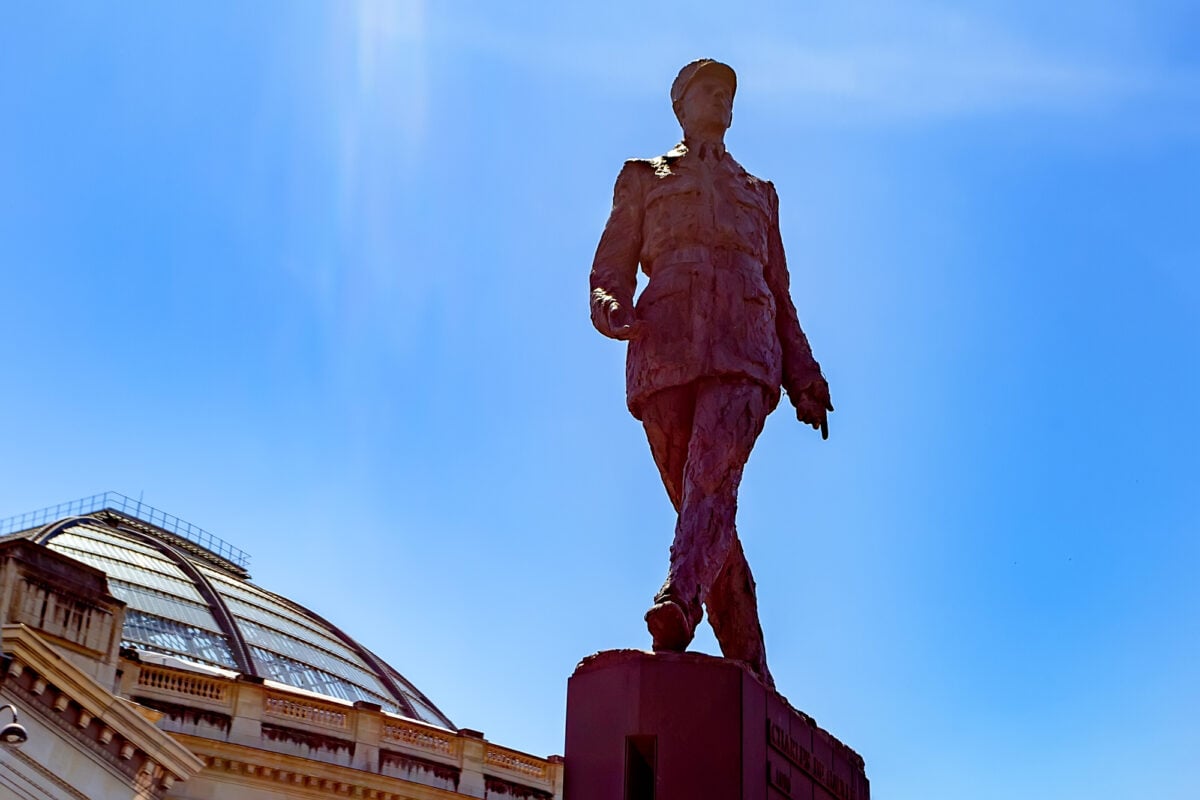
On June 18, 1940, the day after France’s government announced it was seeking armistice terms with Germany, de Gaulle broadcast a radio message from London calling on French people to continue fighting.
The broadcast was heard by relatively few people at the time — most who now claim to have heard it probably heard later recordings — but its existence gave the French Resistance a founding moment and a legitimate authority to appeal to. The date, June 18, became the symbolic date of French resistance.
Jawaharlal Nehru’s “Tryst with Destiny” (1947)
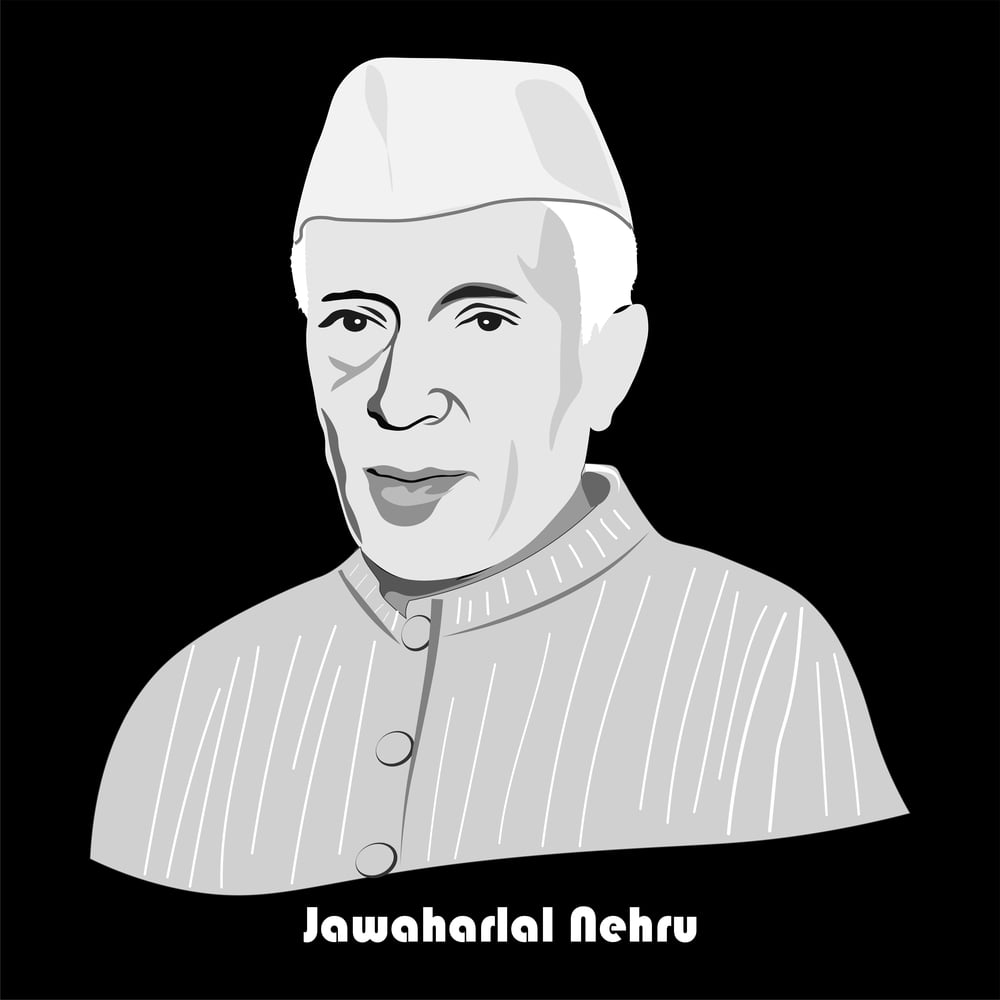
Nehru’s speech on the eve of Indian independence, delivered to the Constituent Assembly in the hours before midnight on August 14, 1947, used the language of promise and responsibility rather than victory.
The “tryst with destiny” framing — India’s appointment with its own future — gave the country’s independence a forward-looking quality that distinguished it from purely nationalist triumphalism and set the tone for the democratic republic Nehru intended to build.
Nikita Khrushchev’s “Secret Speech” (1956)
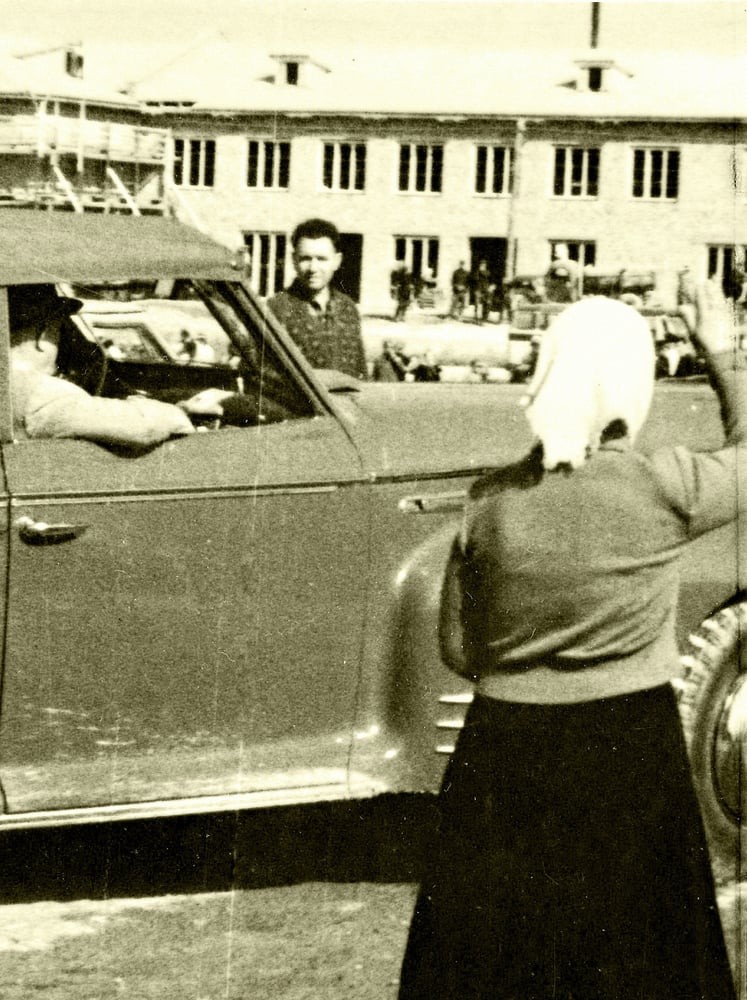
Delivered to a closed session of the 20th Congress of the Communist Party of the Soviet Union in February 1956, Khrushchev’s denunciation of Stalin’s cult of personality and the crimes of the Stalin era was supposed to stay secret. It didn’t: copies circulated, and within weeks it had been published in the Western press.
The speech initiated a period of political liberalisation in the Soviet Union known as the Khrushchev Thaw and produced immediate political upheaval in Eastern Europe, including the 1956 Hungarian Revolution.
Cicero’s “First Catilinarian Oration” (63 BCE)
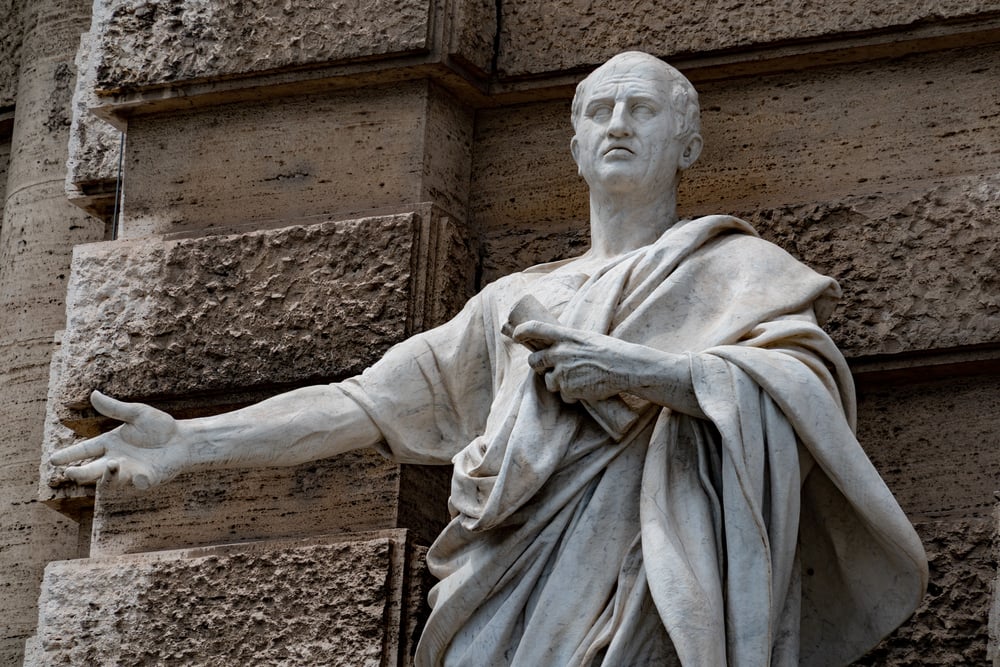
When Roman senator Lucius Sergius Catilina organised a conspiracy to overthrow the Republic in 63 BCE, Cicero delivered an address to the Roman Senate so precisely documenting the plot — and so directly confronting Catilina himself, who was present — that the conspirator left Rome the same night.
The speech stands as the first documented example of a public address forcing a political actor into immediate flight, and its rhetorical opening (“How long, Catiline, will you abuse our patience?”) became a template for political accusation used for two thousand years after.
Demosthenes’ Philippics (351–341 BCE)
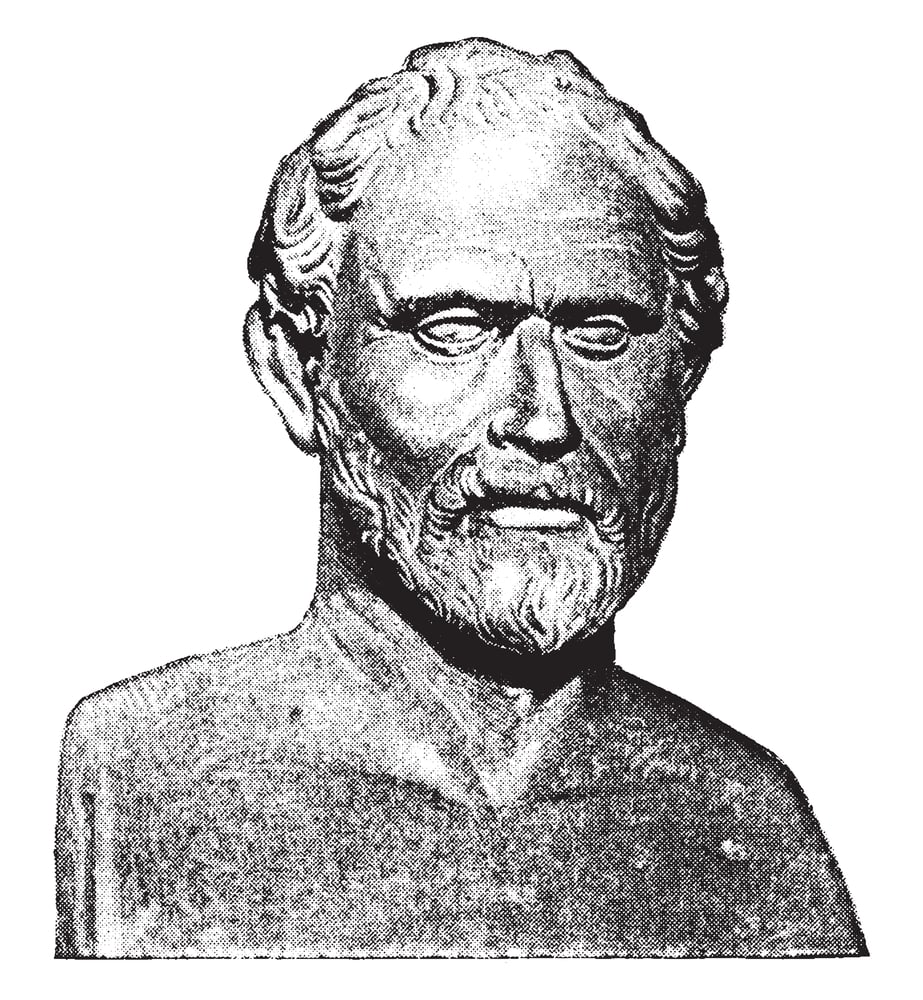
A series of addresses to the Athenian Assembly, the Philippics were Demosthenes’ multi-year campaign to persuade Athens that Philip II of Macedon represented an existential threat to Greek independence. The city was divided, and many preferred to believe Philip’s reassurances over Demosthenes’ warnings. The speeches persuaded enough of the Assembly to vote for military preparation that Athens formed a coalition with Thebes against Philip.
The coalition lost the Battle of Chaeronea in 338 BCE, but the speeches themselves became the model for political advocacy that acknowledges unwelcome truths — so much so that any vigorous accusatory speech has been called a “philippic” ever since.
Teddy Roosevelt’s “The Man in the Arena” (1910)
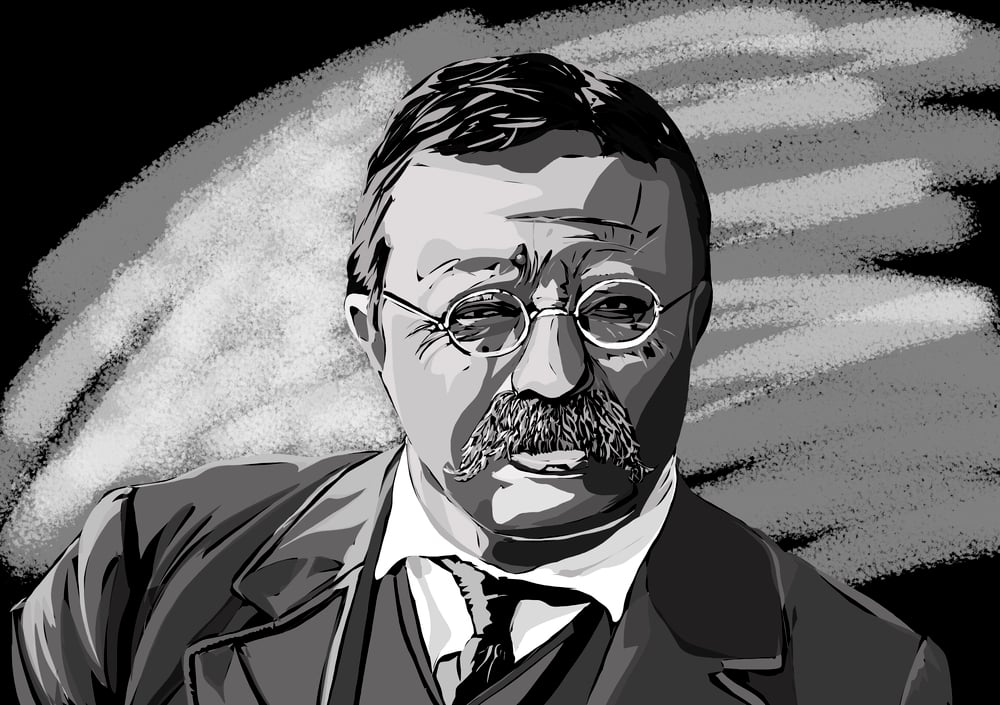
Delivered at the Sorbonne in Paris on April 23, 1910, Roosevelt’s “Citizenship in a Republic” speech has become known primarily by its “Man in the Arena” passage, which argues that the credit belongs to those who actually try, who strive and fail and strive again, rather than to the critics who observe from the outside.
The speech did not shift public opinion on a policy question but changed the cultural vocabulary available for discussing effort, failure, and public service — a contribution that has proved more durable than most political speeches precisely because it addressed something universal rather than topical.
Woodrow Wilson’s “Fourteen Points” (1918)
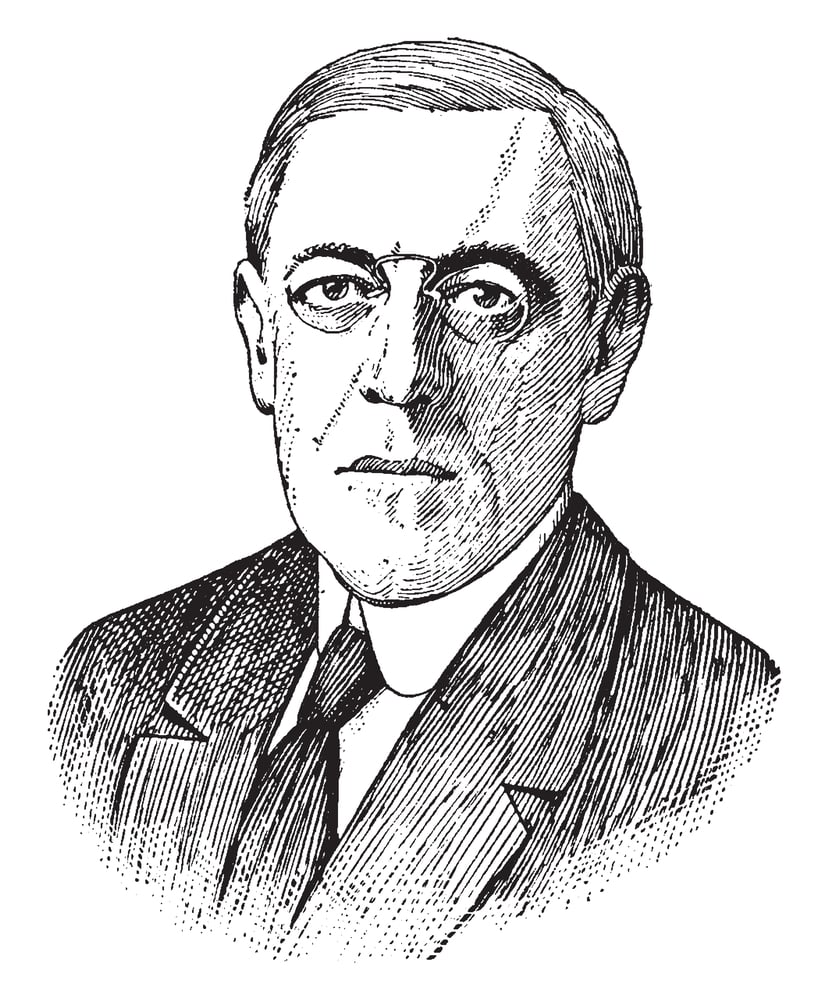
Delivered to Congress in January 1918, Wilson’s speech outlined the terms he believed should govern any post-war settlement: national self-determination, open diplomacy, freedom of the seas, and a League of Nations.
The speech changed the war’s stated purpose on the Allied side and generated significant public support in Europe, including in Germany — where it was weaponised in a way Wilson hadn’t anticipated: when the peace terms at Versailles diverged sharply from the Fourteen Points, German public opinion felt doubly betrayed, first by the war’s outcome and then by the gap between Wilson’s promises and the Treaty’s reality.
Lyndon Johnson’s “We Shall Overcome” (1965)
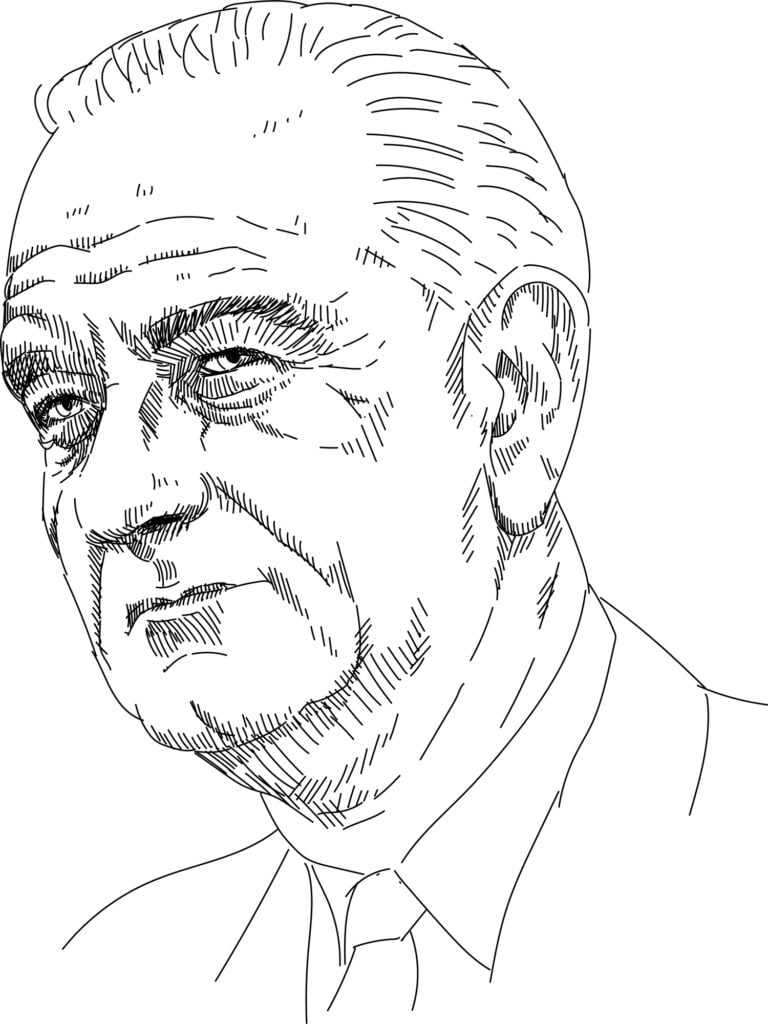
Eight days after the Selma to Montgomery marches ended in police violence that was broadcast on national television, Johnson addressed a joint session of Congress and adopted the civil rights movement’s anthem — “We shall overcome” — as the title of his legislative push.
The moment was significant not for the phrase itself but for the authority it transferred: a president using the language of a protest movement he was addressing told both the movement and its opponents something about which side of the argument the government was now on.
Mario Savio’s “Bodies upon the Gears” (1964)
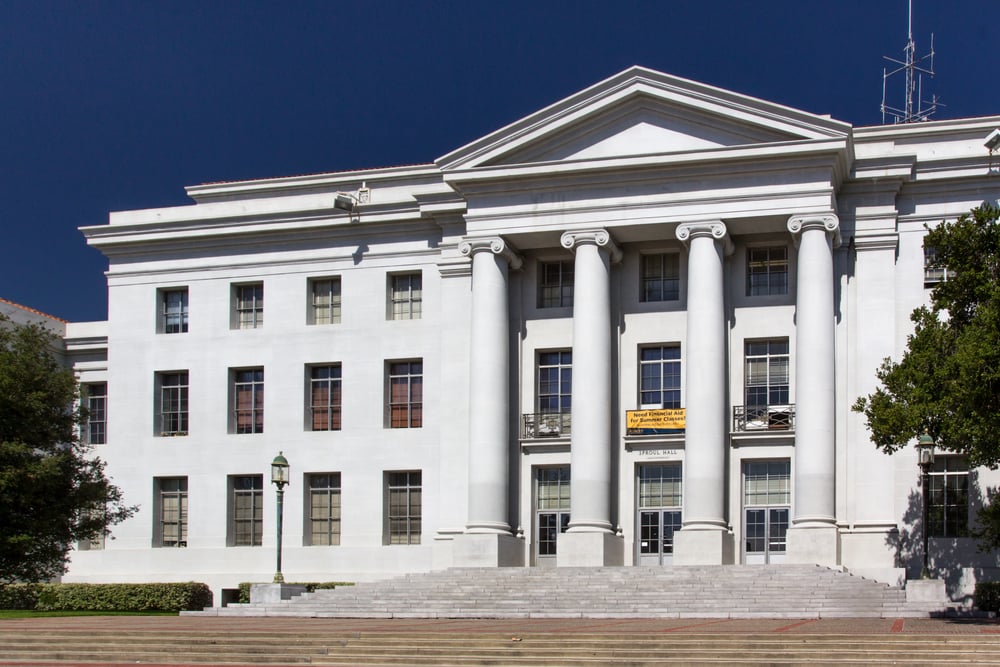
Delivered on the steps of Sproul Hall at the University of California, Berkeley, on December 2, 1964, Savio’s speech to a crowd of several thousand students gathered during the Free Speech Movement advocated for non-violent direct action by using the metaphor of a machine — the university, or the wider system — that students could stop by placing themselves on its gears.
The speech galvanised the sit-in that night, which led to the largest mass arrest in California history and the eventual recognition of students’ right to political speech on campus. It became a defining text of the 1960s student movement.
Susan B. Anthony’s Address on Being Fined (1873)
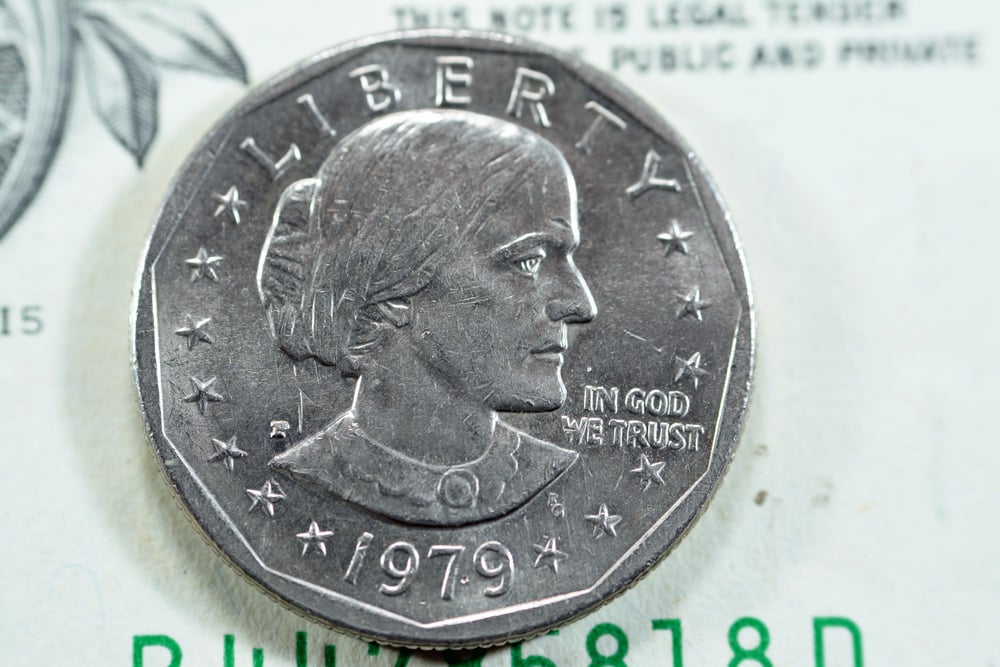
Arrested for voting in the 1872 presidential election — which she was legally barred from doing as a woman — Anthony was fined one hundred dollars and delivered a speech arguing that the Constitution’s Fourteenth Amendment, ratified in 1868, already guaranteed her the right to vote. She refused to pay the fine.
The speech was widely distributed by women’s suffrage organisations and framed the suffrage argument not as a demand for a new right but as a claim to rights already constitutionally guaranteed — a reframing that proved significantly more persuasive in legal and popular discourse than purely aspirational arguments.
Harvey Milk’s “I Know You Are Listening” (1978)
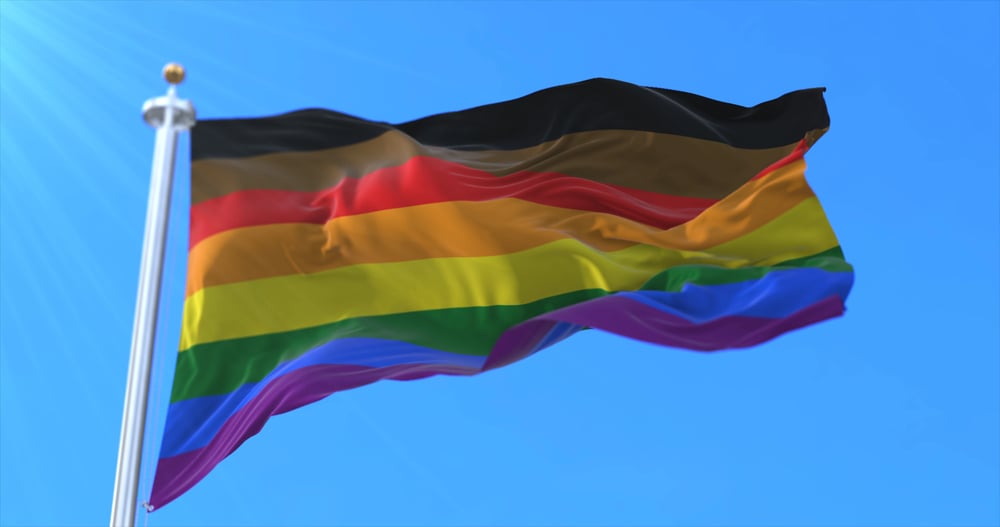
Recorded as a political testament to be played in the event of his assassination, the recording was released after Milk was shot and killed in November 1978. In it, Milk spoke directly to LGBTQ+ young people across the country who had no visible community, telling them they were not alone and that things would get better.
The speech expanded the concept of political address beyond those present: it was the first major example of a political figure using recorded media to speak directly to a dispersed, invisible community that hadn’t yet found itself.
Pericles’ Funeral Oration (431 BCE)
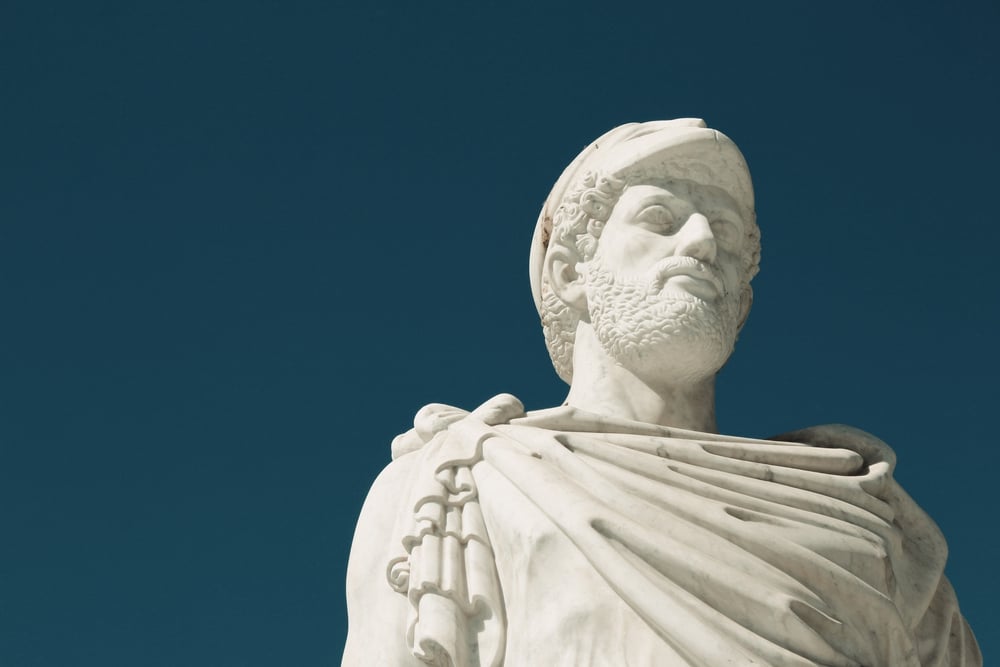
Recorded by Thucydides, Pericles’ address at the annual ceremony for Athenians killed in the first year of the Peloponnesian War departed from convention by spending relatively little time on the dead and most of its length describing what Athens was — the character of its democracy, its openness, its relationship between freedom and responsibility. The speech defined Athenian democracy’s self-image at the height of its power and became the primary classical text on democratic ideals.
Lincoln’s Gettysburg Address was consciously modelled on it.
Reagan’s “Tear Down This Wall” (1987)
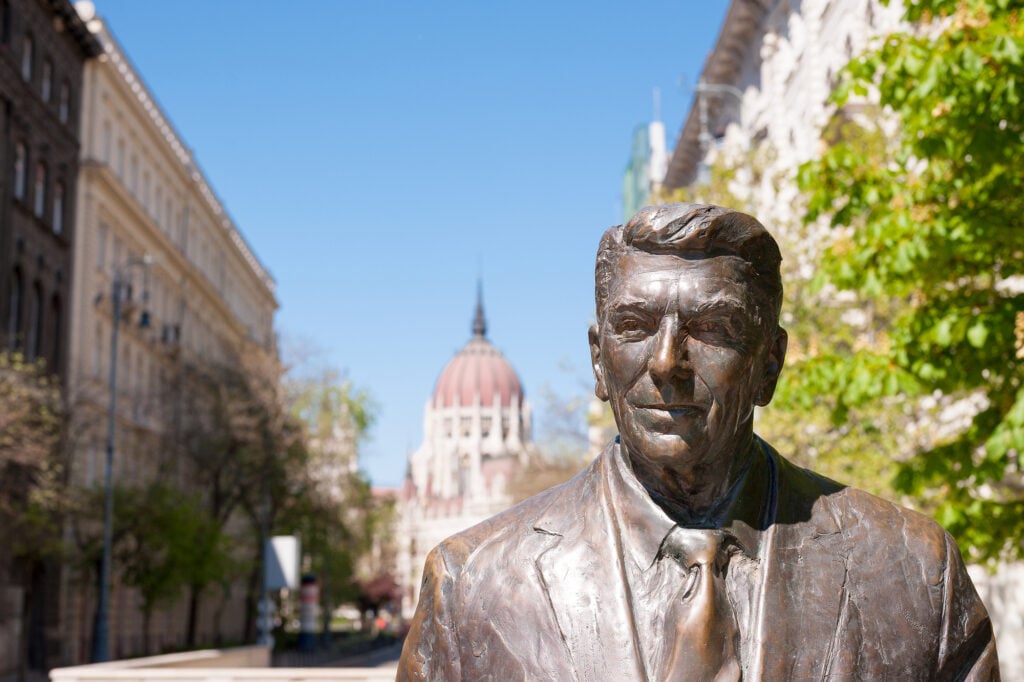
Delivered at the Brandenburg Gate in West Berlin on June 12, 1987, Reagan’s challenge to Soviet leader Mikhail Gorbachev to tear down the Berlin Wall was opposed by his State Department and National Security Council advisors, who felt it was unnecessarily intriguing. Reagan kept it in.
The wall came down on November 9, 1989 — not as a direct result of the speech, but in a political environment that the speech had made more difficult for Eastern Bloc governments to manage. The phrase became the symbolic marker for the end of the Cold War.
Aung San Suu Kyi’s Freedom from Fear (1990)
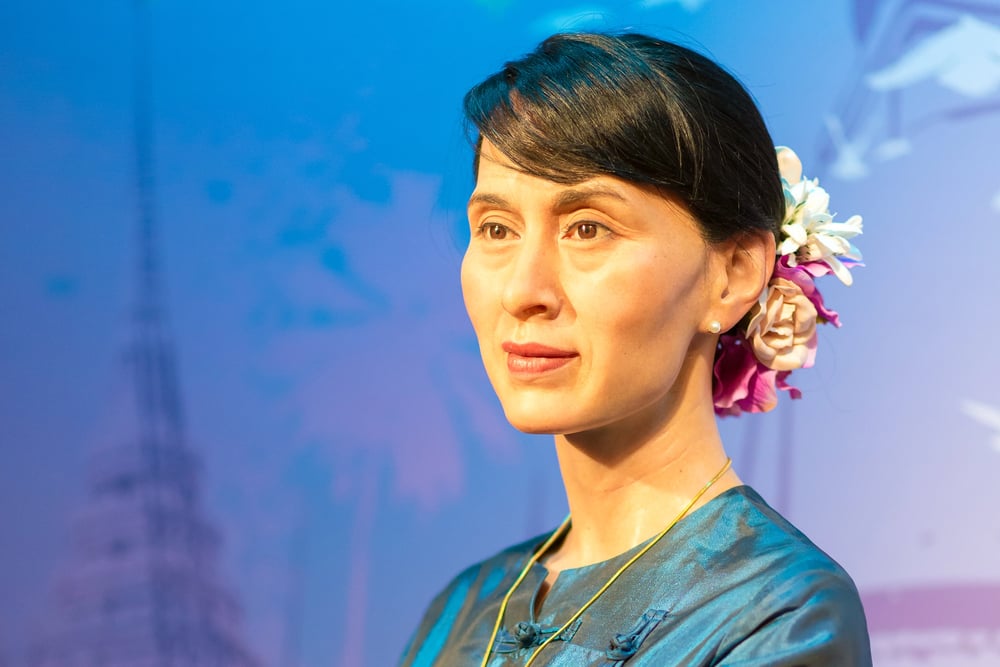
Written while Aung San Suu Kyi was under house arrest in Rangoon following the Burmese military’s refusal to recognise the 1990 election results that her National League for Democracy had won, this speech was read at ceremonies in her honour abroad and smuggled out of the country. It argued that the primary obstacle to political freedom was not the power of dictators but the willingness of people to be afraid.
The speech increased international awareness of the Burmese democracy movement and contributed to the international pressure that led to her eventual release.
The Words That Moved the Room, and Then the World

The most durable of these speeches share something that is easy to overlook amid the rhetoric: they were honest in a way that the circumstances were actively discouraging. Churchill told the truth about the coming cost of resistance.
Roosevelt told the truth about the national psychology holding recovery back. Mandela told the truth about his own likely fate. Truth delivered at the moment when the audience most needed it — and was perhaps least prepared for it — is the mechanism beneath the eloquence in almost every entry on this list. The oratory was the vehicle. Honesty was the engine.
More from Go2Tutors!

- The Romanov Crown Jewels and Their Tragic Fate
- 13 Historical Mysteries That Science Still Can’t Solve
- Famous Hoaxes That Fooled the World for Years
- 15 Child Stars with Tragic Adult Lives
- 16 Famous Jewelry Pieces in History
Like Go2Tutors’s content? Follow us on MSN.