15 Ancient Agricultural Methods Still Used Today
Modern farming might seem all about high-tech equipment and chemical fertilizers, yet some of the most effective agricultural techniques date back thousands of years. These time-tested methods have survived because they work — often proving more sustainable and cost-effective than their modern counterparts.
From ancient irrigation systems that still water crops today to planting techniques that naturally boost soil health, these practices show that sometimes the old ways really are the best ways. Farmers around the world continue to rely on these traditional methods, either exclusively or alongside modern technology.
Here is a list of 15 ancient agricultural methods that remain essential to feeding the world today.
Terracing

Steep hillsides become productive farmland through terracing — a technique that creates flat, stepped platforms preventing soil erosion while conserving water. Civilizations like the Incas perfected this method, and it’s still used extensively in places like the Philippines and Peru today.
Modern farmers in mountainous regions continue building and maintaining these stone and earth walls since they dramatically reduce water runoff. Plus, they make mechanized farming possible on terrain that would otherwise be unusable.
Crop Rotation

Long before scientists understood soil chemistry, farmers discovered that alternating different crops in the same field maintained soil fertility naturally. The ancient Greeks and Romans practiced systematic crop rotation — often including legumes that fix nitrogen back into the soil.
Today’s farmers still follow similar patterns, rotating corn with soybeans or other combinations that break pest cycles and replenish nutrients without relying solely on synthetic fertilizers.
Like Go2Tutors’s content? Follow us on MSN.
Companion Planting

Native Americans perfected the ‘Three Sisters’ method of growing corn, beans, and squash together, where each plant supports the others in different ways. The corn provides a natural trellis for the beans, which fix nitrogen that feeds all three plants — while the squash leaves shade the soil and deter pests with their prickly stems.
Modern organic farmers have embraced this concept. They use companion planting to naturally control pests, improve soil health, and maximize space efficiency in their fields.
Flood Irrigation
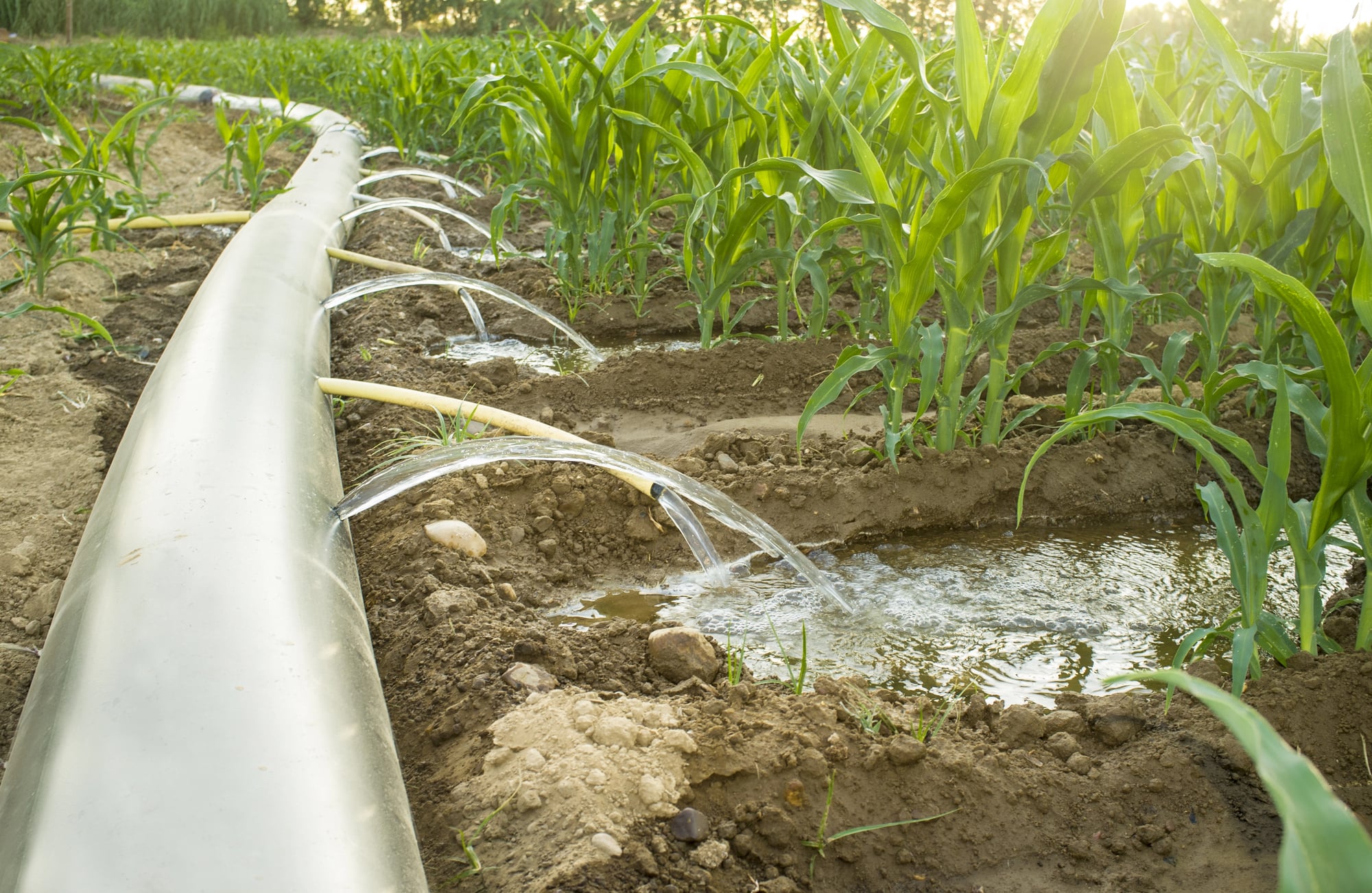
Ancient Egyptians developed flood irrigation along the Nile River, allowing nutrient-rich floodwater to spread across their fields and deposit fertile silt. This method is still used throughout the world, particularly in rice production where fields are deliberately flooded to create the waterlogged conditions rice needs to thrive.
Many farmers in arid regions continue using controlled flooding because it’s an efficient way to water large areas. It can also help leach salt from soil in certain conditions.
Windbreaks
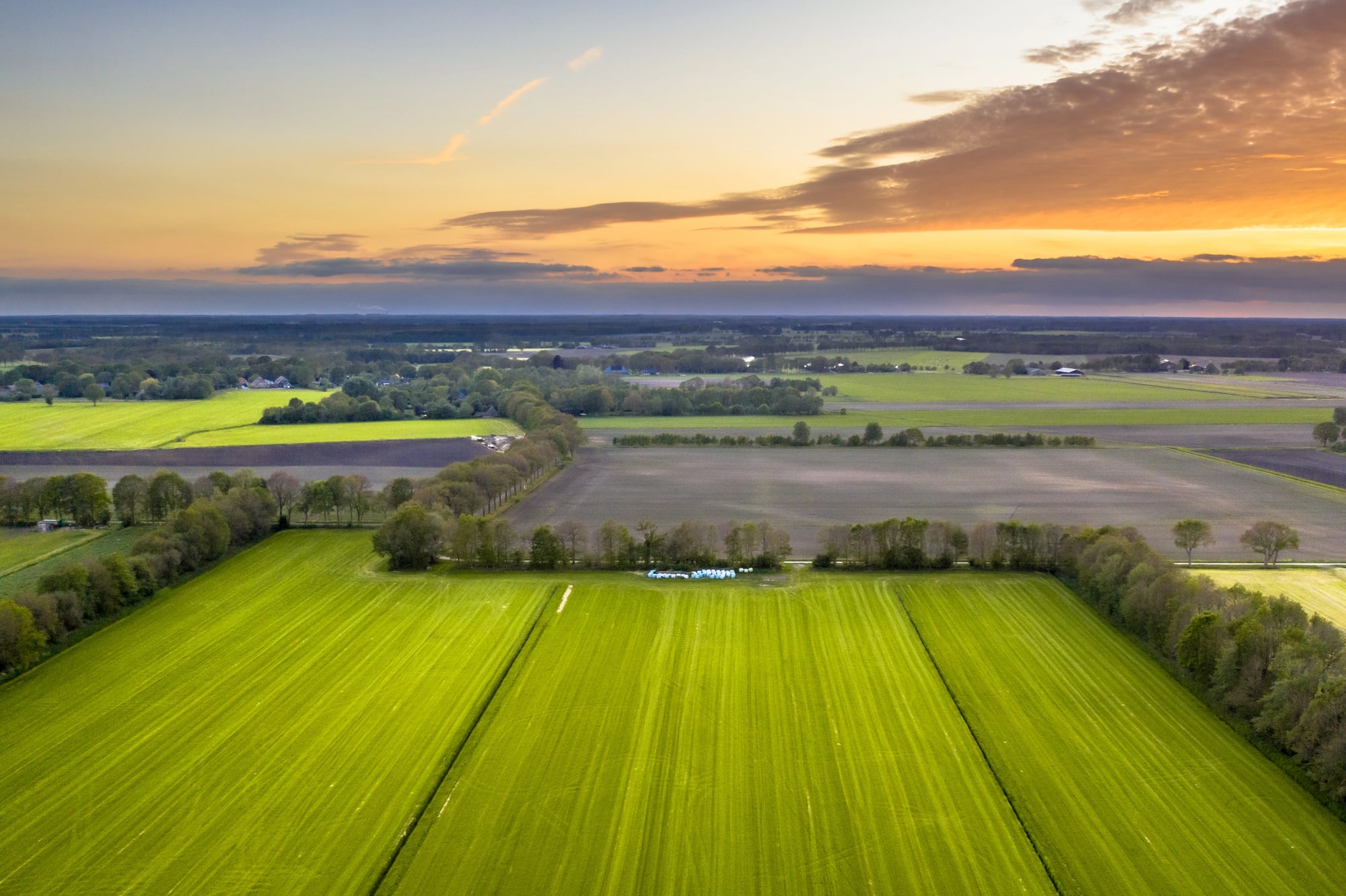
Farmers in ancient China and other civilizations planted rows of trees and shrubs around their fields to protect crops from damaging winds. These living barriers reduce wind speed, prevent soil erosion, and create microclimates that help crops grow better.
Modern agriculture still relies heavily on windbreaks, especially in areas prone to strong winds. They can reduce crop damage and help conserve soil moisture too.
Like Go2Tutors’s content? Follow us on MSN.
Composting

The practice of decomposing organic matter to create nutrient-rich soil amendments goes back to ancient Rome and China, where farmers mixed animal waste, plant debris, and kitchen scraps to feed their crops. This method turns waste into valuable fertilizer while improving soil structure and water retention.
Contemporary farmers — from backyard gardeners to large organic operations — continue composting as an environmentally friendly alternative to synthetic fertilizers.
Grafting

Ancient Greeks and Romans mastered the art of grafting, joining parts of different plants to create stronger, more productive trees and vines. This technique allows farmers to combine the best traits of different varieties, such as disease resistance from one plant and superior fruit quality from another.
Modern fruit and nut production still depends heavily on grafting. Most commercial apple, citrus, and stone fruit trees are grafted combinations rather than grown from seed.
Intercropping
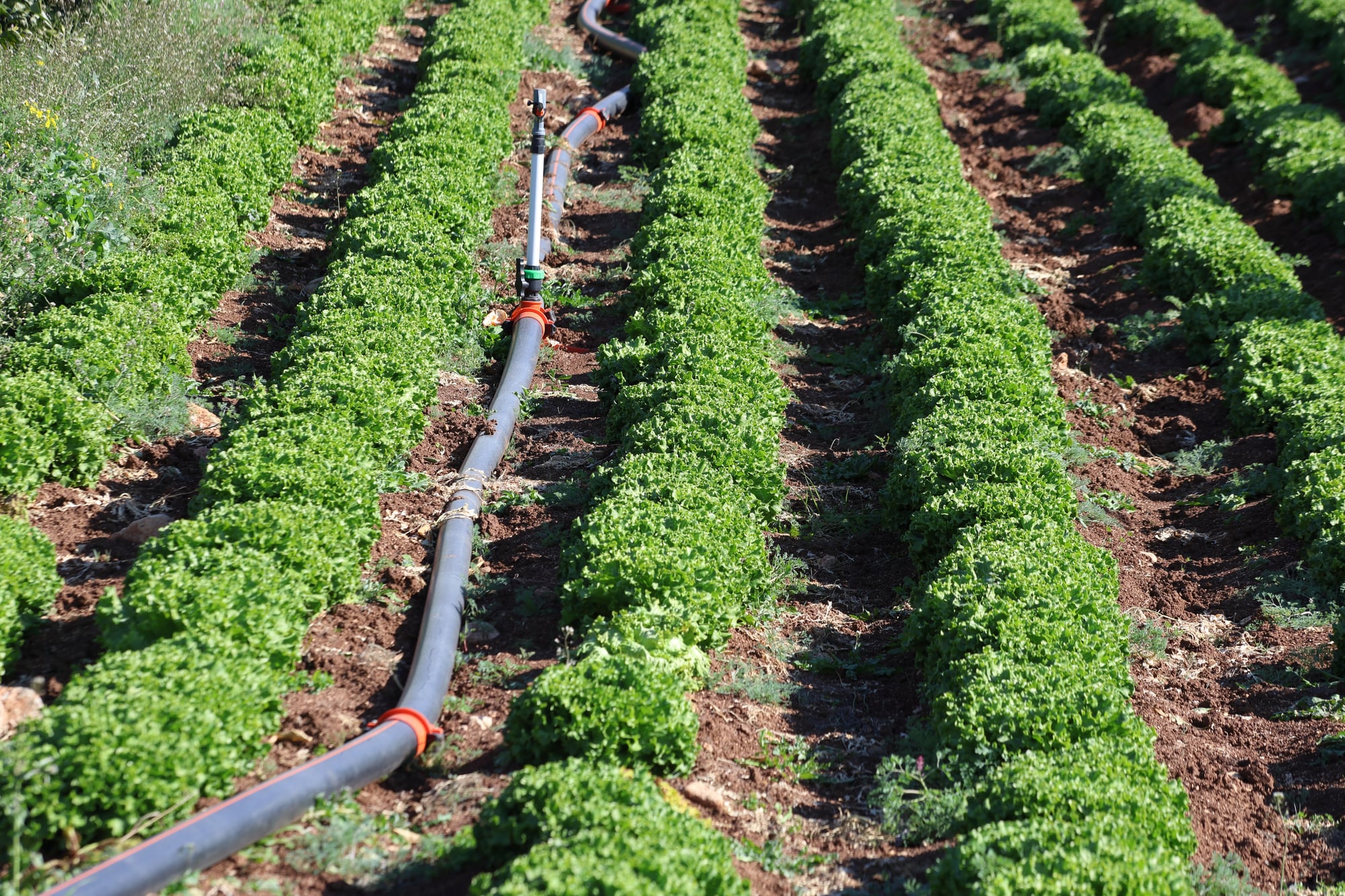
Rather than planting single crops in large blocks, many ancient agricultural systems mixed different plants within the same field to maximize productivity and reduce risks. This practice, also known as polyculture, mimics natural ecosystems where diverse plants grow together.
Small-scale farmers worldwide continue intercropping because it can increase total yield per acre. It also reduces pest problems and provides insurance against crop failure.
Like Go2Tutors’s content? Follow us on MSN.
Seed Selection and Saving

Farmers have been selecting and saving seeds from their best-performing plants for thousands of years, gradually improving crop varieties through careful observation and patience. This practice created the diverse varieties of wheat, corn, rice, and other staples that feed the world today.
Despite the prevalence of commercial seeds, many farmers still save seeds from their best plants. This maintains varieties adapted to local conditions while preserving genetic diversity.
Mulching
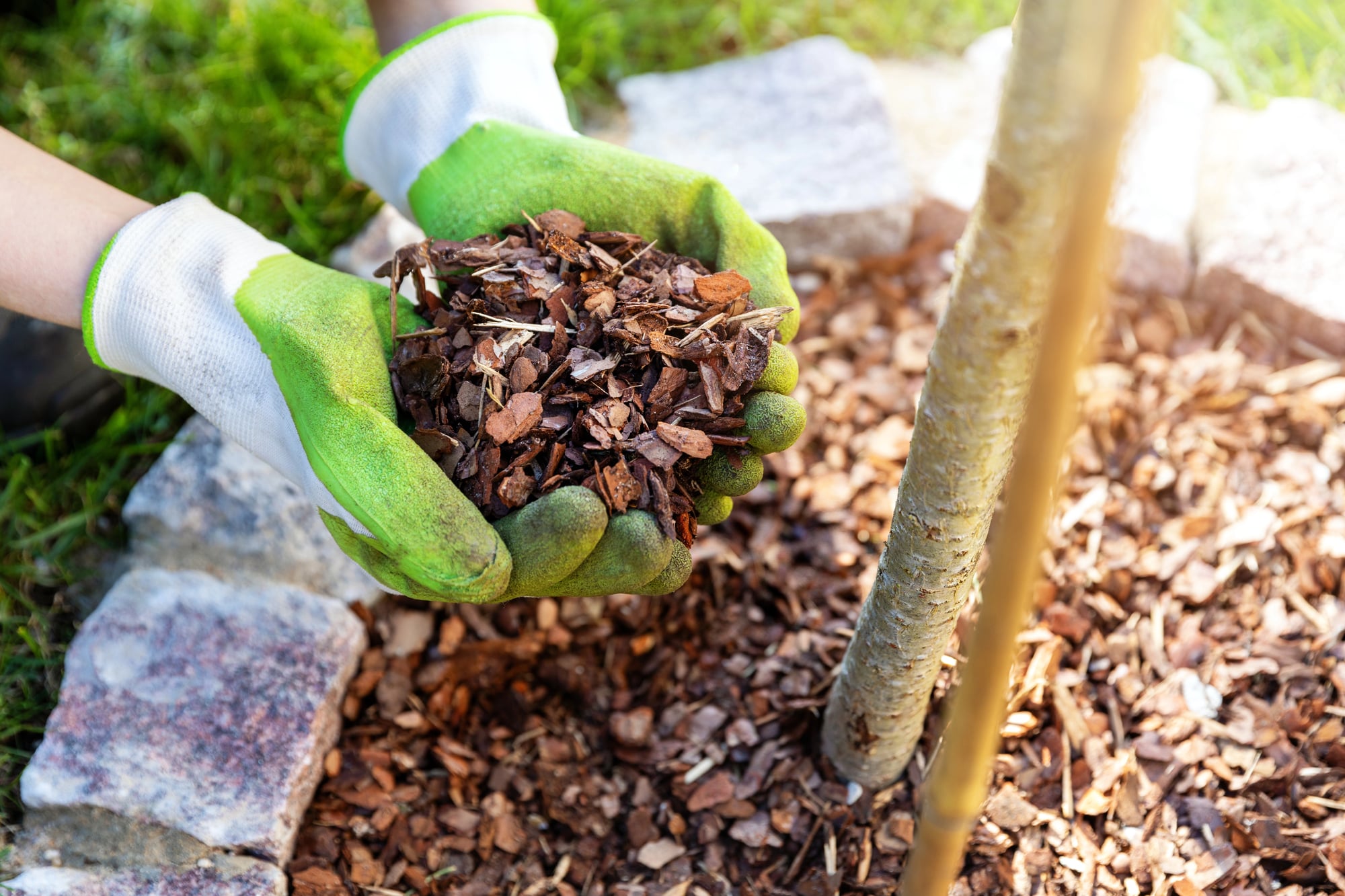
Ancient farmers discovered that covering soil with organic materials like straw, leaves, or crop residues helped retain moisture, suppress weeds, and improve soil health. This protective layer breaks down over time — adding organic matter to the soil while regulating temperature and preventing erosion.
Modern farmers use both organic mulches and synthetic materials for the same benefits. Mulching has become standard in everything from vegetable gardens to large-scale row crops.
Contour Farming

Following the natural curves of the land when planting crops helps prevent water erosion and conserves moisture by slowing runoff. Ancient farmers in hilly regions naturally developed this technique, planting along the contours rather than up and down slopes.
Today’s farmers still use contour farming, though now they often combine it with modern GPS technology. This creates precise contour lines that maximize water conservation and minimize soil loss.
Like Go2Tutors’s content? Follow us on MSN.
Green Manures
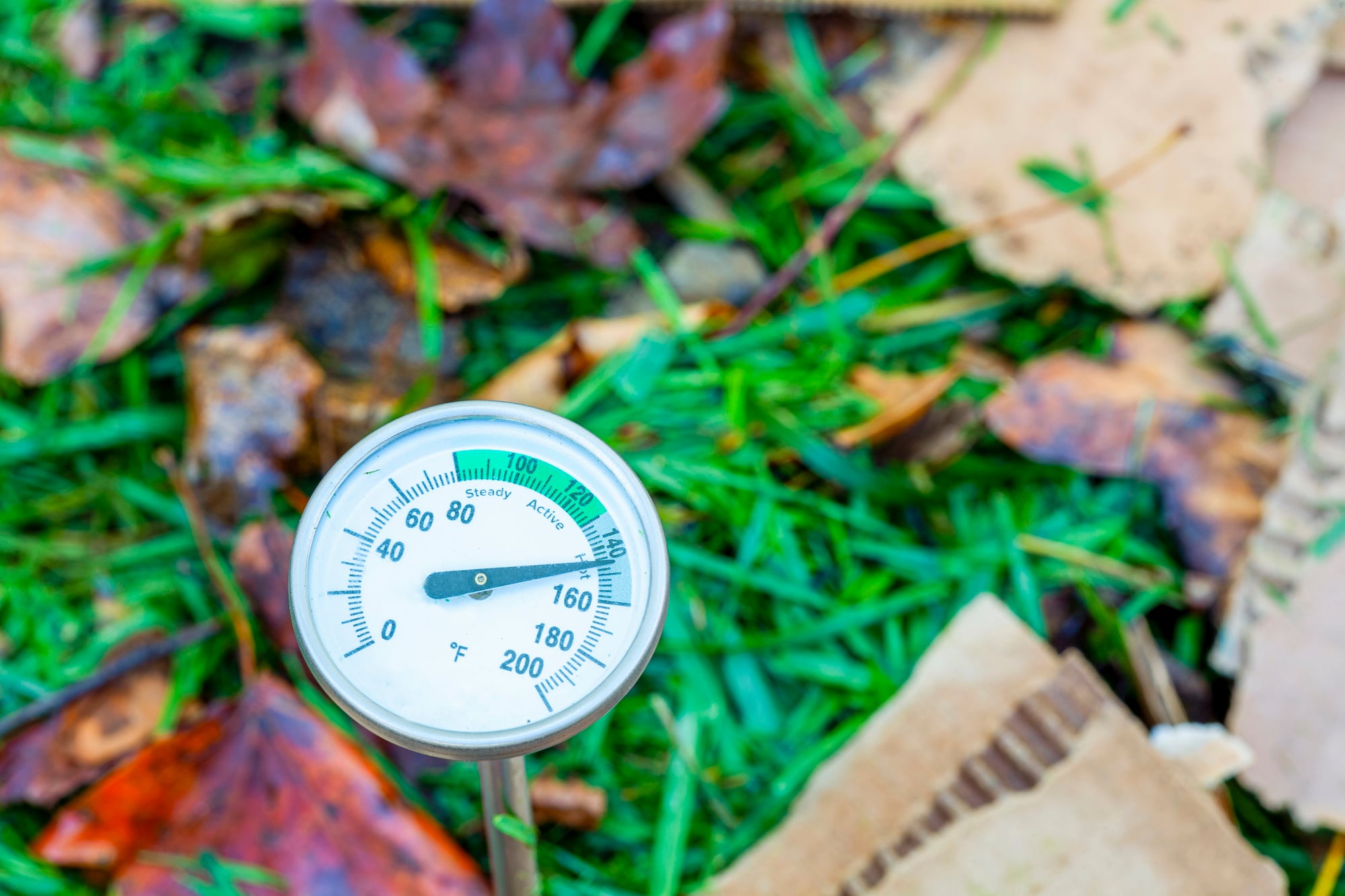
Long before chemical fertilizers existed, farmers planted specific crops just to plow them back into the soil as natural fertilizer. Legumes like clover and vetch were particularly popular since they add nitrogen to the soil while their decomposing plant matter improves soil structure.
This practice, known as green manuring or cover cropping, remains popular among sustainable farmers. It helps maintain soil fertility without synthetic inputs.
Livestock Integration
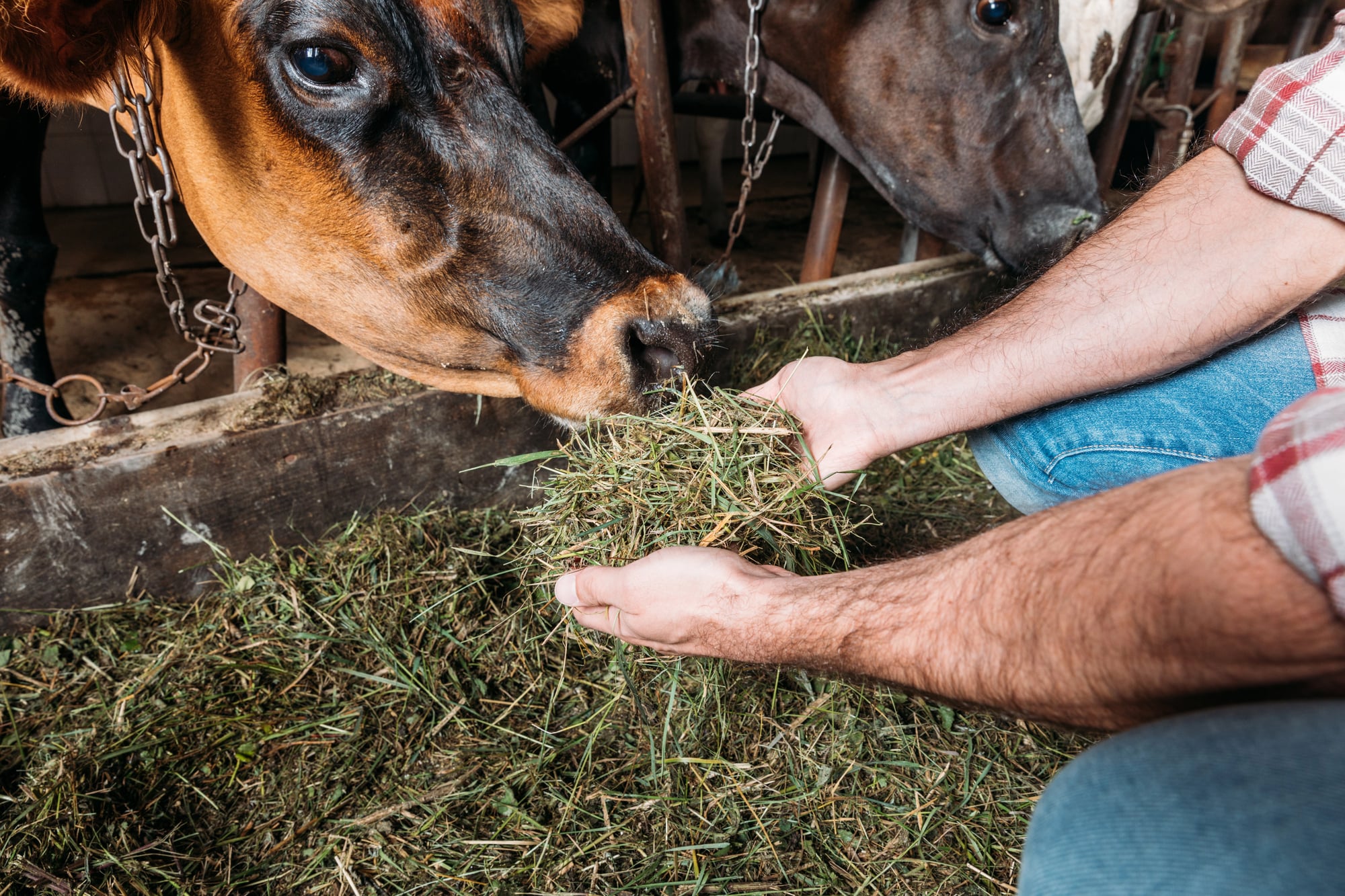
Traditional farming systems integrated animals with crop production, using livestock to provide fertilizer, clear fields, and convert crop residues into useful products. Animals grazed on crop stubble and fallowed fields, depositing manure that fertilized the soil while their hooves helped work organic matter into the ground.
Modern sustainable farming operations are rediscovering these benefits. Rotational grazing systems improve soil health while producing both crops and livestock.
Hand Tools and Simple Implements

Basic tools like hoes, sickles, and simple plows have been refined over thousands of years yet remain essential for many farming operations worldwide. These tools, often made locally and easily repaired, provide precise control that machinery sometimes can’t match.
Small-scale farmers and even some large operations continue using hand tools for tasks like transplanting, weeding, and harvesting delicate crops. Mechanical equipment would often cause damage in such scenarios.
Like Go2Tutors’s content? Follow us on MSN.
Natural Pest Control
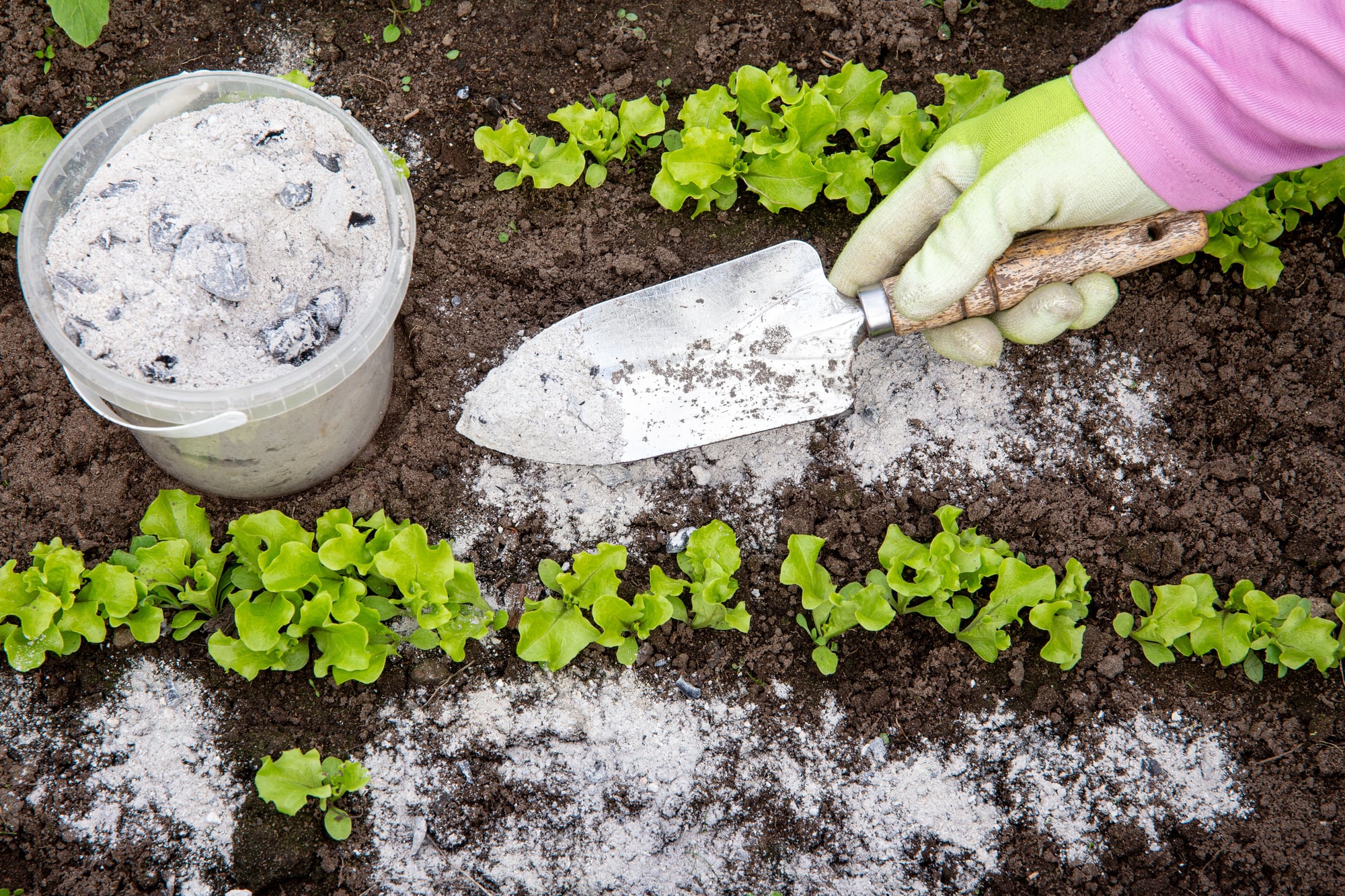
Ancient farmers used various plants, beneficial insects, and cultural practices to control crop pests without synthetic pesticides. They planted aromatic herbs to repel insects, encouraged beneficial predators, and timed their planting to avoid peak pest seasons.
Integrated pest management, widely used in modern agriculture, is essentially a refined version of these ancient strategies. It combines biological controls with minimal chemical intervention when necessary.
Wisdom That Endures

These ancient methods persist not because of tradition alone, but because they solve fundamental agricultural challenges in ways that often prove more sustainable and economical than modern alternatives. Many of today’s most innovative farmers are combining these time-tested techniques with contemporary knowledge.
They are creating farming systems that are both productive and environmentally sound. The enduring value of these practices reminds us that human ingenuity in agriculture often lies not in complexity, but in working with natural processes rather than against them.
More from Go2Tutors!

- 16 Historical Figures Who Were Nothing Like You Think
- 12 Things Sold in the 80s That Are Now Illegal
- 15 VHS Tapes That Could Be Worth Thousands
- 17 Historical “What Ifs” That Would Have Changed Everything
- 18 TV Shows That Vanished Without a Finale
Like Go2Tutors’s content? Follow us on MSN.



