29 Foreign Coins Mixed Into Jars of Change That Turn Out to Be Genuinely Rare
Most people dump foreign coins into the same jar as their quarters and dimes without a second thought. They come back from trips, empty their pockets, and forget about them — until someone eventually rolls the whole lot into a paper tube or tips it into a Coinstar machine.
That’s where the real losses happen, because some of those stray coins from abroad are worth more than anything else in the jar. The catch is that looking foreign and looking rare are two different things.
Age helps, but it doesn’t decide value on its own. Metal content, mint errors, low mintage figures, and condition all play a far bigger role.
What follows is a list of coins that legitimately show up in mixed change collections — picked up during travel, inherited from relatives, or simply accepted as change over the years — and turn out, on closer inspection, to be worth serious attention.
1936 Canadian “Dot” Cent
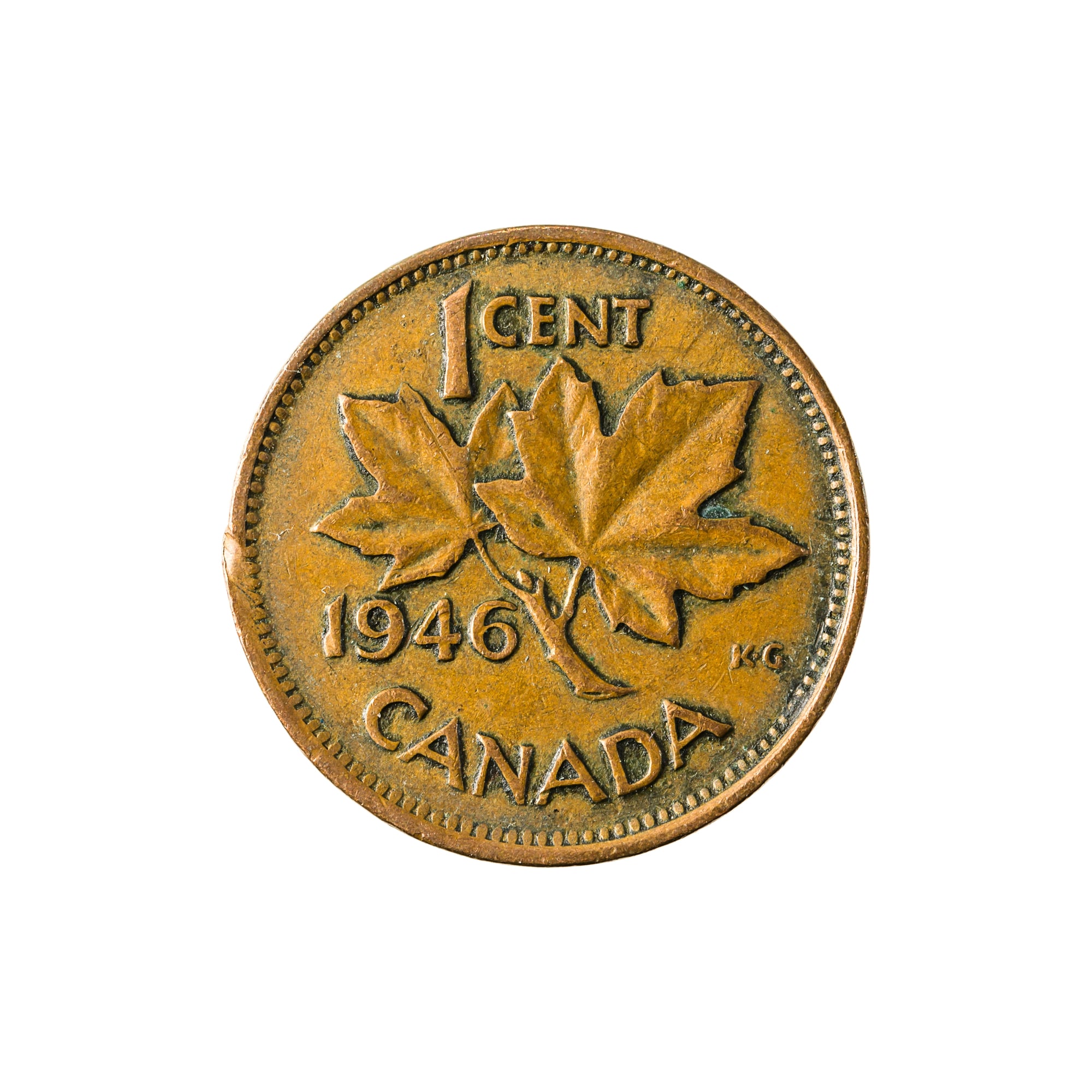
This is one of the most famous stories in North American numismatics, and it started with a constitutional crisis. When King George V died in January 1936 and his successor Edward VIII abdicated months later, the Royal Canadian Mint found itself stuck with 1936-dated dies and no approved portrait of the new monarch.
The stopgap solution was to add a tiny raised dot below the date on some one-cent pieces to indicate they were struck in 1937. The Mint reportedly produced 678,823 of them, but virtually the entire batch was melted when a coin shortage failed to materialize.
Only three confirmed specimens survive today, all graded as Specimen strikes — not circulation coins — and one sold at Heritage Auctions in 2021 for over $445,000 CAD. The fakes are extremely common, so any claimed example needs professional authentication before you get excited.
1936 Canadian “Dot” Dime
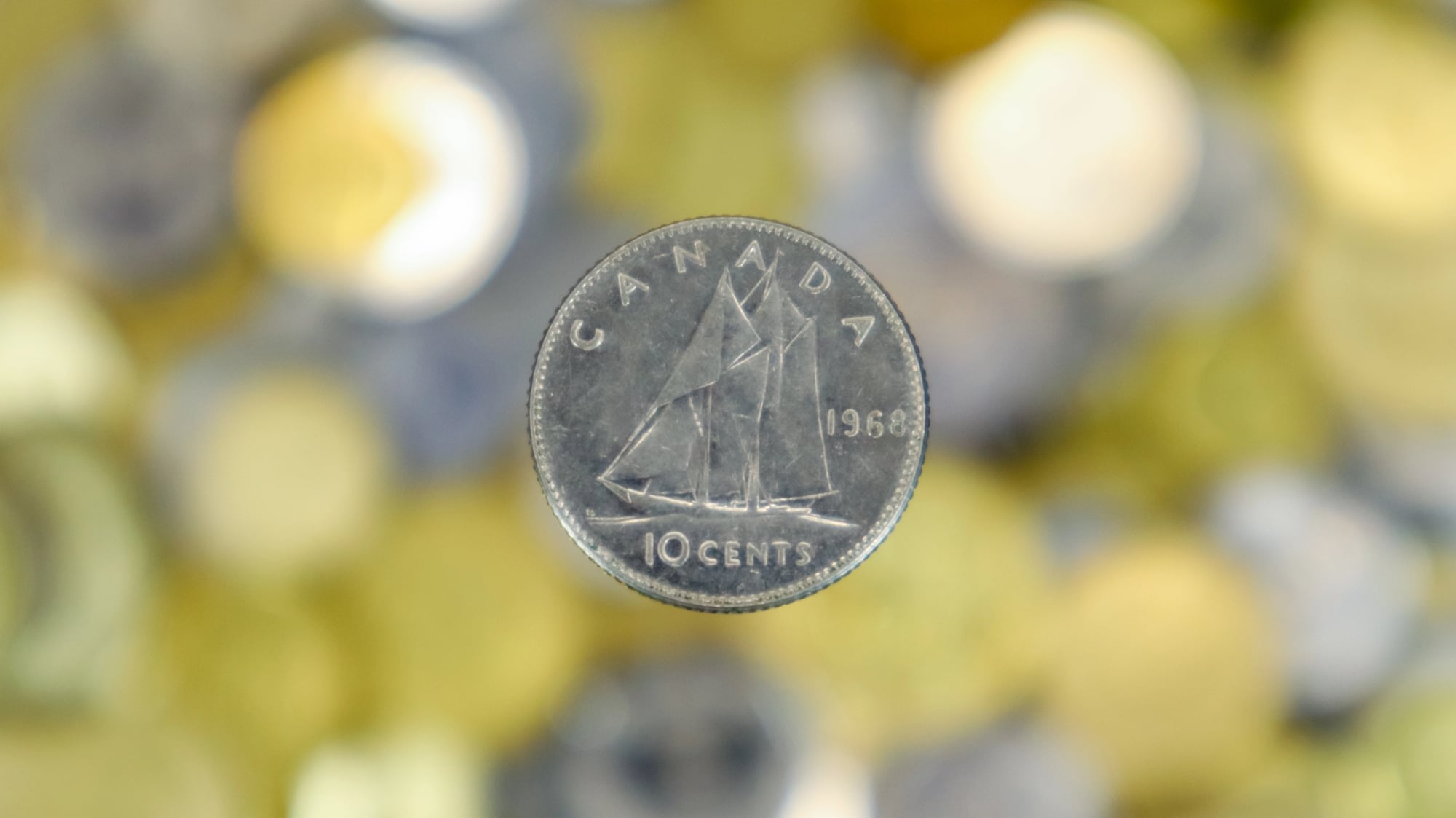
The same royal chaos that produced the dot cent also created an even rarer dot dime. Struck on ten-cent dies with the same tiny distinguishing mark, the dot dime is known in only five confirmed examples, making it arguably scarcer than the cent.
One has sold for close to $245,000. The dime features the celebrated Bluenose schooner on its reverse — a quintessentially Canadian image that adds to its collector appeal — but the dot is what makes it extraordinary.
1921 Canadian Silver Five-Cent Piece
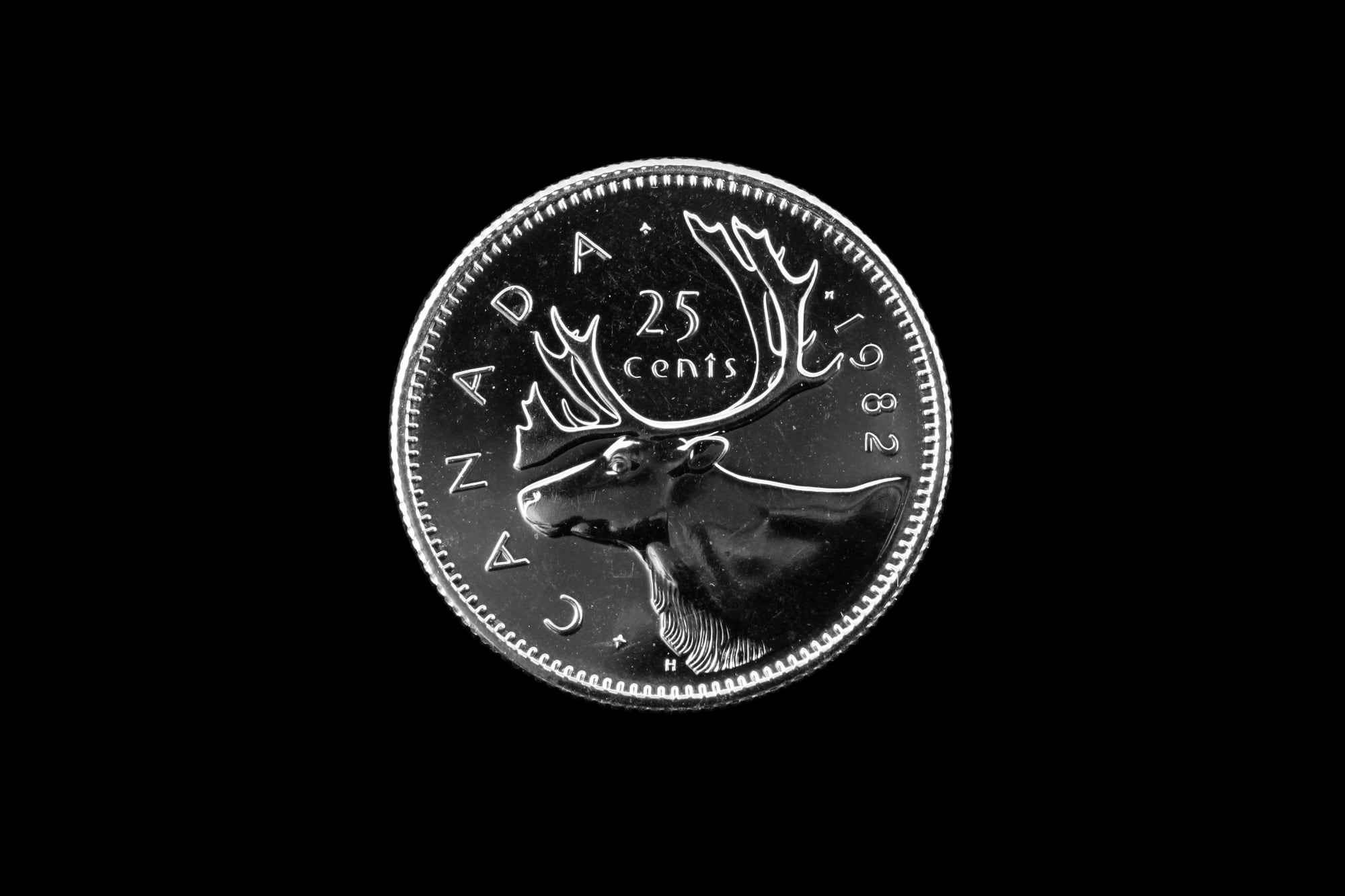
The 1921 five-cent coin marked the final year Canada struck its smallest denomination in silver before switching to nickel composition. Production was already well underway when the transition was announced, and the vast majority of the 1921 issues were subsequently melted down.
Estimates suggest only around 400 pieces escaped the melting pot. In circulated grades, surviving examples trade for thousands of dollars.
In Mint State, the numbers climb considerably higher.
1921 Canadian 50-Cent Piece
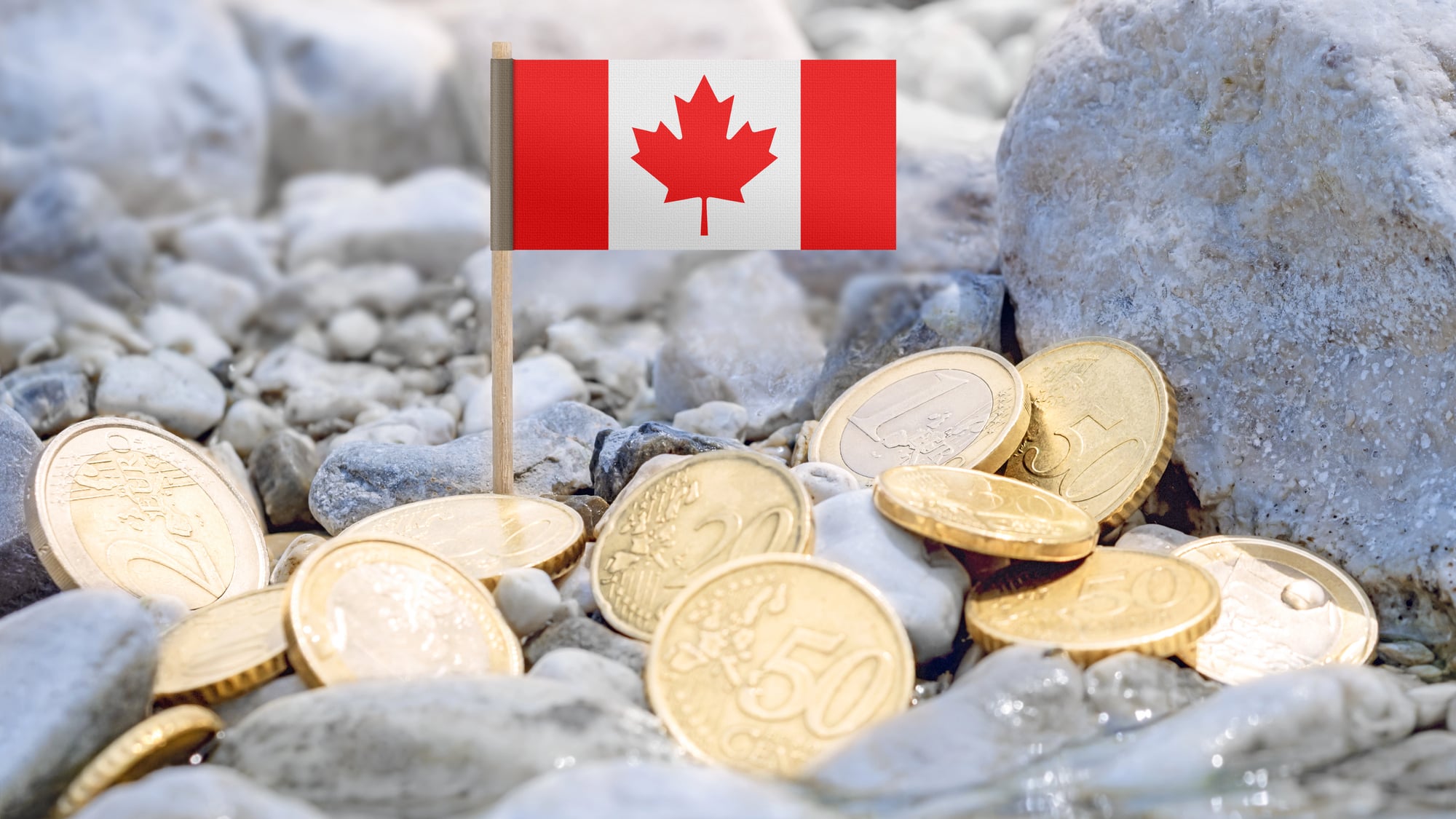
Fewer than 75 of these are believed to survive from what was originally a substantial mintage. Like its five-cent counterpart from the same year, most were recalled and melted due to low circulation demand.
The coin features the coat of arms of Canada on the reverse and the effigy of King George V on the obverse. Well-preserved examples sell at major auction houses for five-figure sums, making this one of the sleeper finds in any inherited Canadian coin collection.
1910 Mexican “Caballito” Peso
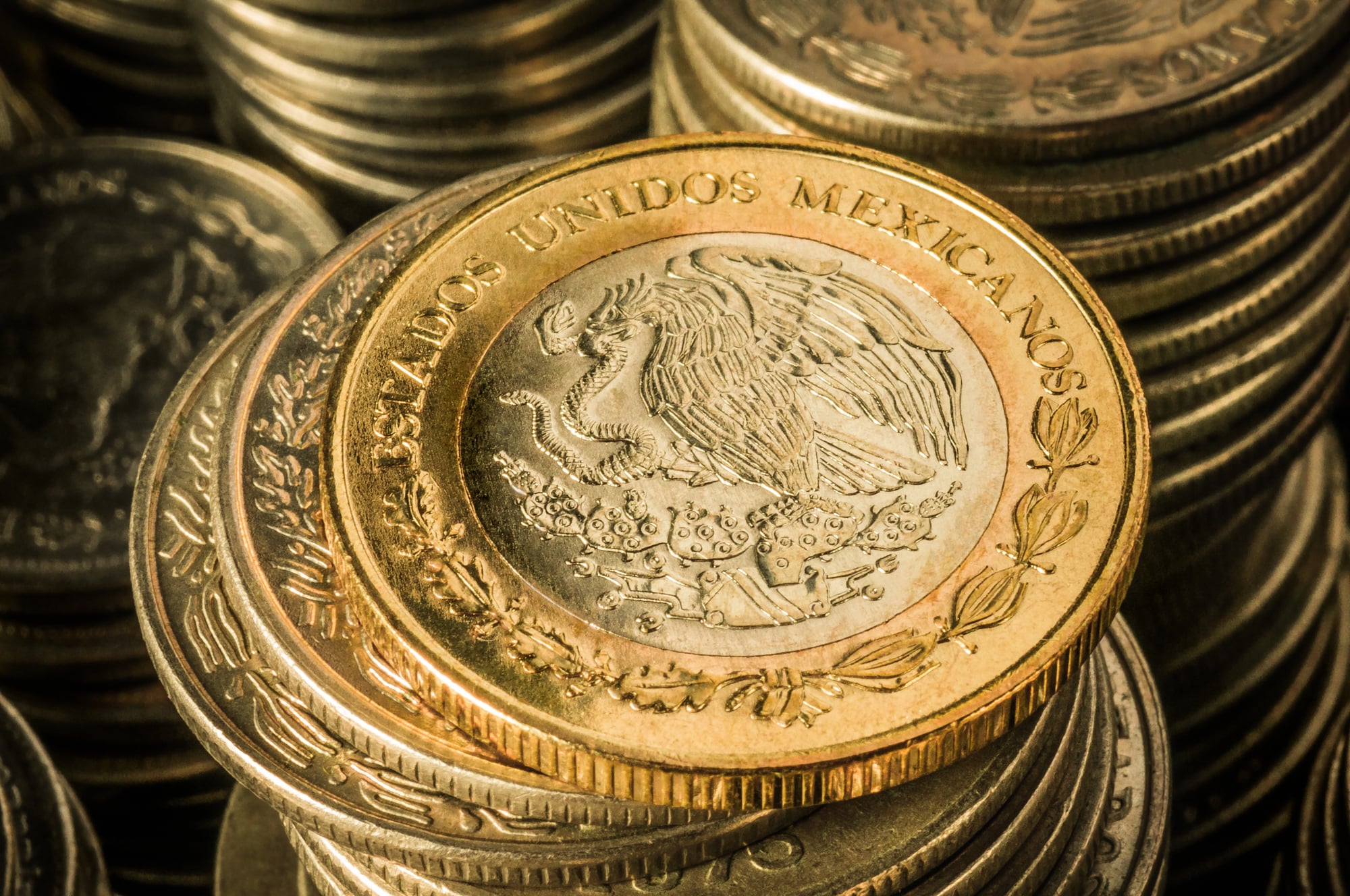
The Caballito — Spanish for “little horse” — is one of the most striking coins ever produced by the Mexican mint. Designed by French engraver Charles Pillet, it shows a woman galloping on horseback across the obverse, a dramatic departure from everything that preceded it.
Struck only in 1910, it contains 0.7859 troy ounces of silver at .902 fine, which gives it real metal value even before collectors get involved. The numismatic premium on top of that melt value is substantial in all grades, and a Caballito encountered at spot price should be bought without hesitation.
Mexican Pillar Dollar (1732 First-Year Issue)
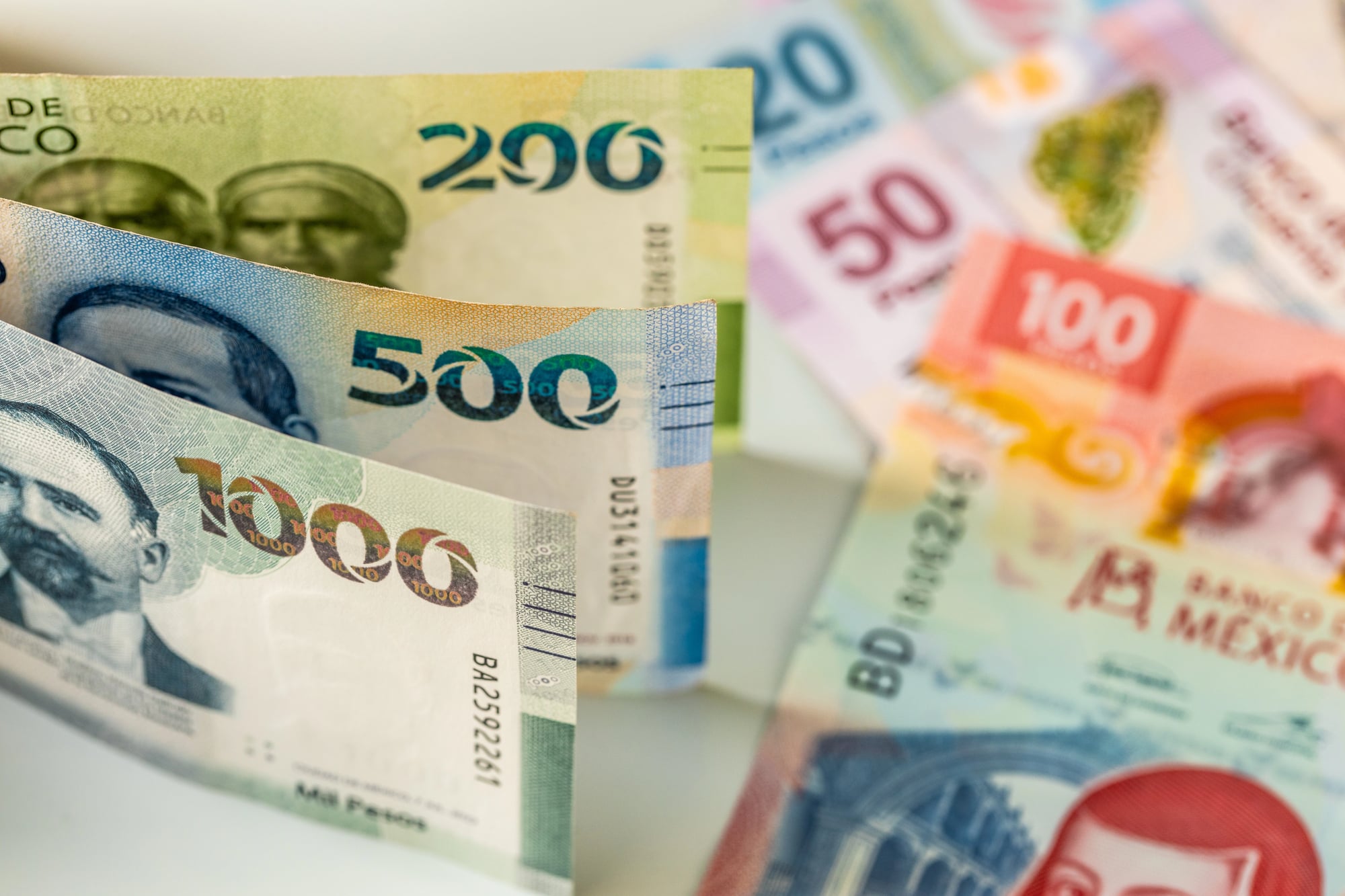
The 1732 Pillar Dollar from the Mexico City Mint holds the distinction of being the first machine-struck coin of its type, marking a clean break from the irregular hand-struck cobs that came before. The design features the Pillars of Hercules flanking two globes, with the motto Ultraque Unum (“Both Are One”) around the edge.
Pillar Dollars served as legal tender across the Spanish colonial world and even in the early United States. A mint-state 1732 example graded MS63 sold at auction in 2016 for $130,000.
More worn versions of common dates still carry significant premiums above their silver melt value.
Pre-1947 British Silver Florins
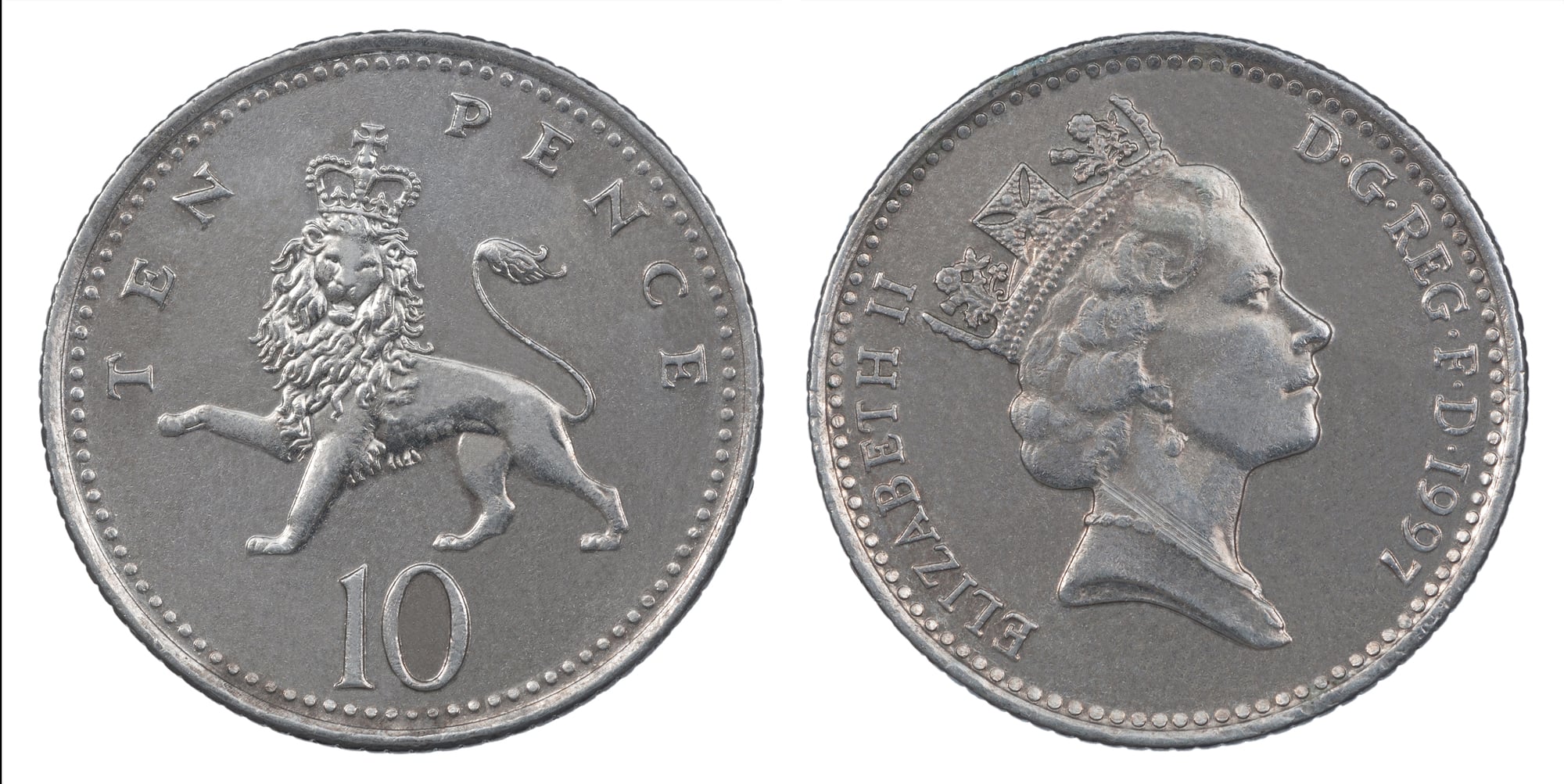
British florins minted before 1947 contain 50% silver, and those struck before 1920 are 92.5% sterling. The coins look identical to later copper-nickel florins of the same design, which is exactly why they get tossed into change jars without a second look.
At current silver prices, pre-1920 florins carry meaningful melt value on top of any numismatic premium. Date matters here: a standard 1900 florin in circulated condition is worth a few dollars, but certain low-mintage years from the Victorian and Edwardian eras attract collector premiums well above that floor.
Pre-1947 British Shillings
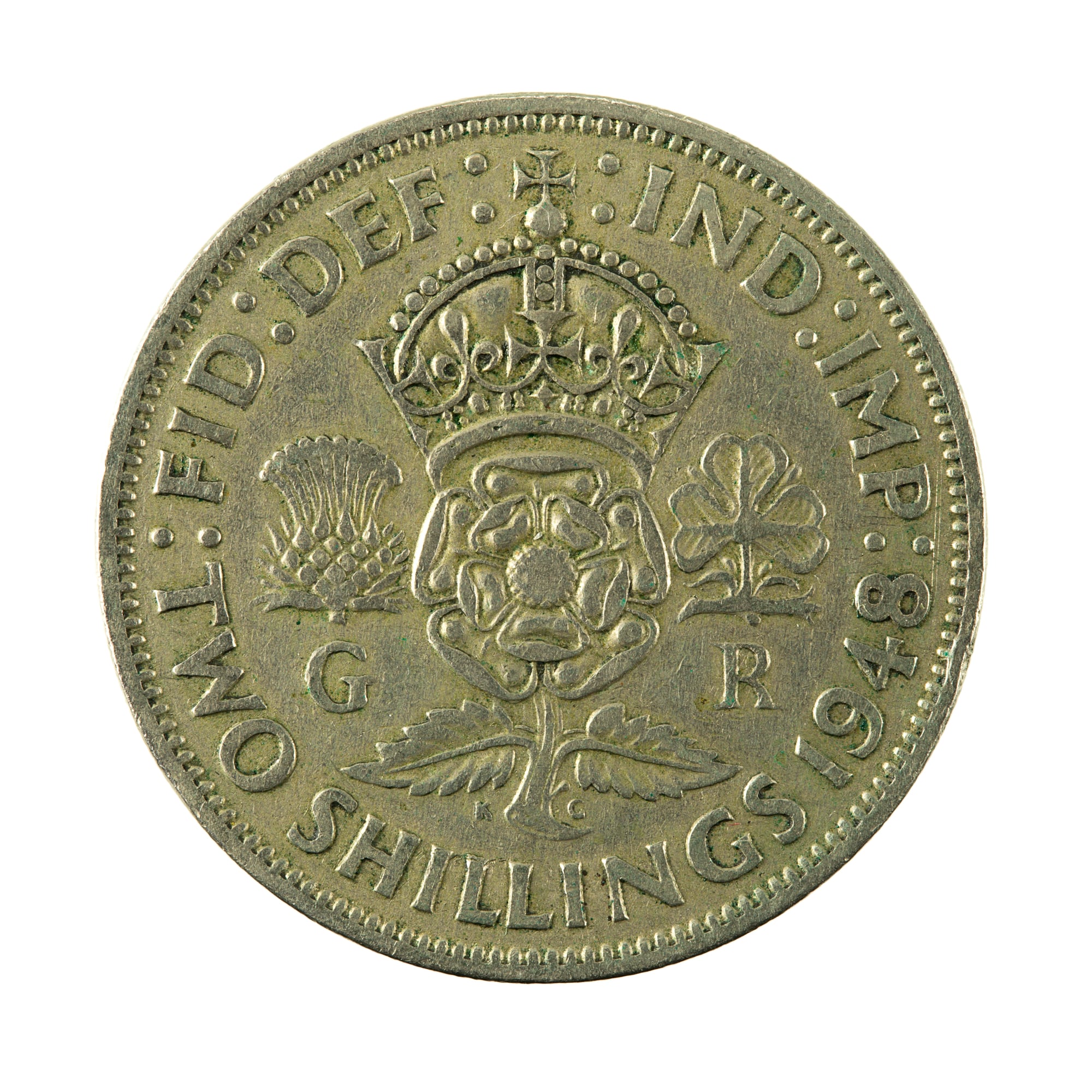
Same situation as the florin, but in a smaller denomination that’s even easier to overlook. Shillings struck before 1947 are 50% silver.
Pre-1920 examples are sterling. The 1905 shilling is a recognized key date, with high-grade examples selling for hundreds of pounds.
A worn example is worth less, but still far more than face value. Any shilling with a date before 1947 that shows up in a foreign coin jar deserves to be checked — including for mint marks that indicate production at branch mints outside London.
1933 George V British Penny
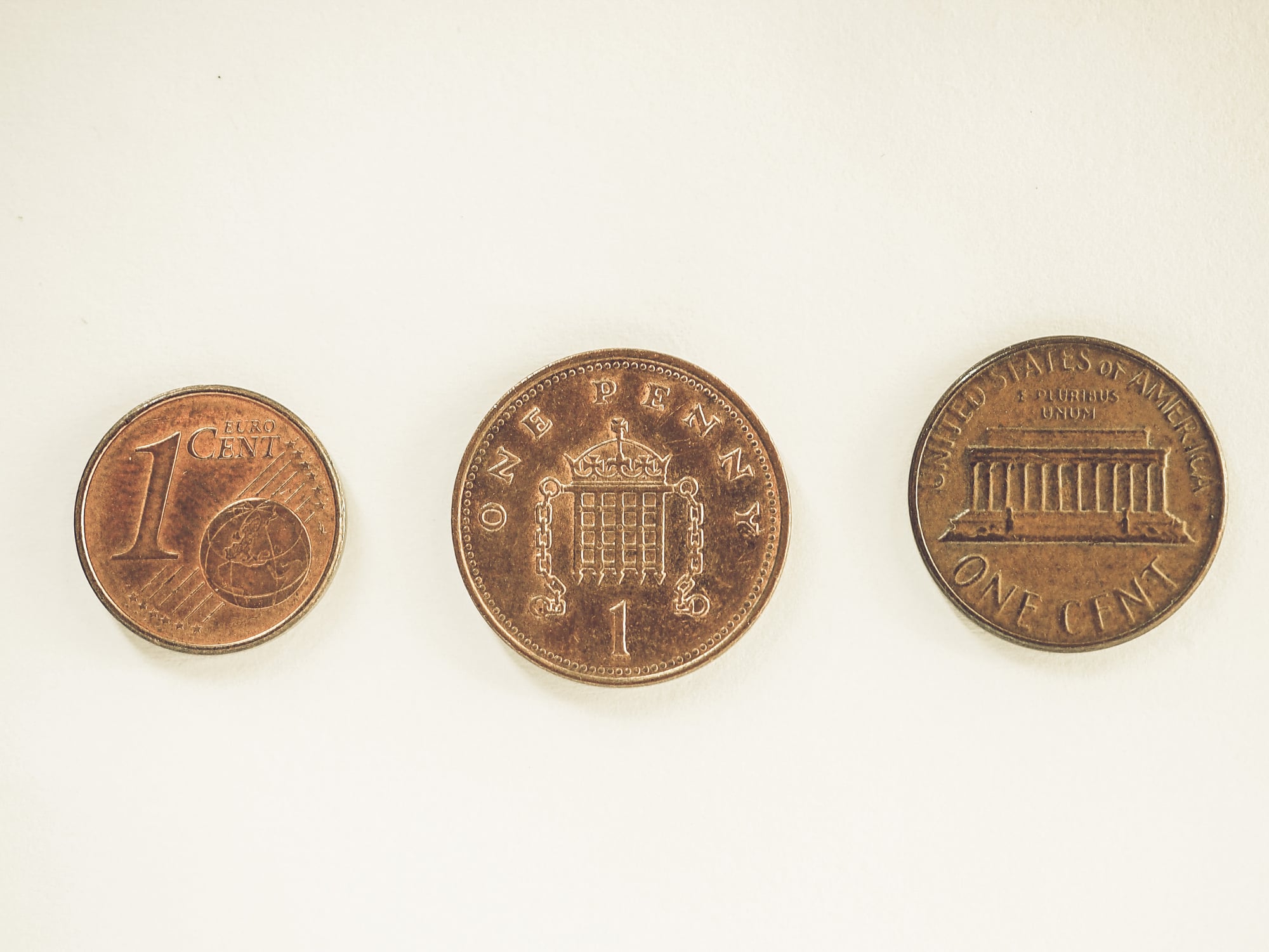
Only seven 1933 pennies were ever minted, and they were produced purely for ceremonial purposes — placed beneath the foundation stones of new buildings as a traditional offering, not for circulation. None entered general use.
They are among the most valuable British coins in existence, and any claim of owning one requires extraordinary verification. But the reason this coin makes the list is that counterfeits and altered-date examples regularly surface in old British coin collections, which means encountering one is the starting point of a potentially expensive journey to authentication, not a guaranteed windfall.
2000 Australian “Mule” Dollar
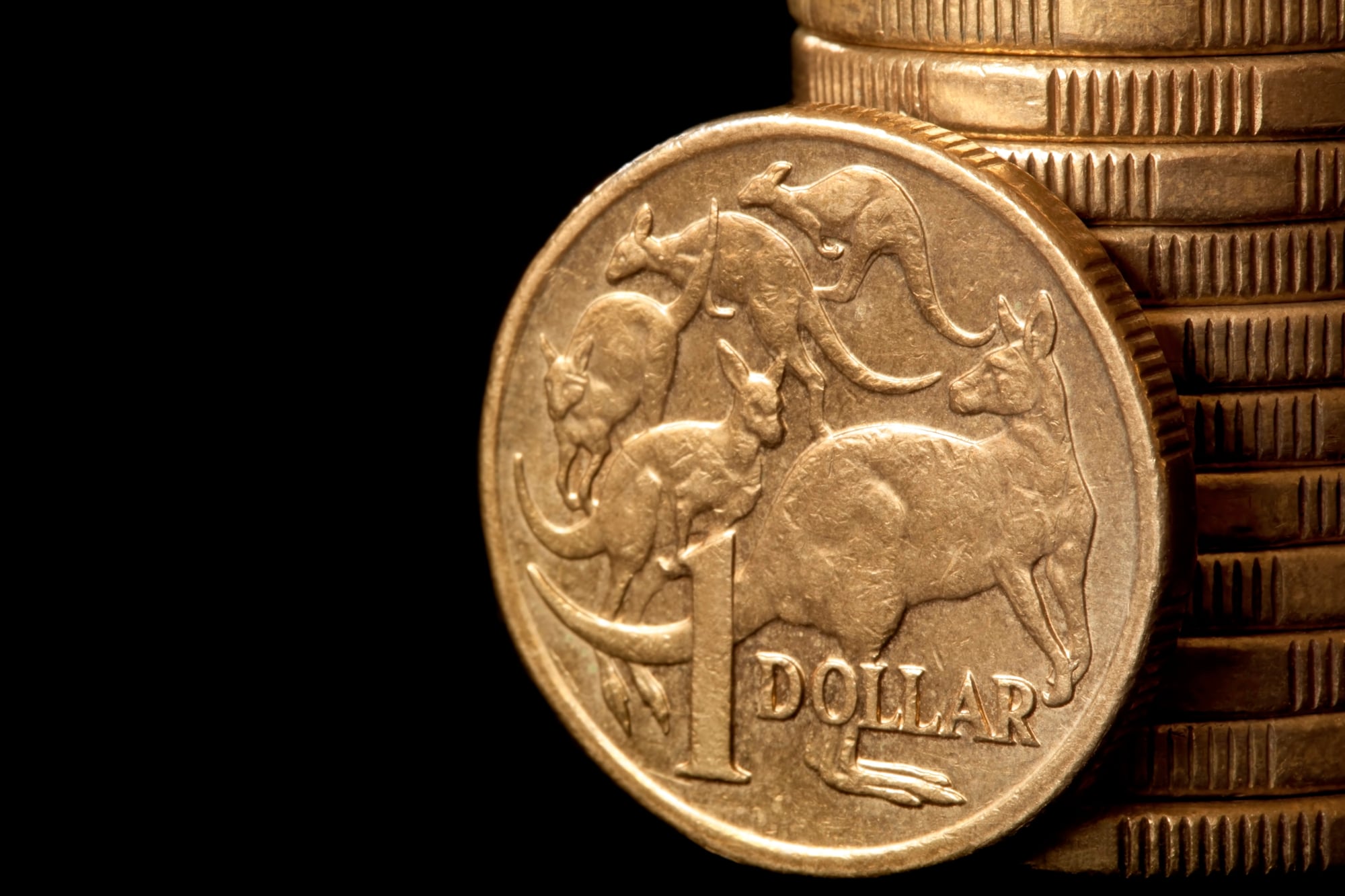
A mule coin is what happens when two dies from completely different coin designs are accidentally paired together and struck. In 2000, the Royal Australian Mint produced a limited number of one-dollar coins using a ten-cent obverse die alongside the standard dollar reverse.
The difference is subtle — the ten-cent head is slightly smaller and uses different lettering — but it’s real, and collectors know it well. Authenticated examples sell for thousands of dollars, making this one of the most significant modern mint errors in Australian numismatics.
1916 Australian Penny
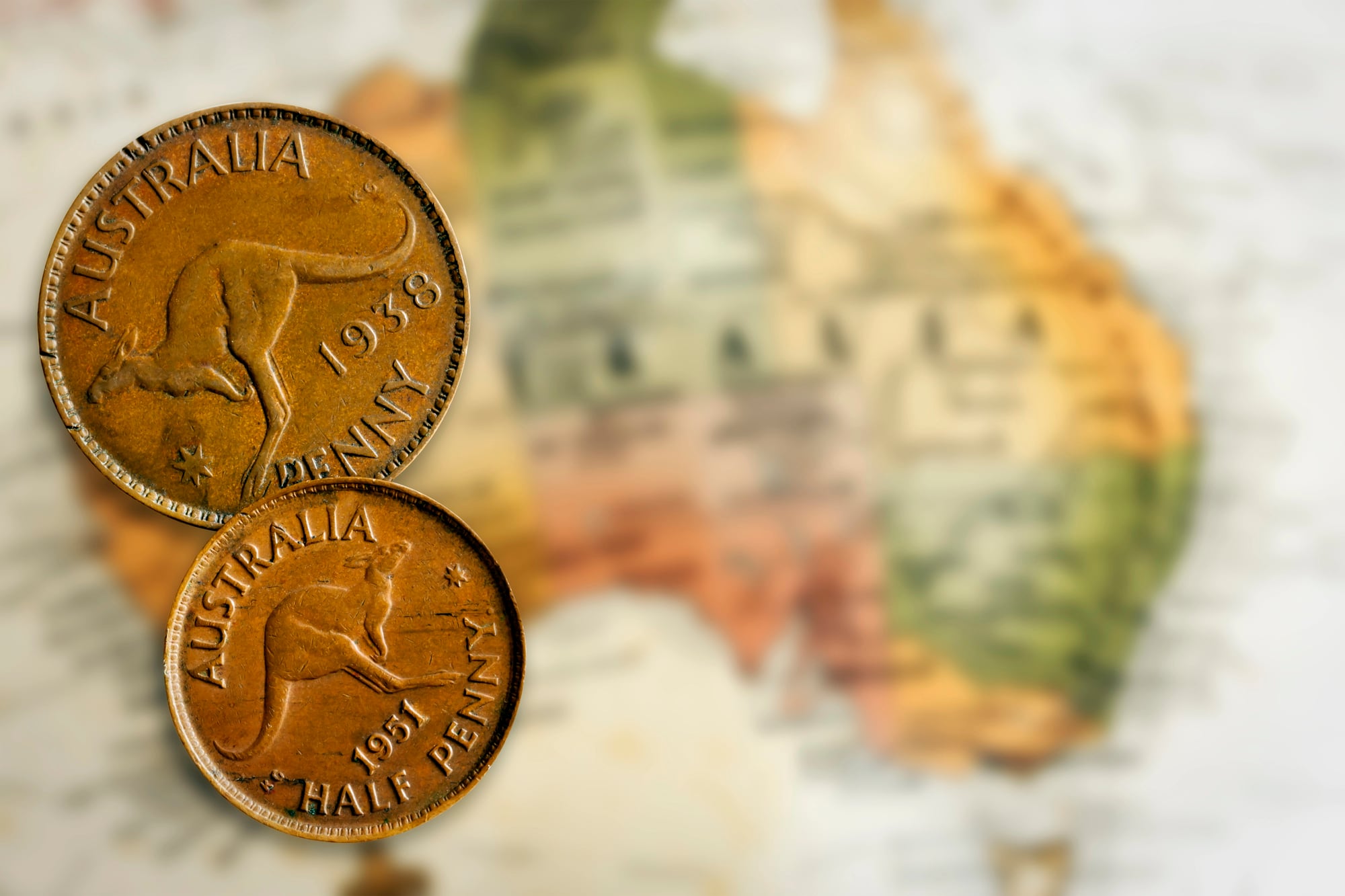
World War I stretched the resources of mints across the British Commonwealth, and Australia was no exception. The 1916 penny was struck in limited quantities at a time when metal and manpower were both directed toward the war effort.
In uncirculated condition, it can fetch anywhere from $3,000 to $15,000. Even circulated examples attract a premium over common-date Australian pennies, and the coin is distinctive enough — featuring the portrait of King George V — that a careful look at the date is all that’s needed to flag it.
1943 Australian Half-Penny
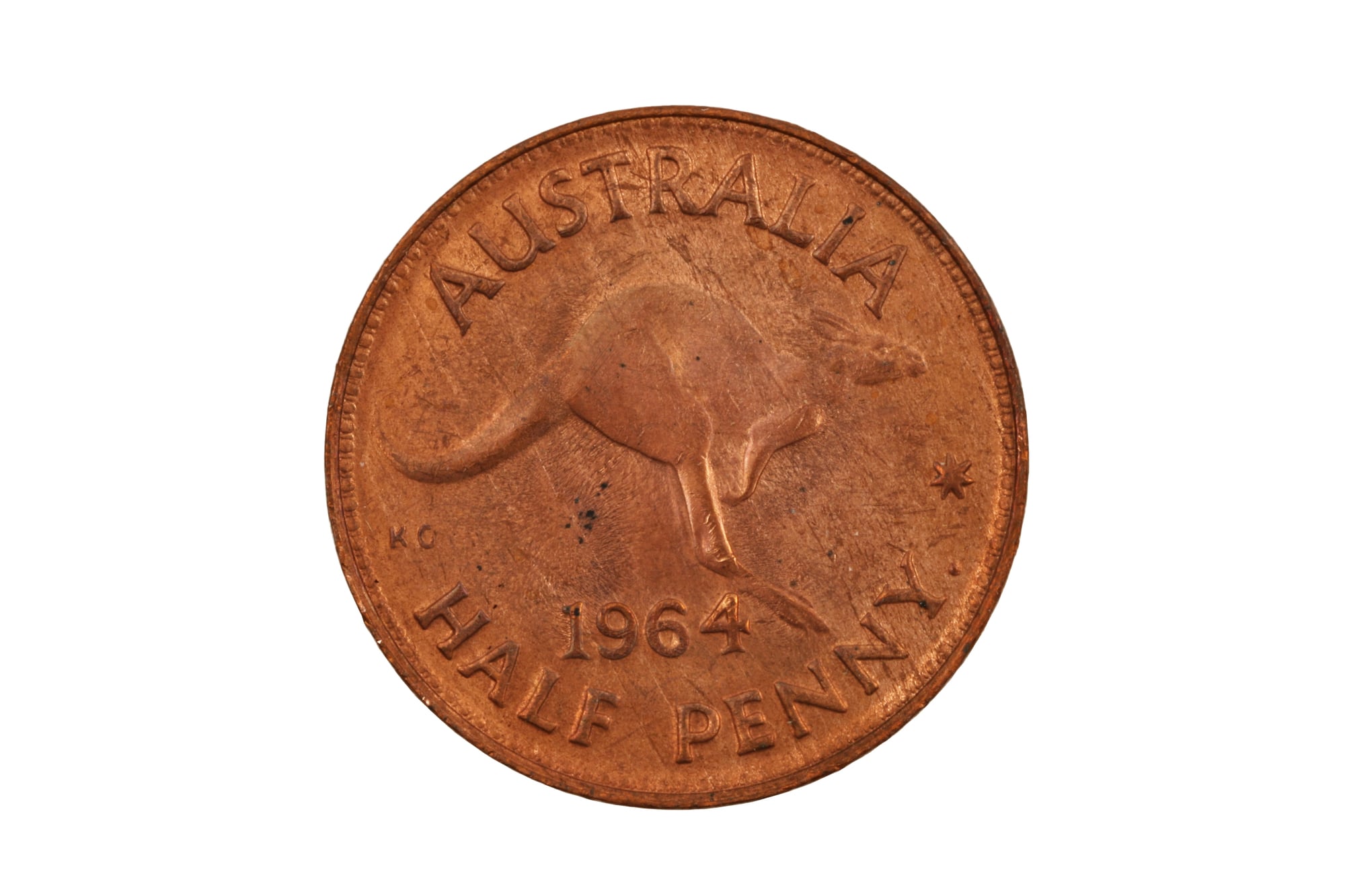
Like its larger sibling, the 1943 Australian half-penny was produced in reduced quantities as the wartime economy put pressure on mint output. King George VI appears on the obverse, with a kangaroo on the reverse.
Well-preserved examples are valued between $500 and $4,000 depending on condition, making this another coin where a single year’s date makes an enormous difference in what you’re holding.
Australian Florins With the “S” Mint Mark
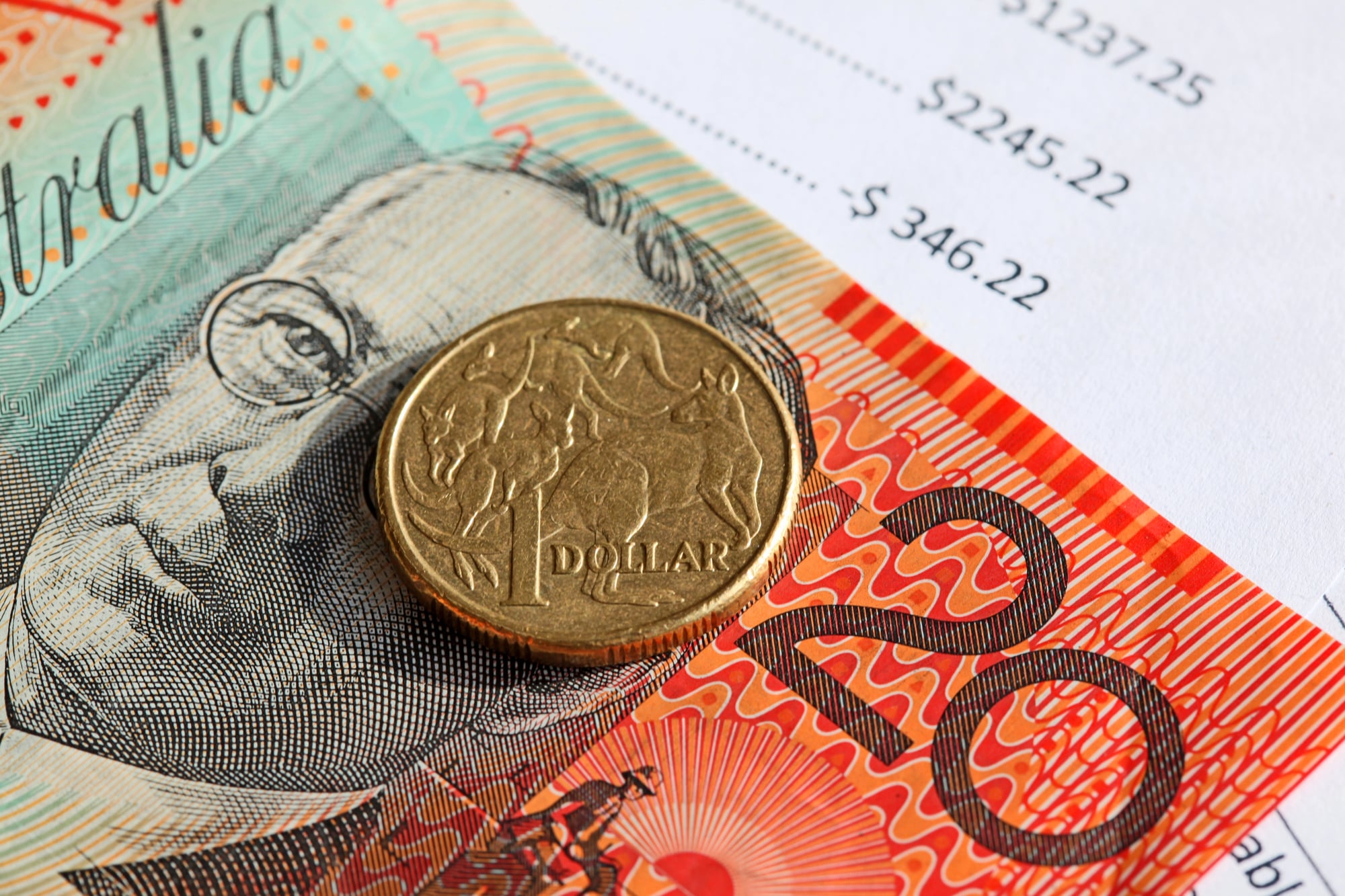
During World War II, the San Francisco branch of the United States Mint supplemented Australian florin production between 1942 and 1944. These coins carry a small “S” mint mark below the Australian coat of arms on the reverse.
The S-mint florins are less common than their domestic counterparts and attract collector attention, particularly in higher grades. Since Australian florins minted up to 1945 contain 92.5% sterling silver and those from 1946 to 1963 contain 50% silver, they carry melt value as a baseline regardless of the mint mark.
South African 1967 Krugerrand (First-Year Issue)
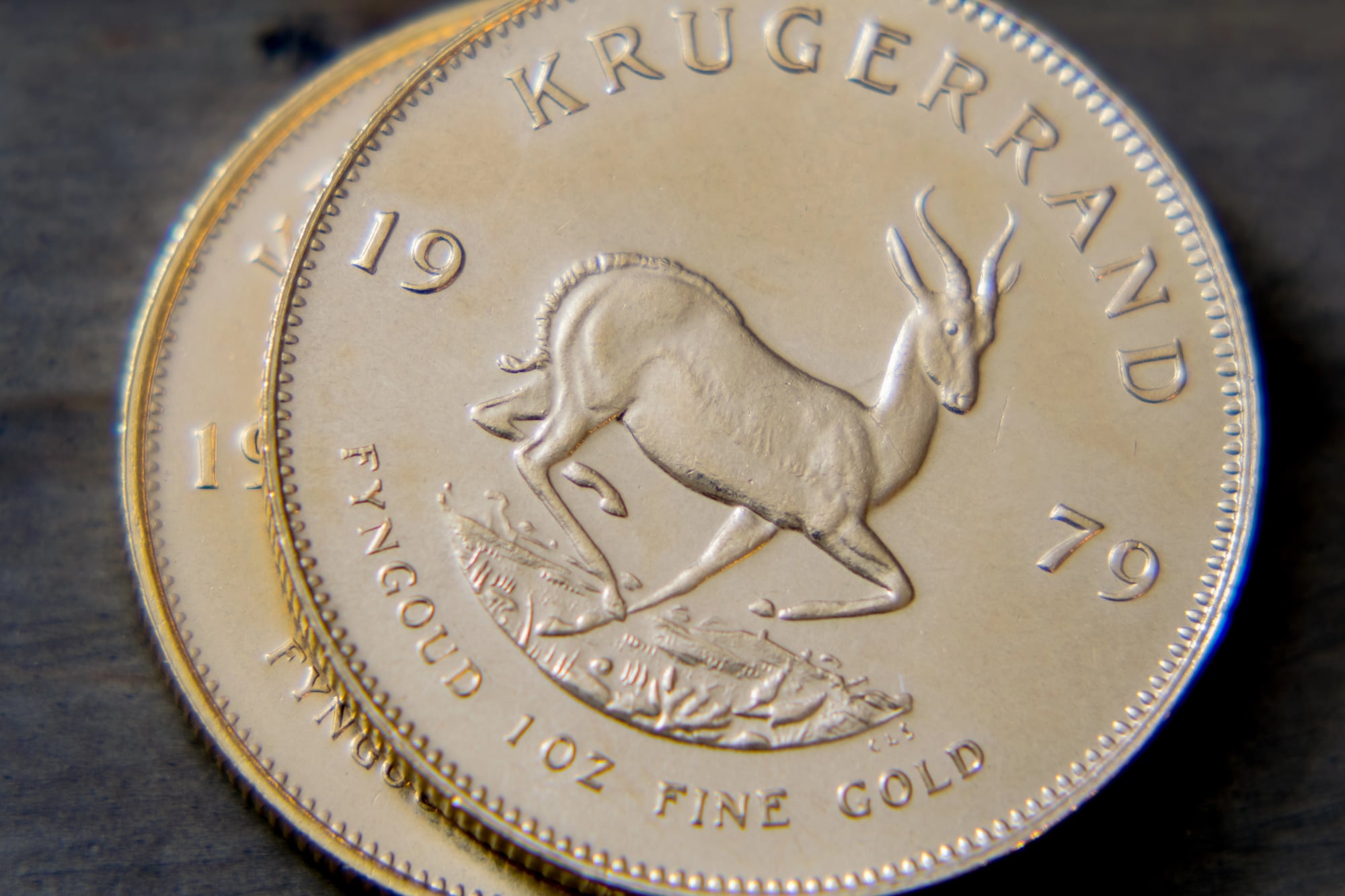
The Krugerrand was the world’s first modern gold bullion coin, introduced in 1967 to encourage private gold ownership using South Africa’s considerable reserves. The first-year issue had a mintage of roughly 40,000 pieces, modest by the standards of later years when millions were produced annually.
A standard 1967 bullion Krugerrand today trades at or near its gold content value — currently well above $2,000 per ounce — but in pristine condition or with strong provenance, first-year examples attract additional collector interest. A silver pattern proof struck with the original 1967 dies sold at Heritage Auctions in 2025, with the cataloger noting it may be unique.
Pre-1968 Canadian Silver Dollars
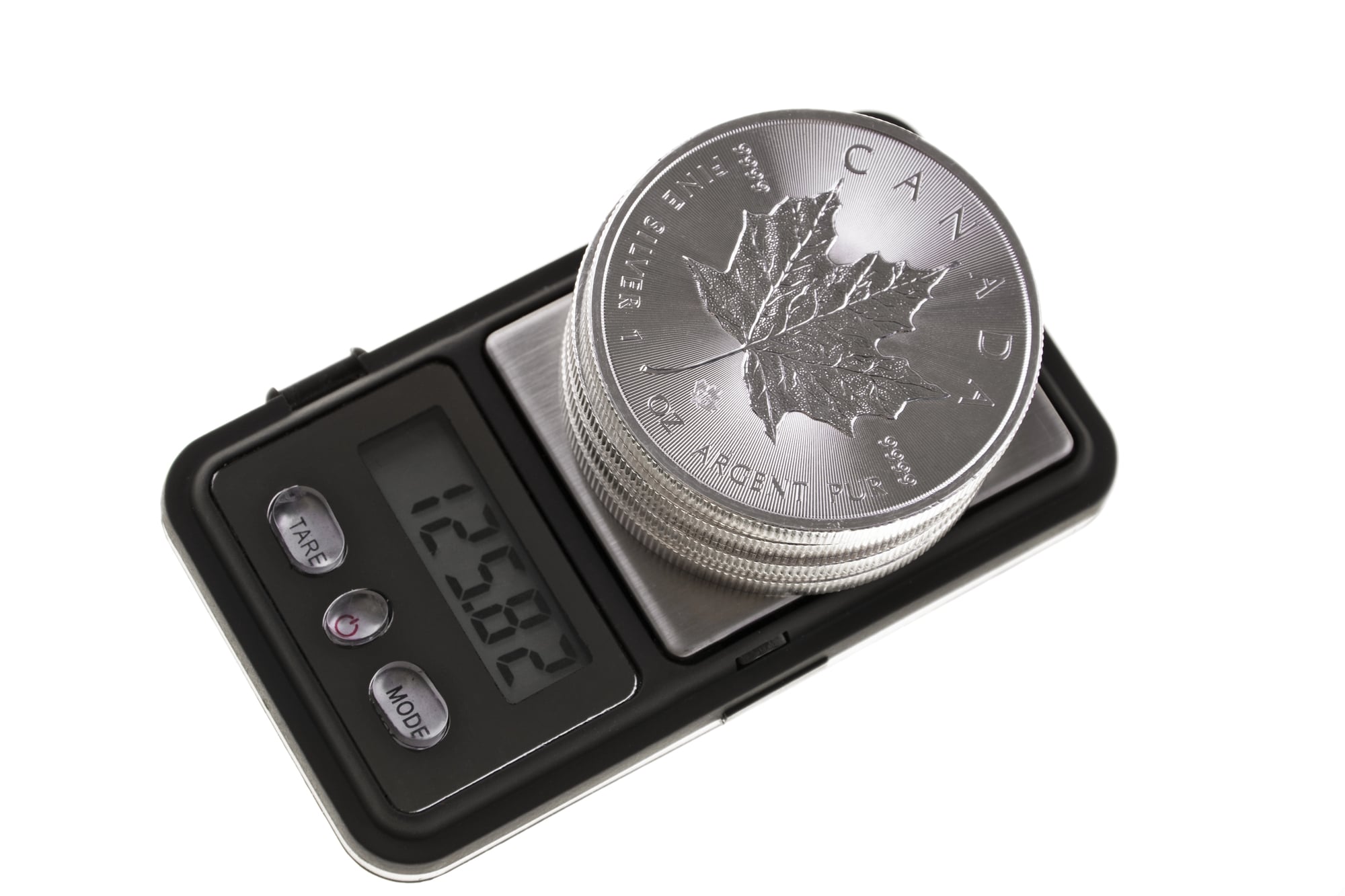
Canadian dollar coins minted before 1968 contain 80% silver, and a common-date circulated example is worth at least its melt value — currently around $12 to $15 USD in silver content alone. But key dates push well above that.
The 1948 Canadian silver dollar is the recognized scarcest issue in the series, with only 18,780 minted, and it routinely sells for hundreds of dollars even in worn grades. Other low-mintage years from the 1940s and 1950s carry similar premiums.
These coins turn up regularly in American change jars because of how often Canadians and Americans cross paths geographically and commercially.
Pre-1968 Canadian Silver Quarters
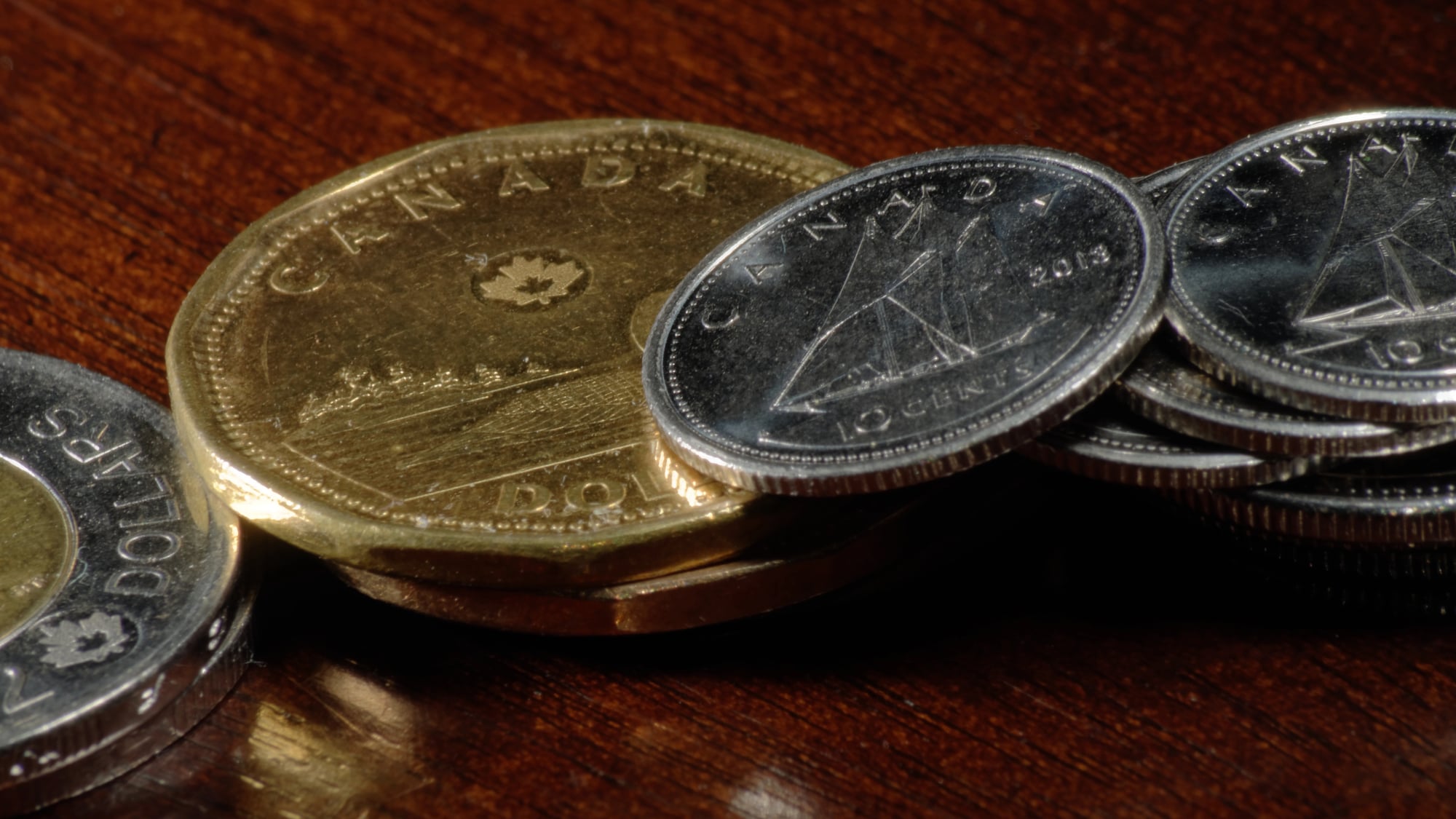
Canadian quarters minted before 1968 are 80% silver, making them worth several times their face value in metal alone. The 1936 dot quarter — a circulated version unlike the rare specimen-strike dot cent and dot dime — was actually released into general use with a mintage of 153,322, making it a semi-key date rather than a rarity but still a coin worth pulling from the jar for a closer look.
Earlier issues from the 1920s, particularly the 1921 and 1922 quarters, are recognized key dates that command premiums in any grade.
German Weimar Republic Silver Coins (1919–1933)
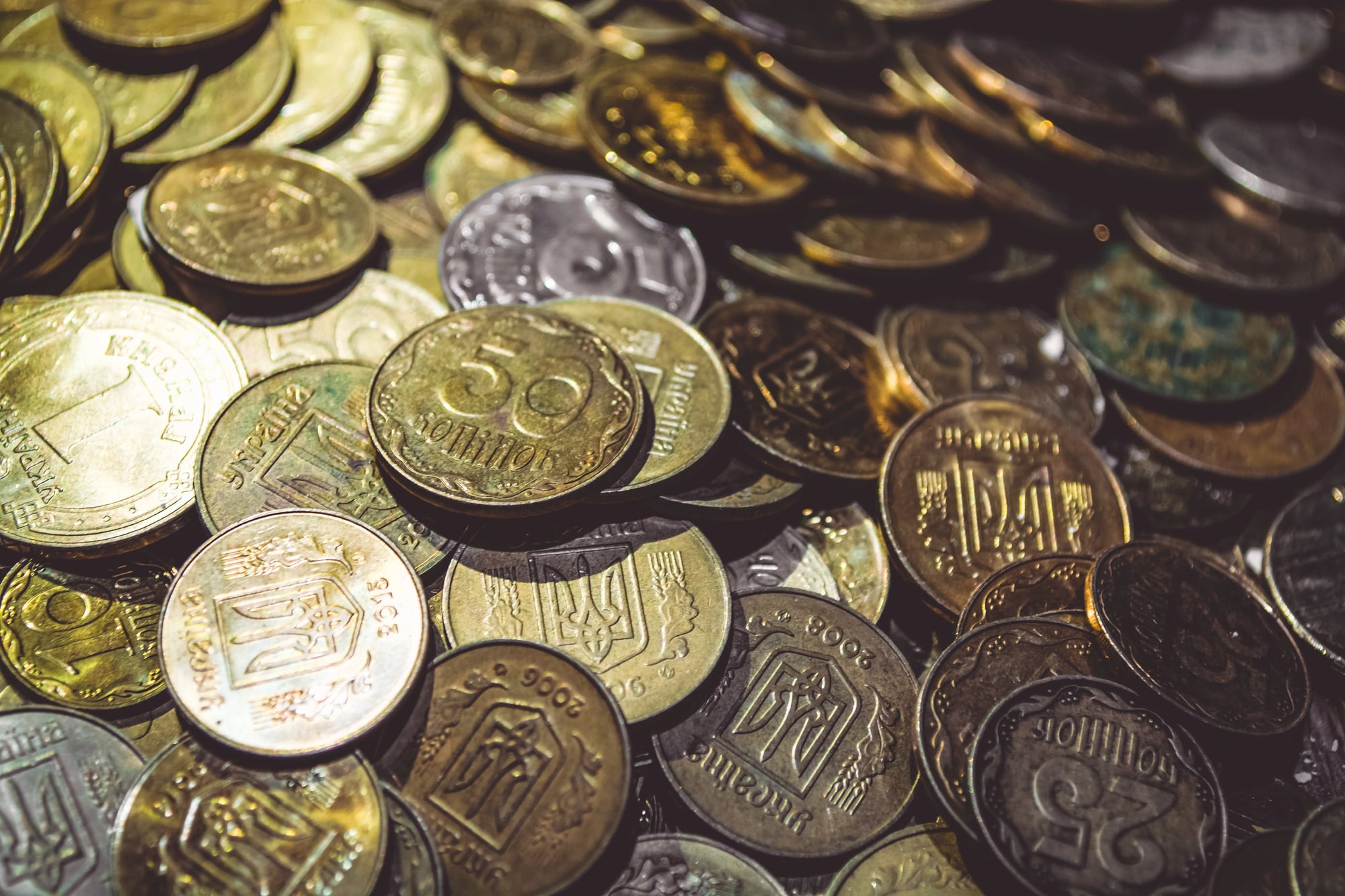
The coins struck by the Weimar Republic carry a weight of history out of proportion to their size. Silver five-mark pieces from the 1920s are particularly collectible because of the turbulent political and economic context in which they were produced.
A well-preserved 1933 Reichsmark can be valued between $200 and $1,500 depending on condition and whether any striking errors are present. These coins appear regularly in American coin jars among relatives who traveled through Europe in the mid-twentieth century or received them as keepsakes during postwar military service.
British Gold Sovereigns (Pre-1933)
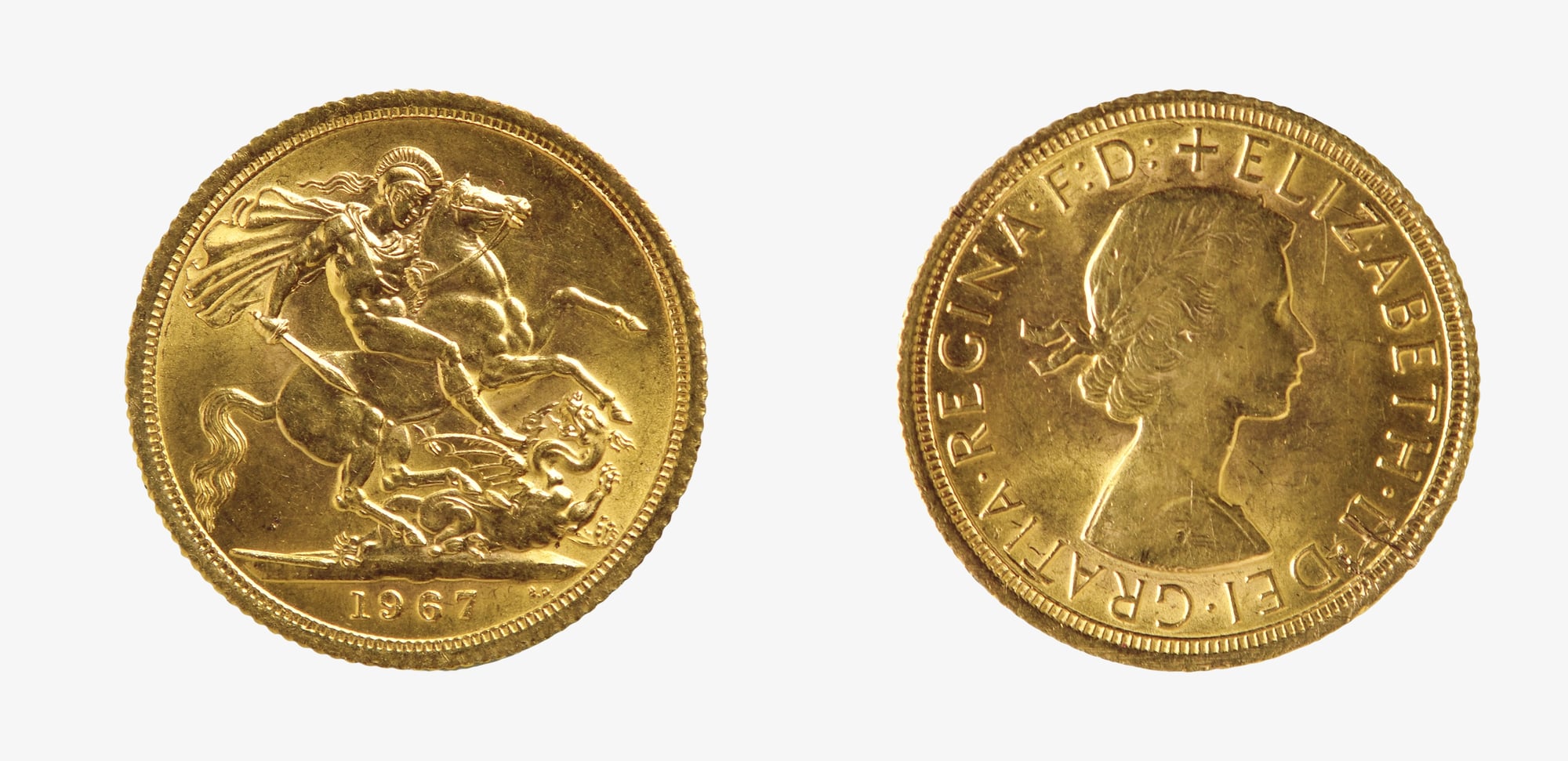
A gold sovereign is unmistakable once you know what you’re looking at: a 22-carat gold coin about the size of a modern US nickel, featuring the monarch’s portrait on the obverse and St. George slaying a dragon on the reverse. British sovereigns were struck continuously from 1817 through the early 1930s at mints in London, Sydney, Melbourne, Perth, Ottawa, Bombay, and Pretoria — and the mint mark tells the full story of value.
Common-date London sovereigns trade close to their gold melt value, currently above $400. Scarce branch-mint issues or pre-Victorian dates push significantly higher.
What makes them a change-jar find rather than a curiosity is that they circulated widely across the British Empire and were used as everyday currency.
Pre-1921 Mexican Silver Pesos
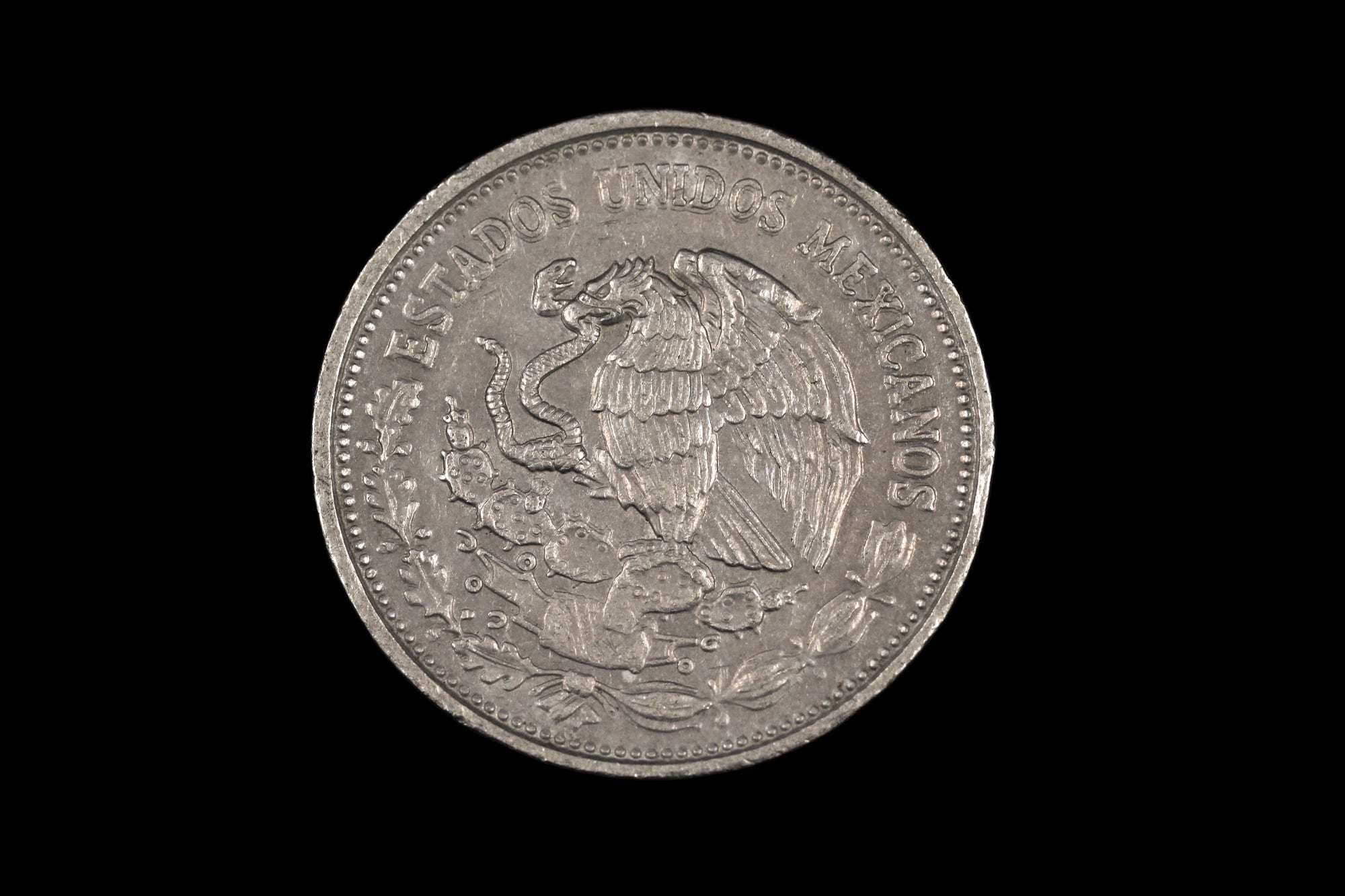
Mexican silver pesos produced between 1905 and 1920 under the Cap and Ray design contain 0.7858 troy ounces of silver at 90.3% fine — making each one worth over $20 in metal alone at current prices, before any numismatic consideration. The coins carried the famous eagle-and-snake emblem on one side and a Phrygian cap with sunrays on the other, and they circulated across the American Southwest in numbers large enough that they turn up regularly in inherited change jars.
Common dates are melt plays. Key date and mint mark combinations are something else entirely.
French Silver Five-Franc Hercules Coins (19th Century)
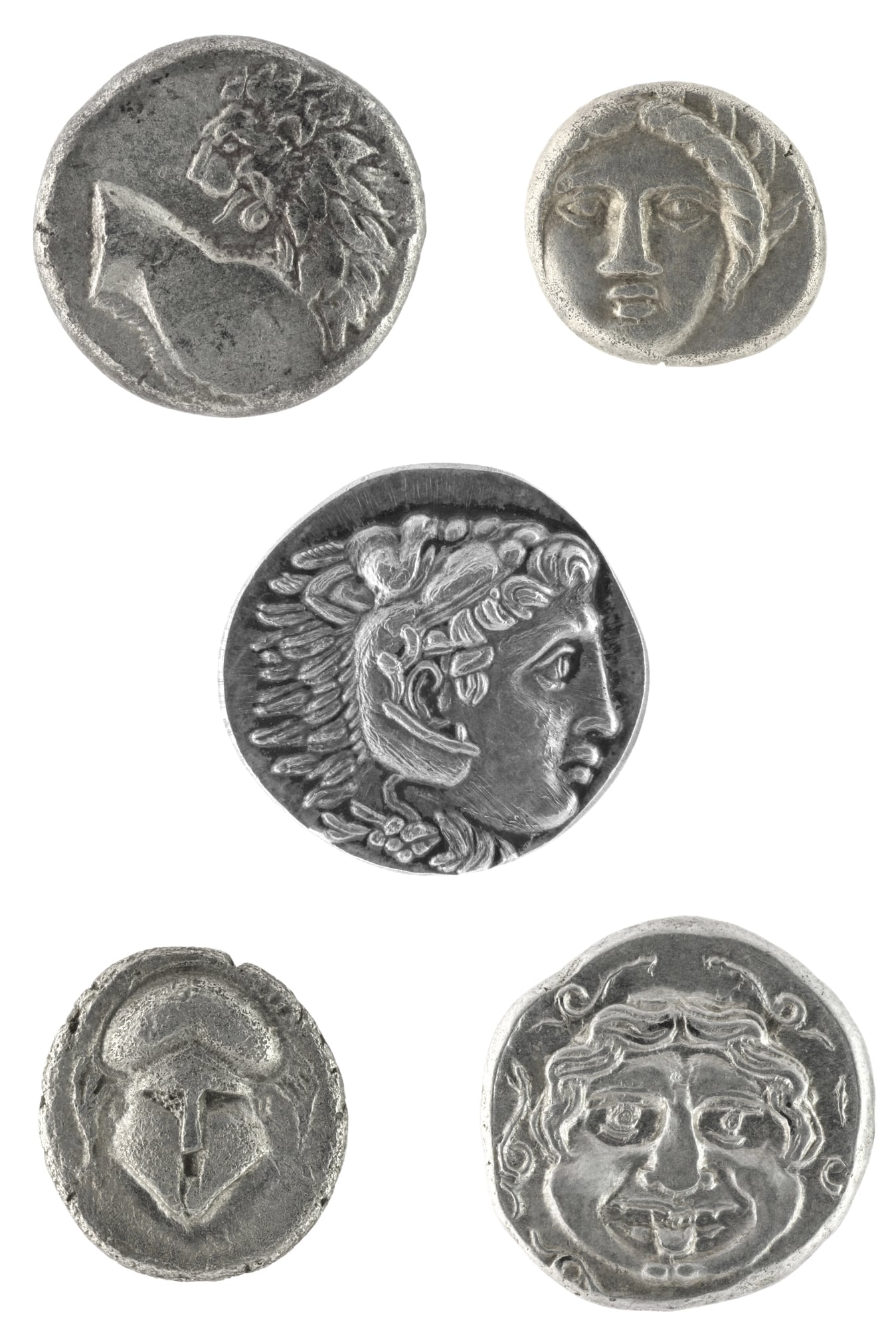
The French five-franc Hercules pieces struck between 1871 and 1889 are among the most beautiful silver coins produced in the nineteenth century. The reverse shows the classical figure of Hercules standing between Liberty and the French Republic — a deliberately political image in the aftermath of the Franco-Prussian War.
Each coin contains 0.7234 troy ounces of silver at 90% fine, giving it solid melt value. Numismatically, date and condition drive the premium: low-mintage years from the 1870s attract the most attention, and high-grade examples sell for well over $100.
Japanese Meiji Era Silver Yen (1870–1914)
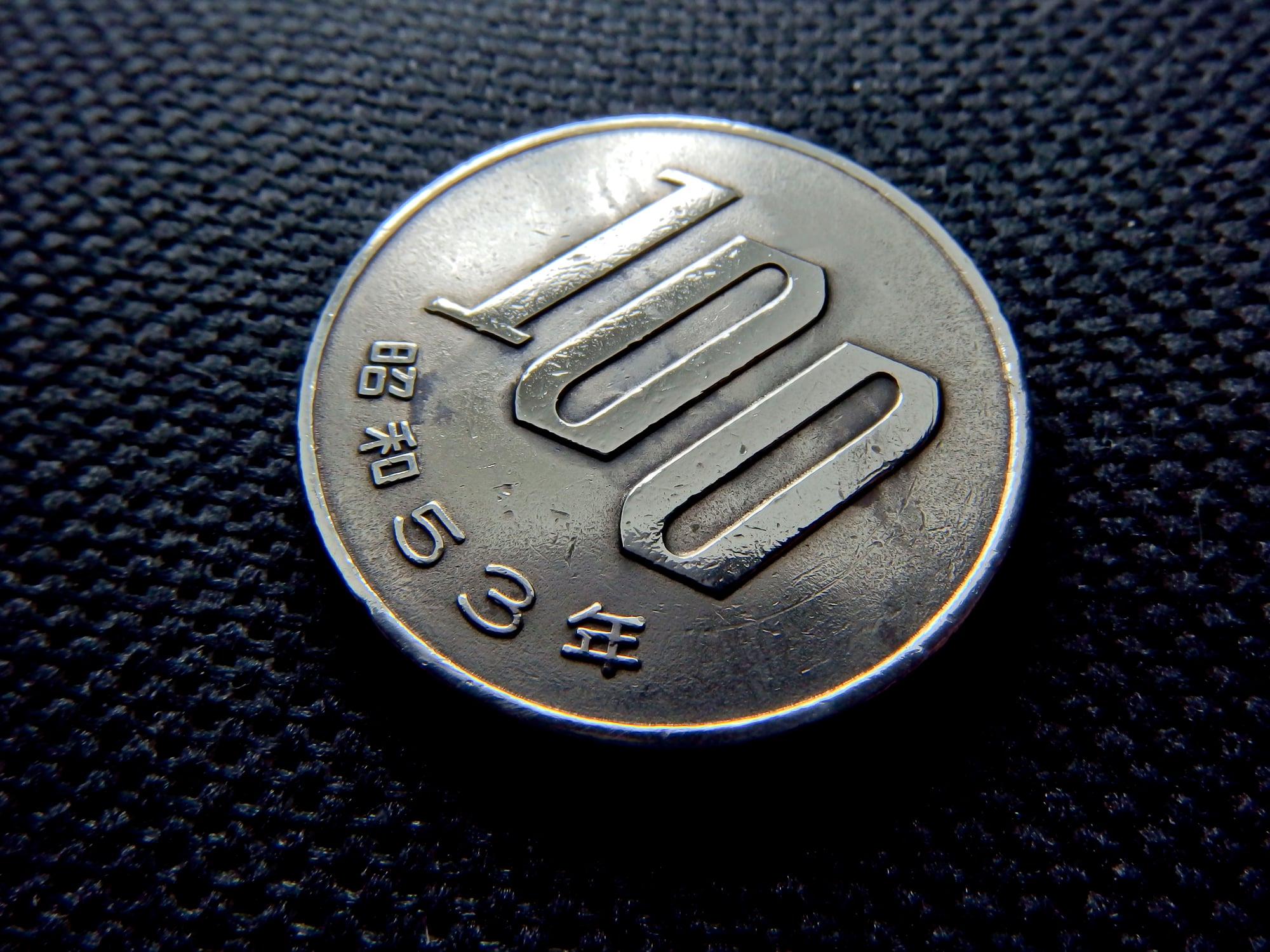
The silver yen coins struck during Japan’s Meiji era are internationally recognized trade coins that circulated across Asia and were used in commercial transactions from Manila to Shanghai. Each contains approximately 0.780 troy ounces of silver, slightly less than a Mexican peso of the same period.
The obverse carries an Imperial dragon within a beaded circle, the date expressed in the Japanese Imperial calendar. Japan demonetized the silver yen for domestic use in 1897 but continued striking coins for use in Japanese-administered territories through 1914.
Common dates in circulated grades start around $30 in silver value. Scarce dates and high grades move into the hundreds.
1912 Australian Gold Sovereign (Sydney Mint)
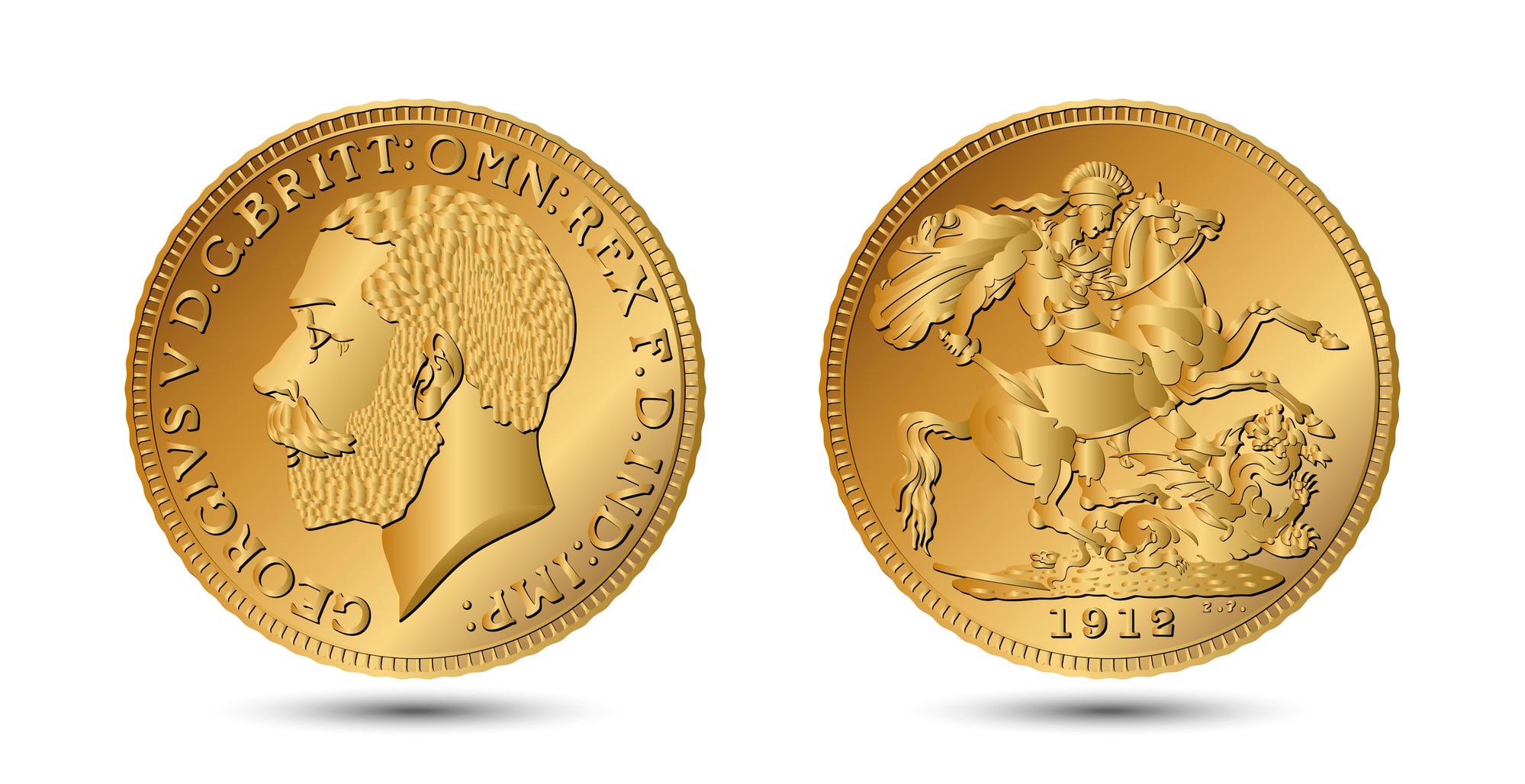
The Sydney Mint struck gold sovereigns using locally refined gold from New South Wales, making these coins distinct from their London equivalents not just by mint mark but by provenance. The 1912 Sydney issue features King George V and is sought after for the limited nature of its production during the declining years of the Sydney Mint, which closed in 1926.
Collectors prize Australian sovereigns for their direct connection to the colonial gold rush era. In good condition, a 1912 Sydney sovereign sells above the standard melt value of comparable London issues.
Swiss Silver Five-Franc “Helvetia” Coins (Pre-1969)
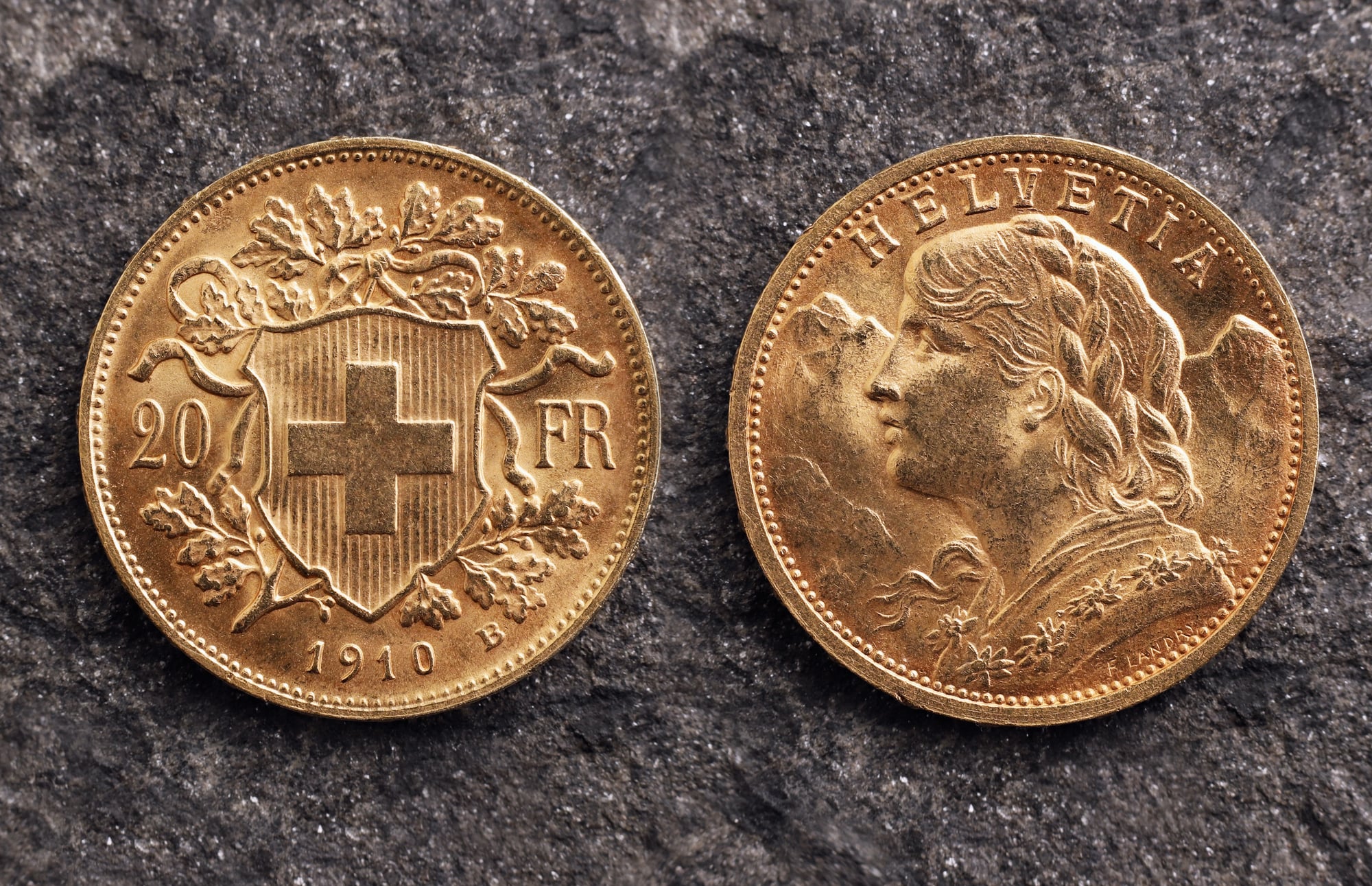
Swiss five-franc pieces struck before 1969 contain 83.5% silver and 16.5% copper, giving them around 0.643 troy ounces of silver per coin. The design shows a seated Helvetia on the obverse with the Swiss cross on the reverse — a coin that changed very little in appearance across nearly a century of production.
Because the design was consistent for so long, only close inspection of the date and condition distinguishes a common $15 silver coin from a key-date piece worth considerably more. The 1931 issue is a recognized scarcity in the series.
1982 Mexican Silver Libertad (First Year)
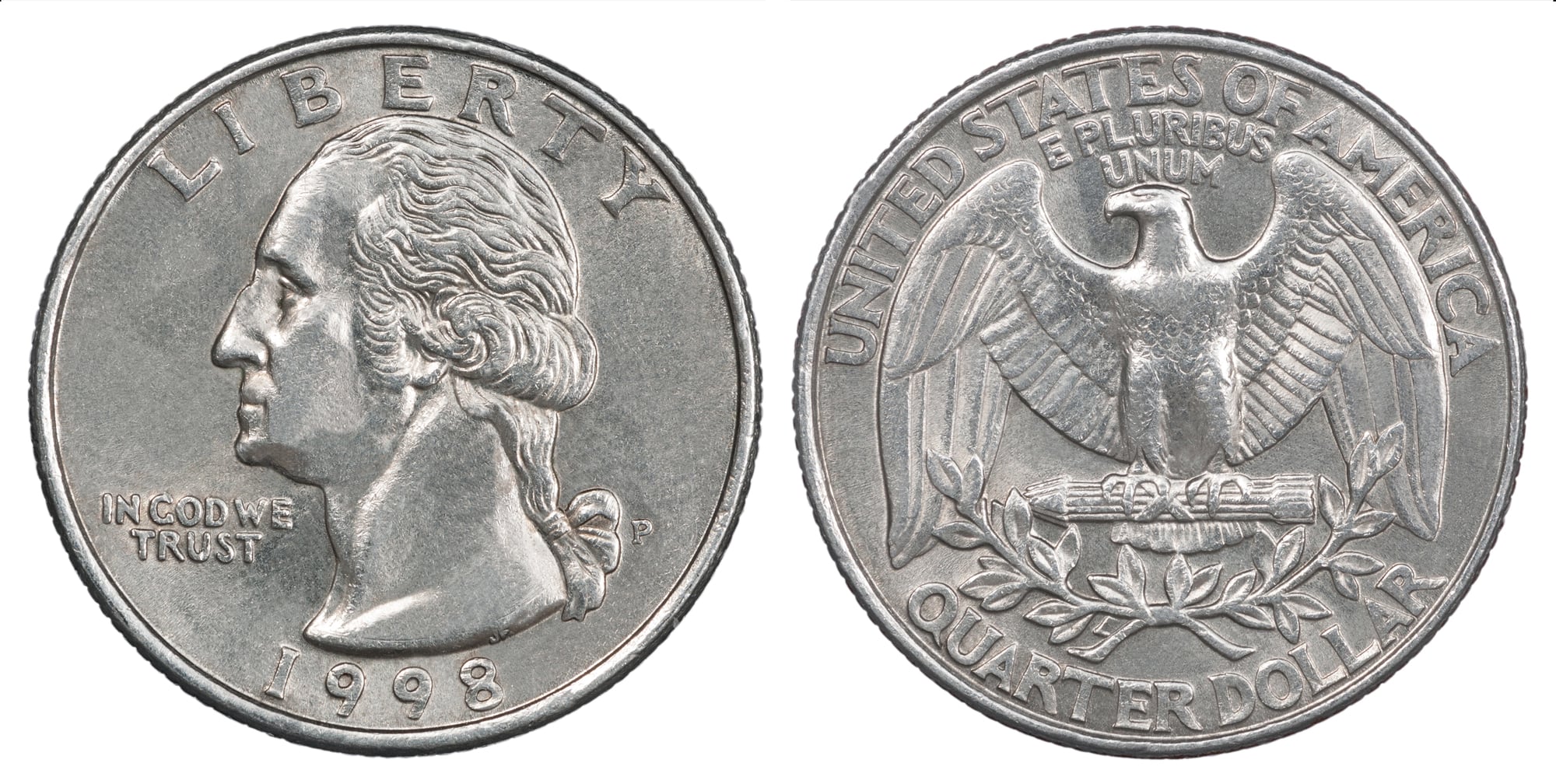
The Mexican Libertad bullion coin program launched in 1982 with a one-ounce silver coin struck in .999 fine silver. The first-year issue is prized by collectors who build complete Libertad sets, since beginning-of-series coins consistently attract premiums above spot price.
Unlike most silver rounds, the Libertad carries legal tender status in Mexico. Early-year examples in pristine condition sell above the standard bullion premium commanded by later, more common dates.
Dutch Silver Guilder Coins (Pre-1945)
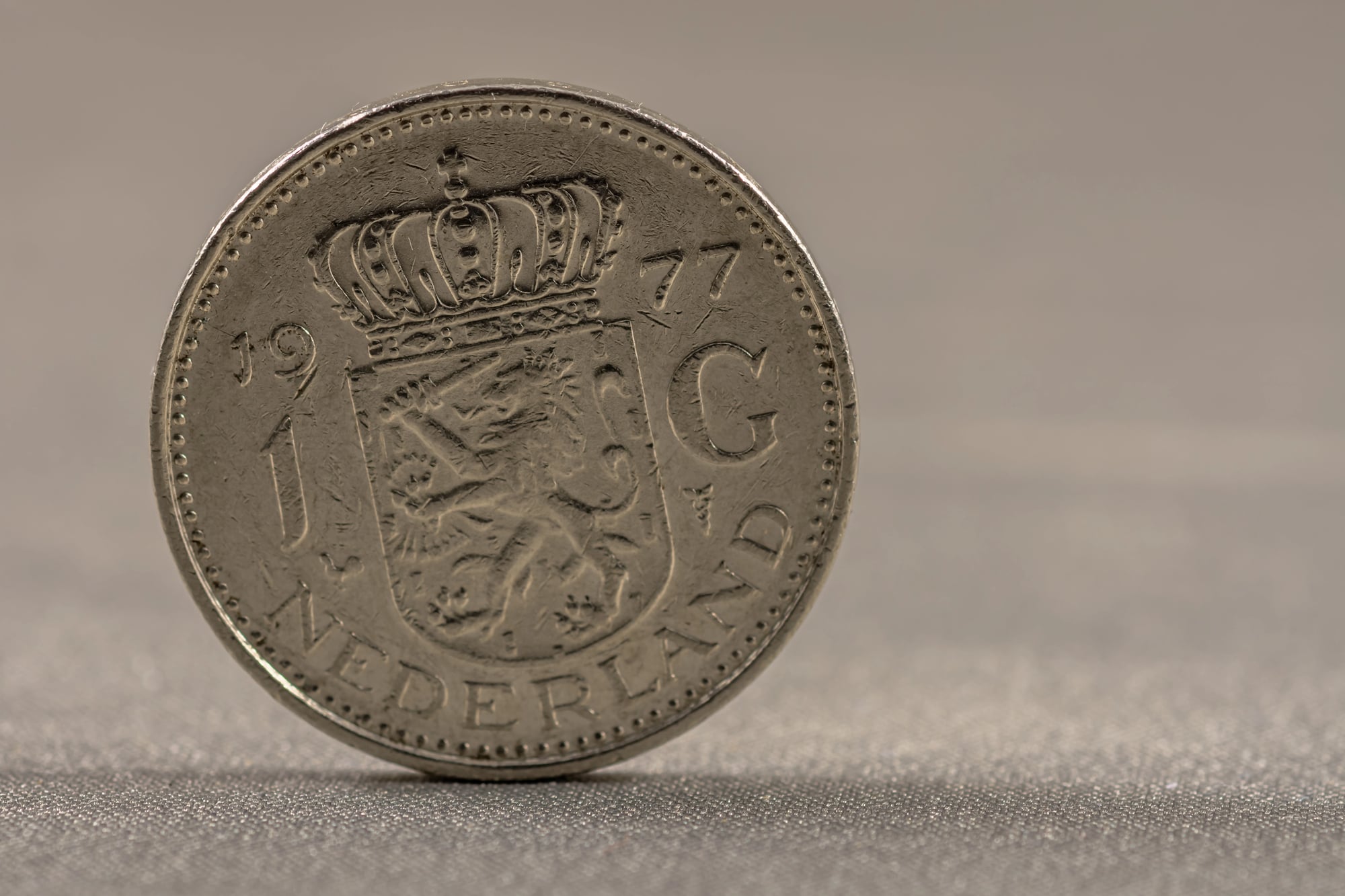
Netherlands guilder coins struck in silver before World War II contain 72% silver and represent one of the most commonly overlooked foreign silver finds in American change jars. Dutch immigration to the United States was substantial in the nineteenth and early twentieth centuries, and these coins traveled with families.
The pre-war design featuring Queen Wilhelmina is historically significant, and coins dated during the German occupation of the Netherlands (1940–1944) carry additional collector interest because of the circumstances under which they were struck. Condition and date combine to determine value above the silver floor.
1908 Newfoundland Gold Two-Dollar Piece
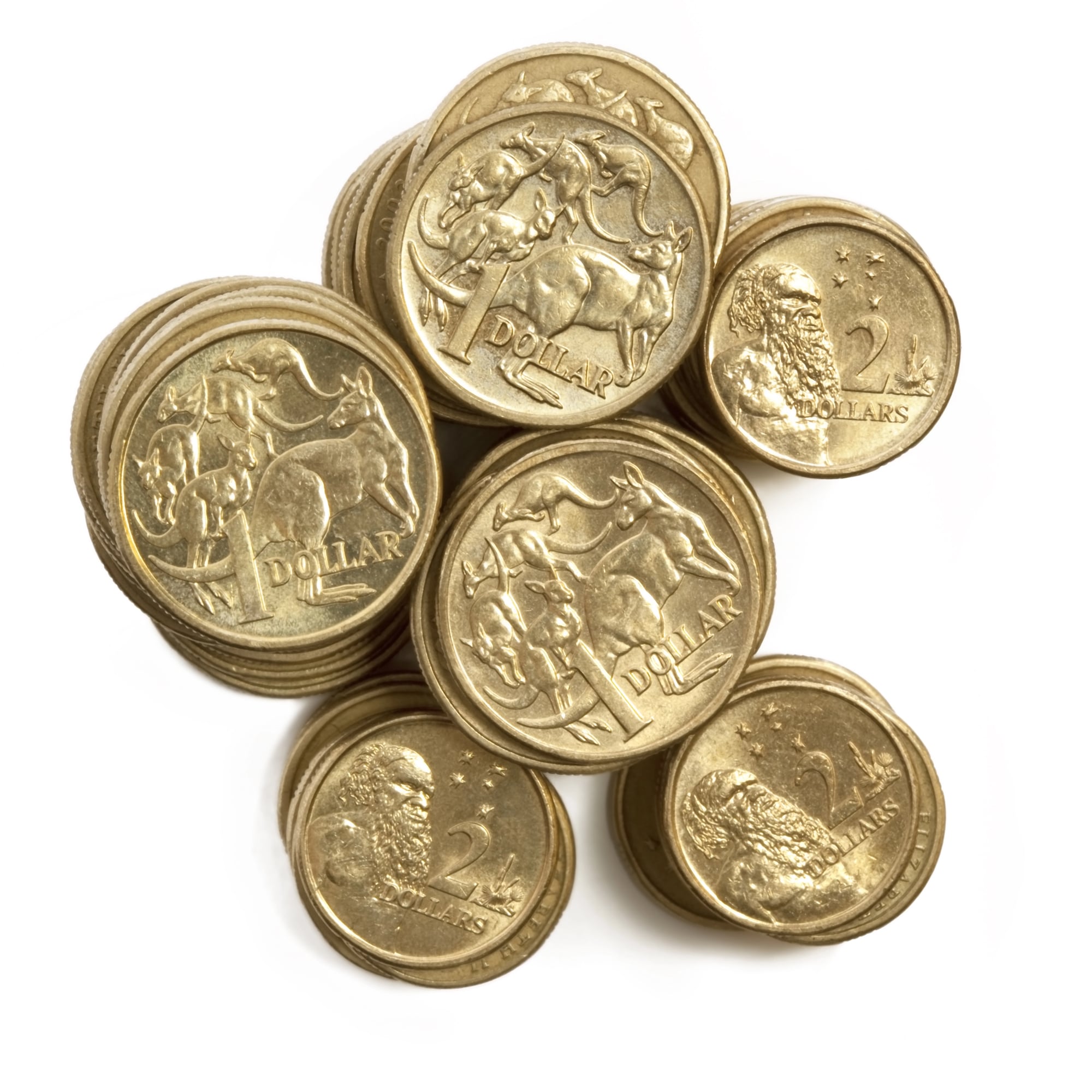
Before Newfoundland joined Canada in 1949, it was a separate British dominion and struck its own coinage — including small gold pieces in denominations that exist nowhere else. The Newfoundland gold two-dollar coin, last minted in 1913, is a 22-carat gold piece weighing just 3.33 grams.
The 1908 issue is the scarcest date in the series. These coins look like nothing else in a change jar, and even a worn example in grades that would otherwise be ignored can sell for several hundred dollars above its gold content.
1895 Morgan-Type Mexican Peso Varieties
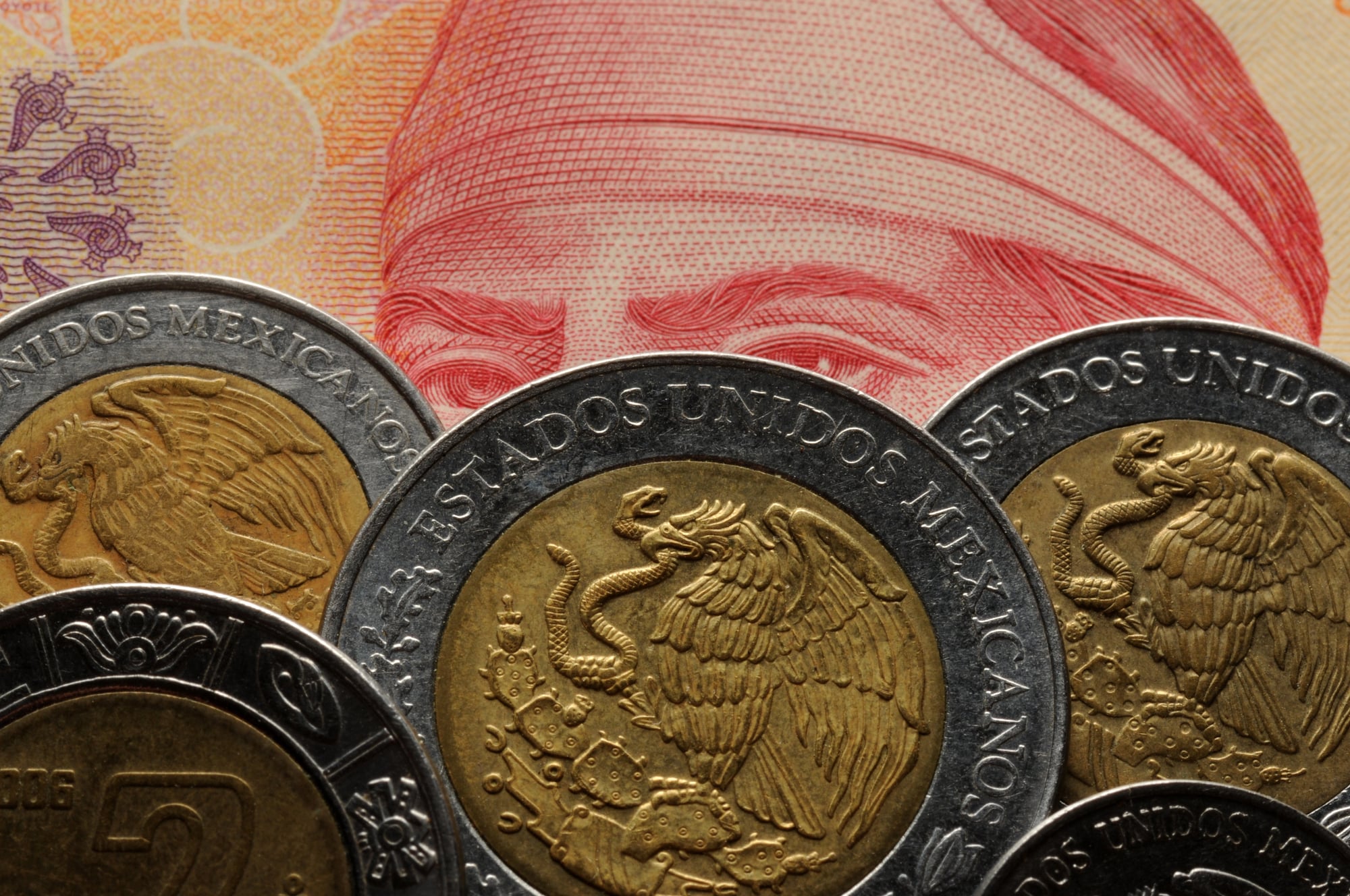
The Mexican Libertad-design pesos from the Porfirian era were struck at multiple mint facilities across Mexico, and certain date-and-mint combinations from the 1890s are recognized numismatic rarities. The Alamos, Chihuahua, and Zitacuaro mint issues from specific years were produced in dramatically lower quantities than Mexico City output from the same period.
A coin that looks like a straightforward silver peso — the right weight, the right design — can carry a $500 to $5,000 premium based entirely on a single letter mint mark that most people would never think to examine.
Pre-Independence Indian Silver Rupees (British Raj)
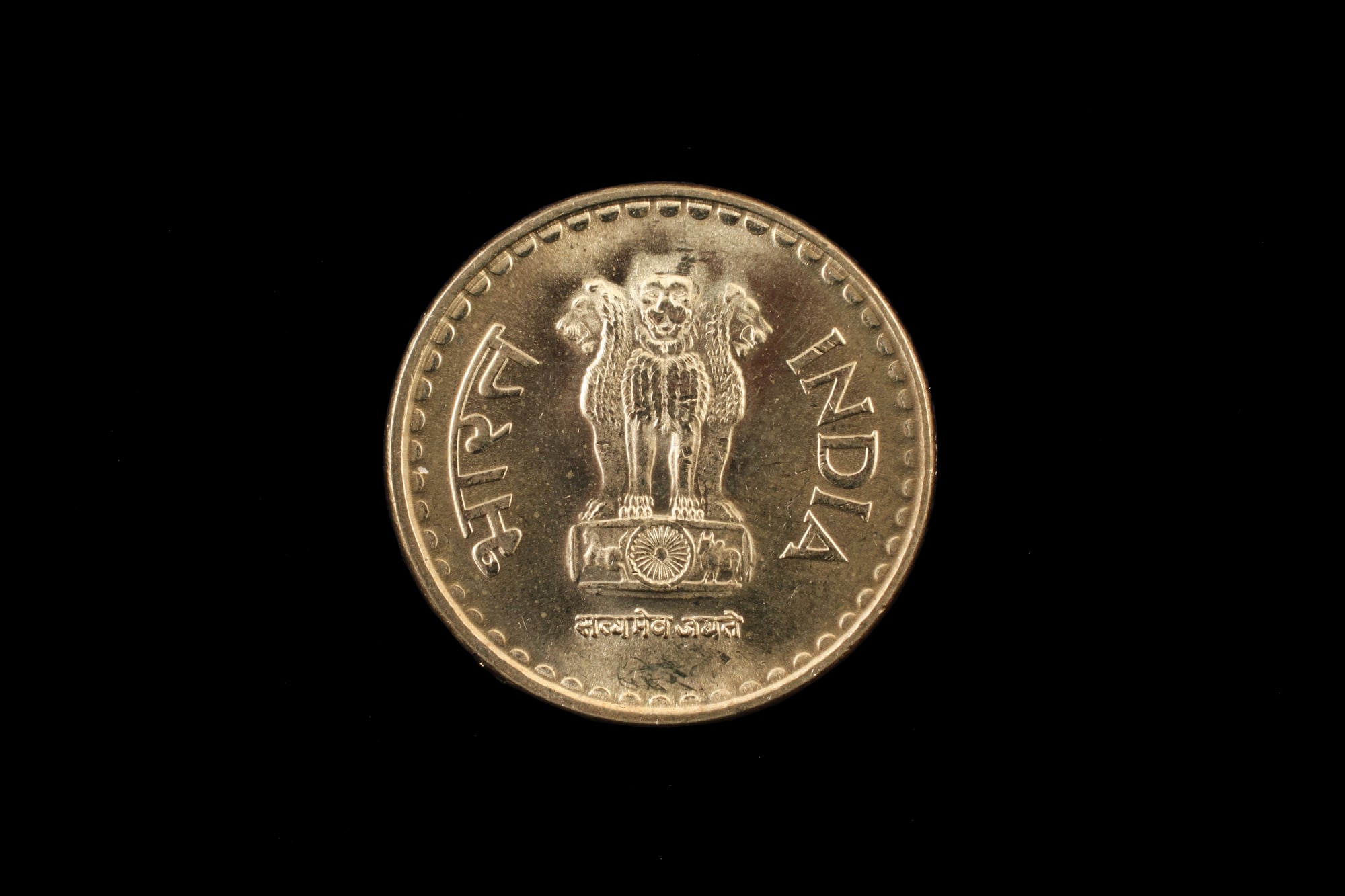
Silver rupees minted during the British administration of India contain 91.7% silver and cover over two centuries of continuous production. The coins most likely to appear in American change jars are those from the late Victorian and Edwardian periods, particularly issues bearing the portrait of Queen Victoria or King George V.
Key dates include the 1862 and 1893 Victoria rupees. Beyond the melt value — each pre-1940 rupee contains roughly 0.354 troy ounces of silver — the coins are historically significant artifacts of one of the most consequential periods in South Asian history.
1947 Mexican Gold 50 Peso “Centenario”
The Centenario was first struck in 1921 to mark the centennial of Mexican independence from Spain, but restrike dates produced from 1943 onward account for the majority of coins encountered today. The 1947 restrike date is particularly common in the collector market and trades close to its gold content — 1.2057 troy ounces of 90% gold.
That places its current melt value well above $2,500. The design is extraordinary by any standard: the Winged Victory on the obverse draws directly from classical imagery, and the Mexican eagle and snake reverse is rendered with unusual detail.
Original-date 1921 examples command a meaningful premium above restrikes of the same design.
The Quiet Logic of the Change Jar
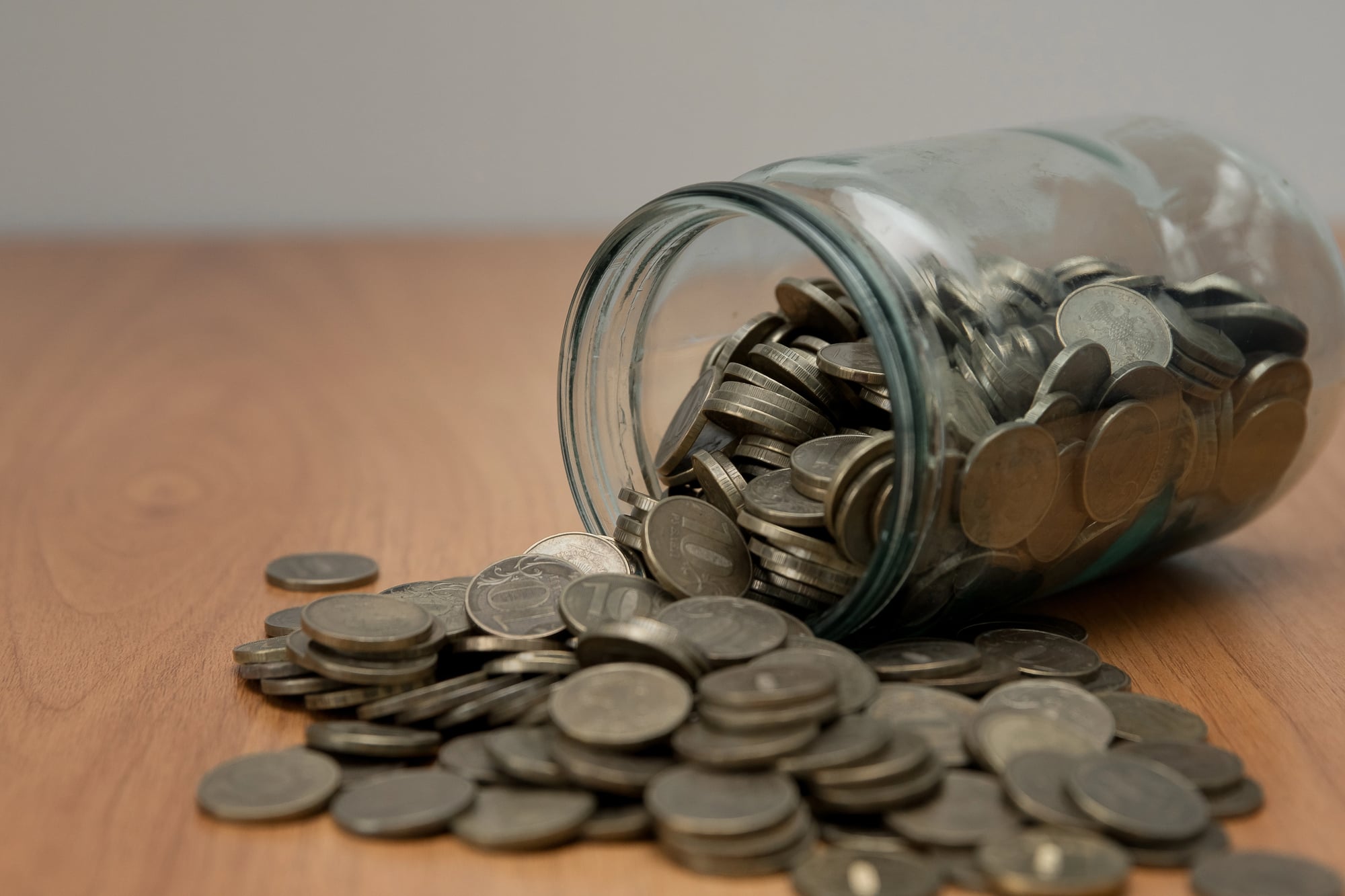
What connects every coin on this list is not age or country of origin but context. None of them look especially valuable to the untrained eye — a coin is a coin until someone knows enough to look twice.
The silver ones feel heavier than modern clad coins, which is a useful starting point. The gold ones carry a warmth and weight that stands out even before any identification.
But the most interesting finds, the dot cent and the mule dollar and the 1933 British penny, reveal themselves only through knowledge and careful examination. The broader truth about inherited change jars is that they reflect the lives of the people who filled them.
Travelers, immigrants, soldiers, traders, and collectors all contributed to the mix over decades, often without any intention of doing so. A single trip abroad in 1965, a grandfather’s wartime service, a relative who collected “just the pretty ones” — any of these can account for a coin sitting quietly at the bottom of a jar that is genuinely worth hundreds or thousands of dollars.
The difference between finding it and missing it is usually nothing more than knowing which dates to look for before the jar goes to the coin counter.
More from Go2Tutors!

- The Romanov Crown Jewels and Their Tragic Fate
- 13 Historical Mysteries That Science Still Can’t Solve
- Famous Hoaxes That Fooled the World for Years
- 15 Child Stars with Tragic Adult Lives
- 16 Famous Jewelry Pieces in History
Like Go2Tutors’s content? Follow us on MSN.