31 Climbing Disasters That Changed the Rules for Future Expeditions
Mountaineering’s safety culture was not built in committee rooms. It was built on the ledges, in the storms, and on the avalanche slopes where things went wrong badly enough that the survivors — and the community that followed them — decided something had to change.
Every rope standard, every turnaround time, every protocol about who carries what through which section of a route, traces back to a specific moment when the absence of that rule cost someone their life. The changes came slowly, sometimes decades after the events that made them necessary, and the mountains were never made safe — but the approach to them got measurably less chaotic.
These are 31 disasters that rewrote the rules.
The 1865 Matterhorn Descent Disaster
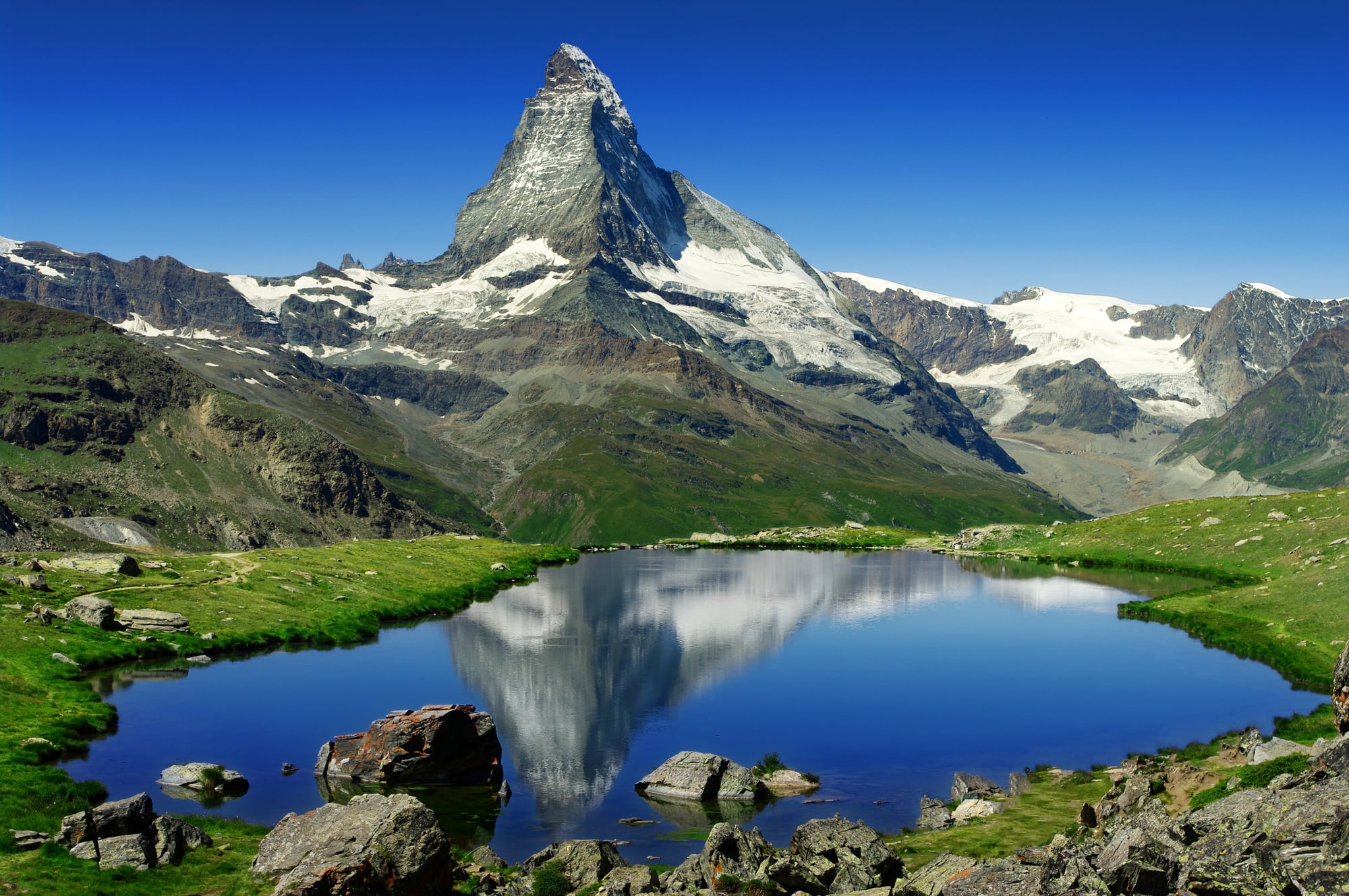
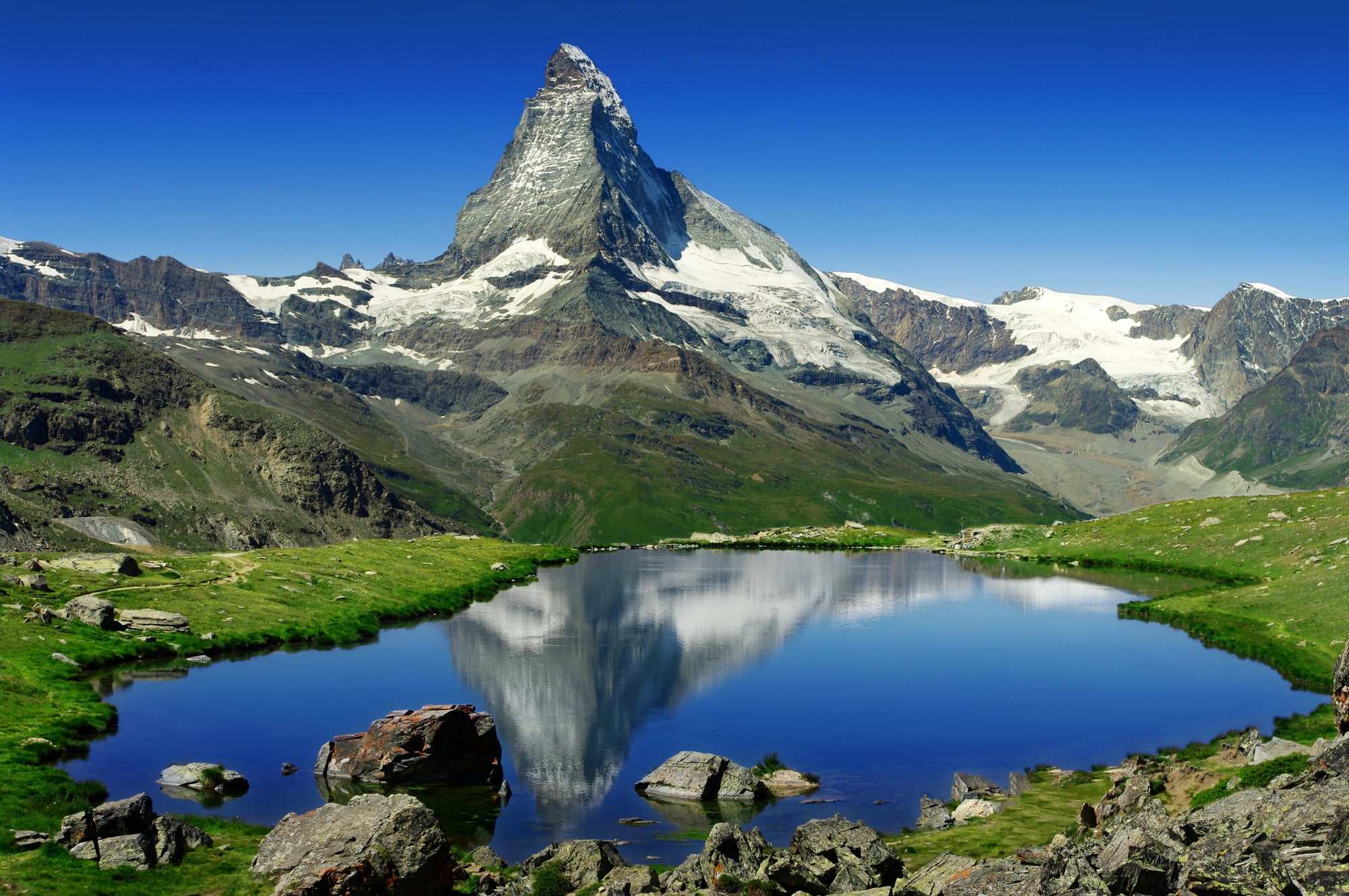
Edward Whymper’s team made the first ascent of the Matterhorn on July 14, 1865, and the disaster happened on the way back down. Four climbers — Lord Francis Douglas, the Reverend Charles Hudson, Douglas Hadow, and guide Michel Croz — fell to their deaths when the rope between Hadow and Croz snapped.
The accident prompted the first serious public debate about whether mountaineering was an acceptable risk, led to rope quality standards within the Alpine Club, and established the principle that descent is often more dangerous than ascent. Four of the seven team members died because one climber slipped on the way down.
The 1922 Everest Avalanche
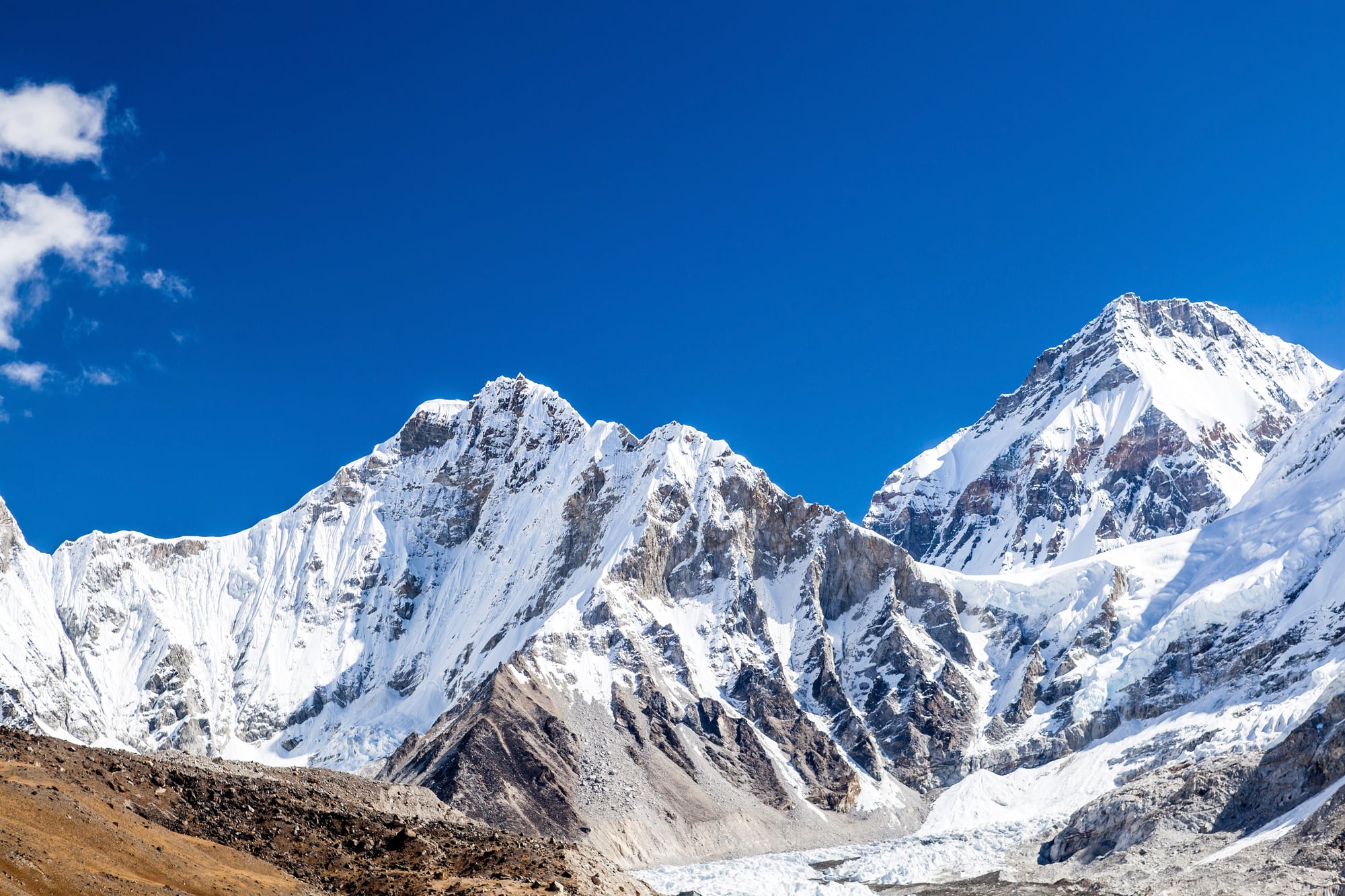
On June 7, 1922, the third summit attempt of the first British Everest expedition ended in an avalanche below the North Col that killed seven Sherpa porters. George Mallory, who had made the decision to push for the summit despite warning signs from the snowpack, described his feeling of responsibility in letters as unbearable.
The expedition was called off, and Mallory publicly vowed to never again allow Sherpas to climb without European team members roped to the same line. It was the first formal acknowledgment that high-altitude support workers faced unique and underappreciated risks.
The Disappearance of Mallory and Irvine, 1924
George Mallory and Sandy Irvine disappeared above 8,000 meters on June 8, 1924, during what would have been the first successful Everest summit if they had reached it. Whether they did remains one of mountaineering’s defining unanswered questions — Mallory’s body was found in 1999, but Irvine and the camera they carried have never been recovered.
The disaster introduced the concept of the “death zone” as a place where the window between summit attempt and point of no return was dangerously narrow. It drove the next three decades of oxygen equipment development.
The 1934 Nanga Parbat Disaster
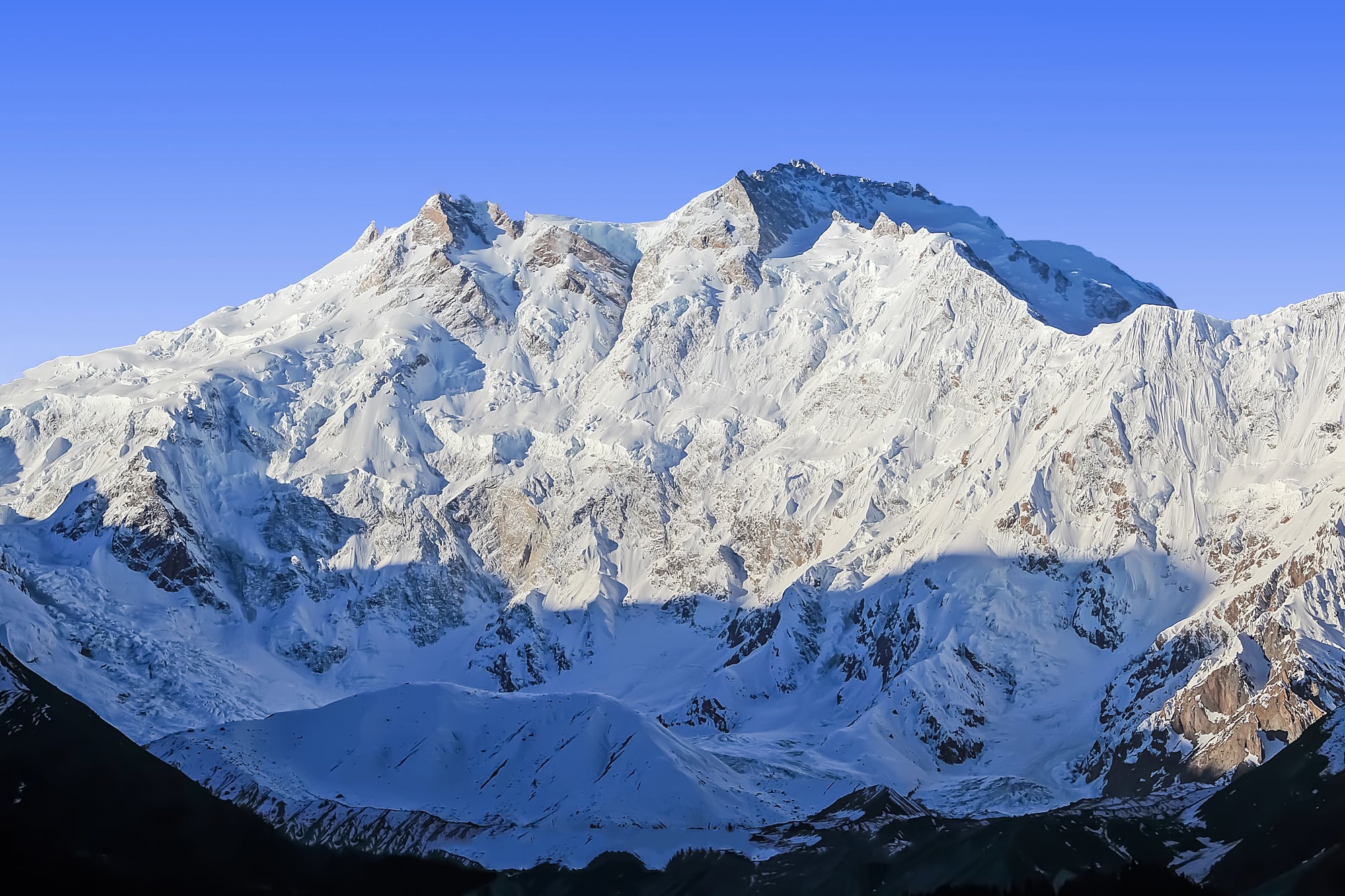
A storm trapped 16 people at Camp VIII on Nanga Parbat in July 1934, and 10 of them died — including expedition leader Willy Merkl, alpinists Ulrich Wieland and Willo Welzenbach, and six Sherpa porters. The final survivor to reach safety, Ang Tsering, had spent seven days in the storm.
It was, at the time, the single deadliest mountaineering accident in history. The disaster produced the first serious literature on hypothermia management at altitude and raised foundational questions about how long a team should wait out a storm before attempting descent at all costs.
The 1937 Nanga Parbat Camp Avalanche
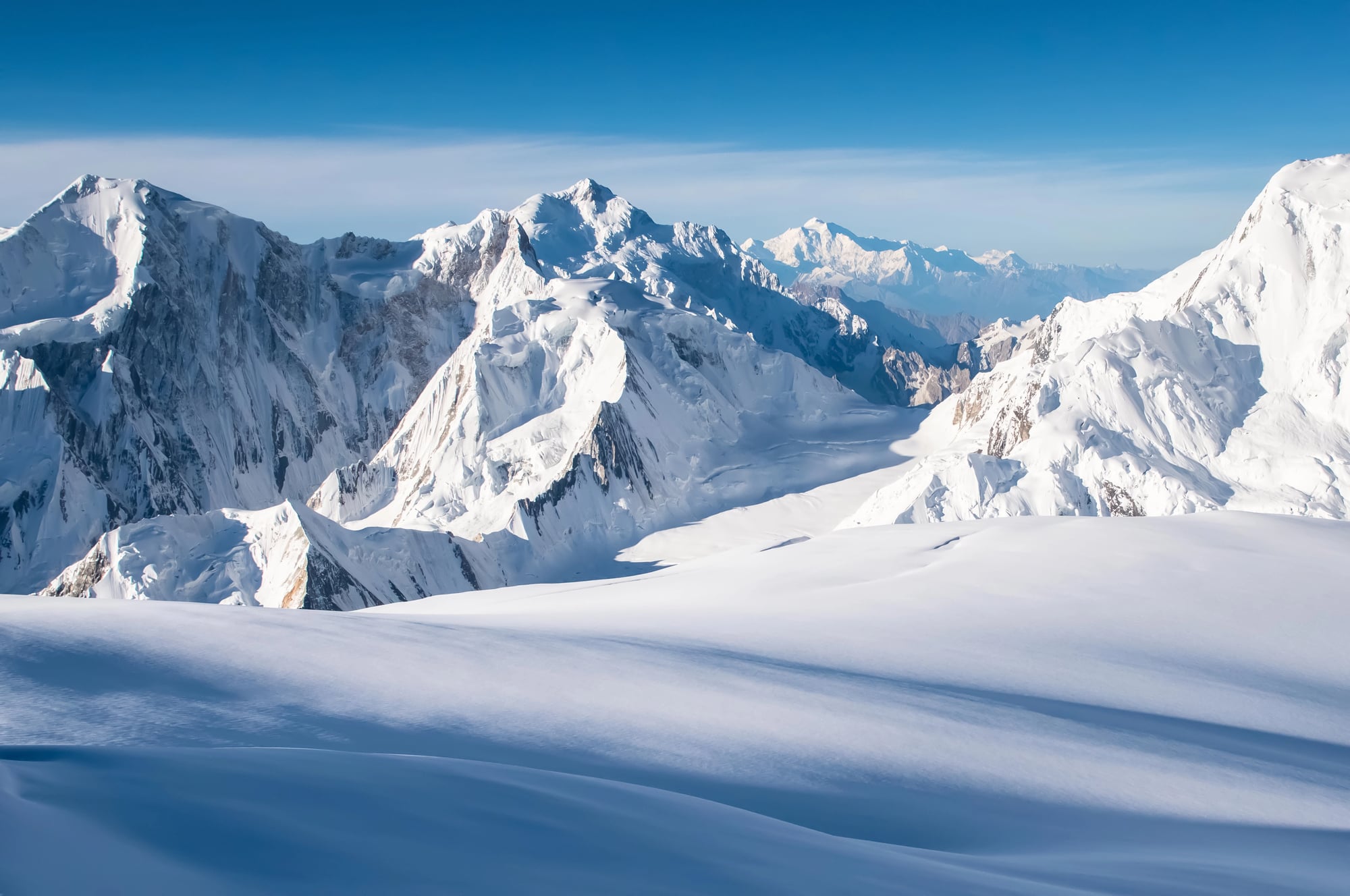
Three years after the 1934 disaster on the same mountain, a German expedition under Karl Wien was camping on the Raikot Glacier when an avalanche buried Camp IV while most of the team was asleep. Sixteen people died, including Wien and all six fellow German climbers.
It remains one of the largest single-incident losses in Himalayan history. The disaster directly changed how high camps were positioned — subsequent expeditions became far more careful about siting camps away from obvious avalanche runout zones, a practice now considered standard.
The 1936 Eiger North Face Disaster
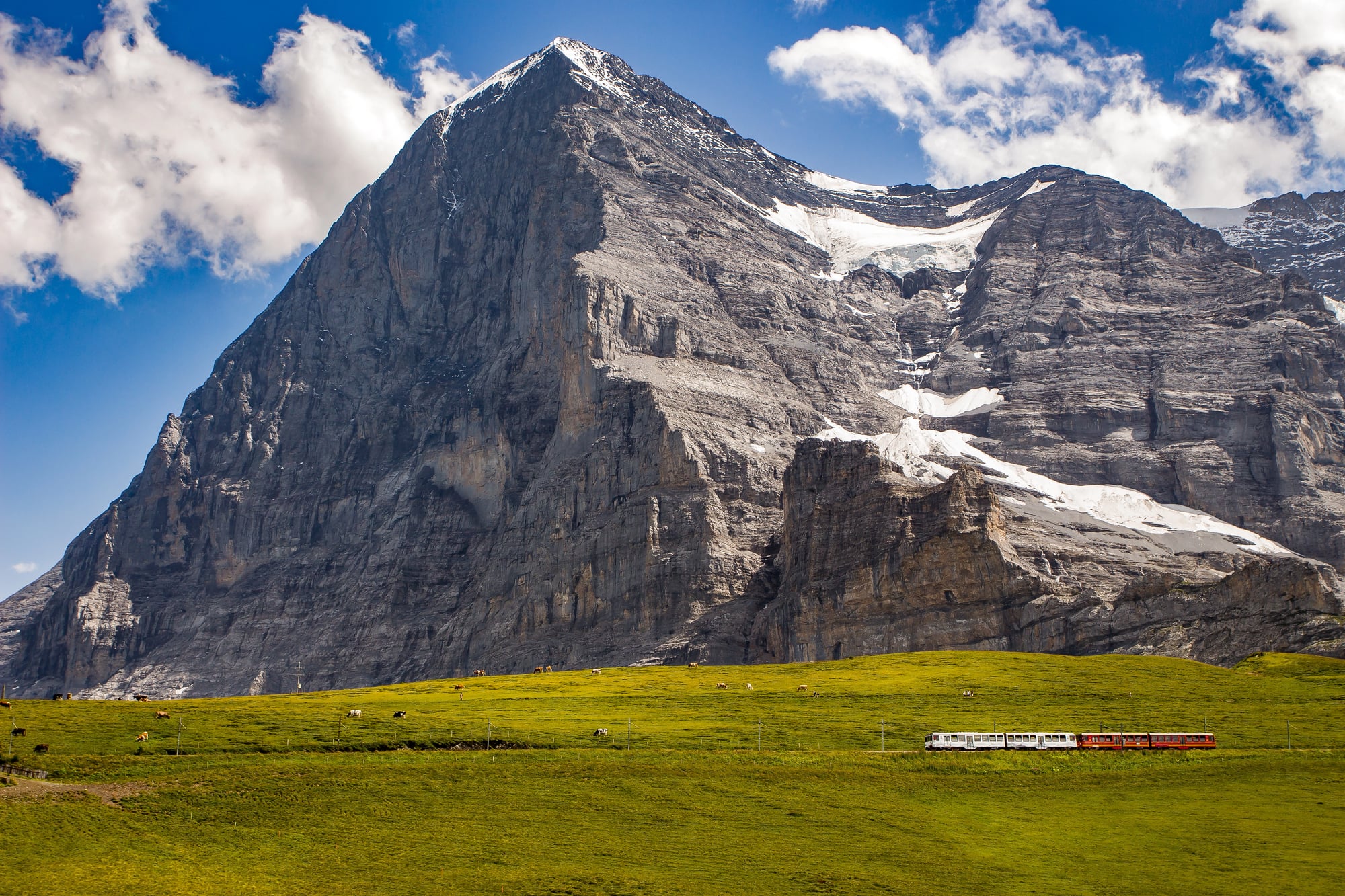
A team of four German and Austrian climbers — Edi Rainer, Willi Angerer, Andreas Hinterstoisser, and Toni Kurz — died on the Eiger’s north face in July 1936 in circumstances that became a textbook case for the dangers of attempting a retreat on technically demanding terrain. Hinterstoisser had traversed a section of rock using a technique that couldn’t be reversed; when the team tried to descend, they were trapped.
Toni Kurz survived longest, dying within reach of rescuers who could not quite reach him. The accident produced the rule, now foundational in alpine climbing, that retreat must always be possible on every section of a route.
The 1938 Nanga Parbat Solo Retreat of Paul Bauer’s Team
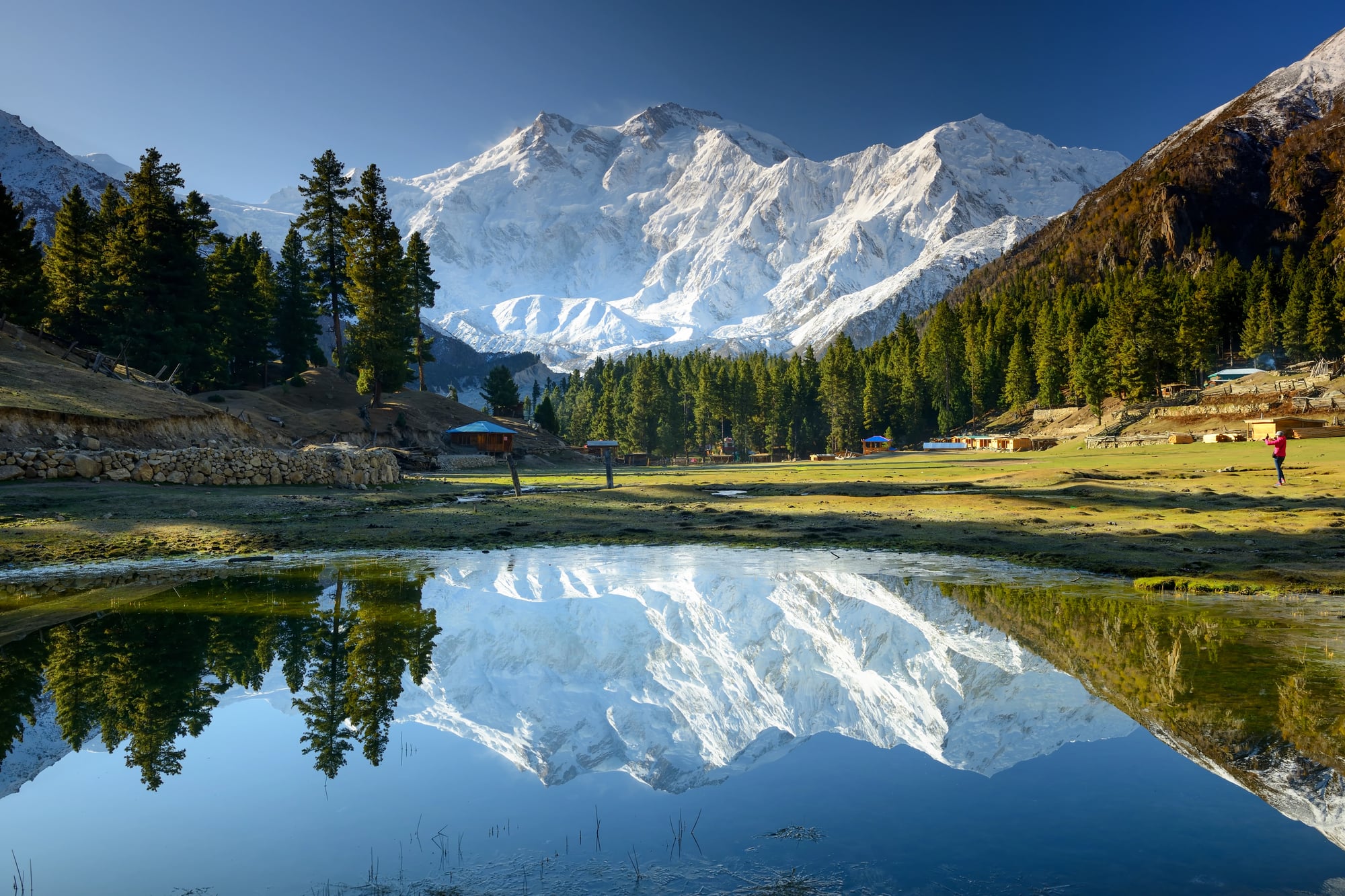
In 1938, Paul Bauer’s German team was forced down from Nanga Parbat by storm, and the difficult descent without adequate shelter illustrated the need for emergency bivouac gear at every camp above a certain altitude. The expedition contributed directly to the development of high-altitude bivouac equipment standards that would become universal in postwar Himalayan expeditions.
The 1952 Cho Oyu Controversy and Permit Lessons
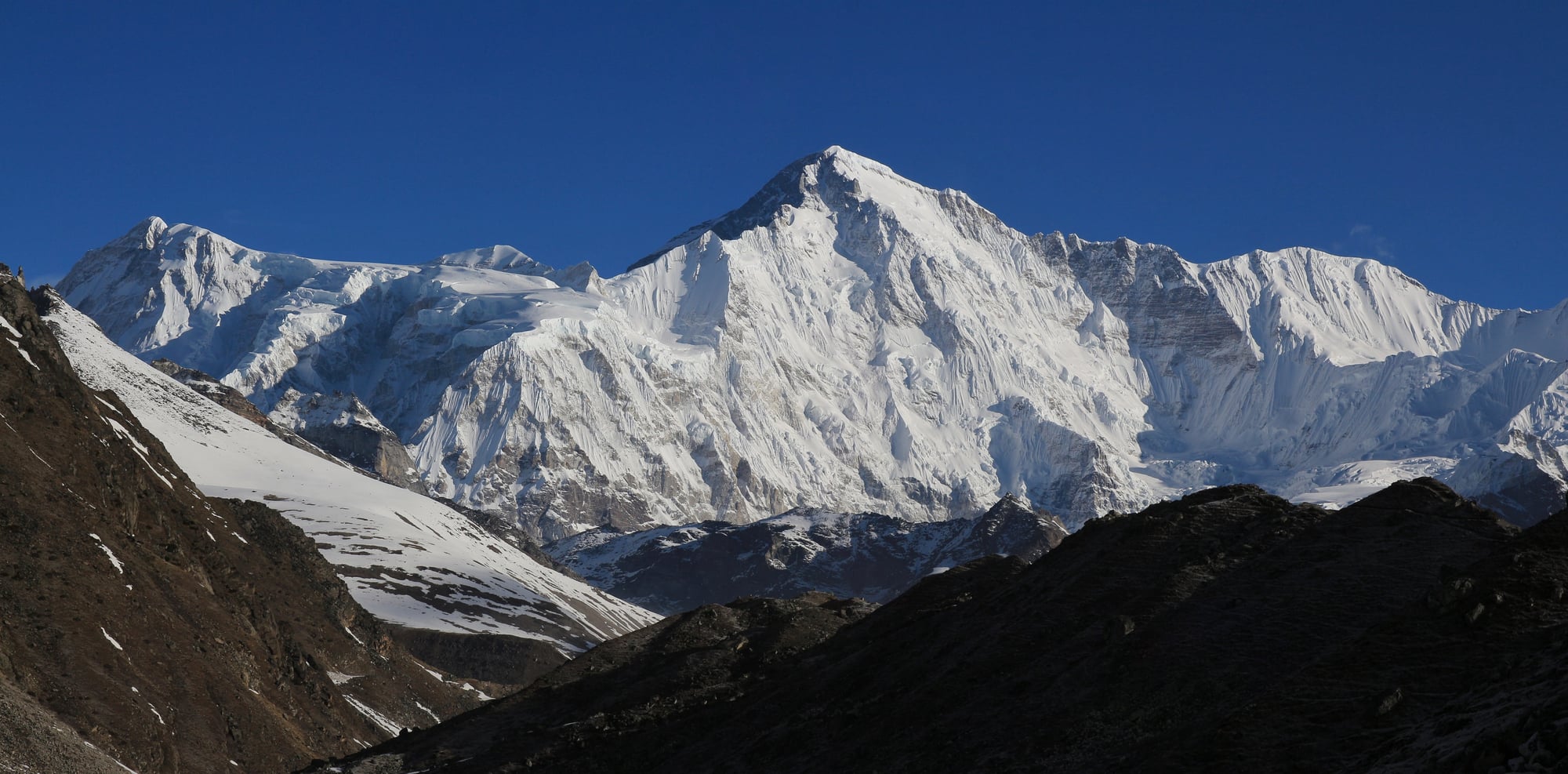
Herbert Tichy’s Austrian team attempted Cho Oyu in 1952 without a proper permit by entering Tibet, which triggered a diplomatic incident between Nepal, Tibet, and several European mountaineering federations. While not a disaster in the physical sense, it established that international climbing permits were not optional bureaucracy — a framework that now governs access to every regulated peak and which, in requiring formal expedition registration, has created the accident reporting systems that make systematic safety improvements possible.
The 1966 Eiger Tragedy and Radio Communication
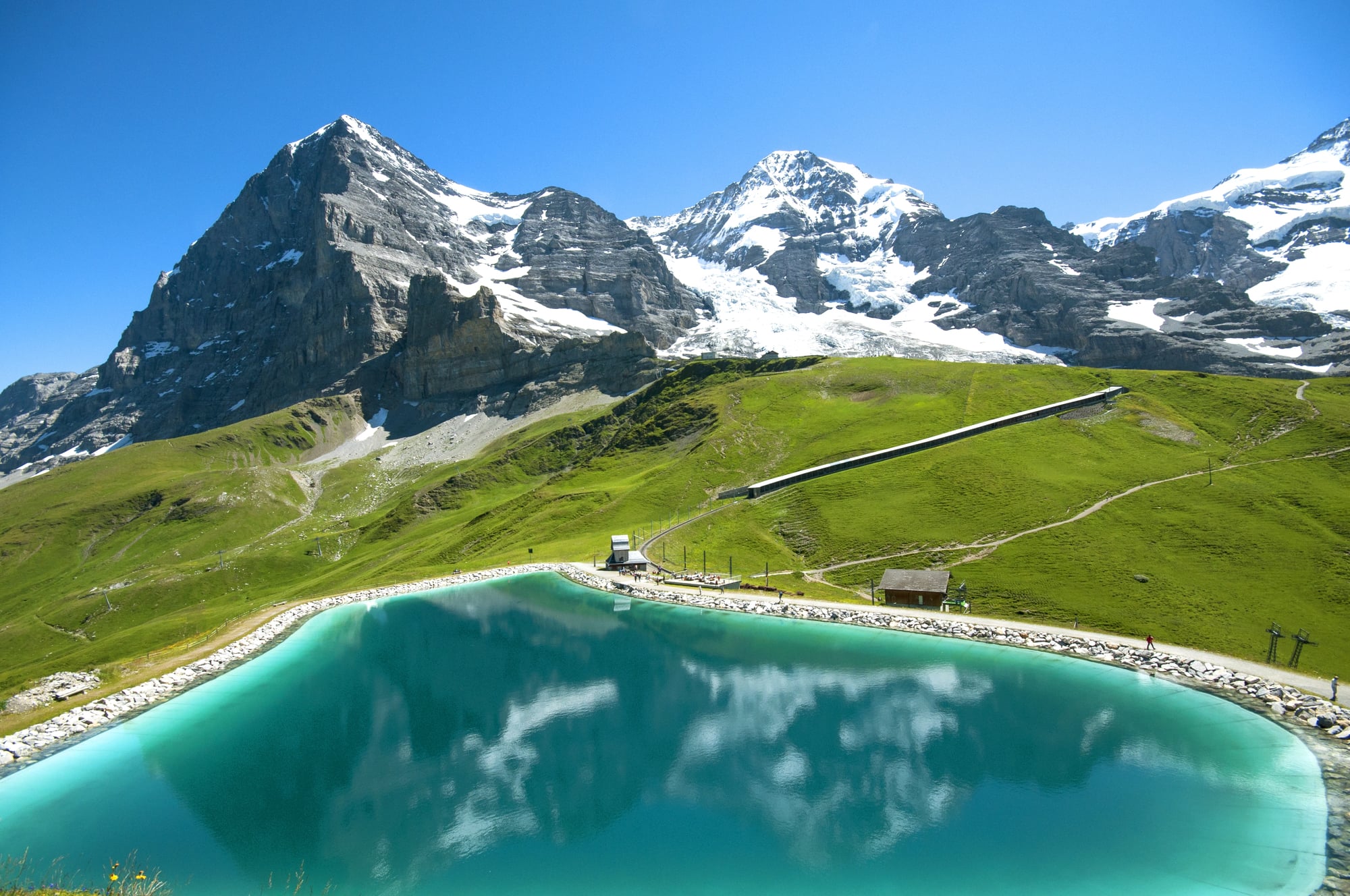
John Harlin and Dougal Haston’s attempt on the Eiger’s Direct route in 1966 ended with Harlin’s death when a fixed rope snapped and he fell the full height of the face. The accident, which happened while a blizzard was pinning Haston’s team in their snow cave, drove home the need for consistent radio check-in schedules between climbing teams and base camps.
It also changed how fixed ropes were inspected and replaced during extended expeditions.
The 1970 Annapurna South Face Expedition
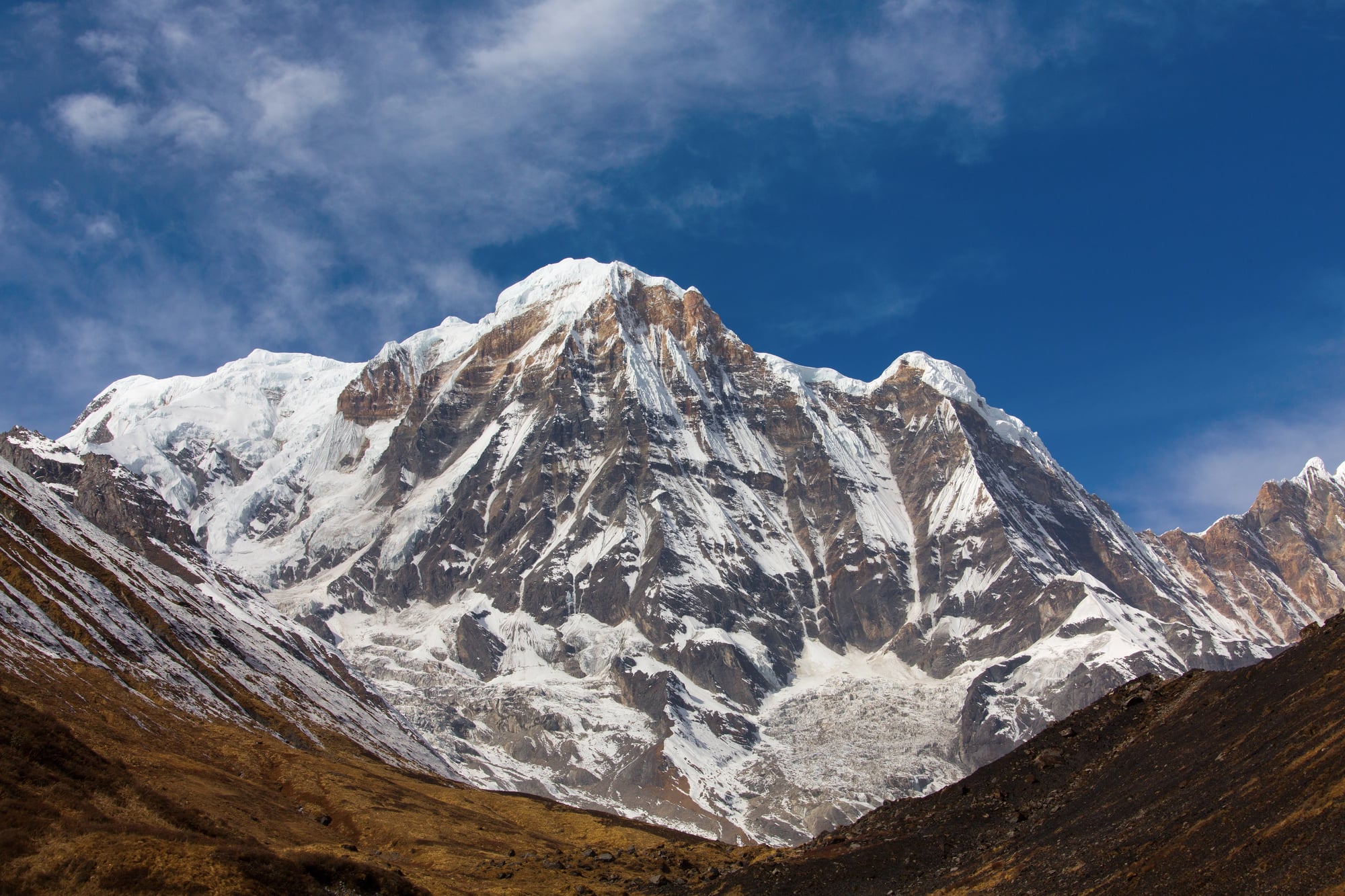
The first ascent of Annapurna’s South Face by the British team came with the death of Ian Clough, killed by a serac collapse during the descent. It was a reminder that risk does not end at the summit, and that seracs — unstable blocks of ice that can detach without warning — require active route planning to avoid rather than simply hope.
The expedition’s documentation by Chris Bonington became the template for how major expeditions plan and communicate their descent protocols.
The 1974 French Everest Expedition Deaths
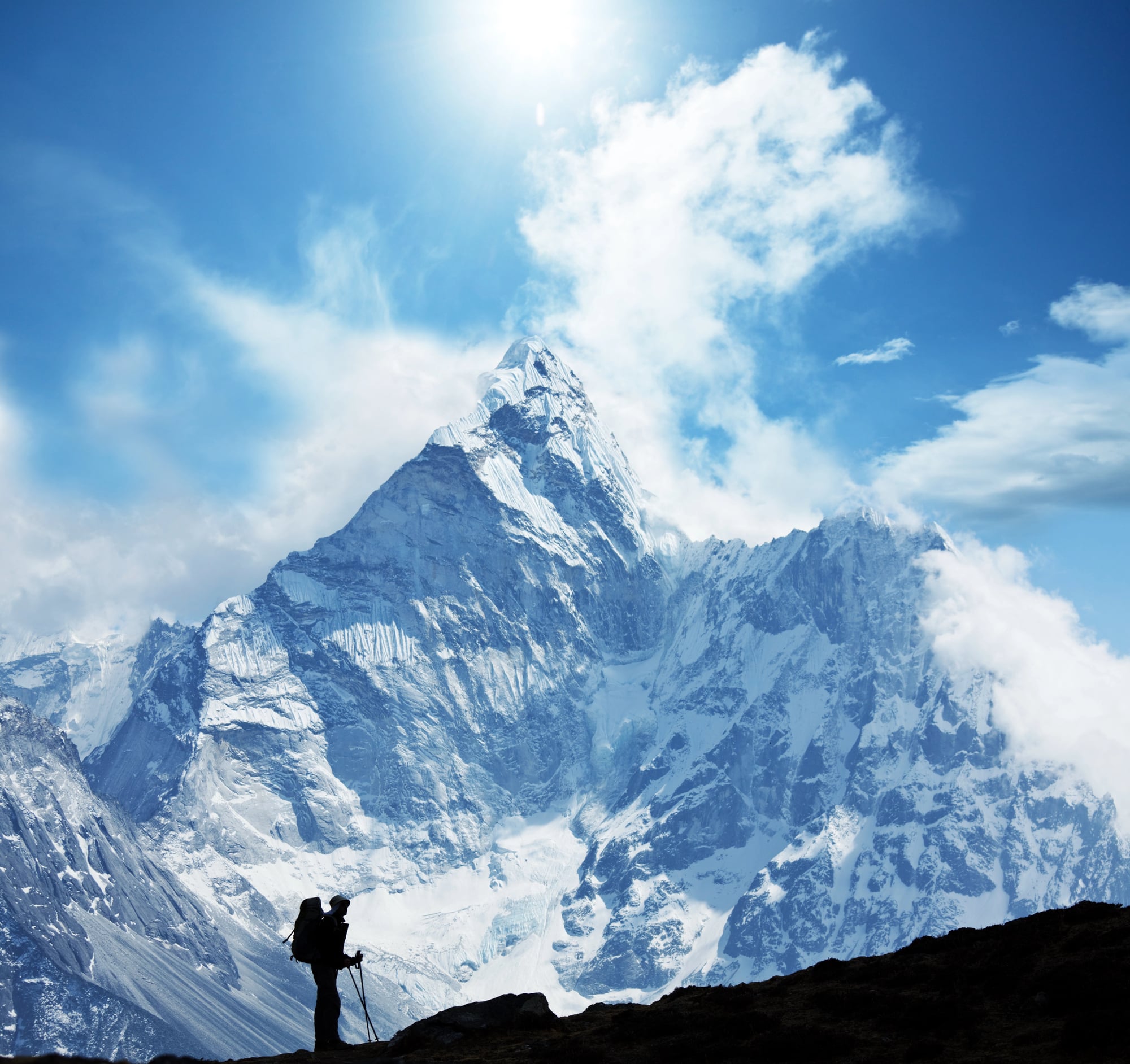
A French team suffered multiple deaths from avalanche during their 1974 Everest expedition, all occurring during load-carrying operations in the lower sections of the route. The accident led to the codification of fixed rope protocols in the Khumbu Icefall and reinforced the practice of moving through dangerous sections only in specific time windows — typically before the sun heats the slope and increases serac instability.
The 1975 Lhotse Face Accident
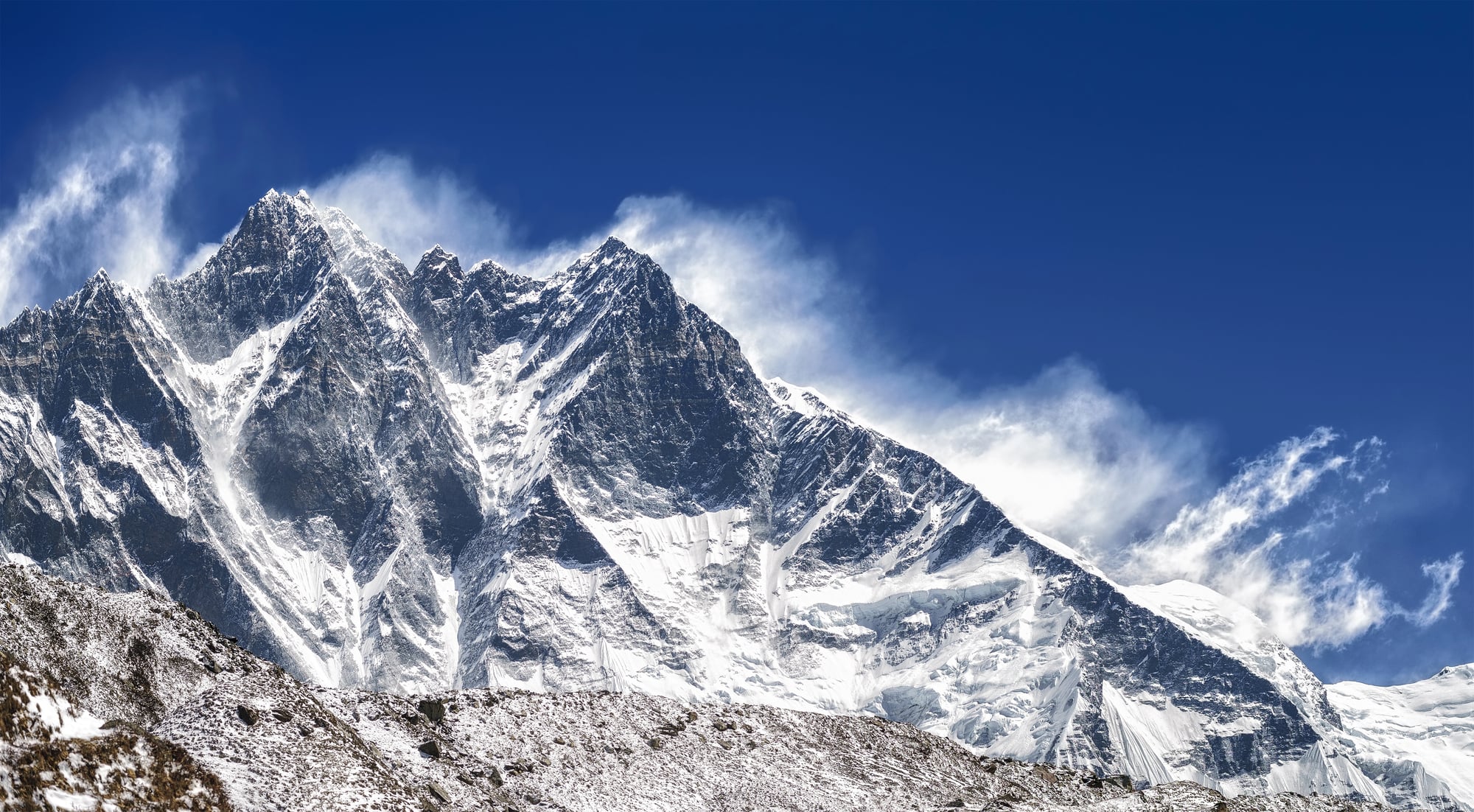
Separate from the famous 1996 disaster, deaths on the Lhotse Face over multiple seasons throughout the 1970s contributed to the standardization of crampon fitting checks, anchor systems for fixed ropes, and the protocols for clipping into and out of safety lines on steep ice. These seem like small procedural details; they are not.
Most Lhotse Face deaths involved falls during moments when climbers were transitioning between fixed rope sections.
The 1982 Soviet K2 Tragedy
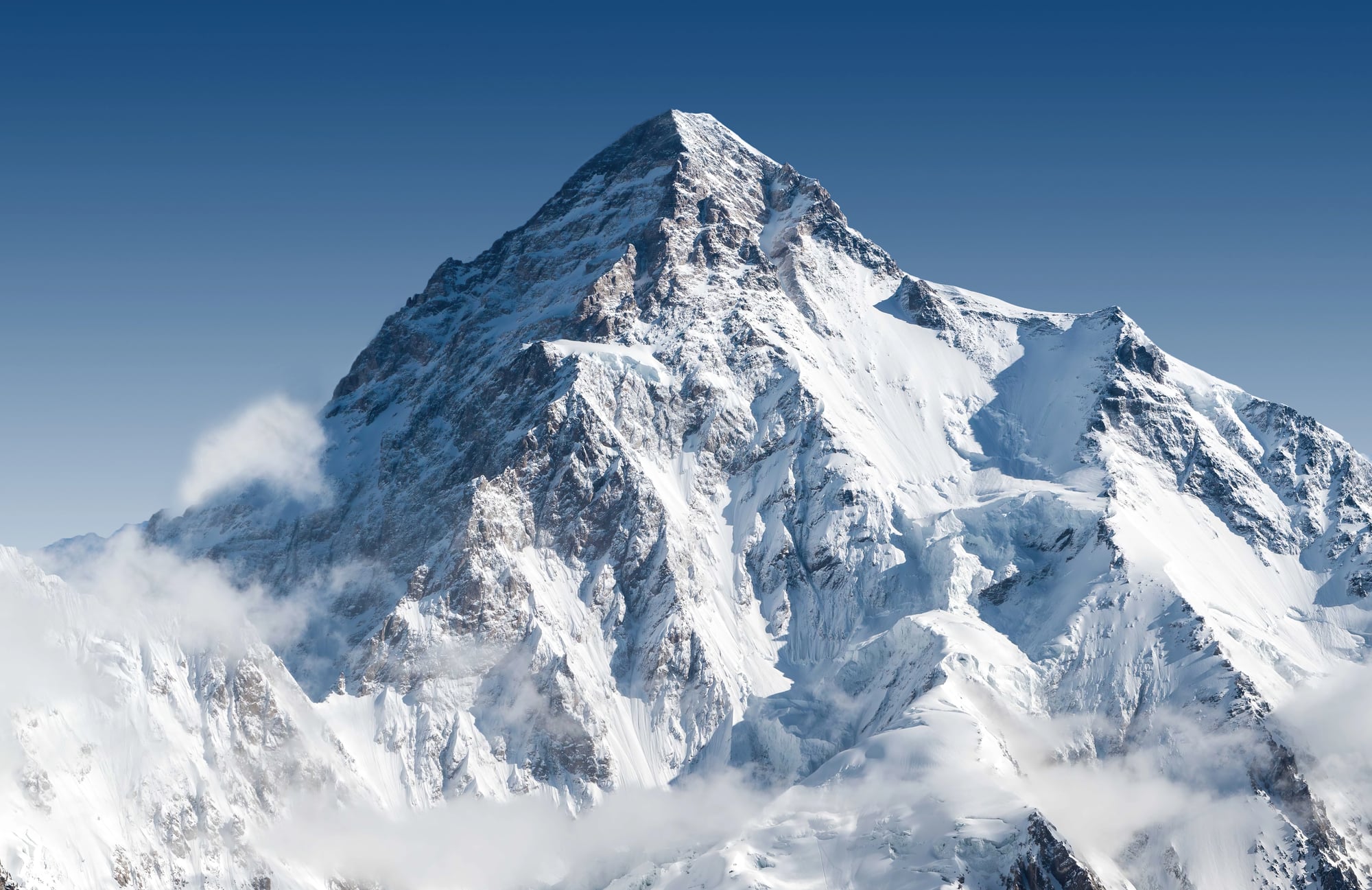
A four-person Soviet team was swept off K2 by a storm in August 1982 during what would have been the first Soviet ascent. The team had pushed into deteriorating conditions after reaching the summit and were lost during the descent.
The accident reinforced the argument for strict turnaround times — a concept that the 1982 Soviet team, like many teams before and after them, had prioritized lower than the summit itself.
The 1986 K2 Disaster
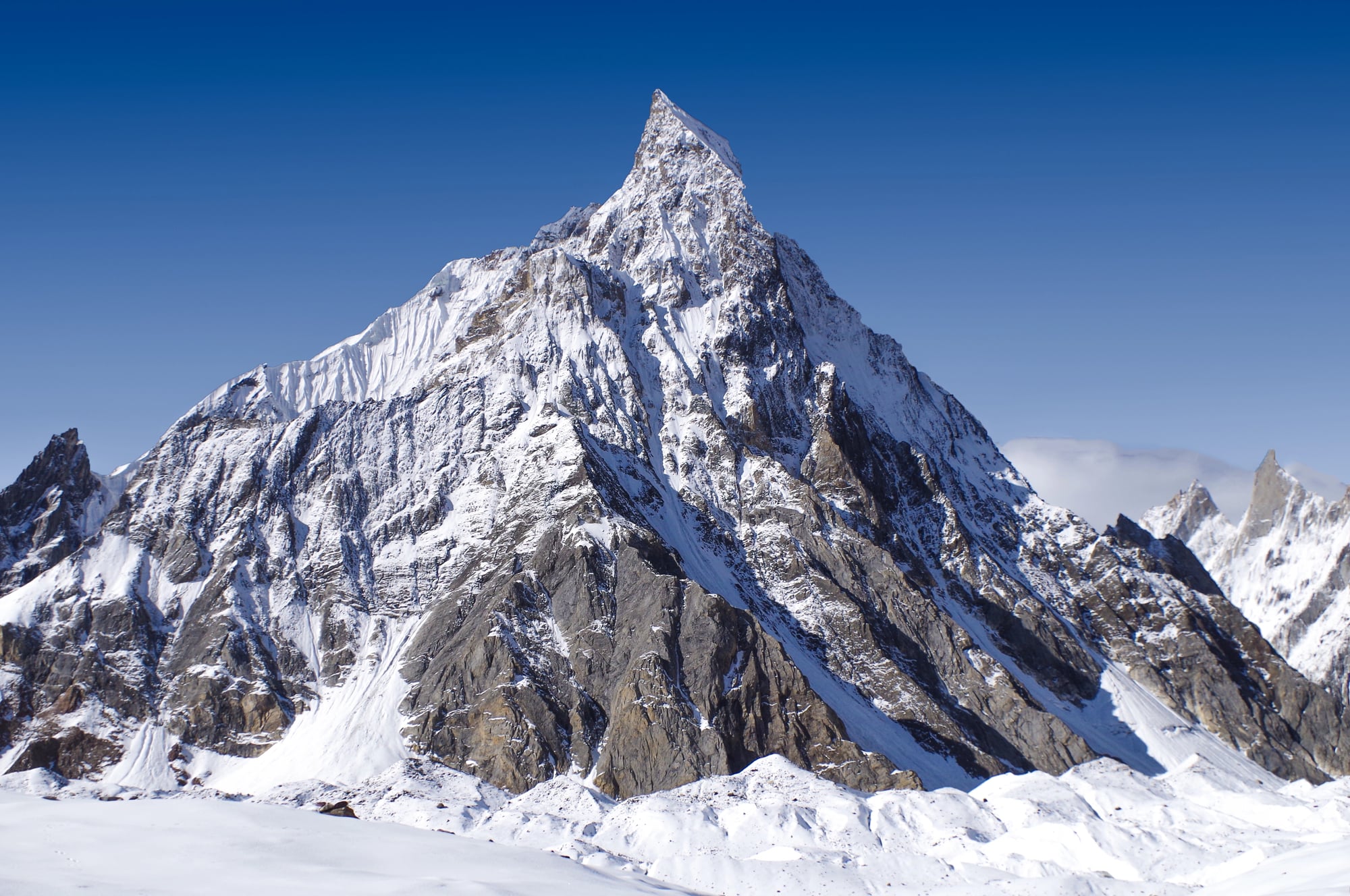
The worst K2 season on record saw 13 people die between June and August 1986, including five in a concentrated period from August 6 to 10 when a violent storm trapped multiple climbers who had summited in the preceding days. Among the dead were Alan Rouse, the first British person to summit K2, and Renato Casarotto, who died falling into a crevasse near base camp on the descent.
The disaster drove a sweeping reconsideration of descent planning, fixed rope maintenance, and how teams from separate expeditions could and should cooperate in emergencies on shared mountains.
The 1986 Mount Hood Disaster
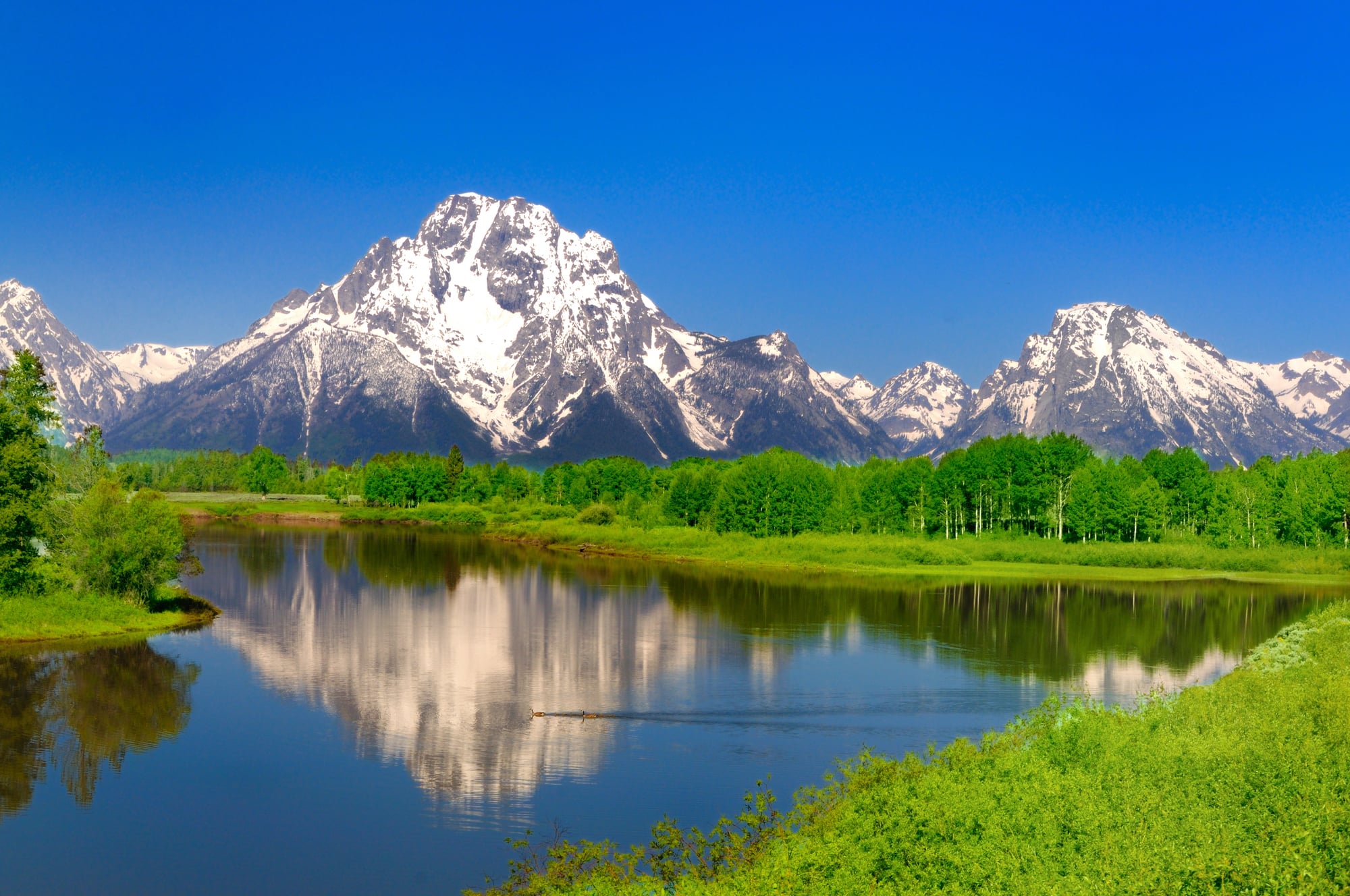
Thirteen students and two instructors from Oregon Episcopal School set out to climb Mount Hood in May 1986. A storm moved in faster than the forecast suggested, and the group attempted to dig snow caves for shelter.
Nine people died — seven students and two adults — in one of the deadliest American mountaineering accidents of the 20th century. The disaster directly changed American high school outdoor education programs, establishing new requirements for weather decision-making frameworks and mandatory turn-back conditions in youth mountaineering curricula.
The 1988 Cho Oyu Descent Deaths
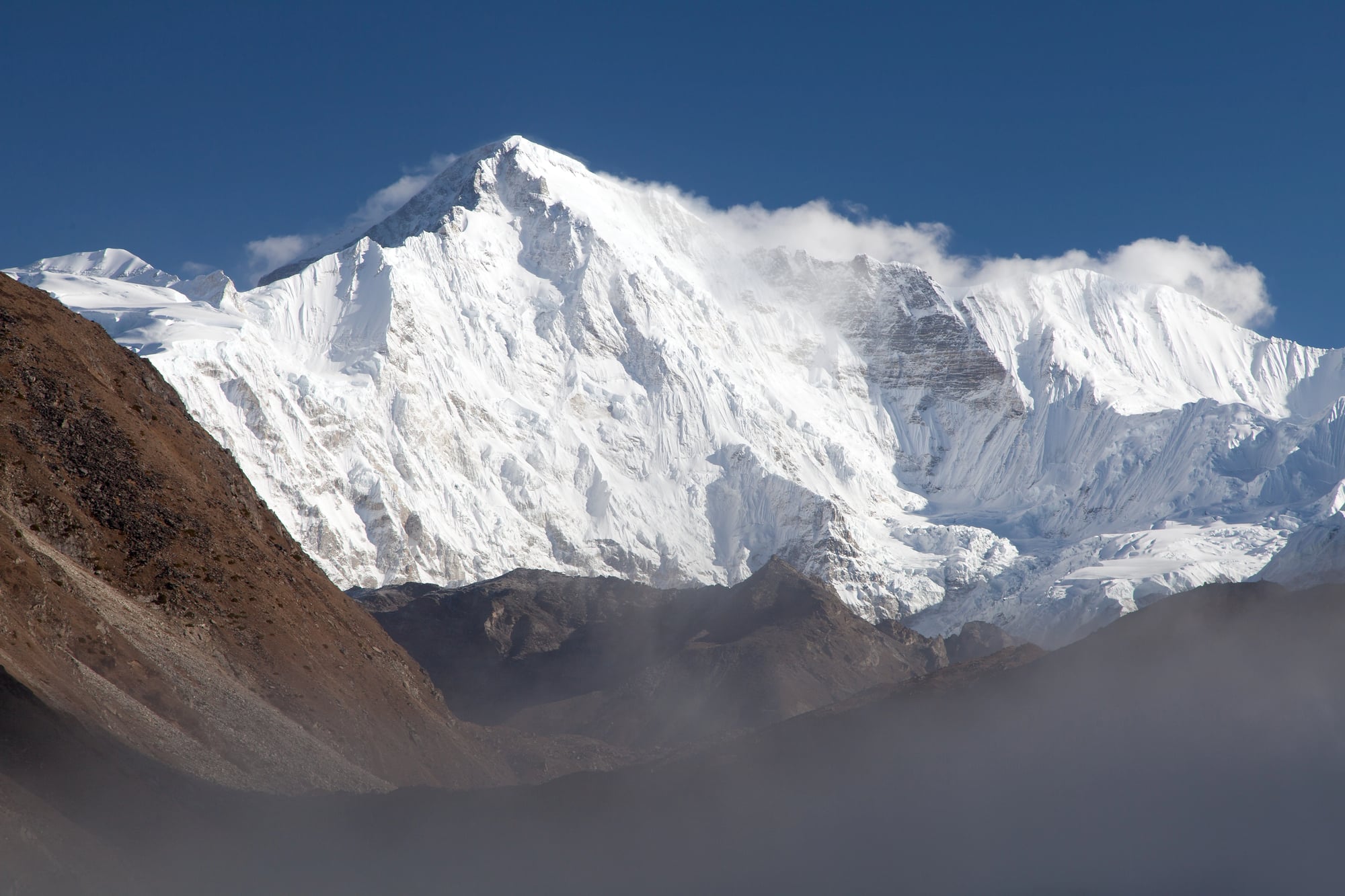
A series of deaths during descent from Cho Oyu in 1988, many involving exhausted climbers who lost control on steep sections during the final hours before reaching safety, contributed to the development of more systematic descent protocols. The practice of experienced team members descending last — rather than racing down after summit — began to be formalized after accidents that followed this pattern repeatedly.
The 1991 Eiger Speed Attempt Deaths
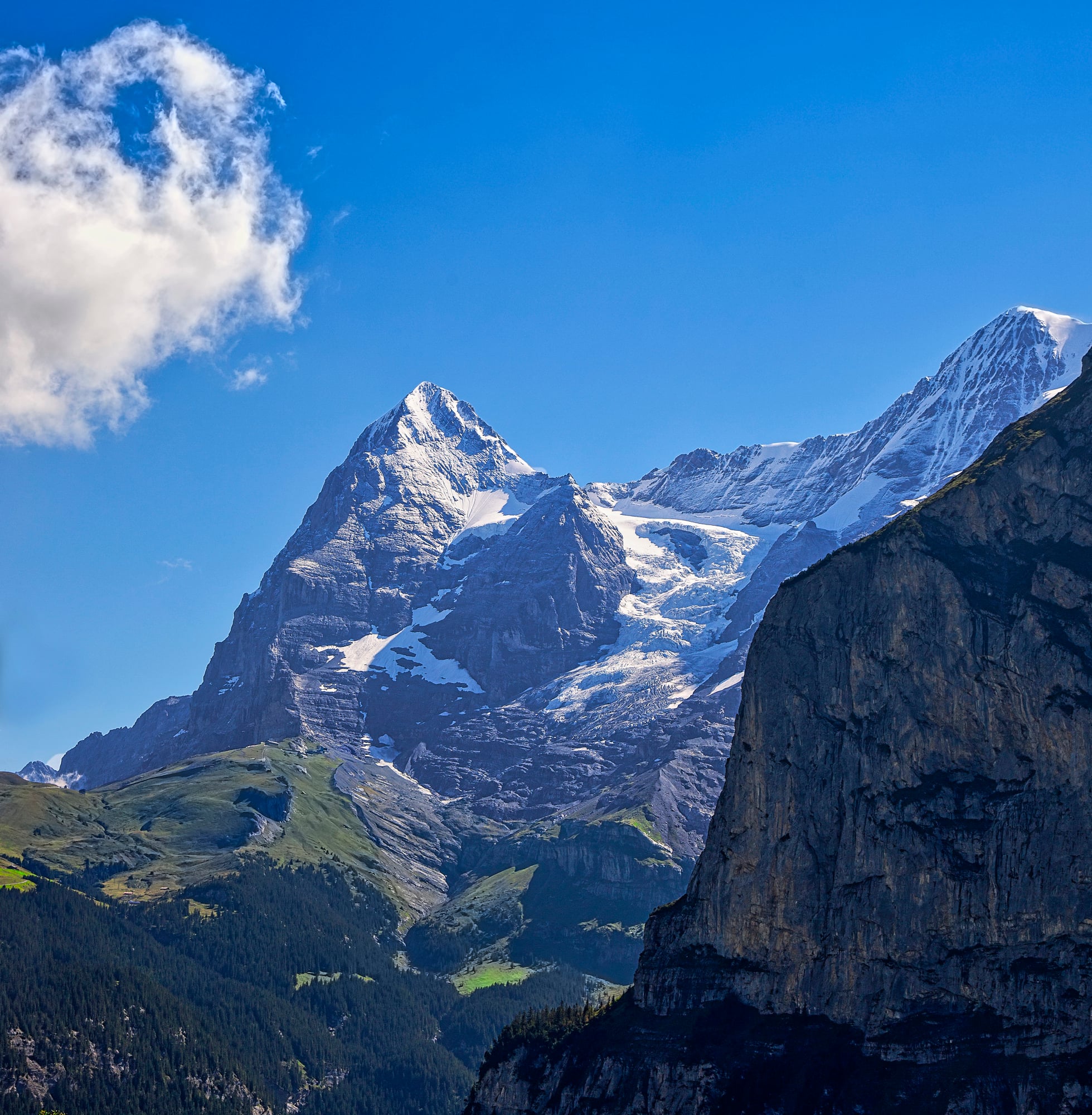
Two climbers attempting a speed ascent of the Eiger’s north face died in 1991 during what became an early case study in the specific risks of fast-and-light climbing on a technically demanding route without full bivouac gear. The accident created the first serious discussion of what minimum safety equipment should be mandatory even on speed ascents, a debate that took decades to resolve and is still ongoing in competitive alpinism.
The 1994 K2 and Broad Peak Controversy
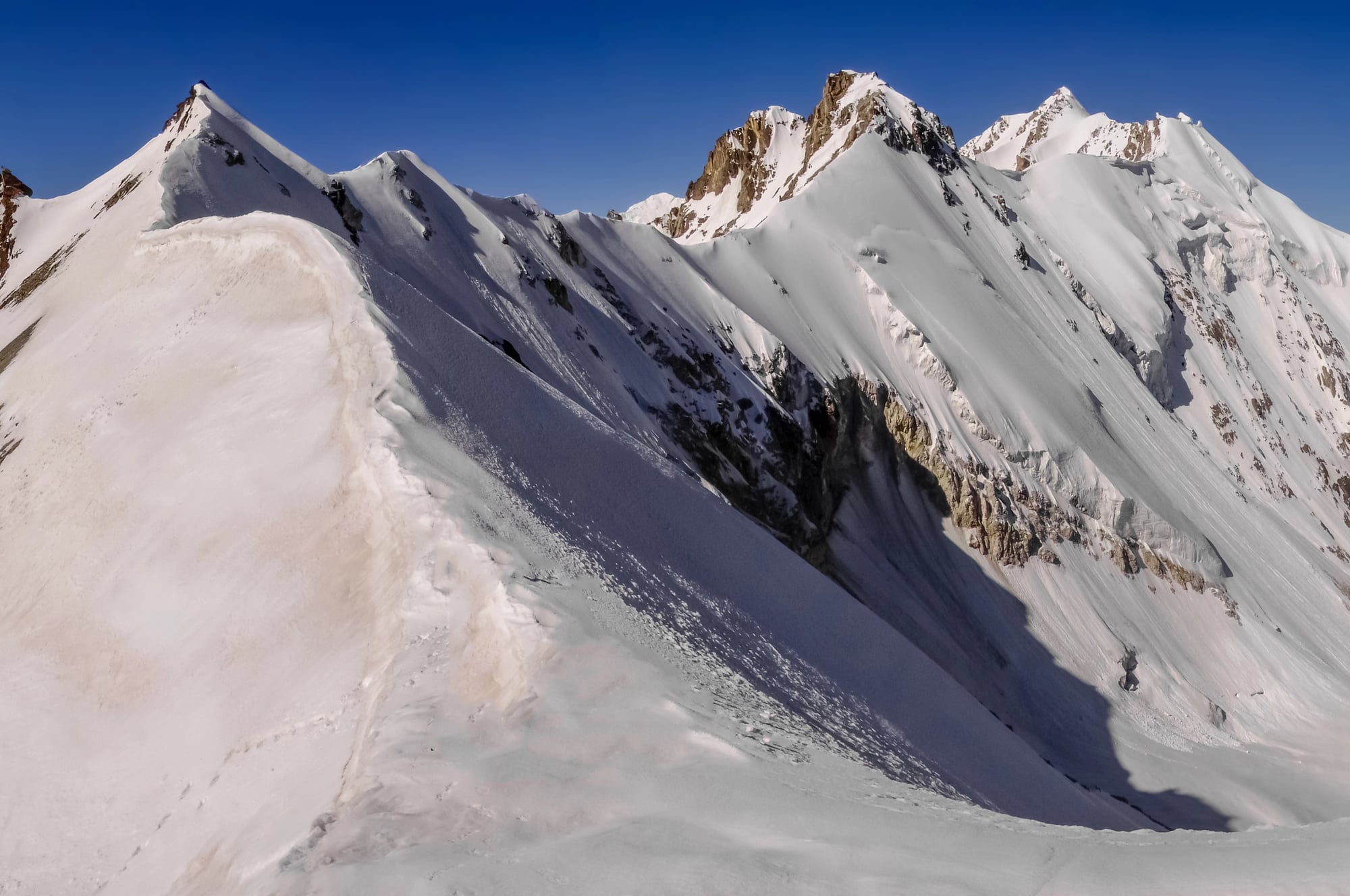
Multiple deaths on K2 and Broad Peak in 1994, combined with increasing documentation of climbers continuing to summit despite visible signs of altitude sickness in team members, led to the first formal articulation of high-altitude cerebral and pulmonary edema recognition standards for expedition physicians. The Wilderness Medical Society guidelines that emerged from this period are now used by virtually every commercial Himalayan expedition.
The 1996 Mount Everest Disaster
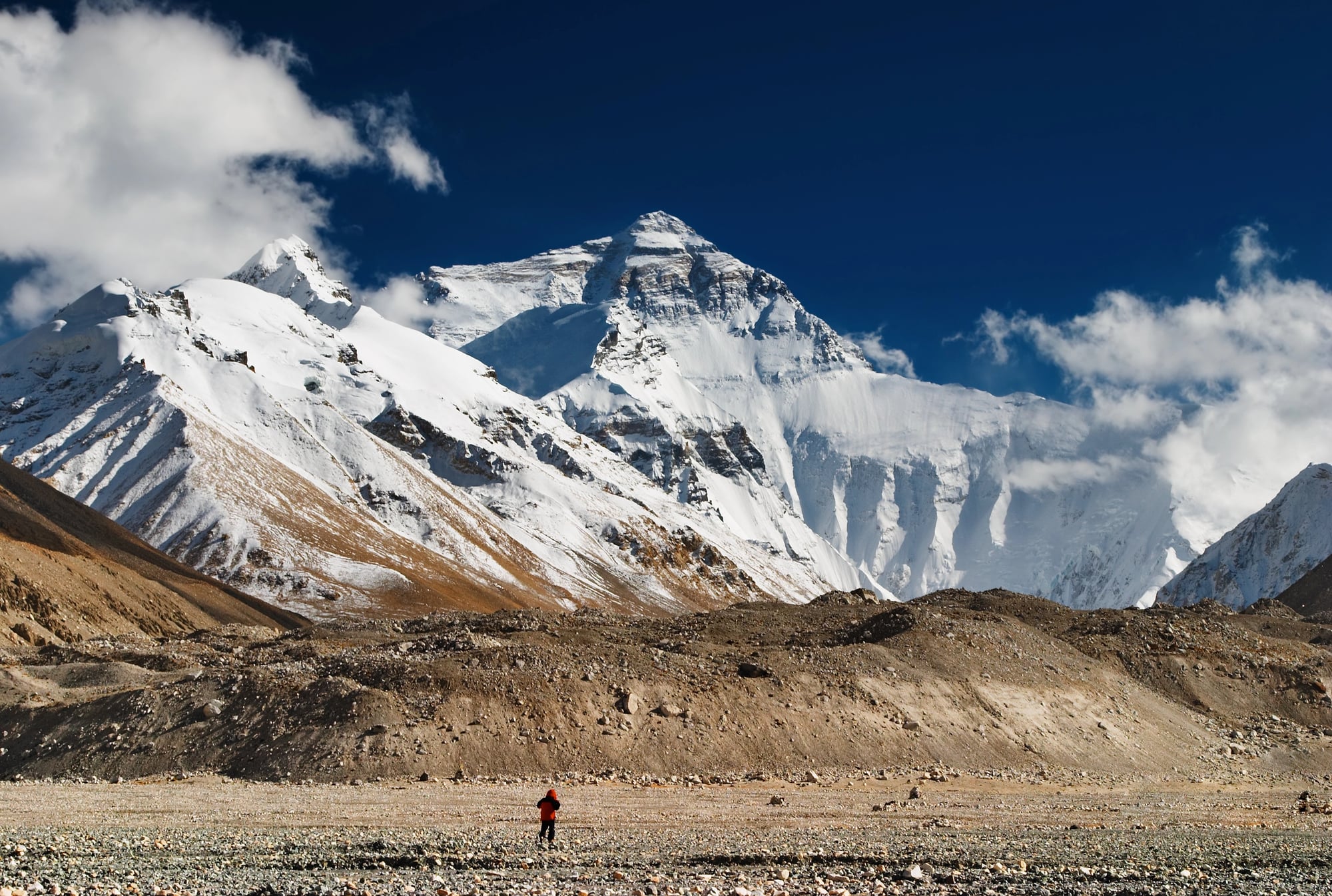
Eight climbers died on May 10 and 11, 1996, after a sudden storm trapped multiple teams descending from the summit, including experienced guides Rob Hall and Scott Fischer. Hall died at the South Summit after making his last radio call to his wife from above 8,700 meters.
The disaster, documented by Jon Krakauer in “Into Thin Air,” permanently changed the conversation about commercial Everest guiding, strict 2 p.m. turnaround times, the risk of overcrowding at bottlenecks like the Hillary Step, and whether oxygen levels and weather forecasting were adequate for the volume of people attempting the mountain.
The 1997 Latok I First Attempt Outcomes
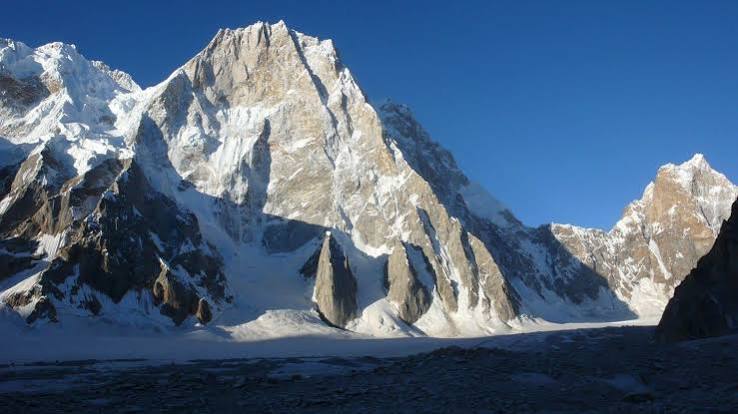
Repeated near-misses on Latok I’s North Ridge throughout the 1990s, including a 1997 attempt that ended in a serious rescue operation, contributed to the development of satellite communication protocols for remote Karakoram expeditions. Before the era of sat phones, teams on walls far from base camp could not call for help.
The gradual introduction of these tools was partly driven by the recognition that some routes had no margin for the communication delays that caused survivable accidents to become fatal ones.
The 2008 K2 Disaster
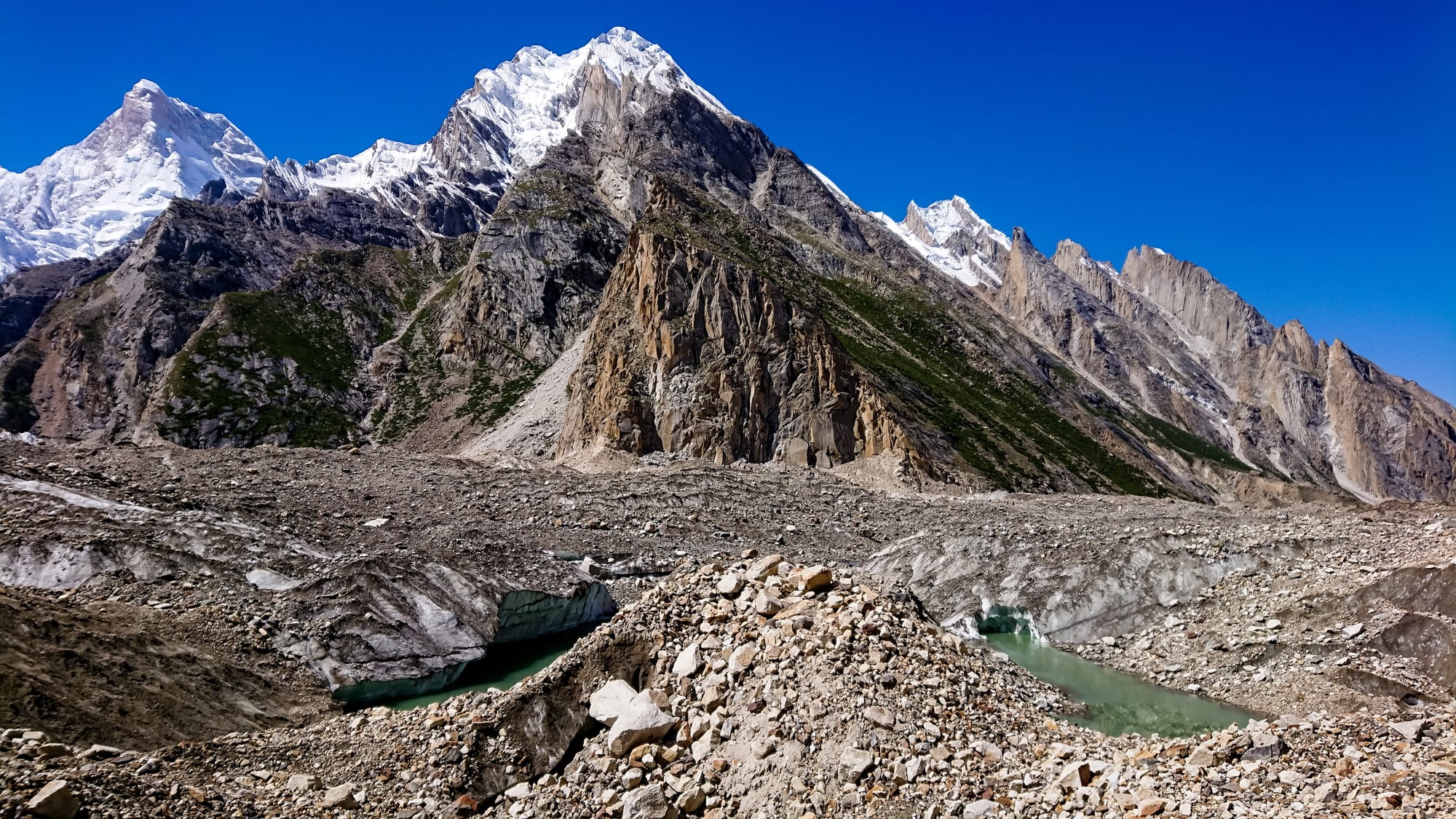
Eleven climbers from multiple nations died on August 1 and 2, 2008, in the worst K2 accident in the mountain’s history. A serac collapse destroyed fixed ropes in the Bottleneck section as climbers were descending from a mass summit day, leaving teams unable to find the route down.
The accident drove a review of how fixed rope placement was managed in the Bottleneck — a section where seracs above had always posed a known risk — and raised new questions about the safety implications of multiple expeditions sharing a single line of descent.
The 2010 Manaslu Deaths
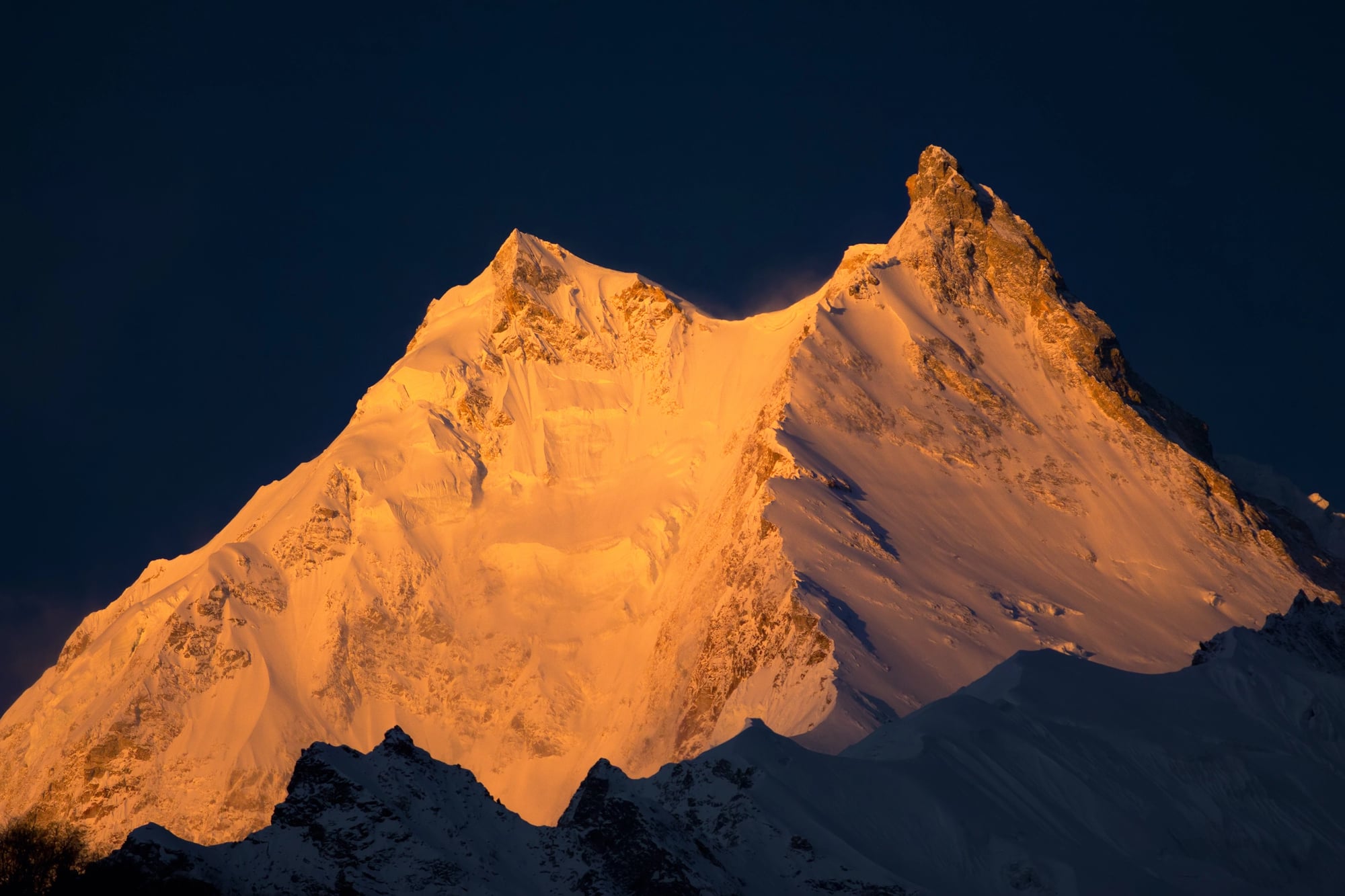
A series of deaths on Manaslu during the 2010 season, primarily from avalanche on the standard route, led Nepal’s mountaineering authorities to begin reviewing whether the normal routes on several popular eight-thousanders had become dangerously over-trafficked. The resulting discussions eventually contributed to updated camp placement guidelines and the requirement for avalanche assessment reports from route-fixing teams before the main climbing season begins.
The 2012 Manaslu Avalanche
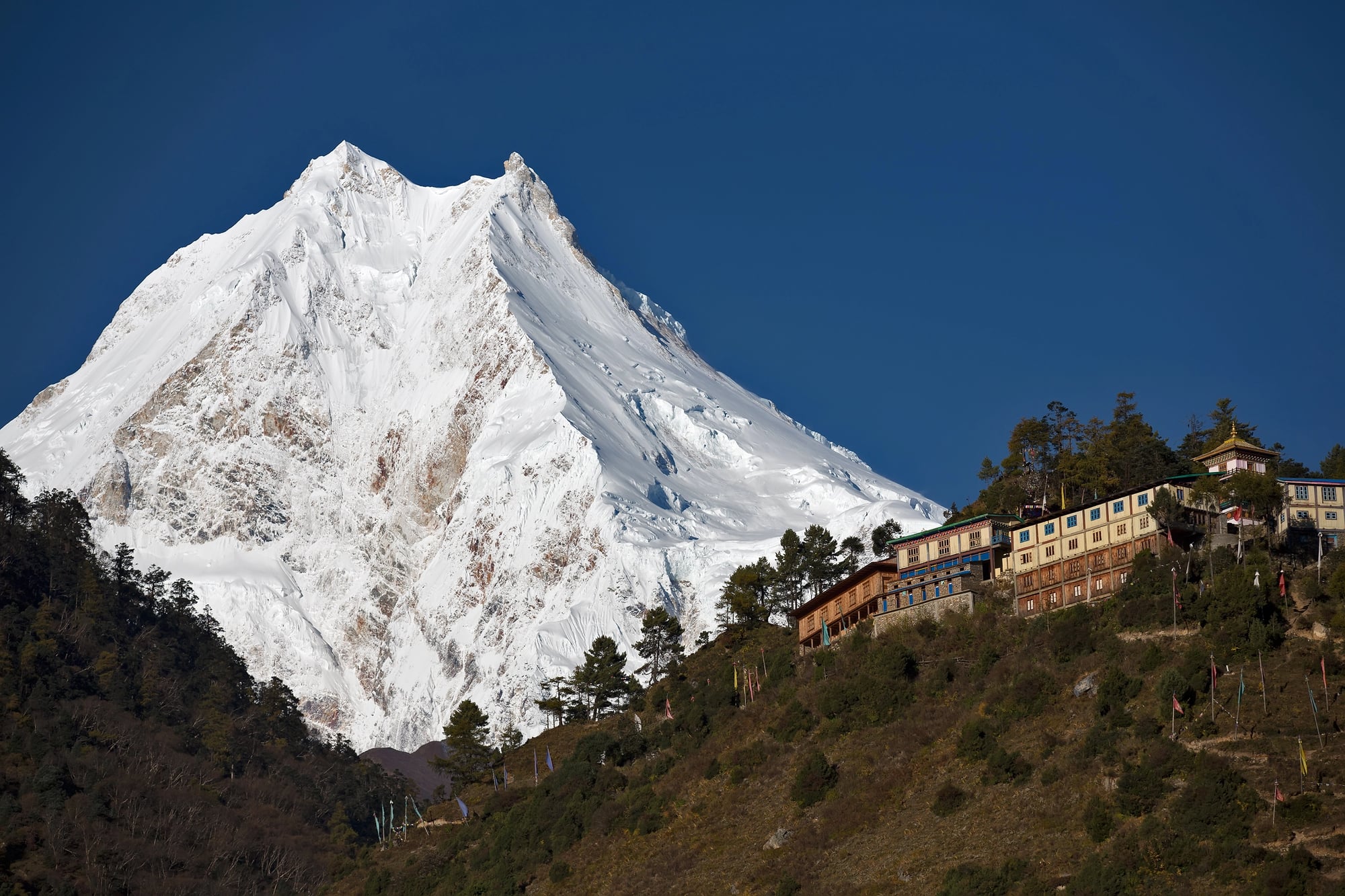
An avalanche on September 23, 2012, struck Camp III on Manaslu during the night, killing nine climbers and injuring others. The timing — at night, in an established high camp — underlined that the danger of camping beneath serac zones was not hypothetical.
The disaster reinforced route-finding guidelines for camp placement that had existed on paper but been widely ignored in practice due to the lack of alternative flat sites.
The 2014 Khumbu Icefall Avalanche
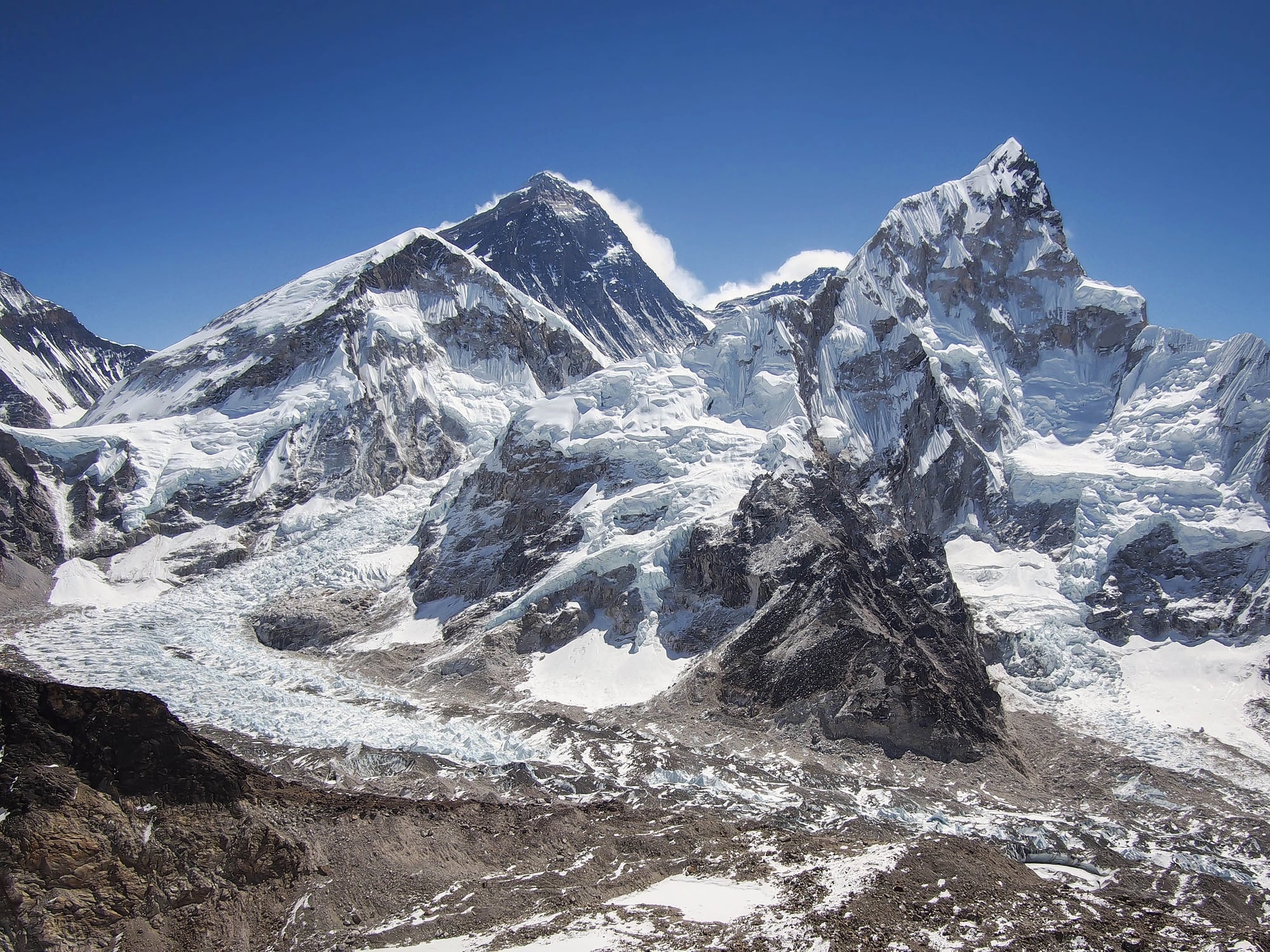
On April 18, 2014, a serac collapsed above the Khumbu Icefall and killed 16 Nepalese workers who were fixing ropes and carrying loads through the most dangerous section of the standard Everest route. The victims were carrying equipment for commercial expeditions and made multiple crossings of the icefall daily — a pattern that put them at exponentially higher risk than the paying clients they supported.
The disaster triggered a season-long strike and the closure of Everest that year, and led to direct changes in worker compensation, insurance requirements for high-altitude workers, and the first formal protocols limiting the number of icefall crossings per worker per season.
The 2015 Nepal Earthquake on Everest
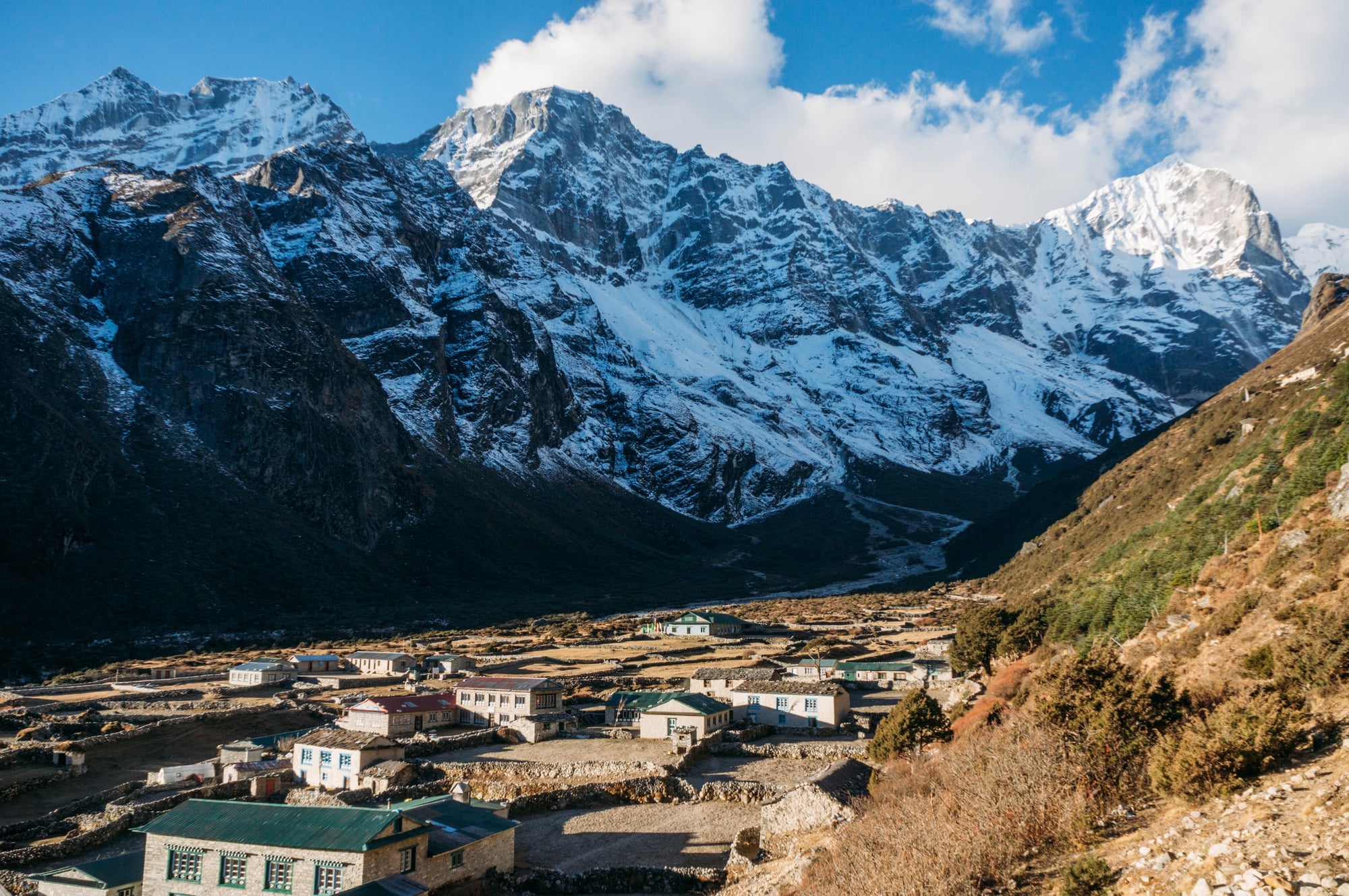
The April 25, 2015 earthquake that killed nearly 9,000 people in Nepal also triggered a massive avalanche from Pumori that swept through Everest Base Camp, killing 22 people and injuring many more. The disaster forced a complete rethinking of base camp layout — specifically, which sections of the Khumbu Glacier are suitable for long-term occupation and which sit in avalanche runout zones.
Subsequent seasons saw base camps redesigned and repositioned on several Himalayan peaks.
The 2016 Rolwaling Ridge Accident
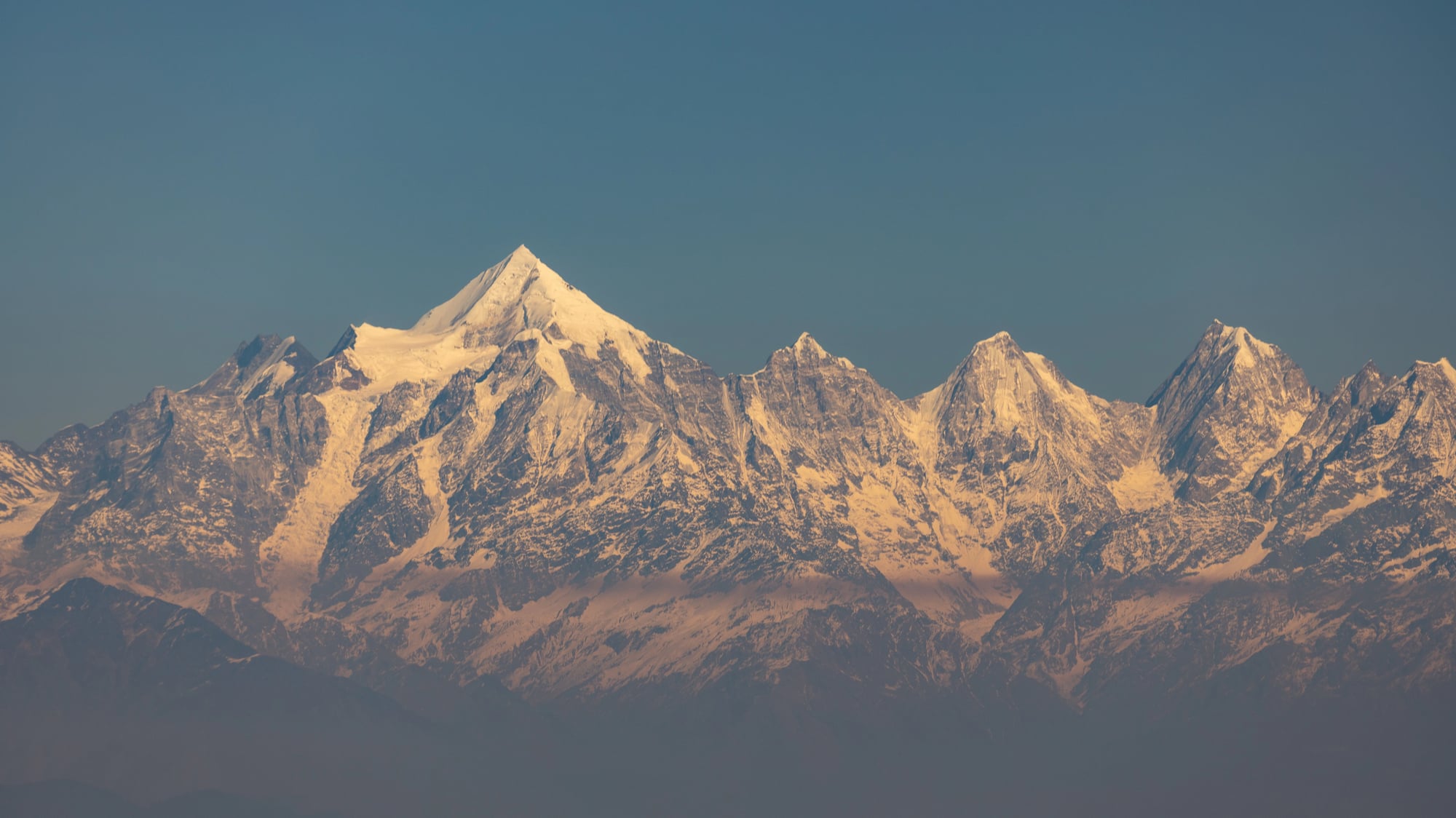
A group of climbers attempting a traverse in the Rolwaling region of Nepal lost several members in an accident that highlighted the specific risks of remoteness combined with limited weather forecasting in smaller Himalayan ranges. The accident contributed to the expansion of Nepal’s mountain rescue services beyond the most commercially active peaks, and to the introduction of mandatory satellite beacon requirements for certain remote expedition categories.
The 2018 Meru Vertical Mile Winter Attempt
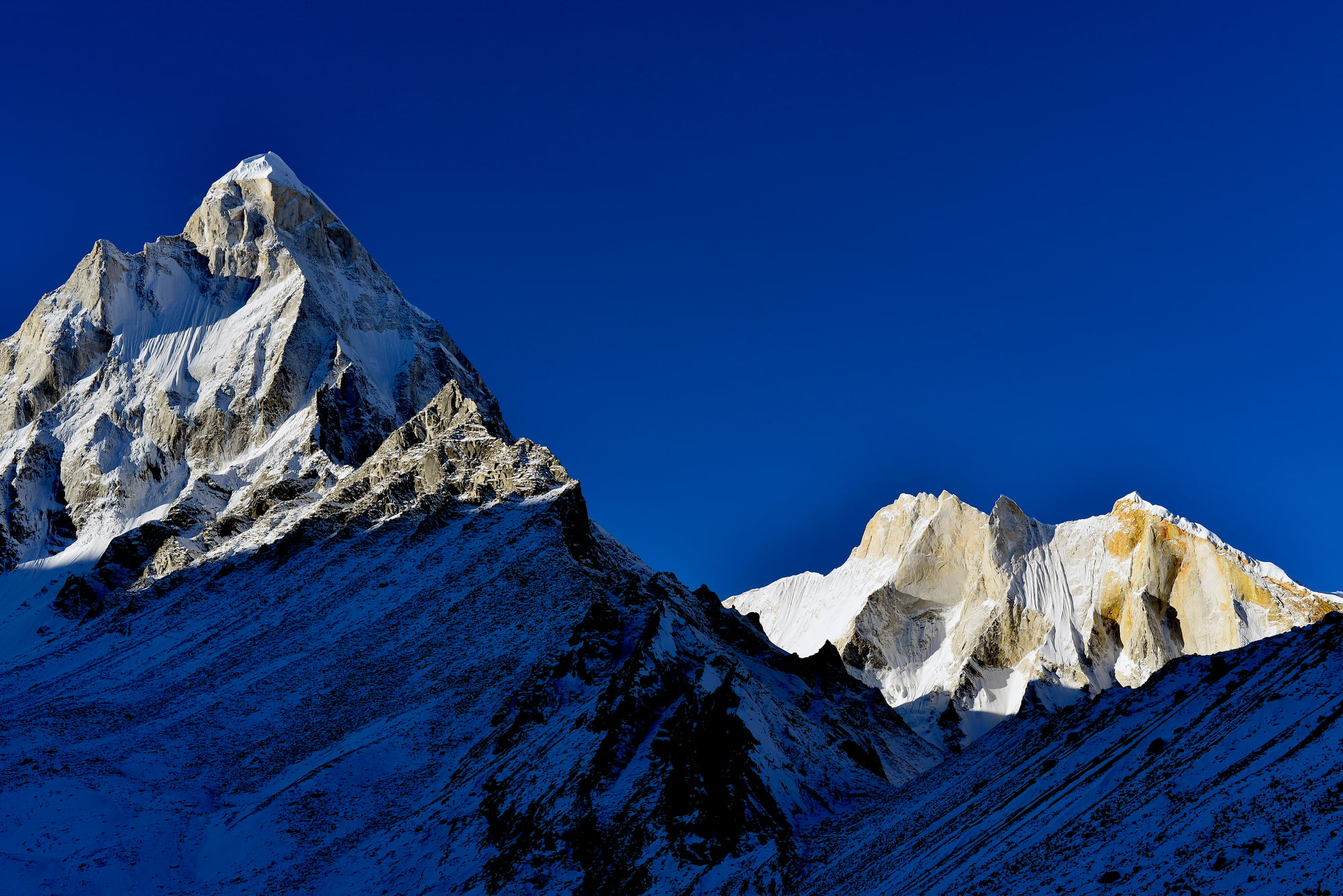
A winter attempt on a previously unclimbed line on Meru Peak in 2018 ended in frostbite injuries serious enough to require helicopter evacuation and partial amputations. The detailed account published by the team contributed to updated cold injury management protocols, specifically around the decision-making timeline for initiating evacuation versus continuing a descent versus sheltering in place when circulation damage is suspected.
The 2019 Everest Overcrowding Season
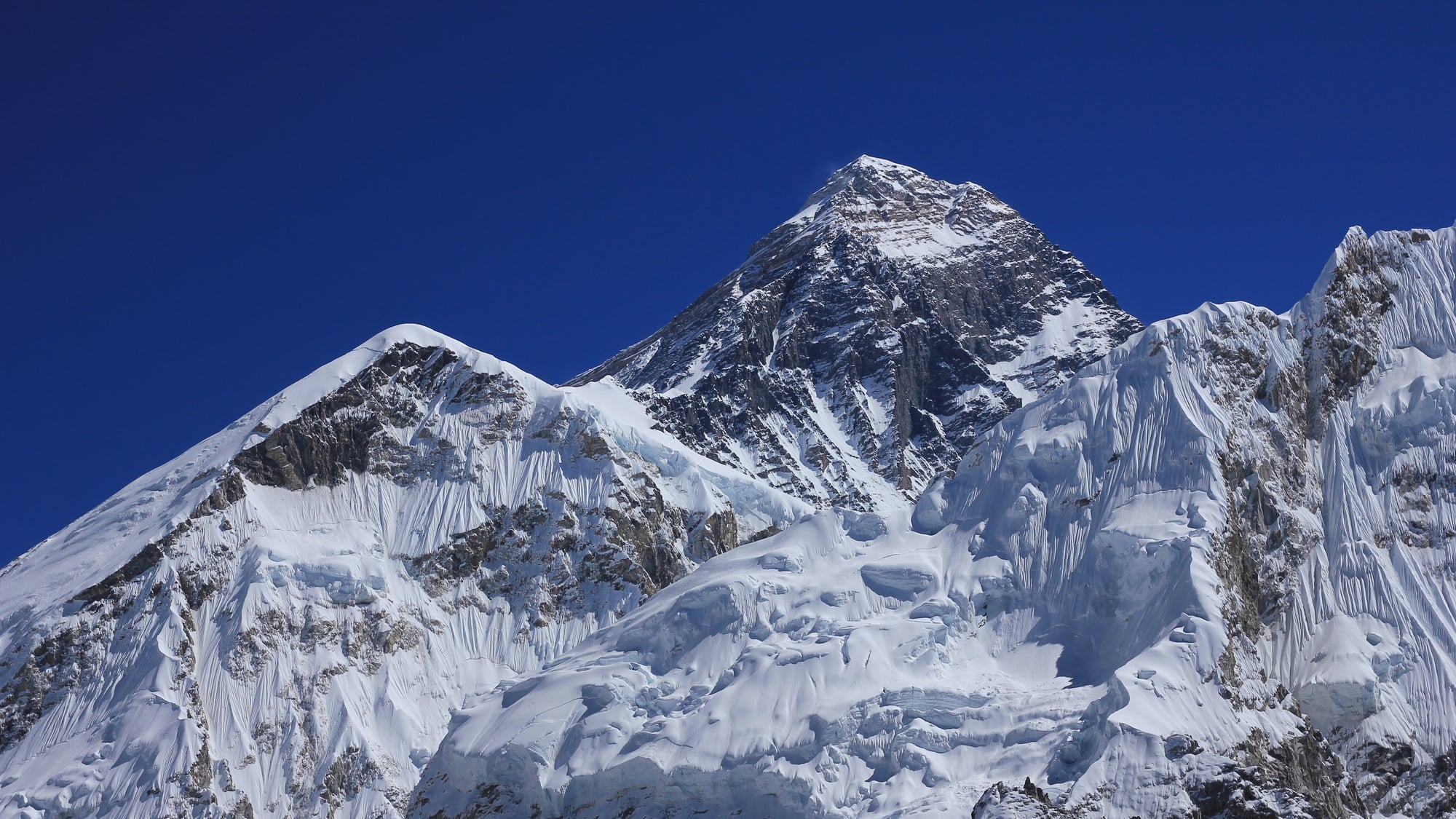
No single disaster occurred in 2019, but the photographs of hundreds of climbers queued on fixed ropes below the Hillary Step — and the multiple deaths that followed from exhaustion and exposure while people waited in line near the summit — drove Nepal’s government to introduce tighter permit requirements, minimum experience standards for commercial Everest clients, and restrictions on the number of permits issued per season. The change came from an accumulation of preventable deaths, not one catastrophic event.
The 2021 K2 Winter Disaster
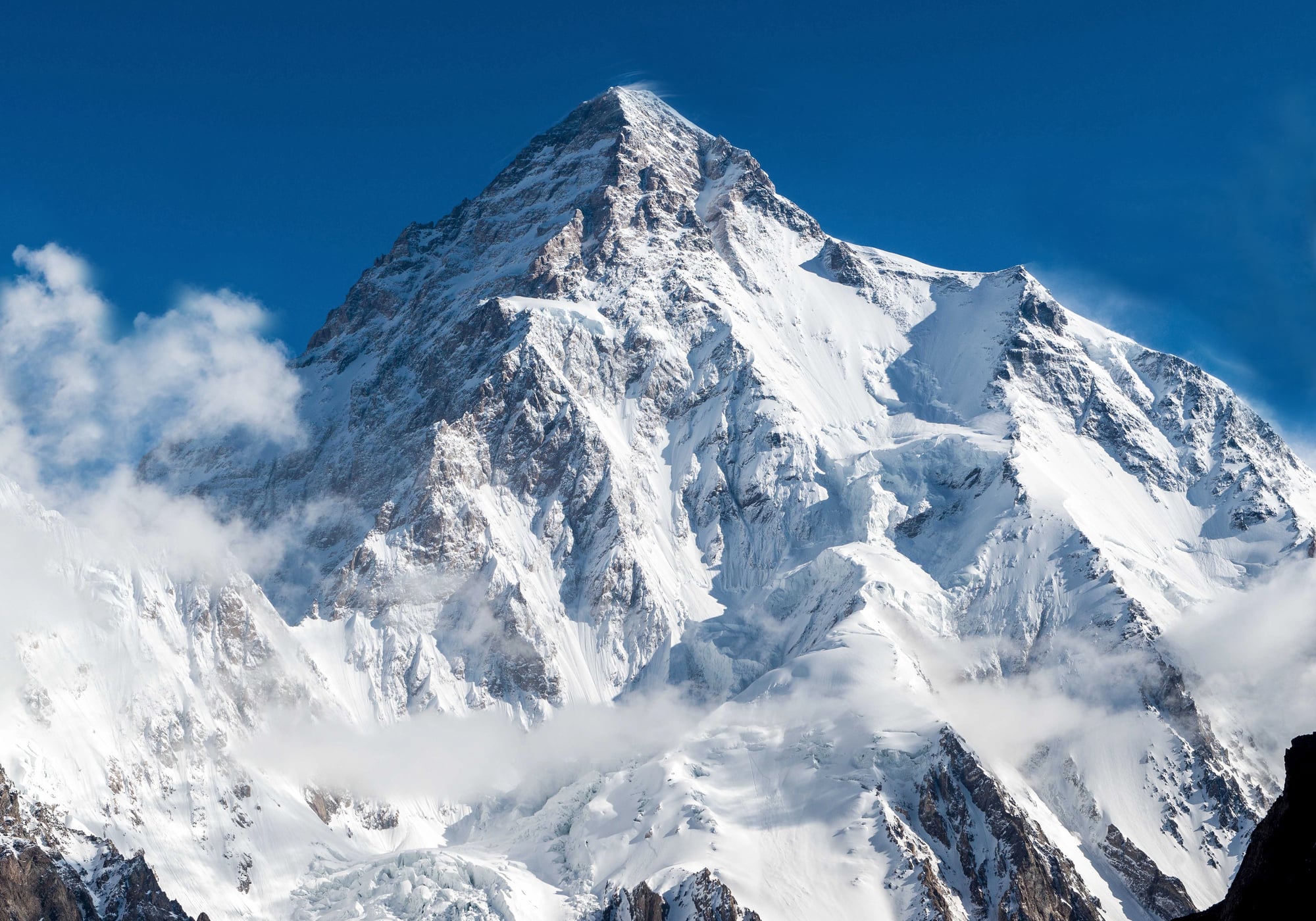
Separate from the successful Nepalese first winter ascent in January 2021, the subsequent attempt by a Spanish-Pakistani team in the same winter season ended with the disappearance of John Snorri Sigurjonsson, Muhammad Ali Sadpara, and Juan Pablo Mohr during a summit push. Their deaths, occurring on the same mountain where the history-making ascent had happened just weeks earlier, underlined that the first winter ascent had not made K2 safe in winter — it had simply moved the bar for what was considered possible.
The search operation drove improvements in avalanche beacon protocols for remote K2 search-and-rescue logistics.
The 2022 Marmolada Serac Collapse
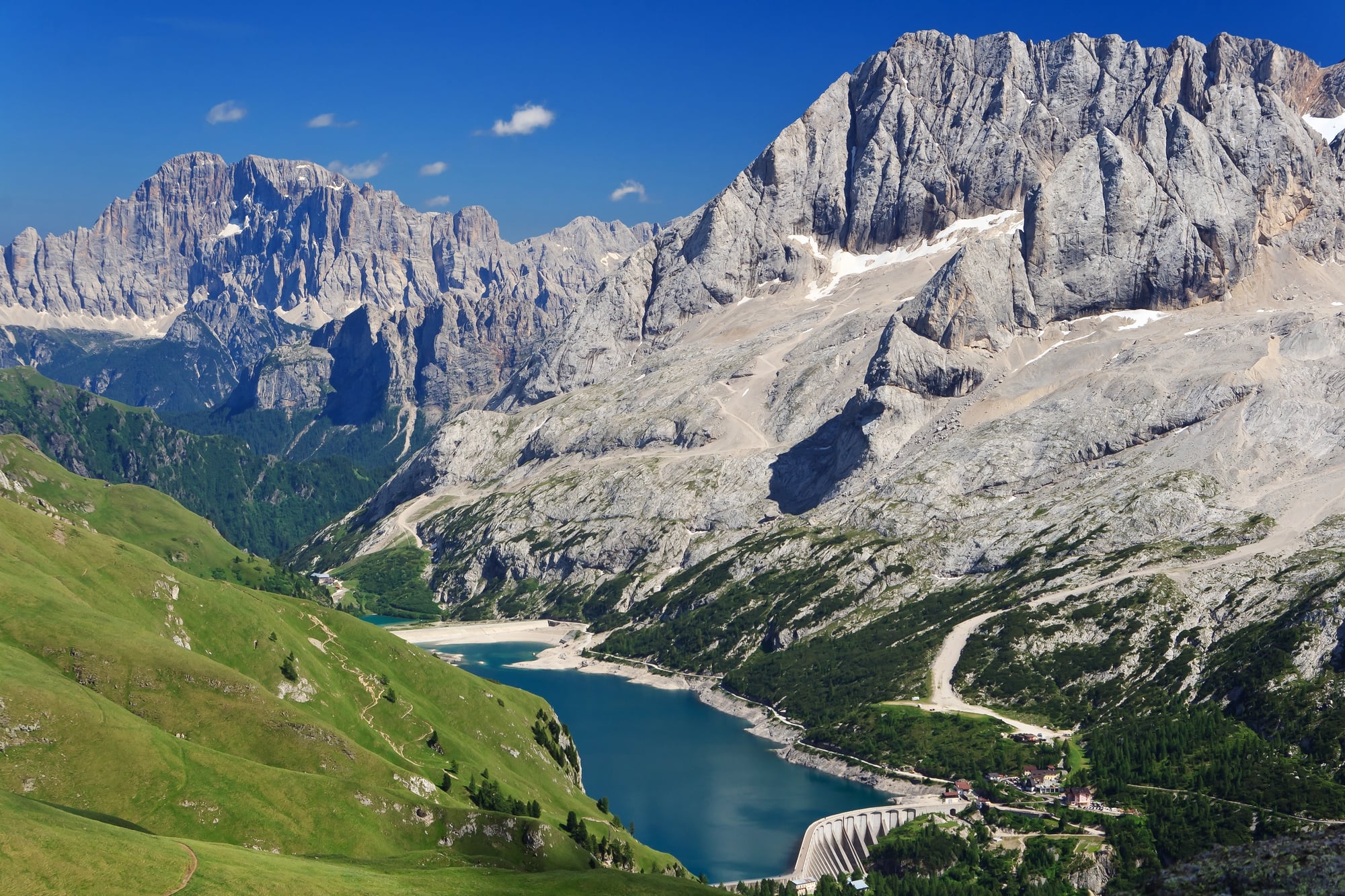
On July 3, 2022, a massive serac collapse on the Marmolada — the highest peak in the Dolomites — killed 11 people who were climbing a standard summer route. The collapse occurred during a European heat wave, and the connection between unusually high temperatures and increased serac instability was impossible to ignore.
The disaster triggered the first formal Italian guidelines for suspending climbing activity on glacier routes during extreme heat events, a protocol now being studied for adoption across other Alpine nations.
The 2023 Nanga Parbat Winter Attempt Tragedy
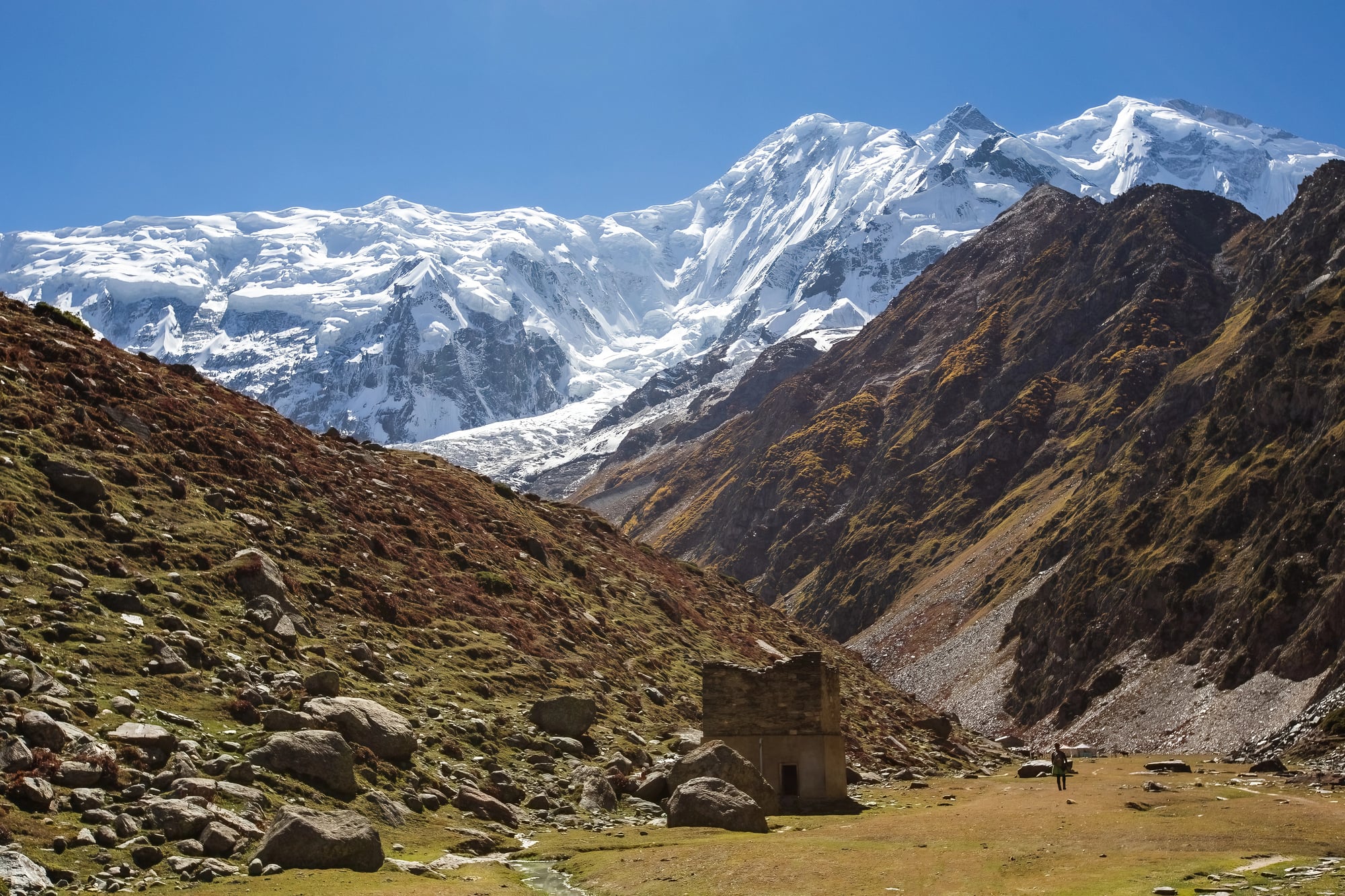
A winter attempt on Nanga Parbat in 2022-23 ended with the death of climber Sadpara’s son, Sajid Ali Sadpara, during a descent in extreme conditions. The loss, coming after his father had died on K2 in 2021, highlighted the inter-generational cost borne by Pakistani high-altitude climbers and renewed calls within the mountaineering community for standardized rescue funds and survivor support systems for families of mountain workers on all 8,000-meter peaks.
What the Mountain Writes the Manual
A winter attempt on Nanga Parbat in 2022-23 ended with the death of climber Sadpara’s son, Sajid Ali Sadpara, during a descent in extreme conditions. The loss, coming after his father had died on K2 in 2021, highlighted the inter-generational cost borne by Pakistani high-altitude climbers and renewed calls within the mountaineering community for standardized rescue funds and survivor support systems for families of mountain workers on all 8,000-meter peaks.
There is no governing body of mountaineering that can issue binding safety mandates the way aviation authorities regulate aircraft. What the sport has instead is collective memory — an accumulation of specific disasters that altered behavior, changed gear, rewrote guidelines, and gradually reduced the probability of identical deaths happening again.
The process is imperfect and often painfully slow. The 1934 Nanga Parbat disaster told anyone paying attention exactly what happens when a team is trapped in a high camp without adequate shelter, and yet teams were still caught in exactly that situation decades later.
What changes is the baseline expectation. Each disaster on this list moved the collective starting point for what constitutes adequate preparation, acceptable risk, and responsible decision-making.
The mountains did not become safer. The people who go to them simply got incrementally better at knowing what could kill them — and why.
More from Go2Tutors!

- The Romanov Crown Jewels and Their Tragic Fate
- 13 Historical Mysteries That Science Still Can’t Solve
- Famous Hoaxes That Fooled the World for Years
- 15 Child Stars with Tragic Adult Lives
- 16 Famous Jewelry Pieces in History
Like Go2Tutors’s content? Follow us on MSN.