29 Things Found at Yard Sales That Shocked the Buyers When They Got Home
Most people head to yard sales looking for a decent lamp or a cheap paperback. What they don’t expect is to pull into their driveway and realize the $4 painting they bought for the frame is hiding a 250-year-old historical document underneath.
Yet that’s exactly what happened to a Philadelphia financial analyst in 1989 — and he’s far from alone.
The gap between what something appears to be and what it actually is tends to be widest at yard sales, where sellers rarely know what they have, prices are guessed rather than researched, and the thrill of the find clouds everyone’s judgment in the best possible way.
These are the stories that keep garage sale regulars showing up at 7am on Saturday mornings, scanning every folding table with quiet, stubborn hope.
A Declaration of Independence Behind a Torn Painting
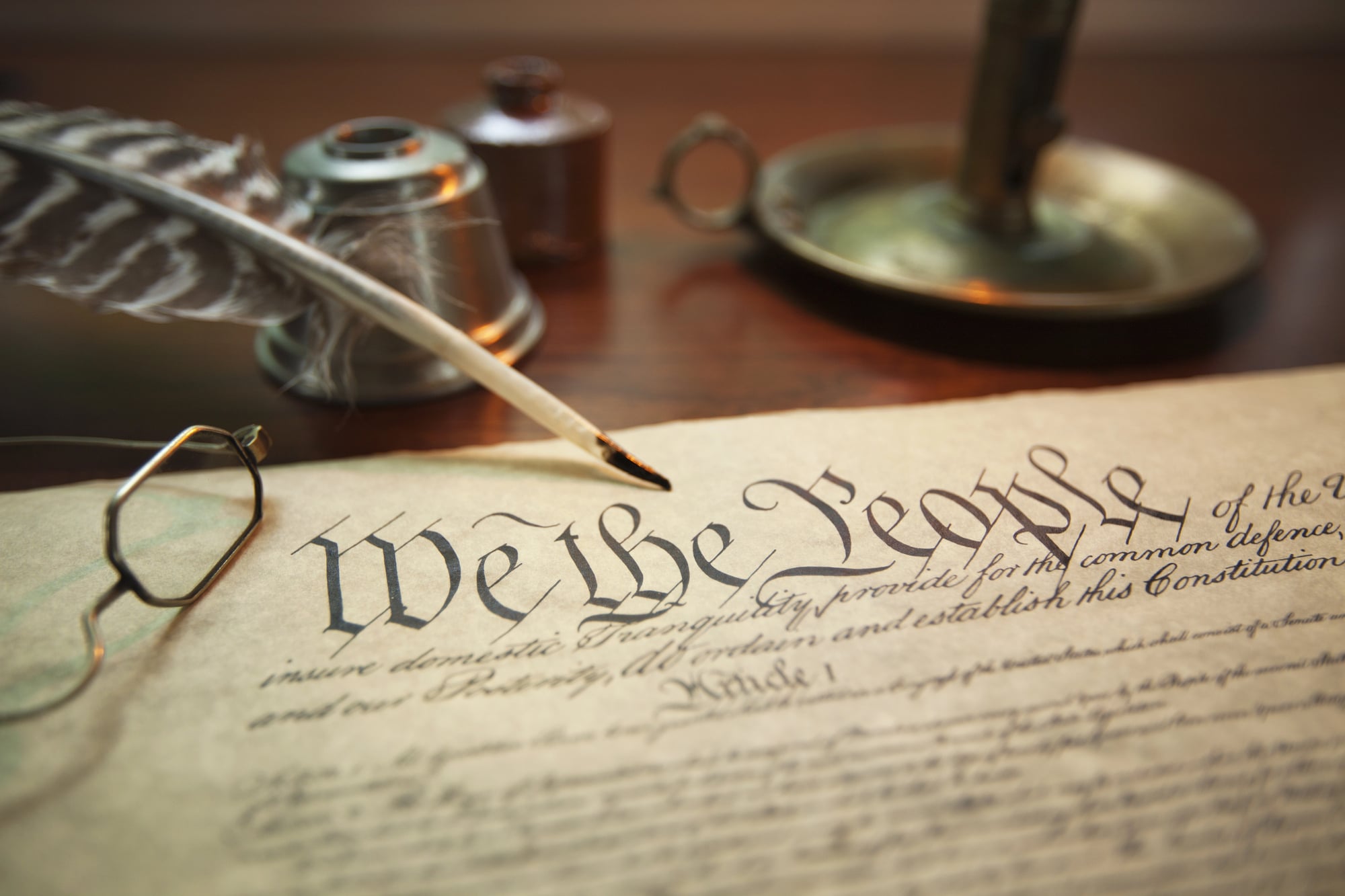
In 1989, a man bought a damaged painting at a flea market in Adamstown, Pennsylvania for $4 — strictly because he liked the frame. When he got home and pried the canvas loose, a folded piece of paper fell out from behind it.
That paper turned out to be an original Dunlap broadside from the first printing of the Declaration of Independence in 1776, one of only 24 surviving copies. It sold at Sotheby’s in 1991 for $2.42 million, then again in 2000 for $8.14 million. He almost threw it away.
A Fabergé Imperial Egg on a Kitchen Counter
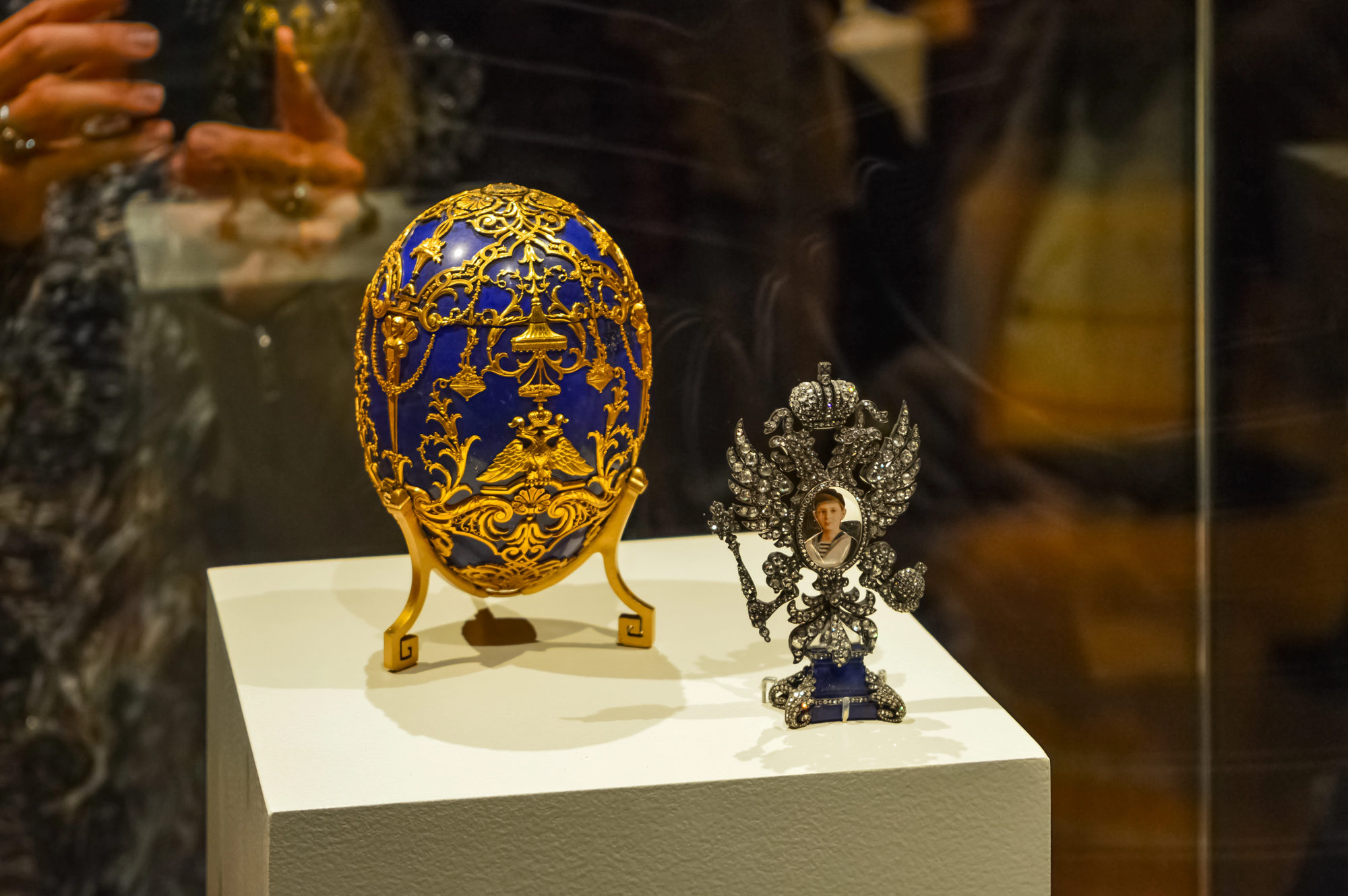
A scrap metal dealer bought a gold egg at a Midwestern antique fair for $14,000, intending to melt it down for the metal content. Nobody wanted it.
In desperation, he searched online for the name “Vacheron Constantin” — engraved on a small watch inside the egg — and found an article about the eight missing Fabergé Imperial Easter Eggs. The piece he was keeping next to cupcakes on his kitchen counter was the Third Imperial Egg, made in 1887 for Czar Alexander III and last seen publicly in St. Petersburg in 1902. Fabergé expert Kieran McCarthy flew from London to verify it and reportedly “fell to the floor in astonishment.” Its estimated value: over $33 million.
A Song Dynasty Bowl Used as an Ornament

Around 2007, a family in Connecticut paid $3 for a small white bowl at a yard sale and put it on the mantelpiece for the next five years. When they finally had it appraised, Sotheby’s identified it as a Northern Song dynasty Ding ware bowl, nearly a thousand years old.
It sold in March 2013 for $2.22 million. The bowl is barely five and a half inches across — easy to mistake for a decorative ashtray.
Ansel Adams Glass Negatives in a Box of Junk

In 2000, photographer Rick Norsigian paid $45 for a box of glass negatives at a garage sale in Fresno, California. He spent the next decade trying to get them authenticated.
Experts eventually concluded — though not without significant dispute in the photography world — that the 65 negatives were the work of Ansel Adams, lost in a darkroom fire in 1937. The collection was valued at upward of $200 million, though the authenticity debate has continued among scholars.
A Martin Johnson Heade Painting Plugging a Gap in a Wall

One Massachusetts family purchased a dark landscape painting at a yard sale and used it to cover an unsightly mark on their wall. They had no particular interest in art — the painting was essentially wallpaper.
When it was finally examined, the oil painting turned out to be “Magnolias on Gold Velvet Cloth” by Martin Johnson Heade, a celebrated 19th-century American artist. The Museum of Fine Arts in Houston purchased it for $1.25 million.
A James Bond Watch for $38

A British man paid $38 for a watch at a flea market that later turned out to be the actual Rolex worn by Sean Connery in the 1965 film Thunderball — notable because it was modified to include a Geiger counter prop as part of the spy gadgetry.
It was authenticated and sold at Christie’s in 2013 for $160,175.
An Andy Warhol Childhood Drawing for $5

A British man browsing a Las Vegas garage sale in 2010 paid $5 for a collection of sketches. Among them was a drawing authenticated as the work of Andy Warhol, created when the artist was approximately 10 years old.
The piece was valued at around $2 million. Nobody at the sale had any idea who had originally owned the sketches or how they ended up in a cardboard box on a driveway in Nevada.
A Velvet Underground Acetate for 75 Cents
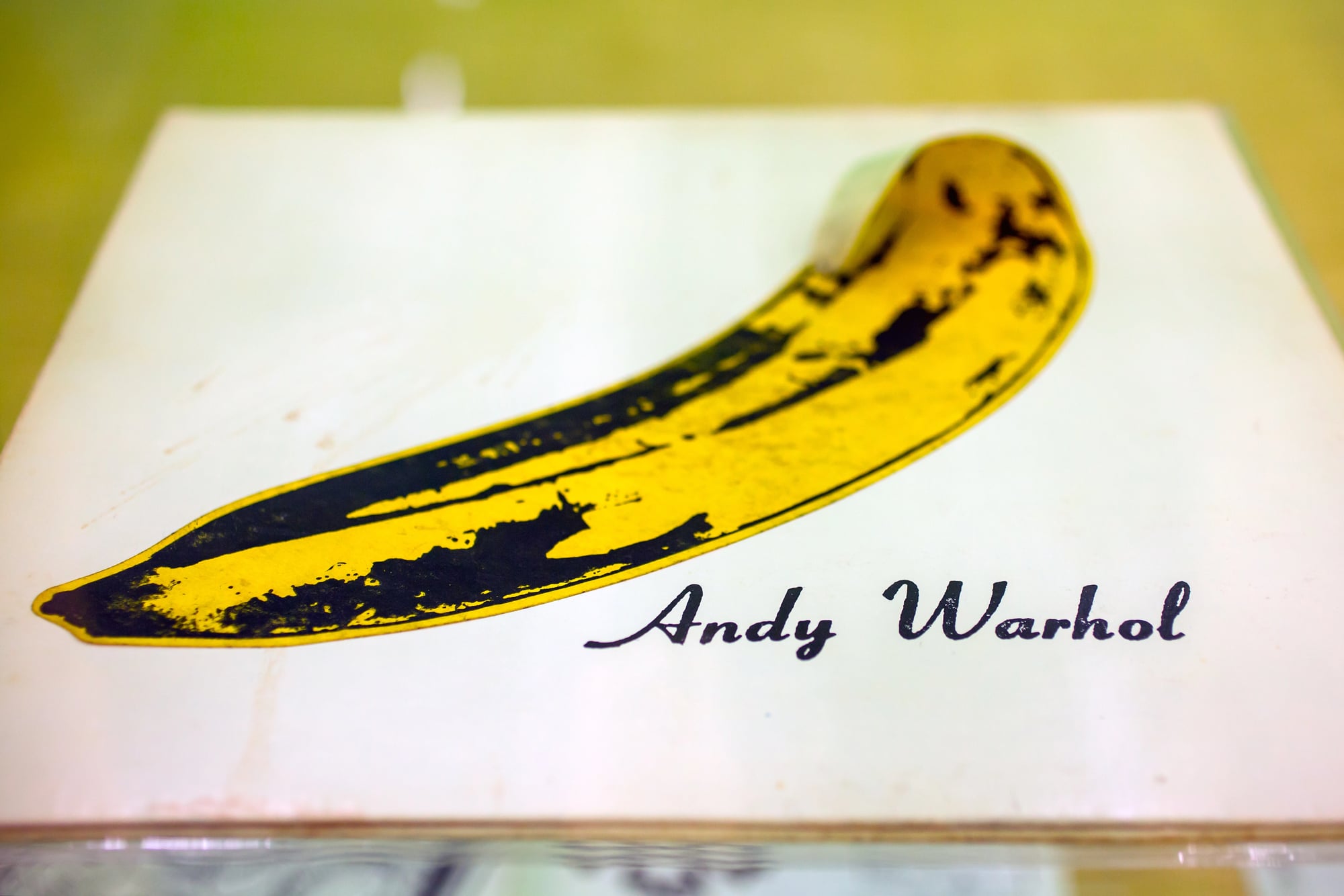
In 2002, record collector Warren Hill paid 75 cents at a Montreal yard sale for a disc with only a handwritten label. It turned out to be a rare acetate of the Velvet Underground’s unreleased debut album, recorded before their official first release.
The disc sold at auction for approximately $155,000. The handwritten label read simply “The Velvet Underground” — no other identifying information.
A Dürer Drawing for $30

A drawing purchased for $30 at a Massachusetts garage sale was eventually authenticated by several art experts as the work of Albrecht Dürer, the 15th and 16th-century German master. Dürer drawings rarely surface outside major museum collections, which made the find — sitting in a cardboard box at a yard sale — particularly disorienting to the specialists brought in to examine it.
A Chinese Imperial Porcelain Vase for Pocket Change
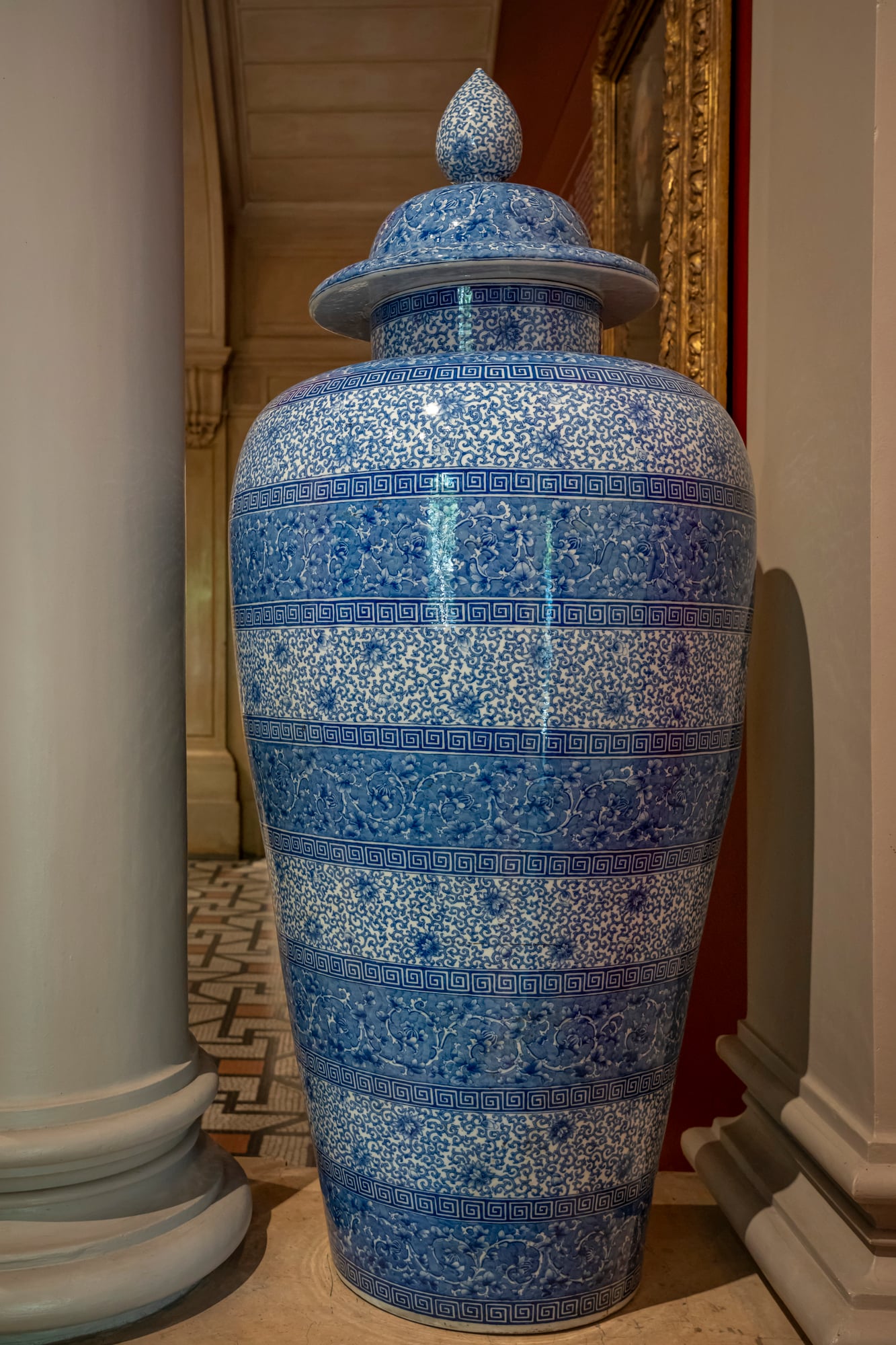
A Chinese porcelain vase bought at a Florida yard sale, initially dismissed as a 20th-century reproduction, sold at auction for $1.2 million after being identified as Imperial porcelain from the Qianlong dynasty. The dynasty ran from 1735 to 1796, meaning the piece had survived roughly 230 years before ending up on a folding table in suburban Florida.
A John Quincy Adams Copy of the Declaration for $2.48
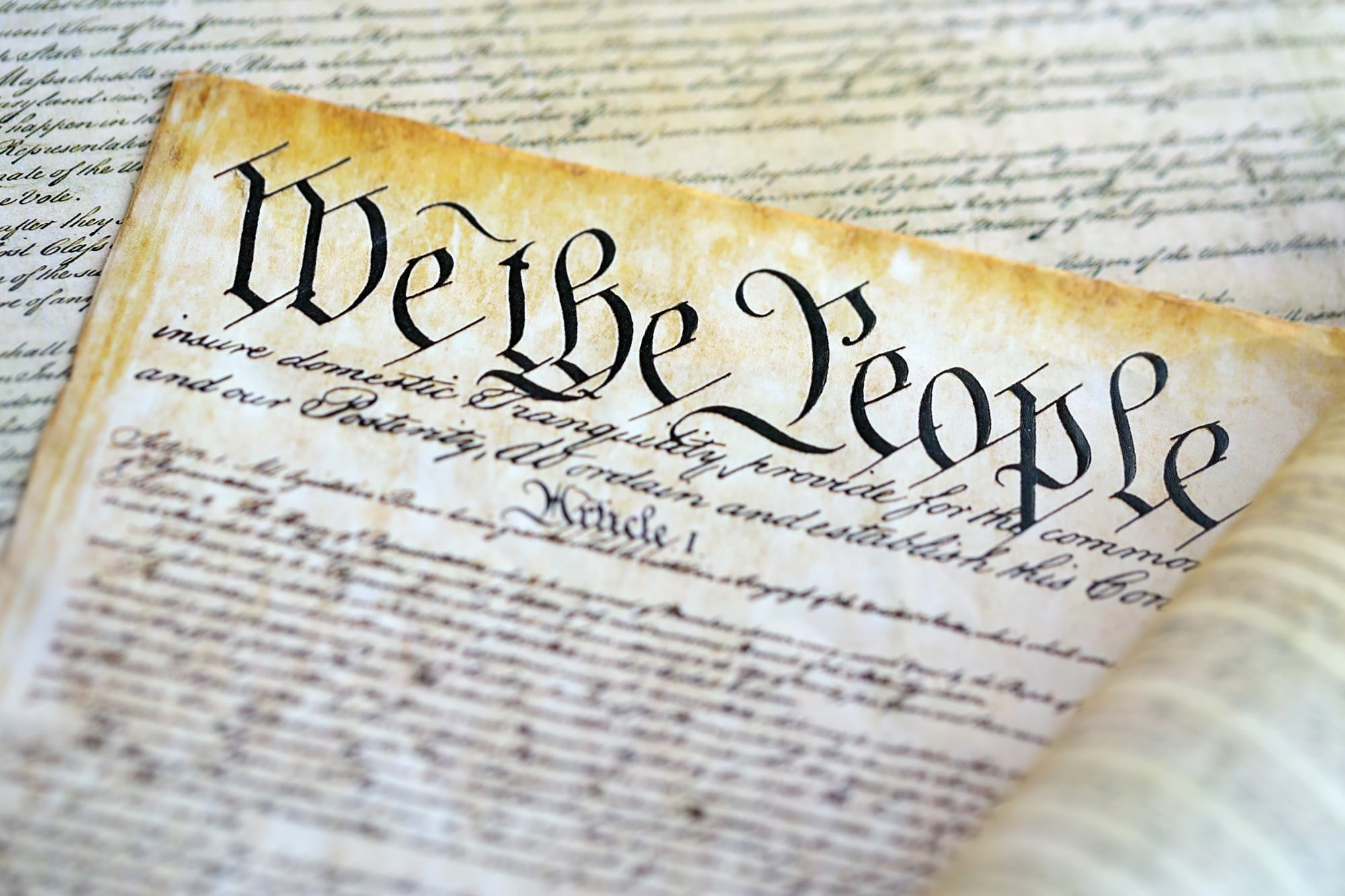
Nashville resident Stan Caffy picked up what he assumed was a decorative reproduction of the Declaration of Independence for $2.48 at a yard sale. It wasn’t a reproduction — it was one of approximately 200 copies commissioned by John Quincy Adams in 1820 for official distribution.
Caffy sold it at auction for $477,000. He used some of the money to add a room onto his house.
A Seymour Masterpiece Table for $25

A woman named Claire bought a small table at a New Jersey yard sale for a practical reason — she needed something to fit a particular space in her apartment. She had it appraised in 1997 and learned the table was the work of John and Thomas Seymour, two of the most celebrated cabinetmakers in early American history.
Its value was estimated at $250,000.
A Norman Rockwell Original for $5

A young couple furnished their first apartment with yard sale finds, including a framed print they bought for $5, assuming it was a mass-produced reproduction. Years later, during an appraisal event, experts determined it was an original Norman Rockwell painting from 1958, not a print at all.
The discovery reframed — quite literally — everything they thought they knew about the art hanging in their living room.
Vintage Atari Air Raid With Original Box for $30
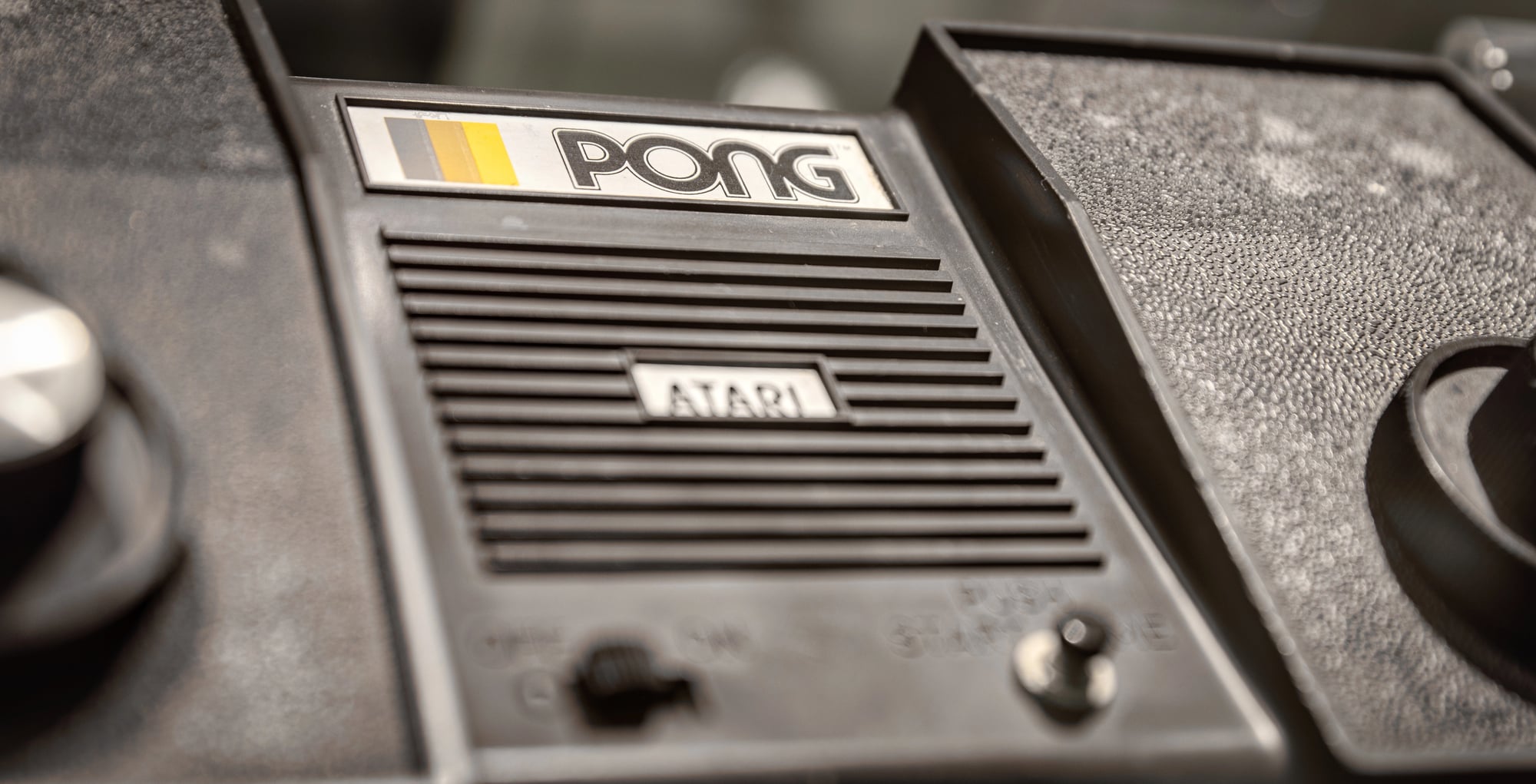
A man bought a box of old video game cartridges for $30, hoping to replay childhood favorites. Hidden among the ordinary titles was an extremely rare Atari 2600 game called Air Raid — identifiable by its distinctive T-shaped handle — complete with its original packaging.
The cartridge sold to a collector for $33,400. Only a handful of copies with original boxes are known to exist.
A Possible Jackson Pollock for $5
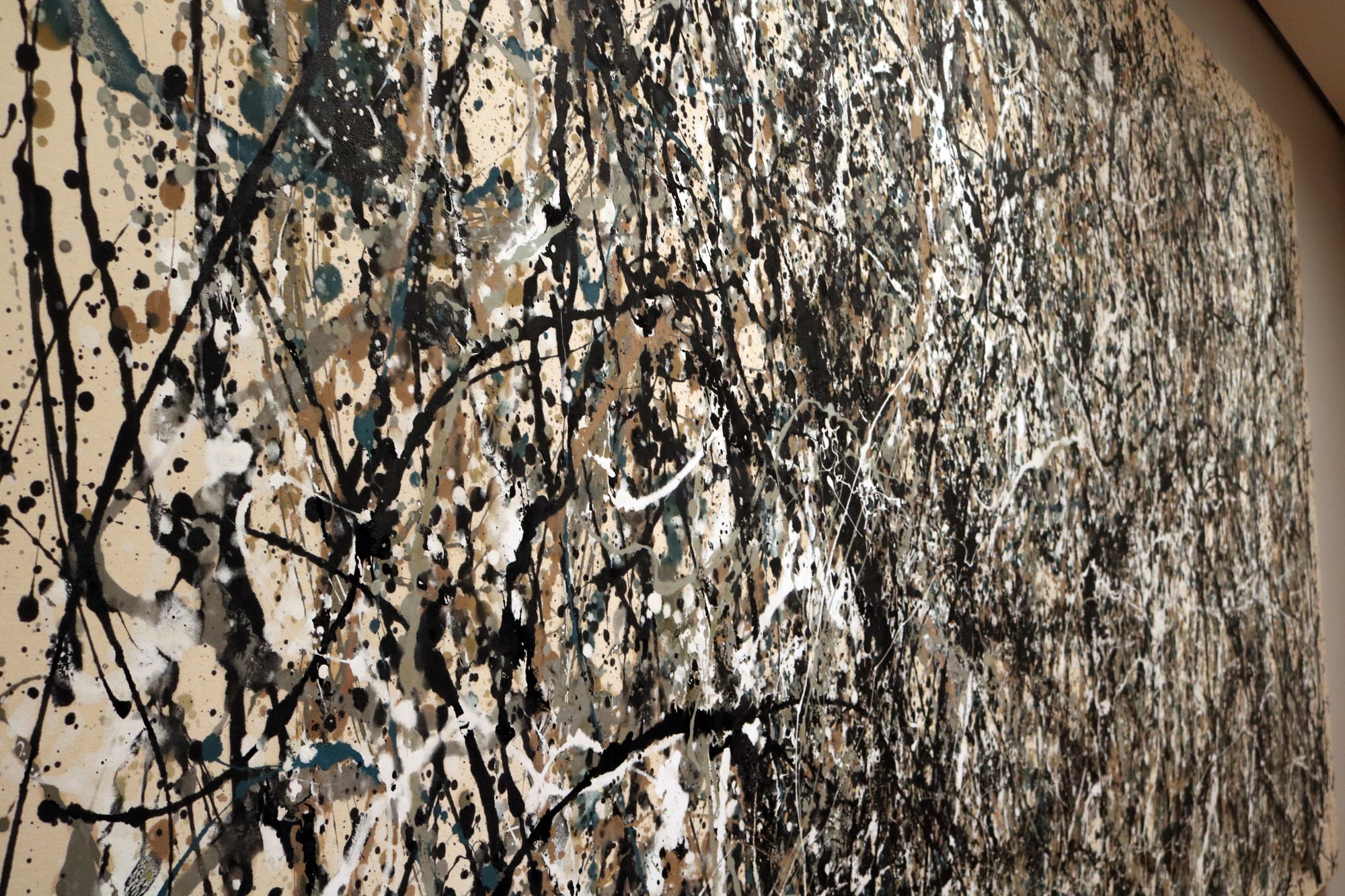
Teri Horton, a retired truck driver from California, bought a painting for $5 at a thrift shop as a joke gift for a friend. When the friend couldn’t fit it through the door, Horton tried to sell it at a yard sale, where an art teacher suggested it might be a genuine Jackson Pollock.
Forensic analysis later identified what appeared to be Pollock’s fingerprints on the canvas. Horton turned down offers of $2 million and reportedly $9 million, believing the painting to be worth far more. The authentication remains contested among art world experts.
A John Lennon Signature for Almost Nothing
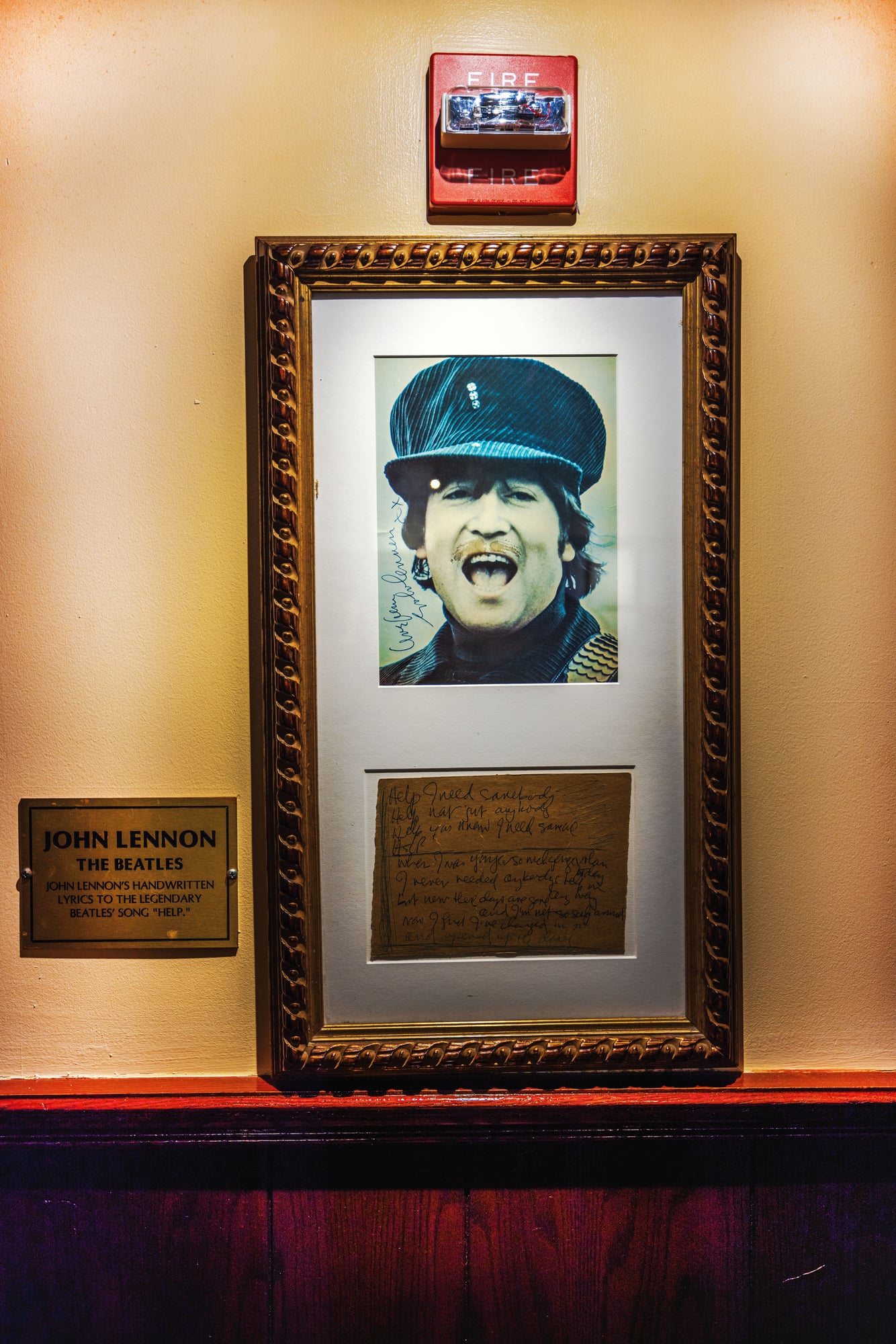
A collection of Beatles memorabilia, including items bearing what was later verified as John Lennon’s signature, surfaced at a yard sale in the American South. The total purchase price was under $10.
After authentication, individual signed items sold separately through specialist auction houses for several thousand dollars apiece — a reminder that pop culture artifacts are just as capable of hiding in plain sight as fine art.
A Ming Dynasty Vase Mistaken for a Plant Pot

A family in the United Kingdom bought what they used as a plant pot for years before an antiques specialist passing through their home recognized the painted enamel decoration. The piece was identified as a Ming dynasty vase dating to the 15th century and was auctioned for well over $1 million.
The plant it had been housing was an unremarkable fern.
A First-Edition Hemingway in a Box of Paperbacks
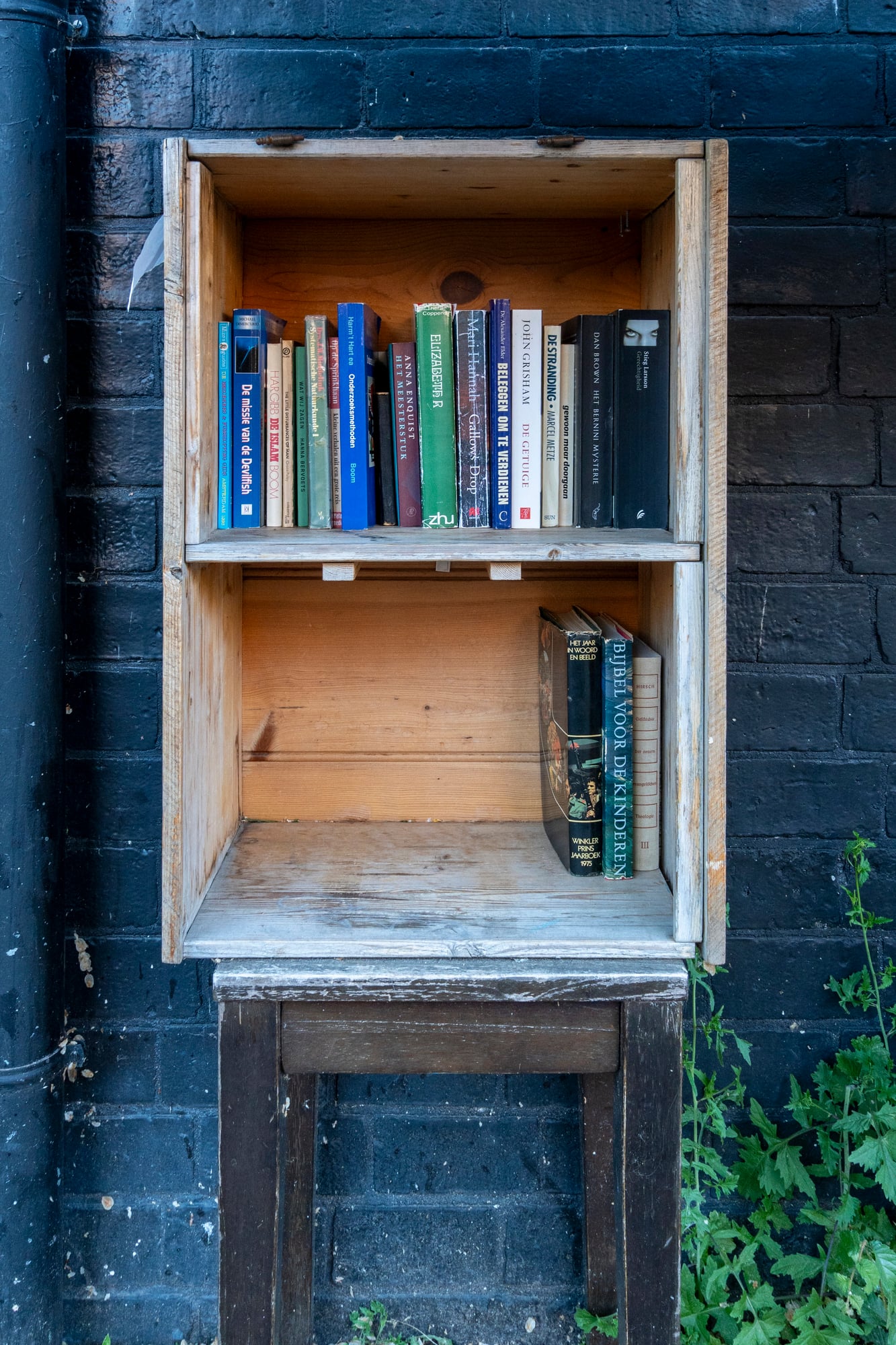
A reader browsing a box of miscellaneous paperbacks at a garage sale in Michigan found what appeared to be a battered hardcover tucked among the mass-market novels. It was a first edition of Ernest Hemingway’s The Sun Also Rises, published in 1926, in near-fine condition.
First editions in that condition regularly sell at specialist book auctions for $15,000 to $25,000 depending on provenance and the state of the dust jacket.
A Silver Tea Service Listed as “Metal Stuff”

A complete sterling silver Georgian tea service, hallmarked and in excellent condition, was sold at a yard sale in Connecticut under a sign that read “Metal Stuff — $15 for the lot.” A buyer with a passing familiarity with silver hallmarks recognized the marks of a London silversmith working in the 1790s.
The set was later valued at over $8,000 by a specialist dealer.
A Vintage Rolex for a Few Dollars
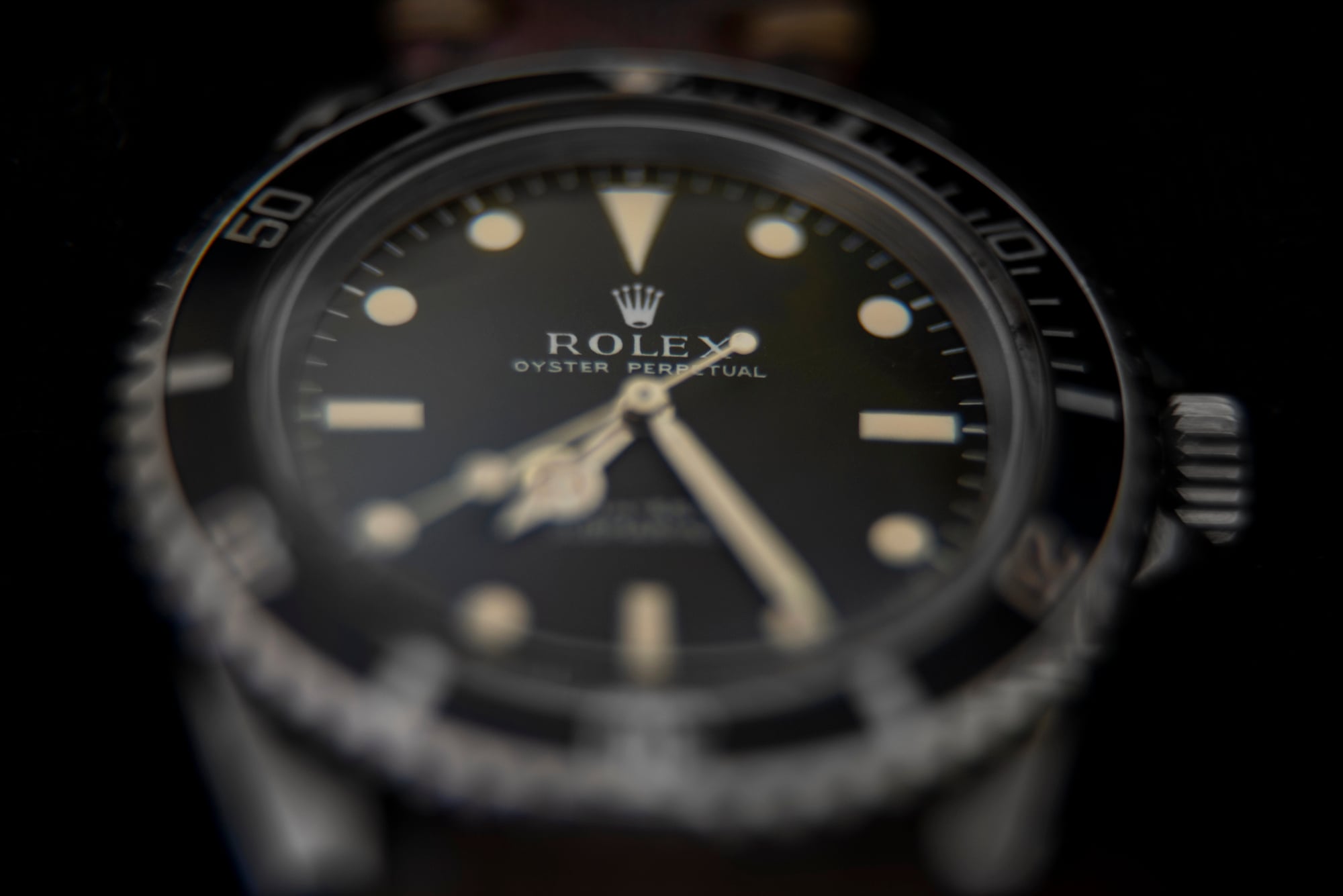
A man bought a watch from a box of costume jewelry at a suburban garage sale for $5, mostly because he liked the look of the dial. The watch turned out to be a vintage Rolex Submariner from the early 1960s, in working condition.
Depending on the reference number and condition, vintage Submariners from that era regularly sell at auction for $20,000 to $80,000.
A Collection of First-Issue Comic Books for $1 Each

A buyer purchased a stack of comics from a box at a garage sale in Ohio at $1 per issue, selected mostly at random. Among them were multiple issues from the early 1960s that included key first appearances of major Marvel Comics characters.
Graded copies of those specific issues regularly reach five figures at specialist auctions, with some graded examples exceeding $100,000.
A World War II Pilot’s Logbook and Medals

A buyer paid $8 at a yard sale for a scuffed leather case containing a Second World War RAF pilot’s logbook, service medals, and personal correspondence. After researching the pilot’s name, the buyer traced the items to a distinguished flying career, including multiple combat missions over occupied Europe.
The medals alone were valued at several thousand dollars by a specialist in militaria, and the correspondence was donated to an aviation museum.
A Vintage Leica Camera Believed to Be Broken

A Leica IIIf rangefinder camera, along with its original 50mm lens, was sold at a yard sale in Vermont for $15 under a handmade sign reading “broken — for parts.” When the buyer loaded a roll of film, the camera worked perfectly.
A Leica IIIf in working condition with its original lens is worth $800 to $2,000 depending on condition, with certain variants reaching considerably higher among specialist collectors.
A Signed First Edition by a Supreme Court Justice

A first-edition legal text with a handwritten inscription and signature from a former US Supreme Court Justice was purchased at a Virginia yard sale for 50 cents. Book and document specialists later valued the signed volume at over $3,000, with the inscription’s personal nature adding significantly to its interest for collectors of legal history.
A Set of Original Broadway Posters

A buyer in New York paid $20 for a rolled tube of what turned out to be original linen-backed Broadway production posters from the 1940s and 1950s, including a stone lithograph from a Rodgers and Hammerstein production. Vintage theater posters in that condition, from productions of that era, routinely sell at auction for $500 to $3,000 per poster, with landmark productions reaching considerably more.
A Hand-Painted Japanese Woodblock Print

A woodblock print bought for $3 at a garage sale in Seattle was later authenticated as a genuine Edo period Japanese print, produced in the 18th century. The print was in remarkable condition given its age, with colors still vivid.
Comparable authenticated Edo period prints sell for $2,000 to $15,000 at auction, with works by recognized masters reaching far higher.
A Prototype Toy That Never Reached Shelves
A buyer at a garage sale in California purchased what looked like an unusual action figure for $2. After posting it in an online collector forum, a toy historian identified it as an unpainted prototype from a major toy company’s 1980s development process — a version of the figure that was never released to the public.
Prototypes from well-known toy lines routinely sell for multiples of the production versions, with some reaching several thousand dollars among dedicated collectors.
A Handwritten Letter by Abraham Lincoln

A framed, handwritten letter signed by Abraham Lincoln was sold at an estate sale in Illinois for $35, listed simply as “old letter.” The buyer, a history enthusiast, had it authenticated by a documents specialist who confirmed the signature and the paper as period-appropriate.
Presidential letters from Lincoln’s presidency regularly sell at major auction houses for $20,000 to $100,000 depending on content and date.
A Hand-Knotted Persian Rug Sold as a Doormat

A hand-knotted Persian rug from the early 20th century — used as a doormat at its previous owner’s home — was sold at a yard sale in Massachusetts for $40. When a rug dealer spotted it at the buyer’s home, he identified it as a Tabriz carpet in remarkable condition for its age.
Comparable antique Tabriz rugs sell for $3,000 to $20,000 at auction, depending on size, condition, and pattern complexity.
The Luck Is in the Looking
What connects every one of these discoveries isn’t magic or particular good fortune — it’s the habit of stopping and looking closely at things that most people walk past. The Declaration of Independence was found by someone who wanted a frame. The Fabergé egg nearly became scrap metal. The Song dynasty bowl sat on a mantelpiece for five years without anyone thinking to question it.
Yard sales reward the curious and punish the incurious in equal measure. The objects are out there, on folding tables and in cardboard boxes, priced at whatever someone guessed they might be worth on a Saturday morning. The gap between that guess and reality is sometimes worth millions of dollars. All it takes is the willingness to pick something up and actually look at it.
More from Go2Tutors!

- The Romanov Crown Jewels and Their Tragic Fate
- 13 Historical Mysteries That Science Still Can’t Solve
- Famous Hoaxes That Fooled the World for Years
- 15 Child Stars with Tragic Adult Lives
- 16 Famous Jewelry Pieces in History
Like Go2Tutors’s content? Follow us on MSN.