27 Fast Food Menu Items That Vanished and People Have Never Stopped Asking About
Fast food chains discontinue items constantly. Most of them go quietly — a limited-time promotion that nobody noticed, a regional experiment that stayed regional, a side dish that got cut when the fryer space was needed for something else.
Then there are the other ones. The ones with Reddit threads and Change.org petitions and Facebook groups with tens of thousands of members who joined specifically to mourn a sandwich. Fast food nostalgia hits differently from other food nostalgia because the memory is so specific: a certain sauce, a certain texture, a certain combination that existed for three years and then just stopped. The item was never complicated. That’s the point.
Here are 27 things people have been asking for back, some for decades.
McDonald’s McRib
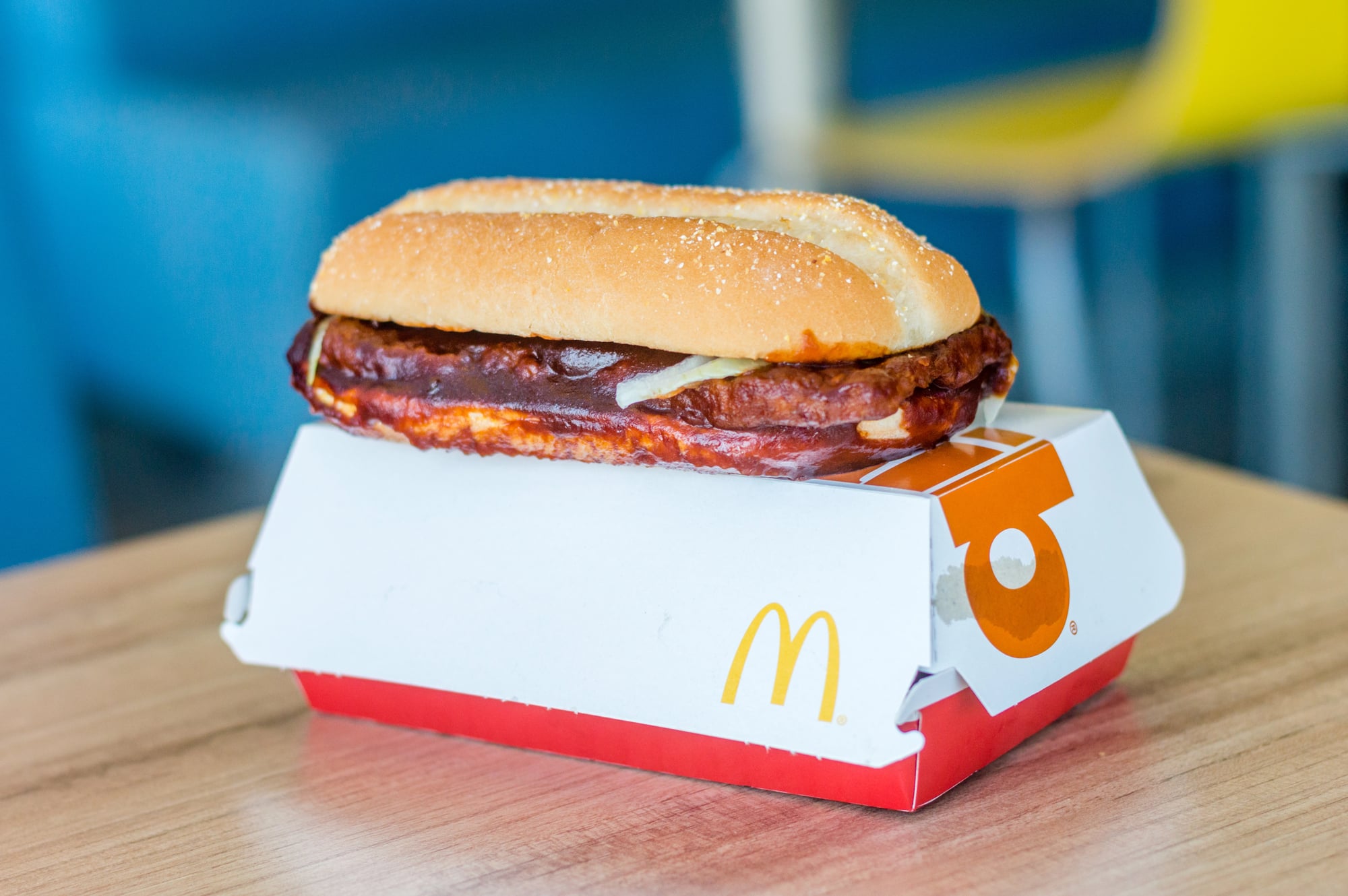
The McRib has been discontinued, brought back, discontinued again, and resurrected more times than any other item on this list. First introduced in 1981 as a pork patty molded into rib shapes and covered in barbecue sauce with onions and pickles on a hoagie roll, it was pulled permanently from US menus in 2005 — and has since generated over 327,000 Google searches per year, making it the most-searched discontinued fast food item on record.
It remains a permanent menu item in Germany and Luxembourg. The seasonal US returns generate genuine media coverage every single time, which is either a masterclass in scarcity marketing or a sign that McDonald’s has completely misread how much people actually want it back for good.
McDonald’s Snack Wrap
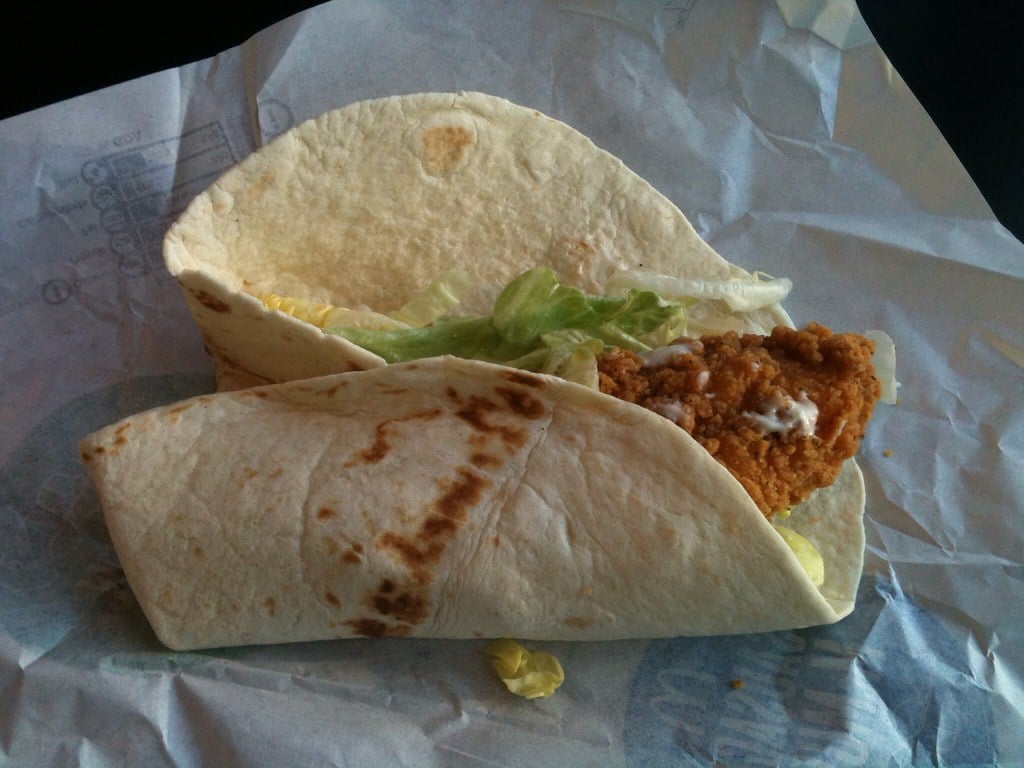
The Snack Wrap launched in 2006 as a soft flour tortilla filled with crispy or grilled chicken, shredded lettuce, and cheese, priced around $1.50 and perfectly sized to eat one-handed. It disappeared in 2016 when McDonald’s cut menu items to speed up service, and has been the subject of sustained online petitions ever since.
The president of McDonald’s USA acknowledged the demand publicly in 2023, hinting that a return was in early development. For a lot of people, the Snack Wrap filled a very specific category — not a full meal, not quite a snack — that no current menu item has satisfactorily replaced.
McDonald’s Arch Deluxe
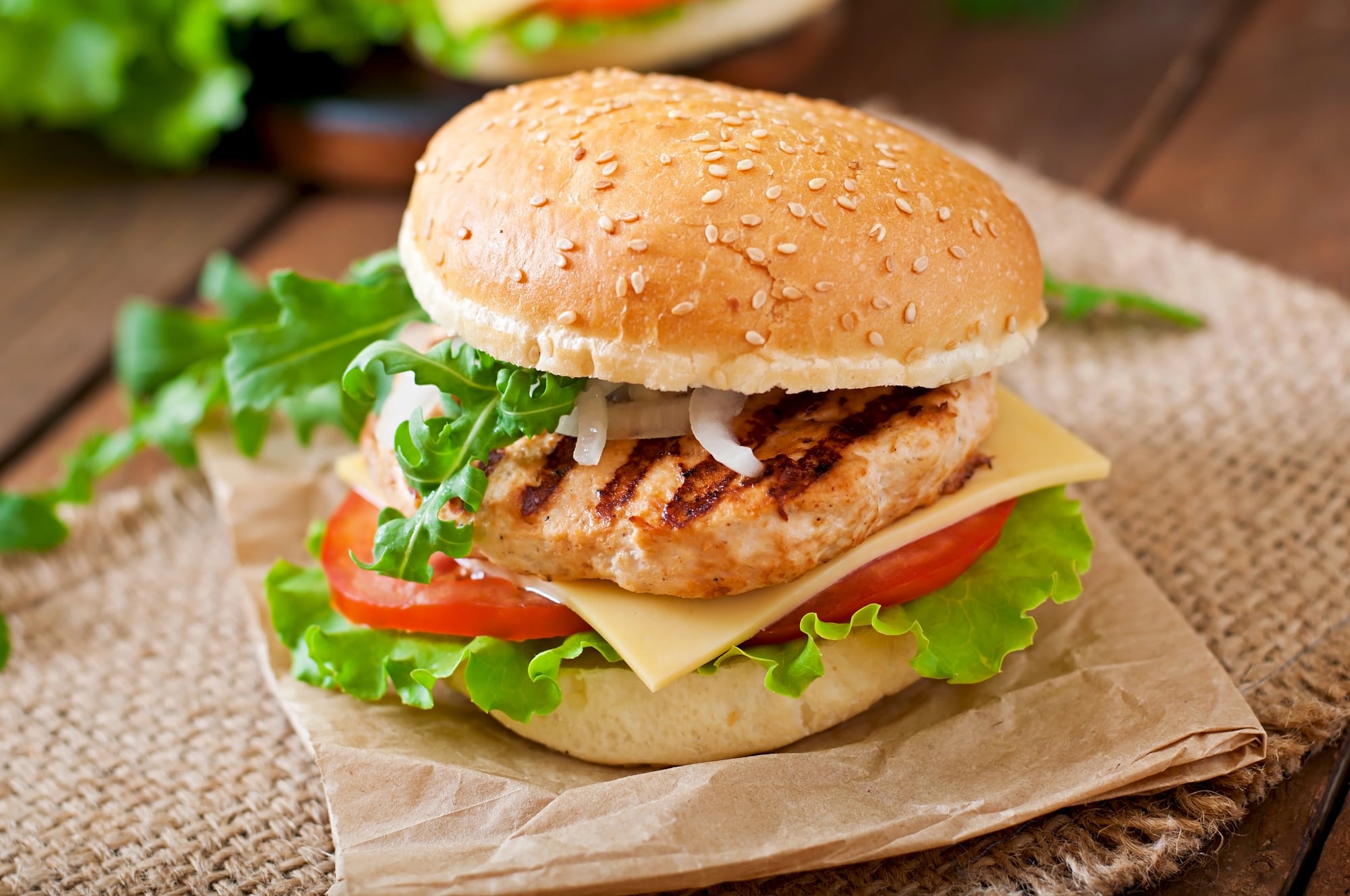
McDonald’s spent approximately $300 million marketing the Arch Deluxe in 1996, positioning it as a premium burger for adults: a quarter-pound patty, peppered bacon, lettuce, tomato, cheese, mustard-mayo sauce, and a potato roll. It failed spectacularly by McDonald’s own standards and left the menu in 2000.
The chef who created it, Andrew Selvaggio, later said it was intended as McDonald’s first move into premium burgers — a category the chain and its competitors have since fully embraced. Customers who actually ate one, rather than rejecting the idea on principle, often describe it as genuinely better than its legacy suggests.
McDonald’s McLean Deluxe
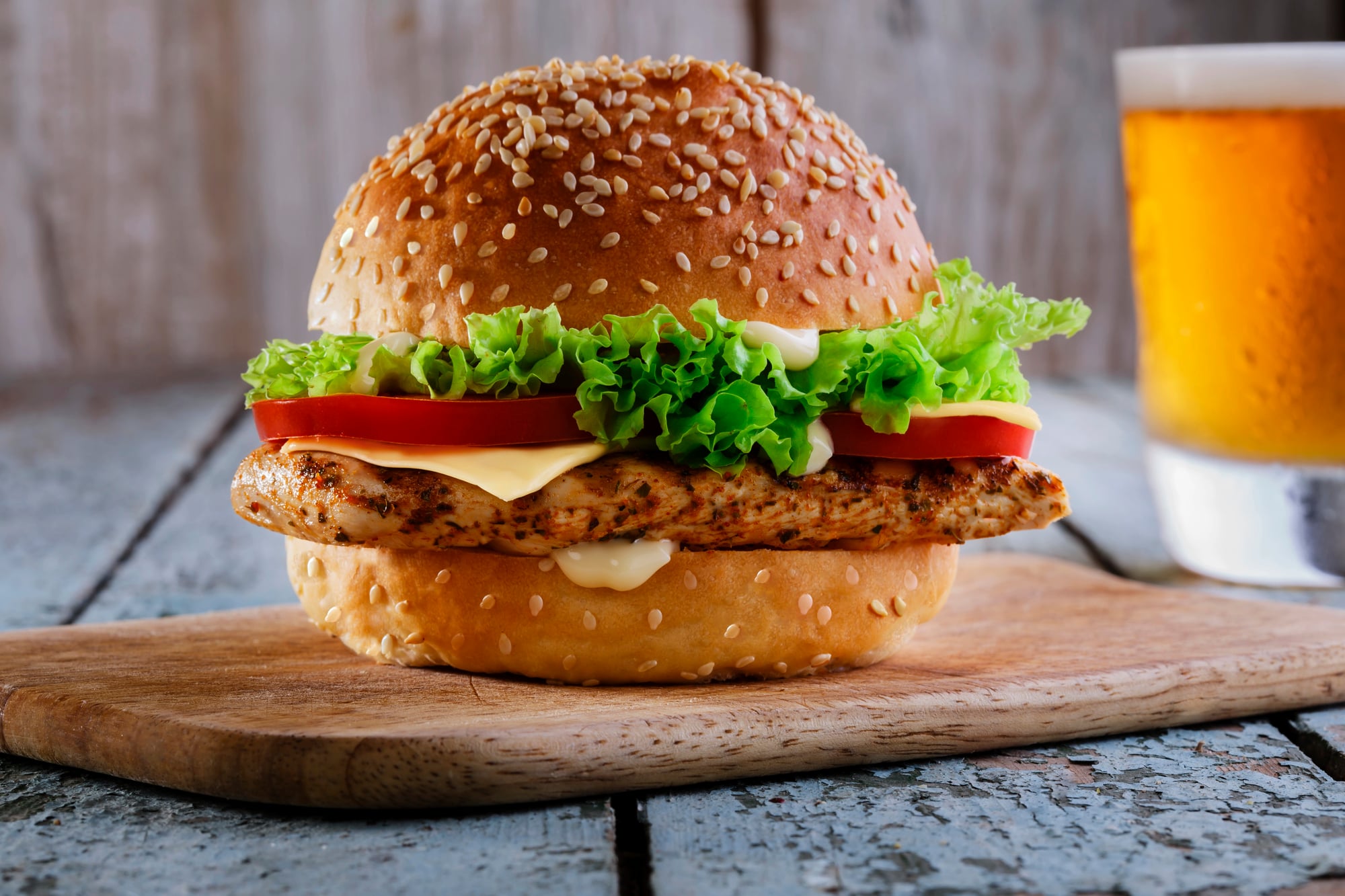
The McLean Deluxe arrived in 1991 as McDonald’s attempt to answer growing concern about fat content in fast food. The low-fat patty was formulated using carrageenan — a seaweed-derived compound — as a fat substitute, and McDonald’s promoted it heavily.
It failed because the core problem with a low-fat fast food burger is that fast food burgers are interesting precisely because of their fat content. Gone by 1996, the McLean Deluxe is remembered less fondly than most items on this list but more frequently than its brief existence might suggest, largely as a cautionary tale about letting health trends drive product development.
McDonald’s McSalad Shakers
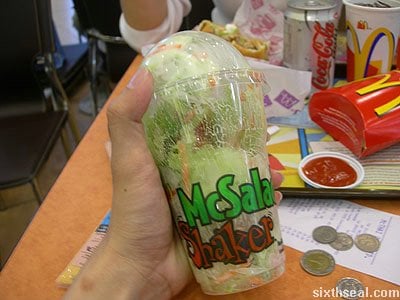
In 2000, McDonald’s introduced salad in a cup with a domed lid — the McSalad Shaker — in Garden, Chef, and Grilled Chicken Caesar varieties. The concept was that customers could shake their dressing through the salad without making a mess.
Whether the shaking improved anything is debatable; what is not debatable is that the product was discontinued in 2003. The physical comedy of watching someone shake a fast food salad in a parking lot is also no longer possible, which seems like a net loss for society.
McDonald’s Hi-C Orange Lavaburst
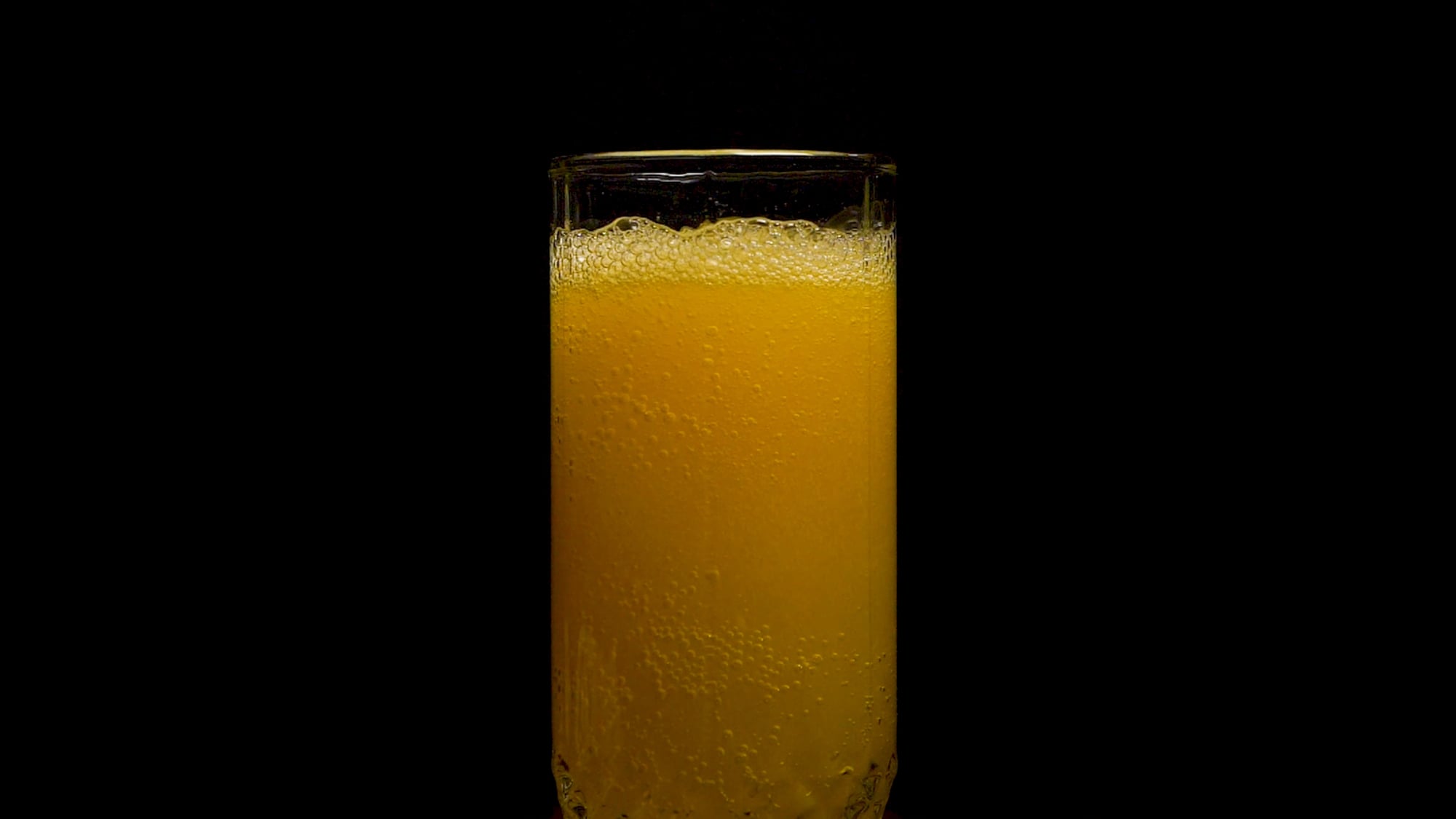
McDonald’s Hi-C Orange Lavaburst was available at the drink station until McDonald’s switched to Sprite Tropic Berry in 2017. The backlash was immediate and has not entirely subsided.
Customers who had been ordering it for twenty or thirty years treated the removal as a personal affront. McDonald’s has occasionally brought it back for limited periods in response to demand, which confirms that the demand is real and consistent.
McDonald’s McDLT
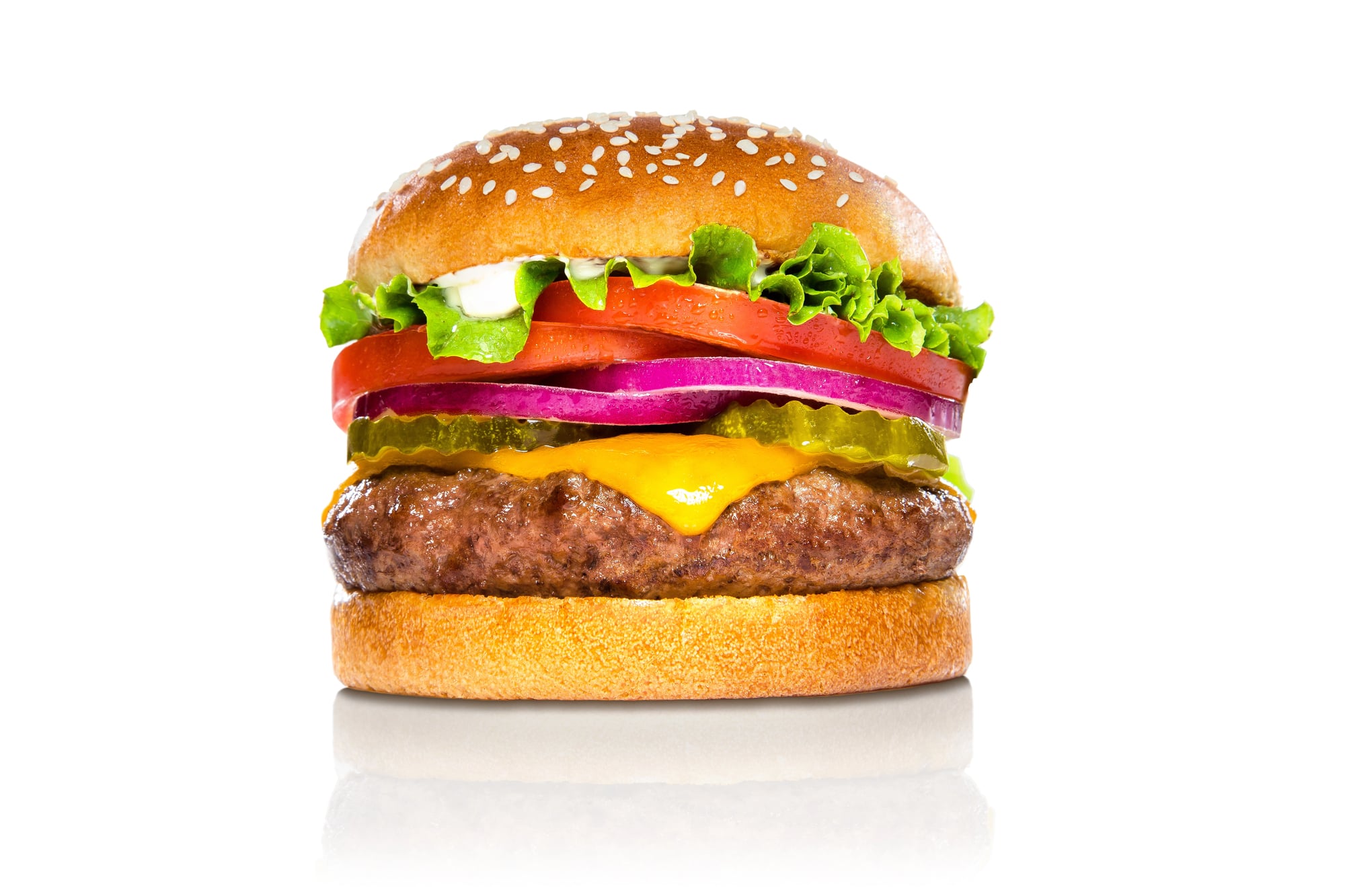
The McDLT, introduced in 1984, solved a problem that many people did not know they had: it kept the hot and cold components of a burger separate until the moment of assembly. The patty and bun arrived in one compartment of a large Styrofoam container; the lettuce, tomato, and condiments arrived in the other.
The customer combined them at the table. It was discontinued in the early 1990s partly because the container was an environmental concern, and partly because the premise — that customers wanted to assemble their own burger — turned out to be less appealing in practice than in theory. The item has an outsized nostalgic reputation given that most people who remember it remember more the packaging than the taste.
Taco Bell Enchirito
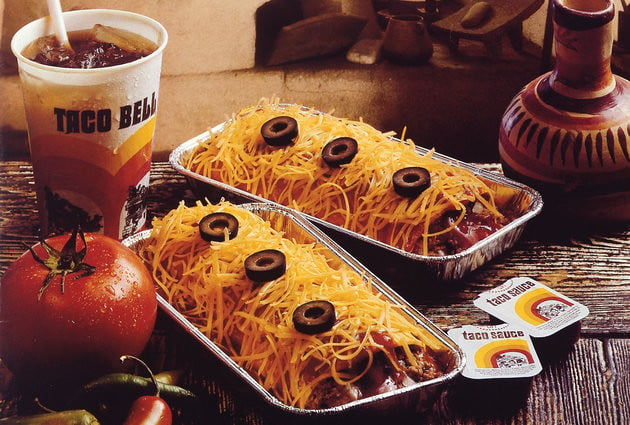
The Enchirito — a beef and bean enchilada topped with red sauce, onions, and three olives — was one of Taco Bell’s founding items, on the menu since the chain’s early years. It was permanently discontinued in 2013, though it had been sporadically pulled and returned before that.
Former employees and regular customers who grew up with it describe it as categorically different from the current menu: the combination of enchilada sauce, refried beans, and cheese with the olive garnish created something that had no obvious modern equivalent. Taco Bell has never explained why the olives were specifically three, which is its own kind of mystery.
Taco Bell 7-Layer Burrito
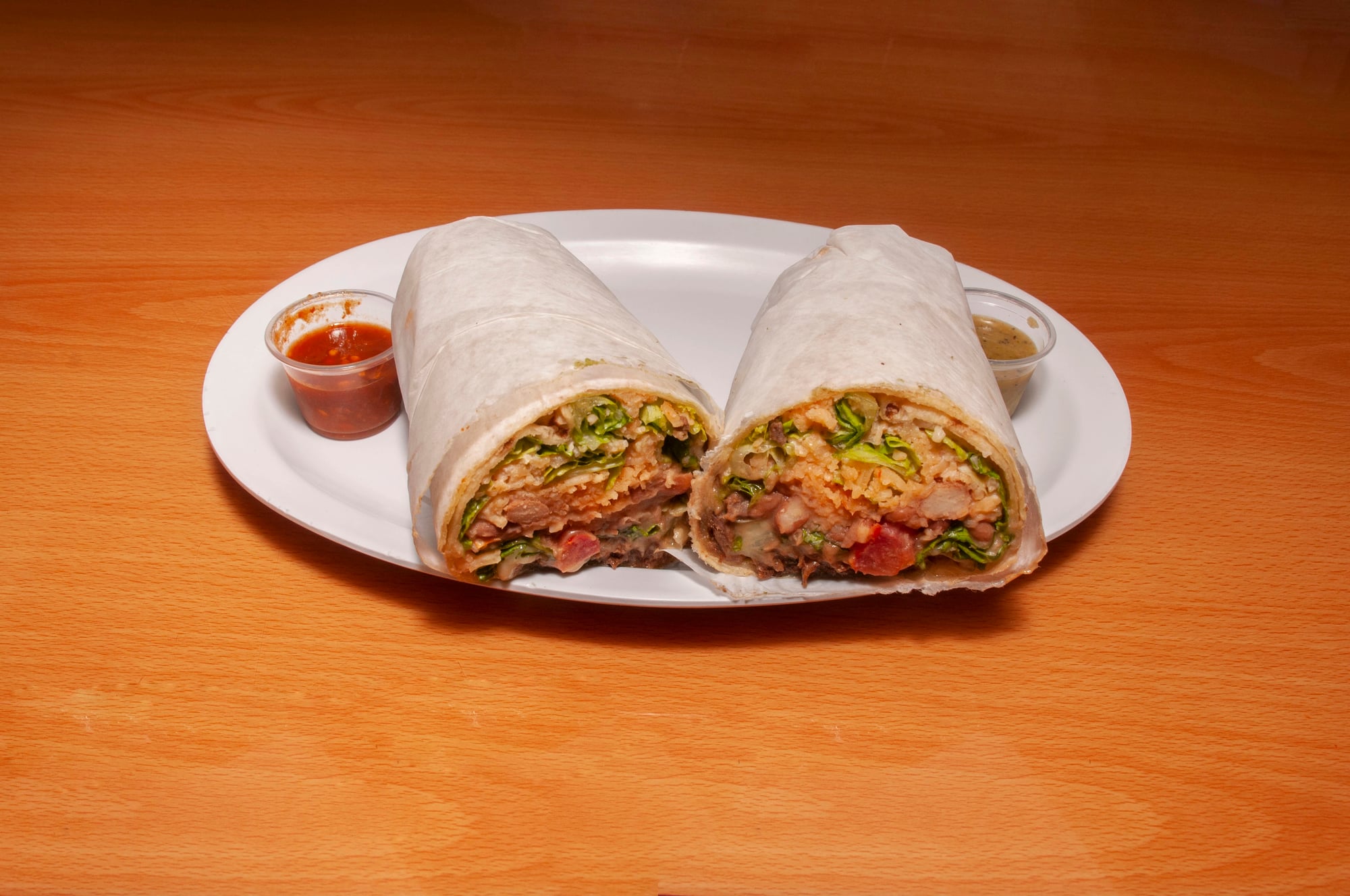
The 7-Layer Burrito was on Taco Bell’s permanent menu from 1993 until the chain cut it in 2020 to streamline pandemic-era operations. The seven layers were beef, rice, beans, cheese, sour cream, guacamole, and lettuce — a complete meal in a tortilla that also happened to be the chain’s most substantial vegetarian option.
It has returned for limited promotional periods since its removal, but it has not been restored to the permanent menu, and the online campaigns asking for exactly that have never fully quieted down.
Taco Bell Meximelt
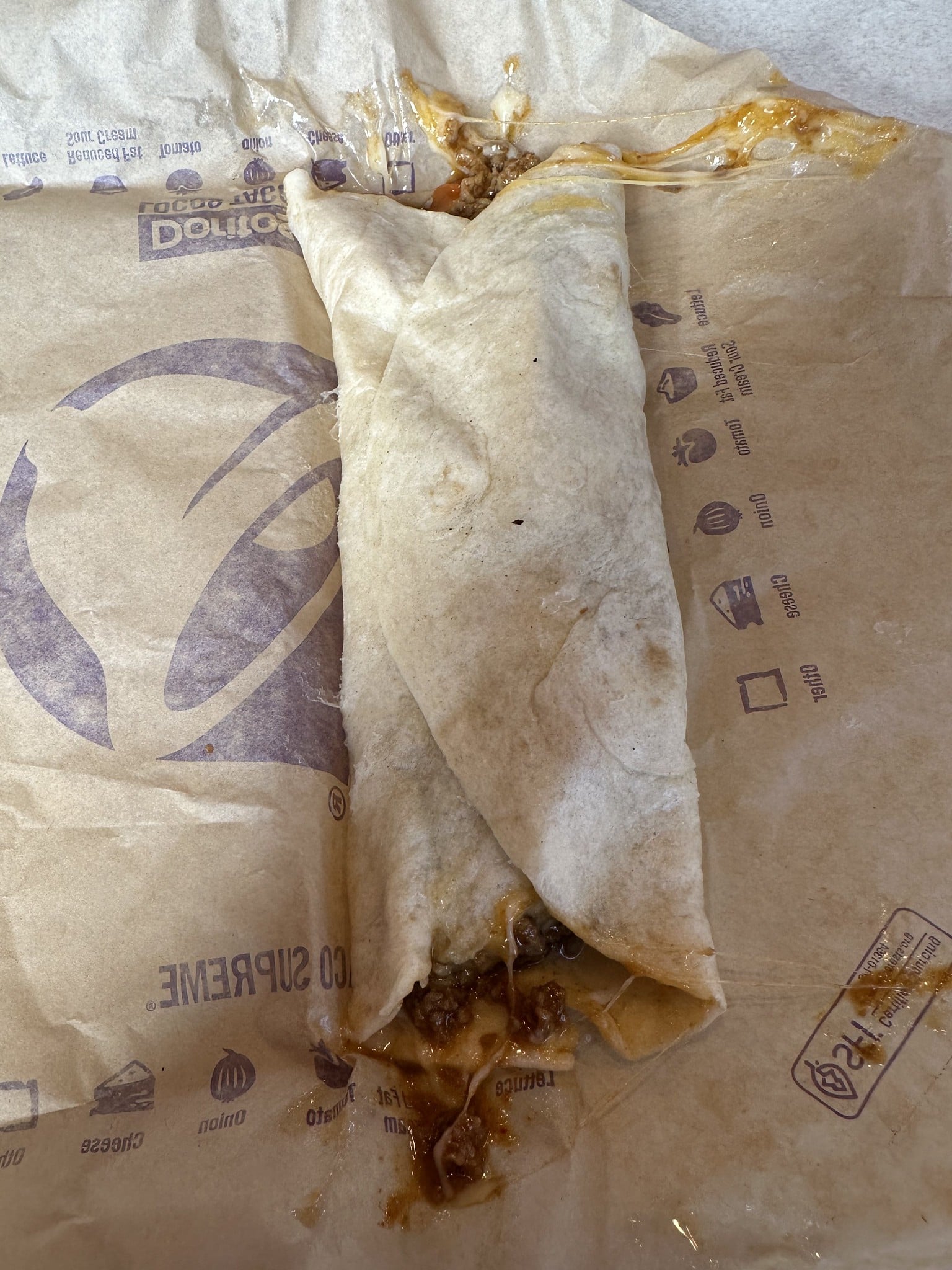
The Meximelt was seasoned beef, melted cheese, and pico de gallo in a soft flour tortilla. It sounds simple because it was, and that simplicity is precisely what its fans mourn.
Taco Bell has used it in nostalgia promotions but has declined to make it a permanent menu item again, despite the fact that making a Meximelt requires ingredients already present in virtually every other item on the menu. The original pico de gallo also disappeared for a period, making exact recreations impossible — a detail that frustrates fans to a degree that seems disproportionate and entirely reasonable.
Taco Bell Double Decker Taco
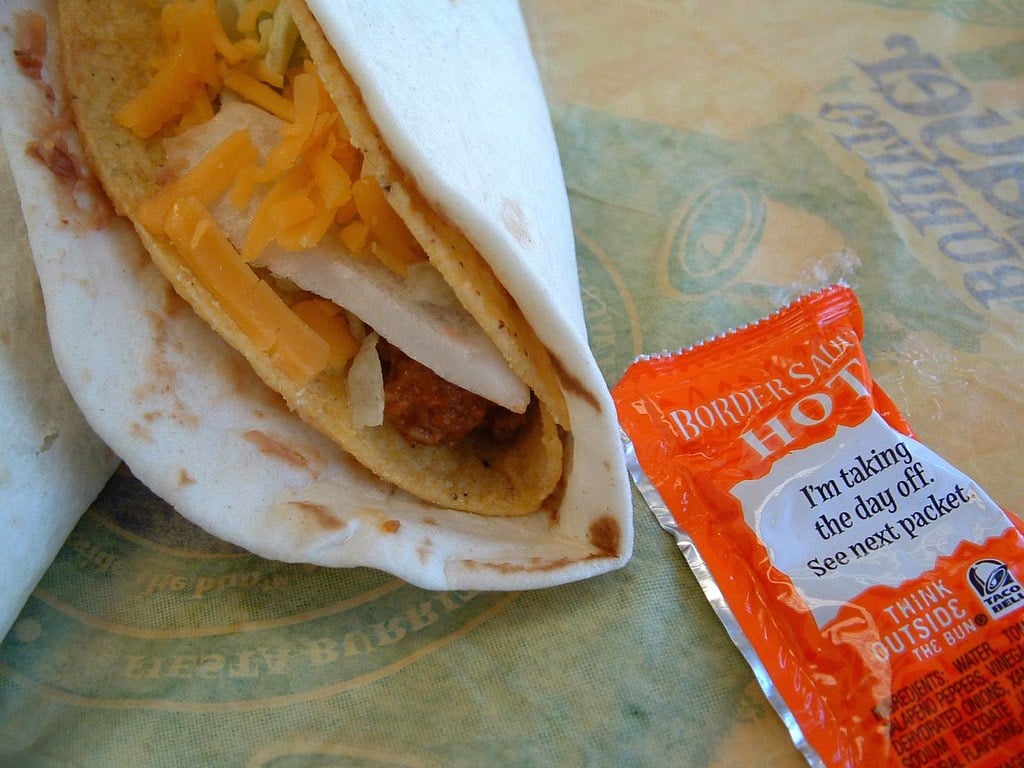
The Double Decker Taco was a regular crunchy taco wrapped in a soft flour tortilla with a layer of refried beans as the adhesive holding the two shells together. It gave customers the structural integrity of a soft taco with the crunch of a hard shell, and it was on the permanent menu for years before being cut in 2019.
It returned for a limited run in 2023 and again briefly in 2024. There is a large group of customers who are waiting for a permanent return and a slightly larger group who have accepted that it is not coming.
Taco Bell Mexican Pizza
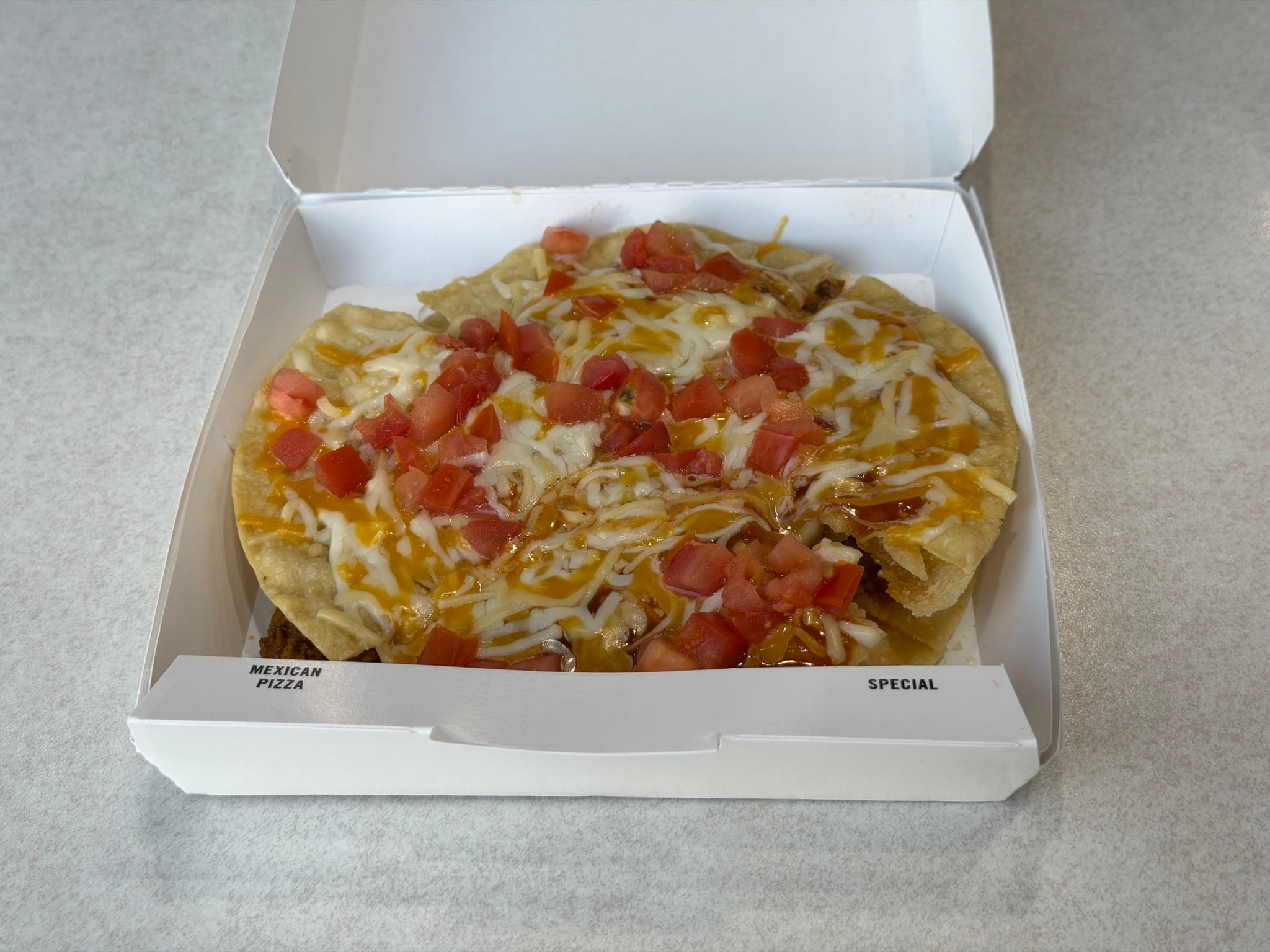
The Mexican Pizza — two fried tortilla shells stacked with beef, beans, and cheese, topped with sauce and more cheese — was quietly removed from the menu in 2020. The backlash, primarily driven by social media and a petition that gathered substantial signatures, prompted Taco Bell to restore it in 2022.
It came back but with some recipe changes, and a subset of fans insist the original version from before 2020 was meaningfully different from the current iteration. The Mexican Pizza’s return is now cited regularly as one of the most successful customer-driven menu reinstatements in fast food history.
Taco Bell Waffle Taco
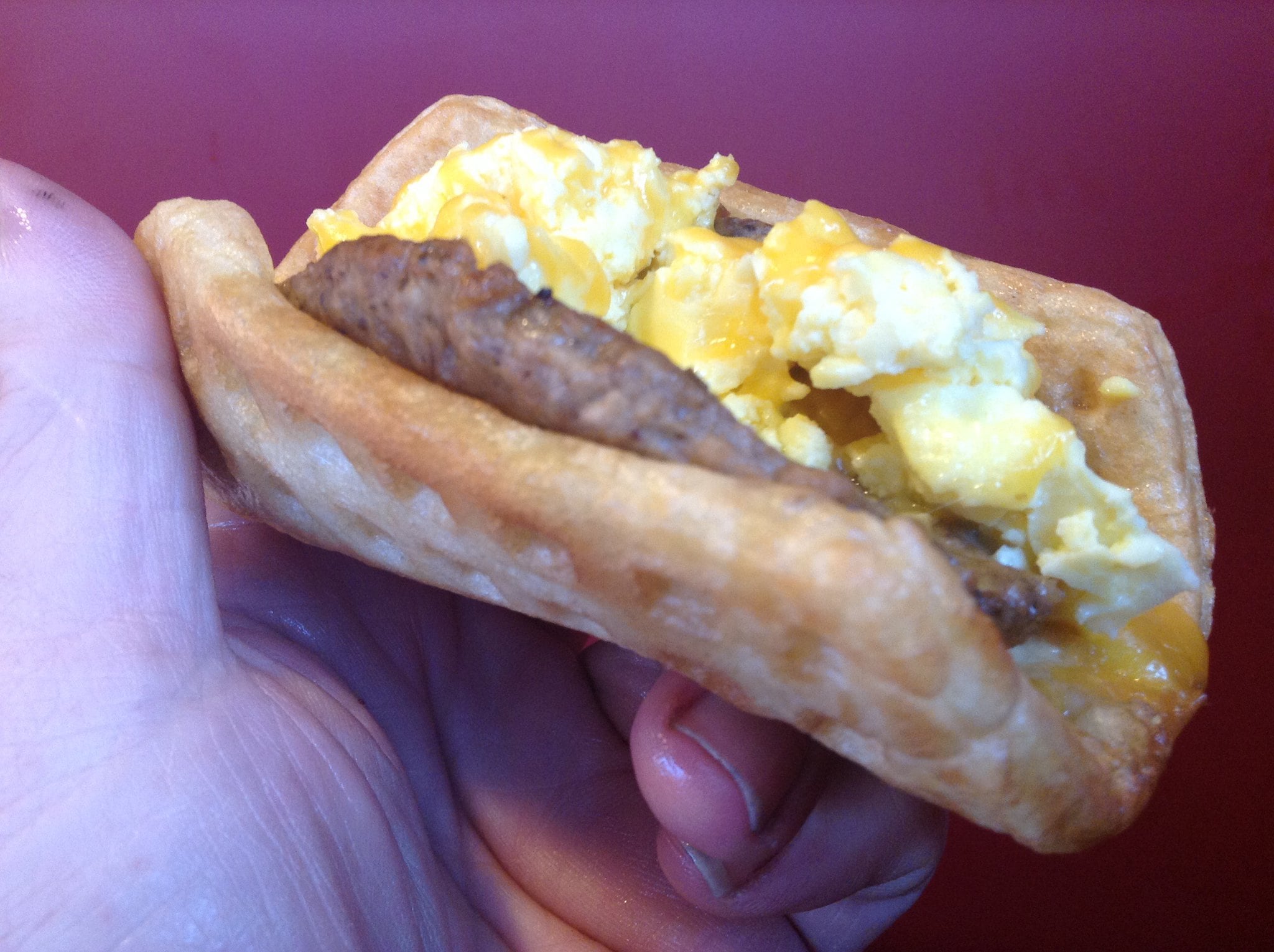
Taco Bell launched a full breakfast menu in 2014, and the Waffle Taco — a crispy waffle shell filled with sausage or bacon, eggs, and cheese, served with maple syrup — was its most distinctive item. It lasted one year before being cut in 2015 when the breakfast menu was streamlined.
The Crunchwrap, which launched at the same time, survived. The Waffle Taco, which was more interesting, did not. Taco Bell has maintained that the breakfast Crunchwrap was more operationally efficient, which is probably true and entirely beside the point.
Burger King Arch Deluxe Equivalent: Angry Whopper
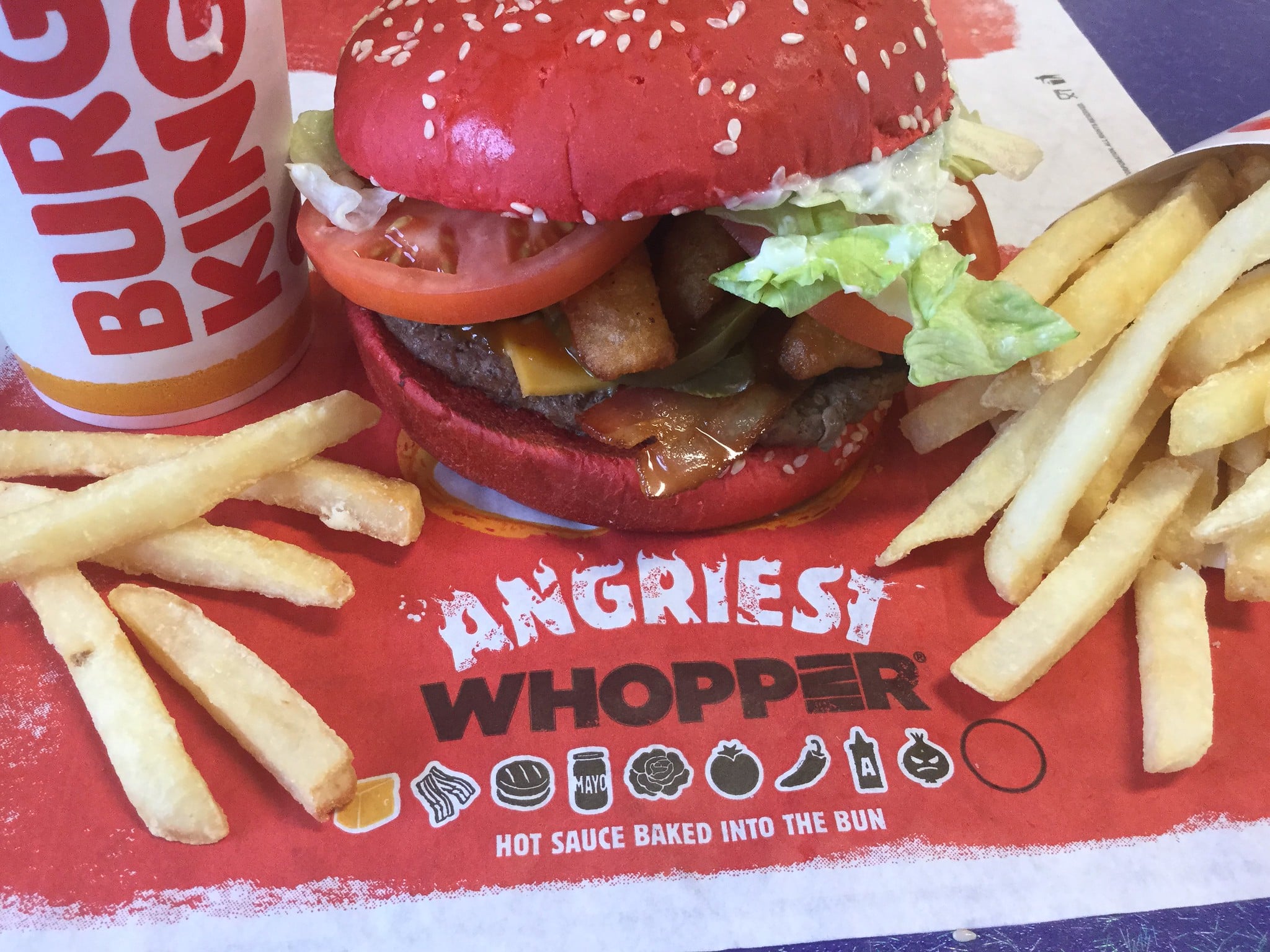
The Angry Whopper — a flame-grilled patty with jalapeños, pepper Jack cheese, spicy fried onions, and a proprietary Angry Sauce — debuted in 2009 and developed a loyal following before being discontinued. It has returned for limited runs but has never been made permanent, which frustrates customers who point out that the ingredients it requires are all available at every Burger King location.
The argument for keeping it seasonal is presumably that the scarcity keeps the demand alive. Whether that argument has merit depends on how frustrated you are by not being able to order it on a Tuesday in March.
Burger King Cini Minis
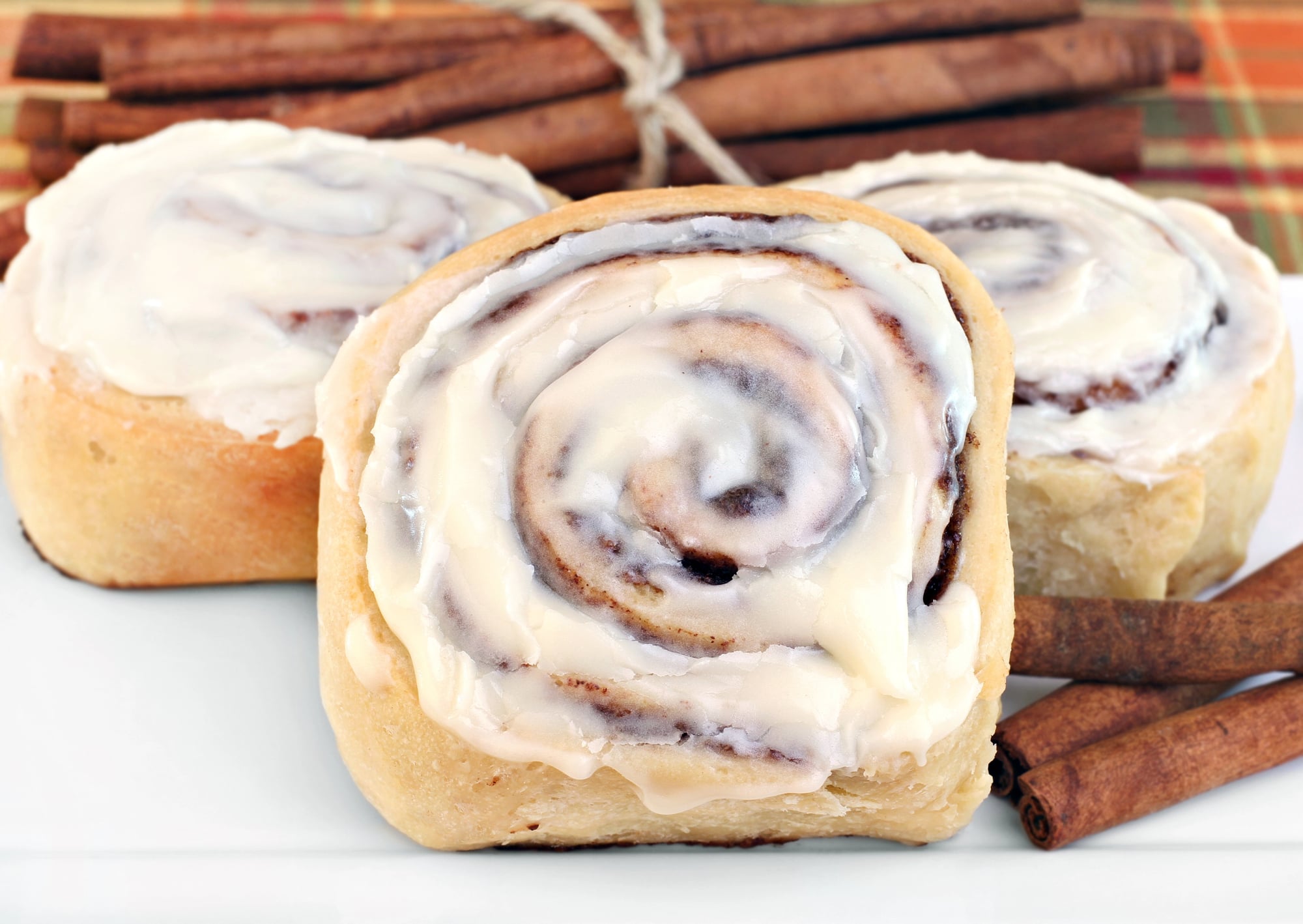
Burger King’s breakfast Cini Minis were small cinnamon rolls glazed with a sweet icing, sold in packs at breakfast and beloved by people who wanted something sweet without committing to a full dessert. They were discontinued from the regular menu, then tested in limited markets including Miami and Fort Lauderdale in late 2024 in response to a petition gathering thousands of signatures.
The nationwide return has not materialized, and the Florida test did not lead to a wider rollout. The Cini Minis community is patient.
Burger King BK Burger Shots
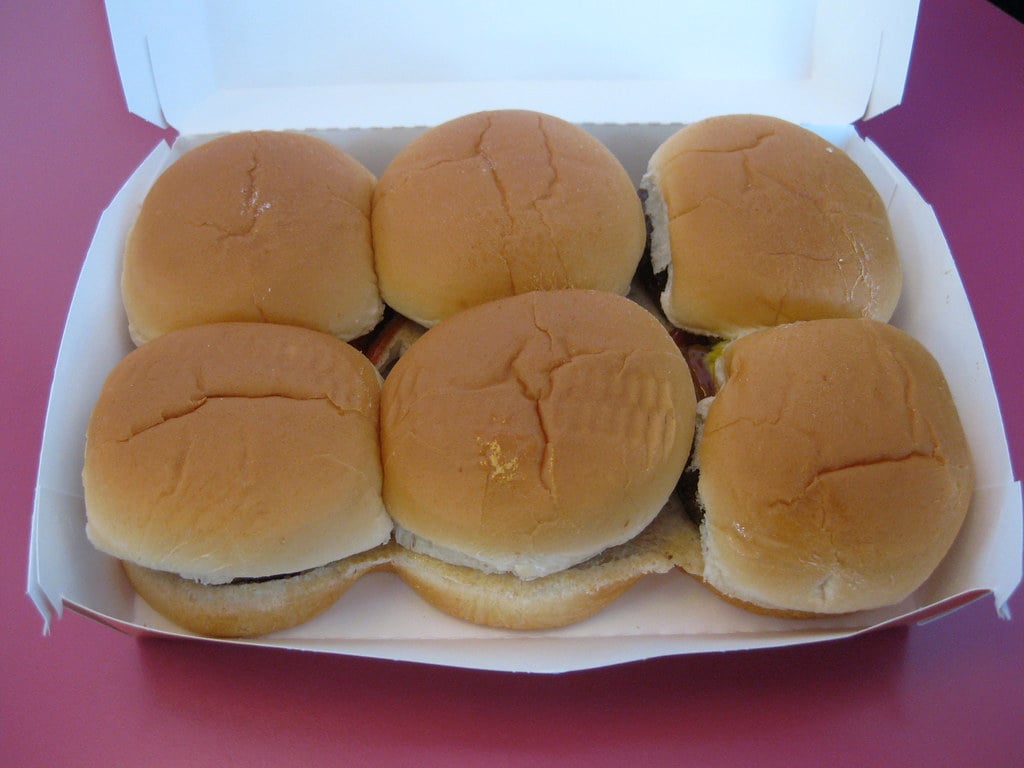
These slider-sized burgers, sold in packs of two or six, were Burger King’s attempt to compete with White Castle’s slider format without going into White Castle’s territory. They featured a small beef patty with ketchup, mustard, and pickles in a proportionally tiny bun.
They were discontinued after a relatively short run, and their departure essentially ceded the slider category at major fast food chains to White Castle, which has never faced meaningful competition there.
Wendy’s SuperBar
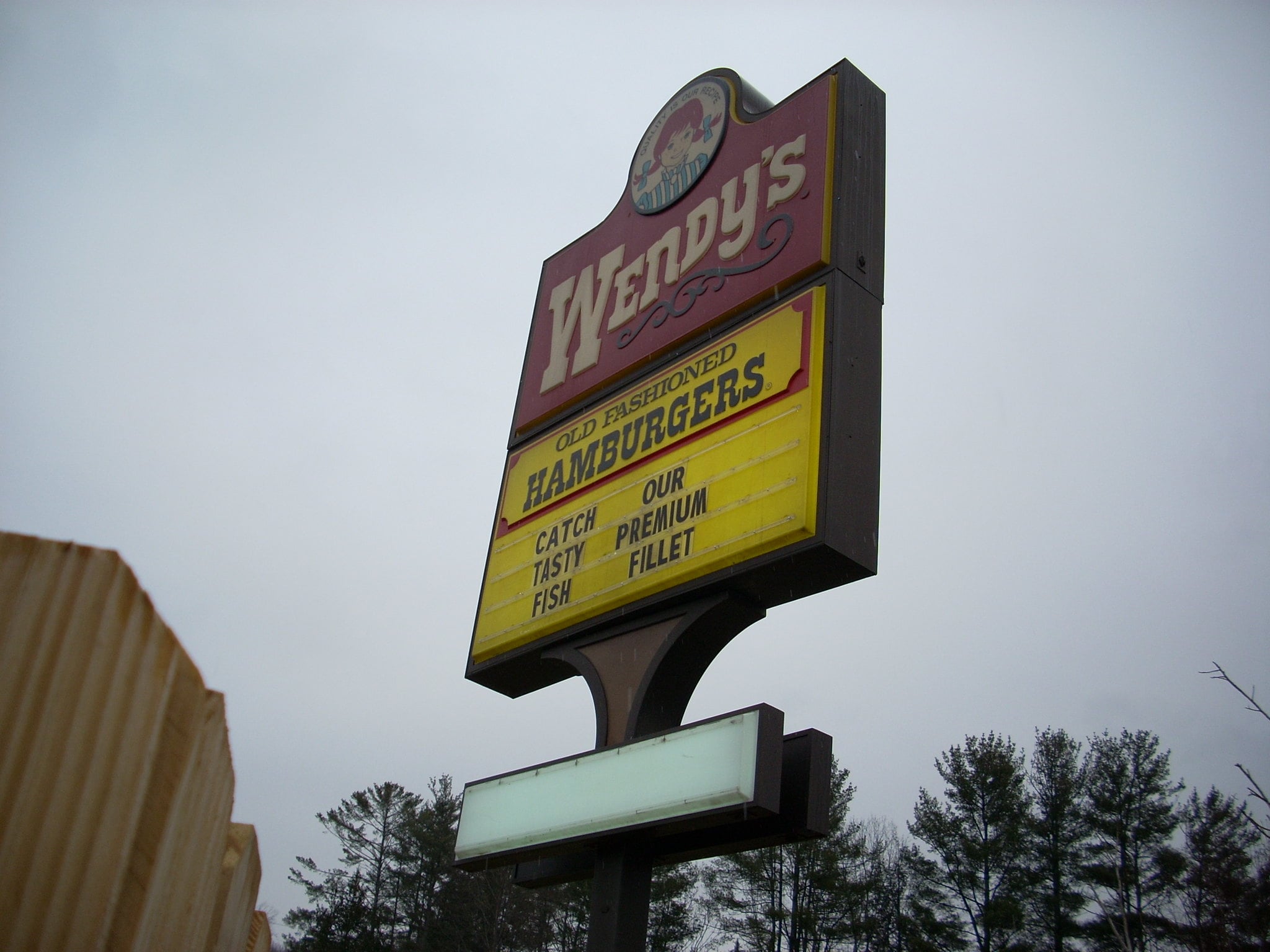
Wendy’s SuperBar was a self-serve buffet section available in Wendy’s restaurants from the late 1980s into the early 1990s, offering salad, pasta, Mexican food, baked potatoes, and changing seasonal options depending on the location and period. For families with children who disagreed on what to order, it was a genuine solution.
It was removed as Wendy’s modernized and focused on its core menu. No fast food chain has successfully brought the buffet model back — something about self-serve in the fast food context does not coexist well with contemporary health and hygiene expectations.
Wendy’s Frescata Sandwiches
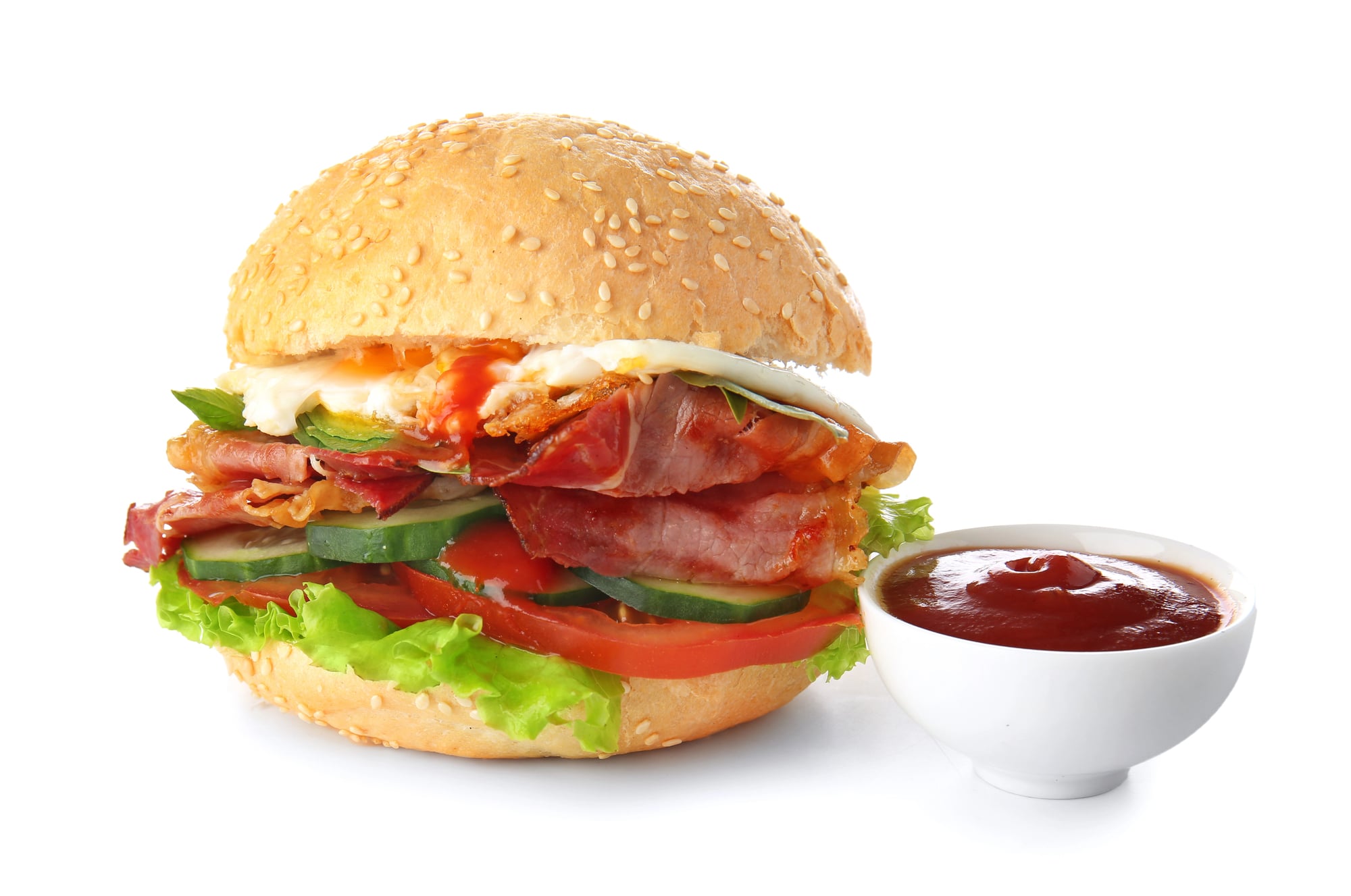
The Frescata line was Wendy’s attempt at a more premium deli-style sandwich, served cold on a baguette-style roll with fresh ingredients. Launched in the mid-2000s, the Frescatas were removed relatively quickly but maintained a following among customers who wanted something lighter and more composed than a standard fast food order.
The difficulty of executing a quality cold sandwich in a hot food environment is probably what ended them, but their fans remain loyal to the concept.
KFC’s Double Down
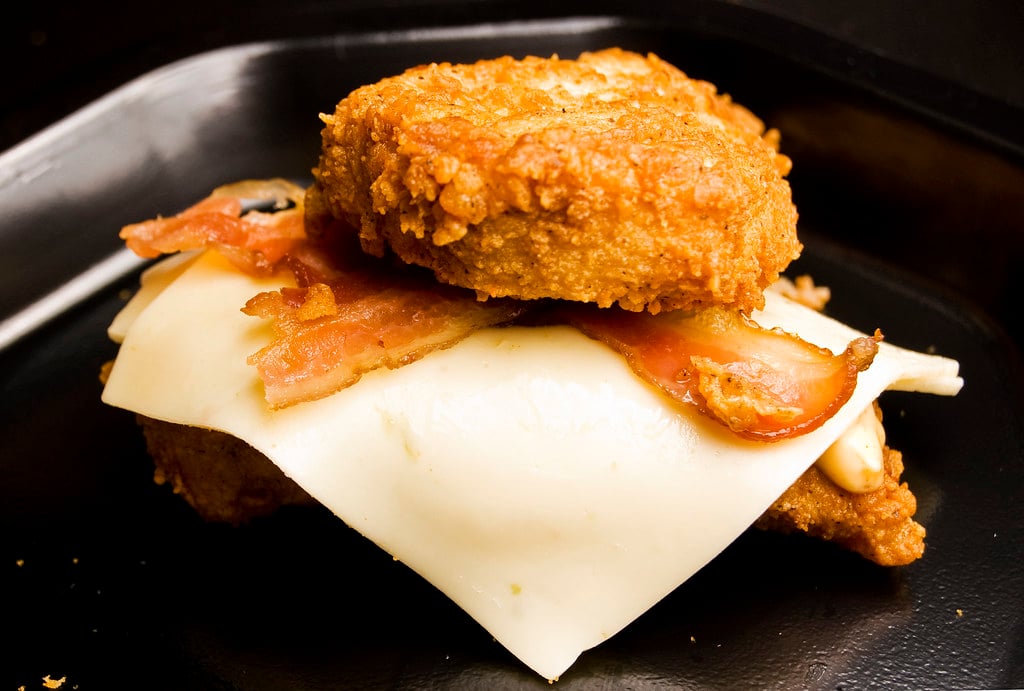
KFC’s Double Down replaced the bread with two pieces of fried chicken, with bacon, cheese, and sauce in between. It was announced on April Fool’s Day 2010, and a significant portion of the public initially assumed it was a joke.
It generated enormous media coverage, sold 10 million units in its first few months, and was periodically brought back for limited runs. The Double Down is an unusual item on this list because its legacy is genuine fondness among the people who ate it, combined with the kind of bemused disbelief from everyone else that kept it in the cultural conversation long after it left the menu.
KFC Potato Wedges
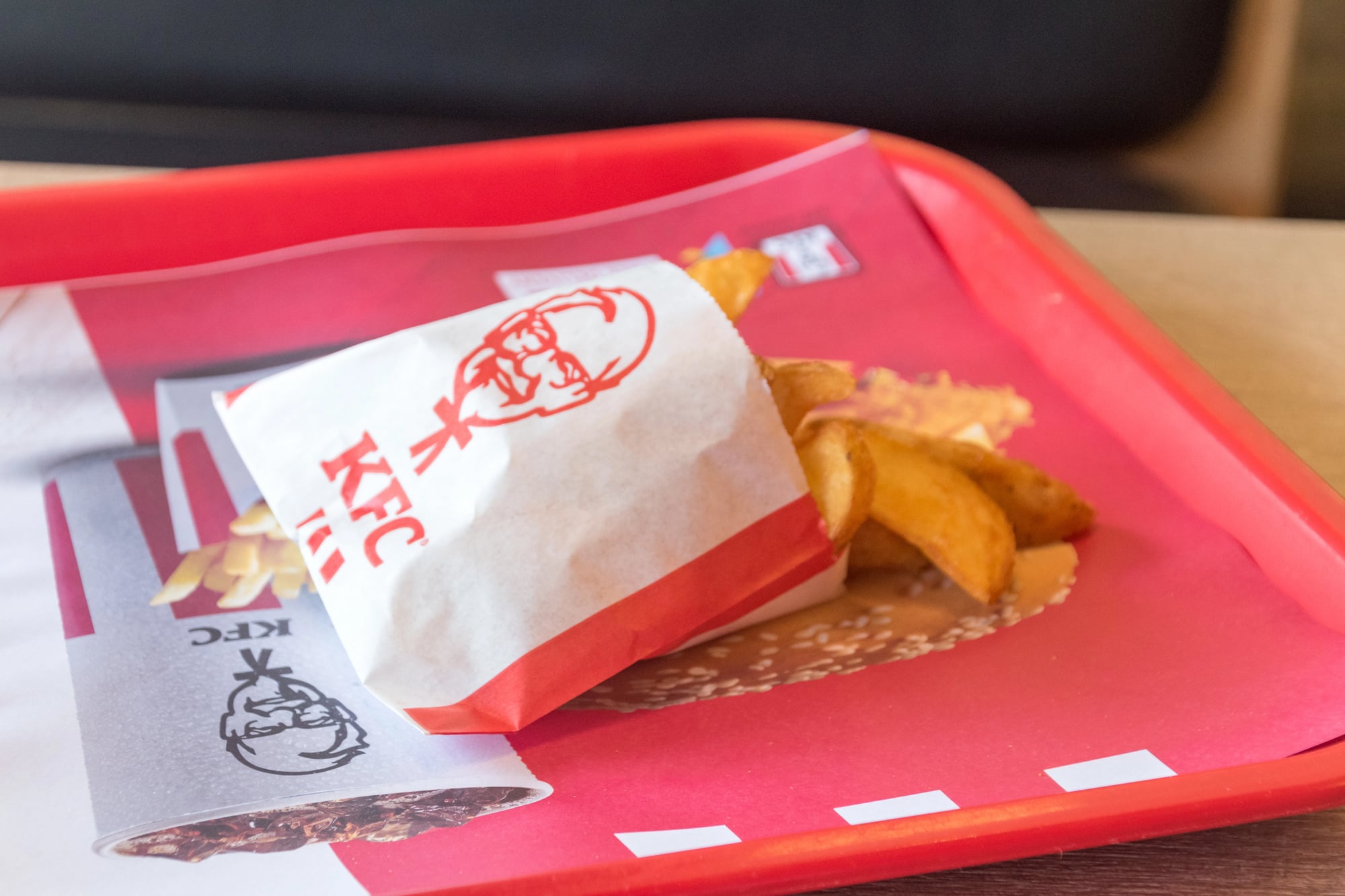
The KFC potato wedge — thick-cut, heavily seasoned, served hot — was a side dish that developed devoted fans over decades before being replaced with thinner fries. The wedges were substantially different from fries in texture and seasoning, and their disappearance was treated by a specific type of KFC customer as a genuine loss of a distinct food experience rather than a menu item being swapped for an equivalent.
The fries that replaced them have never generated the same attachment.
KFC Corn on the Cob
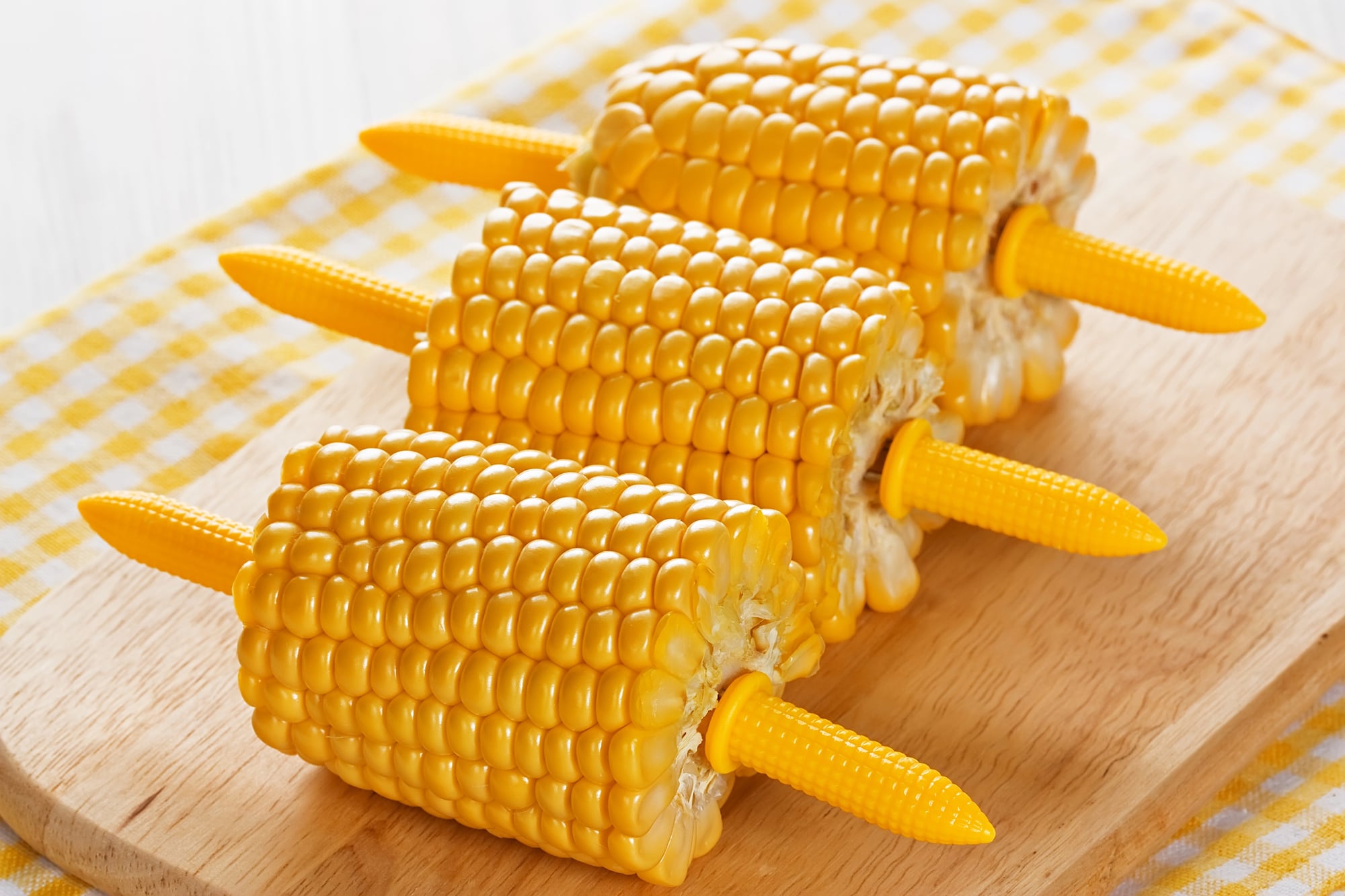
KFC corn on the cob arrived in a small yellow plastic bag and was one of the chain’s most distinctive sides for years. Former customers describe the combination of the corn’s sweetness, the butter, and the faintly charcoal-adjacent flavor from the fryer environment as specific and unrepeatable.
It disappeared from menus in the early 2000s. The yellow plastic bag is, apparently, something people specifically remember.
Pizza Hut Bigfoot Pizza
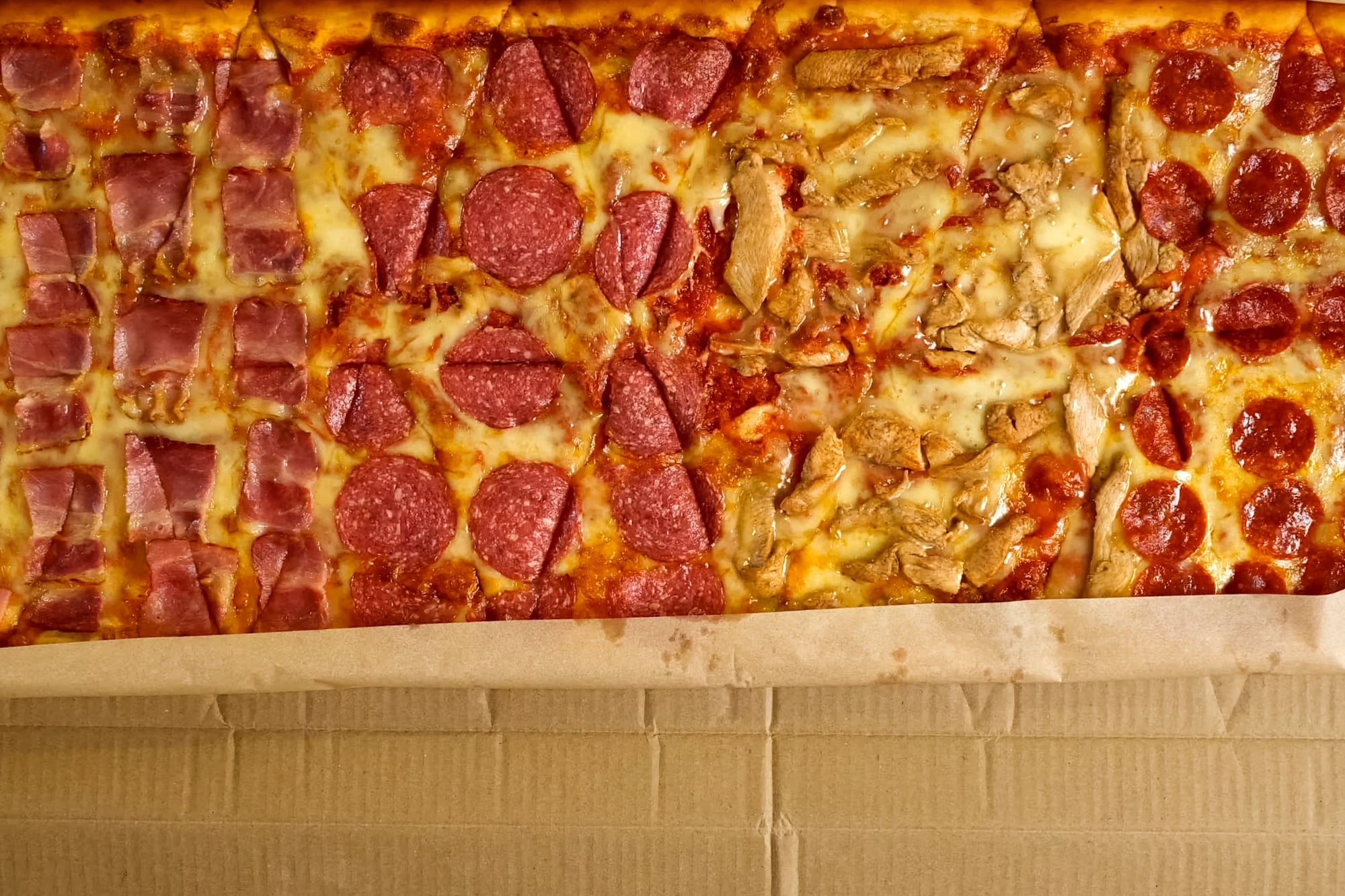
The Bigfoot was a two-foot-long rectangular pizza divided into 21 slices, designed for parties and groups who needed a lot of pizza without needing to order multiple pies. It was one of the more operationally unusual items a major fast food pizza chain has ever put on a standard menu, requiring dedicated preparation space and packaging.
Pizza Hut brought it back for a limited run in 2020. The core appeal — sheer quantity at a reasonable price — has not aged.
Pizza Hut P’Zone
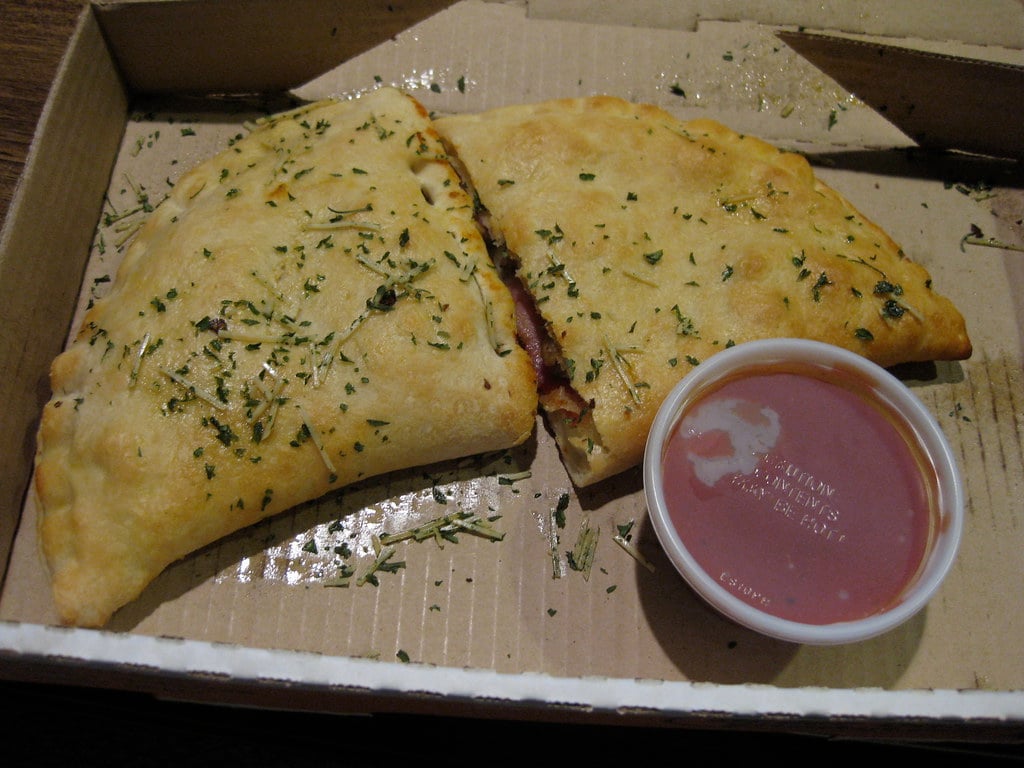
The P’Zone was Pizza Hut’s version of a calzone: a folded pizza dough pocket filled with cheese, sauce, and protein, served with a dipping cup. It launched in 2002, was discontinued, brought back, discontinued again, and has appeared sporadically in limited campaigns since.
The devotion to the P’Zone among its fans is slightly disproportionate to what it actually was — a pizza folded in half — but that combination of portability and pizza ingredients hit something that has remained stubbornly irreplaceable.
Chipotle Carne Asada
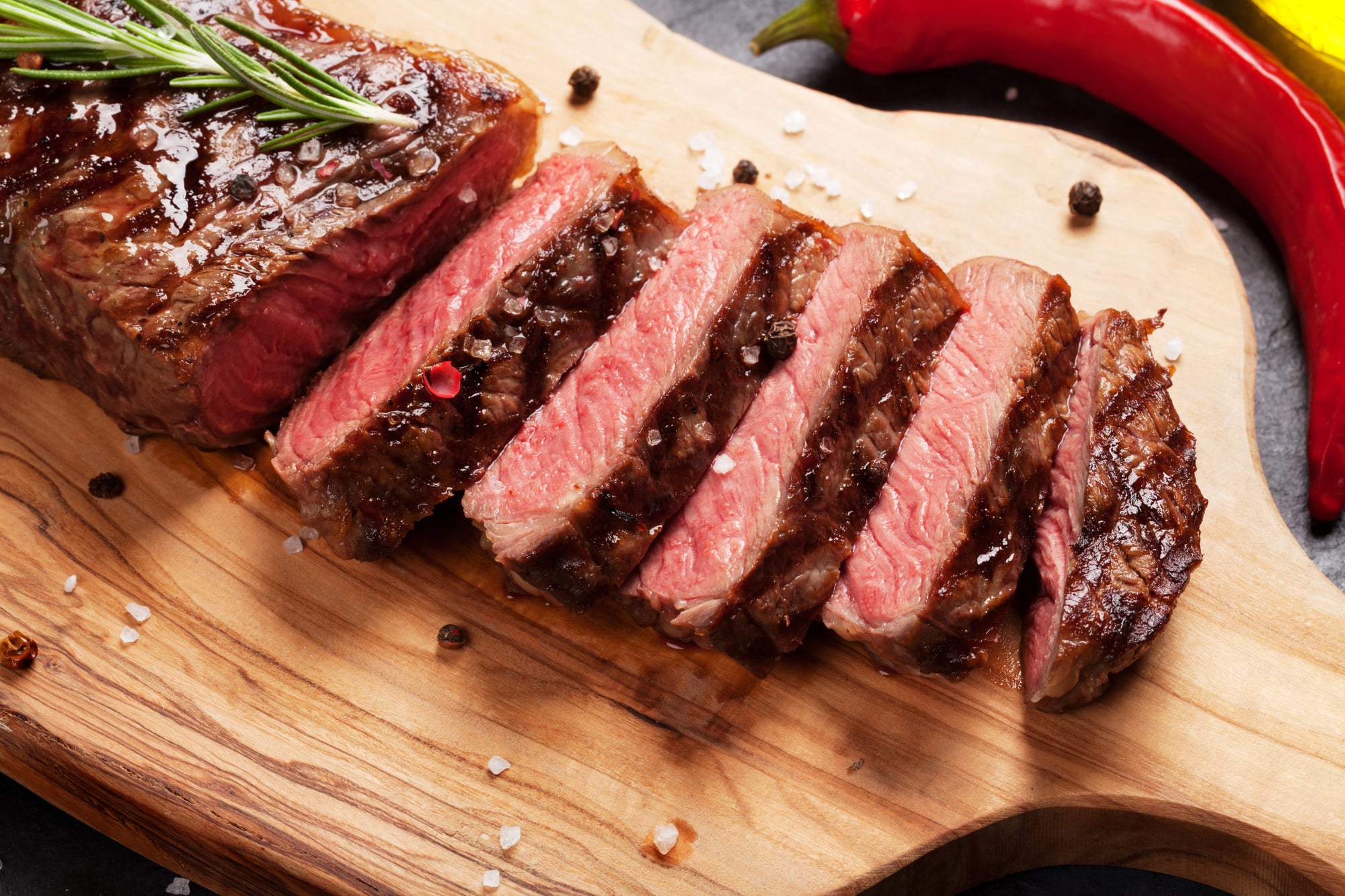
Chipotle introduced its carne asada in 2019, and it immediately became a significant hit — generating 132,680 searches per year after its removal, making it the second most-searched discontinued fast food item. It has returned for limited promotional windows, but has not been made permanent.
The reasons are logistical: carne asada requires a different cooking process than Chipotle’s other proteins, and integrating it as a permanent item creates throughput challenges during peak periods. Whether that is a satisfying answer depends on how much you want carne asada specifically.
Domino’s Brooklyn Style Pizza
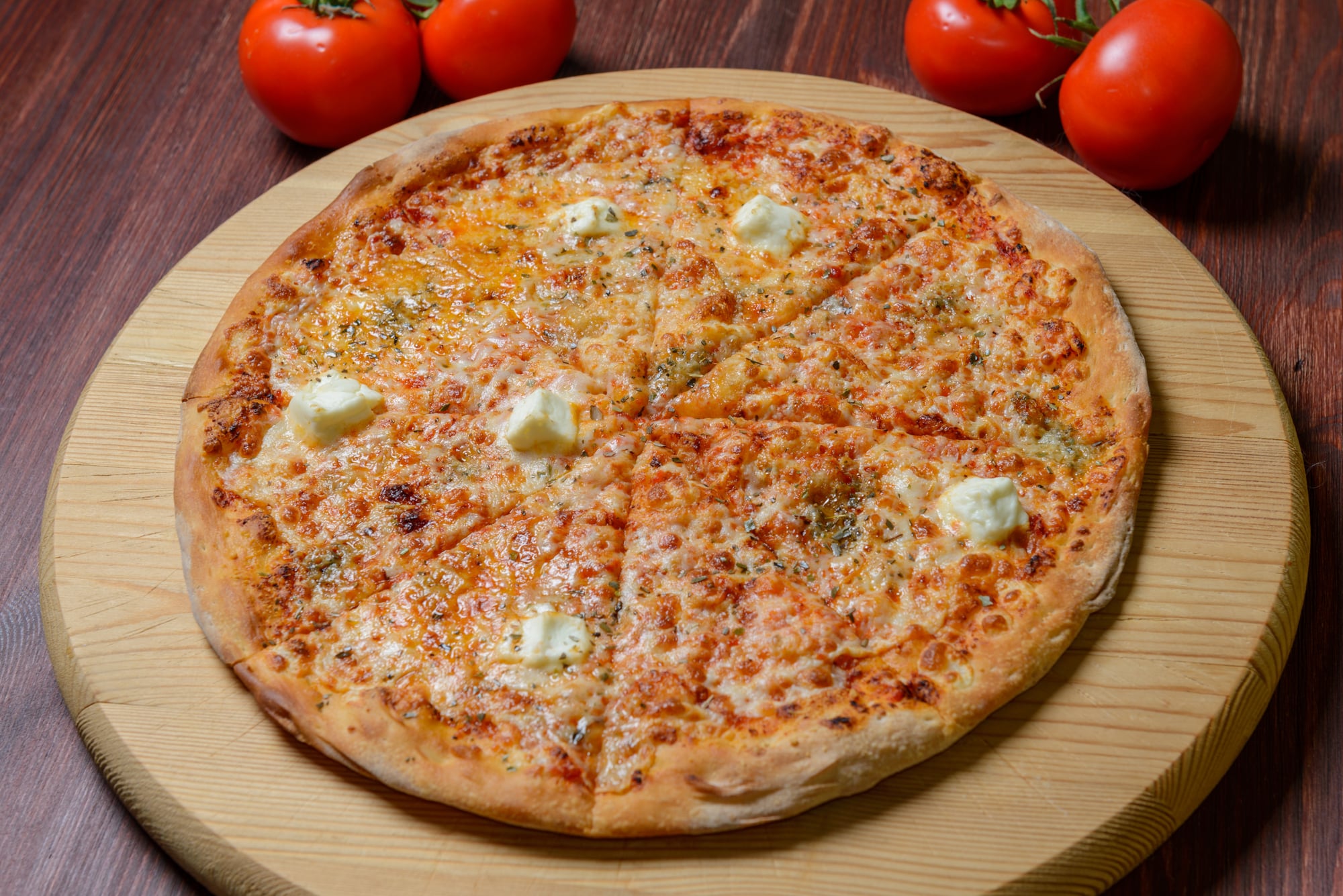
Domino’s Brooklyn Style Pizza was on the menu for 18 years before being discontinued in 2024 to make room for the chain’s New York Style Pizza. The Brooklyn Style had a specific thin, hand-tossed crust with a slightly different texture and fold quality than the replacement, and enough customers noticed the difference that the discontinuation generated the third-most Google searches of any discontinued fast food item.
Domino’s position is that the New York Style is a natural successor. The people who consistently search for the Brooklyn Style disagree.
Burger King’s Crown-Shaped Chicken Nuggets
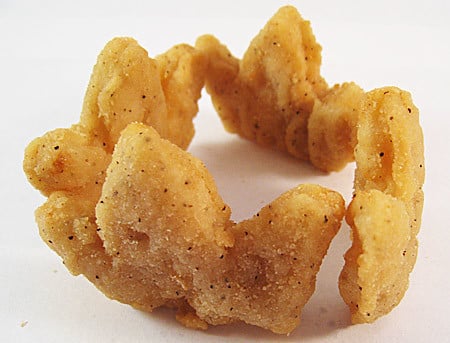
Burger King briefly offered chicken nuggets shaped like small crowns — a marketing decision aimed squarely at children who would find the novelty appealing. They were only available for a limited period, but the nostalgia for them among people who were children at the time is real and has outlasted any rational basis for it.
The crown shape did not change the taste of the nugget. It did change how it felt to eat one, which turns out to matter more than the ingredients.
McDonald’s Szechuan Dipping Sauce
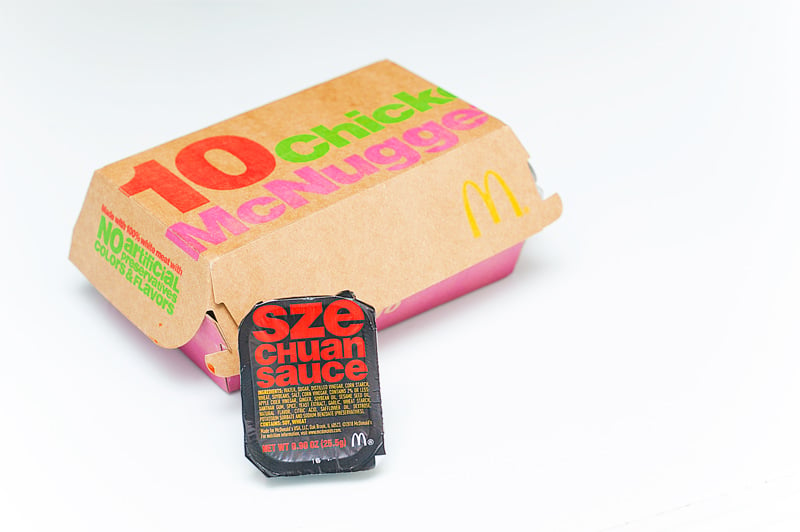
The Szechuan dipping sauce was a McDonald’s promotional item created in 1998 for the release of the Disney film Mulan. It was never intended as a permanent item.
In 2017, an episode of the animated show Rick and Morty referenced it, and the resulting demand — across social media, at drive-throughs where customers genuinely asked for it, through dedicated online campaigns — was so significant that McDonald’s released a limited batch of packets later that year. Lines formed before stores opened.
Some outlets ran out in hours. A single packet was reportedly sold on eBay for over $14,000.
It is the clearest possible demonstration of what happens when a discontinued item becomes a cultural reference point rather than just a food memory.
The Thing About Gone
Fast food items generate unusually intense attachment for something that most people consumed in under ten minutes while driving somewhere else. Part of it is that fast food is deeply connected to specific periods of life — childhood Sundays, teenage hangouts, road trips — so the item that disappeared is also the version of yourself from that time that is no longer accessible.
The other part is simpler: these things were genuinely good, and the companies that made them stopped making them for operational or financial reasons that have nothing to do with whether customers wanted them.
The petition, the Reddit thread, the annual social media campaign asking a chain to bring something back — these are not really about the food. They are about the particular frustration of being told that something you liked, for reasons entirely outside your control, simply no longer exists.
More from Go2Tutors!

- The Romanov Crown Jewels and Their Tragic Fate
- 13 Historical Mysteries That Science Still Can’t Solve
- Famous Hoaxes That Fooled the World for Years
- 15 Child Stars with Tragic Adult Lives
- 16 Famous Jewelry Pieces in History
Like Go2Tutors’s content? Follow us on MSN.