Fictional Ideas That Became Real Inventions
Science fiction has long been humanity’s playground for imagining what could be. Authors and creators have envisioned technologies decades or even centuries before engineers and scientists brought them to life. Many devices we use daily were once considered pure fantasy, living only in the pages of novels or on movie screens.
Here is a list of 14 remarkable examples where imagination preceded innovation, showcasing how fiction has shaped our technological reality.
Submarine

Jules Verne’s 1870 novel ‘Twenty Thousand Leagues Under the Sea’ featured the advanced submarine Nautilus, commanded by Captain Nemo. While primitive submersible vessels existed before Verne’s work, his detailed conception of a fully functional underwater craft powered by electricity inspired generations of engineers. The modern nuclear submarine bears striking similarities to Verne’s vision, with extended underwater capabilities and self-contained life support systems that would make Captain Nemo feel right at home.
Video Calls

When ‘The Jetsons’ aired in the 1960s, the idea of video calling seemed like pure fantasy—a convenient plot device rather than a realistic technology. The cartoon showed characters chatting face-to-face through screens, something that would take decades to become commonplace. Now, platforms like FaceTime, Zoom, and Skype have made video conversations so ordinary that we barely register how closely they resemble those futuristic Jetson family calls, minus the flying cars and robot maids.
Earbuds
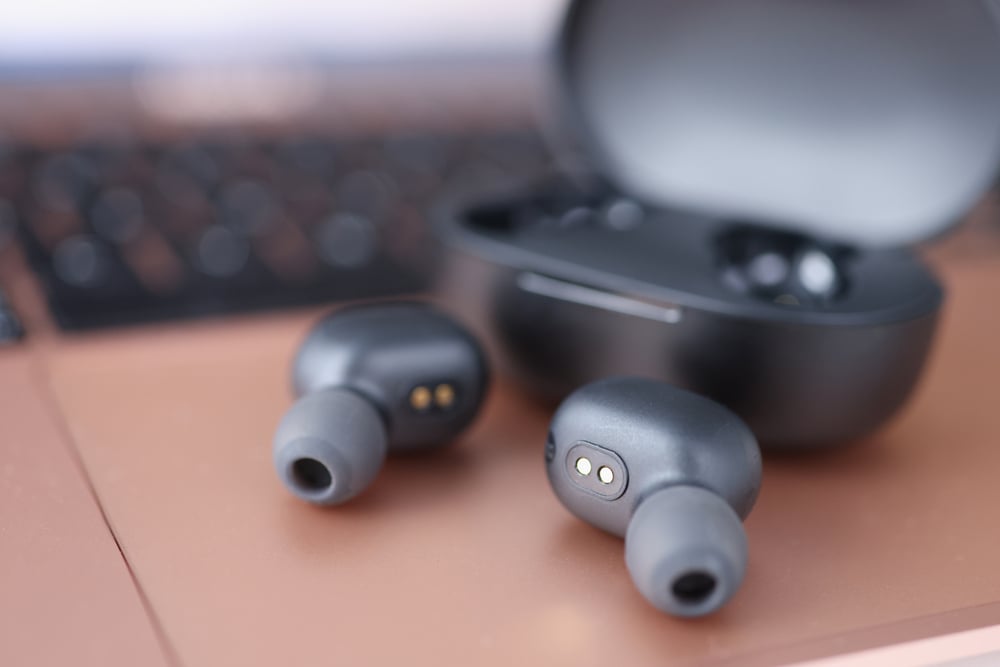
Ray Bradbury’s 1953 novel ‘Fahrenheit 451’ described ‘little seashells’ and ‘thimble radios’ that people would place in their ears to hear an ‘electronic ocean of sound.’ These fictional devices allowed characters to listen to music and communication privately—almost exactly like modern wireless earbuds. Apple’s AirPods and similar products function remarkably like Bradbury’s imagined technology, creating personal audio experiences that disconnect users from their surroundings just as the author predicted.
Credit Cards

Edward Bellamy’s 1888 novel ‘Looking Backward’ featured a system where citizens carried cards that allowed them to make purchases without physical currency. This ‘credit card’ concept appeared nearly 70 years before the first actual credit card was introduced by Diners Club in 1950. Bellamy’s fictional cards functioned remarkably like modern payment systems, predicting a cashless society where transactions would be recorded and settled electronically—a vision that has largely come true.
Virtual Reality
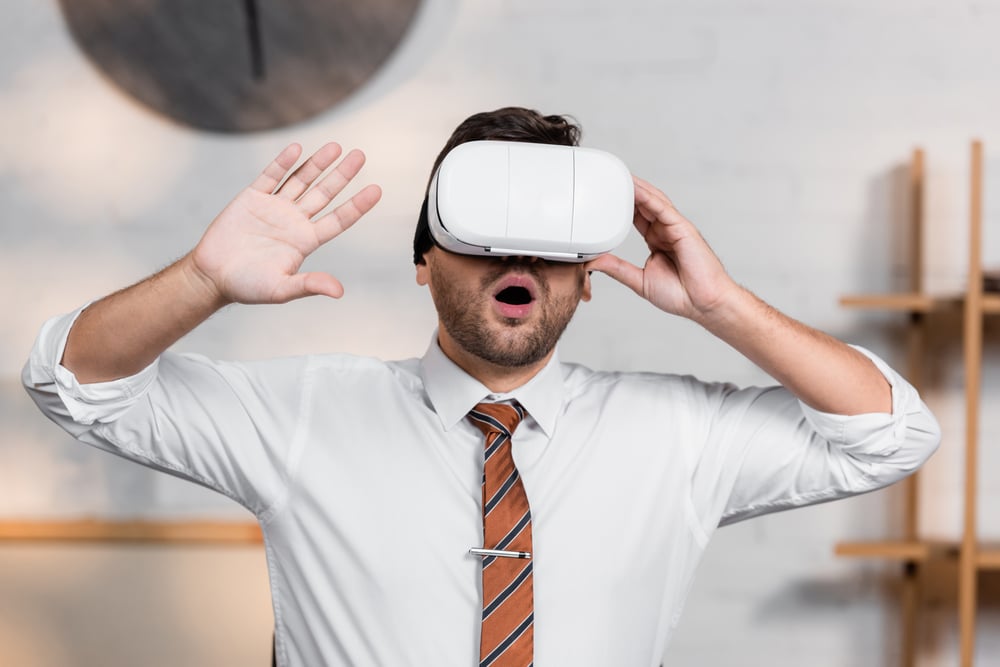
Stanley G. Weinbaum’s 1935 short story ‘Pygmalion’s Spectacles’ described goggles that transported the wearer into an artificial world engaging all senses. This early concept of virtual reality predated actual VR technology by decades. Modern VR headsets like the Oculus Quest and PlayStation VR function similarly to Weinbaum’s fictional device, creating immersive environments that respond to user movements and interactions, though they haven’t yet achieved his vision of engaging all five senses.
Self-Driving Cars
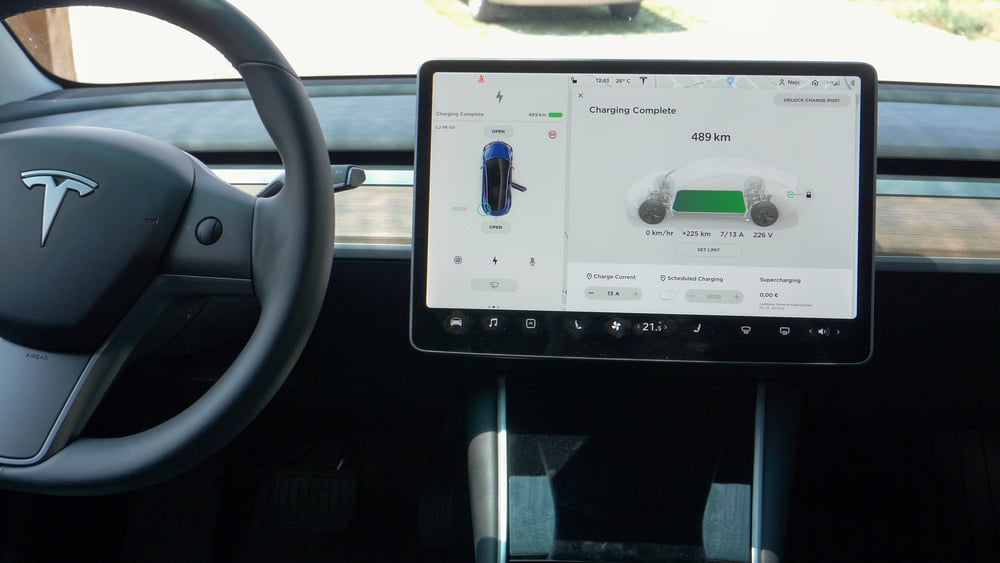
Isaac Asimov’s 1953 short story ‘Sally’ featured autonomous vehicles with personalities and the ability to navigate without human intervention. While today’s self-driving cars don’t have the personalities Asimov envisioned, companies like Tesla, Waymo, and others have developed vehicles with sophisticated navigation systems that can handle complex driving tasks. The artificial intelligence guiding these cars continues to evolve, bringing us closer to Asimov’s vision of highways dominated by vehicles making their own decisions.
Mobile Phones
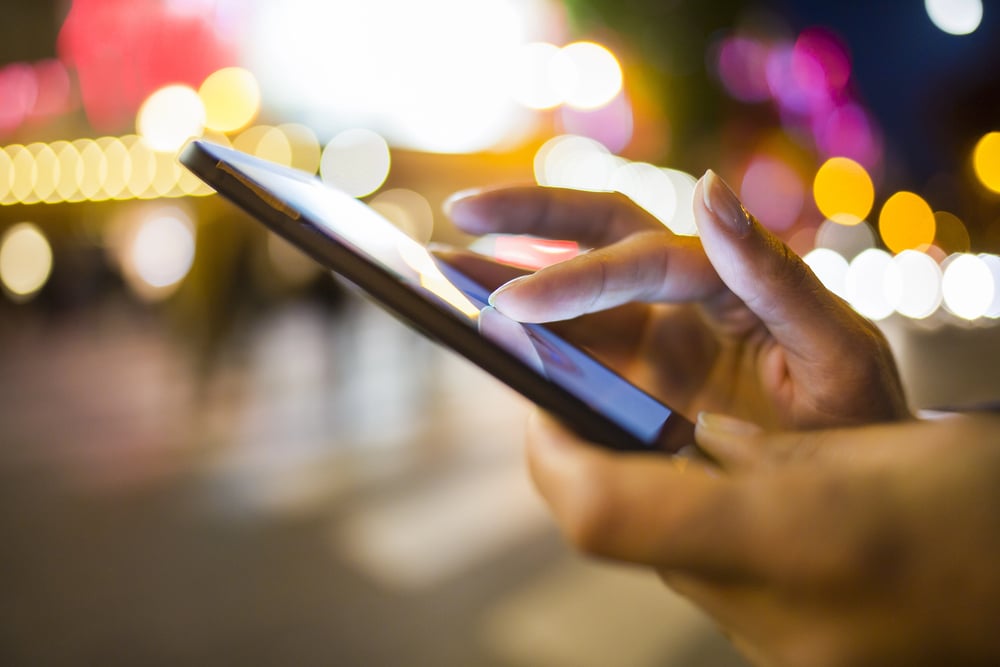
Star Trek’s communicators from the original 1966 series were handheld devices allowing crew members to communicate wirelessly across vast distances. When Motorola engineer Martin Cooper invented the first handheld mobile phone in 1973, he cited the Star Trek communicator as a direct inspiration. Modern smartphones have far surpassed the capabilities of those fictional devices, combining communication with computing power that would impress even the Enterprise’s crew.
Tablet Computers
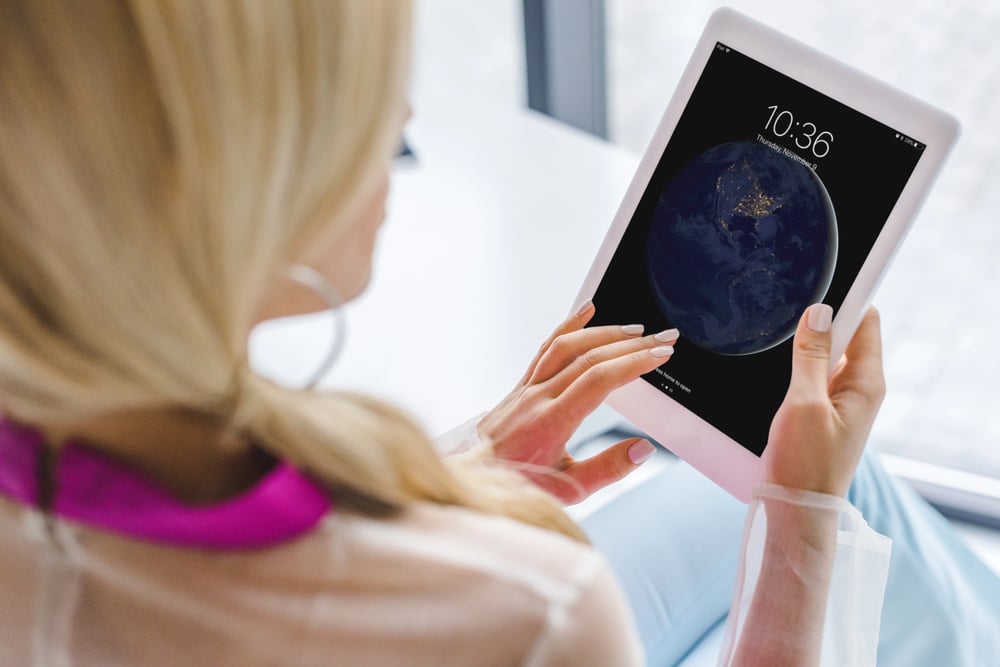
Stanley Kubrick’s ‘2001: A Space Odyssey’ (1968) showed astronauts using flat, rectangular devices called ‘newspads’ to read news and watch videos. These fictional tablets accurately predicted the iPad and similar devices that wouldn’t appear until over 40 years later. The resemblance is so striking that during patent litigation, Apple’s competitors pointed to the film as evidence that the tablet concept predated Apple’s designs—art literally influencing life, and then legal battles.
Voice Assistants
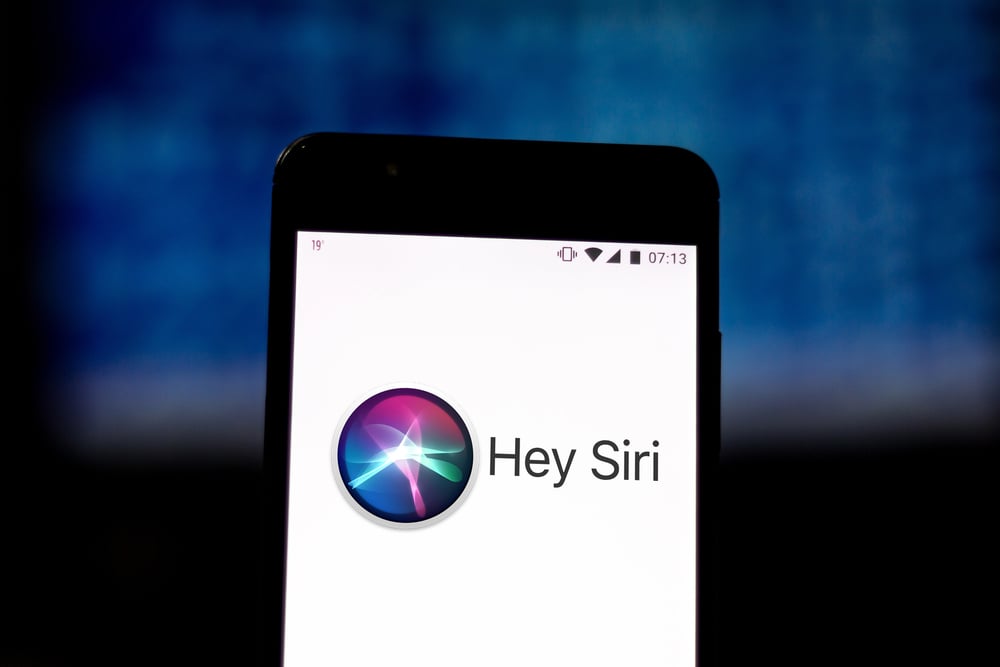
The talking computer in ‘Star Trek’ responded to voice commands and provided information on demand, much like today’s digital assistants. Amazon’s Alexa, Apple’s Siri, and Google Assistant perform many of the same functions as the fictional computer, answering questions and controlling smart home devices through natural language processing. These real-world assistants aren’t yet capable of the sophisticated reasoning shown in fiction, but the basic interaction model—speaking commands and receiving verbal responses—is remarkably similar.
3D Printing
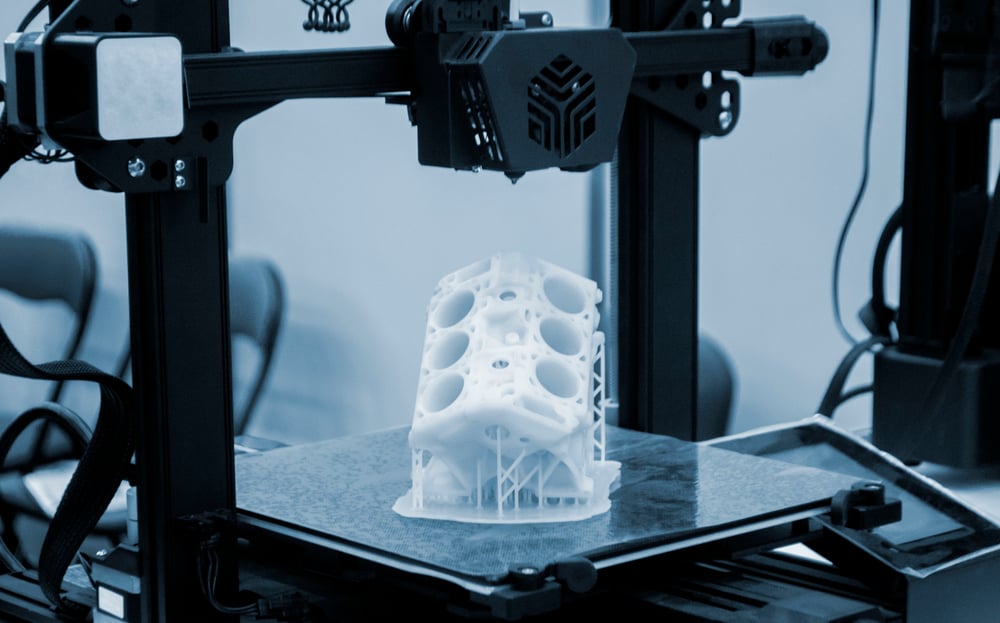
Star Trek’s replicators could materialize objects on demand, seemingly creating something from nothing. While modern 3D printers don’t rearrange atoms like their fictional counterparts, they do build physical objects layer by layer based on digital designs. The ability to ‘print’ everything from prosthetic limbs to house components represents a significant step toward the kind of on-demand manufacturing envisioned in science fiction, though with more mechanical limitations.
Bionic Limbs

‘The Six Million Dollar Man’ featured an astronaut rebuilt with artificial limbs that granted him superhuman abilities. Today’s advanced prosthetics, while not providing superhuman strength, offer remarkable functionality through neural interfaces and sophisticated materials. Modern bionic limbs can respond to muscle movements or even brain signals, allowing users to control artificial hands and arms with natural-feeling movements that would have seemed impossible just decades ago.
Digital Billboards
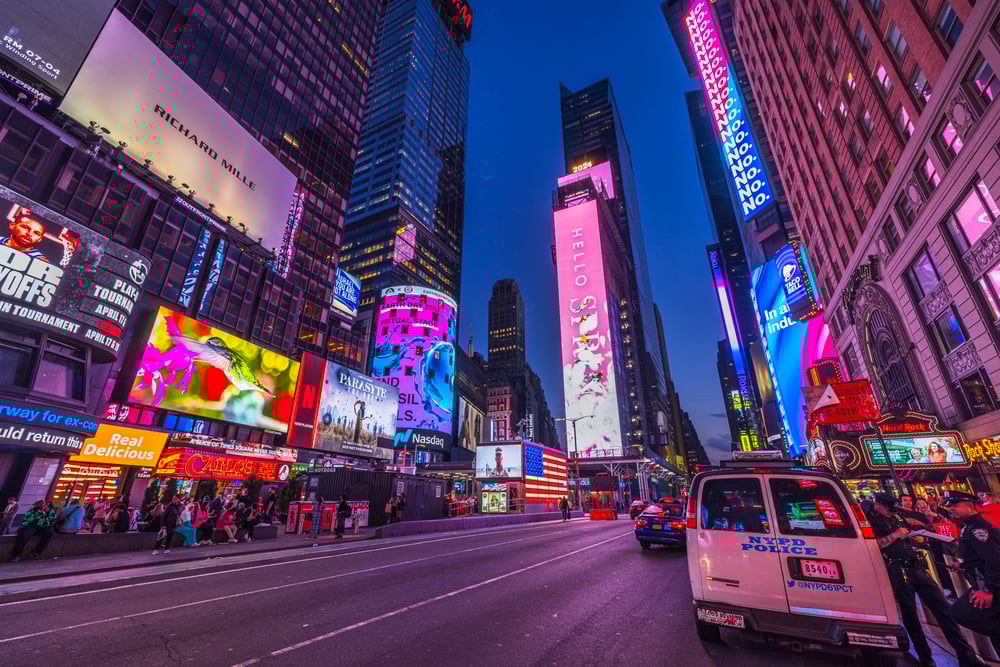
The massive, ever-changing electronic billboards in ‘Blade Runner’ (1982) have become reality in places like Times Square and Tokyo’s Shibuya district. These enormous digital displays advertise products with vivid animation and can change content instantly—exactly as depicted in Ridley Scott’s dystopian vision. The technology has evolved from simple light displays to sophisticated LED screens capable of showing high-definition video that captures attention even in bright daylight.
Smart Homes
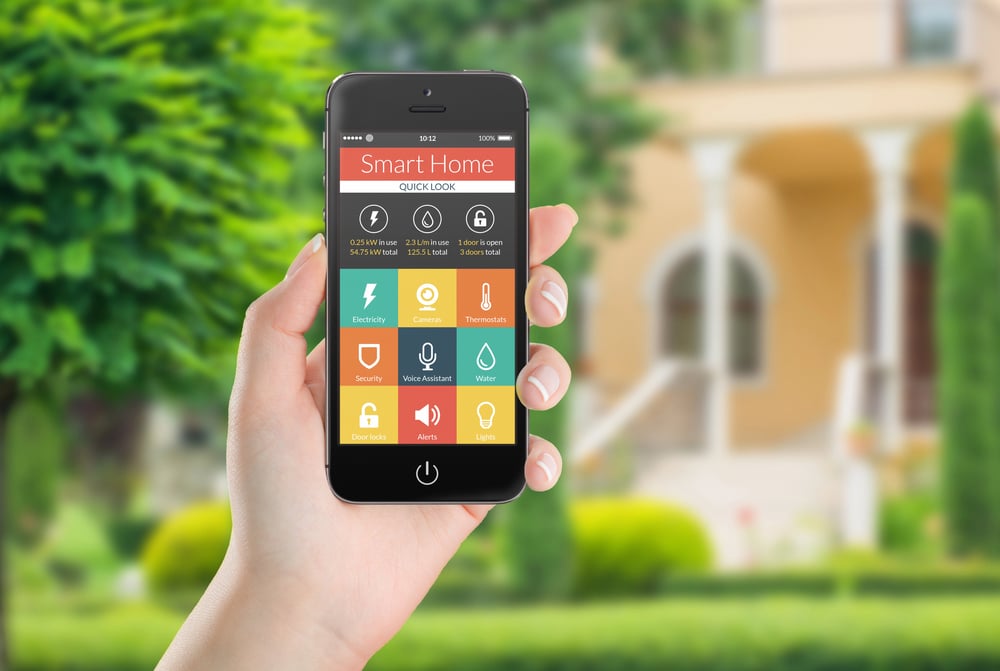
Ray Bradbury’s 1950 short story ‘There Will Come Soft Rains’ depicted an automated house that continued functioning after its human inhabitants were gone, preparing meals and cleaning itself. Today’s smart homes, while less autonomous, feature many similar capabilities through interconnected devices controlled by central systems. Modern homes can adjust temperature, lighting, and security settings automatically, with voice-controlled assistants managing everything from entertainment systems to kitchen appliances.
Holograms
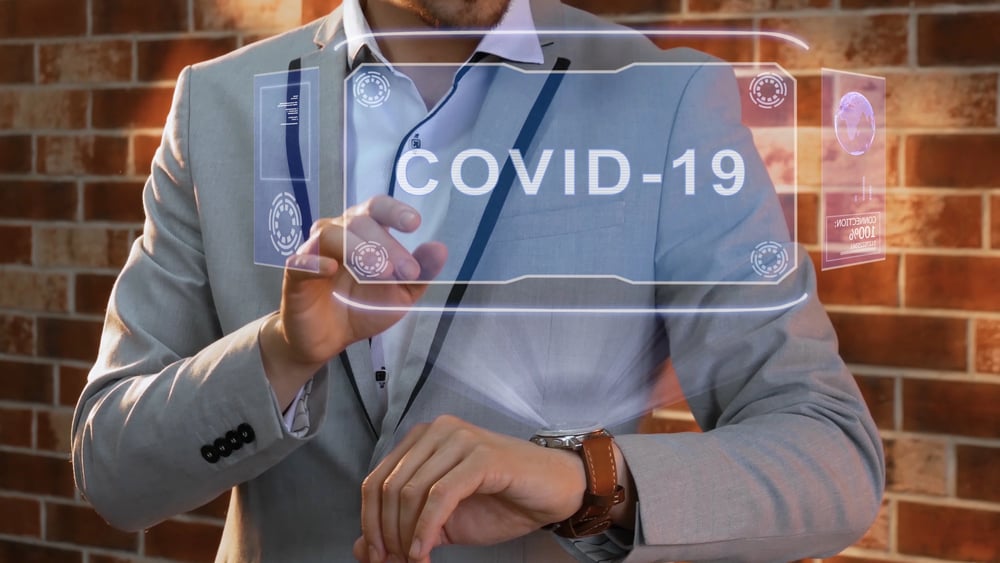
Princess Leia’s holographic message in ‘Star Wars’ (1977) captured the imagination of viewers worldwide. While we don’t yet have the free-standing, three-dimensional projections seen in the film, companies have developed impressive holographic display technologies for entertainment and communication. Performances by deceased musicians as ‘holograms’ and experimental communication systems demonstrate how this technology continues to develop, gradually approaching the science fiction vision that inspired it.
From Pages to Reality
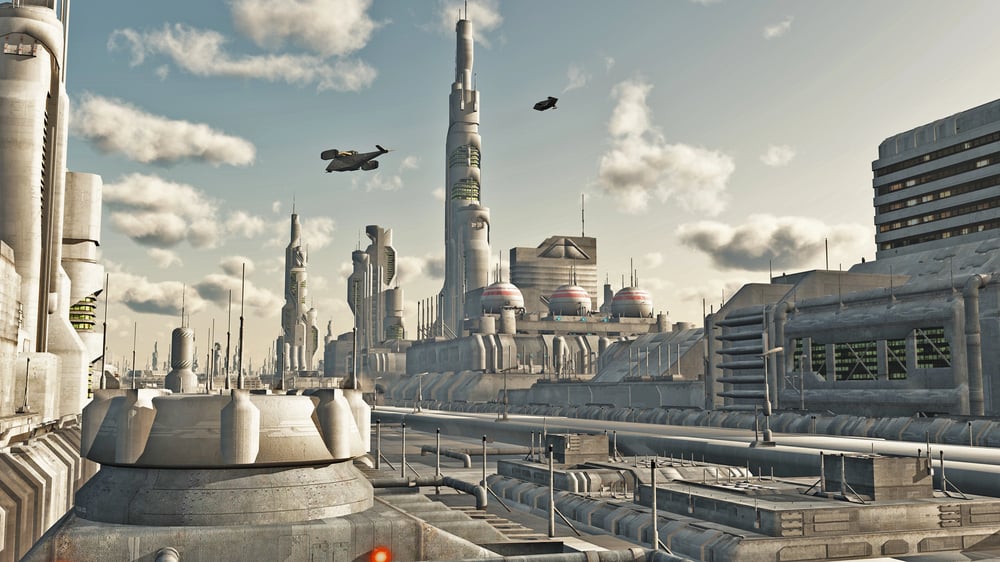
The journey from fictional concept to functioning technology reminds us of imagination’s powerful role in progress. Many inventors and engineers openly acknowledge drawing inspiration from the books, films, and television shows they experienced in their youth. These creative works didn’t just predict technological developments—they actively shaped them by planting seeds in the minds of future innovators.
What’s particularly fascinating is how many of these technologies have become so integrated into our daily lives that we rarely think about their fictional origins. The smartphone in your pocket, the voice assistant in your kitchen, or the streaming video on your tablet—all have roots in someone’s creative vision of what might be possible. As we look to the future, today’s science fiction may well contain the blueprint for tomorrow’s reality.
More from Go2Tutors!

- 18 Unexpectedly Valuable Collectibles You Might Have Lying Around
- 15 Things Every Teenager in the ’70s Did That Teens Today Wouldn’t Understand
- 15 Strange Things People Have Tried to Ban (And Failed)
- 15 Inventions That Were Immediately Banned After Being Created
- 20 Actors Who Were Almost Cast in Iconic Roles
Like Go2Tutors’s content? Follow us on MSN.