28 TV Theme Songs From the ’80s That Are Still Instantly Recognizable
A decade without streaming, without DVRs, without the ability to skip an opening sequence. The 1980s built theme songs that had to work—they had to pull you away from the dinner table and toward the television set.
The best of them did more than that; they became so woven into the culture that hearing a few notes now, decades later, restores you to that living room completely intact.
Most theme songs today disappear in fifteen seconds. The ones that survive from the ’80s had time to sink in.
They evolved with the shows themselves, sometimes changed between seasons, and drew from the full toolkit of contemporary music—synth, rock, jazz, and orchestral arrangements all competing for primacy. The result is a catalog of intros that remain, against all odds, impossibly recognizable.
Where Everybody Knows Your Name
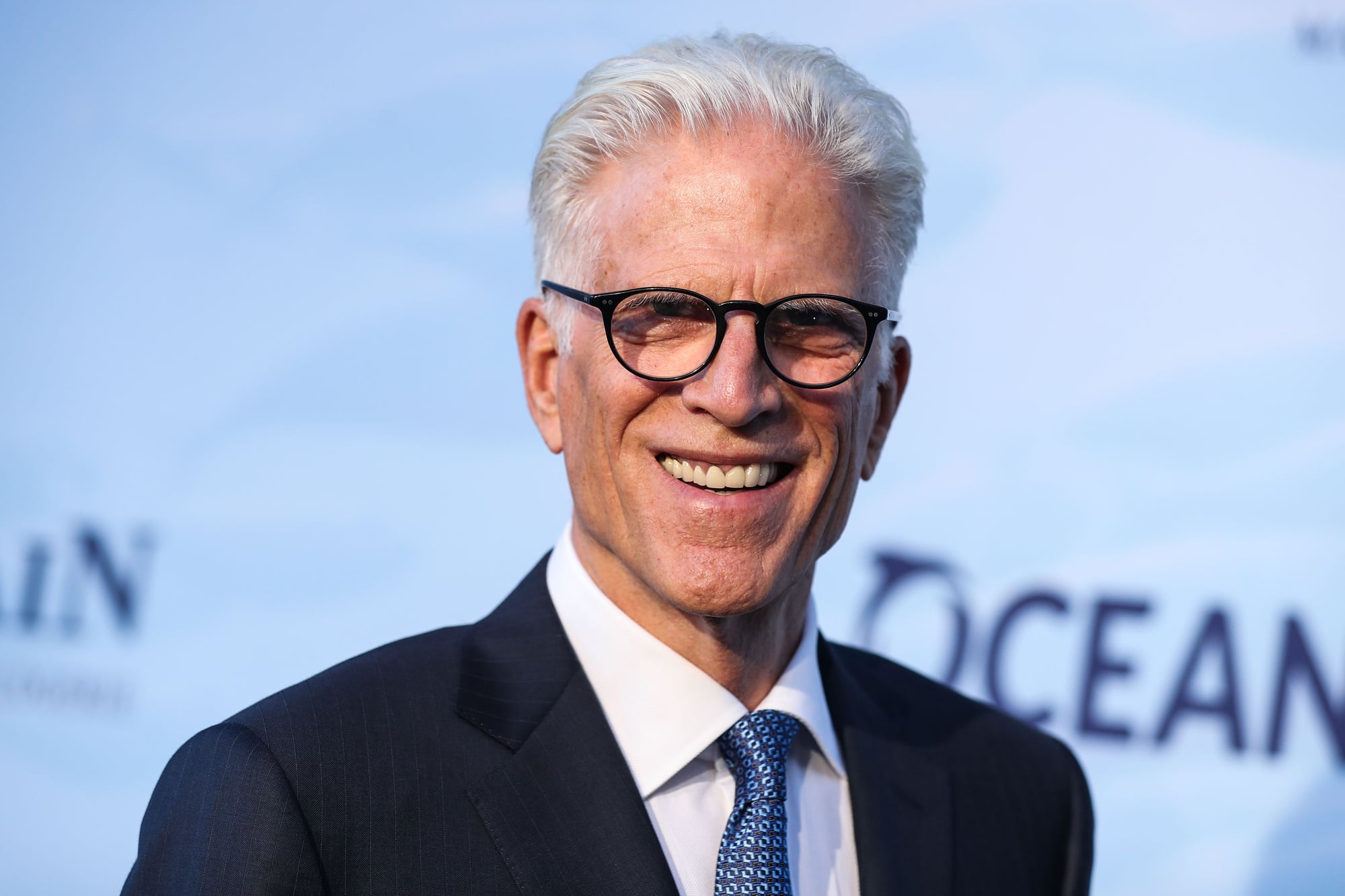
Cheers built its empire partly on Gary Portnoy and Judy Hart Angelo’s understated mastery. The song arrived after two rejected submissions; producers almost got it wrong.
Instead they created something that landed as genuine warmth, the kind of musical greeting that made stepping into a Boston bar feel like coming home. The melody is so simple it almost apologizes for itself—and that’s exactly why it lodges in your head for life.
Miami Vice Theme
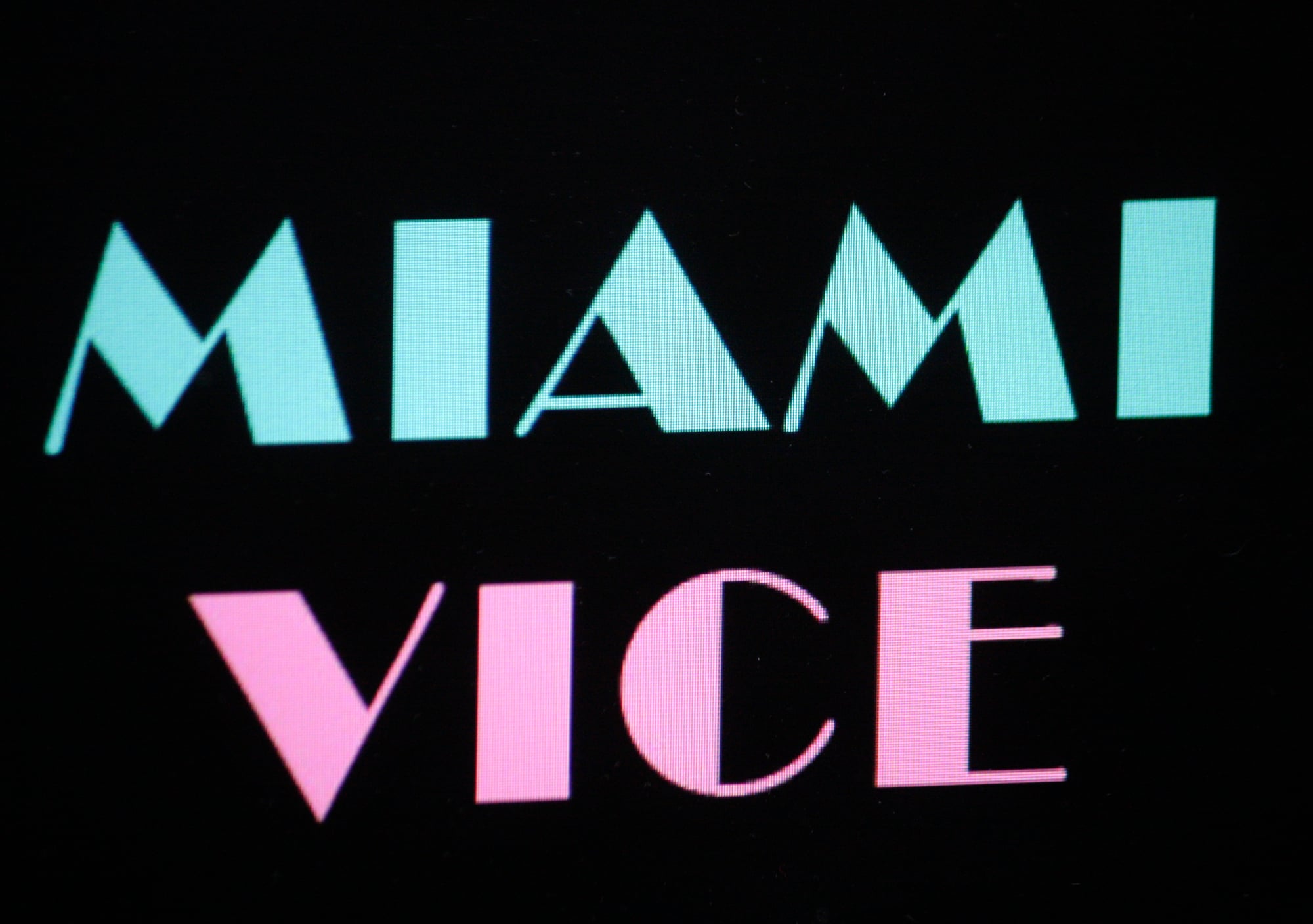
Jan Hammer composed something that sounds like the decade itself in synthesizer form. It hit number one on the Billboard Hot 100 in 1985, won two Grammys, and became one of the most successful pop instrumentals ever recorded.
The theme doesn’t announce Miami Vice; it is Miami Vice. Hearing it now summons not just the show but an entire aesthetic—pastels, neon, excess—that defined the era.
Knight Rider
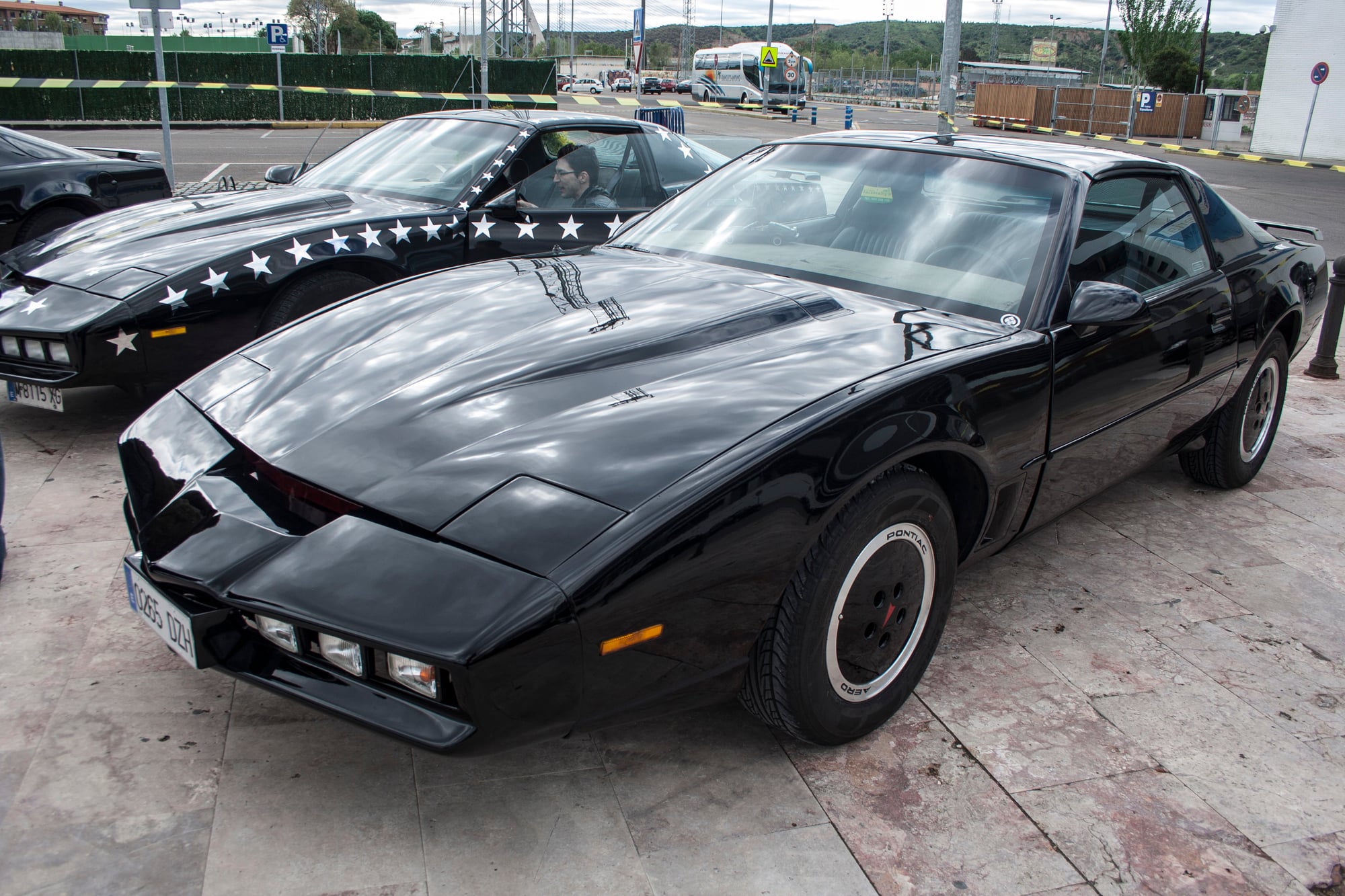
Stu Phillips and Glen A. Larson reportedly deployed five different synthesizers to achieve this otherworldly sound. The opening notes trigger an instant image of a car coming at you through a digital landscape.
It’s pure 1980s sci-fi fantasy, engineered to make you believe that a man and a machine could be partners. Few TV themes have aged worse or endured better.
The Greatest American Hero
Bill Conti’s arrangement of “Believe It or Not” reached number two on the Billboard Hot 100 in 1981 and created a cultural in-joke that lasted decades. When Seinfeld’s George Costanza needed to record an absurd answering machine message, he chose this theme and reworded it as “Believe it or not, George isn’t at home.”
The song’s earnestness made it the perfect target—and the perfect earworm.
Inspector Gadget
Shuki Levy created something influenced by Edvard Grieg’s “Hall of the Mountain King,” and if you know that connection, you can’t unhear it. The theme song became so iconic that when Netflix tried to reboot the show decades later, the new opening theme faced intense scrutiny from viewers conditioned by this original.
It’s impossible not to hum along. That’s not nostalgia; that’s compositional inevitability.
Reading Rainbow
Tina Fabrique’s voice singing “Butterfly in the sky, I can go twice as high” became synonymous with the show’s mission before the theme even finished. PBS premiered the show in 1983, and the theme arrived as something genuinely revolutionary—a song that made learning and reading seem like adventure.
It’s been parodied and referenced endlessly, which only confirms its place in the culture.
Full House

The “Everywhere You Look” theme hit with infectious predictability, designed to sound exactly like the wholesome family it represented. John Stiles wrote it as something impossible to dislike, which was the point.
The chorus became a sing-along mandate, and even people who never watched the show can conjure it in seconds. That’s reach most composers never achieve.
The Golden Girls
Andrew Gold’s “Thank You for Being a Friend” wasn’t written for the show; it was already a hit when the show acquired it. The decision proved perfect—a heartfelt soft rock ballad that captured the show’s central premise without sentimentality.
The song became so associated with the series that many people forget it existed independently.
Magnum, P.I.
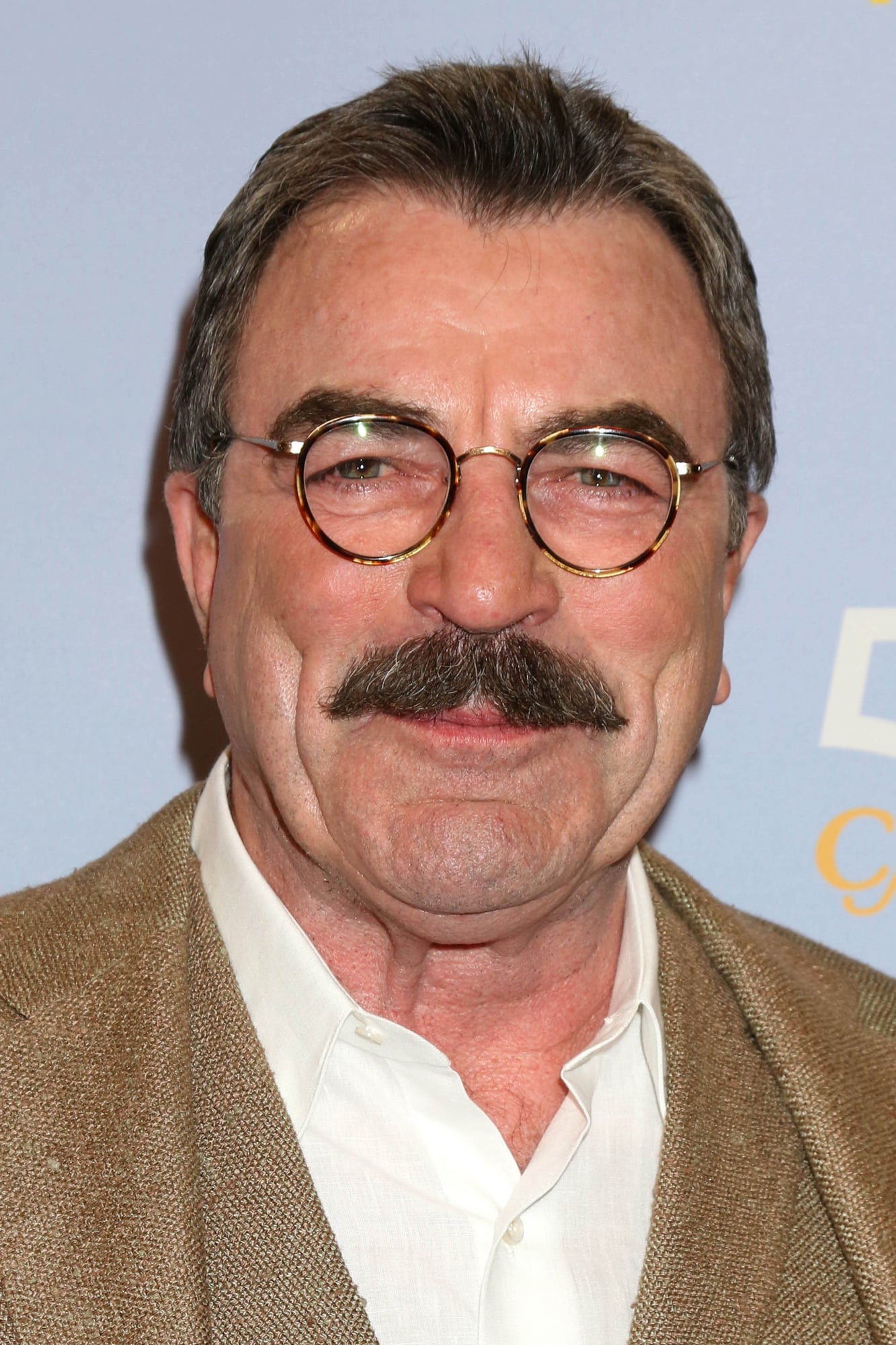
The original opening, composed by Ian Freebairn-Smith, lasted only nine episodes before Mike Post and Pete Carpenter replaced it with something more action-packed. The new version arrived as a mid-tempo jazzy action-crime theme that somehow made you believe in a private detective who lived in Hawaii.
It’s breezy without being dismissive, iconic without trying too hard.
MacGyver
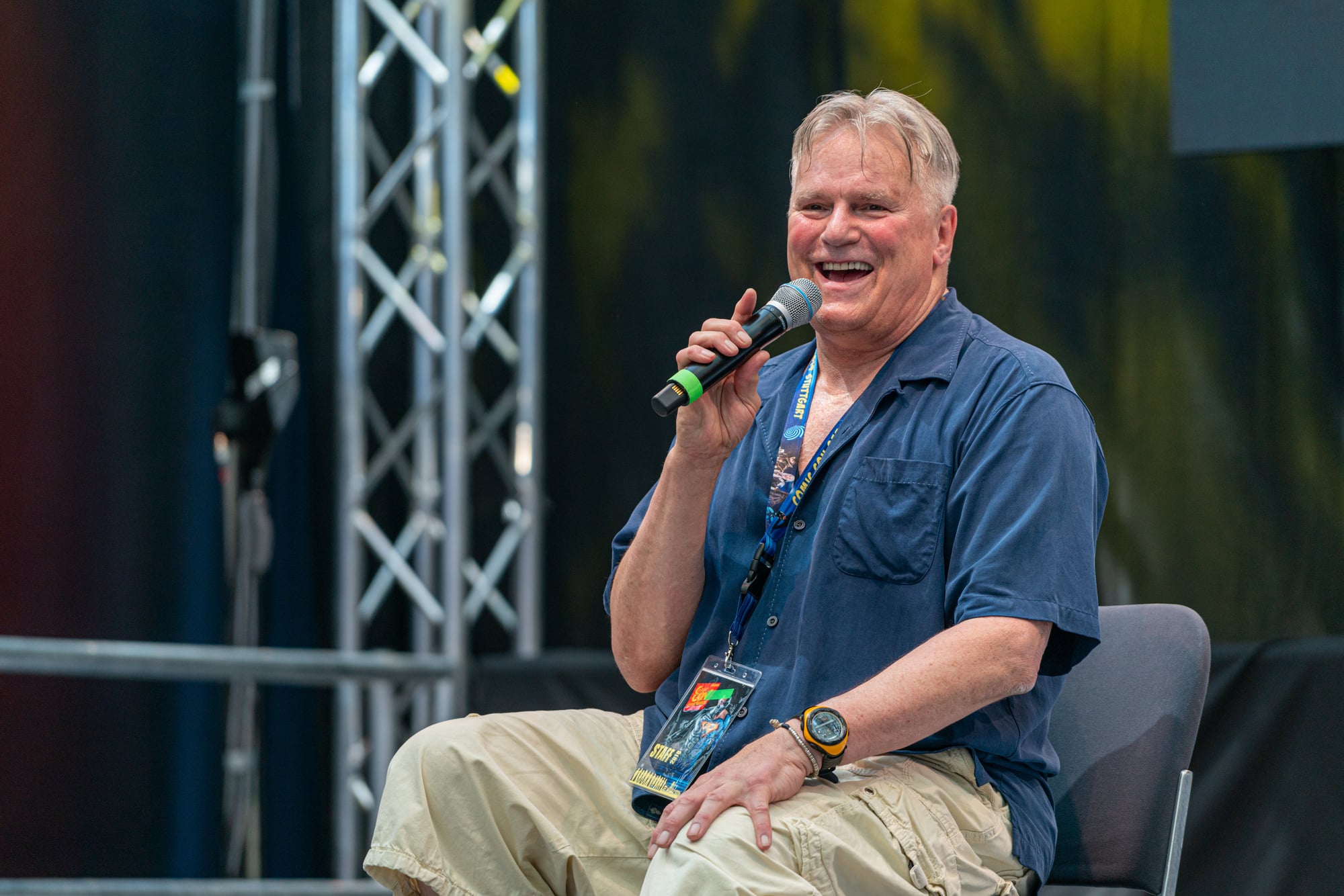
Randy Edelman composed a theme that matches the show’s protagonist exactly—starting in contemplative keyboard work before exploding into a full orchestral adventure. It announces that something is about to happen, that a man with only a paperclip and a watch will solve an impossible problem.
The escalation from quiet to urgent became the show’s calling card.
Dynasty
Bill Conti composed this for Dynasty and then moved on to do the same for rival show The Colbys, proving that good composers could work both sides of the soap opera wars. The Dynasty theme arrived as pure glamour in musical form—strings, brass, and an unmistakable confidence that this show was going to be about very rich, very dramatic people.
Gimme a Break!
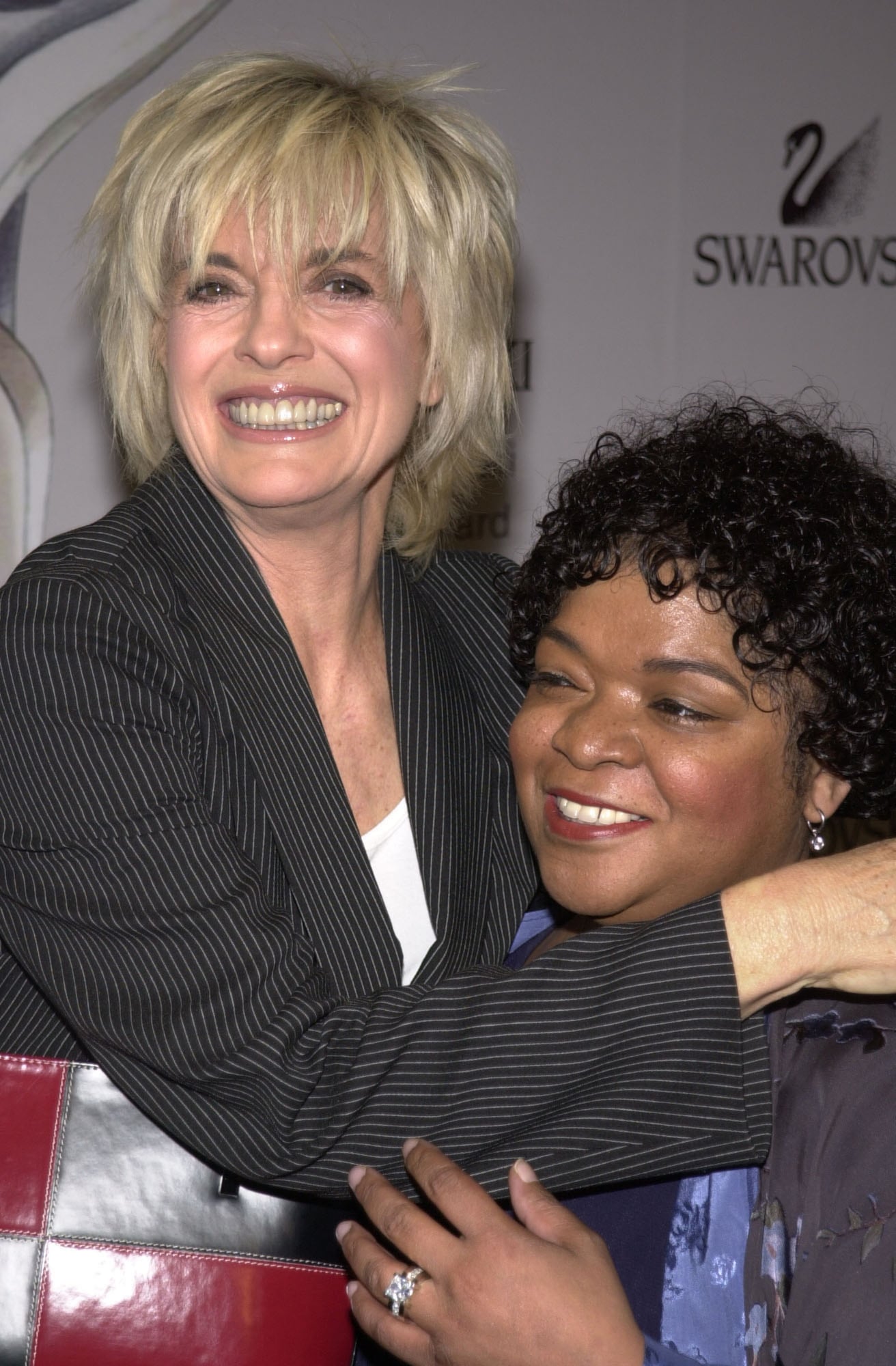
The theme song announced its premise and its protagonist with equal clarity: a housekeeper taking over the household after the mother’s death, raising three girls in a world that needed her competence. The song became NBC’s property in a decade when NBC dominated the theme song landscape.
It’s a small title but a huge presence.
Family Ties
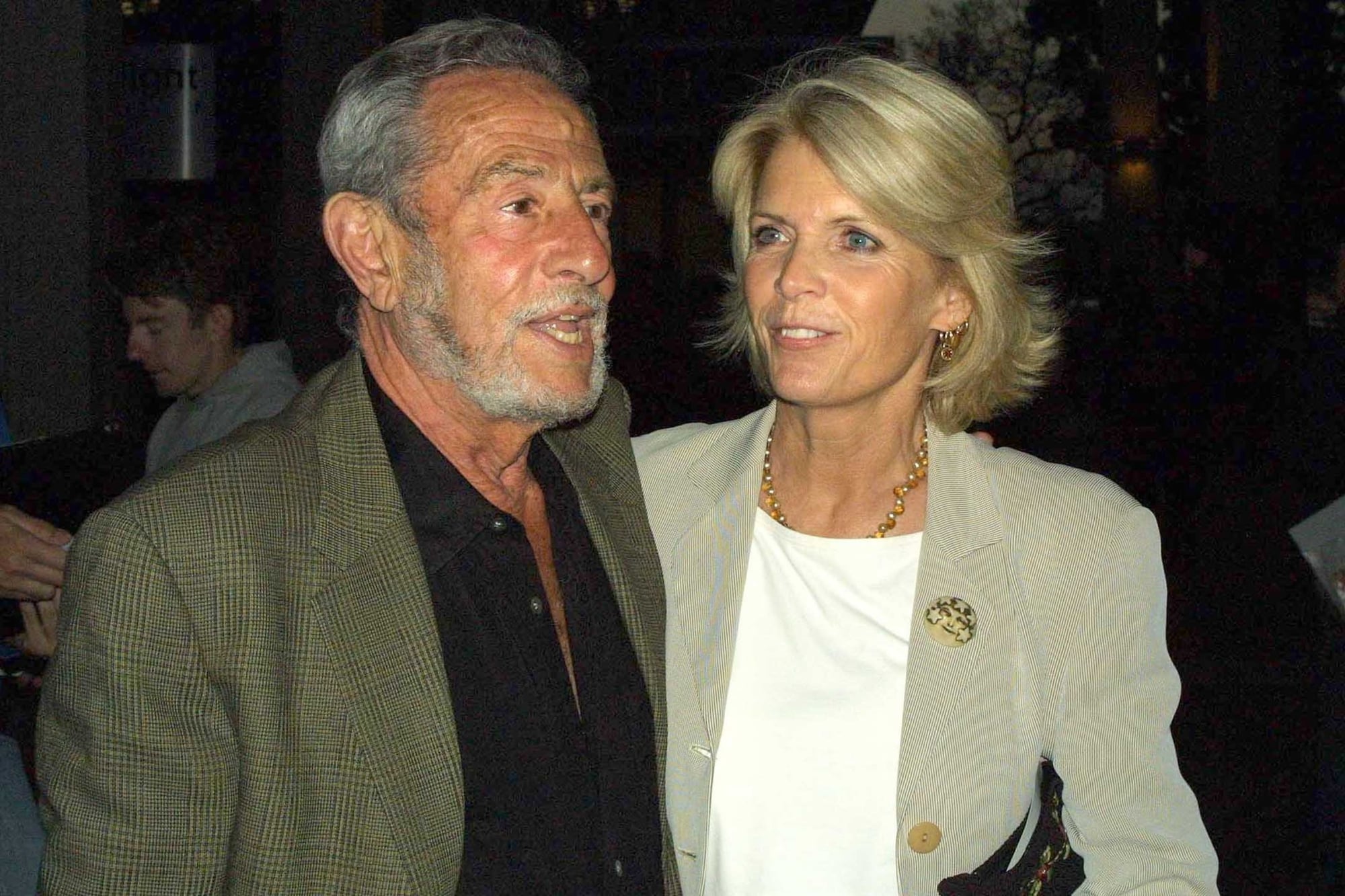
Mike Post created something that walks the line between sitcom simplicity and genuine musicianship. The opening was pure 1980s, designed to introduce a family fractured by generational politics—a conceit that required the theme to feel balanced enough to hold tension without collapsing into it.
The A-Team
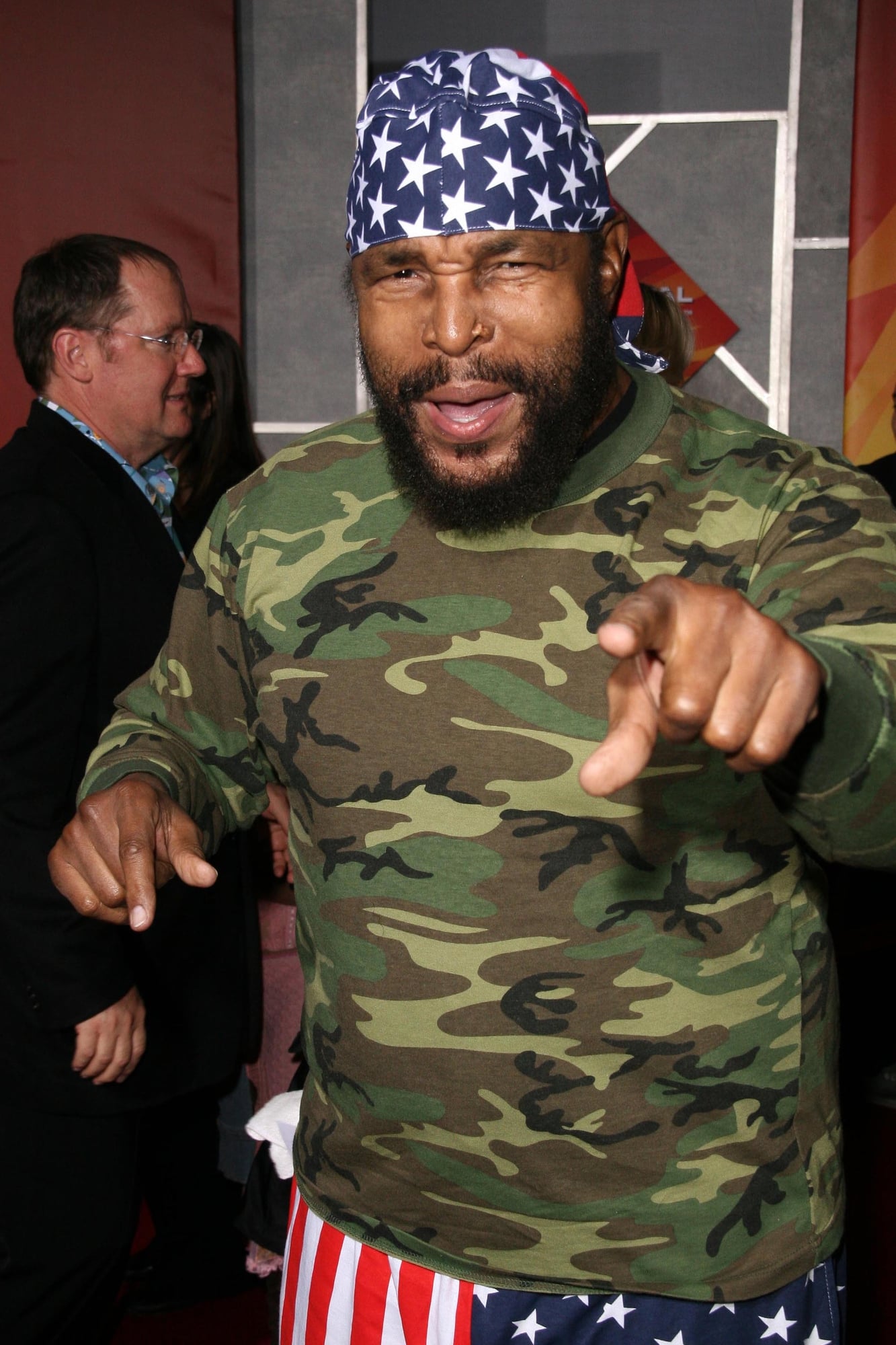
Mike Post again, creating something that sounds like action itself—synthesizers meeting heavy percussion in a collision designed to prime you for chaos. The theme announced that you were about to watch improbable men solve impossible problems, and the music delivered on every promise it made.
It’s unforgettable because it’s impossible to sit still through.
Hill Street Blues

The smooth piano-based opening from Mike Post became the signature of a police procedural that wanted to matter. The theme announced that this wasn’t going to be a shoot-’em-up; it was going to be about the lives and trials of officers actually trying to do their jobs.
The tone set by that intro became the show’s foundation.
21 Jump Street
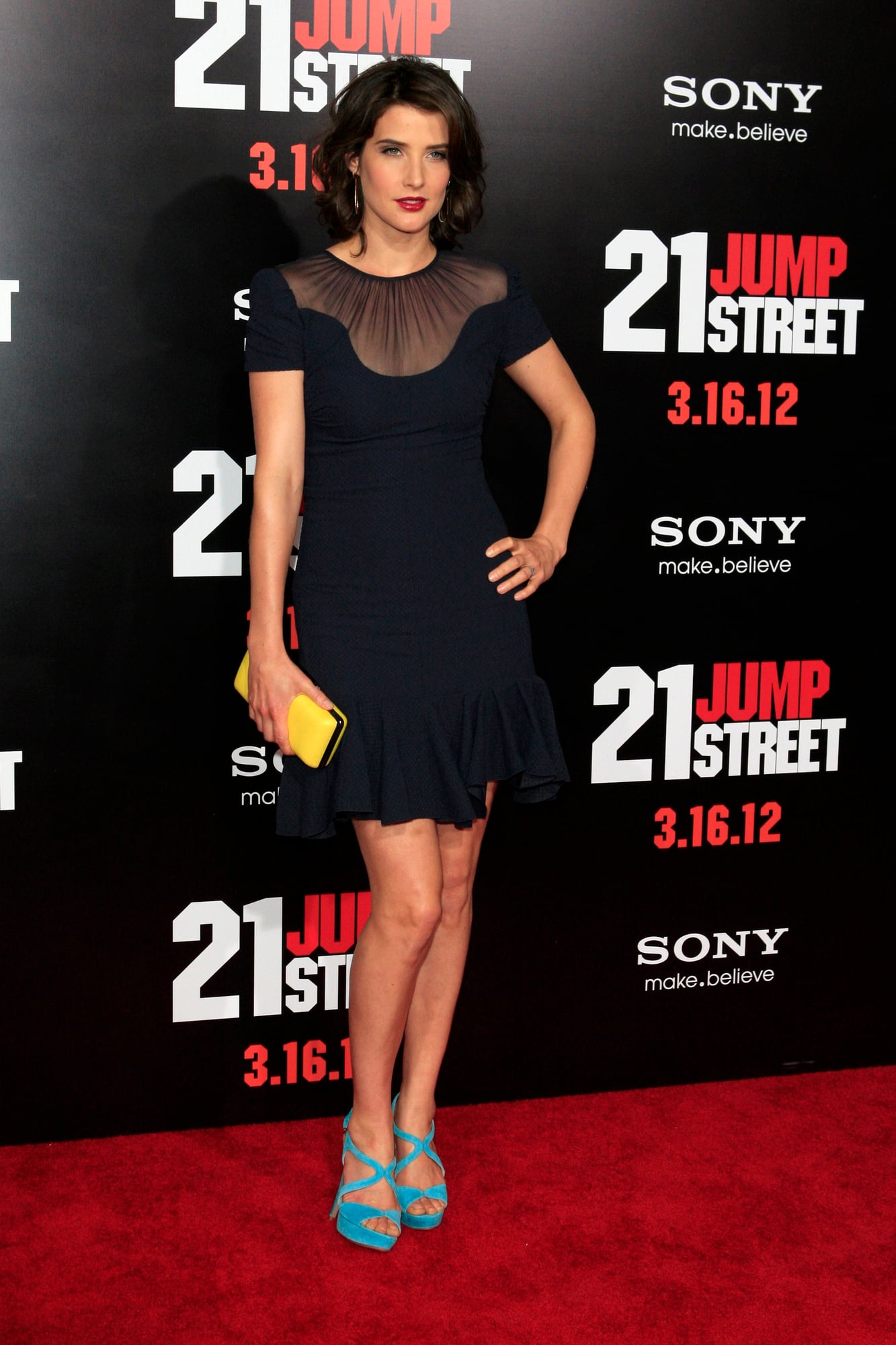
Holly Robinson Peete sang the show’s theme herself, which was a gamble that paid off. The song underlined the premise—young undercover officers bonding over shared danger—with genuine warmth.
The lyrics, “Don’t have to stand alone, we’ll never let you fall,” created emotional stakes that the show would spend 103 episodes proving.
Diff’rent Strokes

The NBC sitcom about a wealthy white family adopting two Black children arrived with a theme that couldn’t afford to get the tone wrong. The song worked—earnest without being patronizing, warm without being saccharine.
It became an unshakeable earworm designed to make you care about the family before the first scene ended.
Dallas
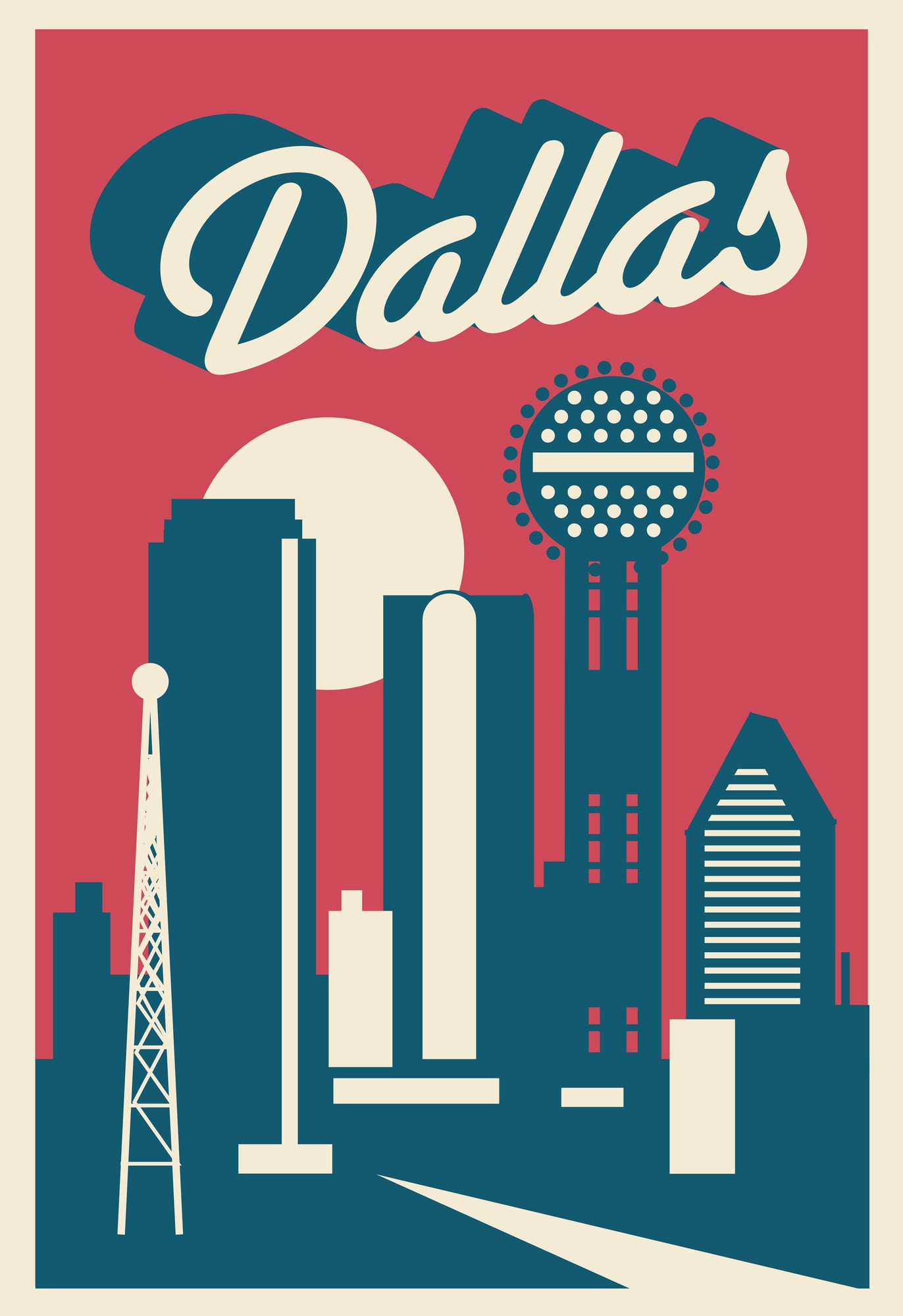
The theme arrived as pure Dallas: orchestral strings, dramatic saxophone, and that moment where you know someone is about to scheme against someone else. The opening established that this was going to be a show about wealth, power, and the people who stop at nothing to keep both.
The tone never wavered across fourteen seasons.
Cagney & Lacey
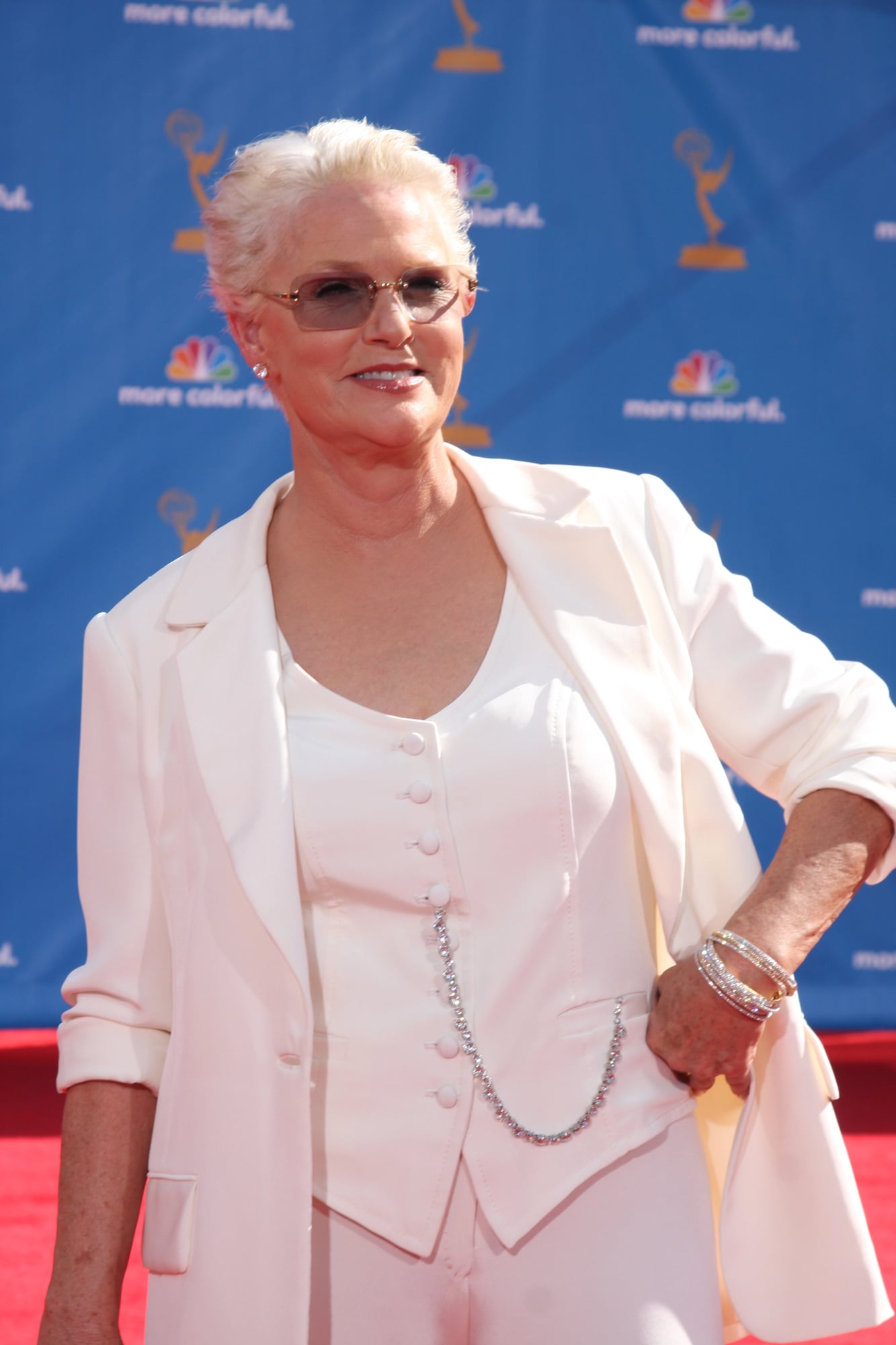
Bill Conti composed yet another winner, this time for the police drama about two female detectives navigating a male-dominated workplace. The theme carried both authority and companionship, announcing that these were professionals who also genuinely had each other’s backs.
It premiered in 1981 and helped redefine what female leads on television could be.
MAS*H
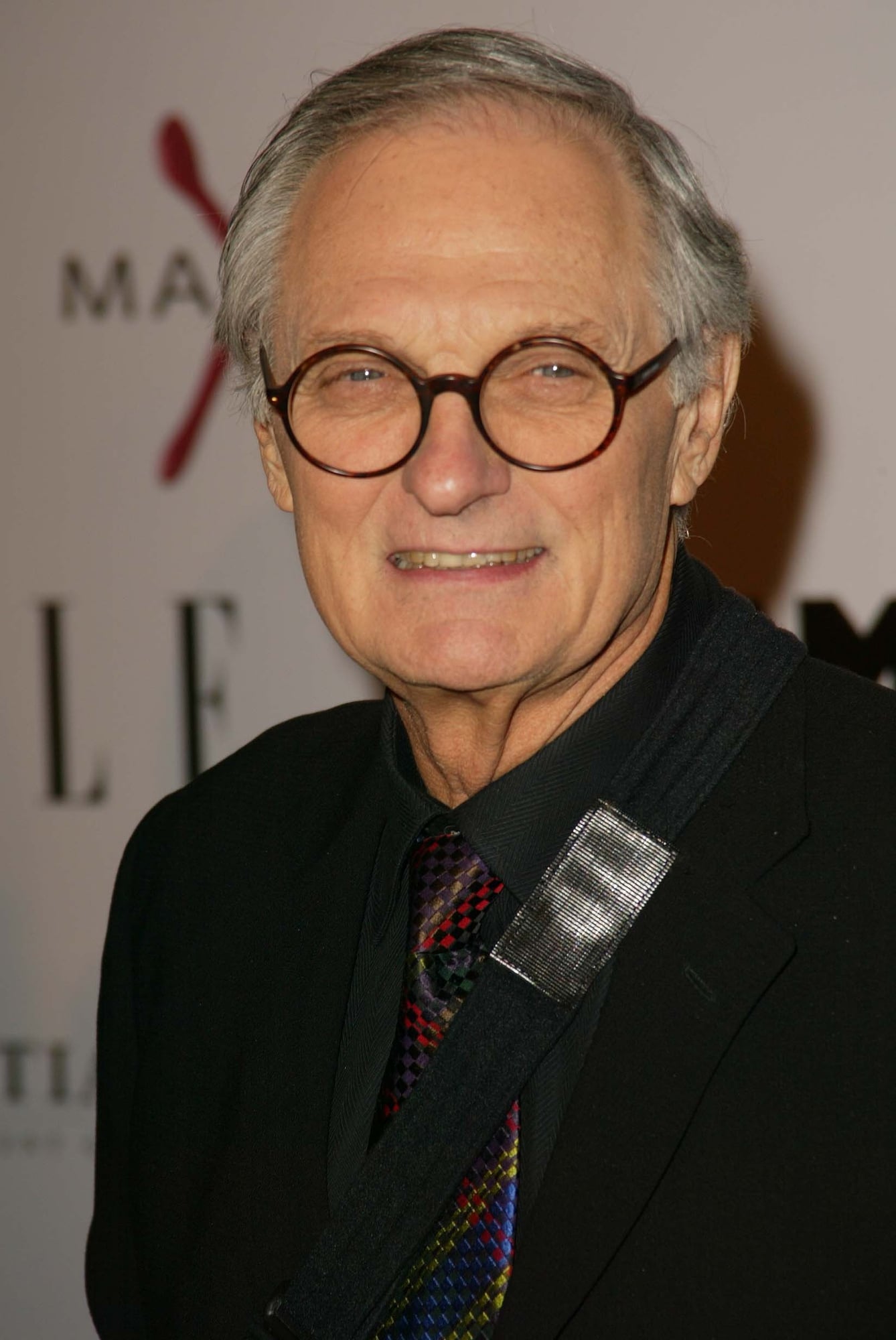
Johnny Mandel’s theme for the Korean War sitcom became one of television’s most revered openings ever. The theme introduced a piano piece, which transformed an unsettling title into something oddly beautiful.
The show ended in 1983, but the theme never stopped being iconic.
Saved by the Bell

The California high school sitcom arrived with a theme that made attending high school seem like a permanent vacation. The breezy opening became the show’s emotional baseline—optimistic, energetic, and designed to make you believe that the worst problems would resolve before the next commercial break.
The Fall Guy
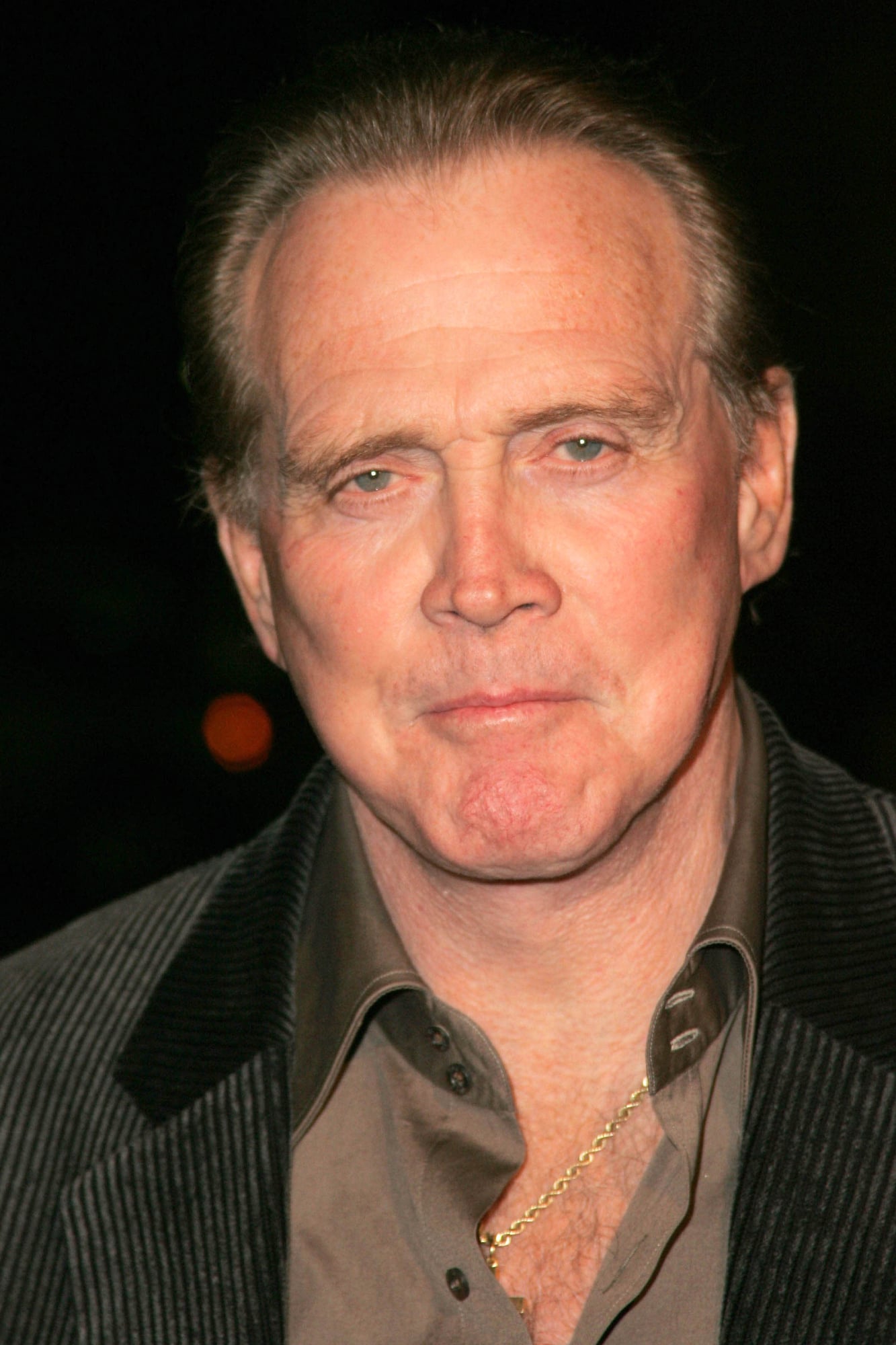
Glen A. Larson and Lee Majors co-wrote this one, with Majors singing the opening theme himself. The song laid out the premise: “I’m the unknown stuntman that makes Eastwood look so fine.”
It’s remarkable that a show chose to announce itself through its stunt coordinator’s perspective—and even more remarkable that it worked.
Falcon Crest
An ABC soap opera that needed to compete with Dynasty, Falcon Crest arrived with a theme by Bill Conti that signaled it was just as serious about wealth, backstabbing, and family intrigue as its rival. The opening set the tone for nine seasons of West Coast drama.
The Colbys
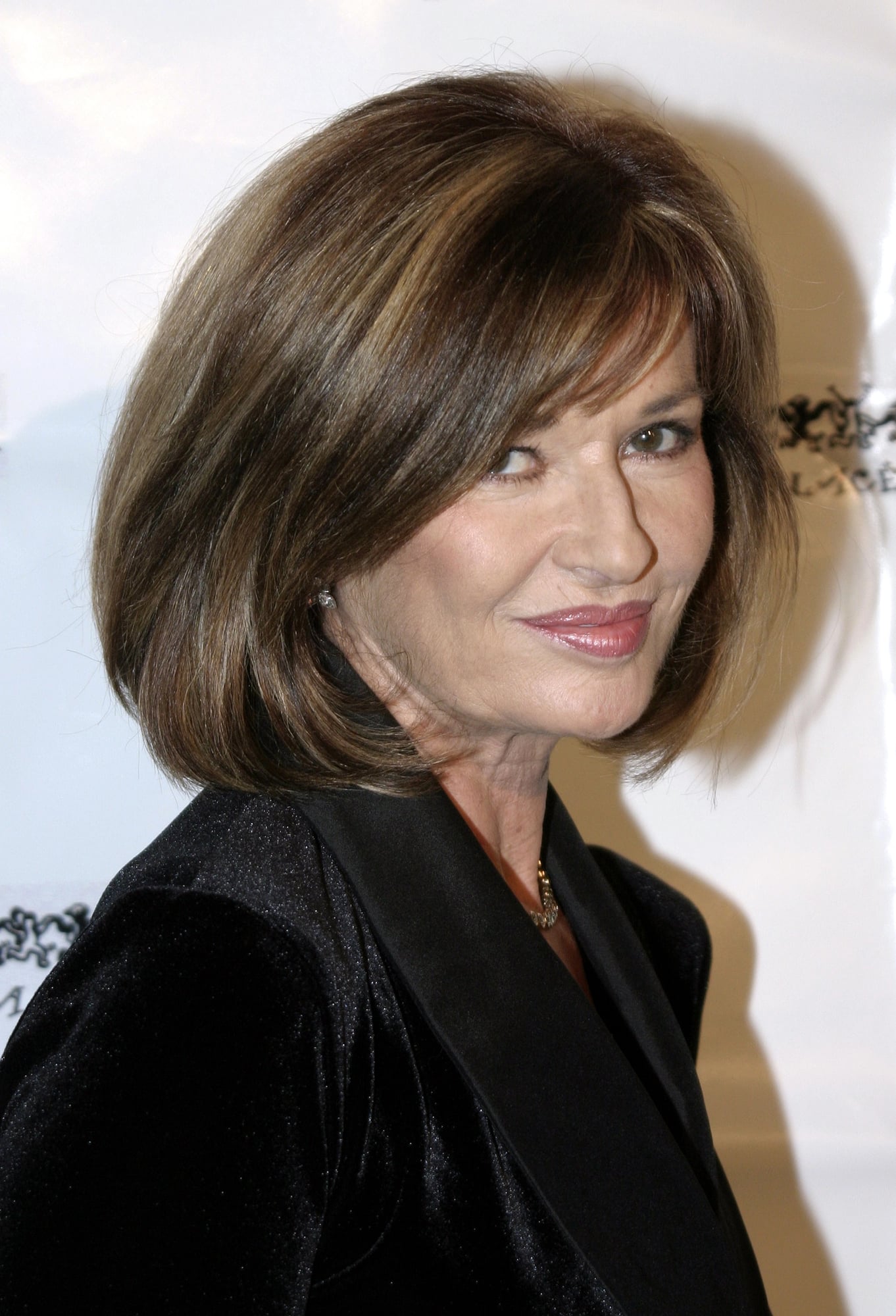
Bill Conti again, creating a Dynasty spin-off theme that had to establish both connection and independence from its parent show. The theme announced that this was going to be a separate universe, separate wealth, separate drama—just with the same level of seriousness.
Three’s Company
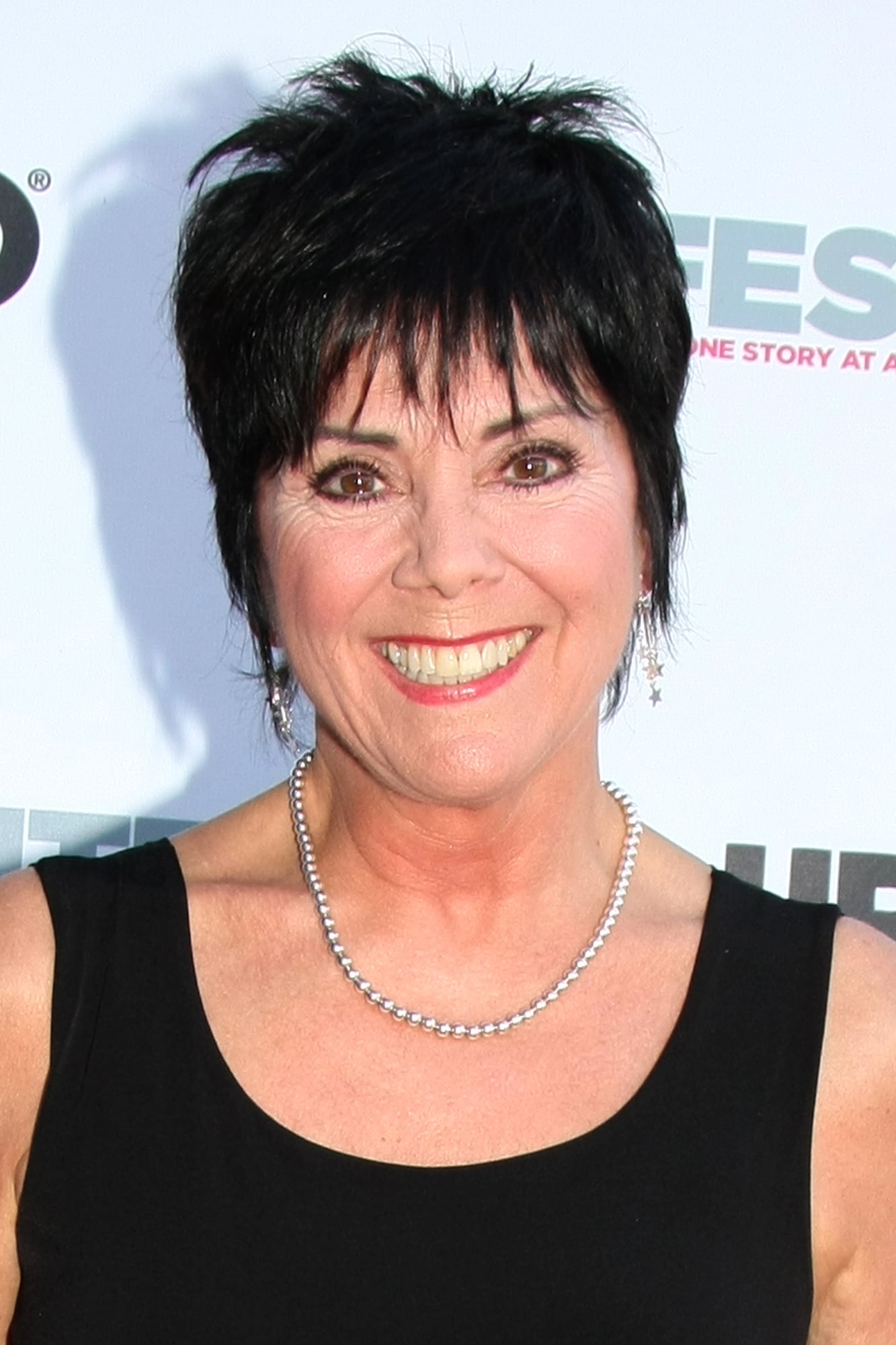
The theme song landed as pure 1970s jazz-funk arriving late into the decade and carrying momentum forward. The opening notes trigger the image of the show’s ridiculous premise: a straight man pretending to be gay to rent an apartment with two women.
The theme made it all feel possible.
Mannix
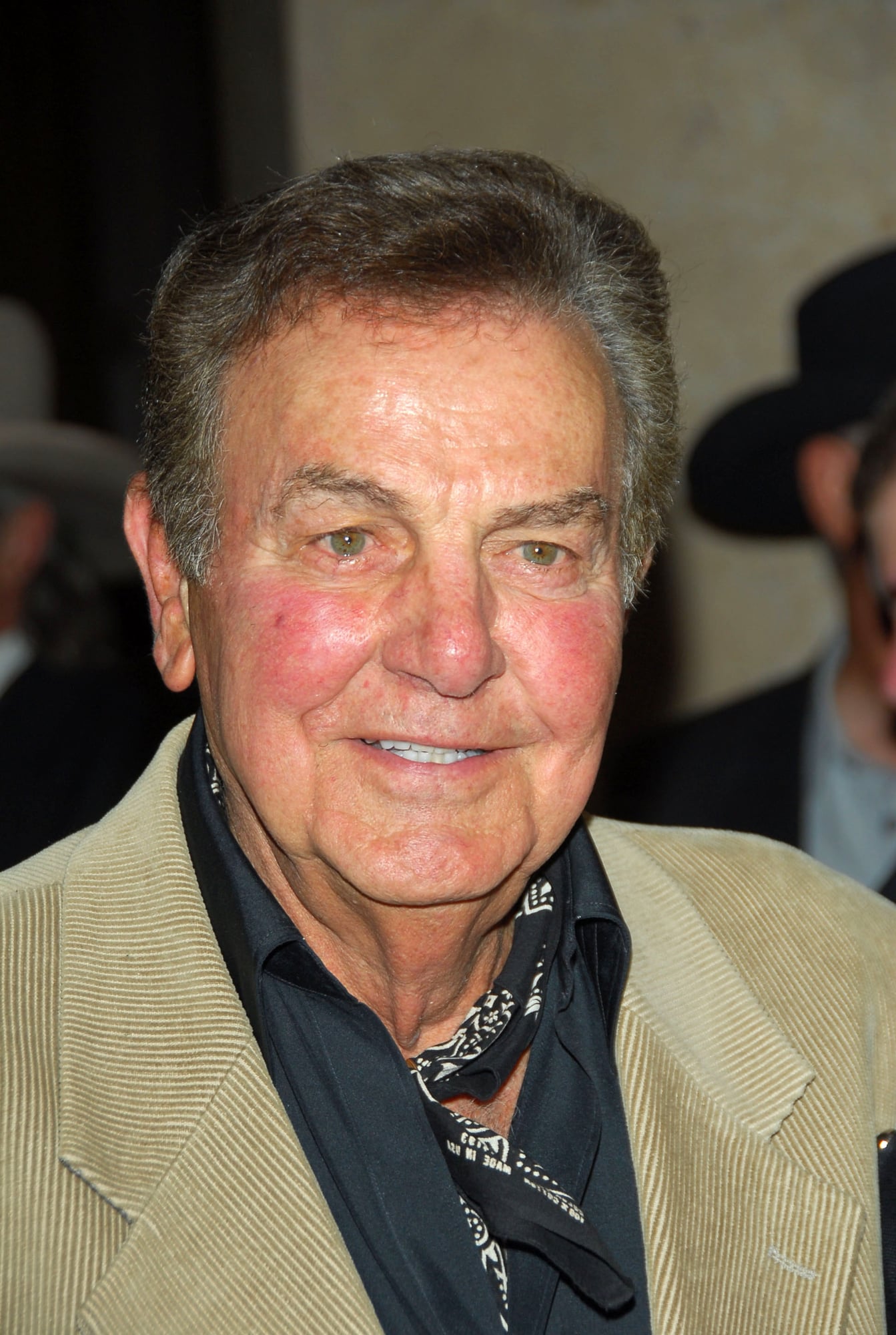
Mike Connors starred in this detective series that began in the late ’60s but ran through the mid-’70s. The theme marked it as serious detective work despite its protagonist’s tendency toward improbable solutions.
The opening established a kind of cool professionalism that made you trust him.
Buck Rogers in the 25th Century
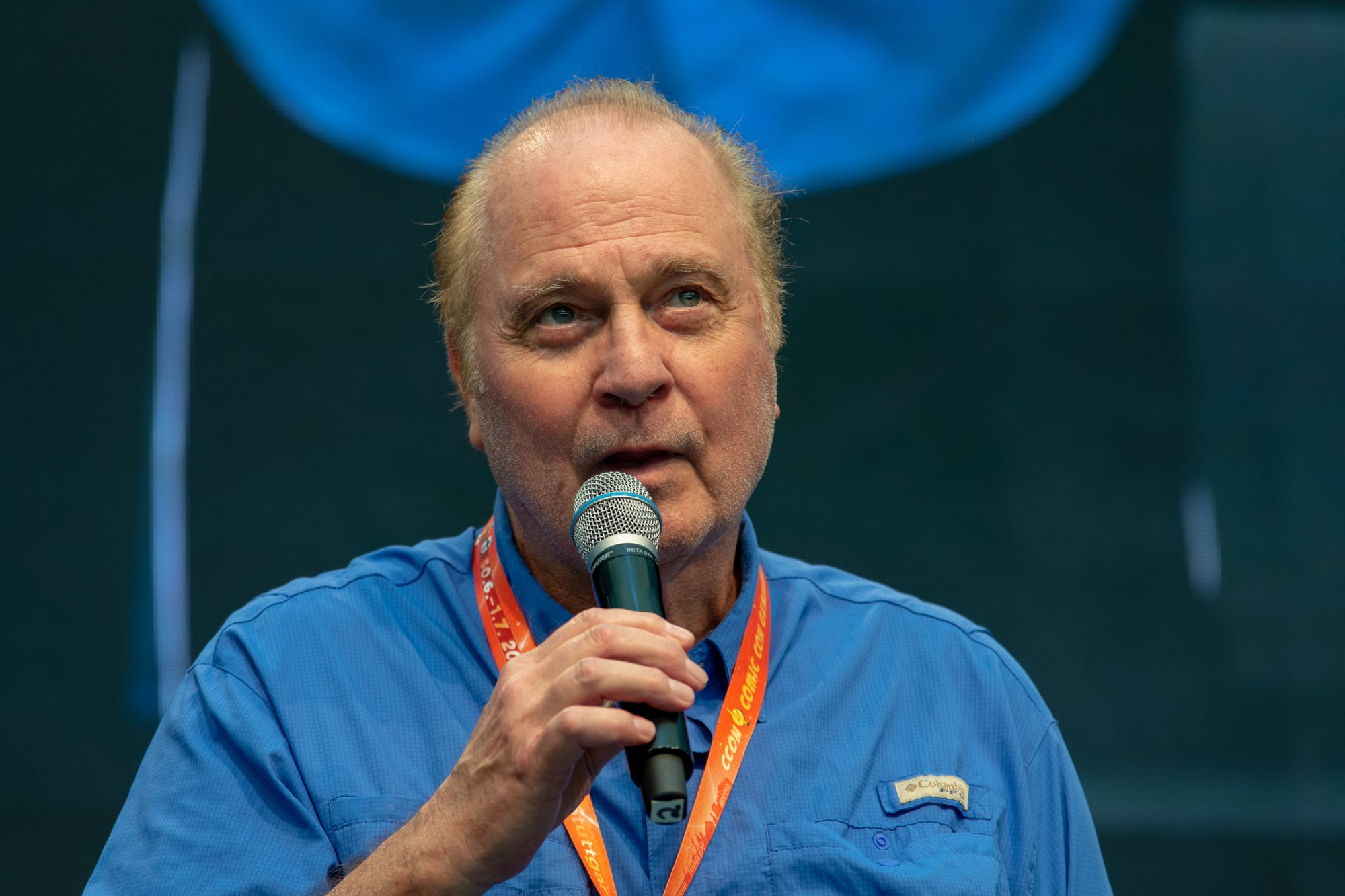
Stu Phillips returned to create something that positioned Buck Rogers as a man displaced in time, accompanied by a theme that sounded exactly like what you’d expect from a 1980s vision of the future. The synthesizers did the work of explaining the premise before dialogue ever had to.
The Twilight Zone (1985)
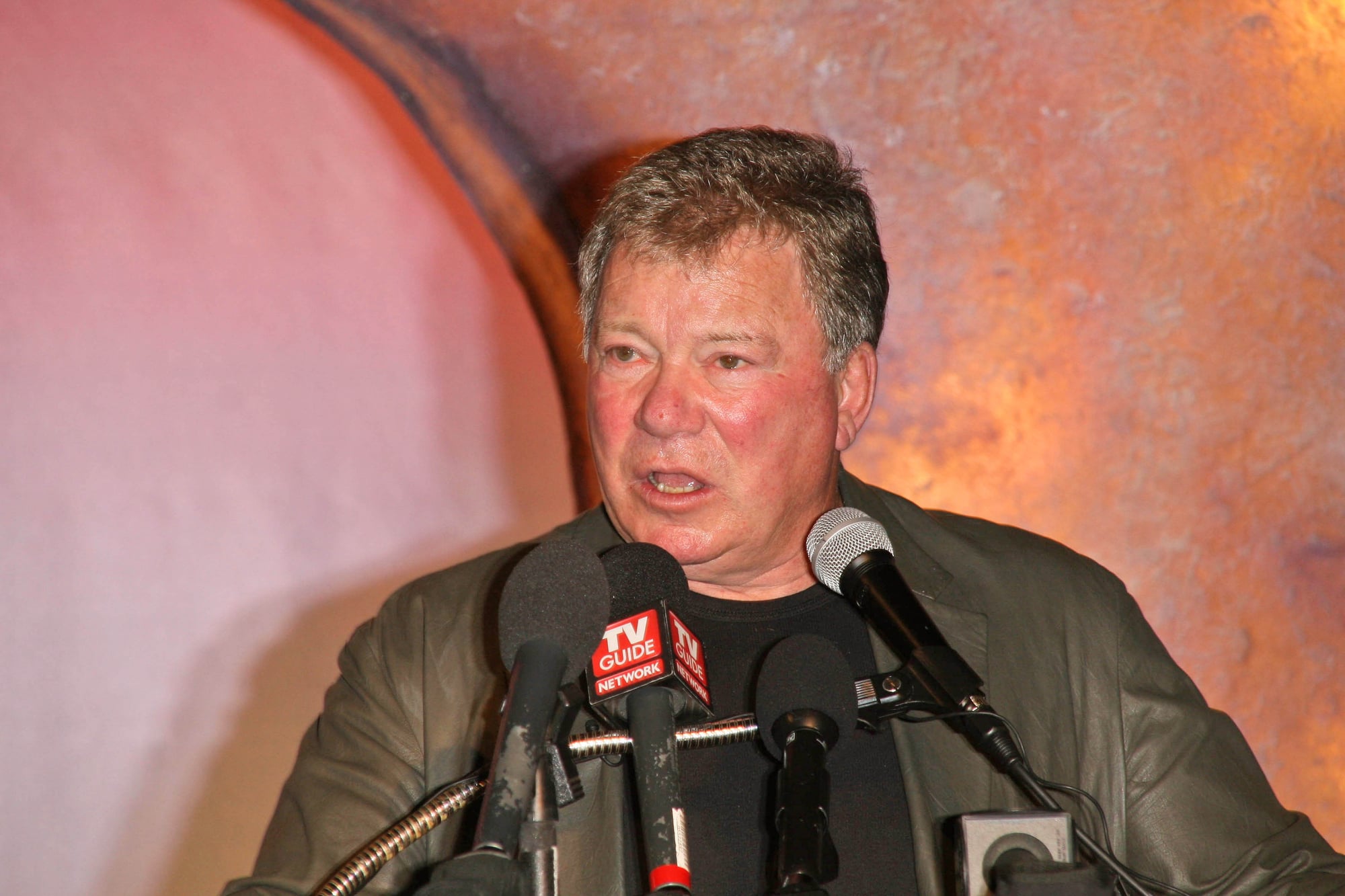
The 1985 revival of the classic series arrived with a new theme that updated the iconic original for a new era. The synthesizer-driven opening felt like the 1980s discovering the uncanny, updated from the original’s spare aesthetic.
Rod Serling couldn’t host it, but the theme still announced that you were about to enter another dimension.
When Five Notes Were Enough
The common element across these 28 themes isn’t competence, though most were competently written. It’s that they worked on a single exposure.
You heard them once and they lodged—not through repetition but through something about their harmonic structure, their instrumentation, their sense of confidence. They arrived as fully formed musical ideas, neither apologizing for their genre nor reaching beyond it.
The 1980s afforded theme songs the luxury of time. Networks devoted minutes to these openings; composers had space to develop ideas.
The result was a catalog of intros that still function perfectly as instruments of culture. They remain recognizable because they were written to be unforgettable, and because the decade allowed that ambition to fully manifest.
More from Go2Tutors!

- The Romanov Crown Jewels and Their Tragic Fate
- 13 Historical Mysteries That Science Still Can’t Solve
- Famous Hoaxes That Fooled the World for Years
- 15 Child Stars with Tragic Adult Lives
- 16 Famous Jewelry Pieces in History
Like Go2Tutors’s content? Follow us on MSN.