Worst Theme Park Accidents on the Global Record
Theme parks promise escape from the everyday world, transforming ordinary afternoons into adventures filled with impossible speeds, gravity-defying drops, and carefully controlled chaos. Families arrive clutching tickets and cotton candy, trusting that the screams echoing from roller coasters are the good kind—the kind that comes from exhilaration rather than genuine terror.
That trust forms the invisible contract between park and visitor, one that makes the magic possible. But occasionally, that contract breaks. When safety systems fail, when human error intersects with tons of moving steel, or when the unthinkable simply happens, the places built for joy become scenes of tragedy.
These accidents remind us that behind every thrilling ride lies complex engineering, rigorous maintenance schedules, and the constant vigilance required to keep fantasy from becoming a nightmare.
The Big Thunder Mountain Railroad Incident
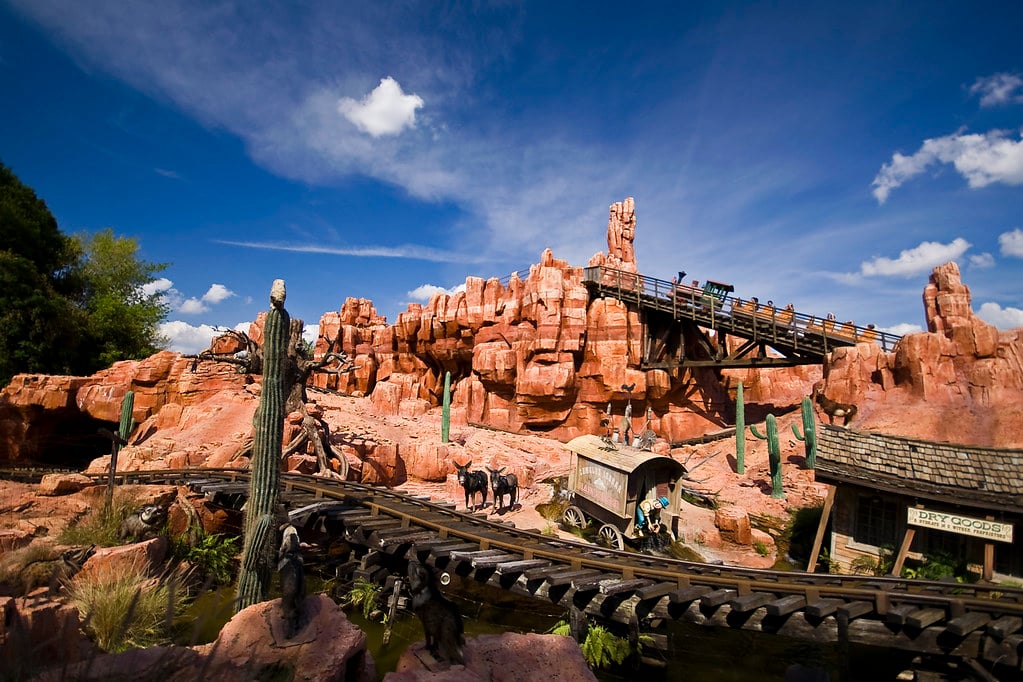
Disney’s reputation for safety made the 2003 accident at Disneyland’s Big Thunder Mountain Railroad all the more shocking. A locomotive separated from its train, causing a derailment that killed one passenger and injured ten others.
The investigation revealed that improper maintenance procedures had weakened a critical connection between cars. The accident occurred on what should have been a routine ride through the attraction’s mining-themed landscape.
Instead, families found themselves thrown from their seats as cars tumbled off the track. Disney faced intense scrutiny over its maintenance practices and eventually paid millions in settlements to victims’ families.
The Haunted Castle Fire at Six Flags
Six Flags Great Adventure became synonymous with tragedy in 1984 when a fire tore through the Haunted Castle attraction, killing eight teenagers. The walk-through haunted house had been constructed with highly flammable materials and lacked proper fire exits, turning what should have been harmless scares into a deadly trap.
Visitors entering the attraction had no way of knowing they were walking into a fire hazard. When flames erupted, the dark, maze-like interior that was designed to disorient guests for fun became a death trap.
The tragedy led to sweeping changes in fire safety regulations for theme park attractions nationwide.
The Ride of Steel Cable Snap
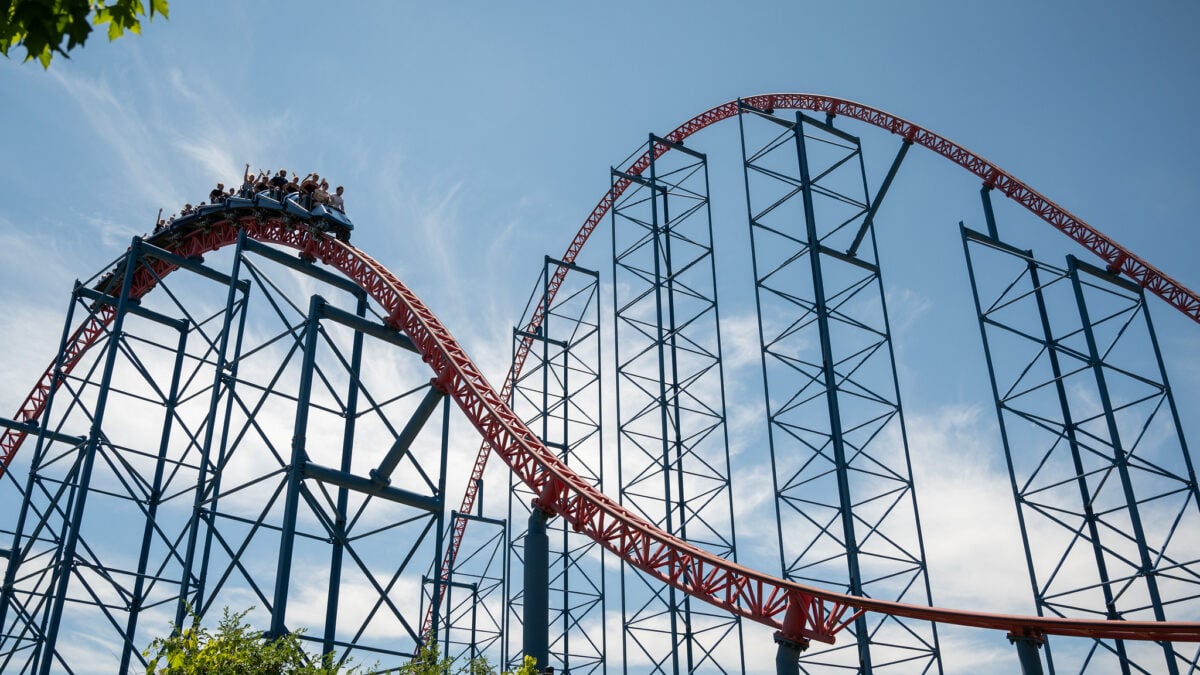
There’s something particularly unsettling about a ride that fails at its moment of greatest triumph—when you’re suspended hundreds of feet above the ground, trusting nothing but steel cables and engineering precision to keep you alive. That’s exactly what happened in 2007 when a cable snapped on Superman: Ride of Steel at Six Flags Darien Lake, severing a rider’s feet.
The accident occurred during the ride’s signature moment: a 208-foot climb followed by a breathtaking drop. Instead of the intended thrill, riders experienced genuine terror as metal cables whipped through the air like deadly whips. The injured rider, a 17-year-old girl, lost both feet below the knee.
The incident exposed flaws in the ride’s cable system that had gone undetected despite regular inspections.
The Smiler’s Devastating Collision
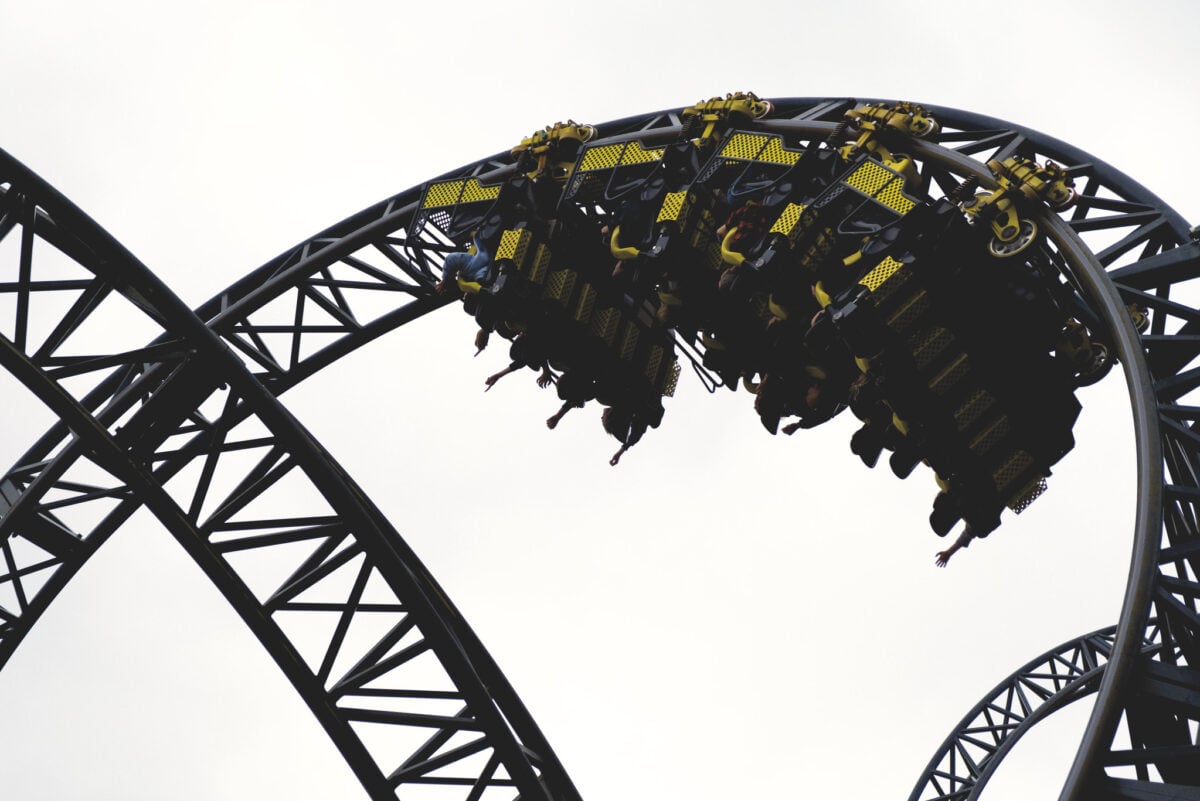
Alton Towers’ reputation as Britain’s premier theme park destination suffered irreparable damage in 2015 when two trains on The Smiler collided at full speed. The crash occurred when operators overrode safety systems and sent a loaded train into a stationary one, creating a scene of twisted metal and injured riders that defied the ride’s cheerful “smile” theme.
The collision happened in full view of other park guests, who watched in horror as the accident unfolded (and that’s something that stays with people long after the news cameras leave and the investigations conclude). Sixteen people were injured, with several requiring amputations.
The incident revealed serious flaws in both the ride’s computer systems and operator training protocols.
Space Mountain’s Fatal Heart Attack
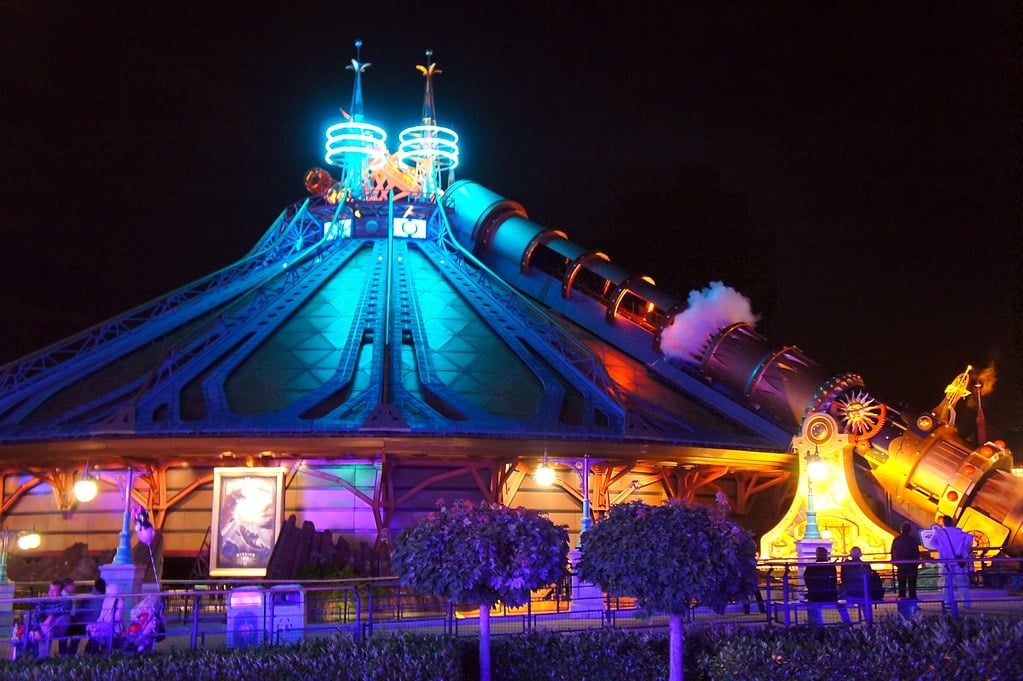
Disney’s Space Mountain has always marketed itself as an adventure through the cosmos, but for one guest in 2006, the journey ended in tragedy. A 49-year-old woman suffered a fatal heart attack during the ride, raising questions about whether the attraction’s warning signs adequately prepared riders for its intensity.
The incident sparked debate about the responsibility theme parks bear for guests with pre-existing medical conditions. While the woman had underlying health issues, her family argued that the ride’s violent motions, combined with its complete darkness, created conditions that could trigger medical emergencies in susceptible individuals.
The Tower of Terror Malfunction
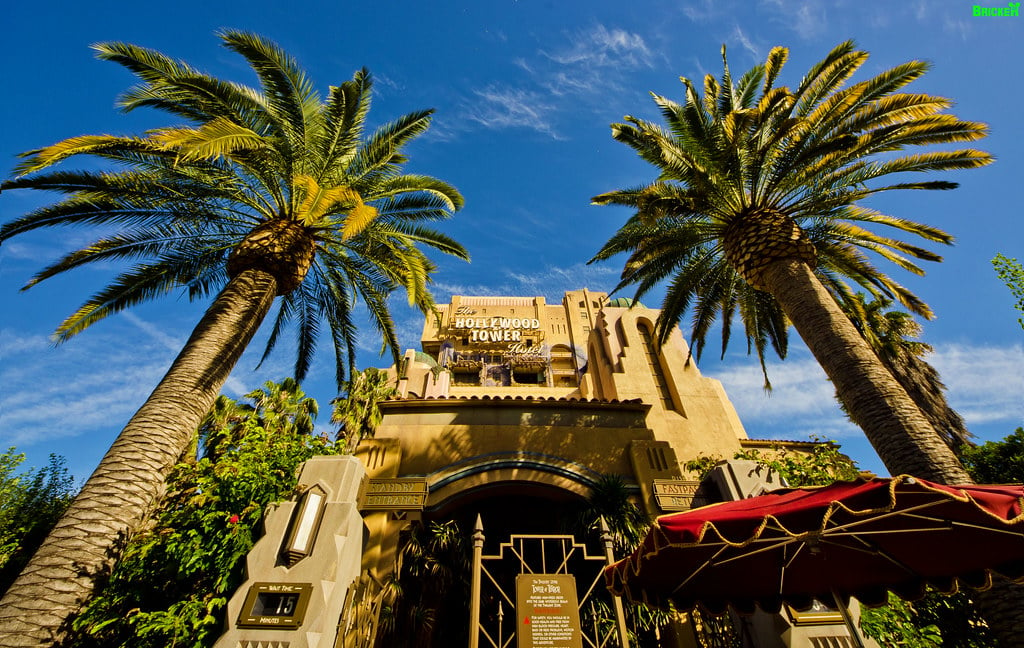
The irony wasn’t lost on anyone: Disney’s Tower of Terror, designed to simulate a terrifying elevator drop, became genuinely terrifying when its safety systems failed in 2005. A mechanical malfunction caused the ride vehicle to drop faster and further than intended, injuring multiple guests with the kind of violent jolt the ride’s engineers had specifically designed it to avoid.
Riders who expected the controlled fear of a Disney attraction instead experienced the helpless panic of an actual elevator failure. Several guests suffered back injuries from the unexpected impact, and the incident forced Disney to redesign key safety systems on similar attractions across its parks.
The Thunder River Rapids Tragedy
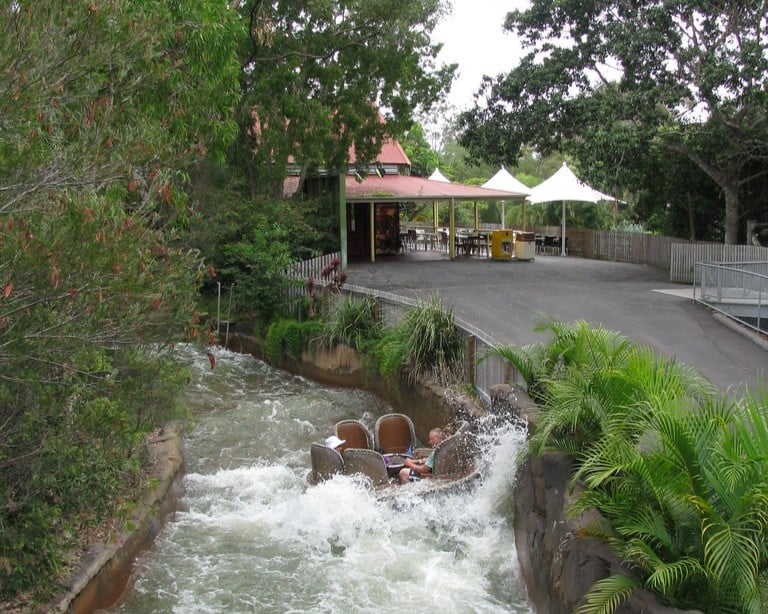
Water rides occupy a special category of theme park attractions—they promise refreshing fun with just enough splash to cool you down on hot summer days. But when safety protocols fail, water becomes an enemy rather than entertainment.
That’s what happened at Dreamworld in Australia in 2016, when a malfunction on the Thunder River Rapids ride killed four adults in front of their horrified children. The accident occurred when a water pump failed, causing the ride’s conveyor belt to stop and water levels to drop.
Two rafts collided, flipping one and trapping riders underwater and against the ride’s machinery. The incident exposed years of safety violations and poor maintenance practices that had turned a family-friendly attraction into a death trap.
The park’s reputation never recovered, and the tragedy became Australia’s worst theme park accident.
The Tsunami Water Slide Collapse
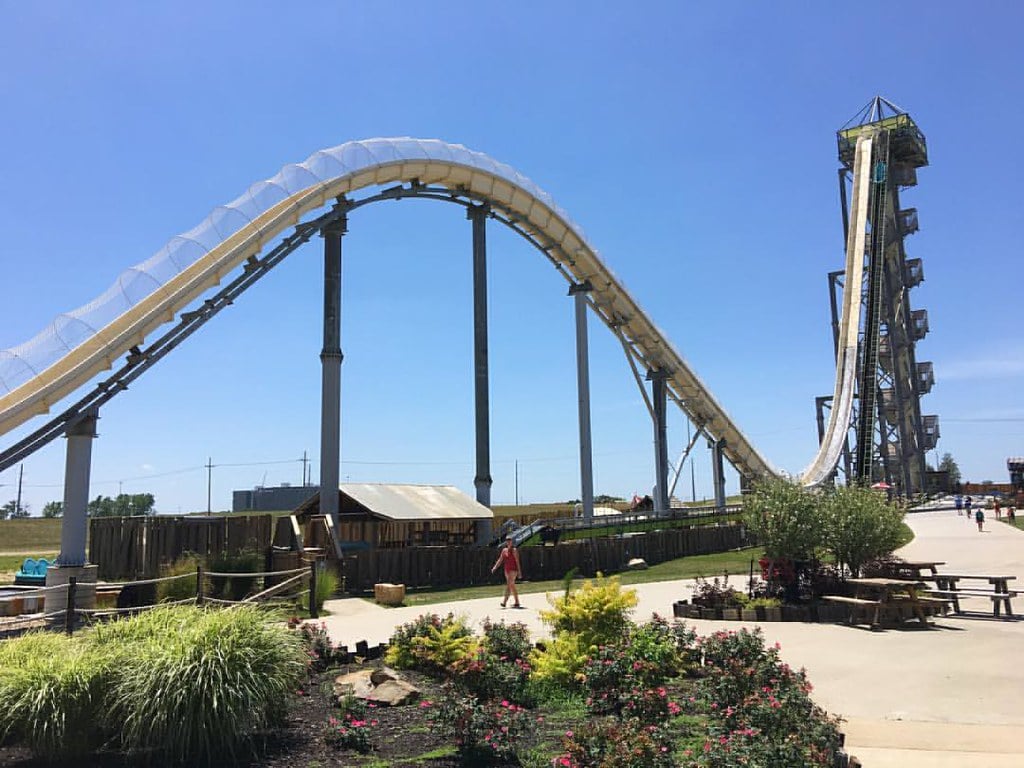
Schlitterbahn’s Verrückt water slide held the dubious honor of being the world’s tallest before becoming infamous for one of the most preventable tragedies in theme park history. In 2016, 10-year-old Caleb Schwab was decapitated on the ride when his raft went airborne and struck overhead netting designed to keep riders safe.
The slide’s design was fundamentally flawed from the beginning—engineers had struggled with rafts becoming airborne during testing, yet the attraction opened anyway. The boy’s death revealed that the slide had been built without proper engineering oversight and had never been adequately tested with riders of his weight and size.
The Superman Kryptonian Coaster Derailment
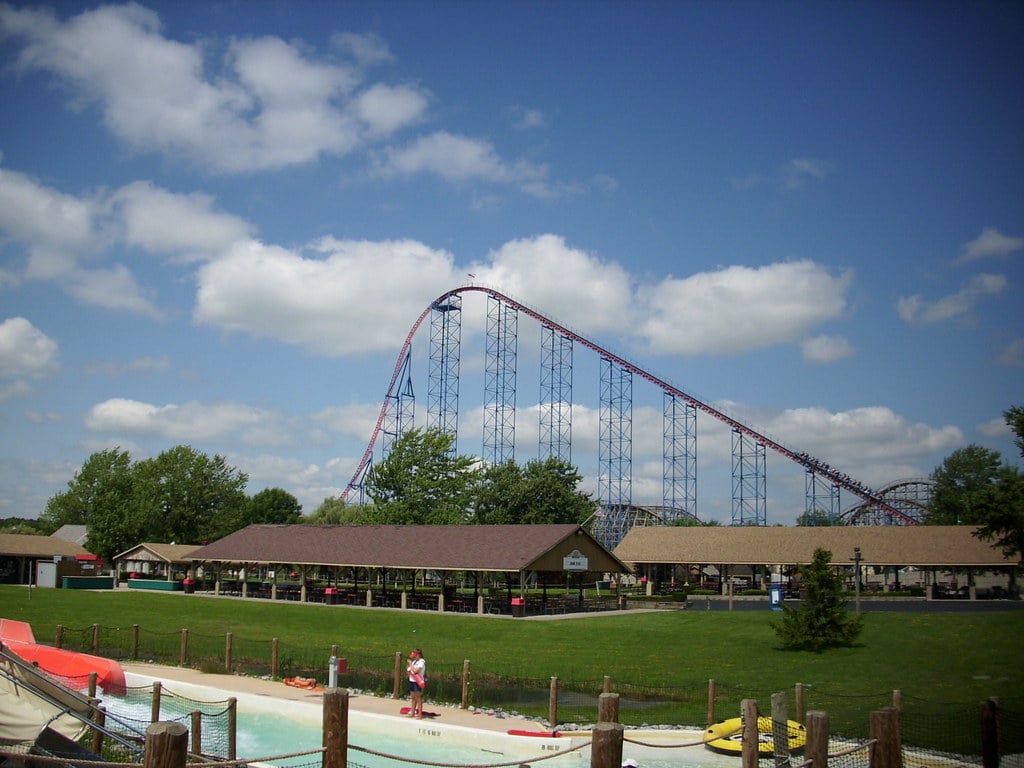
When a roller coaster named after Superman derails, the irony cuts deep—guests expect to feel invincible, not vulnerable to the kind of mechanical failure that Superman himself would never face. That’s exactly what happened at Six Flags New England in 2000, when the Superman Ride of Steel experienced a partial derailment that injured several riders.
The accident occurred when a wheel assembly failed, causing one car to partially leave the track while traveling at high speed. Riders found themselves hanging over the side of the track, held in place only by the ride’s restraint system as the train ground to a halt.
The incident highlighted the critical importance of wheel maintenance on high-speed coasters.
The Fire Ride Catastrophe
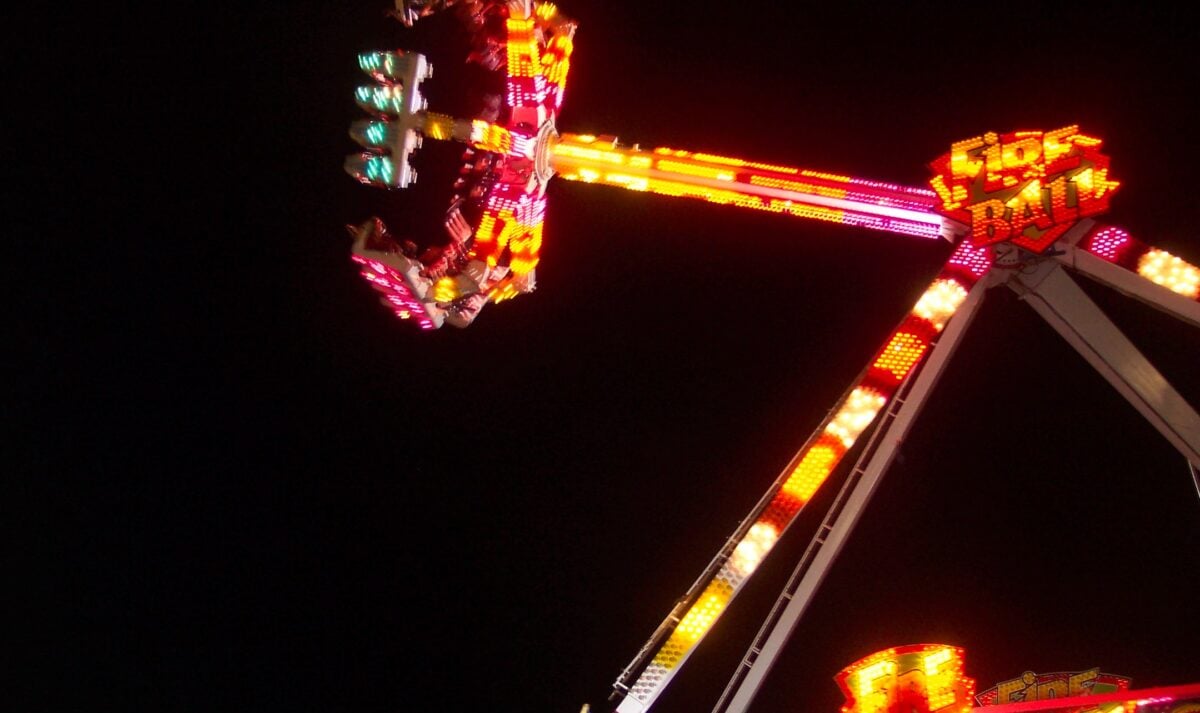
The Ohio State Fair became the site of unimaginable horror in 2017 when the Fire ride broke apart during operation, flinging riders through the air and killing one while injuring seven others. The spinning ride had been inspected and approved just hours before the accident, yet a catastrophic metal failure sent passengers flying like projectiles across the fairground.
Witnesses described a sound like thunder as the ride’s support structure snapped, followed by screams that had nothing to do with the attraction’s intended thrills. The victim, 18-year-old Tyler Jarrell, was thrown 50 feet from the ride.
Investigation revealed that excessive corrosion had weakened the ride’s structure to the point of failure, despite its recent inspection.
The Hydro Water Coaster Horror
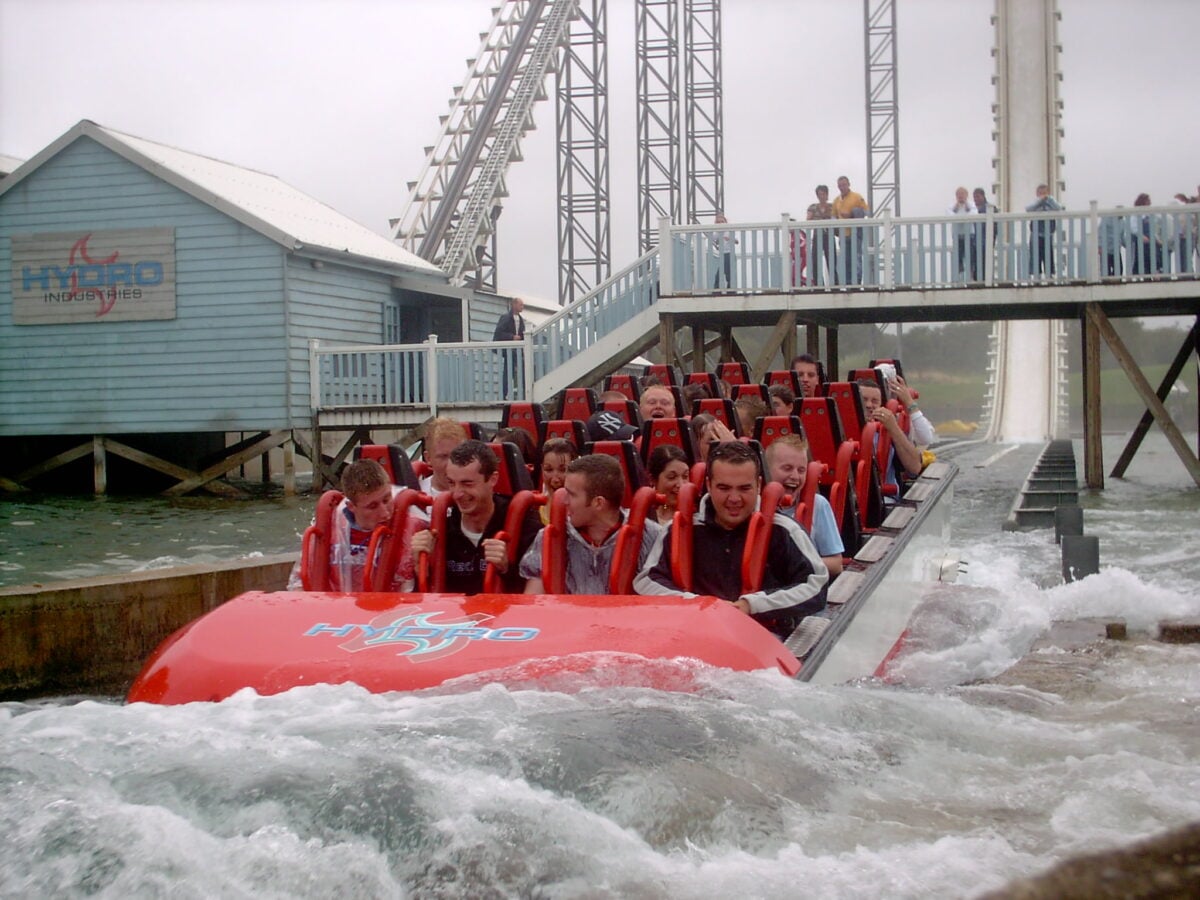
Schlitterbahn strikes this list again, proving that some operators learned nothing from previous tragedies. In 2018, the Hydro Water Coaster at the company’s Texas facility became the scene of another preventable accident when a raft flipped, trapping riders underwater for several terrifying minutes.
The attraction combined the speed of a roller coaster with the unpredictability of rushing water—a combination that proved deadly when safety systems failed. Riders who expected a refreshing thrill found themselves fighting for their lives as the raft capsized in a section designed to simulate river rapids.
The incident underscored the particular dangers of water-based attractions, where mechanical failure can quickly become a drowning hazard.
The Indiana Beach Double Fatal
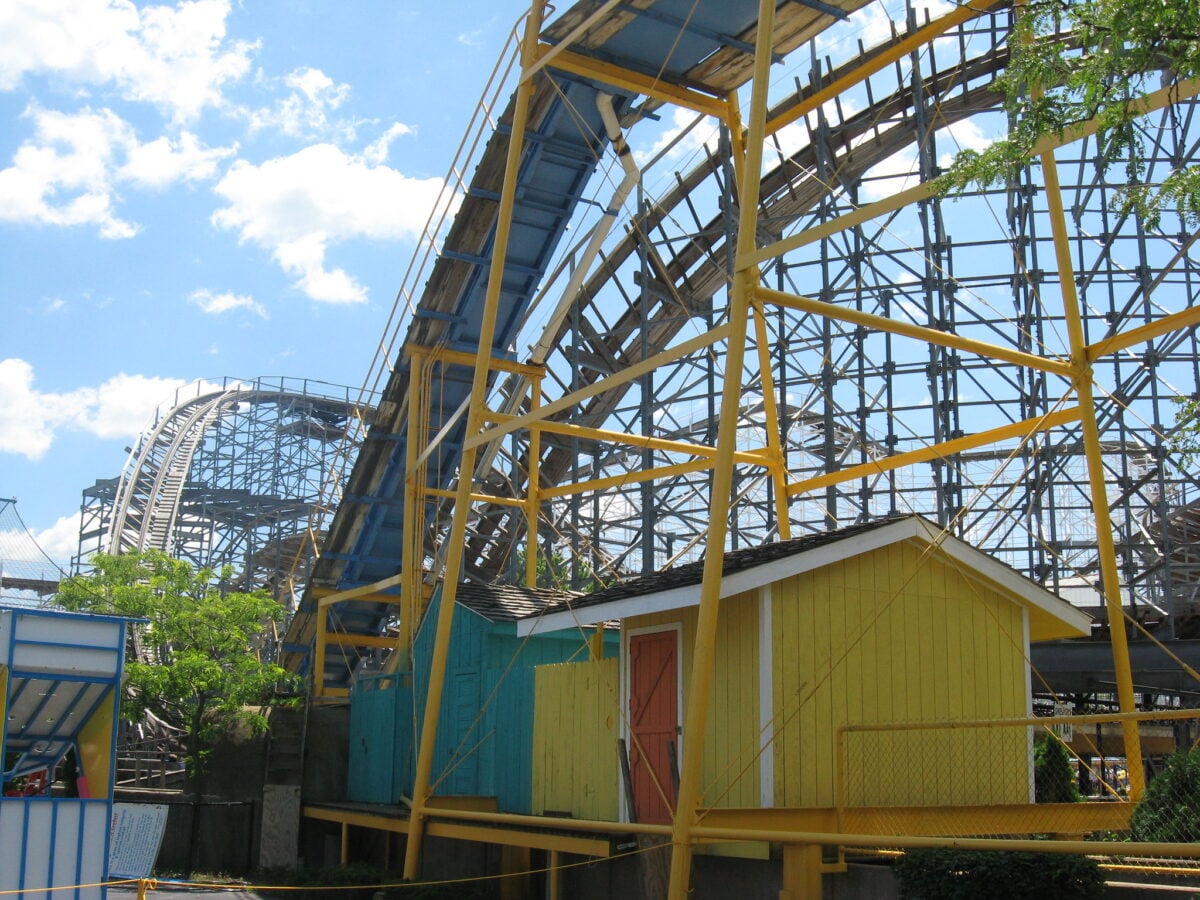
The family-owned Indiana Beach seemed like the kind of wholesome destination where the worst thing that could happen was losing a stuffed animal prize. That illusion shattered in 2009 when the Cornball Express roller coaster derailed, killing two riders and injuring several others in the kind of accident that destroys not just lives but entire communities’ sense of safety.
The wooden coaster had been a park fixture for years, its vintage design part of its charm until age and insufficient maintenance turned character into liability. The derailment occurred on a curve where the track structure had deteriorated beyond safe operation, though inspections had somehow failed to identify the critical weakness.
The Spinning Ride Ejection
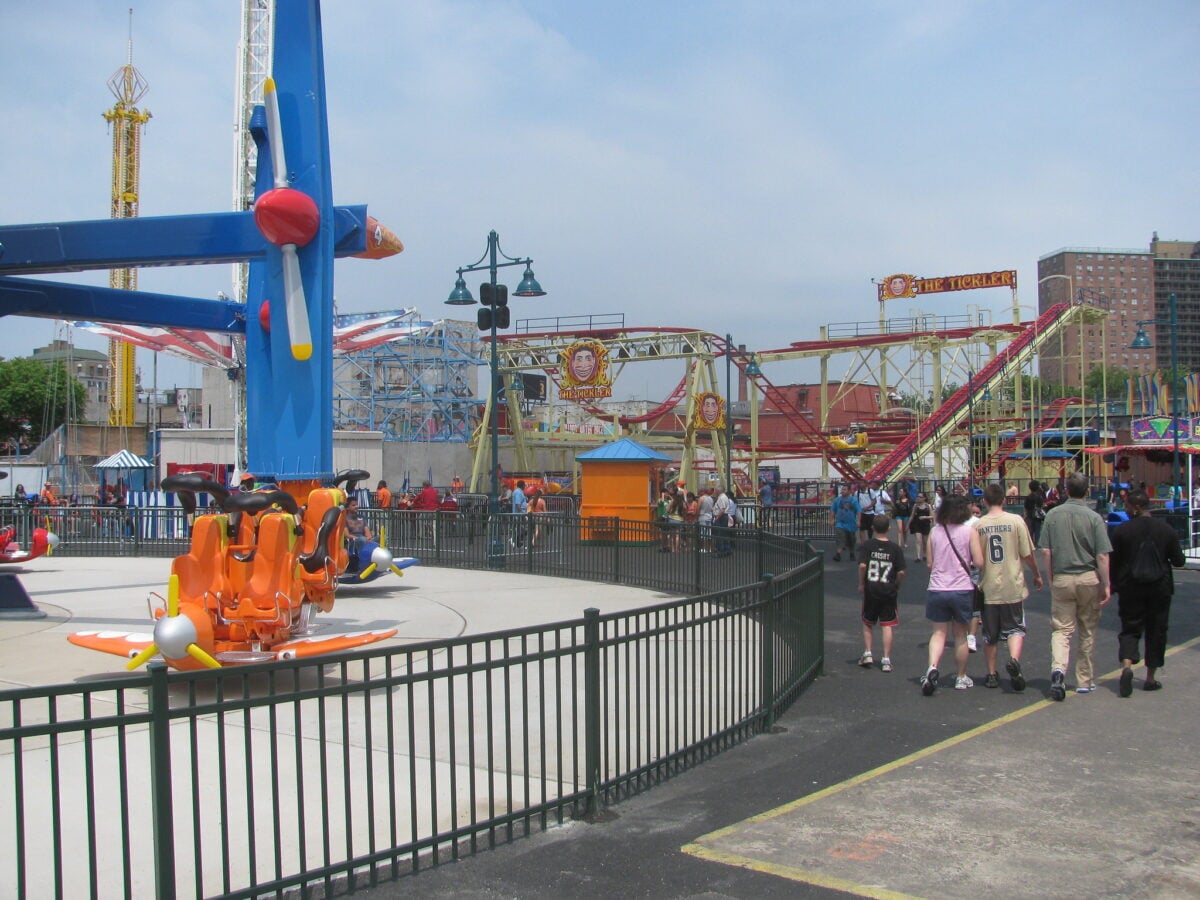
Luna Park in Australia became the site of tragedy in 2004 when the Spinning Mouse ride ejected a 20-year-old man to his death. The compact spinning coaster was designed for family fun, with low heights and gentle curves that made its failure all the more shocking to witnesses who watched a routine ride become fatal in seconds.
The accident happened when the rider’s restraint system failed during a turn, allowing him to be thrown from the moving car. Investigation revealed that the ride’s safety systems had not been properly maintained, and that warning signs of potential restraint failure had been ignored.
The incident led to major reforms in Australia’s ride inspection protocols.
The Zipline Zip-Line Terror
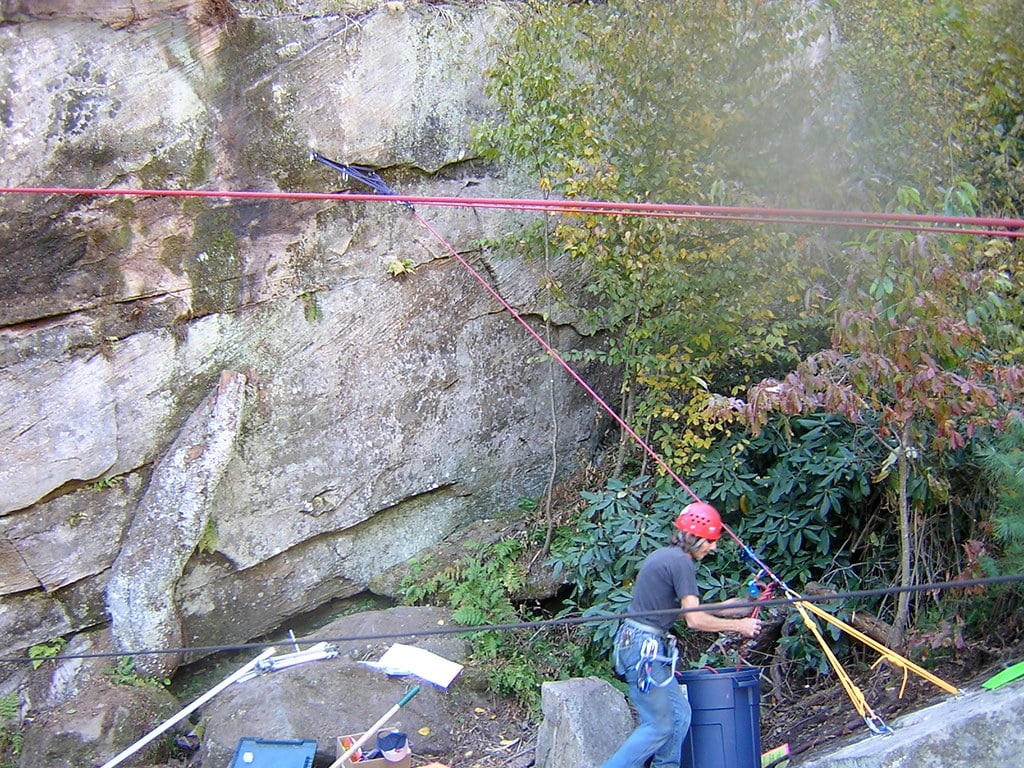
Even attractions that seem inherently safe can become deadly when complacency replaces vigilance. That lesson came at a terrible cost in 2015 when a zipline attraction at a Kentucky theme park failed, sending a rider plummeting to the ground in full view of horrified family members who had been taking photos of what should have been a triumphant moment.
The rider had been properly harnessed and the equipment had passed inspection, yet a carabiner failure turned a gentle glide into a fatal fall. The accident highlighted the risks present in even seemingly simple attractions, where a single component failure can have catastrophic consequences.
Learning from the Unthinkable
These tragedies share common threads that wind through the theme park industry like cracks in a foundation: maintenance deferred, safety systems overridden, warning signs ignored until they become obituaries. Each accident represents not just mechanical failure, but a breakdown in the culture of safety that must surround every attraction, every day, without exception.
The families who lost loved ones in these incidents didn’t buy tickets to become statistics or cautionary tales. They came seeking the same joy that millions of others find safely every year at parks around the world.
Their losses serve as permanent reminders that the magic of theme parks depends entirely on the vigilance of those who build, maintain, and operate the rides that turn dreams into reality—or nightmares into front-page news.
More from Go2Tutors!

- The Romanov Crown Jewels and Their Tragic Fate
- 13 Historical Mysteries That Science Still Can’t Solve
- Famous Hoaxes That Fooled the World for Years
- 15 Child Stars with Tragic Adult Lives
- 16 Famous Jewelry Pieces in History
Like Go2Tutors’s content? Follow us on MSN.