How Las Vegas Lounge Culture Shaped American Entertainment for Decades
Las Vegas reinvented American nightlife in the 1950s when ambitious developers realized that casinos built around gambling could package entertainment, alcohol, and optimism into a profitable destination. The lounge format—an intimate performance space where singers and comedians worked close enough to audiences to create genuine interaction—became the centerpiece.
Unlike concert halls or theaters, lounges encouraged improvisation, audience participation, and the kind of informality that theater demanded audiences abandon at the door. The looseness of lounge culture became its defining feature.
The lounge didn’t just function as a smaller version of a concert hall. It operated according to different rules that demanded different skills from performers.
A lounge singer needed to read audiences, respond to hecklers, adjust arrangements on the fly, and maintain momentum across multiple shows per night without the technical support that a theater provided. These constraints created a different kind of artistry that shaped popular music and entertainment for an entire generation of creators who learned their craft in Las Vegas lounges.
The Sands Hotel and Casino

The Sands opened in December 1952 and became the epicenter of lounge entertainment in Las Vegas. The property’s Copa Room became legendary as the venue where the Rat Pack performed extended engagements that turned the casino into a destination for celebrities and tourists alike.
The Sands’ willingness to support ambitious entertainment programming and to allow performers the freedom to improvise set a standard that other casinos rushed to match.
Frank Sinatra’s Residencies
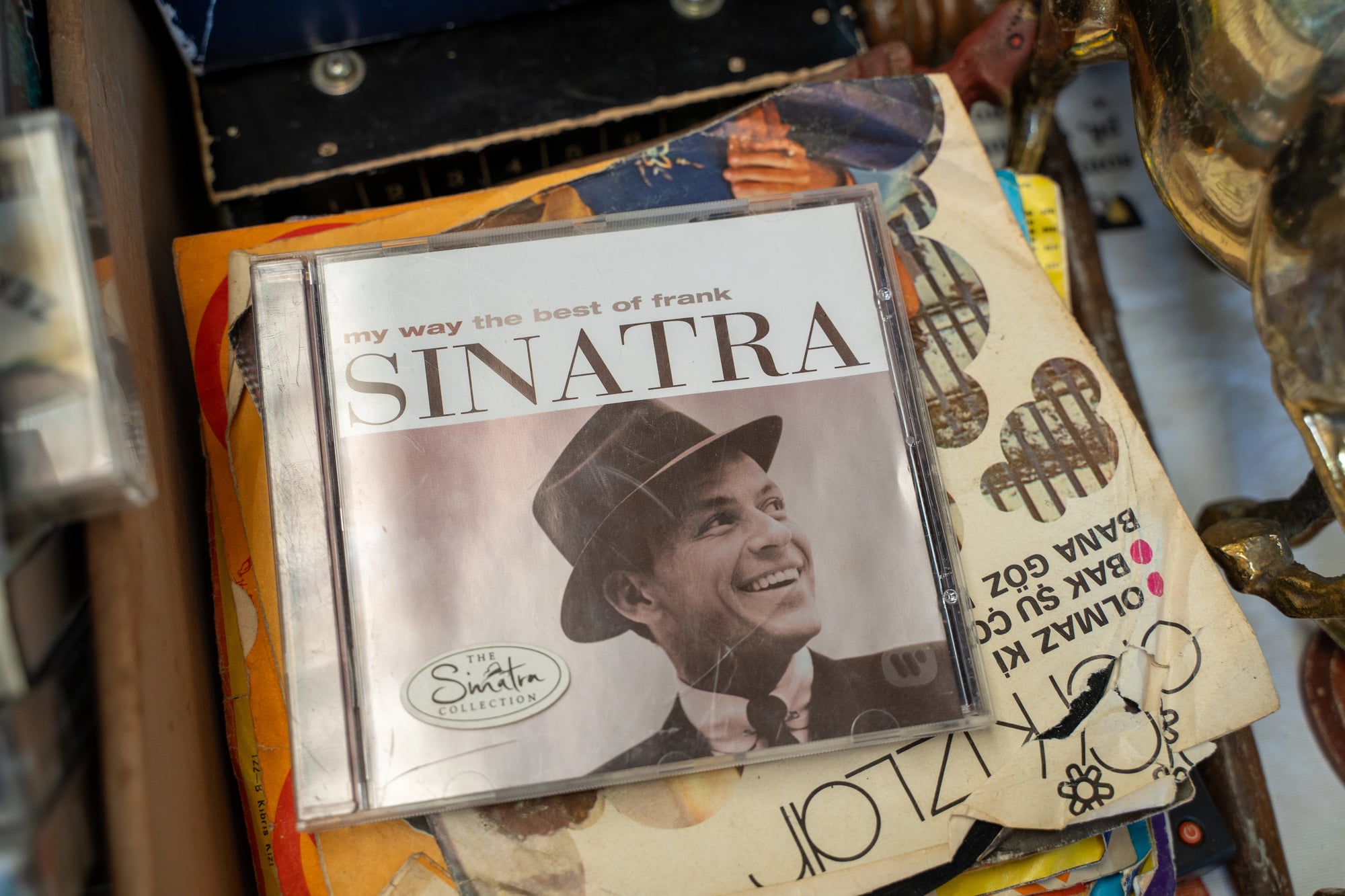
Frank Sinatra established the model for how a major star could use Las Vegas as a second home rather than a touring destination. His extended residencies at properties like the Sands made Las Vegas synonymous with sophisticated nightlife and proved that world-class entertainers could commit to playing the same venue repeatedly if the conditions and compensation were right.
Sinatra’s presence elevated the city’s profile dramatically.
The Copa Room Performance Format
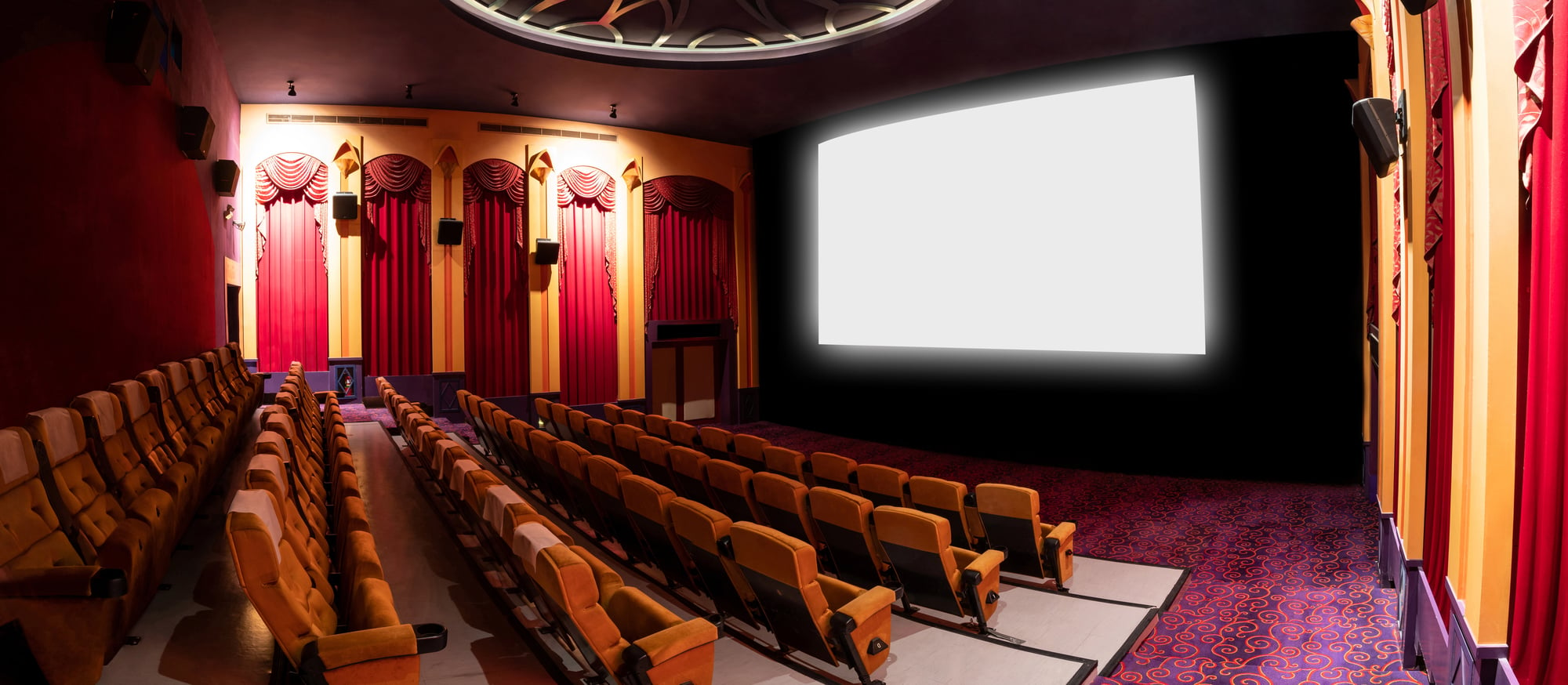
The Copa Room at the Sands pioneered a performance format where singers and comedians could interact directly with audiences sitting at tables rather than in theater seats. The format encouraged performers to talk to specific audience members, to respond to interruptions, and to create a sense of genuine social gathering rather than formal performance.
This intimacy became Las Vegas’s defining entertainment characteristic.
The Rat Pack at the Sands
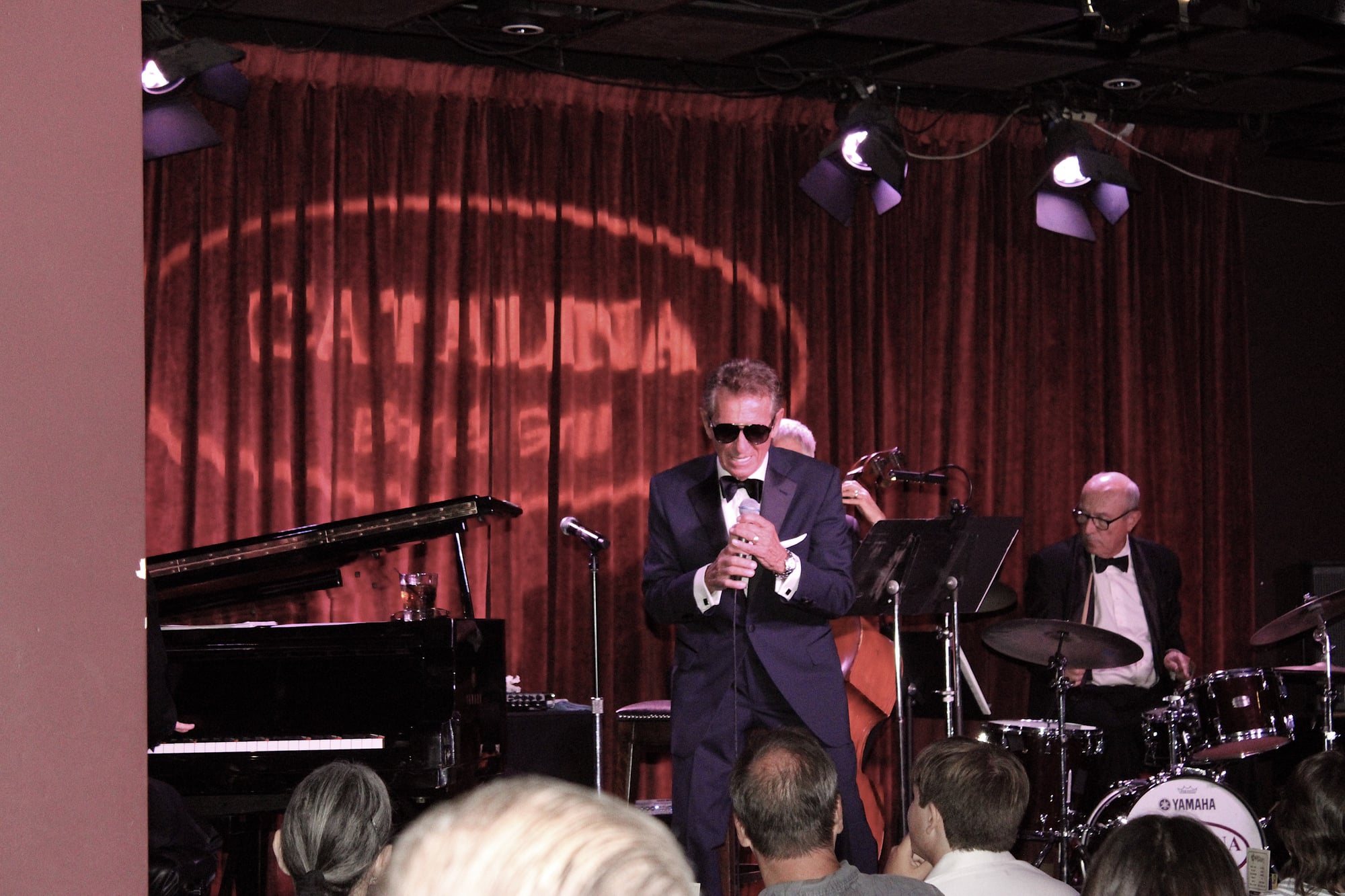
When Frank Sinatra and Dean Martin began appearing in each other’s acts at the Sands in January 1959, they created something unprecedented: multiple world-class entertainers sharing a stage nightly, improvising, joking, and allowing the show to develop organically. By 1960, the group had expanded to include Sammy Davis Jr., Peter Lawford, and Joey Bishop, creating an ensemble act that audiences lined up for hours to see.
The Rat Pack’s performances drew an estimated 34,000 people over a single four-week season.
The Summit Engagement
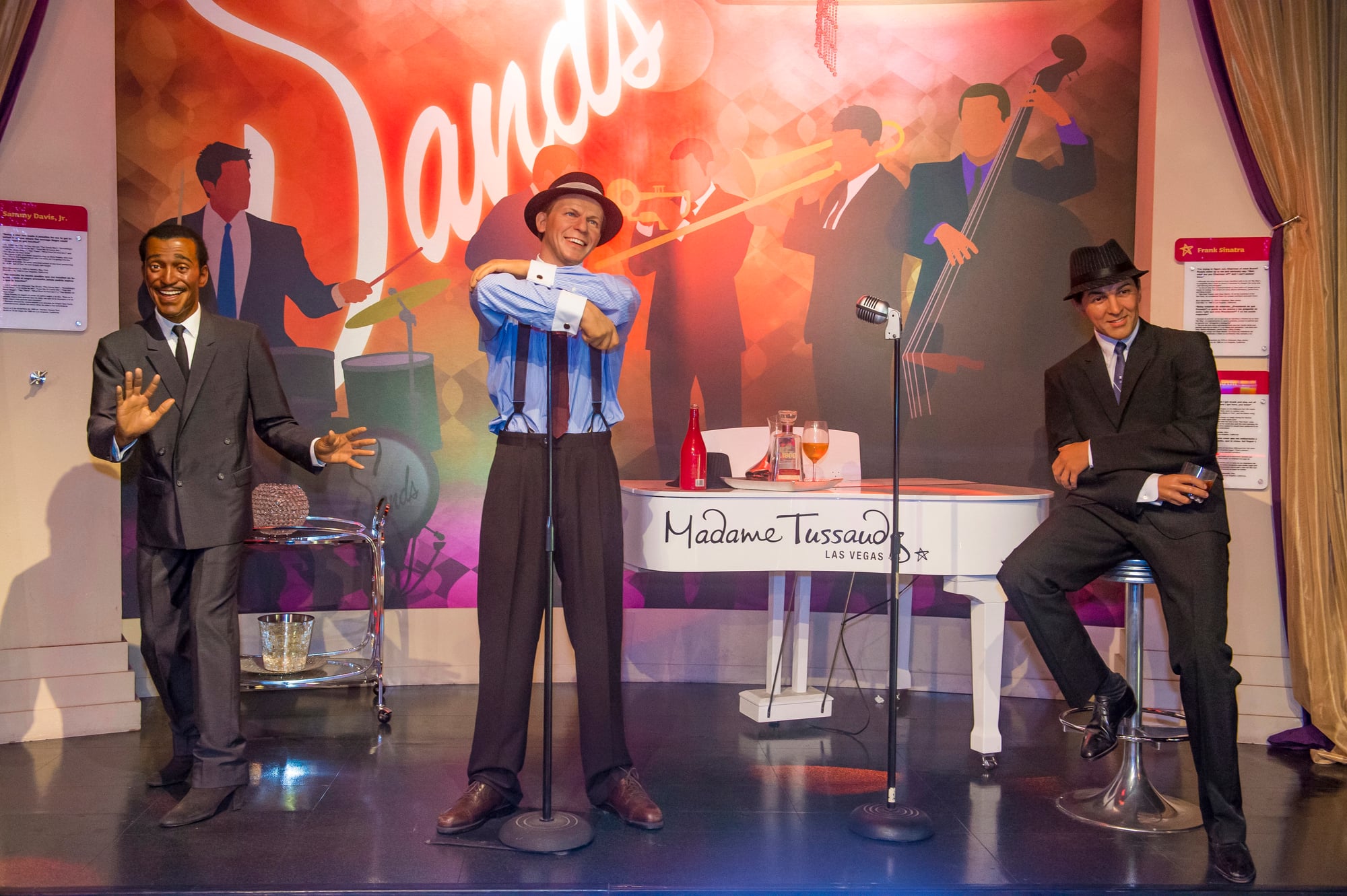
The Rat Pack’s “Summit” engagement at the Sands in January 1960 was initially planned for three weeks but extended to five weeks due to overwhelming demand. The shows continued afterward in private suites and lounge settings, creating a template for how extended residencies could work—multiple shows per night, audiences who attended repeatedly, and performers who treated Las Vegas as home rather than a tour stop.
Improvisational Comedy Integration
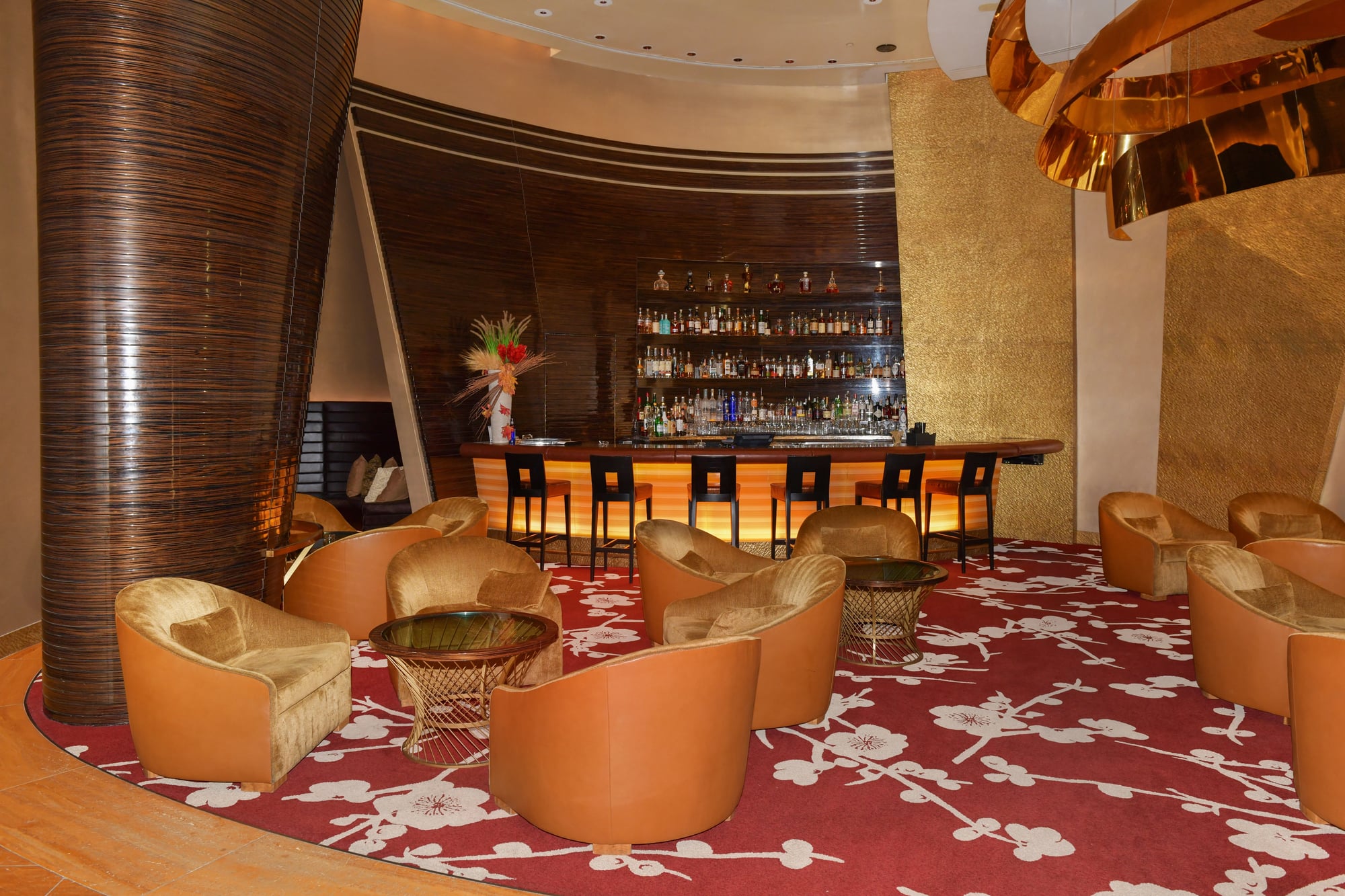
Las Vegas lounges made comedy a central component of nightclub entertainment rather than an opening act. Joey Bishop and Sammy Davis Jr. demonstrated that comedians could hold their own alongside singing stars, that audiences would wait in line just as eagerly for comedy, and that the lounge format’s intimacy made comedy more impactful than traditional theater.
This elevation of comedy influenced how American entertainment valued comedians.
Casino-Financed Extended Residencies
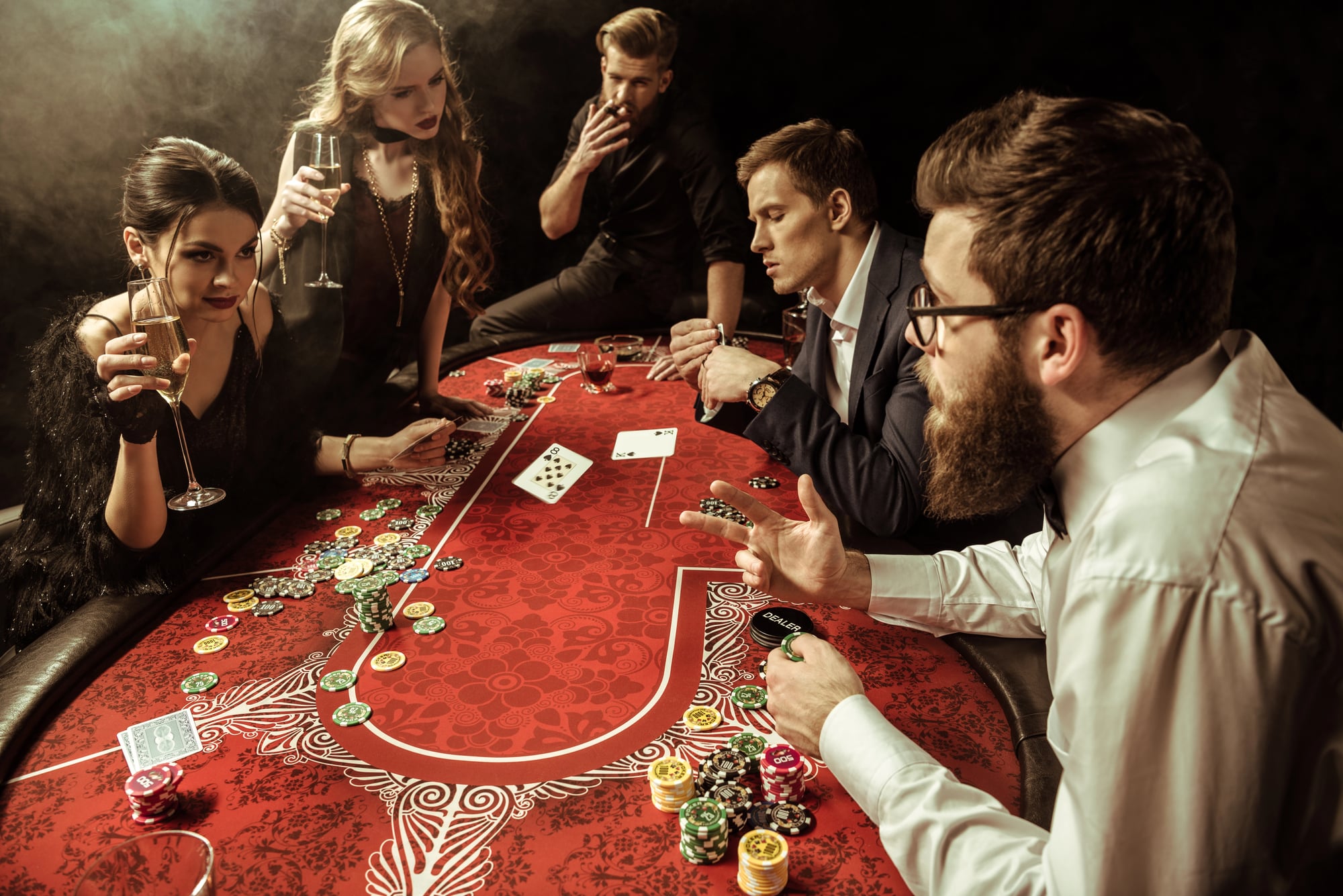
Las Vegas casino operators understood that a major star performing for extended runs would attract high-rolling gamblers more reliably than touring musicians passing through town. This financial model allowed performers to build real relationships with audiences, to develop material over repeated performances, and to avoid the grueling pace of touring.
Singers began viewing Las Vegas not as a tour stop but as a lucrative alternative to the road.
The Influence on Musical Performance
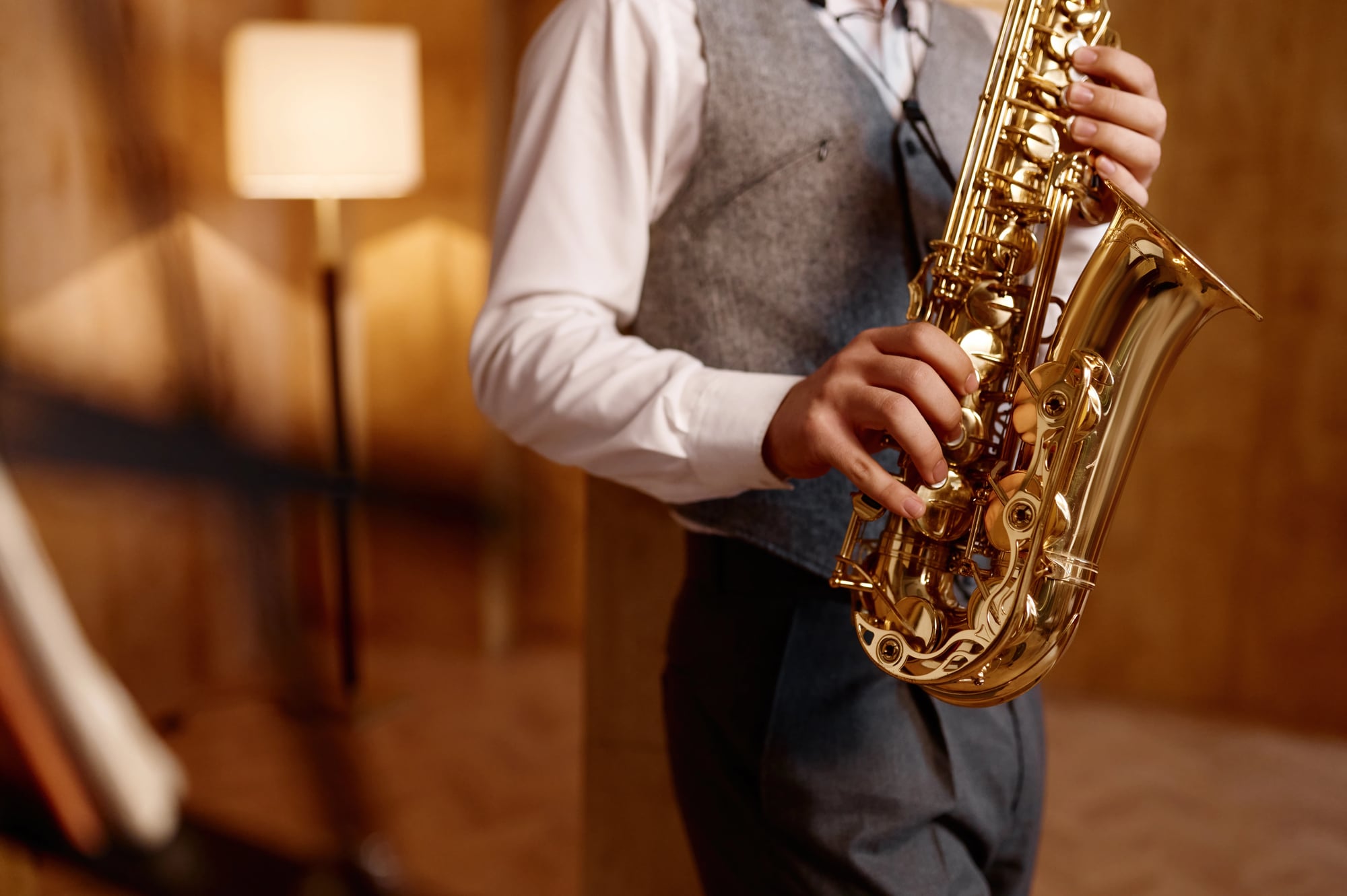
The lounge format required musicians to maintain energy through multiple shows per night, which developed stamina and resilience that touring musicians didn’t need. Lounge performers learned to read audiences carefully and adjust performances in real time.
These skills influenced how performers worldwide understood their relationship with audiences and what constituted a skilled, professional entertainment act.
Glamour and Accessibility
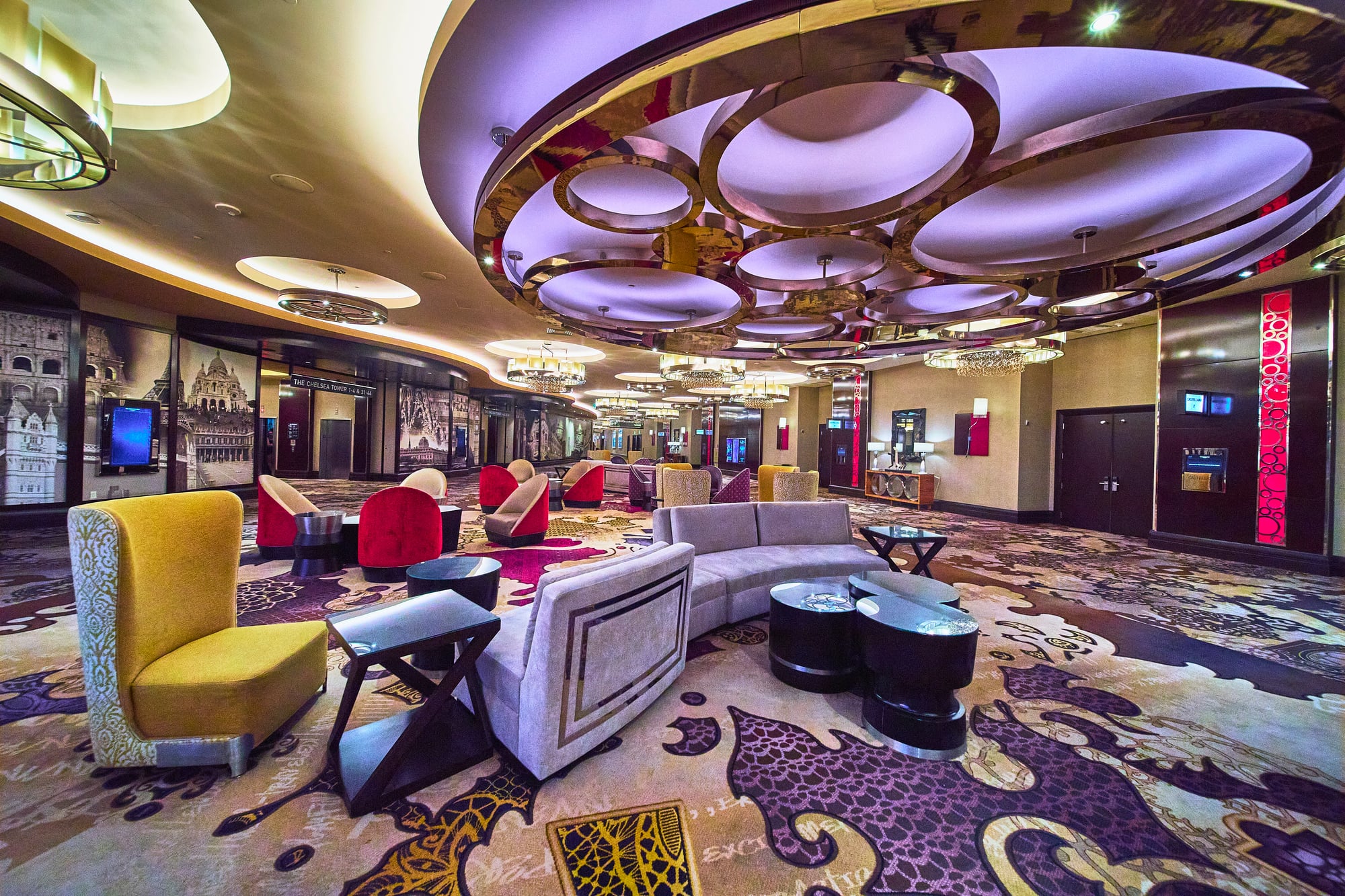
Las Vegas lounges created a unique entertainment culture where glamour—tuxedos, cocktails, formal arrangements—coexisted with informal, accessible performances. Audiences felt they were experiencing high-class entertainment while remaining personally connected to performers.
This balance between sophistication and approachability became a defining feature of American entertainment culture that extended far beyond Las Vegas.
The Cocktail Culture Connection

Lounge entertainment assumed audiences would be drinking, and the format evolved around that reality. Bars were built into the room, drinks circulated continuously, and performance energy was calibrated to audiences engaged in social drinking rather than seated theater attendance.
This integration of alcohol and entertainment created a different performance aesthetic that influenced how music was created and marketed.
The Rat Pack’s Filmed Legacy
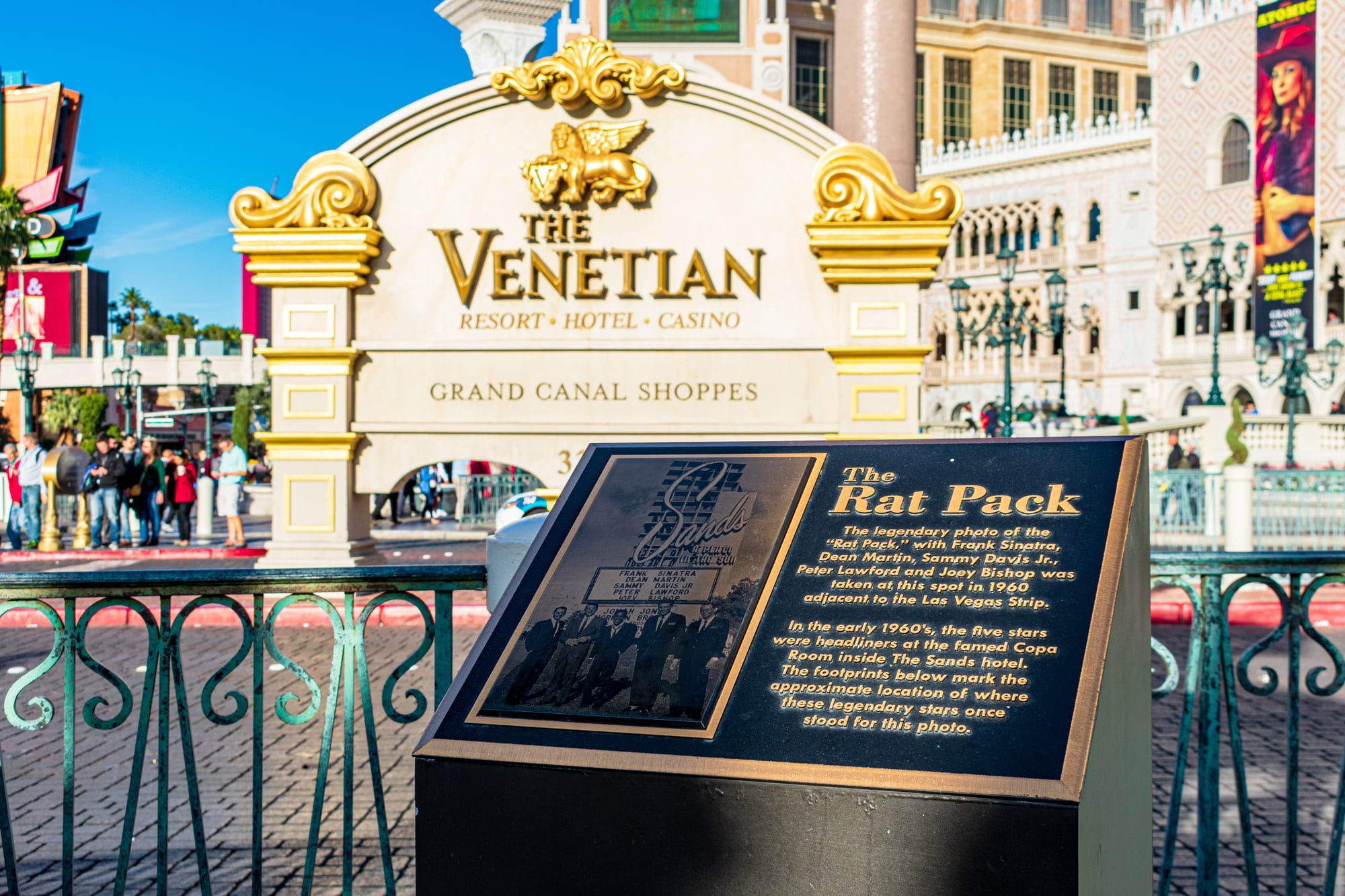
The Rat Pack’s Las Vegas performances were captured in films like “Ocean’s Eleven,” creating permanent records of lounge entertainment that influenced how subsequent performers understood what skilled entertainment looked like. Film gave lounge performance a kind of permanence and cultural authority it wouldn’t have otherwise possessed, spreading the influence of Las Vegas entertainment styles globally.
Women Performers in Las Vegas Lounges

Female singers including Lena Horne, Peggy Lee, and others used Las Vegas lounges as spaces where they could perform sophisticated material for adult audiences. The lounge format’s intimacy and adult focus created opportunities for female performers to command top dollar and significant audience respect in ways that other venues of the era didn’t always offer.
The Multiple Shows Per Night Model

Unlike touring musicians who performed once per night, lounge performers often worked multiple shows—sometimes as many as four per night. This meant developing material that could sustain repeated performances, understanding how to adjust to different audience compositions, and building the kind of vocal and physical stamina that touring couldn’t demand.
The lounge model created extraordinarily skilled performers.
Audience Participation and Heckler Management

Lounge performers needed to invite audience participation without losing control of their performance. They needed to handle hecklers with charm rather than having them removed by security.
These skills created a different kind of performer—one who understood how to navigate social situations with wit and presence. The lounge format prioritized interpersonal skills as much as technical ability.
The Band and Arrangement Flexibility
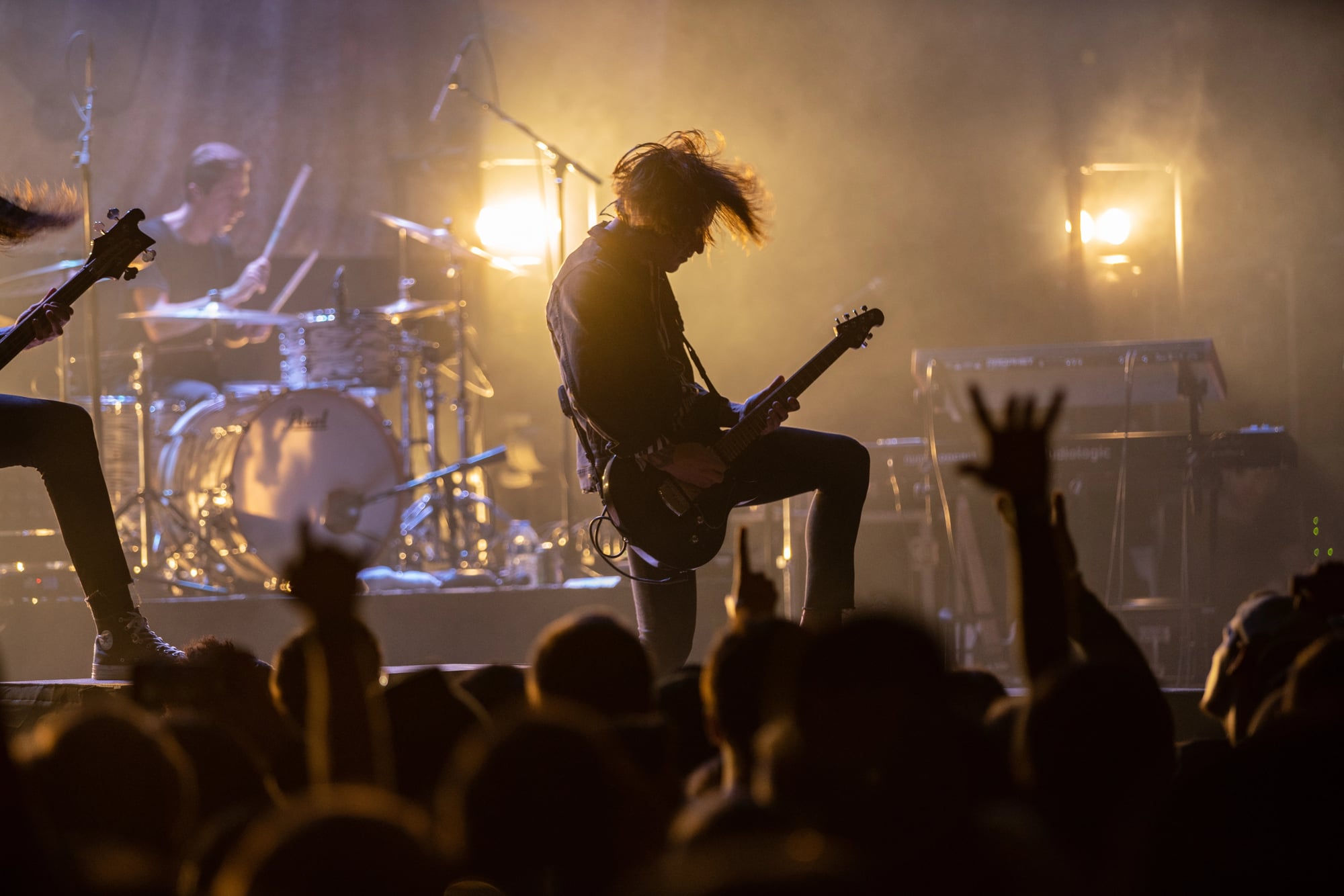
Lounge performances required arrangements that could accommodate last-minute changes, extended improvisations, and integration of audience requests. Musicians working in Las Vegas lounges developed a flexibility that toured musicians didn’t need, and the arrangements themselves became less rigid and more responsive to performance moment.
This influenced how American popular music understood the relationship between arrangement and performance.
The Celebrity Clientele

Because major stars performed in Las Vegas lounges, other celebrities attended as audience members. This created a unique entertainment ecosystem where performers watched other performers, where industry insiders observed new talent, and where the line between celebrity performers and celebrity audiences blurred.
The cross-pollination influenced entertainment across mediums.
The Lounge as Training Ground

Young performers, including many who would later achieve major fame, used Las Vegas lounges as places to develop their craft away from the spotlight of major media centers. The lounge format allowed experimentation without the pressure of critics or large media attention, and many performers developed signature styles in Las Vegas before taking them to theaters and concert halls.
Elvis’s Las Vegas Residencies
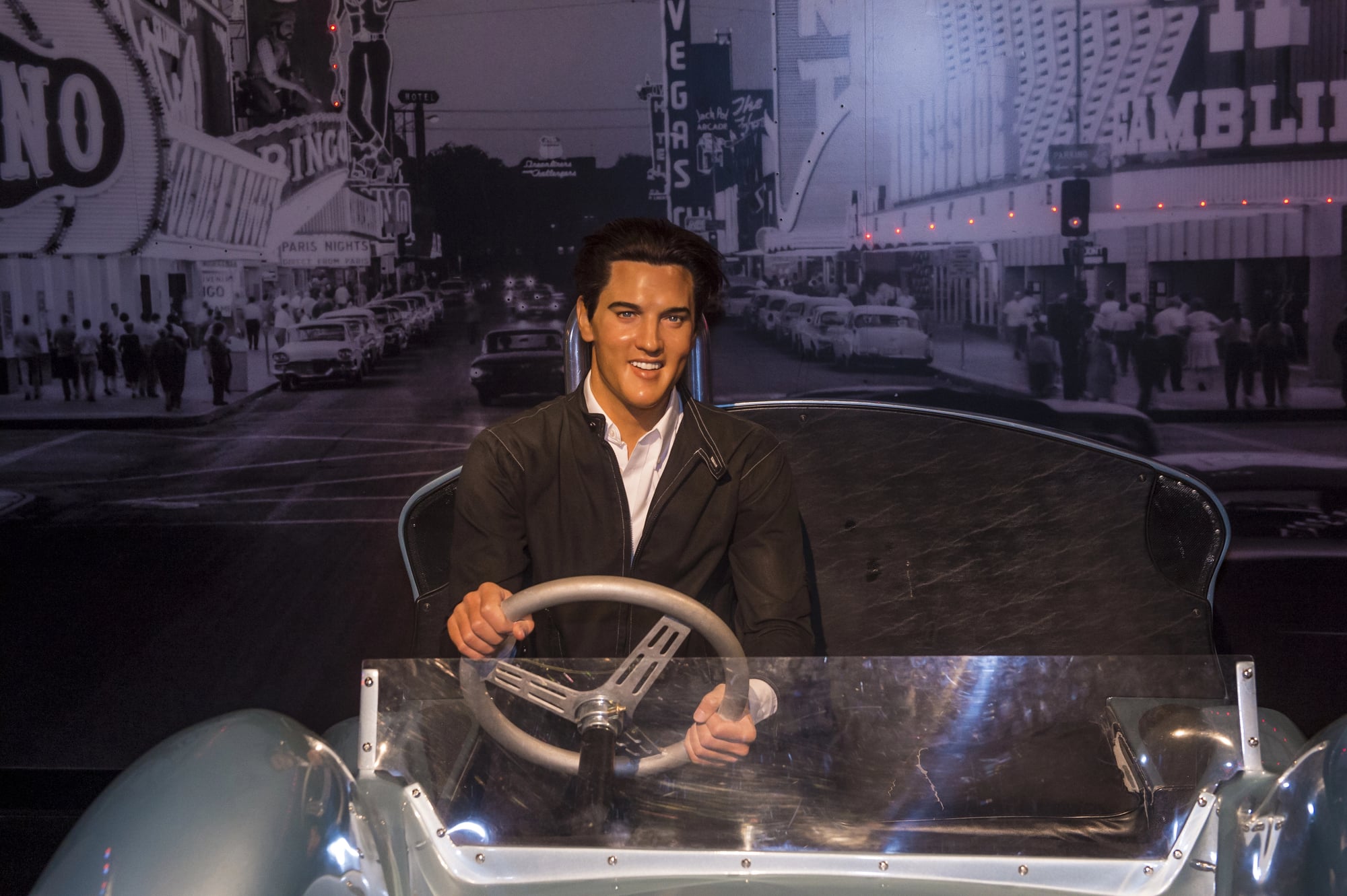
When Elvis Presley moved to Las Vegas for extended residencies at the International Hotel in 1969, he adopted the lounge-residency model and proved it could work for rock and roll performers. Elvis’s performances showed that the Las Vegas model wasn’t limited to crooners and traditional entertainers, and his success extended the lounge format’s cultural dominance into the rock era.
The Decline and Contemporary Revival
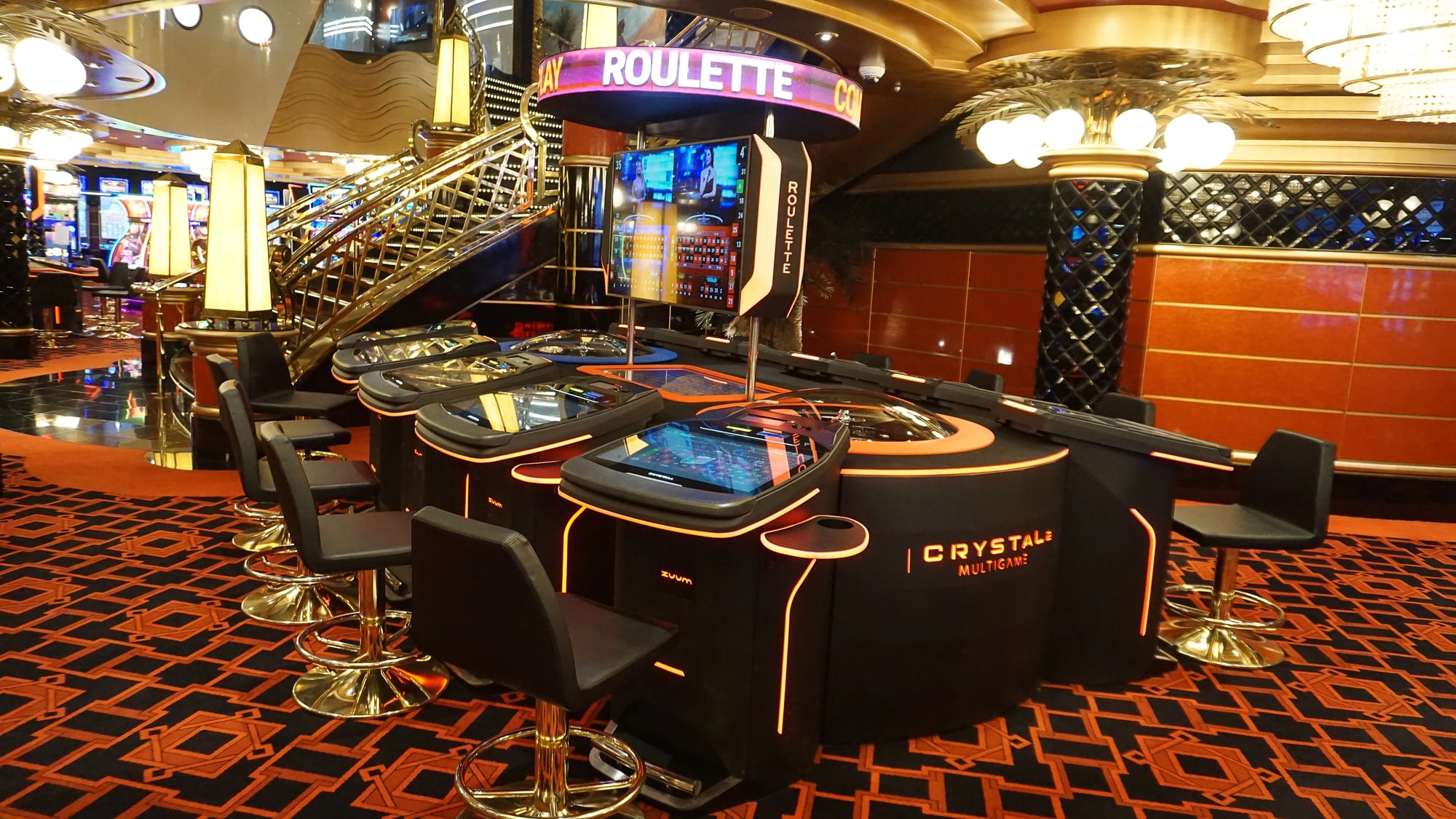
Though traditional casino lounges have largely been replaced by concert venues and nightclubs, the lounge format’s influence persists in how contemporary performers think about audience engagement and intimate performance spaces. The skills developed in Las Vegas lounges—improvisation, audience reading, sustained energy through multiple performances—remain valuable in contemporary entertainment contexts.
Shaping American Entertainment Expectations
Las Vegas lounge culture taught American audiences to expect sophisticated entertainment, to value performer charisma and personality, and to understand entertainment as social experience rather than formal theater. These expectations influenced how entertainment was created, marketed, and consumed across every medium.
The lounge’s values—informality, improvisation, performer-audience connection—became central to American popular entertainment even as the physical lounges themselves changed.
More from Go2Tutors!

- The Romanov Crown Jewels and Their Tragic Fate
- 13 Historical Mysteries That Science Still Can’t Solve
- Famous Hoaxes That Fooled the World for Years
- 15 Child Stars with Tragic Adult Lives
- 16 Famous Jewelry Pieces in History
Like Go2Tutors’s content? Follow us on MSN.