27 Wars That Started Over Reasons That Sound Absurd Today
Military history contains numerous conflicts initiated by causes that modern observers would consider trivial or bizarre justifications for large-scale violence. These wars nonetheless resulted in death tolls, territorial changes, and lasting consequences despite their seeming absurdity to contemporary minds.
The gap between stated causes and deeper geopolitical motivations often reveals that the official justifications masked more substantial underlying interests.
The War of Jenkins’ Ear

Britain and Spain fought over a severed ear allegedly taken from British sailor Robert Jenkins by Spanish authorities seven years earlier. The incident, initially ignored, became political fodder when Jenkins’ ear was publicly displayed.
The war that resulted killed thousands despite the trivial initial cause, with colonial territorial disputes representing the actual conflict driver.
The Bucket War

Medieval Italian city-states Modena and Bologna fought a pitched battle apparently over possession of a single wooden bucket stolen from a well. While the bucket provided convenient justification, rivalry over territorial expansion and political dominance drove the conflict.
Historians debate whether the bucket incident was genuine cause or after-the-fact rationale.
The Emu War

Australia deployed military forces against emus damaging farmland after World War I. The carnivorous birds proved difficult to kill, and the military operation became darkly comedic as soldiers failed to kill significant emu numbers.
The conflict highlighted human futility against nature despite superior military resources.
The Pig War

American and British forces nearly engaged in full-scale war over a pig killing incident on San Juan Island between American settlers and British colonial forces. Diplomatic negotiation prevented warfare, but the pig’s death nearly triggered international conflict.
The incident demonstrated how personal grievance could escalate to military brink.
The Football War

El Salvador and Honduras engaged in armed conflict partially initiated by soccer match tensions between populations. While football fan animosity provided immediate trigger, underlying economic disputes about immigrant rights and land access drove deeper conflict.
The war demonstrated how sports rivalries could activate latent political conflicts.
The War of the Polish Succession
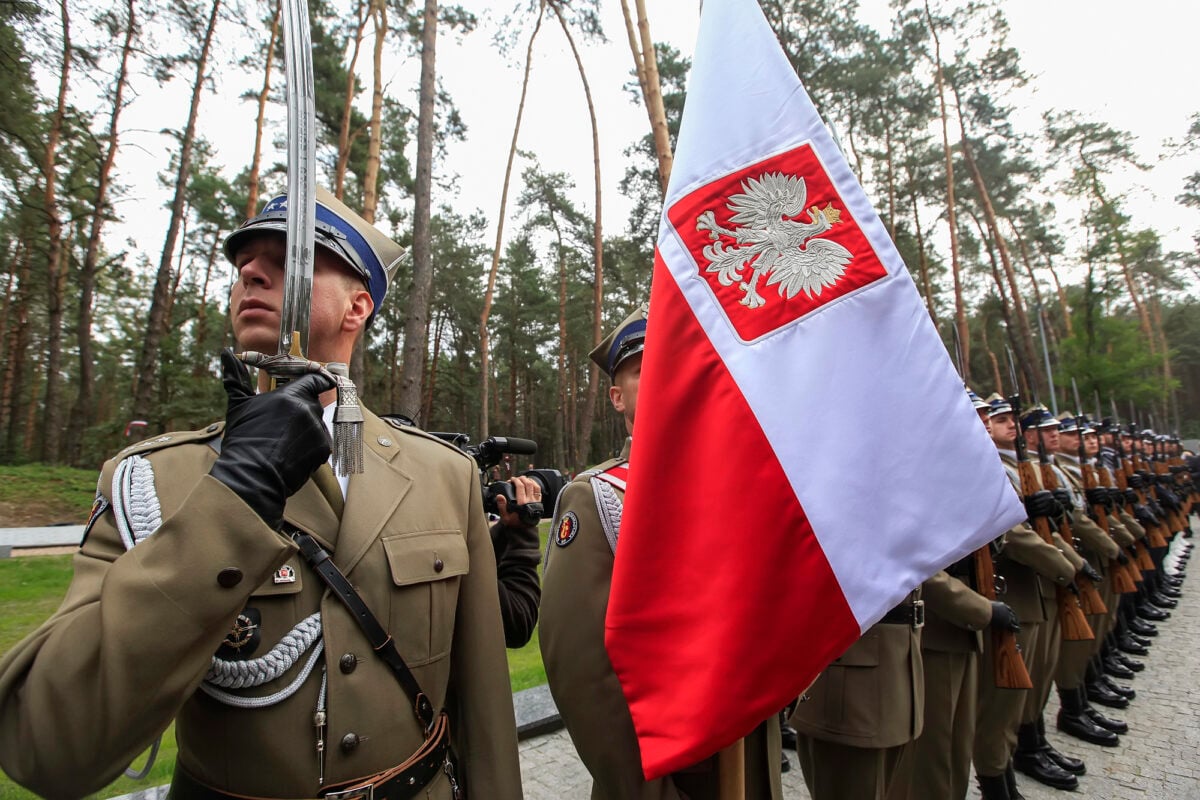
European powers fought over who would succeed to the Polish throne following the monarch’s death. The conflict involved competing dynastic claims and royal intrigue rather than fundamental territorial or ideological disputes.
The war resulted in casualties and territorial redistribution despite succession remaining its actual justification.
Kansas

American settlers and pro-slavery forces fought over slavery’s expansion into Kansas Territory using the democratic process. Violence occurred over political power and ideological conflict encoded in territorial governance.
The low-level warfare foreshadowed the civil war and demonstrated how political disagreement could turn violent.
The Pastry War

France invaded Mexico supposedly over damage to a French pastry shop during civil unrest. The trivial incident provided justification for military intervention driven by territorial ambition and economic control.
The war demonstrated how minor property damage could justify large-scale military operations.
The Opium Wars

Britain and China fought conflicts supposedly over British right to sell opium to Chinese populations. The wars represented economic imperialism and British determination to maintain profitable trade despite Chinese resistance.
Opium provided the official justification for territorial conquest and economic domination.
The Salami War
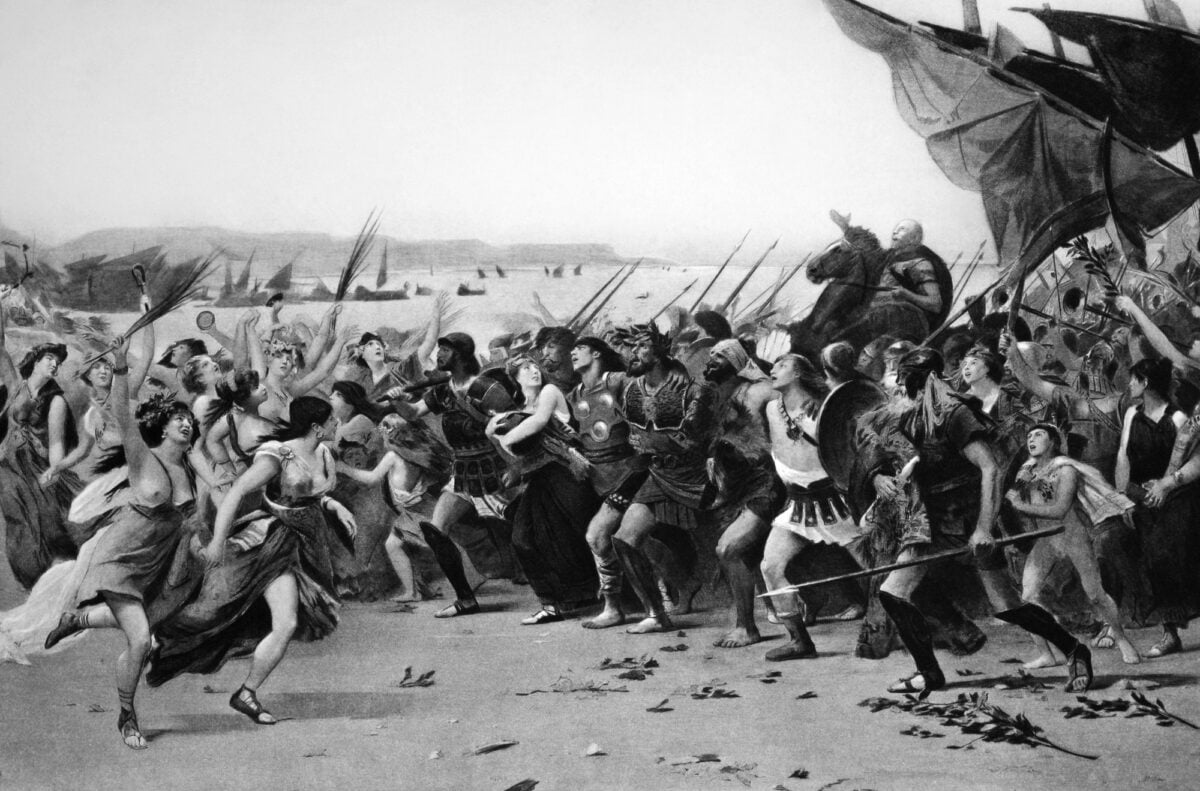
Hungary and Romania engaged in brief border skirmishes over alleged salami theft and agricultural disputes. The incidents involved relatively minor property disputes that escalated to military confrontation.
The conflicts demonstrated how personal and economic grievances could trigger armed engagement.
The War of the Roses

English nobility fought for throne succession involving competing royal houses. The conflict resulted in decades of intermittent warfare and tens of thousands of deaths.
The fundamental cause was dynastic rivalry encoded in religious and political legitimacy claims.
The Rif War

Spain and France fought Moroccan resistance forces partly triggered by competing imperial interests in the region. While nationalist resistance provided immediate opposition, colonial ambition drove European military response.
The war demonstrated how imperial expansion generated local resistance.
The War of the Sicilian Vespers
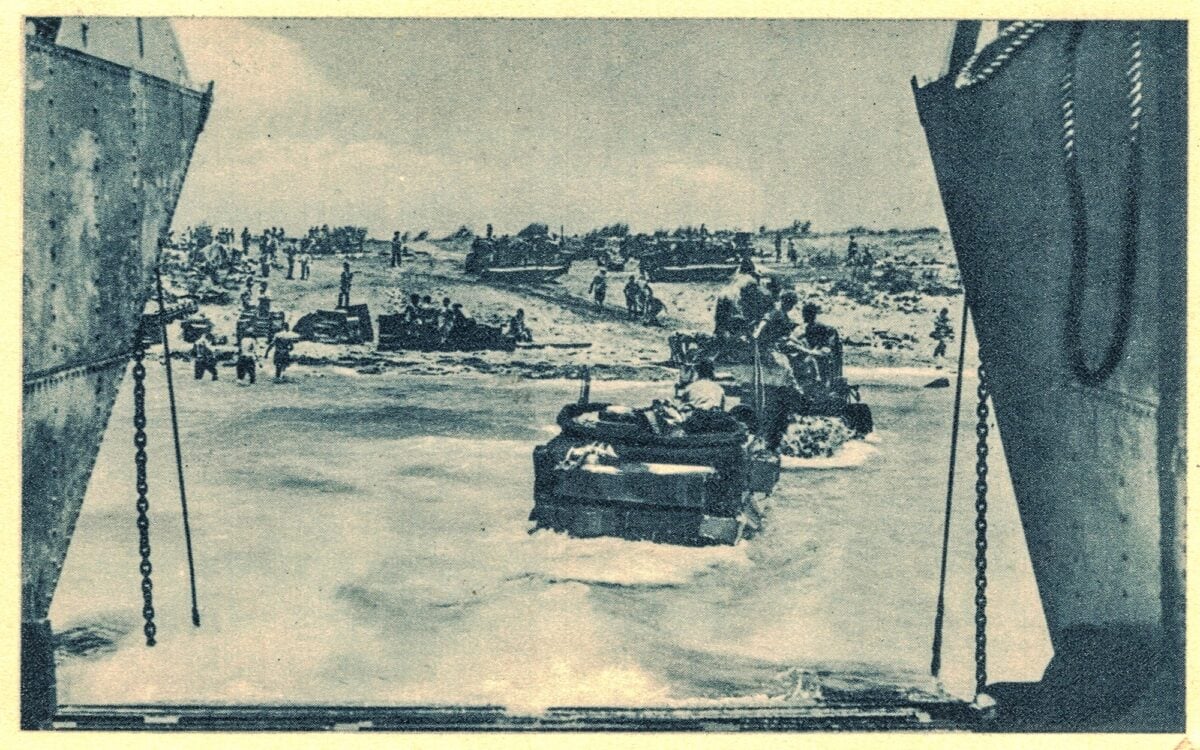
Sicily revolted against French rule partially triggered by wedding day violence. The uprising escalated to full military conflict involving multiple powers competing for island control.
The initial violence provided the revolt’s name while territorial competition drove the conflict’s persistence.
The Boxer Rebellion

Chinese populations resisted foreign colonial occupation and Christian missionary activity through coordinated rebellion. International powers responded militarily to suppress the uprising and maintain colonial control.
The conflict represented resistance to imperial domination encoded as rebellion against Christian influence.
The Taiping Rebellion

Chinese internal conflict involving a charismatic leader claiming Christian inspiration and promoting radical reform sparked massive civil war. The resulting conflict killed millions and represented internal power struggle despite Christian justification.
The rebellion demonstrated how religious ideology could mobilize massive populations toward violent conflict.
The Sikh Wars
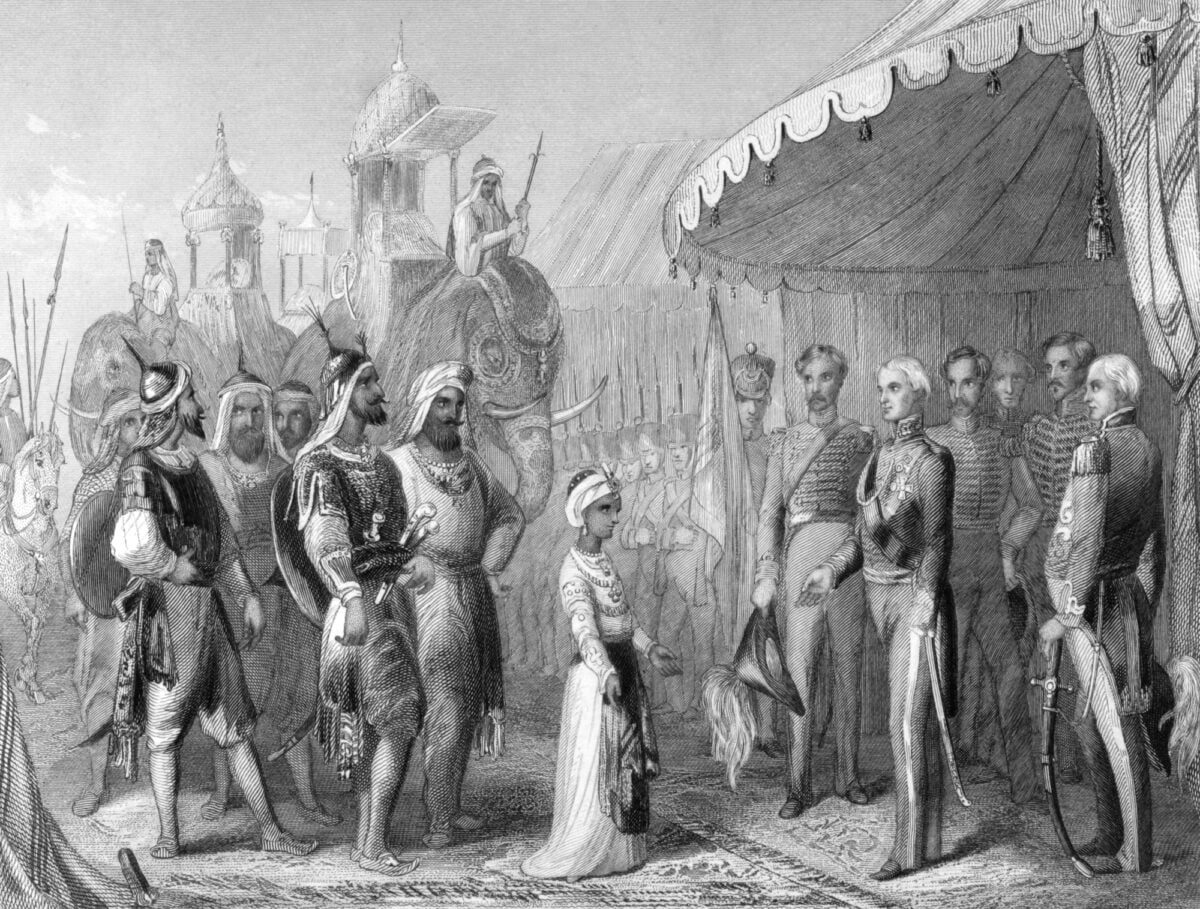
British colonial forces fought Sikh military forces competing for control of Punjab region. The conflicts encoded nationalist resistance to British imperialism within religious and regional identity.
The wars demonstrated competition for territorial control in colonial contexts.
The Aceh War

Dutch colonial forces fought Acehnese resistance in multi-decade conflict over territorial control and colonial expansion. Religious differences provided cultural framing while colonial domination represented the fundamental issue.
The war resulted in massive casualties and colonial consolidation of control.
The Russo-Turkish Wars

Competing Russian and Ottoman empires fought numerous conflicts over territorial control and regional hegemony. Religion, nationalism, and imperial competition provided justifications while territorial expansion and strategic advantage drove motivation.
The repeated conflicts demonstrated persistent great power rivalry.
The War of Spanish Succession

European powers fought over which royal house would control Spain following the monarch’s death. Dynastic succession provided the stated cause while territorial redistribution among great powers represented the underlying competition.
The war resulted in major territorial changes despite succession remaining its justification.
The Balkan Wars

Multiple conflicts occurred over territorial control and nationalist movements within Ottoman-controlled regions. Religious and ethnic identities provided mobilization frames while territorial control and nationalist aspiration drove conflicts.
The wars demonstrated how identity politics could trigger military responses.
The Crimean War
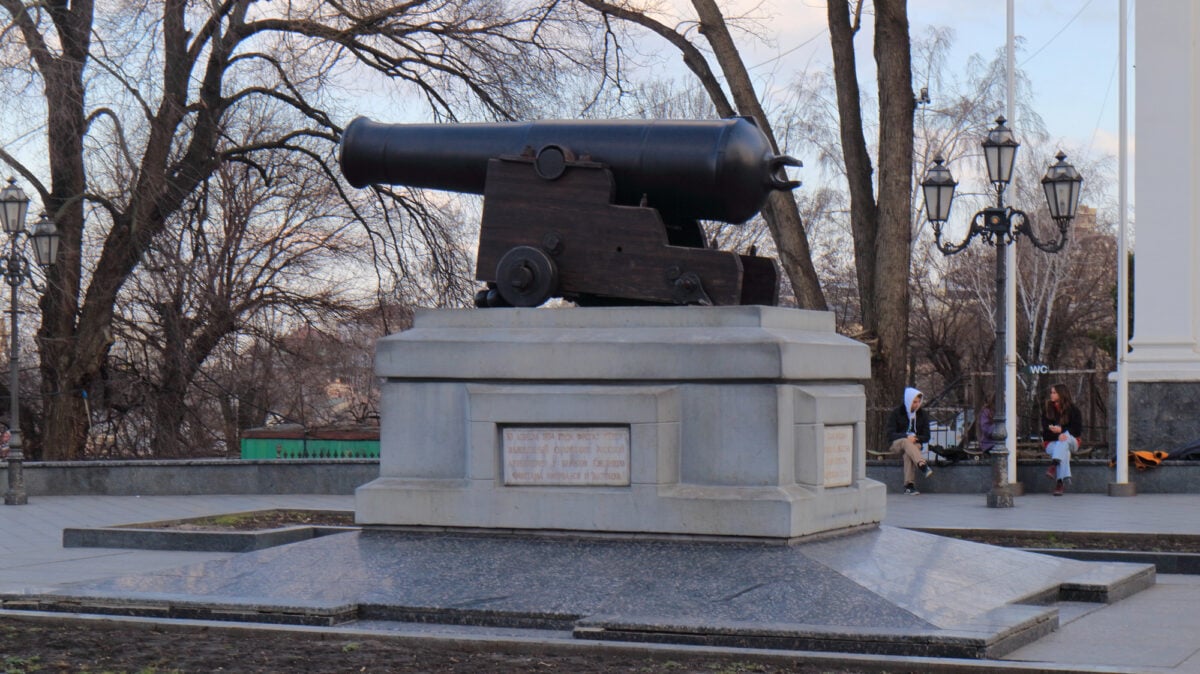
Britain, France, and others fought Russia partly over religious access rights in Ottoman territories. The religious justification masked competition over Ottoman decline and territorial control.
The war demonstrated how trivial issues could trigger great power conflicts when strategic interests aligned.
The Inca Civil War

Inca succession disputes led to internal conflict involving competing royal claimants. The conflict weakened the empire just as Spanish conquest commenced.
Internal disputes over succession created vulnerability to external military threat.
The Aztec-Tlaxcala Conflicts
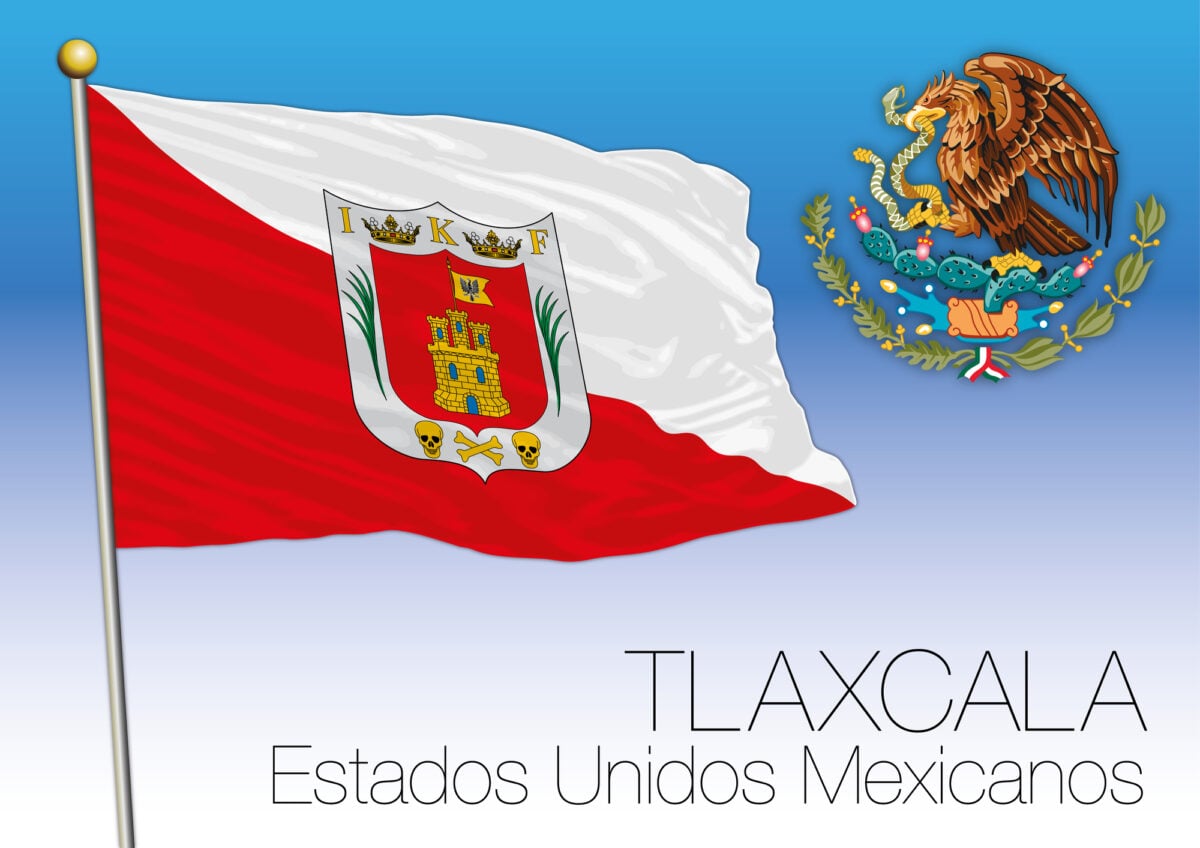
Competing Mesoamerican powers fought for tributary dominance and political control. Spanish conquistadores exploited these rivalries to build alliances against the Aztecs.
Indigenous conflicts provided opportunity for European conquest.
The Mongol Invasions of Japan
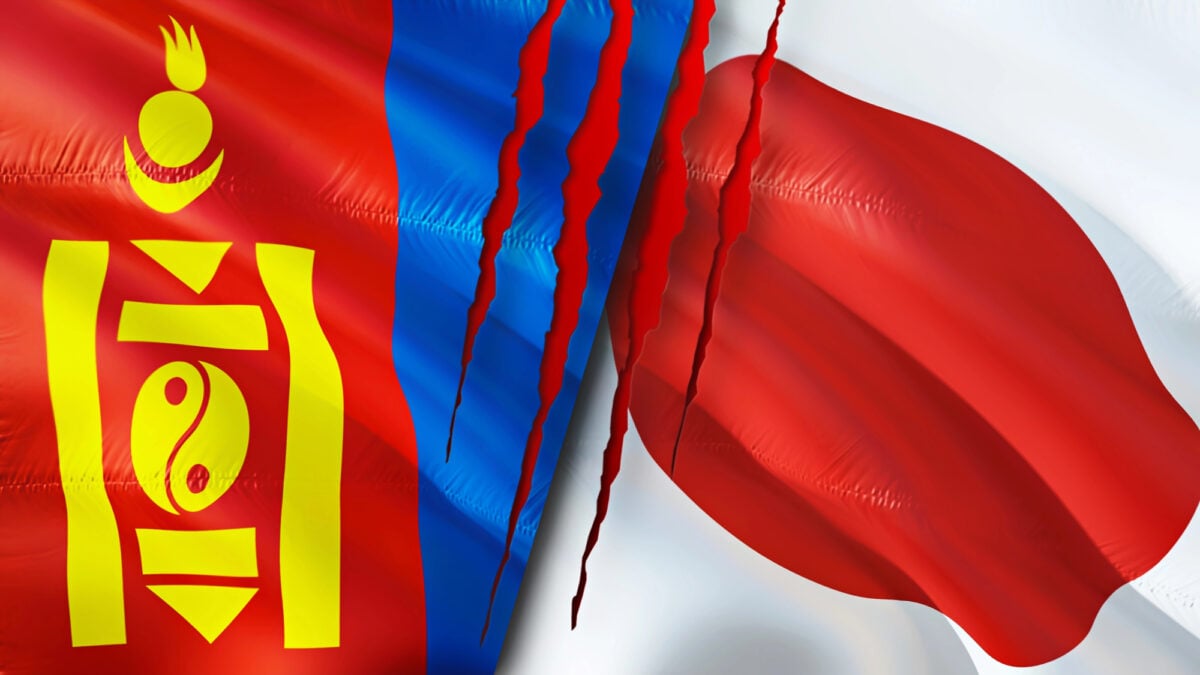
Kublai Khan’s attempted invasions of Japan motivated by conquest ambitions were repelled by storms and Japanese resistance. The conflicts represented Mongol empire expansion and Japanese resistance.
The conflict demonstrated limits of Mongol conquest despite massive resource deployment.
The Thirty Years War
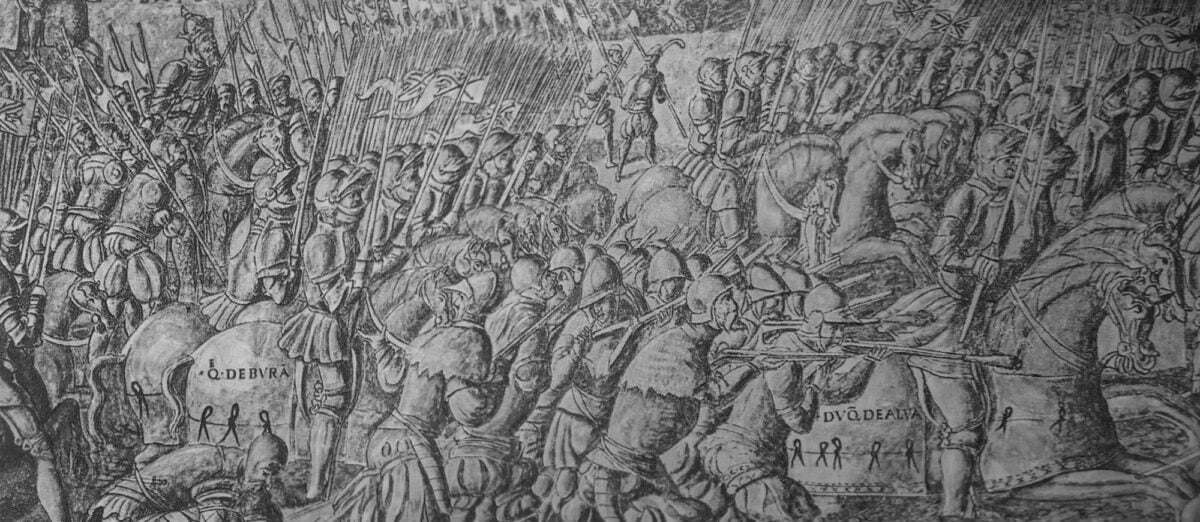
Competing religious and political powers fought in European conflicts ostensibly over Protestant-Catholic competition. Political territorial control and dynastic ambition represented deeper motivations.
The war resulted in massive civilian casualties despite religious justification.
The Hundred Years War
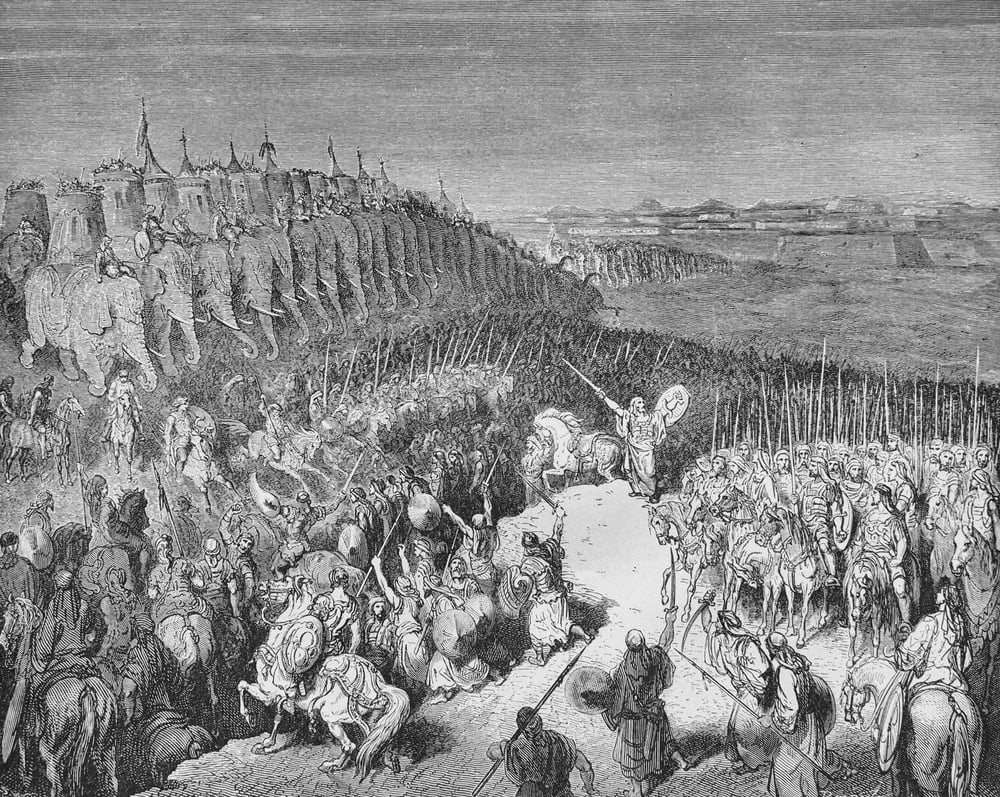
England and France fought for dynastic control of French territories spanning generations. Succession disputes and territorial claims encoded in royal legitimacy provided justification.
The extended conflict resulted from failure to resolve underlying territorial disputes.
The War of the Stray Dog

Greek and Turkish forces engaged in military confrontation over a dog allegedly straying across the border. The incident triggered nationalist responses from both populations.
The confrontation demonstrated how minor incidents could activate nationalist tensions.
The Emu War’s Broader Significance

The Australian military’s failure to control emu populations demonstrated how nature could resist human military organization. The conflict represented absurdity of applying military force to non-military problems.
The war highlighted the limits of military solutions when facing non-combatant adversaries.
More from Go2Tutors!

- The Romanov Crown Jewels and Their Tragic Fate
- 13 Historical Mysteries That Science Still Can’t Solve
- Famous Hoaxes That Fooled the World for Years
- 15 Child Stars with Tragic Adult Lives
- 16 Famous Jewelry Pieces in History
Like Go2Tutors’s content? Follow us on MSN.



