How Entire Languages Died Out Within a Single Generation
Across the globe, hundreds of languages have vanished forever when their last living speaker passed away, taking with them millennia of linguistic history, cultural knowledge, and unique ways of understanding the world. These extinctions didn’t happen over centuries but often within a single human lifetime—a child born into a thriving linguistic community watched as younger generations abandoned their native language for more economically dominant tongues, ensuring that by the time they reached adulthood, they were quite possibly the only remaining fluent speaker.
The rapid nature of language death in the modern era represents an unprecedented loss of human cultural diversity, driven by globalization, economic pressure, and the relentless dominance of major languages that make minority languages seem economically and socially unnecessary to younger generations.
Eyak Language of Alaska

Marie Smith Jones was the last living speaker of Eyak, an Alaska Native language spoken along the Copper River, when she passed away in 2008 at age 89, ending an unbroken chain of transmission stretching back countless generations. She grew up speaking Eyak with her family, but as Alaska modernized and younger generations switched to English for economic and social mobility, she eventually found herself the sole person capable of speaking her native language.
Linguists raced to document as much of Eyak as possible before Jones’s death, treating her like a living archive of irreplaceable linguistic knowledge. Her passing became a symbol of language extinction and drew international attention to the phenomenon of entire languages dying with their last speaker.
Ubykh Language of Turkey

Tevfik Esenç was the last person who could speak Ubykh, a Northwest Caucasian language with one of the world’s most complex sound systems featuring 84 consonants but only two vowels, when he died in Turkey in 1992. He grew up speaking Ubykh in the Caucasus Mountains, but as speakers dispersed and younger generations adopted Turkish, the language slowly died.
In his final years, Esenç worked intensively with linguists to document every sound and word he could remember, understanding that he was the language’s final guardian. The extraordinary complexity of Ubykh—with its vast consonant inventory and minimal vowel system—represented a unique linguistic structure that once vanished could never be fully recreated.
Kaixana Language of Brazil

Raimundo Avelino became the sole remaining speaker of Kaixana, an indigenous Brazilian language, before his death around 2006, marking the extinction of a language that had survived centuries of colonization and cultural pressure. In his final years, he worked with linguists to preserve recordings of the language, aware that his death would mark its complete extinction.
Avelino represented the last link to an entire indigenous culture and way of understanding the world through language. His passing illustrated how indigenous languages continue to disappear as indigenous communities adopt Portuguese for practical survival.
Patwin Language of California

Laura Fish Somersal was the last native speaker of Patwin, a Wintuan language that once spread across the Sacramento Valley before European colonization, when she died in California in 1997. She worked extensively with UC Berkeley linguists to preserve as much of the language as possible, knowing she was its final guardian and that her death would mean permanent extinction.
Somersal spent her later years serving as a living dictionary of her language, patiently explaining grammatical structures and vocabulary to researchers racing to document what could be saved. Her detailed linguistic work gave Patwin one of the most complete documentations of any recently extinct language.
Bo Language of the Andaman Islands

Jonathan Watts Boa Sr, the last speaker of the Bo language of the Andaman Islands, died in 2010, breaking a 65,000-year link to one of the world’s oldest cultures and ending one of human history’s most ancient linguistic traditions. The Bo language had survived through millennia of history, natural disasters, and cultural change, only to disappear within the lifespan of a single person as younger Andamanese generations adopted Hindi and English.
Boa Sr’s death represented not just the loss of a language but the severing of an unimaginably long continuous linguistic tradition. The extinction was particularly poignant given the extraordinary antiquity of the Andamanese people and their languages.
Mandan Language of North Dakota

Edwin Bensen of North Dakota was the last native speaker of the Siouan language Mandan when he passed away in 2016, ending the language of a Great Plains tribe that had survived centuries of colonization. Bensen represented a direct linguistic link to pre-colonial North America and the indigenous cultures that thrived before European contact.
His death marked the extinction of a language that had belonged to a historically significant Native American nation. The loss of Mandan eliminated a unique linguistic perspective on the world and terminated a language that had survived numerous historical upheavals only to die in the modern era.
Livonian Language of Latvia
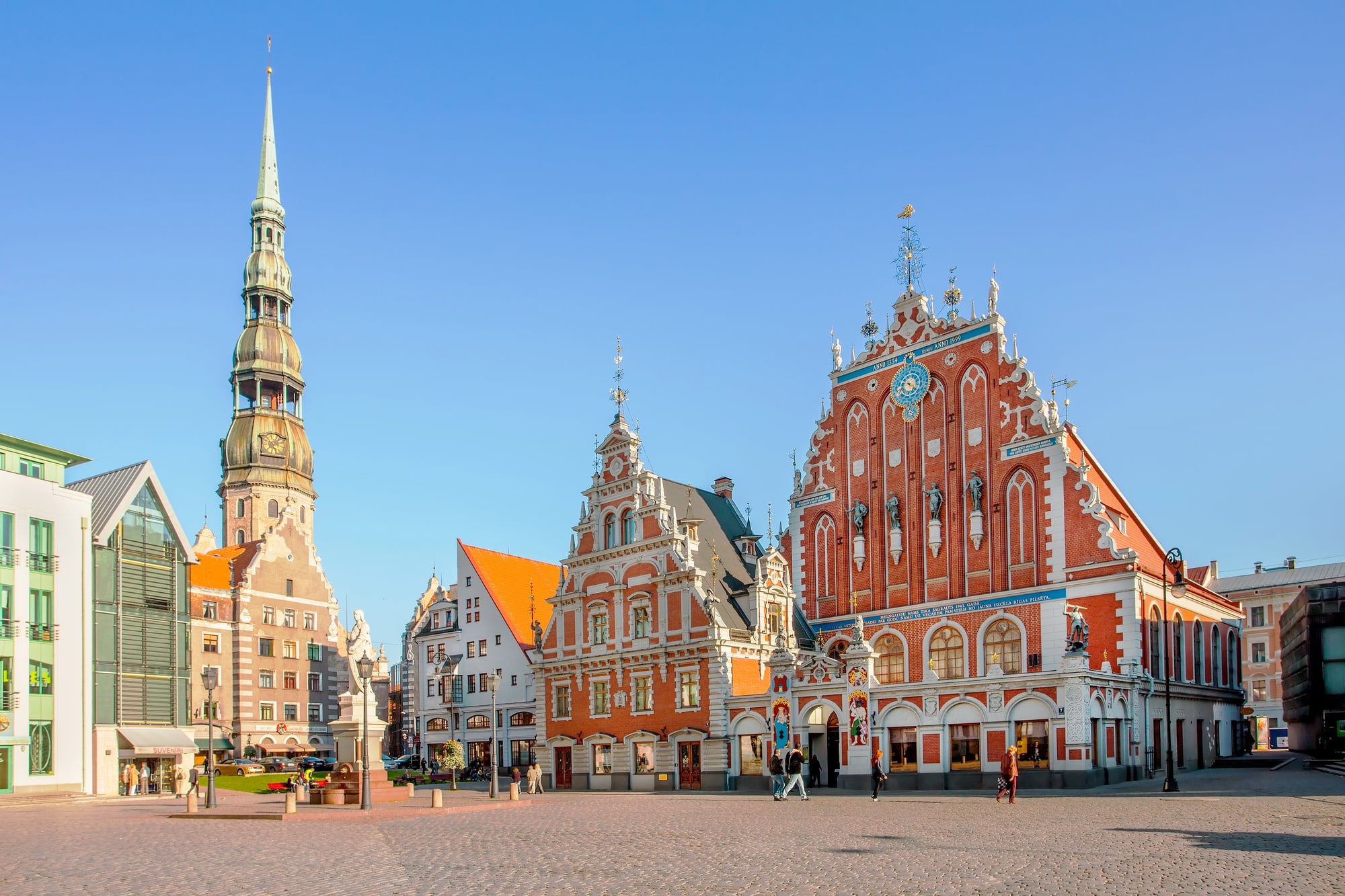
Despite being officially considered extinct since the death of its last native speaker in 2013, Livonian may still have approximately 40 reported speakers and another 210 people with limited knowledge of the language, existing in a liminal state between living and dead. The Finnic language spoken by the Livonian people of the Gulf of Livonia had survived centuries of historical trauma including German invasions, wars, and political upheaval, only to finally die out when language transmission to younger generations ceased.
Livonian folk songs continue to be sung by younger generations who speak limited Livonian as a secondary language, keeping traces of the language alive despite the extinction of native speakers. The example of Livonian illustrates how languages can technically be extinct while still maintaining ghostly echoes in cultural memory.
Yurok Language of California

The Yurok language, known by many names including Chillula, Weitspek, and Weitspekan, became extinct in 2013 when its last speaker died, though its decline had begun in the nineteenth century as the Yurok people of California were displaced and assimilated. The language had survived generations of colonial pressure only to finally disappear in the modern era when the last fluent speaker passed away.
The long decline from a living community language to the speech of a single elderly speaker illustrated how language extinction is often a gradual process of transmission failure across generations. Yurok’s extinction represented the loss of a unique California indigenous language and the cultural knowledge it embodied.
Yuchi Language of Oklahoma

The last fluent Yuchi speaker died in Oklahoma around 2010, though the exact identity remains somewhat unclear due to tribal privacy concerns, eliminating a language isolate with no known relatives among other Native American languages. Yuchi had belonged to a southeastern tribe and represented a unique linguistic lineage completely unrelated to surrounding language families.
The Yuchi people continue efforts to revitalize their language using recordings and documentation from the final speakers, but true native competence with the language ended when the last fluent speaker died. The extinction of Yuchi meant the loss of a completely unique way of organizing and expressing experience that had no parallels in other world languages.
Yaghan Language of Chile

Cristina Calderón, the last full-blooded Yaghan representative, became the sole fluent speaker of Yaghan after her sister-in-law’s death in 2005, became the sole fluent speaker of the Yaghan language at the southernmost tip of South America. Calderón lived on Navarino Island in Chile and worked to preserve her language through a published book of Yaghan tales, but she remained essentially a solitary speaker with no one to engage in conversation with in her native language.
The Yaghan people had lived in an extraordinarily isolated and challenging geographic location for thousands of years, developing a unique language adapted to their specific environmental and cultural context. Calderón represented the final remnant of an ancient isolated culture.
Wichita Language of Oklahoma

Doris McLemore, the Oklahoman daughter of a Wichita mother and a white father, was raised by her Wichita-speaking grandparents and became the language’s only remaining fluent speaker, though she has maintained a half-century-long collaboration with University of Colorado linguist David Rood to document and preserve Wichita. McLemore represents an unusual case where a language’s final speaker is actively engaged in preservation work with linguists, creating detailed documentation that might eventually enable language revival.
Her lengthy collaboration with academic linguists has given Wichita extensive documentation compared to many extinct languages, potentially creating a pathway for future revitalization. McLemore’s conscious effort to preserve her language represents a different kind of extinction—one where the language is officially still spoken by a living person but has no community of users.
Ayapaneco Language of Mexico
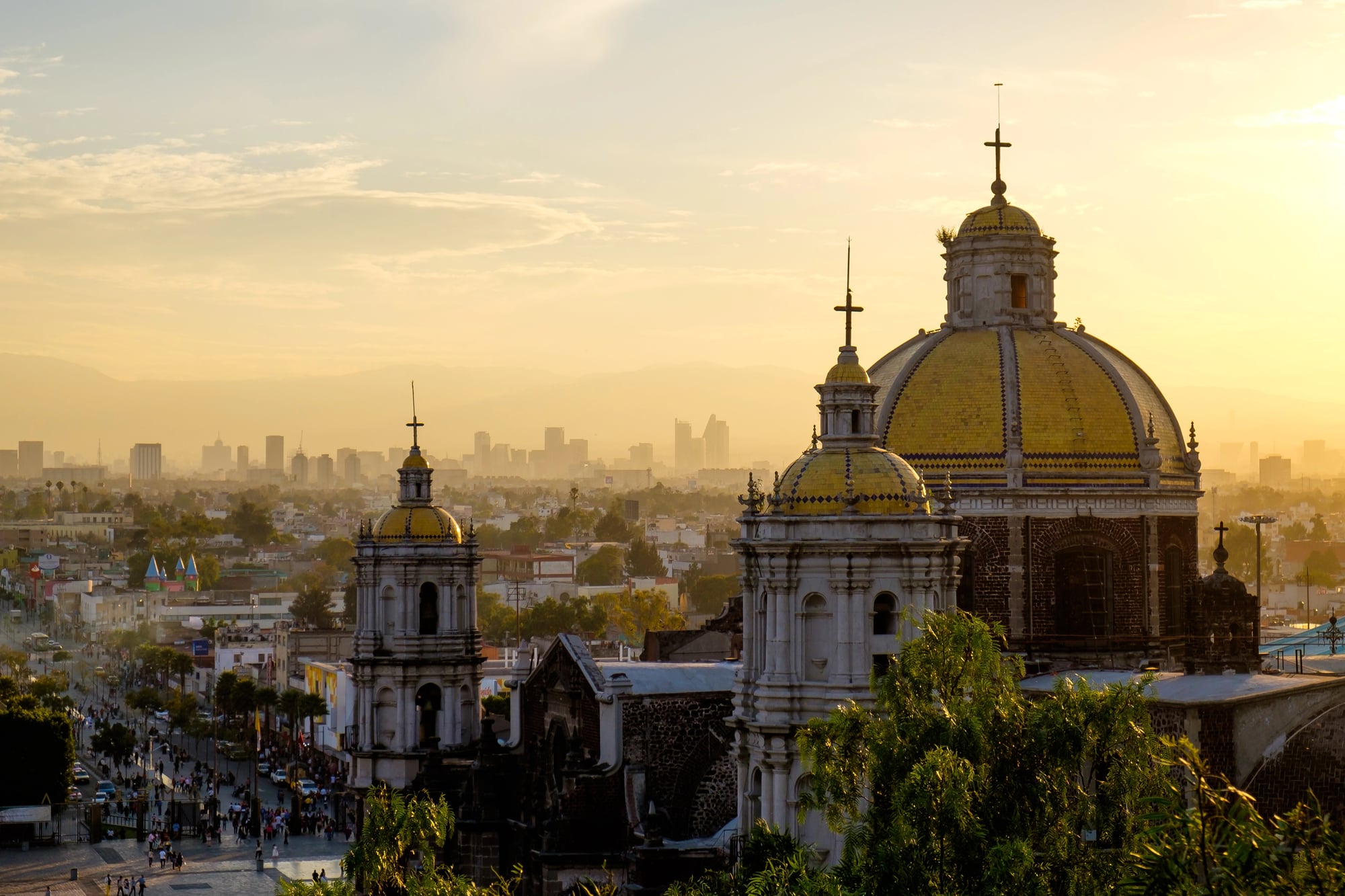
The most poignant recent example of language death emerged when it was reported that the last two speakers of Ayapaneco, an endangered language from the state of Tabasco in Mexico, were not actually speaking to each other despite both being alive and fluent. One researcher reportedly asked them why they weren’t speaking to one another and they essentially replied that they simply didn’t feel like it, creating a situation where a language technically had two speakers who were not using it at all.
This situation illustrated how language extinction can occur not just through death but through complete cessation of use even among remaining speakers. Ayapaneco represents language death in progress in the most literal sense—speakers remaining alive but the language itself already functionally extinct.
Amurdag Language of Australia

Mungulda was believed to be the only living Amurdag speaker in Northern Territory, Australia, but had no one to speak the language with for many years, making his case a profound example of linguistic isolation without the possibility of communication in his native language. The Australian indigenous language survived through colonization and forced assimilation only to die out when transmission to younger generations ceased.
Mungulda’s situation highlighted the emotional and psychological toll of being the sole speaker of your native language with literally no one else who could understand or respond in that same linguistic system. The extinction of Amurdag represented another loss among the 250 indigenous Australian languages, of which only about 40 remain.
Gros Ventre Language of Montana

Gros Ventre was spoken by fewer than ten people in north-central Montana, with all speakers elderly and none fully fluent, with the last fully fluent speaker dying in 1981, illustrating a language in advanced stages of extinction before its final disappearance. The language had degraded from being fully fluent across a community to a handful of elderly speakers with incomplete knowledge of the language system.
This degradation process—where remaining speakers are no longer fully competent in their own native language—represents a common pattern in language extinction. Gros Ventre illustrated how languages die gradually through the loss of fluency before they technically disappear with the death of the last speaker.
Menomonee Language of Wisconsin

Menomonee was spoken in northeast Wisconsin by just 35 speakers, representing a language in critical endangerment with transmission to younger generations essentially ceased. The language belonged to an indigenous Wisconsin tribe and represented a unique Great Lakes linguistic tradition.
With such a small remaining speaker population and no children learning the language natively, Menomonee faced near-certain extinction in the near future. The case of Menomonee illustrated the critical endangerment category where extinction is not a theoretical possibility but an impending certainty within the next generation.
The Irreversible Loss of Human Knowledge and Culture

Language death represents more than just the loss of words and grammatical structures—it eliminates entire ways of organizing experience, understanding the natural world, expressing emotion, and maintaining cultural identity that have been refined and developed across countless generations. Each extinct language takes with it unique environmental knowledge, cultural practices, oral histories, and metaphorical frameworks for understanding human experience that no other language can fully replicate.
The acceleration of language extinction in the modern era, with roughly 200 languages disappearing in the last three generations, represents an unprecedented loss of human cultural diversity that will never be recovered no matter how many linguists work to document dying languages.
What makes modern language extinction particularly tragic is that it often results not from biological extinction of speakers but from calculated individual choices to abandon minority languages in favor of economically dominant ones. Younger generations face genuine pressure to adopt majority languages for educational and economic opportunity, creating rational individual decisions that cumulatively result in the permanent extinction of their heritage languages.
The loss of indigenous and minority languages accelerates with each generation as children choose not to learn languages their grandparents spoke fluently. This represents a kind of cultural erosion where the most vulnerable knowledge systems—those of linguistically minority communities—systematically disappear while dominant languages continue to thrive.
More from Go2Tutors!

- The Romanov Crown Jewels and Their Tragic Fate
- 13 Historical Mysteries That Science Still Can’t Solve
- Famous Hoaxes That Fooled the World for Years
- 15 Child Stars with Tragic Adult Lives
- 16 Famous Jewelry Pieces in History
Like Go2Tutors’s content? Follow us on MSN.