Things About Elementary School in the ’80s That Would Shock Today’s Kids
Elementary school in the 1980s operated under a set of rules and practices that modern parents would consider absolutely unacceptable, from casual corporal punishment to public humiliation tactics that are now understood to undermine learning rather than support it. Teachers operated with extraordinary autonomy, using discipline methods that ranged from physical to psychological, with minimal oversight or parental involvement beyond occasional conferences that functioned more like interrogations than conversations.
The basic infrastructure looked completely different—chalkboards instead of smart boards, mimeographed worksheets with purple ink that stained your hands, and technology so primitive that computers were rare novelties tucked into a special lab that you visited maybe once a year.
Corporal Punishment Was Openly Displayed

School administrators in the 1980s openly kept wooden paddles on display behind their desks like trophies, using them to physically strike students as a standard disciplinary measure for infractions ranging from talking back to missed homework. Teachers weren’t hiding this practice—they spoke about paddling students the same way modern teachers might discuss time-out, treating it as a normal, acceptable consequence.
The wooden paddles varied in thickness and weight, and kids lived with genuine fear that misbehavior might result in physical pain inflicted by authority figures. Parents were rarely consulted before paddling occurred, and complaints from kids about the practice were usually met with the instruction to “behave better at school then.”
Left-Handed Kids Were Forced to Write with Their Right Hand

Teachers in the 1980s viewed left-handedness as a problem requiring correction, sometimes using harsh methods like striking left hands with rulers or forcing left-handed children to redo assignments written with the “wrong” hand. The educational establishment operated under the outdated assumption that right-handedness was objectively superior and that accommodation or acceptance of left-handedness represented permissive weakness.
Left-handed kids developed strategies to hide their natural preference, training themselves to write right-handed in school despite being left-dominant at home. This widespread practice caused genuine suffering and learning difficulties for kids who were forced to fight their neural wiring to comply with arbitrary standards.
Cafeterias Were Complete Silence Zones

Many elementary schools enforced absolute silence in cafeterias, with students sitting in rows and eating whatever was served while teachers watched like sentries to ensure compliance. Kids caught whispering to neighbors could be punished with detention or loss of recess privileges, turning lunch from a social break into a silent, miserable endurance activity.
The theory seemed to be that eating while talking would somehow lead to chaos, despite the fact that separating eating from socializing serves no educational purpose. Parents had no idea their kids spent the entire lunch period in imposed silence, and if kids complained, the response was usually that they should “stop trying to talk in the cafeteria.”
Public Behavior Charts Shamed Students

Every student’s name was posted on a chart on the classroom wall, and symbols were added throughout the day whenever a student misbehaved, creating a public tracking system that everyone could see. Kids instantly knew exactly which classmates were struggling behaviorally, and the shame of seeing your name marked repeatedly created fixed reputations that followed students for the entire school year.
A couple of bad days at the beginning of the year could solidify a “problem kid” identity that was nearly impossible to escape. Modern developmental psychology has determined that public shaming undermines rather than develops self-control, but in the 1980s, it was simply standard practice.
Collective Punishment Was Routine

When one student misbehaved, the entire class lost privileges, creating a system where peer pressure supposedly encouraged good behavior but actually just taught kids to resent the person who caused the class to lose recess. If a few kids talked out of turn, everyone stayed inside during lunch.
If someone didn’t turn in homework, the whole class had to copy extra textbook passages. This practice of collective punishment was rationalized as teaching responsibility but primarily succeeded in creating an environment where kids learned to assign blame and foster resentment.
Teachers displayed no apparent concern about the injustice of innocent kids losing privileges due to others’ behavior.
Chalkboards Covered Everything and Everyone in Dust

Every classroom centered around a large green or black chalkboard where teachers wrote lessons, spelling words, math problems, and reminders in white chalk that generated constant clouds of dust. Front-row students ended up with chalk dust literally covering their clothes and hair by the end of class, creating a hazy environment that probably impacted respiratory health.
Erasing the board released even more dust, and the process was so common that kids simply accepted chalk-covered clothing and the acrid smell of chalk dust as normal school conditions. The chalkboard was the only visual aid available, so teachers wrote extensive notes that students were expected to copy by hand.
Worksheets Came from Mimeograph Machines
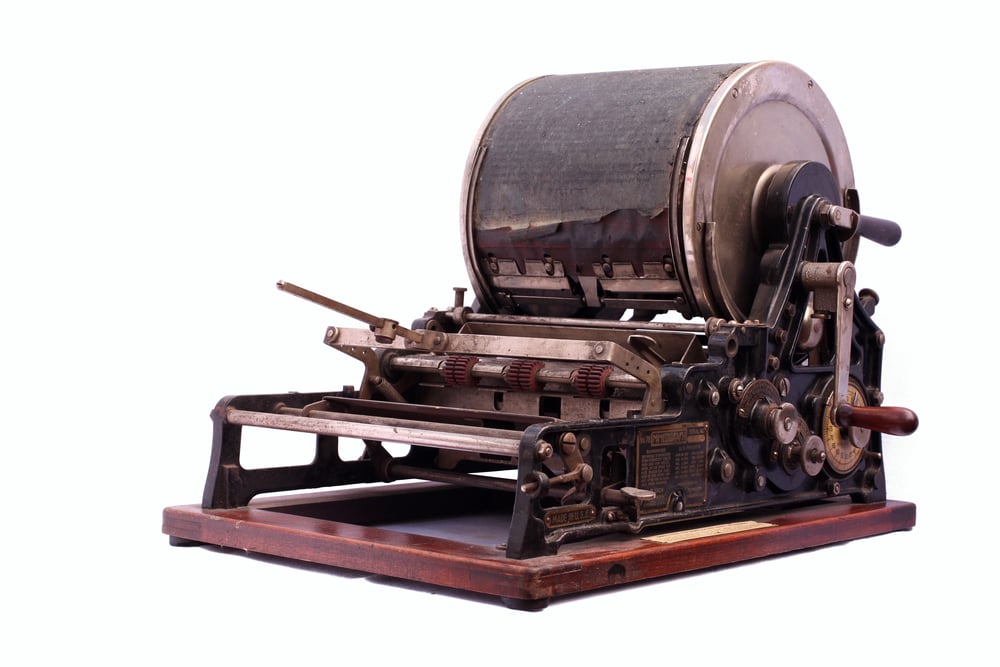
Before photocopiers became common, teachers used mimeograph machines to crank out worksheets by hand, producing “dittoes” with purple or blue ink that would stain students’ hands and sometimes the entire assignment. The process was inefficient, noisy, and the chemical smell was overwhelming, but this was simply what schools used.
The worksheets were sometimes illegible, with faded sections and inconsistent ink distribution, but kids just dealt with trying to read barely visible instructions. Teachers who produced particularly legible dittoes were considered exceptionally organized and competent.
Teachers Left Classrooms Unattended

When teachers needed to use the restroom or run an errand, they simply walked out of the classroom without any supervision or backup plan, leaving thirty kids unsupervised for however long the errand took. The assumption was that kids could be trusted not to destroy the classroom or each other while the teacher was gone, and in the relatively structured 1980s environment, this usually worked out.
Modern parents would be absolutely horrified by this practice, but it was so normal that it barely registered as noteworthy to 1980s students. Teachers operated with almost absolute autonomy over their classrooms with minimal administrative oversight or concern about liability.
Gender Separated Almost Everything

Classrooms often separated boys and girls for subjects like shop and home economics, with the implicit assumption that building skills and cooking belonged to different genders. Even seating arrangements often reflected gender divisions, and discussions about potential careers were frequently gender-coded.
These divisions reflected social expectations of the era and went largely unchallenged until much later. Teachers routinely made gender-based assumptions about what subjects or activities were appropriate for different kids, steering them toward predetermined paths without considering individual interests or abilities.
No Water Bottles Were Allowed at Desks

Seeing a water bottle on a student’s desk would have been considered bizarre and inappropriate in most 1980s classrooms. Kids drank water from a communal fountain in the hallway during breaks, and that was considered sufficient hydration for the entire school day.
Requests to get water during class time were almost always denied, regardless of the actual physical need or level of concentration required. It’s now understood that even mild dehydration impacts concentration and memory, but this information didn’t exist in the 1980s curriculum of educational practice.
Test Grades Were Final with No Retakes
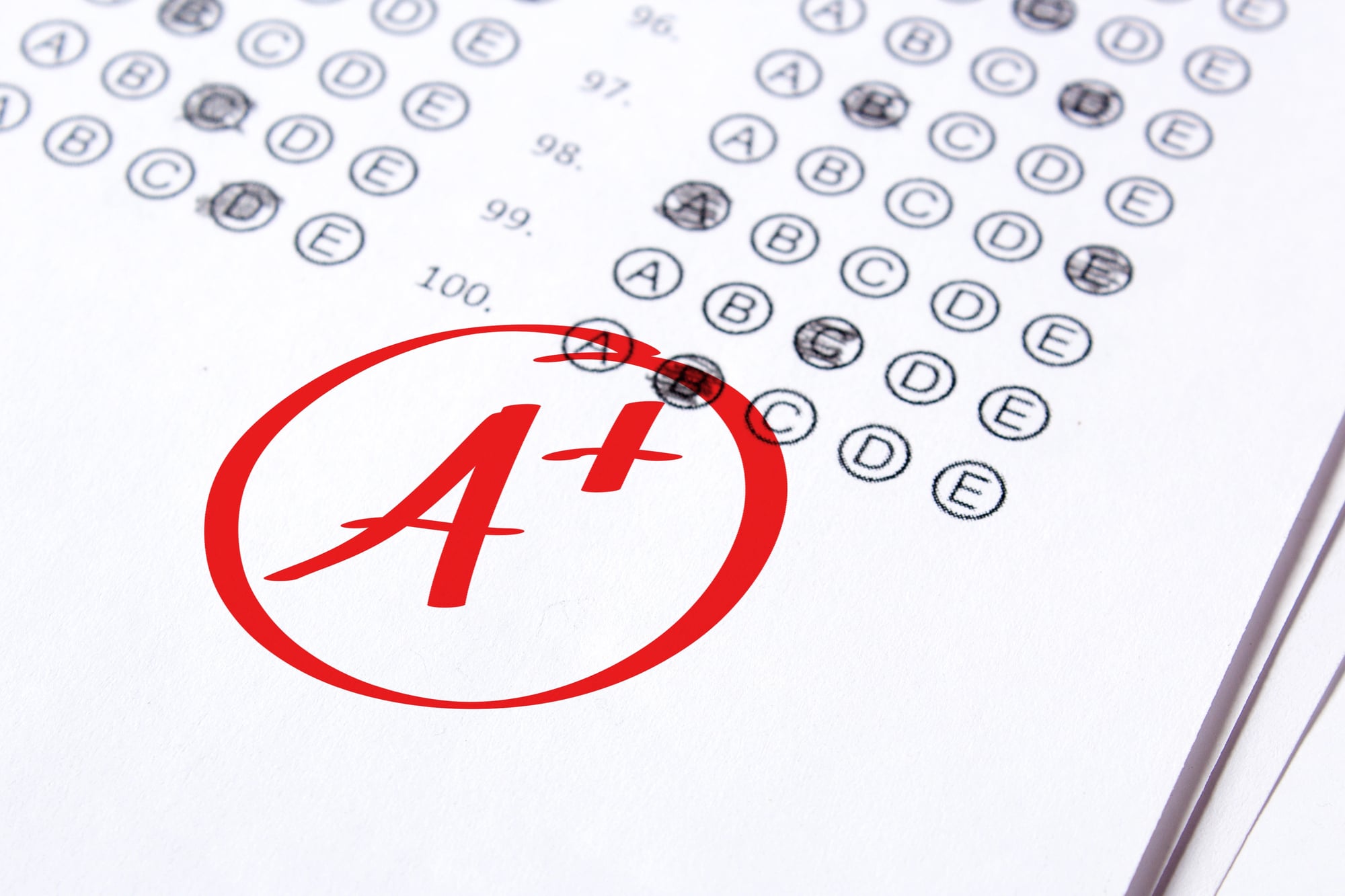
There were absolutely no retakes on tests or assignments, and the grade you earned was the grade you got—period. Teachers didn’t adjust scores, and guardians didn’t negotiate make-up work or extra credit opportunities.
If you didn’t study and failed a test, you simply failed it and faced the actual consequences of poor performance. This created genuinely high stakes around academic evaluation, and kids learned quickly that they needed to prepare adequately because there was no safety net.
While this approach had disadvantages, it also created strong incentive for careful preparation and genuine learning rather than relying on multiple attempts.
Grades Hidden from Parents

Parents had essentially no access to their kids’ grades or academic progress unless they physically went to school for a conference or the teacher contacted them about a serious problem. There were no online portals, no email updates, and no constant parental oversight of academic performance.
Kids could struggle for weeks or months without their parents knowing, or alternatively, could simply lie about their grades with a reasonable chance of never being caught. This lack of transparency meant parents were far less involved in day-to-day academic decisions and more likely to trust teachers’ judgment about appropriate classroom management.
Teachers Tried to Seem Cool Using Slang

Teachers would slip trendy 1980s phrases into casual conversation, describing their new cars as “totally radical” or telling students something was “tubular” in desperate attempts to seem relatable and cool. Students responded with secondhand embarrassment and internal begging for the moment to pass, but teachers seemed genuinely unaware of how obviously uncomfortable their attempts at slang made everyone.
This behavior reflected a weird dynamic where teachers were trying to connect with kids using language that students had already moved past or didn’t actually use themselves. The effort was well-intentioned but consistently cringeworthy.
Humiliation Was a Standard Discipline Tool

Teachers would publicly humiliate misbehaving students by sending them to stand in a corner for everyone to watch, or in some cases, making them sit on a stump outside during recess while other kids played. This public shaming was considered an effective motivator to discourage future misbehavior, operating under the assumption that embarrassment would modify conduct.
Modern understanding of child development recognizes that public humiliation generates shame and resentment rather than genuine behavior change, but this practice was so standard that few questioned it. Teachers considered public shaming an efficient, low-cost discipline tool that required no creativity or additional resources.
No Accommodations for Different Learning Styles

Learning disabilities or differences weren’t really acknowledged or accommodated in 1980s elementary schools. If a kid struggled to read or understand concepts, they were simply considered not very bright and were typically placed in lower achievement groups with little intervention or support.
There were no IEPs, no special education services as we know them, and no recognition that kids’ brains worked differently. Kids who were dyslexic, ADHD, or learning disabled were simply labeled as “slow” or troublemakers, and their inability to succeed was treated as a personal failing rather than a difference in how their brains processed information.
The Wild West of Educational Freedom

The 1980s elementary school operated almost as a completely separate world from home, with teachers exercising nearly absolute authority over discipline, curriculum, and daily practices while parents remained peripheral to the actual educational experience. Teachers could paddle kids, force them to conform to arbitrary standards, subject them to public humiliation, and make educational decisions that parents wouldn’t learn about unless a child chose to report them.
This autonomy had genuine downsides—kids suffered, learning disabilities went unrecognized, and punitive systems undermined rather than supported education. Yet it also meant that teachers didn’t spend their time accommodating every parental whim or dealing with negotiation about grades and consequences that modern teachers navigate constantly.
Modern elementary education with its standardized assessments, special education services, accessible academic information, and parental engagement represents a genuinely more equitable and humane system than 1980s schools provided. Yet something has been lost in the shift—the clear teacher authority, the genuine consequences for academic and behavioral choices, and the understanding that school was fundamentally a separate domain with its own rules and expectations.
Today’s kids will never know what it felt like to genuinely fear a teacher’s disapproval or to live with actual stakes for test performance, but they also won’t experience public shaming, forced compliance with arbitrary standards, or the misery of absolute silence during lunch.
More from Go2Tutors!

- The Romanov Crown Jewels and Their Tragic Fate
- 13 Historical Mysteries That Science Still Can’t Solve
- Famous Hoaxes That Fooled the World for Years
- 15 Child Stars with Tragic Adult Lives
- 16 Famous Jewelry Pieces in History
Like Go2Tutors’s content? Follow us on MSN.