Hidden Places Where the World’s Seeds Are Stored
Seeds hold the future of our planet. Every crop we eat today started as a seed, and those seeds carry information passed down through thousands of years.
But what happens if a war destroys farmland? What if climate change makes certain plants disappear? Scientists and farmers have been asking these questions for decades, and their answer is both simple and fascinating: store the seeds somewhere safe.
Svalbard Global Seed Vault
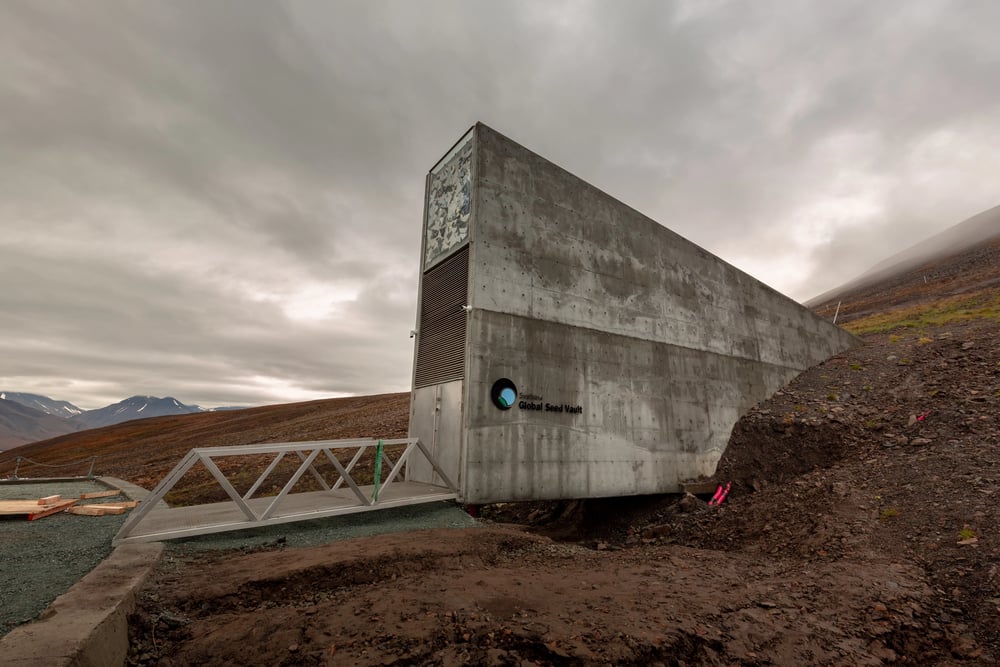
Deep inside a frozen mountain in Norway, there’s a vault that looks like something from a science fiction movie. The Svalbard Global Seed Vault sits on a remote island about 800 miles from the North Pole.
Thick ice and rock surround it, keeping the seeds frozen even if the power goes out. More than a million seed samples from almost every country sit in sealed packages on metal shelves.
This place has been called the ultimate backup plan for humanity’s food supply.
National Center for Genetic Resources Preservation
Colorado might seem like an odd place to store the future of agriculture, but Fort Collins is home to one of America’s most important seed banks. The National Center for Genetic Resources Preservation keeps seeds, plant tissues, and even animal genetic material in freezers colder than your home refrigerator could ever reach.
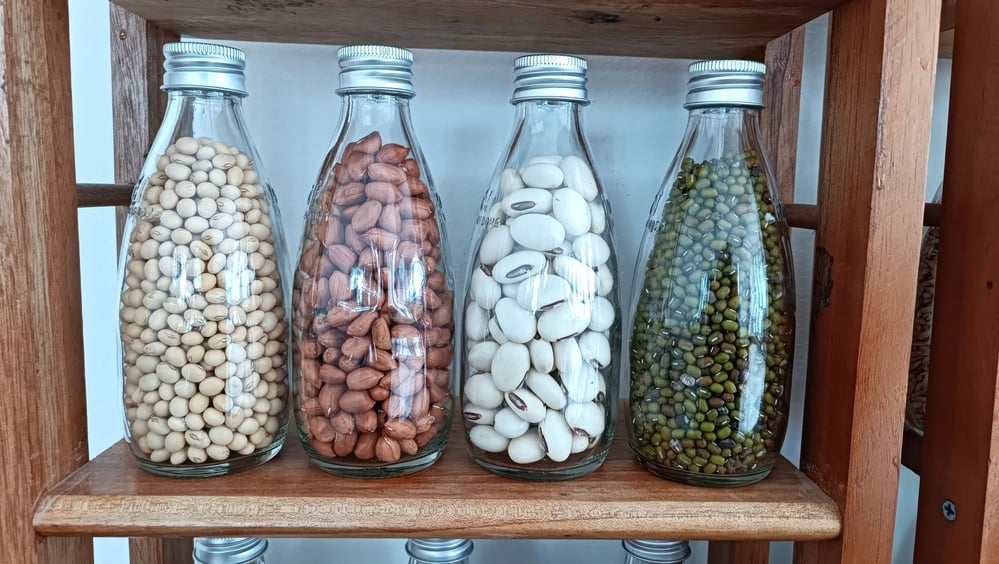
Scientists here preserve everything from common beans to rare apple varieties that your great-grandparents might have eaten. The building looks ordinary from outside, but inside it holds over half a million different samples.
Millennium Seed Bank
Just south of London, in the English countryside, there’s a building designed to last a thousand years. The Millennium Seed Bank at Wakehurst focuses on wild plants rather than crops.
These wild relatives of food plants might hold secrets that help future farmers deal with droughts or diseases. The vault contains seeds from about 40,000 different plant species, many of them rare or endangered.
Workers collect seeds from six continents and dry them carefully before sealing them in glass jars.
Vavilov Institute

Russia’s seed collection started back in the 1920s, making it one of the oldest in the world. The Vavilov Institute in St. Petersburg survived World War II when scientists refused to eat the seeds even as the city starved during a long siege.
Today the collection holds about 325,000 samples, including ancient varieties of wheat and barley. The building itself looks like a regular office, but inside those rooms are seeds that could feed millions if modern crops ever fail.
Australian Grains Genebank

Australia’s harsh climate has created some tough plants over millions of years. The Australian Grains Genebank near Horsham stores seeds from crops that can handle droughts and heat.
Farmers dealing with climate change often look to this collection for answers. The facility keeps seeds at temperatures well below freezing and tests them regularly to make sure they can still grow.
Some of the wild grass seeds here could become the wheat or barley of tomorrow.
IRRI Genebank

Rice feeds more than half of the world’s people, so protecting rice seeds matters enormously. The International Rice Research Institute in the Philippines maintains the world’s largest collection of rice seeds.
Over 130,000 types of rice from 120 countries fill the cold storage rooms. Some varieties grow in flooded fields while others can survive with very little water.
Scientists from poor and rich countries alike come here looking for rice types that might solve their local problems.
International Maize and Wheat Improvement Center
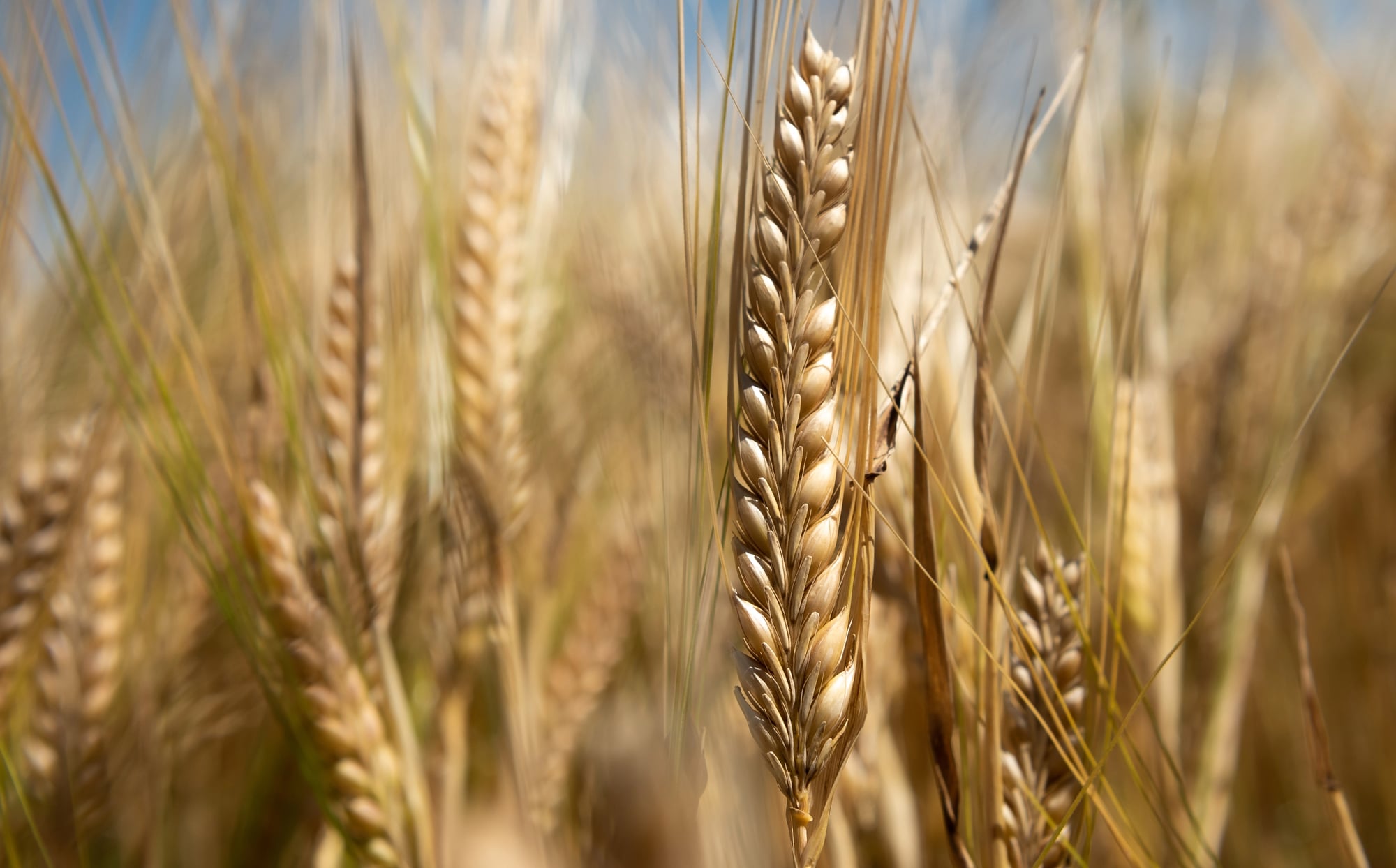
Mexico gave the world corn thousands of years ago, and today a research center near Mexico City protects that legacy. The International Maize and Wheat Improvement Center, known as CIMMYT, stores more than 28,000 varieties of corn and 150,000 types of wheat.
The seeds sit in aluminum foil packages inside huge freezers. This collection helped create the high-yielding crops that prevented famines in Asia during the 1960s and 1970s.
Nordic Genetic Resource Center

Scandinavia’s short growing season and cold weather have shaped unique plant varieties over centuries. The Nordic Genetic Resource Center in Sweden keeps seeds from plants adapted to northern climates.
Many of these varieties are old types that farmers stopped planting decades ago. As the planet warms, some of these cold-loving plants might become important again.
The center also works with local farmers to keep traditional varieties alive in actual fields, not just freezers.
USDA Agricultural Research Service

The United States Department of Agriculture runs about 20 different seed storage sites across America. Each location specializes in different crops based on where those plants grow best.
The system holds more than 600,000 samples total. Cotton seeds stay in Mississippi, potato varieties live in Idaho, and fruit tree genetics are kept in California.
This network means that if one location fails, others can provide backup copies.
International Center for Agricultural Research in the Dry Areas

Countries in the Middle East and North Africa face extreme heat and limited water. The International Center for Agricultural Research in the Dry Areas, based in Lebanon and Morocco, focuses on crops that thrive in these tough conditions.
Their seed bank contains chickpeas, lentils, and barley types that need very little rain. These collections become more valuable every year as water becomes scarce in more places around the world.
China National Genebank

China built one of the world’s most modern seed facilities in Shenzhen. The China National Genebank stores seeds along with other genetic material from plants and animals.
Advanced technology monitors every sample constantly. The country’s huge size means it can grow almost any crop somewhere within its borders, and this diversity shows up in the seed collection.
Millions of samples rest in storage rooms designed to last for centuries.
National Bureau of Plant Genetic Resources
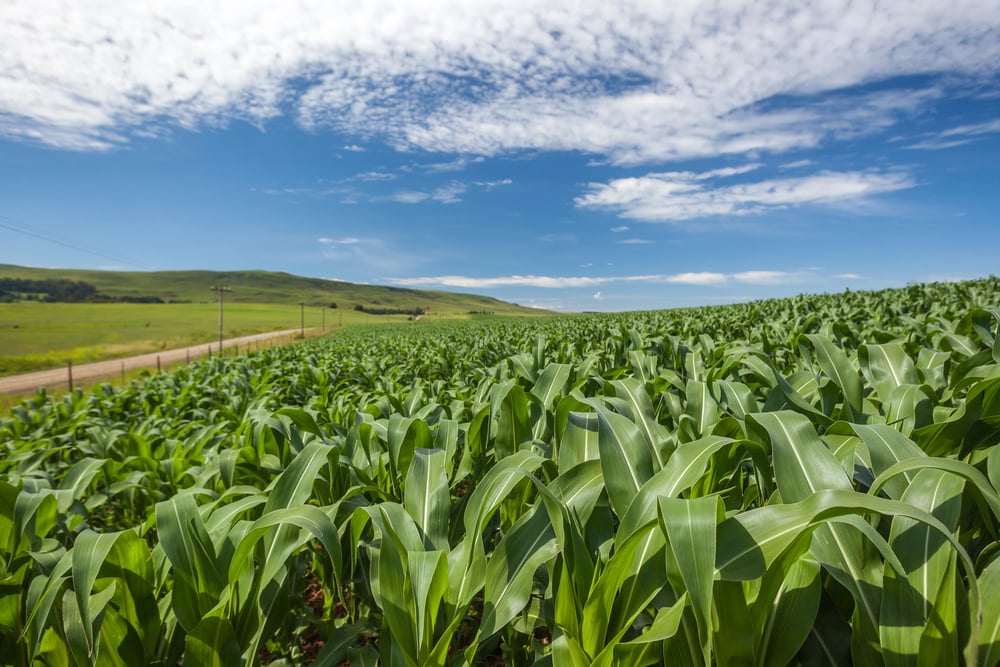
India’s food security depends on its seed collections spread across the country. The National Bureau of Plant Genetic Resources coordinates storage sites in different climate zones.
Together they hold about 450,000 seed samples. Rice, wheat, and millet varieties make up large portions of the collection.
India’s ancient agricultural traditions mean some of these seeds come from crop varieties grown for thousands of years.
Ethiopian Biodiversity Institute
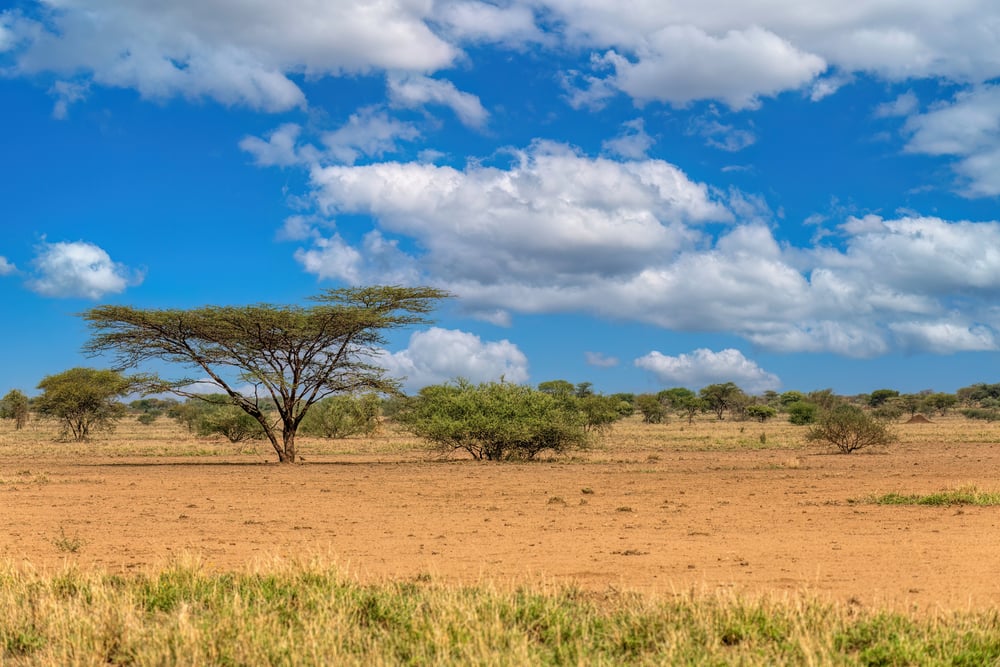
Ethiopia sits in one of the world’s most important agricultural regions. Coffee originated here, along with certain types of wheat and barley.
The Ethiopian Biodiversity Institute preserves seeds from these native crops. Many of the varieties exist nowhere else on Earth.
Political instability has threatened the collection at times, which is why duplicates get sent to safer locations like Svalbard. The seeds represent not just food security but also cultural heritage.
Federal Research Center

Russia maintains several seed storage facilities beyond the Vavilov Institute. The Federal Research Center includes sites in different climate zones across the country’s vast territory.
Siberia’s permafrost provides natural cold storage. Seeds from crops adapted to short growing seasons fill these collections.
Russian scientists worry about losing varieties developed during the Soviet era, so preservation efforts have increased in recent years.
African Orphan Crops Consortium
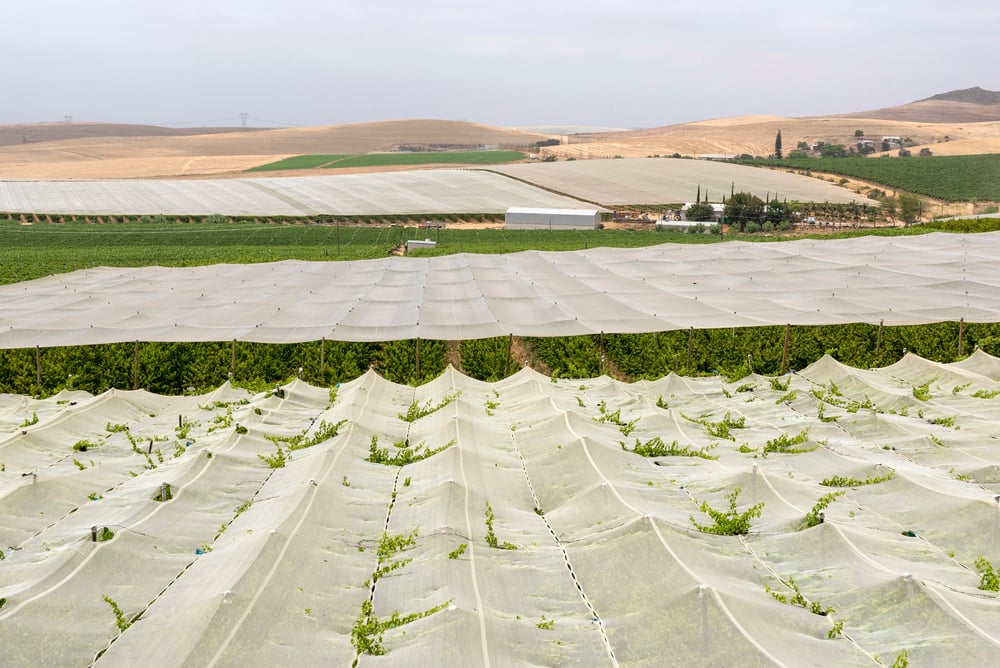
Africa grows hundreds of nutritious plants that most of the world has never heard of. The African Orphan Crops Consortium works to preserve and improve these neglected species.
Seeds from moringa, amaranth, and dozens of other crops go into storage at various African institutions. These plants often need less water and fertilizer than common crops.
As climate change affects traditional farming, these ‘orphan crops’ might become mainstream.
Community Seed Banks
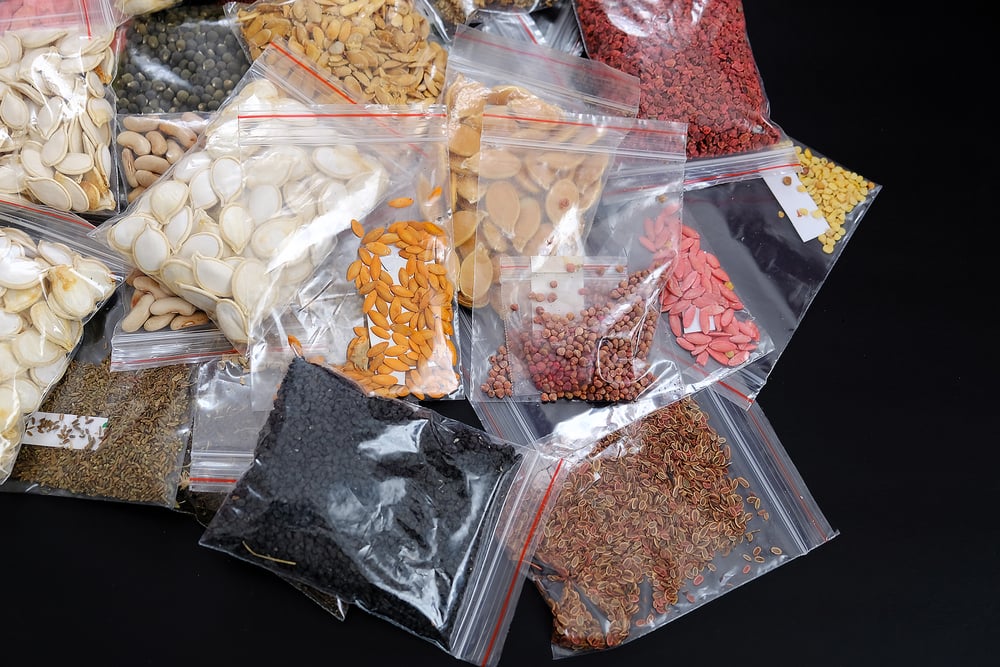
Not all seed storage happens in high-tech facilities. Thousands of small community seed banks operate in villages around the world.
Farmers save seeds from their best plants and share them with neighbors. These informal networks preserve local knowledge along with genetic diversity.
A farmer in Nepal might keep 20 different rice varieties, each one suited to a specific field or cooking purpose. These community efforts work alongside the big national facilities.
World Vegetable Center
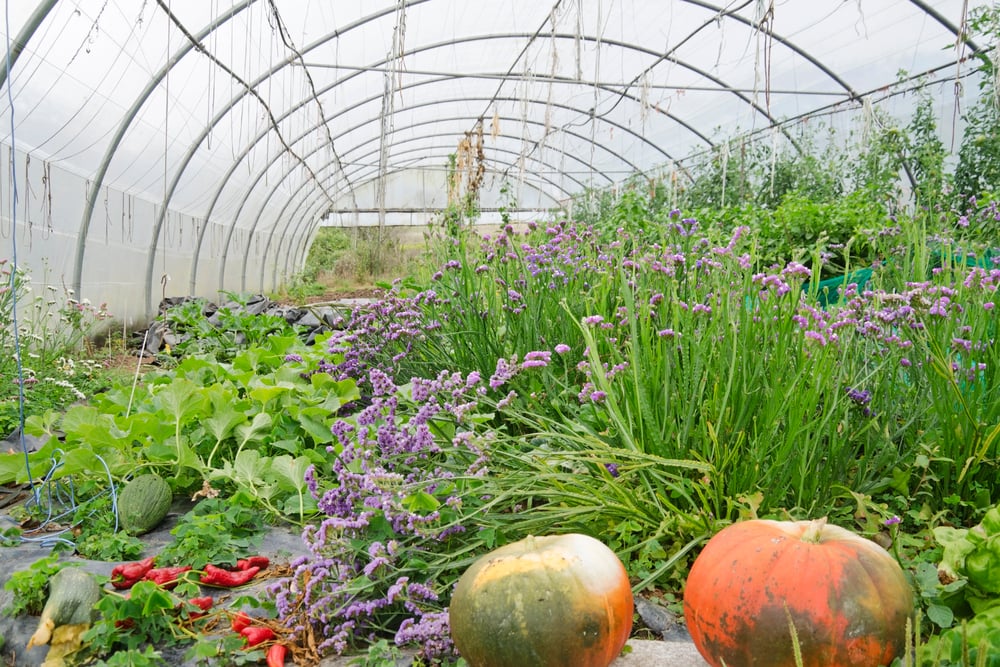
Taiwan hosts a seed bank focused entirely on vegetables. The World Vegetable Center maintains about 65,000 samples of tomatoes, peppers, eggplants, and other crops.
Many samples come from small farms in tropical countries. The center breeds new vegetable varieties that can handle heat, humidity, and tropical diseases.
Poor families in developing countries get access to these improved seeds for free.
Crop Trust

Someone has to pay for all this seed storage. The Crop Trust raises money to support seed banks around the world.
This international organization makes sure facilities in poor countries can afford proper freezers and staff. The trust also helps move duplicates of important collections to multiple locations.
Money from governments and private donors funds this insurance policy for the world’s food supply.
What these vaults mean for tomorrow

Every seed sitting in cold storage represents choices. Future farmers will face problems we can barely imagine today, and these collections give them options.
A wheat variety that seems useless now might resist a disease that appears 50 years from now.
More from Go2Tutors!

- The Romanov Crown Jewels and Their Tragic Fate
- 13 Historical Mysteries That Science Still Can’t Solve
- Famous Hoaxes That Fooled the World for Years
- 15 Child Stars with Tragic Adult Lives
- 16 Famous Jewelry Pieces in History
Like Go2Tutors’s content? Follow us on MSN.