24 Famous Landmarks That Were Almost Torn Down
Many of the world’s most beloved structures came close to demolition before preservation efforts saved them. Economic pressure, urban development plans, and changing architectural tastes nearly erased irreplaceable buildings and monuments.
In many cases, only passionate advocates prevented the wrecking orb from destroying what we now cherish as cultural treasures.
The Empire State Building
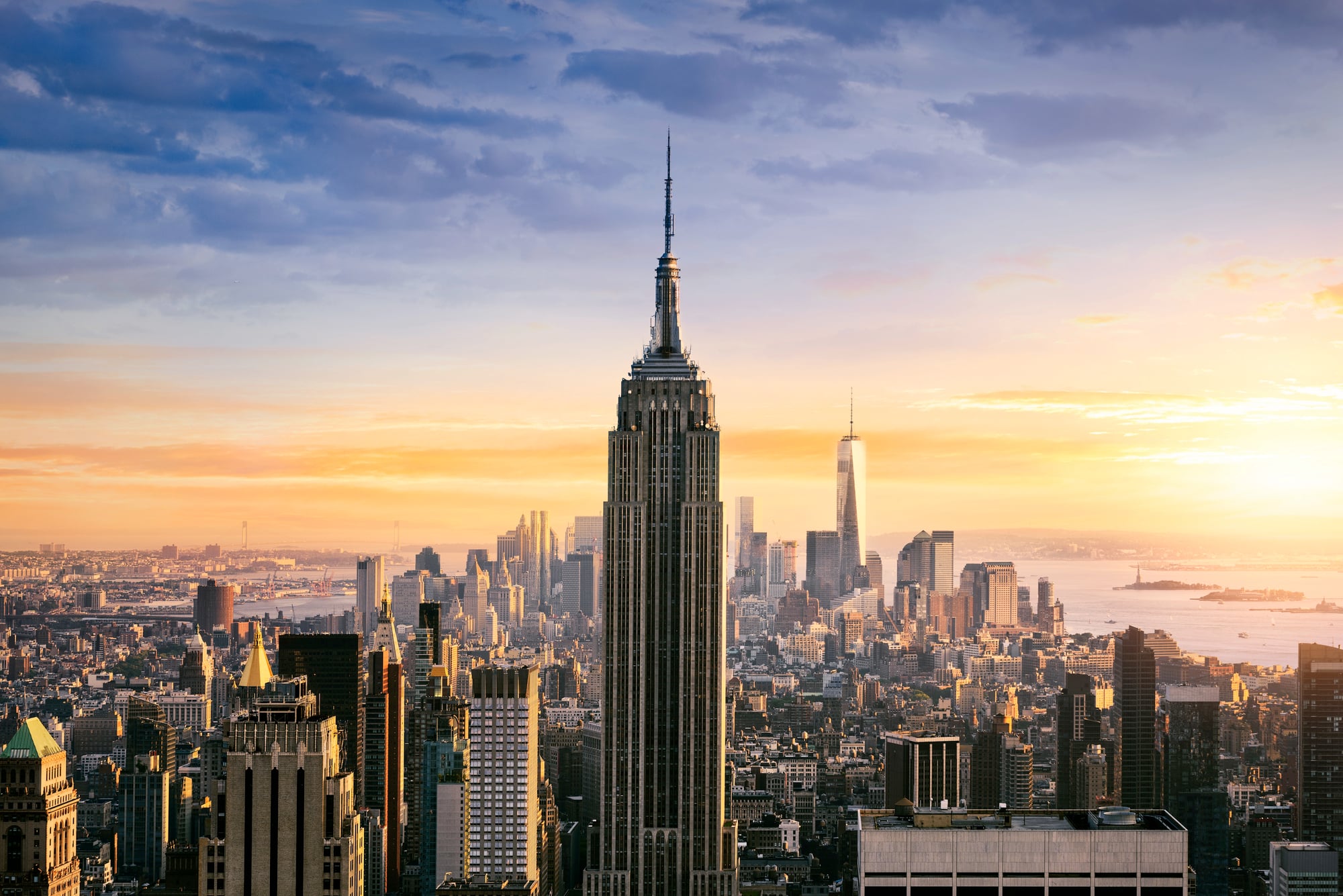
During the 1970s economic downturn, the Empire State Building’s owners considered tearing it down to sell the valuable Manhattan land for new development. The building was losing money, and demolition seemed economically rational.
Preservation efforts convinced owners that the landmark’s historical and cultural value, combined with its iconic status, justified keeping it. The building survives as one of America’s most recognizable structures.
Big Ben and the Houses of Parliament
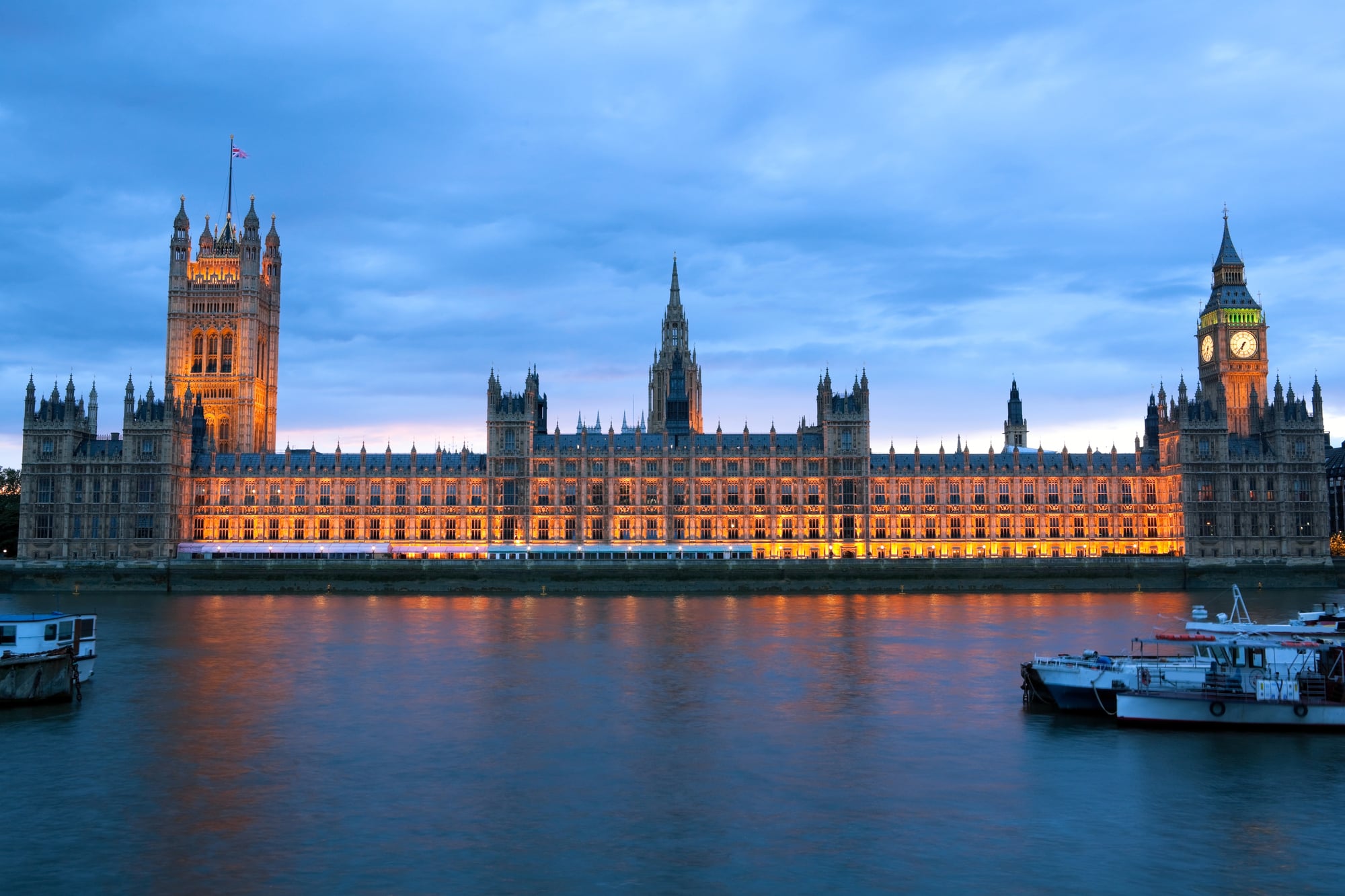
After a fire destroyed much of the Palace of Westminster in 1834, proposals emerged to demolish the remaining buildings rather than rebuild. The decision to restore rather than replace the damaged structures preserved one of the world’s most iconic buildings.
The Colosseum in Rome
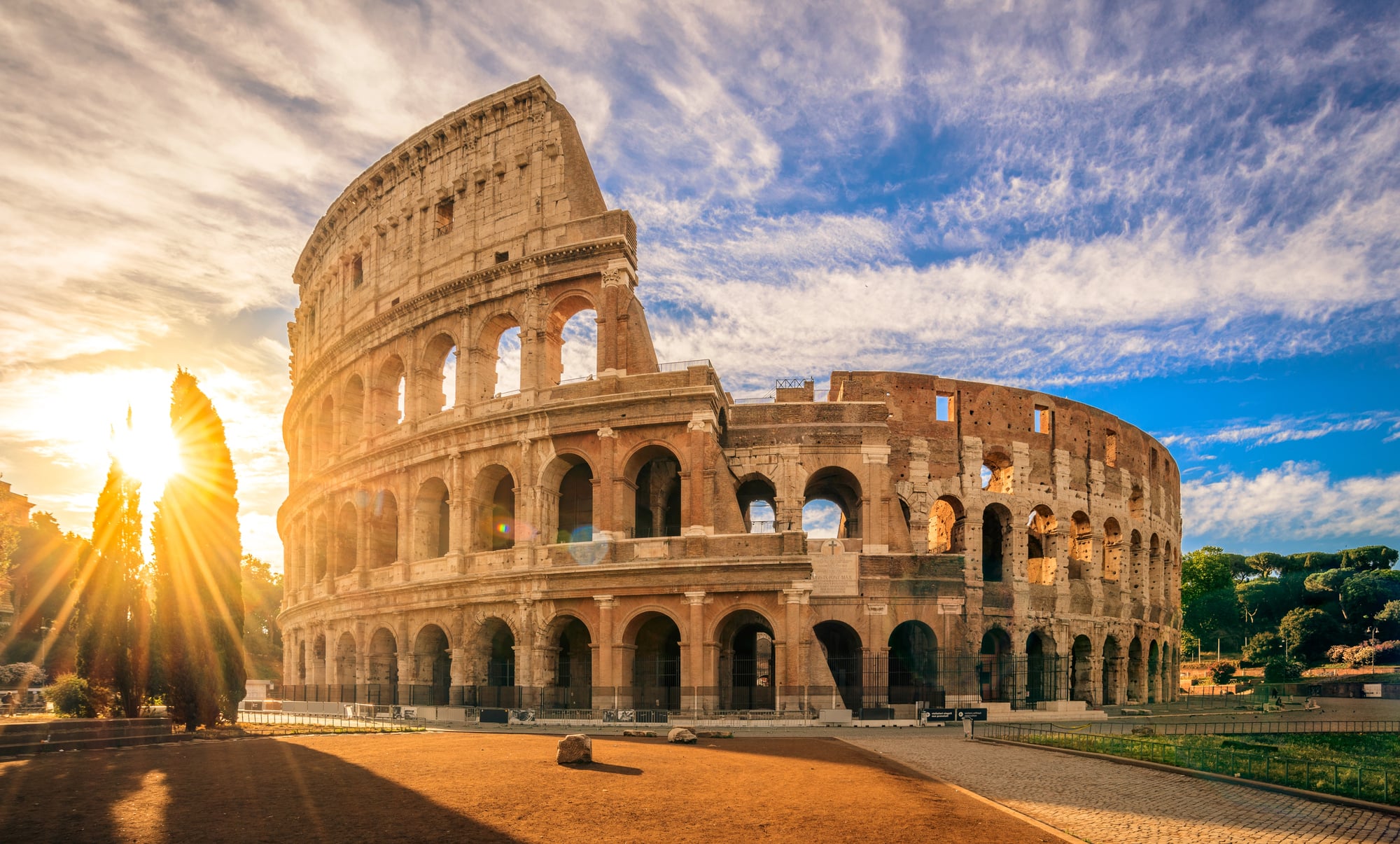
During medieval times, the Colosseum was used as a quarry for building materials, with portions demolished and stones carried off for other construction. That the structure survived at all owes to a preserved core that eventually gained protection against further destruction.
Brooklyn Bridge
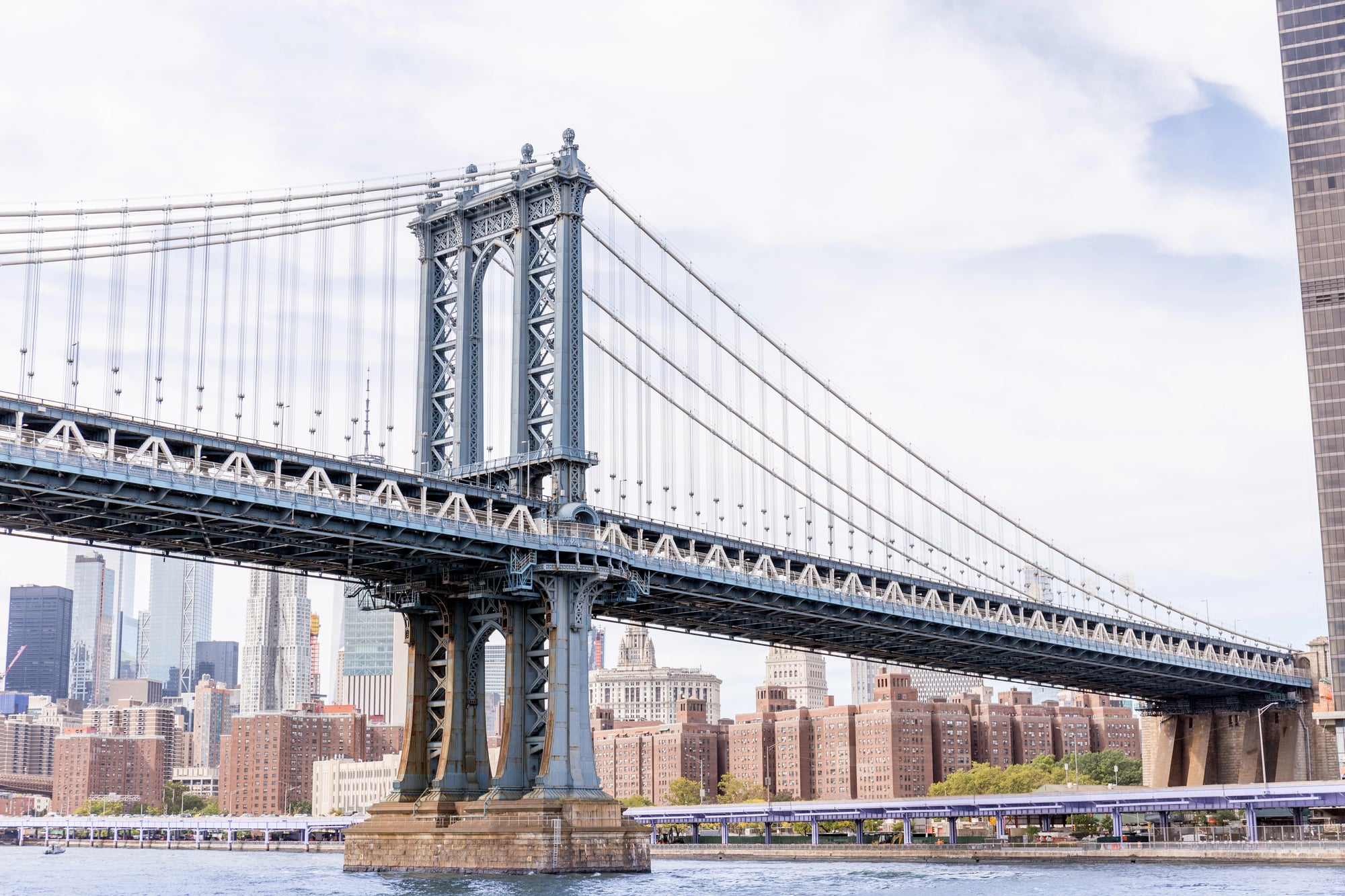
In the early 1900s, as the bridge aged and maintenance costs rose, some city officials proposed demolishing it and replacing it with a modern structure. The bridge’s architectural and historical significance eventually secured its preservation.
Grand Central Terminal
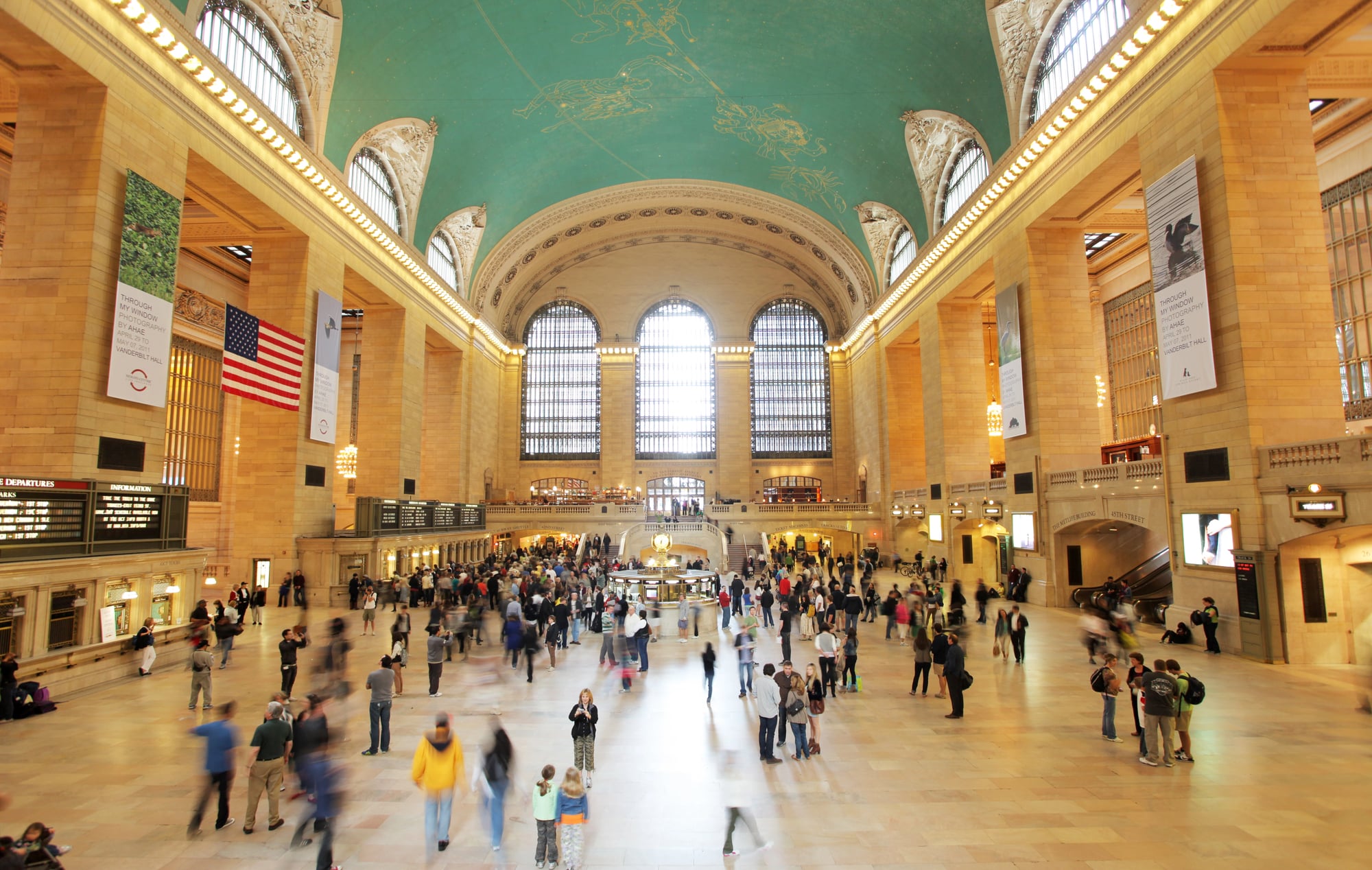
In the 1960s, developers planned to demolish Grand Central Terminal and build a modern skyscraper in its place. Preservation efforts, led partly by Jackie Kennedy Onassis, blocked the demolition and established legal protections that led to the building’s restoration.
Penn Station (Too Late)
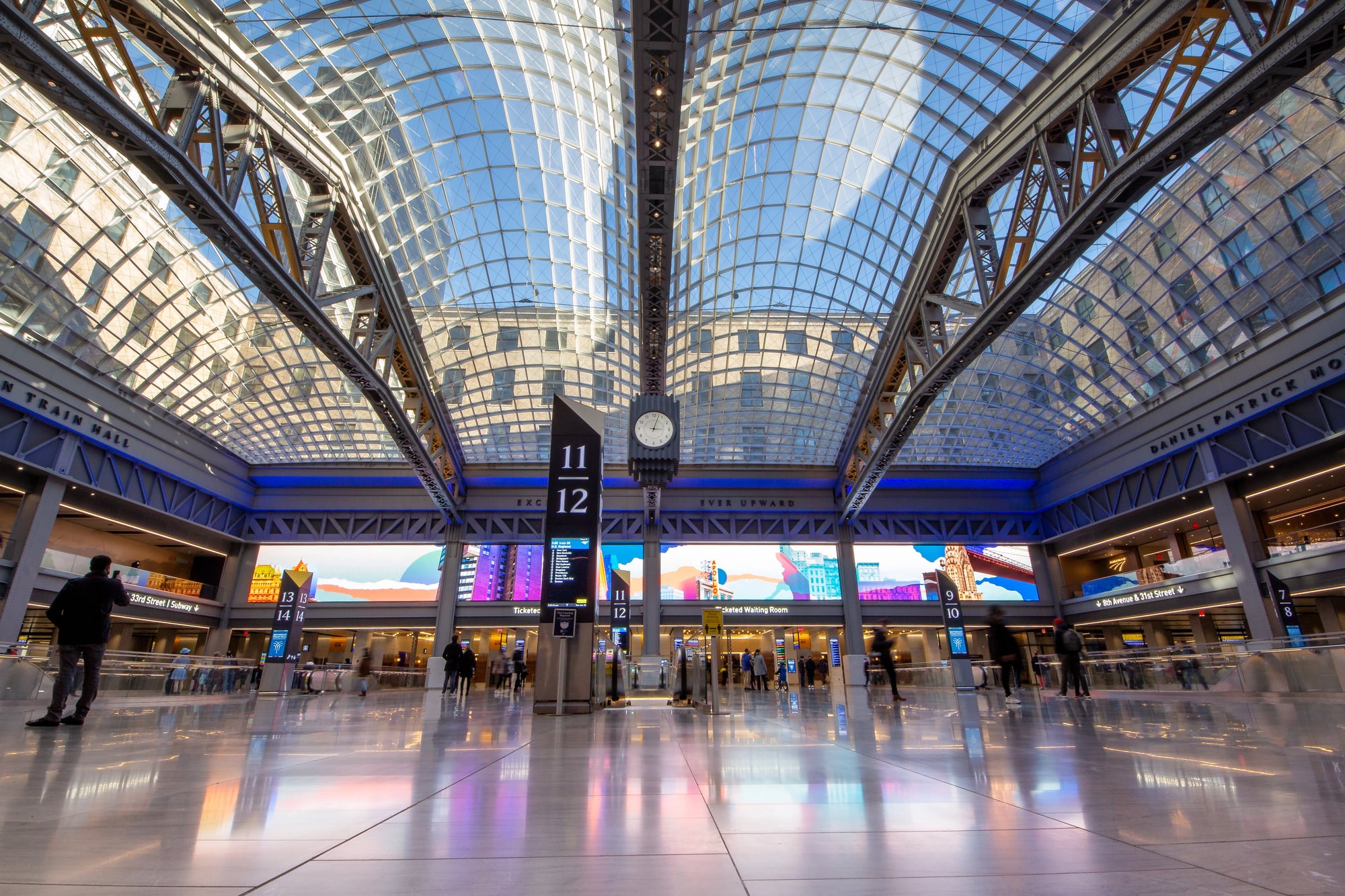
The sad counterexample: Madison Square Garden demolished Penn Station in 1963 despite preservation efforts, replacing a magnificent Beaux-Arts train station with a modern arena. The loss galvanized preservation movements and led to the Landmarks Preservation Commission.
Tower of London
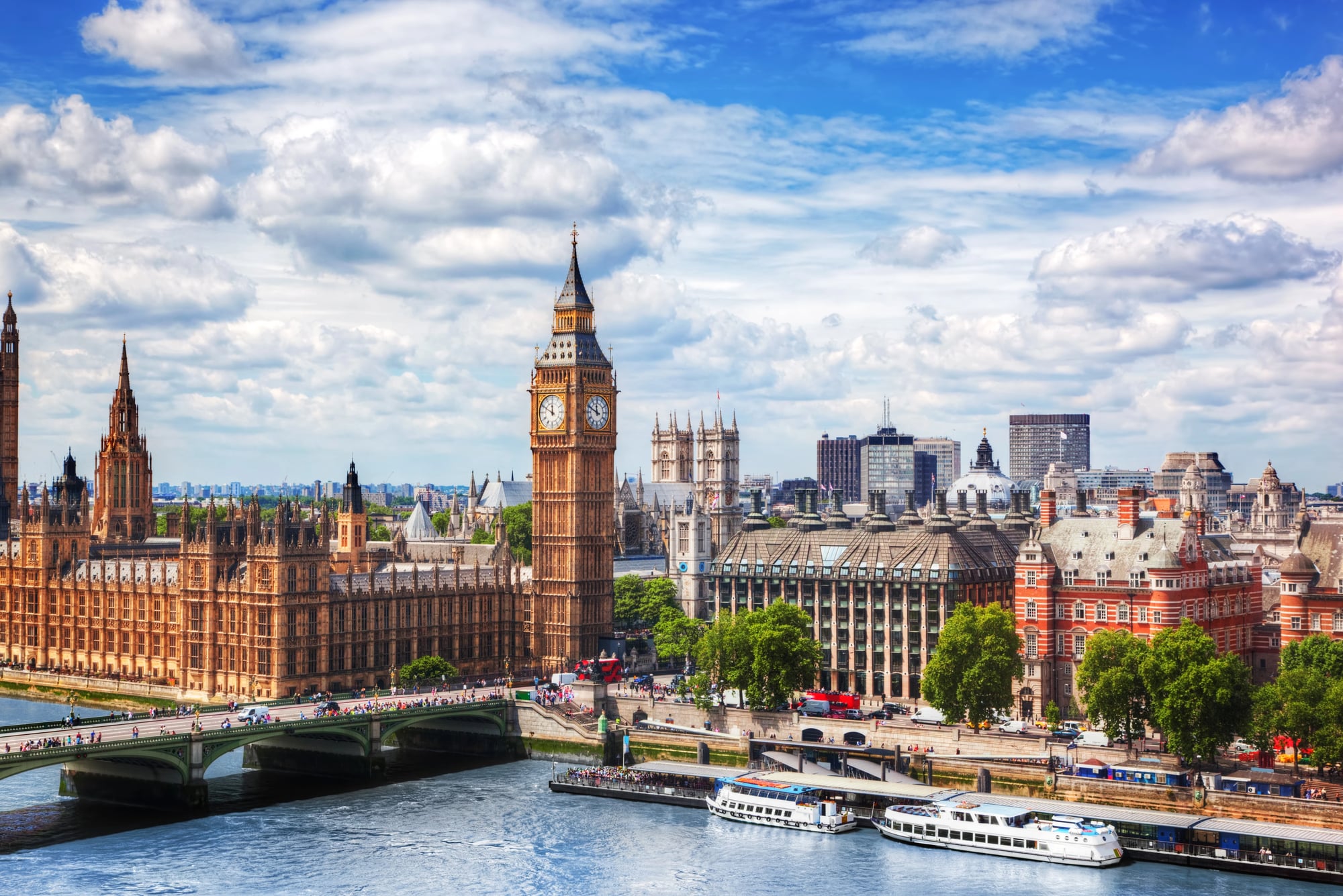
Centuries of threatening circumstances, including political upheaval and wars, nearly resulted in the tower’s demolition. Its continued existence as a historical symbol eventually secured its protection.
Notre-Dame de Chartres Cathedral
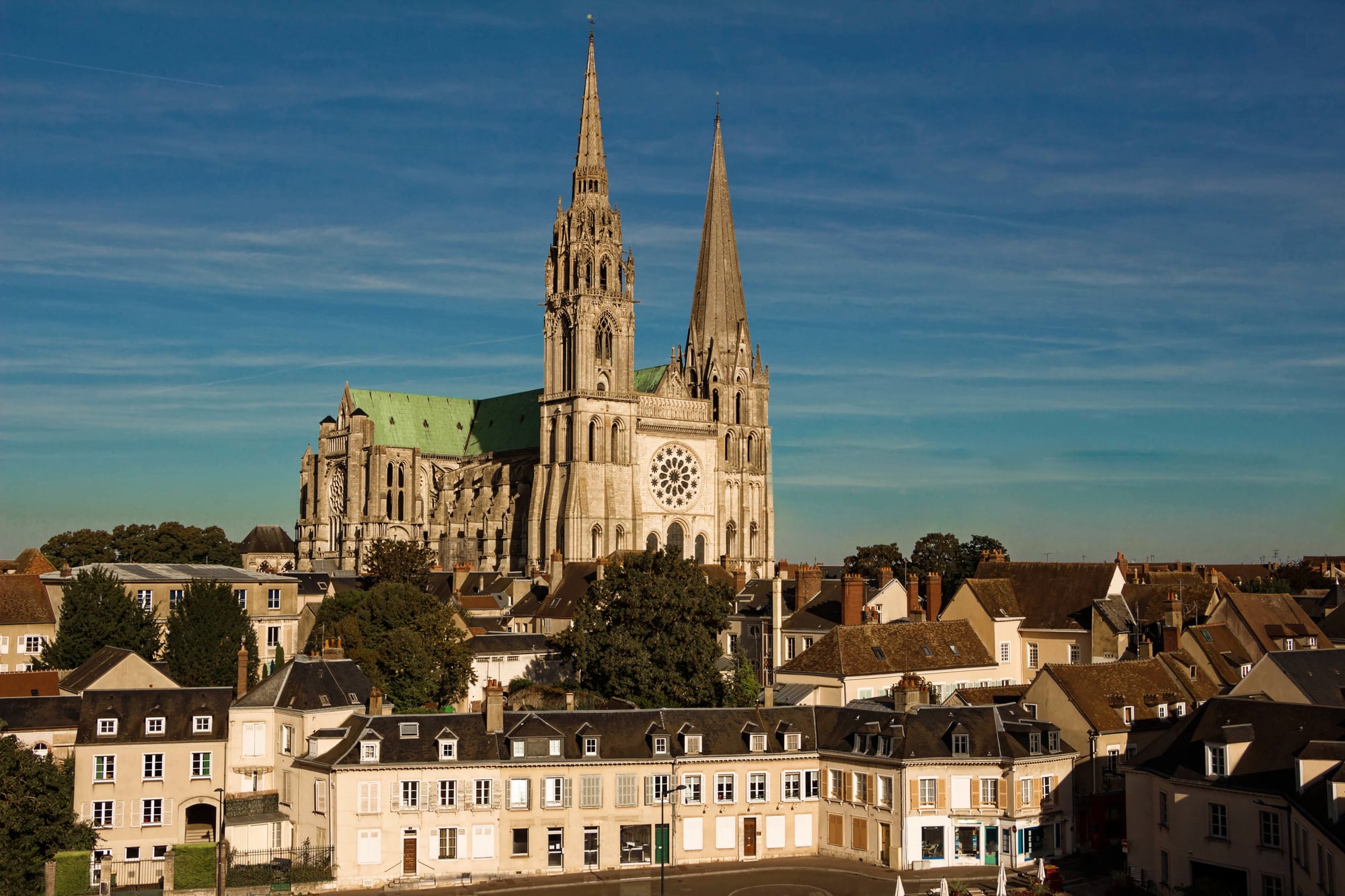
During the French Revolution, many attempted to destroy the cathedral as a symbol of the old regime. It survived partly through luck and partly through appeals to preserve it as historical architecture.
The Statue of Liberty
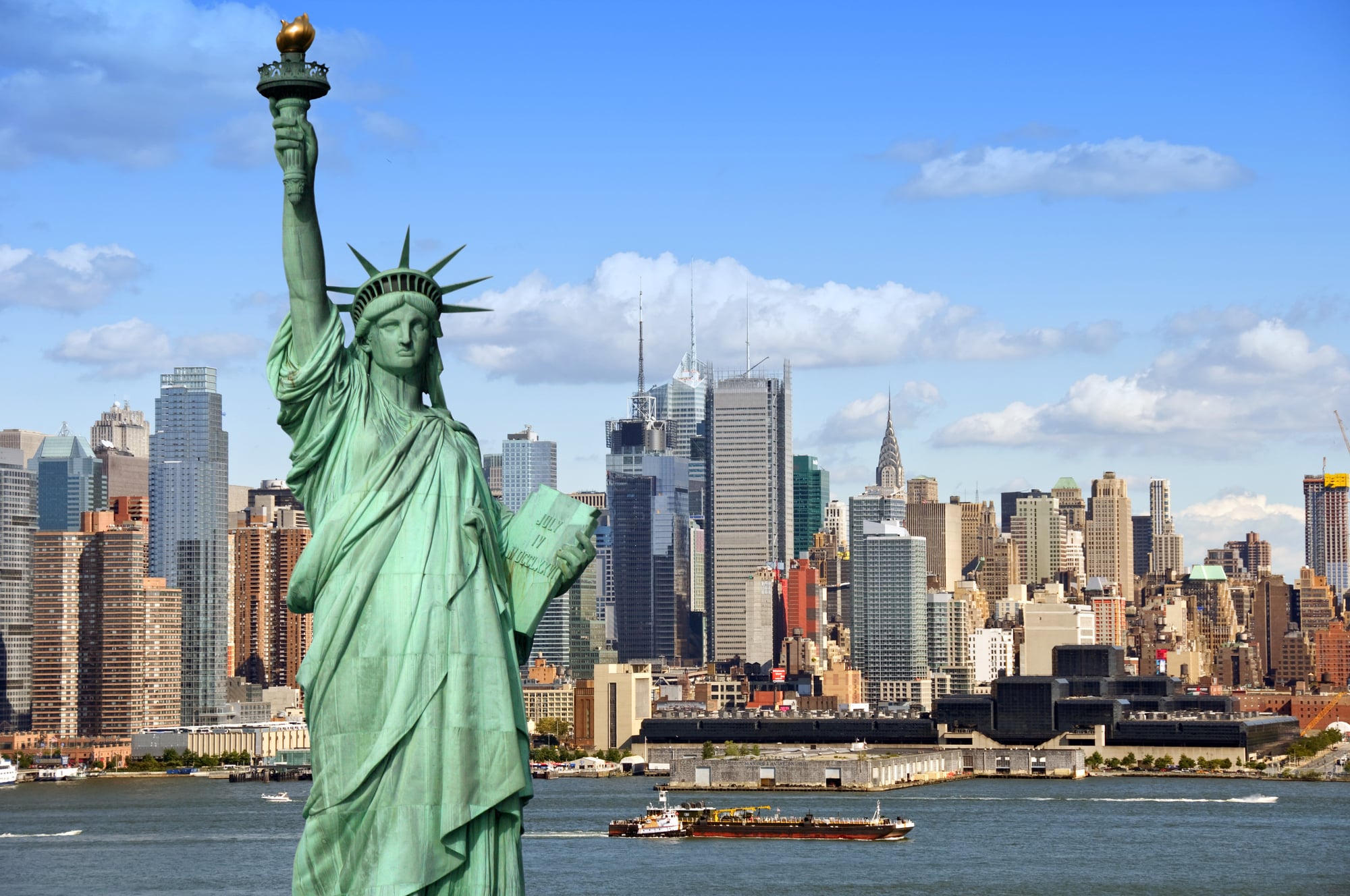
In its early years, the statue was considered a deteriorating eyesore and candidates for demolition. Only growing recognition of its symbolic importance prevented its removal.
The White House
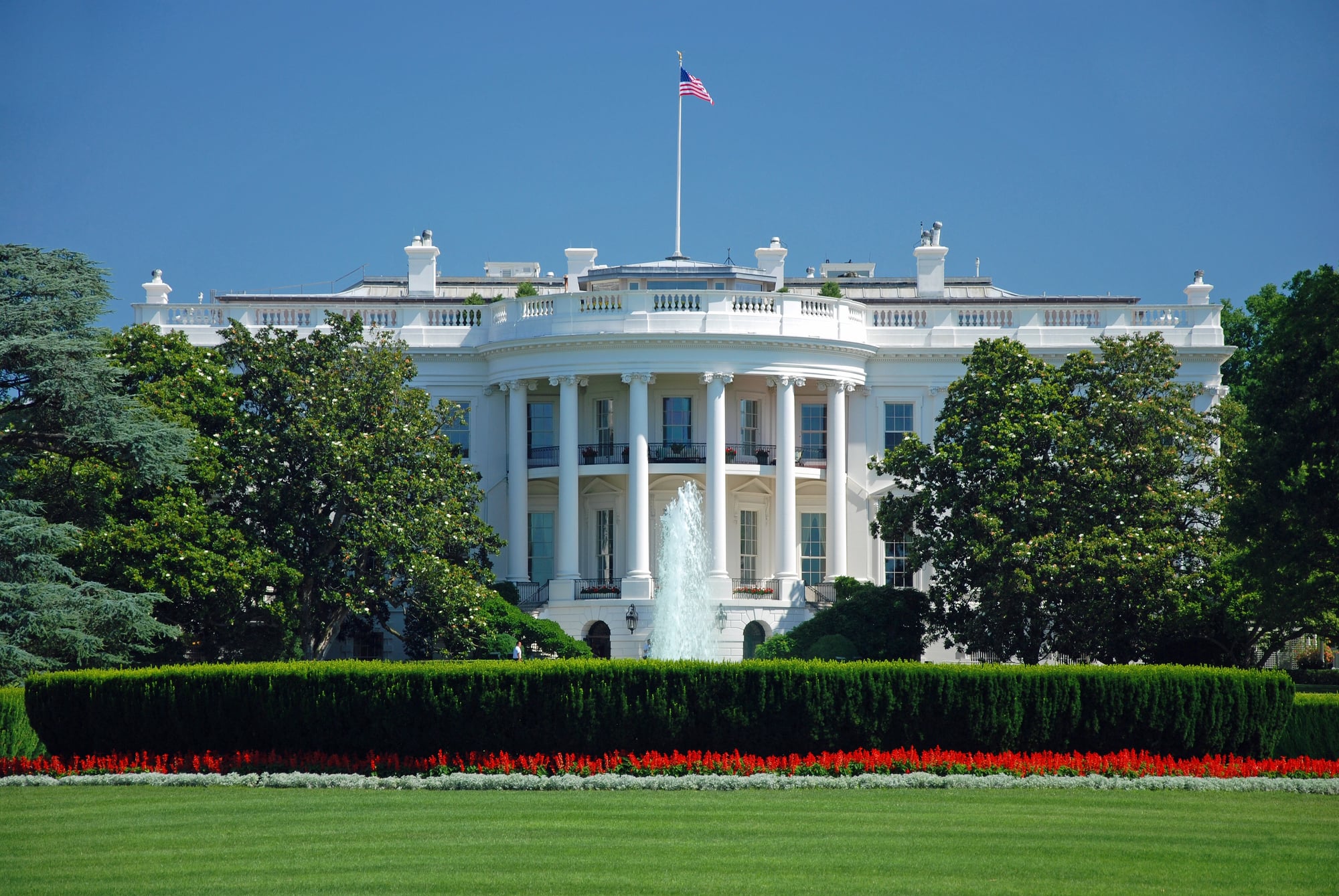
During the War of 1812, when British forces burned Washington D.C., there were proposals to relocate the capital and leave the damaged White House unrepaired. Reconstruction preserved the building as the president’s residence.
The Great Wall of China
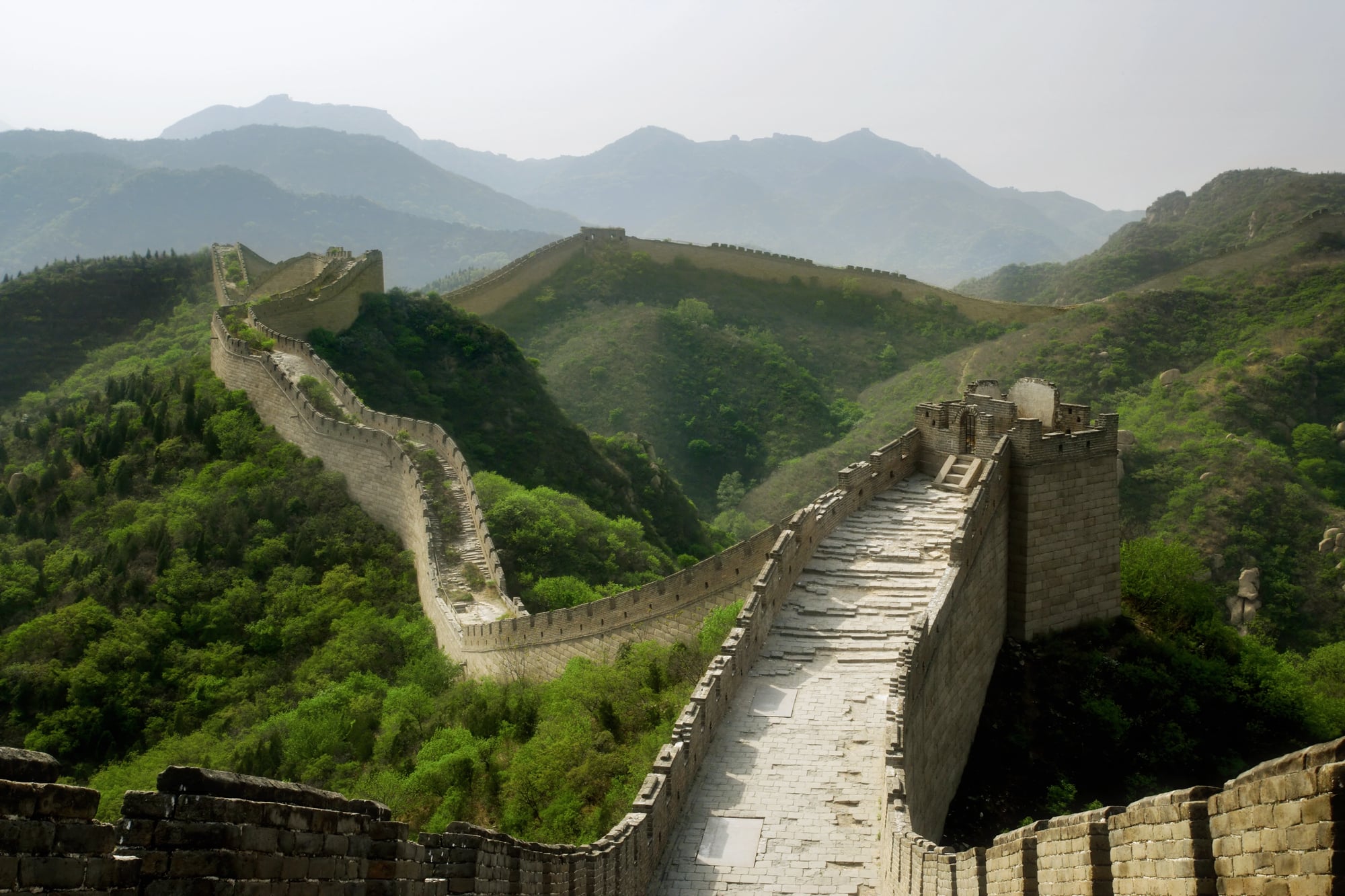
Centuries of political neglect and deliberate destruction nearly erased the wall entirely. Preservation efforts beginning in recent decades have saved significant portions that might otherwise have been demolished for development.
The Forbidden City

After the fall of the Qing Dynasty, the Forbidden City faced deterioration and potential demolition. Its preservation as a museum saved the structure from destruction.
Westminster Abbey
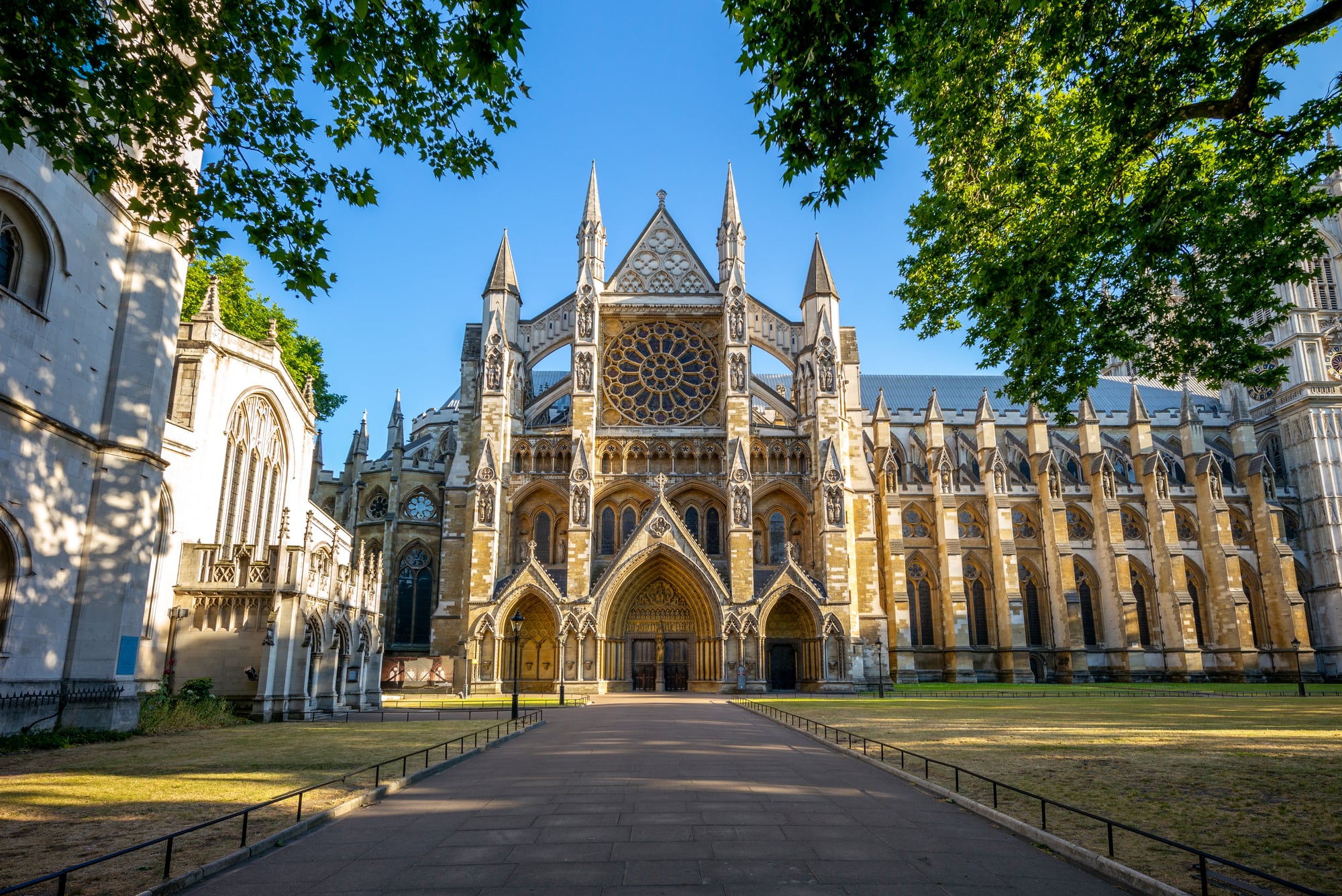
Various threats to the abbey’s existence emerged throughout its history. Its status as a religious institution and historical monument eventually secured its preservation.
The Taj Mahal

In the 19th century, some suggested demolishing the Taj Mahal and using its materials for other projects. Recognition of its architectural and historical importance prevented this destruction.
The Acropolis and the Parthenon
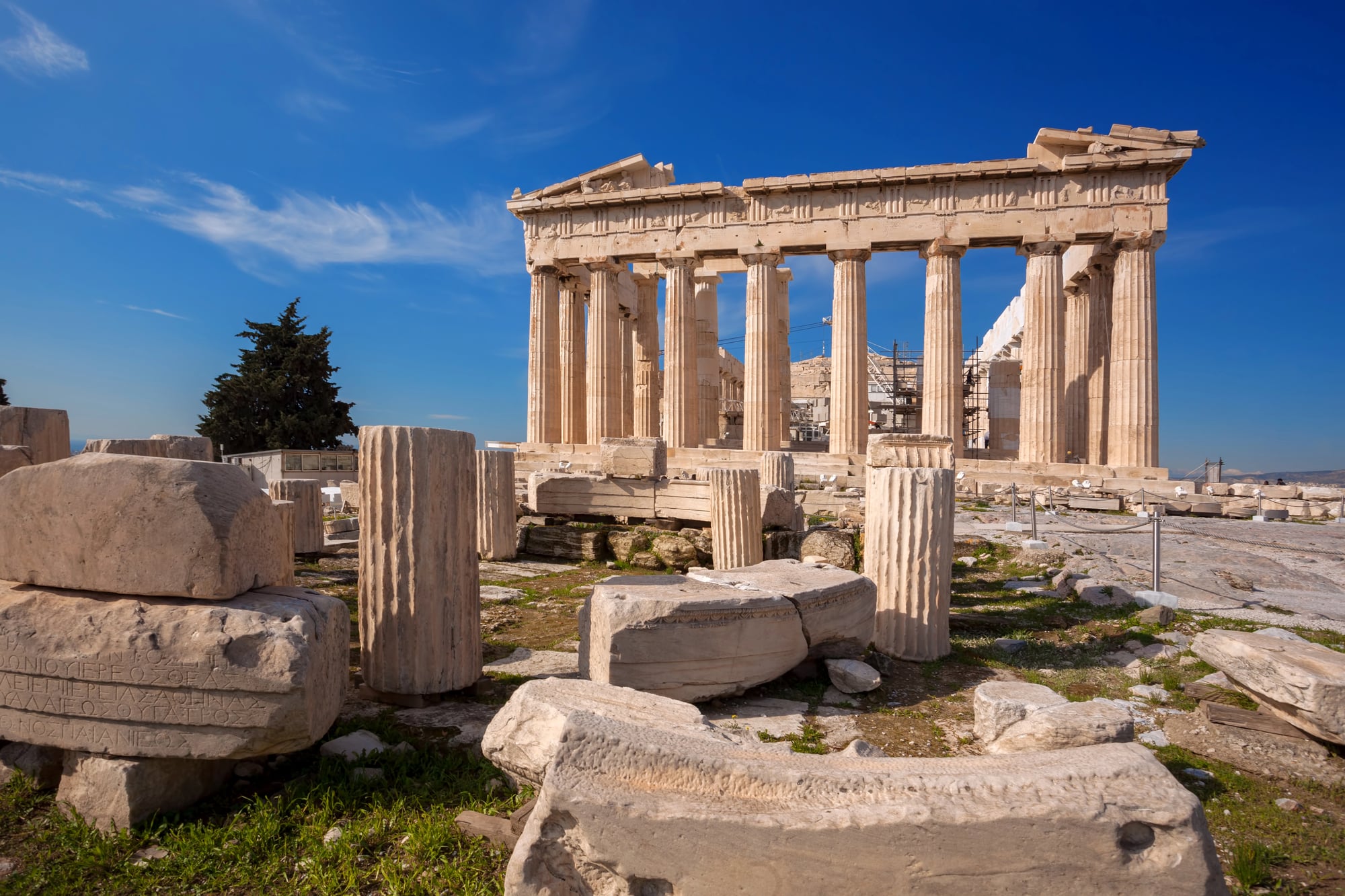
Throughout their long histories, these structures faced threats of demolition or destruction. Their status as foundational to Western civilization eventually secured their preservation.
The Leaning Tower of Pisa
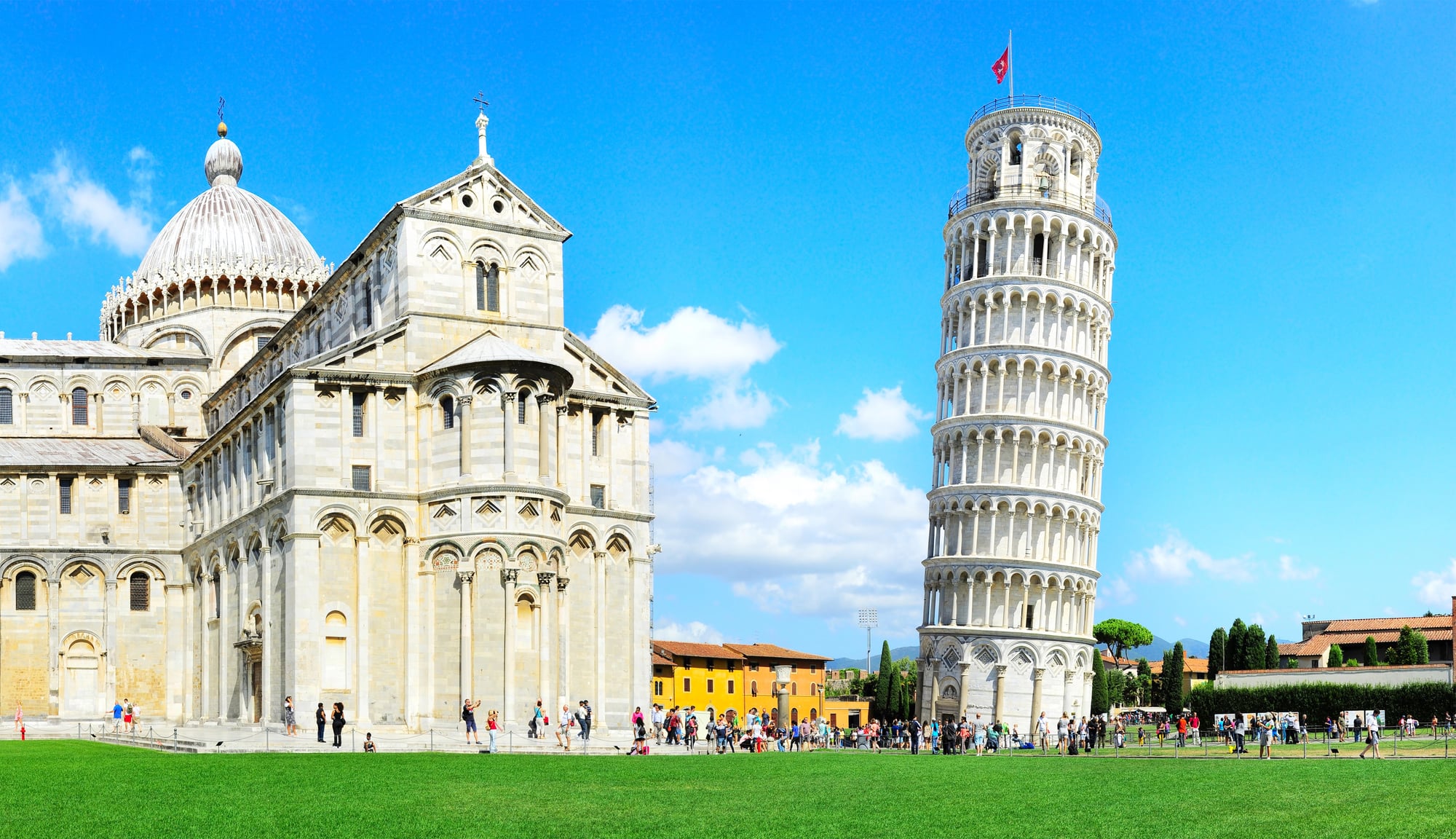
Engineers proposed demolishing the tower as structurally unsound and dangerous. Preservation and stabilization efforts saved it as a historical landmark.
San Francisco’s Victorian Houses
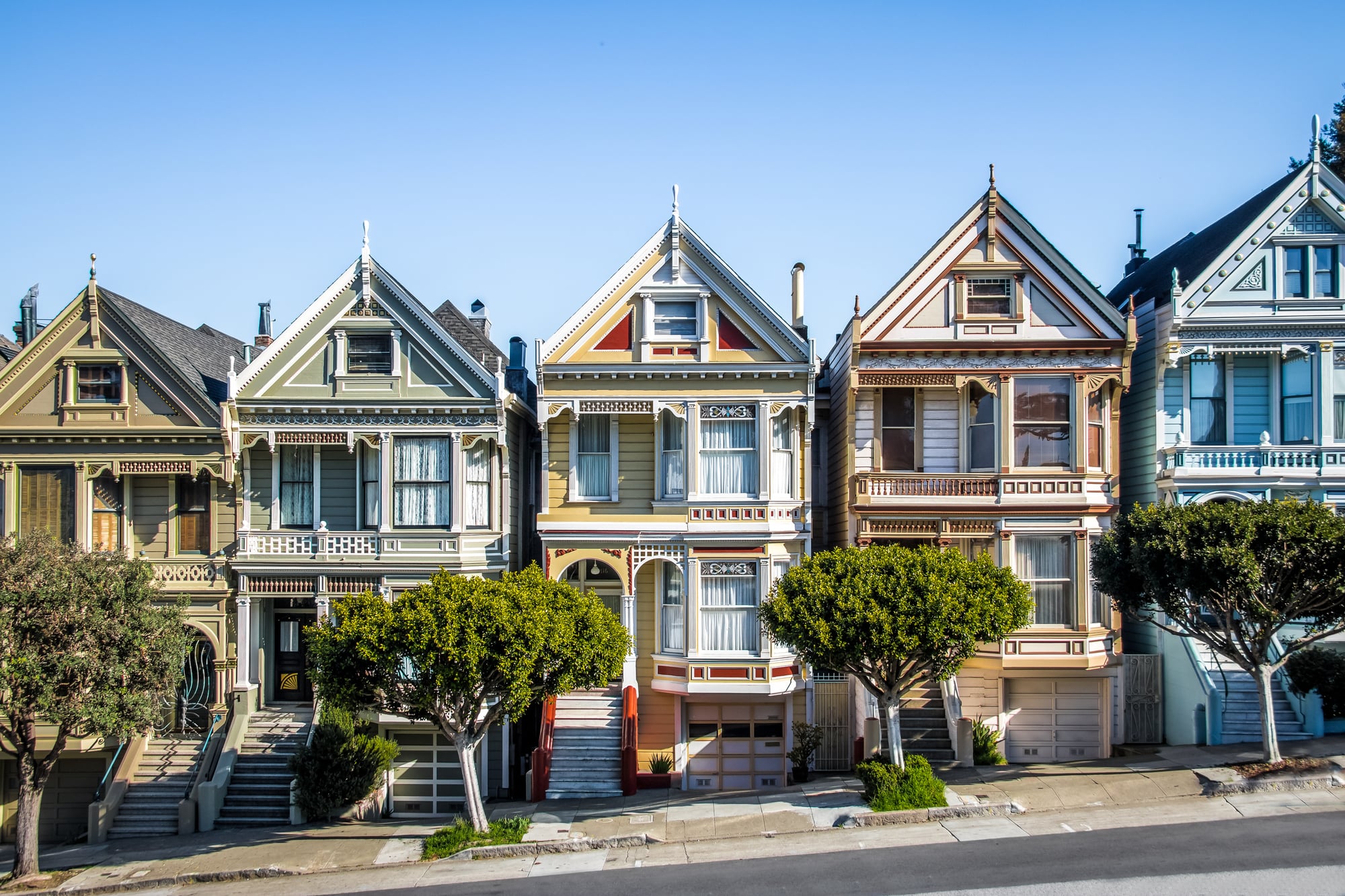
Urban development and earthquake recovery threatened entire neighborhoods of Victorian architecture. Preservation movements saved many blocks now celebrated as historic districts.
St. Basil’s Cathedral in Moscow
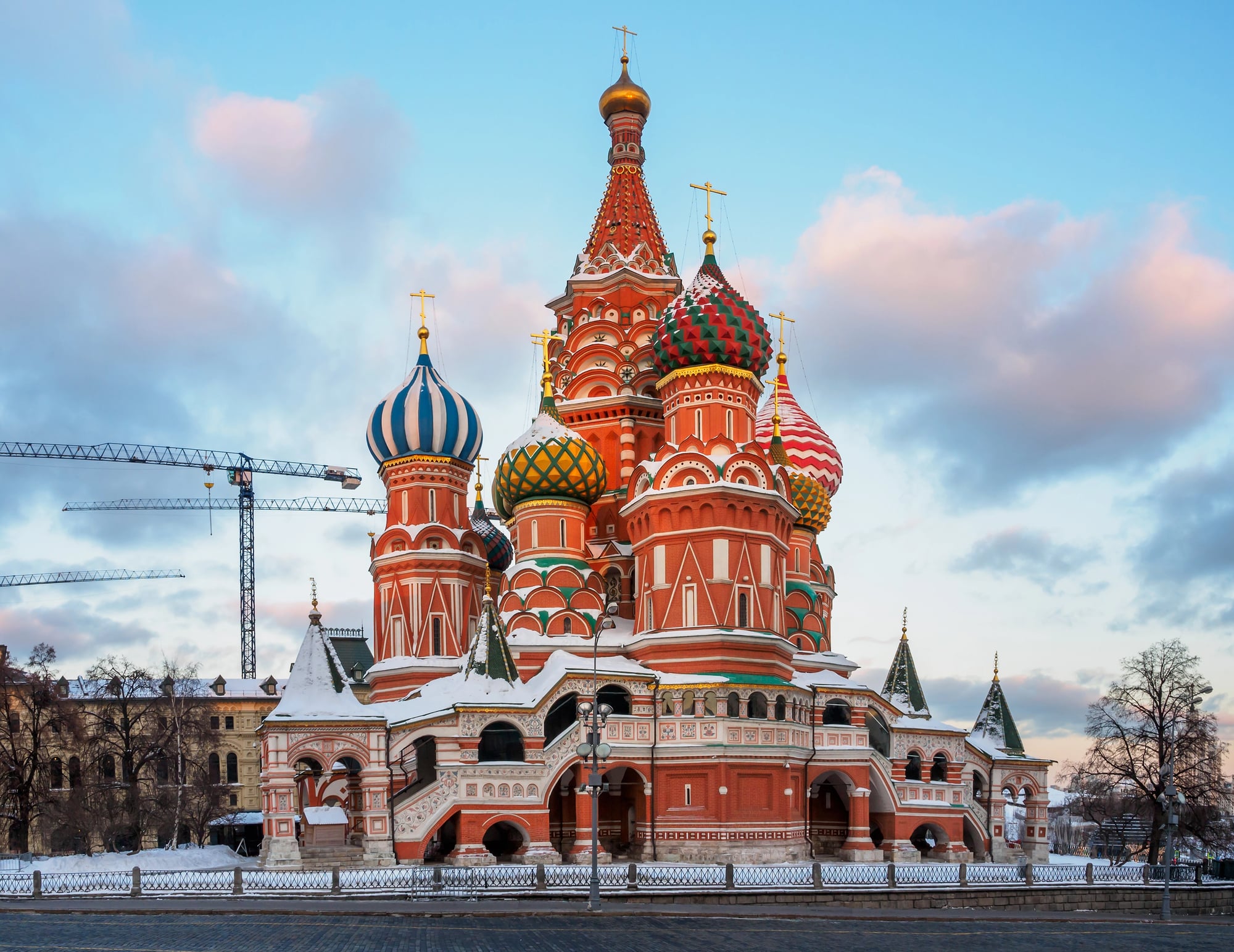
Stalin considered demolishing the cathedral to create a plaza. Its survival owed to intervention by architects who convinced him of its value as a propaganda symbol of Russian architecture.
The Parthenon in Nashville
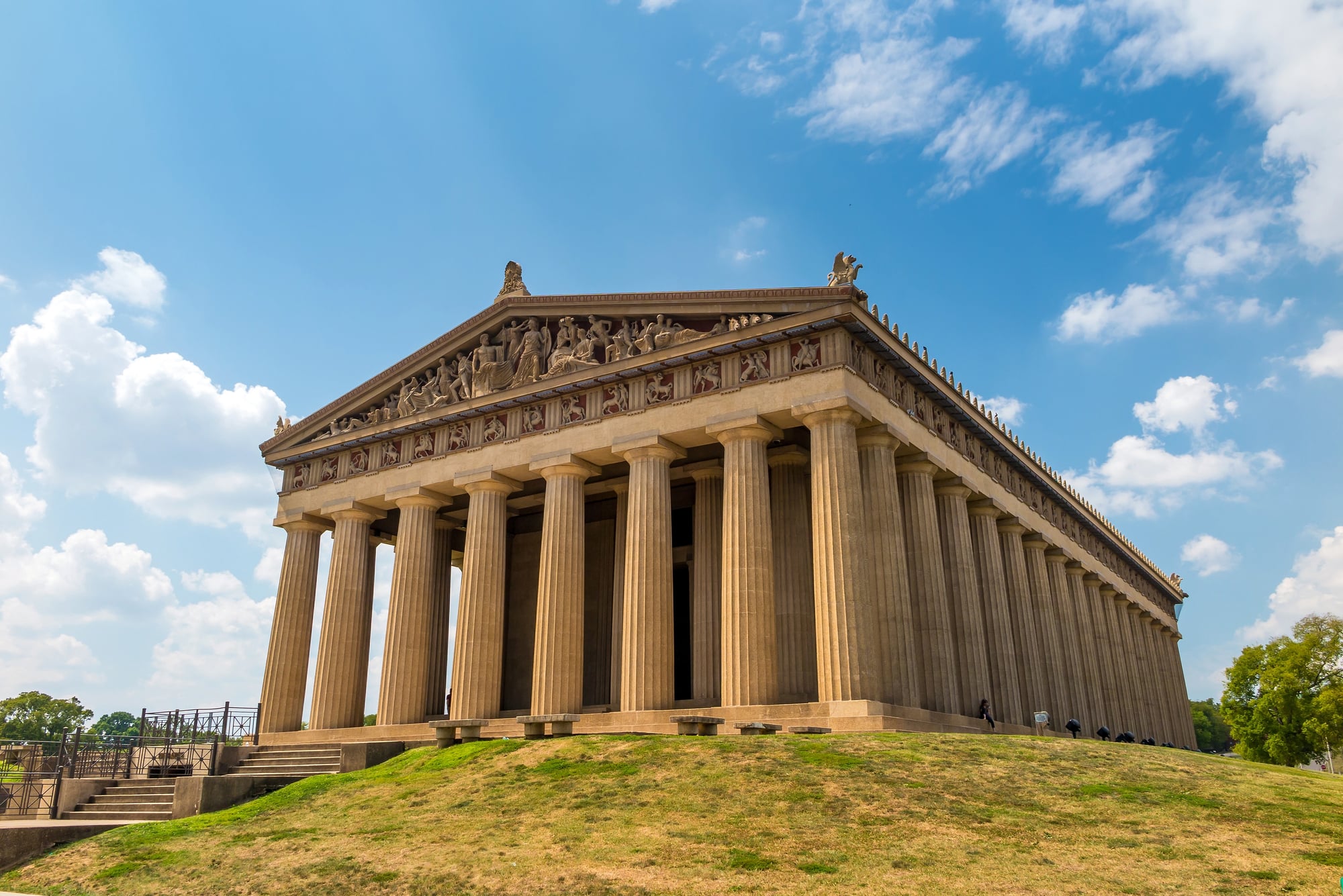
The replica Parthenon in Nashville was nearly demolished in the 1930s before preservation efforts saved it as an unusual historical landmark.
San Antonio’s River Walk
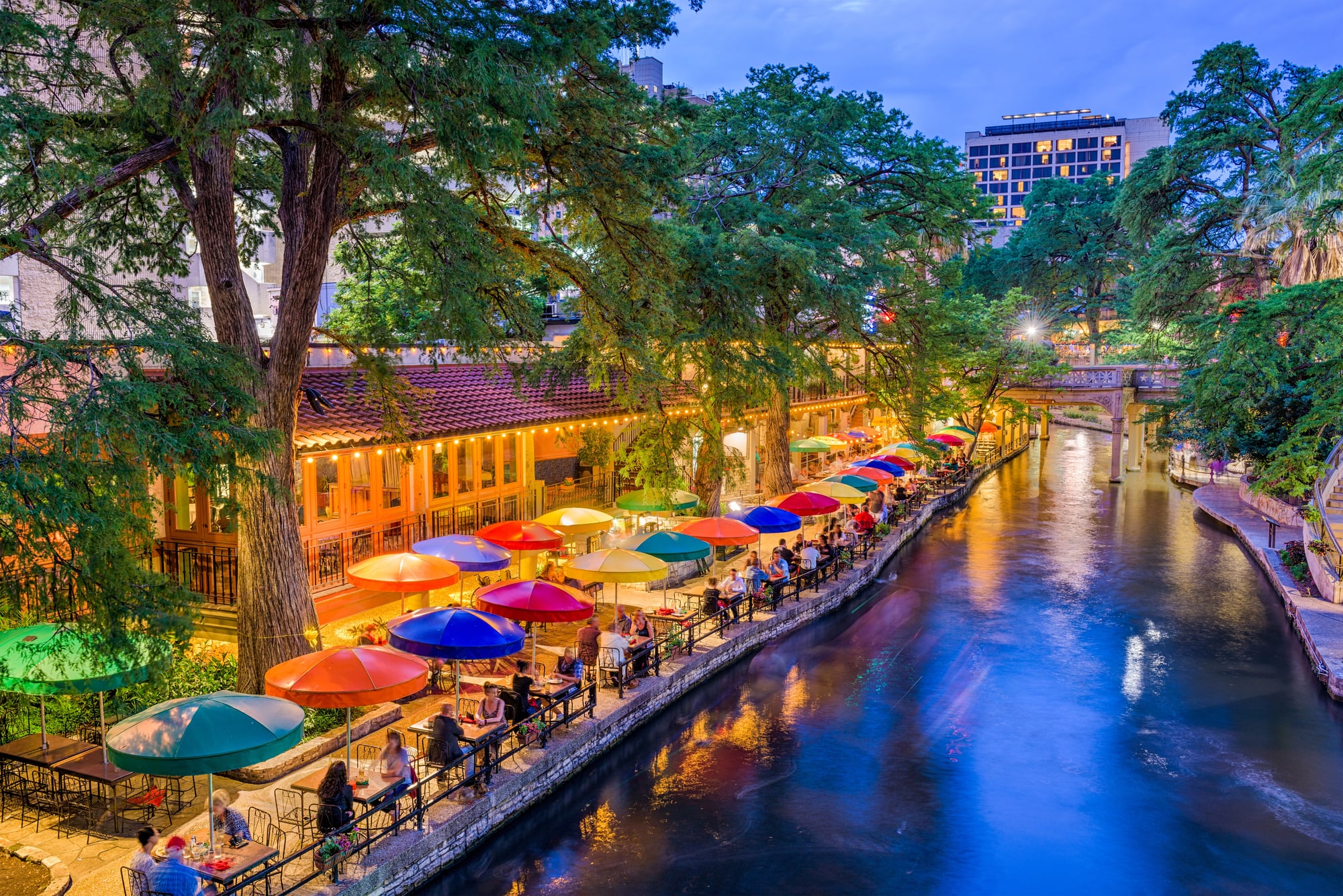
Flood control projects threatened to fill in or dramatically alter the San Antonio River. Preservation of the river’s natural channels created one of America’s most beloved urban waterways.
The Library of Congress
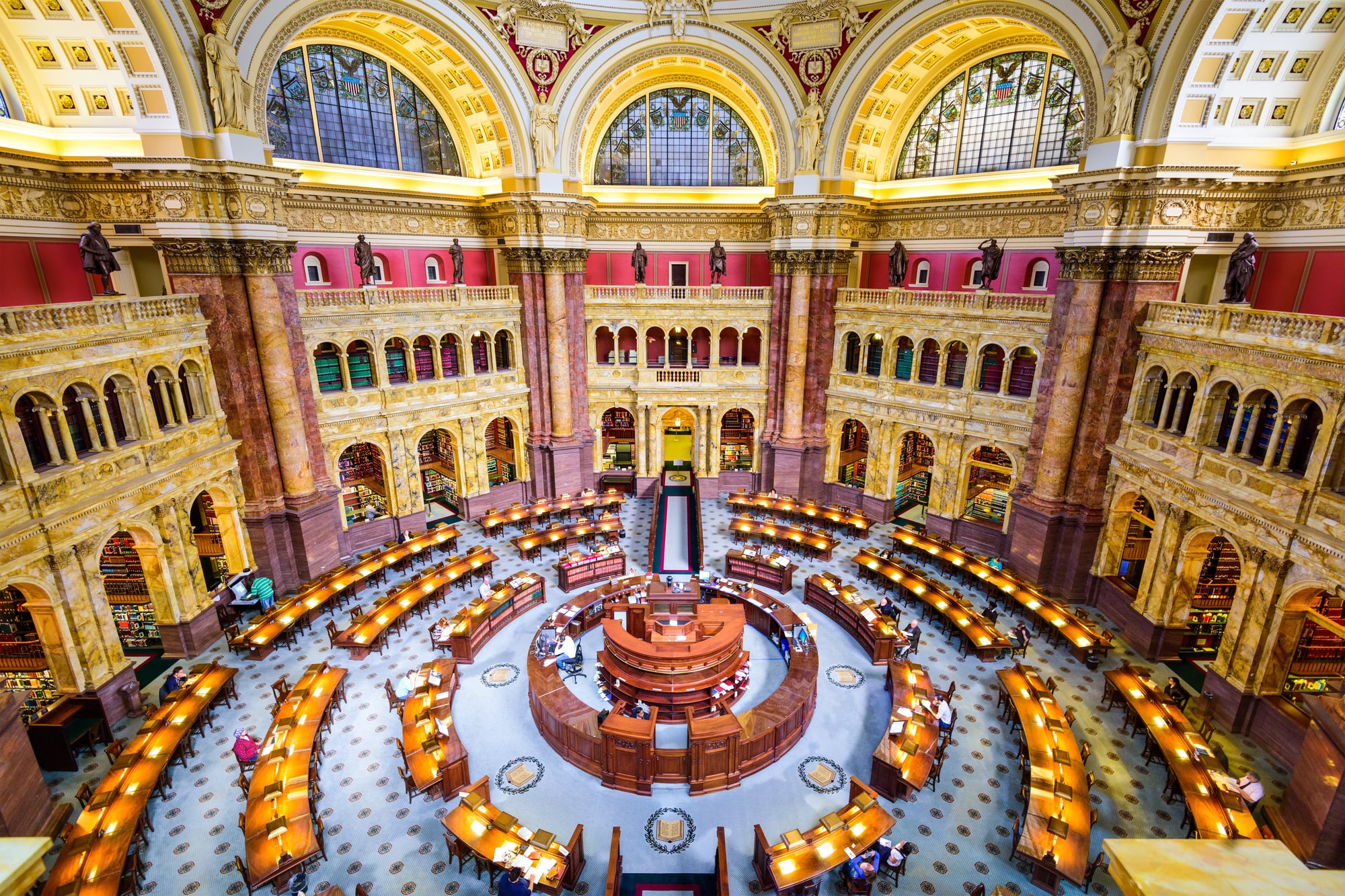
The original building was nearly demolished during various congressional moves and renovations. Its preservation ensured the survival of a magnificent building.
Hagia Sophia
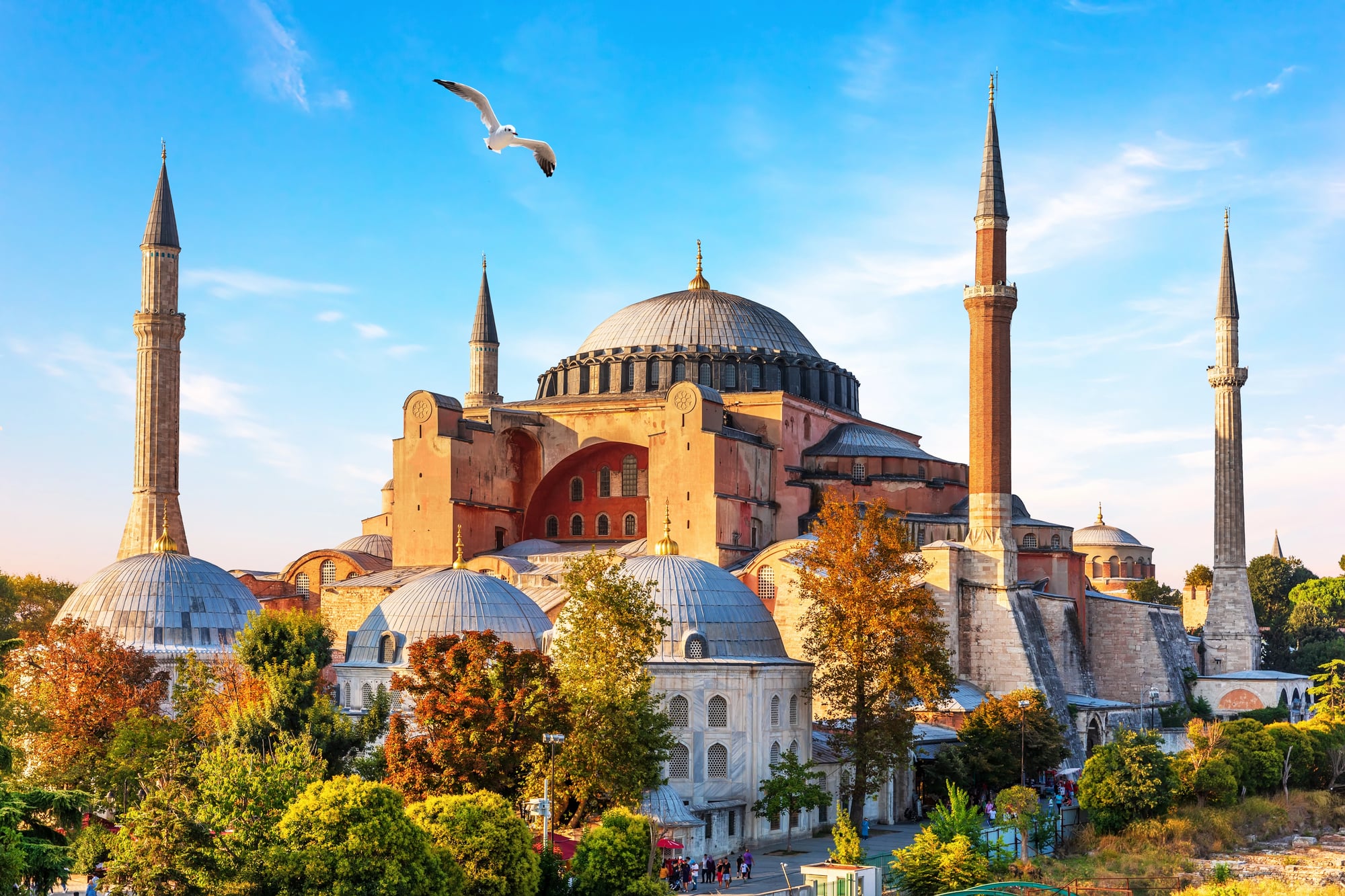
Throughout Ottoman rule and modern times, the structure faced various threats. Its preservation as a museum (and now a mosque) saved one of history’s great architectural achievements.
The Guggenheim Museum
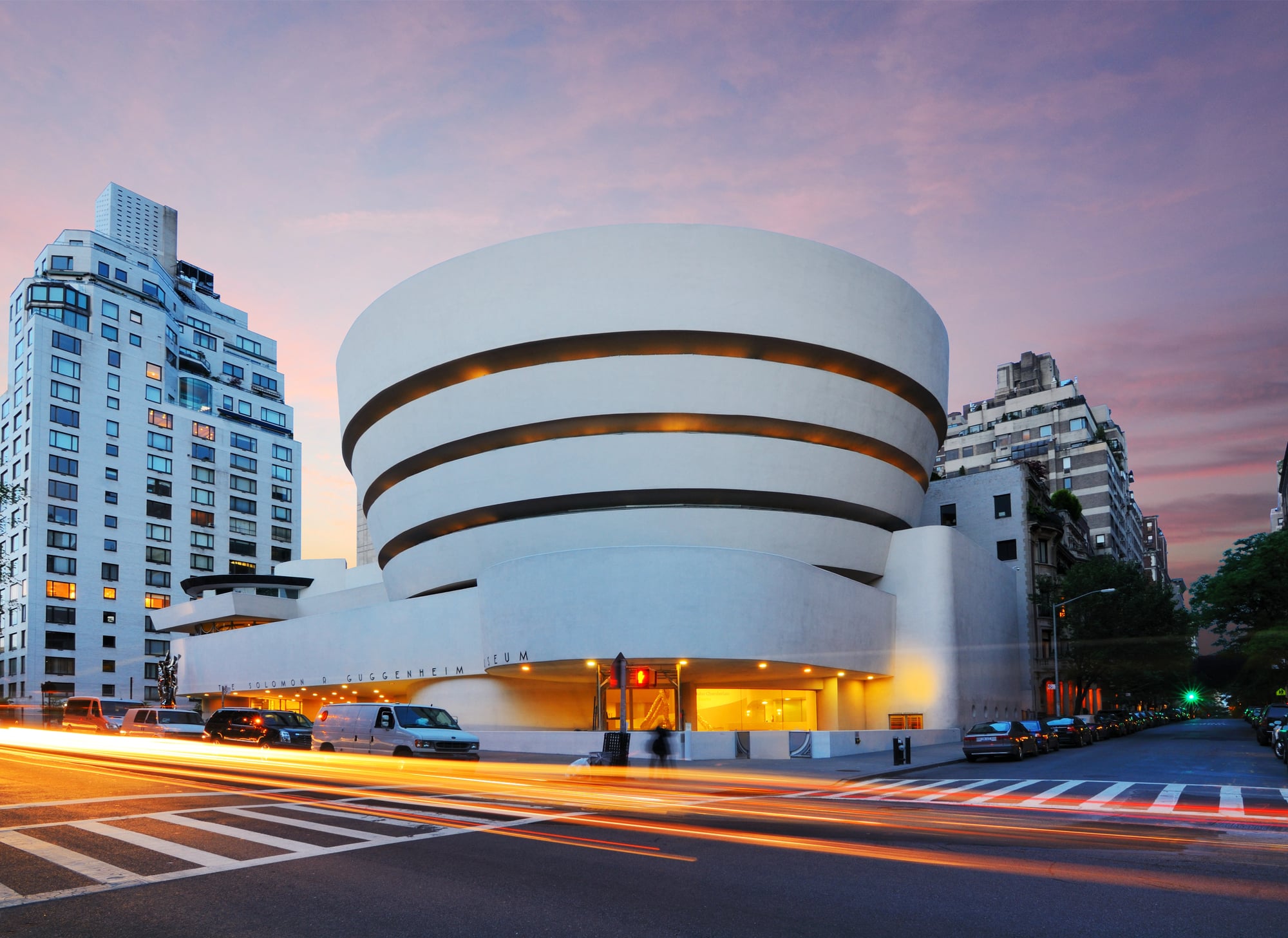
Local opposition and architectural criticism nearly prevented the museum’s construction. Its survival as a revolutionary design eventually secured its place in architectural history.
Historic New Orleans District
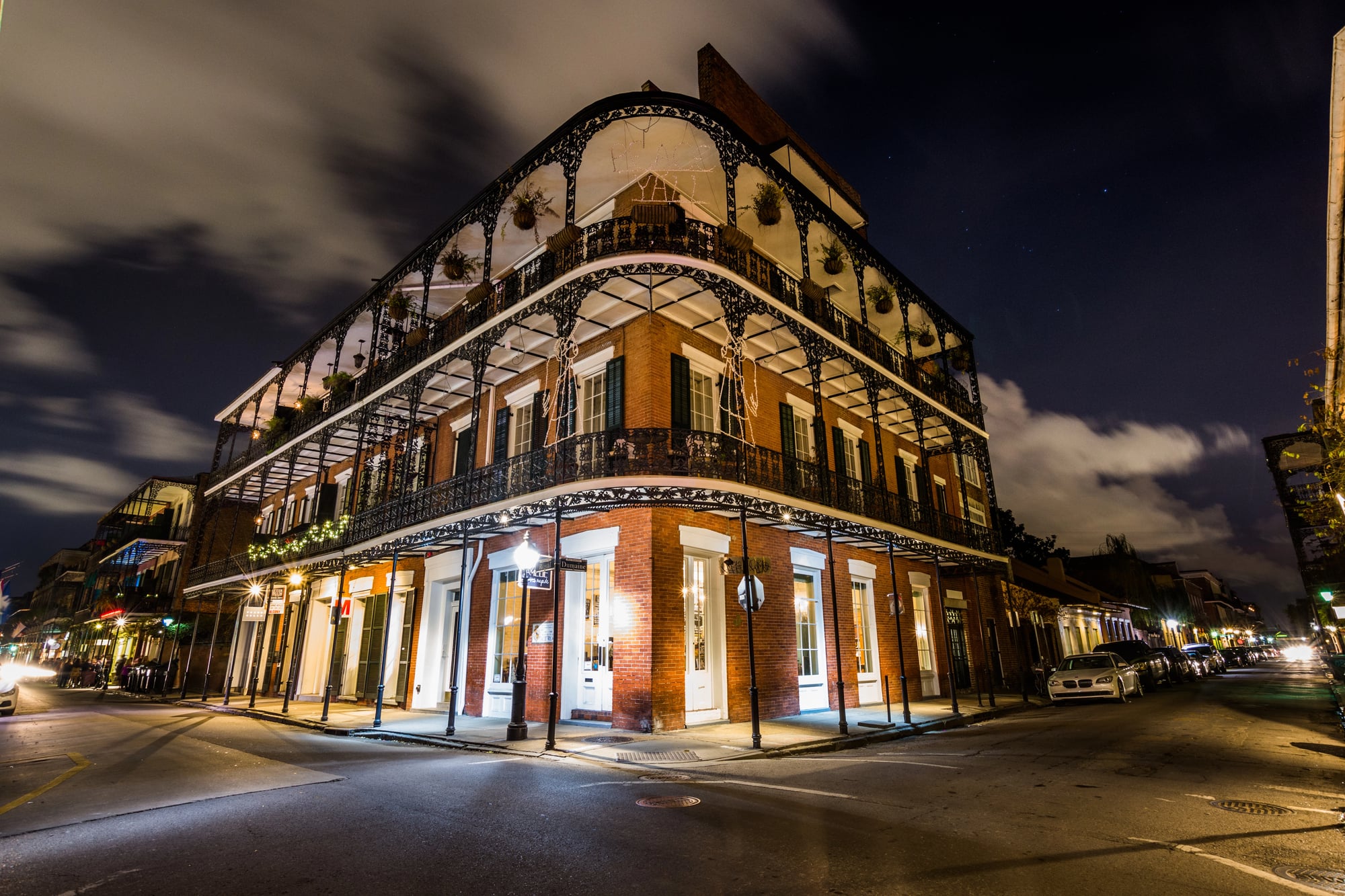
Urban renewal and development threatened entire neighborhoods of 19th-century architecture. Preservation movements saved the French Quarter and other historic districts that might have been demolished for modern development.
Preservation Against Progress

These near-misses demonstrate that survival of historical structures often depends on recognition of their value extending beyond mere economic calculation. The buildings and monuments we most cherish today survived not because destruction was impossible but because someone fought to preserve them, arguing that cultural heritage, historical significance, and architectural beauty have worth that transcends development potential.
More from Go2Tutors!

- The Romanov Crown Jewels and Their Tragic Fate
- 13 Historical Mysteries That Science Still Can’t Solve
- Famous Hoaxes That Fooled the World for Years
- 15 Child Stars with Tragic Adult Lives
- 16 Famous Jewelry Pieces in History
Like Go2Tutors’s content? Follow us on MSN.



