24 School Hallway Moments That Felt Like the Most Important Thing in the World
School hallways occupied a strange position in the geography of childhood. Classrooms had rules and teachers and a specific shape that learning was supposed to take.
The playground had space and noise and visibility from all directions. The hallway was neither of those things — it was the in-between, governed loosely, populated by people in transit, and therefore the place where most of the social universe’s actual business got conducted.
Everything that mattered happened in a corridor, on the way to something else. The stakes were, objectively, not high.
Decades later, most of the things that felt critical in those narrow passageways have resolved into nothing — forgotten feuds, passed notes that seem embarrassing, performances given for audiences who moved away before the end of secondary school. But the feeling at the time was entirely real.
That hallway, that locker, that three-minute window between periods — that was everything.
Arriving Late and Having to Walk the Length of an Empty Corridor
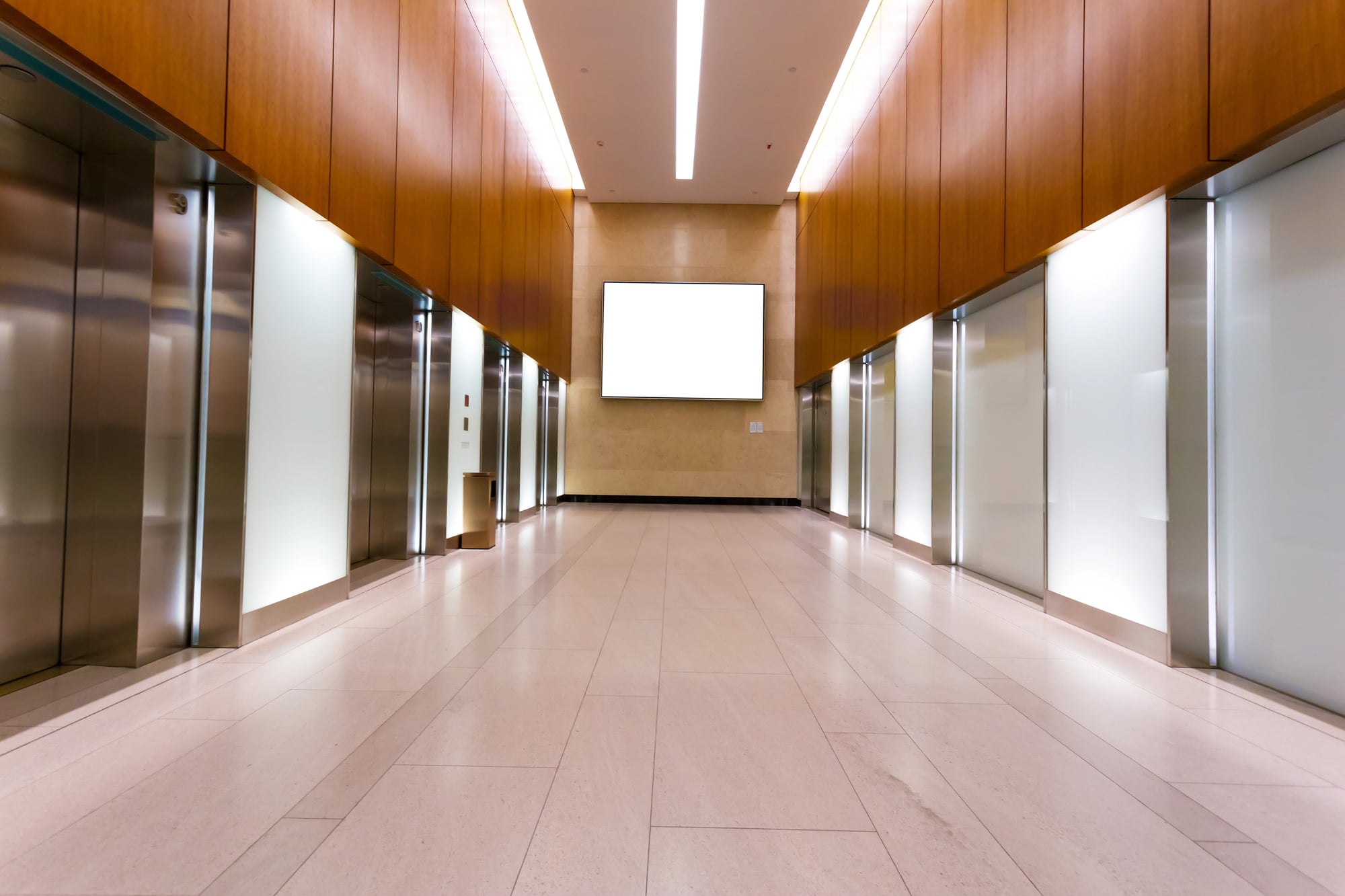
The empty hallway was a different environment from the crowded one. Every sound echoed.
Every footstep announced itself. If a teacher’s door was open as you passed, the timing of your arrival in their line of sight was entirely outside your control.
The walk to the classroom at the far end of the building, already late, carrying the knowledge that the door was going to open onto a room full of seated people who would all look up at once — this was a specific type of low-grade dread that has no adult equivalent quite precise enough to match it.
Waiting Outside the Headteacher’s Office

The chair outside the headteacher’s office was positioned in full view of anyone walking past. Being seen there was the information.
Whether you had done something catastrophic or been called in for something entirely benign made no difference to the people who passed — they all did the same calculation, and it was rarely charitable. The waiting itself was its own punishment, designed or not, because it extended the period of uncertainty and visibility far beyond whatever was actually going to happen inside.
The Note Passed Across Desks That Had to Navigate Three People to Get There
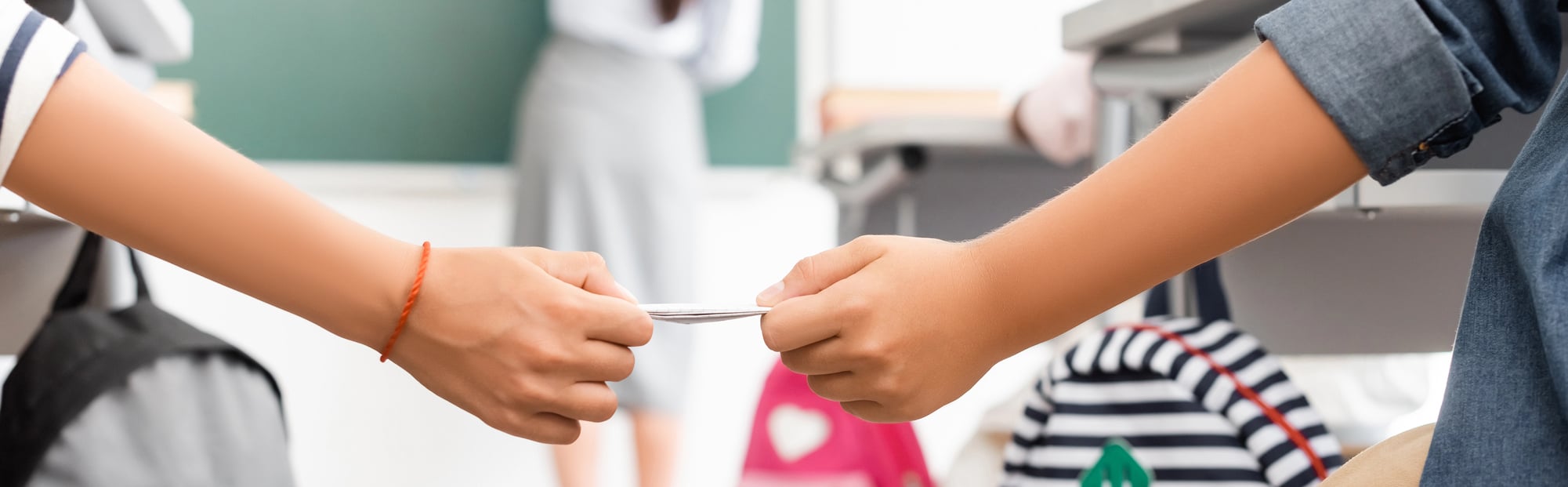
A folded note requiring two intermediaries to reach its destination was a trust exercise conducted under surveillance. Each person who held it had to decide, in the space of approximately one second, whether to pass it on immediately or to read it.
The note’s recipient couldn’t monitor the journey. The originator couldn’t retrieve it.
Teachers developed a specific posture of turning around at the exact wrong moment that seemed statistically unlikely given the distribution of times they could have turned around. Many notes were confiscated mid-transit.
Some were read aloud.
Making Eye Contact Across the Hallway With Someone You Liked

The hallway was narrow enough that eye contact was unavoidable but long enough that you had time to see it coming and decide what to do about it. The half-second of decision — look away before they notice, hold it, smile, say something — stretched out into a longer duration than it had any physical right to occupy.
The aftermath lasted considerably longer. This experience was repeated dozens of times per week for years and never became significantly less consuming.
Hearing Your Name Come Out of a Teacher’s Mouth in a Crowded Corridor

Teachers calling students by name in the hallway generally meant one of two things: you had done something, or you were needed for something. The pause between hearing your name and understanding which category applied was a reliable producer of anxiety.
The hallway carried sound in both directions, meaning anyone within range also heard the name called and began forming opinions before the category was established. Your body made an involuntary decision about which type it was before your brain could intervene.
The Locker That Wouldn’t Open When You Were Already Late
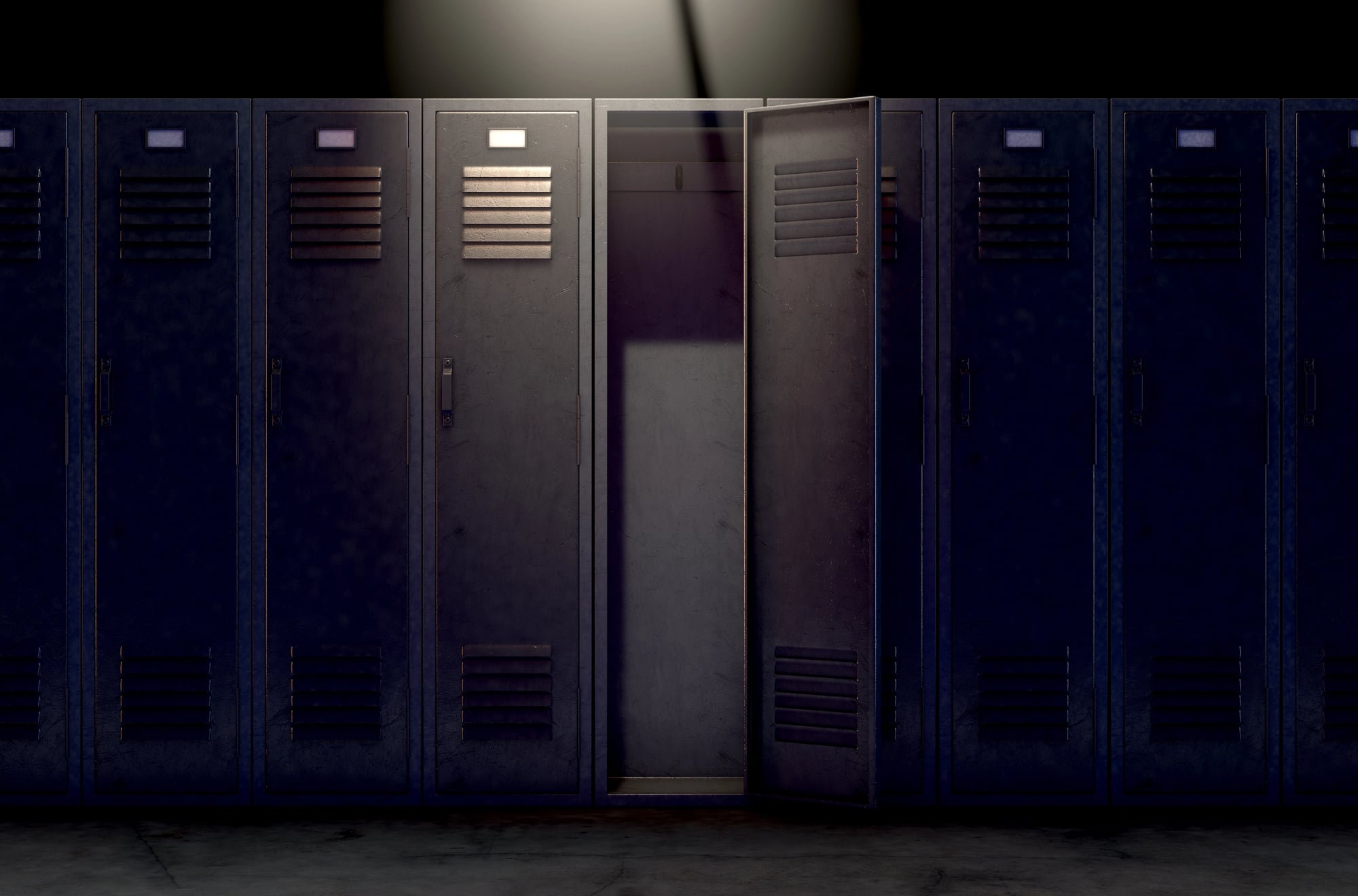
A combination lock that required three tries on a normal day and six tries under pressure, on a morning when the bell had already gone and the corridor was emptying rapidly around you, demonstrated something about the relationship between anxiety and fine motor control that no psychology class ever quite captured in the same terms. The solution — slow down, breathe, start the combination from scratch — was obvious and almost impossible to implement.
The locker eventually opened. Never on the first attempt.
Overhearing Something About Yourself That You Weren’t Supposed to Hear
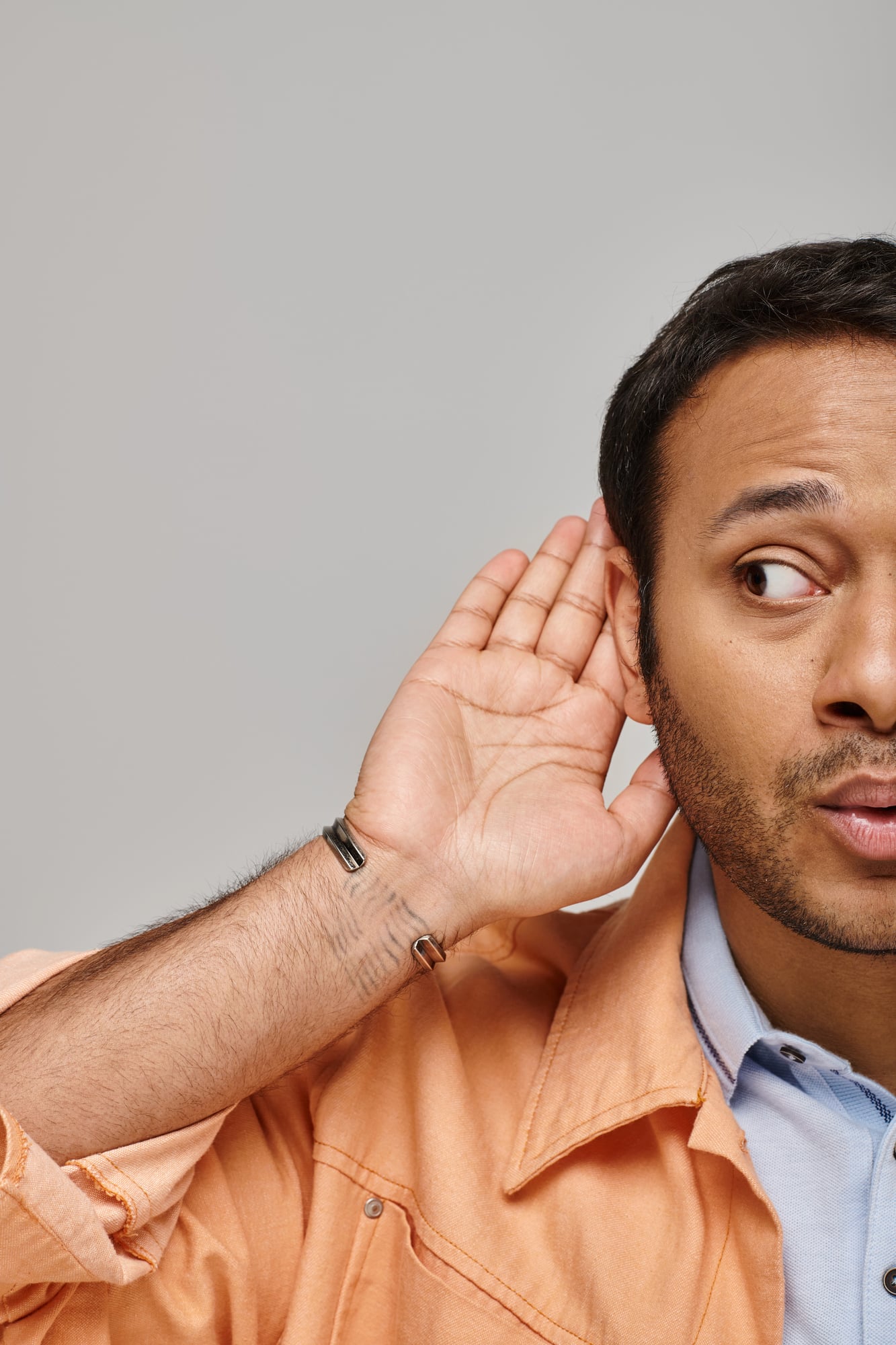
The hallway’s acoustics were unreliable. Sound bounced off hard floors and brick walls in unpredictable directions, meaning that a conversation held at normal volume three lockers away could arrive with perfect clarity, or a whisper ten feet away could carry in exactly the wrong direction.
Overhearing a piece of information about yourself — your name, a descriptor, a verdict on something you’d done or said — arrived without context and without the ability to respond, because acknowledging it meant admitting you’d heard. The information then had to be processed entirely alone, in the ninety seconds before the next class started.
The Friday Afternoon Locker Clear-Out
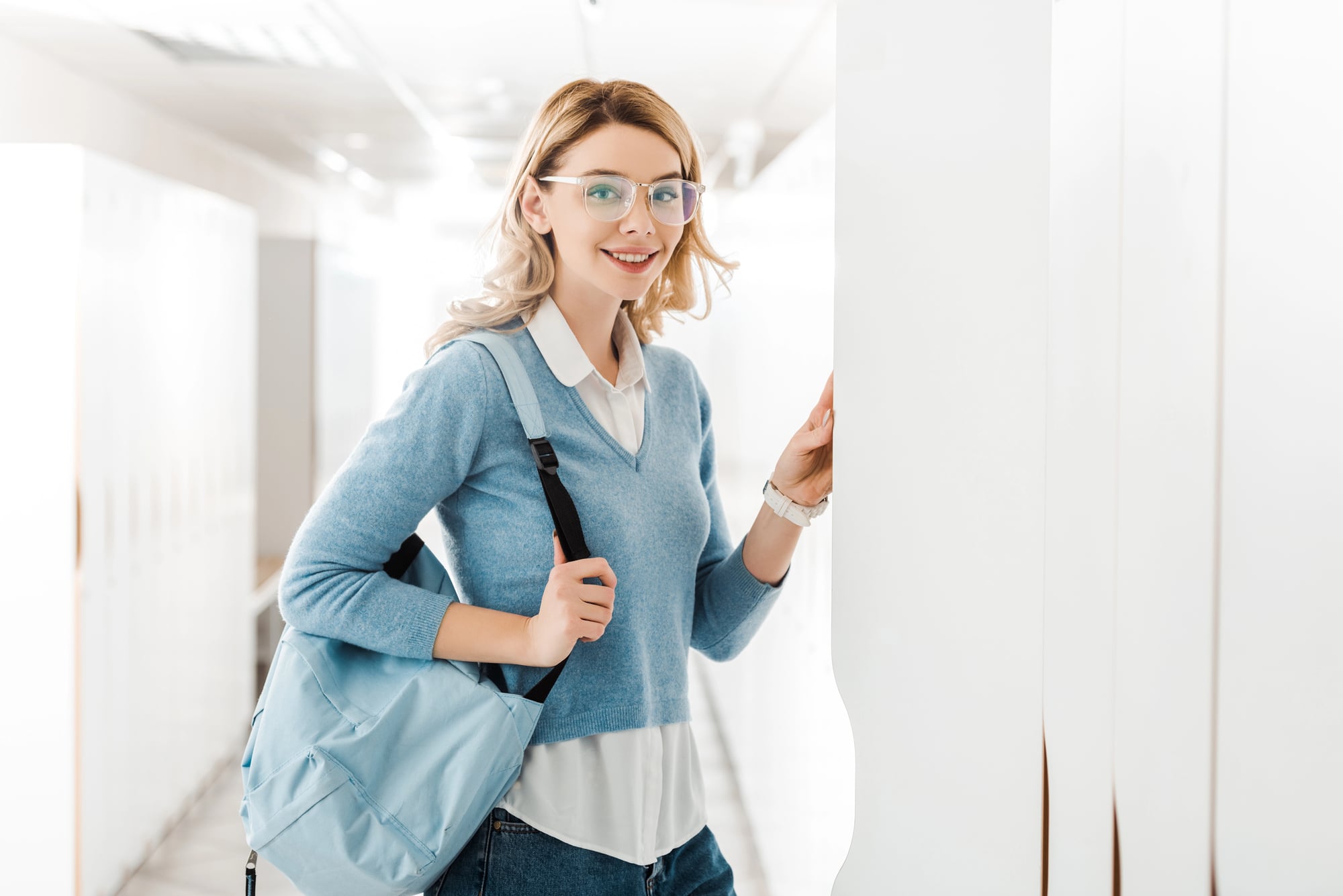
The end of a school week produced a specific ritual: opening the locker, removing the week’s accumulated debris, deciding what to take home and what could safely survive the weekend in a metal box. The decision-making involved a cost-benefit analysis that was never explicitly taught but was universally understood — textbooks needed for weekend homework went in the bag, everything else was assessed for weight versus necessity.
The books left behind always turned out to be the ones needed on Saturday. This happened every week.
The calculation never improved.
Watching the Clock Between Periods to See If You Had Time
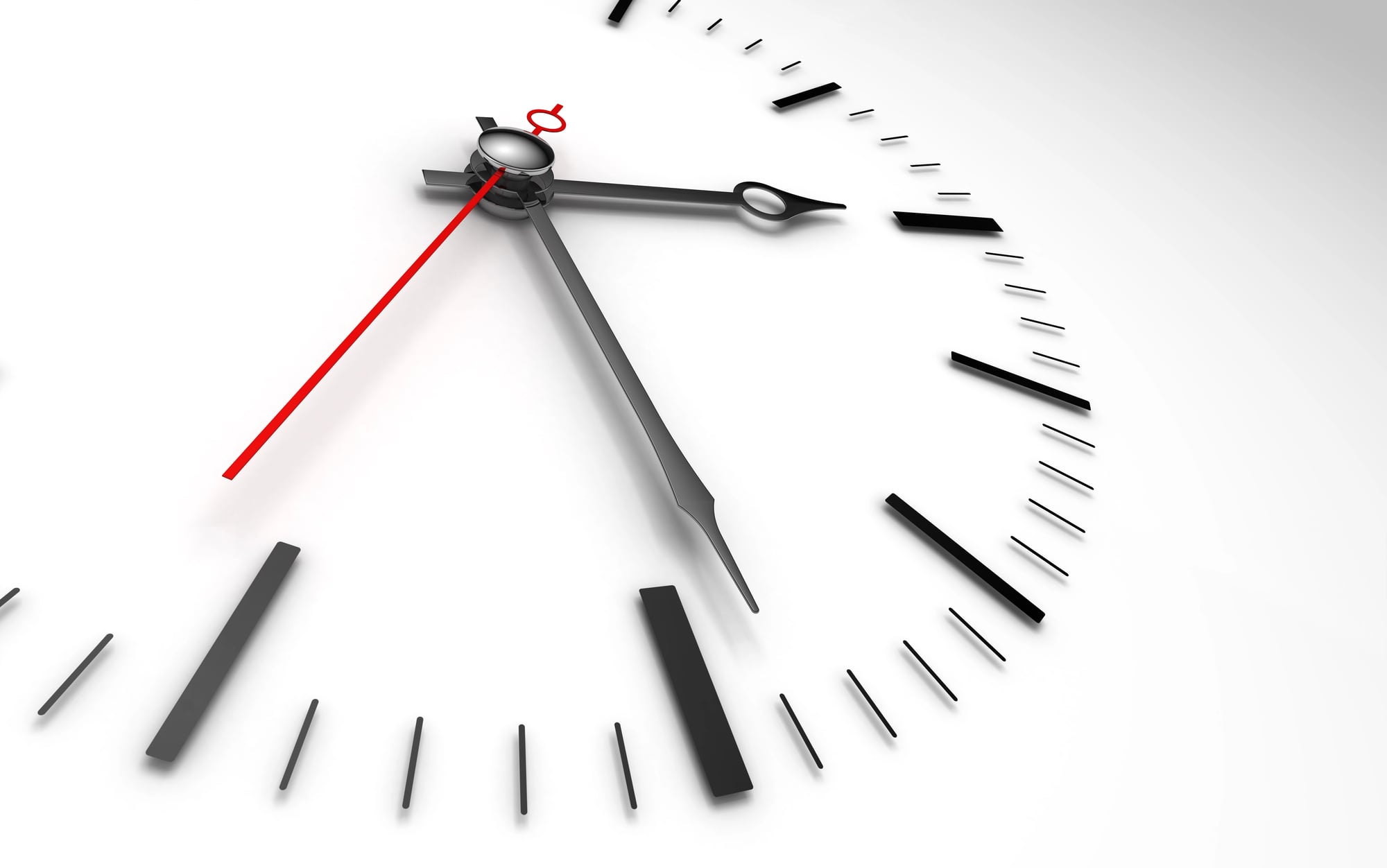
The clock on the hallway wall was a shared object, observed simultaneously by dozens of people making the same calculation from different angles of need. Four minutes between periods required prioritisation: locker, toilet, friend, classroom — rarely all four.
The clock was honest about the time available and unhelpful about what to do with it. Choosing friend over locker meant arriving in the next class without the right book.
Choosing locker meant missing the conversation that would be the subject of all subsequent conversations. These were not small decisions.
The Social Architecture of Who Stood Where
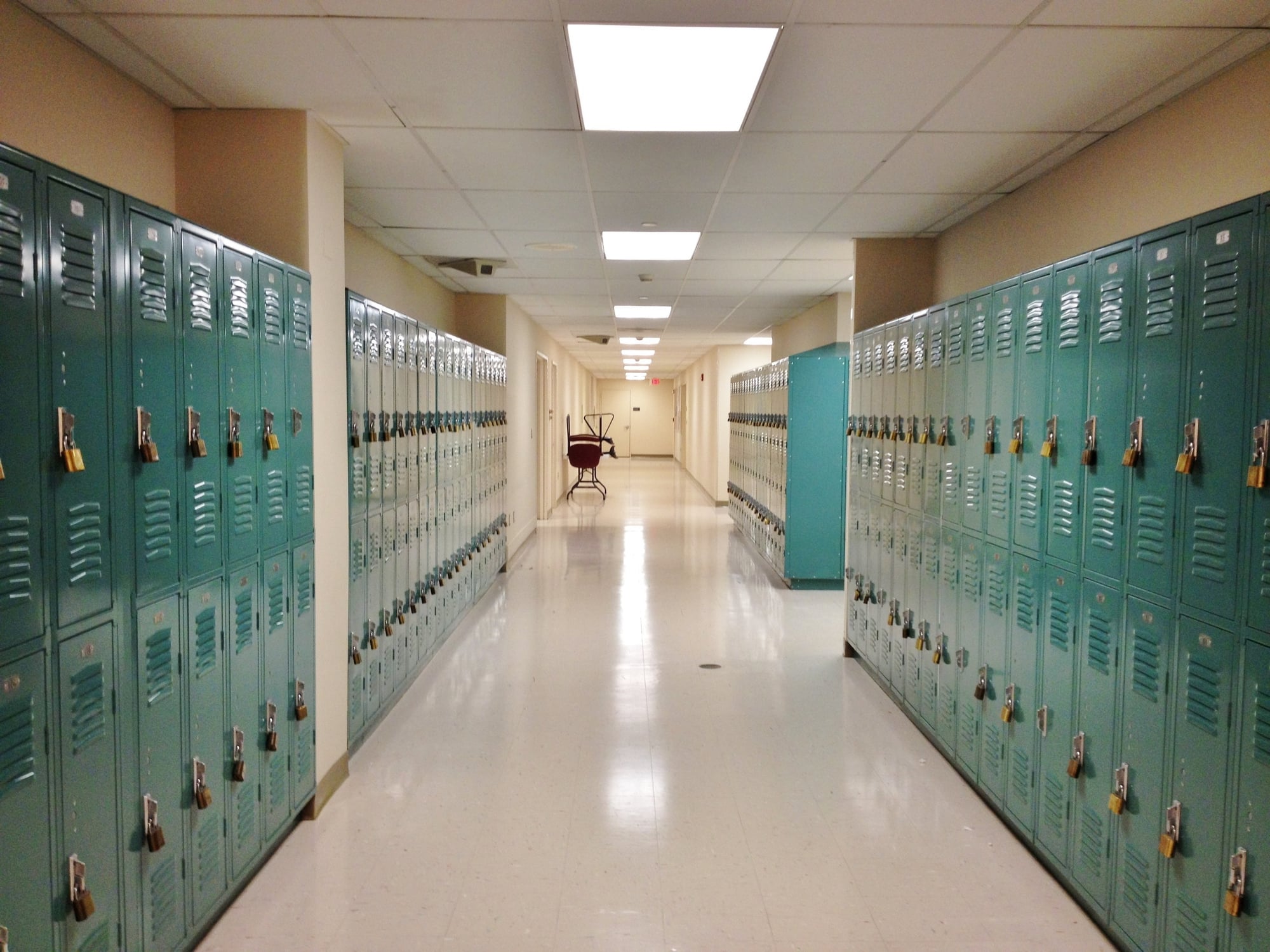
Every school hallway had an informal territorial map that was never written down but was understood by everyone within two weeks of starting at the school. Certain groups occupied certain sections near certain rooms, and the arrangement was as stable as anything on the official timetable.
Navigating through someone else’s space to reach your locker required calibration — too fast and it looked like avoidance, too slow and it looked like an attempt to be included. The geography shifted gradually as the year progressed and the social map updated, but it never fully dissolved into randomness.
The Report Card Handed Out in Class That Everyone Compared in the Hall

Report cards distributed in the second-to-last period produced a hallway economy in the final minutes before the day ended. Numbers and comments were traded as comparative data, with specific grades drawing more attention than others.
A grade better than expected produced a performance of modesty that required some skill. A grade worse than expected required a counter-narrative that could be delivered convincingly enough to survive the hallway.
Nobody pretended not to compare. The pretending not to care was the thing that required effort.
Walking Past Someone You’d Had an Argument With

An unresolved argument with a classmate produced one of the more choreographically complex hallway situations: the awareness of their approach from twenty feet away, the assessment of trajectory and likely intersection point, the decision whether to change direction or hold course, and the performance of non-acknowledgement as they passed. Both parties were making the same calculation simultaneously.
A nod of acknowledgement was a de-escalation, ignoring entirely was a statement, and the accidental-eye-contact-immediately-looked-away was the worst possible outcome because it communicated the calculation without the resolution.
Being Sent Into the Hall as a Classroom Punishment

Being told to wait outside was publicly humiliating in a way that staying inside, even under correction, was not. The hallway during lesson time was almost empty, which meant the only possible activity was standing or pacing.
The teacher could see through the door window whenever they chose. Other teachers walking past could see through the glass.
Being outside the room was not a respite — it was a display. The duration was unspecified, which was its own quality of stress.
Most children sent into the hall developed a way of standing that communicated blamelessness to any passing adult.
Bumping Into a Teacher Outside of Class
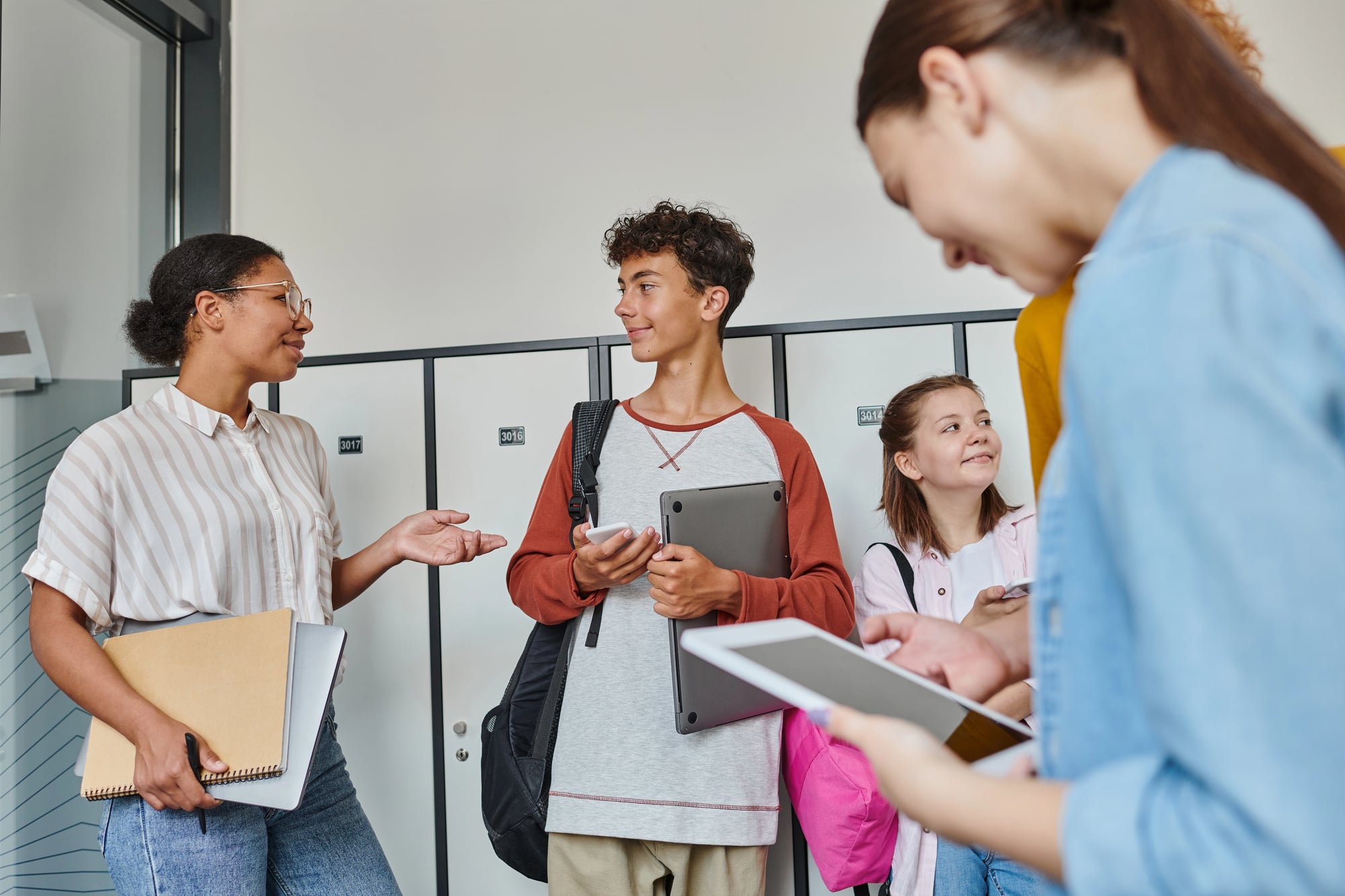
A teacher encountered in the hallway was a different entity from a teacher at the front of a classroom. The register changed.
They were in transit too. Some teachers used the opportunity to say something completely normal, which was disorienting — you had no script for that.
Others deployed a brief reminder of an assignment you had failed to submit, which was worse than being told about it in class because the hallway offered no desk to look at and no peer reaction to gauge yours against. A third category pretended not to see you, which produced its own kind of low-grade confusion.
The Announcement That Came Over the PA Mid-Corridor

A PA announcement delivered while you were in the hallway produced the same effect on a crowd of moving children as a voice from nowhere addressing everyone simultaneously. The corridor paused.
Everyone looked up at the speaker mounted on the wall. If your name was included in the announcement — a common enough occurrence, whether for a team, a competition, or something more ominous — the experience of hearing yourself named over a public address system while standing in a group of peers was one of the more surreal available at a school.
Your name, delivered by an adult voice, to a building. The building’s response was subtle but present.
The Smell That Preceded the Dining Hall
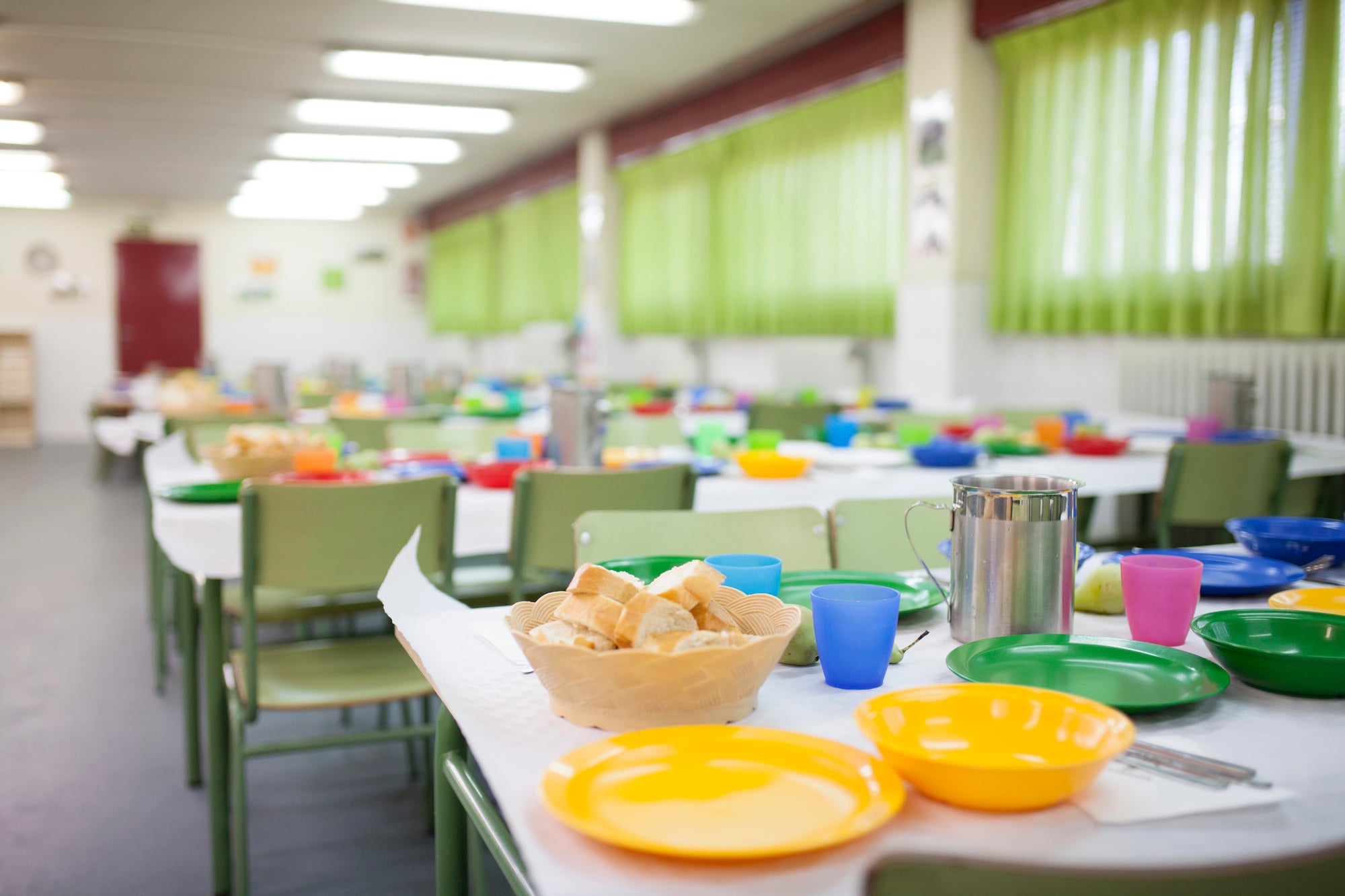
Every school hallway in the middle of the day in the vicinity of the dining area had its own distinctive olfactory signature, determined largely by what was being cooked that day and the efficiency of whatever ventilation the building’s designers had installed, which was generally insufficient. The smell arrived before the noise.
Walking toward it on a hungry morning was unconditionally pleasant. Walking toward it when the day’s menu was something unpopular was a kind of low-grade disappointment that arrived early and persisted.
The dining hall smell was so specific to each school that adults report smelling it decades later from something entirely unrelated and experiencing an involuntary memory.
The Queue for the Popular Teacher’s Class

Some teachers drew a different quality of foot traffic in the hallway before their room. Students arrived early.
The queue formed without being asked. The fifteen people who sat nearest the front got there first not because the seating chart demanded it but because the class was somewhere people actually wanted to be.
The teacher usually knew this but rarely acknowledged it directly. The unspoken social transaction — teacher delivers something worth arriving early for, students arrive early — operated on both sides without explicit agreement.
Getting a Compliment From Someone Unexpected

A genuine, unprompted compliment from a classmate who didn’t usually give them, delivered in the hall between classes, landed with an intensity that was disproportionate to the actual content of the remark. It stayed with you for the rest of the day in a way that the routine social interactions didn’t.
The best ones came from people whose opinion hadn’t seemed relevant until they offered it, at which point it immediately became the most relevant opinion in the building. Children are more generous to each other in passing than they are given credit for, and the hallway is where most of that generosity actually got distributed.
Finding Out You’d Got a Part or Made the Team

Some announcements went up on notice boards outside the relevant classroom, which meant the hallway was where you found out whether you were on the team or in the play or through to the next round. The act of walking toward a notice board knowing your name was either on it or not on it was one of the more concentrated experiences of uncertain anticipation available at secondary school.
The names on the list were read in order, which meant the walk to the bottom of the page had a descending quality if your name wasn’t near the top. Finding your name anywhere on the list produced the same result regardless of position.
Witnessing a Fight or the Immediate Aftermath of One
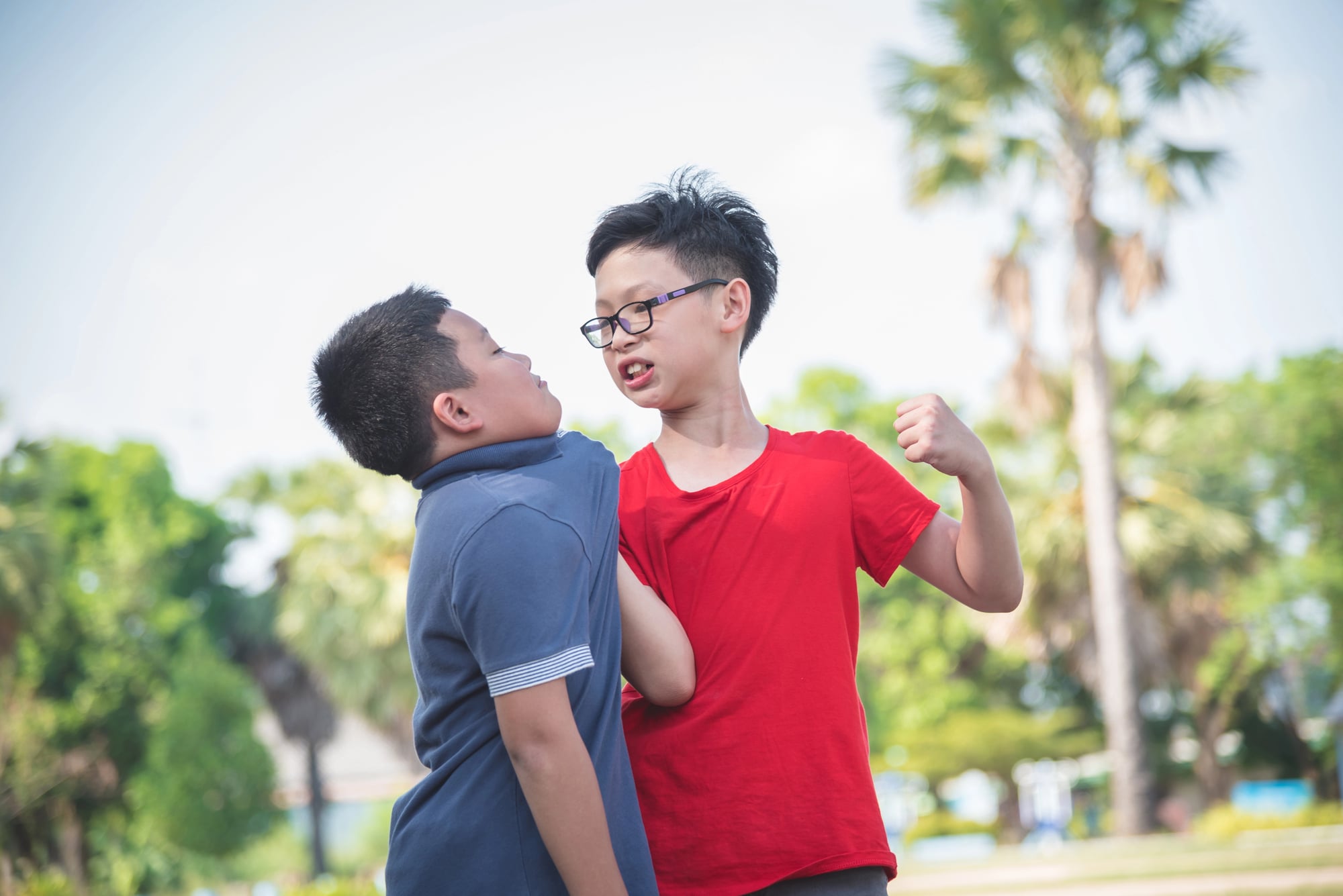
A fight in the hallway drew a crowd instantly and dissolved equally fast when a teacher appeared, leaving behind a charged silence and two or three people conducting forensic analysis of what had just happened for the benefit of anyone who’d missed it. The eyewitness account was currency.
Where you’d been standing relative to the event determined the quality of your information and therefore your social value for the next hour. By the time lunch came, several entirely different versions of the same thirty-second event were in simultaneous circulation.
The Specific Dread of Results Day Corridors

Exam results distributed in envelopes required collecting them somewhere — often a classroom, but the hallway immediately outside it was where the envelopes were opened, and that hallway in those few minutes had a quality distinct from any other hallway moment. People didn’t look at each other’s faces until the first person reacted, and then everyone looked.
The range of reactions in a small space — relief, disappointment, surprise, the careful non-expression of someone trying to conceal either extreme — produced something that didn’t have a school equivalent at any other point in the year.
The Corridor That Changed Everything About a Friendship
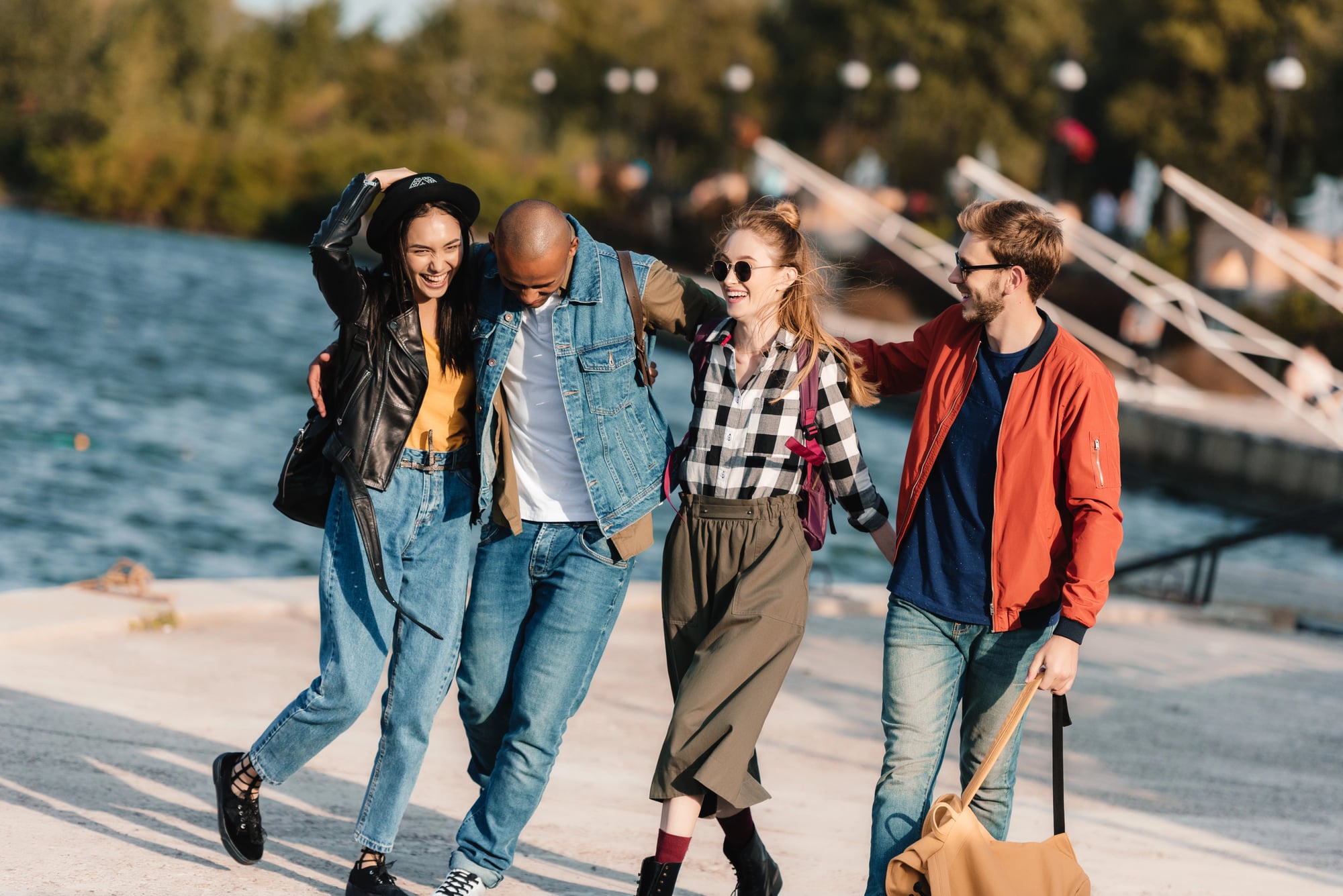
Friendships made in hallways — formed in the repetition of passing the same person between the same classes at the same time every day — were different from friendships formed in classrooms or on playing fields. They emerged from proximity and small talk and the accumulated habit of acknowledging each other, and then one day the small talk became something else, and the friendship was there before either person had formally decided on it.
The hallway as a social incubator worked precisely because nothing was expected of it. You were just passing through, until you weren’t.
Waiting for Someone Who Didn’t Show Up

Agreeing to meet at a specific locker or corridor junction and then waiting there while the hallway filled and emptied around you — checking the clock, watching the far end of the corridor, trying to look occupied — was a rehearsal for a social anxiety that wouldn’t fully develop its adult form for another decade. The decision about how long to wait before leaving, and whether to mention it later, and which version of the reason to accept, had to be made entirely alone in a corridor that was not going to help.
The threshold moment — when waiting became something else — was never clearly defined.
The Last Day Hallway Walk
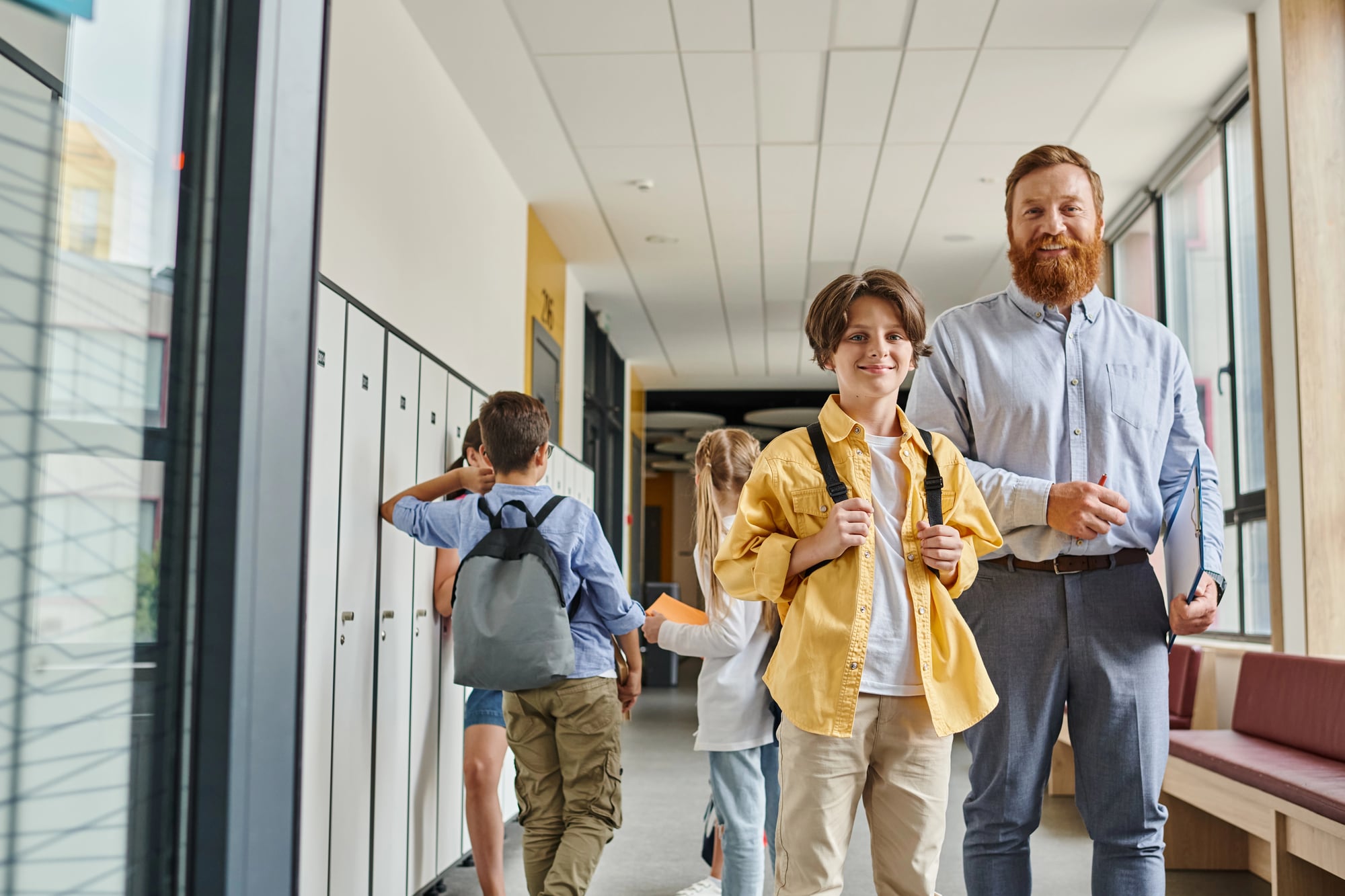
The last day of a school year, or the last day at a school entirely, produced a hallway walk that looked identical to every other hallway walk but felt nothing like them. The lockers, cleared of everything, were just metal boxes.
The people you passed were people you might not see again in the same daily configuration. The building was about to become somewhere you used to go.
Children moving through that hallway on its last day were rarely sentimental in any visible way. The sentiment arrived later, when something — a smell, a sound, the specific geography of a corridor in a different building — brought it back without warning.
The Hall Itself, Years Later
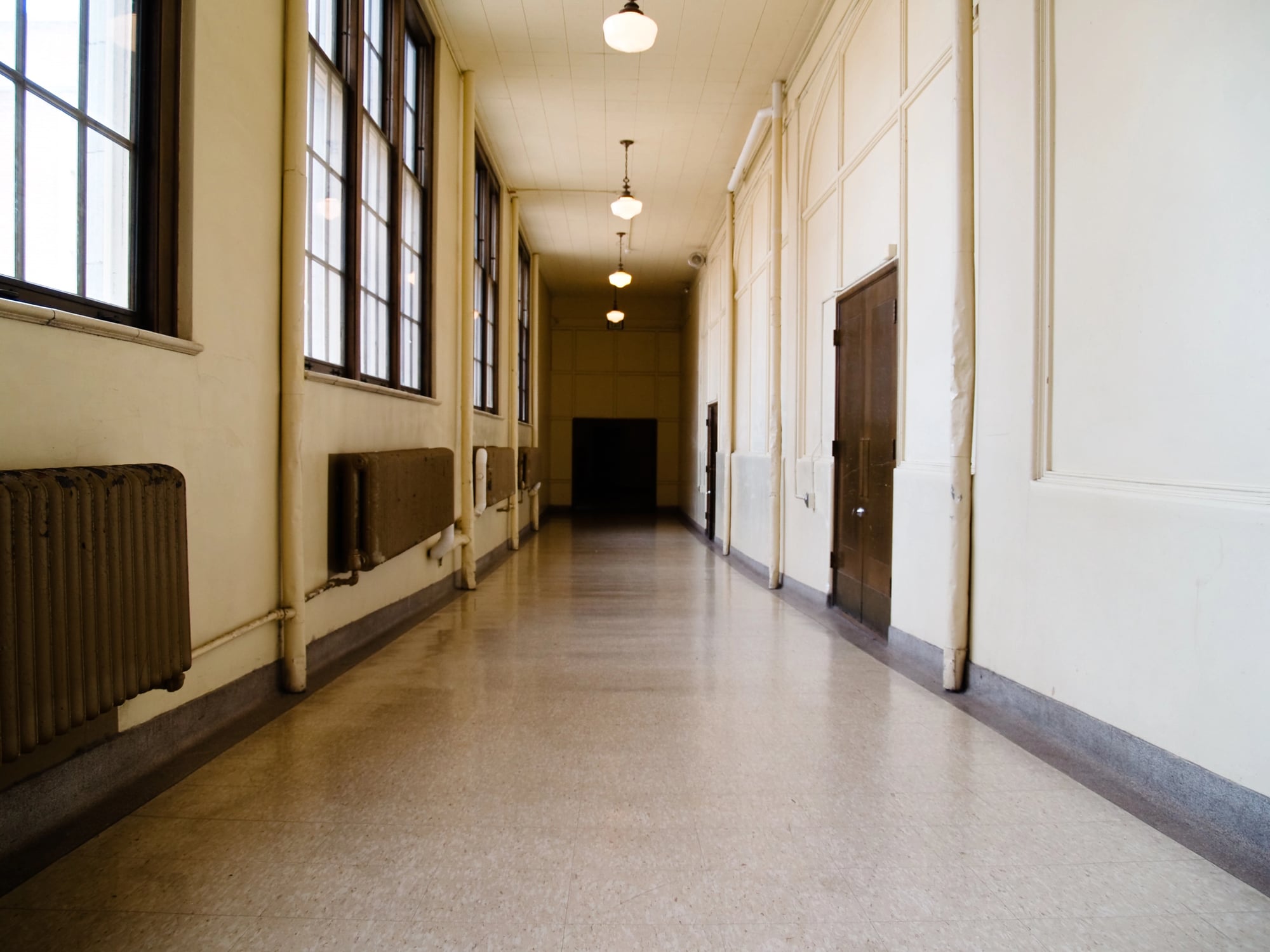
Returning to a school hallway as an adult — for an open day, a reunion, to collect a child — is a specifically odd experience. The building is smaller than you remember, and the proportions are wrong, and the people in the corridor are eleven years old and clearly busy with something enormously important.
The old social map is completely unreadable. The locker where you spent a significant portion of your adolescent anxiety is now somebody else’s locker, numbered and allocated without reference to its history.
But the quality of the light through those particular windows, and the echo off that specific floor — those are exact. The hallway remembers, even when you’re not sure you do.
More from Go2Tutors!

- The Romanov Crown Jewels and Their Tragic Fate
- 13 Historical Mysteries That Science Still Can’t Solve
- Famous Hoaxes That Fooled the World for Years
- 15 Child Stars with Tragic Adult Lives
- 16 Famous Jewelry Pieces in History
Like Go2Tutors’s content? Follow us on MSN.